Top 20 Worst Early Access Ripoffs


Early Access can be a great way to support ambitious ideas, but some projects took money and trust without delivering a finished game. The titles below entered Early Access or similar paid alpha programs with big promises and then stalled, pivoted, or vanished. Each entry highlights what was sold, what went wrong, and how development concluded. Use this as a practical checklist of cautionary tales before you buy into any unfinished game again.
Earth: Year 2066
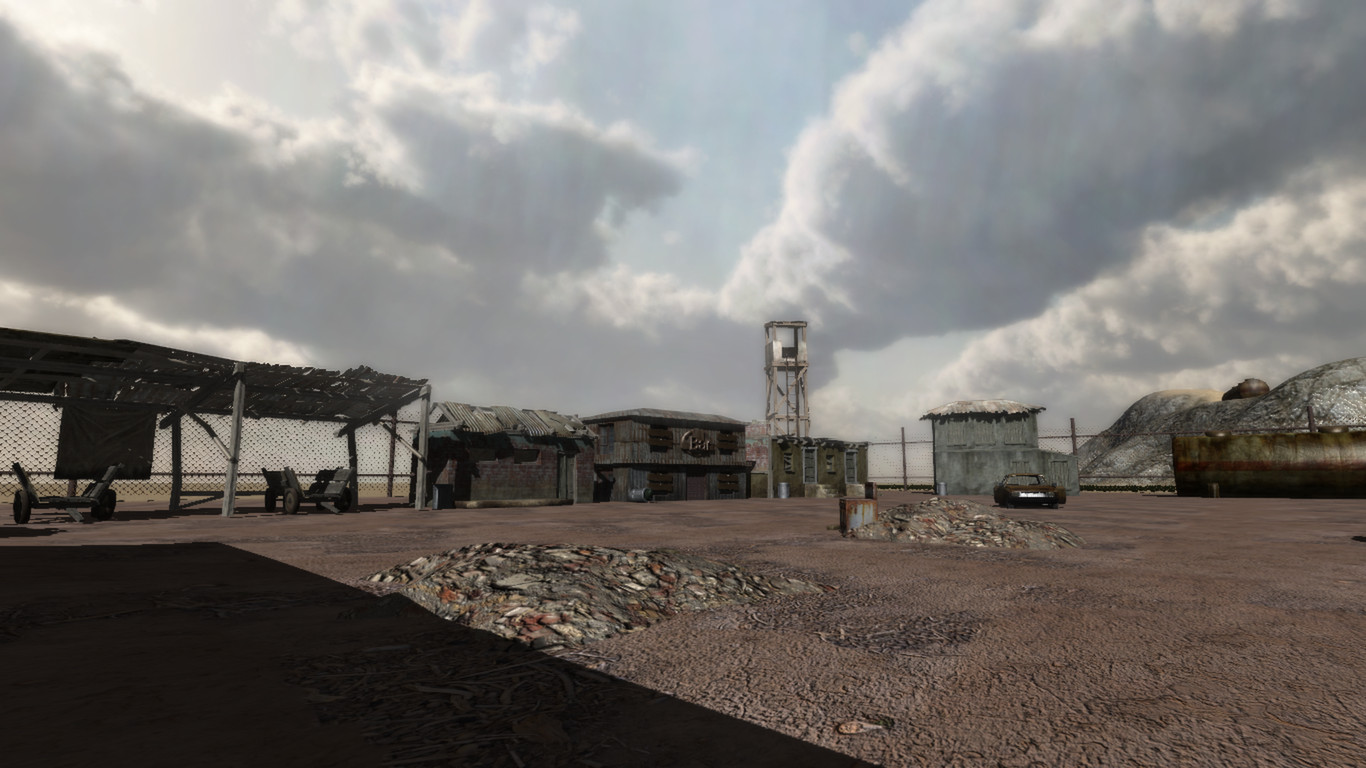
This open world survival game launched on Steam with claims of advanced AI and large scale exploration. Players quickly found missing features and reused assets. Valve removed the game after reports of deceitful marketing and offered refunds. Development did not resume in any meaningful form.
The Stomping Land
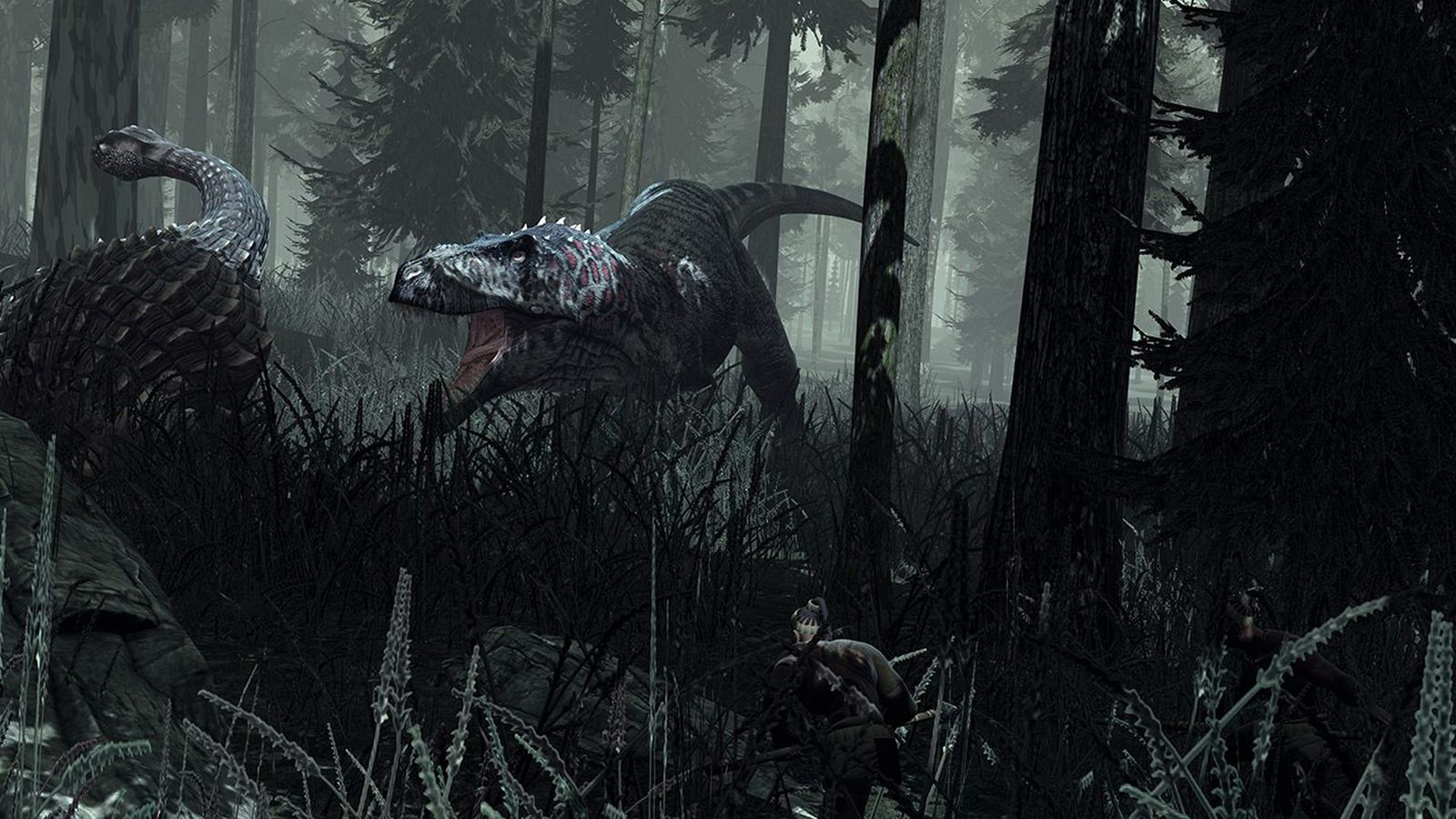
Marketed as a multiplayer dinosaur survival experience, it sold thousands of copies in Early Access. Updates slowed to a stop and community hubs went silent. The game was eventually delisted from Steam after prolonged inactivity. No completed release followed.
Spacebase DF-9
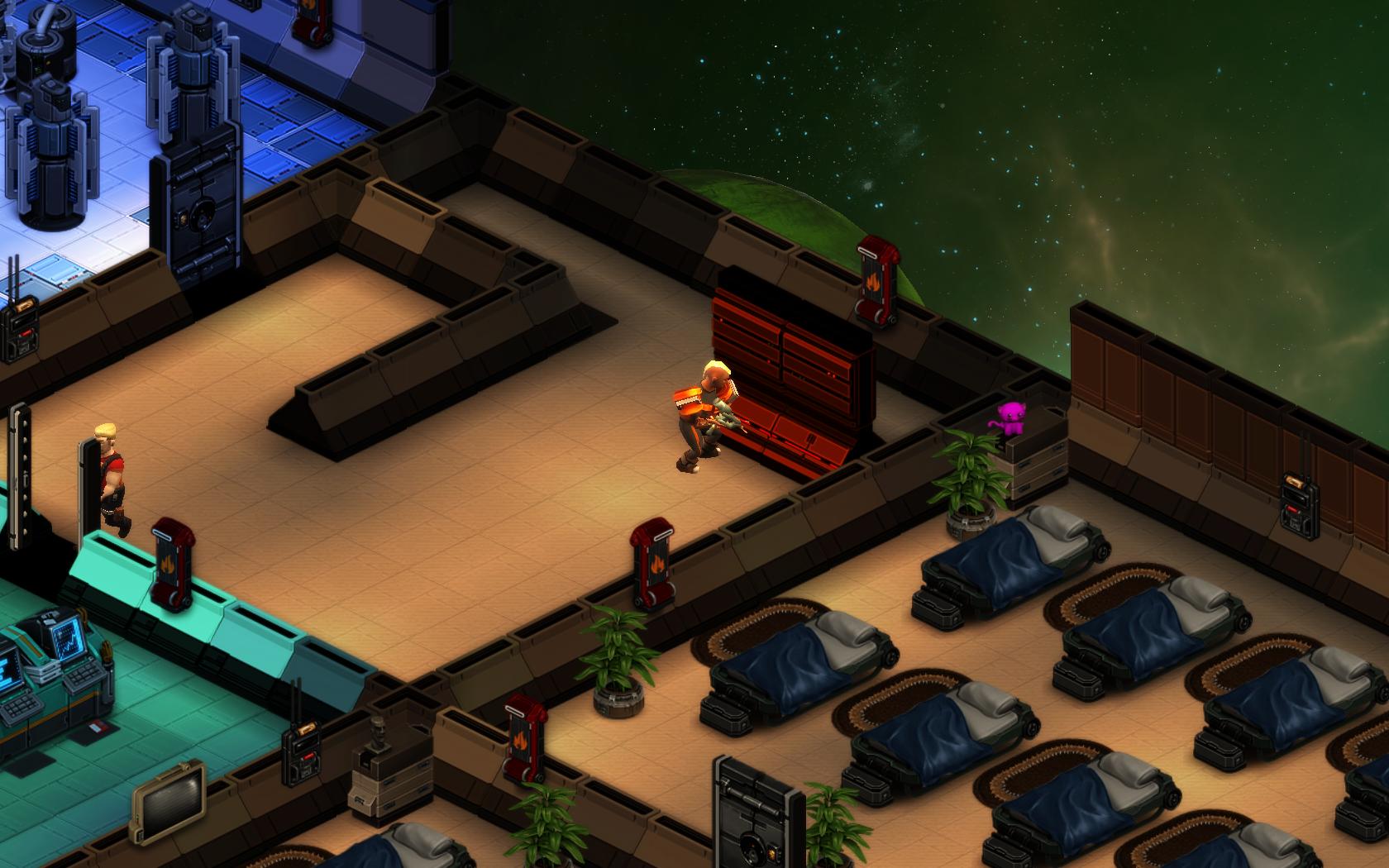
Promoted as a deep space colony sim with long term feature plans, it entered Early Access with a roadmap. Funding and sales projections fell short and the studio ended development earlier than expected. A rushed 1.0 arrived without many promised systems. The community later relied on mods to restore missing functionality.
Towns
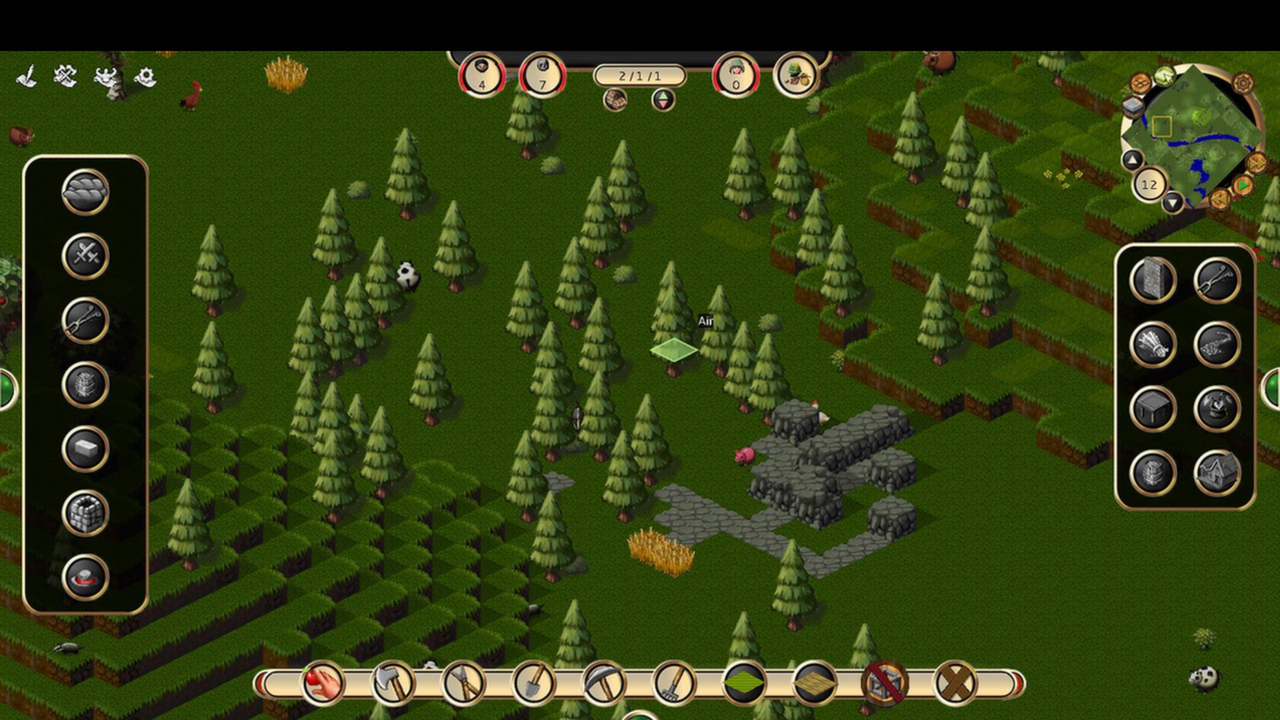
This settlement builder released frequent updates at first and then began to taper off. The original developer left and handoffs failed to revive progress. The publisher acknowledged that active development was ending while the game remained incomplete. Planned features never materialized.
StarForge
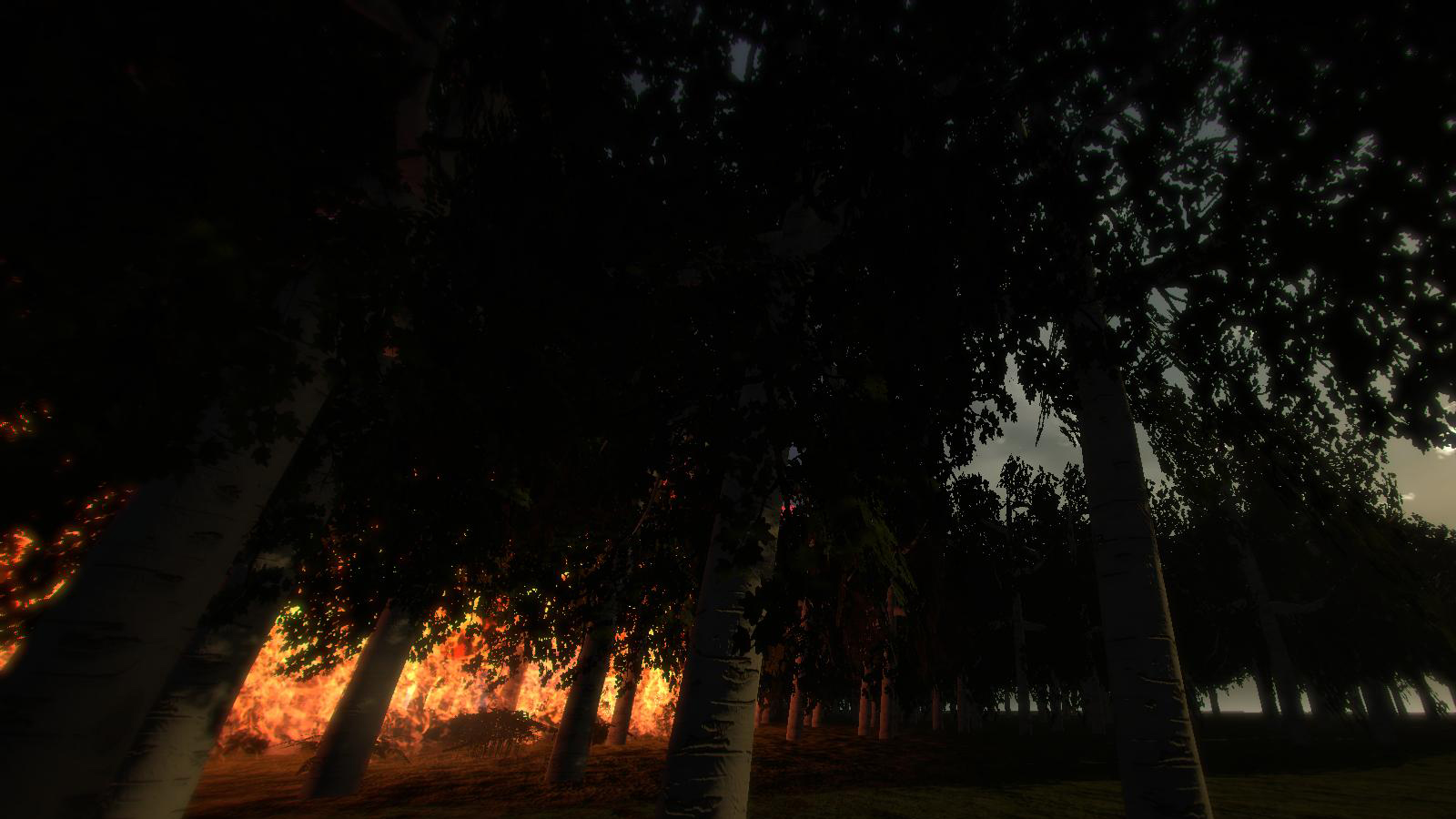
Pitched as a sandbox survival game with procedural planets, it gathered strong Early Access sales. Major systems stayed unstable and content updates dwindled. The developers halted work and the title was removed from Steam. Official servers and support ended.
Godus
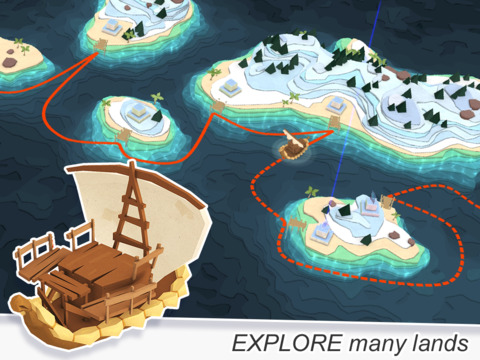
This god game asked players to back a living project that would expand over time. Core mechanics shifted toward mobile and planned features for the PC version lagged. Promised long term systems and endgame content did not arrive. The project faded without a definitive complete release on PC.
Godus Wars
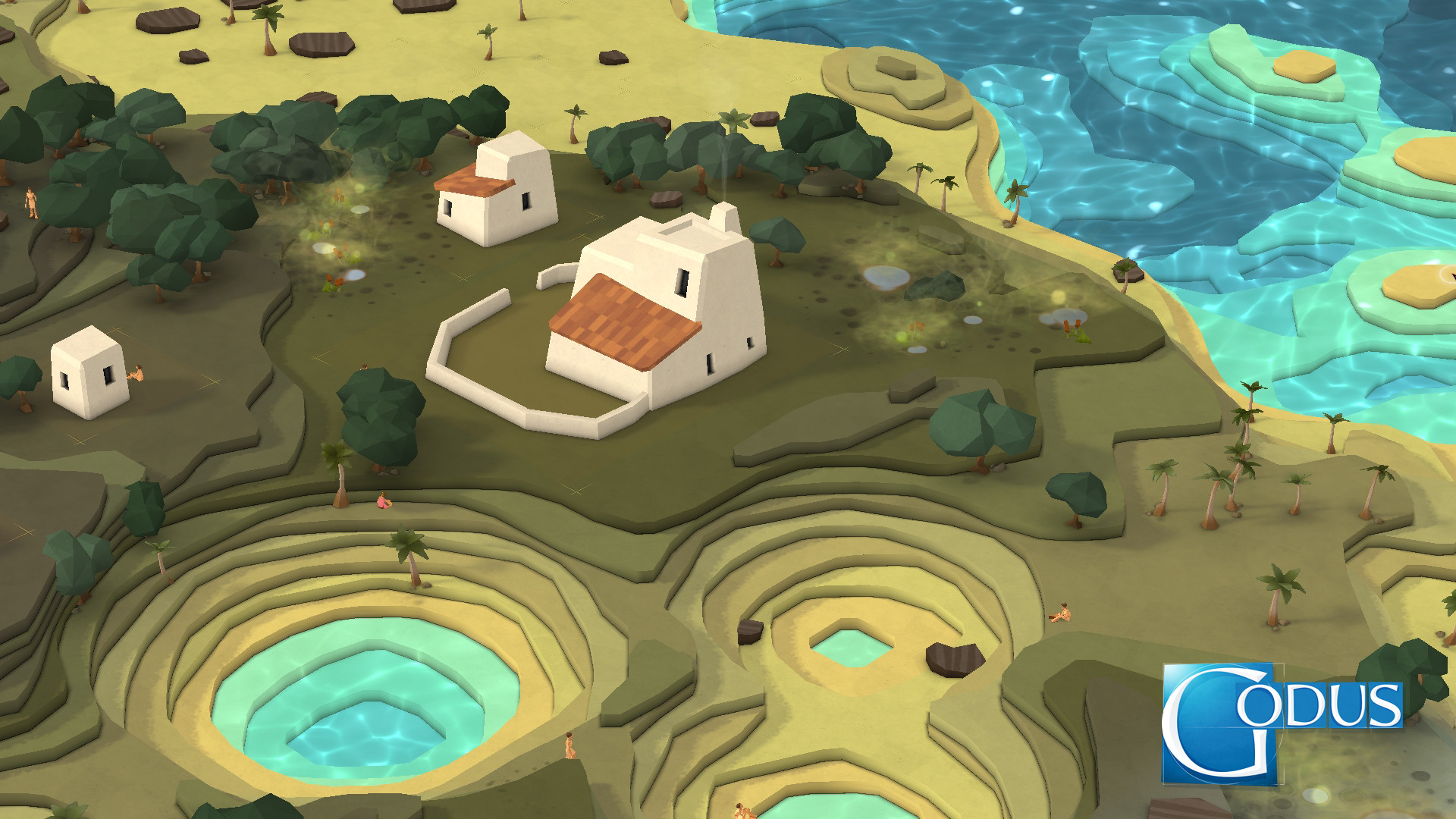
Billed as a strategy spin on the original concept, it launched as a separate purchase for existing owners. The release arrived with limited content and monetization that frustrated players. Updates were infrequent and communication declined. Development wrapped without addressing core shortcomings.
Kinetic Void
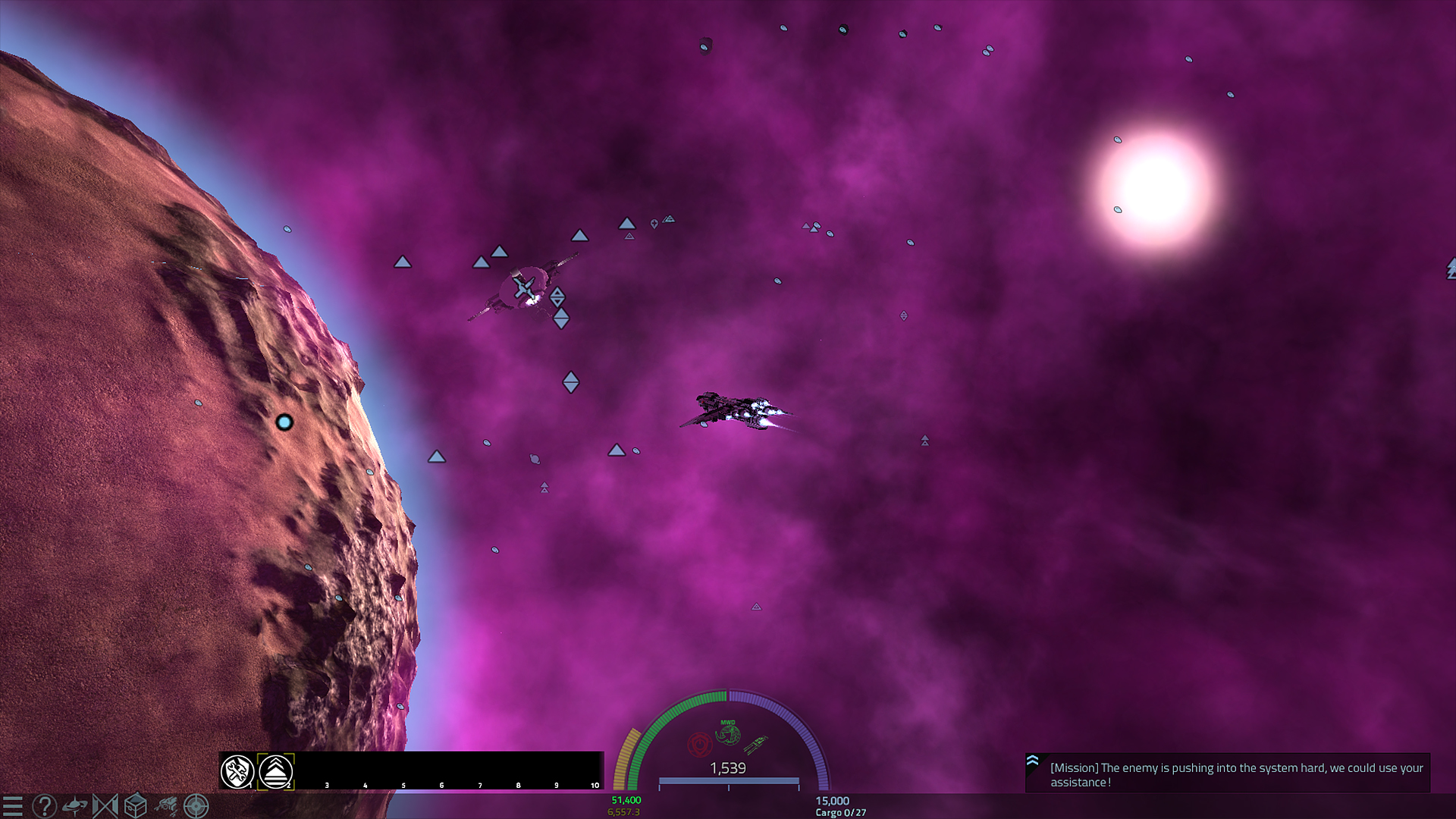
Advertised as a build your own starship sandbox, it entered Early Access with ship editors and exploration plans. Performance problems and thin gameplay led to dwindling interest. The studio announced it could no longer continue meaningful development. The game remained unfinished and support ended.
The Dead Linger
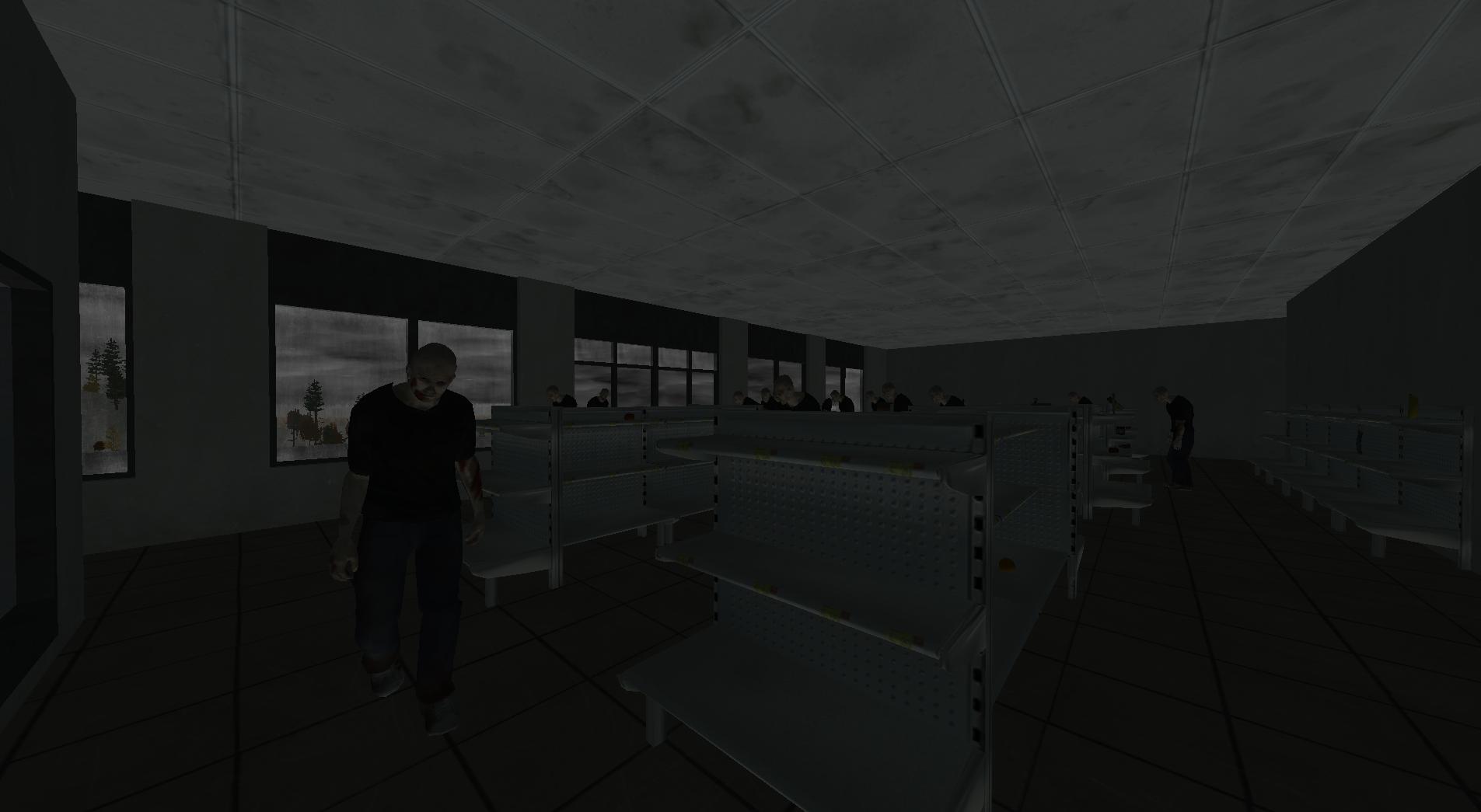
This zombie survival project sold access on promises of large procedurally generated worlds. Technical hurdles and engine swaps consumed the schedule. The team canceled the game after failing to achieve a stable foundation. Buyers were left without a finished product.
Identity
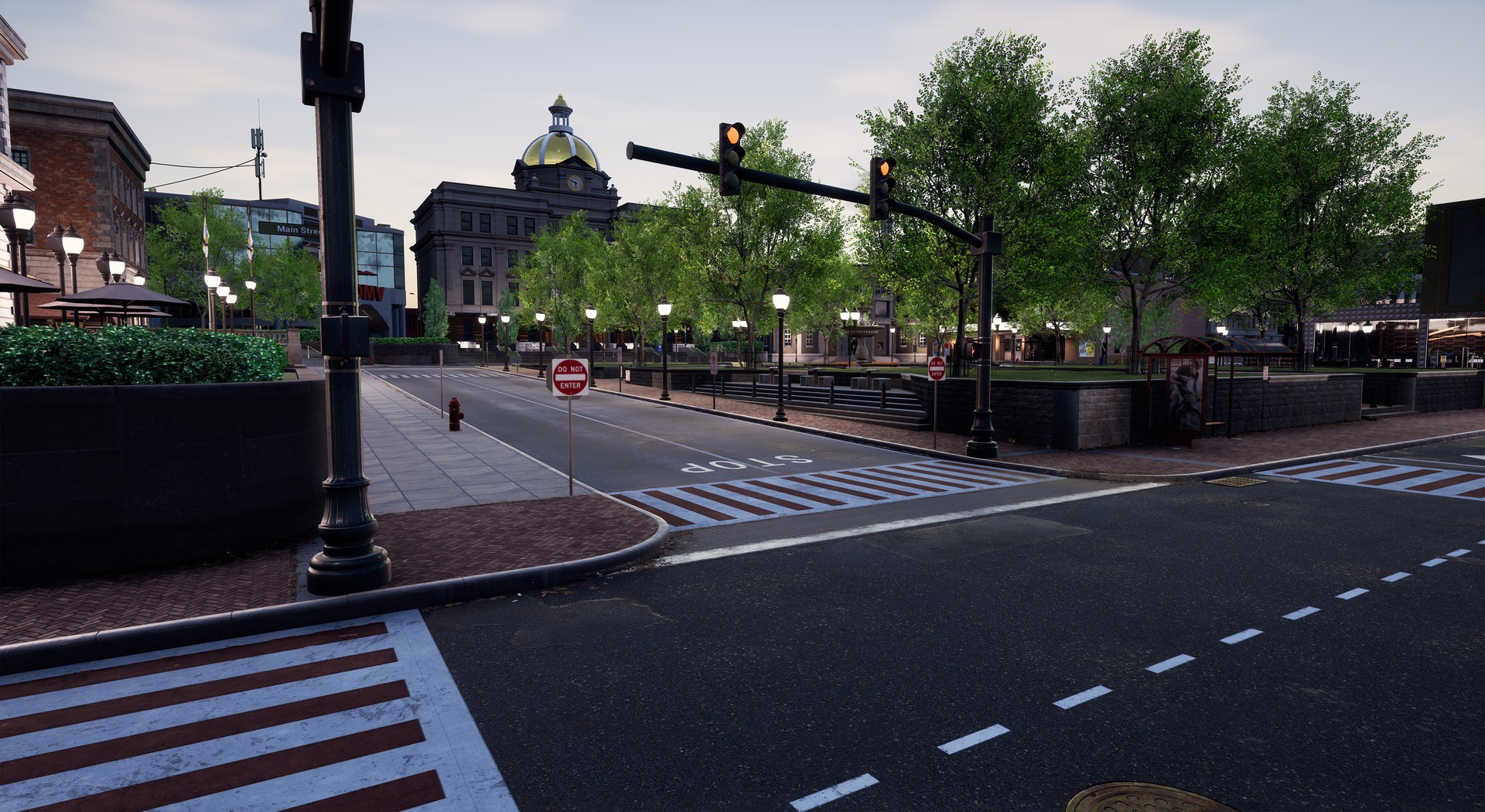
Presented as a persistent life simulation MMO, it offered paid modules as stepping stones to a full release. Deliverables arrived slowly and remained limited in scope. Funding and development traction could not meet the original vision. The project did not progress to a complete game.
The Black Death
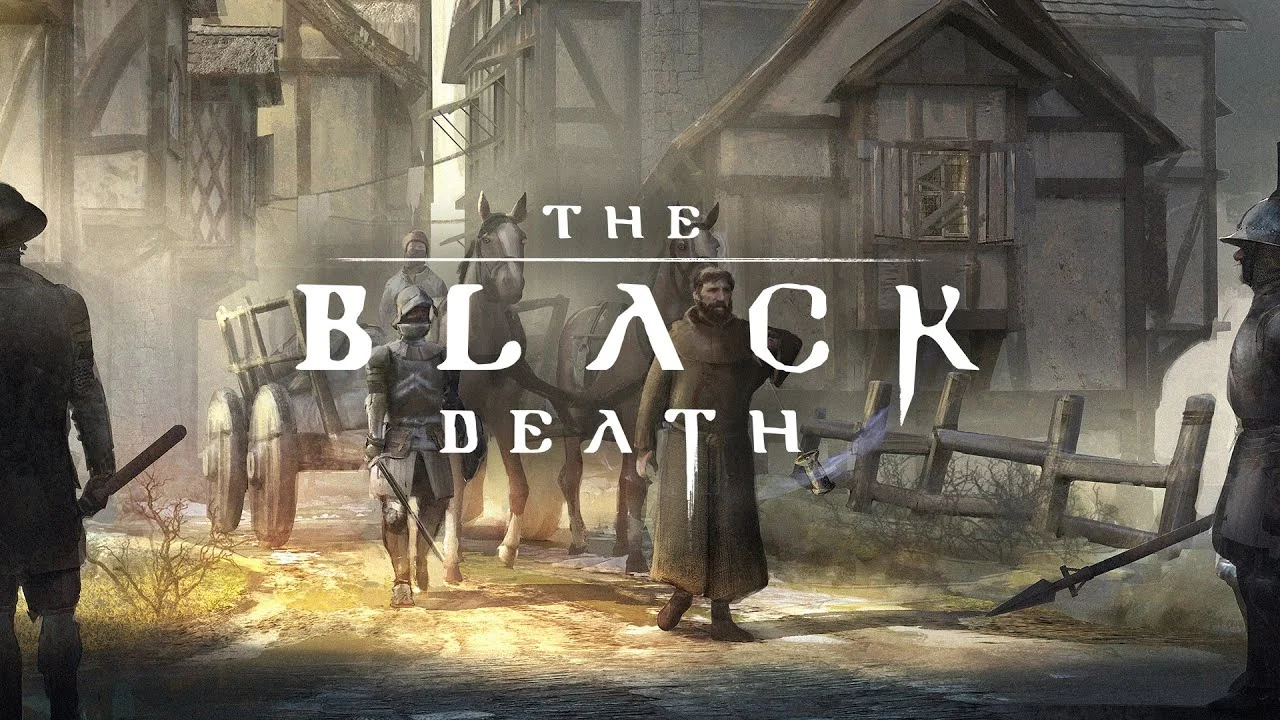
This medieval survival game launched with plans for crafting, disease systems, and city building. Updates shifted direction multiple times and major features were reworked or removed. Player numbers fell and communication grew sparse. Active development ceased before a stable full release.
Reign of Kings
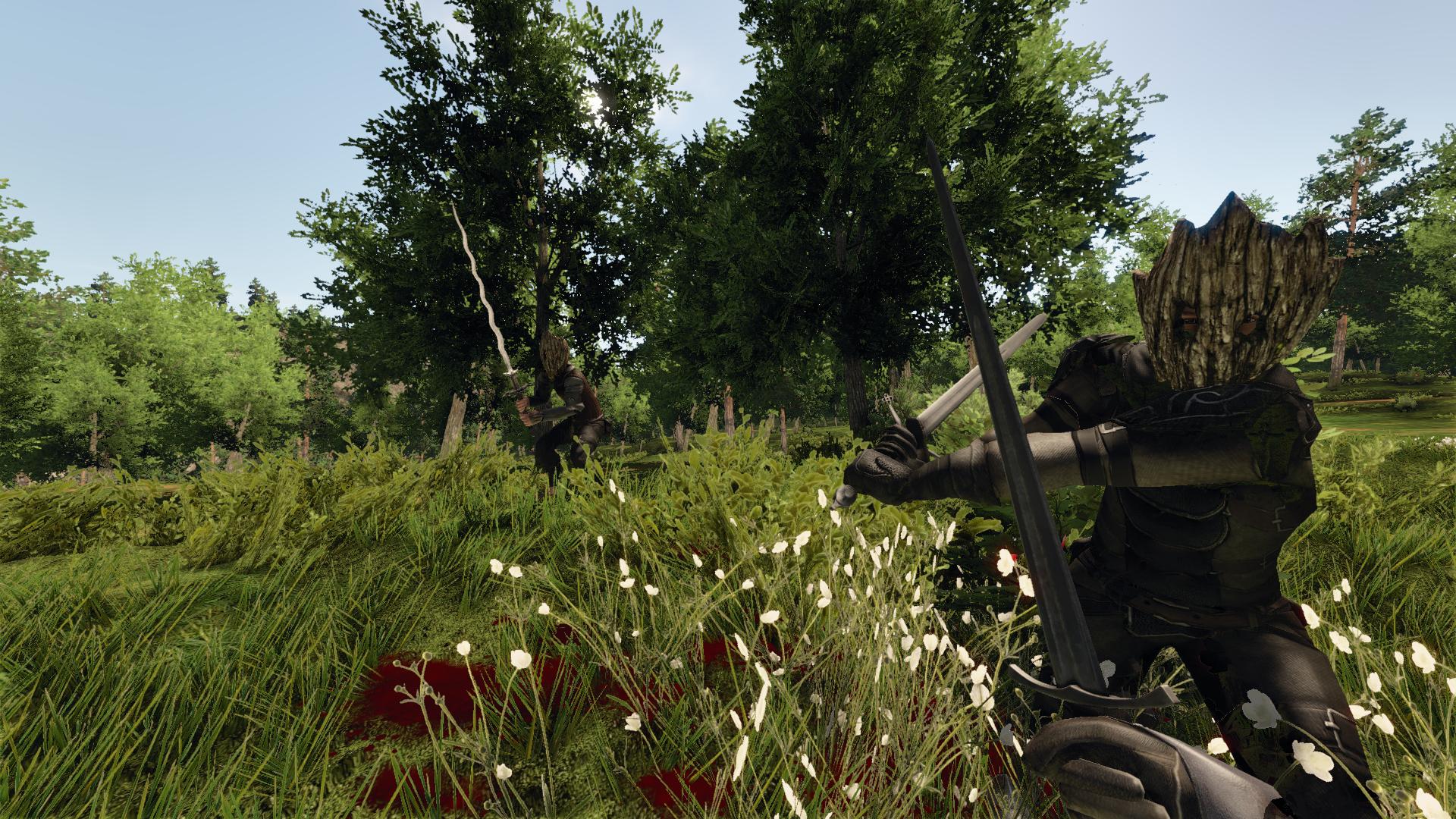
A medieval survival and PvP title, it entered Early Access with siege equipment and clan systems on a roadmap. Cheating and server issues persisted as updates slowed. The developer focus moved elsewhere and content additions stopped. The game never reached a robust finalized state.
Interstellar Marines
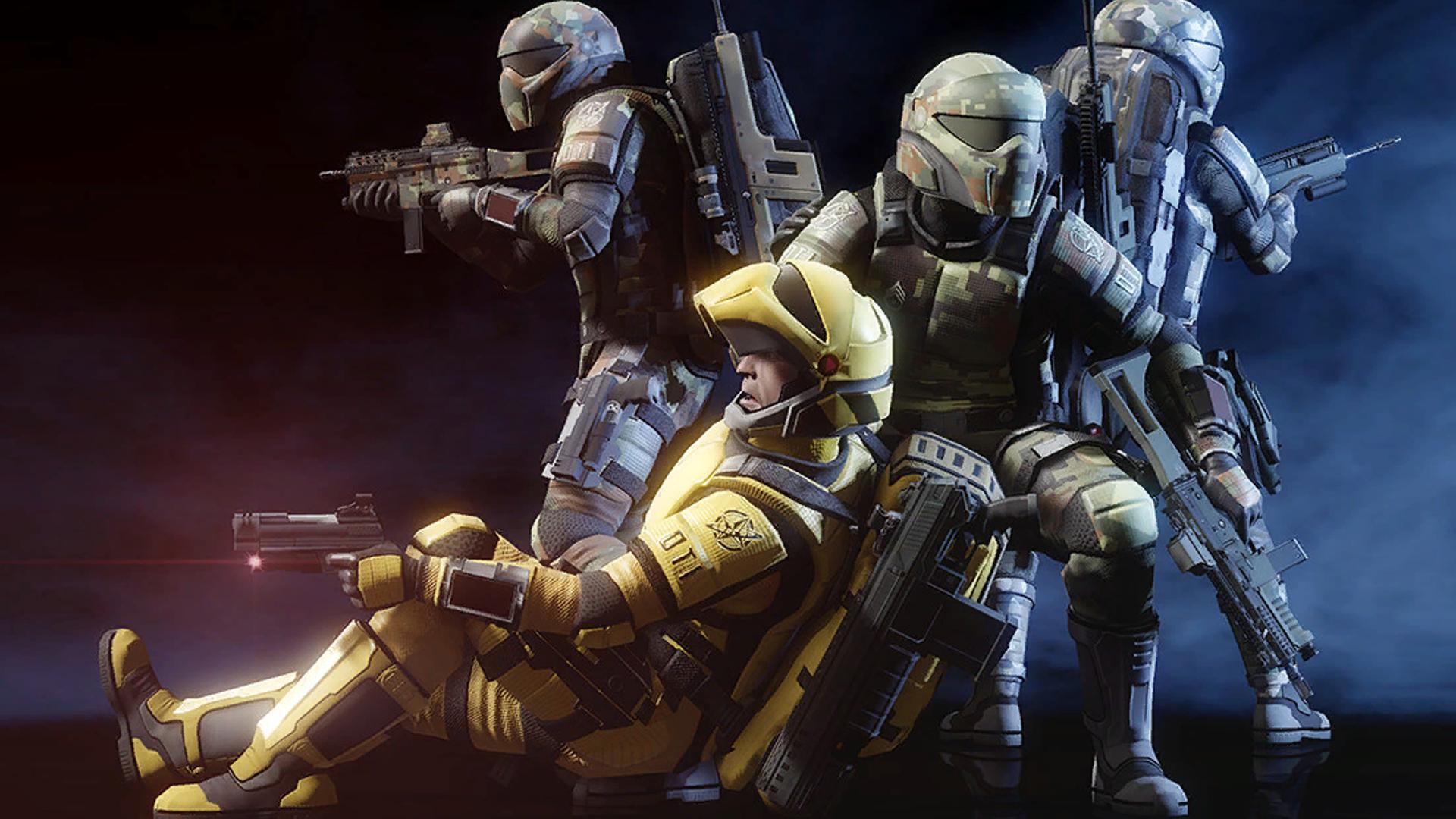
Marketed as a tactical sci fi shooter with cooperative campaigns, it sold Early Access access to build funding. Progress arrived in small slices while flagship features stayed out of reach. Team size and resources declined over time. The project stalled without the promised full experience.
Nether
This urban survival game launched with paid access and plans for ongoing content drops. Server stability and hacking plagued the experience and ownership transfers complicated support. Official development faltered and services were shut down. Later attempts to revive the title did not restore the original roadmap.
GRAV

A colorful survival and crafting game, it arrived in Early Access with exploration across multiple worlds. Updates slowed and core systems stayed shallow. Official servers were discontinued and communication dropped off. The game never consolidated into a complete release.
Savage Lands
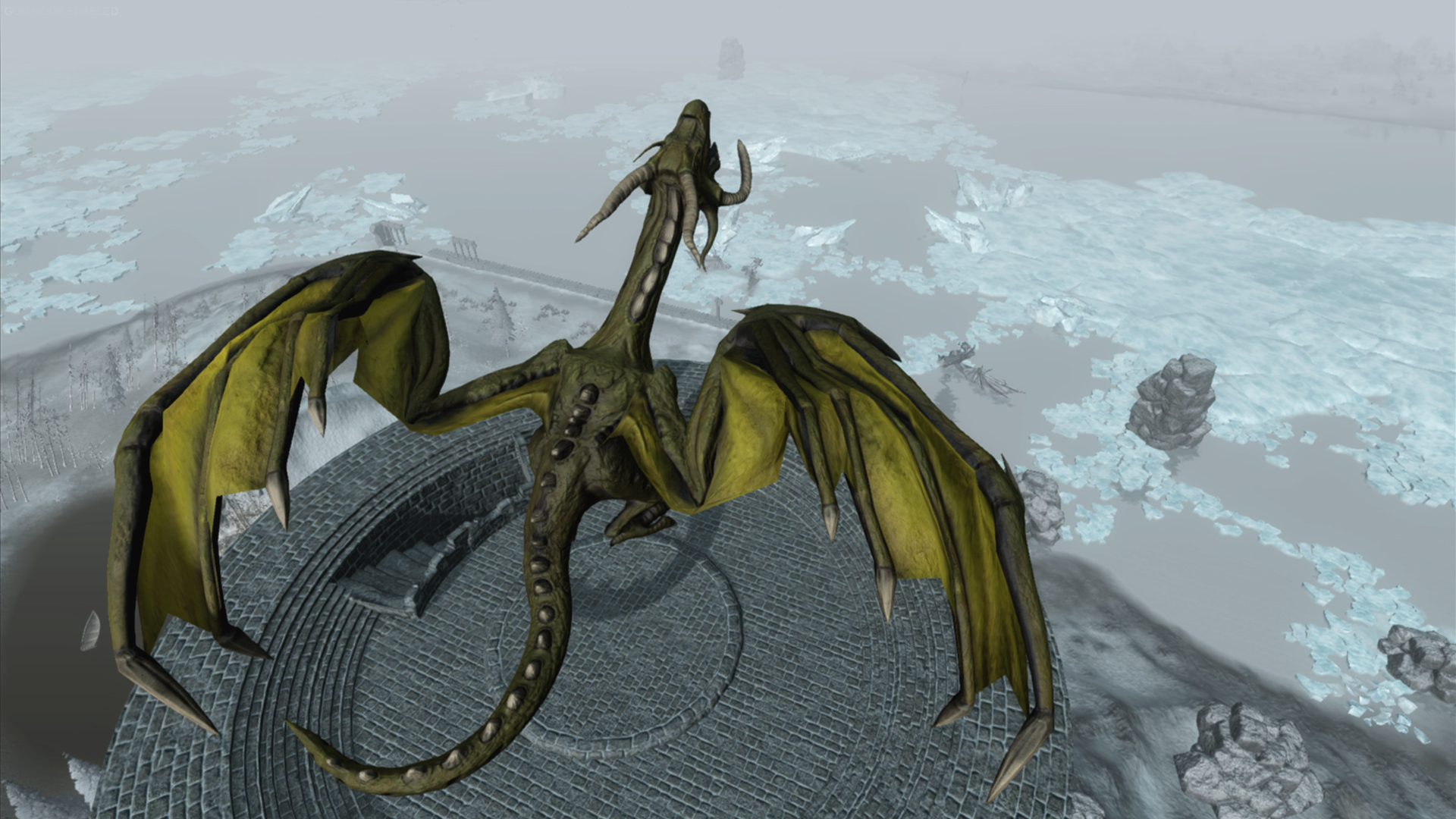
Set in a harsh fantasy world, it promised a long term survival loop with bosses and building. Progress was inconsistent and major updates were infrequent. Player counts dwindled and bug fixes could not stabilize the experience. The project remained incomplete and largely unsupported.
Clockwork Empires
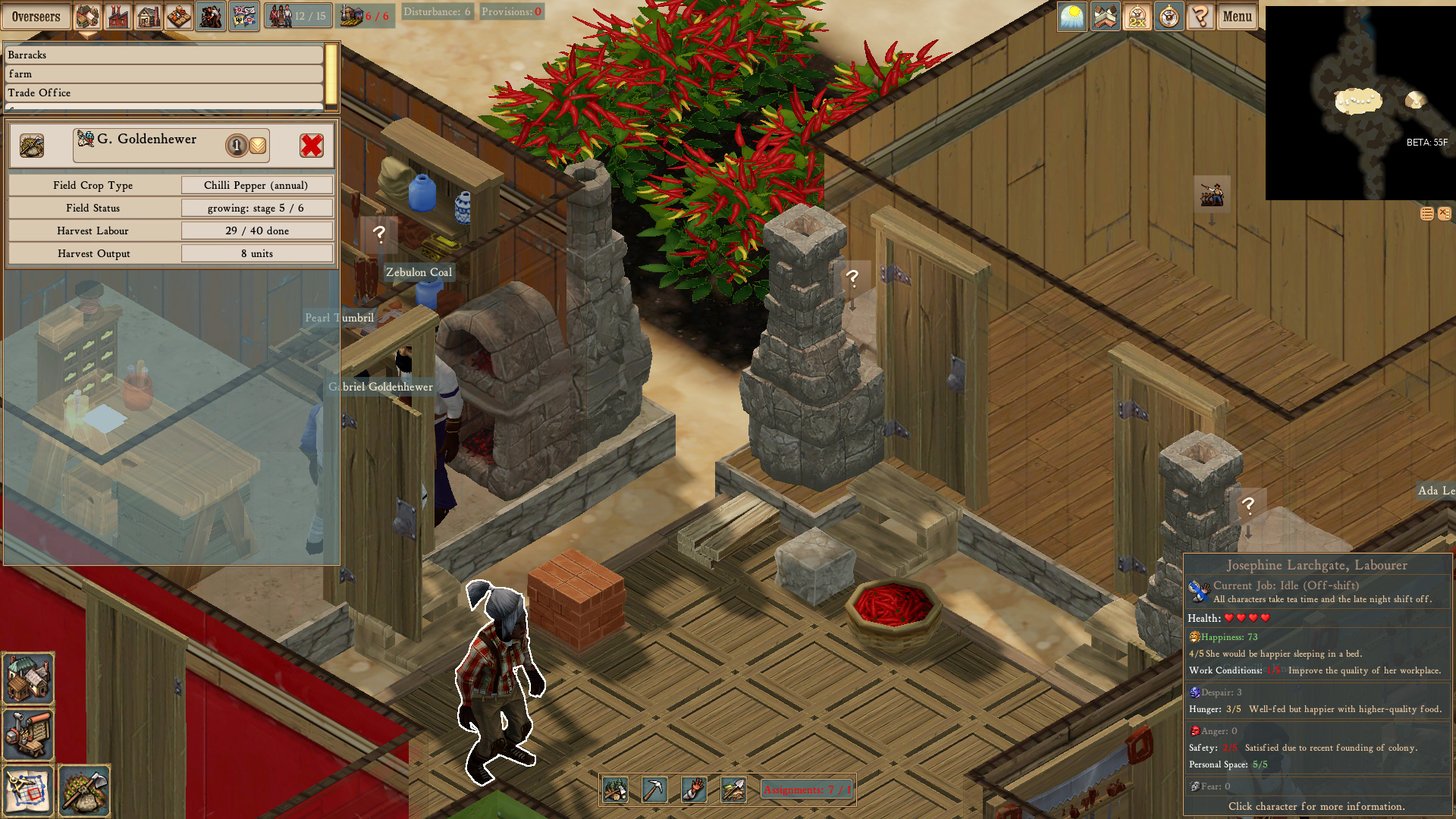
This colony builder entered Early Access with simulation depth as a selling point. A 1.0 release arrived but it lacked the stability and breadth of features described during development. The studio ended work shortly after and moved on to other endeavors. The game did not receive the long term support players expected.
Folk Tale
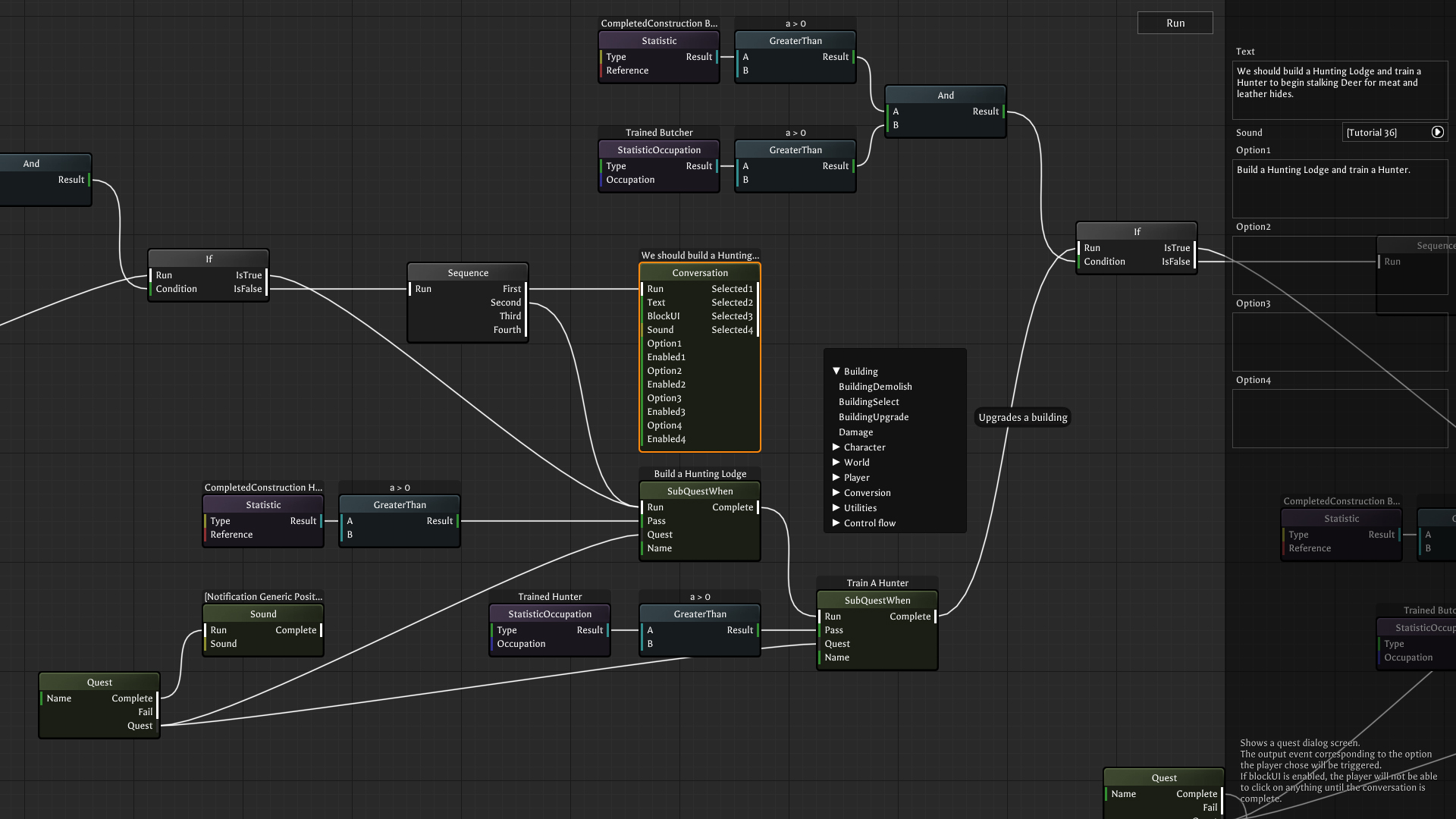
Pitched as a sandbox village management game, it began with modular design tools and frequent updates. The scope proved too large for the small team and milestones slipped. Development wound down without delivering the full feature set. The studio later closed and the project ended.
The Orion Project
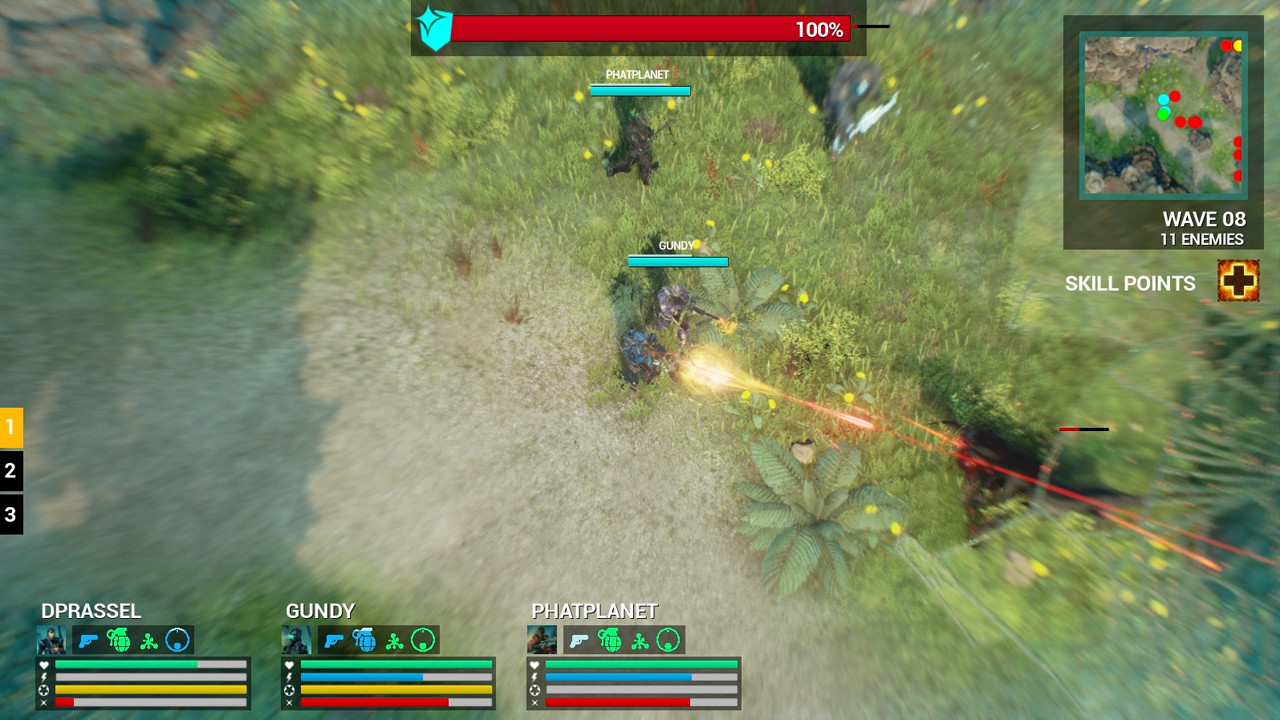
This sci fi shooter appeared in Early Access after earlier related releases from the same creator. Store disputes and takedowns followed controversy over assets and branding. Development updates became sporadic and the project disappeared from major storefronts. Players were left without the product they were promised.
The War Z
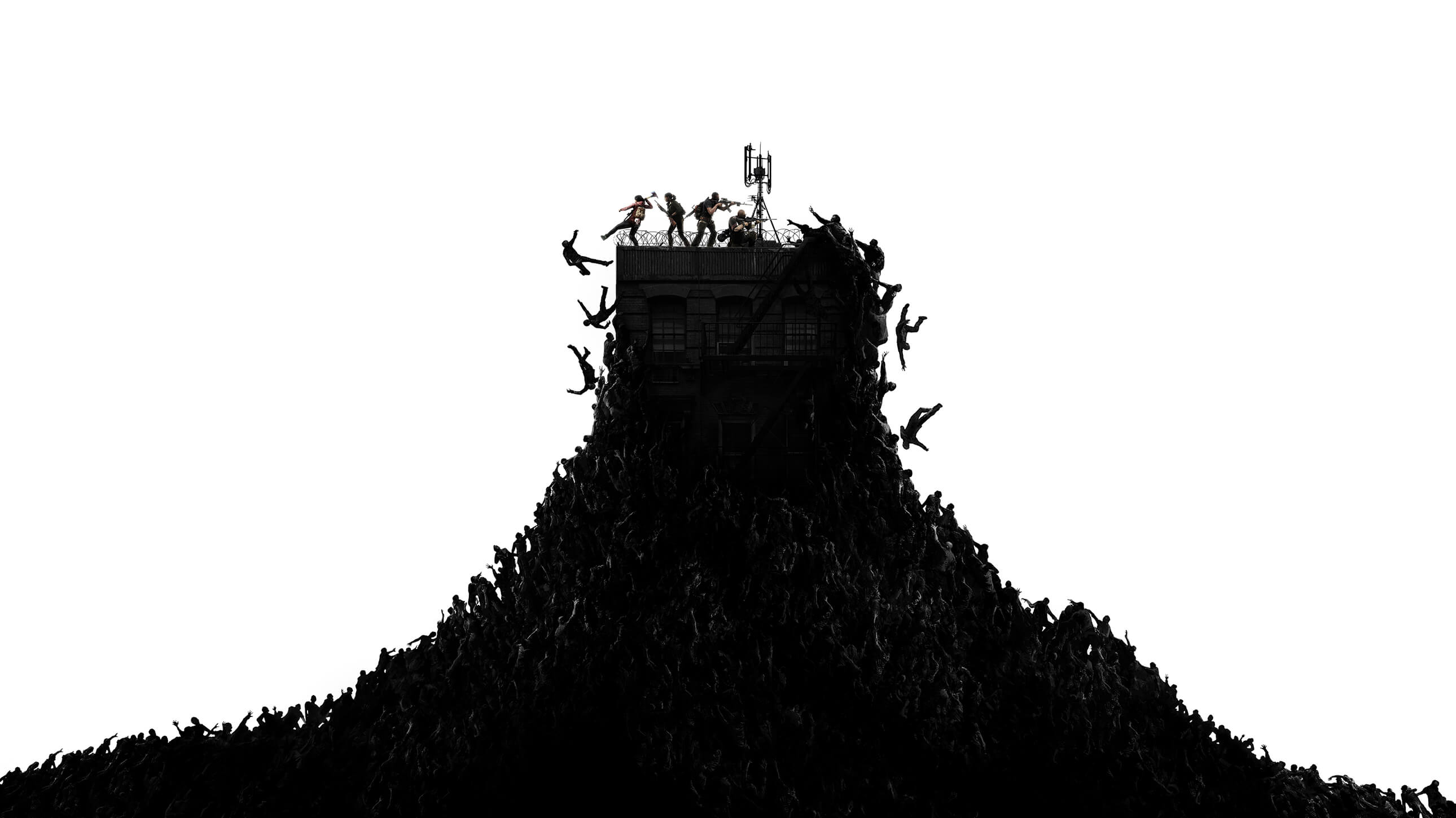
This survival shooter launched very early with paid access and store pages that listed features not present at release. Steam removed it after customer complaints about misleading descriptions and later reinstated it under a new name. Planned systems and fixes never aligned with the initial marketing. The game’s troubled history stands as a warning for paid early releases.
Share the worst Early Access purchase you ever made in the comments so everyone can learn from your experience.