10 ‘South Park’ Mistakes You’ll Never Be Able to Unsee

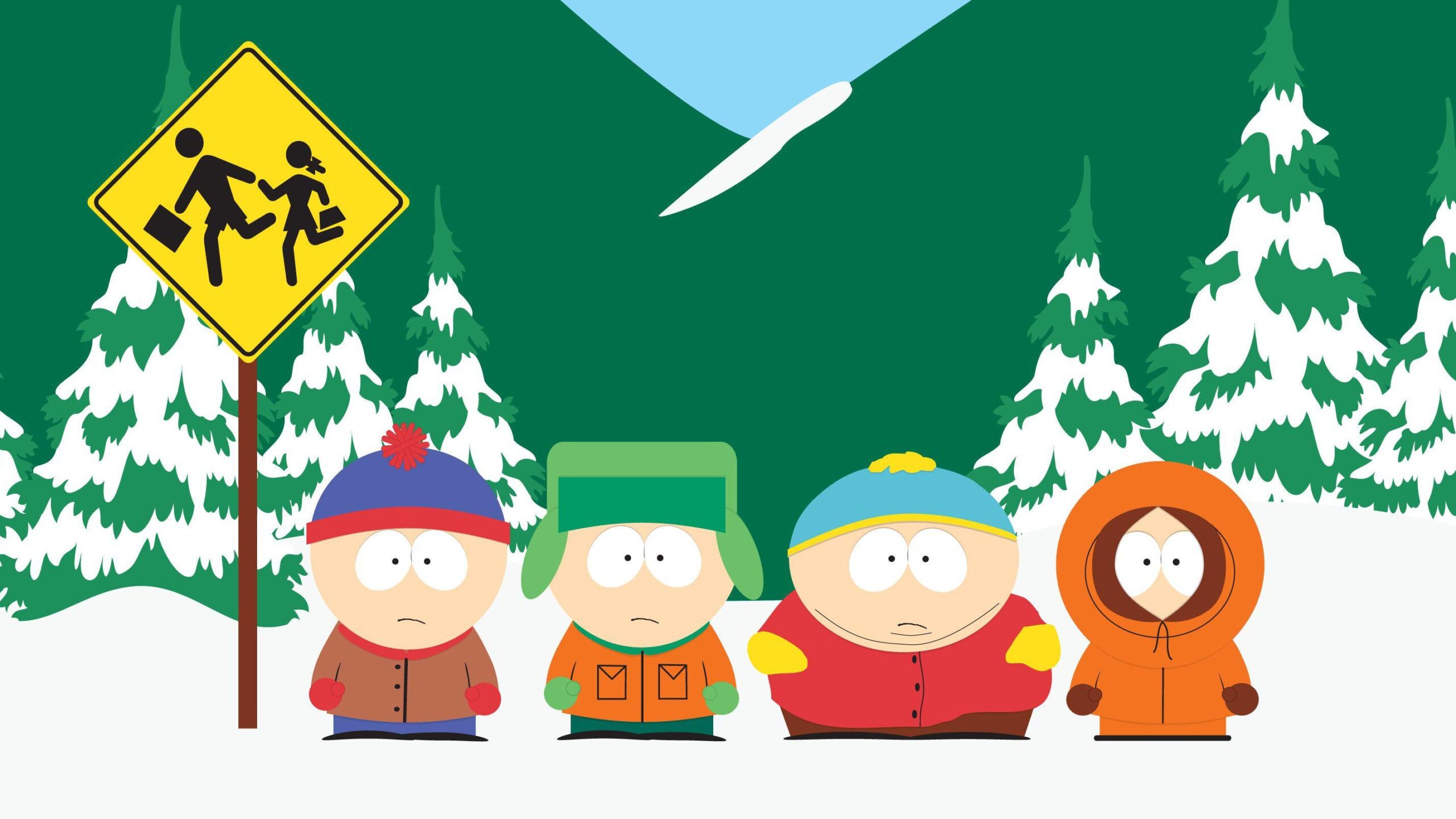

‘South Park’ has been on the air since 1997, which means hundreds of episodes, evolving animation, and plenty of continuity hiccups along the way. Long-running gags sometimes collide with later canon, and visual shortcuts can leave little glitches in the background that are easy to miss on a first watch. From character backstories that get rewritten to town landmarks that wander around the map, the series has built up a small mountain of goofs and retroactive fixes. Here are ten of the clearest examples—each one concrete, episode-linked, and impossible to ignore once you spot it.
Token’s name gets retroactively changed
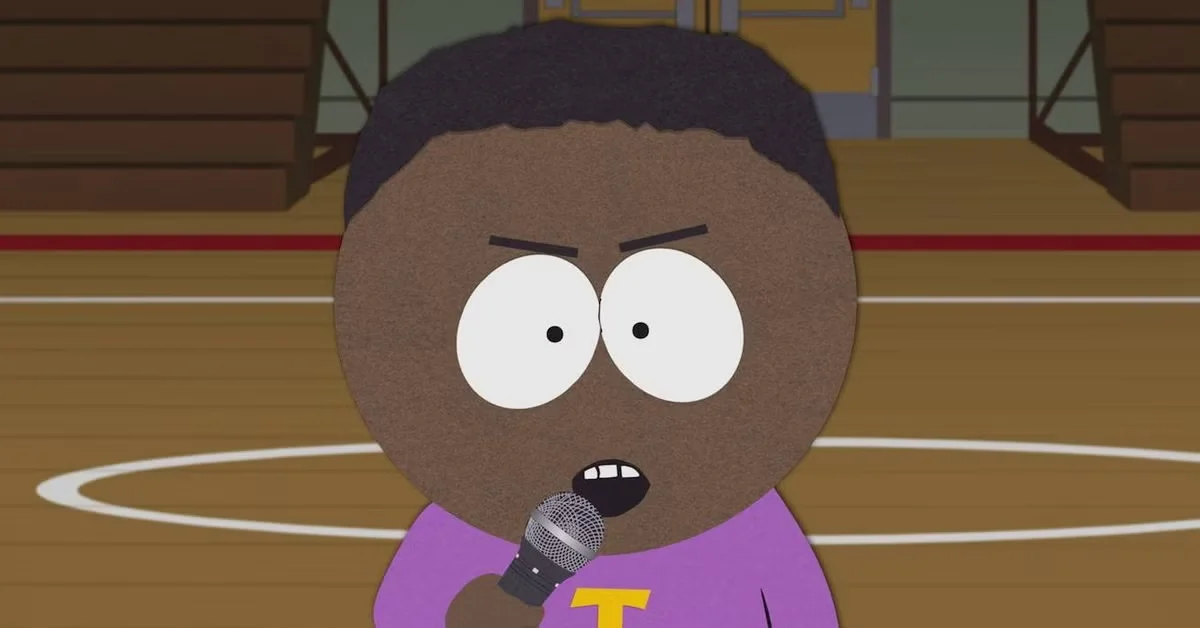
For more than two decades, the character was presented and credited as “Token Black,” starting with his early appearances in Season 4 and across merchandise, captions, and episode credits. In ‘The Big Fix’ (Season 25), the show rewrites this history by stating his name has always been “Tolkien Black,” after J.R.R. Tolkien, and has characters act like anyone who thought otherwise was mistaken. Earlier episodes, closed captions, and official materials plainly used “Token,” creating a documented before-and-after. It’s a textbook retroactive continuity change that conflicts with the series’ own past labeling.
The show’s climate-change pivot on ManBearPig
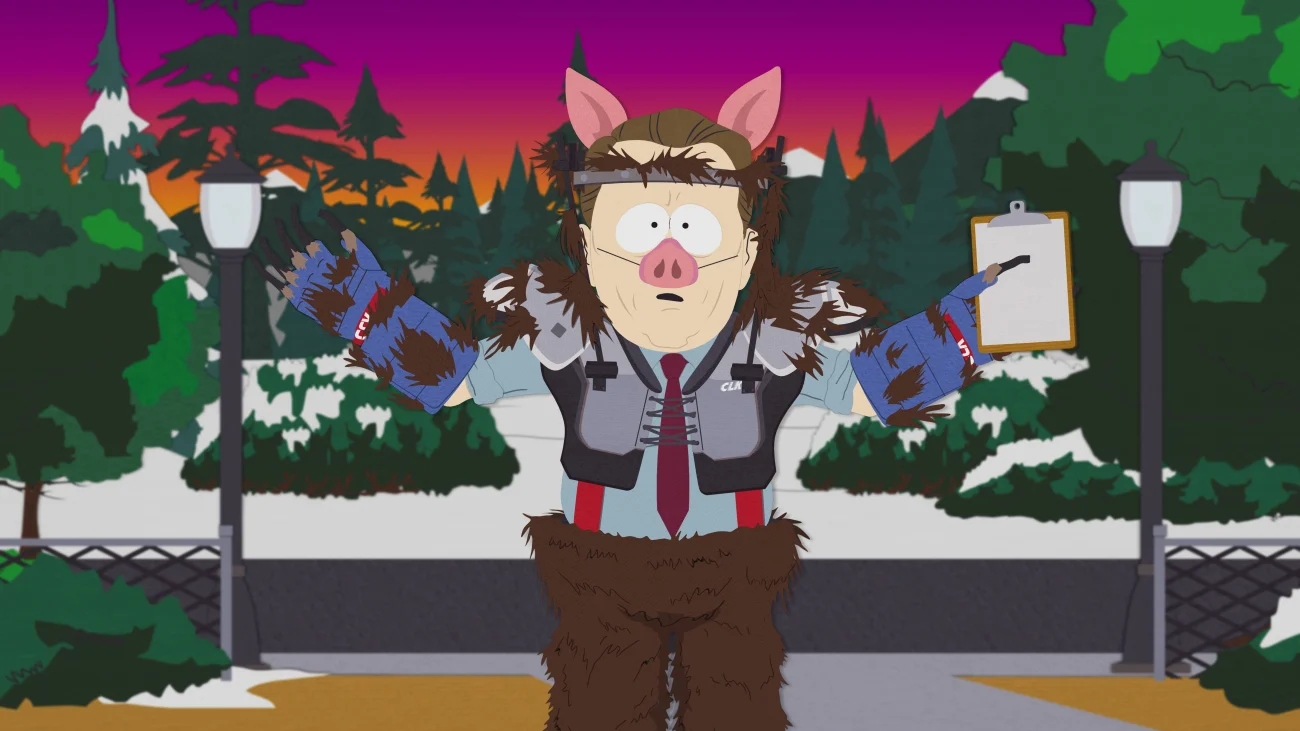
In ‘ManBearPig’ (Season 10), the series framed Al Gore’s warnings as alarmist and treated ManBearPig as a joke. Over a decade later, ‘Time to Get Cereal’ and ‘Nobody Got Cereal?’ (Season 22) reverse course, depict ManBearPig as real, and include an explicit apology to Gore within the story. This creates a direct contradiction between the original satire and the later canon that treats the threat as literal and urgent. The reversal is on-screen and acknowledged, leaving the earlier stance as an unmistakable misread by the show’s own later standards.
Cartman’s father—two incompatible answers
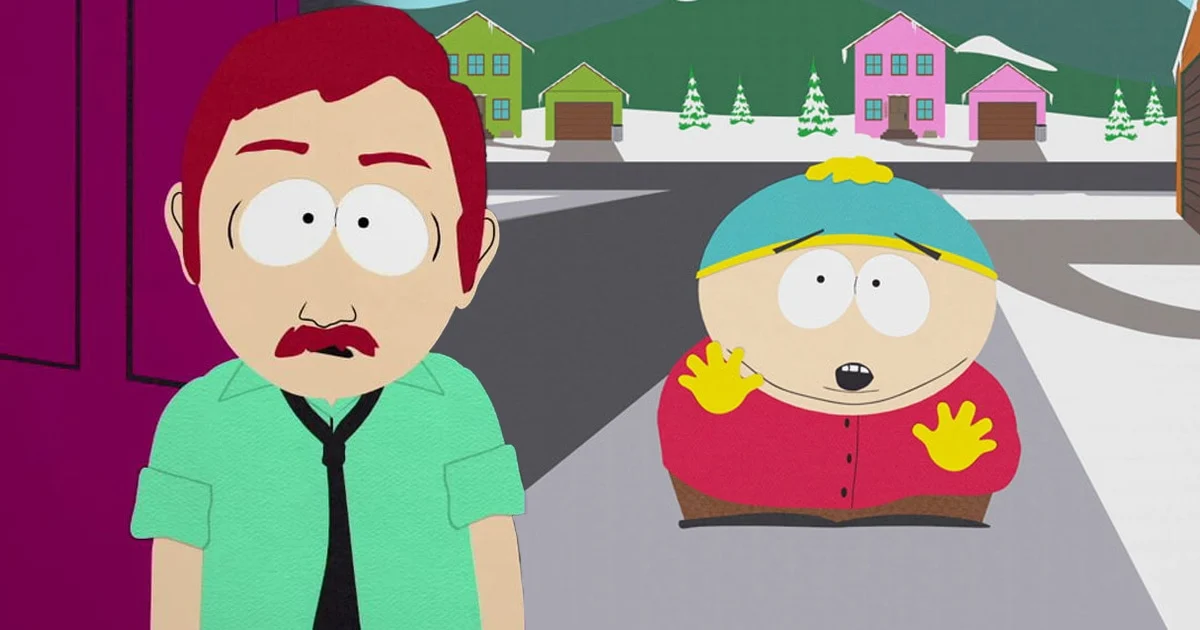
‘Cartman’s Mom Is a Dirty Slut’ (Season 1) ends on the cliffhanger that Cartman’s mother might be a hermaphrodite and thus his father, a gag the series dangled and then left unresolved. Years later, ‘201’ identifies Denver Broncos player Jack Tenorman as Cartman’s biological father, tying it to the Scott Tenorman arc and superseding the Season 1 premise. The two explanations cannot both be true, and the later reveal directly contradicts the first-season setup. It’s one of the clearest cases where a new storyline overwrites an old answer.
Kenny’s permanent death that wasn’t
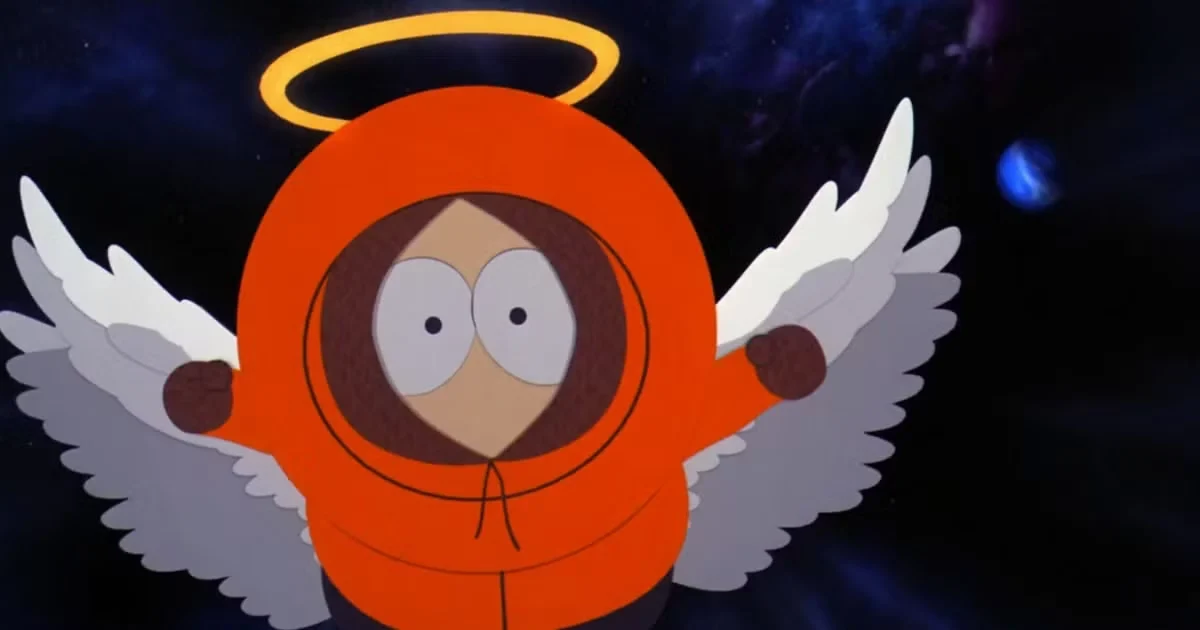
‘Kenny Dies’ (Season 5) treats Kenny’s death as final, with characters grieving and the show shifting focus to Butters as a main fourth friend. By ‘Red Sleigh Down’ (Season 6), Kenny is abruptly back without an in-episode scientific or plot explanation beyond a quick line suggesting he “just kind of” returned. This clashes with the earlier framing that his loss would stick and that the group dynamic had changed for good. Later seasons continue as if the permanence promise never happened.
The kids’ grade level and aging freeze
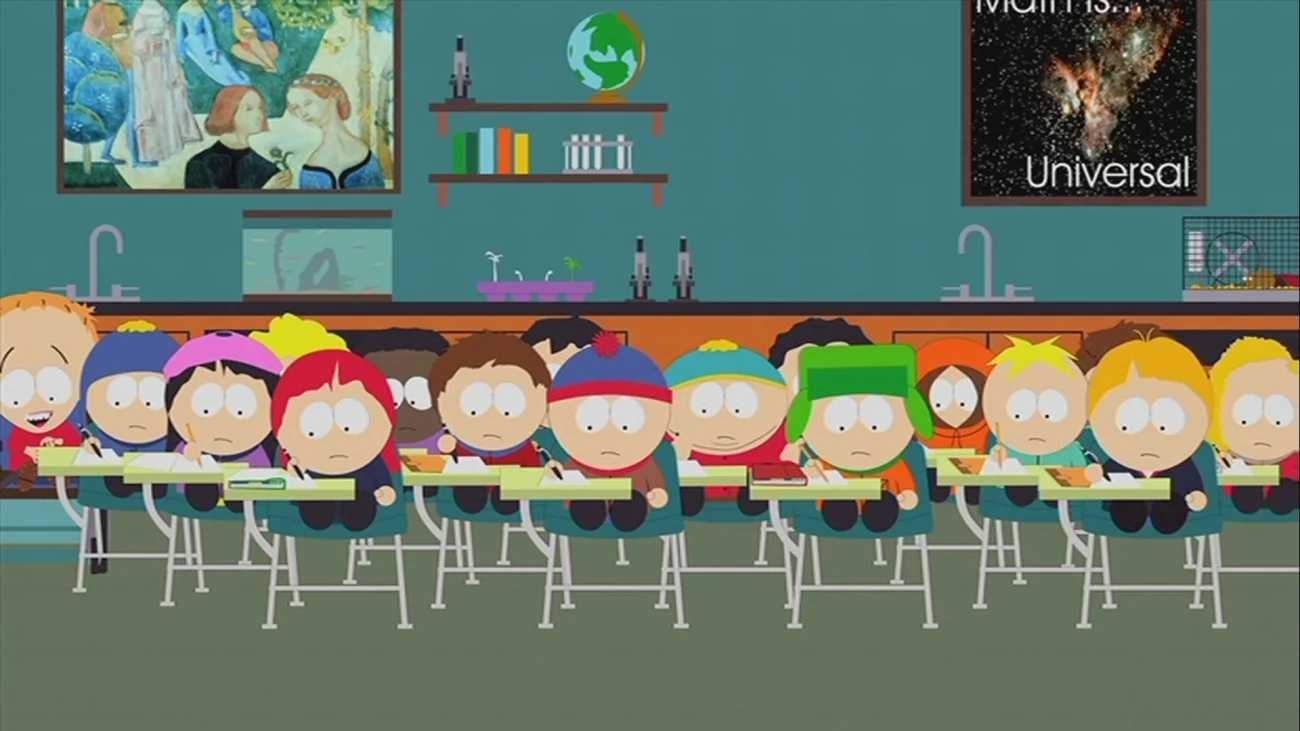
The boys move from third grade to fourth in ‘Fourth Grade’ (Season 4), establishing a new teacher, classroom, and status quo. Despite the passage of many years in real time and episodes referencing current events, the core group remains fourth graders. Holiday cycles, school years, and time-sensitive pop culture references keep rolling forward while the class never advances again. It’s a structural inconsistency that locks character ages in place while the world around them ages normally.
Randy Marsh’s career history shifts
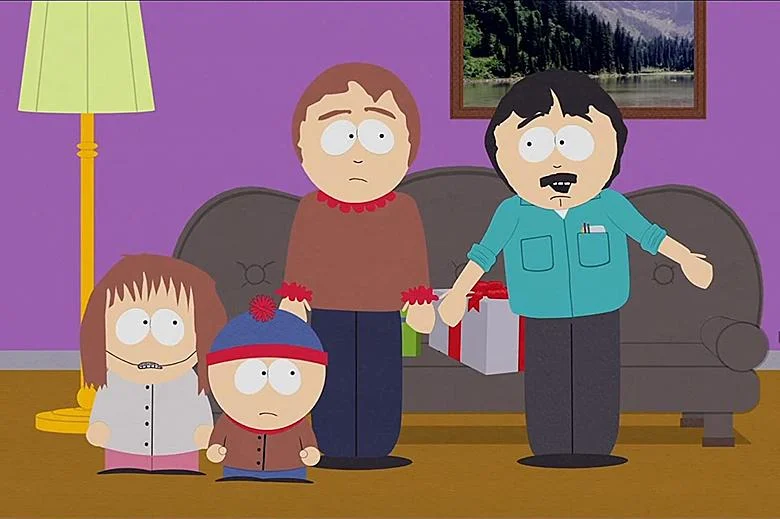
Randy is introduced and repeatedly referenced as a geologist, complete with lab scenes and work talk in numerous early-to-mid run episodes. Over time, episodes place him in an expanding set of jobs—mall security, music ventures, and most notably the owner of Tegridy Farms beginning in Season 22—without consistent bridge explanations back to his geology career. Some stories treat him as a full-time farmer while others still lean on his scientist background as needed. The resume sliding creates practical contradictions about what Randy actually does at any given point.
South Park’s geography refuses to stay put
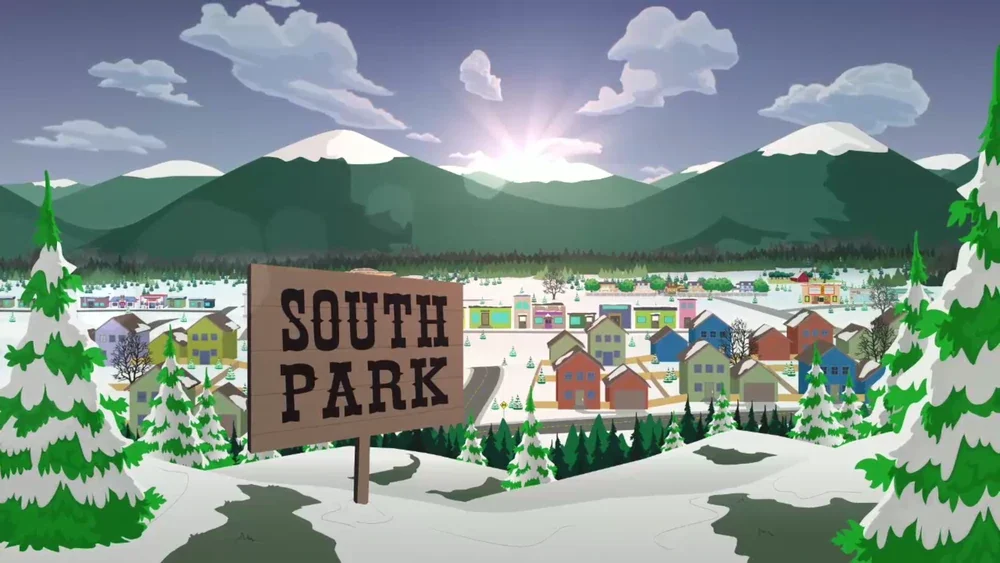
Landmarks like Stark’s Pond, the school, and residential blocks shift position relative to each other from episode to episode. Wide shots alter mountain backdrops, the walkable distance to downtown, and even the orientation of main streets to suit a scene’s needs. Episodes set near bodies of water or ski areas also vary in how close those features are to town. The cumulative effect is a town map that can’t be reconciled into a single, consistent layout.
Background art and costume continuity pop in and out
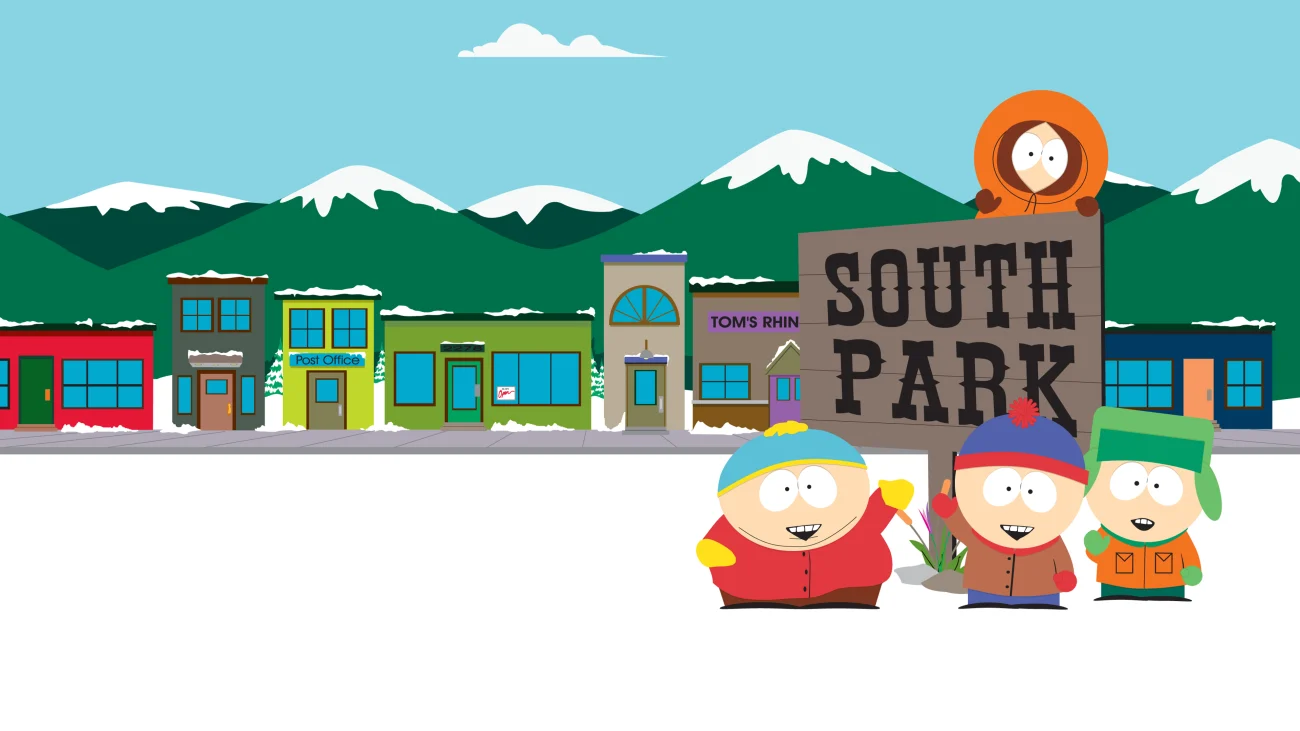
Because the show’s production pipeline prioritizes speed, background elements sometimes change between shots: window counts, poster placements, and street signs can misalign across cuts. Character clothing details—like hat puffs, sleeve shapes, or mitten edges—occasionally flicker or mirror when characters turn or when scenes are re-used. Early seasons are especially prone to these small animation pops. They’re easy to overlook, but once noticed, they stick out in repeat viewings.
Prop “resurrections” after on-screen destruction
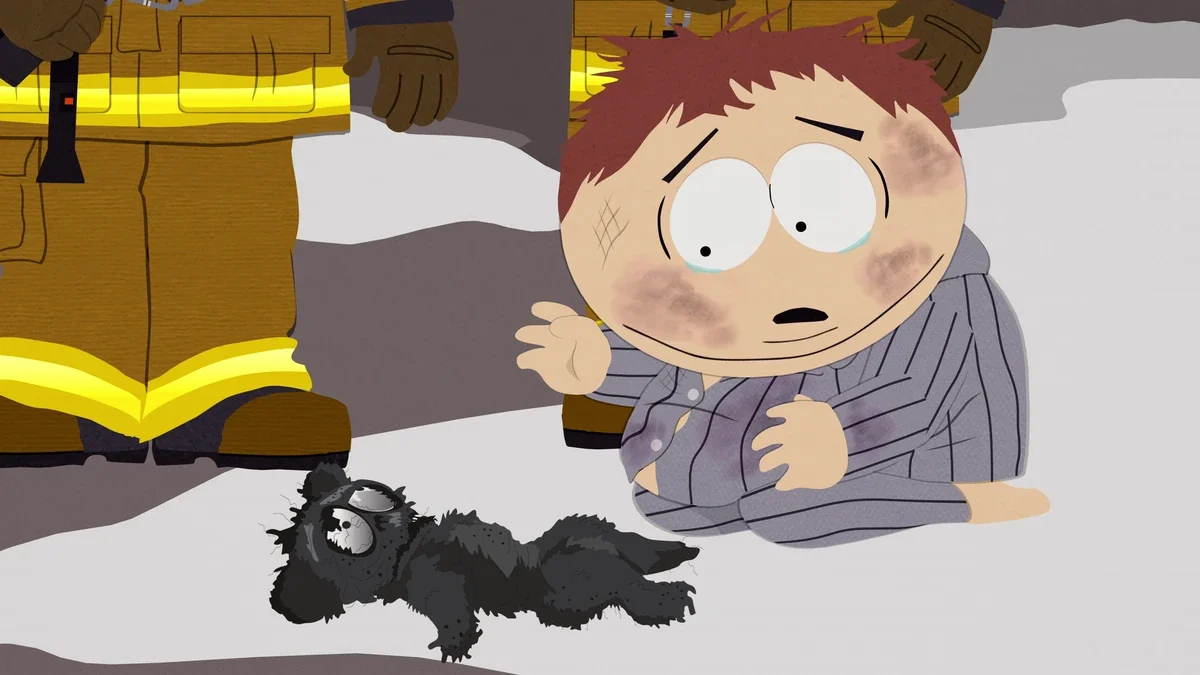
Recurring items that get destroyed—such as Cartman’s favorite toys—sometimes reappear intact in later episodes without any acknowledgment. The series frequently resets rooms and personal effects to a familiar baseline to serve new plots. This creates object-level continuity breaks where a past episode’s finality doesn’t carry forward. The result is a world that selectively forgets breakage or loss when a future story benefits from the prop returning.
Holiday and event timelines that don’t line up cleanly
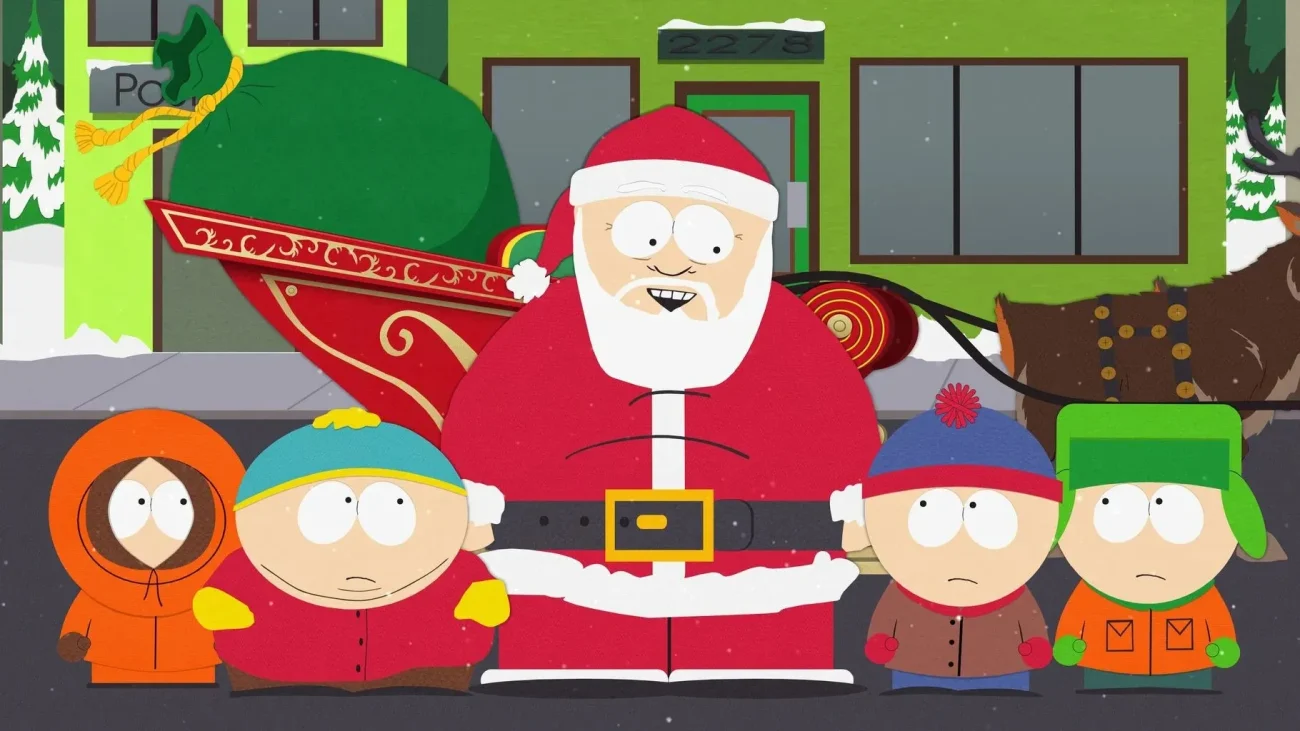
Annual events—Christmas, Halloween, and school-year milestones—recur in real-time years while the kids remain the same age and grade. Episodes reference very specific contemporary news or technology the exact year they aired, but later holiday outings act as if no time has passed for the characters. This produces overlapping, mutually incompatible calendars for the town. When you line them up, you get multiple “fourth-grade years” stretched across decades of real time.
Share the ‘South Park’ goofs you’ve spotted—and the episodes where you saw them—in the comments!