25 Most Atmospheric Horror Games You Can’t Put Down


From abandoned towns to creaking spaceships, these horror games build mood with world-class sound design, environmental storytelling, and mechanics that ratchet up dread without relying only on jump scares. Each pick below notes the studio and publisher behind it, plus the key systems—stealth, resource management, sanity effects, and more—that make the atmosphere tighten with every step.
‘Silent Hill 2’ (2001)
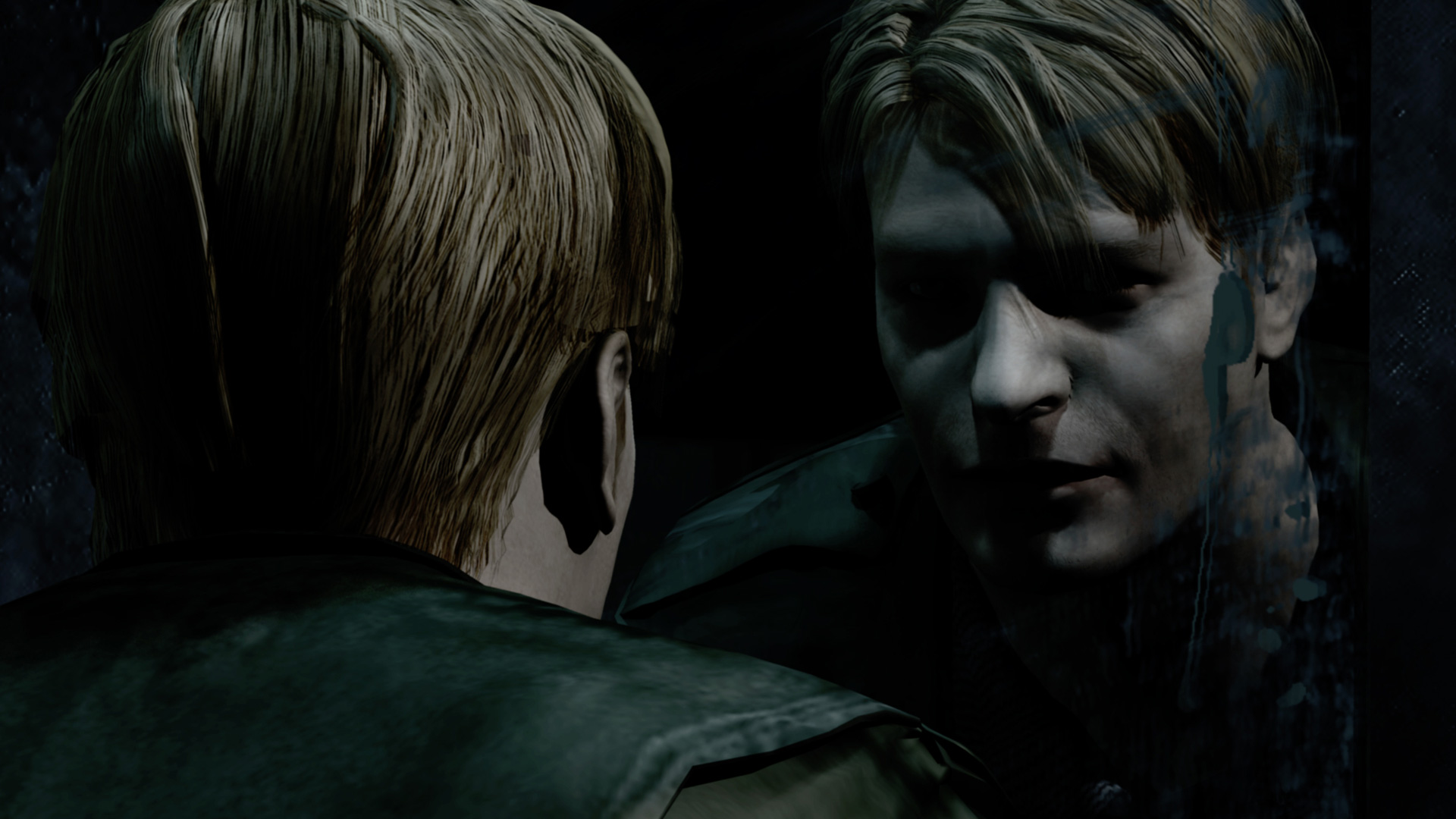
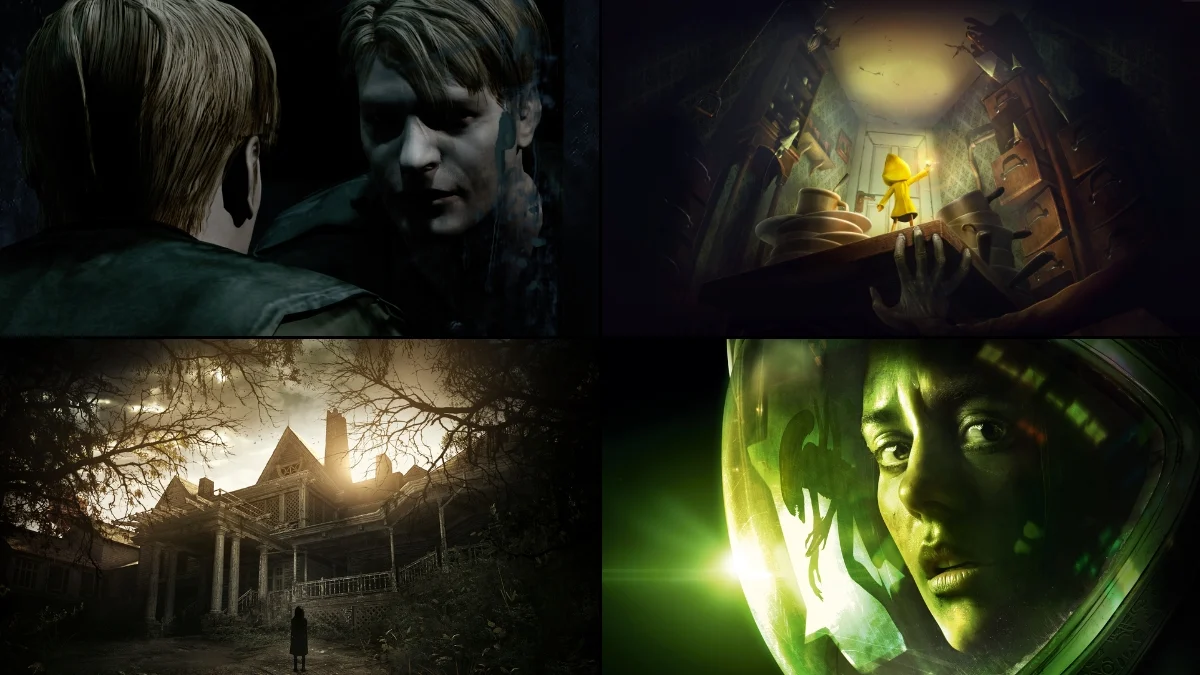
Set in a fog-choked resort town, this psychological horror follows James Sunderland through shifting spaces that mirror his guilt and grief. Developed by Team Silent at Konami and published by Konami, it layers static-laden radio cues and industrial soundscapes over maze-like level design. Puzzles tie into narrative themes, and enemy designs reinforce symbolism rather than simple combat challenges. Multiple endings encourage careful reading of the environment and player behavior.
‘Amnesia: The Dark Descent’ (2010)

Frictional Games developed and published this first-person descent into a crumbling Prussian castle where light is safety and darkness erodes sanity. The game’s physics-driven doors, hiding spots, and tinderbox economy force methodical movement. A sanity system punishes direct monster gazing and lingering in the dark, increasing audio-visual distortions. Notes and flashbacks piece together the backstory, rewarding exploration over confrontation.
‘SOMA’ (2015)

Built by Frictional Games and published by Frictional Games, this underwater sci-fi horror emphasizes existential dread over constant pursuit. The PATHOS-II stations tell stories through logs, terminals, and haunting ambient audio. Stealth encounters are spaced to let themes about identity and consciousness sink in. Choice-driven interactions with machines and proxies create unease without breaking immersion.
‘Alien: Isolation’ (2014)
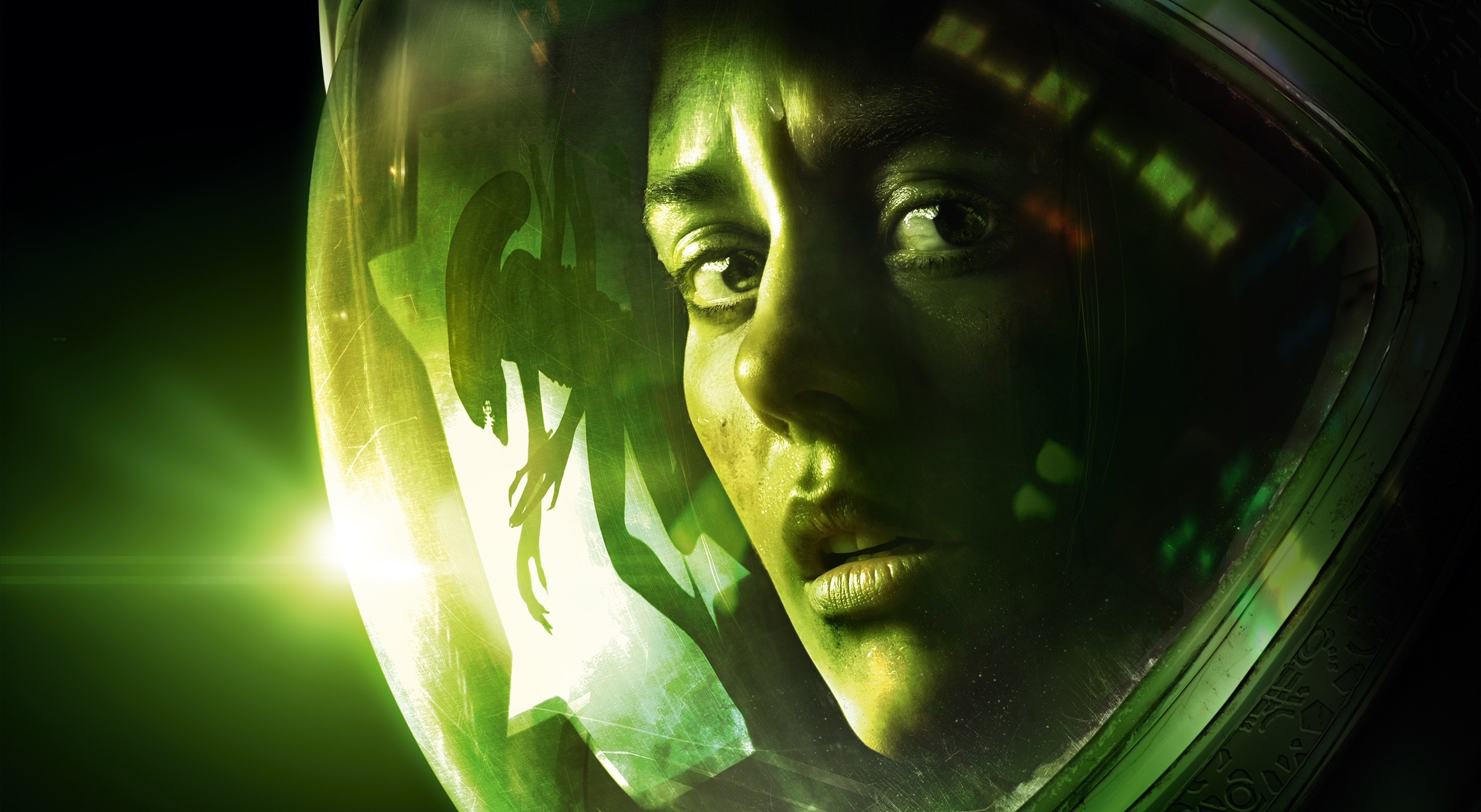
Creative Assembly developed this survival horror, with Sega as publisher, set aboard the decaying Sevastopol station. A dynamic AI drives the Xenomorph’s behavior, making motion tracker blips and ventilation hiss feel consequential. Crafting noisemakers, flares, and EMPs supports stealth rather than power fantasies. Period-authentic “lo-fi sci-fi” interfaces and CRT-style UI deepen the retro-futurist mood.
‘Dead Space’ (2008)

Developed by EA Redwood Shores (later Visceral Games) and published by Electronic Arts, this third-person horror sends engineer Isaac Clarke through the USG Ishimura. Strategic dismemberment and scarce ammo make every corridor tense. Diegetic UI—health on the suit spine and holographic menus—keeps attention inside the world. Audio logs and zero-G set-pieces build a distressed, industrial atmosphere.
‘Resident Evil 7: Biohazard’ (2017)
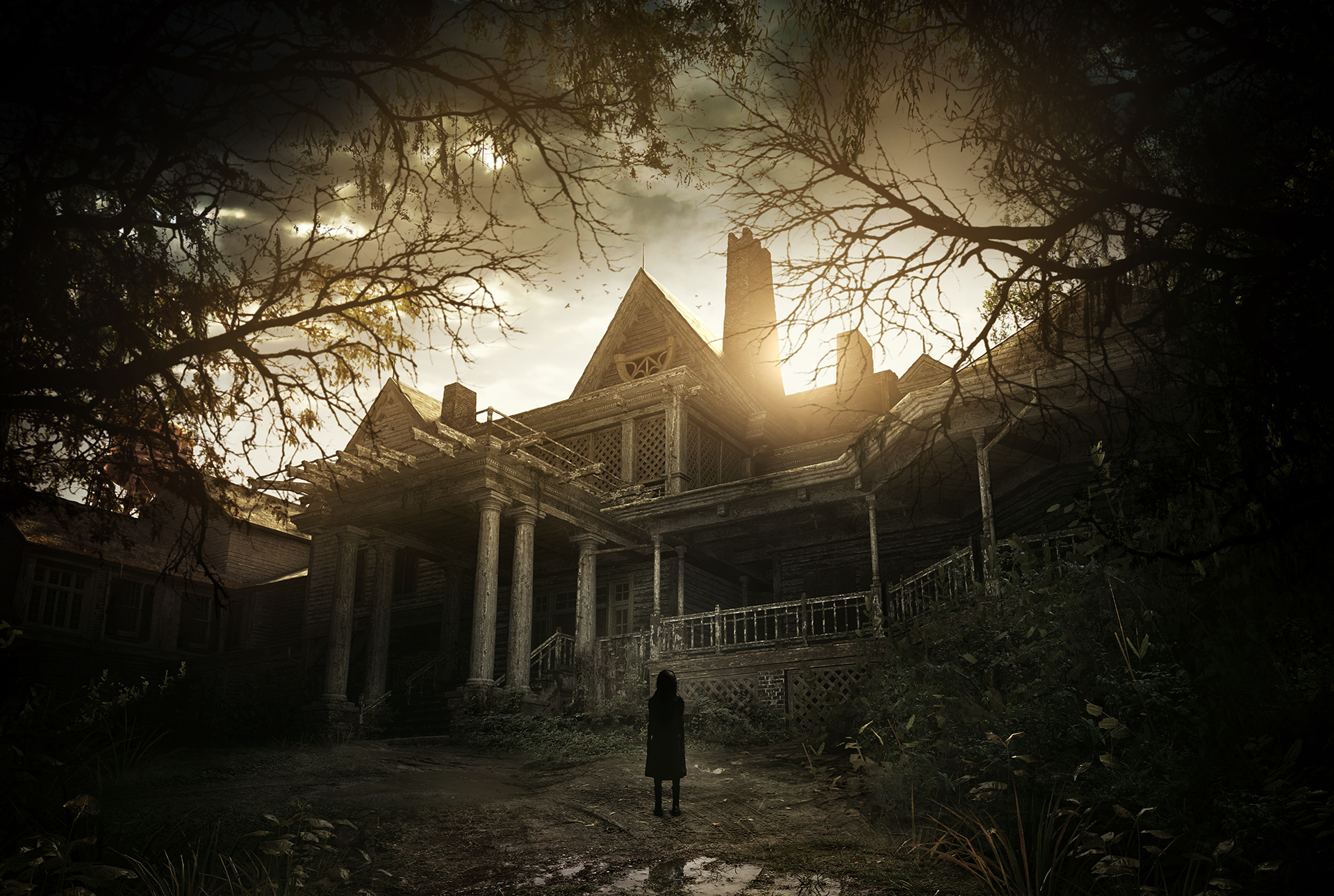
Capcom developed and published this first-person reboot that strands players in the Baker family’s plantation home. Resource-tight exploration brings back key-item routing and safe-room planning. Found-footage tapes and environmental grime reinforce a grounded, claustrophobic tone. The shift to VR on supported platforms heightens presence for those who opt in.
‘Layers of Fear’ (2016)
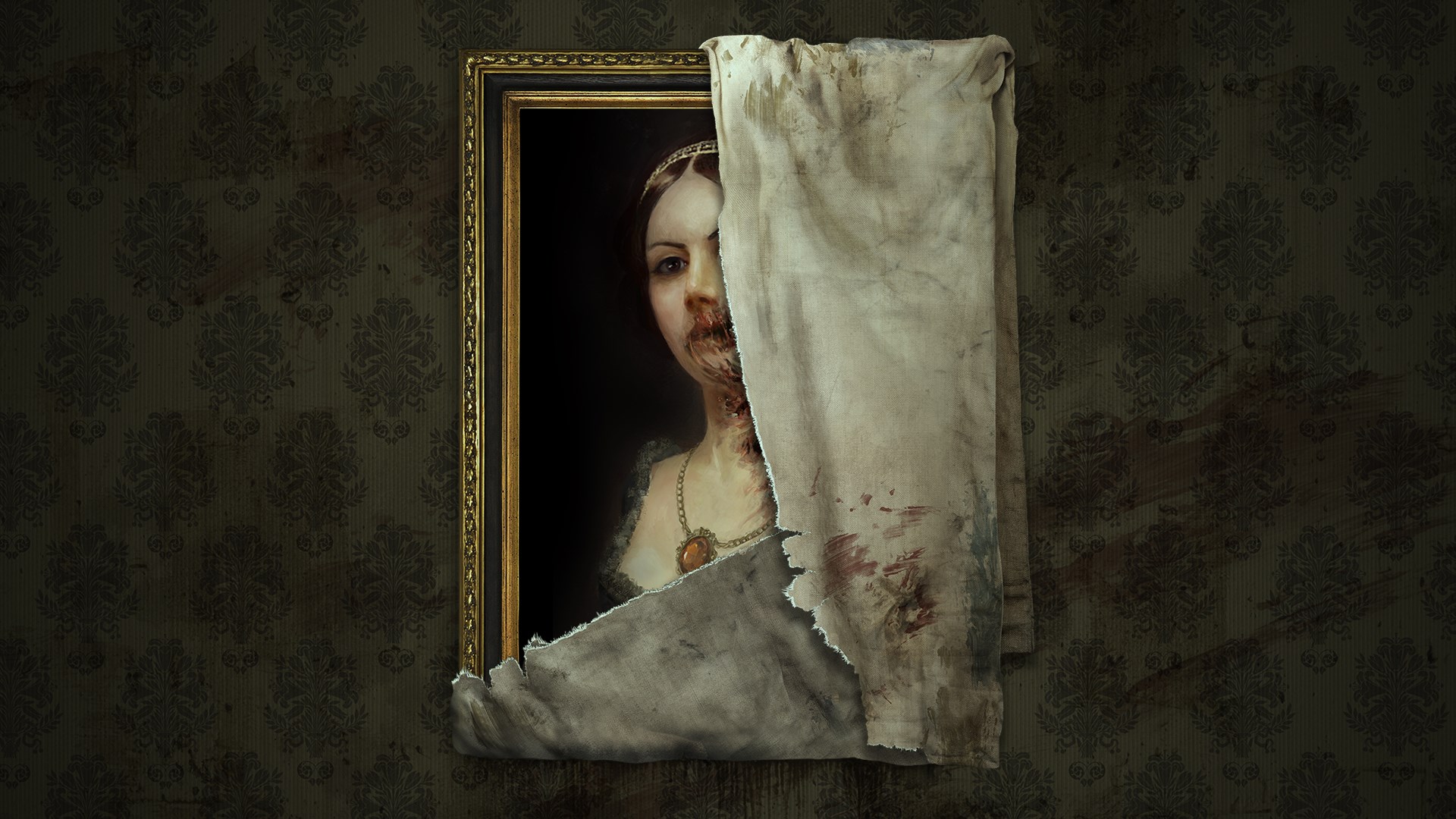
Bloober Team developed this shifting-mansion psychological horror, with publishing handled by Aspyr on several platforms. The house reconfigures as you turn, creating seamless “impossible” spaces that carry the narrative of a tormented painter. Collectibles—notes, sketches, and personal effects—fill in family history without cutscenes. Minimal fail states keep focus on exploration and environmental storytelling.
‘Outlast’ (2013)
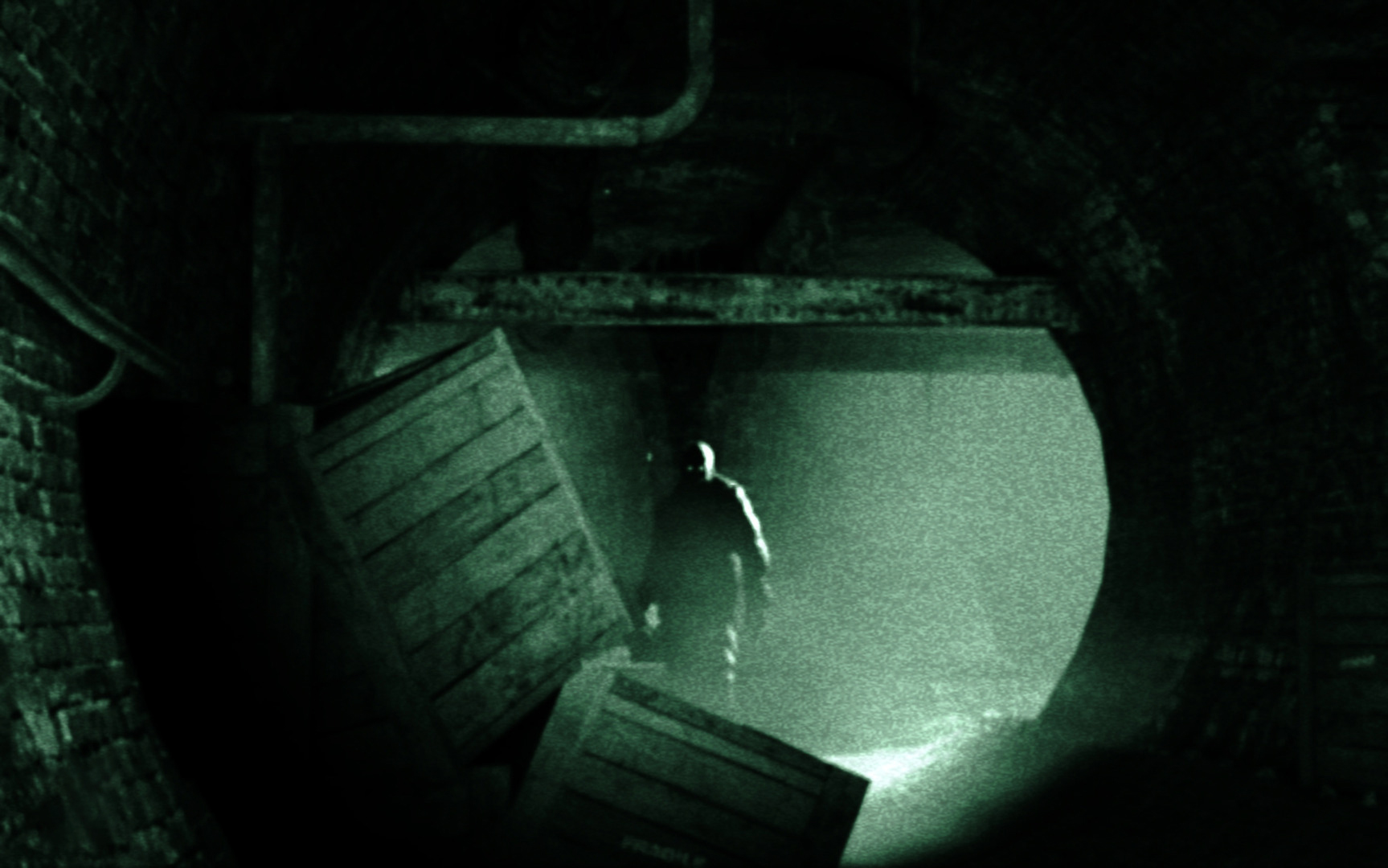
Red Barrels developed and published this camcorder-driven survival horror set in Mount Massive Asylum. Night-vision drains batteries, turning resource management into a constant anxiety. Hiding in lockers, sliding under beds, and timing sprints structure encounters instead of combat. Found documents and audiovisual logs sketch the Murkoff Corporation’s experiments in chilling detail.
‘Fatal Frame II: Crimson Butterfly’ (2003)
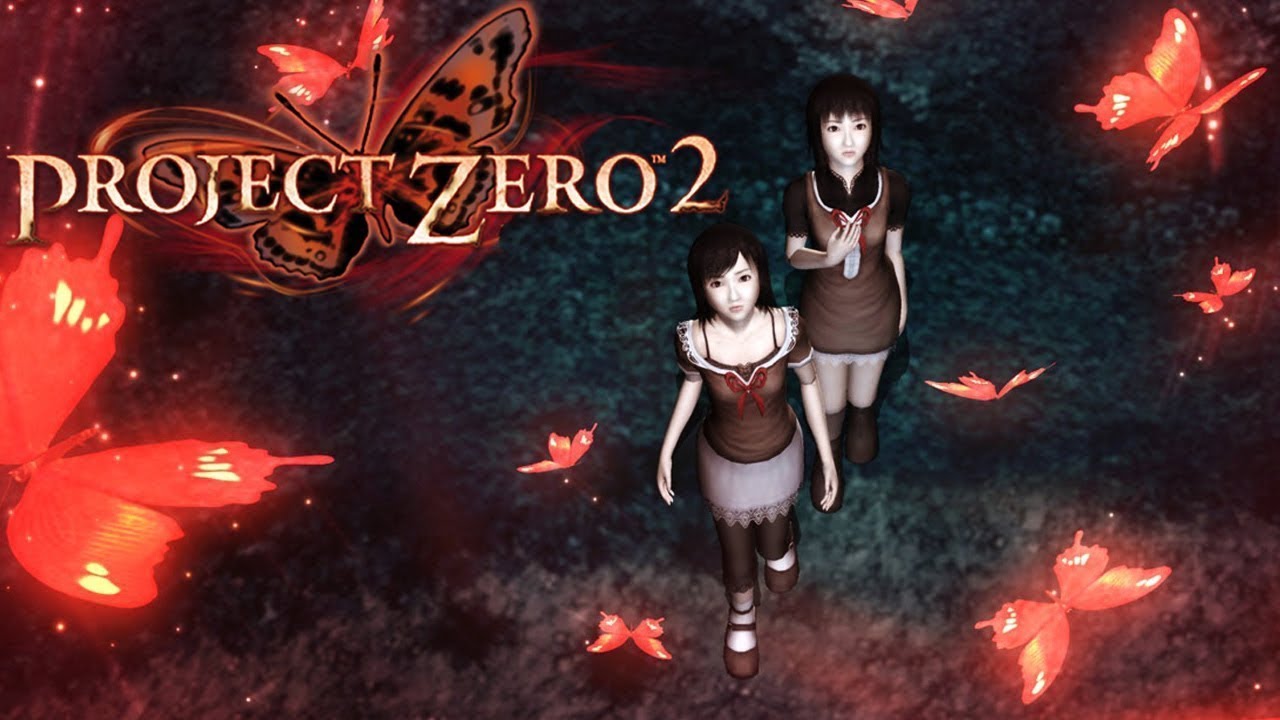
Tecmo developed and published this village ghost story built around the Camera Obscura. First-person framing during spirit encounters makes proximity and timing crucial. Ritual lore and twins’ diaries unfold through exploration, encouraging backtracking for missed notes. Subtle controller vibration and audio cues help locate hidden specters for both story and upgrades.
‘Eternal Darkness: Sanity’s Requiem’ (2002)
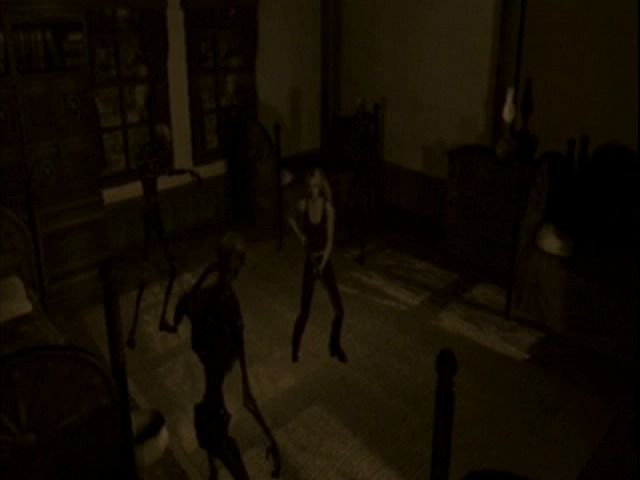
Silicon Knights developed this time-spanning Lovecraftian tale, published by Nintendo. Sanity effects alter visuals, audio, and even mock system behaviors, blurring diegesis and player interface. A “Tome of Eternal Darkness” ties multiple protagonists and eras together via runic magic. The Magick system’s alignments change enemy reactions and puzzle solutions, rewarding experimentation.
‘System Shock 2’ (1999)
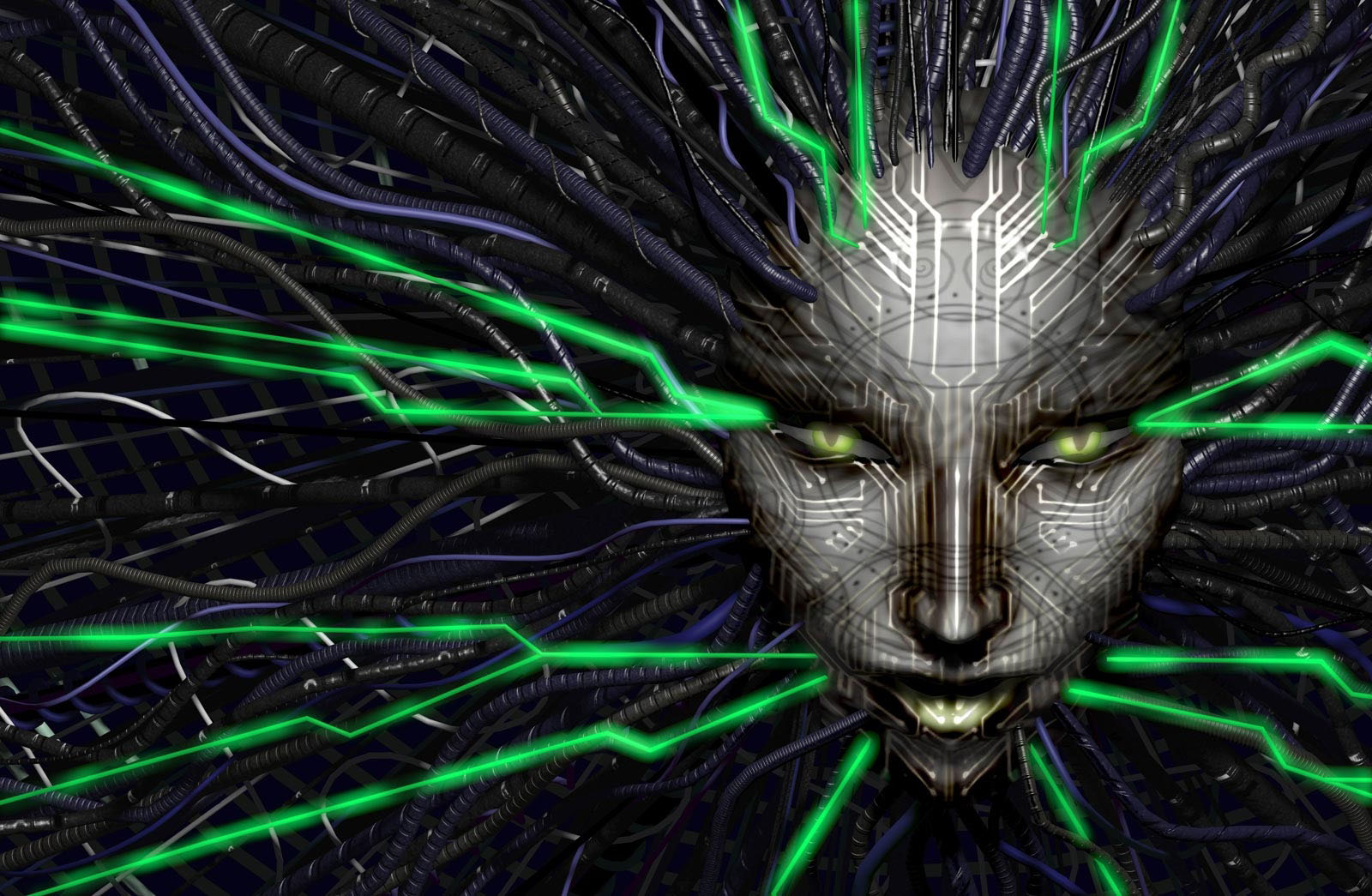
Co-developed by Irrational Games and Looking Glass Studios and published by Electronic Arts, this hybrid immersive-sim survival horror takes place on the starship Von Braun. Audio logs and environmental vignettes communicate the downfall of the crew. Skill builds—hacking, psionics, and weapon proficiencies—affect routes and risk. Resource scarcity and the Many’s whispers make every deck feel hostile.
‘Pathologic 2’ (2019)
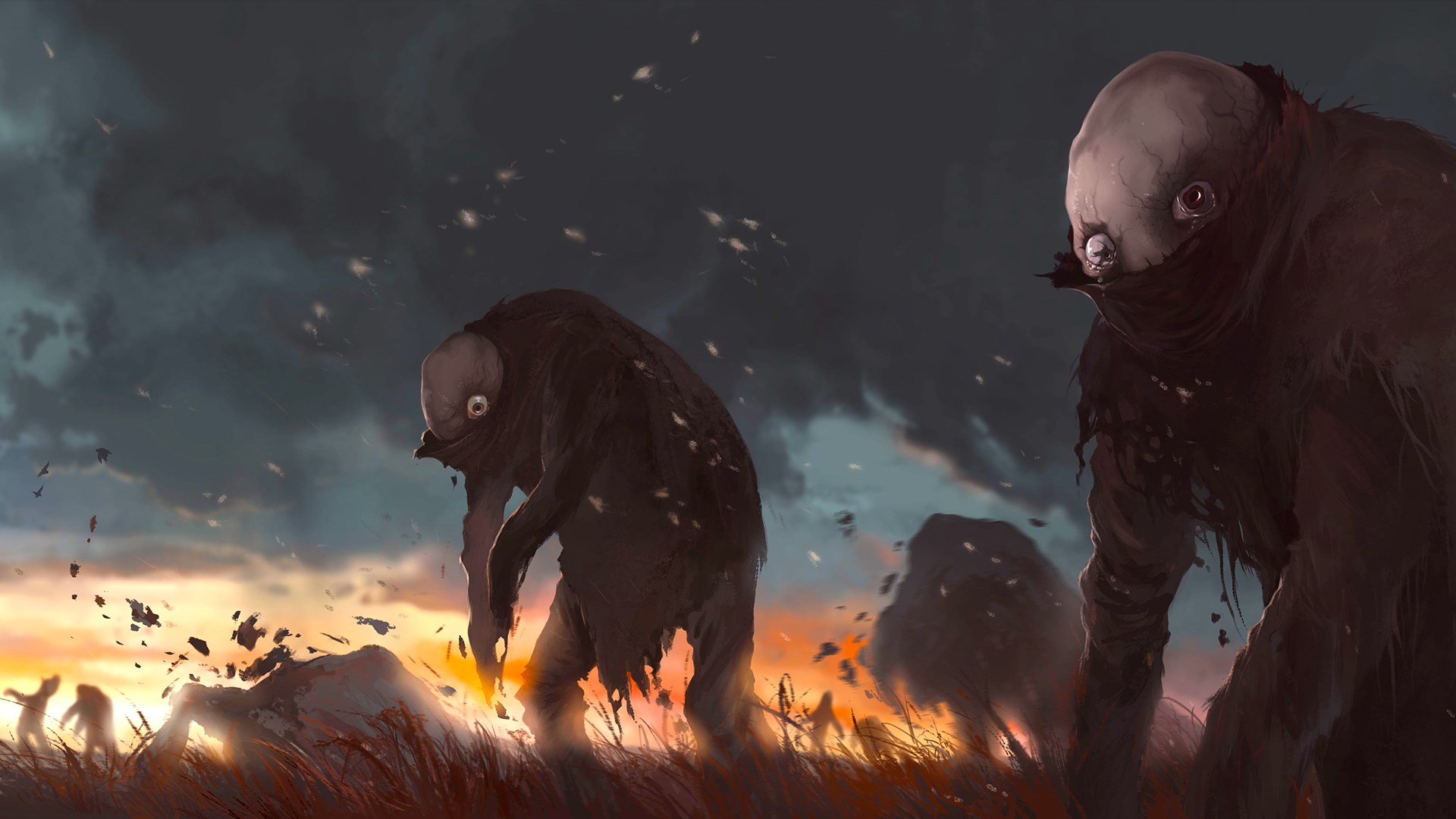
Ice-Pick Lodge developed this plague-town survival narrative, with tinyBuild as publisher. Timed quests, hunger, exhaustion, and reputation systems force hard trade-offs under constant pressure. NPC schedules and a living map mean missed opportunities reshape the story. Theatrical staging and diegetic “performances” reinforce themes of inevitability and sacrifice.
‘Call of Cthulhu: Dark Corners of the Earth’ (2005)
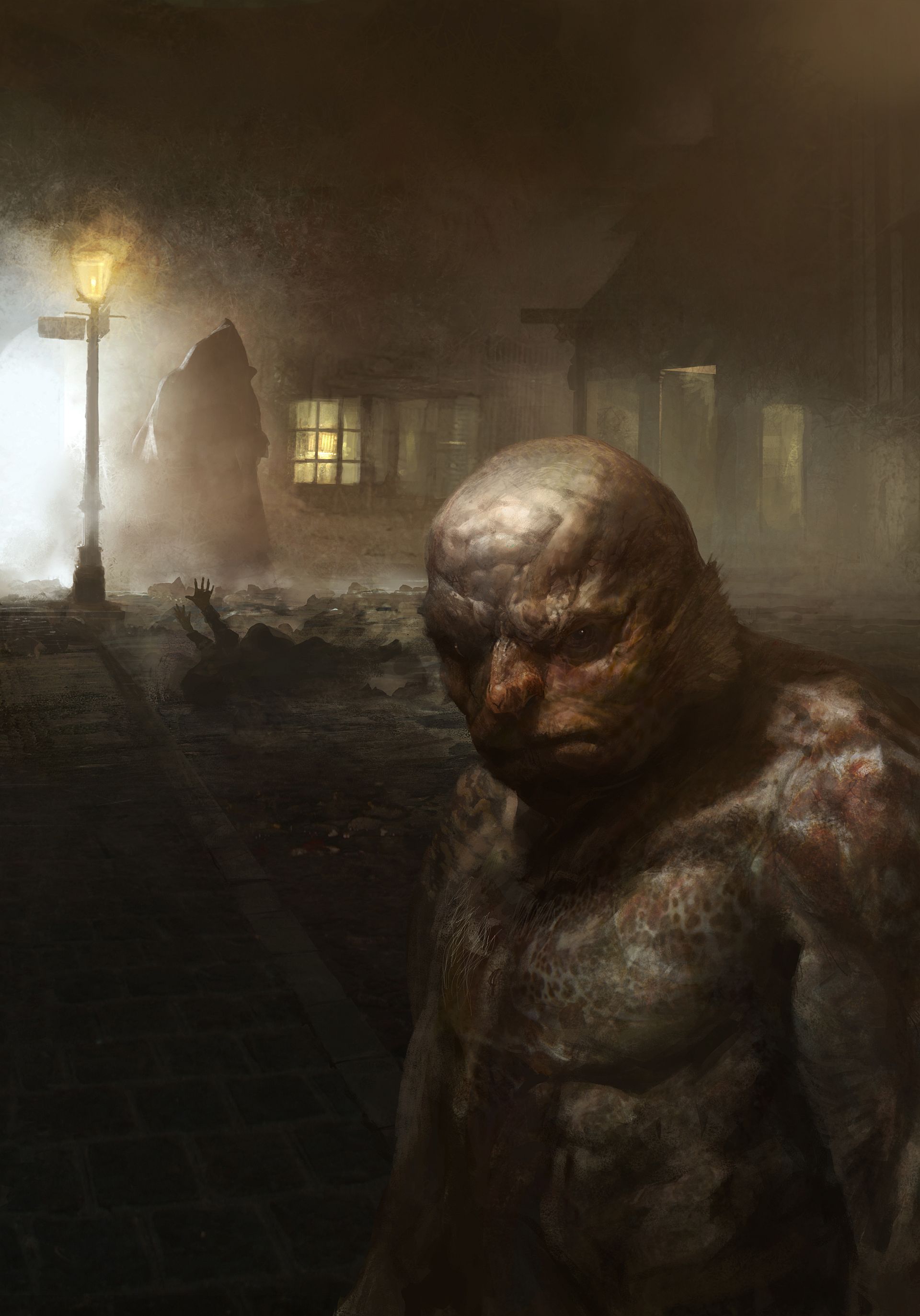
Headfirst Productions developed this adaptation, published by Bethesda Softworks. Early segments emphasize investigation and social stealth before firearms appear. A fragile sanity system distorts perception during cosmic encounters. Scripted chases—like boarding-house escapes—lean on door-barricading and route memorization for sustained tension.
‘Condemned: Criminal Origins’ (2005)
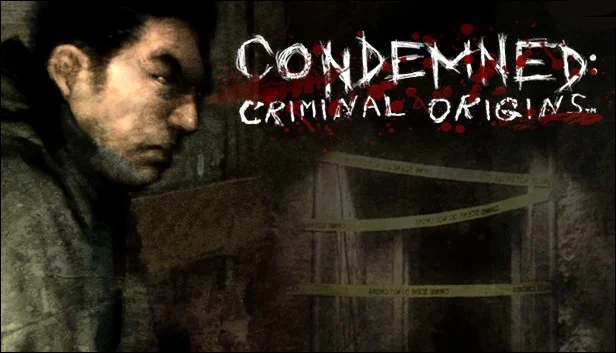
Monolith Productions developed this first-person forensic horror, with Sega publishing. Melee combat emphasizes improvised weapons and blocking in tight, filthy interiors. Crime-scene tools—UV lights, spectrometers, and cameras—unlock narrative beats and hidden evidence. Dynamic enemy AI and positional audio make urban decay feel predatory.
‘Alan Wake 2’ (2023)

Remedy Entertainment developed this dual-protagonist horror, with Epic Games Publishing releasing it. Light mechanics return alongside investigative “Mind Place” boards for connecting clues. Cinematic set-pieces blend with exploration of open-ish zones that hide lore and manuscript fragments. Narrative layers—TV episodes, live-action inserts, and environmental motifs—create a cohesive, dreamlike dread.
‘Mundaun’ (2021)

Hidden Fields developed this hand-penciled folklore horror, published by MWM Interactive. A fear system affects movement and vision as you ascend an Alpine valley. Puzzles draw on local customs—shrines, charms, and ritual spaces—to progress. Sketch-shaded visuals, Swiss-German voice work, and diegetic notes ground the setting in regional myth.
‘Signalis’ (2022)
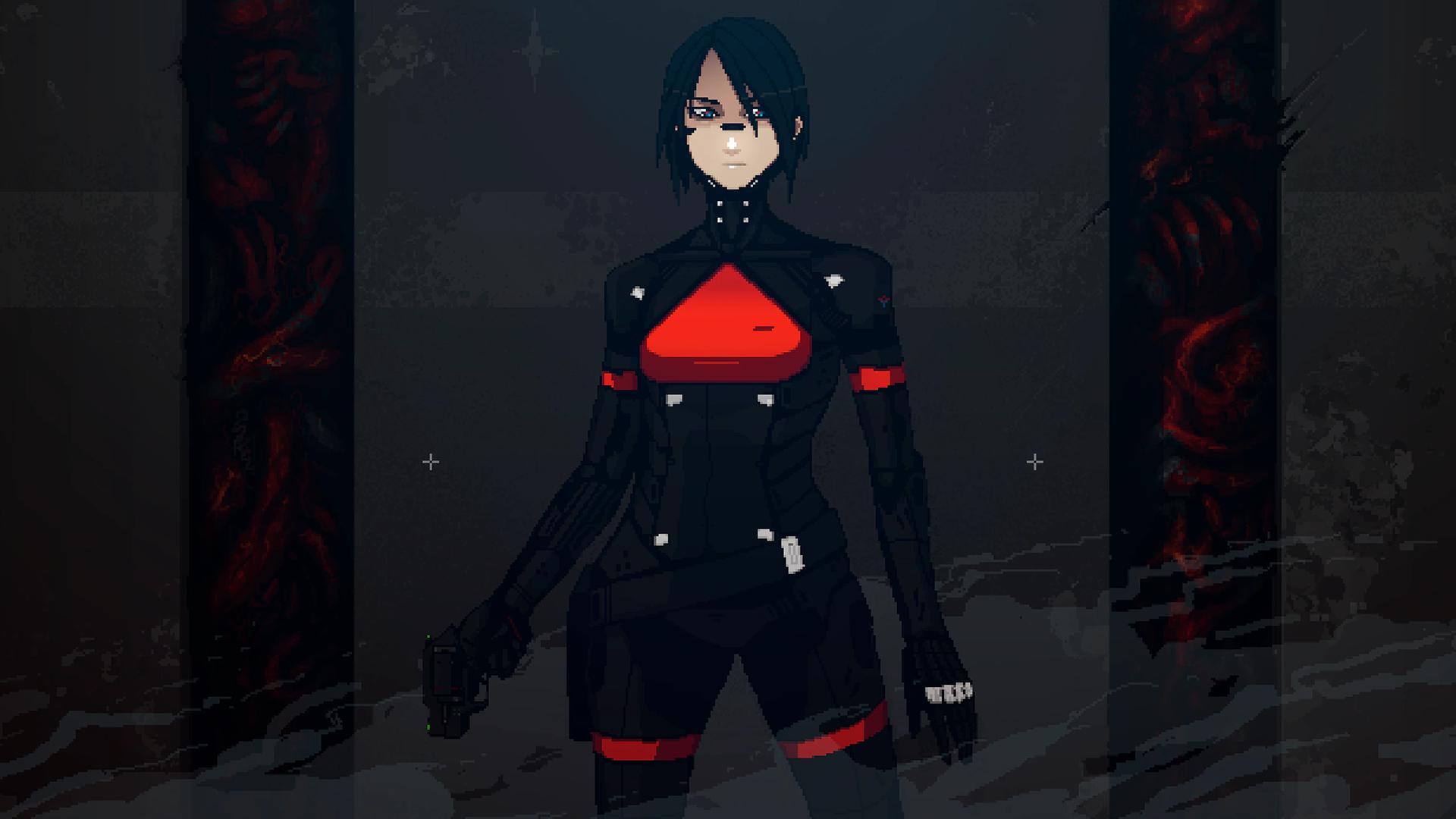
Developed by rose-engine and published by Humble Games and Playism, this survival horror marries fixed-camera framing with precise inventory limits. Radio frequencies, keycards, and puzzle dungeons evoke classic design while staying modern. Story shards—photographs, memos, and propaganda—invite interpretation. Combat is deliberate, pushing route planning and resource rationing.
‘Darkwood’ (2017)

Acid Wizard Studio developed and self-published this top-down survival horror set in a corrupted forest. Day-night cycles split exploration and base defense, with barricading and traps essential after dusk. A reputation-based economy governs trading with unsettling NPCs. Procedural elements and permadeath modes create fresh, oppressive routes through the woods.
‘Observer’ (2017)
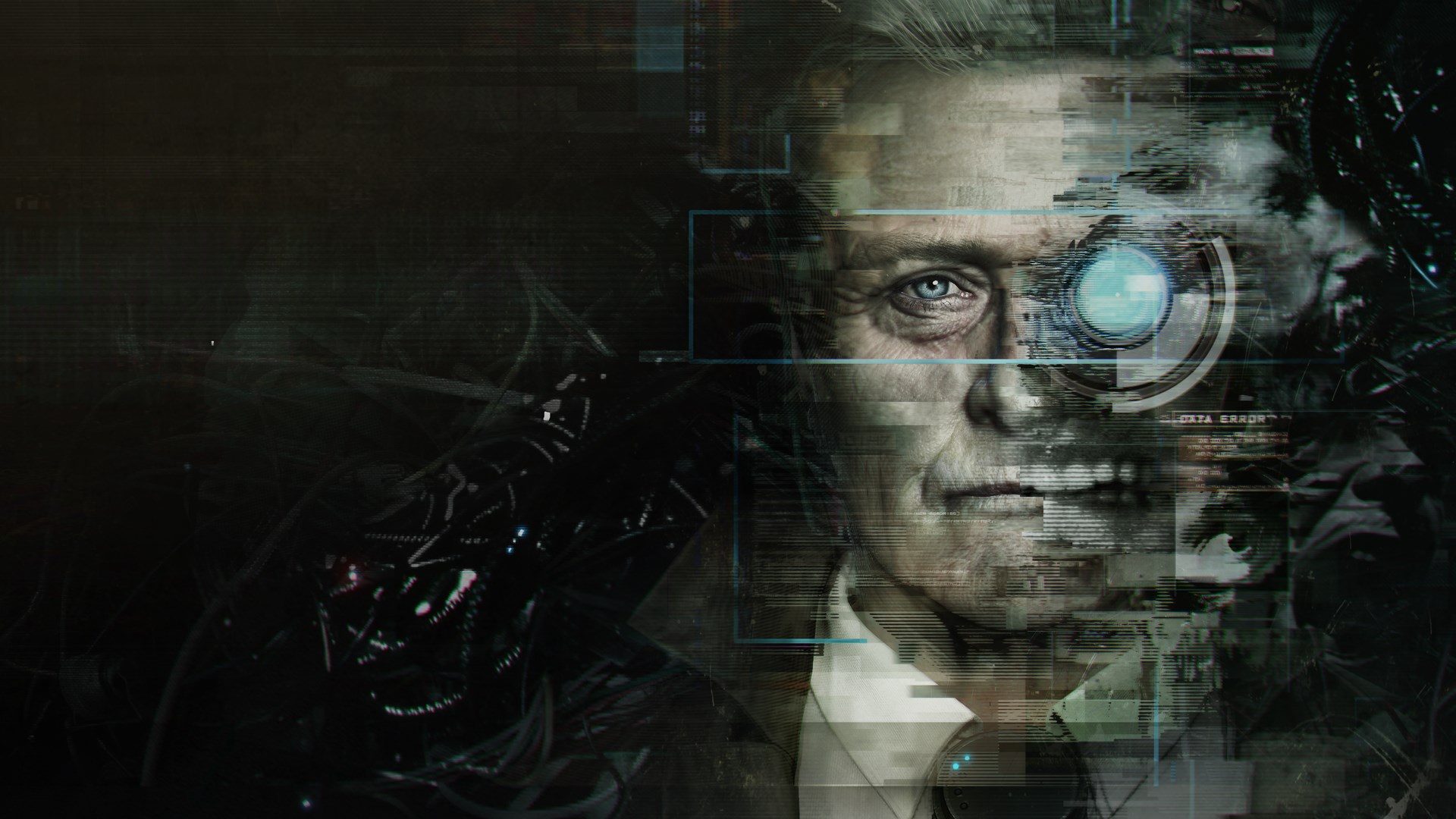
Bloober Team developed this cyberpunk horror, with publishing handled on various platforms by Aspyr/Bloober Team. Neural “deep dive” interrogations fracture environments into glitch-ridden dreamscapes. Environmental scanning and optional case files add investigative layers to apartment-block exploration. Diegetic UI and analog tech assets amplify the retro-future grime.
‘The Medium’ (2021)
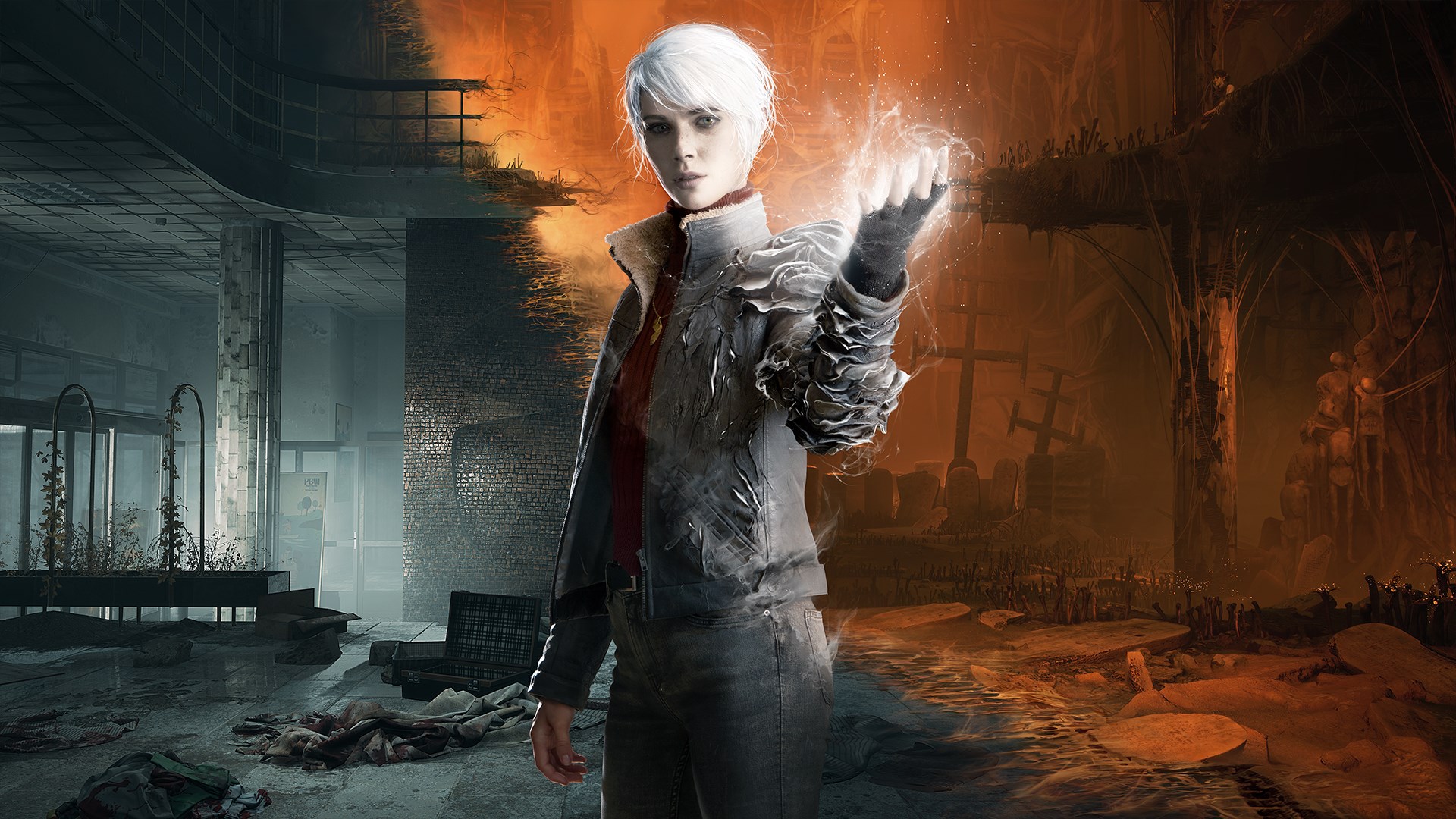
Developed and published by Bloober Team, this dual-reality horror renders two worlds simultaneously for puzzles and traversal. Fixed cameras frame spaces cinematically while keeping navigation readable. Spirit shields, out-of-body walks, and energy mechanics gate progress between realities. Story notes and echo-imprints fill in tragedies tied to the Niwa resort.
‘Lone Survivor’ (2012)
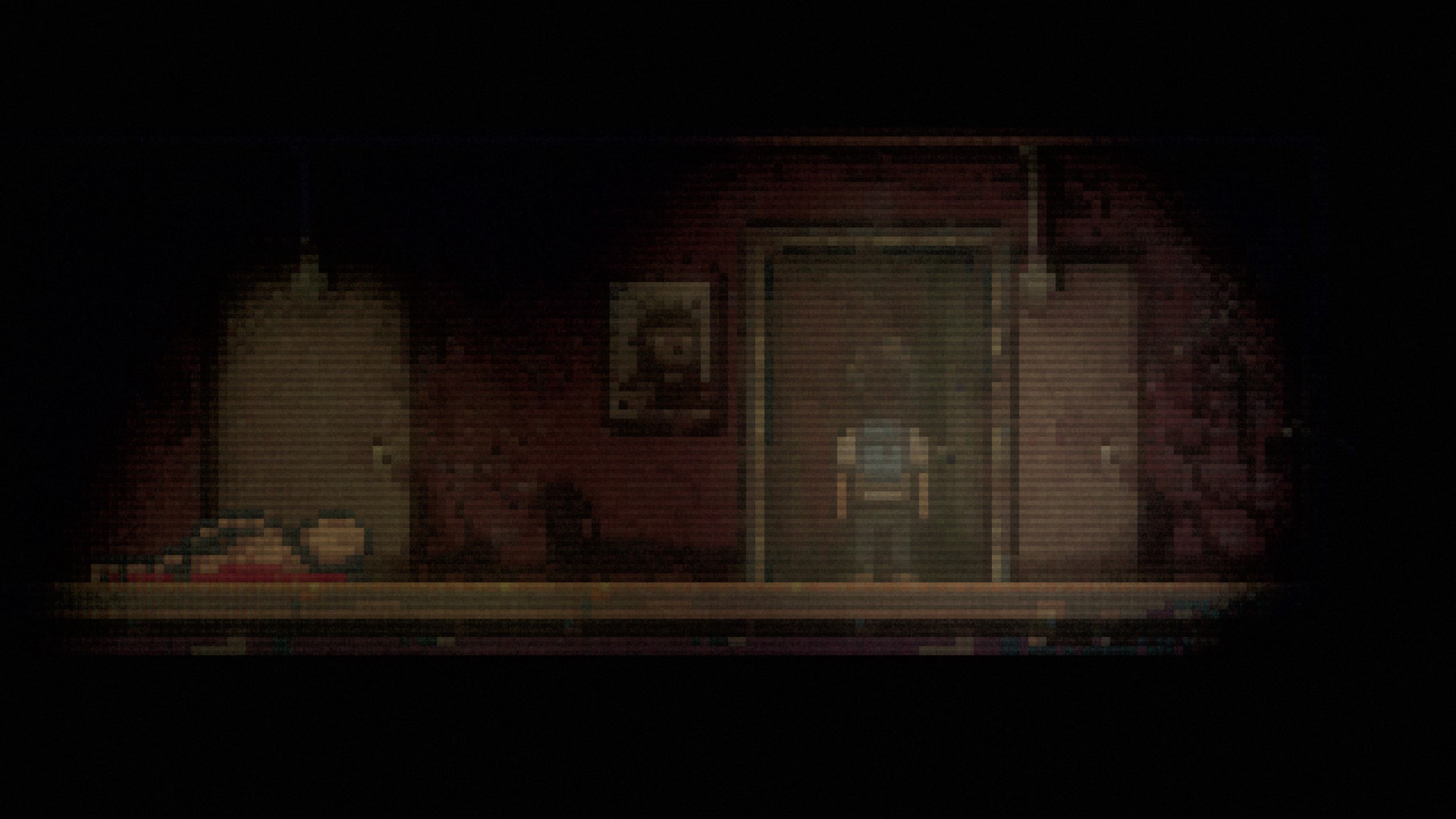
Superflat Games developed this side-scrolling survival horror, with Curve Studios publishing later console editions. Sleep, hunger, and mental health influence endings and moment-to-moment stability. Mask-wearing, radio frequencies, and stealth-lure systems enable nonlethal paths. Apartment “home base” routines—cooking, resting, and listening to broadcasts—anchor the surreal journey.
‘Little Nightmares’ (2017)
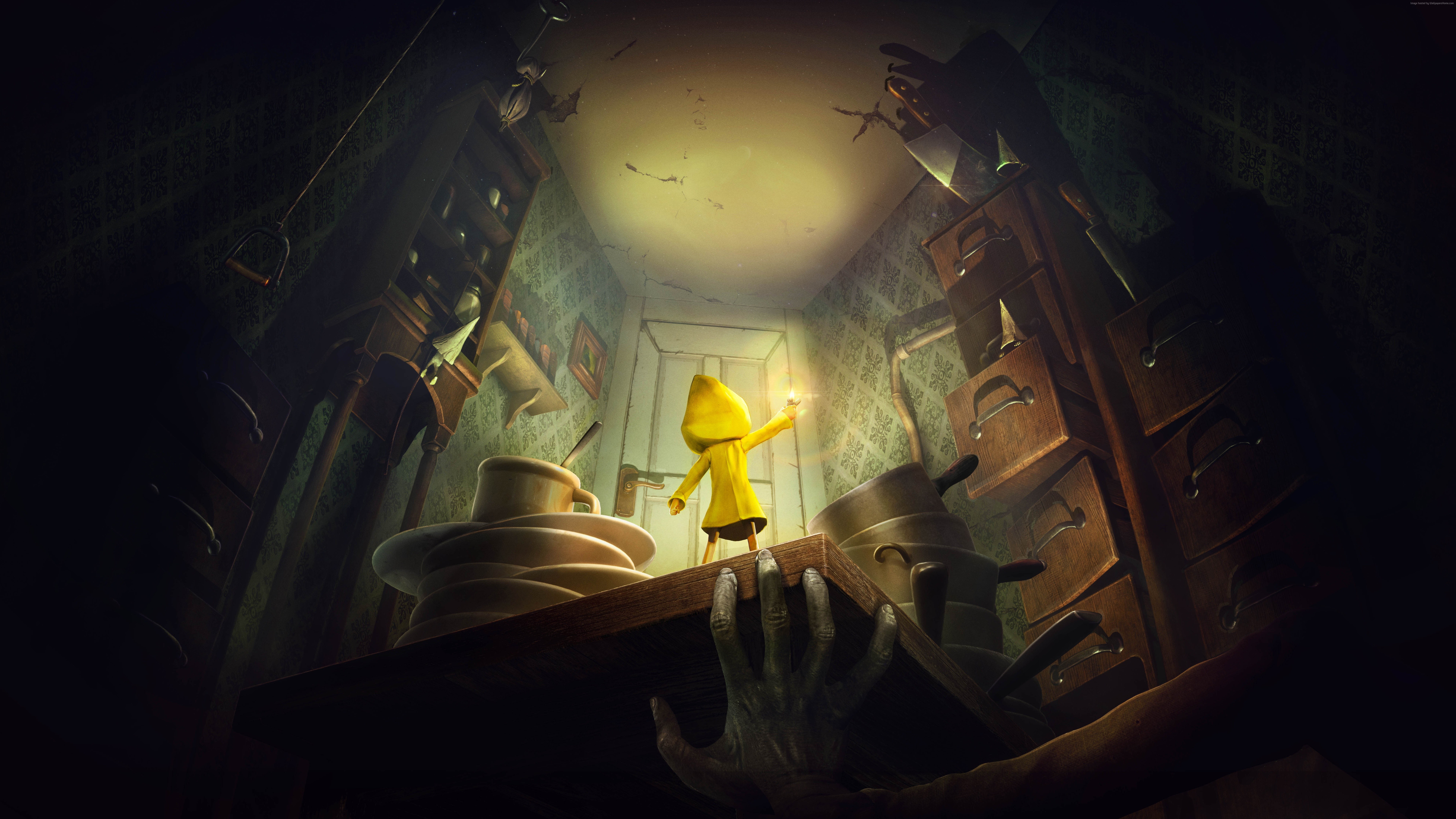
Tarsier Studios developed this side-scrolling horror, published by Bandai Namco Entertainment. Environmental puzzles hinge on physics and perspective as you traverse the Maw. Character-scale disparity—tiny protagonist, gigantic foes—supports stealth and timing. Collectibles and hidden rooms expand world lore without stopping the flow.
‘Devotion’ (2019)

Red Candle Games developed and published this apartment-set psychological horror inspired by 1980s Taiwan. Domestic spaces shift as you revisit the same corridors through changing years. Puzzle vignettes connect folk beliefs, family dynamics, and media culture. Prop detail—from packaging to children’s paraphernalia—carries much of the narrative weight.
‘Visage’ (2020)
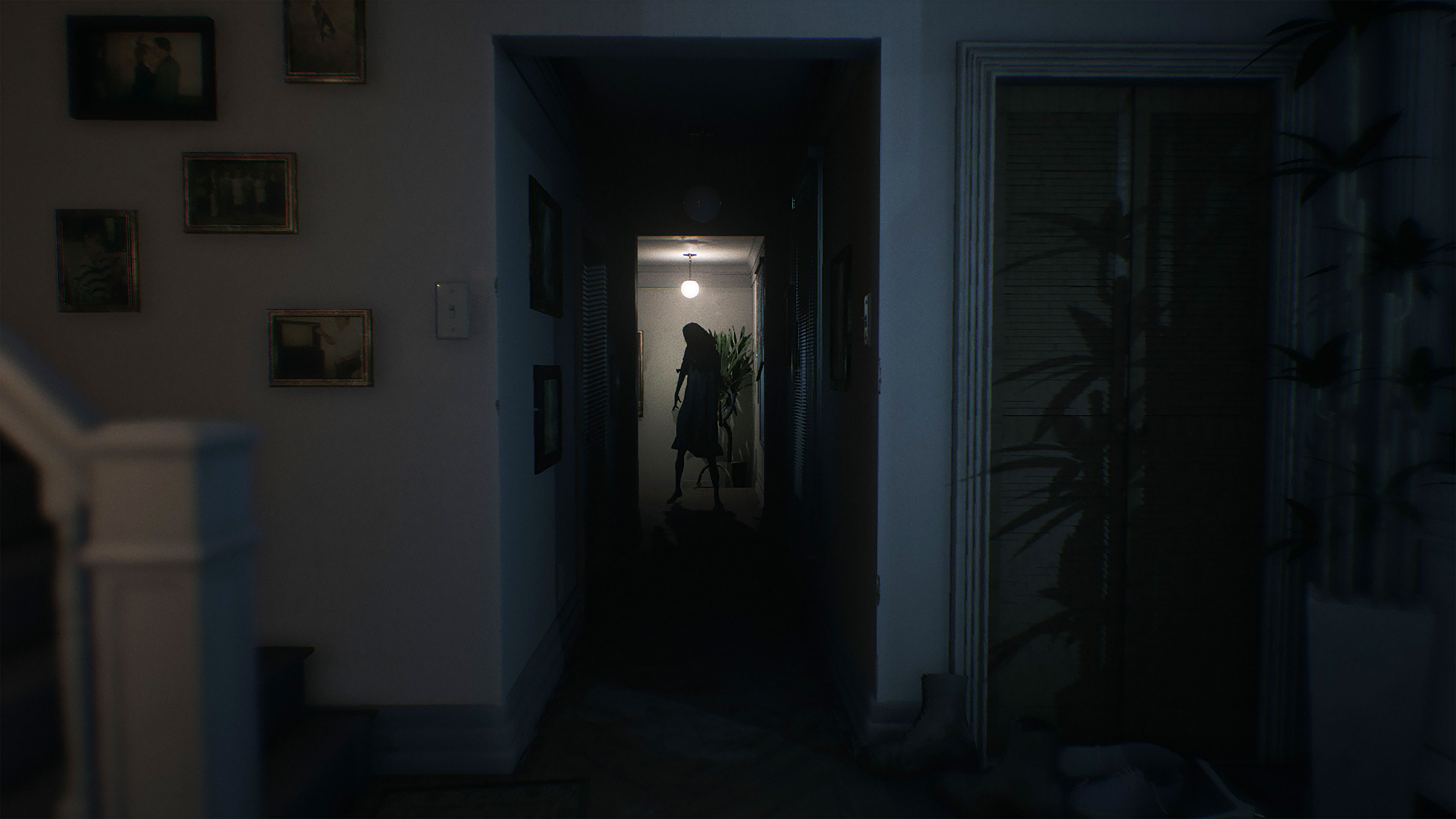
SadSquare Studio developed and published this haunted-house sim with slow exploration and high tension. A sanity meter reacts to darkness and supernatural events, making light sources precious. Chapter-based stories let you approach hauntings in different sequences. Minimal HUD and strong spatial audio emphasize listening and careful movement.
‘Scorn’ (2022)

Ebb Software developed this biomechanical nightmare, published by Kepler Interactive. Pacing leans on environmental puzzles, organic machinery, and sparse combat. Diegetic interfaces, from living door locks to vascular switches, keep interactions tactile. Level hubs loop back as you unlock pathways, rewarding observation over brute force.
Share your favorite atmospheric horror moments and the games we should add in the comments!