20 Games That Use Sound To Scare You Silly



Great horror doesn’t just hide in the dark—it lives in the hiss of a vent, the creak of an empty hallway, and the crackle of a radio you wish would stay silent. These games make audio the core of their tension, using directional cues, dynamic music systems, and reactive AI to keep players alert. From binaural recording to stealth mechanics tied directly to noise, their soundscapes drive behavior as much as visuals do. Here are twenty releases where what you hear is just as important as what you see.
‘Silent Hill 2’ (2001)
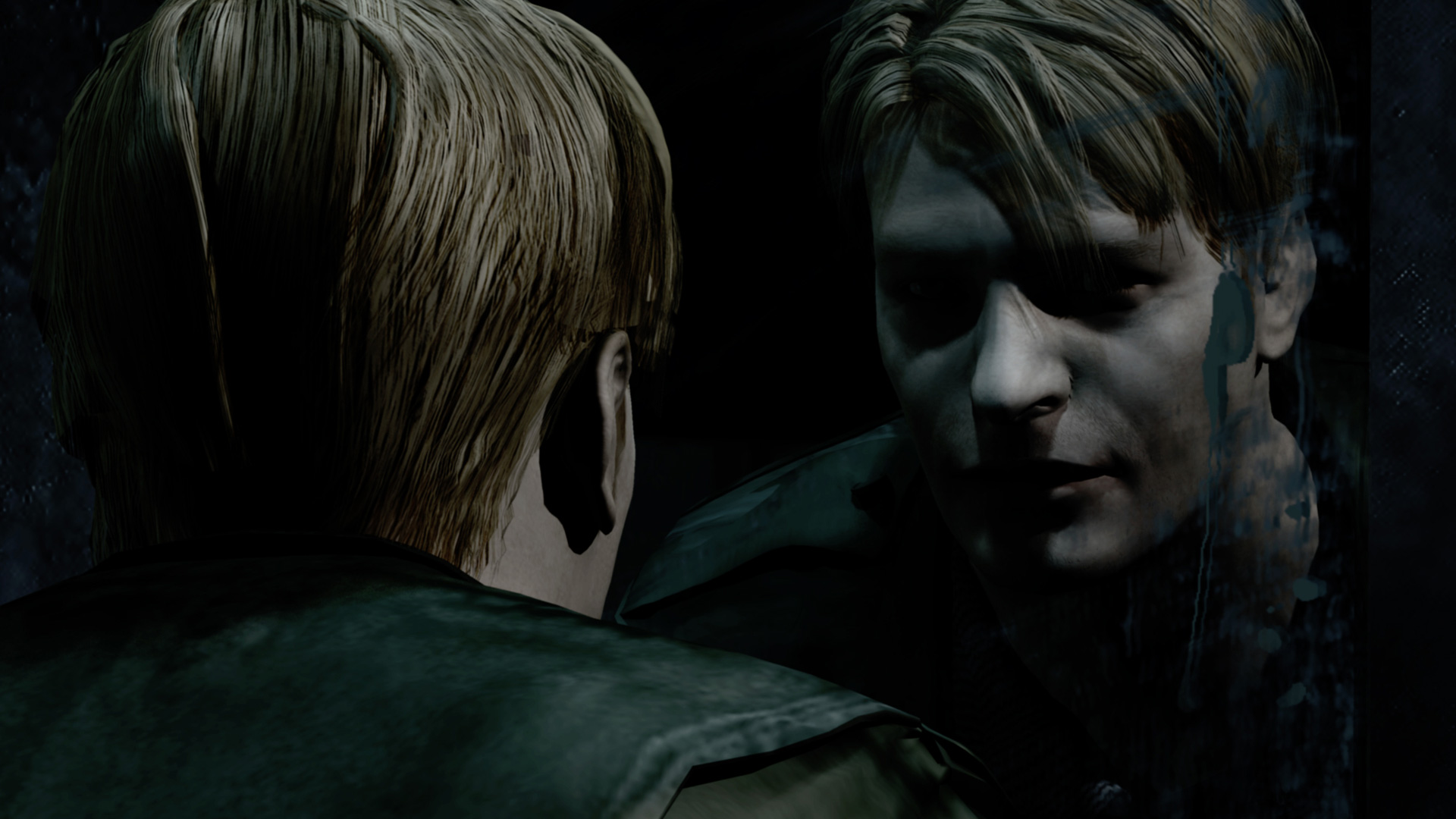
Akira Yamaoka’s industrial ambience and radio static serve as proximity indicators for unseen threats, turning everyday sounds into navigation tools. Footstep reverbs and environmental creaks shift with room size to signal space and danger without on-screen prompts. Dynamic mixing dips music to foreground diegetic cues during exploration, then swells during encounters to push urgency. Team Silent and Konami built the soundscape around psychological states, using distortion and detuning to mirror James’s unraveling.
‘Amnesia: The Dark Descent’ (2010)

Audio cues replace combat—players rely on door groans, distant moans, and water splashes to track threats while staying hidden. The sanity system modulates breathing, heartbeat, and tinnitus-like tones to warn of both enemy proximity and mental strain. Spatialized effects through occlusion and obstruction make listening at doors a viable tactic. Frictional Games developed and published the game with sound logic tied to stealth systems rather than scripted jump cues.
‘Dead Space’ (2008)

The A.L.I.V.E. audio system shifts Isaac’s breathing, effort grunts, and heart rate based on health and exertion, giving physiological feedback in real time. Necromorph vocalizations are band-split so players can localize stalkers through vents or ducts. The “sound of space” alternates between vacuum muffling and ship-interior resonance to telegraph environmental hazards. EA Redwood Shores (later Visceral Games) and Electronic Arts integrated these layers so players read danger by ear as much as HUD.
‘Alien: Isolation’ (2014)
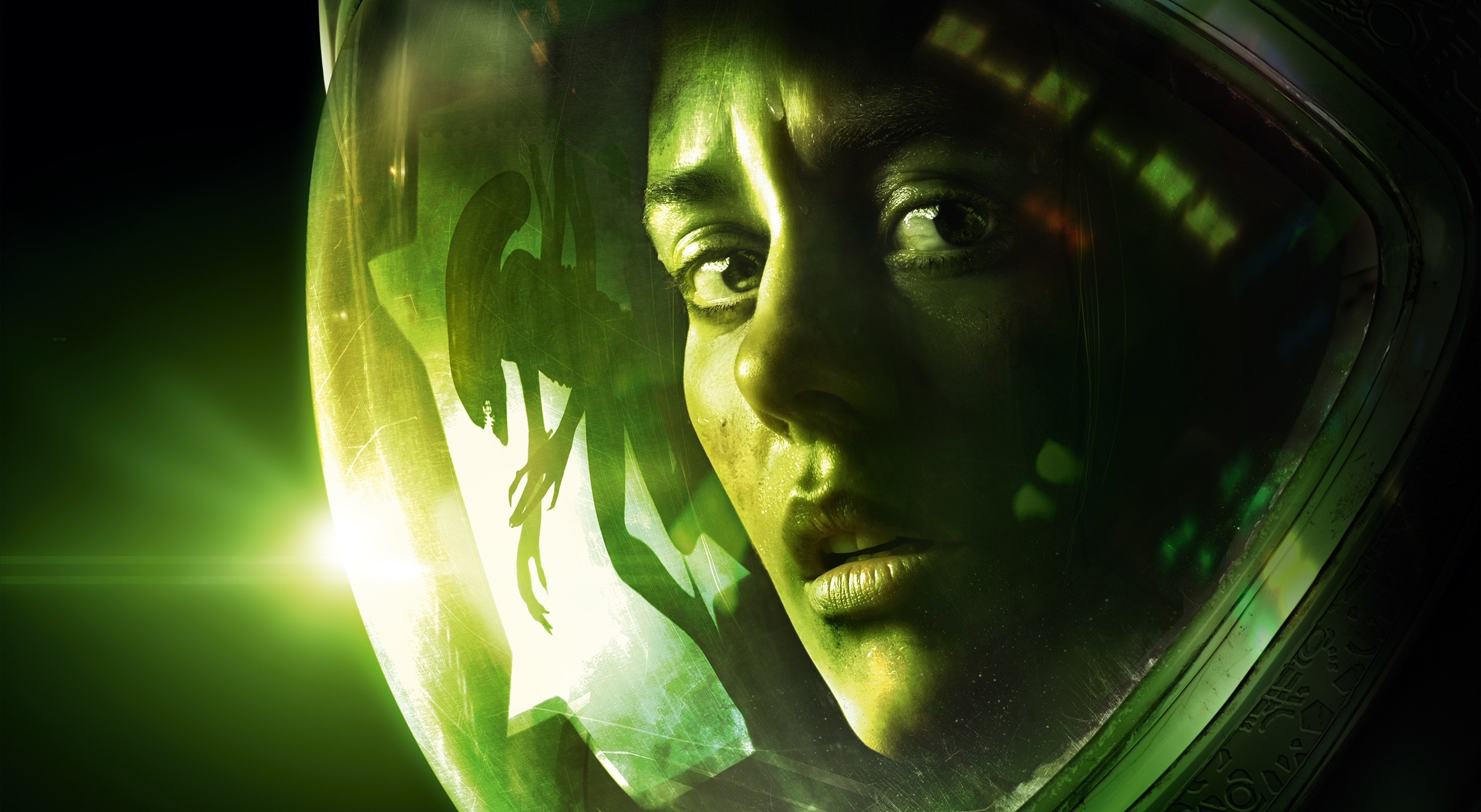
The xenomorph’s AI reacts to clatter, motion tracker pings, and sprinting, so managing noise is essential to survival. The motion tracker emits a distinctive pulse whose volume and filter change with distance and line-of-sight, encouraging cautious checks. Dynamic music stingers are tied to the creature’s states rather than fixed events, teaching players to interpret orchestral swells as telemetry. Creative Assembly and Sega built a mix that privileges Foley—vents, lockers, boots—to guide stealth decisions.
‘Outlast’ (2013)
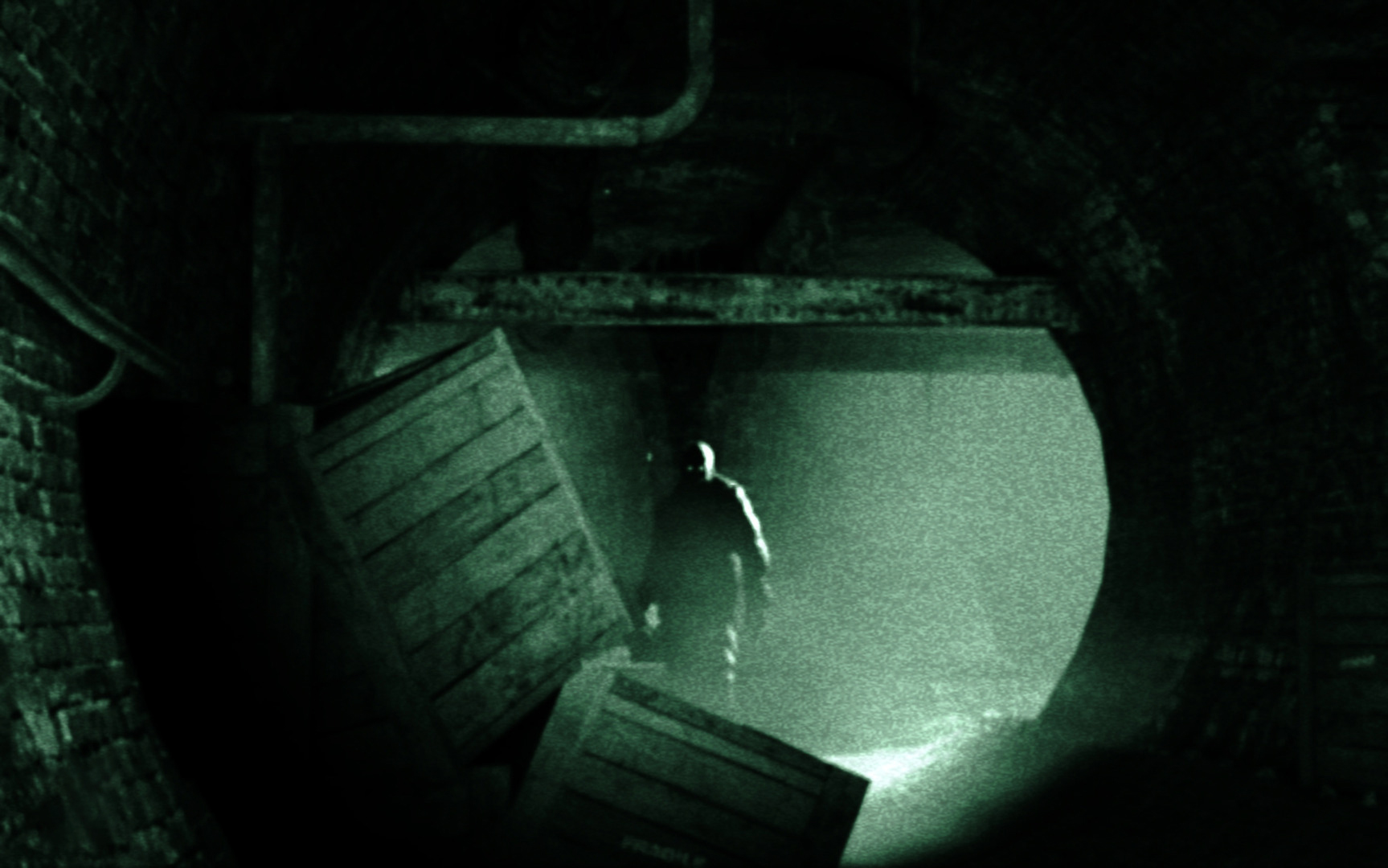
The camcorder’s onboard mic enhances subtle sounds—breathing through grates, distant chains, and footsteps—when night vision is active. Battery drain adds an audio-driven time pressure, with the low-power beep becoming a tactical countdown. Enemies announce patrol patterns with muttering and metal scraping, allowing route planning without a minimap. Red Barrels designed and published the game with mix layers that emphasize proximity and occlusion for navigation.
‘Resident Evil 7: Biohazard’ (2017)
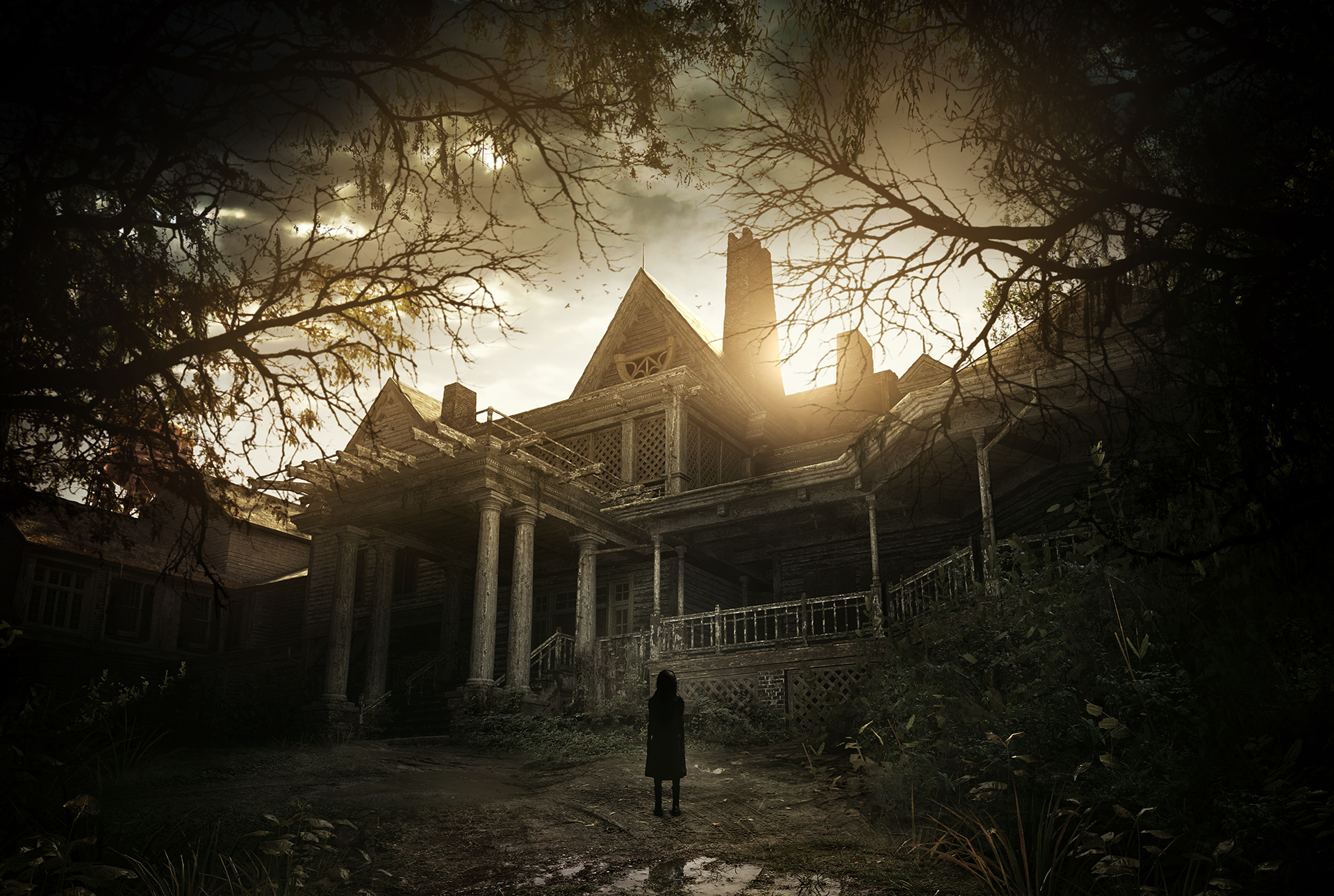
House acoustics—floorboard flex, pipe clang, and door latch rattle—telegraph patrols and hidden spaces across rooms. The Bakers have distinct sonic signatures, letting players identify who is nearby and adjust tactics accordingly. The audio engine uses convolution reverb and low-frequency rumbles to indicate structural stress during set pieces. Capcom developed and published the game with voice, Foley, and ambience mixed to prioritize stealth inference.
‘P.T.’ (2014)

Looping corridors reuse motifs—radio broadcasts, distant crying, and door knocks—that shift pitch and placement to signal state changes. The singular hallway design lets micro-variations in echo and object noise become progression clues. Controller vibrations sync with specific audio events, reinforcing timing for scripted triggers. Kojima Productions developed the teaser under Konami, building progression around auditory recognition rather than UI prompts.
‘Fatal Frame II: Crimson Butterfly’ (2003)

The Camera Obscura hum intensifies near spirits, with spectral whines indicating alignment and effective capture moments. Environmental silence in village exteriors spikes footstep clarity, encouraging slow movement to parse spatial clues. Voices from off-screen ghosts are panned and filtered to lead players toward hidden encounters. Tecmo developed and published the game, tying combat rhythm directly to audio feedback.
‘Layers of Fear’ (2016)

The environment “remixes” itself with audio first—frames scrape, floors shift, and whispers detune—before the geometry completes the change. Directional creaks and off-axis knocks nudge players to rotate the camera toward new pathways. Musical swells are tempo-matched to walking speed to pace room-to-room reveals. Bloober Team developed the game and distributed it with a mix that lets sound foreshadow visual transformation.
‘Soma’ (2015)

Underwater segments use pressure-filtered audio and low-frequency drones to convey depth and hull stress. Enemies respond to device noise, forcing players to manage consoles and doors with attention to sound radius. Voice logs and PA systems serve as in-world tutorials for safe routing, using stereo placement to mark objectives. Frictional Games developed and published the title, embedding stealth rules into ambient machinery and alarms.
‘Hellblade: Senua’s Sacrifice’ (2017)

Binaural recording places voices around the player’s head, with precise elevation cues that inform timing and direction during combat. Whispering advisors warn of incoming strikes without on-screen indicators, functioning as a diegetic UI. Environmental drones and choral elements change with puzzle state, helping players verify solutions by ear. Ninja Theory developed and published the game, recommending headphones to realize its spatial design.
‘Phasmophobia’ (2020)
In-game voice chat feeds into ghost AI—speaking keywords or raising volume can trigger hunts or responses on spirit box. Equipment emits identifiable tones—EMF readers, motion sensors, and DOTS projectors—that communicate investigation progress. Room temperatures and breaker status are conveyed with HVAC hums and appliance cycles rather than pop-ups. Kinetic Games developed and published the title with sound-driven evidence loops for cooperative play.
‘Visage’ (2020)
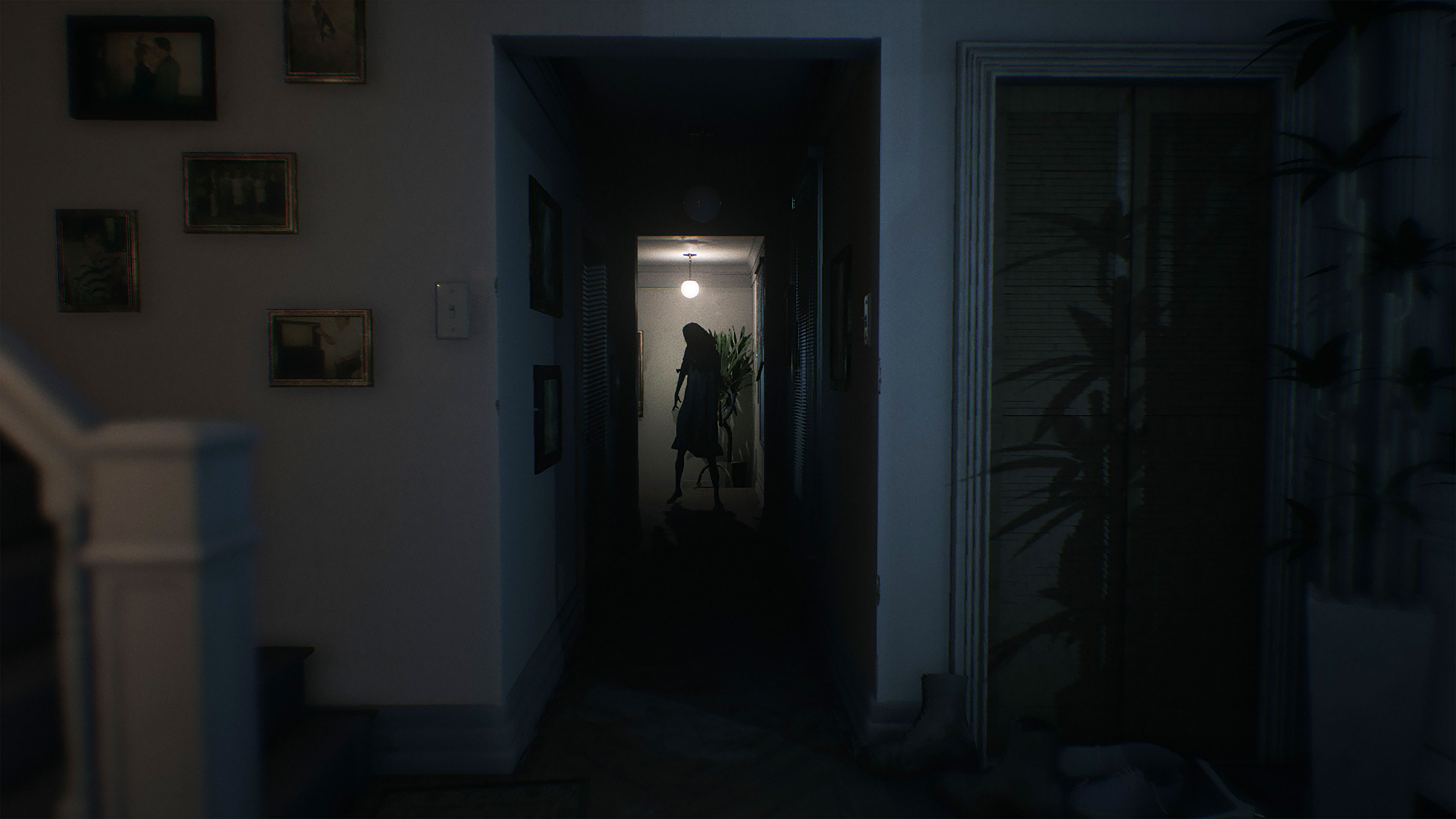
Lightbulb pops, electrical buzz, and clock ticks escalate when sanity drops, turning background noise into status feedback. Distant door slams and plumbing knocks map house layout, directing players toward event chains. The mix uses sudden dead-air to mark transitions, signaling when scripts or free roam shift. SadSquare Studio developed and published the game with audio pacing that steers exploration.
‘Condemned: Criminal Origins’ (2005)
Reverberant metal clangs and distant footsteps guide players through derelict interiors, often preceding melee encounters. Enemy taunts and breathing are mixed for location accuracy in tight spaces, aiding pre-fight tracking. Forensic tools click, hum, and scan with tones that confirm evidence thresholds without long UI prompts. Monolith Productions developed the game, and Sega published it with heavy emphasis on environmental Foley.
‘Eternal Darkness: Sanity’s Requiem’ (2002)
Sanity effects include diegetic audio illusions—fake menu sounds, phantom footsteps, and mismatched voice cues—to disrupt player expectations. Chanting patterns from spellcasting can be recognized by ear to confirm rune combinations. Level acoustics shift across eras, using reverb profiles to differentiate stone halls from open courtyards. Silicon Knights developed the game with Nintendo as publisher, integrating audio tricks into core mechanics.
‘Darkwood’ (2017)

Limited sightlines make rustles, twig snaps, and door groans the primary tools for tracking movement outside the safehouse. The generator’s engine note doubles as a radius marker for nighttime safety, audible through walls. Traps give crisp activation sounds—glass crunch or bear-trap snap—so players can infer breaches without visuals. Acid Wizard Studio developed and published the game, designing progression around acoustic situational awareness.
‘The Last of Us’ (2013)
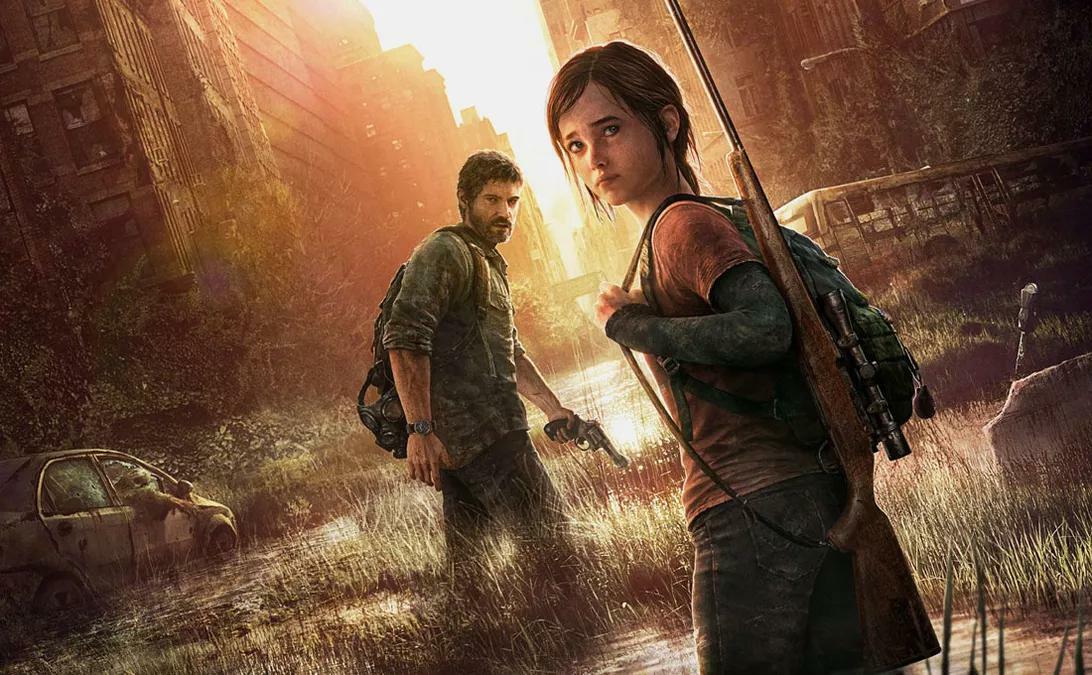
Clickers use echolocation with a distinctive chatter that advertises both threat level and patrol routes. Crafting and weapon handling have audible signatures, encouraging timing actions during loud environmental cover. Accessibility options include enhanced listening mode with spatial pings that translate to navigation assistance. Naughty Dog developed the game, and Sony Computer Entertainment published it with layered Foley for stealth readability.
‘The Mortuary Assistant’ (2022)

Procedures emit specific sounds—drawer rails, embalming pumps, and reagent pours—so deviations alert players to event triggers. Supernatural occurrences manipulate the same sources, creating mismatches that signal progression. Voice recordings and phone calls provide actionable hints keyed to location audio. DarkStone Digital developed the game with DreadXP as publisher, centering gameplay on listening during routine tasks.
‘Little Nightmares’ (2017)
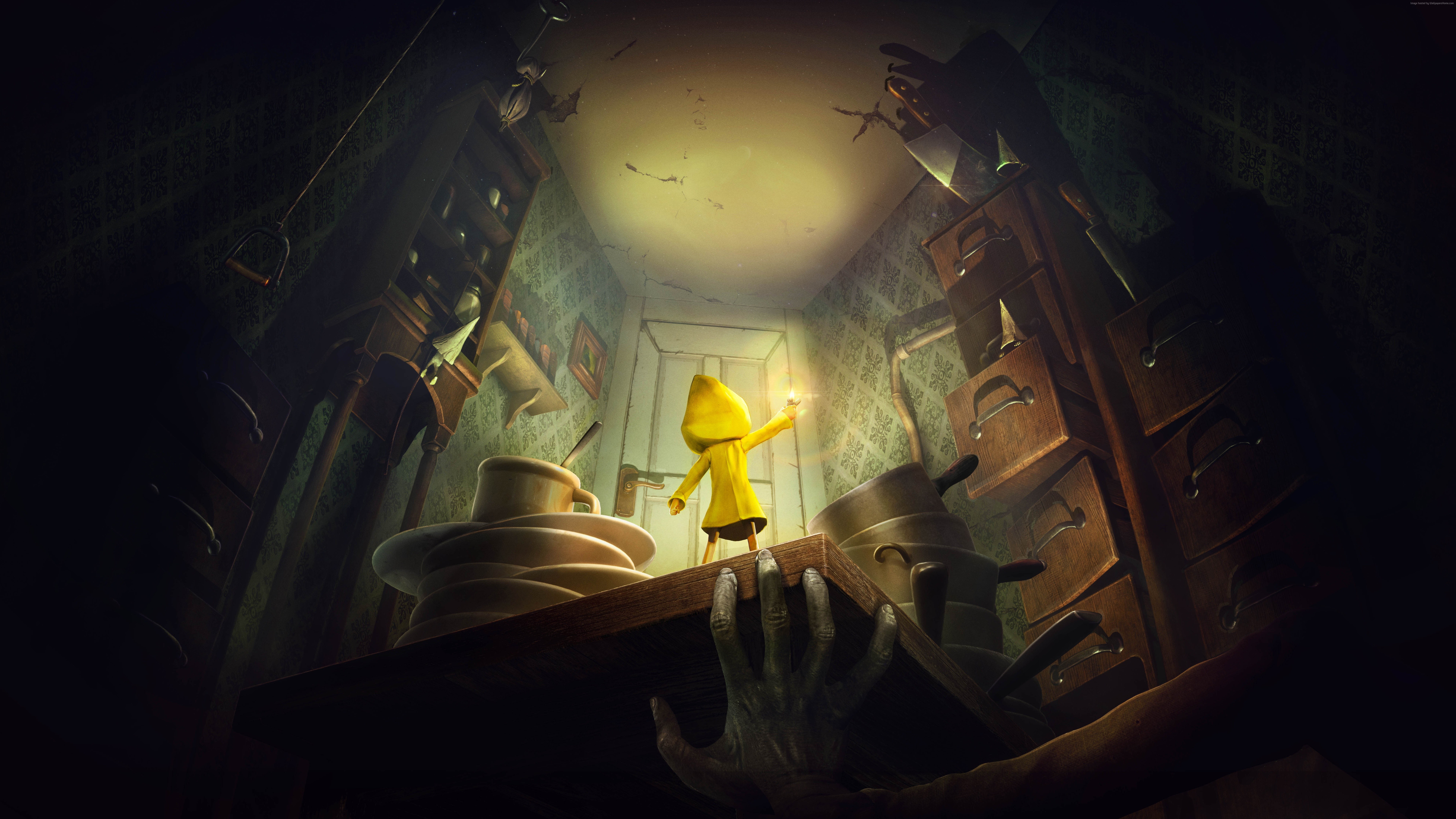
Oversized spaces amplify drips, chain swings, and ventilation, letting players detect hazards before they enter frame. enemy patterns are telegraphed by tool noises—scissors scraping, pans clanging—so routes can be planned by ear. The ship’s groans change with area, subtly marking checkpoints and puzzle zones. Tarsier Studios developed the title, and Bandai Namco Entertainment published it with meticulous small-object Foley.
‘Alan Wake 2’ (2023)

Dynamic narrative sequences modulate voice layering and environmental drones to indicate “overlap” states between realities. Weapon sounds are mix-prioritized against ambience to keep reloads and tells legible during low-light combat. Audio collectibles and broadcast segments provide location hints via stereo placement and filtering. Remedy Entertainment developed the game, with Epic Games Publishing handling release, using sound cues to track story state and exploration threads.
Share the audio-driven games you’d add to this list in the comments!