20 Games With The Coolest Hub Worlds

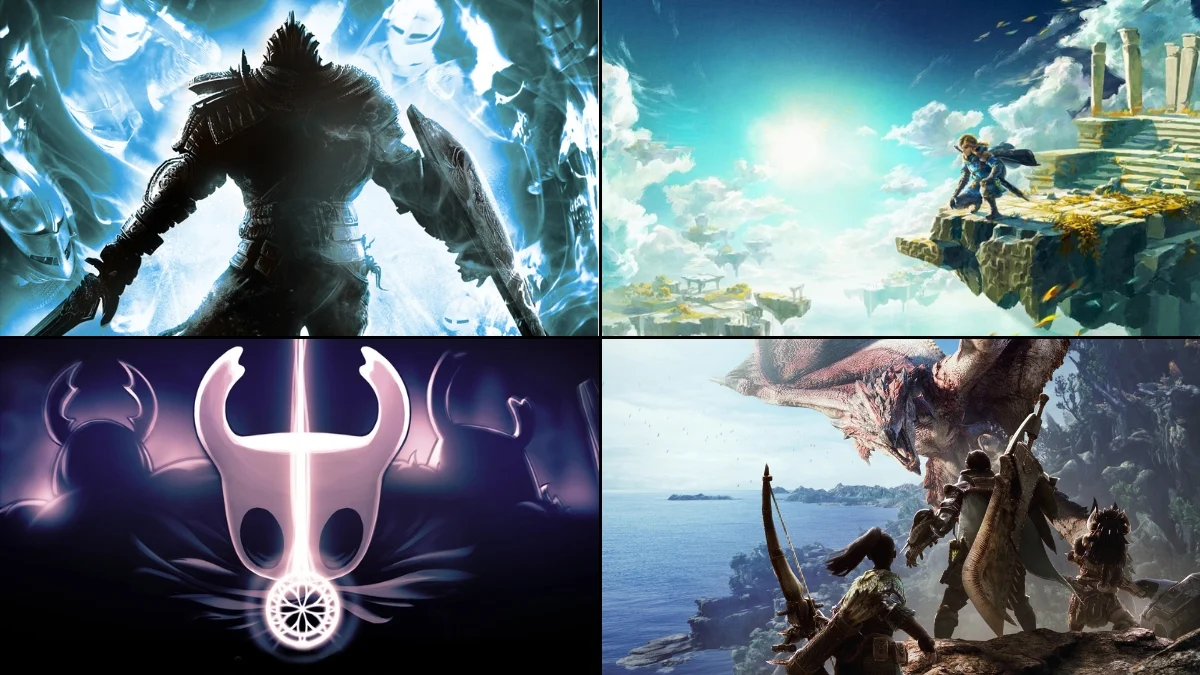

From classic action RPGs to sprawling open worlds, some games build memorable central spaces where everything comes together—upgrades, questlines, lore, and fast travel. Below are twenty standout hub worlds that anchor their games with essential services, NPCs, and progression systems, plus the studios responsible for bringing them to life.
‘Dark Souls’ (2011)
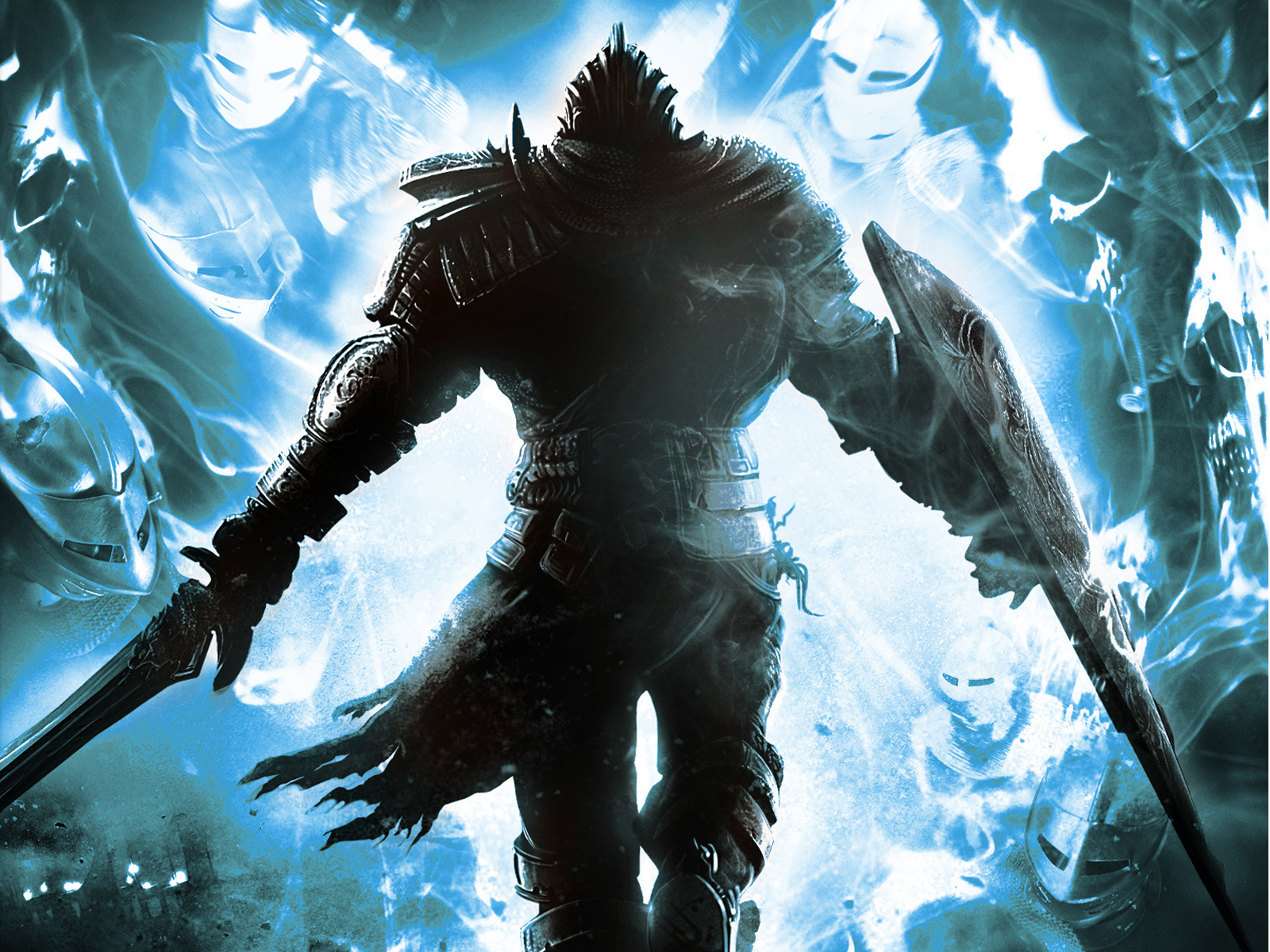
Firelink Shrine functions as the game’s central checkpoint, connecting major regions via elevators, gates, and warp after key progression. Players can level up at bonfires, reinforce Estus with Fire Keeper Souls, and access blacksmith services nearby once unlocked. NPC questlines converge here, with characters appearing or disappearing based on player actions and boss defeats. Developed by FromSoftware and published by Bandai Namco Entertainment, it’s the routing point for early and mid-game exploration.
‘Bloodborne’ (2015)
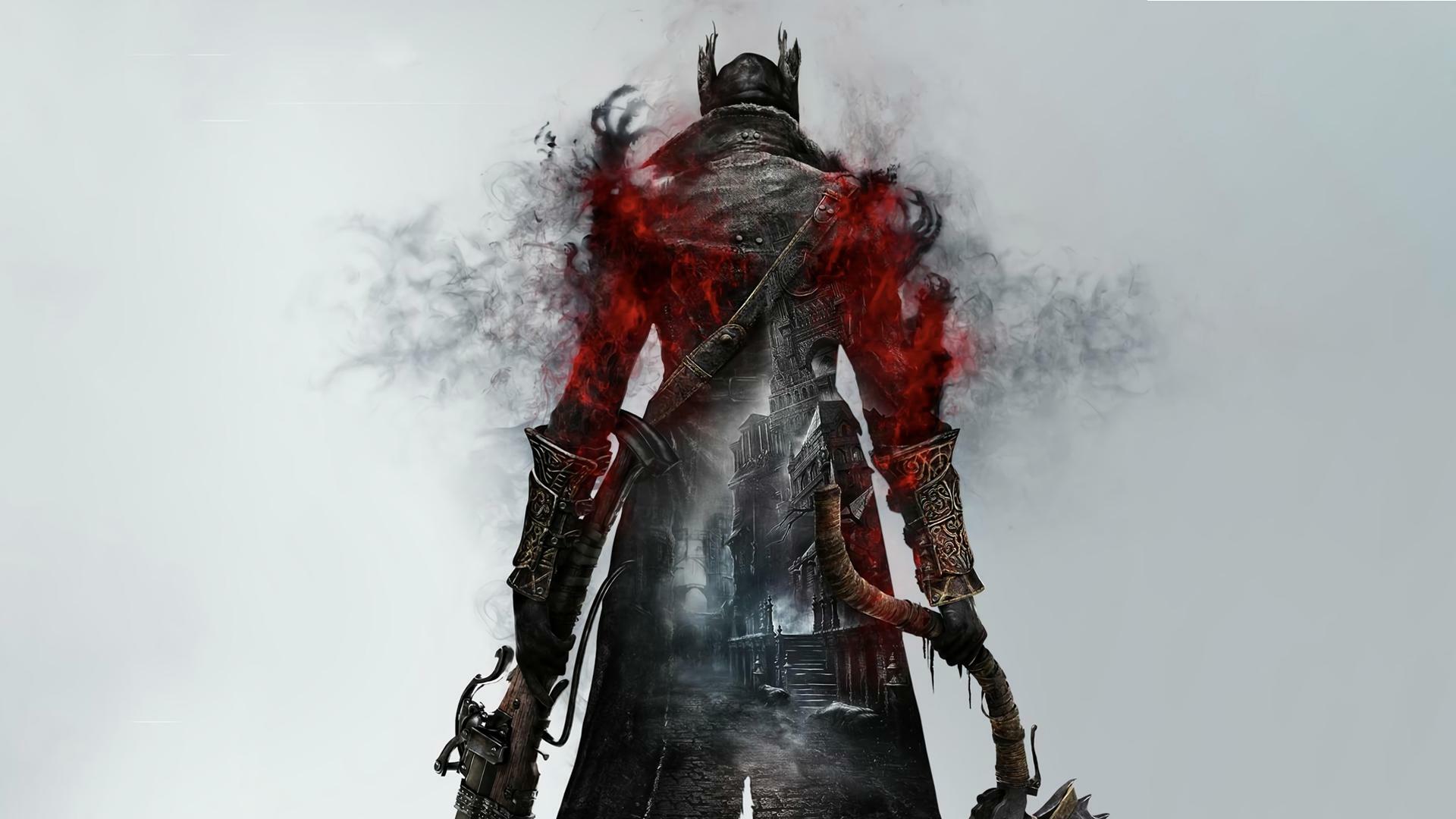
The Hunter’s Dream serves as a safe pocket dimension where players level up, fortify and transform trick weapons, and manage storage. Headstones enable fast travel to discovered lamps, while the Insight system controls access to certain features and summons. Workshop tools unlock upgrade menus, rune customization, and gem slotting for detailed build tuning. FromSoftware developed the game for Sony Interactive Entertainment, making this hub the operational base between hunts.
‘Elden Ring’ (2022)
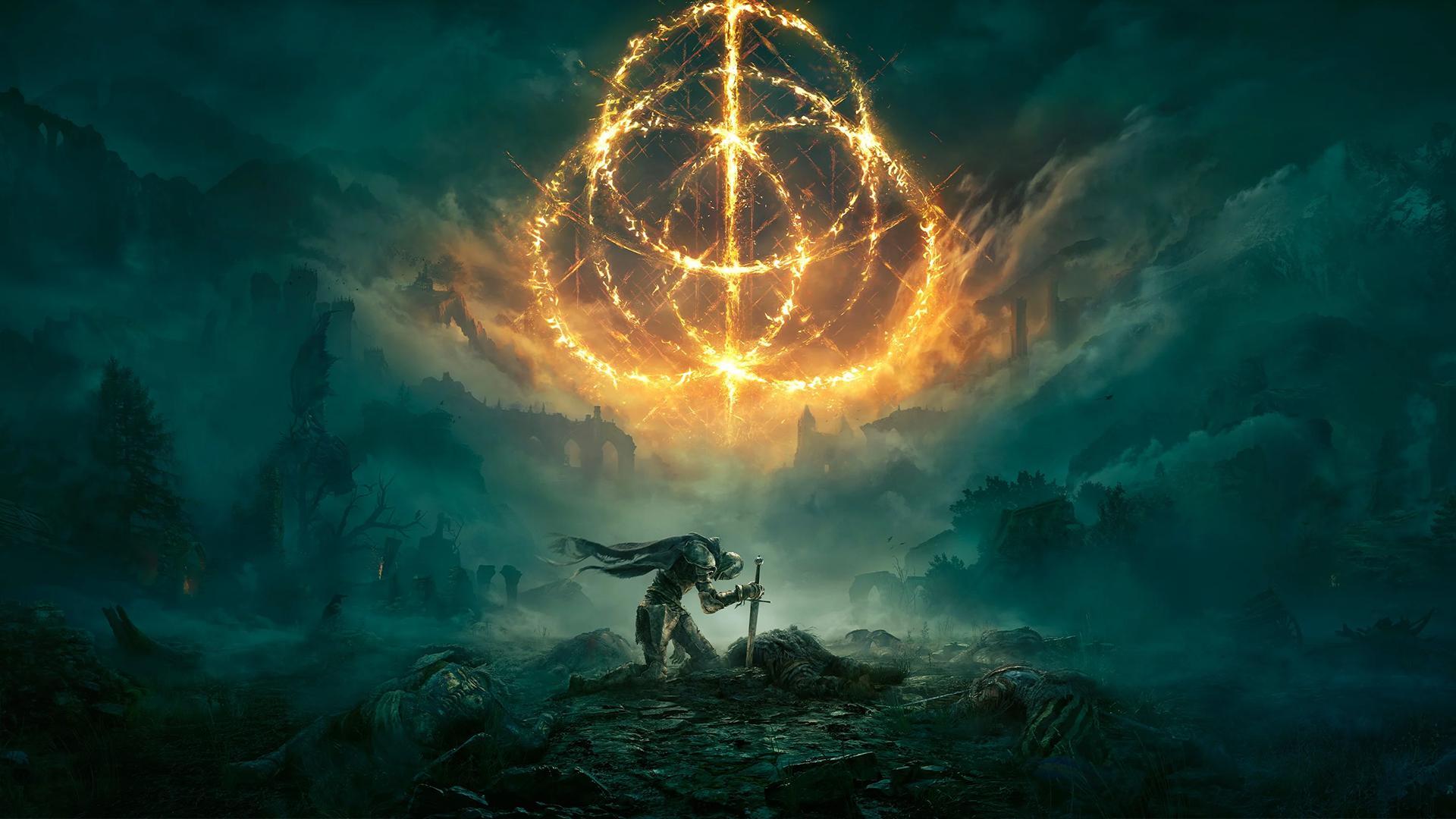
Roundtable Hold is an instanced social space that opens after meeting Melina’s milestone, providing smithing upgrades up to high tiers. It houses multiple merchants, remembrance duplication via an external mausoleum system, and NPC quest progression that shifts after major bosses. Certain doors and chambers unlock as story flags trigger, revealing new services and invasions/events. The game was developed by FromSoftware and published by Bandai Namco Entertainment.
‘Destiny’ (2014)
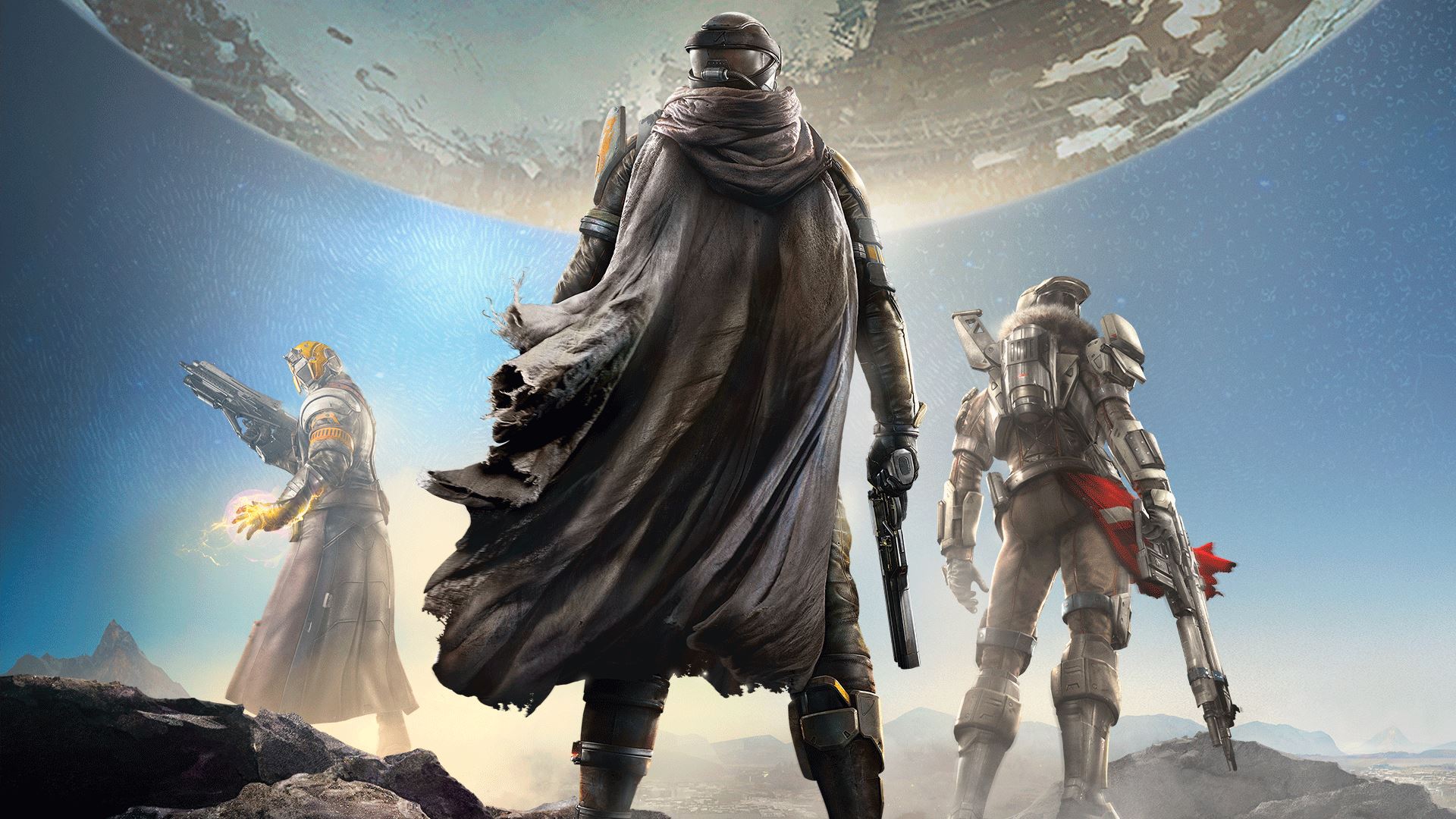
The Tower offers vendors for gear acquisition, reputation turn-ins, and weekly milestone check-ins, along with the Postmaster, Vault, and Eververse kiosks. Players pick up bounties, decrypt engrams through the Cryptarch, and access events like Iron Banner via dedicated NPCs. Orbit travel enables matchmade activities, raids, and strikes selected from the Director. Bungie developed and published the game, with persistent live-service updates built around this hub.
‘Destiny 2’ (2017)
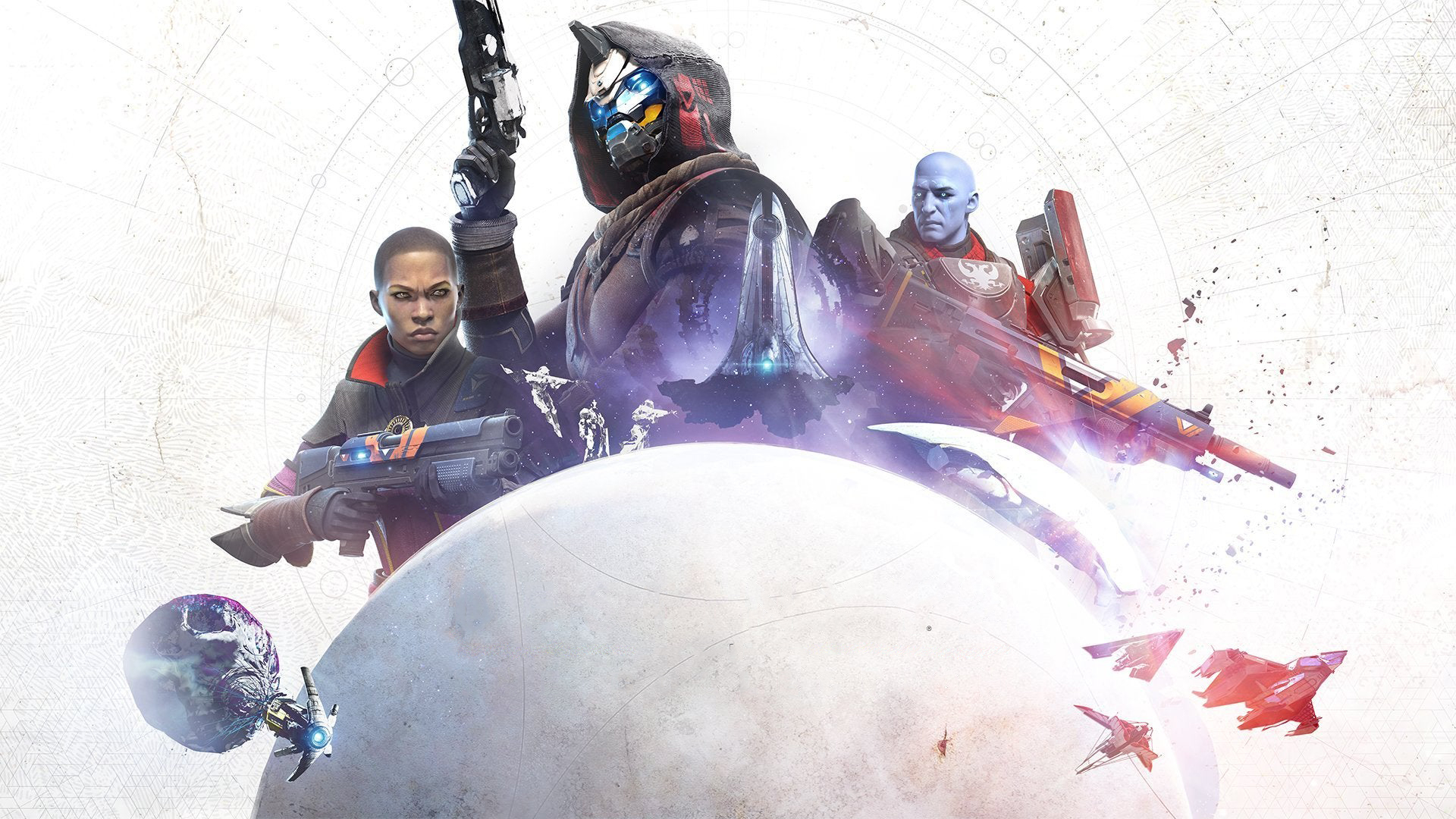
A rebuilt Tower centralizes seasonal vendors, artifact upgrades, clan features, and the Collections interface for reclaiming unlocked gear. The H.E.L.M. acts as a secondary rotating hub for seasonal activities, crafting components, and narrative briefings. Players manage loadouts, transmog, and reputation tracks through hub terminals and NPCs. Bungie developed and published the game as a continuing live service with evolving hub spaces.
‘Borderlands 2’ (2012)
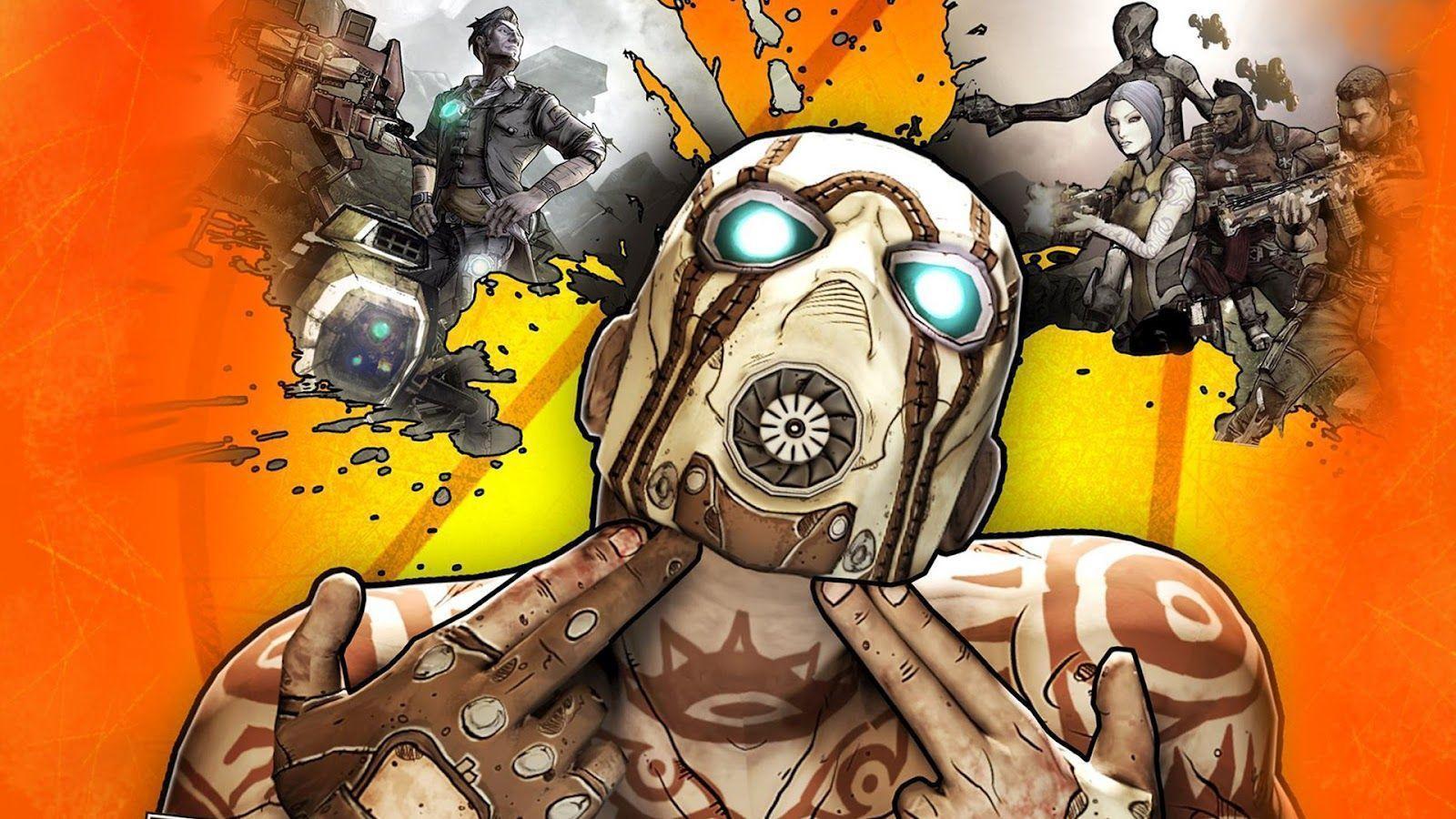
Sanctuary provides mission distribution, vending machines, a black market for inventory upgrades using Eridium, and key story NPCs. The Fast Travel network anchors to Sanctuary for quick returns after side quests across Pandora. The Golden Chest and shift codes system allow gear pulls tied to player progress. Gearbox Software developed the game, with 2K Games as publisher.
‘Borderlands 3’ (2019)
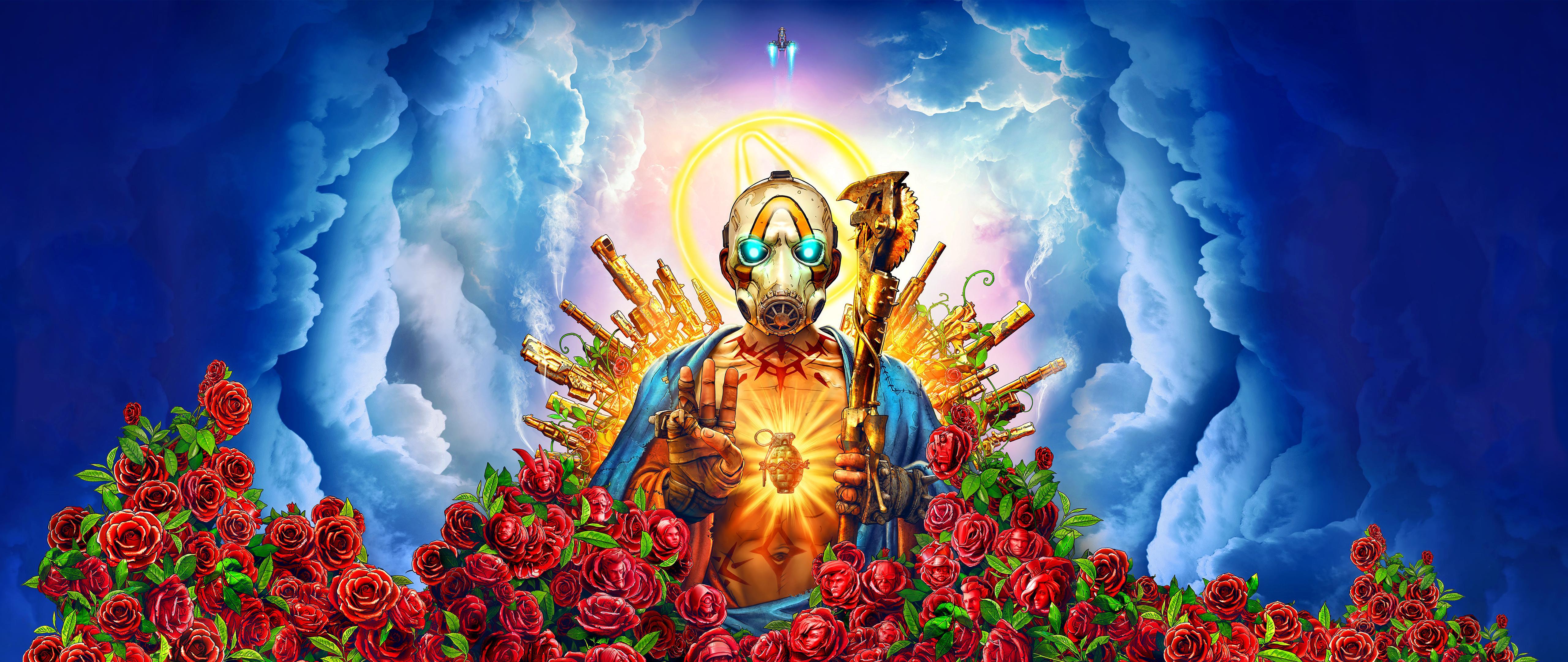
Sanctuary III is a mobile starship hub featuring vending, lost loot recovery, SDU upgrades, and crew challenge turn-ins. Rooms unlock for NPCs as the story advances, offering new side quests and gameplay systems like Moxxi’s slot machines. The Galaxy Map enables planet selection and fast travel directly to discovered nodes. Gearbox Software developed the game, and 2K Games published it.
‘Monster Hunter: World’ (2018)
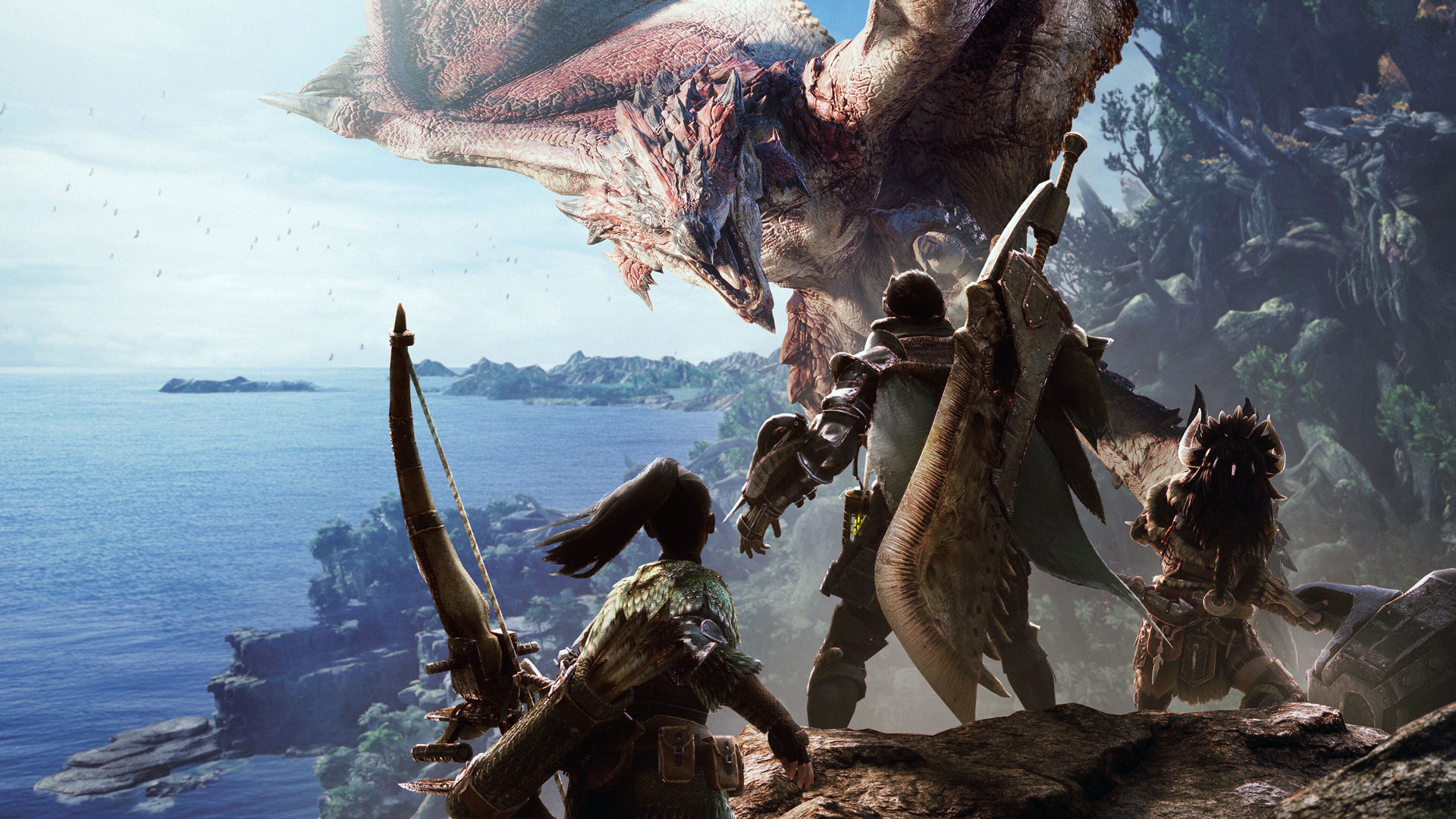
Astera consolidates smithy forging and augmentation, canteen meal buffs, botanical research cultivation, and quest board access. Players manage investigations, bounties, and layered armor transmog from hub facilities, with resource deliveries unlocking station upgrades. The Gathering Hub supports multiplayer matchmaking and arena quests. Capcom developed and published the game, later adding Seliana as an expanded hub in the Iceborne expansion.
‘Monster Hunter Rise’ (2021)
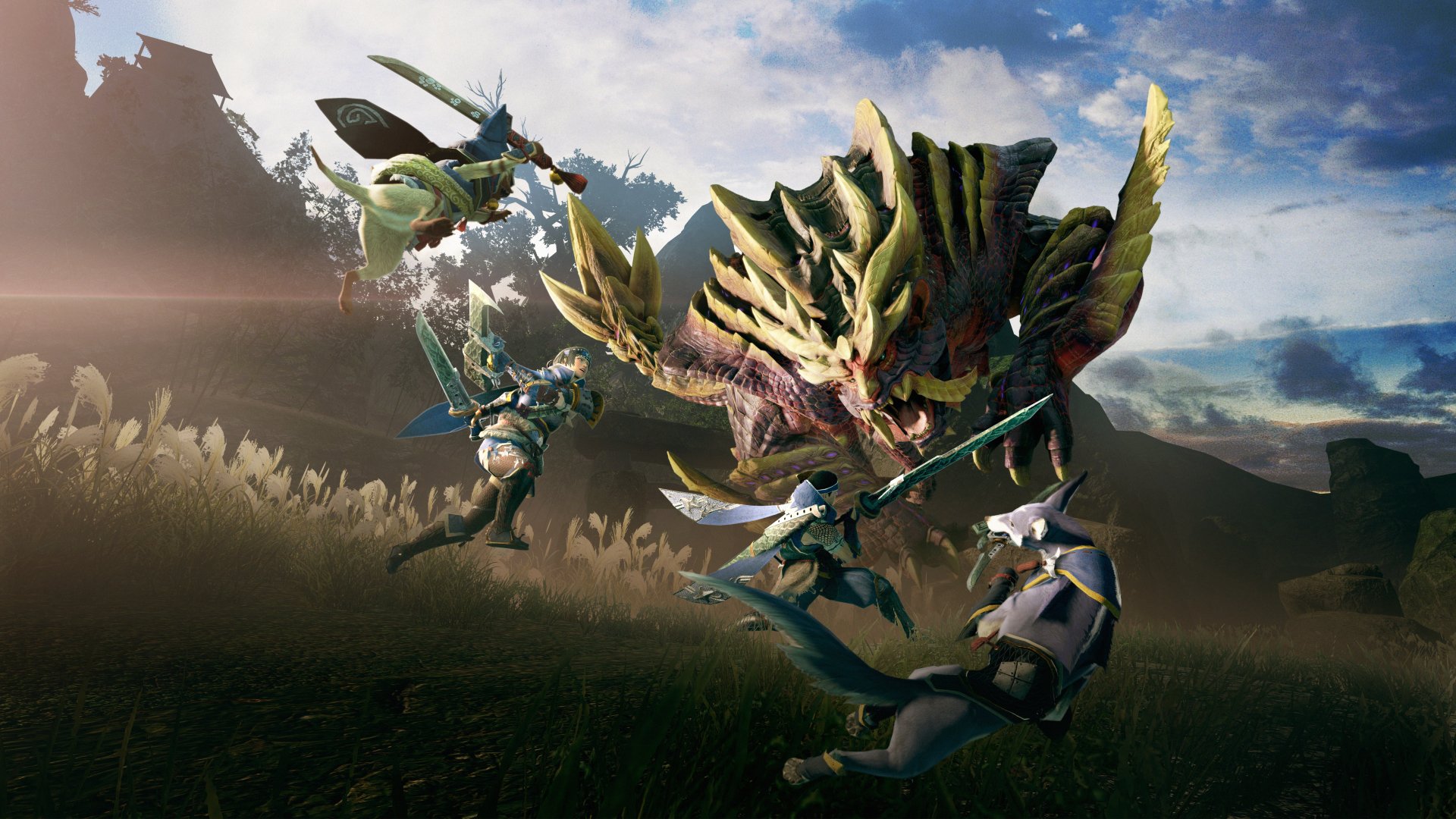
Kamura Village includes the Smithy, Buddy Plaza for Palico/Palamute management, canteen Dango buffs, and subquests from village NPCs. The Hub Quests counter handles multiplayer progression, while the Argosy and Meowcenaries provide passive material gathering. Wirebug tutorials and switch skills integrate through village training and vendors. Capcom developed and published the title on Switch and PC.
‘Mass Effect 2’ (2010)
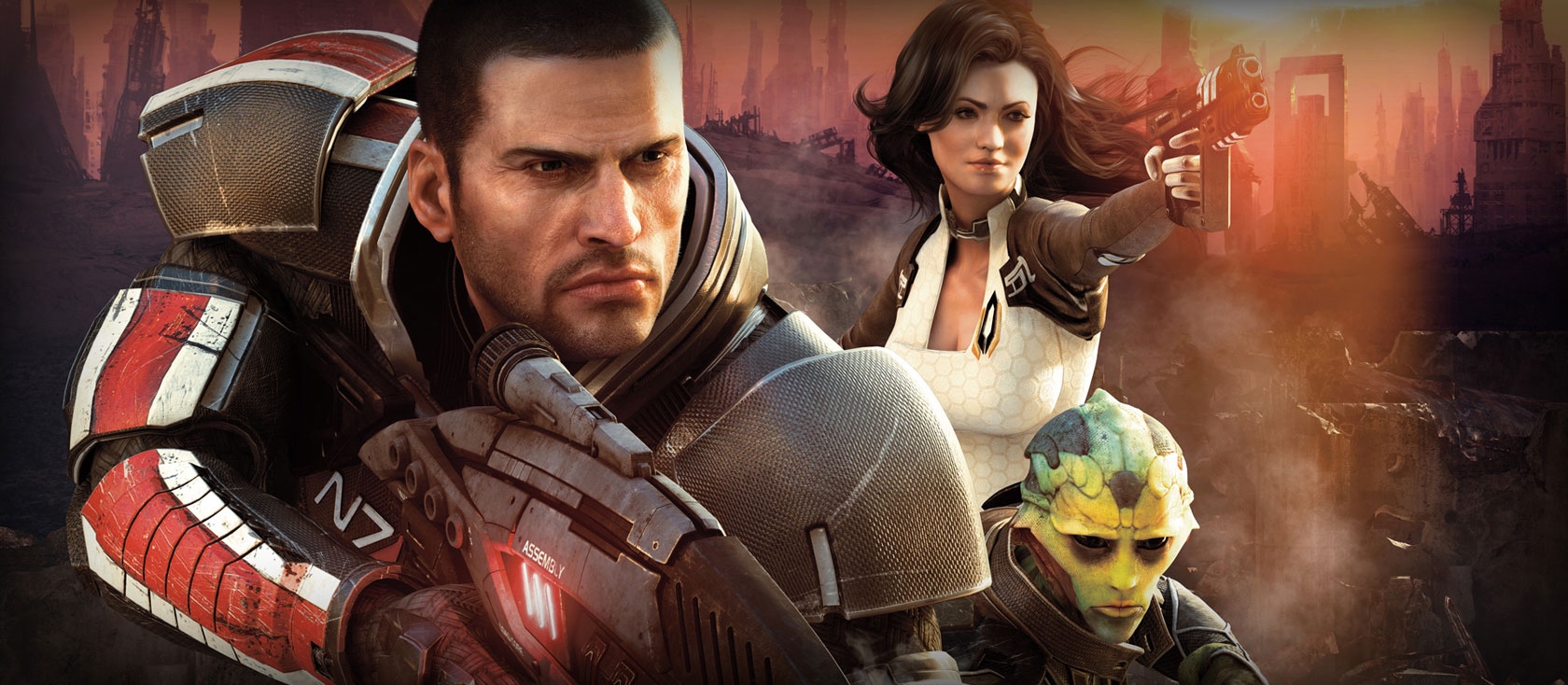
The Normandy SR-2 serves as a mobile hub with deck-by-deck access to research upgrades, squad conversations, and galaxy navigation. Players allocate resources to ship and weapon tech, impacting survivability in late-game missions. Crew loyalty missions originate from interactions aboard the ship, altering combat abilities. BioWare developed the game, and Electronic Arts published it.
‘Dragon Age: Inquisition’ (2014)
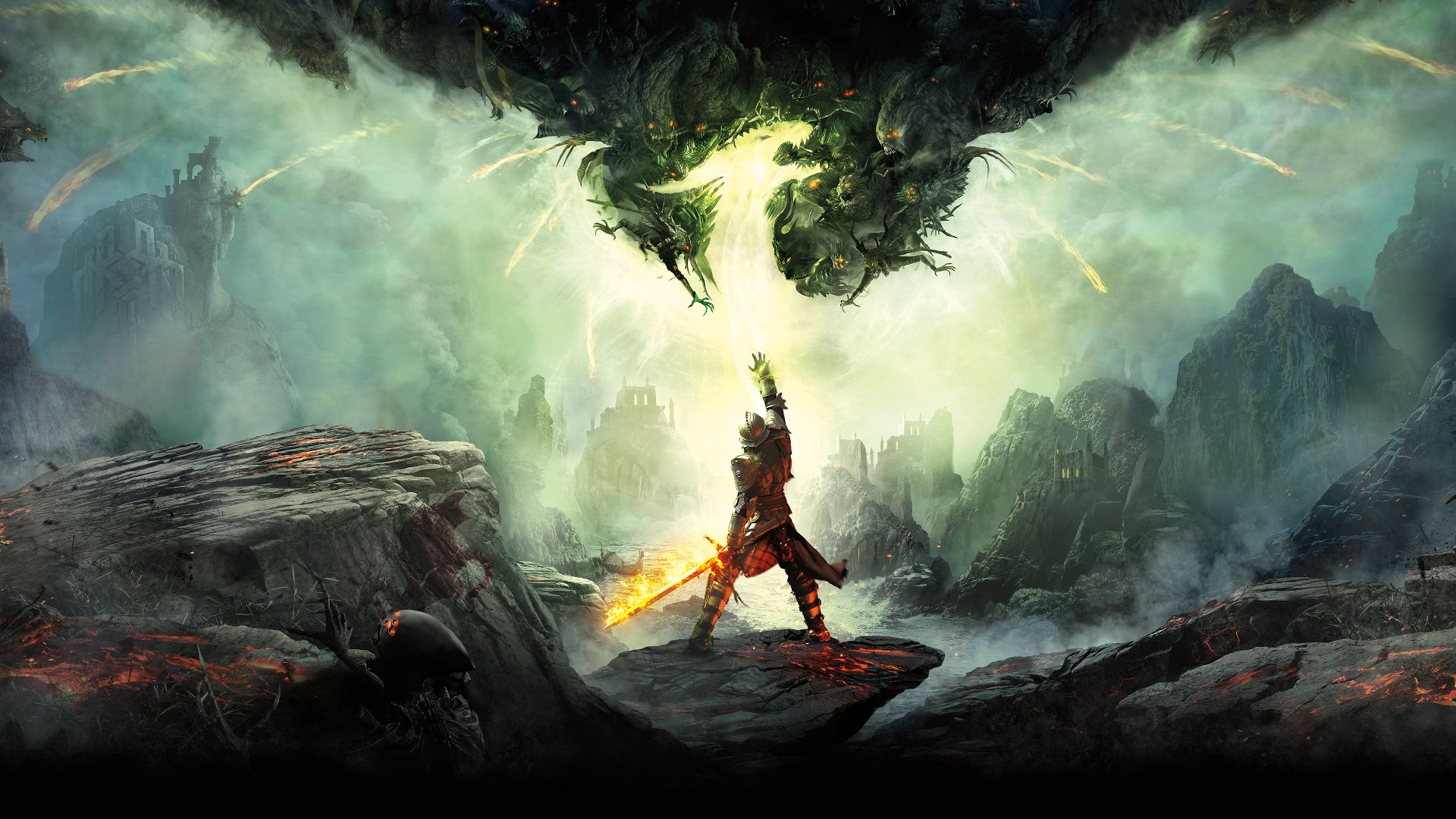
Skyhold becomes the Inquisition’s headquarters, offering the War Table for operations, crafting stations, and throne judgments that influence world states. Players assign advisors to timed operations and unlock fortifications, gardens, and decor through renovations. Specialist NPCs enable masterwork crafting and resist-focused gear. BioWare developed the game, published by Electronic Arts.
‘The Legend of Zelda: Skyward Sword’ (2011)
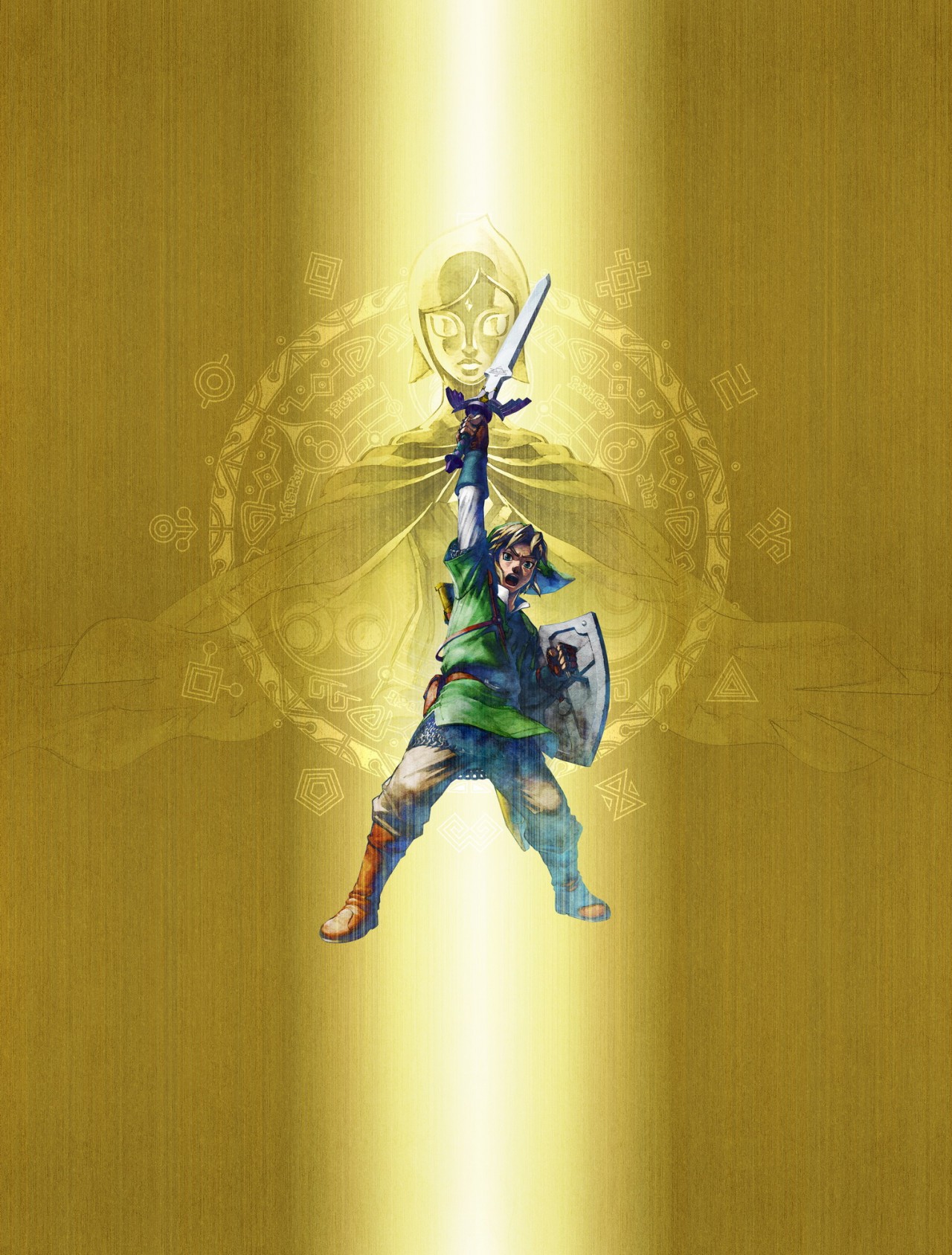
Skyloft acts as the aerial hub, hosting item upgrades through the Scrap Shop, storage via the Item Check, and side quests tied to gratitude crystals. Loftwing flights connect to The Surface, with Goddess Cubes linking to treasure chests. Time-of-day shifts alter NPC routines and available activities through sleeping at beds. Nintendo developed and published the game for the Wii, later remastered for Switch.
‘The Legend of Zelda: Tears of the Kingdom’ (2023)
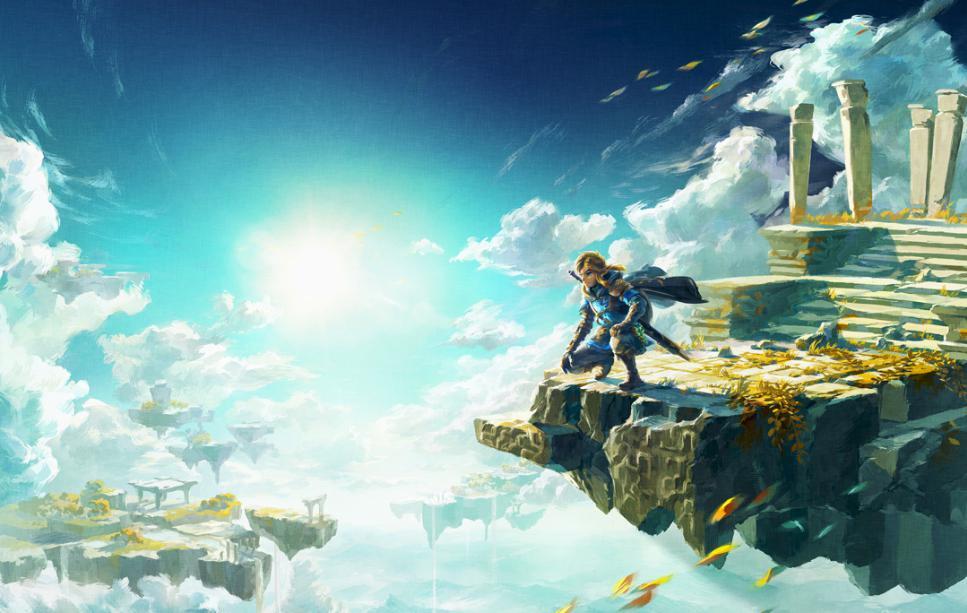
Lookout Landing operates as an early-game base with Purah Pad upgrades, Skyview Tower activation, and regional quest dispatch. Shops, an emergency shelter, and armor services appear as story beats unlock facilities. NPCs provide side adventures linking regional phenomena to main objectives. Nintendo developed and published the game for the Switch.
‘Star Wars Jedi: Survivor’ (2023)
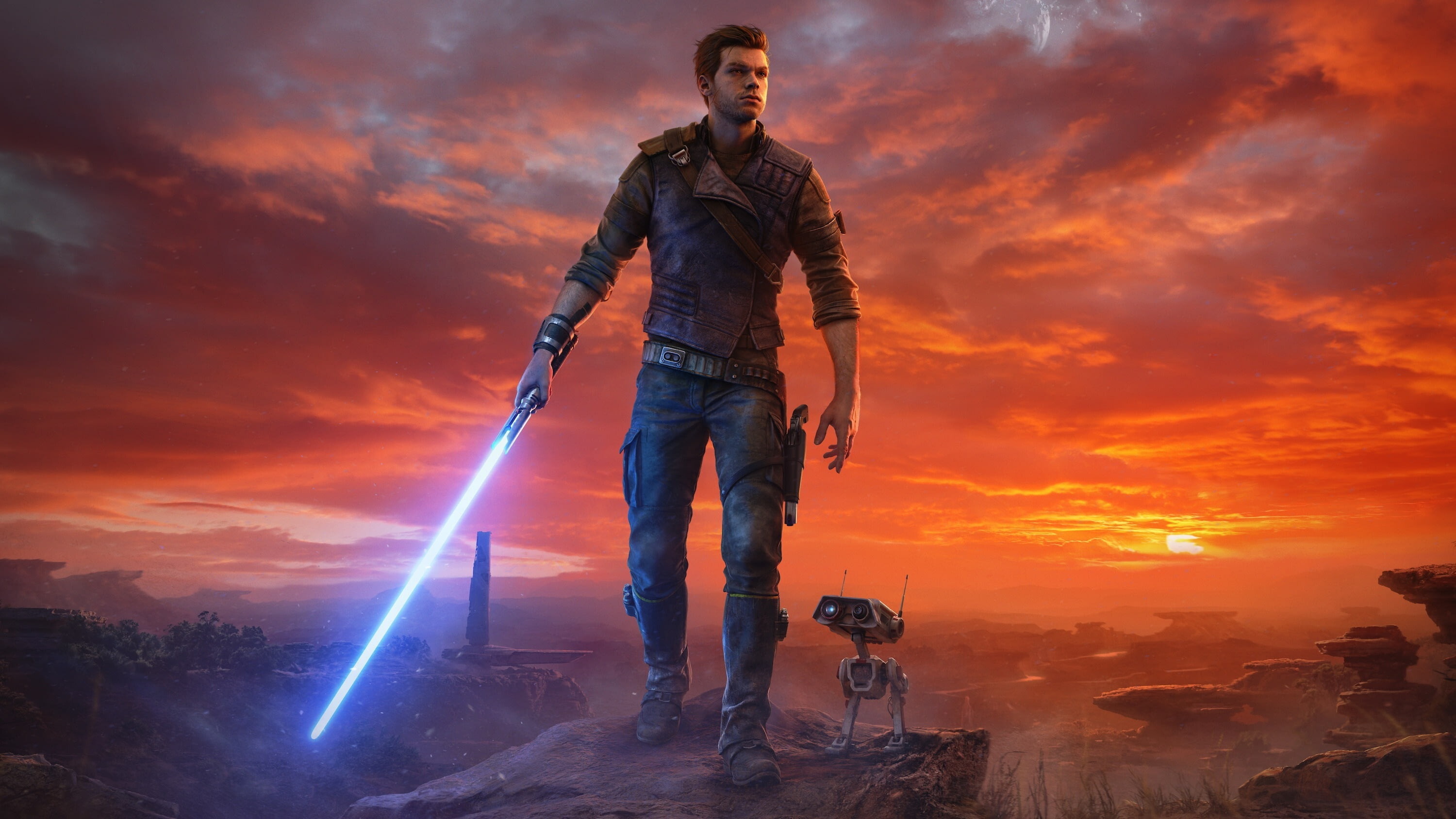
Rambler’s Reach Outpost on Koboh expands as players recruit NPCs who open shops, gardening, and customization features. The cantina’s bulletin and rumor system directs exploration to optional dungeons and collectibles. Waypoints, meditation points, and fast travel integrate the outpost with planet traversal. Respawn Entertainment developed the title, with Electronic Arts publishing.
‘Horizon Zero Dawn’ (2017)
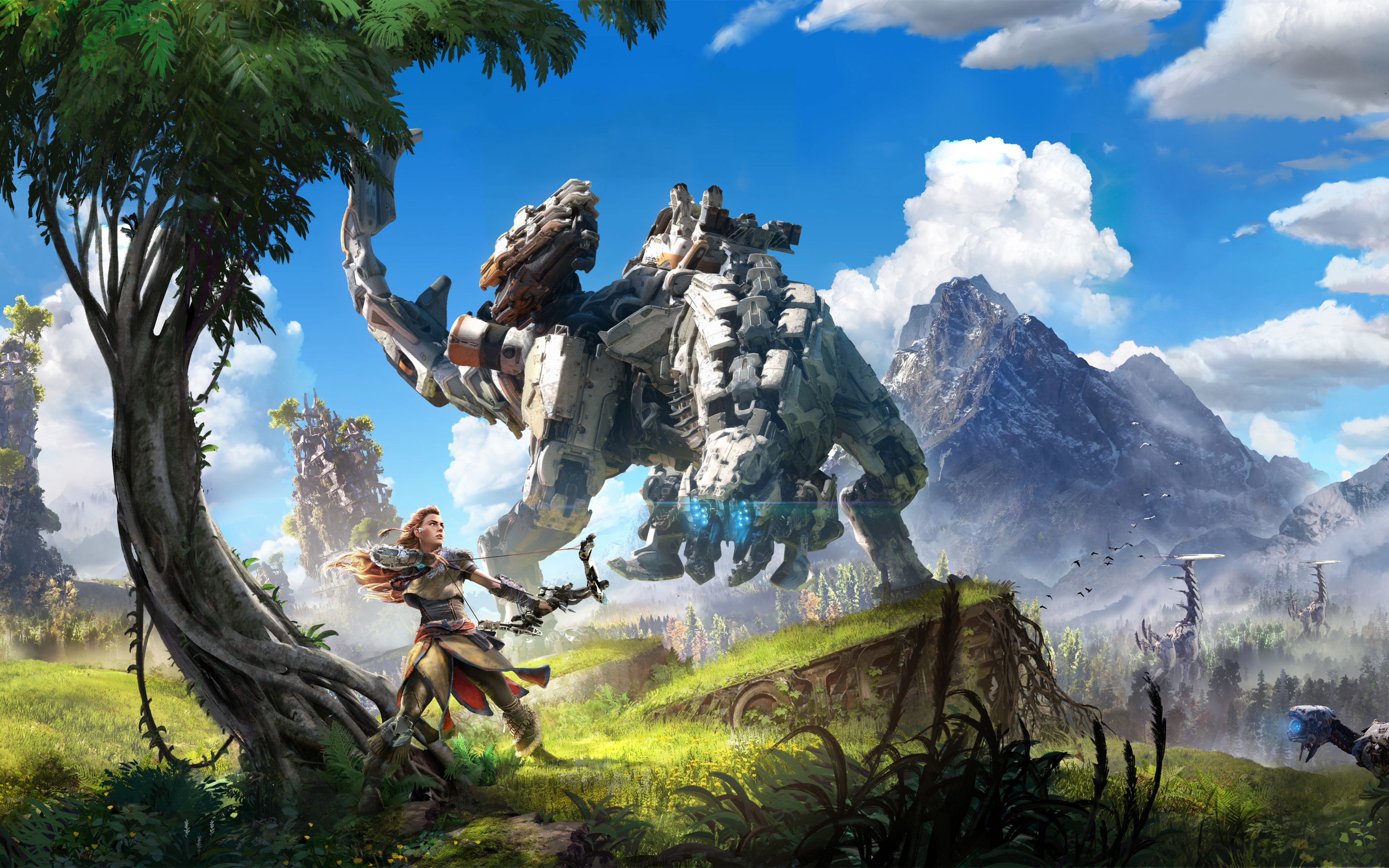
Meridian functions as a large urban hub offering merchants, side quests, and access to the main story’s diplomatic threads. Workbenches and traders support crafting ammo and traps using machine components gathered in the wild. The city connects multiple biomes and settlements through questlines that branch outward. Guerrilla Games developed the game, and Sony Interactive Entertainment published it.
‘Assassin’s Creed II’ (2009)
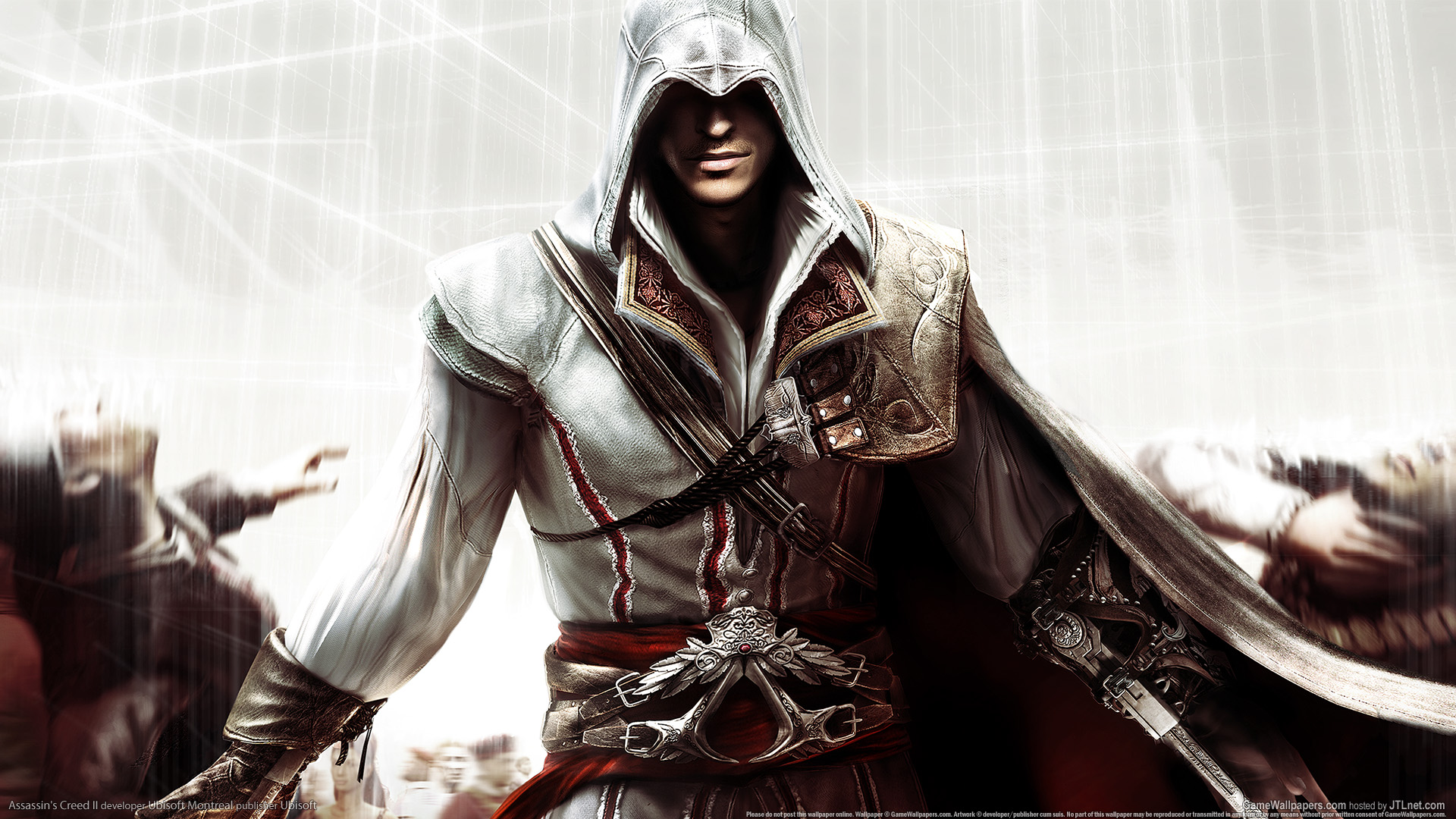
Monteriggioni’s Villa Auditore is a persistent estate hub where players invest in renovations that increase income and unlock vendors. The Auditore family codex and armor rooms track collectibles and gear sets. A fast-travel system and blacksmith, tailor, and art dealer services centralize progression. Ubisoft Montreal developed the game, with Ubisoft publishing.
‘Nier: Automata’ (2017)
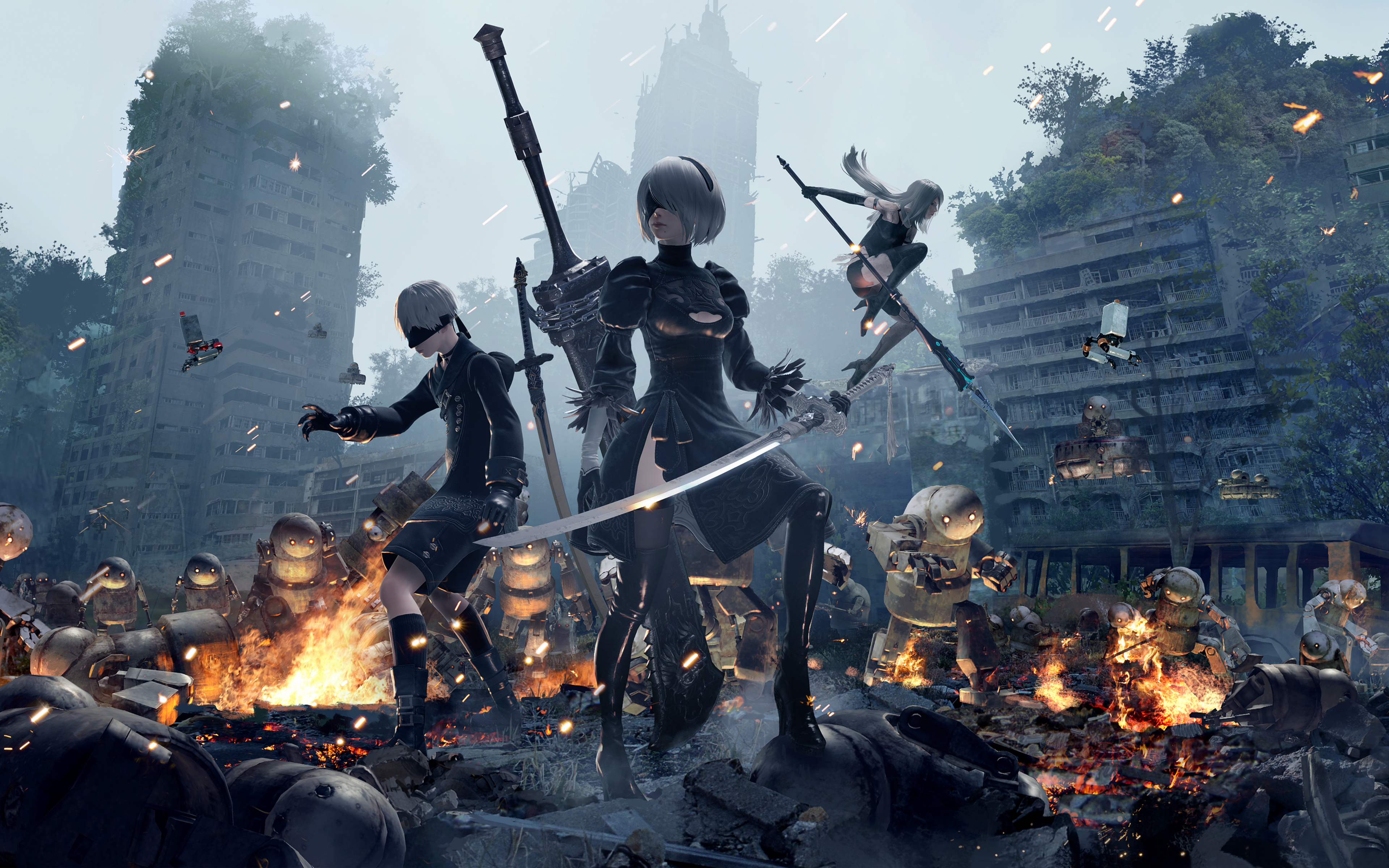
The Resistance Camp anchors early and mid-game progression with shops, side quests, and weapon upgrade paths. Access points near the camp provide fast travel and data saving across major regions once activated. NPCs like the supply trader and weaponsmith unlock new tiers of gear and plug-in chips. PlatinumGames developed the title, published by Square Enix.
‘Hollow Knight’ (2017)
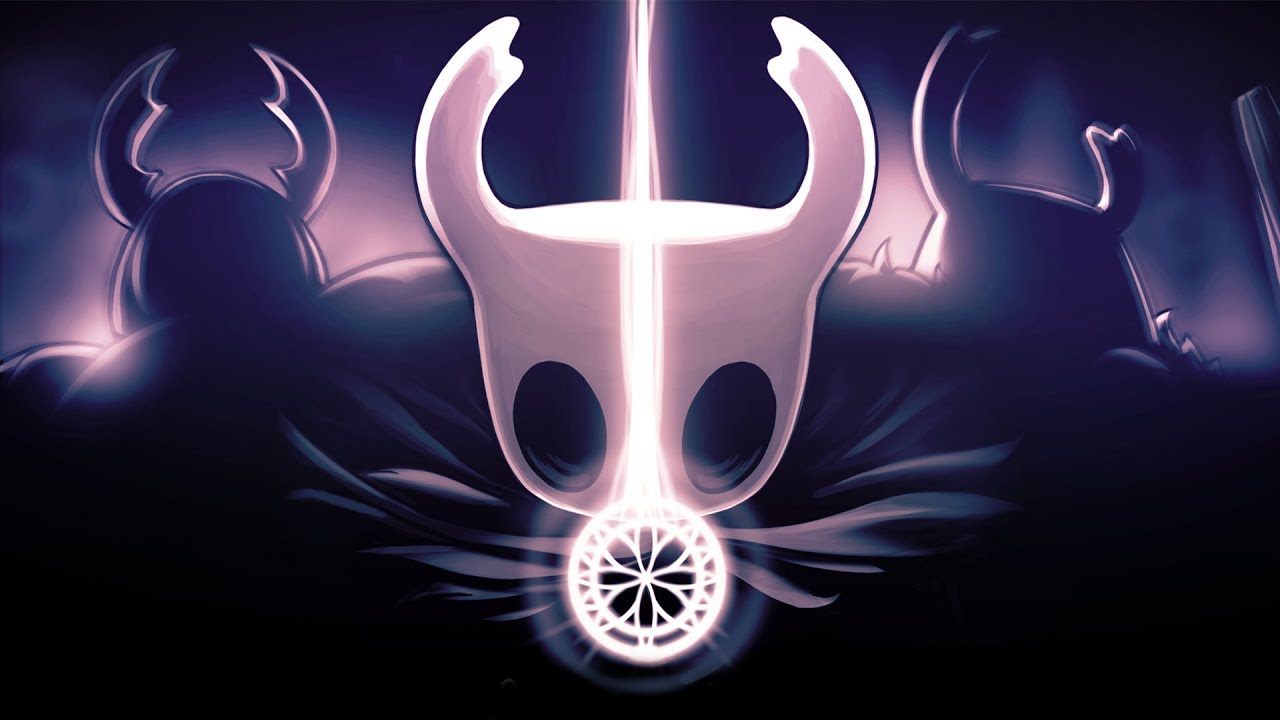
Dirtmouth serves as a quiet hub where merchants arrive after in-world rescues, opening map, charm, and key item services. Stag Stations connect the subterranean map, making Dirtmouth a frequent route for upgrades and quest hand-ins. Benches near the hub allow charm loadout changes and save points. Team Cherry developed and self-published the game.
‘Genshin Impact’ (2020)
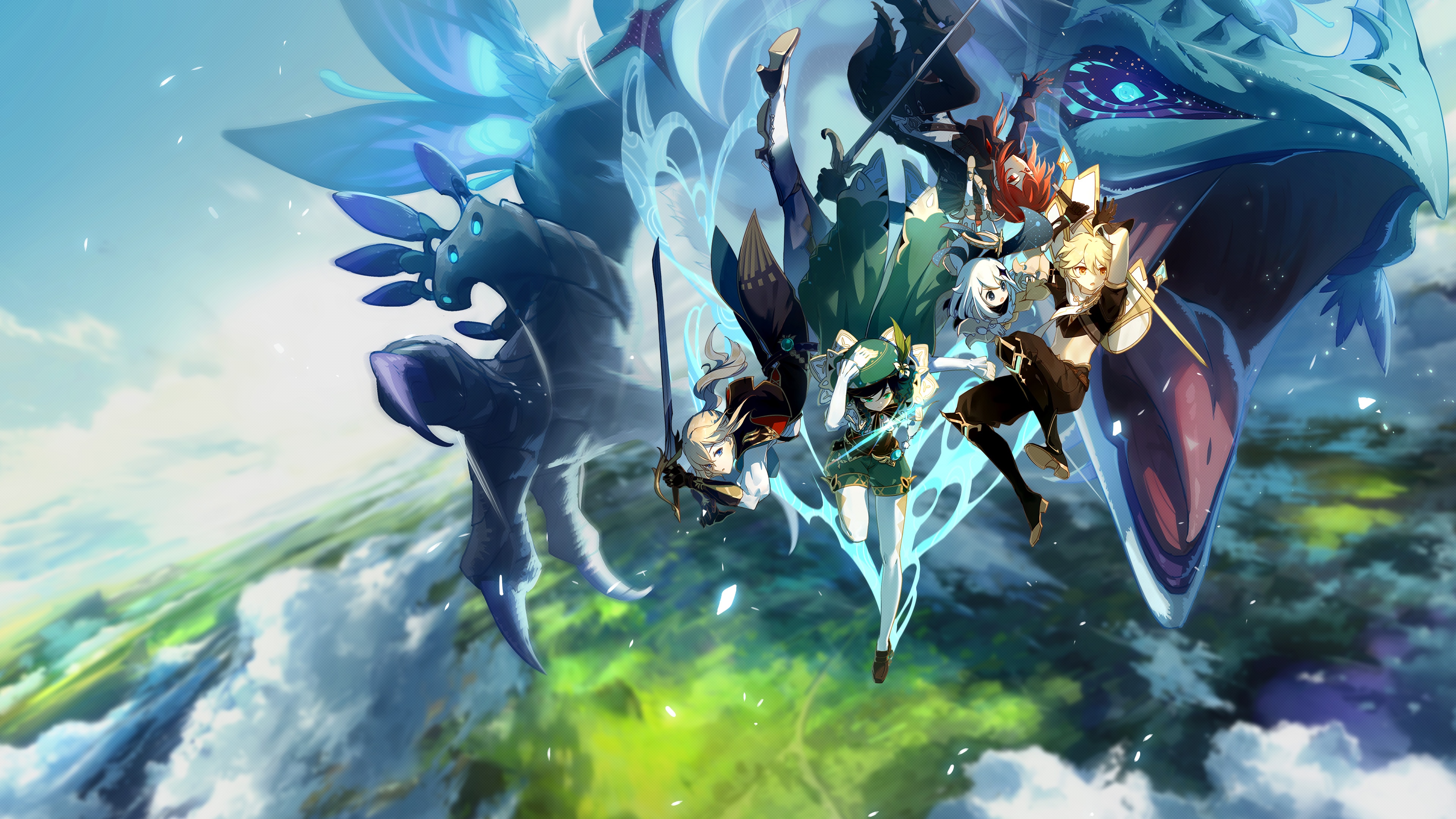
Mondstadt operates as an initial nation hub with Adventurers’ Guild commissions, blacksmith forging, and artifact management via strongboxes. Statues of The Seven and waypoints connect the city to surrounding regions, with reputation and bounties managed in town. Event NPCs and limited-time shops rotate through the city square during updates. miHoYo (HoYoverse) developed and publishes the live-service title.
‘Diablo IV’ (2023)
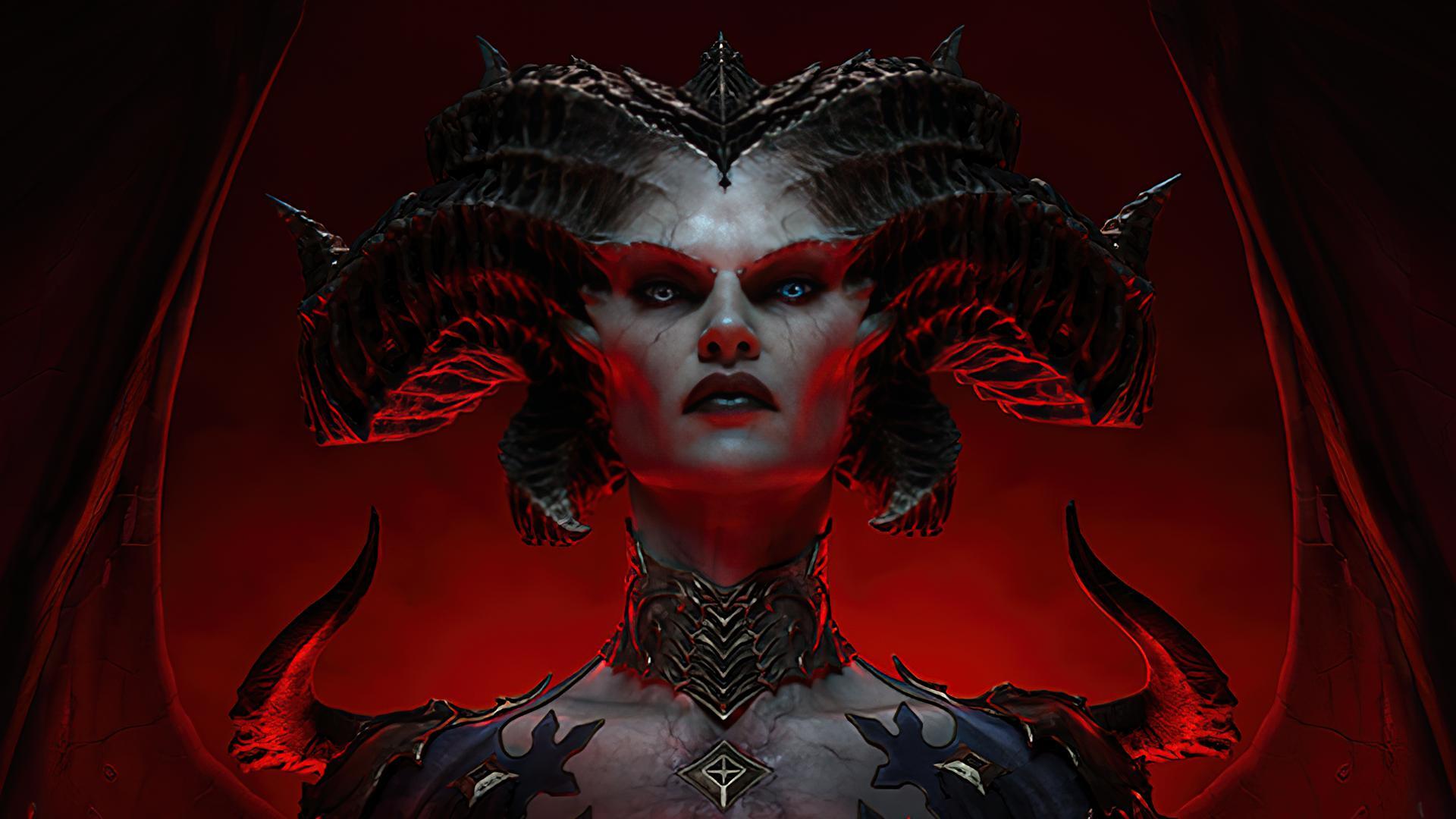
Kyovashad is an early central city offering stash access, vendors, and the occultist for aspects and imprinting on gear. Waypoints from the city link to dungeons, world events, and Helltide zones, while whispers and priority quests populate from hub NPCs. Crafting and upgrade stations support build progression across World Tiers. Blizzard Entertainment developed and published the game.
Share your favorite hub world details and why it works so well for you in the comments!