20 Games Where Cooking Is A Core Mechanic



From survival sandboxes to frantic restaurant sims and cozy life games, cooking pops up in all kinds of genres—not just as flavor, but as a system that drives combat buffs, stamina, economy, and progression. Below are twenty games where preparing food is more than a side task, with details on how each title uses its kitchen, campfire, or canteen—and who made the game—so you can jump in knowing exactly what to expect.
‘Overcooked’ (2016)

Up to four players coordinate chopping, frying, baking, and plating orders against strict timers and shifting kitchen layouts. Recipes use simple ingredient chains—like chopping onions for soup or frying meat for burgers—with failure states for burning pans or serving late. Level gimmicks—moving trucks, ice floes, and conveyor belts—force teams to plan routes and handoffs. Developed by Ghost Town Games and published by Team17, it supports local and online co-op depending on platform.
‘Overcooked! 2’ (2018)
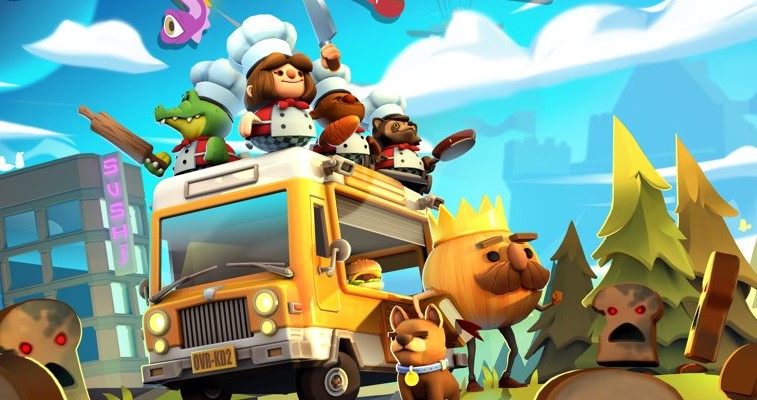
This sequel adds ingredient throwing, dynamic stage hazards, and online co-op to streamline teamwork across complex kitchens. Menus expand with sushi, pasta, and dumplings, each requiring multi-step prep across appliances. Score thresholds (one to three stars) unlock new stages, encouraging optimized task splits and combo streaks. Ghost Town Games developed it with publishing by Team17.
‘Cooking Mama’ (2006)

Players complete bite-sized cooking minigames that simulate real steps—stirring, kneading, chopping, grilling—via motion or touch controls. Each recipe breaks down into timed micro-tasks with accuracy grades that affect the final dish. Unlocks provide new utensils and dishes as you improve scores. It was created by Office Create (now Cooking Mama Limited), with regional publishing by Taito and Majesco Entertainment.
‘Stardew Valley’ (2016)
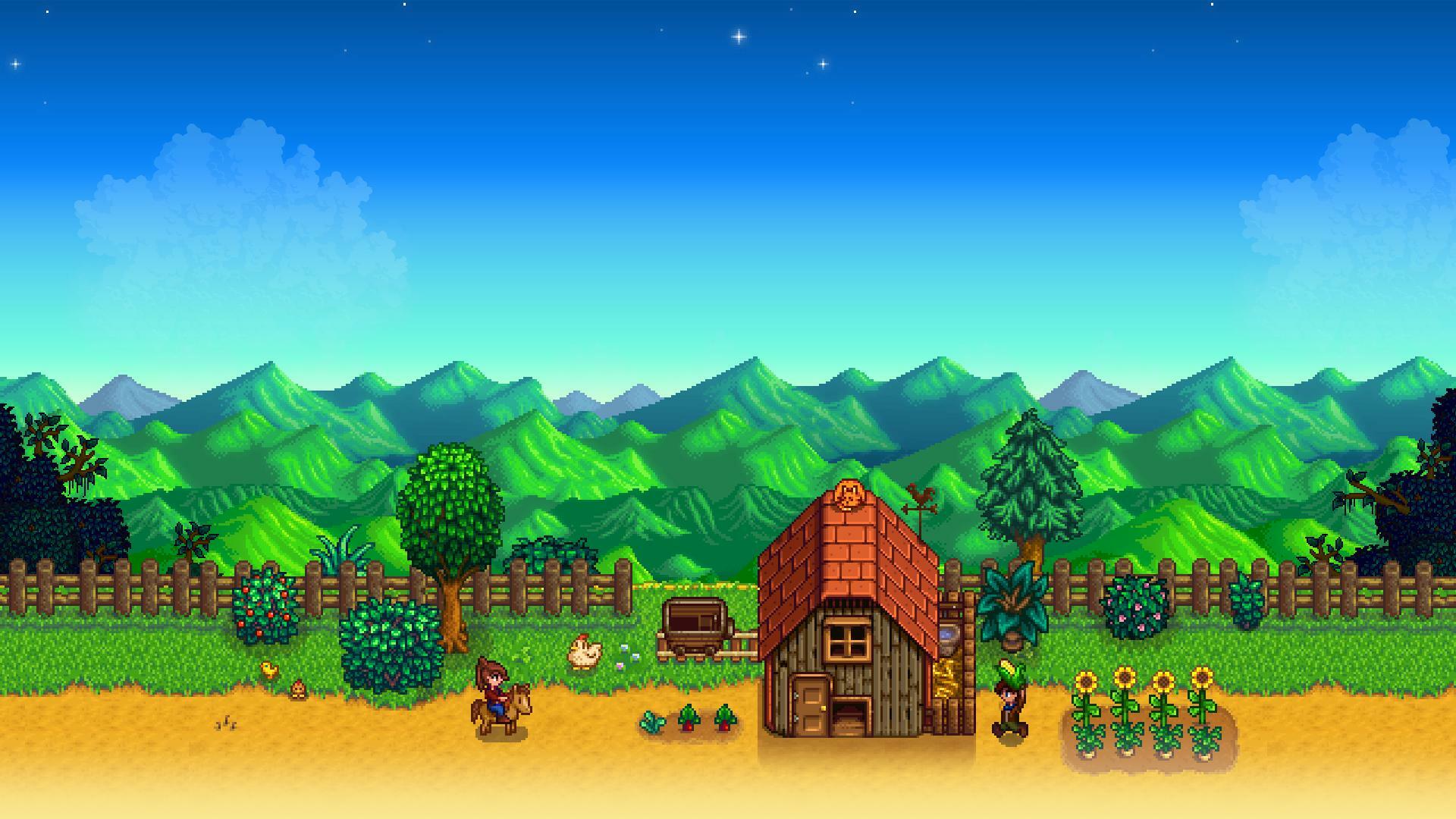
Cooking unlocks after upgrading your farmhouse, letting you craft meals that restore health and energy or grant timed buffs like mining luck and speed. Recipes come from TV show ‘The Queen of Sauce,’ villager friendships, and festival rewards. Ingredients are sourced from farming, foraging, fishing, and animal products, tying cuisine directly to your homestead’s output. The game was developed and published by ConcernedApe.
‘The Legend of Zelda: Breath of the Wild’ (2017)

Link combines up to five ingredients at a cooking pot to create meals and elixirs that boost hearts, stamina, resistances, and attack or defense. Ingredient traits stack—like multiple spicy items raising cold resistance duration—while “critical” success can add extra hearts. Food spoils under certain conditions only via environmental effects (e.g., freezing) but not over time, simplifying inventory. Nintendo EPD developed and Nintendo published the game.
‘The Legend of Zelda: Tears of the Kingdom’ (2023)

Cooking returns with recipe cards that auto-fill ingredients, plus portable Zonai cooking devices for on-the-go meal prep. New ingredients and sky/Depths fauna expand buff options, while set recipes ensure consistent results once discovered. Players can also duplicate known meals quickly through the recipe log, accelerating preparation for long expeditions. It was developed by Nintendo EPD and published by Nintendo.
‘Final Fantasy XV’ (2016)

Camping triggers cooking scenes where Ignis crafts dishes that grant party-wide buffs like increased attack, crit rate, and experience gains. Recipes unlock by tasting meals at restaurants, finding ingredients, or discovering “recipeh” inspirations during exploration. Ingredients come from hunting, fishing, and foraging, making food a direct payoff for side activities. Square Enix developed and published the title.
‘Don’t Starve’ (2013)

Crock pots combine up to four ingredients with hidden tags—meat, veggie, sweetener—to yield optimized dishes like Meatballs or Pierogi with superior hunger and health values. Cooking accelerates raw food benefits and mitigates sanity penalties from eating certain items. Seasonal scarcity pushes players to farm, trap, and preserve, including ice boxes and drying racks. Klei Entertainment both developed and published the game.
‘Minecraft’ (2011)
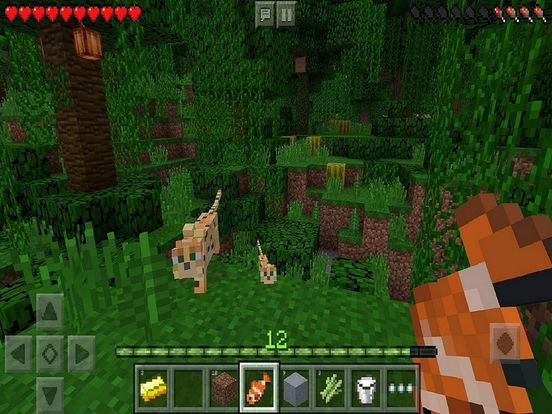
Furnaces and smokers cook raw foods into higher-saturation meals, while crafting tables assemble complex items like cakes and pumpkin pies. Farming (wheat, potatoes, beetroot), fishing, and animal husbandry supply steady ingredients for survival or trading. Enchantments and villager professions intersect with food production through automation and commerce. Mojang Studios developed and published the game.
‘Spiritfarer’ (2020)

Cooking at the ship’s kitchen combines two ingredients into meals that affect spirits’ moods and progression. Each spirit has food preferences—like favorite, liked, and disliked dishes—that unlock story beats and manage happiness. Harvesting, fishing, and crafting supply the pantry, making cuisine central to caretaking loops. Thunder Lotus Games developed and published the title.
‘Cook, Serve, Delicious!’ (2013)

Players manage a restaurant by building menus, prepping ingredients, and executing orders through precise input sequences under time pressure. Menu choices affect buzz, health inspector checks, and daily challenges, encouraging rotating dishes to balance difficulty and popularity. Upgrades add appliances and recipes that change multitasking demands during rush hours. Vertigo Gaming developed and published the game.
‘Battle Chef Brigade’ (2017)

Matches combine side-scrolling monster hunting for ingredients with a puzzle-based cooking system where you align flavor gems to raise dish quality. Judges specify elemental tastes, so ingredient selection and cooking combos must meet target profiles. Time management splits between combat, prep, and plate optimization within each round. Developed by Trinket Studios and published by Adult Swim Games.
‘Valheim’ (2021)

Cooking stations, cauldrons, and fermenters process raw game, fish, and crops into meals and meads that set max health and stamina. Meal slots encourage diversity—different foods stack to create optimal stat spreads for exploration or boss fights. Biome progression unlocks new recipes as you farm barley, flax, and cultivate bees for honey. Iron Gate Studio developed the game, with publishing by Coffee Stain Publishing.
‘Monster Hunter: World’ (2018)

Eating at the canteen grants pre-hunt buffs like increased health, stamina, attack, and defense tied to ingredient sets and fresh quality. Gathering, fishing, and optional bounties expand ingredient selection, while vouchers boost skill activation. Specialized meals target elemental resistances and utility skills for tough encounters. Capcom both developed and published the game.
‘PlateUp!’ (2022)
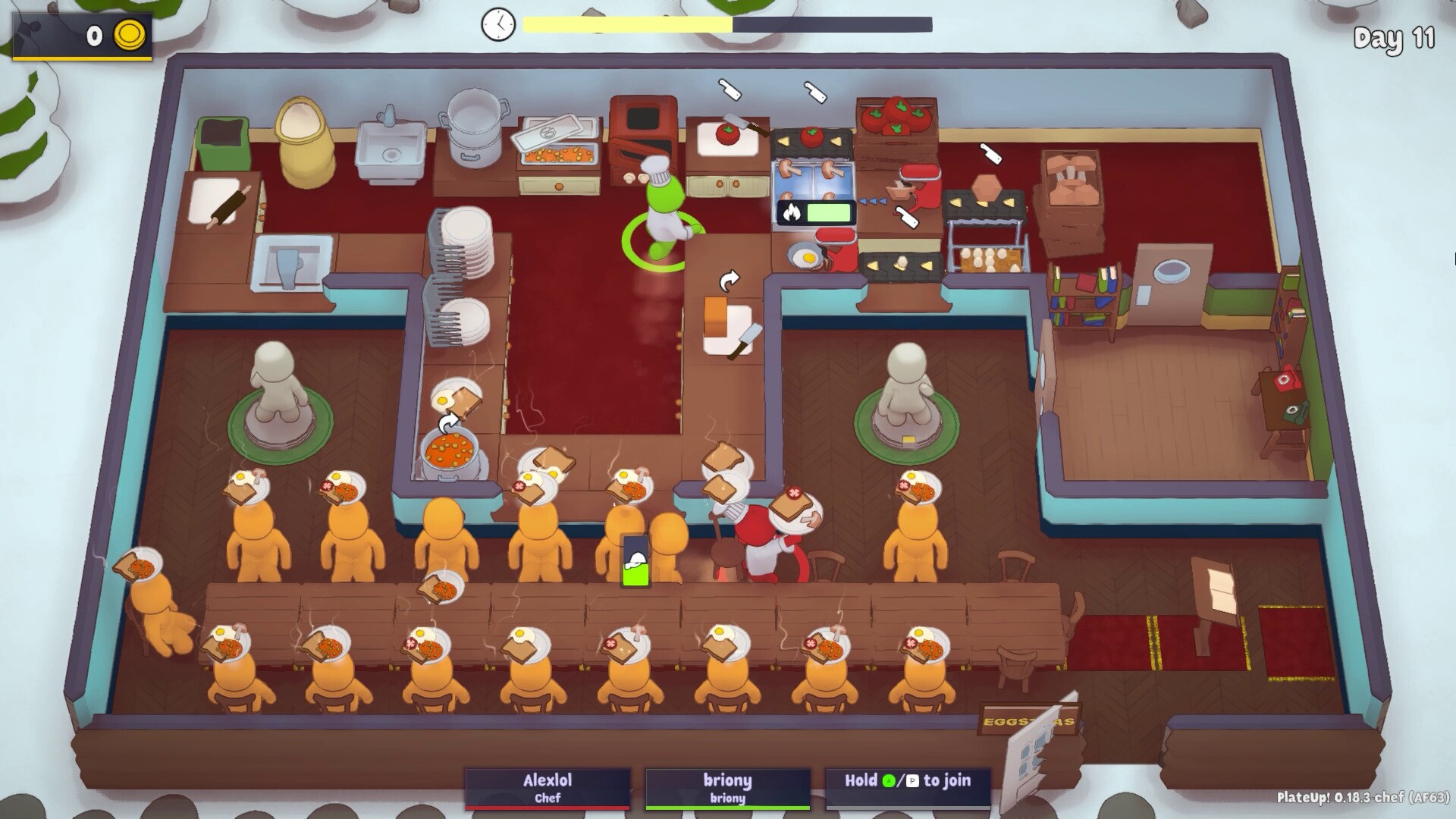
Roguelite runs mix kitchen automation with restaurant management, letting you blueprint floor plans and chain appliances with smart layouts. Researchable upgrades—like combiner counters and portioners—automate multi-step recipes and plating. Between days, you purchase cards that modify menus, customer behavior, or equipment, shaping long-term strategy. It was developed by It’s Happening and published by Yogscast Games.
‘Disney Dreamlight Valley’ (2022)

A five-star recipe system drives quests and friendship progression as you cook meals that restore energy and sell for profit. Ingredients come from gardening, foraging, fishing, and biome-specific shops, with character hangouts improving yields. The recipe book tracks discovered dishes and allows quick selection for repeat cooking. Gameloft developed and published the game.
‘Venba’ (2023)
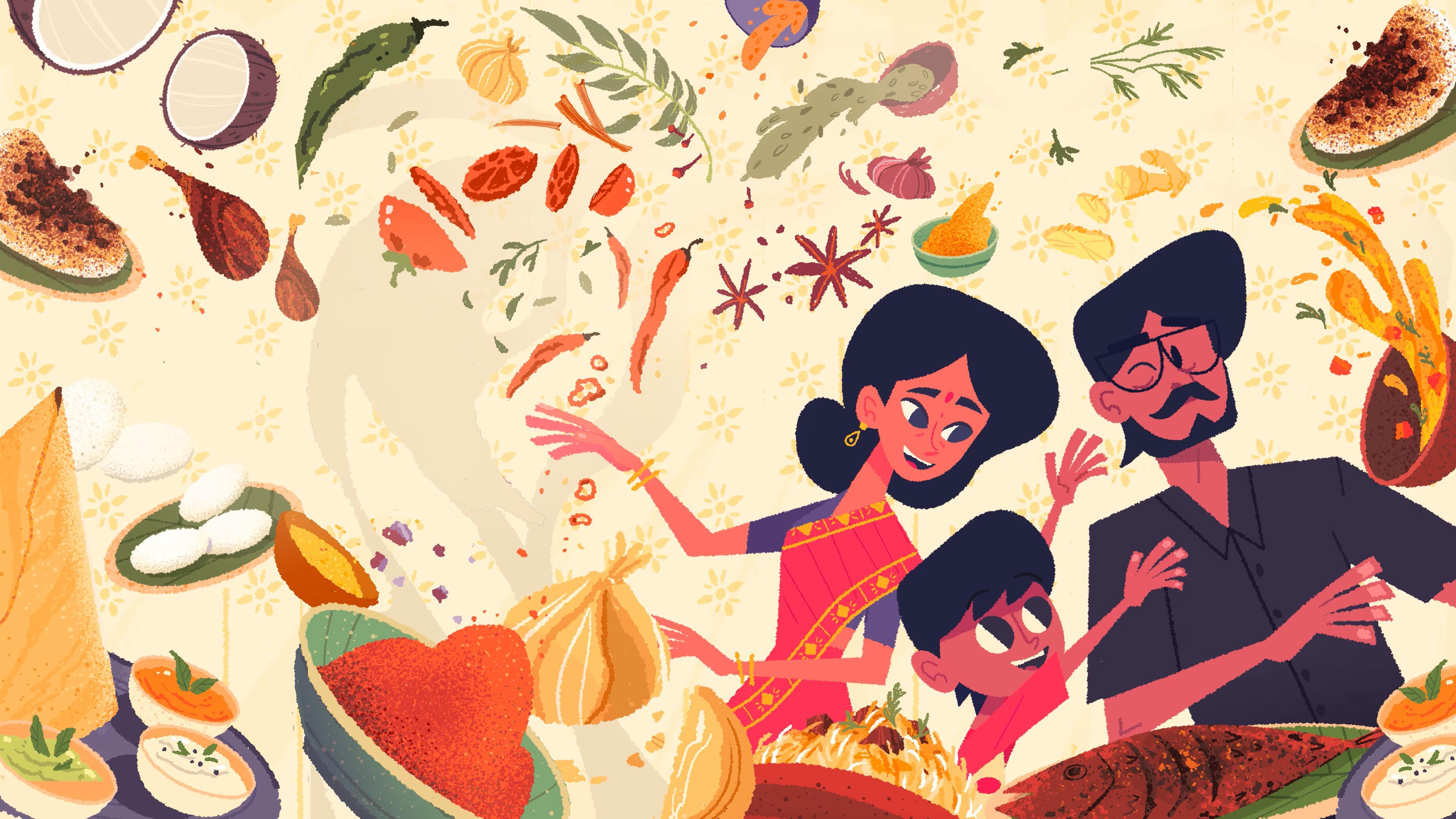
Players cook South Indian dishes through interactive steps—tempering spices, steaming idlis, mixing batters—guided by family recipes and contextual clues. Mini-puzzles focus on recreating traditional flavors with correct sequencing and timing. Meals anchor the narrative, with each chapter introducing new techniques and ingredients. Visai Games developed and published the title.
‘Rune Factory 4’ (2012)

Kitchen upgrades unlock categories—desserts, main dishes, drinks—with recipe bread teaching new dishes tied to your cooking level. Ingredients are grown, foraged, or dropped by monsters, linking farming and dungeon crawling to cuisine. Cooking skill reduces RP costs, enabling more efficient crafting and exploration. Neverland developed the game, with publishing by Marvelous (and Xseed Games in North America).
‘Cooking Simulator’ (2019)
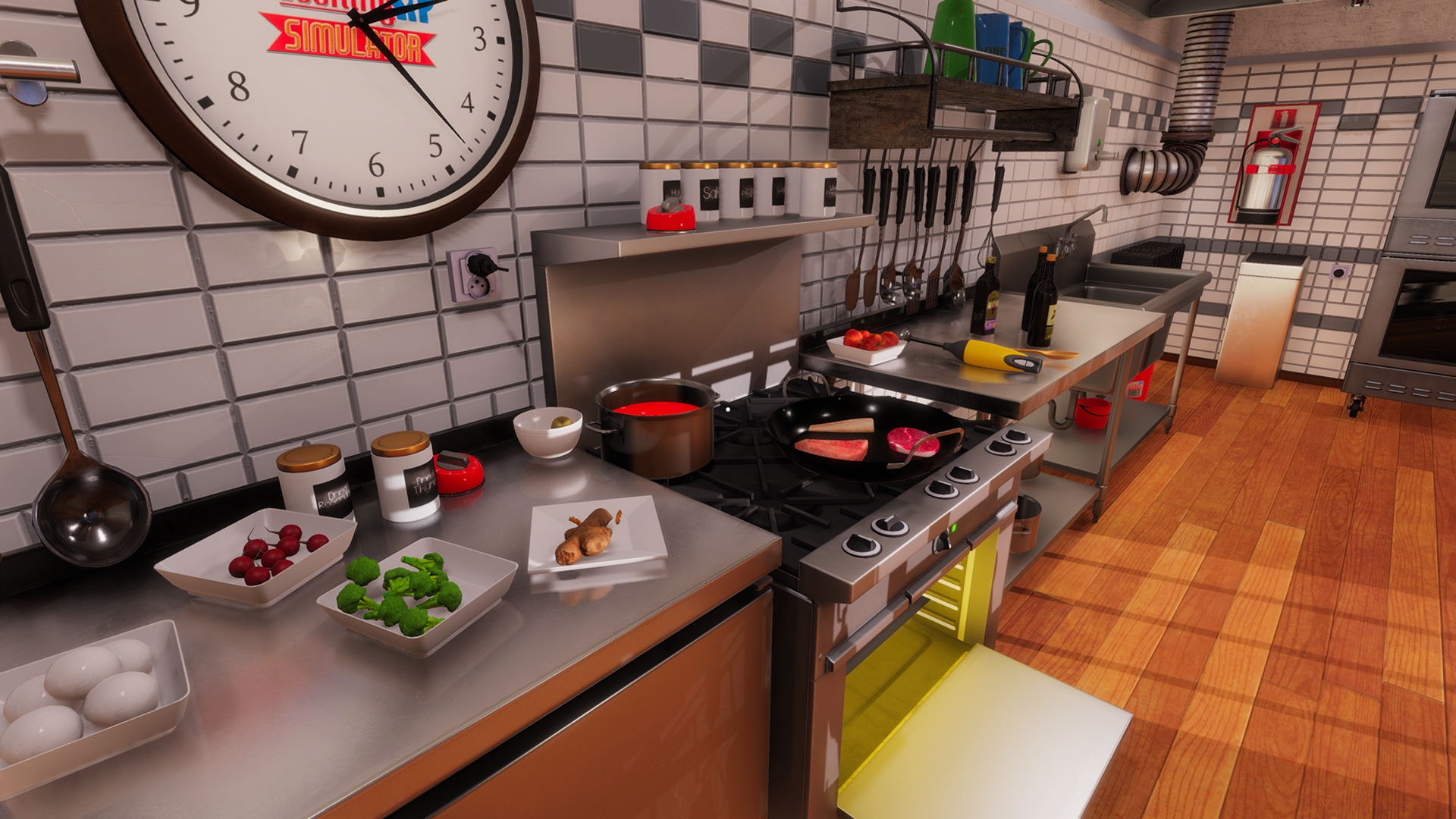
A realistic kitchen sandbox simulates temperatures, physics, and timing across dozens of recipes. Players slice, season, fry, bake, and plate while tracking order timers and critic expectations. Career mode unlocks new spices, tools, and recipes as you maintain kitchen reputation and equipment. Big Cheese Studio developed the game, with publishing by PlayWay.
‘The Long Dark’ (2017)

Campfires, stoves, and pots allow cooking of hunted game and fish, boiling unsafe water, and preparing teas that add warmth or fatigue effects. Cooking skill reduces burn risk and changes calorie yields, while time-of-day and weather influence safe windows for food prep. Food can attract predators, so placement and timing matter for survival routes. Hinterland Studio developed and published the game.
Share your favorite cooking-centric games—and the dishes you swear by—in the comments!