20 Games With Pets You’ll Fall In Love With

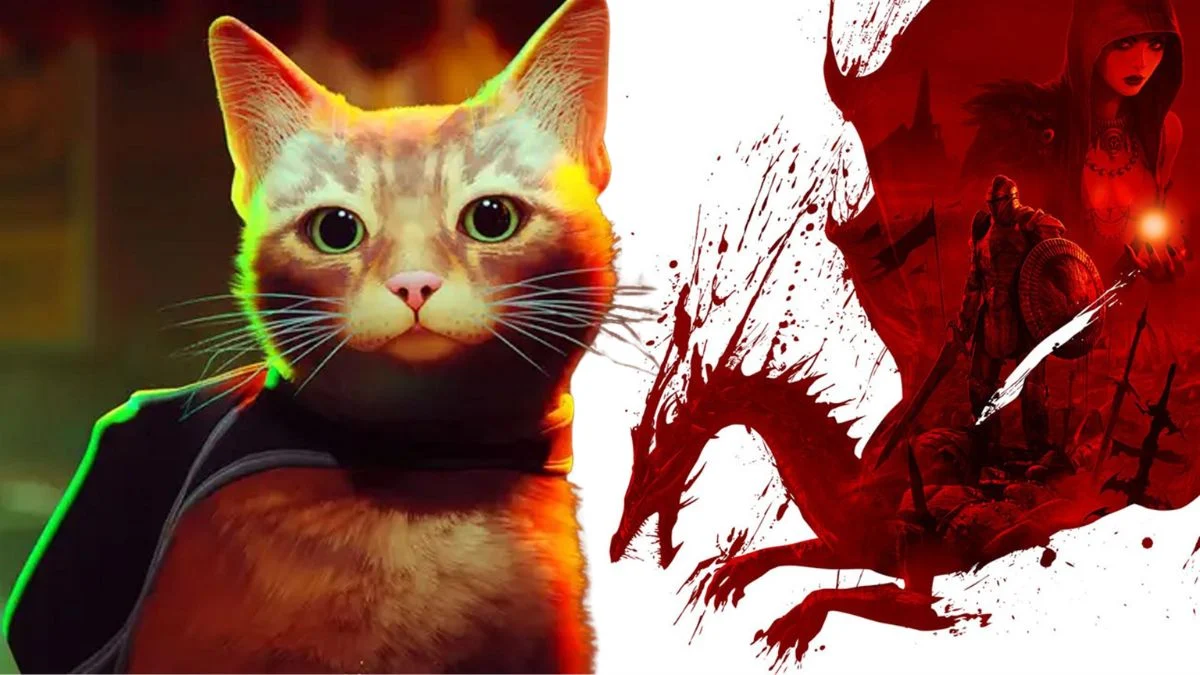

Pets make game worlds feel more alive, and a lot of titles build in smart systems for bonding, training, and traveling with animal companions. Whether you want a faithful dog on the trail, a cat on a cozy journey, or a whole roster of fantastical creatures, these games give you meaningful ways to care for and grow with them. Many also let you customize behavior, upgrade abilities, and even enter them in battles or contests. Here are some standout picks where the pet features genuinely change how you play.
‘Stardew Valley’ (2016)
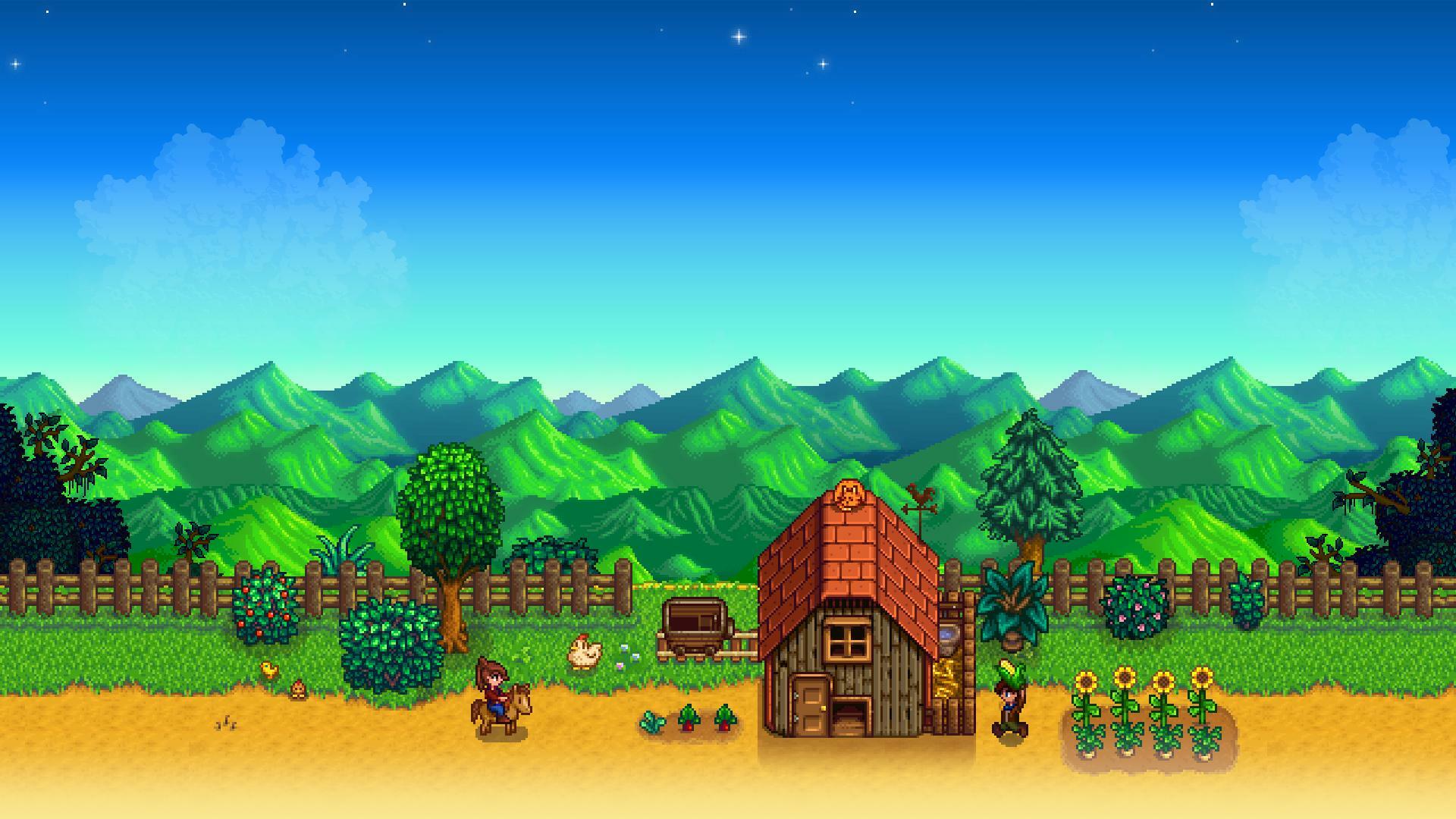
Developed by ConcernedApe, this farming life sim lets you adopt a dog or cat that greets you each morning and can be petted to raise friendship. Naming your pet unlocks small moments that tie into daily routines at the farmhouse. Friendship milestones contribute to the feel of home and can factor into certain events. Mods also expand pet types and behaviors for players who want more variety.
‘Minecraft’ (2011)
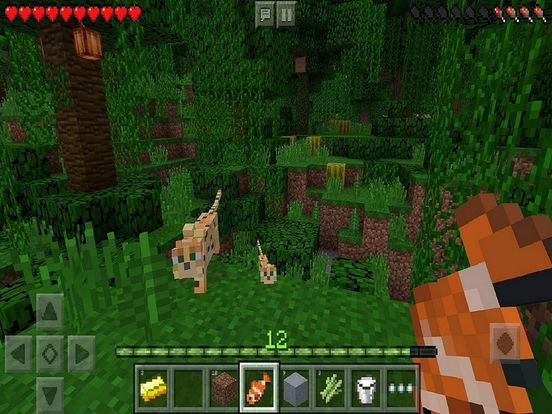
Mojang built a flexible pet system where you can tame wolves, ocelots turned cats, parrots, and even foxes. Pets track the player, defend against hostile mobs, and can be made to sit to keep them safe. Breeding and feeding mechanics support basic care and population management. Leads, name tags, and dyes add simple customization to make your companions feel unique.
‘Nintendogs’ (2005)

Created by Nintendo EAD, this handheld classic centers entirely on raising and training virtual puppies. You teach commands using the microphone and touch controls, then take your dog for walks to discover items and meet other pups. Competitions like agility and obedience provide goals that reward consistent care. The daily loop encourages grooming, feeding, and play to keep your dog healthy and happy.
‘Torchlight II’ (2012)
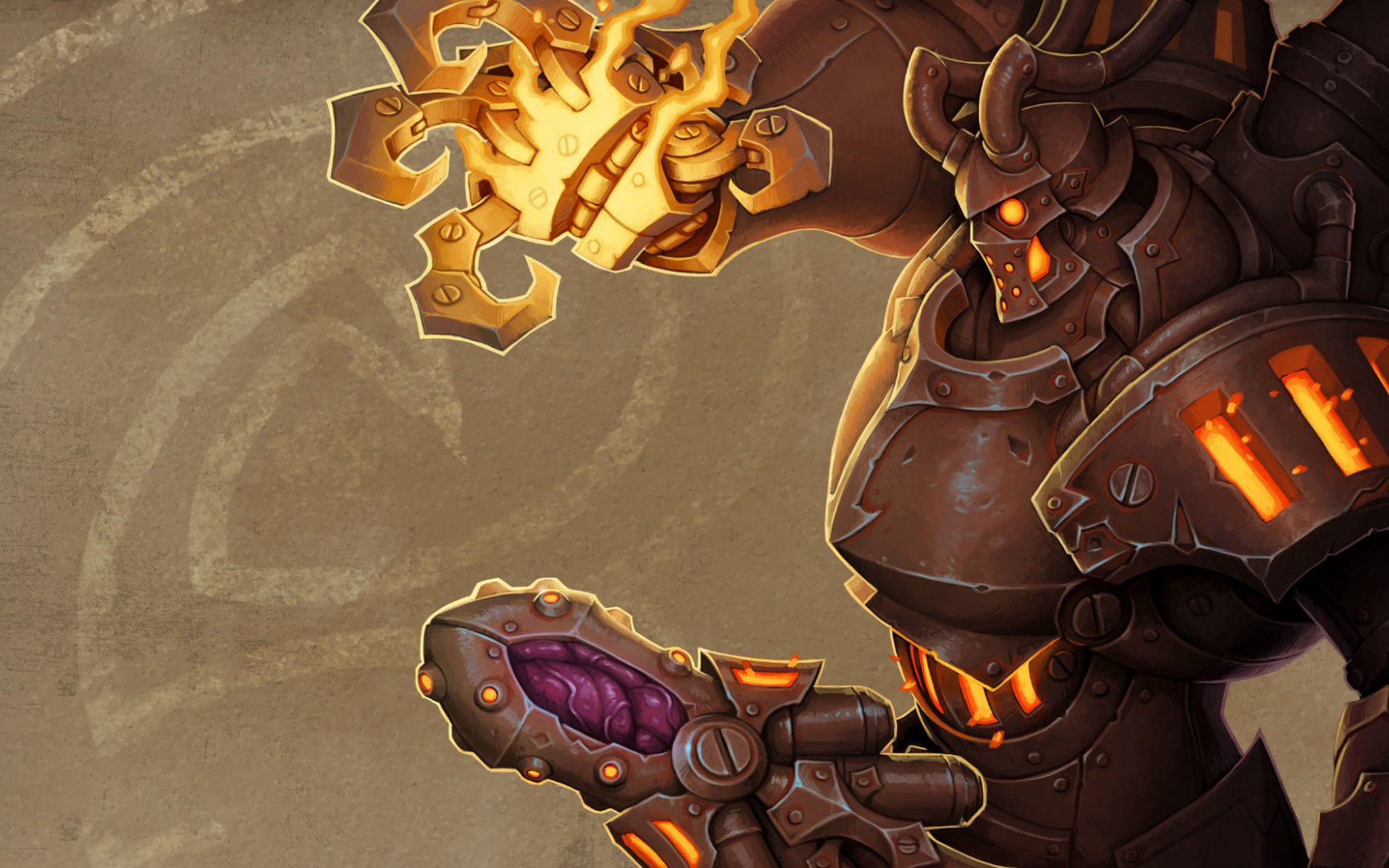
Runic Games designed pets as full party members that can fight, carry loot, and even run to town to sell items while you keep exploring. You can feed fish to temporarily transform pets and change their combat role. Gear and skill choices sync with pet auras and attacks to shape your build. The convenience of offloading inventory makes the pet a core part of the action RPG flow.
‘Fable II’ (2008)

Lionhead Studios introduced a dog that grows with your hero and reacts to your choices and expressions. The dog discovers hidden dig spots and treasure, which encourages exploration off the main paths. Its behavior reflects narrative beats and your moral alignment, tying the pet closely to story progression. Simple commands let you coordinate in combat and in town.
‘Dragon Age: Origins’ (2009)

BioWare includes the mabari war hound as a recruitable companion with unique abilities and banter. The dog can be summoned through a dedicated specialization and participates in tactical combat with targeted skills. Equipment slots and tactics settings help you fit the hound into party compositions. Dialog touches and camp interactions reinforce the bond between Warden and companion.
‘Fallout 4’ (2015)
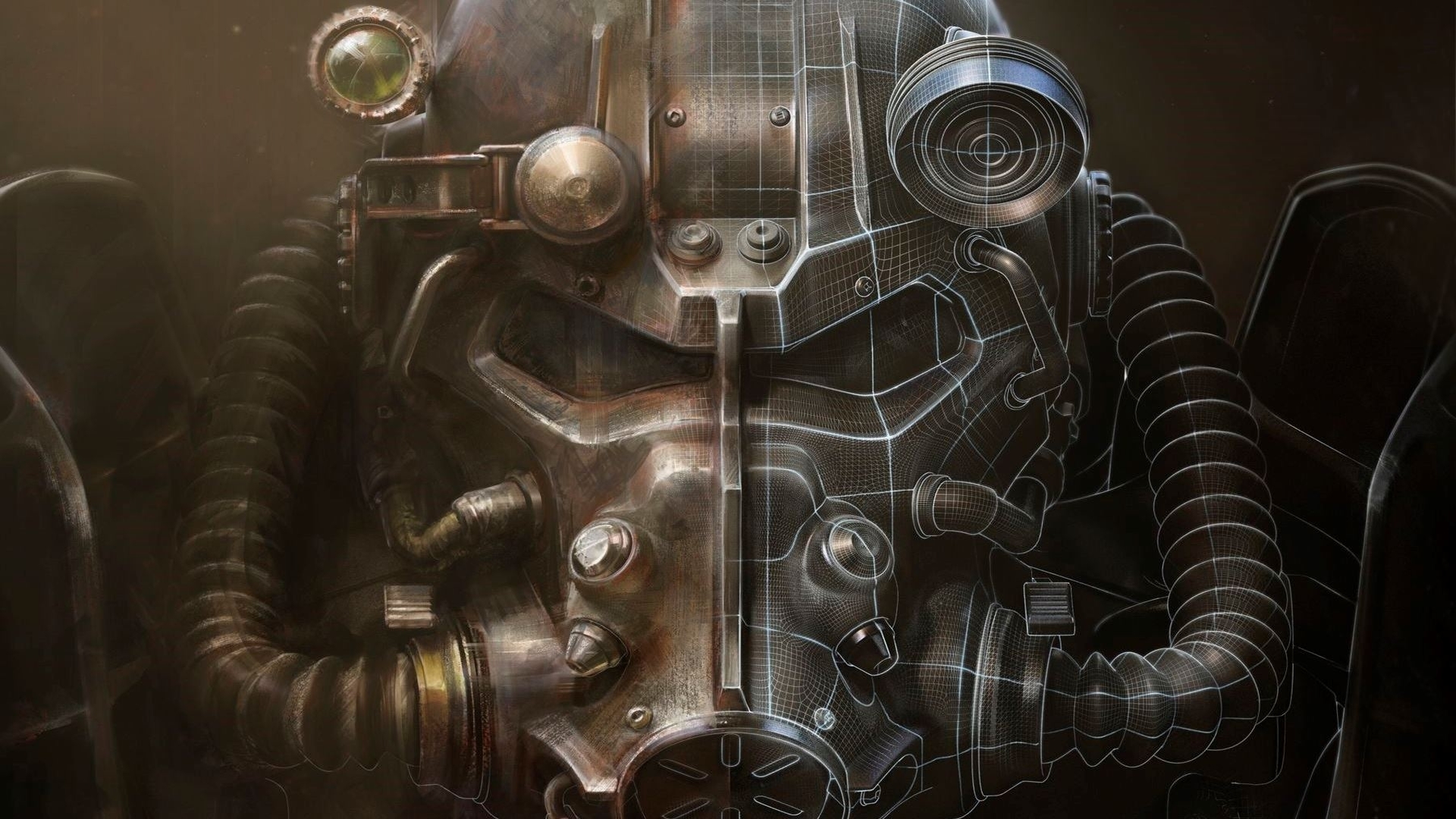
Bethesda Game Studios brings Dogmeat back as a follower who marks enemies, retrieves items, and opens up stealth or distraction options. Command prompts let you direct Dogmeat to fetch weapons or find hidden caches. Settlement perks and certain gear choices synergize with canine tactics. The companion system also ensures your pet does not count against human follower limits in key quests.
‘Metal Gear Solid V: The Phantom Pain’ (2015)

Kojima Productions adds D-Dog as a deployable buddy who spots enemies, mines, and wildlife across large maps. You can equip him with different suits and upgrade commands to fit infiltration or assault. Bond level unlocks new abilities, including silent takedowns. The buddy selection screen makes D-Dog part of mission planning alongside other support options.
‘Red Dead Redemption 2’ (2018)

Rockstar Games builds a detailed horse bonding system with grooming, feeding, and calm mechanics that affect stamina and handling. Saddlebags, stirrups, and blankets provide functional upgrades and visual customization. Horses can learn to skid turn, rear, and drift, improving traversal and escape options. Losing a bonded horse has real consequences if you do not carry revivers.
‘Spiritfarer’ (2020)

Thunder Lotus Games features Daffodil the cat who mirrors Stella’s movements, and a second player can control the cat in co-op. Petting animations and small interactions provide comfort moments between management tasks. The cat interacts with crafting stations and helps during platforming segments on the ship. This companion design reinforces the game’s themes of care and transition.
‘Stray’ (2022)
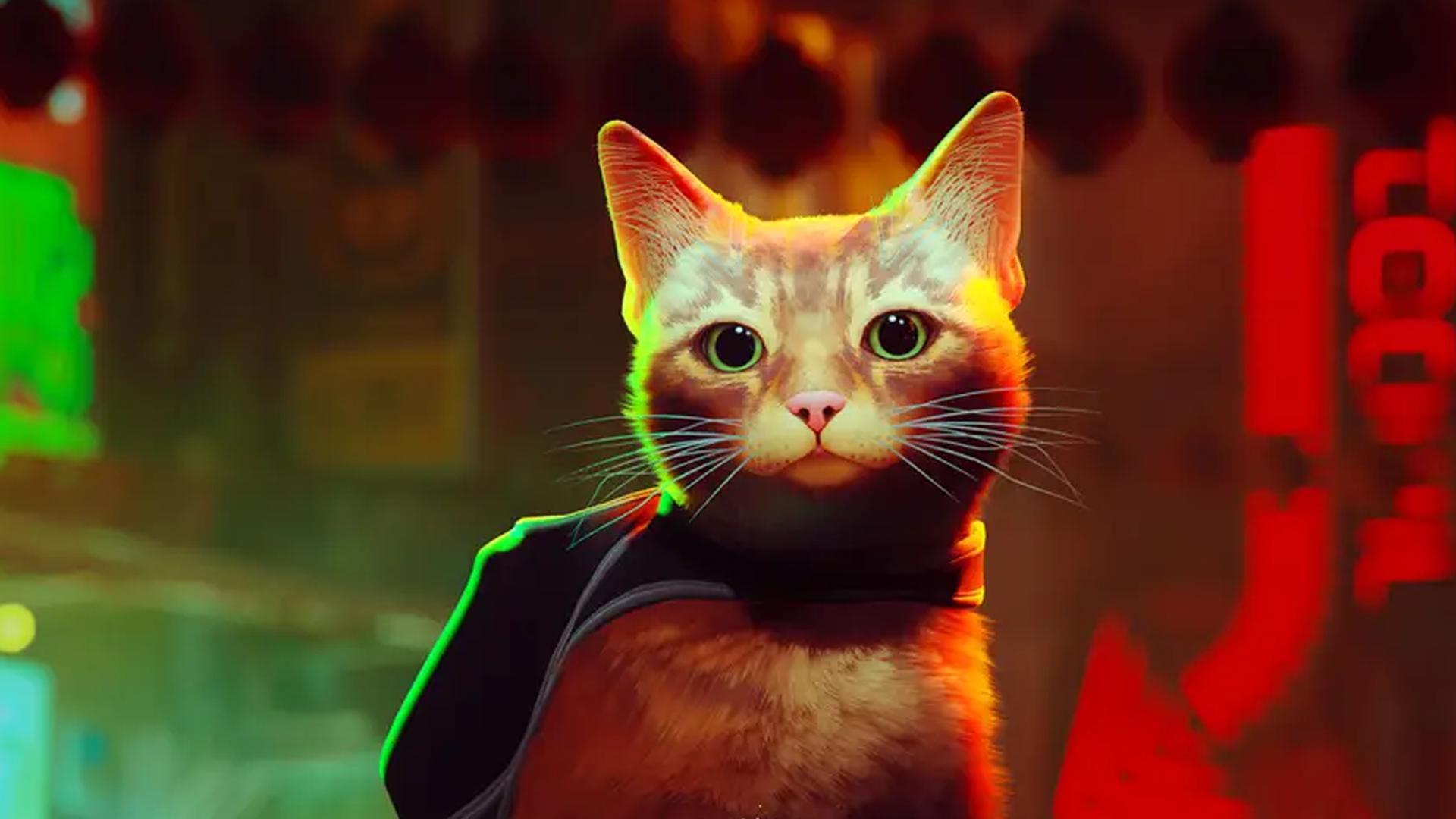
BlueTwelve Studio puts you in the paws of a cat with the drone B-12 as a helper that functions like a technological pet. You can meow, scratch, and nuzzle robots while B-12 handles translation and light puzzles. The pairing enables environmental storytelling and safe navigation in hazardous zones. Collectible badges and backpack upgrades add gentle progression to the partnership.
‘Pokémon Yellow’ (1998)
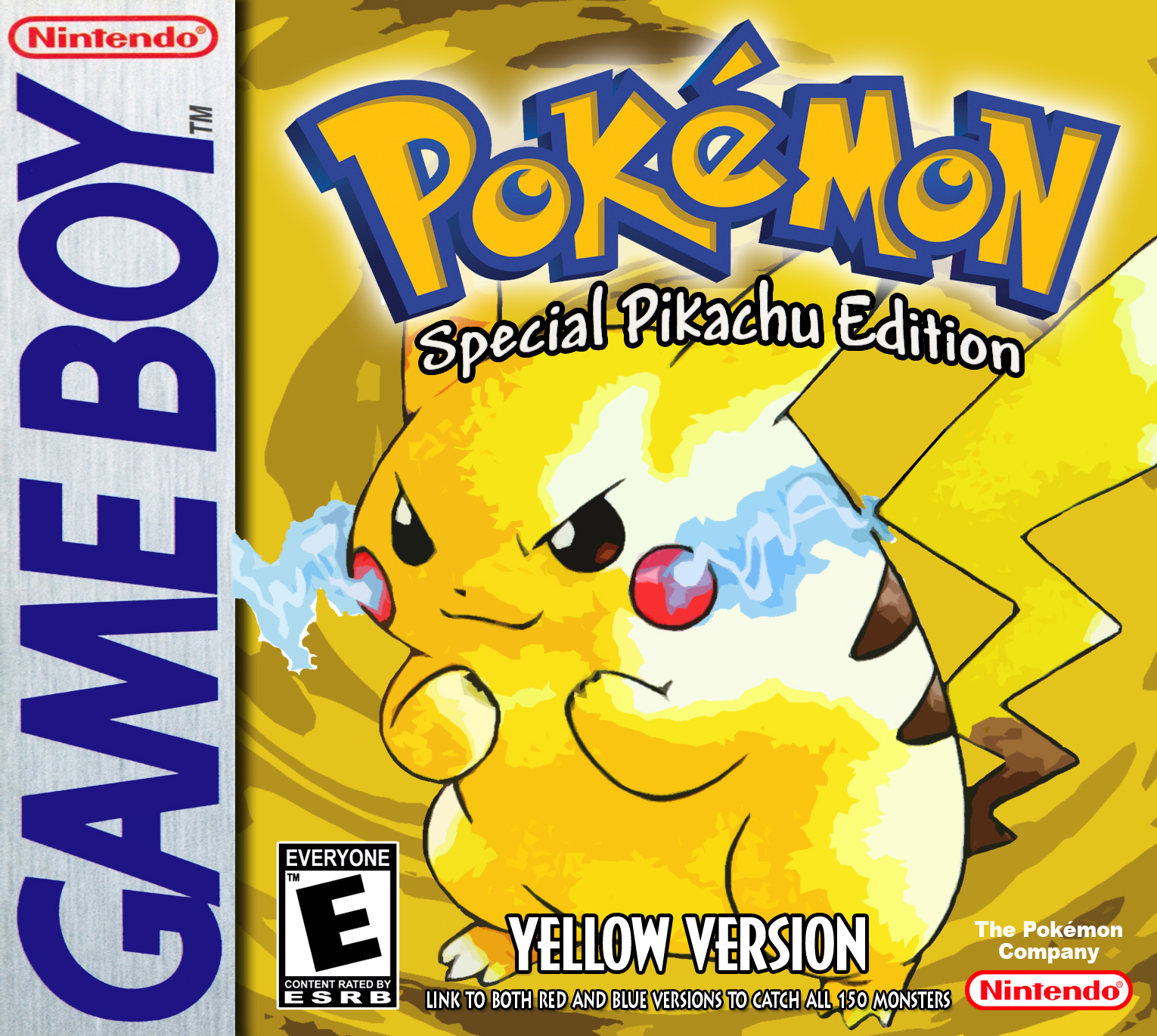
Game Freak makes Pikachu constantly follow the player and react to interactions, establishing a visible bond on screen. Checking Pikachu’s mood gives feedback on your care and performance. The partner’s presence changes certain event triggers and NPC reactions. It laid groundwork for later partner systems that blend affection with battle mechanics.
‘Ni no Kuni: Wrath of the White Witch’ (2011)
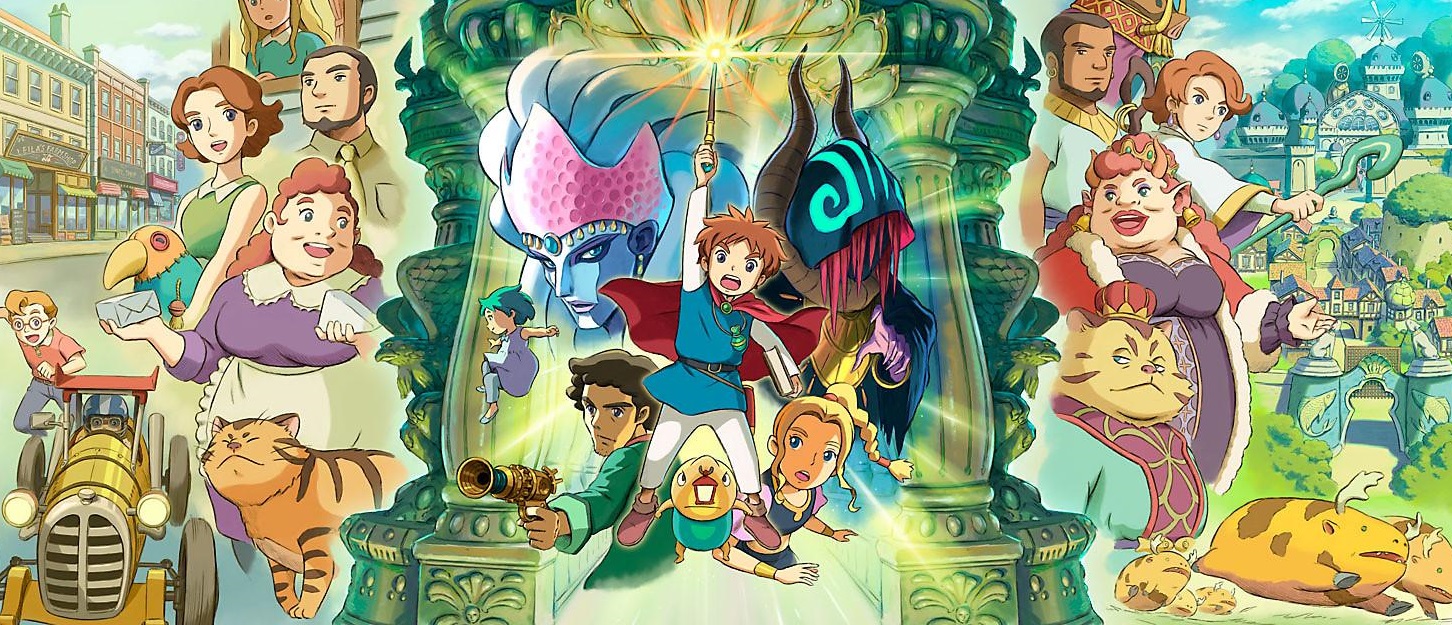
Level-5 designed a familiars system where creatures can be captured, fed, and evolved to fill party roles. Equipment and treat preferences shape growth, while metamorphosis forms shift stats and skills. Creature affinities encourage strategic team-building across different environments. Side quests and alchemy provide materials that support nurturing and training.
‘Monster Hunter Stories 2: Wings of Ruin’ (2021)
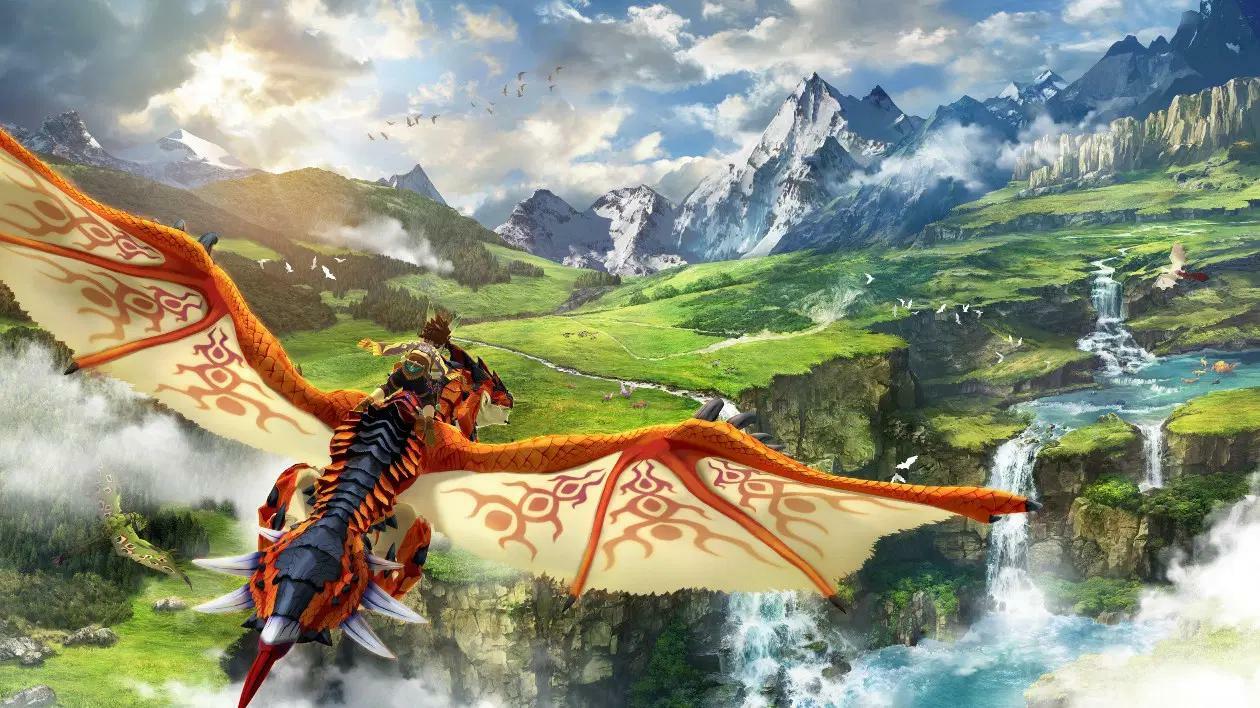
Capcom focuses on raising “Monsties” that you hatch, ride, and battle with in a turn-based system. Gene channeling lets you inherit skills to create hybrid builds across species. Field abilities change exploration by opening new paths and resources. Stable management, expedition parties, and ride actions make your creatures central to both travel and combat.
‘Viva Piñata’ (2006)
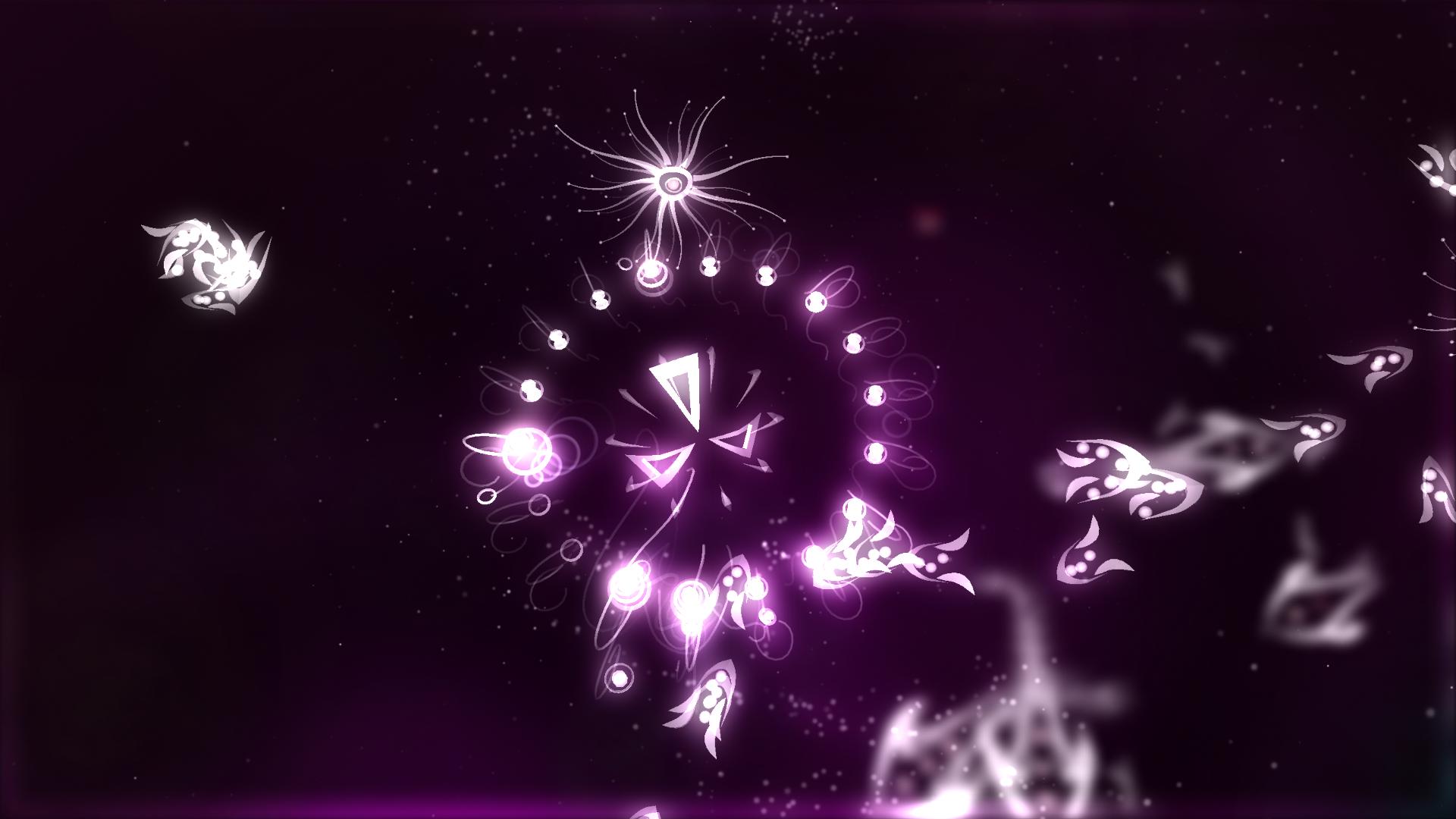
Rare crafted a garden sim where you attract, tame, and breed piñata animals by meeting habitat and diet requirements. Each species has unique romance conditions and temperament behaviors that shape garden layouts. Trappers, doctors, and shopkeepers form an ecosystem that supports animal care. Decorations and fencing systems help you manage conflict between species.
‘Rune Factory 4’ (2012)
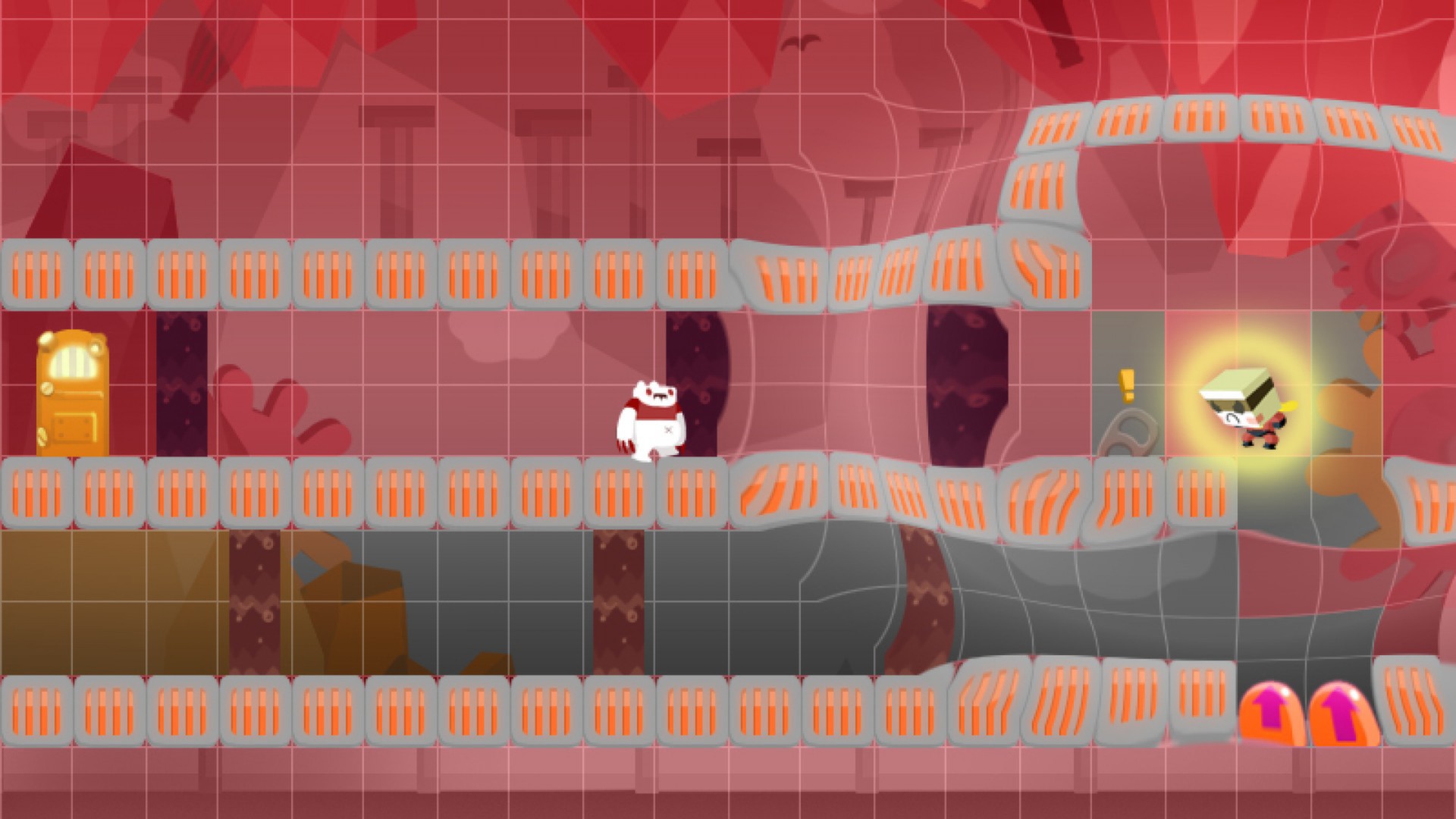
Marvelous lets you befriend monsters who then work your fields, join dungeons, or produce materials. Taming requires gifting and sometimes item use, adding a resource layer to recruitment. Stable space and food keep your roster productive. Combat pets level alongside you and can wield gear to fill tank or support roles.
‘The Last Guardian’ (2016)
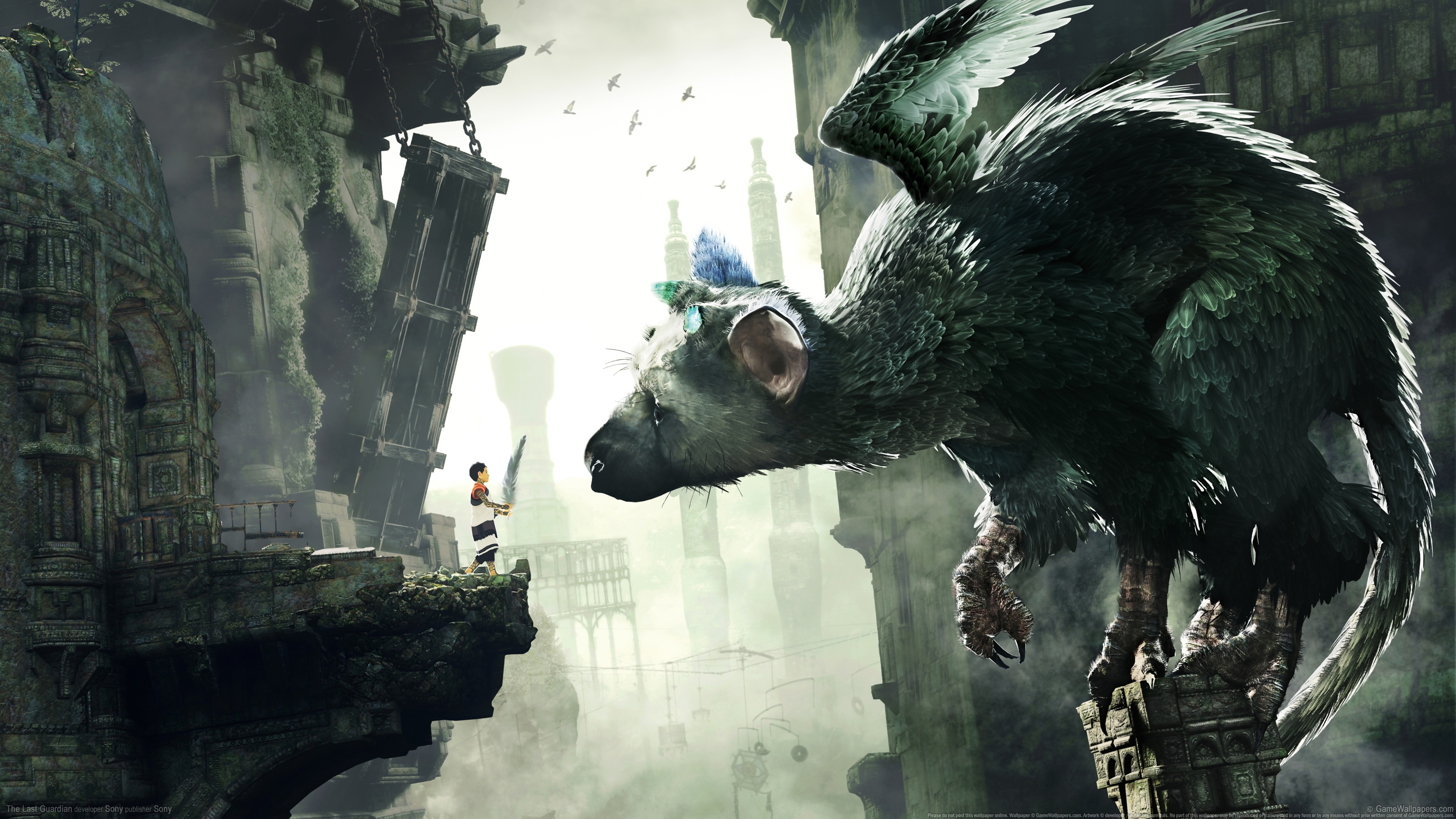
genDESIGN and SIE Japan Studio created Trico, a creature that responds to voice commands and environmental cues. Trust grows as you feed, free, and guide Trico through complex spaces. Animation and pathfinding systems support believable hesitation and curiosity. Puzzle design often hinges on reading the creature’s behavior and positioning correctly.
‘My Time at Portia’ (2019)
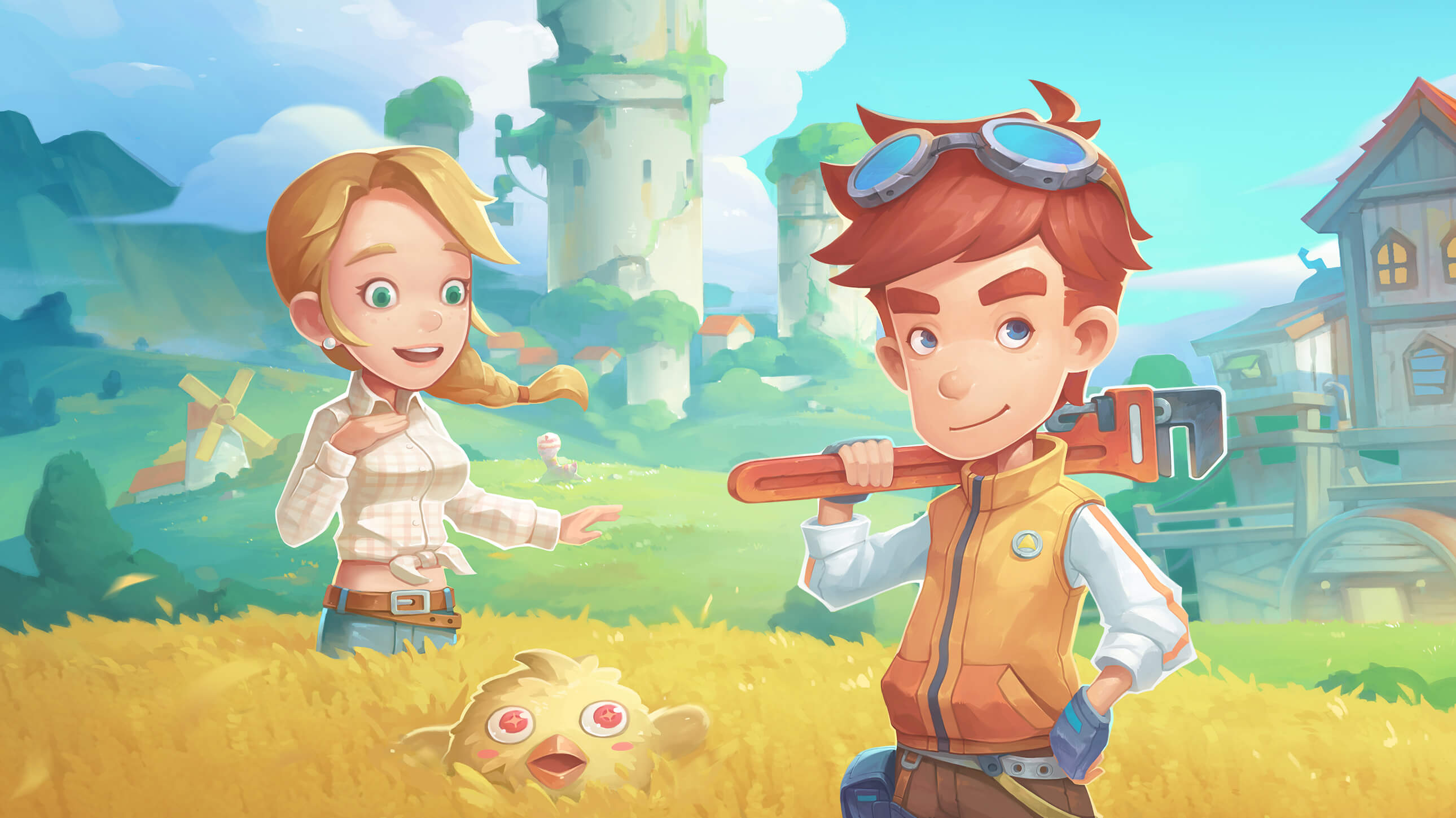
Pathea Games includes adoptable animals that you can feed, name, and house as your workshop grows. Pets contribute small bonuses and daily interactions that mesh with crafting routines. The town economy supports buying supplies and items for care. Seasonal events and NPC quests sometimes tie into pet ownership for extra rewards.
‘Potion Permit’ (2022)
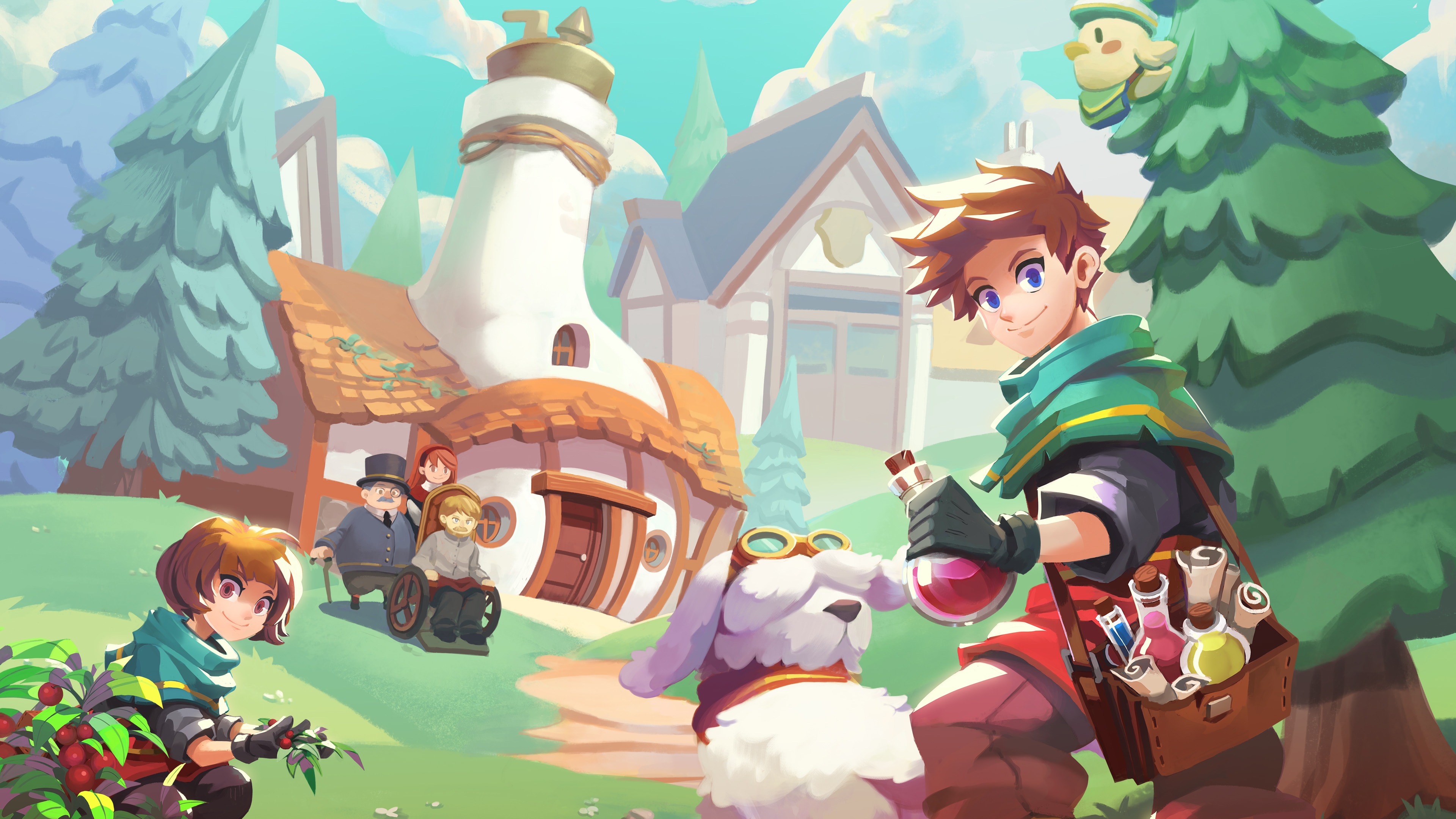
MassHive Media gives you a dog companion who tracks ingredients, points out NPCs, and helps you locate quest targets. You can pet and feed the dog to keep it responsive and effective. Commands integrate with gathering and diagnosis tasks across the map. Unlockable upgrades improve search radius and interaction prompts.
‘World of Warcraft’ (2004)
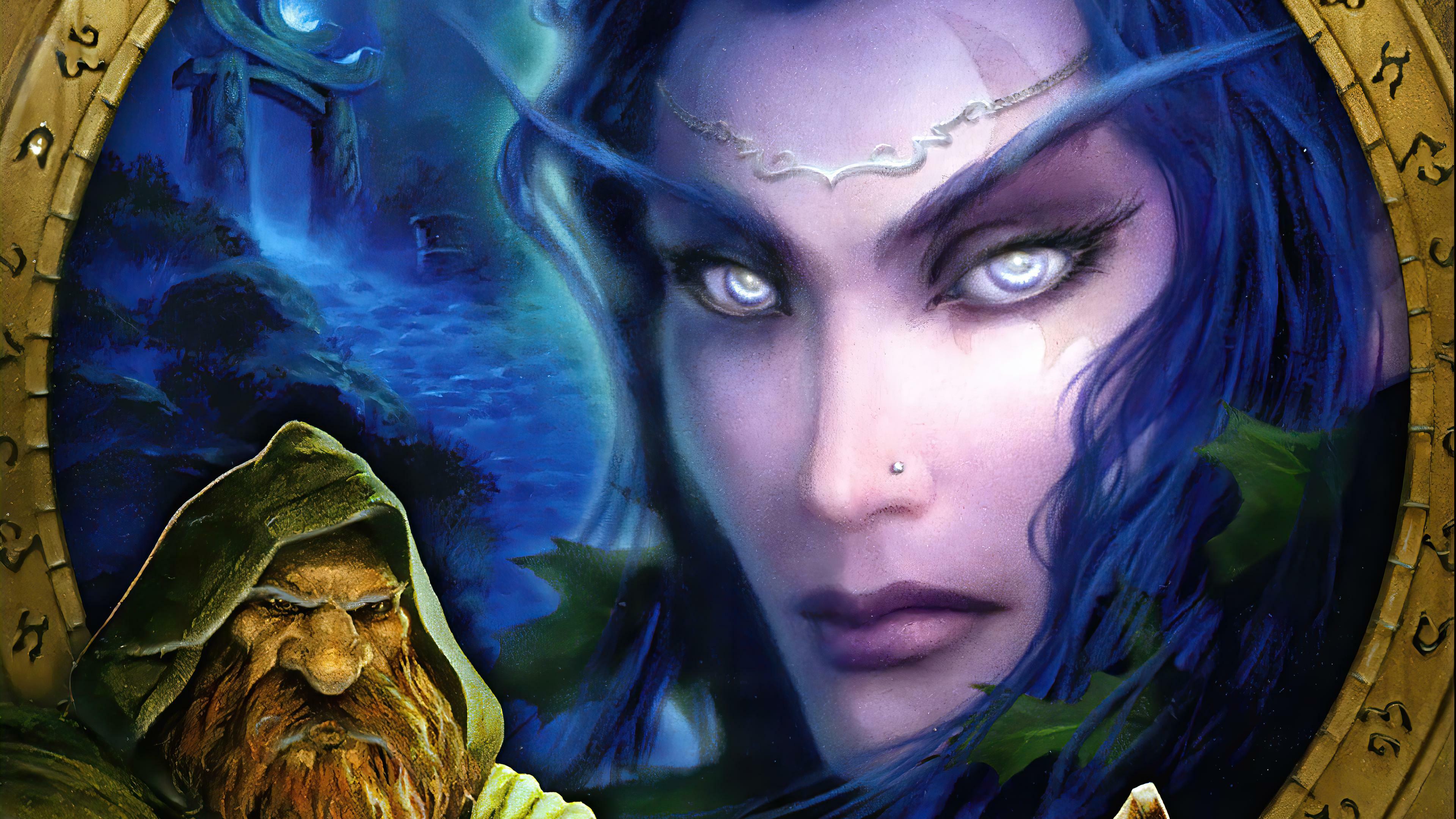
Blizzard Entertainment offers multiple pet systems, from hunter companions with talents to collectible battle pets across zones. Pet Battles provide a turn-based minigame with families, abilities, and rarity tiers. Stable masters, grooming items, and trait stones create a deep collection loop. Seasonal events and achievements encourage exploration to expand your roster.
Share your favorite in-game pets below and tell us which companions stole your heart in the comments.