25 Roguelikes Perfect For Beginners

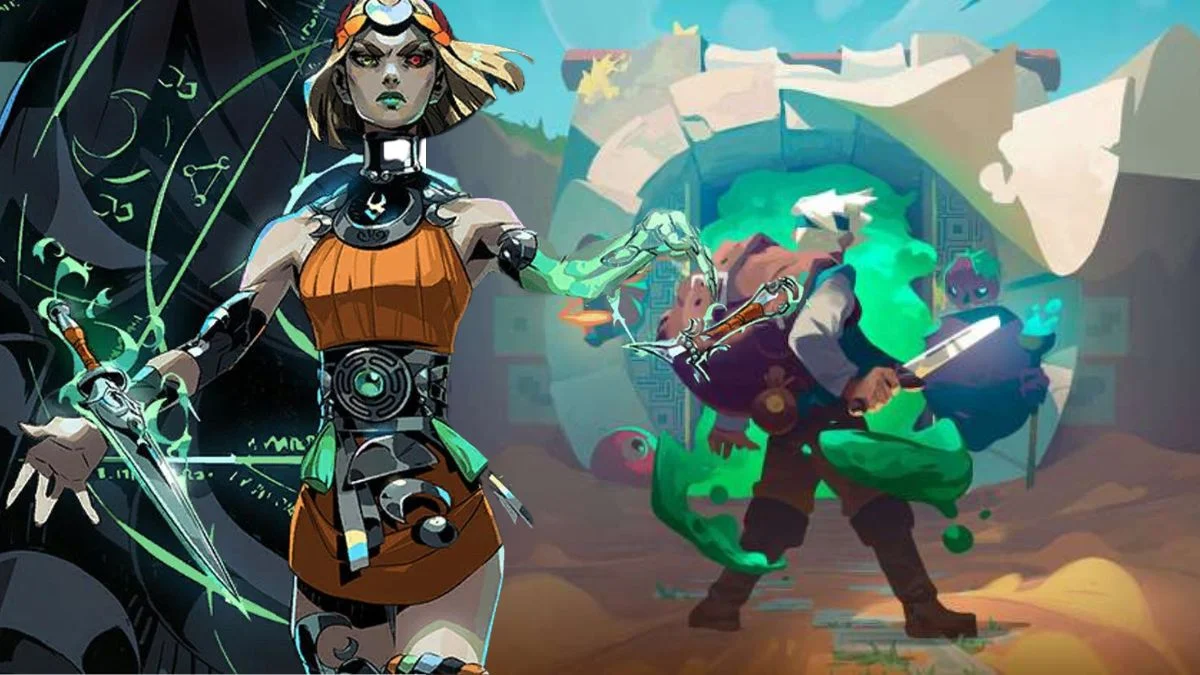

Starting a roguelike can feel tricky at first, so this list keeps things simple with games that explain themselves clearly, teach through play, and offer forgiving progress systems that carry over between attempts.
‘Vampire Survivors’

This is a survivors style auto attacking roguelike with movement focused controls and very short runs. Weapons evolve through specific item combinations that the game tracks in an easy to read collection. Each attempt earns gold to unlock permanent power ups for future runs. Maps are open and readable with clear visual cues for chests and upgrades.
‘Hades’

This action roguelike uses crisp combat and clear upgrade options called boons that appear in simple menus. Death returns you to a hub where you spend resources on permanent enhancements and story unlocks. Keepsakes and weapon aspects let you tailor power without complex builds. Runs are bite sized with obvious room by room goals and icons.
‘Hades II’
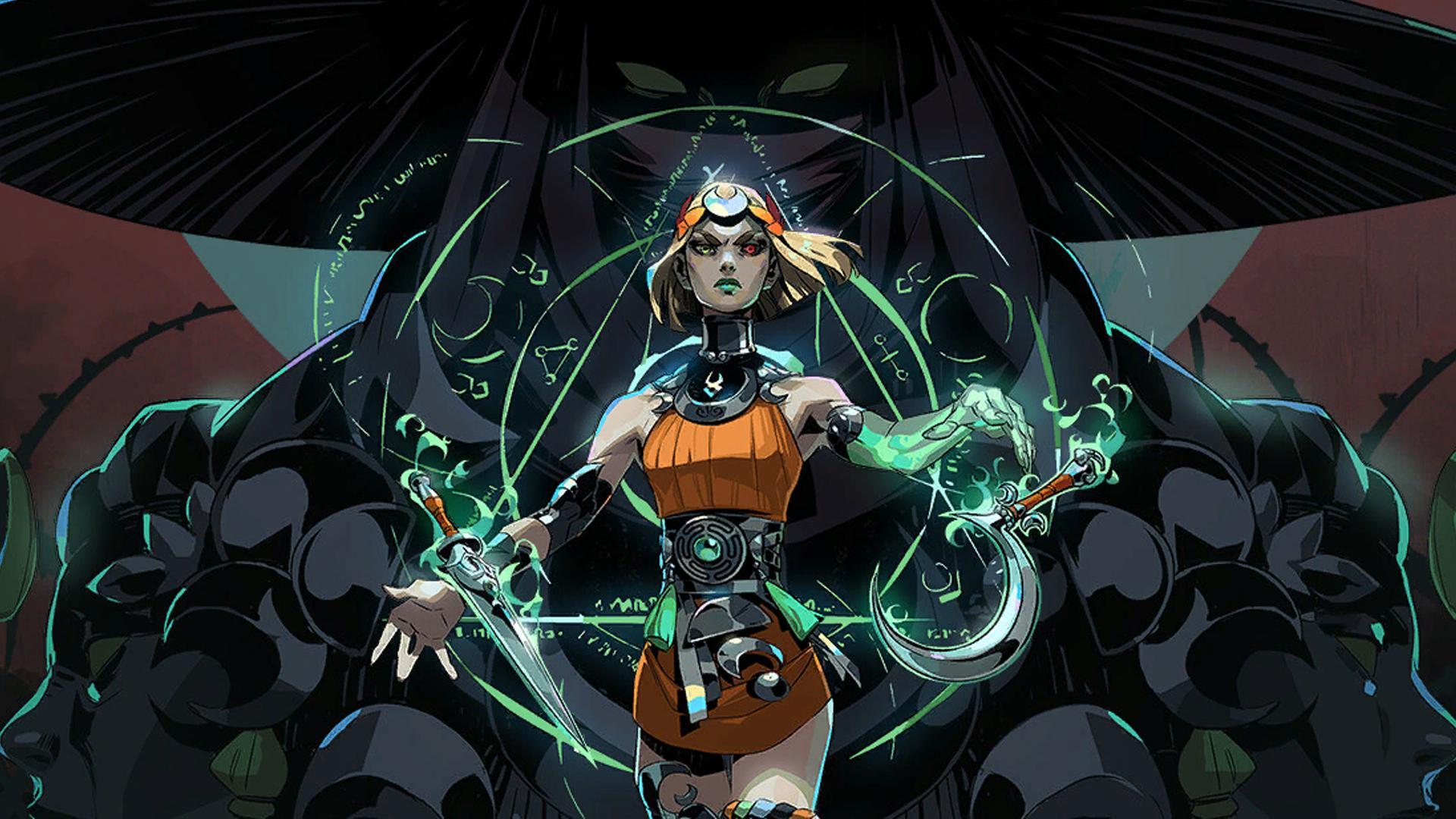
This follow up keeps the same readable boon system and adds resource gathering that feeds straightforward crafting. The training area teaches weapons safely before real runs begin. Meta progression unlocks steadily through a clear mirror style menu. Early access balance focuses on approachability with generous healing and simple blessings.
‘Slay the Spire’
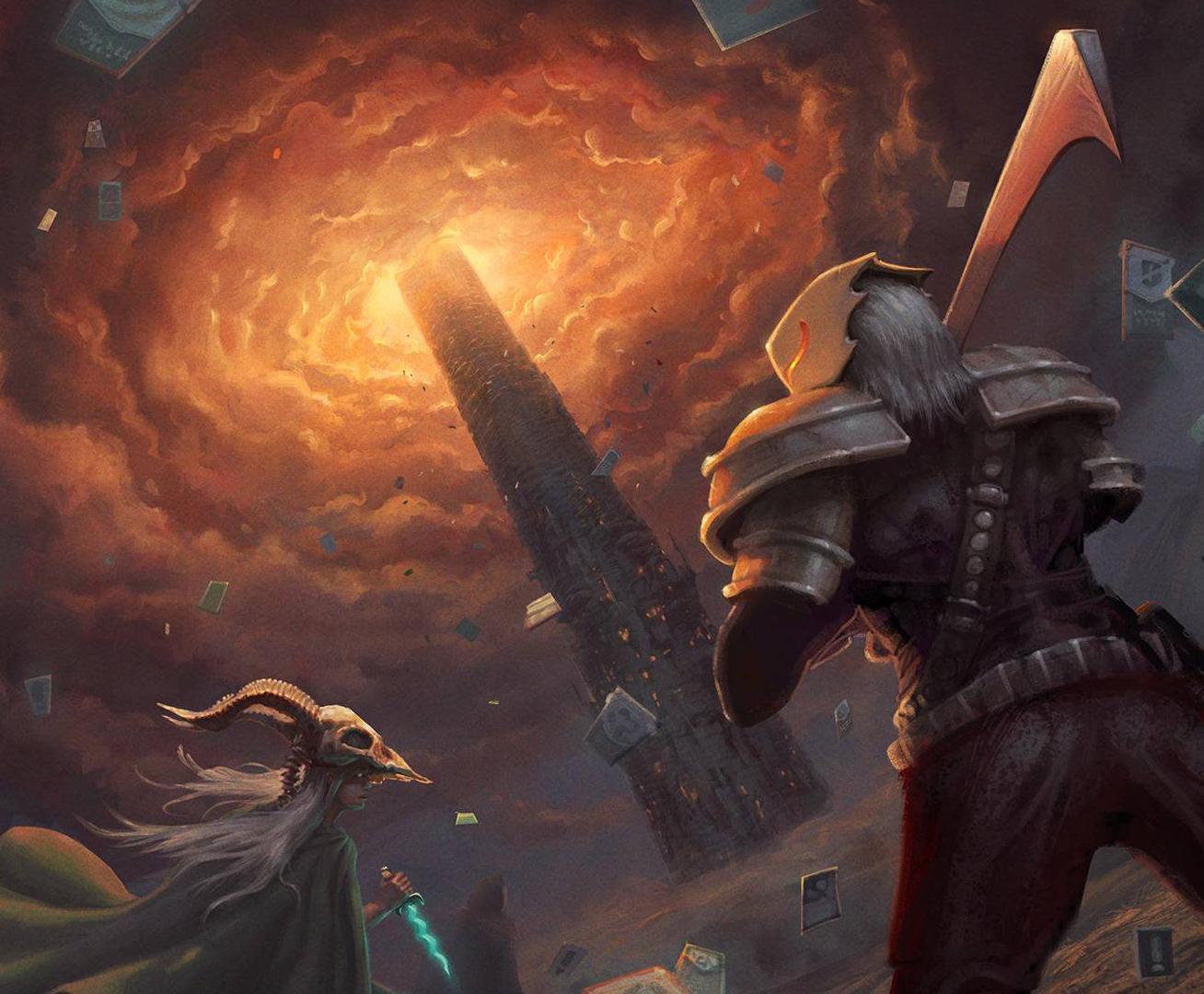
This deckbuilding roguelike shows card effects plainly and uses tooltips to define every keyword. The map displays routes at a glance so you can plan safe paths with campfires and shops. Relics add passive bonuses that stack in easily understood ways. Defeats still add knowledge through an unlock path that introduces new cards gradually.
‘Monster Train’
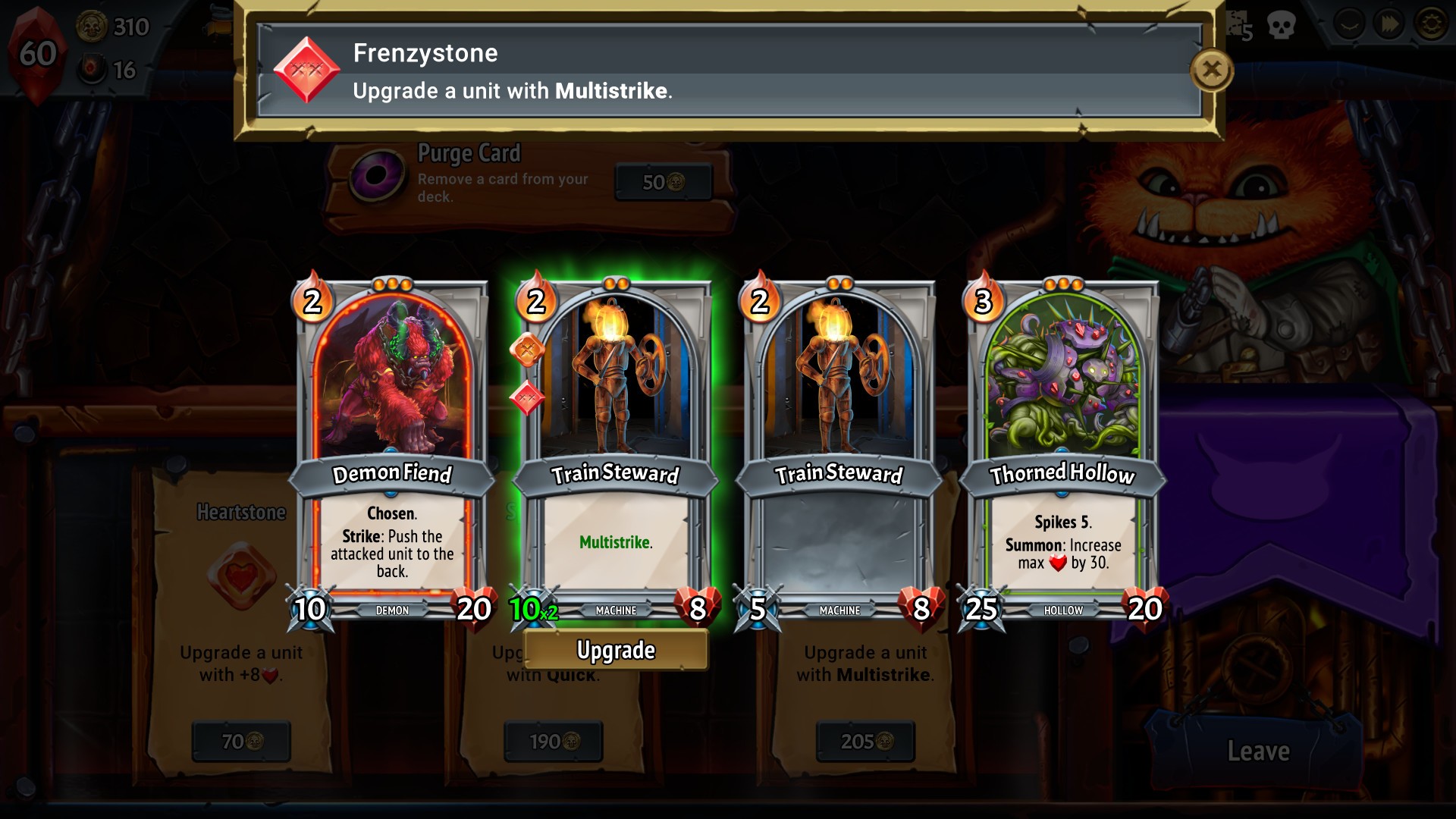
Battles happen across three floors with enemies moving upward in predictable waves. Each clan has a focused theme that teaches core mechanics fast. Upgrades at merchants are consistent and menu driven, so you always know what a purchase does. Short runs and clear post battle summaries make learning progress easy to track.
‘Rogue Legacy 2’
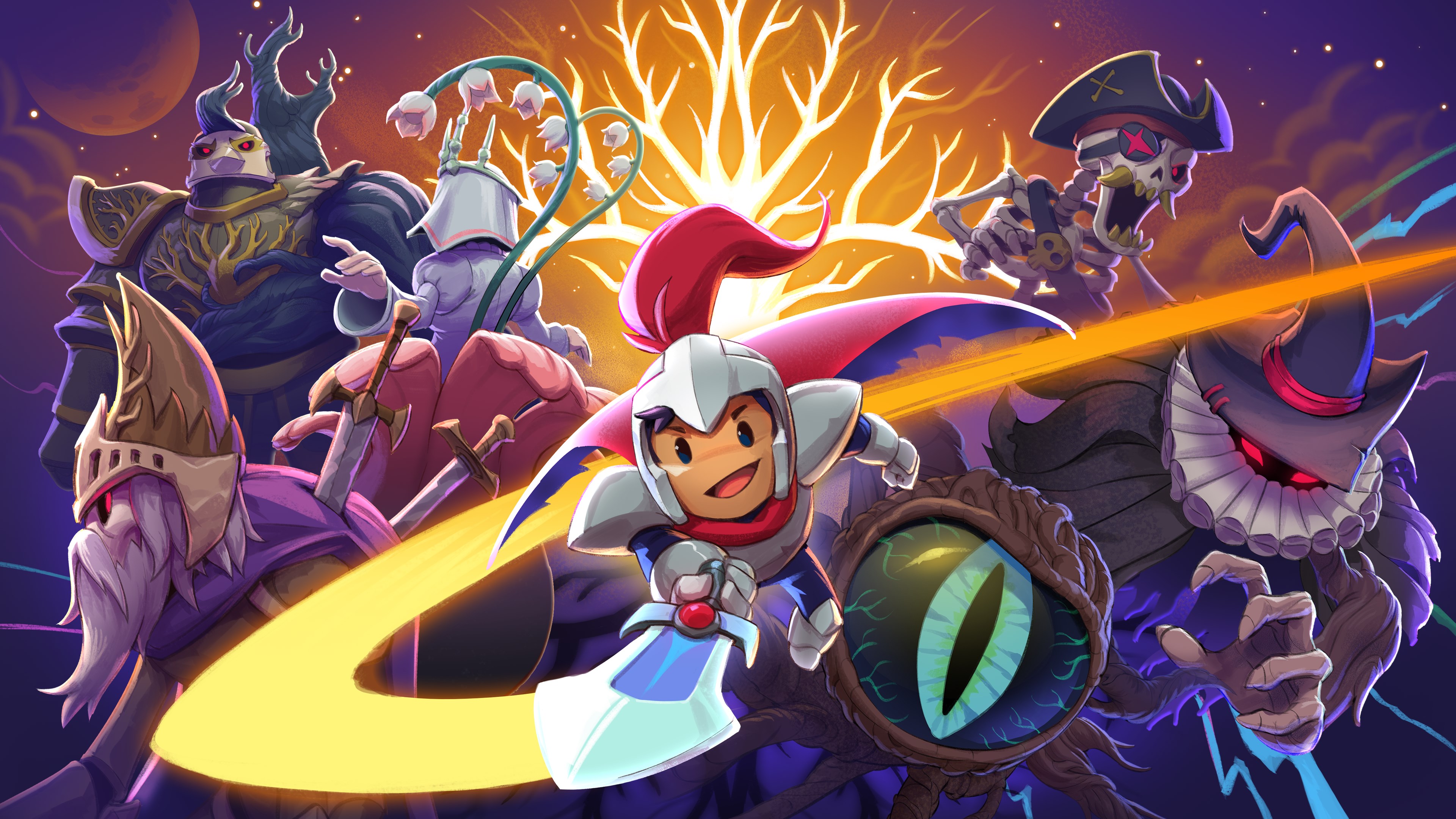
Every run introduces a new heir with visible traits that change how you play while sharing the same family castle. Gold carries over to buy permanent stat upgrades and new classes on a simple tech tree. Rooms are hand designed and stitched together so layouts remain readable. Accessibility options let you soften damage and slow gameplay.
‘Rogue Legacy’
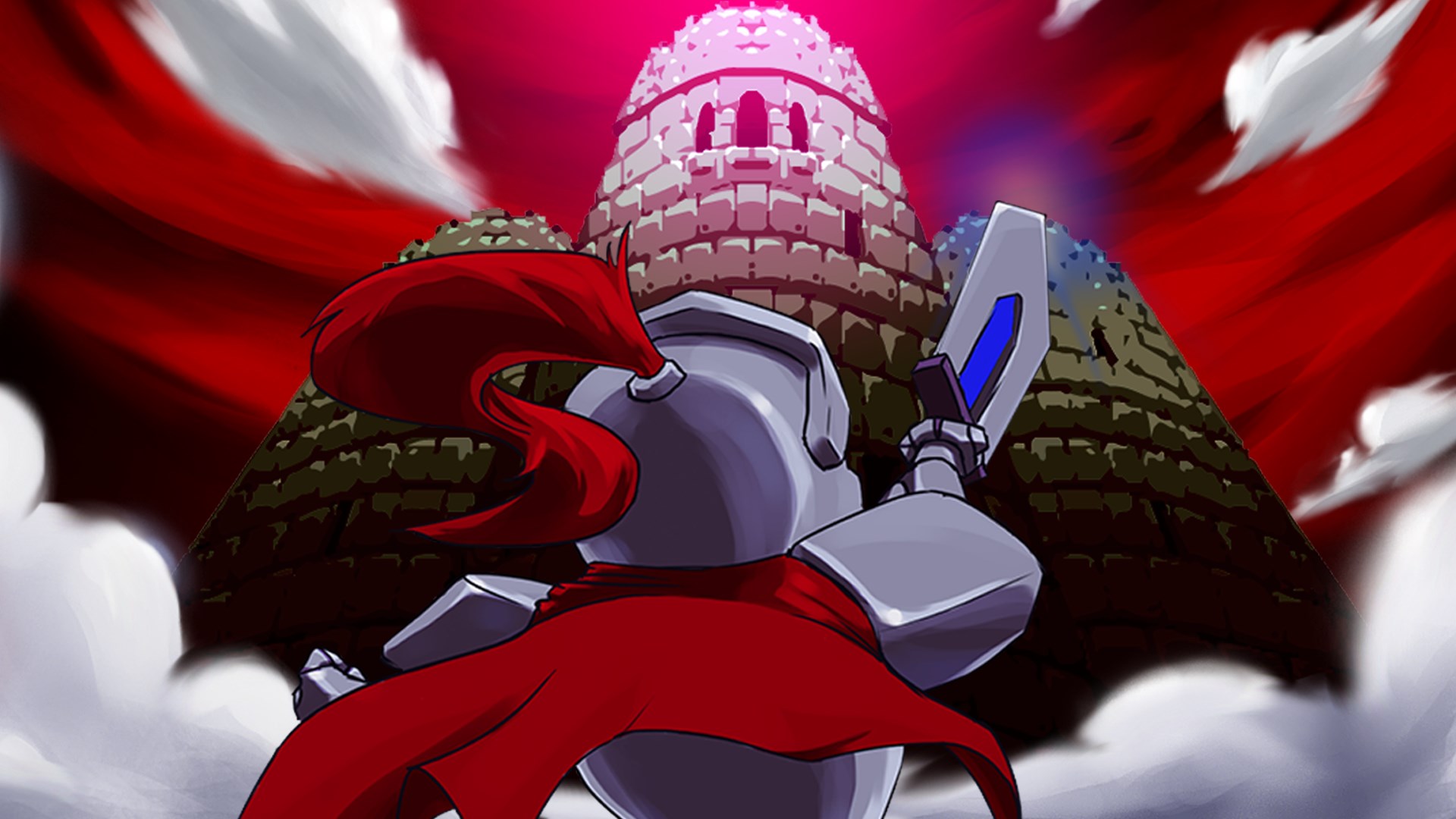
This earlier entry uses the same heir system with persistent castle upgrades. Controls are straightforward with classic platforming and melee attacks. Blueprints and runes unlock equipment and mobility in an easy menu. Short rooms and clear enemy patterns make it friendly to learn.
‘Dead Cells’
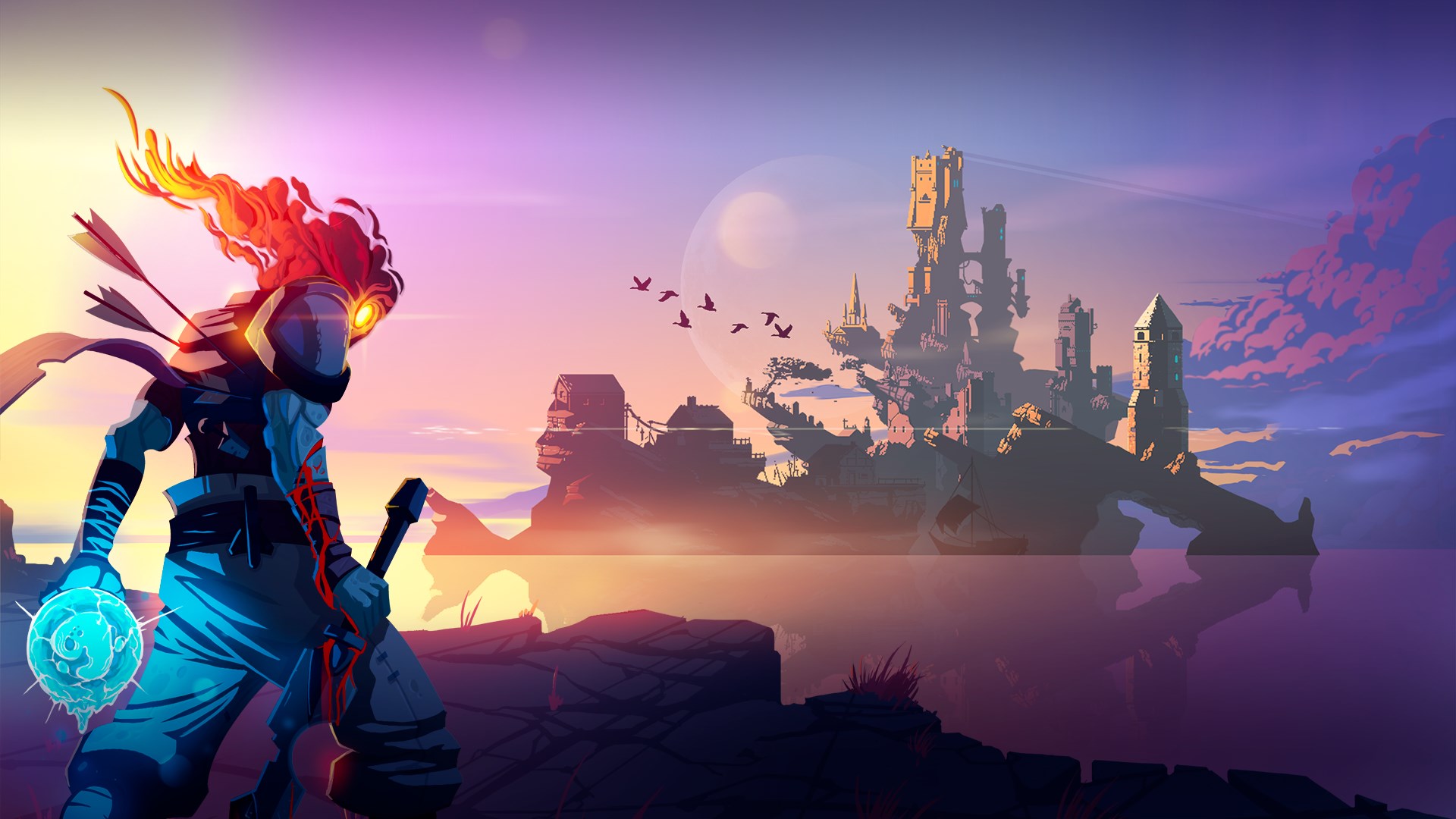
This action platformer uses smooth movement and a limited set of weapons per run to reduce decision overload. Permanent runes unlock traversal abilities that open new routes across all future attempts. The map structure is linear with signposted exits and difficulty doors. The training area and daily runs help you practice without pressure.
‘Brotato’
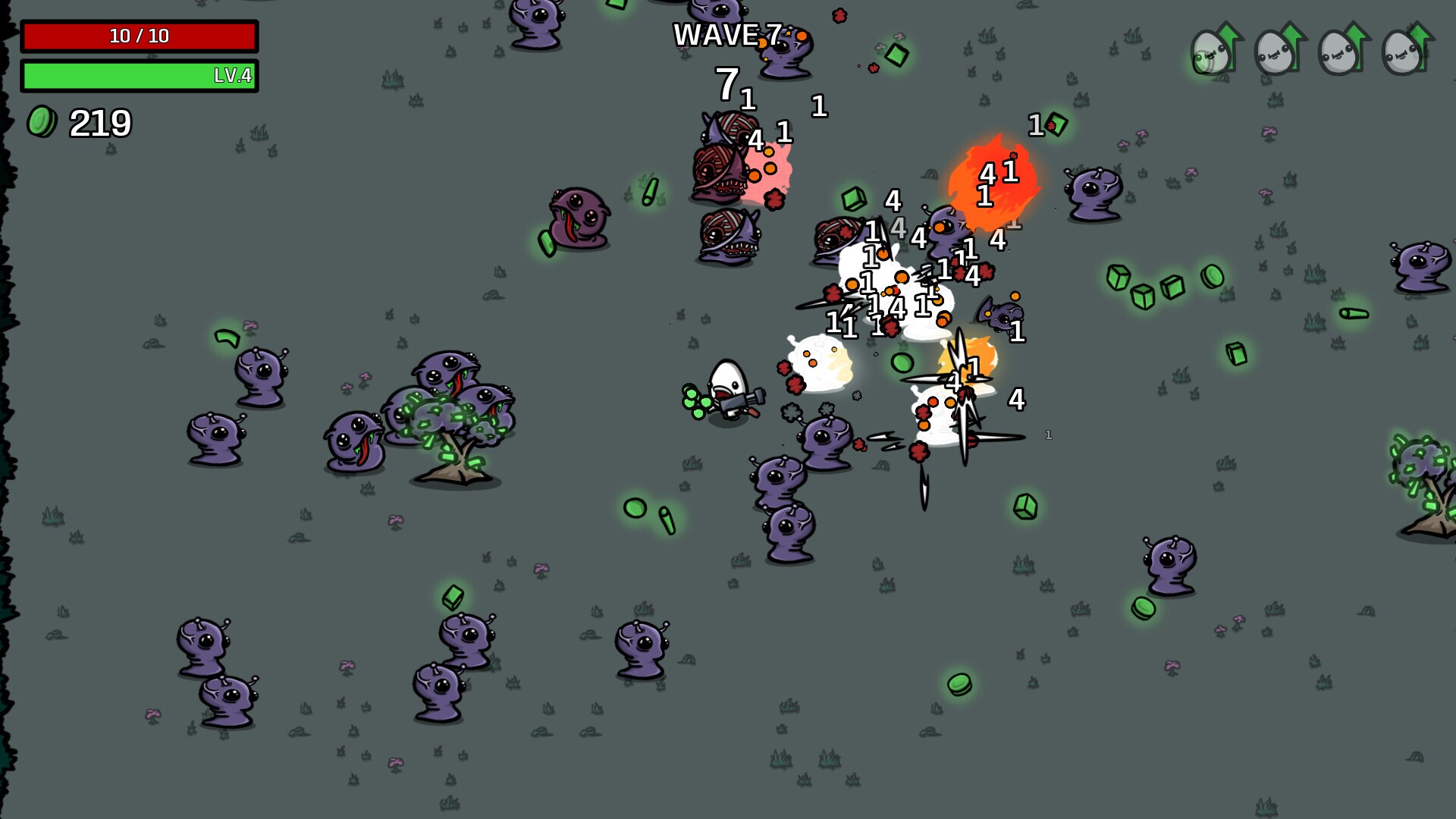
You control a character who auto fires while you focus on positioning and shopping between waves. Weapons stack in slots and evolve through simple rarity tiers. The shop clearly shows percentage based stat changes for every purchase. Rounds are short and repeatable with quick restarts.
‘Peglin’
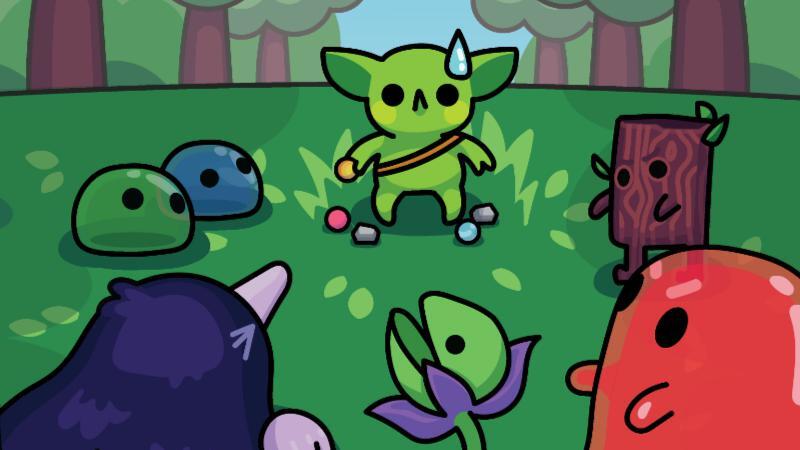
Combat uses pachinko style boards where orbs bounce and build damage in an obvious way. Relics and orb upgrades are explained with concise text that appears on hover. The map offers simple choices between fights, chests, and healing. Meta currency unlocks new orbs at a steady pace.
‘Dicey Dungeons’
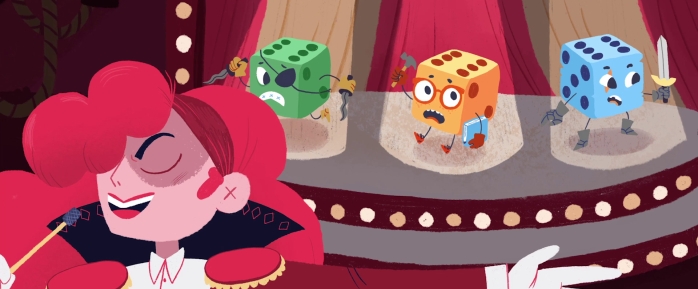
Each character uses dice in a different but clearly explained system with tutorials for every class. Status effects display icons that state exact outcomes on the next roll. Equipment slots limit complexity and encourage small changes across runs. The progression map is compact with predictable shop and camp placements.
‘Dreamscaper’

Runs alternate between day and night, with daytime crafting and relationship systems that grant permanent upgrades. The combat uses lock on and dodge with generous invincibility windows. Difficulty modifiers can be tuned independently for damage and enemy behavior. The hub town menus make long term growth easy to follow.
‘Undermine’
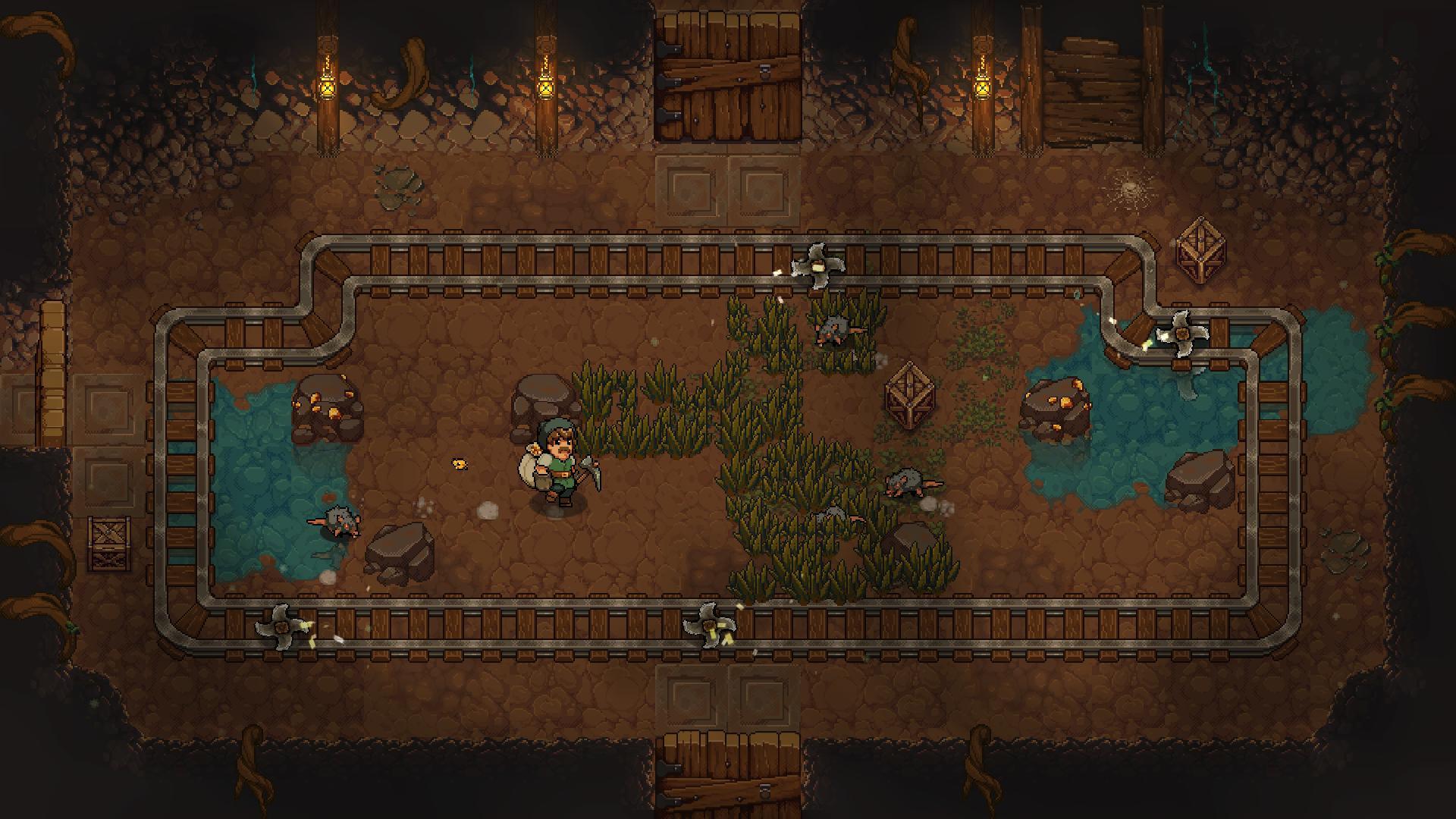
Mining through rooms builds gold that returns to a hub shop even after defeat. Relics and blessings have clear tooltips and stack in simple ways. Boss gates sit at predictable points so you know when to prepare. An upgradeable canary collects gold automatically to reduce stress during fights.
‘Moonlighter’
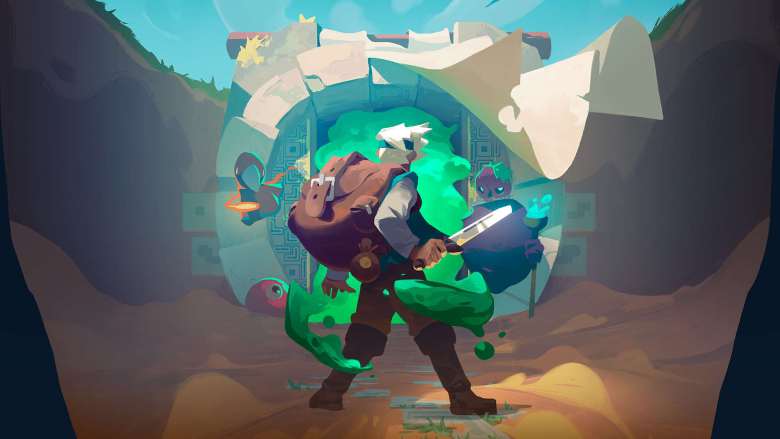
You split time between dungeon runs and running a shop that sells your loot for permanent income. Price discovery is shown through customer reactions so you learn values quickly. Weapon and armor upgrades use a straightforward crafting list with clear stat gains. Dungeon levels are short with obvious exits and checkpoints.
‘Into the Breach’

Turn based battles show all enemy intents before you act, so mistakes become learning moments rather than surprises. Objectives are small and map layouts are clean. New mech squads unlock gradually and come with brief tips that explain their focus. Time limited campaigns keep sessions short and digestible.
‘Have a Nice Death’
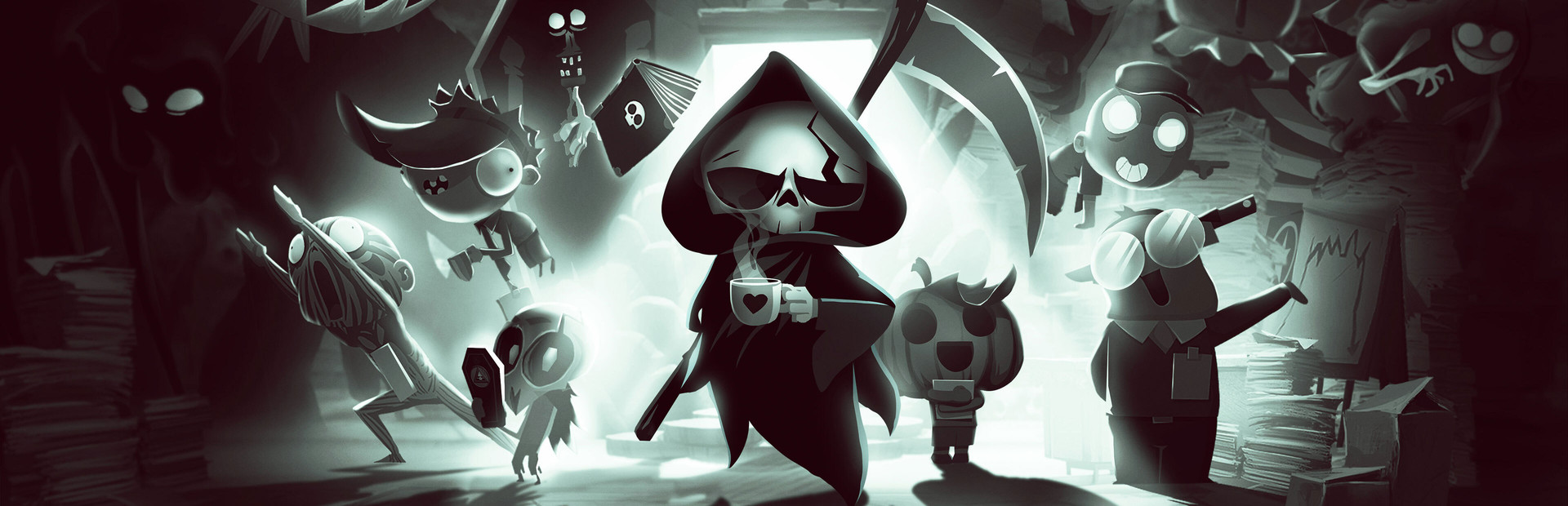
Side scrolling combat is organized by departments that always contain similar room types and rewards. Cloak and scythe upgrades are labeled clearly with rarity and effect text. The lobby offers a tidy set of permanent boosts using collected resources. Visual design highlights enemy attacks to aid timing.
‘Roguebook’

This card battler uses two heroes at once with positioning that is taught in the opening battles. The ink system reveals hexes on a grid so exploration is controlled and readable. Treasures and gems socket into cards with clear stat changes. Permanent unlocks add new cards and artifacts without raising complexity too fast.
‘Wildfrost’
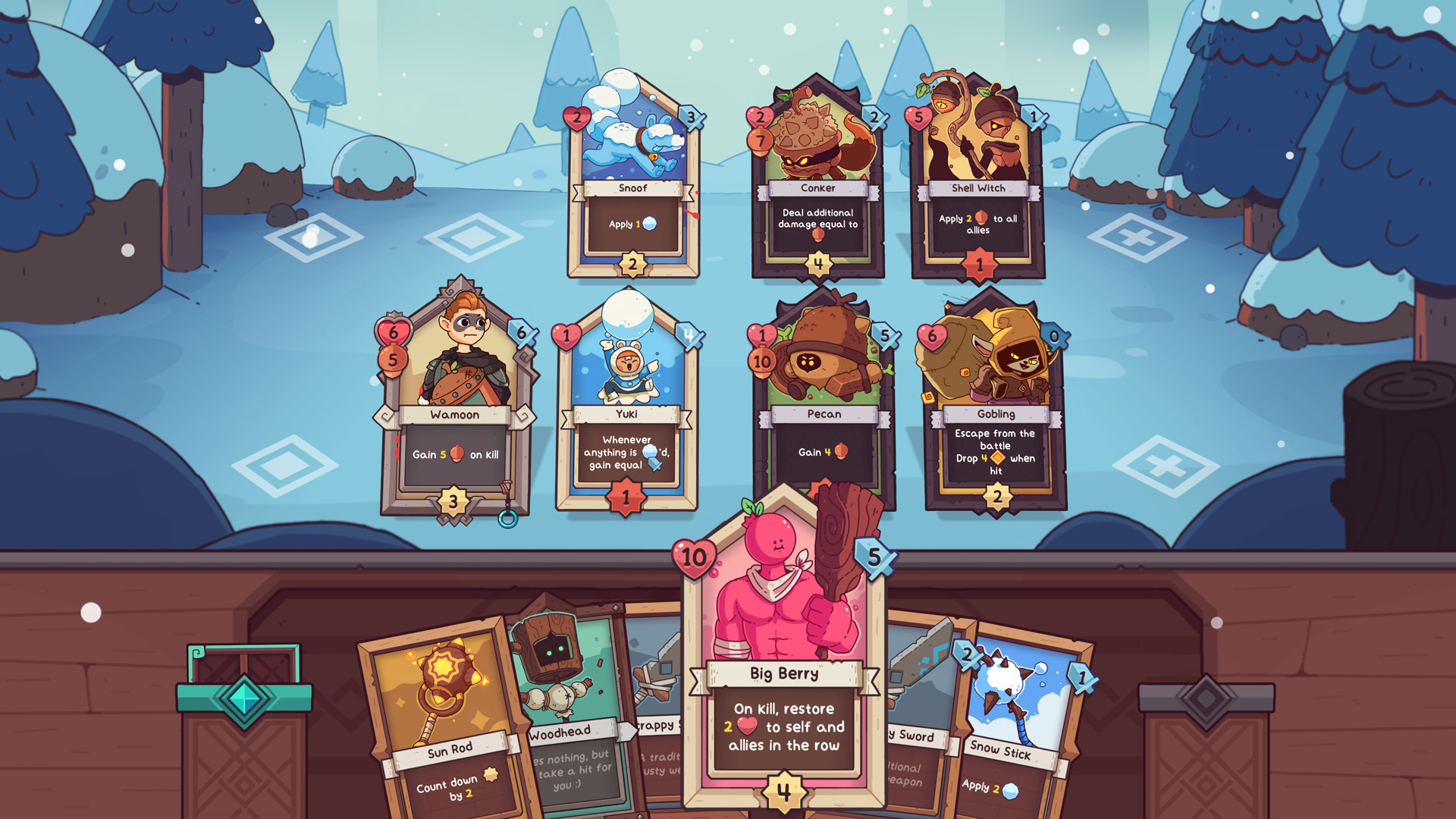
Fights play on small lanes where units show health, attack, and countdown timers right on the cards. The redraw bell and counter system make turn flow predictable. Charms modify cards with single line effects that are easy to parse. Post run rewards introduce new leaders and companions in small steps.
‘Risk of Rain 2’

This third person roguelike shows item effects with icons that stack in consistent ways across all characters. Difficulty rises on a visible timer so you can decide when to move on. Shrines, printers, and 3D printers provide clear trade offs that are labeled at the point of use. Co op support helps new players learn roles together.
‘Risk of Rain Returns’
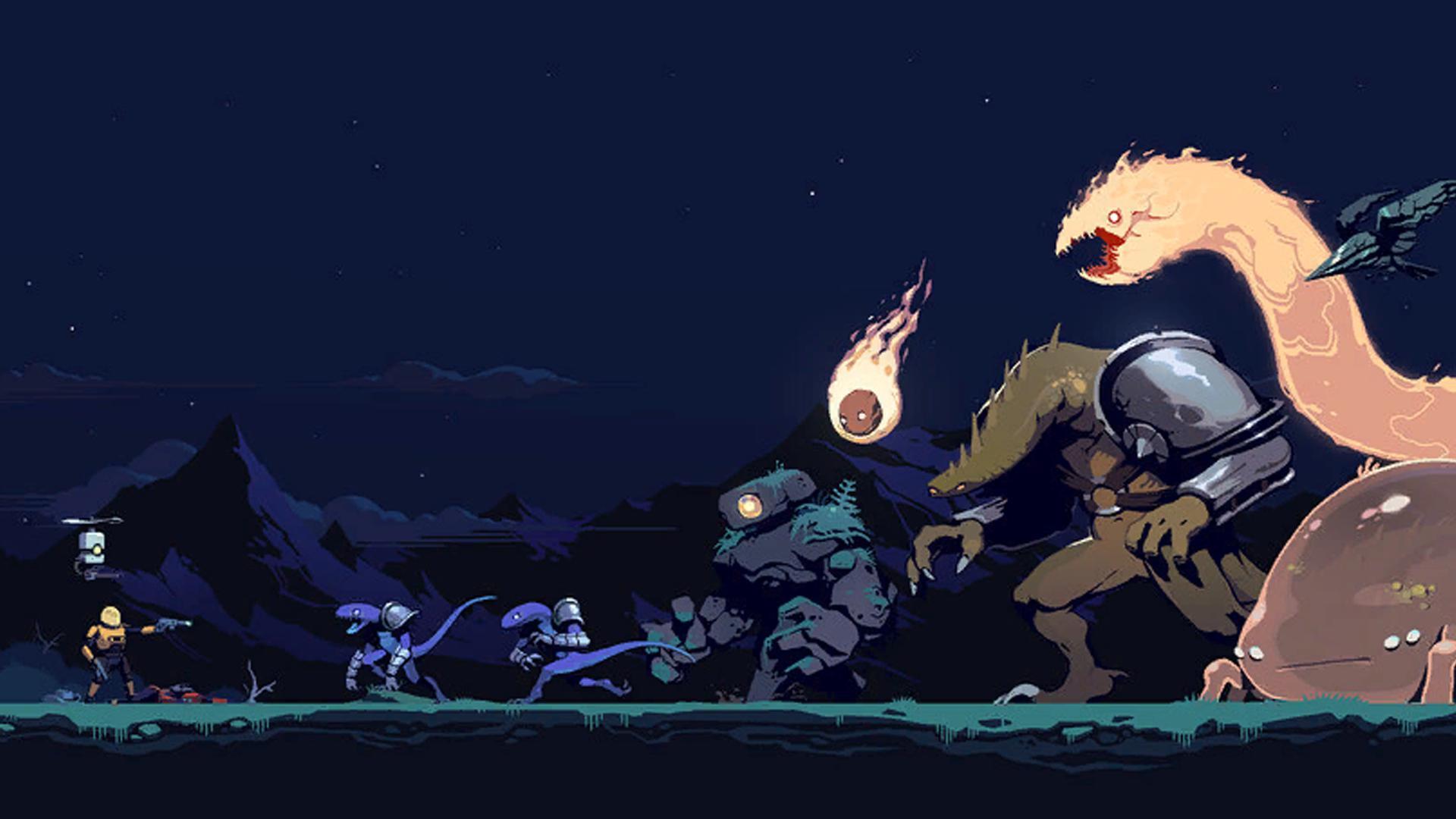
This side scrolling version uses the same item language as its successor with simpler movement. Stage goals are fixed with a teleporter that starts waves on demand. Characters unlock through objective checklists that teach their kits. Artifacts toggle modifiers in a clean menu so you can tune challenge.
‘Shovel Knight Dig’
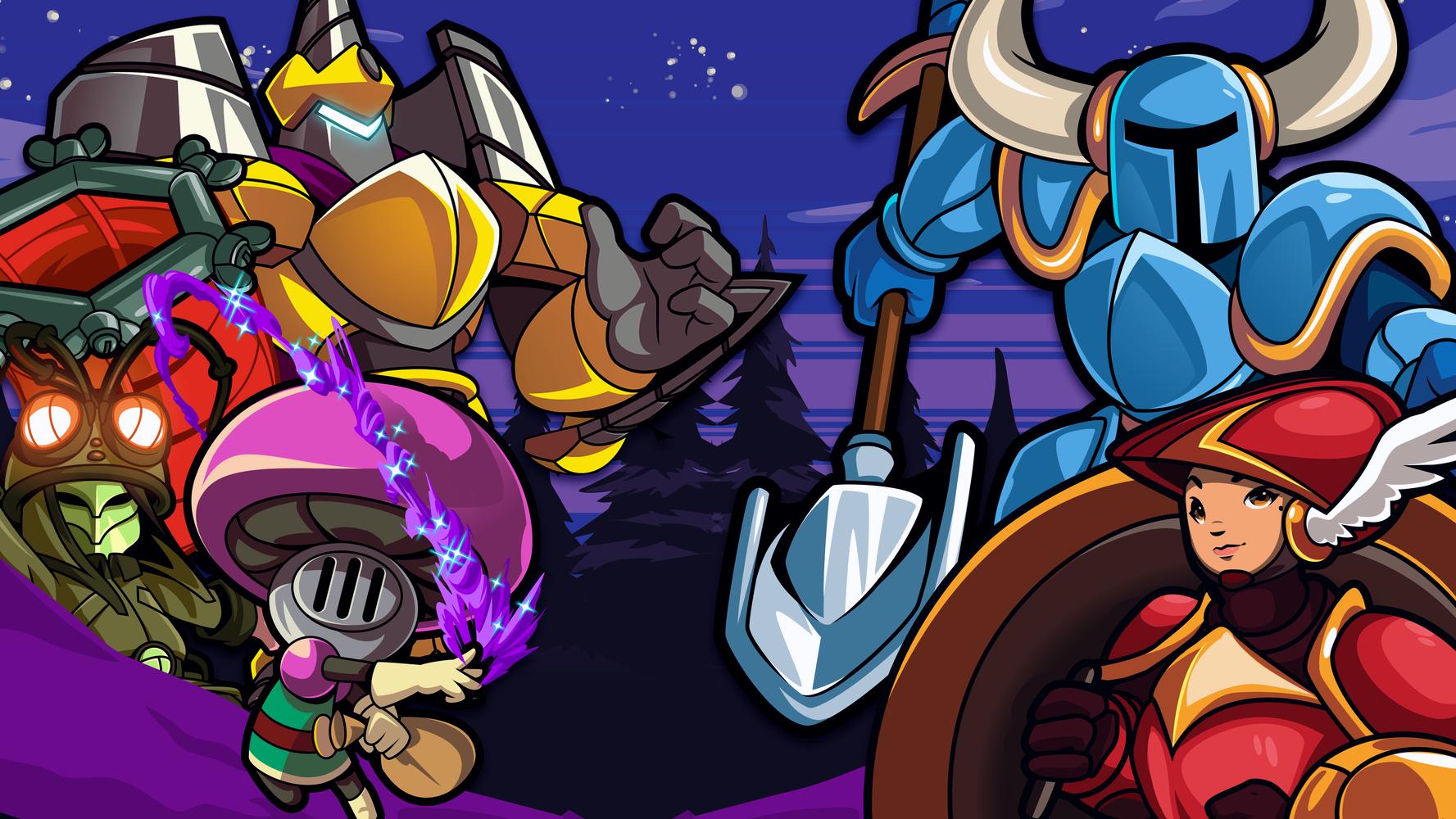
Levels combine vertical drilling with short combat rooms that emphasize readable hazards. Permanent upgrades come from resources you bank between attempts. Shops are frequent and list exact effects for relics and armor. Checkpoints and branching paths keep runs manageable for new players.
‘Balatro’

This deckbuilder uses poker hands as a scoring system and explains multipliers with on card text. Jokers add passive effects that stack in a visible row so you can track power easily. Shops show clear costs and sellbacks for chips and multipliers. Blinds increase predictably which helps pacing and planning.
‘Luck be a Landlord’
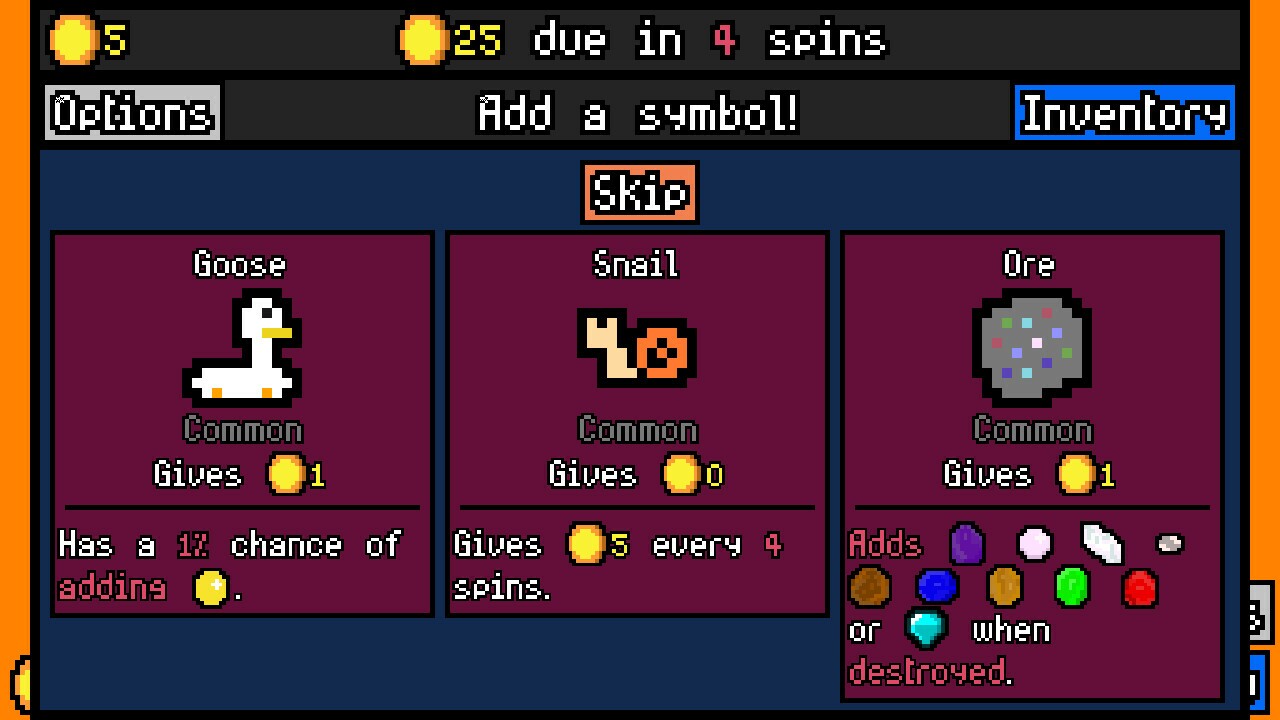
You build a slot machine deck where each symbol states its scoring rules directly on the tile. Rents arrive on a schedule that is always shown in the corner of the screen. Items create simple synergies that are described in one or two lines. Runs are quick and teach combinations through repetition.
‘Downwell’
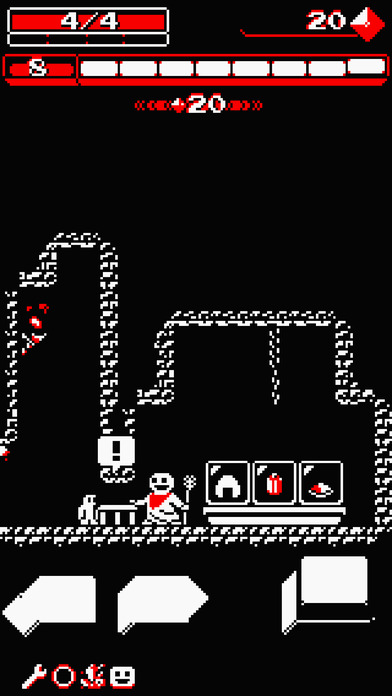
Movement and shooting share one button, and the game explains upgrades through short, plain text choices. Floors are brief with consistent enemy behavior. Shops and health rooms appear at steady intervals that you recognize fast. The gem high score system encourages safe play without complex builds.
‘Hoplite’
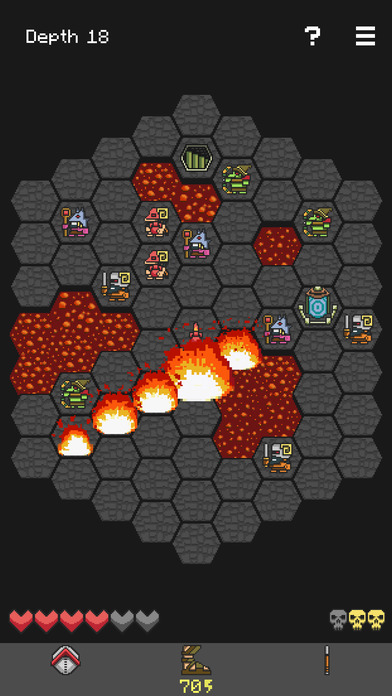
This turn based roguelike uses a small hex grid where every action consumes stamina shown on screen. Abilities unlock in a fixed pool so choices stay focused. Enemy intentions are predictable and visible, which reduces guesswork. Short floors and a clean interface make it easy to learn positioning.
Share your favorite beginner friendly roguelikes in the comments so everyone can find their next run.