20 Deck-Builders That’ll Convert Skeptics



Deck-builders can look intimidating at first, but the right entry points make the whole genre click fast. The games below teach core ideas through smart tutorials, short runs, and clear rules that reward experimentation. Many support quick sessions on mobile or handhelds, which helps new players learn without a big time commitment. Several also mix card play with tactics, puzzles, or light RPG systems so the loop stays fresh. Try a few and you will see how drafting cards, refining a deck, and chasing one more run becomes second nature.
Slay the Spire
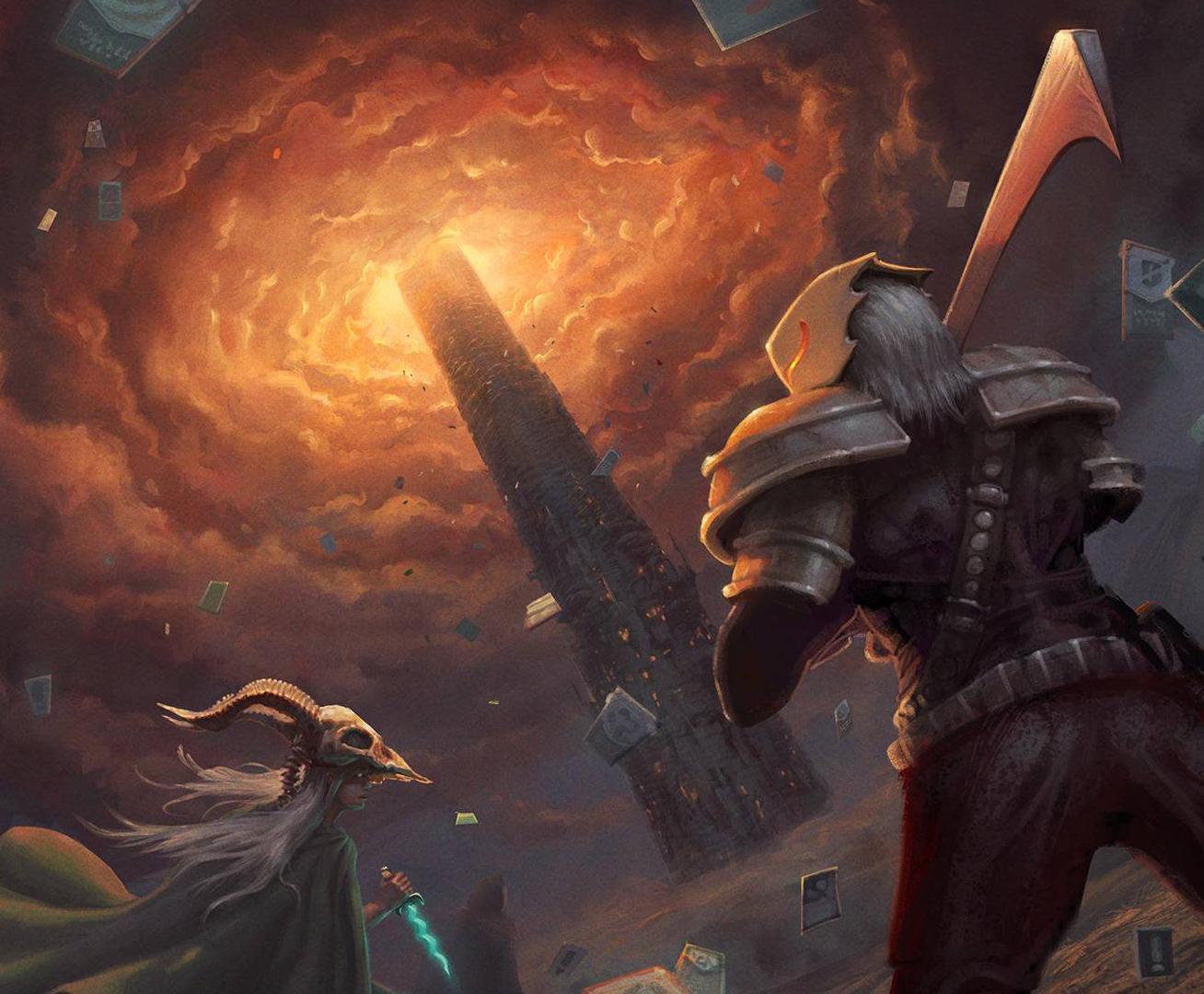
This roguelike maps your climb across branching paths where each fight adds or removes cards from your evolving deck. Four characters change how you learn the basics, from block and strike fundamentals to energy juggling and status effects. Relics provide passive bonuses that shape your run and teach synergy without heavy rules. Daily runs and seed sharing make it easy to compare approaches and see how small choices snowball.
Monster Train
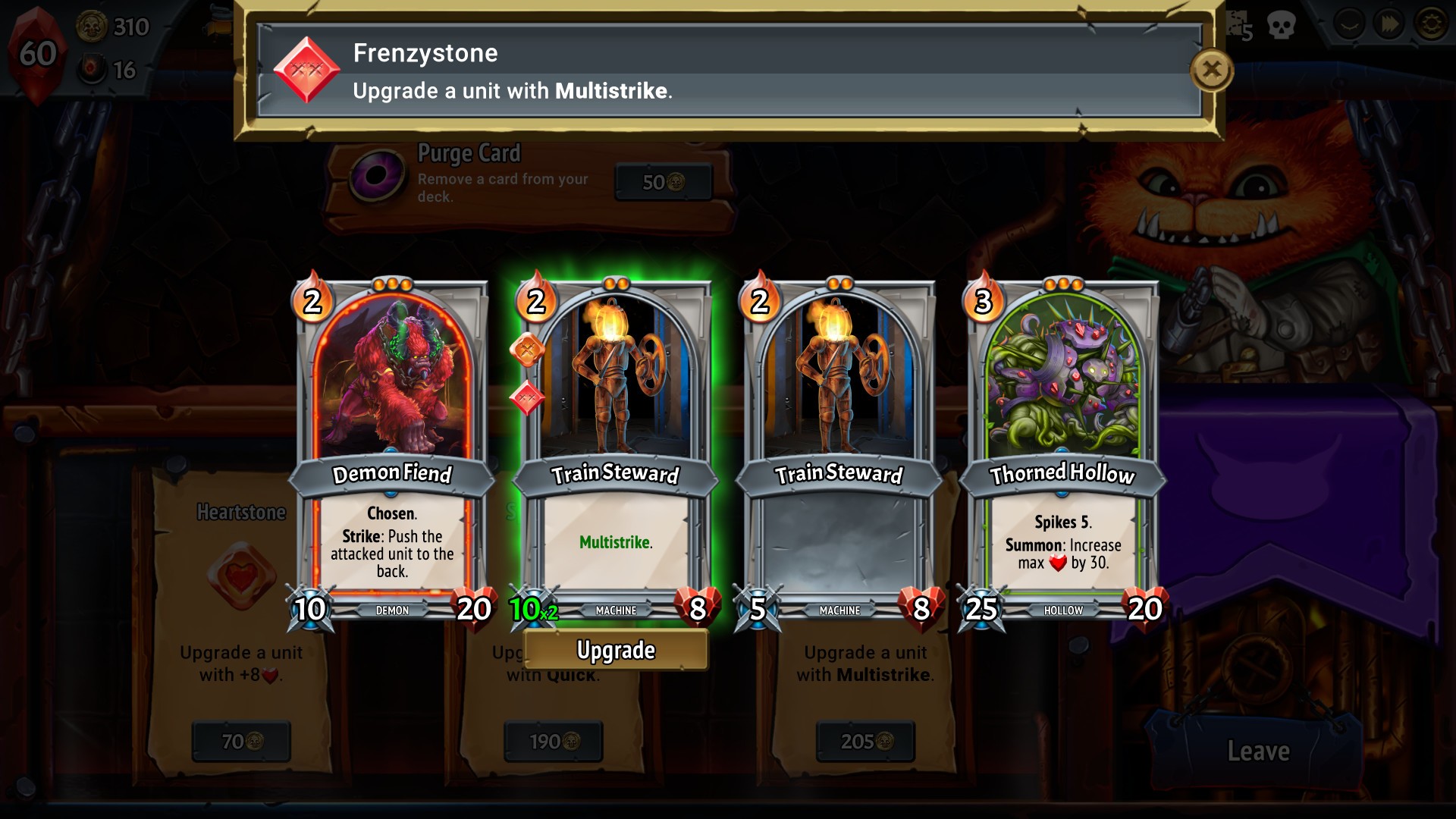
Battles play out on three vertical floors, which teaches positioning and order of operations alongside deck building. You draft units and spells for a clan combo, then fuse units to stack abilities in clear ways. Friendly tooltips and previewed damage help new players see outcomes before committing. Short runs make it simple to try new clans and discover how artifacts steer a strategy.
Marvel Snap

Matches last a few minutes and use simultaneous turns at three locations, which keeps decisions focused and readable. You collect cards through steady progression rather than booster packs, so learning new abilities comes at a comfortable pace. Each location adds a twist that teaches adaptability without long rule lists. The retreat system lets you cut losses early, which encourages experimentation without big penalties.
Inscryption

Early chapters teach card fundamentals through a tabletop escape room format that reveals rules step by step. Sacrifices, sigils, and resource costs are introduced with puzzles that make mechanics stick. Later acts shift presentation but keep the same card logic, which reinforces learning across modes. The run length stays manageable, so testing odd builds never feels like a grind.
Griftlands

This RPG pairs two decks, one for negotiations and one for combat, which shows how keywords translate across different contexts. Stories unfold through quests and relationships that grant cards and perks in clear, incremental ways. Drafting is tied to dialogue choices and vendor visits, so upgrades feel earned rather than random. Difficulty options and tutorials help you absorb status effects and combos at your own speed.
Wildfrost
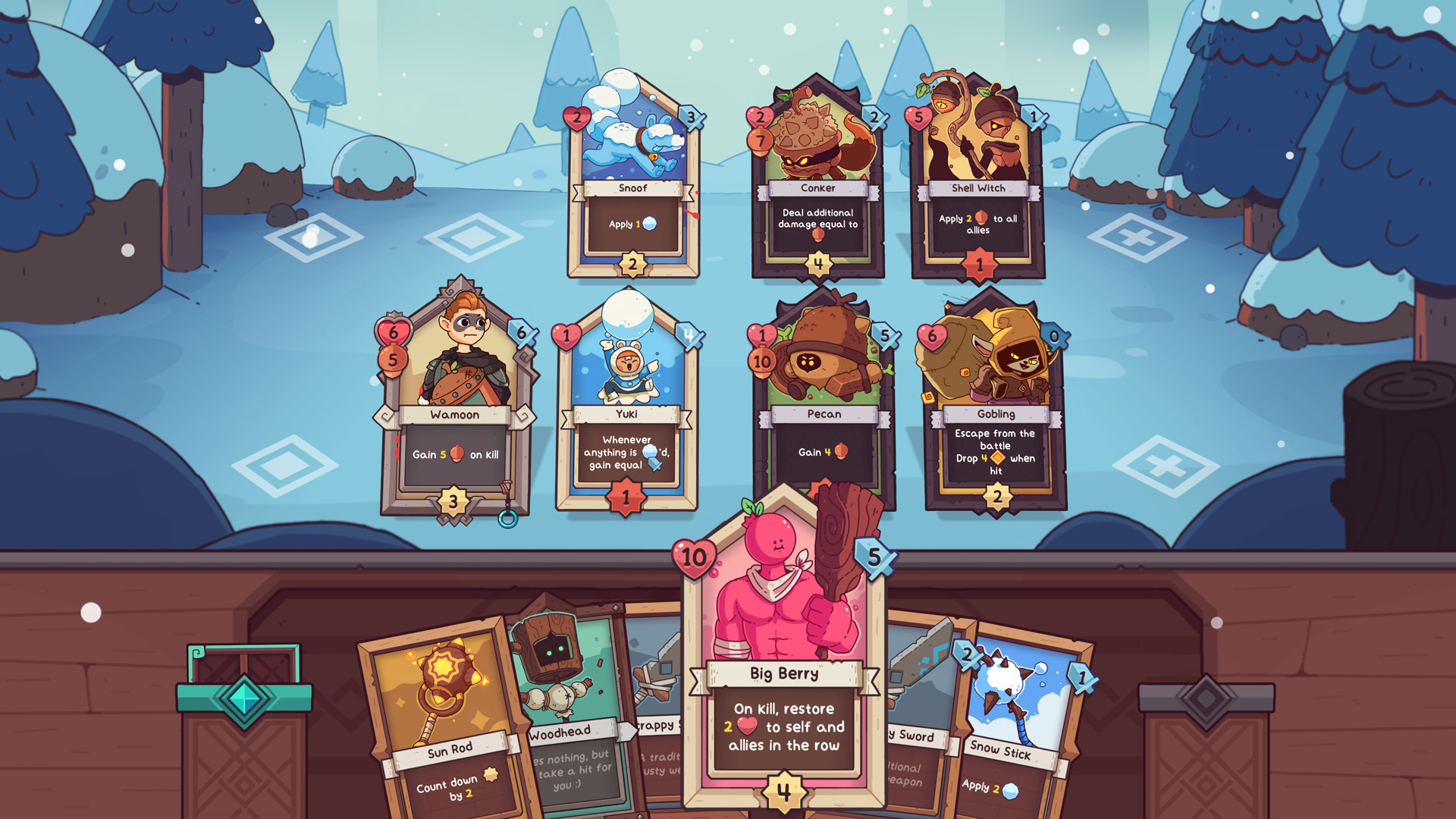
You lead a small squad where each card has a counter that ticks down to act, which teaches timing and queue management. Battles emphasize placement and targeting, with clear previews for damage and effects. Between runs you unlock new tribes and charms that gently expand the ruleset. The map offers simple choices that keep you focused on learning one concept at a time.
Across the Obelisk
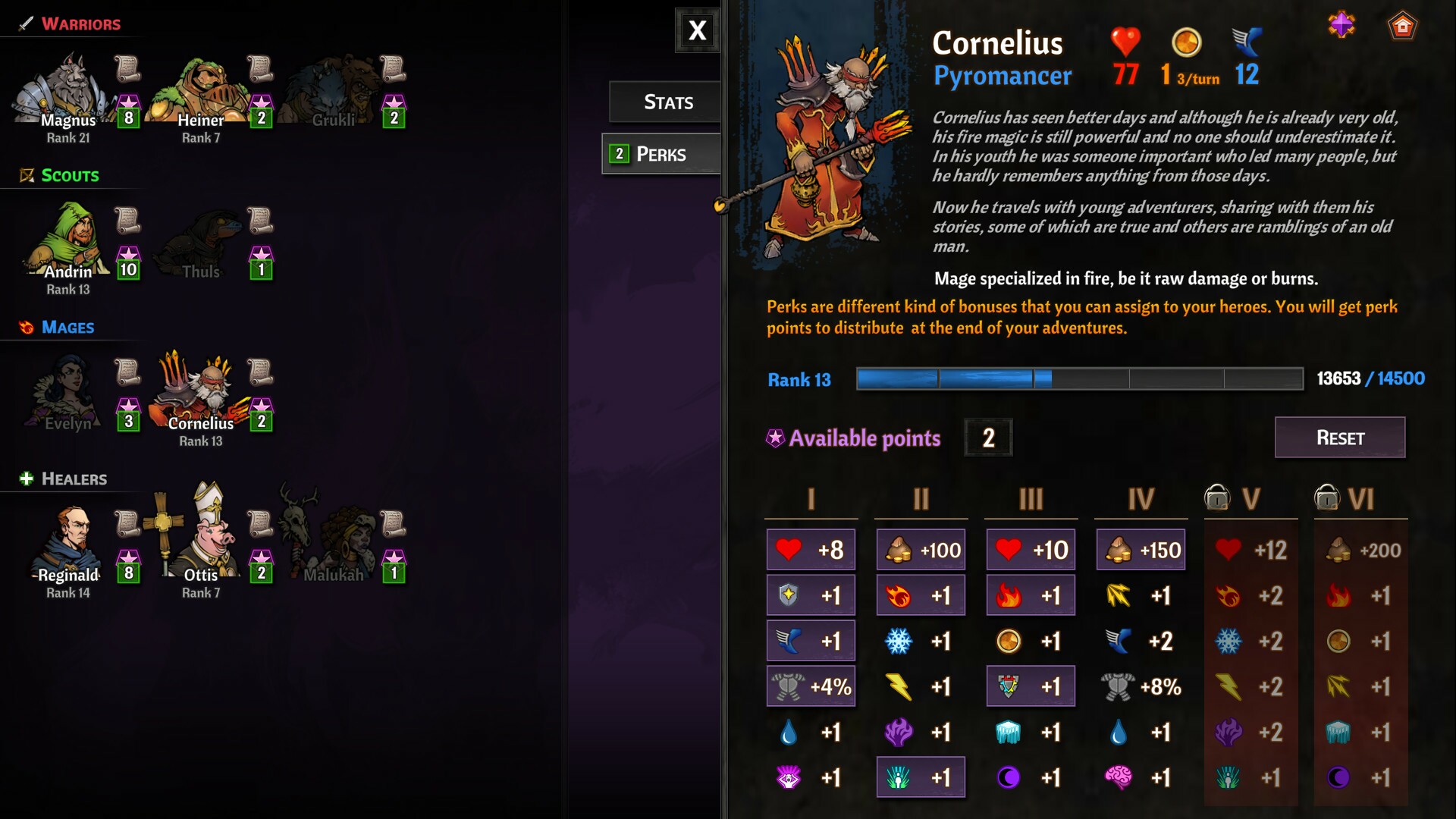
This cooperative or solo adventure uses a party of heroes who each contribute a deck, which clarifies roles like tank, healer, and damage dealer. Nodes on the map present events, shops, and combats that reward careful deck trimming. Status icons and tooltips are consistent across classes, so knowledge transfers between builds easily. Shared resources and card draft choices teach team planning without complex menus.
Roguebook

You explore a hex map that you reveal with ink, which turns deck-building into a light exploration puzzle. Two heroes are in play at once and you can swap their positions to manage damage and combos. The page system tracks progress toward unlocks and teaches long term goals. Gems socket into cards for permanent tweaks, making synergies visible and memorable.
Ring of Pain
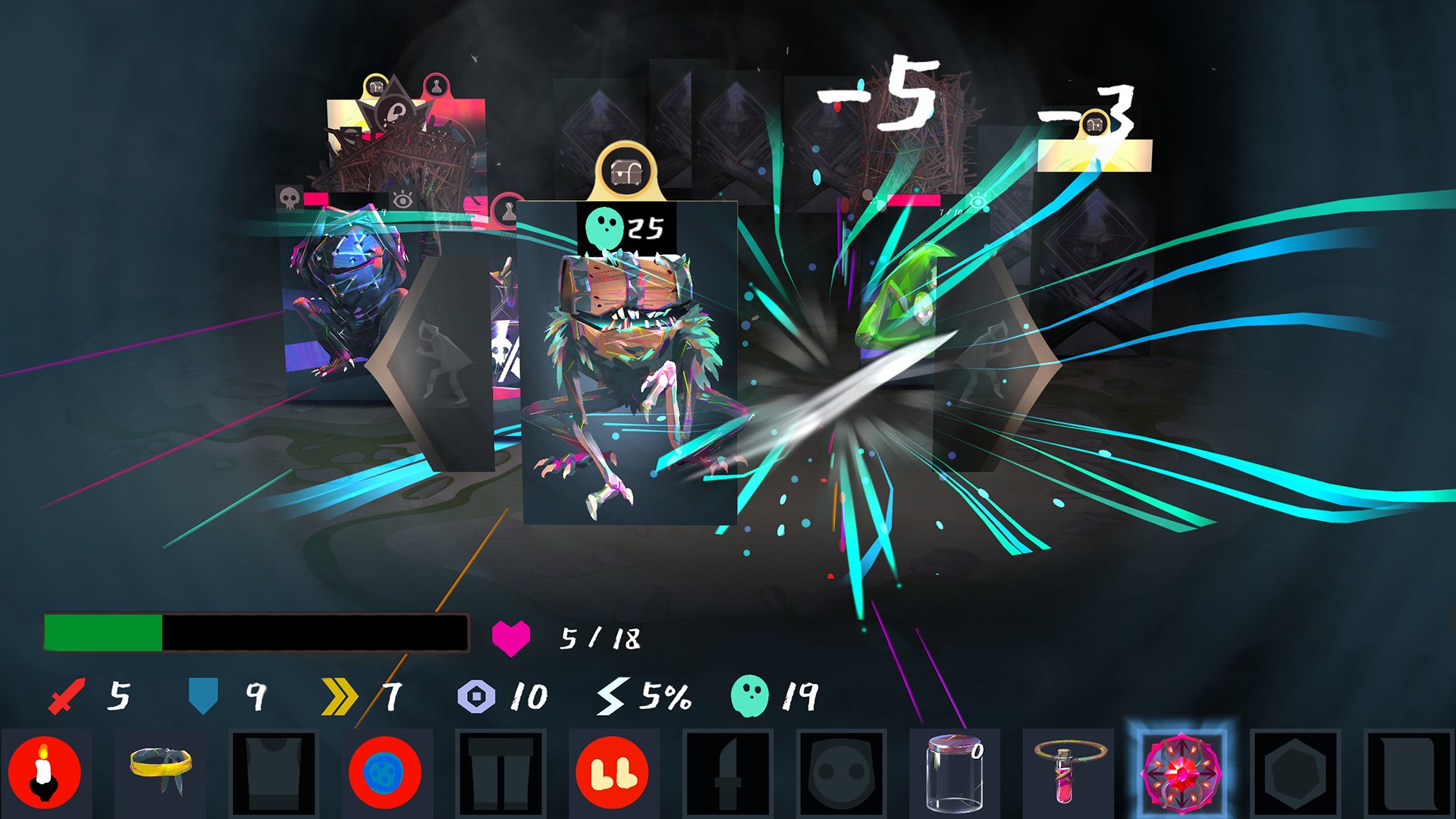
This crawl shows enemies and loot in a circle where turn order and proximity decide outcomes. Cards have clear stats and effects, and hovering previews the exact result of your choice. You build a kit from items rather than a traditional draw deck, which simplifies early learning. Short rooms and quick restarts make it easy to iterate on a plan.
Vault of the Void
Before each battle you customize a small loadout, which introduces deck control and removal early. Fights preview enemy intent and your future draw, so you learn to plan around probabilities. Currency and card shards let you craft specific upgrades instead of waiting on drops. The rule set stays consistent across classes, reducing jargon while you master energy and purge mechanics.
Balatro

This poker deck-builder asks you to play hands for score while using jokers to bend the rules. Runs teach odds and multipliers by letting you bank hands and reroll shops in short loops. Unlocks add new jokers and vouchers that shift how you value straights, flushes, and pairs. Clear scoring previews help you see how each card choice affects the total.
Cobalt Core
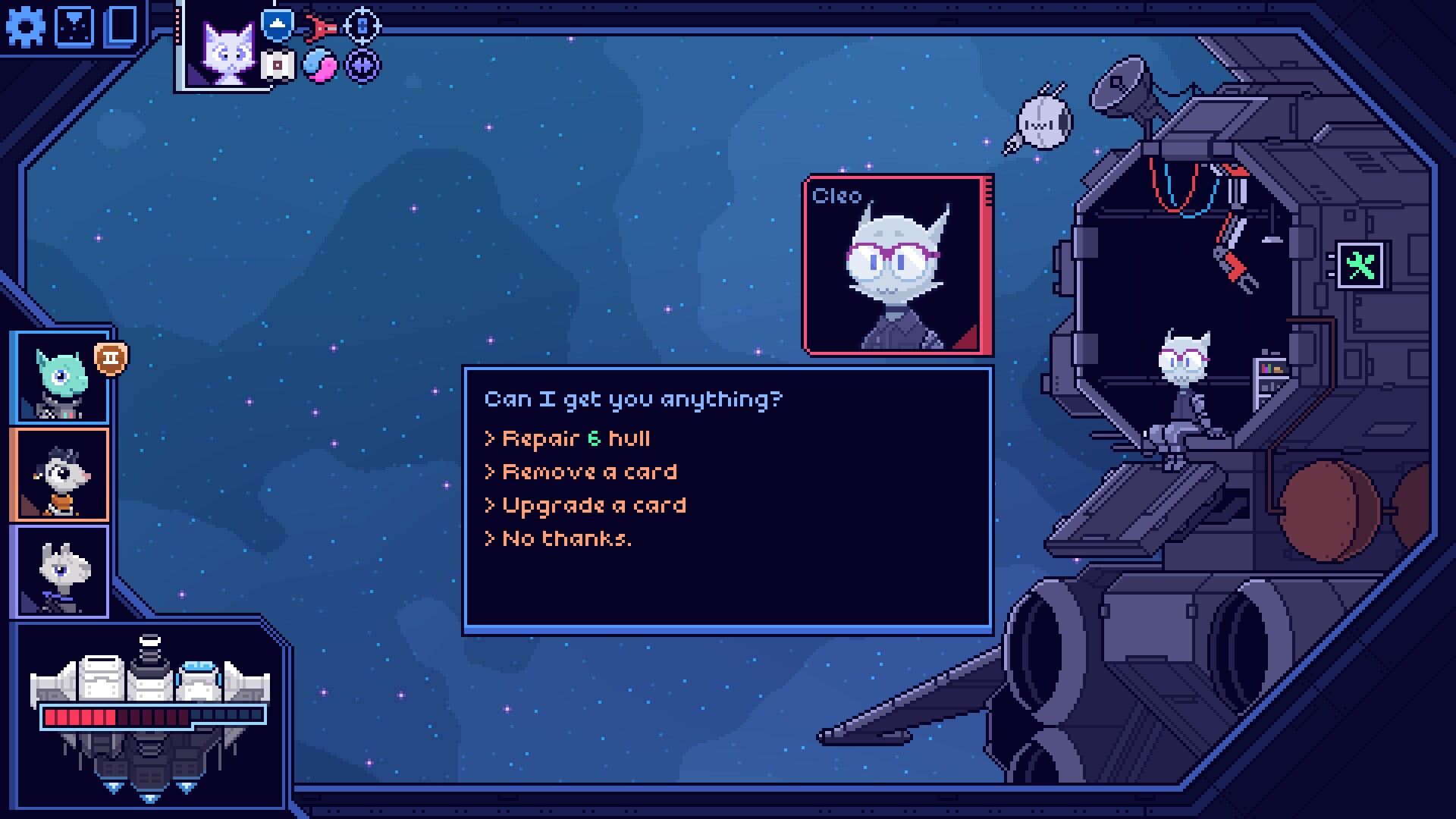
Space combat uses card play to move your ship across lanes and dodge attacks, which makes positioning easy to read. Each pilot changes your starting deck and super move, guiding you toward distinct synergies. Map choices and events provide controlled upgrades that keep runs brisk. Enemy intent and timeline displays reduce guesswork as you learn combos.
Dicey Dungeons
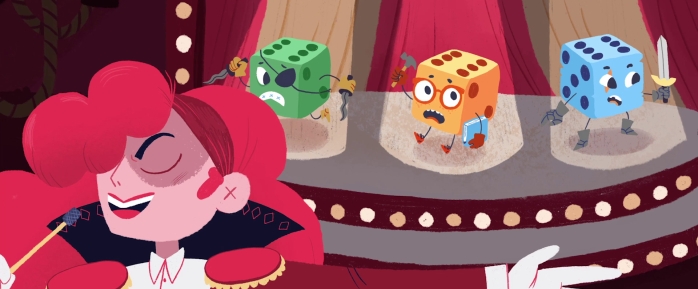
Here you roll dice and slot them into card abilities, which teaches resource allocation without big rulebooks. Classes reshape how you value the same dice, from rerolls to equipment fusion. Floors are short and rewards are predictable, so planning upgrades never feels opaque. Visual design keeps information clean, which helps new players parse turns quickly.
Fights in Tight Spaces

You build a deck of martial arts moves and use a grid to shove, strike, and counter in small rooms. Damage previews and camera clarity show exactly how each card will resolve. Deck trimming and momentum management teach efficient play without long tutorials. Campaigns are broken into short missions, which makes progress easy to digest.
Stacklands
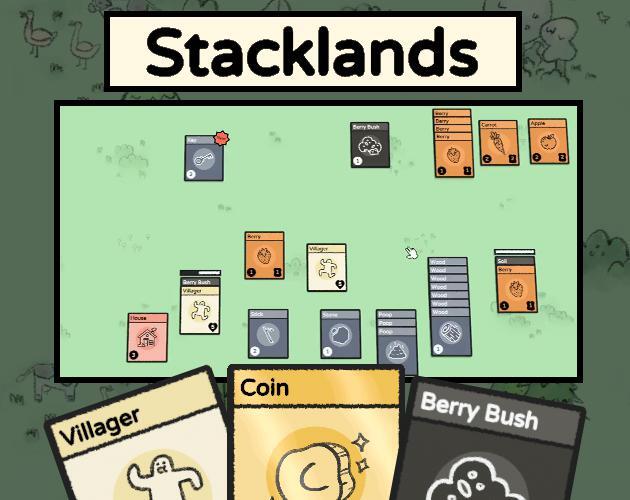
This village builder uses cards for people, buildings, and resources, which introduces deck logic through crafting. Timers and stacks make cause and effect obvious as you combine cards to make new ones. Packs broaden the pool slowly so you absorb recipes at a steady pace. Survival goals and quests nudge you toward smart upgrades without dense menus.
Nowhere Prophet

This post apocalyptic trek pairs a leader deck with follower cards that occupy lanes, which clarifies unit health and positioning. You gather scrap to buy cards and manage convoy morale across events. Injuries and death carry between battles, teaching risk management as you travel. Map routes and scarcity make every draft choice meaningful and easy to understand.
Pirates Outlaws
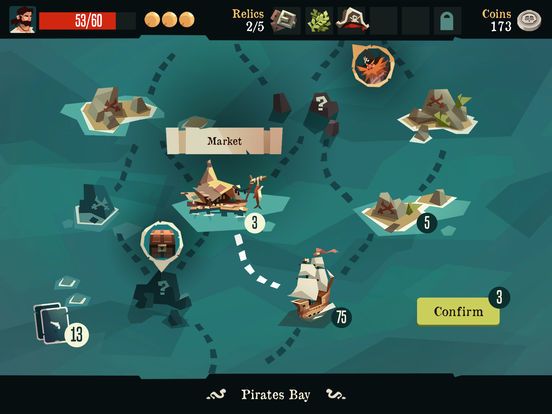
Runs move through hand picked nodes where you duel, visit taverns, and upgrade cards. Ammunition is a tracked resource that limits how many attacks you can play, which teaches restraint. Multiple characters alter your starting kit and introduce status effects gradually. Compact arenas and short fights keep the pace friendly to newcomers.
Card Quest
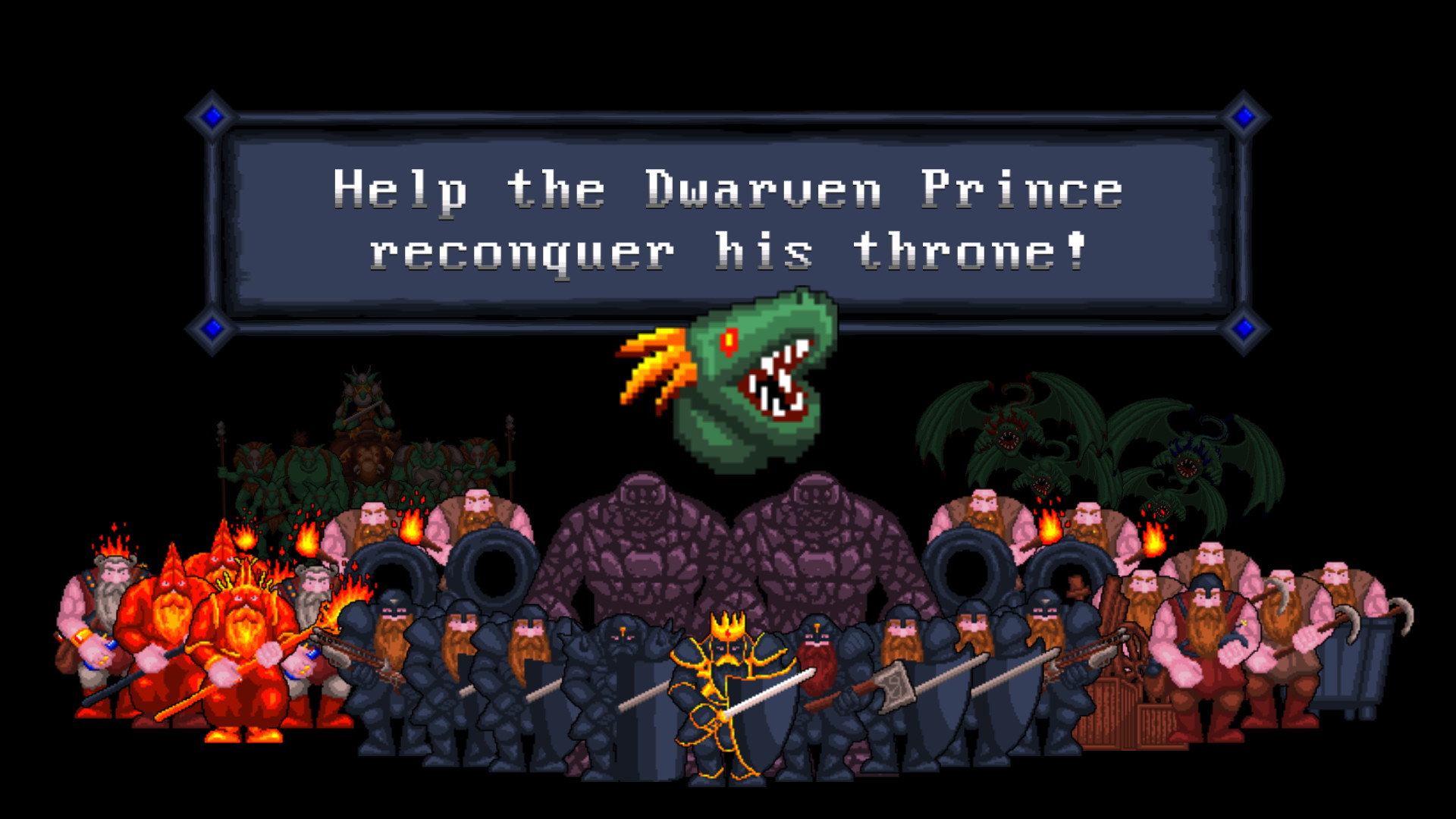
This dungeon crawler uses class specific equipment sets that define your card pool from the start. Stamina and defense systems are clear, so you learn when to block and when to push damage. Enemy types telegraph their threats in predictable patterns, which rewards planning. Unlocks expand gear options that steer you into new playstyles without complexity spikes.
Book of Demons
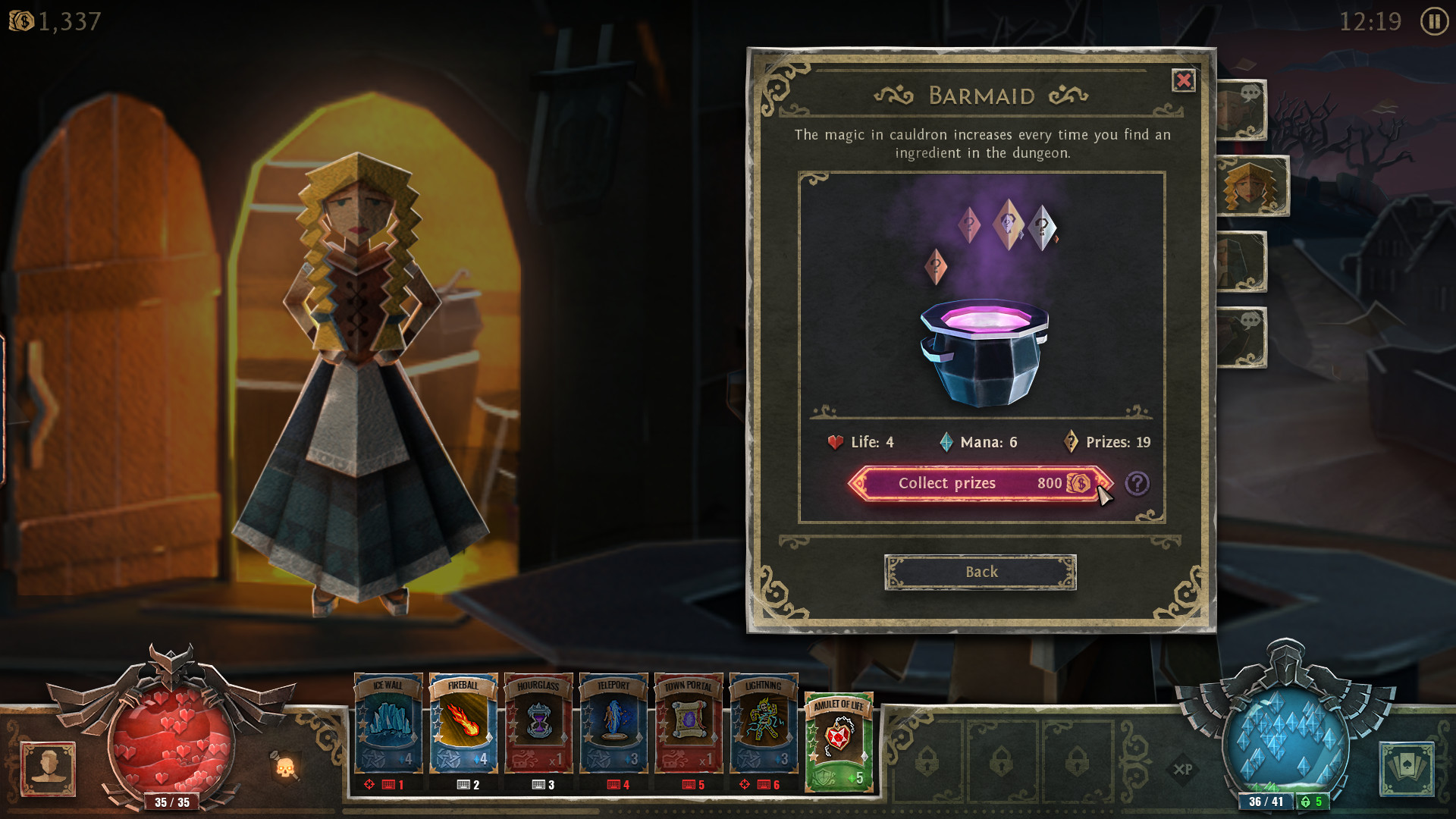
Paper cut visuals frame a crawl where your cards act like skills on a quickbar. You manage mana and cooldowns rather than shuffling a large deck, which keeps turns simple. Dungeon runs are adjustable in length, so you can learn in short sessions. Runes and upgrades improve cards in transparent steps that show power growth.
Gordian Quest

This adventure blends lane based combat with card decks for each hero, which teaches role synergy through positioning. You draft skills from class trees and craft upgrades at clear milestones. Exploration offers quests and events that grant resources for targeted improvements. Campaign and roguelite modes let you pick a learning pace that suits your schedule.
Share your favorite starter friendly deck builders in the comments and tell us which one finally made the genre click for you.