20 Time-Loop Games That Bend Your Brain



Time-loop games put you in a repeating cycle where knowledge, gear, or small changes carry forward, letting you unravel scenarios one iteration at a time. These loops can be a few minutes long or stretch over several in-game days, and many titles track clues or progress so each attempt feels meaningful. From puzzle-box mysteries to roguelike shooters, the core idea stays the same: learn, adapt, and push a little farther. Here are time-loop standouts across genres that use resets in clever, system-driven ways.
‘Outer Wilds’

This space exploration adventure resets on a strict timer tied to a solar event, sending you back to the start while preserving what you’ve learned. Each planet changes over the loop, exposing new routes as sand shifts, ice melts, or structures collapse. A ship log automatically records discoveries and connections so you can plan the next run. Progress is knowledge-based, so solutions persist even when the clock hits zero.
‘The Legend of Zelda: Majora’s Mask’

The three-day cycle governs everything from character schedules to dungeon access, with time management tools that let you slow or jump within the loop. NPC routines repeat predictably, enabling you to sequence specific events across different hours. Masks unlock abilities and questlines, often requiring multiple resets to align steps. A notebook tracks people and events so you can synchronize tasks efficiently.
‘Deathloop’

Levels shift between four time periods, and targets follow daily routes that can be manipulated to line up in one perfect sequence. You retain key abilities and weapon upgrades between loops, letting you test strategies across changing conditions. Clues collected in each district update a tracker that guides you toward an optimal route. Multiplayer invades the loop with a rival who can disrupt plans mid-run.
‘Returnal’
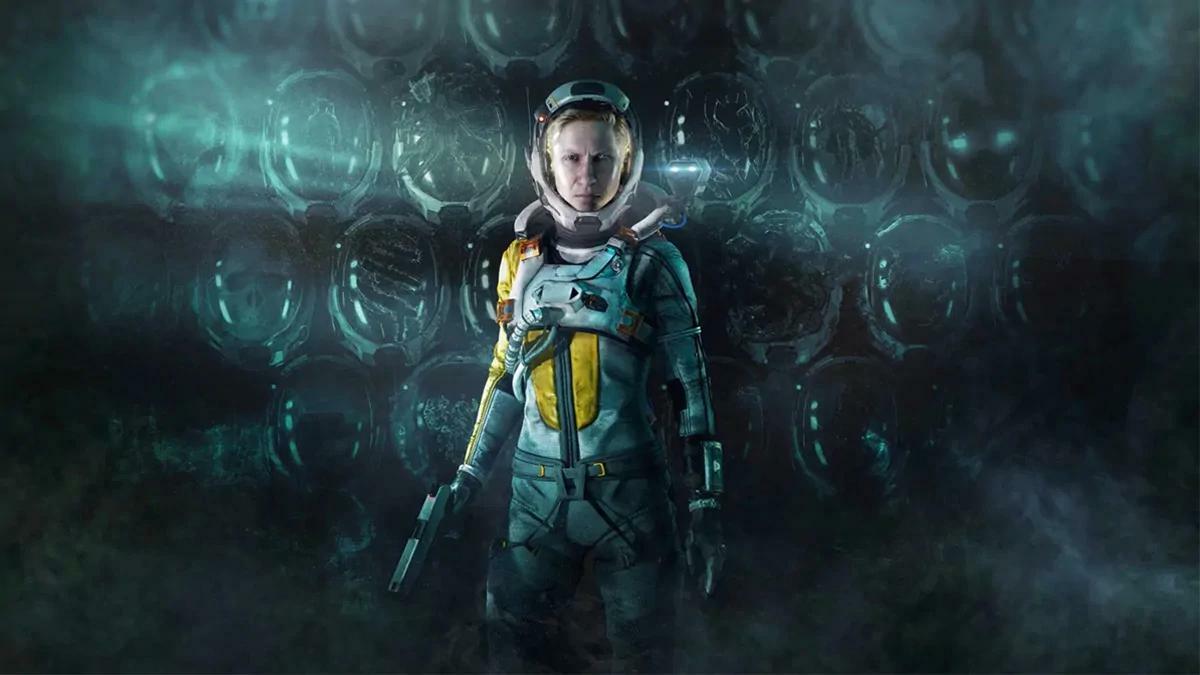
Runs begin after each death with procedural layouts, but permanent unlocks and narrative breadcrumbs carry forward. Biome progression opens shortcuts and new traversal gear that persists between attempts. Enemy patterns and artifacts encourage experimentation with builds over repeated cycles. Environmental storytelling reveals fragments that piece together only after many resets.
‘Twelve Minutes’

The loop unfolds in a compact apartment setting where every interaction can branch into new outcomes. Information learned in one attempt unlocks fresh dialogue paths in the next. Timed events occur in a tight window, pushing you to prioritize actions precisely. The design tracks conversational states so specific lines only appear once you’ve uncovered key facts.
‘The Forgotten City’
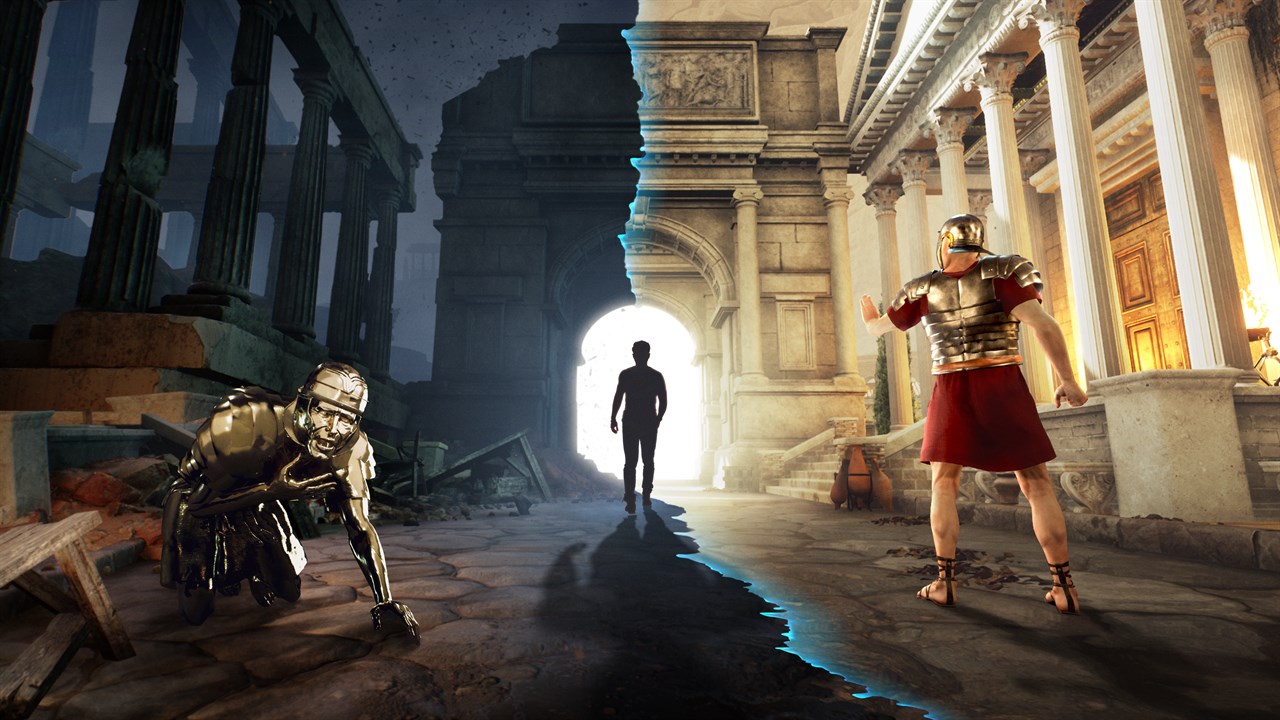
A single rule triggers a reset whenever it’s broken, sending you back with your knowledge and certain carried-forward benefits. The city’s citizens follow strict schedules, and clues let you redirect events to prevent catastrophes. A quest log consolidates deductions so you can aim straight for new leads after each restart. Dialogue fast-forwarding respects previously seen scenes for quicker iteration.
‘Minit’
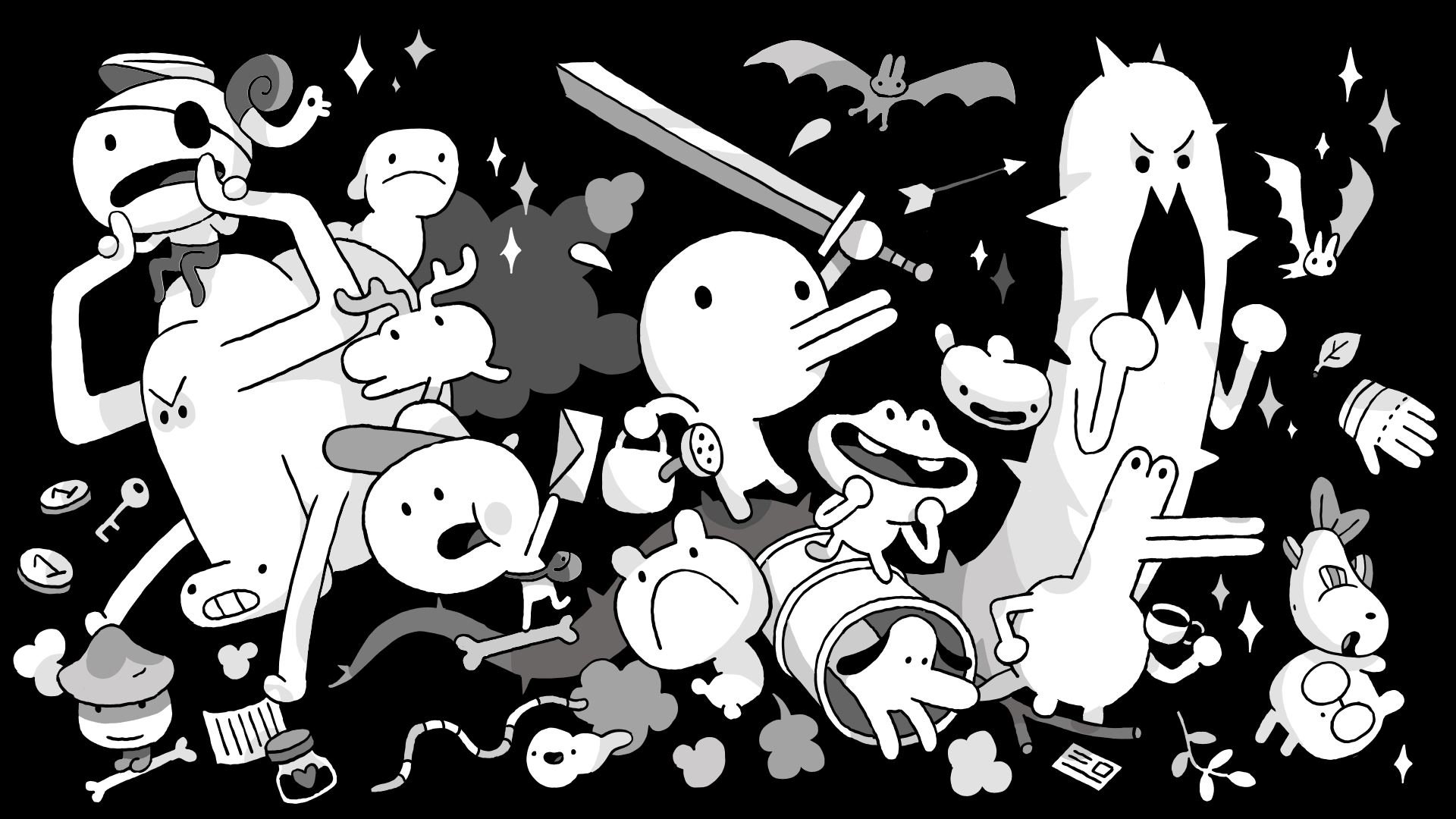
Every life lasts sixty seconds, forcing you to chain micro-objectives into efficient routes. Items you collect often persist, letting you extend reach and unlock shortcuts between runs. The map gradually opens as you memorize geography and optimize movement. Puzzles are tuned for half-minute bursts so each loop ticks one more task off the list.
‘Loop Hero’
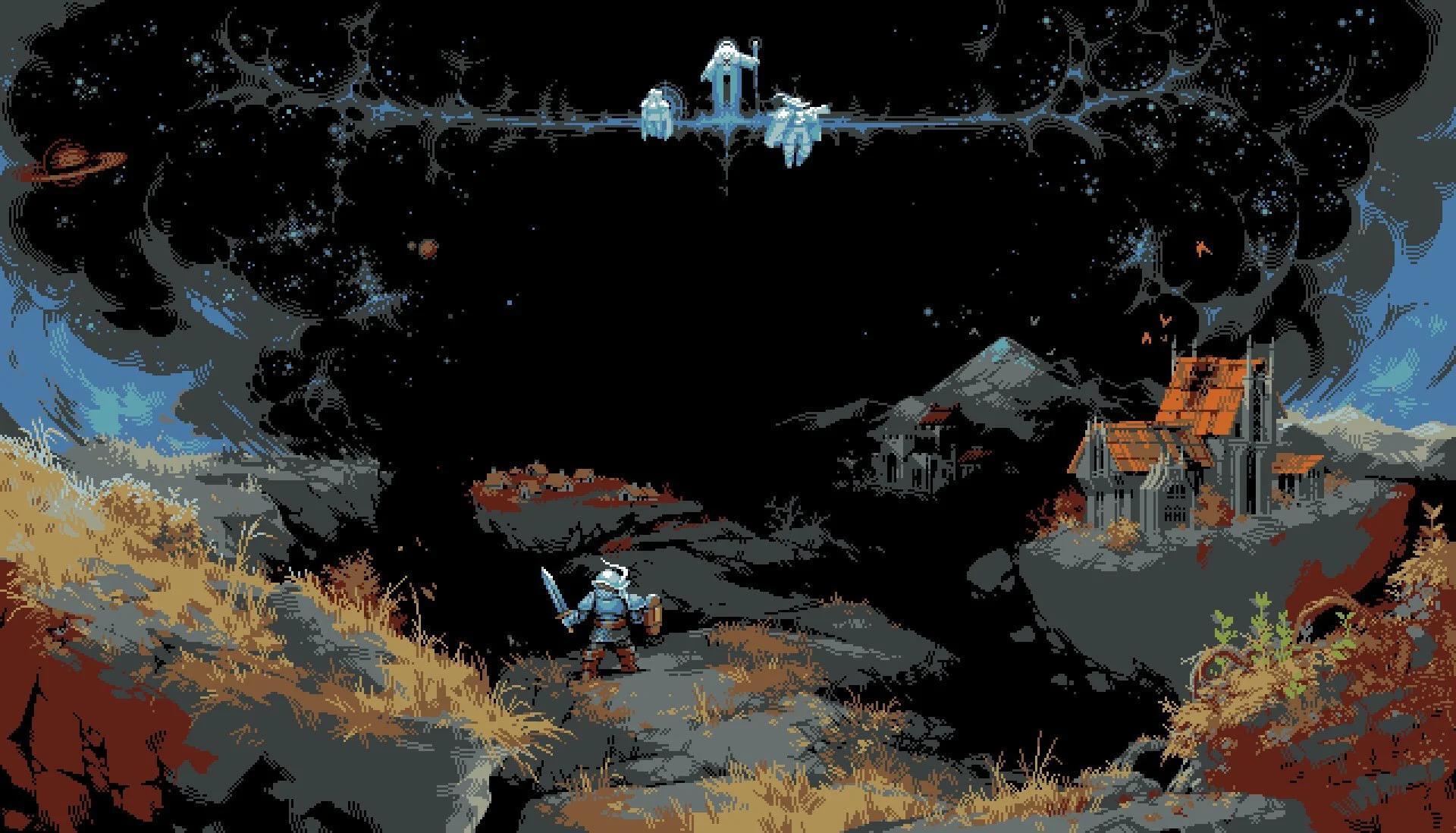
You place terrain and structures around a looping path, altering enemy spawns and resource yields with each circuit. Gear drops and class choices change your build run to run, while base upgrades add meta progression. Synergies between tiles create emergent strategies that only reveal themselves after multiple experiments. Boss conditions depend on how you assemble the loop, giving you control over difficulty pacing.
‘The Sexy Brutale’
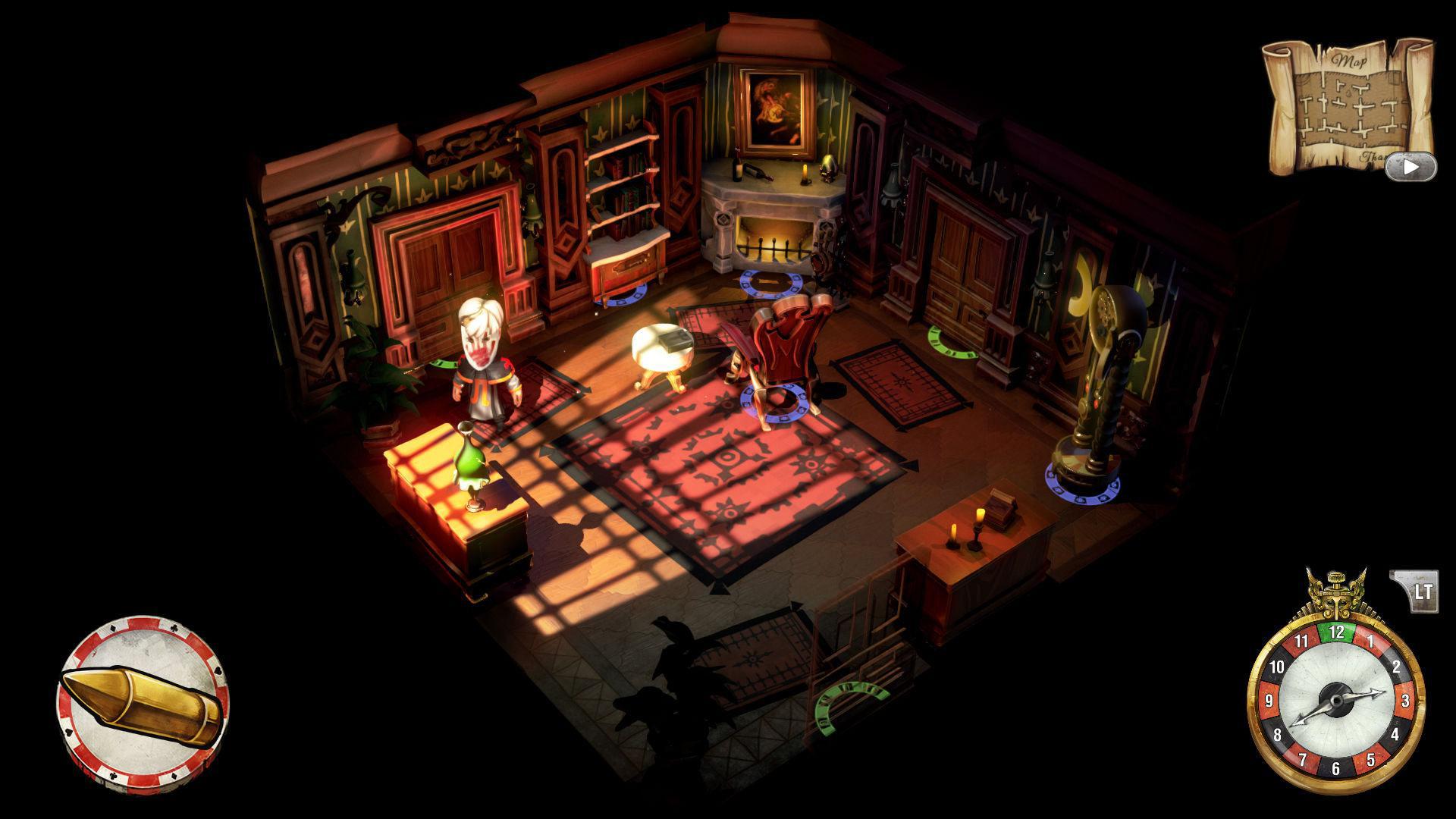
A mansion-wide loop resets the day while you track guests’ routines room by room. Masks grant powers such as eavesdropping or seeing past events, enabling you to intervene at key moments. Timelines are spatially synchronized, so solving one death can unlock access to another sequence. A map and clock help you plan precise interceptions across the estate.
‘Into the Breach’
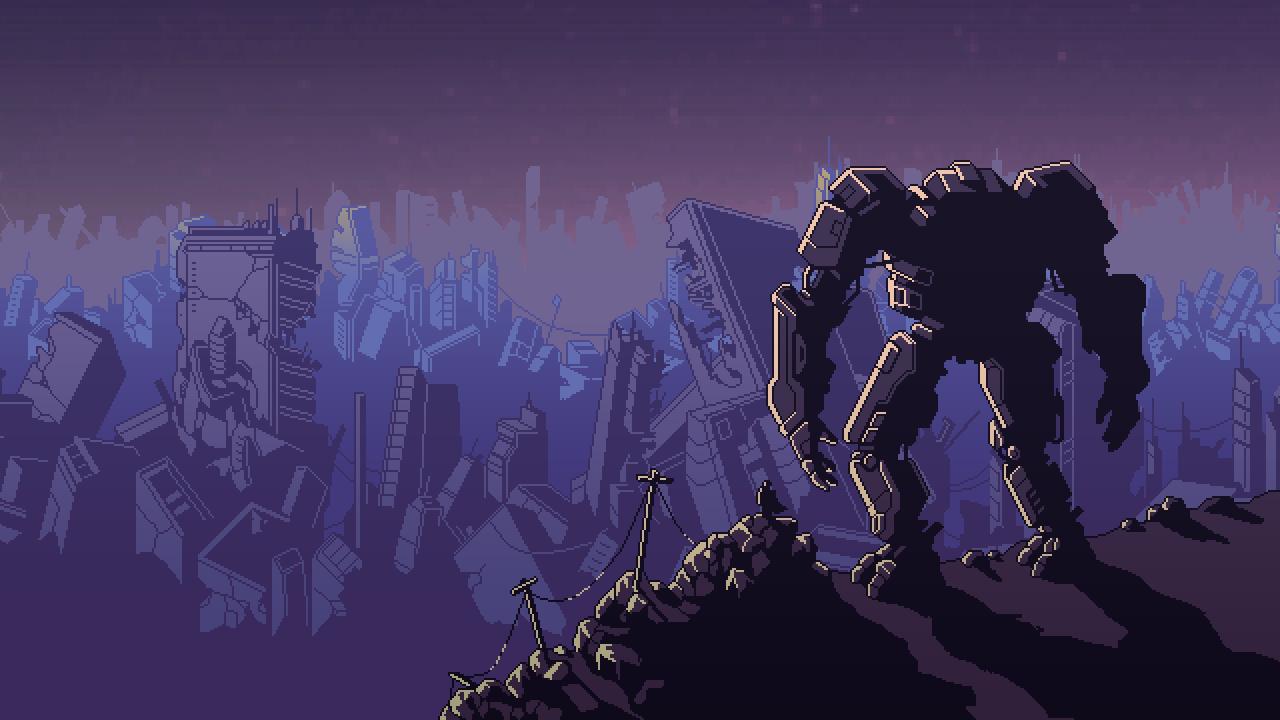
Each failed timeline lets you send a pilot back with retained experience, seeding the next reality with an advantage. Battles play out on small grids where future enemy moves are telegraphed, encouraging perfect-information planning. Island order and mission modifiers vary, making each run a distinct puzzle. Meta unlocks expand your squads and tools for subsequent timelines.
‘Lemnis Gate’

Matches unfold as turn-based rounds where each previous action replays while you add a new operative to the timeline. You counter opponents by intercepting their past selves, creating layered cause-and-effect chains. Map knowledge and timing drive tactics because a single second can flip outcomes. The final playback shows the entire time-bending skirmish as one continuous sequence.
‘Oxenfree’

A supernatural loop causes conversations and radio signals to repeat with small variations. Dialogue choices subtly alter relationships and outcomes across resets. Environmental anomalies allow you to revisit scenes with new context unlocked by prior runs. Collectibles and hidden frequencies reveal deeper layers that only surface after multiple playthroughs.
‘Overboard!’
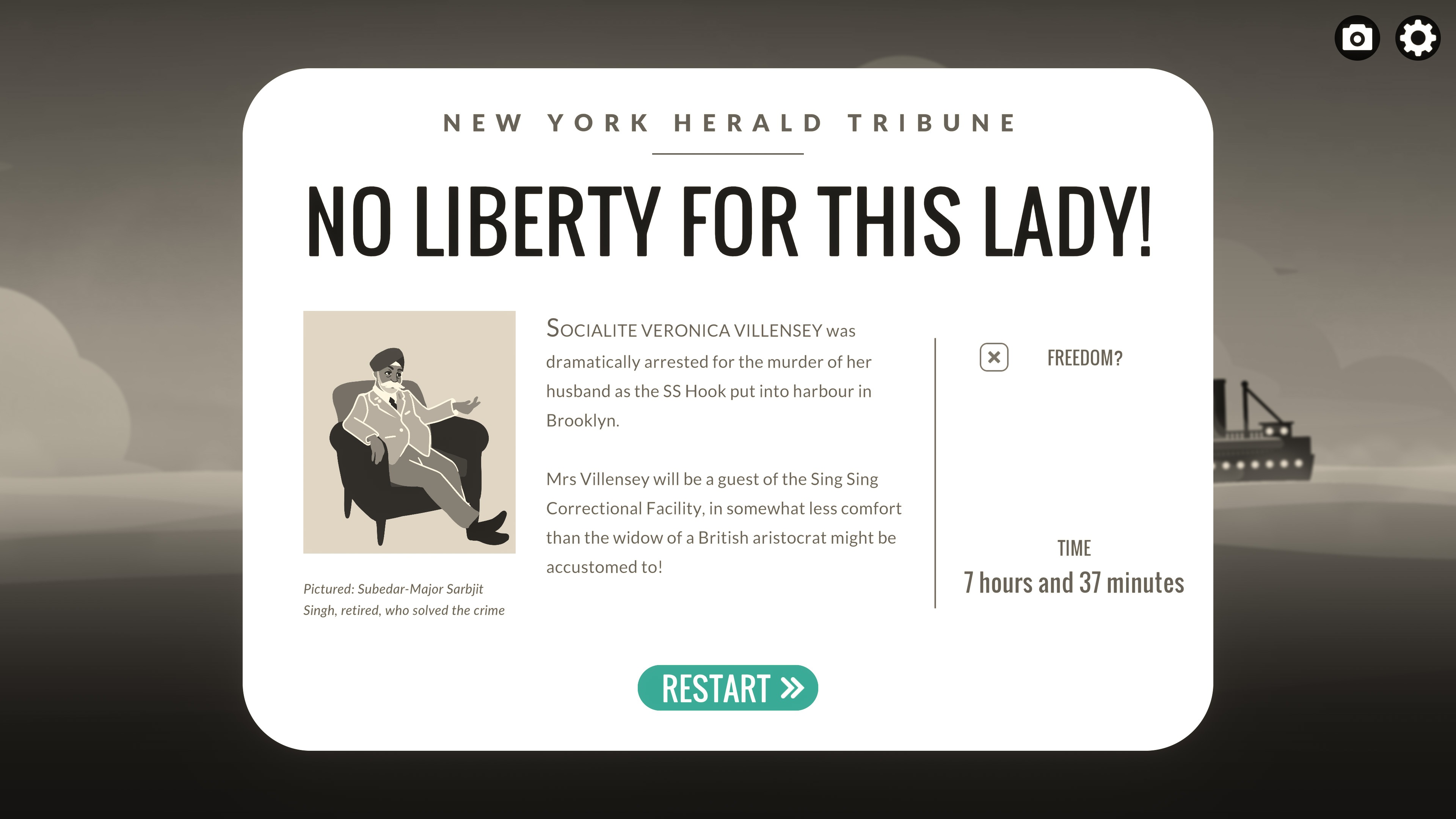
You start as the culprit on a ship and use short loops to craft the perfect alibi before docking. NPC schedules and knowledge trees let you plant evidence, shift blame, or steer conversations. A timeline view highlights discovered tactics and opens fast-forward options for repeated beats. Multiple endings hinge on how you choreograph movements across the same morning.
‘Stories: The Path of Destinies’
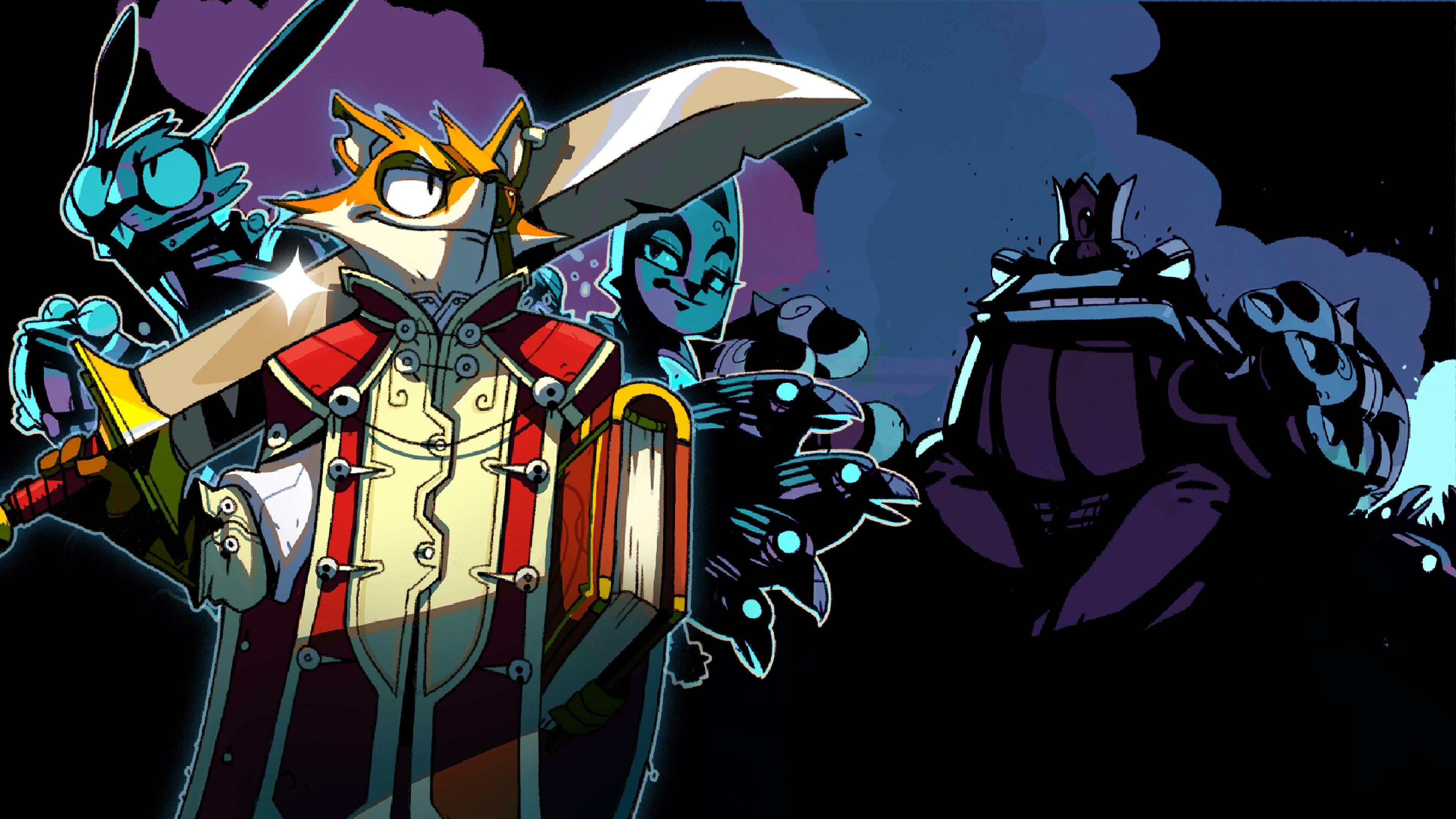
A storybook structure branches into dozens of endings, with key truths carrying into the next try. Short chapters make it easy to test different choices and weapon upgrades. A compendium records revelations needed to reach the optimal path. Combat and traversal improvements persist enough to streamline later routes.
‘Ghost Trick: Phantom Detective’
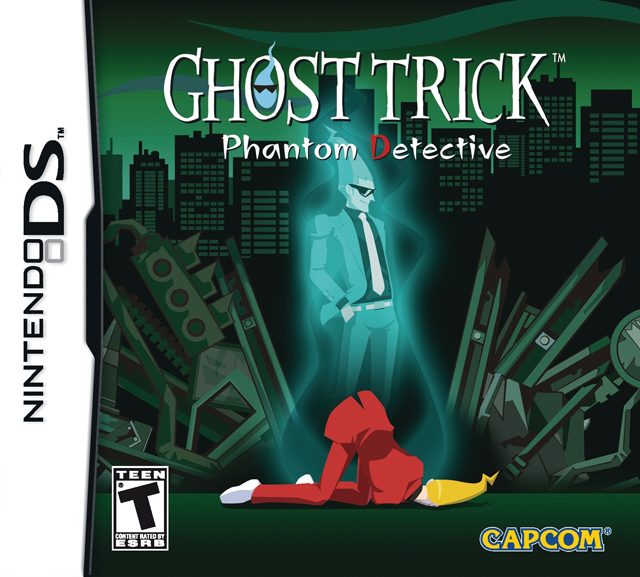
Every case grants a four-minute rewind where you possess objects to change outcomes. You chain small mechanical interactions to reroute hazards and save characters. Puzzle solutions often require observing a full failure once, then rewinding to intervene earlier. The game tracks learned object behaviors so you can plan precise manipulations.
‘Prey: Mooncrash’

A simulation resets after each escape or death, remixing enemy placements and resources. Five characters with distinct abilities share a single run budget, encouraging handoffs across consecutive loops. Persistent unlocks and strategies let you push toward a full-crew evacuation in one cycle. Dynamic corruption levels escalate threats the longer you linger.
‘Elsinore’
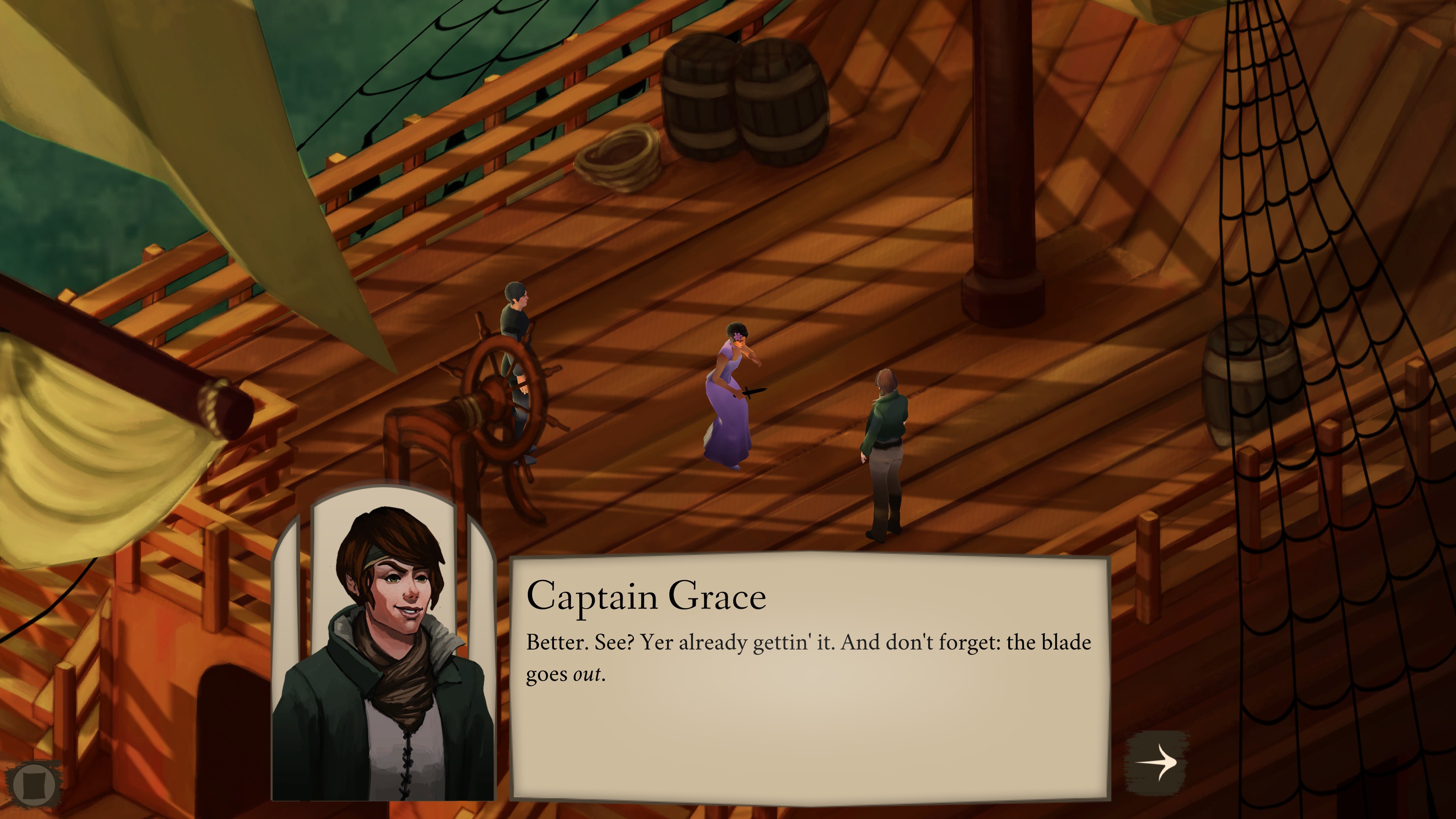
Set inside a clockwork take on Shakespeare’s court, the loop repeats over several days with characters following strict routines. You gather rumors and evidence, then intervene at specific times to divert tragedies. A timeline ledger tracks who knows what and when, helping you stage interventions. Outcomes branch widely, requiring multiple resets to stabilize the narrative.
‘Reventure’
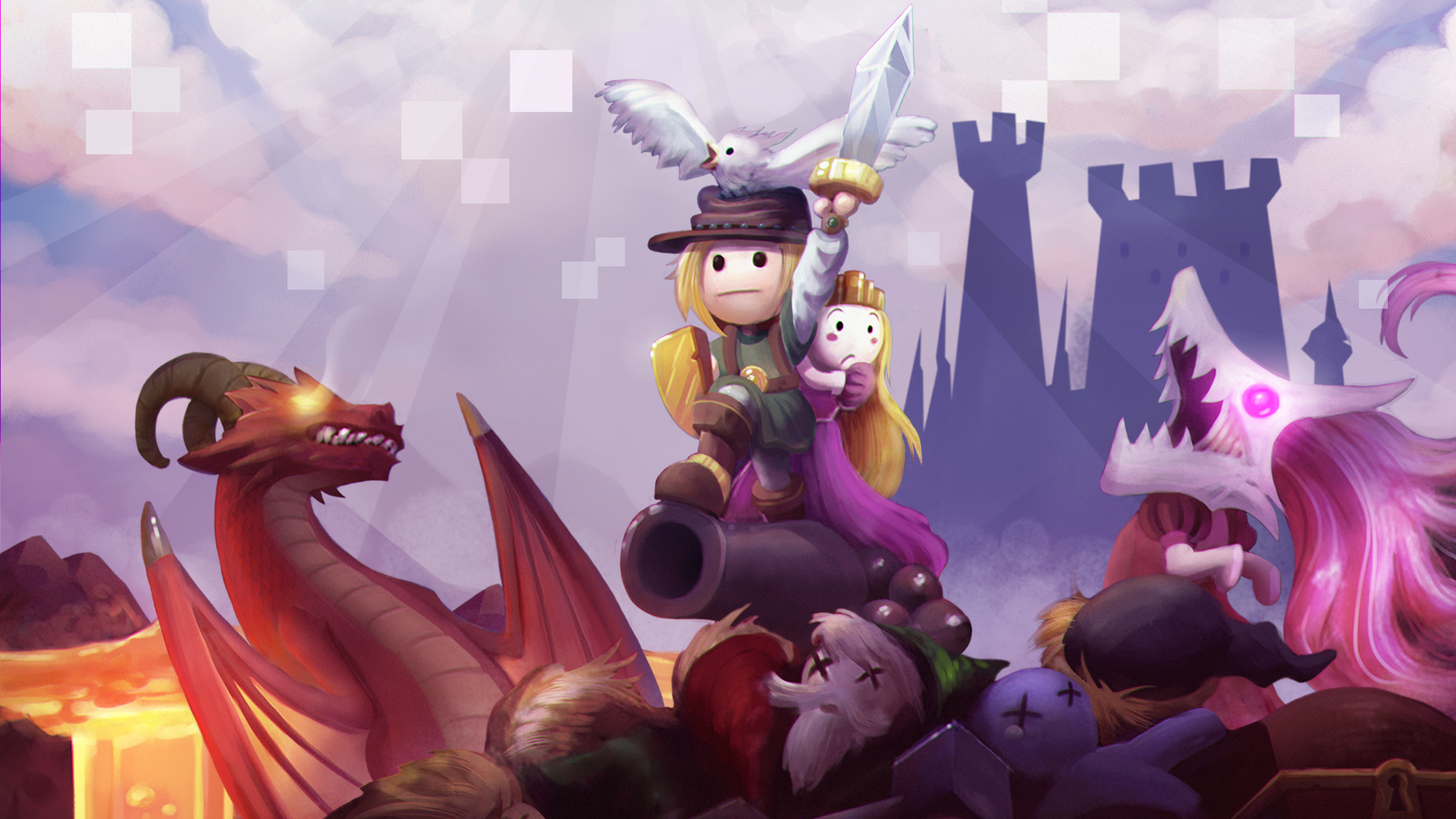
Hundreds of endings reward experimentation as you try odd actions and discover playful consequences. Each reset changes small world details while preserving your collection of endings. A progress board visualizes paths you’ve found and hints at missing branches. Short attempts make it easy to test wild ideas quickly.
‘Zero Escape: Zero Time Dilemma’
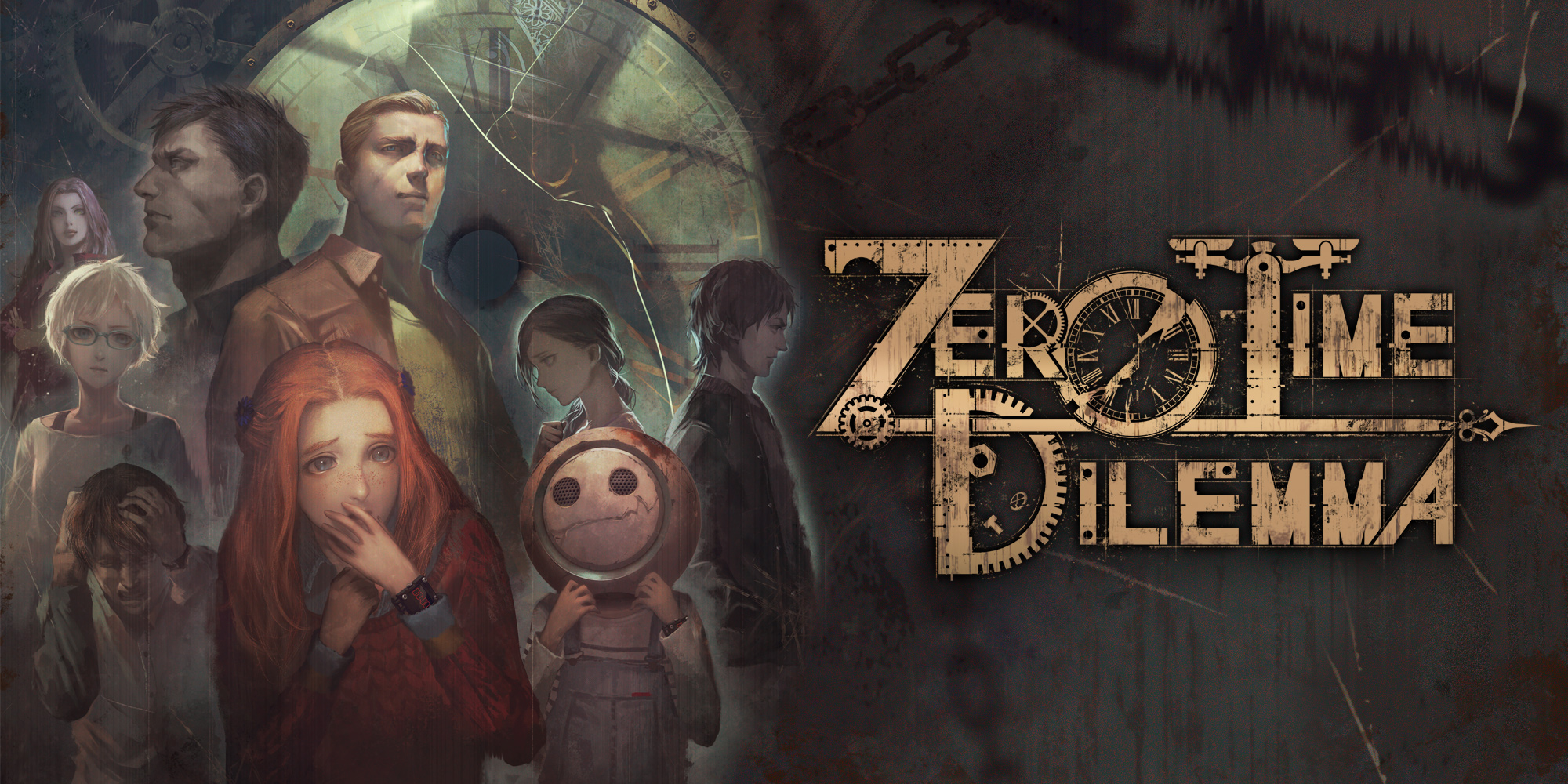
You navigate fragmentary scenes across multiple timelines and jump between outcomes once you’ve seen key revelations. Flowcharts let you hop to specific nodes to try alternate choices without replaying entire sections. Puzzle solutions and narrative passwords carry across branches. The structure encourages deliberate backtracking to unlock sealed routes.
‘Groundhog Day: Like Father Like Son’
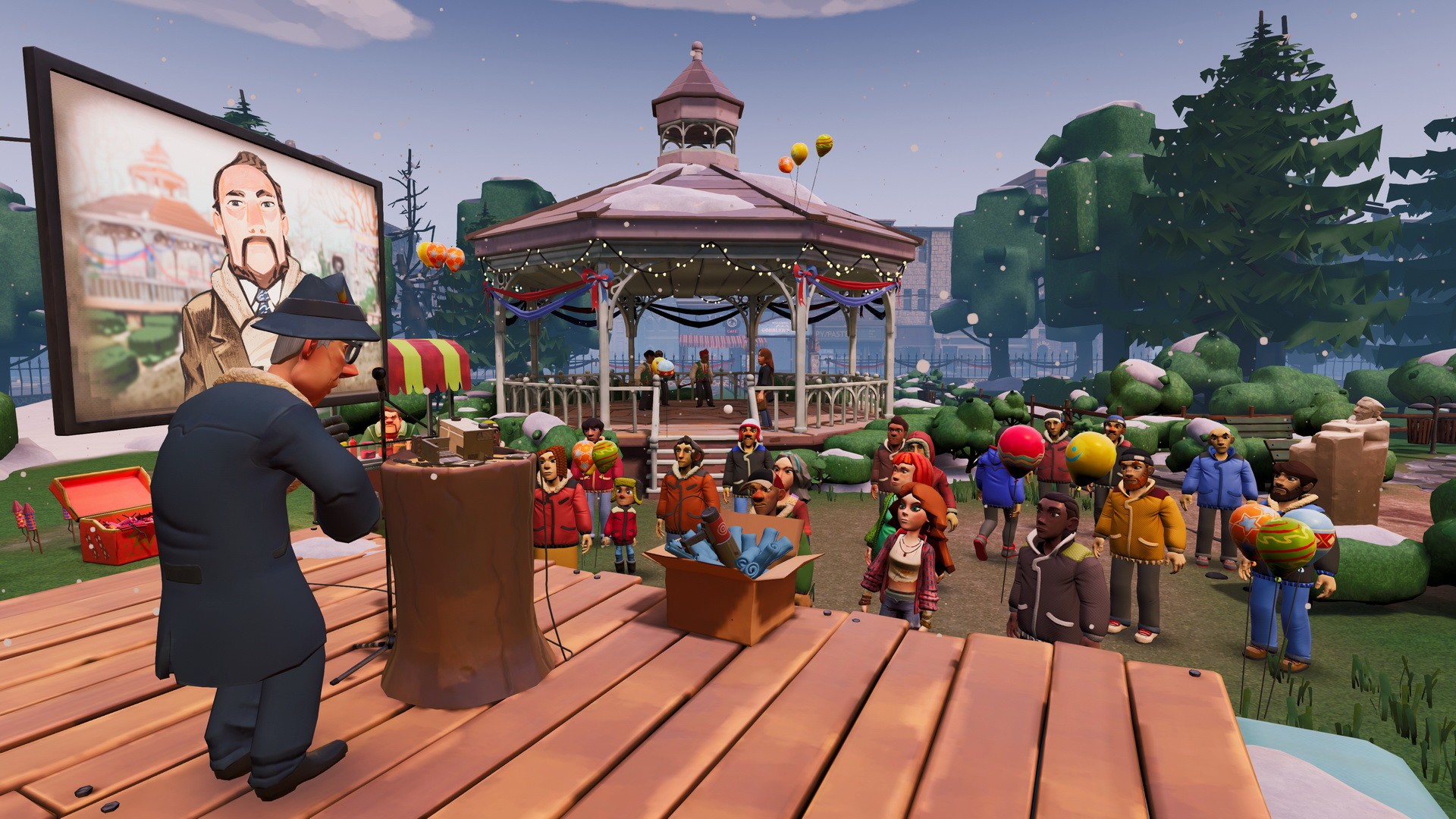
This VR narrative adventure repeats a single day in a small town where your interactions change how scenes unfold. You learn schedule timings and conversational cues to steer events toward better outcomes. Minigames and location-based tasks evolve as you master routines. Progression depends on applying knowledge from previous loops to open new story beats.
Share your favorite loop moments and the one that tripped you up the most in the comments.