Secretly Gay 80s Heartthrobs Finally Telling Their Stories


The 80s minted a generation of stars whose posters covered bedroom walls, even as many of them kept their private lives tightly guarded to survive the industry’s pressures. In the years since, more of these icons have chosen to speak plainly about who they are and what it cost to hide it. Their interviews, memoirs, and documentaries have filled in the blanks about label meetings, tabloid scares, and the coded choices they made on screen and in lyrics. Here are the 80s favorites who later opened up in their own words about life behind the spotlight.
George Michael
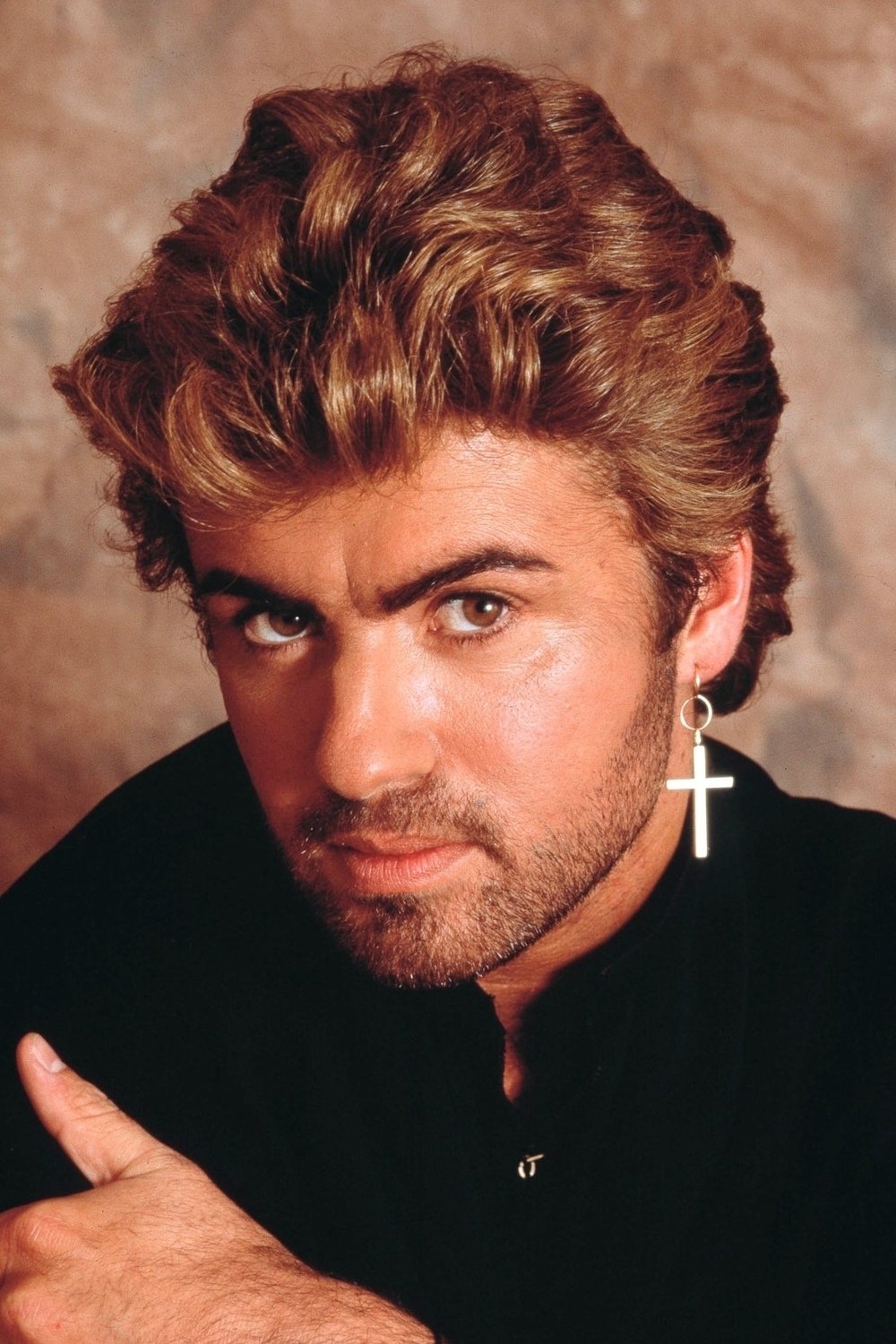
George Michael rose to global fame in the 80s with Wham! and then as a solo artist while remaining publicly closeted. He spoke openly about being gay after 1998 and described how secrecy shaped his early career, from video imagery to how interviews were managed. He reflected on why he separated his private life from his public persona at the height of his fame. Later documentaries and interviews captured his own account of that turning point and his commitment to living truthfully after it.
Richard Chamberlain
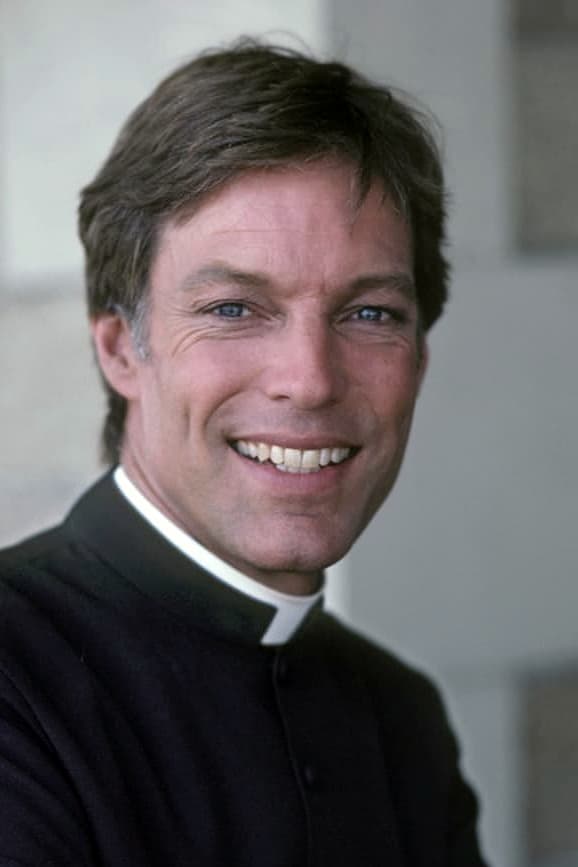
Richard Chamberlain became a primetime phenomenon in the 80s with roles like the epic miniseries ‘The Thorn Birds’. He kept his sexuality private for decades under studio pressure and protective management. In the 2000s he came out and detailed the strategies he used to deflect questions during promotional tours. His memoir laid out how contract clauses, fan-mag positioning, and publicist guidance kept him silent at his peak.
Rupert Everett
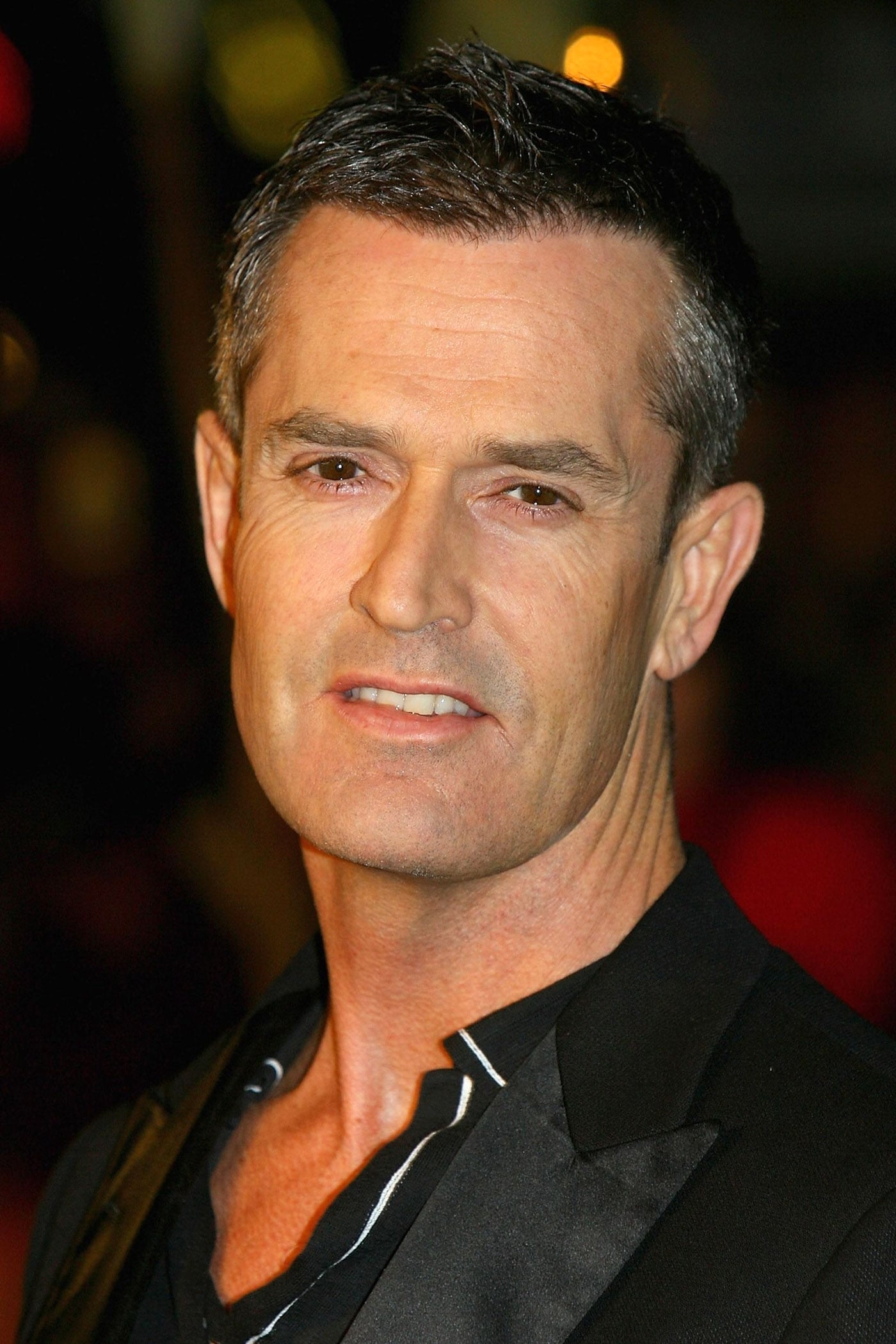
Rupert Everett’s breakout charm in late-80s films came with a carefully managed public profile. He later discussed coming out and how it affected the roles he was offered afterward. In memoirs and interviews he recounted auditions that cooled and advice he received to downplay his personal life. He also described the tradeoffs he made to keep working while refusing to go back into the closet.
Neil Tennant
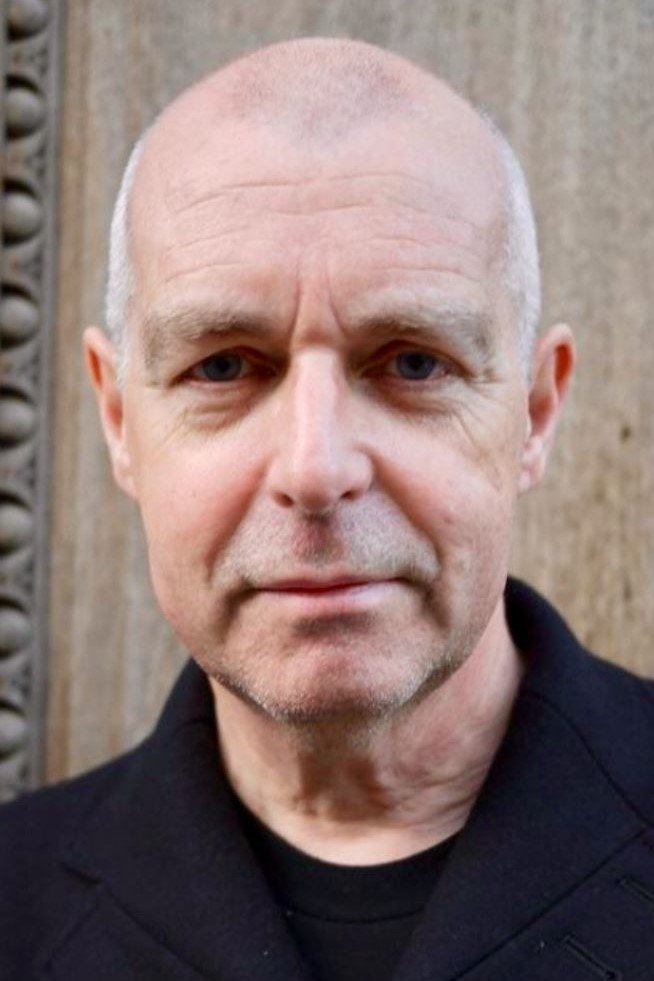
As half of Pet Shop Boys, Neil Tennant was an 80s pop architect whose lyrics hinted at more than he could say publicly. He later came out and has spoken about navigating a press landscape that treated direct questions as career risks. Tennant has explained how neutral pronouns, visual concepts, and a guarded interview style helped him maintain privacy. He’s also described how the climate gradually shifted, allowing him to be more forthright without recasting the band’s legacy.
Michael Stipe
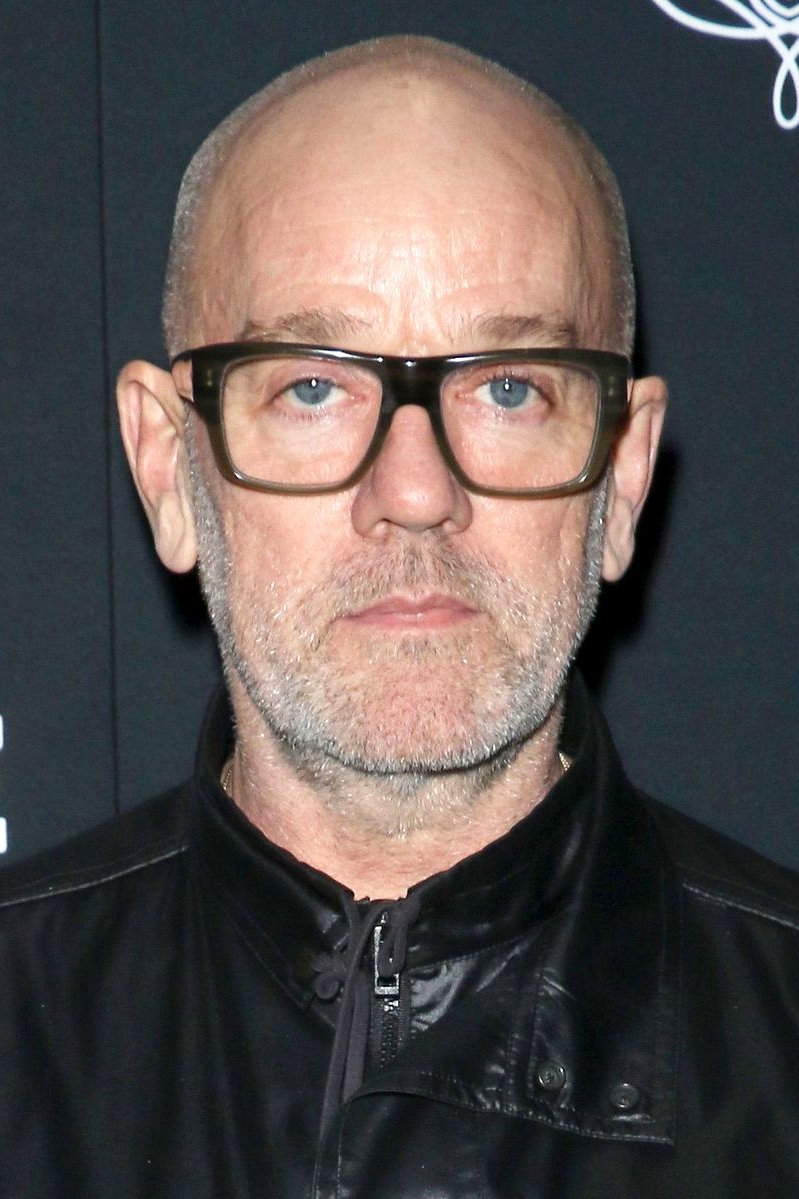
Michael Stipe led R.E.M. from college radio to mainstream success while keeping his private life off limits in the 80s. In the 2000s he began speaking plainly about being queer and later identified himself as a gay man. He has explained why ambiguity once felt necessary and how it let the music stay front and center. Stipe has also discussed the responsibility he felt to younger fans once the cultural conversation became safer.
Mark Patton
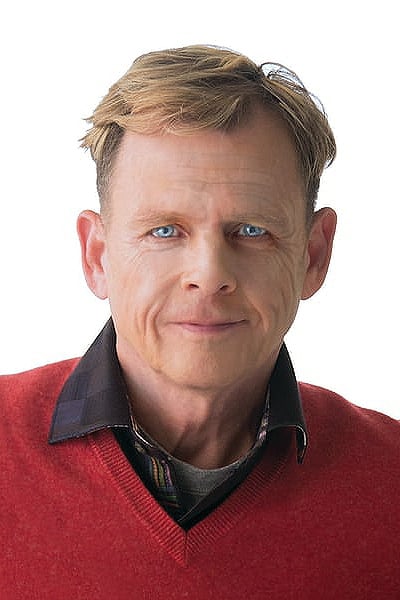
Mark Patton headlined ‘A Nightmare on Elm Street 2’ during the mid-80s and became a case study in how subtext collided with a closeted industry. He later came out and described the fallout he faced after the film’s release and the coded scrutiny that followed auditions. In a feature documentary he walked through the production, the press tour, and the long-term impact on his health and career. Patton’s story has since been used in film schools and queer cinema retrospectives as a first-person account of that era.
Jonathan Knight
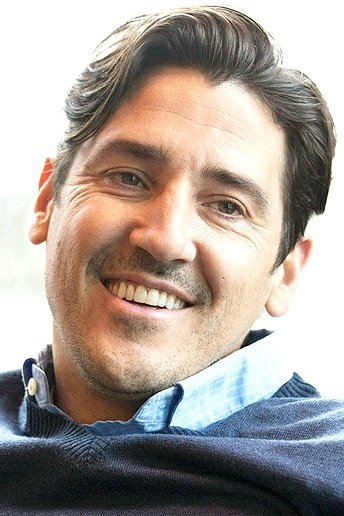
Jonathan Knight became a teen idol with New Kids on the Block in the late 80s. Years later he publicly confirmed he is gay after long avoiding direct statements while the group was at its most marketable. He has talked about why the boy-band machine made candid interviews impossible and how he compartmentalized relationships. Knight now speaks about privacy, fan expectations, and finding comfort being himself while still performing for longtime supporters.
Kelly McGillis
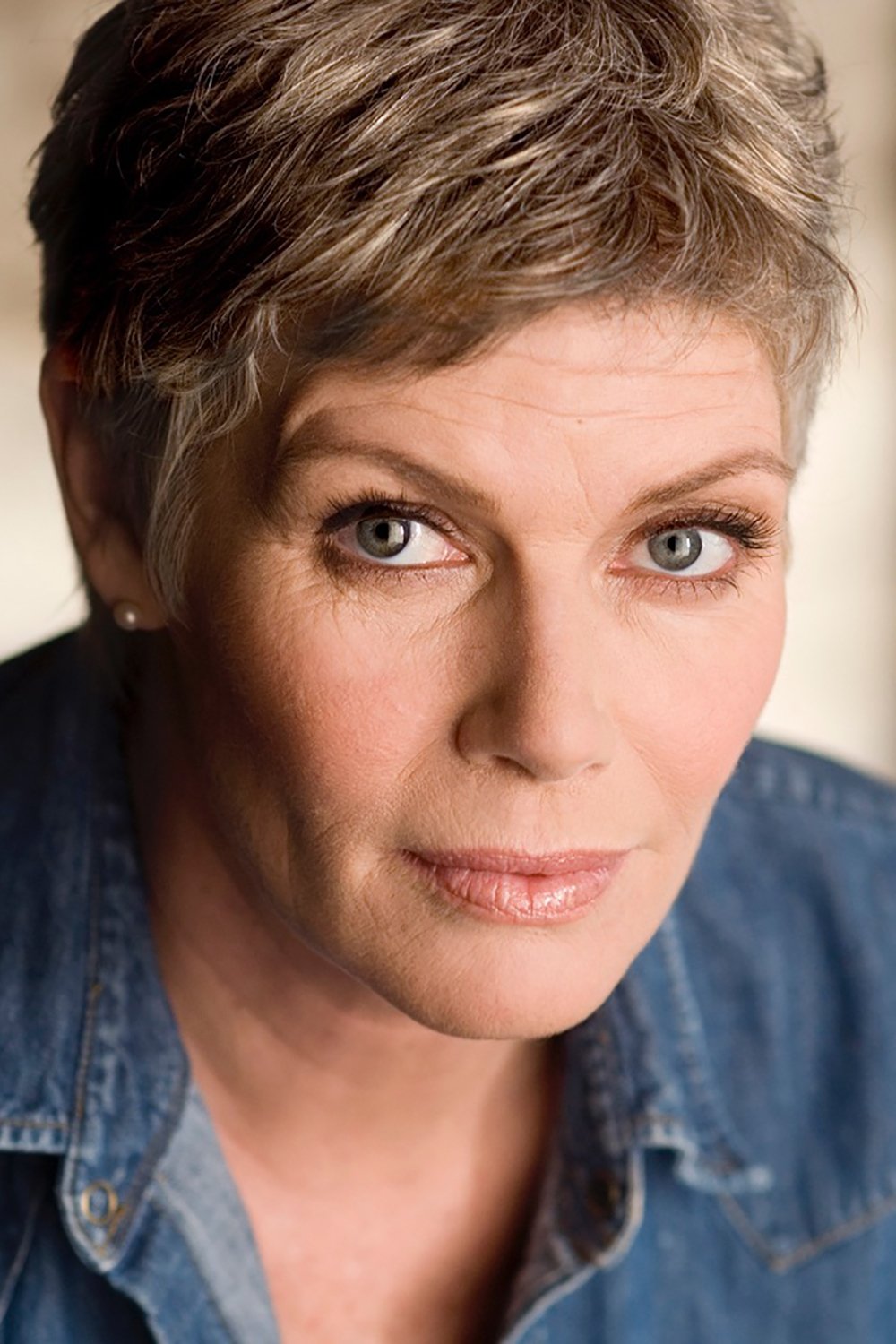
Kelly McGillis shot to superstardom with ‘Top Gun’ and other 80s hits while keeping her personal life away from publicity. She came out in a straightforward interview years later and has since discussed the fear that honesty would limit her casting. McGillis has described the media climate of the time and why she prioritized safety over disclosure. She later explained how living openly changed the kinds of roles she pursued and the projects she chose.
Jodie Foster
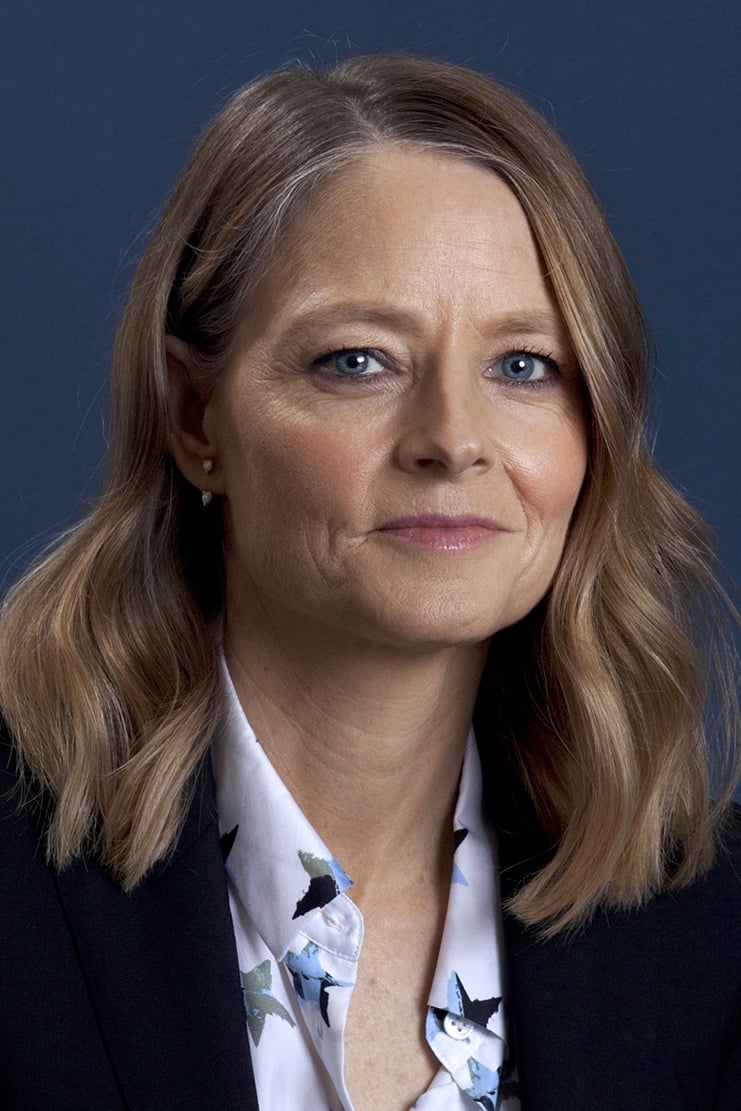
Jodie Foster was already an acclaimed star in the 80s and maintained a famously private stance with the press. She later acknowledged her sexuality publicly and explained why she protected her personal life while navigating child stardom and adult acclaim. Foster has talked about the boundaries she set with reporters and how she kept the focus on craft. Her reflections outline a step-by-step shift from coded thank-yous to direct statements as norms evolved.
Samantha Fox
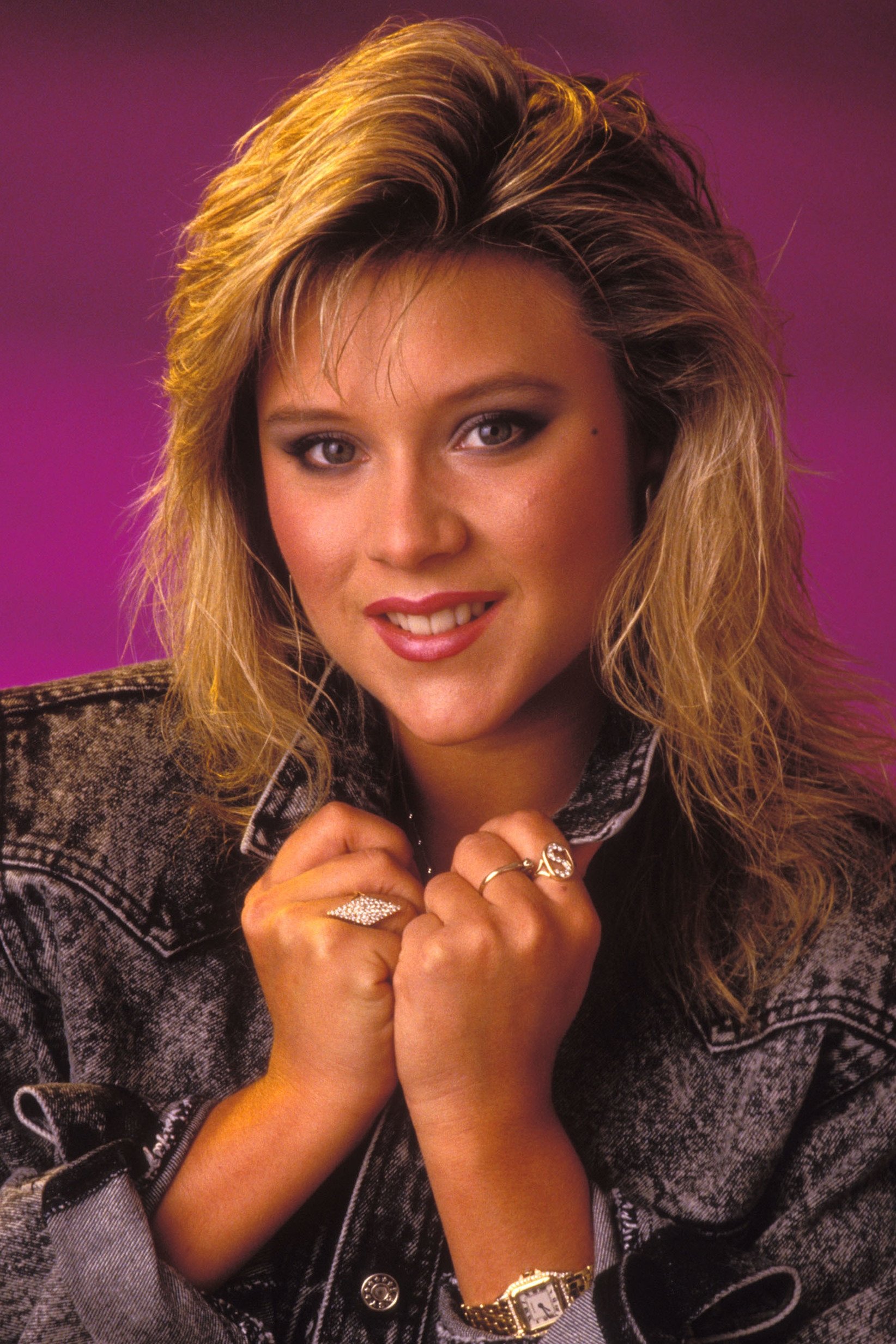
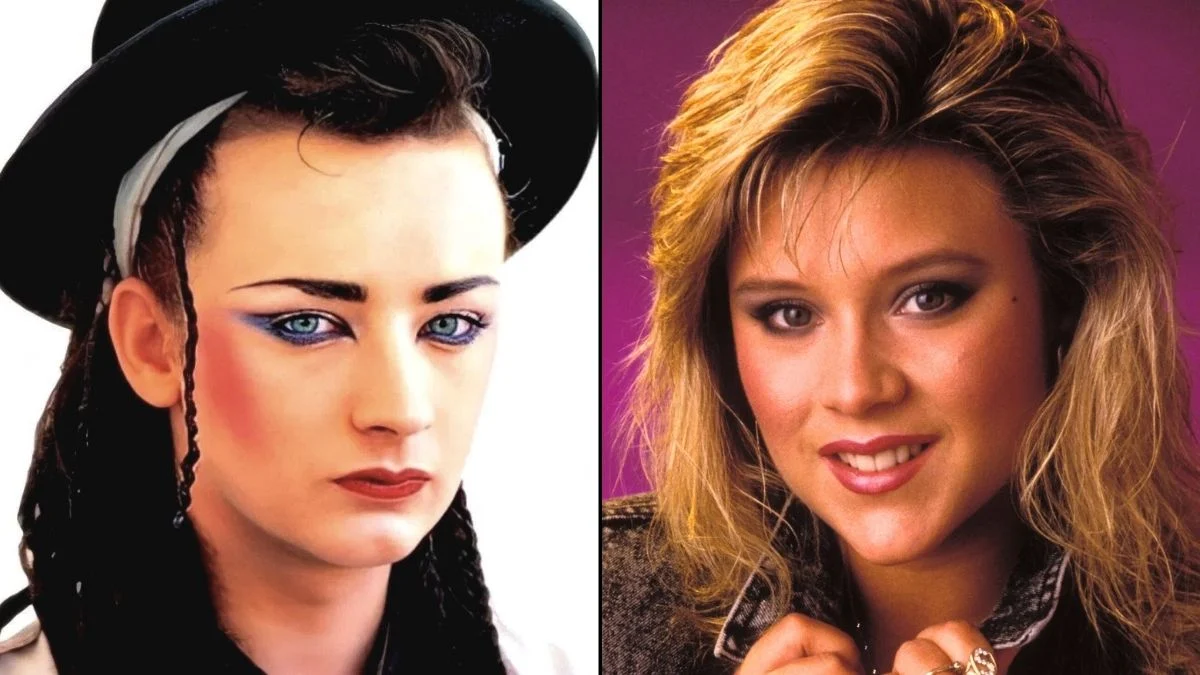
Samantha Fox became an 80s pop and pin-up sensation whose image was tightly controlled by managers and magazines. She later went public about her long-term same-sex relationships and described the tabloid pressures that kept her silent earlier. Fox has said that branding deals and press schedules made personal candor risky during her hit-making years. She now speaks about the relief of living openly and how supportive fans helped her move past old headlines.
Barry Manilow
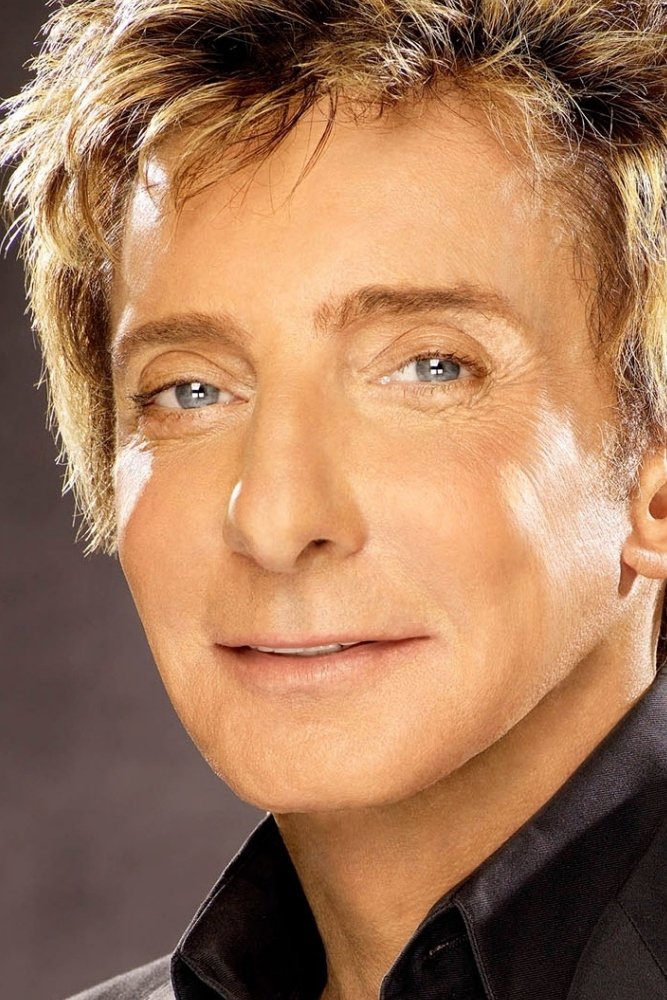
Barry Manilow’s chart success carried through the 70s and 80s while he avoided discussing his private life. He publicly confirmed he is gay decades later and explained that he kept quiet to protect someone he loved and to avoid disappointing fans. Manilow has described the behind-the-scenes decisions that went into interviews and tour publicity at his commercial peak. He has since talked about how fan reactions were warmer than he expected once he finally shared the truth.
Boy George

Boy George was an 80s culture-shifter whose androgynous style sparked endless questions he rarely answered directly at the time. In later years he has been explicit about his sexuality and recounted how ambiguity once functioned as both armor and art. He has explained label expectations, press choreography, and the coded ways he addressed desire in lyrics. His autobiographical projects have mapped the gap between stage persona and personal reality in the decade that made him famous.
Share your thoughts in the comments about whose story resonated most and who else you’d like to see included.