25 Games With Incredible New Game+ Modes

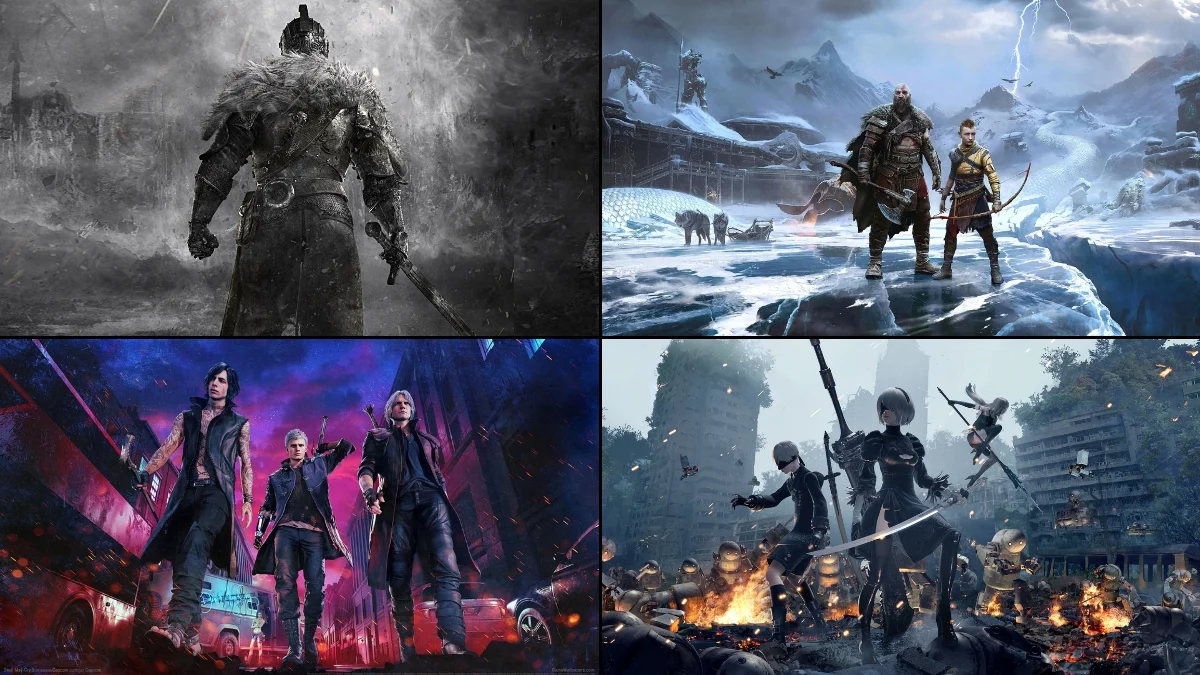

New Game+ can be more than a difficulty toggle—it’s a smart way to revisit a world with fresh challenges, new routes, and gear you couldn’t access the first time. The picks below stand out for how they change enemy scaling, unlock equipment, introduce alternate scenarios, or surface hidden narrative layers once you roll credits. Each entry notes what carries over, what changes, and any special twists to expect when you start again. We’ve also included the developer or publisher responsible so you know who engineered each system and how it works under the hood.
‘Chrono Trigger’ (1995)
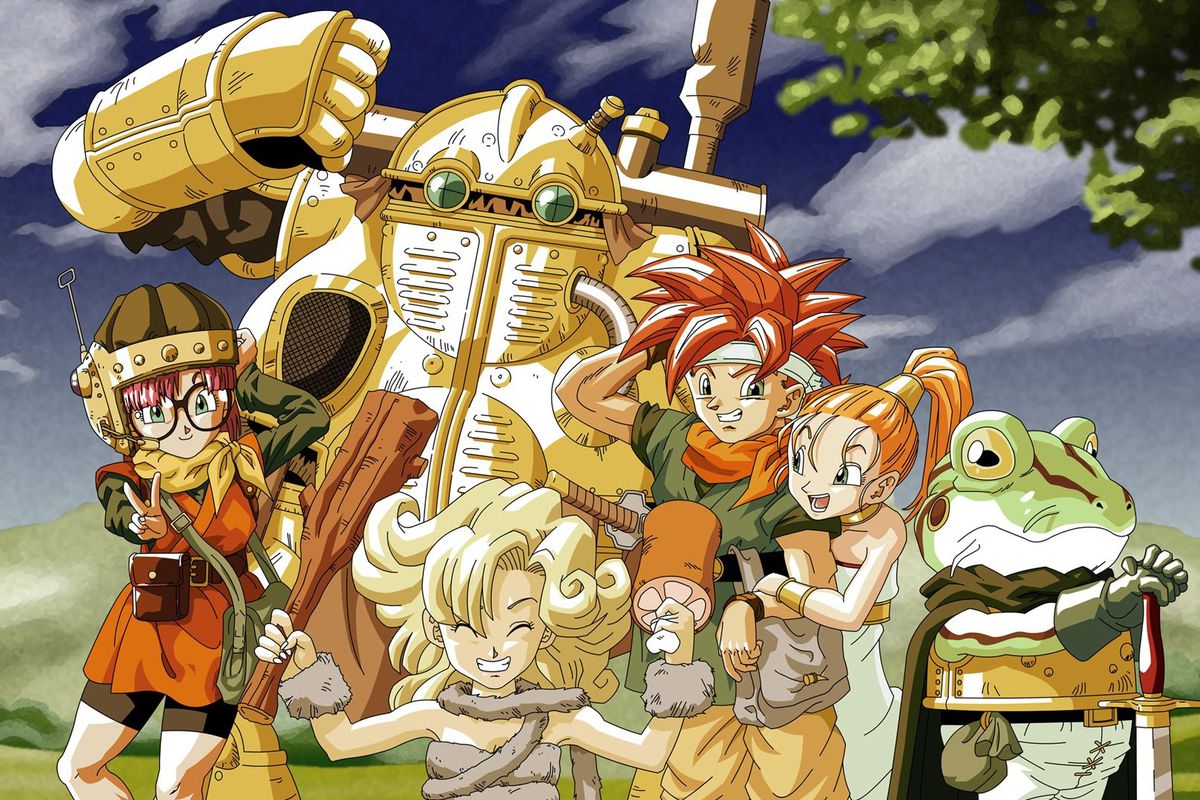
New Game+ in ‘Chrono Trigger’ unlocks multiple alternate endings from the very start, letting you refight Lavos at various points for different outcomes. Your characters’ levels, techs, and equipment carry over, dramatically speeding up subsequent runs. The “Dream Team” ending and other routes are only realistically reachable through these replays. The game was developed by Square (SquareSoft), with a team including Hironobu Sakaguchi, Yuji Horii, and Akira Toriyama.
‘Dark Souls’ (2011)
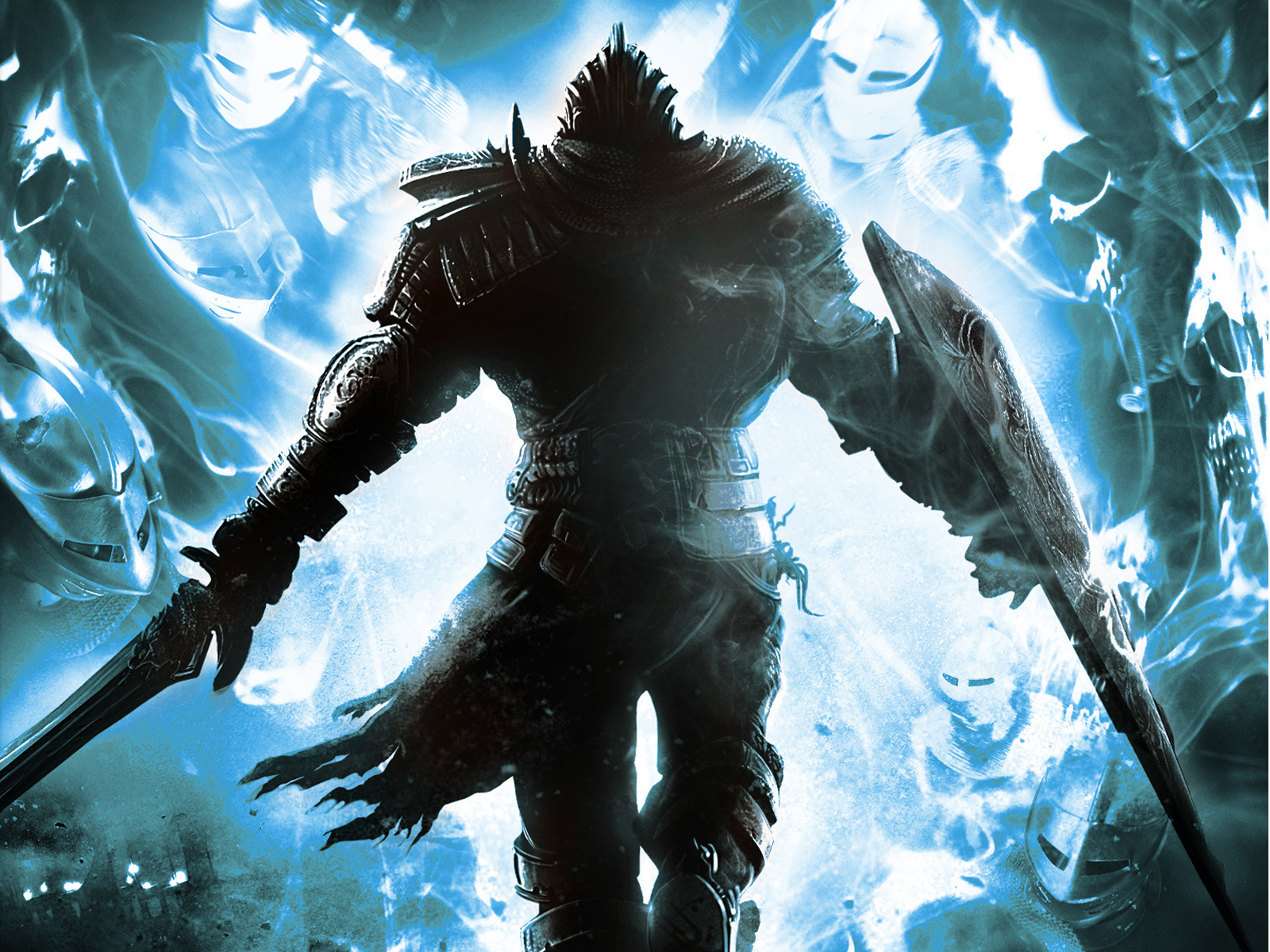
In ‘Dark Souls’, starting NG+ increases enemy health and damage while preserving your gear, Estus upgrades, spells, and most keys. Certain covenants, boss souls, and unique drops can be acquired again for alternate weapon paths. Enemies and bosses gain tougher modifiers, but world layout remains unchanged. FromSoftware developed the game and Bandai Namco Entertainment published it.
‘Dark Souls II’ (2014)
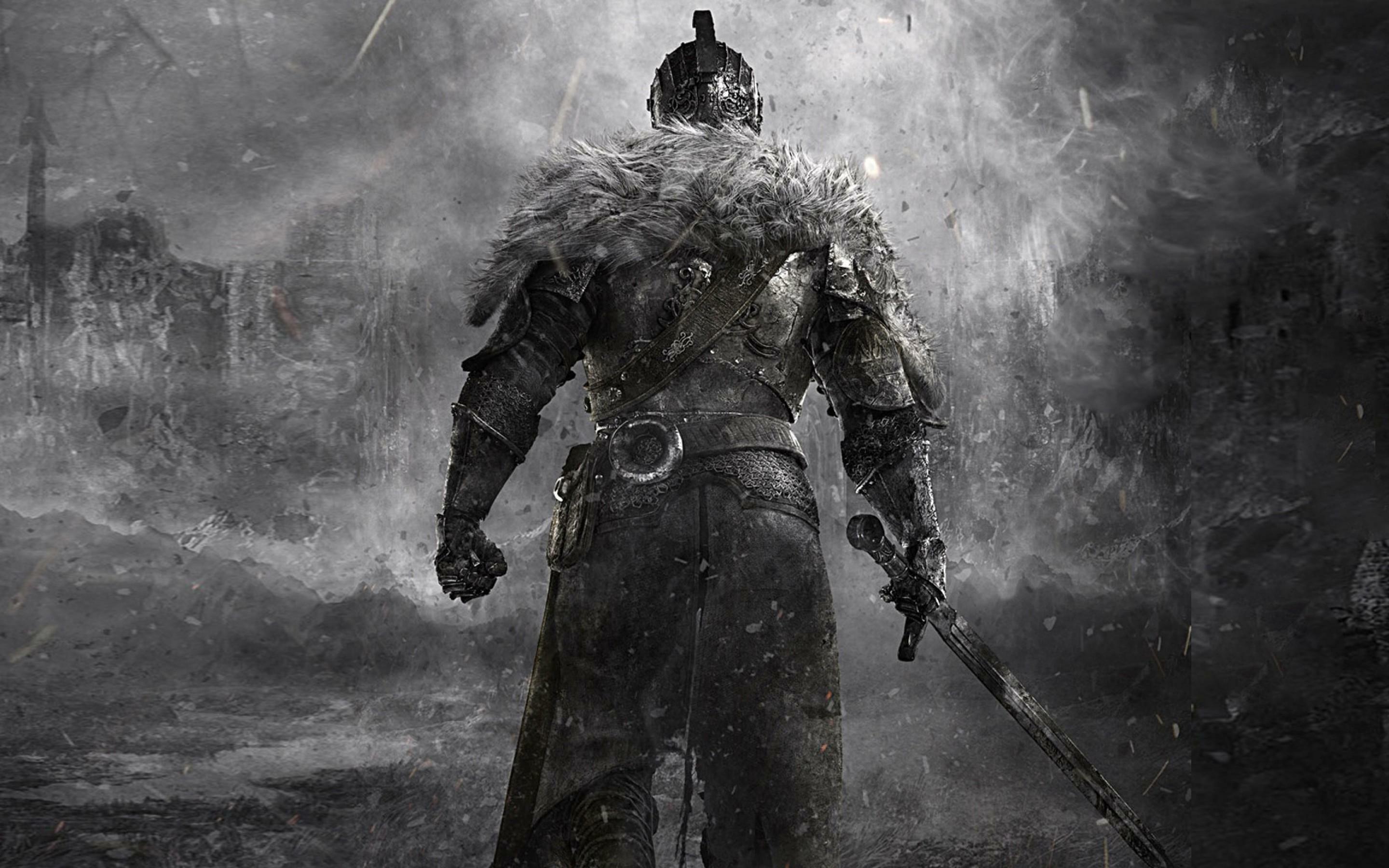
‘Dark Souls II’ adds NG+ enemy placements, red phantom invaders, and new item drops that don’t appear in the first run. Bonfire Ascetics let you simulate NG+ in specific areas by respawning bosses at higher tiers. Soul Memory continues to track total souls collected, affecting matchmaking across cycles. The game was developed by FromSoftware and published by Bandai Namco Entertainment.
‘Dark Souls III’ (2016)
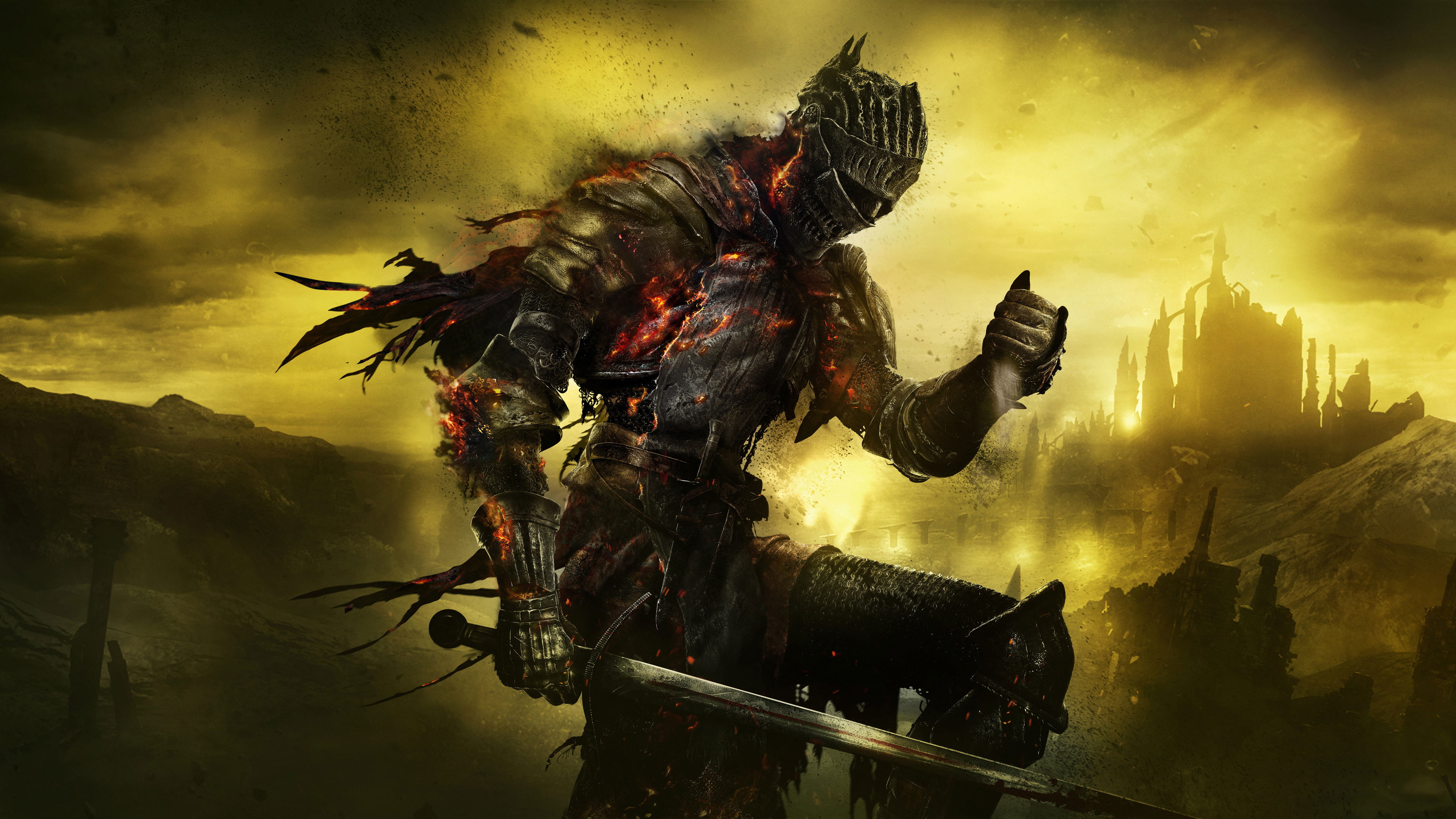
‘Dark Souls III’ raises difficulty in NG+ and NG++ while adding new rings and slight placement tweaks for items. Boss souls and unique materials reappear so you can craft alternate transposition weapons. Several endings require multiple cycles to see all permutations. FromSoftware developed the title and Bandai Namco Entertainment handled publishing.
‘Demon’s Souls’ (2009)
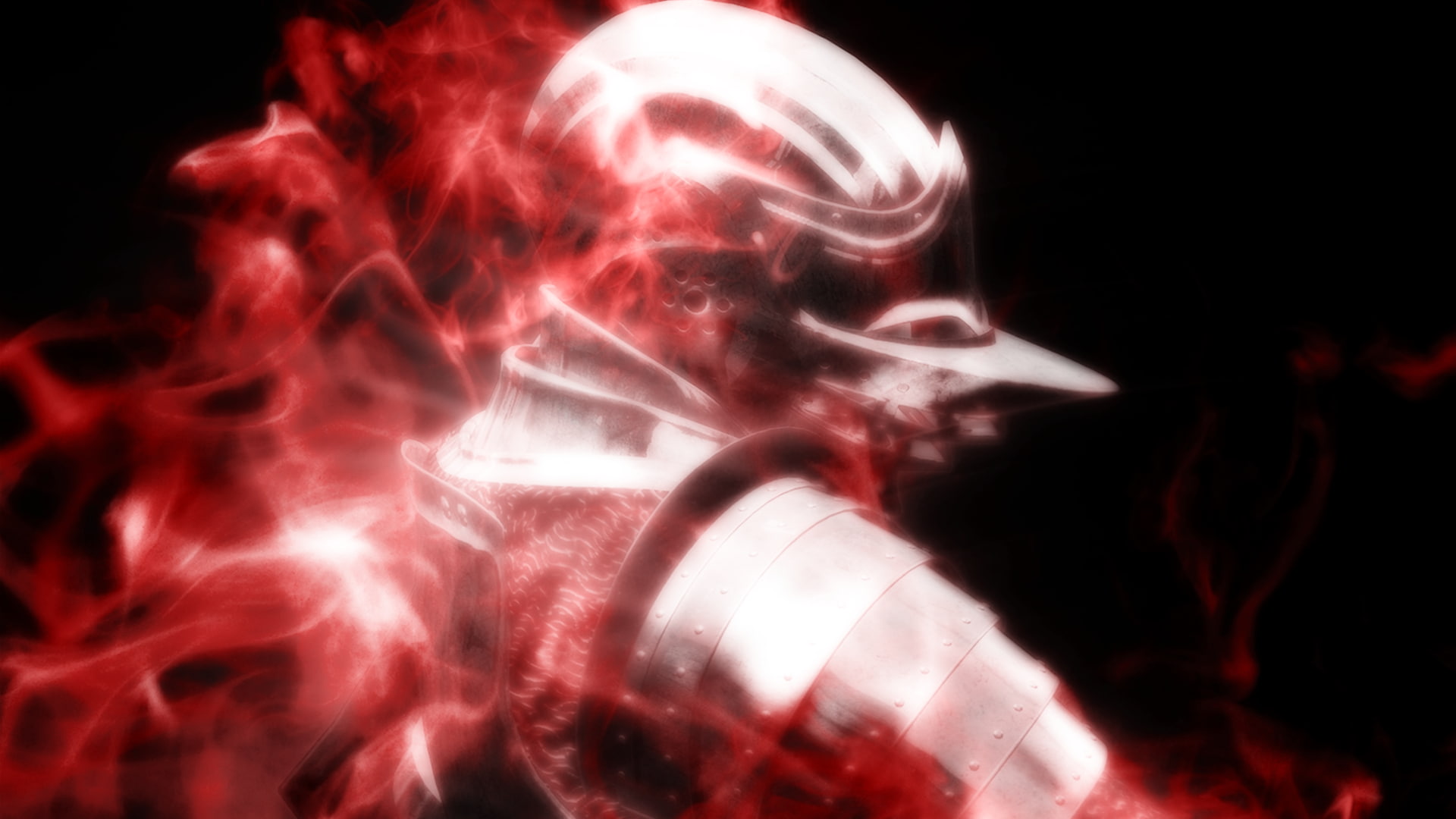
NG+ in ‘Demon’s Souls’ dramatically scales enemy damage and health and keeps World Tendency systems active across cycles. Players retain stats, equipment, and spells, enabling access to gear and routes missed earlier. Black Phantom variants and boss resistances punish unoptimized builds. The original was developed by FromSoftware and published by Sony Computer Entertainment.
‘Bloodborne’ (2015)
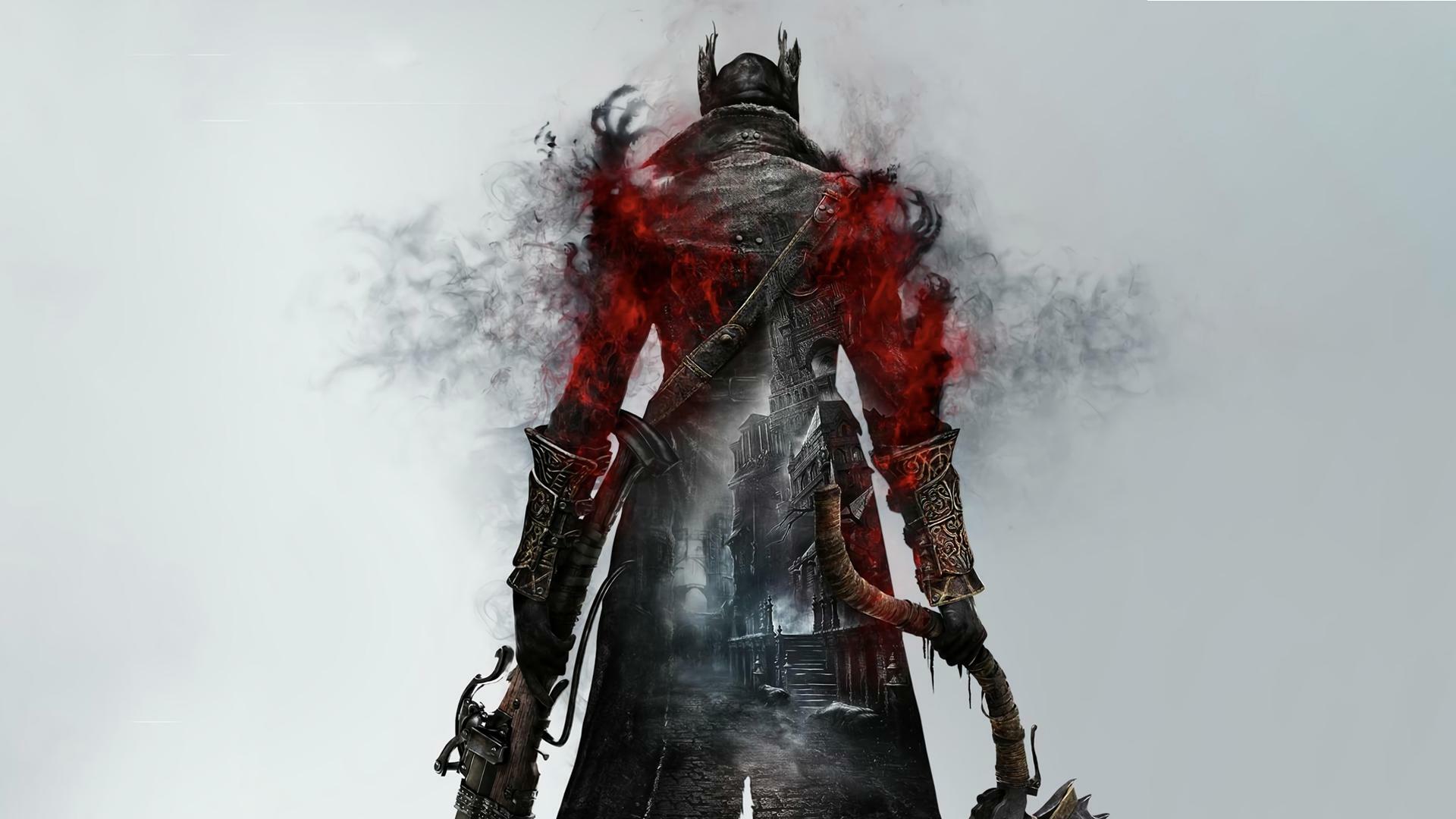
‘Bloodborne’ preserves weapons, Blood Echo levels, Caryll Runes, and most consumables while boosting enemy lethality in NG+. Boss behavior becomes far more punishing, and Chalice Dungeons remain available for further progression. Some endings and certain questlines are easier to manage with NG+ power. FromSoftware developed the game, and it was published by Sony Computer Entertainment.
‘Sekiro: Shadows Die Twice’ (2019)
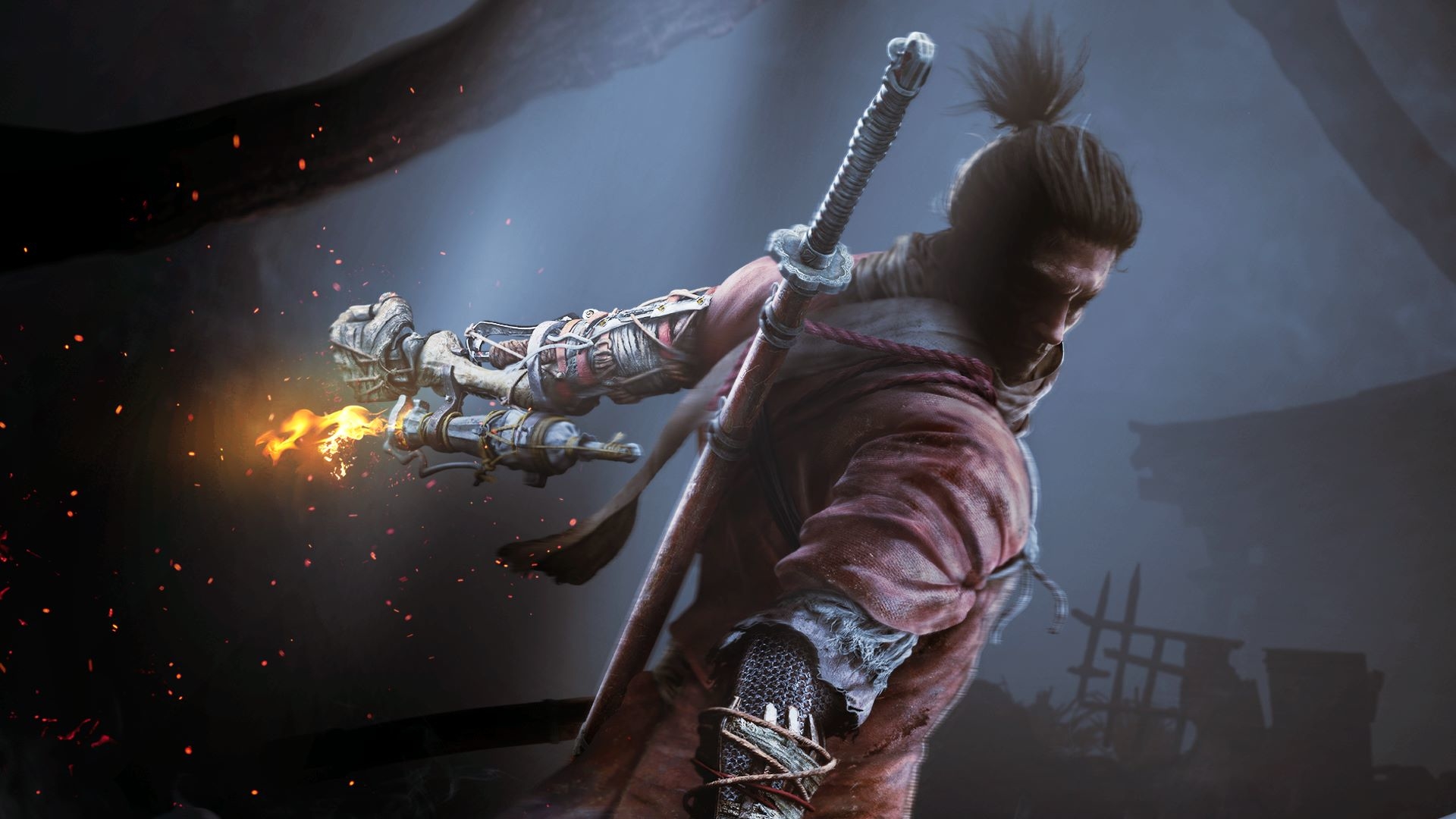
‘Sekiro’ uses “Reflections” and NG+ cycles that raise damage taken and unlock the Demon Bell for additional stacking difficulty. Attack Power from Memories persists, and you can pursue alternate endings by making different late-game choices. The “Charm” toggle and “One-armed Wolf” modifiers further sharpen replays. FromSoftware developed and Activision published the game.
‘Elden Ring’ (2022)
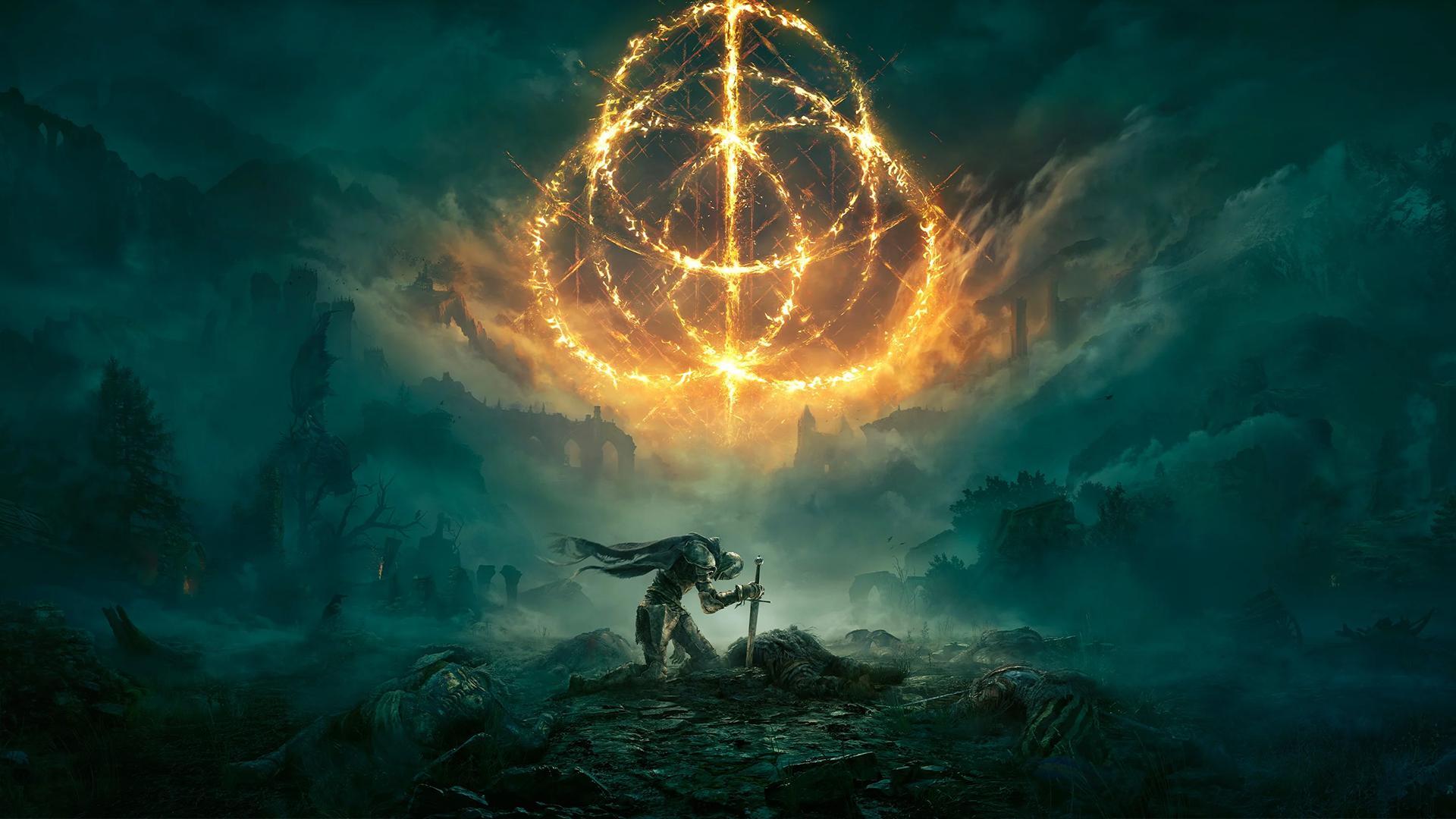
‘Elden Ring’ offers Journey 2 and beyond, carrying over levels, gear, Ashes of War, and most progression while resetting the world state. Remembrances and boss rewards can be reacquired for alternate choices at the Roundtable Hold. Great Rune activations and key quest flags reset, enabling different story branches. The game was developed by FromSoftware and published by Bandai Namco Entertainment.
‘NieR: Automata’ (2017)
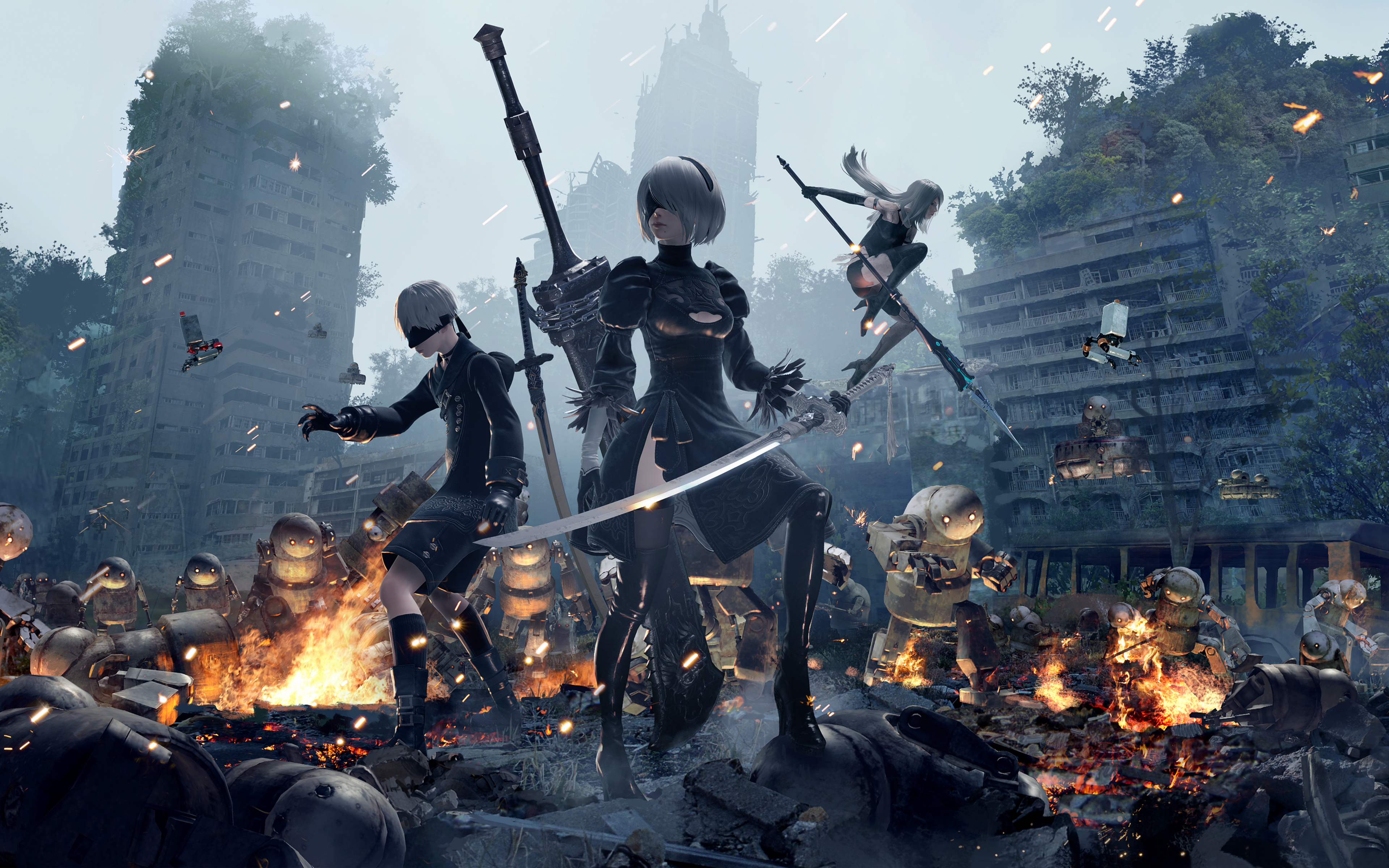
‘NieR: Automata’ restructures post-credits play with Route B and Route C/D, presenting new perspectives and late-game scenarios rather than a simple difficulty bump. Progress, chips, and weapon levels carry over, while new content and endings unlock sequentially. Certain late endings require specific choices or actions on repeat clears. PlatinumGames developed the title and Square Enix published it.
‘The Witcher 3: Wild Hunt’ (2015)
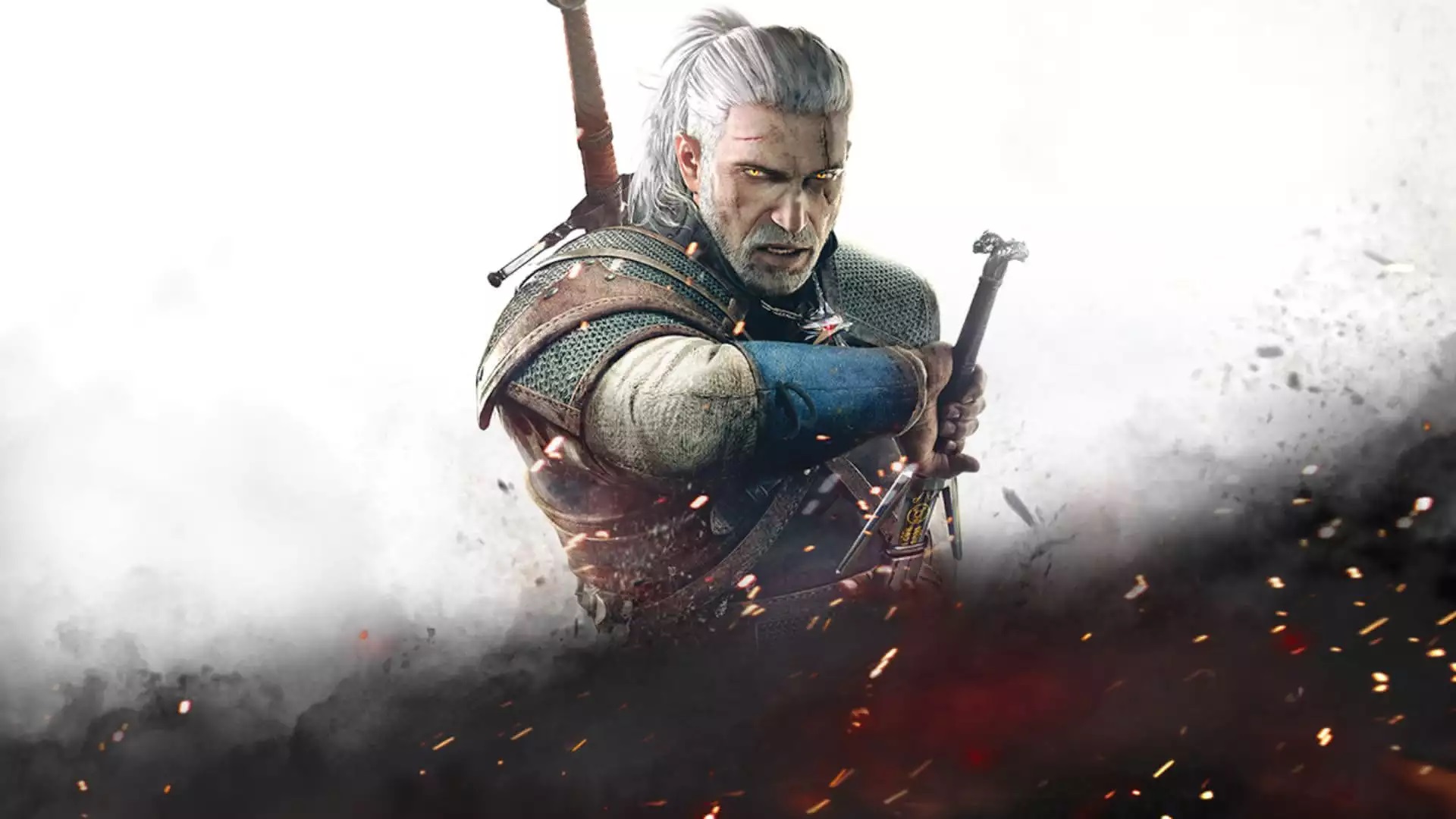
‘The Witcher 3’ adds NG+ via an update, scaling enemy levels and letting Geralt retain skills, gear, and alchemy formulas. You can re-spec signs and combat builds to approach expansion content differently. Unique items appear at higher levels so crafted sets and relics scale into late NG+. CD Projekt RED developed and published the game.
‘God of War’ (2018)
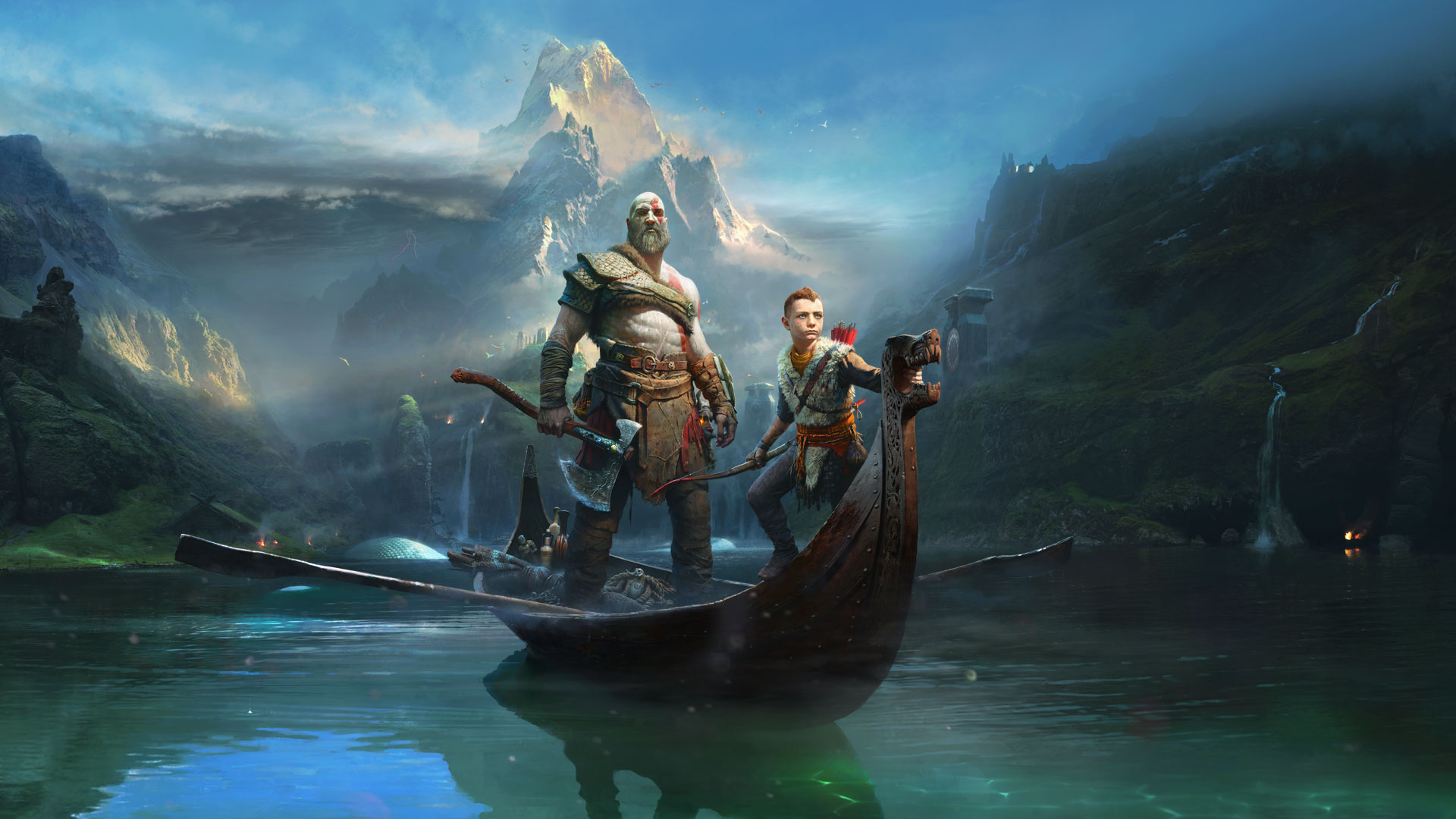
‘God of War’ introduced NG+ with higher-tier gear, new armor sets, and enchantments that unlock additional build paths. Enemies gain new attack patterns and status effects, and time trials receive tougher variants. Most equipment and upgrades carry forward, enabling access to late-game crafting from the start. Santa Monica Studio developed the game and Sony Interactive Entertainment published it.
‘God of War Ragnarök’ (2022)
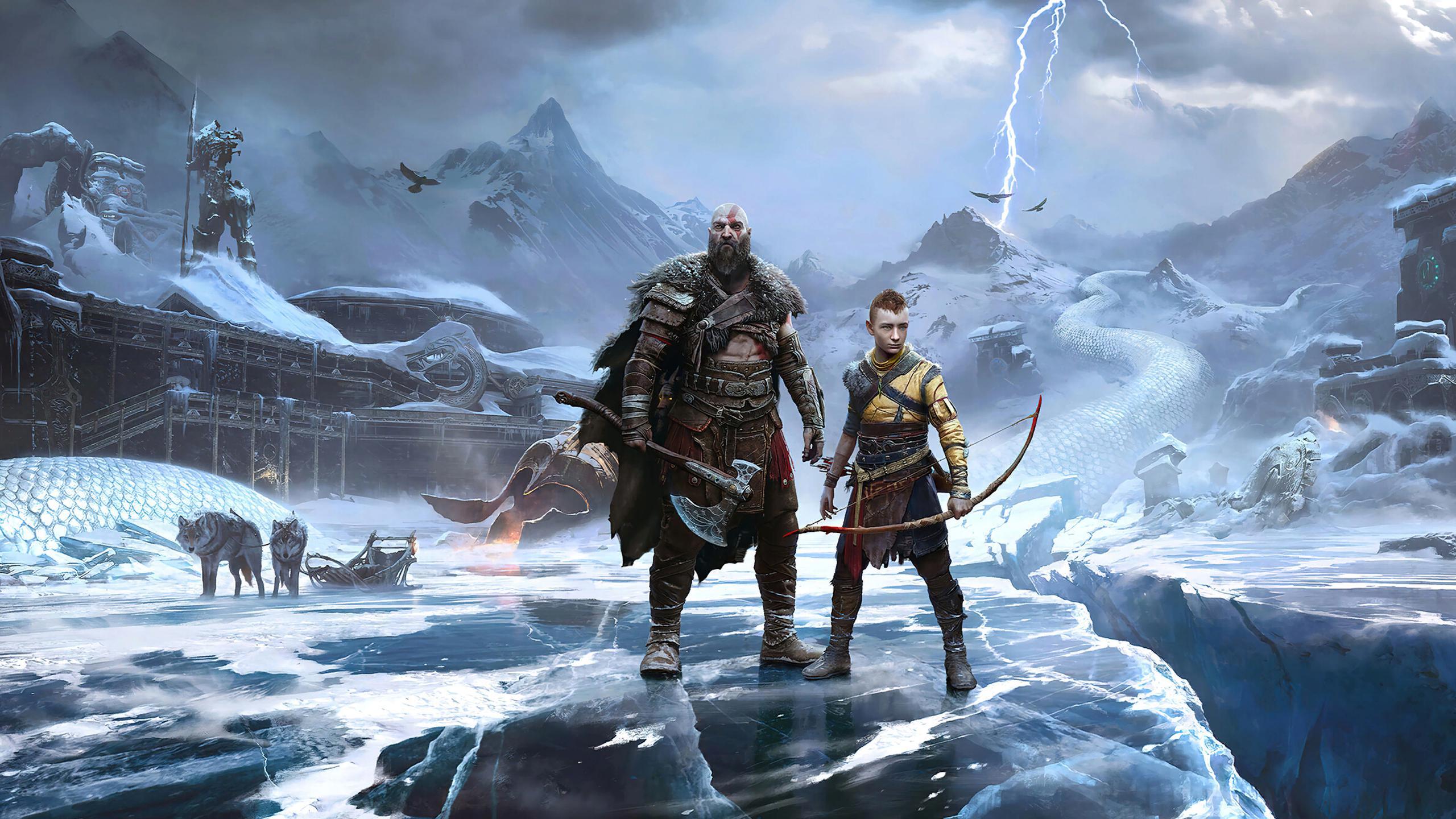
‘God of War Ragnarök’ adds NG+ with new equipment tiers, fresh enchantments, and modified enemy behaviors. Gilded stat caps and expanded Nornir trials deepen min–maxing for runic and melee builds. You retain skills and gear while certain traversal and story states reset to allow full re-exploration. The game was developed by Santa Monica Studio and published by Sony Interactive Entertainment.
‘Resident Evil 4’ (2005)
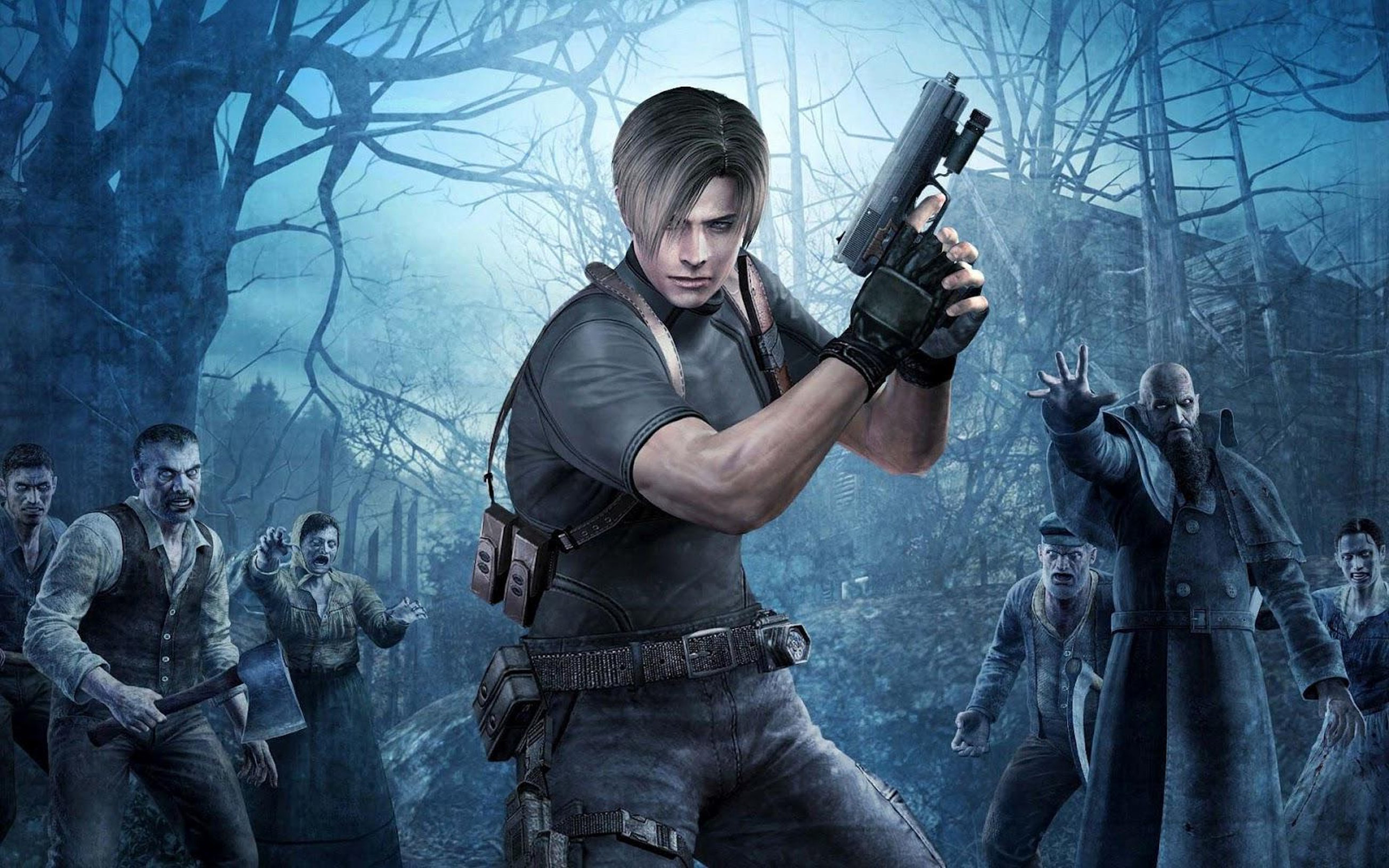
In ‘Resident Evil 4’, NG+ lets you carry weapons, upgrades, and treasures into a new playthrough, including high-end arms like the Chicago Typewriter after unlocking them. Special weapons and costumes can alter gameplay and enemy management on repeat clears. Separate modes like “Separate Ways” and Mercenaries expand post-game options. Capcom developed and published the title.
‘Resident Evil 2’ (1998)
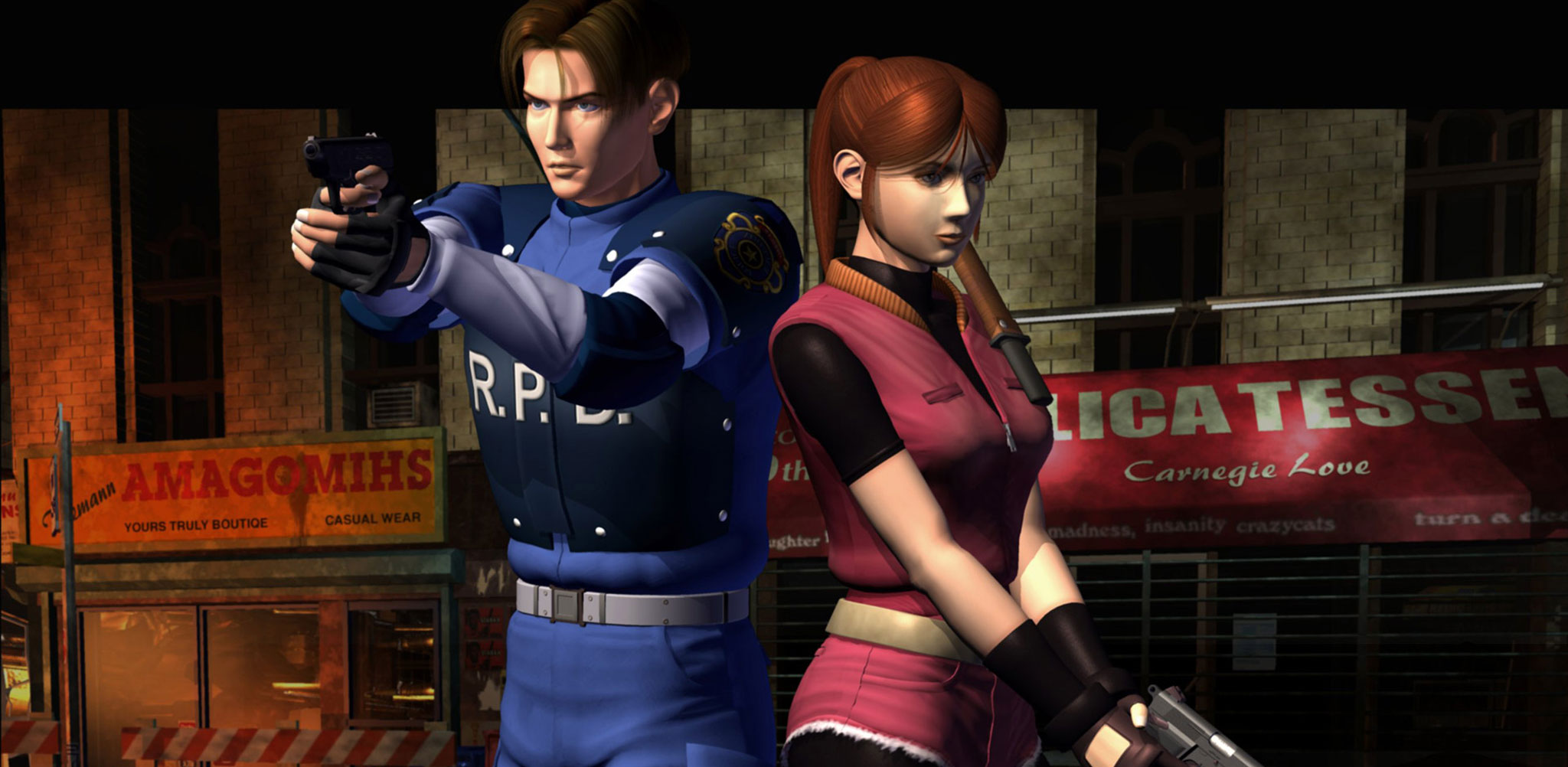
‘Resident Evil 2’ uses “2nd Run” scenarios that change item placements, boss encounters, and story beats based on your first character choice. Completing A/B routes unlocks the true ending and additional challenges. Unlockable weapons and ranking systems encourage replays with stricter conditions. Capcom developed and published the game.
‘Resident Evil Village’ (2021)
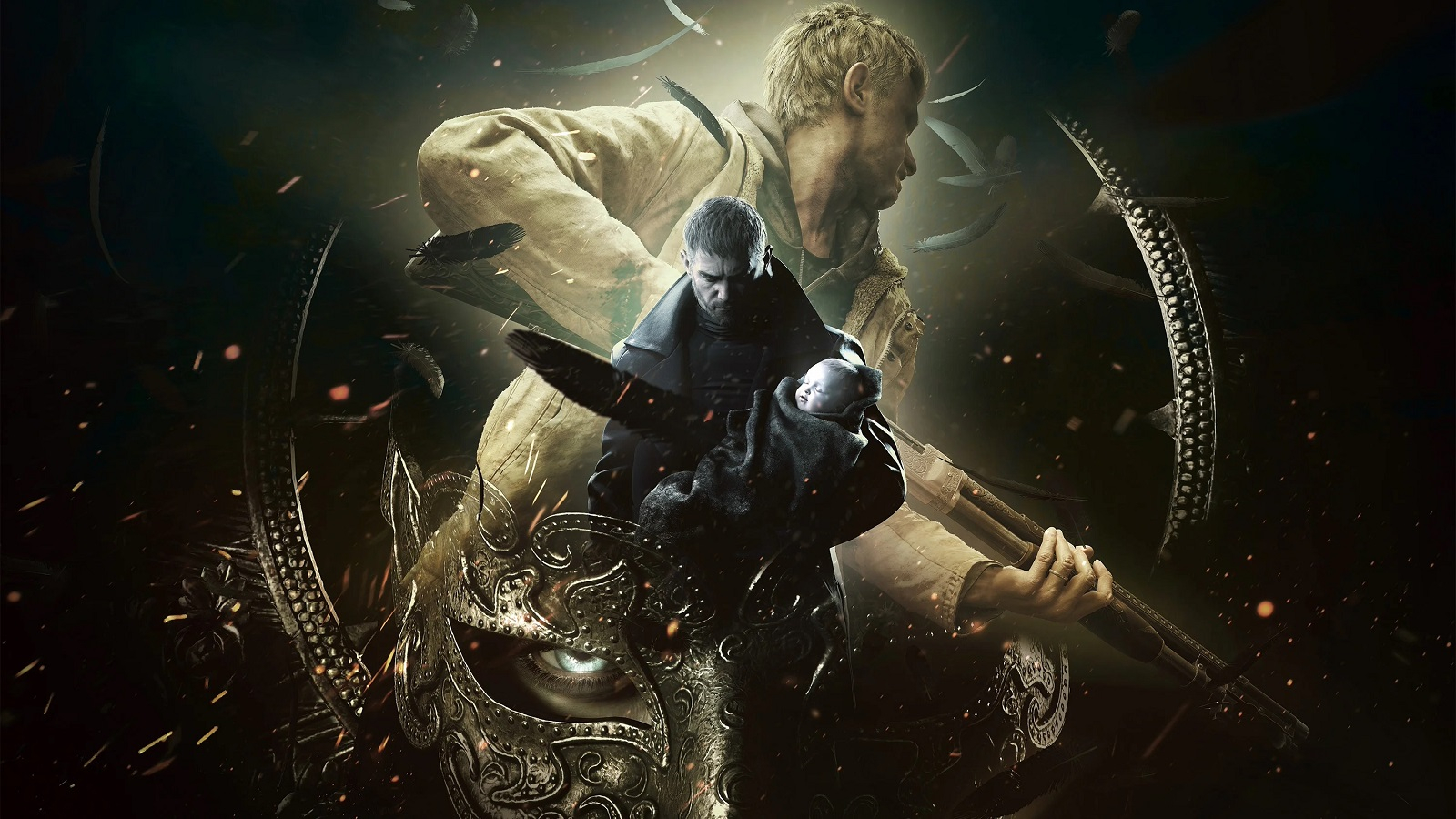
‘Resident Evil Village’ features NG+ with carried-over Lei, weapons, and upgrades, plus the adjustable “The Mercenaries” mode for score-based progression. Infinite-ammo options can be earned and applied in new cycles. Higher difficulties and unlockables expand enemy composition and boss resilience. Capcom developed and published the game.
‘Hades’ (2020)
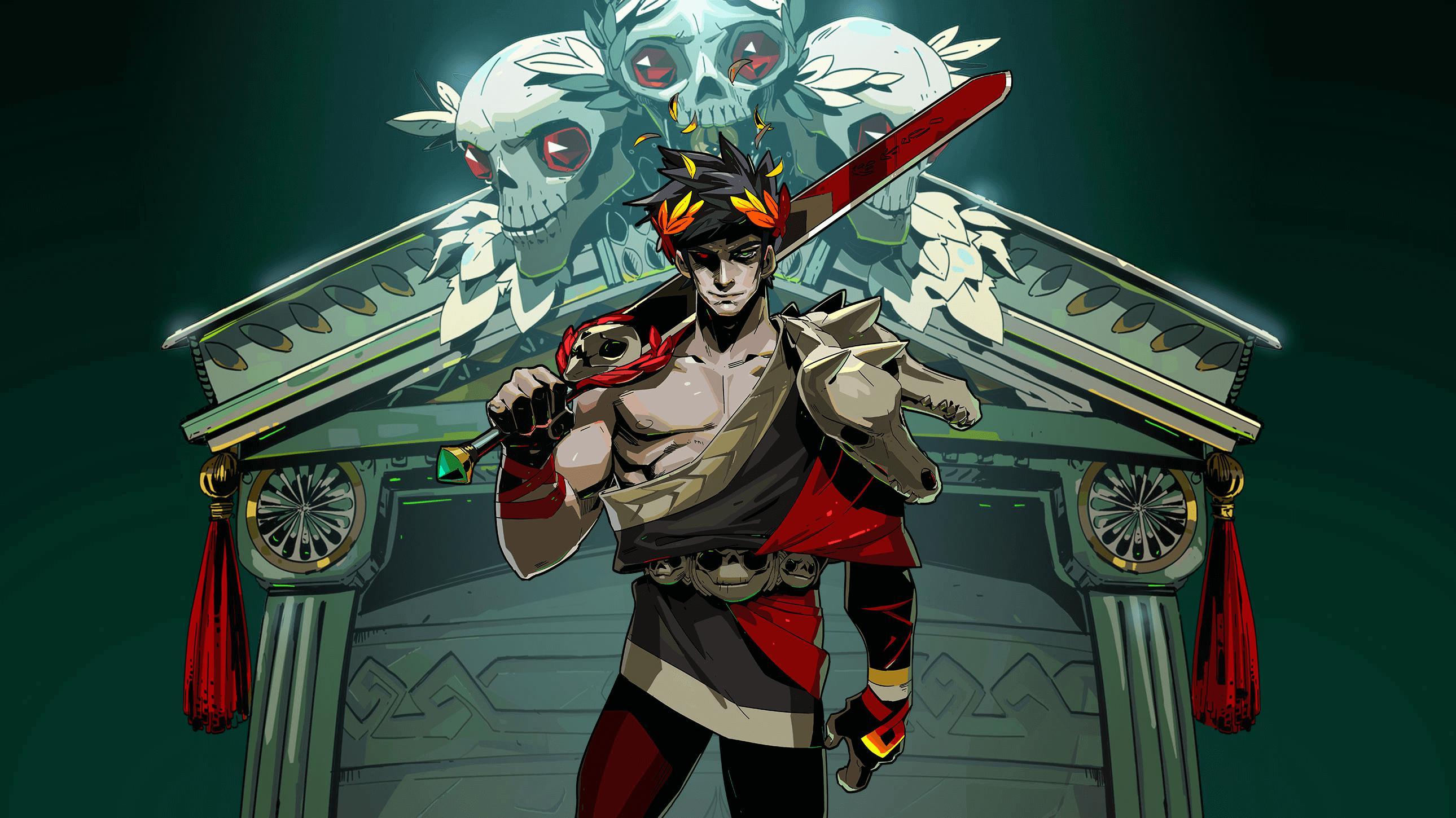
‘Hades’ substitutes traditional NG+ with the Pact of Punishment, a system that adds configurable difficulty modifiers after your first clear. Heat levels unlock new bounties and escalate boss behaviors while preserving weapon aspects and Mirror upgrades. Clears at higher Heat award better resources for further progression. Supergiant Games developed and published the title.
‘Dead Space’ (2008)

‘Dead Space’ enables NG+ with carried-over nodes, weapons, and credits while escalating enemy spawns and toughness. Certain suits and upgrades become available earlier on repeat runs. Collectibles and logs persist in your codex for full completion. EA Redwood Shores (later Visceral Games) developed the game and Electronic Arts published it.
‘Mass Effect 2’ (2010)
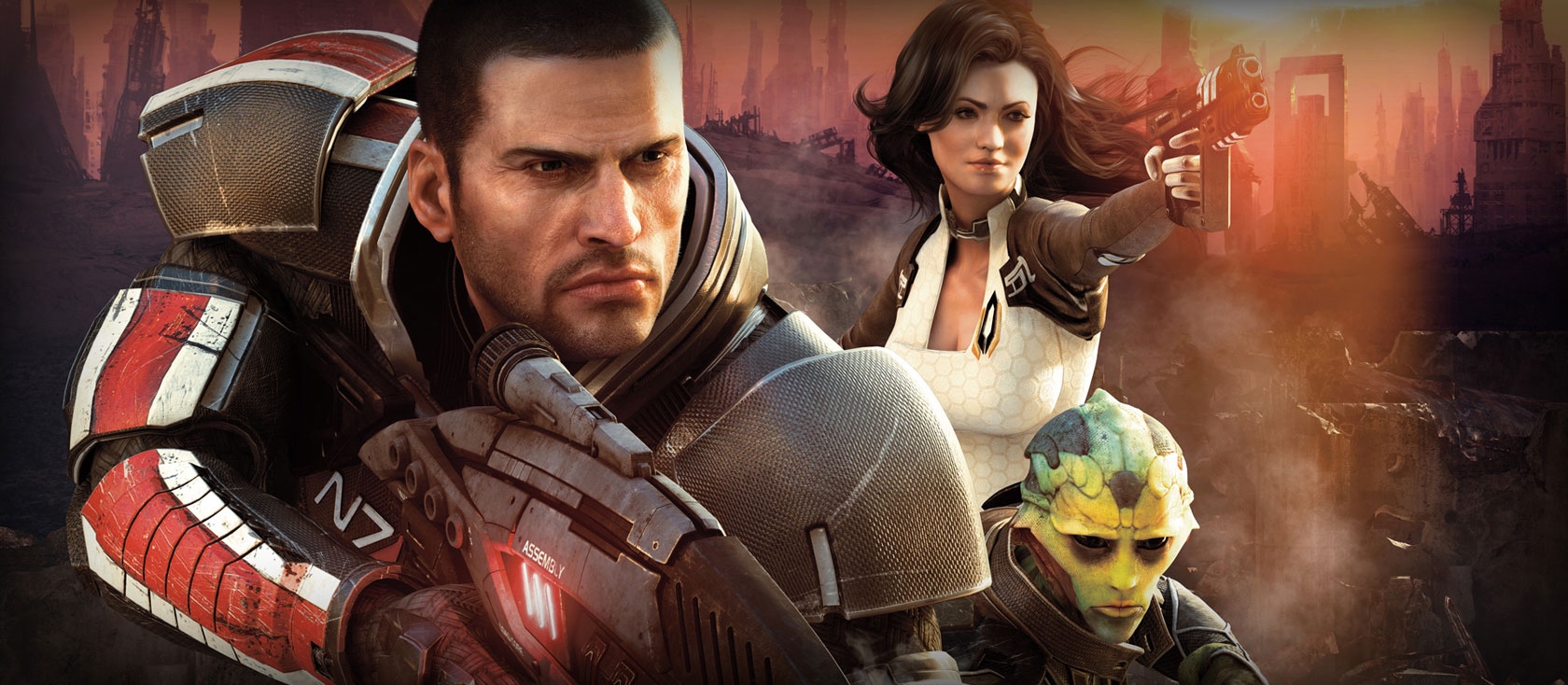
‘Mass Effect 2’ supports NG+ with Shepard’s class, levels, and some upgrades rolling over, while enemy scaling adjusts for later difficulties. You can import a completed save to retain key decisions that alter missions and character availability. Higher difficulty options unlock after finishing once. BioWare developed the game and Electronic Arts published it.
‘Mass Effect 3’ (2012)
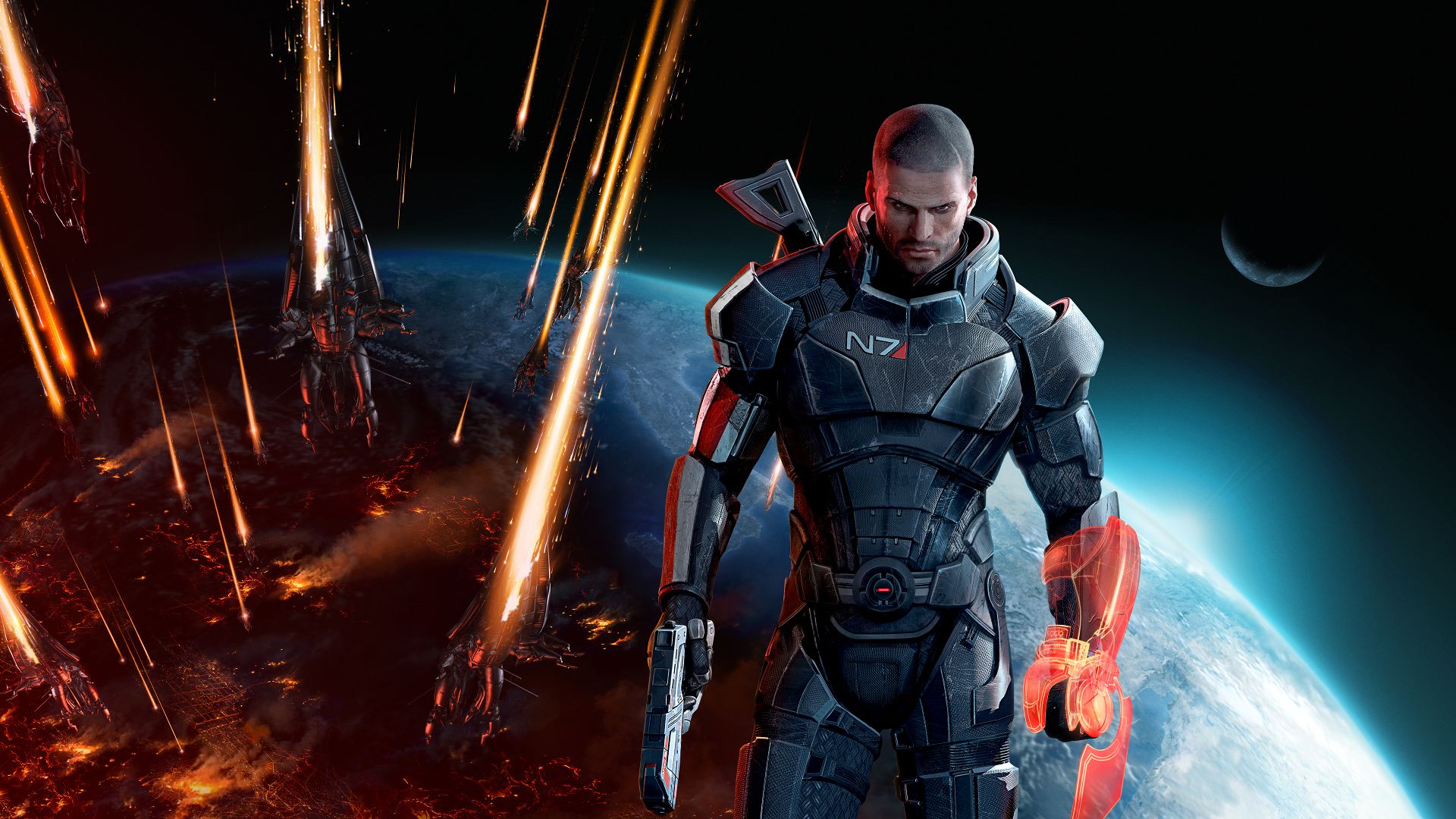
‘Mass Effect 3’ carries forward Shepard’s level, powers, and reputation while enabling new difficulty tiers in NG+. War Asset totals and prior-game choices still influence late-game states when importing. Multiplayer and single-player readiness systems originally affected outcomes, with NG+ helping optimize builds. The game was developed by BioWare and published by Electronic Arts.
‘Persona 5 Royal’ (2019)

‘Persona 5 Royal’ lets you retain Persona compendium entries, social stats, and equipment, making it easier to fill the compendium and tackle optional bosses. NG+ unlocks additional fusion options and supports max-link pursuits you may have missed. New skills and challenge battles become more manageable with carried progress. Atlus developed and published the expanded release.
‘Persona 4 Golden’ (2012)
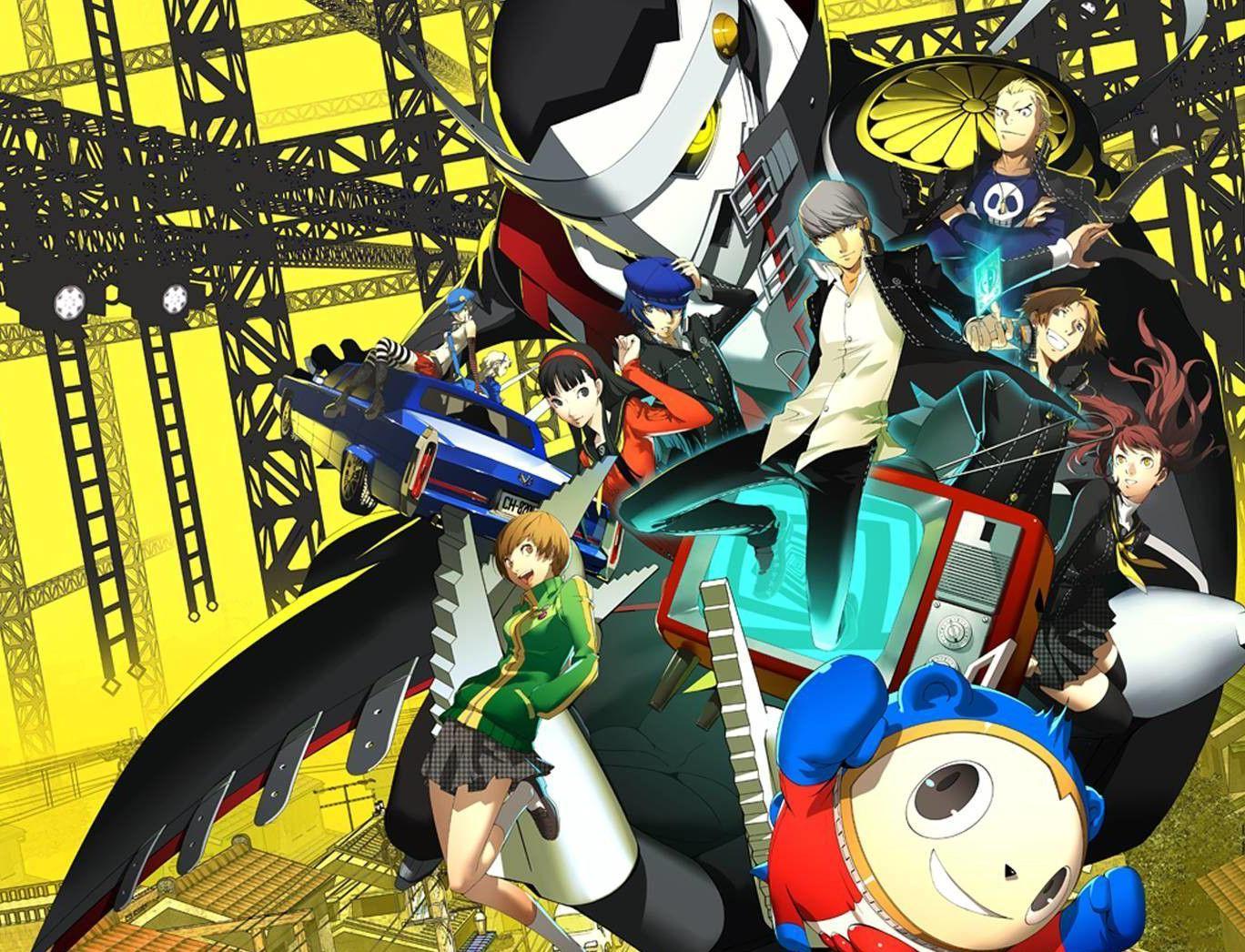
In ‘Persona 4 Golden’, NG+ preserves social stats, compendium entries, and certain items, enabling access to late-game dungeons and a true ending path more efficiently. Fusion expands with top-tier Personas available sooner via compendium pulls. Optional bosses and secret scenes are more reachable on repeat runs. Atlus developed the game and published it on PlayStation Portable-family and later PC platforms.
‘Dragon’s Dogma: Dark Arisen’ (2013)
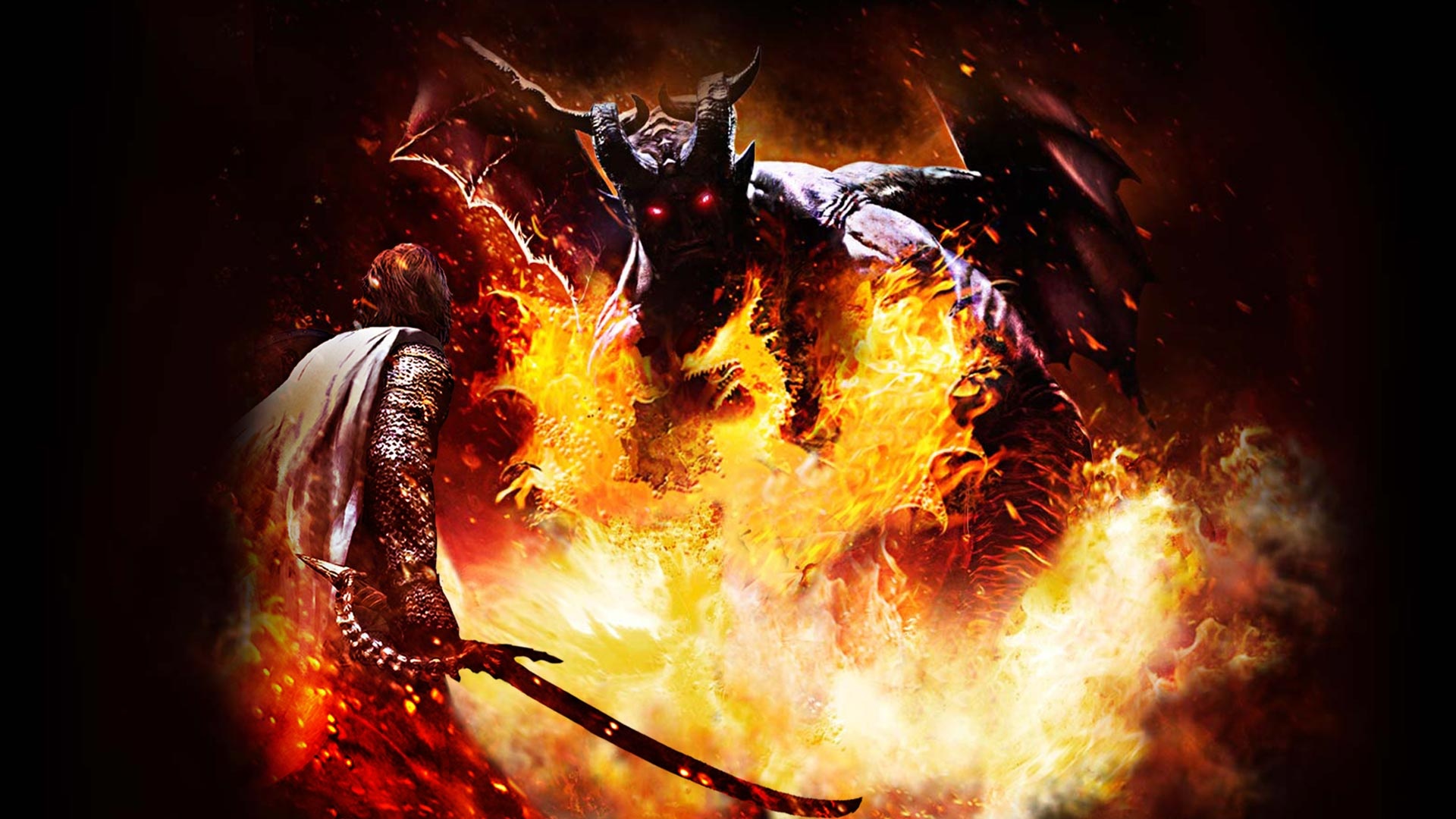
‘Dragon’s Dogma: Dark Arisen’ keeps your Arisen’s level, gear, augments, and Pawn knowledge in NG+, letting you re-enter Bitterblack Isle from the outset. Enemy difficulty increases and loot tables support high-tier upgrades earlier. Vocation flexibility plus RNG-driven drops make repeated clears mechanically rewarding. Capcom developed and published the expanded edition.
‘The Last of Us Part II’ (2020)
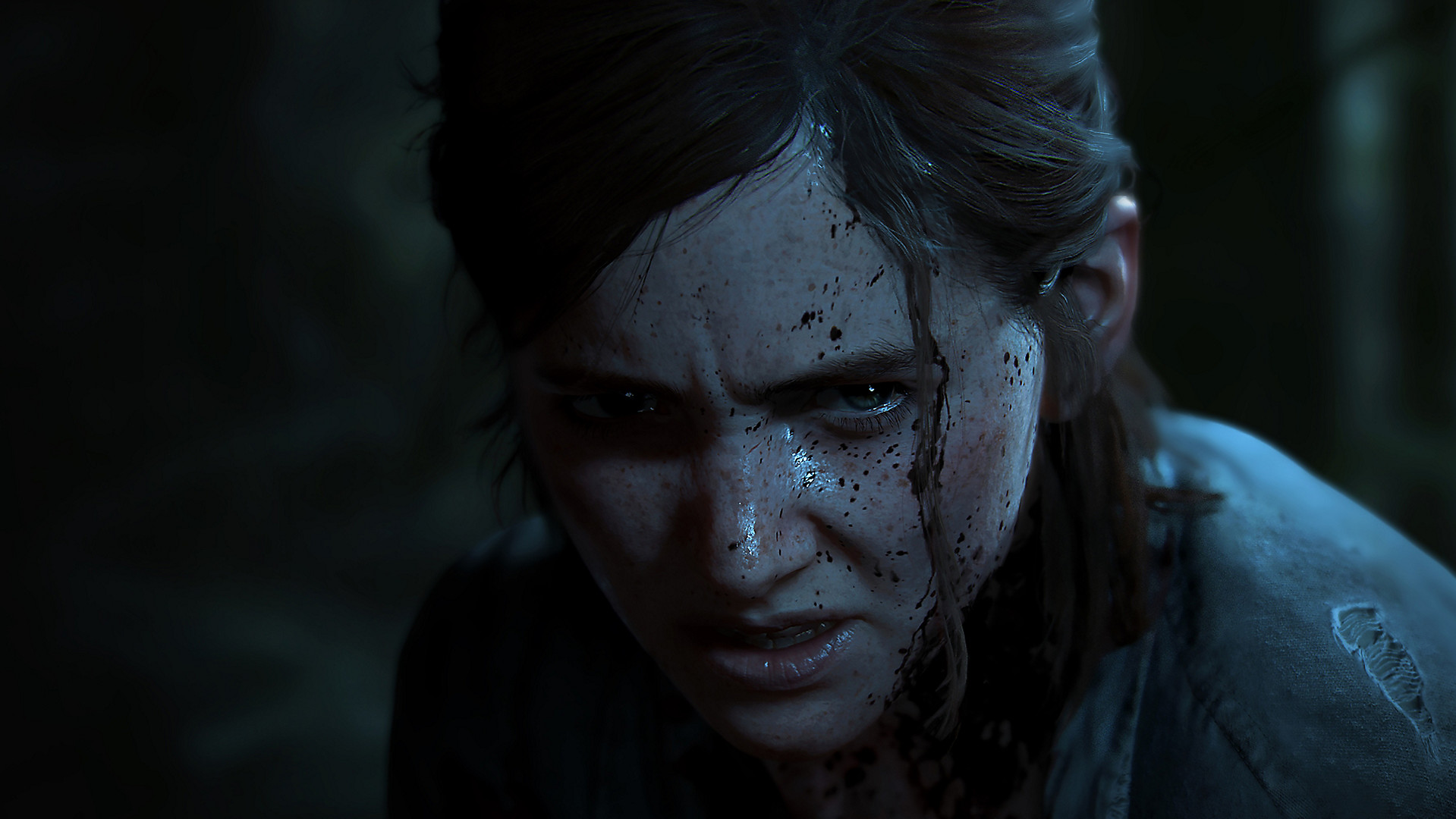
‘The Last of Us Part II’ includes NG+ with weapon upgrades, crafting recipes, and skills carried over, plus new difficulty presets like Grounded and modifiers in the extras menu. Chapter select supports targeted replays to complete collectibles and records. Enemy AI remains aggressive with resource scarcity tuned higher on top tiers. Naughty Dog developed the game and Sony Interactive Entertainment published it.
‘Devil May Cry 5’ (2019)
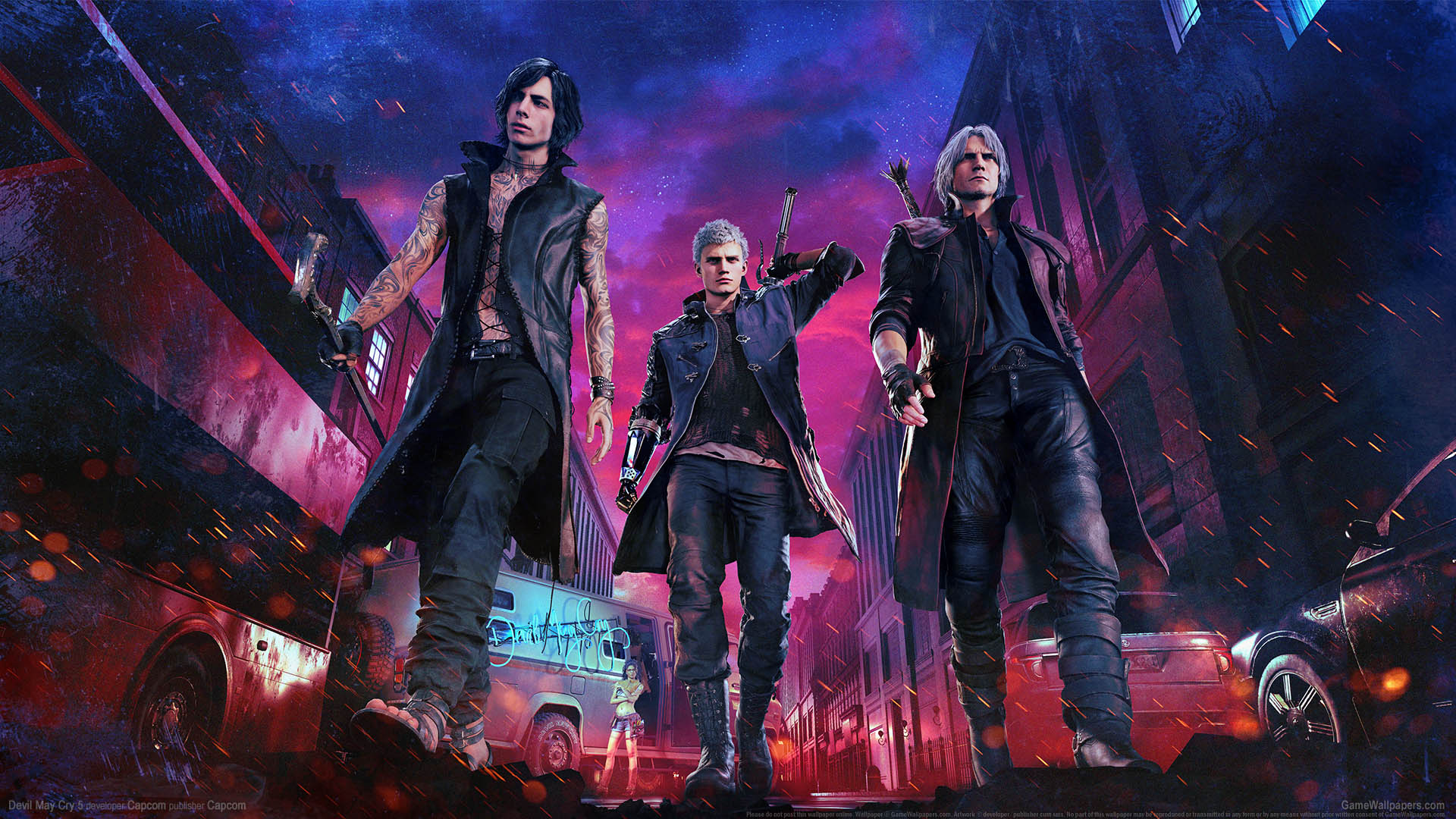
‘Devil May Cry 5’ layers NG+ progression with higher difficulties—Son of Sparda, Dante Must Die, and the unlockable Hell and Hell—while preserving skills, Devil Breakers, and red orbs. The Bloody Palace mode expands post-game challenges with survival-style waves. Character-specific move sets and EX costumes carry into subsequent clears. Capcom developed and published the title.
‘Starfield’ (2023)
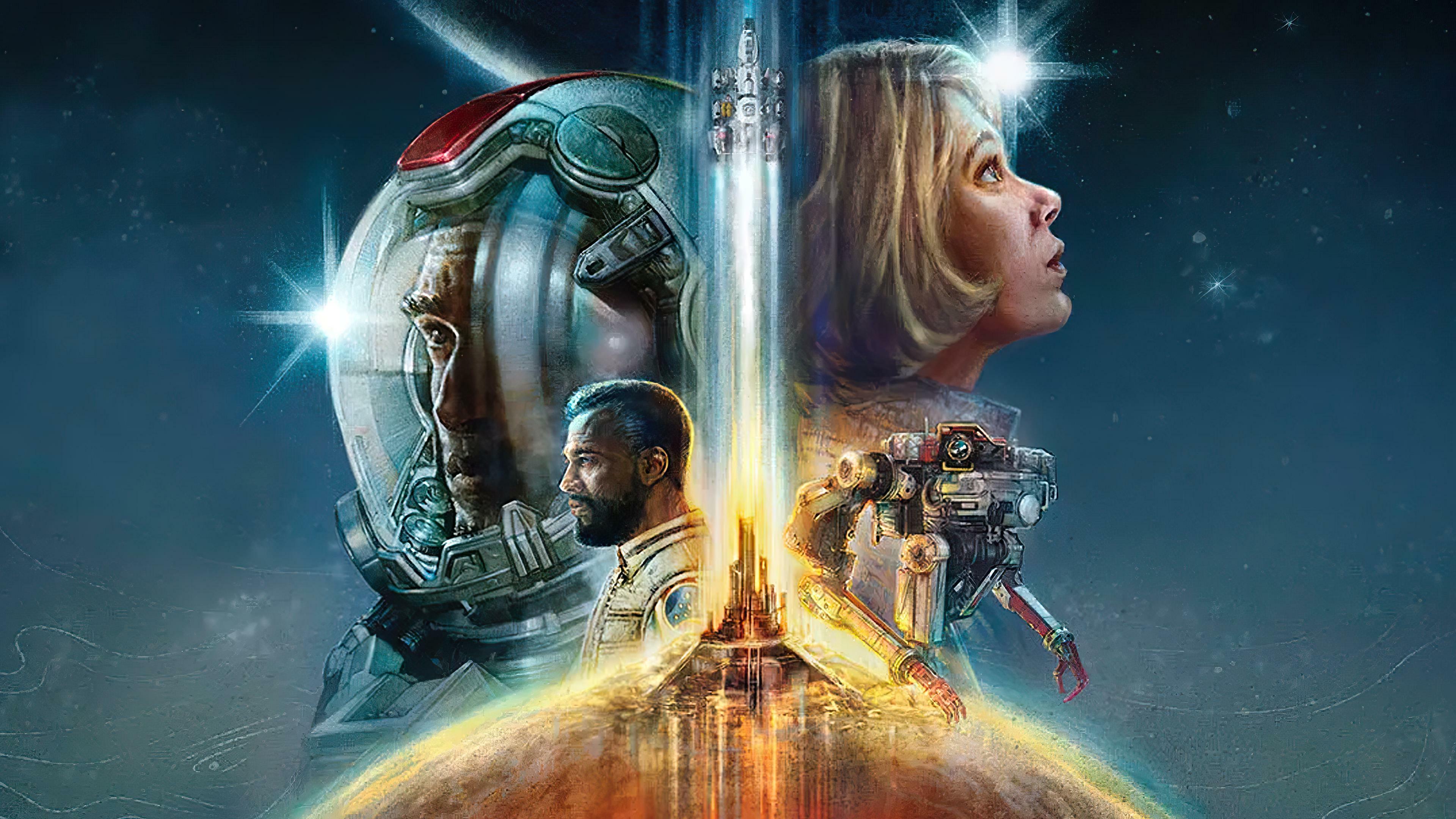
‘Starfield’ implements a story-integrated NG+ that resets the universe while letting you keep key character progression and unlock unique gear. Entering the Unity creates a new timeline with altered encounters, early access to temples, and special suit variants. Prior choices can play out differently due to randomized settlement and NPC states. Bethesda Game Studios developed the game and Bethesda Softworks published it.
Share your favorite New Game+ discoveries in the comments and tell us which systems kept you coming back for “just one more” run!