20 Games With Jaw-Dropping Set Pieces



Some games are built around moments so audacious they etch themselves into your memory—collapsing buildings, runaway trains, impossible boss encounters, and city-wide chases that push engines and design to their limits. The picks below spotlight titles where the spectacle isn’t just window dressing but part of how the game teaches, surprises, and propels you forward. You’ll find who made each game, plus a quick look at the set pieces that made players sit up and pay attention. Ready to relive some wild sequences?
‘Uncharted 2: Among Thieves’ (2009)
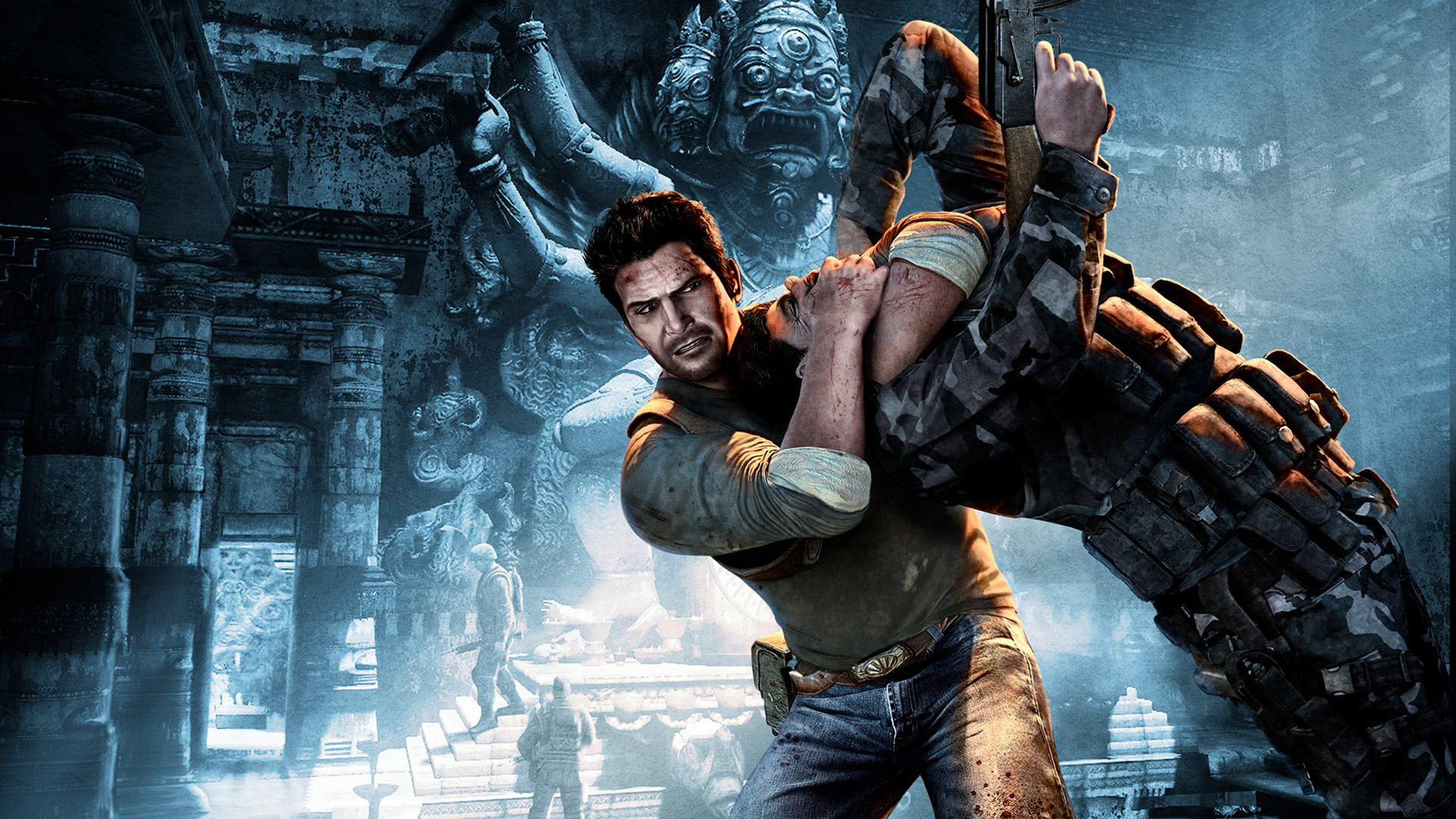
Naughty Dog designed multiple large-scale sequences around traversal and gunplay, including the moving-train chapter that streams terrain while you fight car to car. The collapsing hotel set piece mixes platforming with real-time destruction systems to force on-the-fly route changes. A Nepal street chase blends vertical climbs and ground combat with dynamic cover that breaks under fire. Sony Computer Entertainment published the game on PlayStation 3.
‘Uncharted 4: A Thief’s End’ (2016)
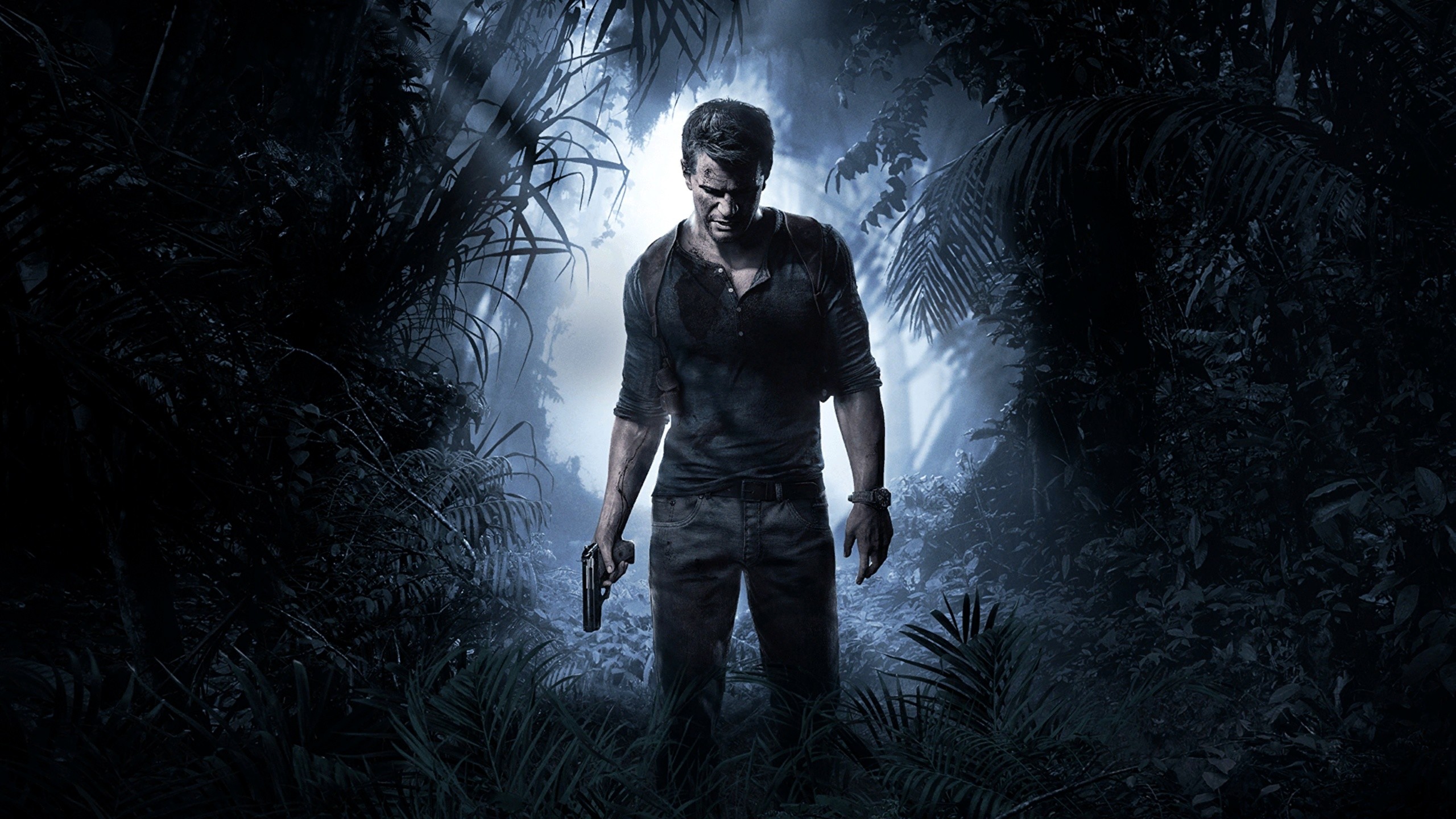
Developed by Naughty Dog and published by Sony Interactive Entertainment, this entry’s Madagascar convoy chase stitches driving, grappling, and on-foot gunfights into one continuous sequence. The clock-tower collapse uses scripted destruction tied to climbing nodes to alter the route mid-puzzle. A libertalia finale layers multi-phase arena transitions with environmental hazards like spreading fire. The game’s seamless camera work keeps control persistent through cutscenes to maintain momentum.
‘Call of Duty 4: Modern Warfare’ (2007)
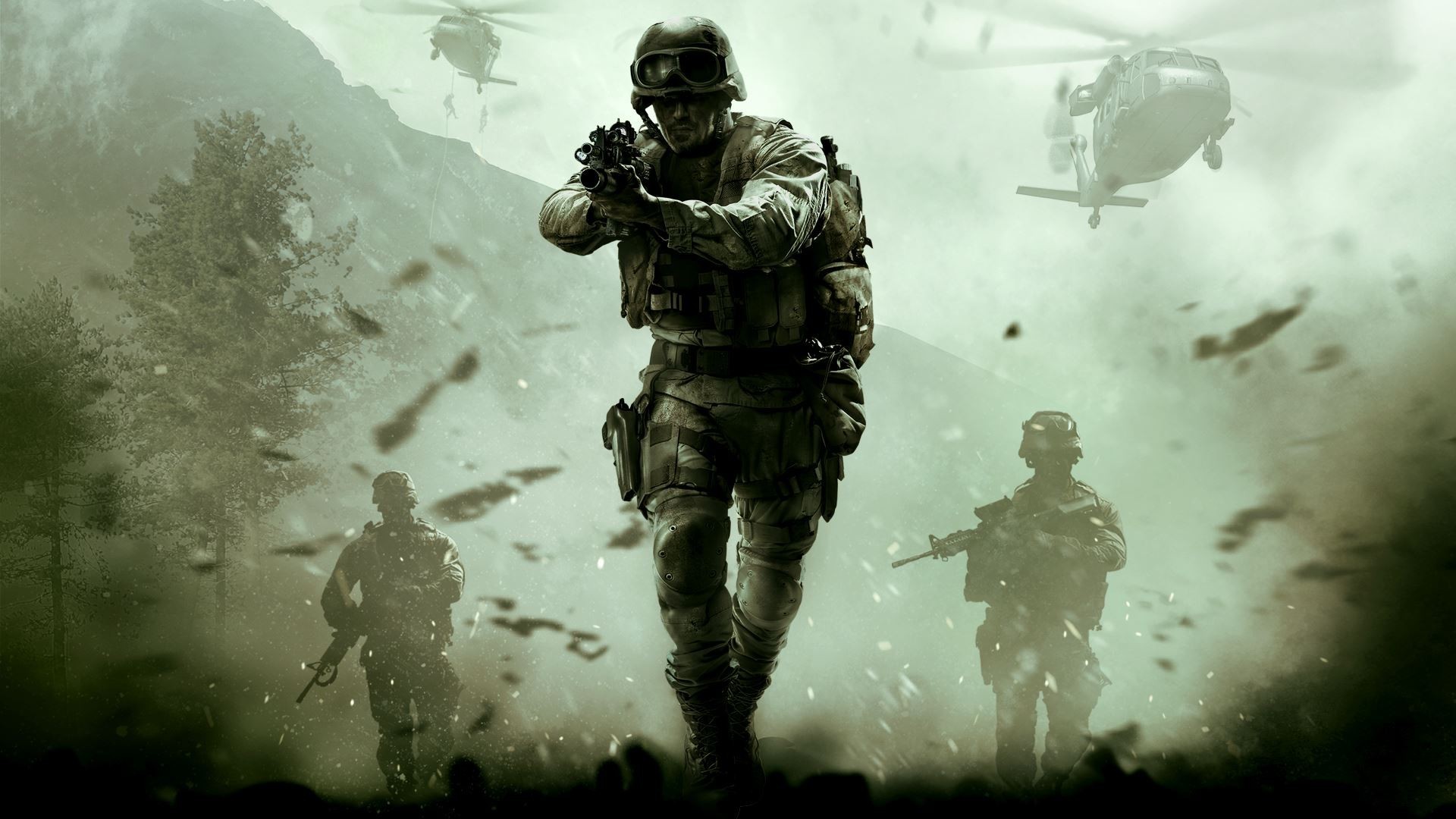
Infinity Ward’s shooter, released by Activision, popularized tightly choreographed set pieces that still allowed player agency. The AC-130 mission switches to a thermal aerial viewpoint with area-of-effect targeting rules. “All Ghillied Up” uses systemic stealth and wind variables to sell a long-range crawl through patrols and armor columns. The nuclear detonation sequence temporarily removes player power and shifts objectives to survival and extraction.
‘Call of Duty: Modern Warfare 2’ (2009)
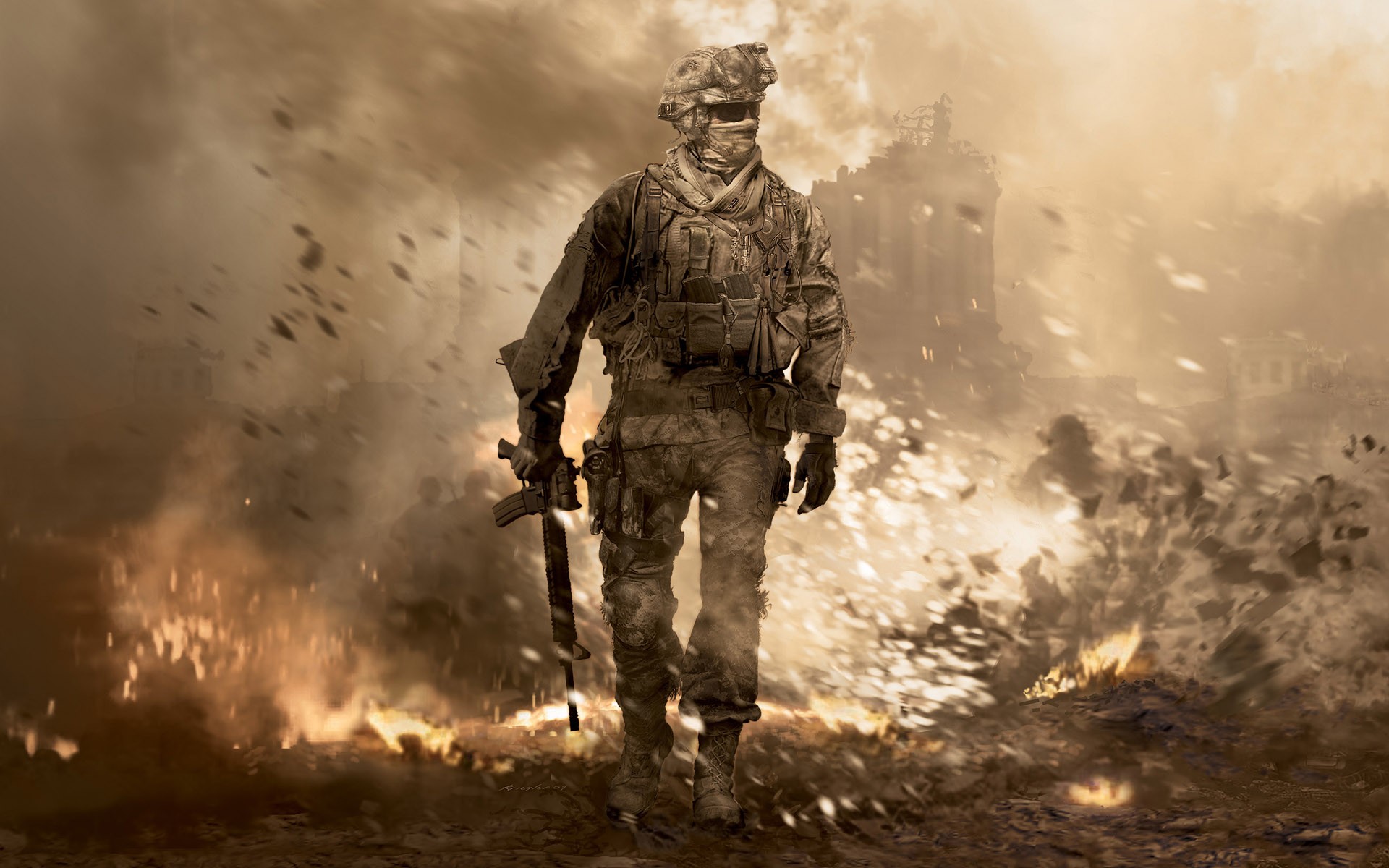
Developed by Infinity Ward and published by Activision, this sequel scales up vehicle chases and multi-location assaults. The snowmobile escape ties acceleration and jump physics to slope design for quick, readable stunts. The oil-rig and Gulag assaults chain interior breaching mechanics with breaching charges and slow-mo clears. Large-scale Washington, D.C. battles showcase streaming battlefields with mixed infantry and armor threats.
‘God of War III’ (2010)

Santa Monica Studio, under Sony Computer Entertainment, opens with a Poseidon boss fight that shifts the camera across Gaia’s moving body to create a living arena. The Cronos encounter layers climbing, interior combat, and exterior traversal on a single titan skeleton. Real-time set destruction and quick-swap weapons keep phases distinct without loading breaks. The finale uses scale and perspective shifts to sell mythic proportions.
‘God of War’ (2018)

Developed by Santa Monica Studio and published by Sony Interactive Entertainment, this soft reboot uses a continuous, unbroken camera to ground large moments. Early Baldur fights move through multiple environment states—roof, yard, and cliff—without cutaways. The World Serpent reveal relies on water-level simulation and camera pullback to convey scale. Late-game realm travel sequences integrate puzzle gates and combat arenas in a single traversal loop.
‘Titanfall 2’ (2016)
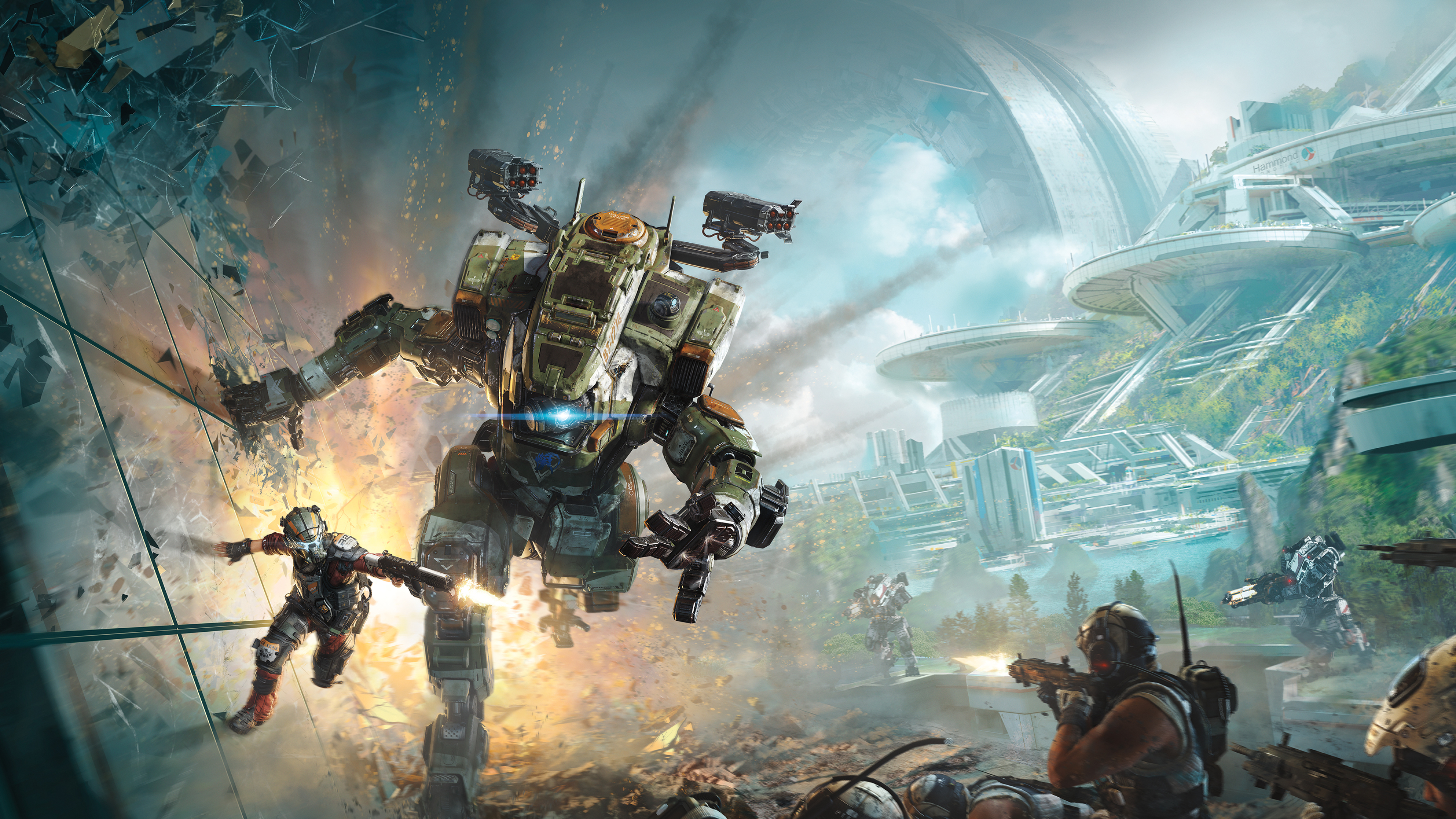
Respawn Entertainment and Electronic Arts built set pieces around pilot mobility and mech interplay. “Effect and Cause” flips level states via time-shift, letting players navigate burning and intact timelines in real time. The Fold Weapon finale coordinates wall-runs, slides, and BT’s titan combat with scripted ship-hops. Moving-factory platforms assemble cover, creating a shifting arena that reconfigures as you advance.
‘The Last of Us Part II’ (2020)
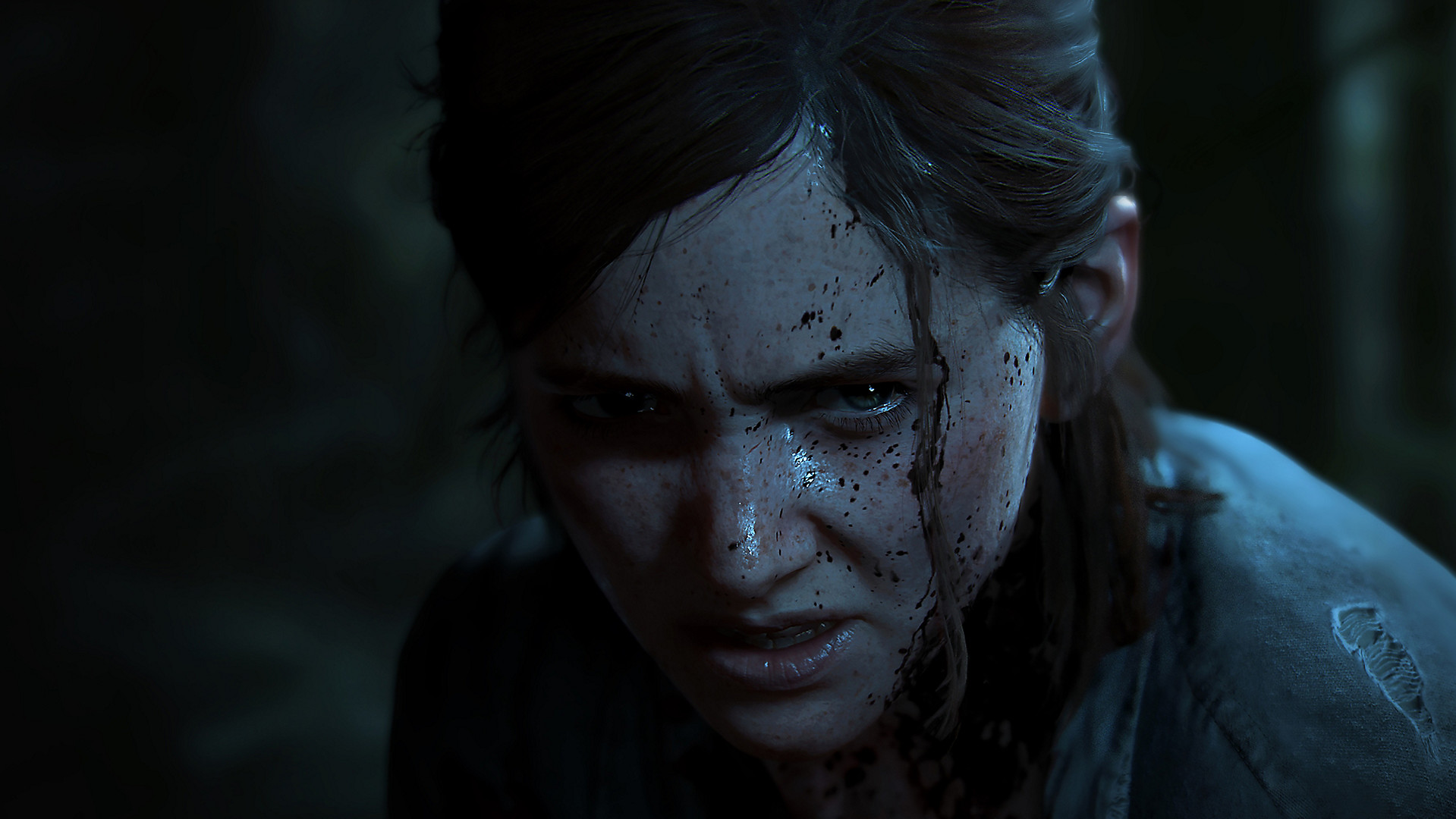
Naughty Dog’s sequel, published by Sony Interactive Entertainment, stages urban chases through Seattle with horses, trucks, and rope systems. The burning village sequence layers stealth entry with a dynamic fire spread that alters sightlines. The hospital basement pairs limited resources with an unlit labyrinth built for audio navigation and sudden arena shifts. Large interiors—like the convention center—reconfigure via barricade placement and vertical traversal.
‘The Last of Us’ (2013)
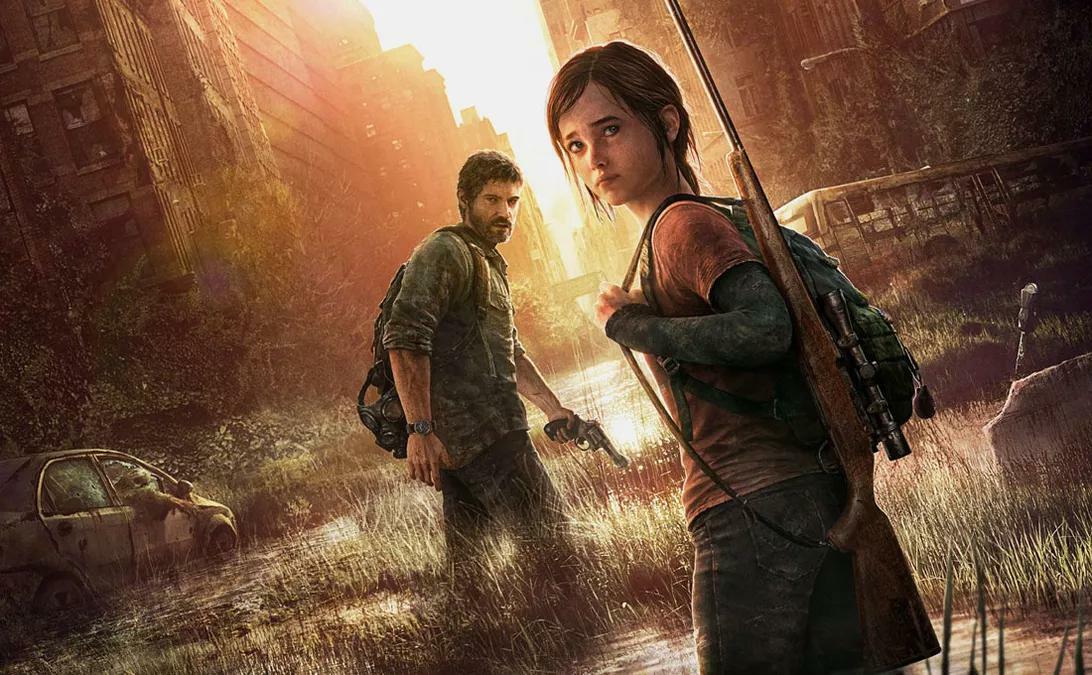
Developed by Naughty Dog and released by Sony Computer Entertainment, the game’s prologue uses a guided drive and pedestrian escape to introduce crowd AI and panic behaviors. The university and hotel set pieces integrate generator puzzles with ambush triggers to force repositioning. The winter lodge encounter funnels stealth into a boss-like duel that tracks footstep noise on snow and glass. Environmental storytelling, such as flooded sublevels, changes enemy pathing and cover height.
‘Gears of War 2’ (2008)
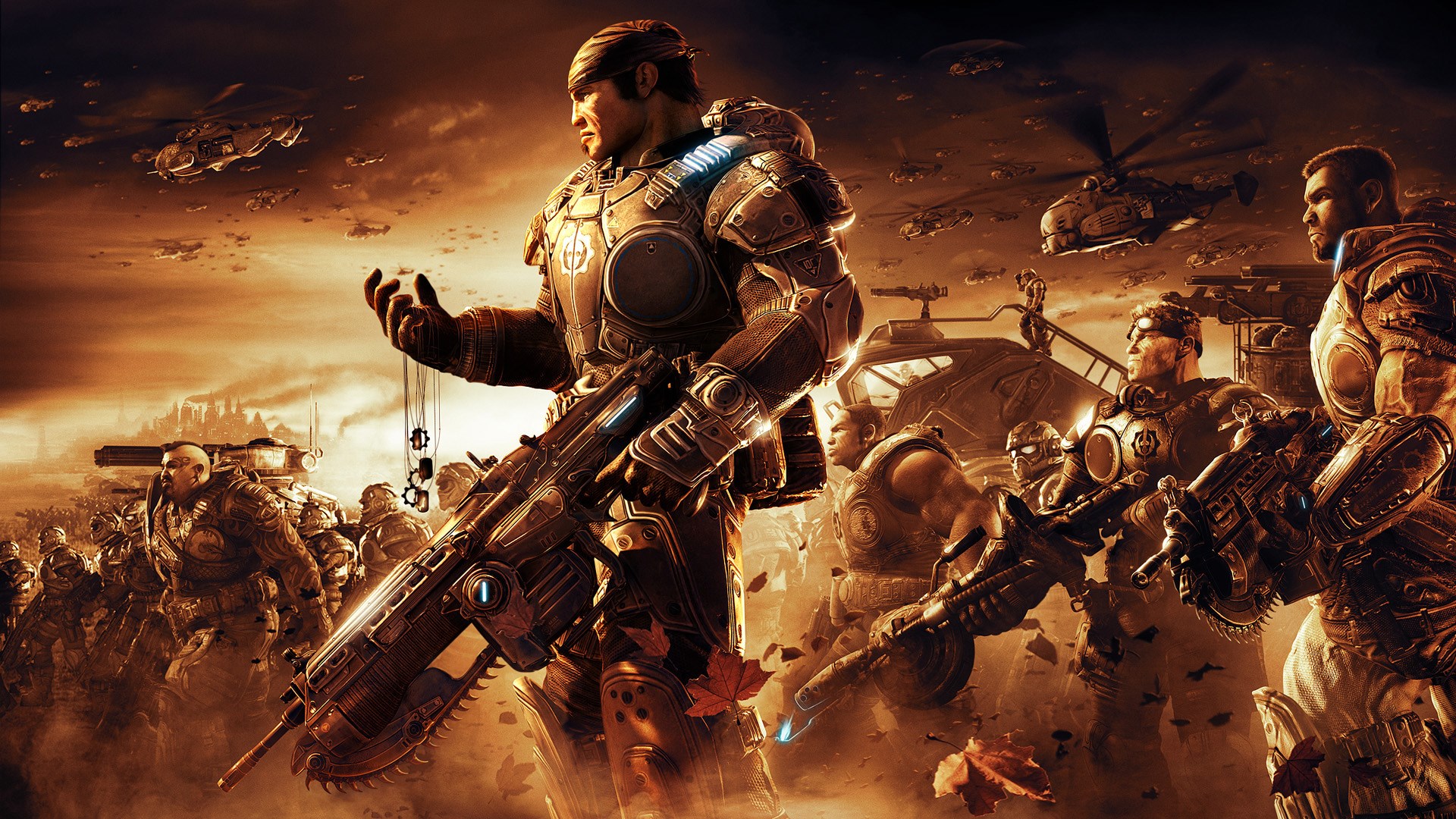
Epic Games and Microsoft Game Studios centered set pieces on heavy enemy types and destructible cover. The Riftworm mission puts players inside a living creature, shifting level geometry as organs contract and collapse. A tank push on frozen lakes adds cracking ice as a positional hazard. City-scale battles with Brumaks and Reavers mix turret segments and infantry pushes across multilayered arenas.
‘Battlefield 3’ (2011)
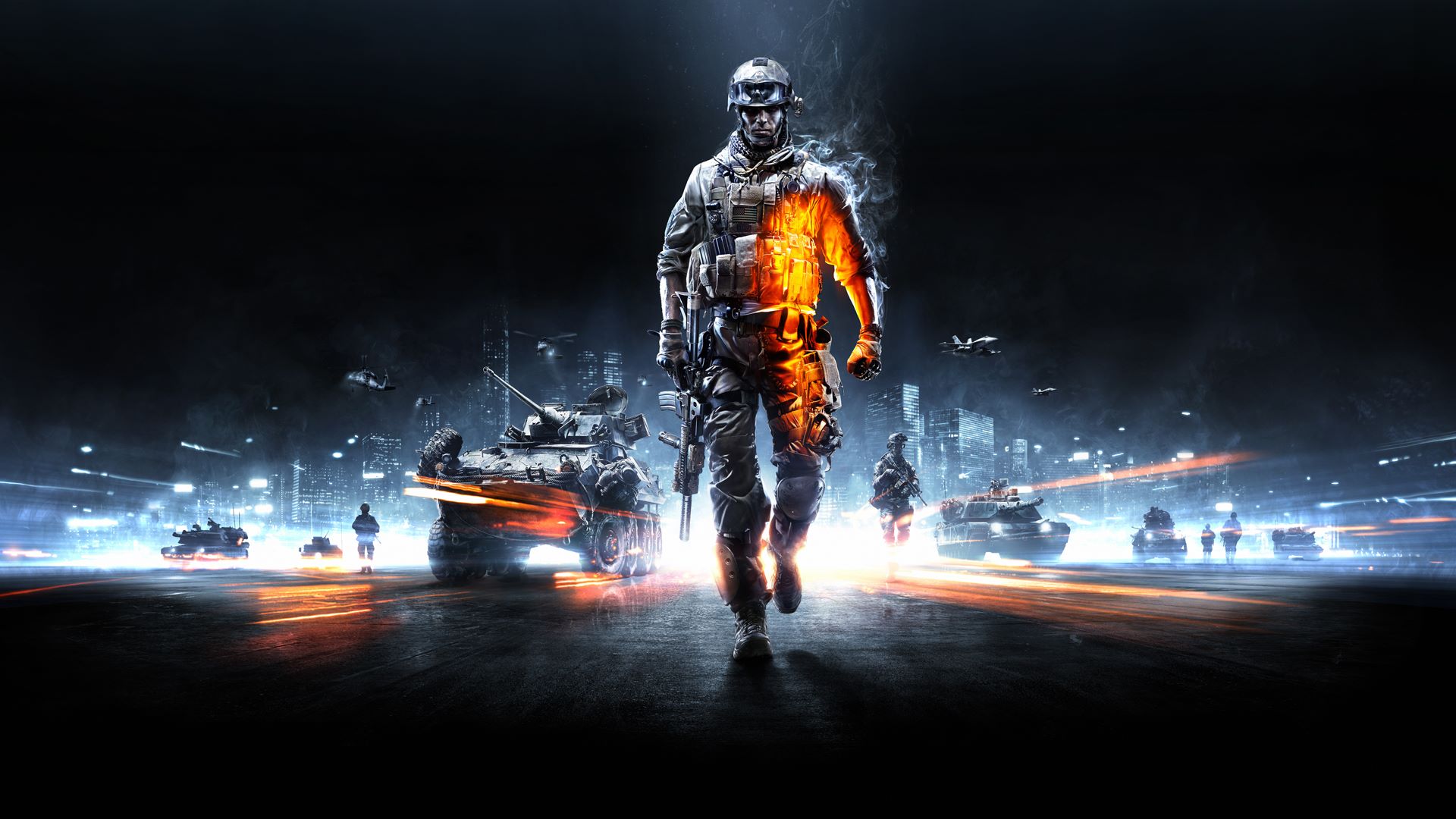
EA DICE and Electronic Arts deployed large warfare vignettes that blend vehicle and infantry roles. The Tehran earthquake set piece uses scripted ground deformation and dust volumes to reduce visibility and alter navigation. A fighter-jet mission employs simplified avionics to keep dogfights readable while conveying altitude and speed. Urban firefights feature collapsing facades that open new lines of fire.
‘Battlefield 1’ (2016)
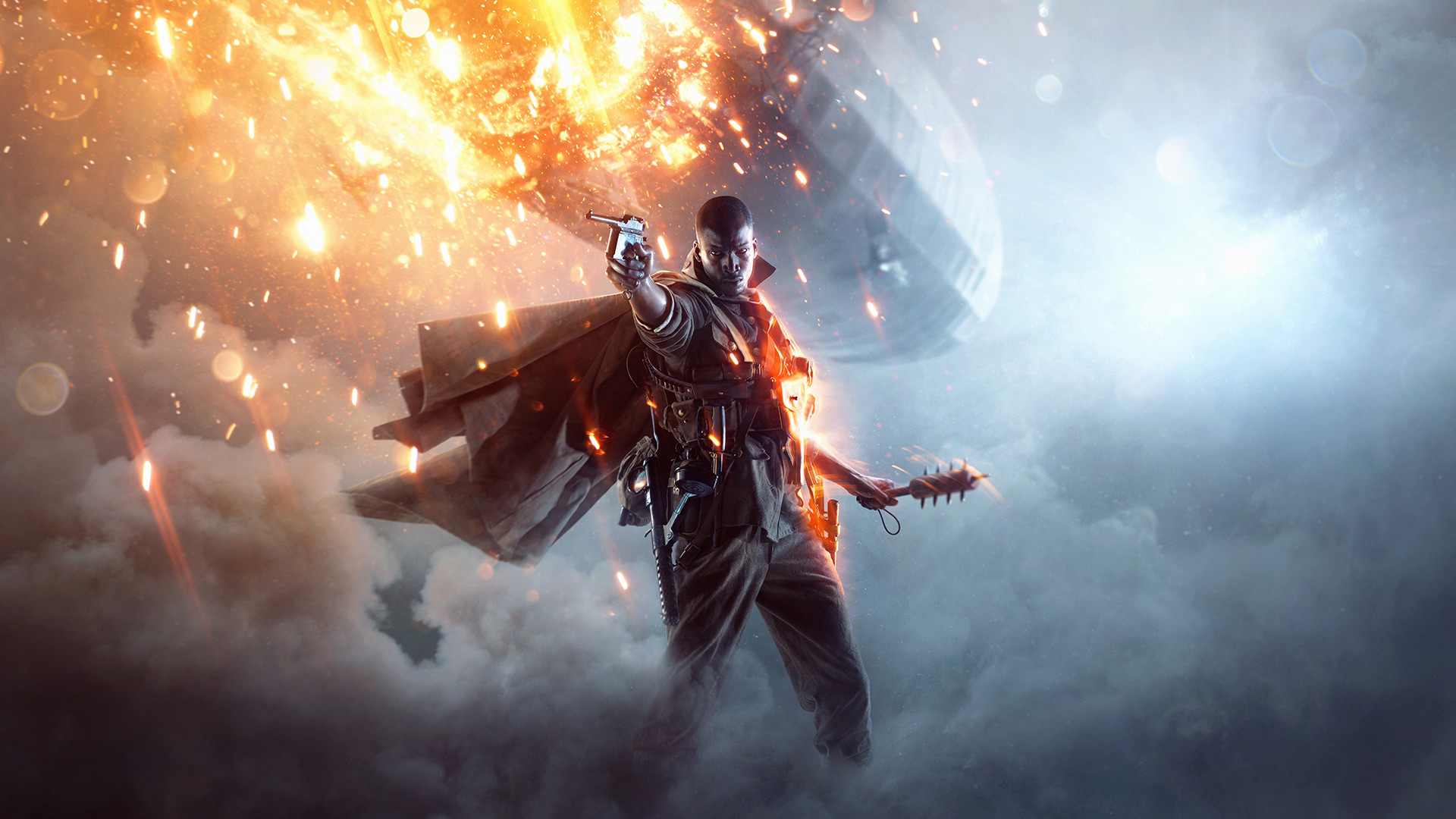
Developed by EA DICE and published by Electronic Arts, the anthology format delivers set pieces across biomes. Behemoth vehicles—like airships and armored trains—change map control and demand anti-vehicle coordination. The opening prologue rotates playable soldiers on death to communicate scale and attrition. Dynamic weather, including sandstorms and fog, gates visibility and forces short-range engagements.
‘Metal Gear Solid V: The Phantom Pain’ (2015)
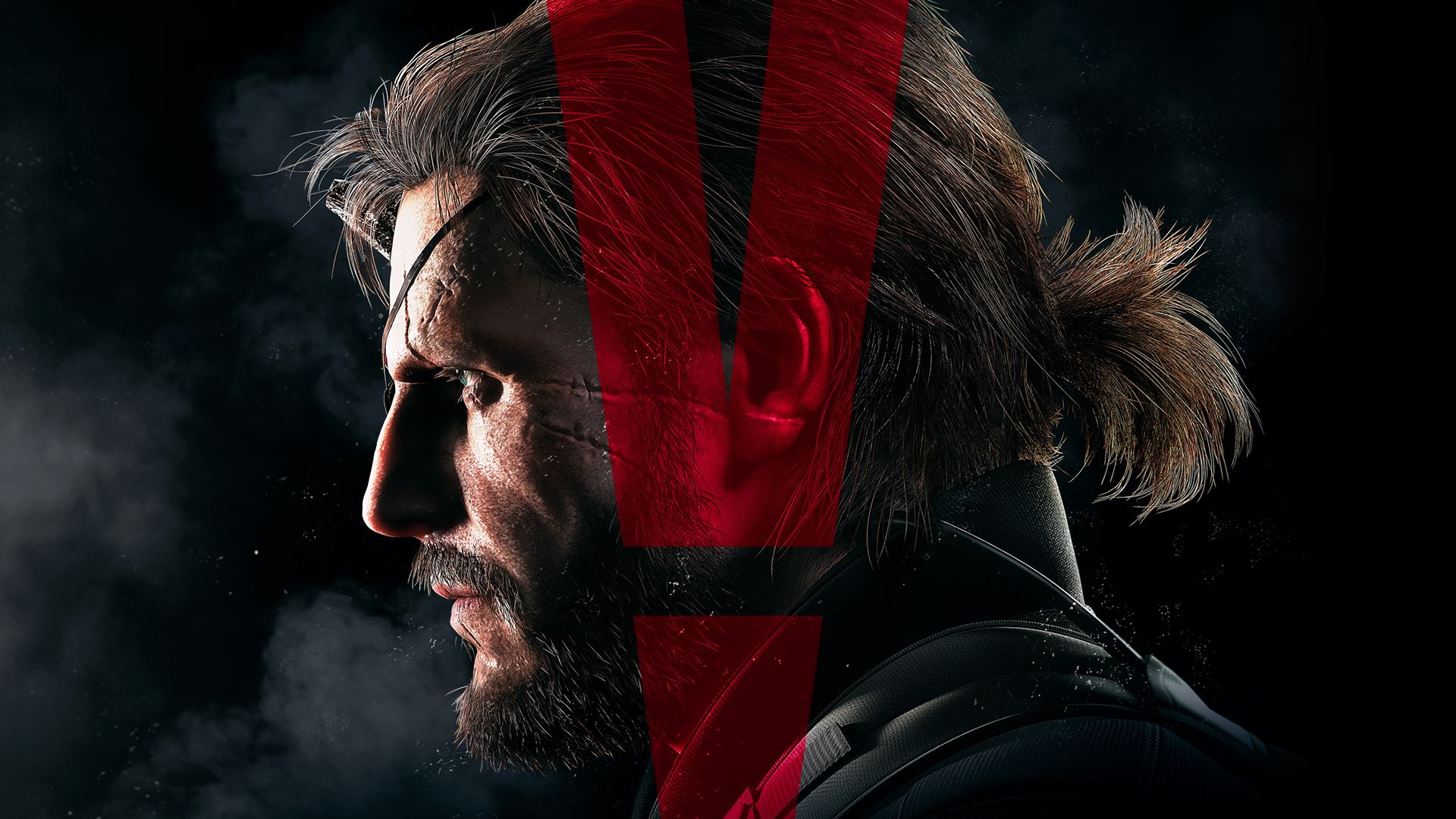
Kojima Productions and Konami built open-ended missions where set pieces emerge from systems. The prologue’s hospital escape scripts flames, debris, and enemy routes while allowing stealth or sprint options. The “Sahelanthropus” encounter uses vertical cover and supply drops to support extended boss phases. Dynamic time-of-day and helicopter insertions let the same base assault swing from stealth breach to explosive extraction.
‘Resident Evil 4’ (2005)
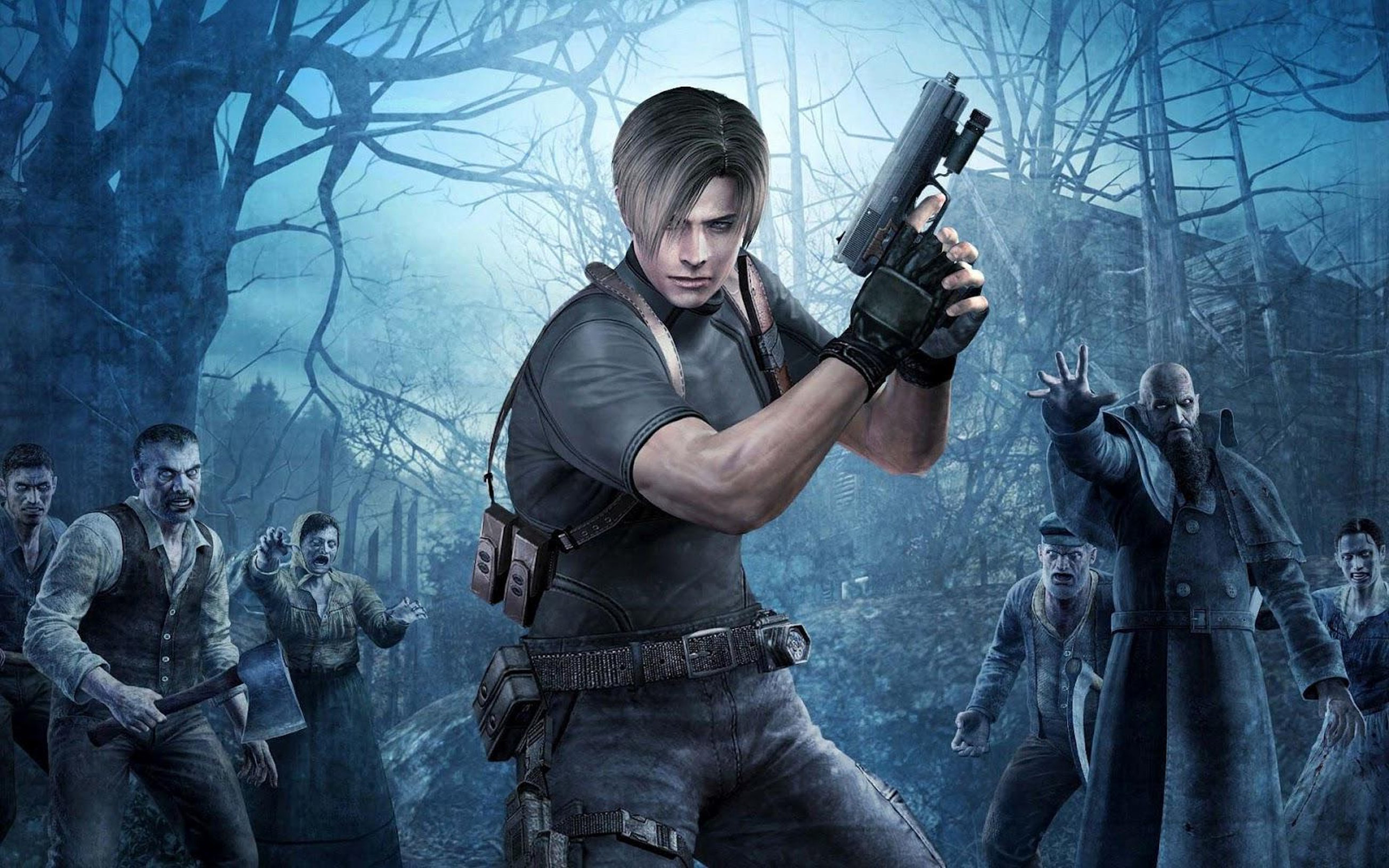
Capcom designed set pieces around crowd management and limited space. The village intro uses AI swarm behaviors, ladder kicking, and barricading to teach area defense. The cabin siege pairs an NPC ally with multi-window pressure and floor-by-floor fallback. Later arenas introduce environmental hazards like pendulum blades and mine carts to diversify pacing.
‘Shadow of the Colossus’ (2005)
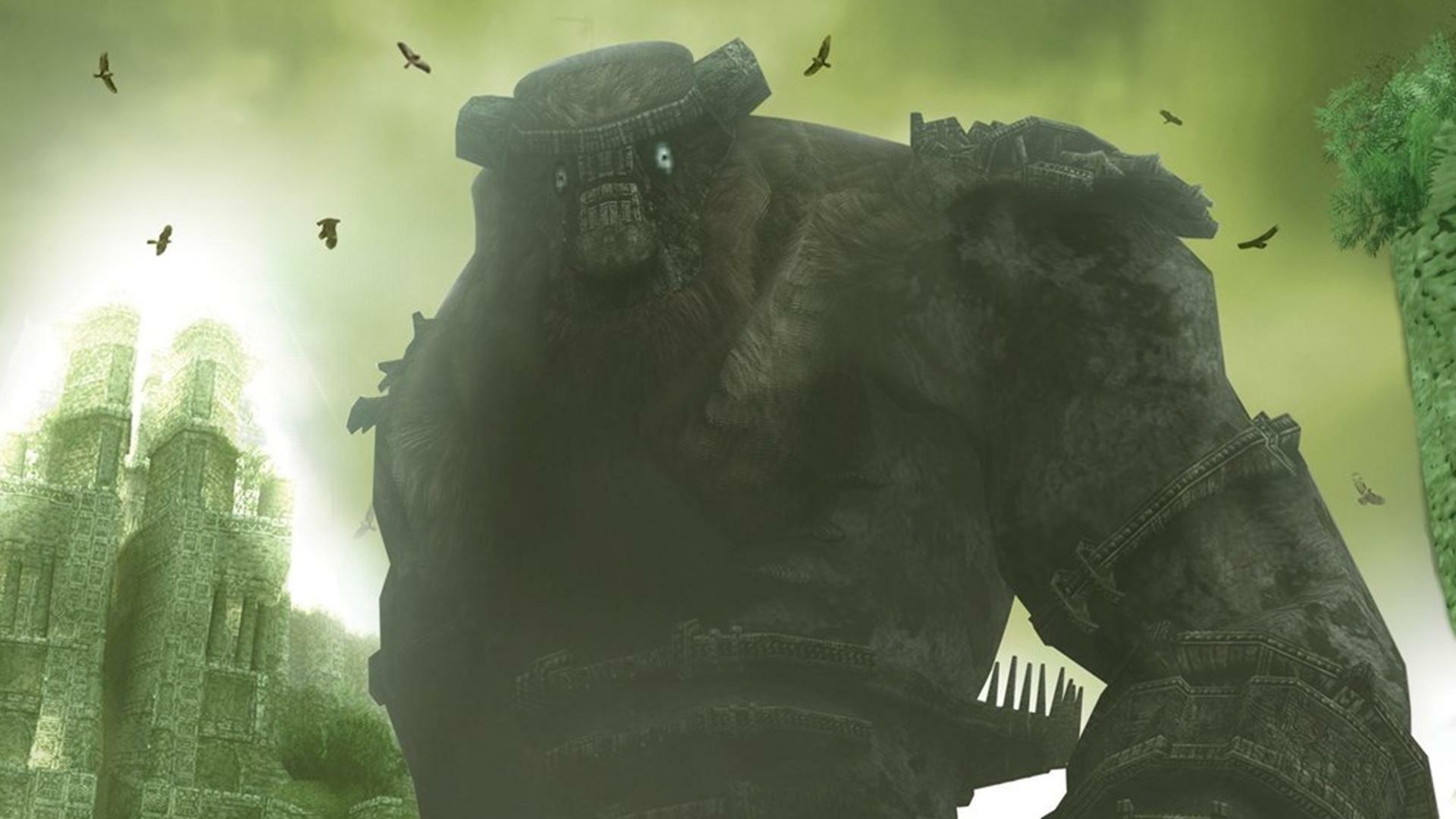
Team Ico and Japan Studio, published by Sony Computer Entertainment, framed each boss as a traversal-combat set piece. Colossi bodies act as moving levels with stamina-based grip systems. Wind, fur movement, and weak-point placement force timing and route planning. Minimalist landscapes heighten the impact when arenas transform mid-fight.
‘Half-Life 2’ (2004)
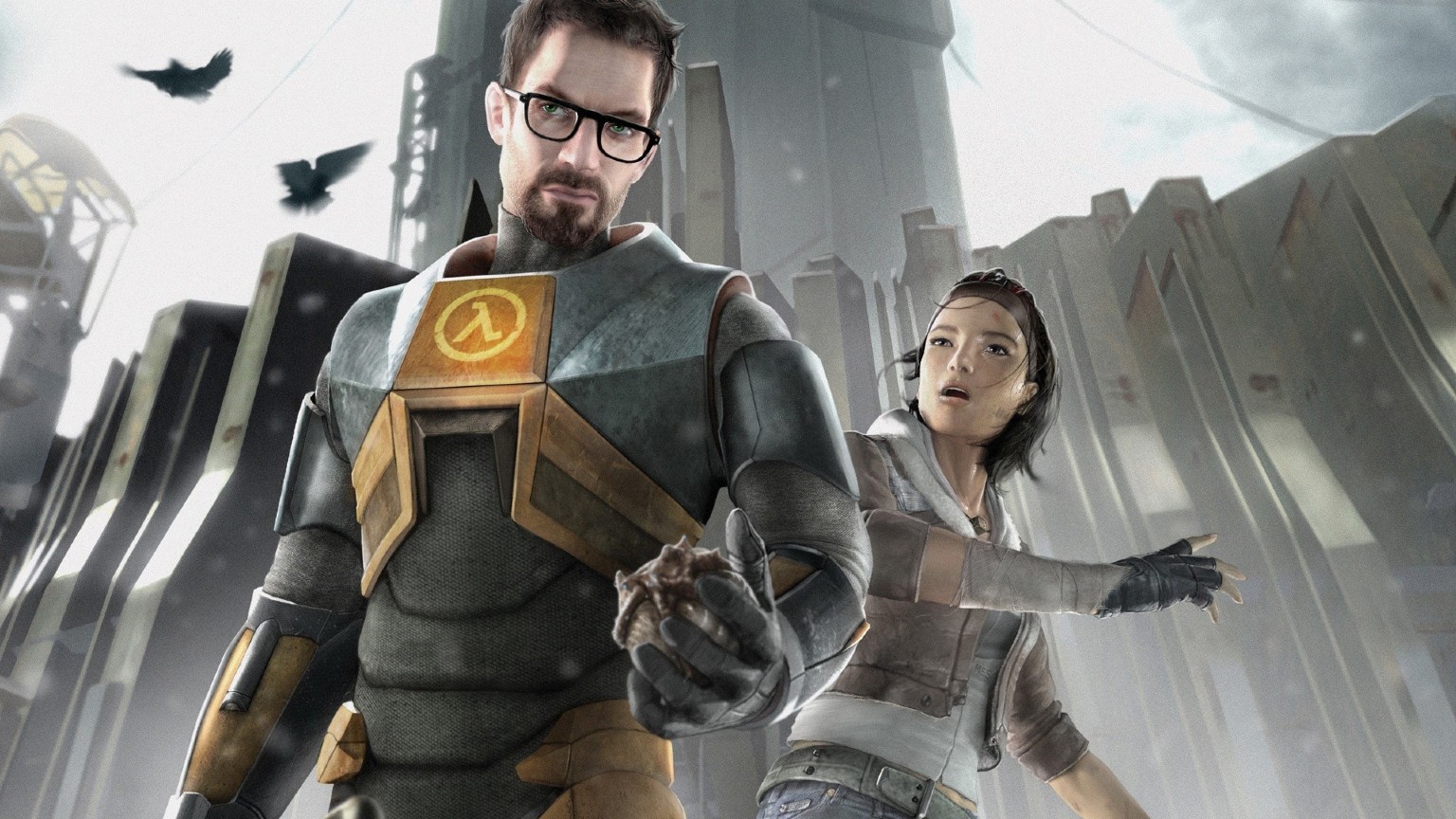
Valve and Vivendi (later Valve via The Orange Box) structured set pieces around physics and scripted events. The “Bridge Point” crossing leverages balance puzzles and long-range firefights over a suspended rail bridge. Ravenholm uses saw blades, traps, and ambient audio to showcase the Gravity Gun’s systemic options. The Citadel finale alters weapon rules to push aggressive play inside a towering interior.
‘Halo 3’ (2007)
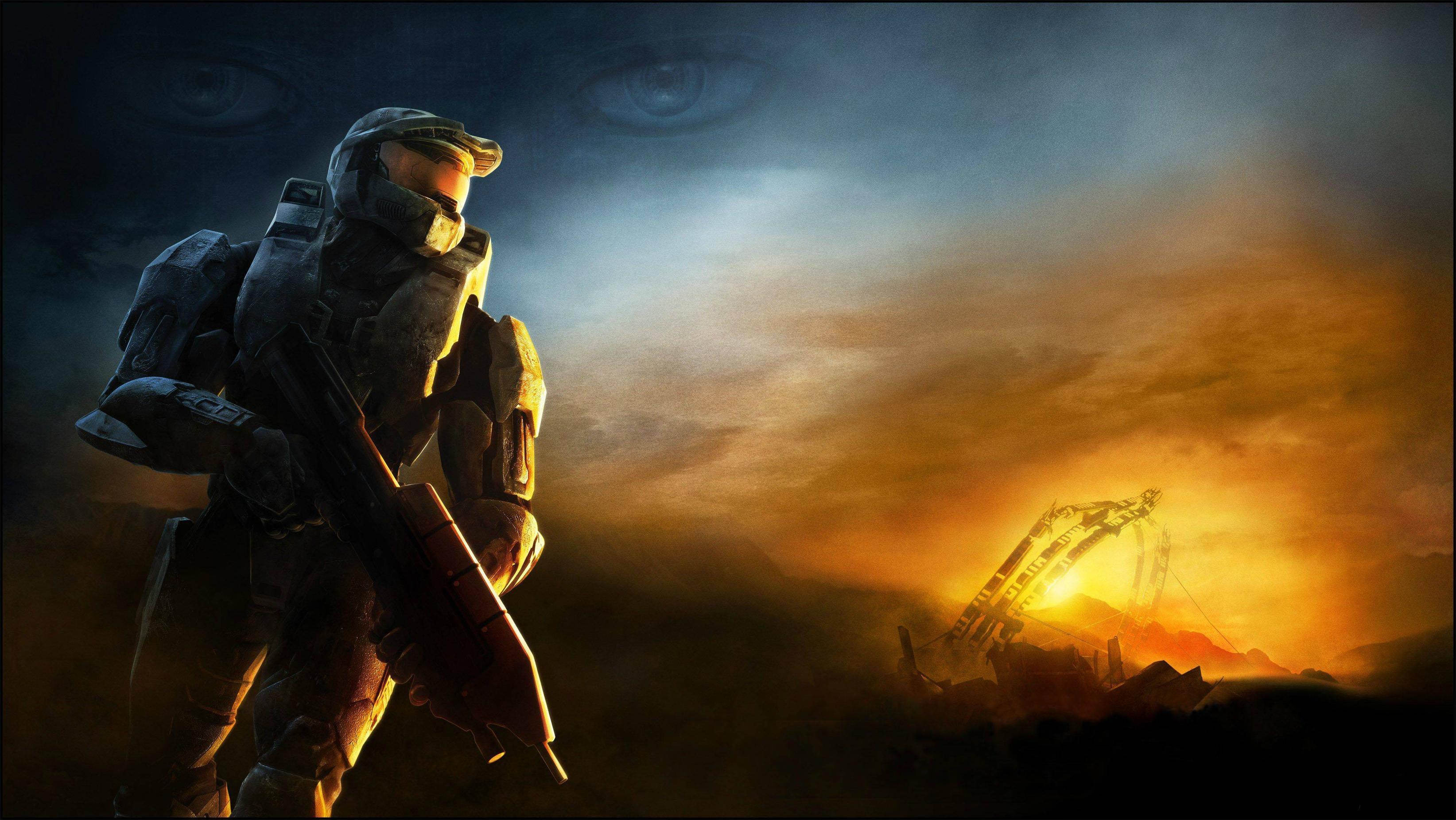
Bungie and Microsoft Game Studios orchestrated multi-phase battles with vehicles, infantry, and aerial threats. Scarab encounters allow players to use tanks, Warthogs, or on-foot boarding to dismantle weak points. “The Ark” and “The Covenant” stitch interior corridors to open-field tank pushes. The final Warthog run uses collapsing geometry and timed jumps to cap the campaign with a timed escape.
‘A Plague Tale: Requiem’ (2022)

Asobo Studio and Focus Entertainment expanded set pieces around rat swarm technology that behaves like a liquid mass. Light sources—torches, braziers, and alchemical tools—carve safe lanes through moving hazards. Harbor and city-siege sequences combine stealth routing with wave-like swarm surges that erase cover. Environmental collapse and ship movement synchronize with swarm AI to escalate pressure.
‘Marvel’s Spider-Man’ (2018)

Insomniac Games and Sony Interactive Entertainment built chase set pieces that mesh swinging physics with cinematic triggers. The helicopter pursuit tears through Midtown as debris becomes temporary anchor points. The Raft prison break stacks enemy types and boss intros across a stormy, multi-level facility. Quick transitions from cutscene to control maintain swing momentum without scene loads.
‘Red Dead Redemption 2’ (2018)

Rockstar Games used long-form missions where set pieces flow into exploration. Train heists pair horseback pacing with cinematic boarding prompts and car-by-car combat. Urban shootouts in Saint Denis incorporate law-response timers, line-of-sight cones, and alley escape routes. Storms, mud, and snow affect traction and visibility during large-scale pursuits, subtly altering weapon handling and horse stamina.
Share your favorite jaw-dropping set pieces in the comments and tell us which moments still make your heart race!