25 Games With The Most Satisfying Parry

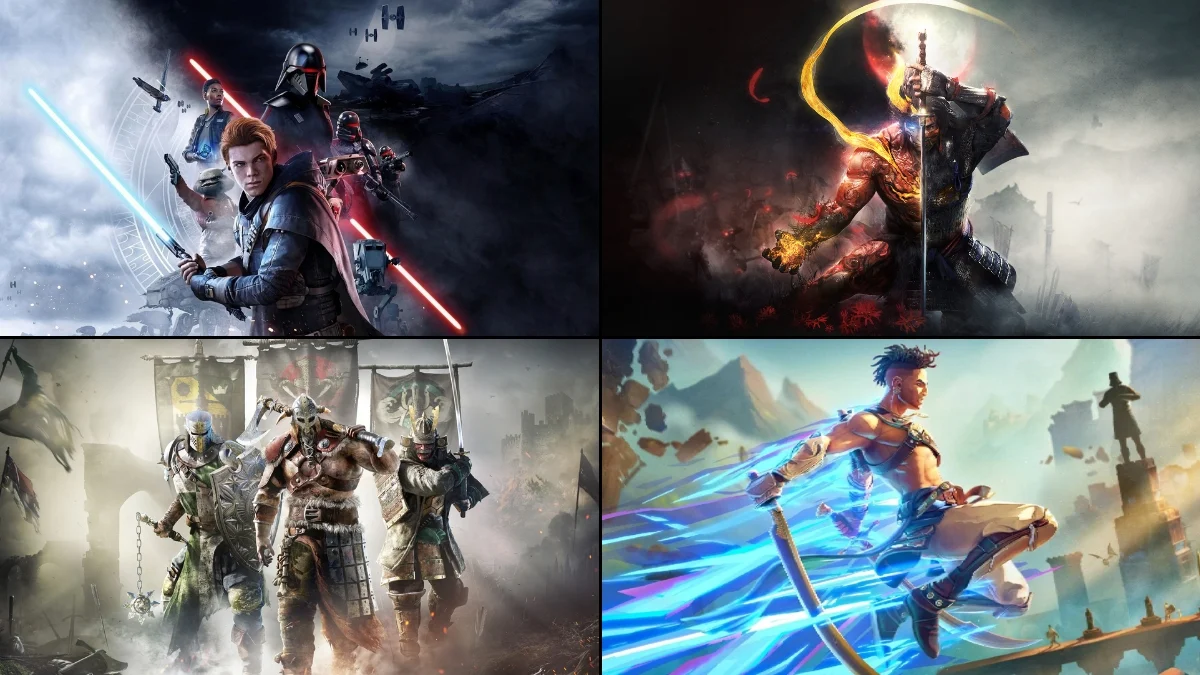

Perfectly-timed parries can change the flow of a fight, and plenty of games build entire combat systems around that one risk-reward moment. Below are 25 titles where parry timing, windows, and payoffs are clearly defined in the mechanics, with notes on how each system works and who built it. You’ll find details like stance rules, posture meters, counter triggers, and input nuances—plus the studios and publishers responsible—so you know exactly how each game implements the move.
‘Sekiro: Shadows Die Twice’ (2019)
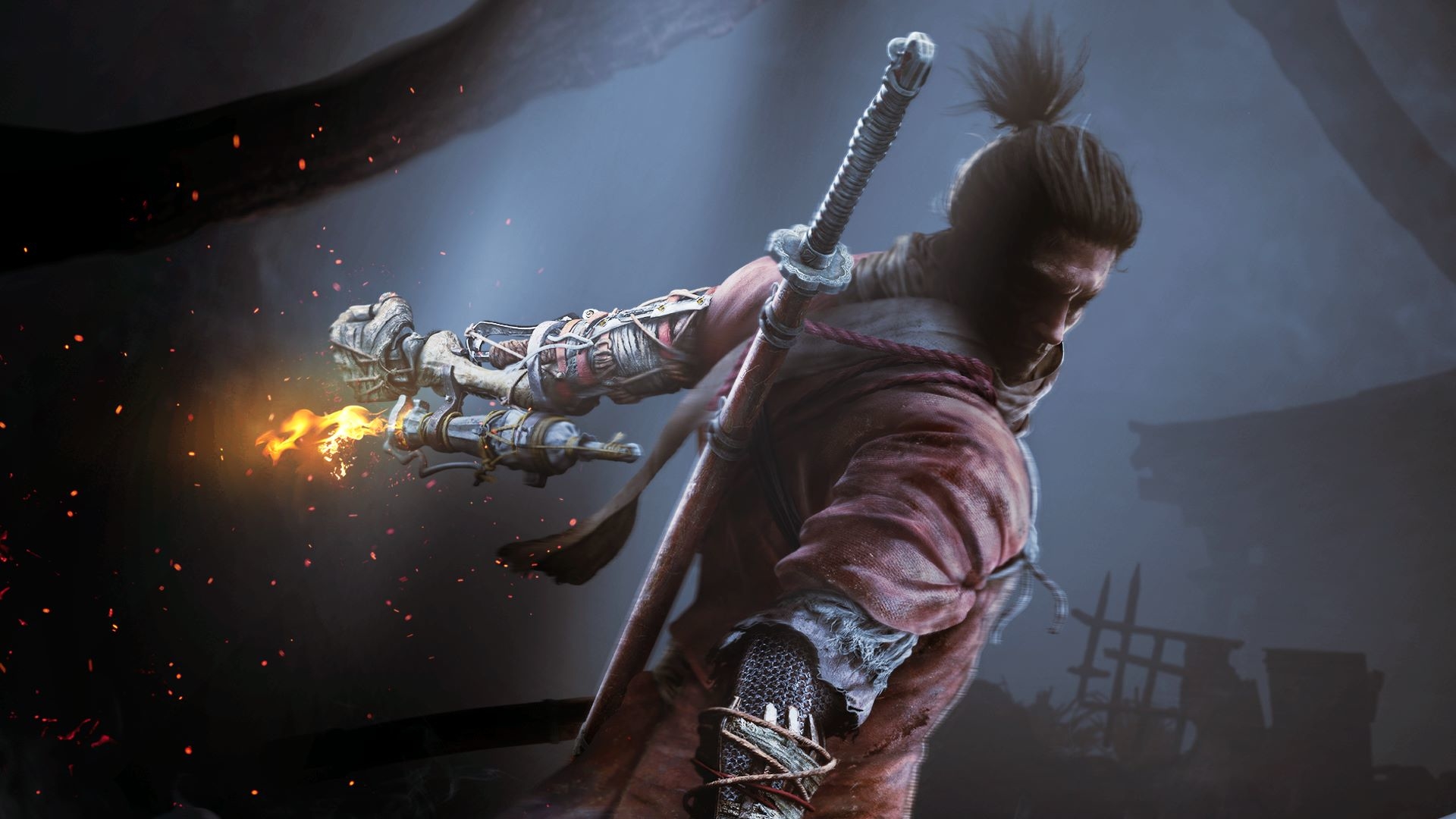
FromSoftware and Activision center combat on Deflect timing that raises an enemy’s Posture until it breaks, enabling a Deathblow. Parries are mapped to the block input and must meet attacks with frame-tight timing, including multi-hit strings. Different enemies require reading wind-ups and distinguishing Perilous attacks, which demand Mikiri Counters or jumps instead of standard parries. The system tracks posture for both sides, so missed timings risk your own guard breaking.
‘Wo Long: Fallen Dynasty’ (2023)
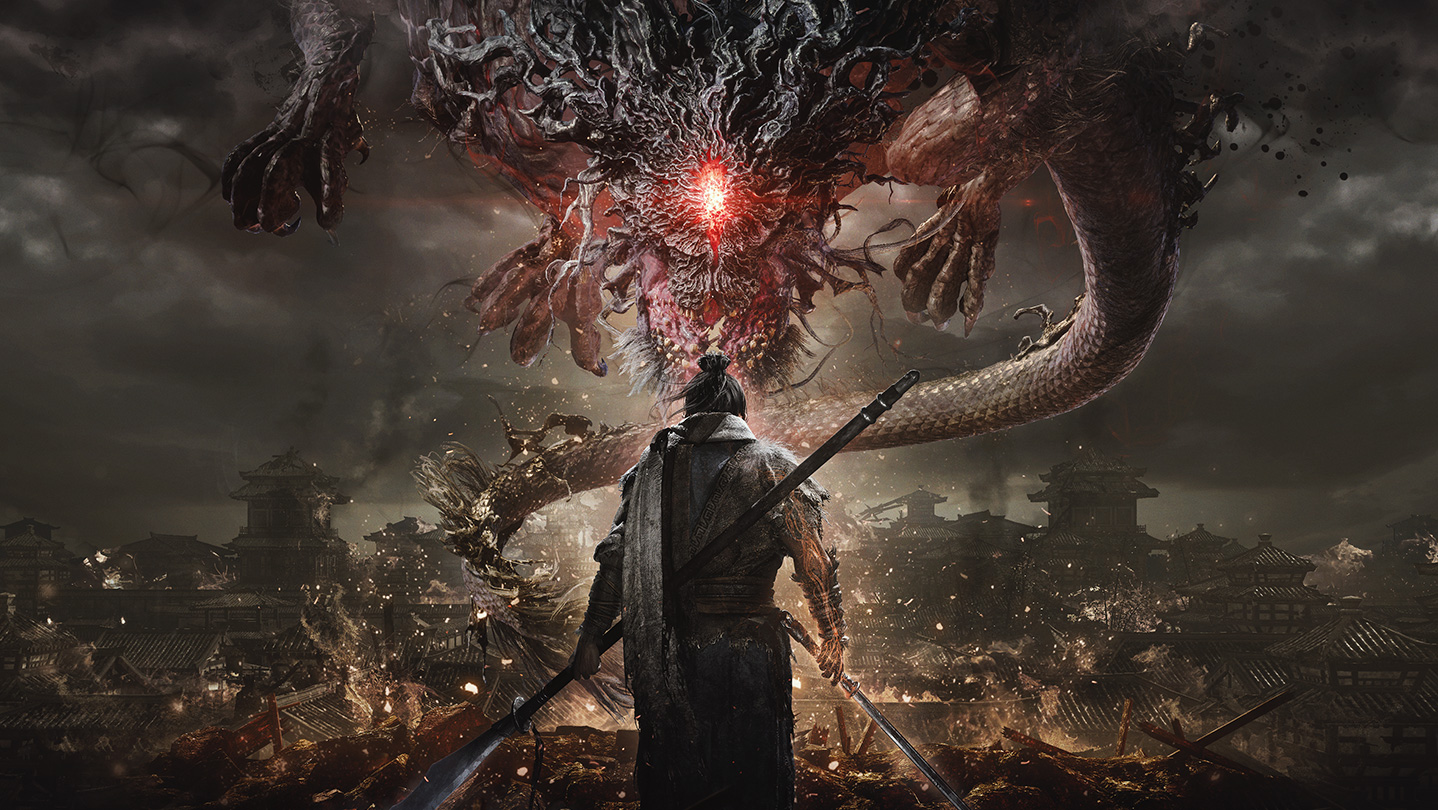
Team Ninja and Koei Tecmo tie the entire duel rhythm to the Deflect, which neutralizes chip damage and flips Spirit economy in your favor. Successful deflects reduce enemy Spirit while restoring yours, enabling martial art cancels and Wizardry Spells. Critical (red) attacks must be deflected to avoid massive damage and to open major punish windows. The input is universal across weapon types, so mastery translates cleanly between setups.
‘Nioh’ (2017)
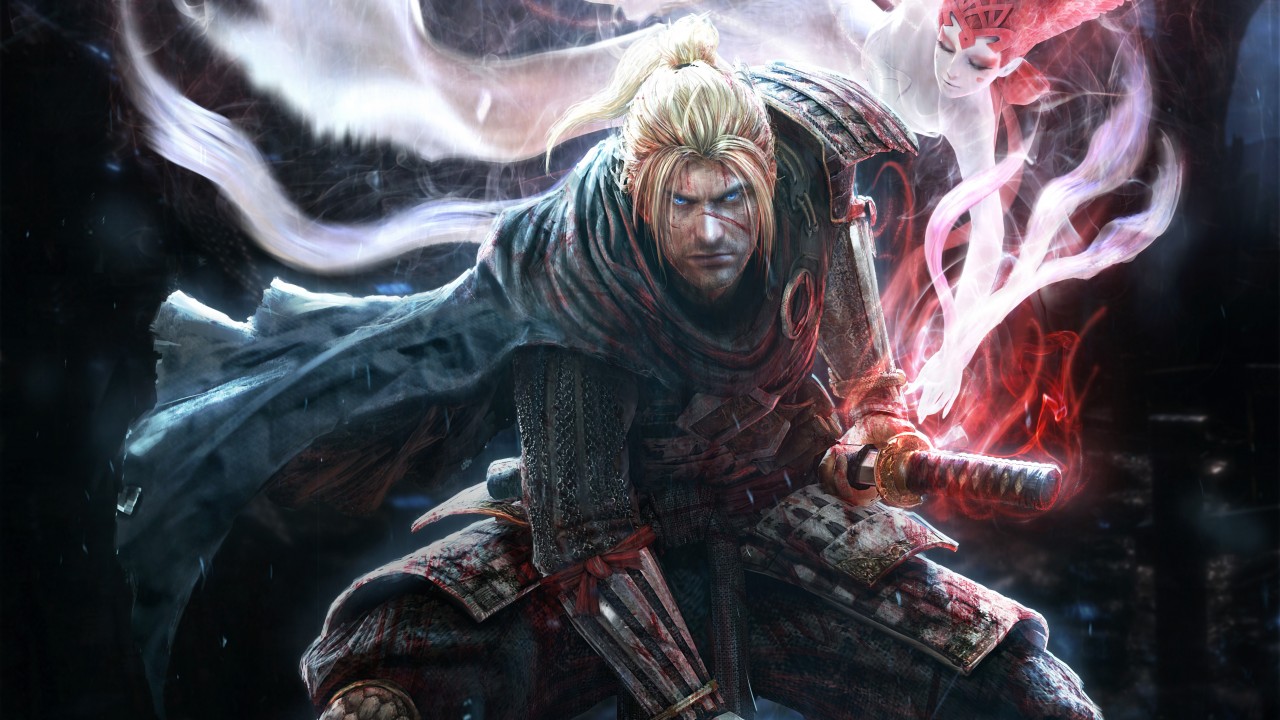
Team Ninja and Koei Tecmo emphasize Ki management, but parry skills appear as weapon-specific techniques that trigger counters or stance swaps. Sword skills like Haze let you counter thrusts and reposition, consuming Ki but restoring with well-timed Ki Pulses. Enemies stagger or get guard-broken depending on their Ki state, which the game surfaces through visible stamina bars. Guardian Spirits and stance selection modulate parry risk and reward.
‘Nioh 2’ (2020)
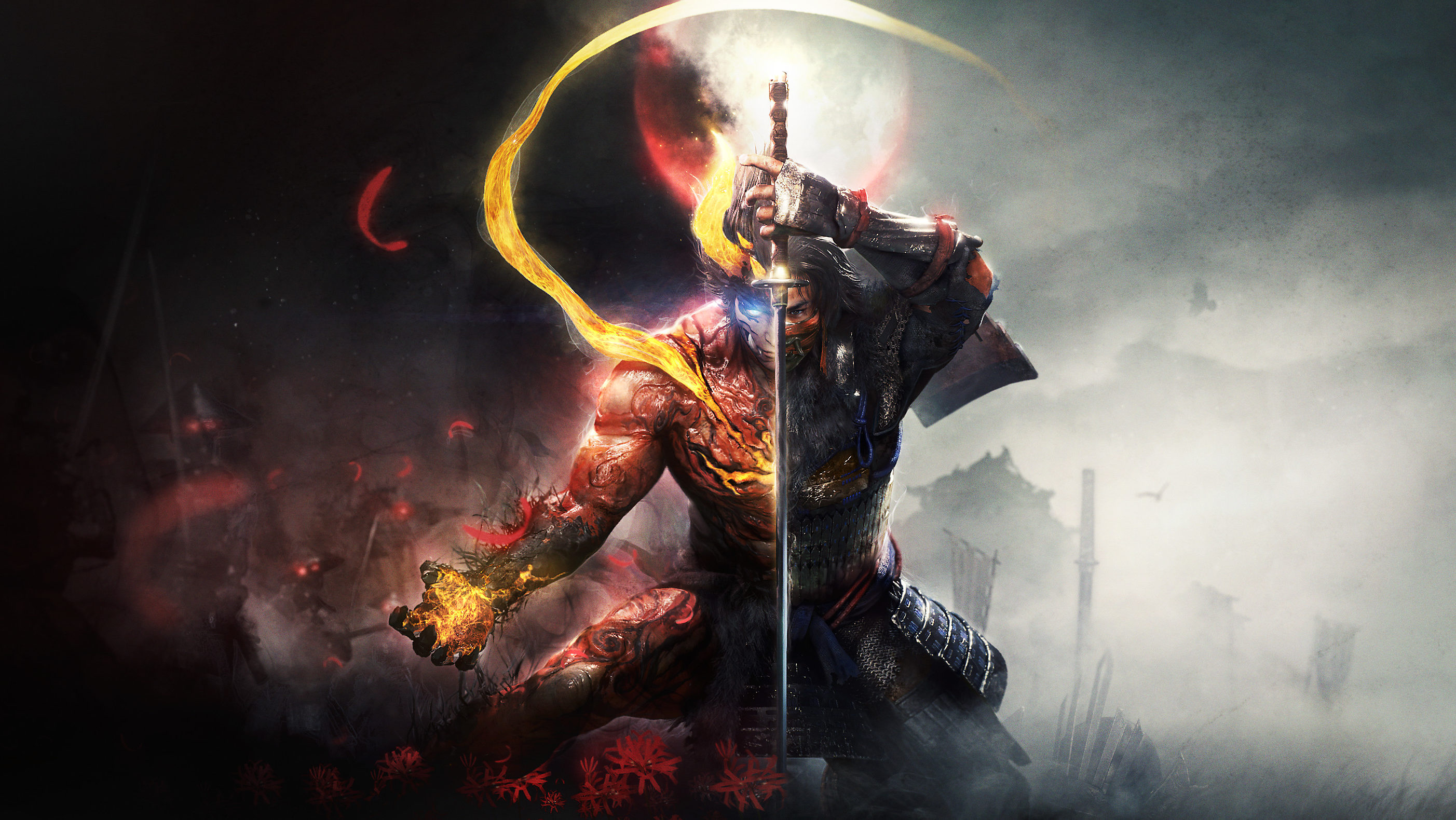
Team Ninja expands parry options with Burst Counter, a timing-based cancel that interrupts red “Burst” attacks. Each Guardian Spirit archetype changes the counter’s properties—Feral dashes through, Brute clashes head-on, Phantom uses a ranged flick. Successful Burst Counters strip enemy ki and can collapse yokai form fields (Yokai Realms). Weapon trees still include classic parry skills, layered atop the universal Burst system.
‘Bloodborne’ (2015)
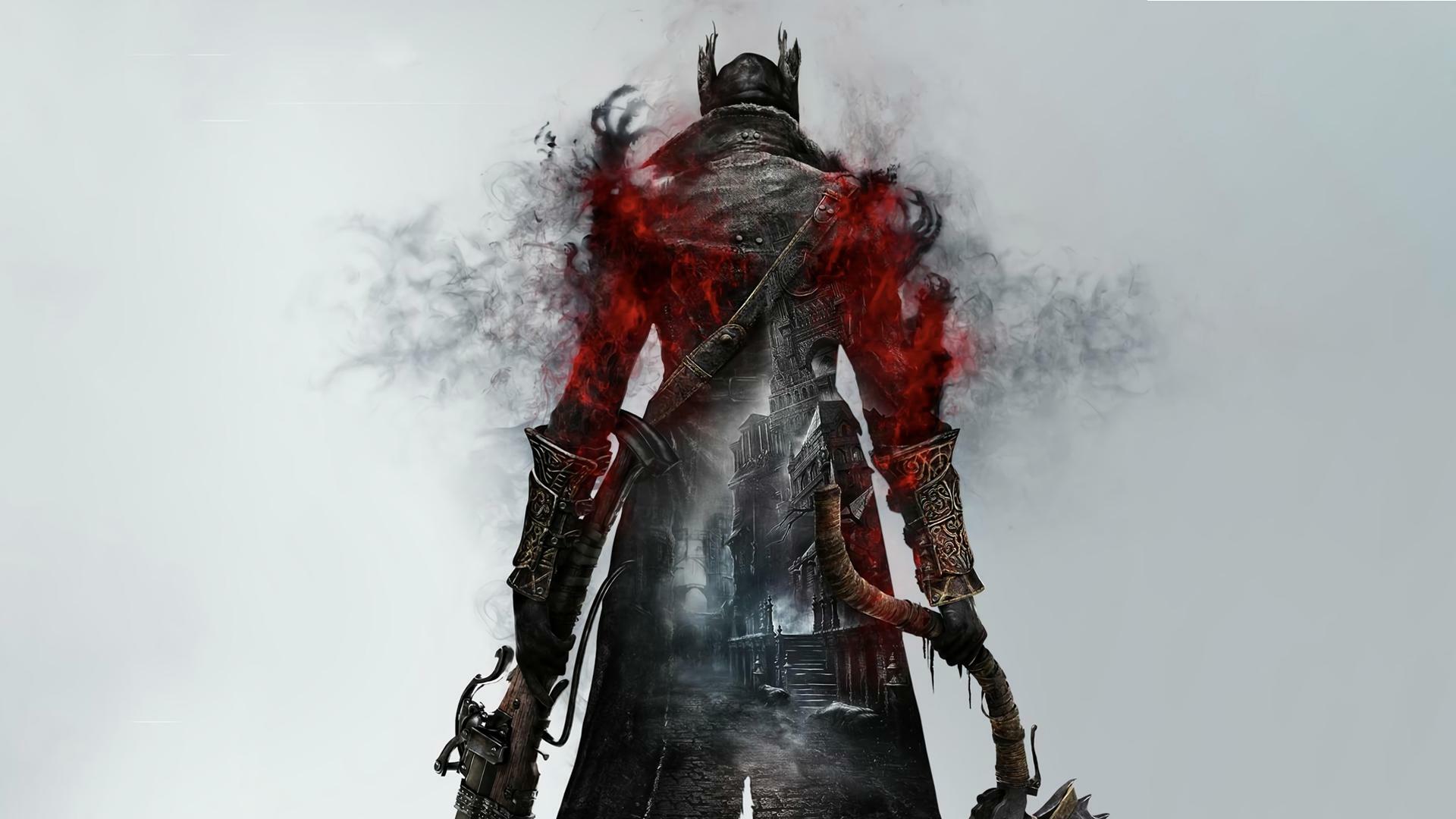
FromSoftware and Sony Interactive Entertainment swap shields for firearm counters: shooting just before impact puts enemies in a stun state for a Visceral Attack. Timing differs by weapon—pistols are faster while blunderbusses cover wider arcs—and enemy wind-ups vary by moveset. Rally lets you regain health by striking immediately after trading, encouraging forward pressure after a successful counter. Bosses have specific windows where firearm parries apply, often during committed swings.
‘Dark Souls’ (2011)
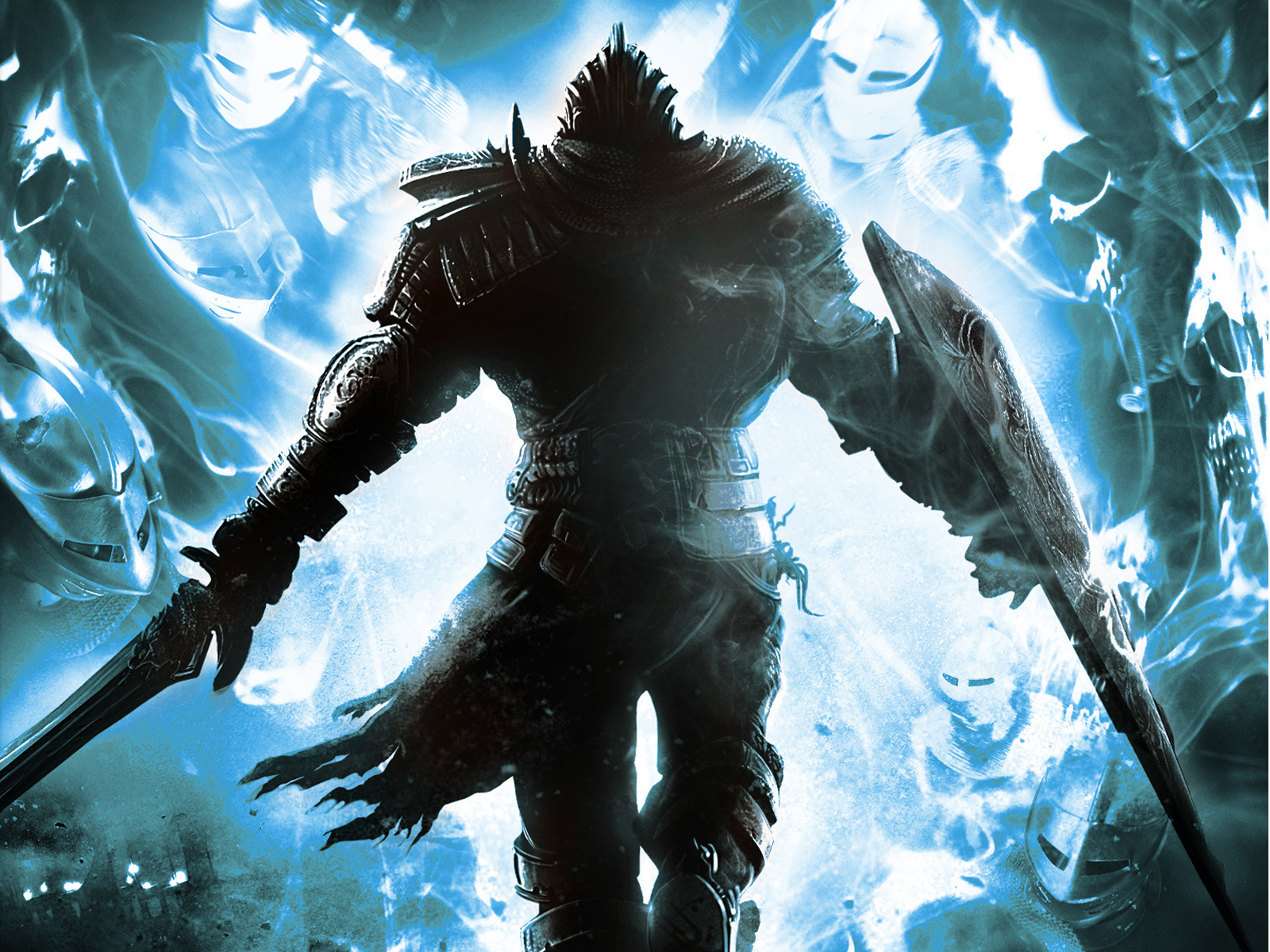
FromSoftware and Bandai Namco provide shield and off-hand tool parries with unique startup and recovery frames per item. A successful parry triggers a riposte window that deals high critical damage based on weapon modifiers. Not all attacks are parryable—two-handed heavies or specific enemy types may be exempt—requiring pattern recognition. Player invincibility and stamina costs align to the parry tool’s frame data, rewarding equipment knowledge.
‘Elden Ring’ (2022)
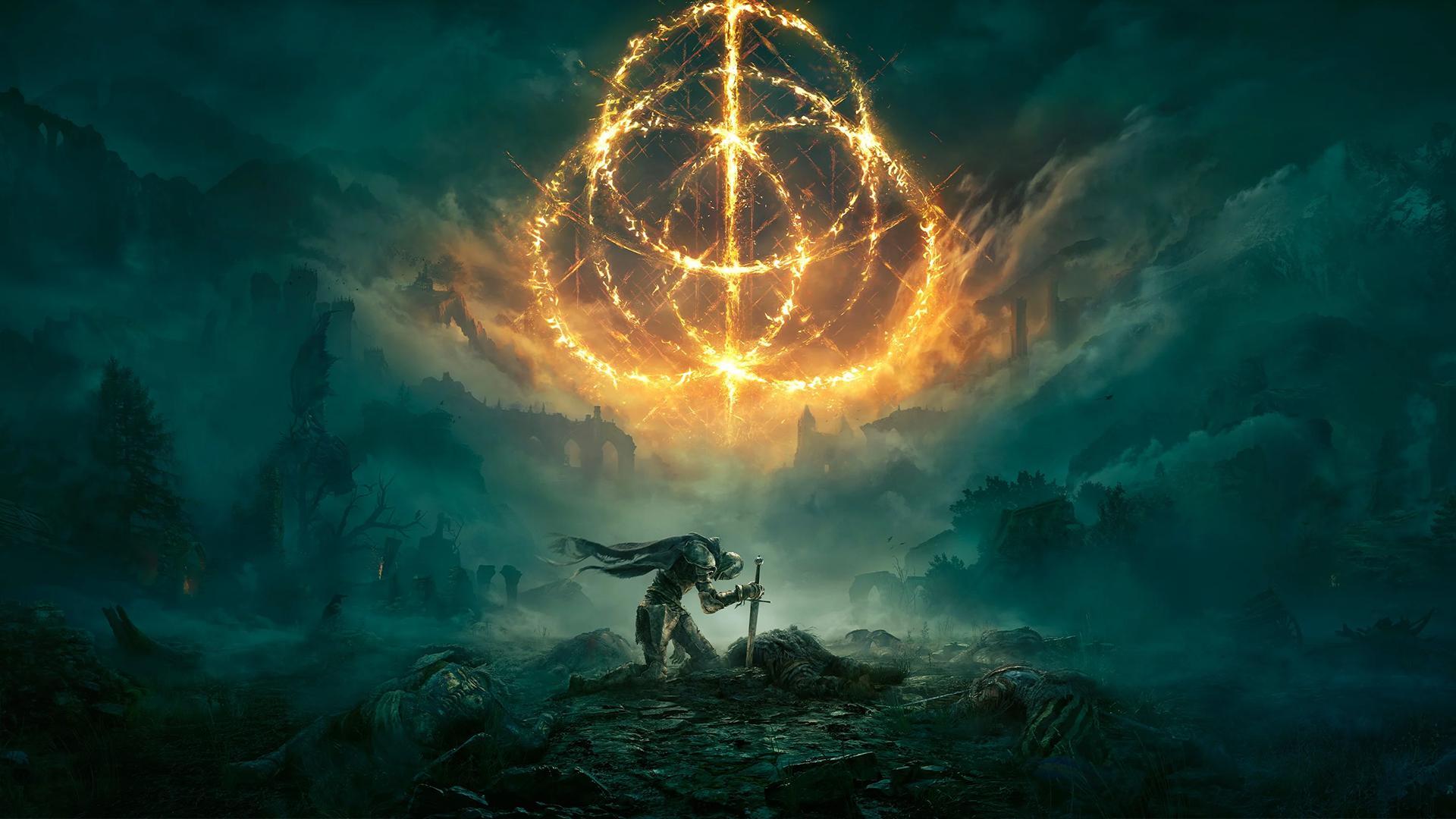
FromSoftware and Bandai Namco implement parries via small/medium shields and certain Ashes of War, while Guard Counters offer a distinct block-then-retaliate mechanic. Parry timing varies by shield type and skill (e.g., the ‘Parry’ ash vs. unique options like ‘Carian Retaliation’ for projectiles). Stance break interacts with posture damage, so repeated pressure plus a parry can trigger a critical. Many bosses include multi-hit strings where only specific swings are parryable.
‘Street Fighter III: 3rd Strike’ (1999)
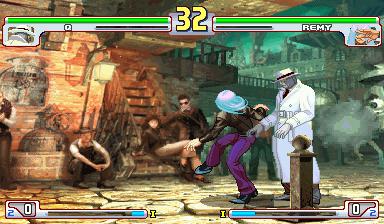
Capcom’s universal forward-tap parry nullifies chip and hitstun, resetting to neutral while enabling immediate cancels. High and low parries cover mid/high vs. crouching attacks, and air parries work with adjusted timing. Red parries allow late parries during blockstun at stricter windows, opening punishes. The system applies to projectiles and multi-hit specials, demanding rhythm reading across varied move speeds.
‘Street Fighter 6’ (2023)
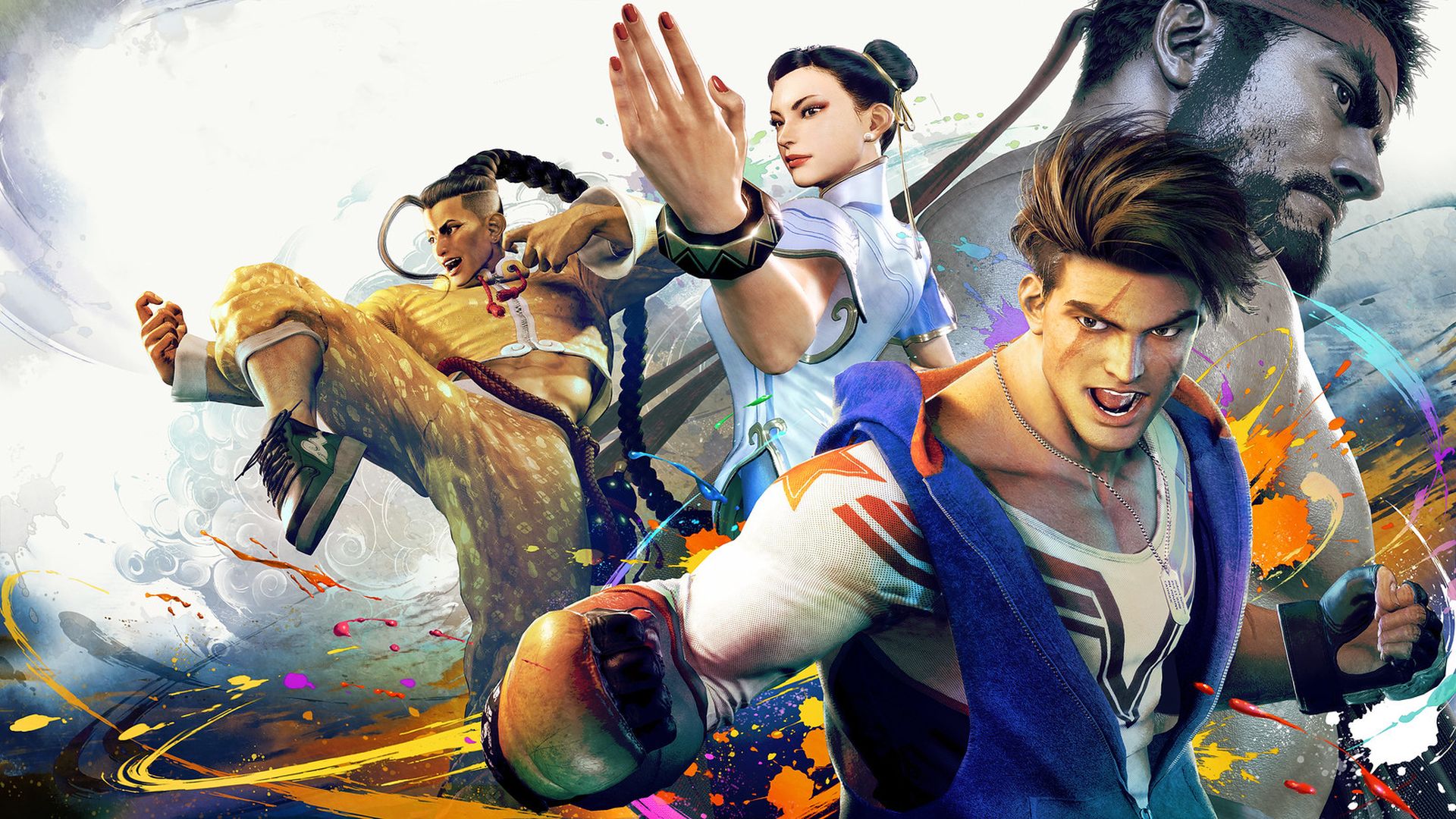
Capcom’s Drive Parry consumes Drive Gauge while absorbing strikes and projectiles, with Perfect Parry on precise timing creating large advantage. Drive Rush and burnout states interact with parry outcomes, shifting risk as the gauge depletes. Low and anti-air coverage depends on spacing and active frames, not invincibility. The mechanic is universal, so matchup knowledge and gauge routing determine follow-ups.
‘For Honor’ (2017)
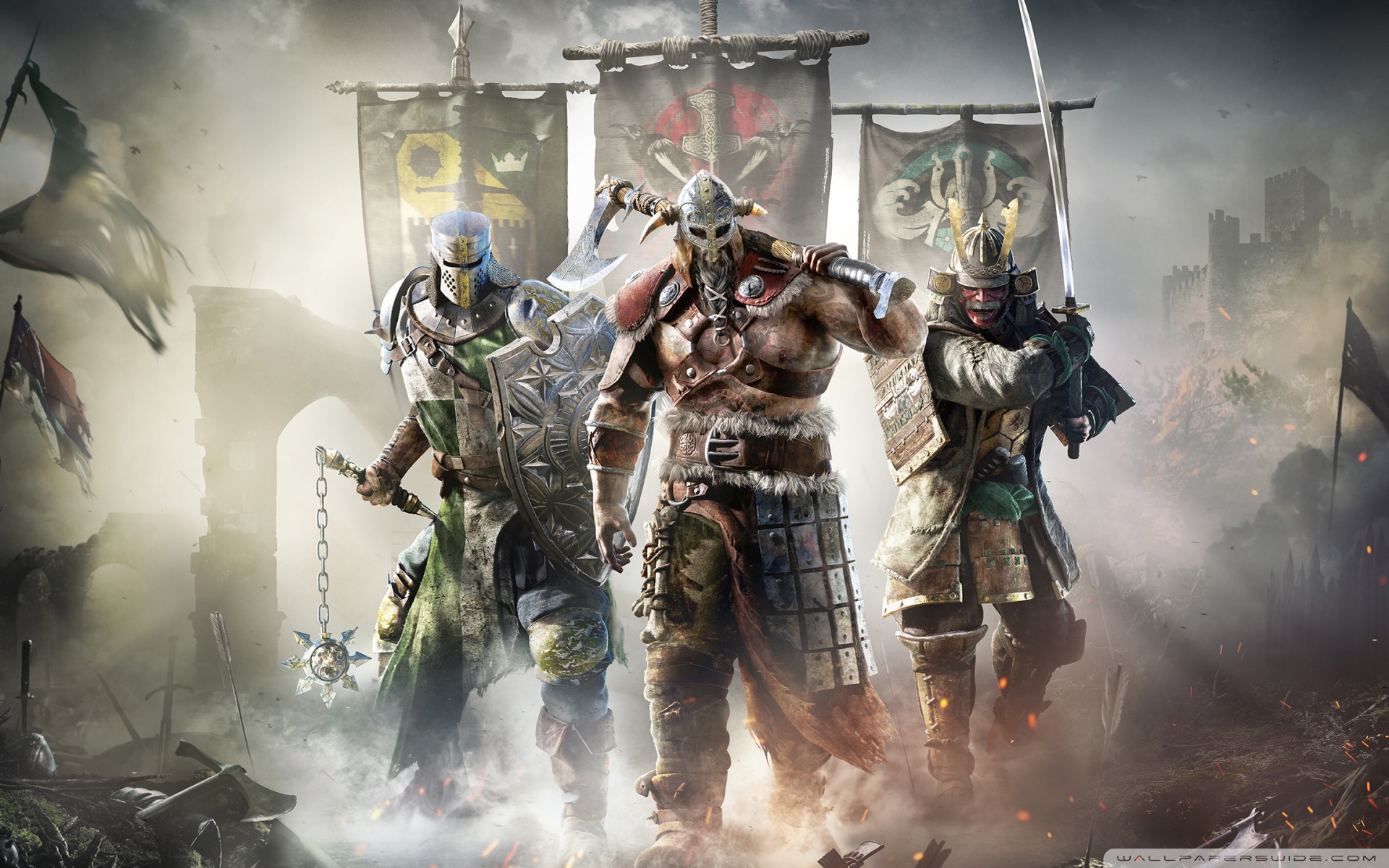
Ubisoft Montreal and Ubisoft design a directional guard where parries require matching the incoming attack’s side. Heavy parry punishes and light parry reactions differ per hero, with some gaining guaranteed guard breaks or chain starters. Feints and unblockables force parry baiting, while latency and option-select changes have been tuned across patches. Stamina damage and revenge meter gain tie into successful defensive reads.
‘Sifu’ (2022)
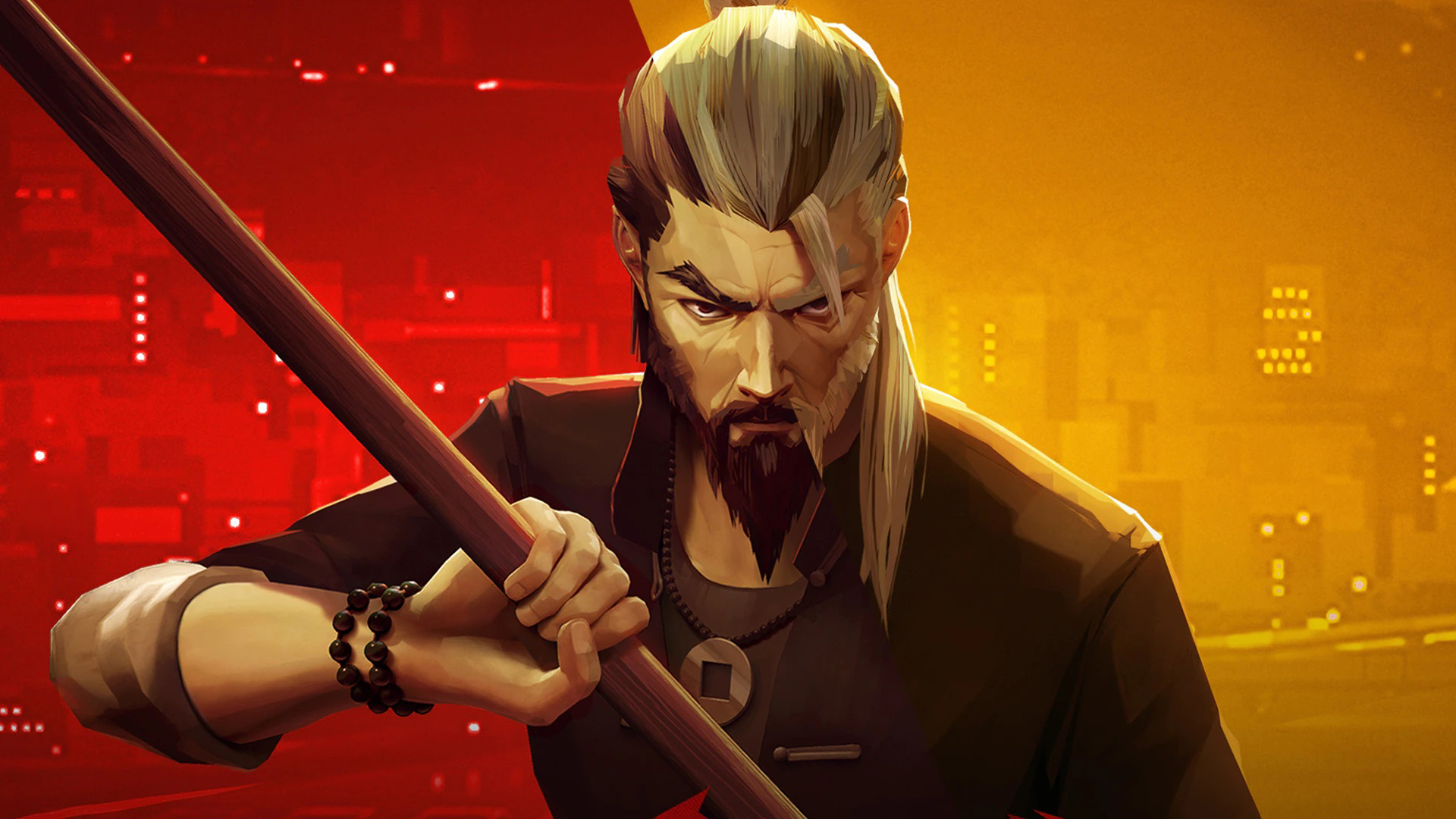
Sloclap and Microids center defense on block, parry, avoid, and duck mechanics, all tied to a visible Structure meter. Well-timed parries reduce Structure damage taken and can open counters; perfect avoids create large punish windows. Enemies also have Structure, so repeated pressure plus parries can shatter their guard for finishers. Age and death systems modify health and damage as you learn encounter patterns.
‘Ghost of Tsushima’ (2020)
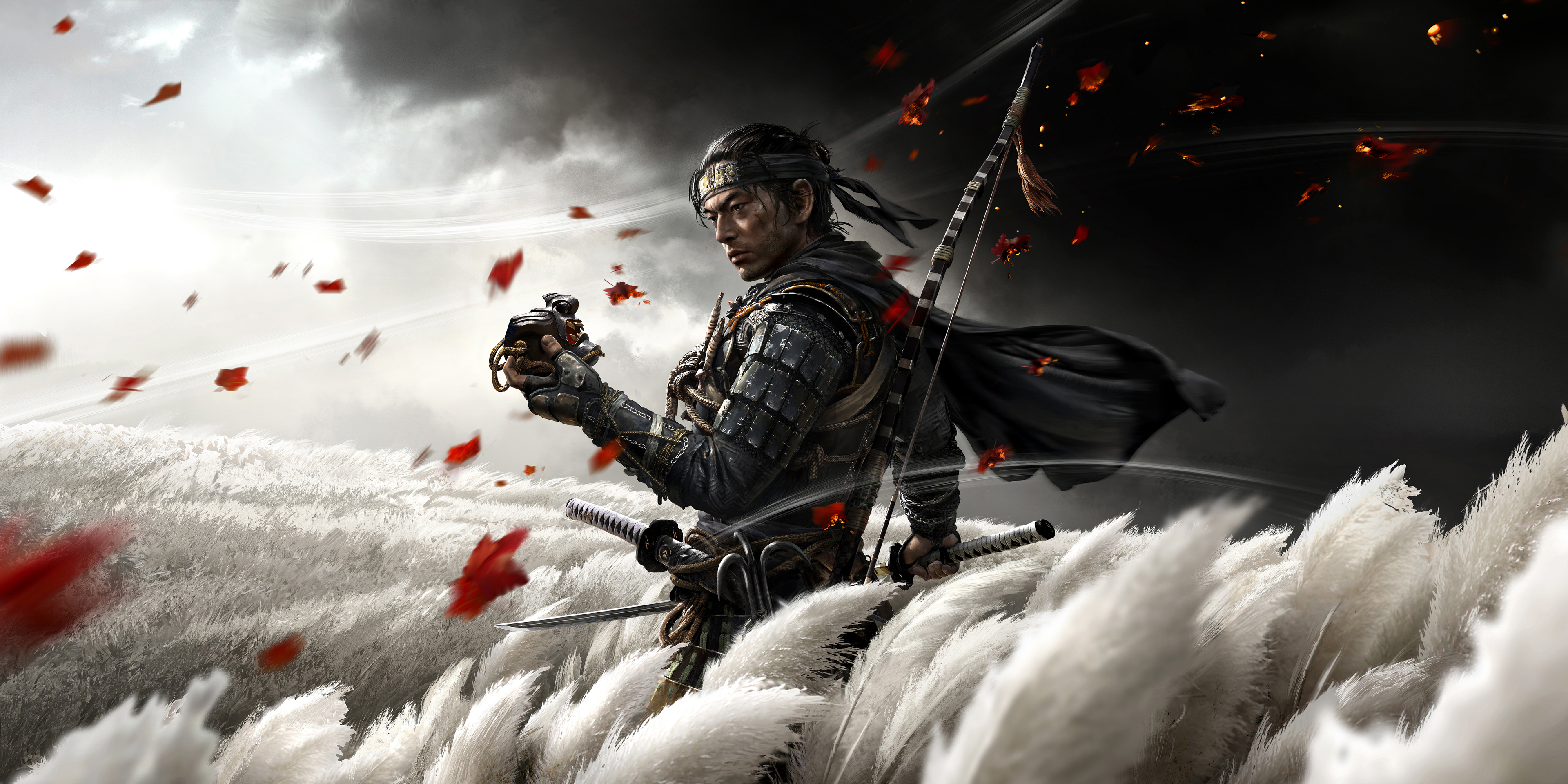
Sucker Punch Productions and Sony Interactive Entertainment use Stance play plus perfect parries to disarm or stagger foes. Technique upgrades unlock perfect parry slow-downs and Terrify procs, while different enemy archetypes demand stance swaps. Blue “unblockable” attacks must be dodged or resolved via specific counters, not parries. Resolve gain from defensive mastery fuels special moves and healing.
‘Star Wars Jedi: Fallen Order’ (2019)
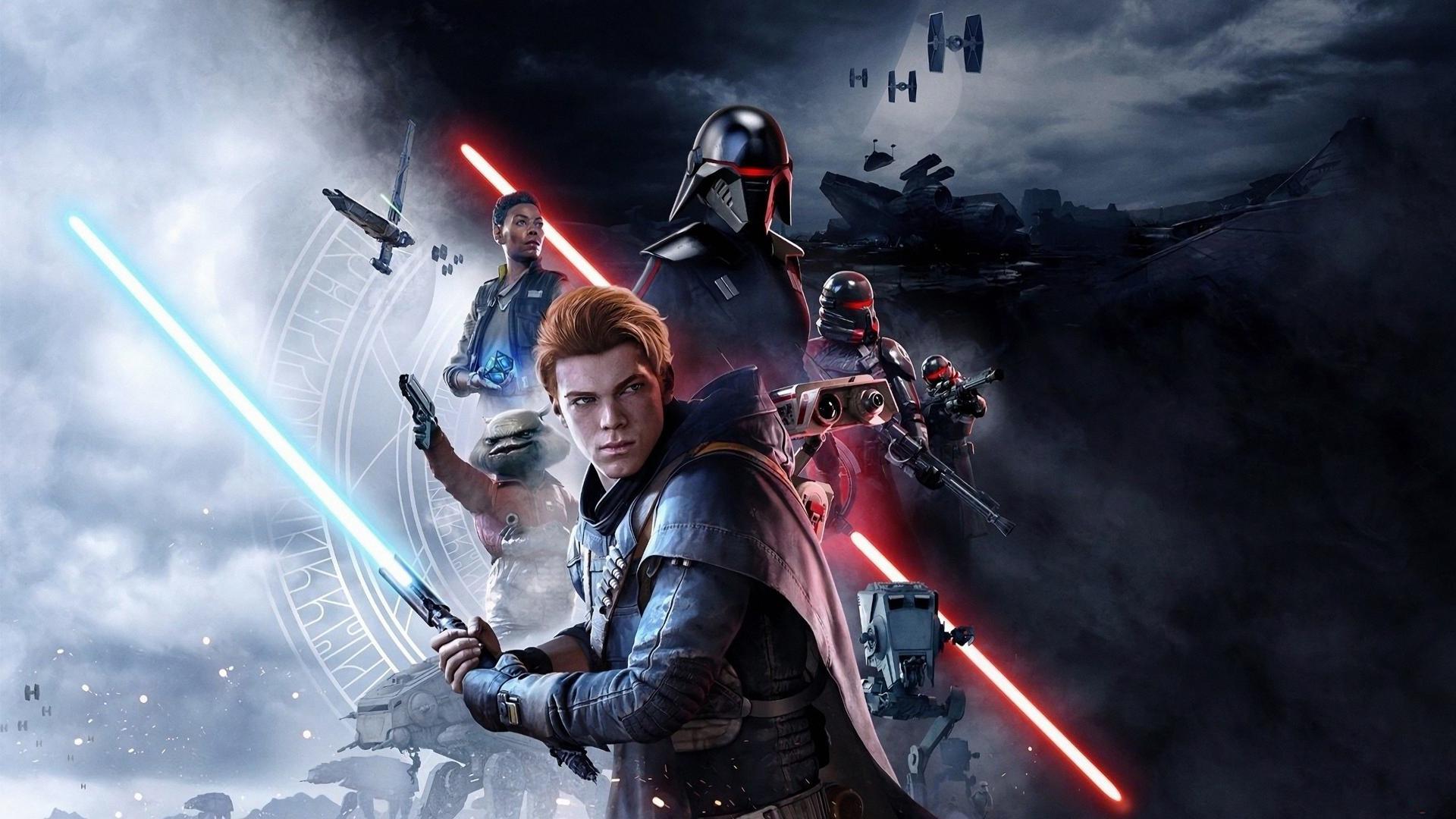
Respawn Entertainment and Electronic Arts make parry timing a posture duel: perfect blocks drain enemy guard fast and set up staggers. Difficulty settings adjust parry windows without altering moveset logic, teaching recognition of telegraphs. Lightsaber clashes against specific elites and bosses feature tighter timings with audible cues. Blaster deflection shares timing rules, allowing directional returns at ranged opponents.
‘Star Wars Jedi: Survivor’ (2023)
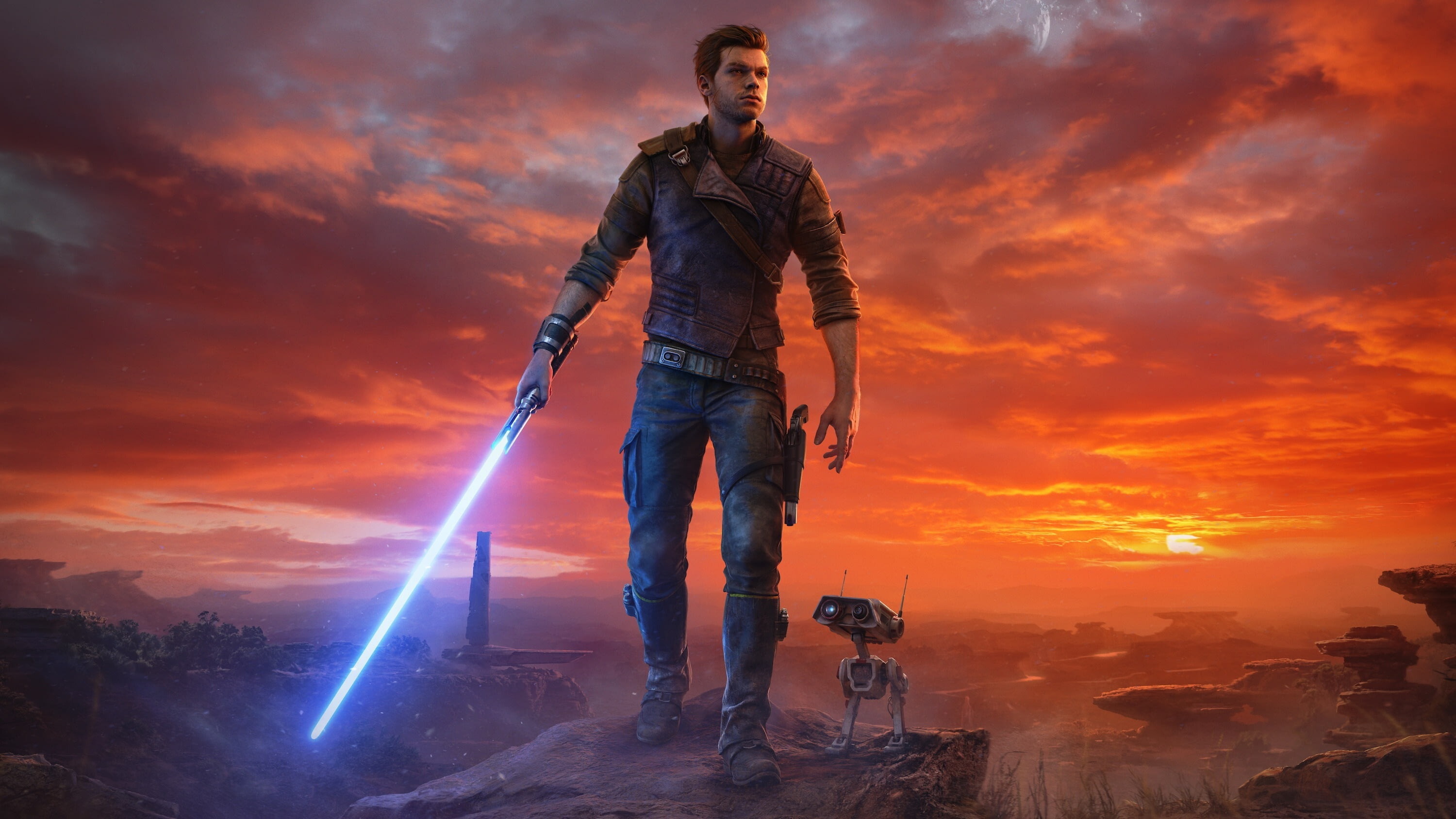
Respawn Entertainment and Electronic Arts expand stance variety, with each stance affecting parry speed, block stamina, and counter damage. Perfect parries shred enemy block meters and can trigger unique stagger animations. Multiple-enemy pressure introduces guard-break risk, emphasizing target prioritization and camera control. Skill trees augment timing forgiveness and reward windows based on stance choice.
‘Devil May Cry 5’ (2019)
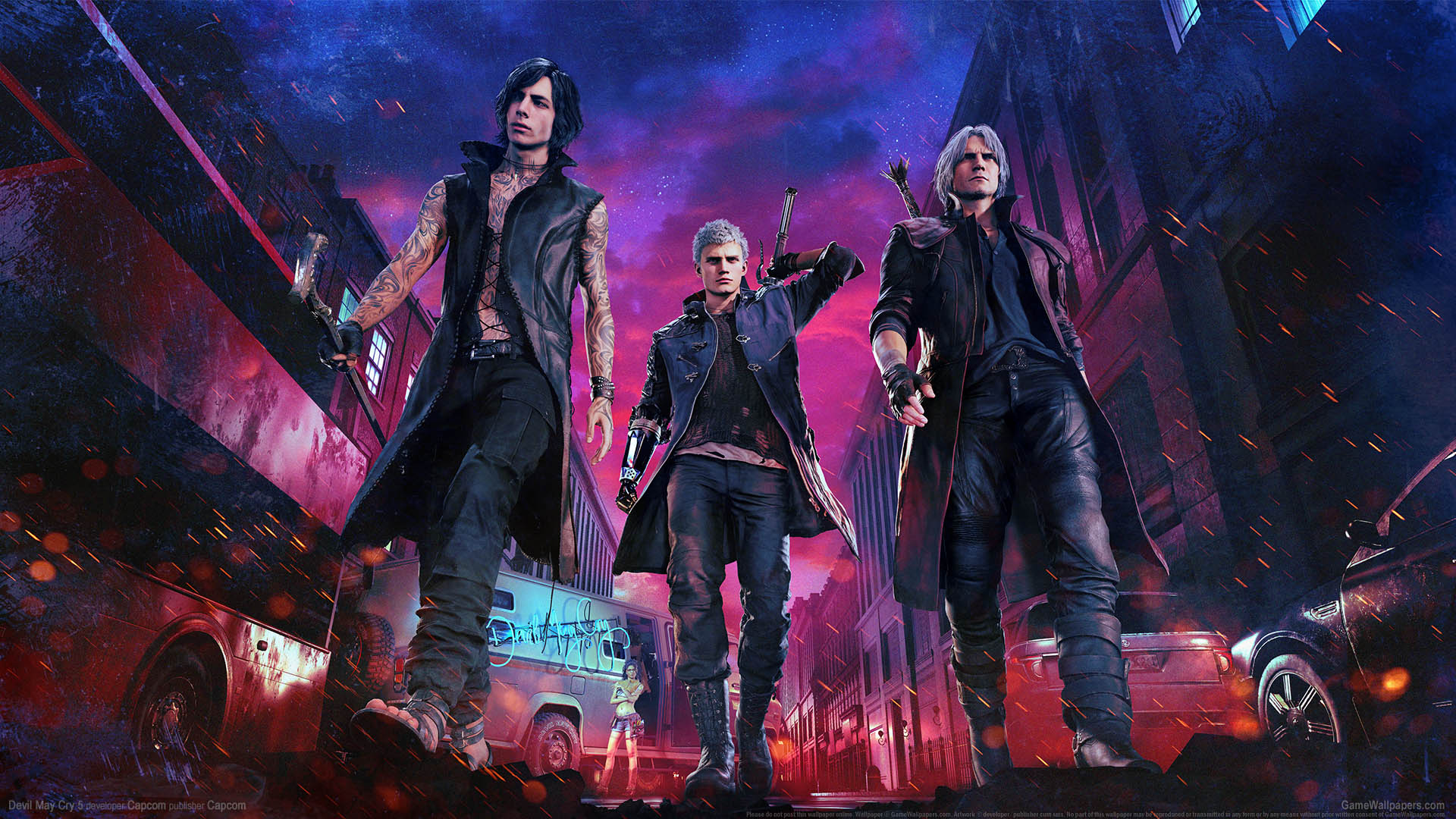
Capcom’s Royal Guard style lets Dante Just Guard with frame-perfect blocks that store damage for a Just Release counter. Enemies and bosses have multi-hit strings where consecutive Just Guards maximize meter gain. Varying hitstop and enemy wind-ups require buffering without absolute guard hold. Other characters have situational deflects, but Royal Guard provides the clearest parry analogue with measurable payoff.
‘Bayonetta’ (2009)
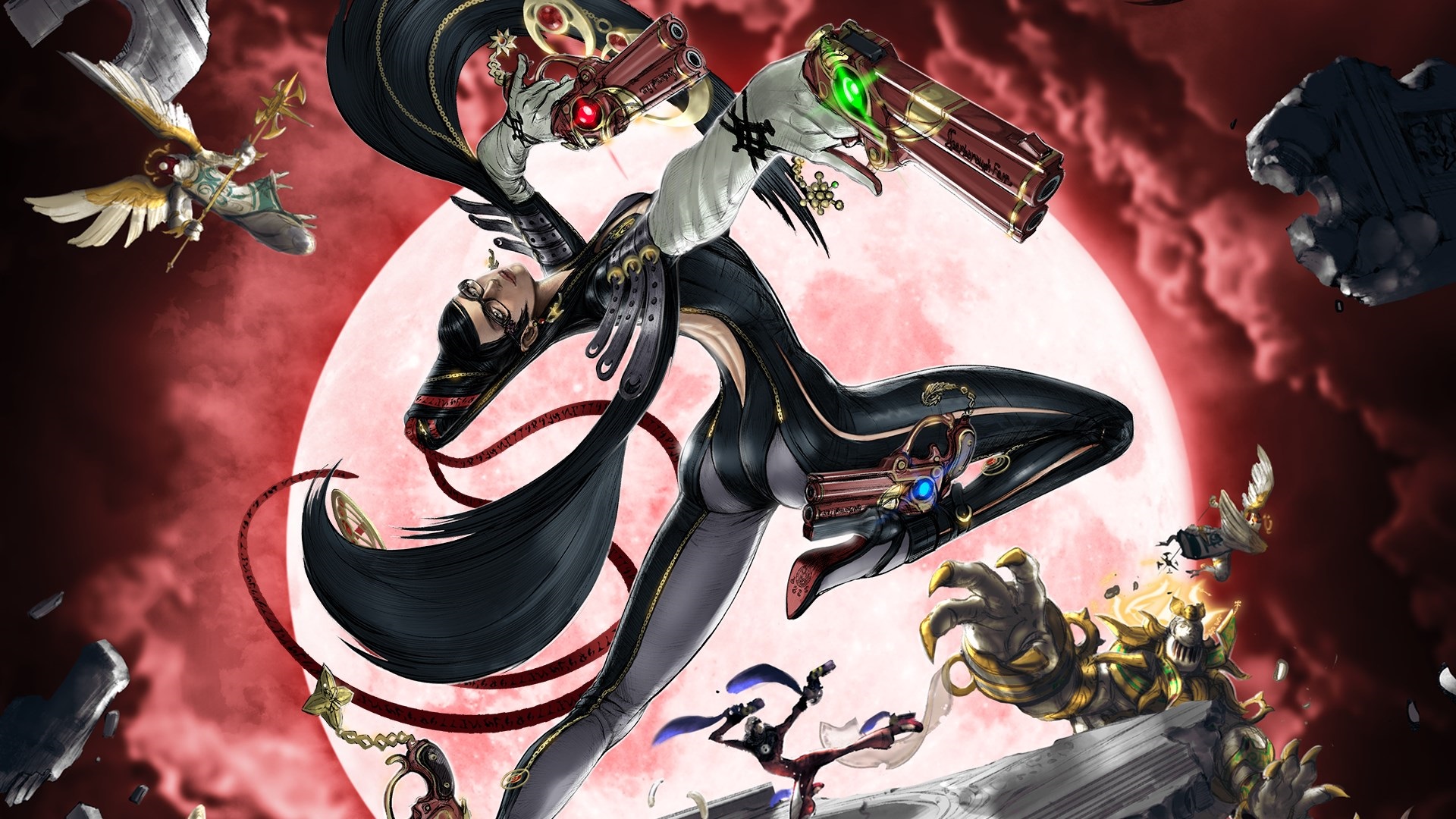
PlatinumGames and Sega allow parry via the Moon of Mahaa-Kalaa accessory, reflecting melee and some projectiles with precise timing. Successful parries can trigger Witch Time if performed at close to impact, enabling extended combos. Input direction affects counter type—neutral reflects, directional yields evasive counters. Without the accessory, standard Witch Time relies on late dodges rather than parries.
‘Katana ZERO’ (2019)
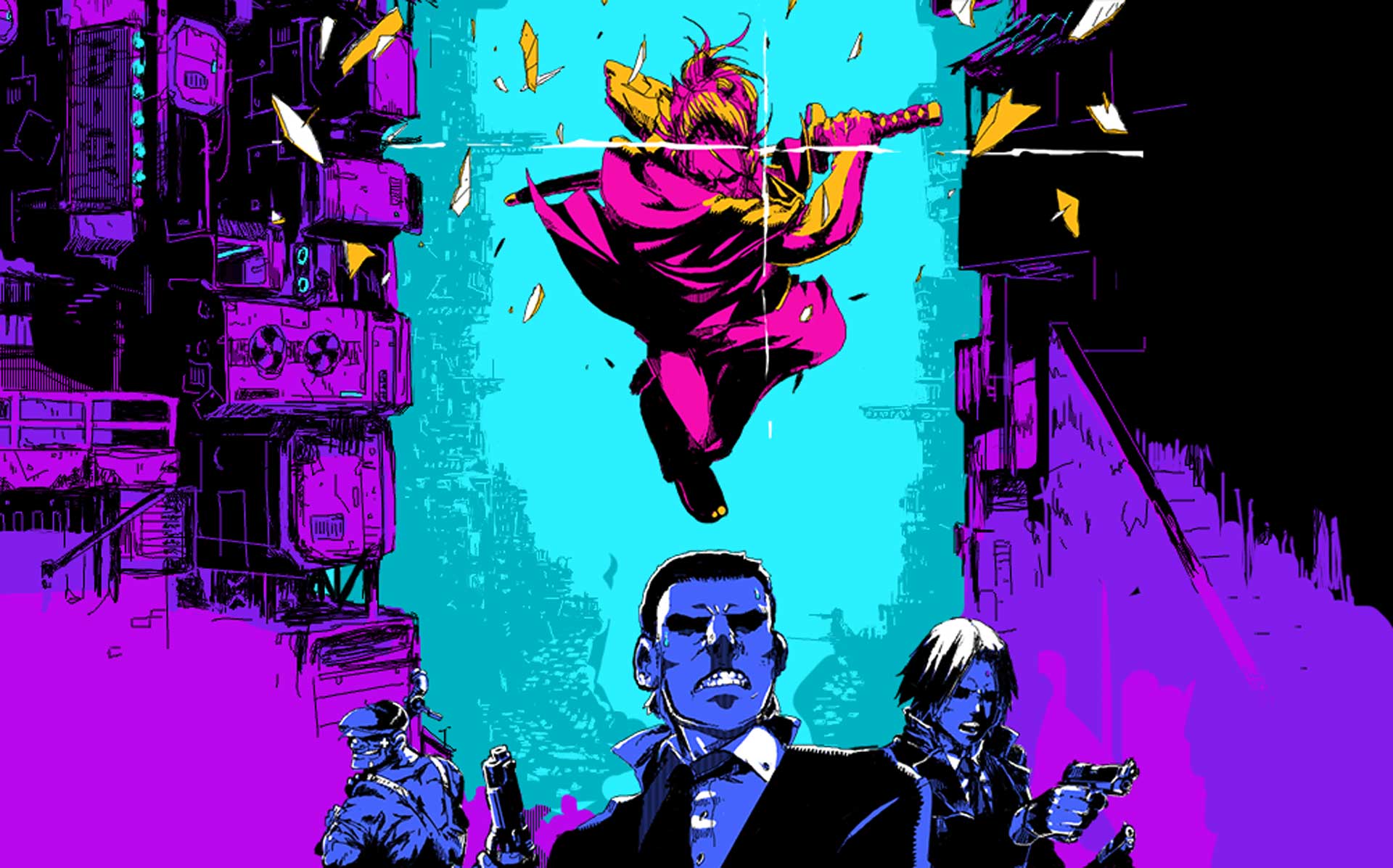
Askiisoft and Devolver Digital enable sword deflects that send bullets and thrown weapons back on tight windows. The game uses slow-mo on demand, but parry timing still aligns to projectile travel speed and distance. Close-quarters attacks can be parried to open instant kills, enforcing route planning. Visual and audio cues telegraph enemy fire, syncing parry success to screen position.
‘Dead Cells’ (2018)
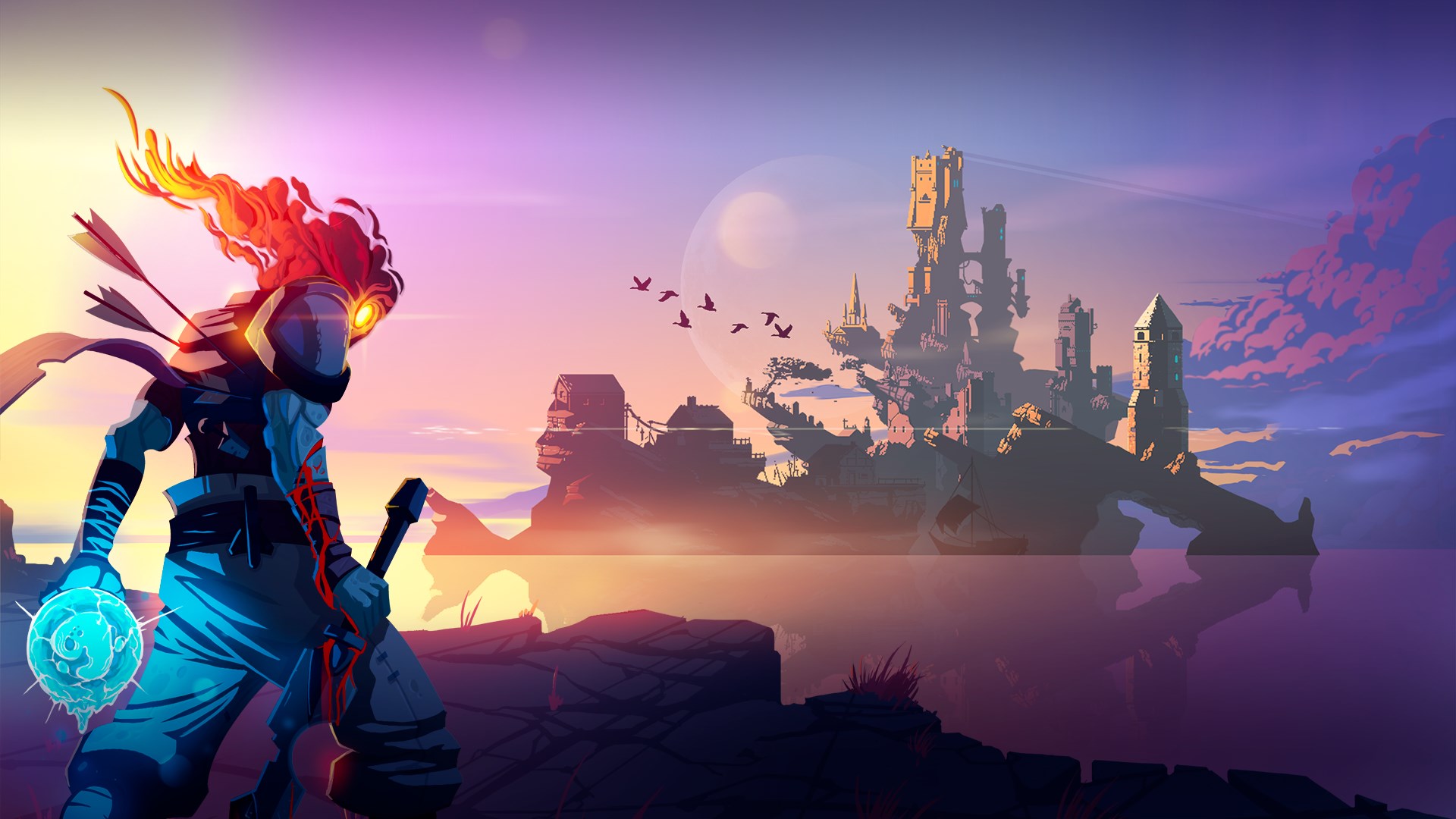
Motion Twin and Evil Empire build shields with explicit parry properties—startup, window, and parry bonuses listed on item rolls. Perfect parries negate damage, reflect projectiles, and apply effects like stun, bleed, or damage buffs depending on the shield. Some blueprints only drop after parrying specific enemy types, reinforcing the mechanic in progression. Boss fights reward repeat parries with large interrupt windows.
‘Monster Hunter Rise’ (2021)
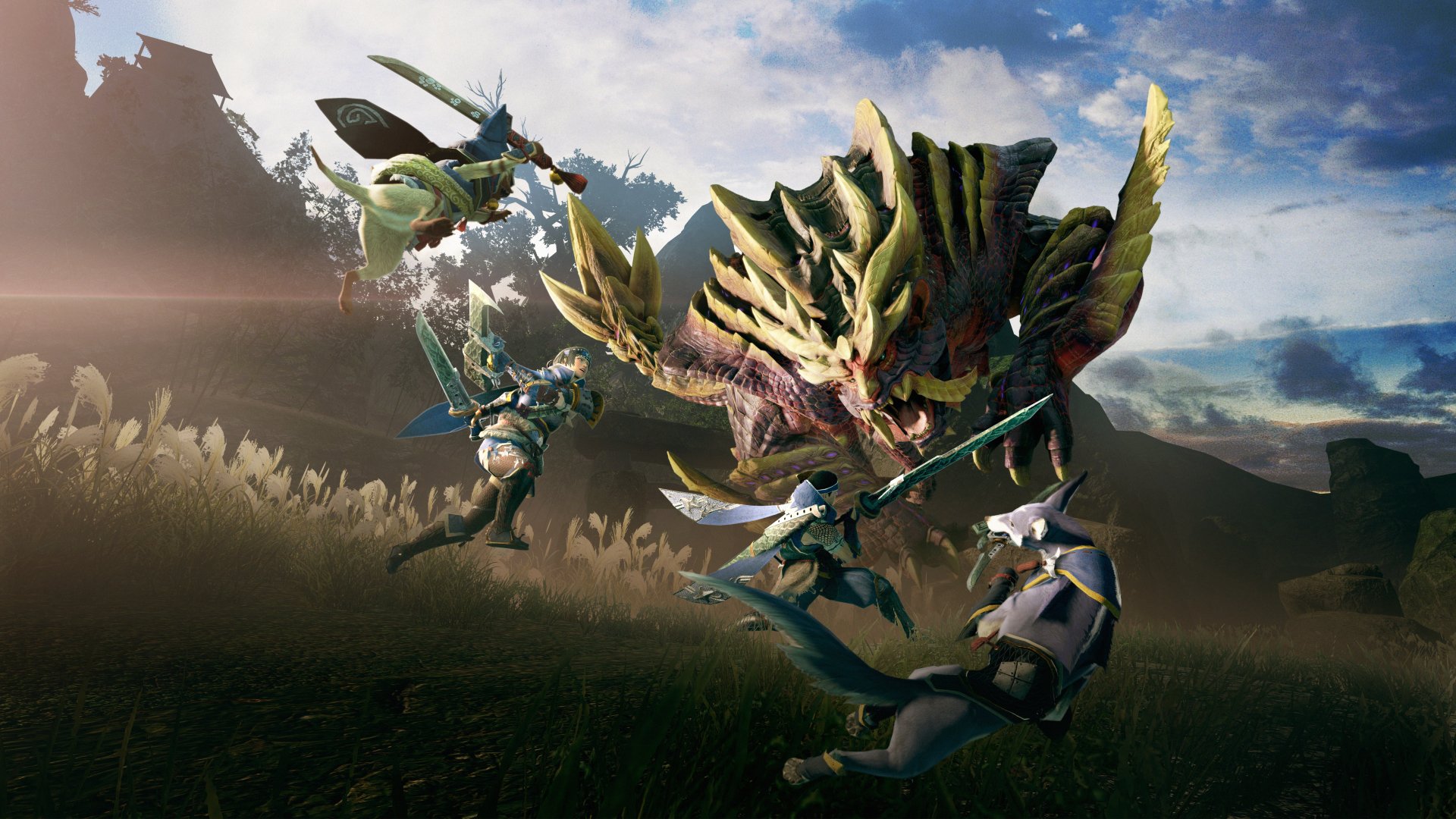
Capcom provides multiple weapon-specific counters: Long Sword’s Foresight Slash and Iai counters, Lance’s Insta-Block/Power Guard, and Charge Blade’s guard points. Wirebug techniques like Sakura Slash and Serene Pose add alternative counter timings with resource costs. Perfect counters often grant spirit gauge or phial advantages that convert into burst damage. Monster movesets broadcast telegraphs through tells and roar timings, aligning with counter inputs.
‘Samurai Shodown’ (2019)
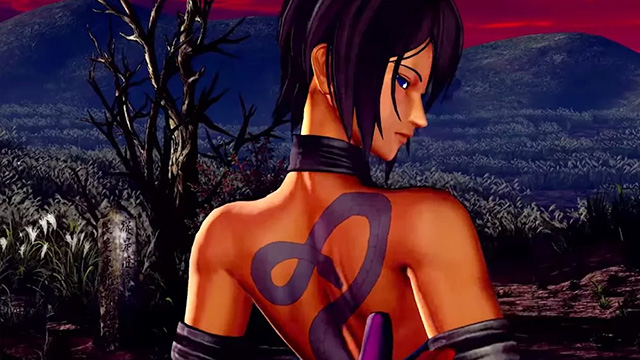
SNK’s reboot features weapon deflects that neutralize strikes and can disarm with Just Defense-style timing on certain moves. Rage meter and Weapon Flipping Techniques interact with counter opportunities after a successful deflect. The system’s high damage scaling makes a single correct read swing a round. Universal input rules apply across the roster, with character-specific follow-ups determining reward.
‘Chivalry 2’ (2021)
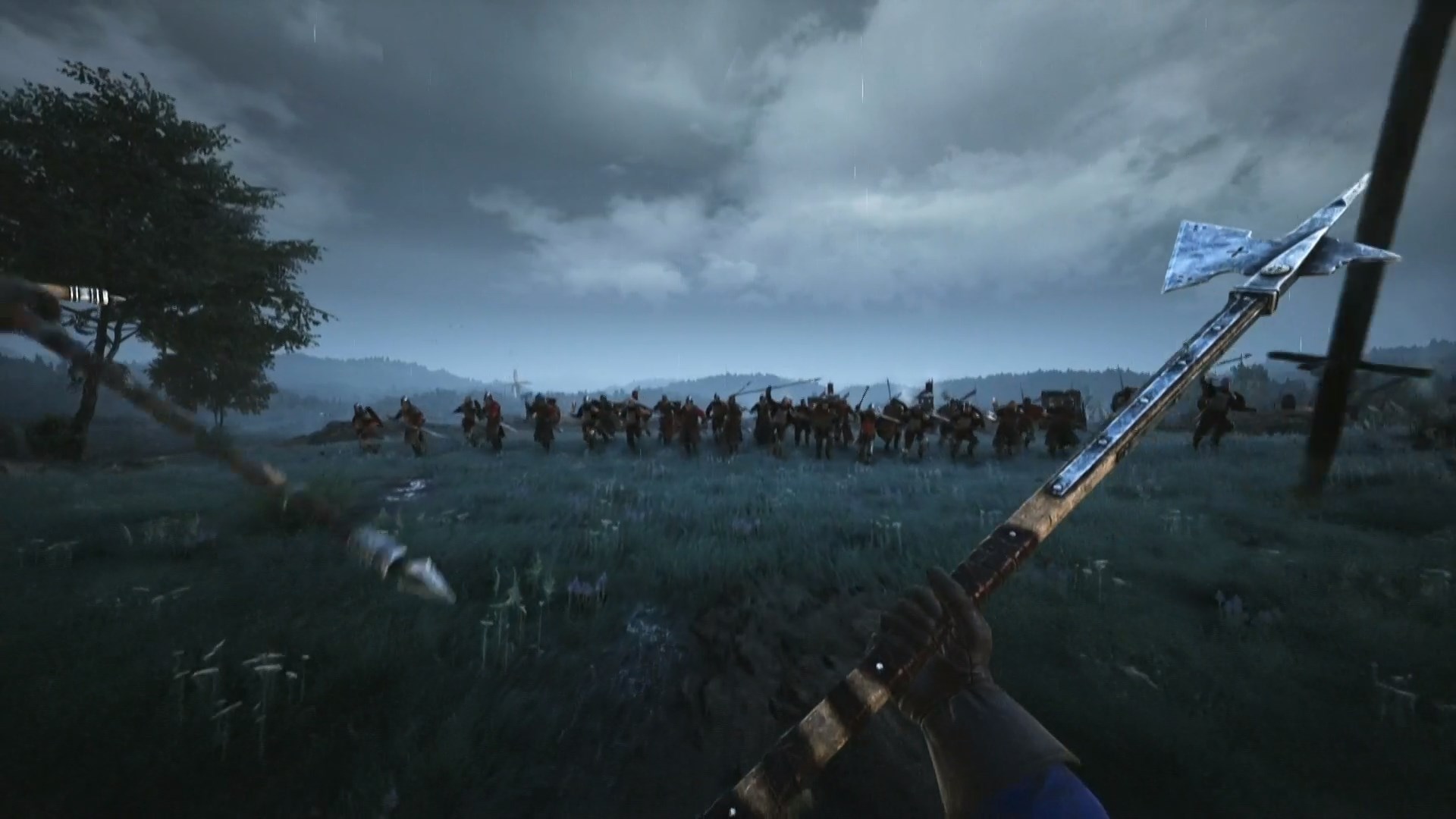
Torn Banner Studios and Tripwire Interactive implement directional parries that must meet the active attack angle and release. Feints, drags, and accelerations alter timing, making visual read accuracy essential. Stamina drains on blocks and parries gate repeated defense, forcing counterattacks or chambers. Team-based modes reward parries with space to riposte into multiple foes via wide swings.
‘Cuphead’ (2017)

StudioMDHR uses a mid-air parry slap on pink-tinted projectiles and hazards to cancel jumps and build the super meter. Boss phases often require chained parries to access platforms or avoid patterns. Parry sugar charm automates the input on jumps, while other charms trade ease for damage or mobility. Grading criteria count parry usage alongside time and health for rank scoring.
‘Lies of P’ (2023)
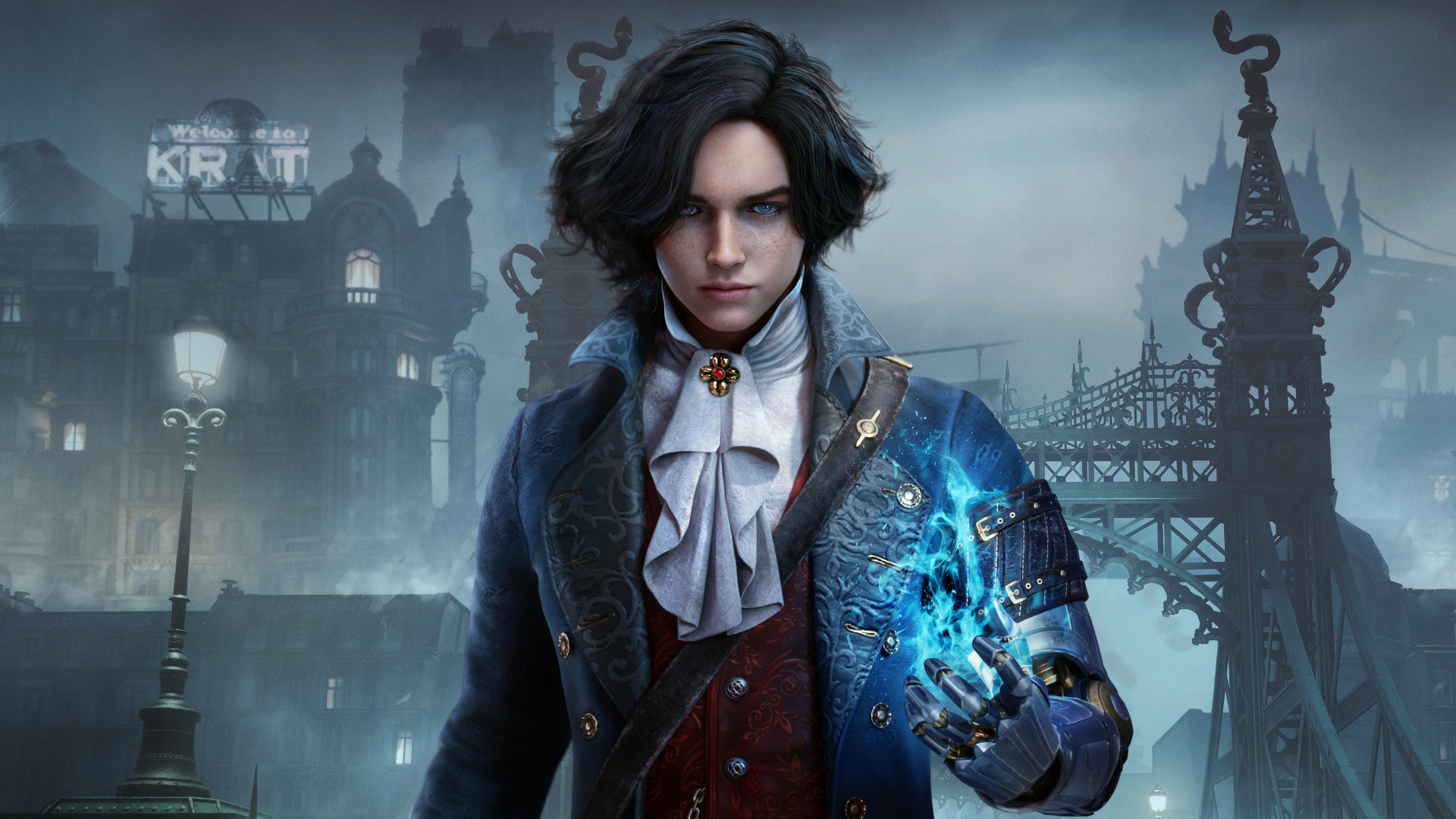
Round8 Studio and Neowiz Games emphasize perfect guards that reduce or nullify chip and inflict weapon durability damage on enemies. Consistent perfect guards can break parts and set up Fatal Attacks, with some boss moves demanding the mechanic. Fable Arts and P-Organ upgrades modify guard windows and reward scaling. Weapon assembly lets you tune guard frames via blade/handle combinations.
‘Furi’ (2016)
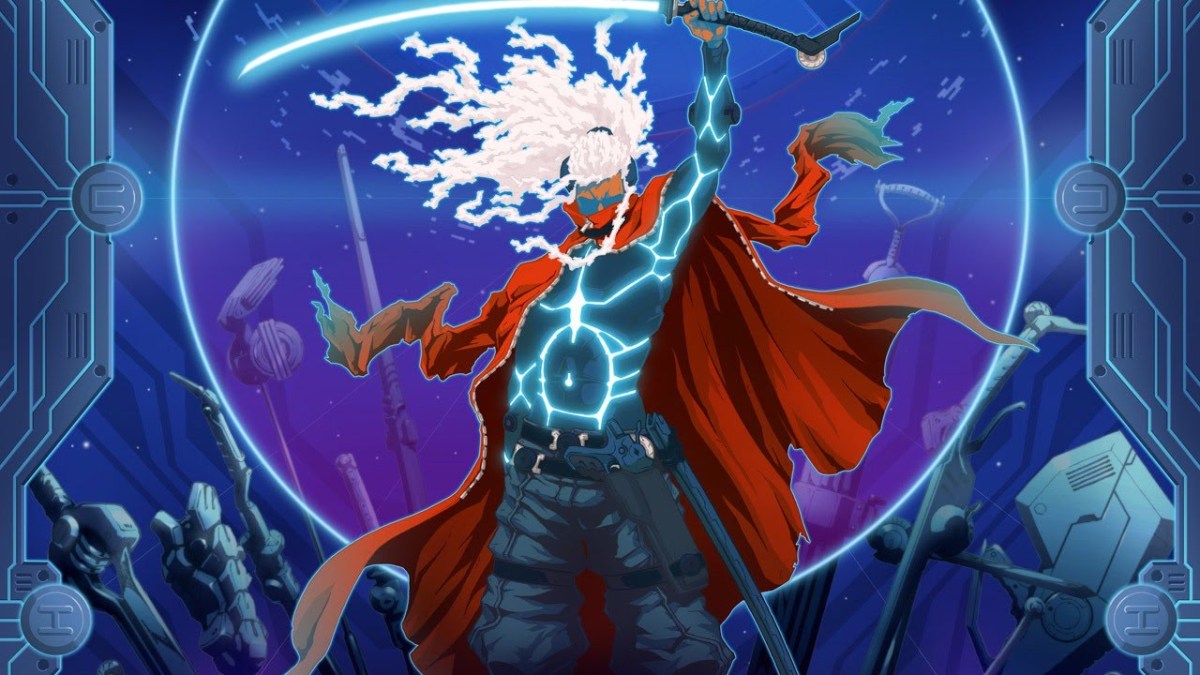
The Game Bakers and Plug In Digital (publisher) design boss-rush duels where parry timing advances phases and staggers foes. Parries reflect bullets in shoot-’em-up segments and counter melee strings in close-quarters arenas. Windows tighten across difficulty, with sound cues and color shifts telegraphing cadence. Health and charge gains on perfects feed into special attacks for phase breaks.
‘Prince of Persia: The Lost Crown’ (2024)
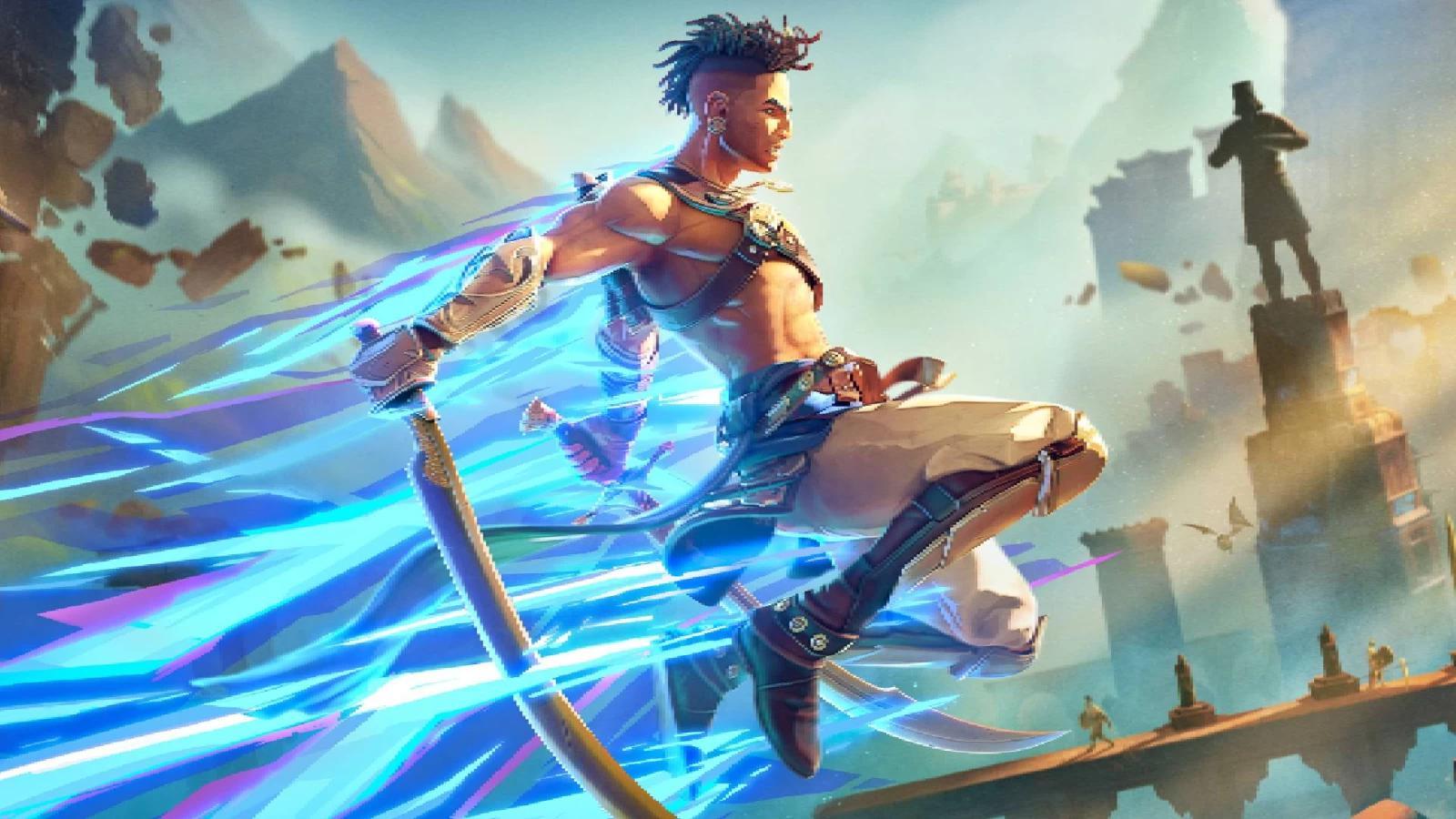
Ubisoft Montpellier and Ubisoft implement perfect parries that redirect melee strings and send projectiles back at enemies. Successful perfects can trigger cinematic counters and openers, while late blocks still mitigate damage. Amulets and Athra abilities adjust parry leniency and reward magnitude. Boss designs include multi-stage patterns where only select hits are parryable, encouraging pattern memorization.
Got a favorite parry system we missed, or a specific fight that taught you the timing the hard way? Drop your picks in the comments!