20 Coziest Puzzle-Adventure Hybrids

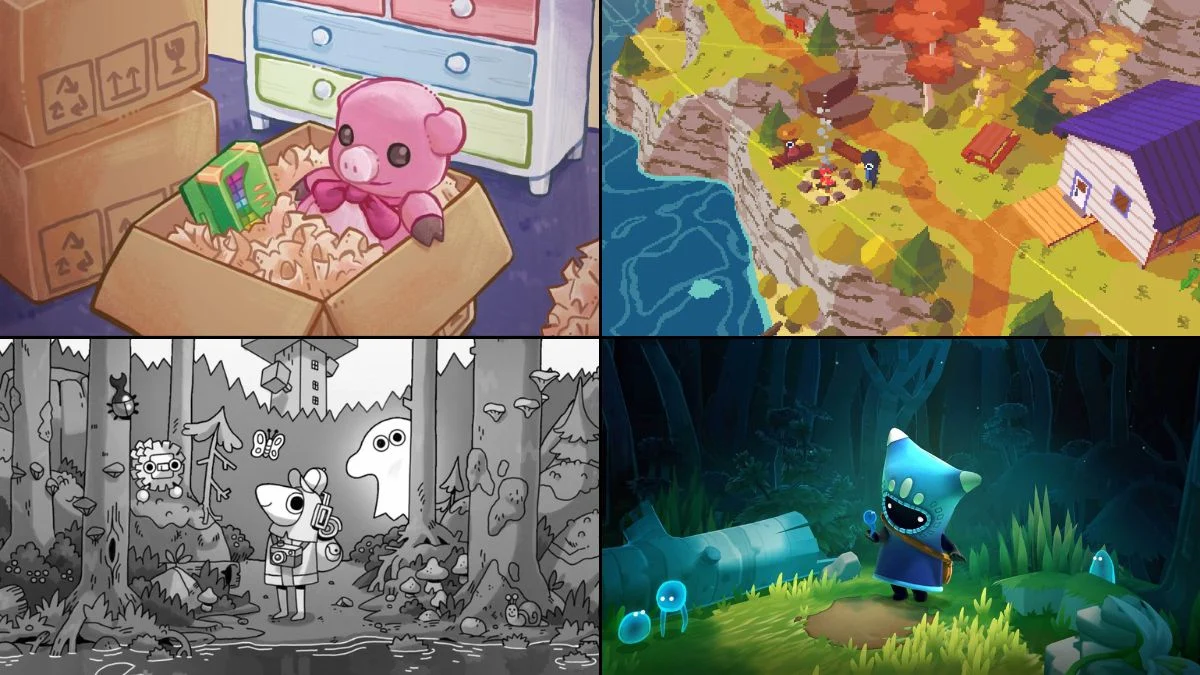

When you want gentle exploration with smart, satisfying puzzles, these puzzle-adventure hybrids deliver calm play loops, approachable mechanics, and thoughtful stories without pressure. Each entry below highlights what you actually do, how the systems fit together, and where you can play it—plus the studio and publisher responsible.
‘A Short Hike’ (2019)
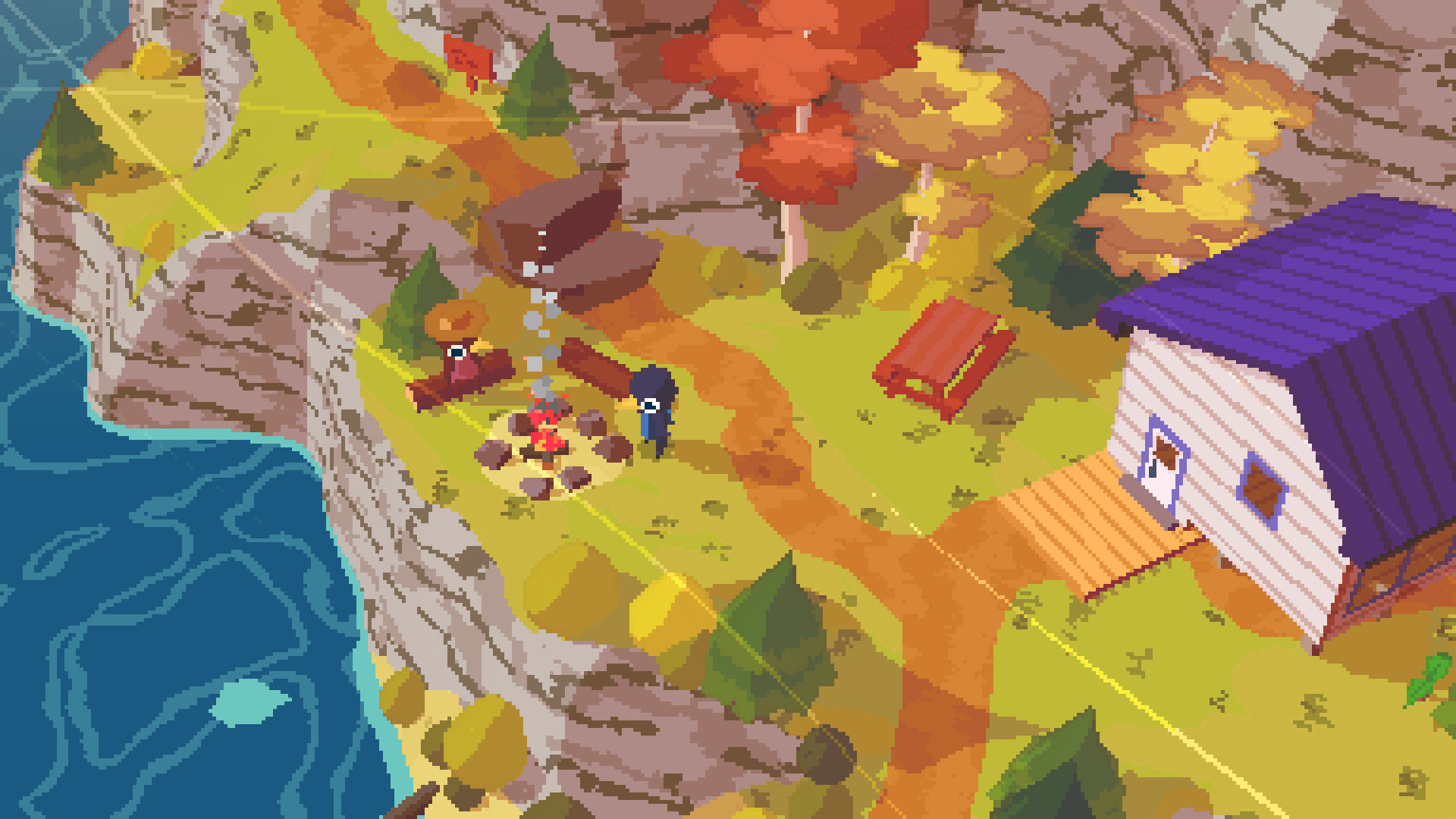
Players climb, glide, and explore a compact island while collecting golden feathers that gate stamina and vertical progress. Side tasks—like fishing, treasure hunts, and mail delivery—open routes and reward movement upgrades that naturally guide you toward the summit. The map is dense but readable, encouraging landmark-based navigation over waypoints. It’s available on PC and all major consoles, and supports short session play thanks to frequent autosaves. Developed and published by Adam Robinson-Yu.
‘Alba: A Wildlife Adventure’ (2020)
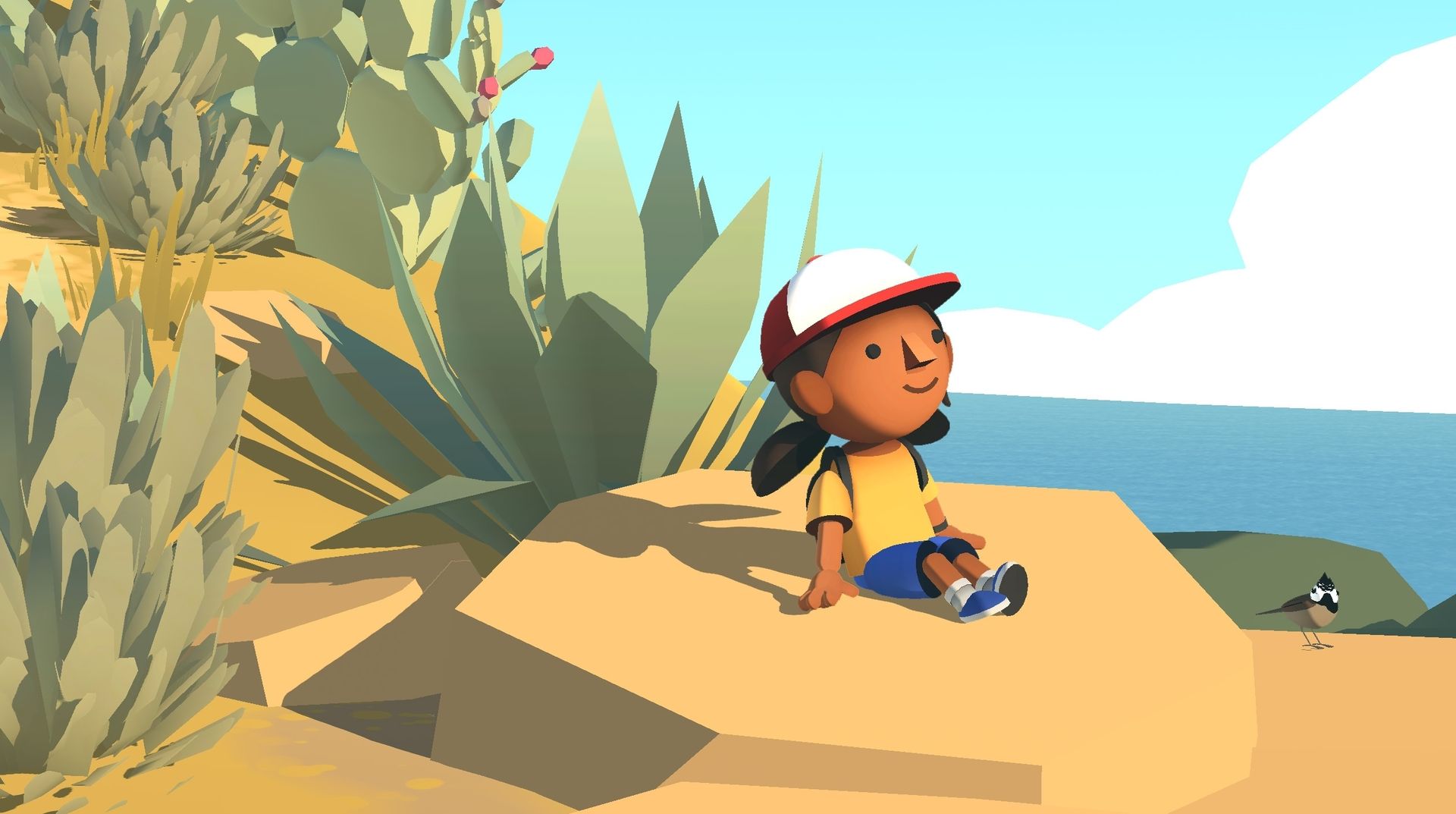
You document local fauna with a phone camera, complete conservation mini-tasks, and restore habitats across an explorable Mediterranean town. The quest log tracks simple, bite-sized objectives that can be finished in any order, with progression tied to community petitions and cleanup milestones. Navigation relies on recognizable districts rather than complex maps, and animal behavior clues direct you to new species. Playable on PC, consoles, and mobile. Developed and published by ustwo games.
‘The Last Campfire’ (2020)
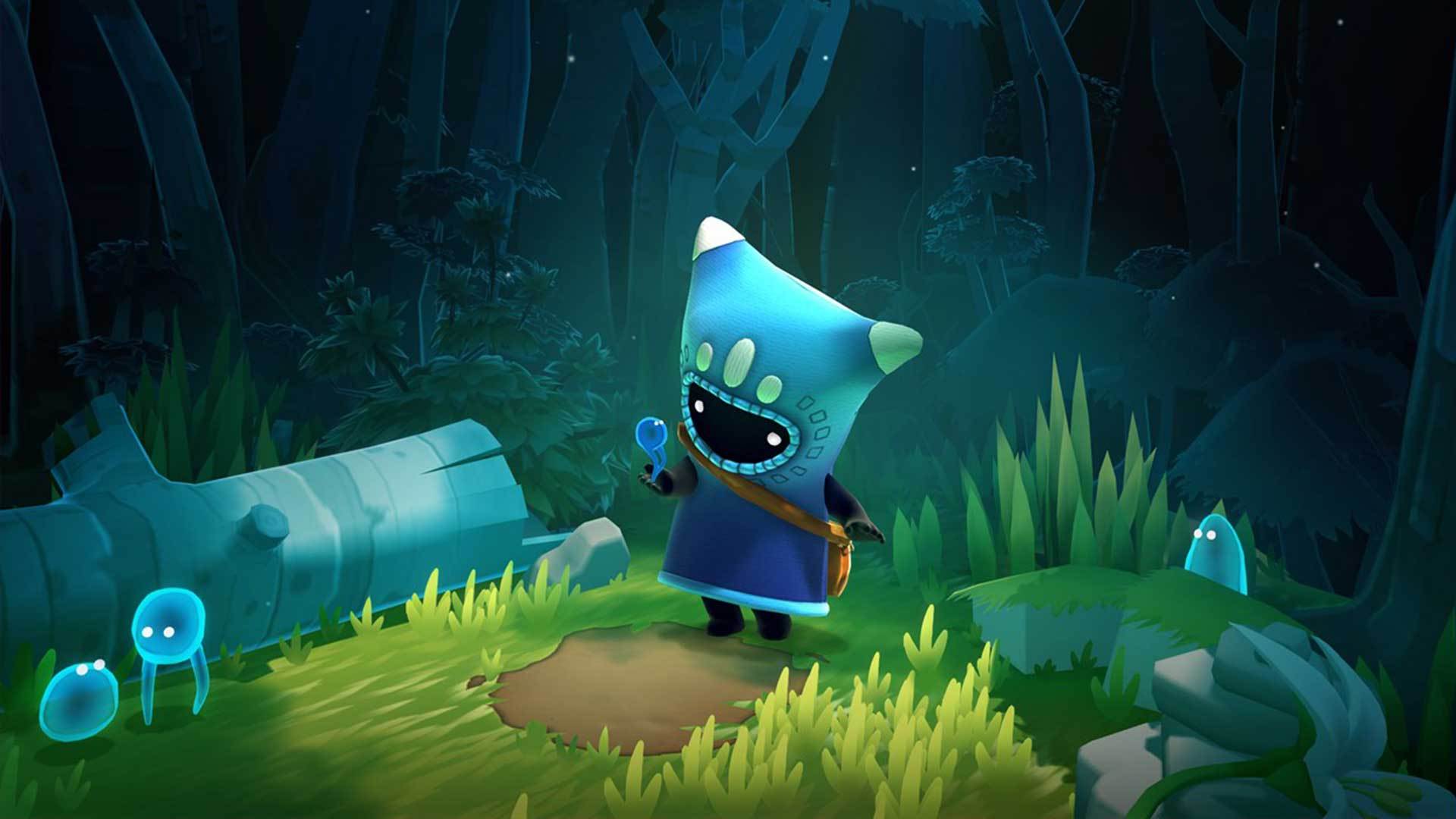
This adventure strings together self-contained diorama puzzles built around switches, blocks, and perspective tricks, with optional harder shrines off the main path. A clear objective chain—help lost travelers—keeps pacing steady while shortcuts make backtracking minimal. Environmental rules are consistent, letting you solve later rooms faster once you learn the logic. Available on PC, consoles, and mobile. Developed and published by Hello Games.
‘TOEM’ (2021)
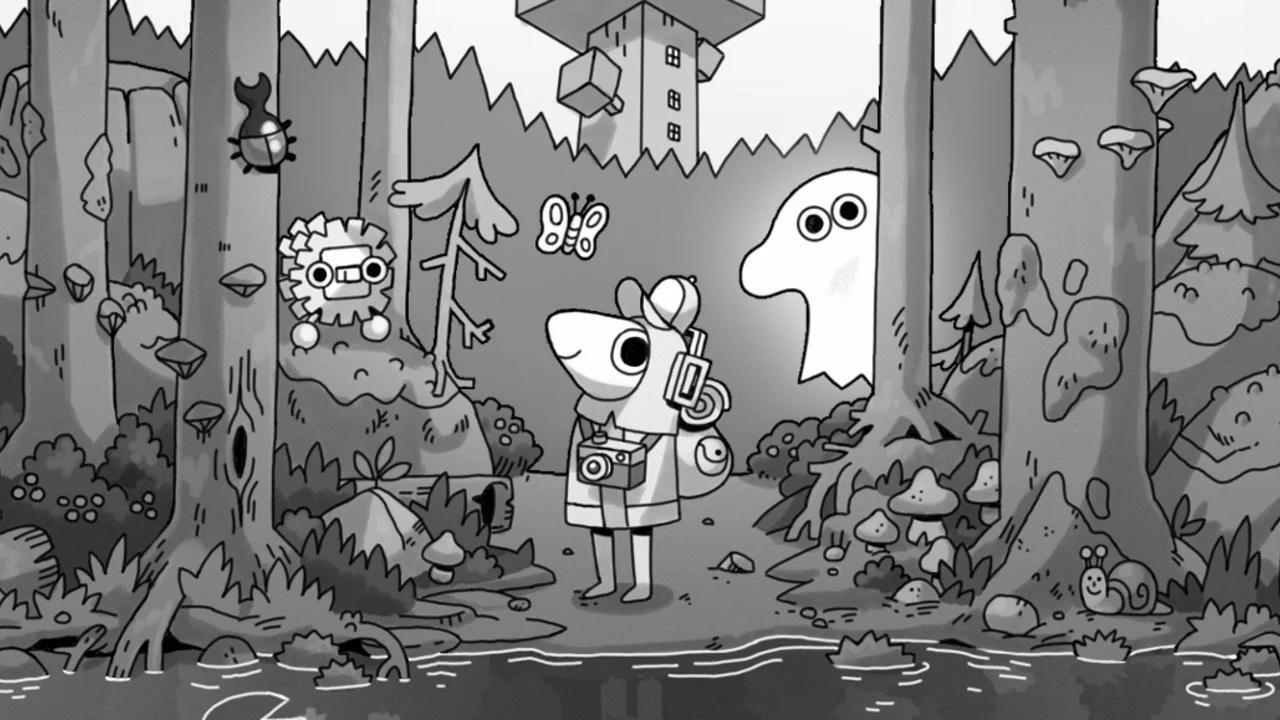
A photography road-trip uses a simple camera interface to solve quests by snapping proof of requested subjects and phenomena. Each region is a small hub with NPC checklists that unlock travel stamps, ensuring progress without combat or timers. The game tracks solved clues and highlights interactable hints to reduce friction. Available on PC, PlayStation, and Switch. Developed and published by Something We Made.
‘Unpacking’ (2021)
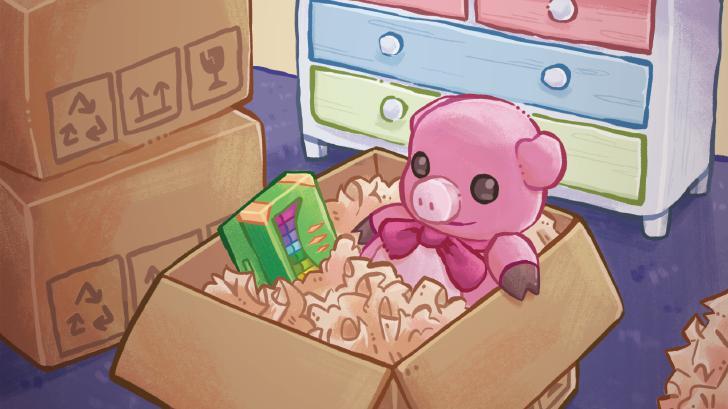
Puzzle rooms ask you to place belongings in appropriate spots across a series of homes, with soft rules enforced by room context and object categories. The organization logic teaches itself—books align, clothes stack, and certain items prefer specific rooms—so solutions feel consistent. Accessibility options include color-blind support and reduced motion, and levels save between boxes for pacing. Available on PC and consoles. Developed by Witch Beam and published by Humble Games.
‘Carto’ (2020)
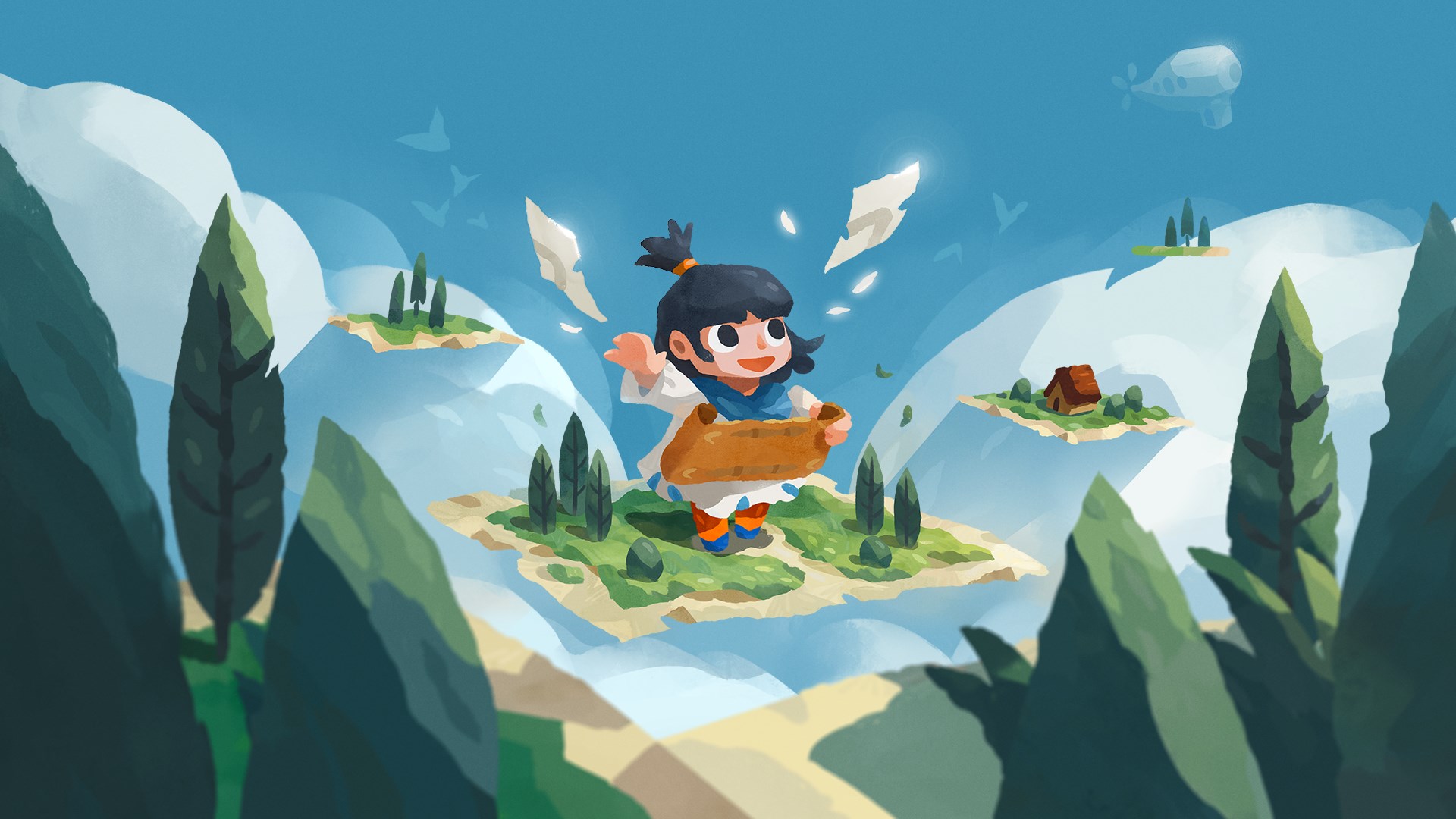
You rearrange map tiles to reshape the world, creating new paths and solving NPC requests via geography manipulation. Clues in dialogue and signage point to specific tile adjacencies, while the journal records discovered map rules for later puzzles. The tile system ensures no dead-end states—pieces can always be reconfigured to try another layout. Available on PC and consoles. Developed by Sunhead Games and published by Humble Games.
‘The Gardens Between’ (2018)

Time manipulation on side-scrolling dioramas lets you scrub forward and backward while toggling switches to change cause-and-effect chains. Each level teaches a new interaction, then combines it with earlier rules to form a single, readable solution path. No timing checks are required; you can adjust time freely until all states align. Available on PC, consoles, and mobile. Developed and published by The Voxel Agents.
‘Assemble with Care’ (2019)

You repair everyday objects by disassembling, inspecting parts, and reassembling with correct orientation and tools. Each job introduces a new mechanism—gears, wiring, seals—with tactile steps and clear feedback when components seat properly. Short chapters track progress, and hints gently nudge toward the next step without giving away full solutions. Available on PC and mobile. Developed and published by ustwo games.
‘Luna The Shadow Dust’ (2020)

Hand-animated rooms present logic puzzles that use light, shadow, and a companion character with complementary abilities. The game keeps interface minimal—no inventory—so solutions rely on observation and sequencing rather than item combinations. A chapter structure with autosave lets you revisit rooms to test hypotheses quickly. Available on PC and consoles. Developed by Lantern Studio and published by Coconut Island Games.
‘Botanicula’ (2012)

Point-and-click traversal pairs with ecology-themed puzzles where you collect creatures, sounds, or seeds to unlock progress. Exploration is non-punishing: cursor changes indicate interactables, and scenes loop to prevent getting lost. Audio and visual cues act as puzzle hints, reducing reliance on text. Available on PC and mobile. Developed and published by Amanita Design.
‘Machinarium’ (2009)
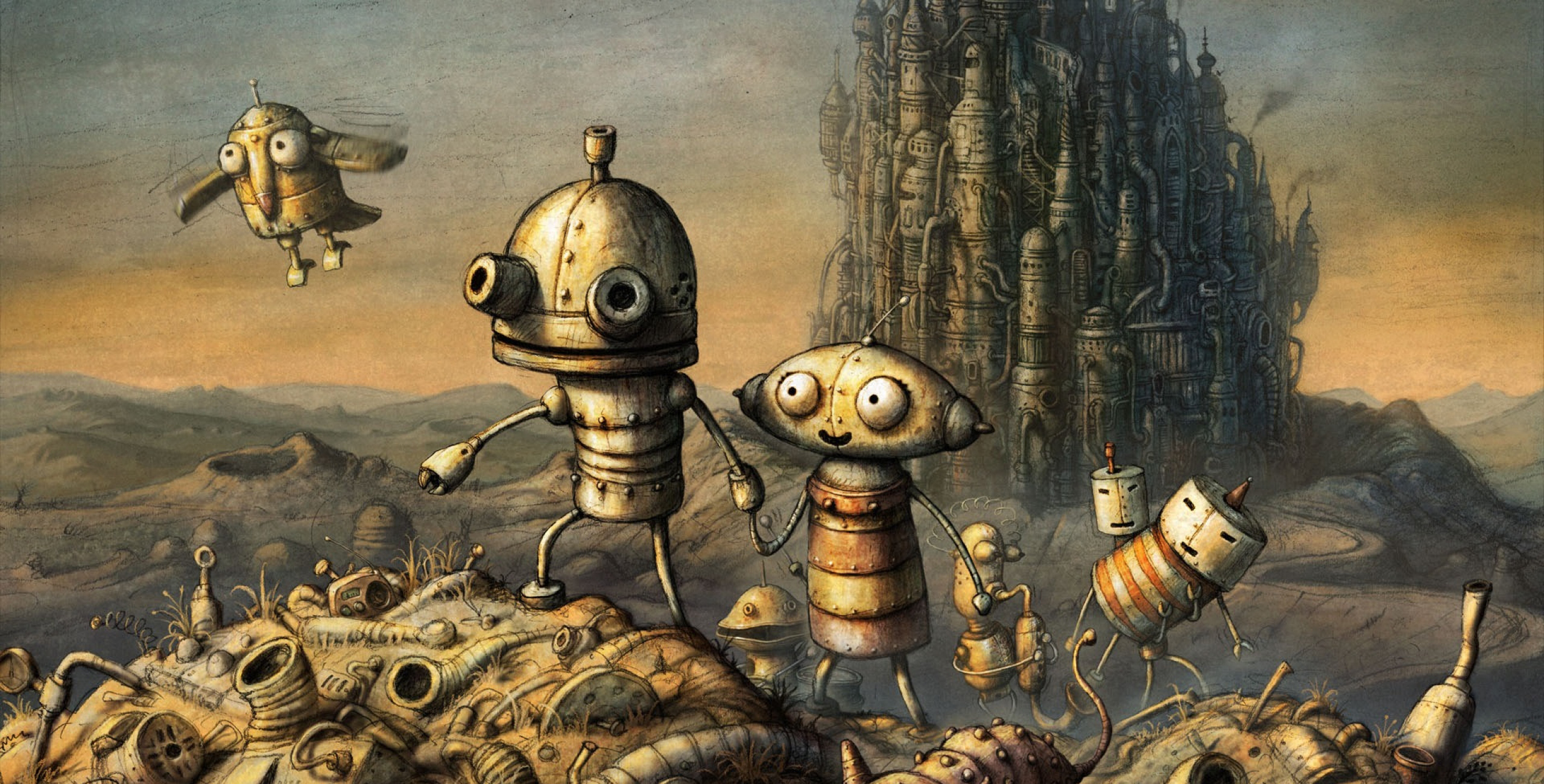
Inventory-based logic puzzles center on a robot who can stretch or shrink to interact with machinery panels and environmental gadgets. A built-in two-tier hint system—one clue and an unlockable solution sketch—prevents stalls while encouraging first-attempt reasoning. The city hub branches into solvable pockets, minimizing backtracking. Available on PC, consoles, and mobile. Developed and published by Amanita Design.
‘Chicory: A Colorful Tale’ (2021)

Painting mechanics solve environmental puzzles—coloring vines, revealing paths, and activating symbols—while a map tracks completion by region. Ability upgrades expand traversal with simple inputs, like swimming through ink or dashing across gaps. Co-op support allows a second cursor for shared puzzle solving without difficulty spikes. Available on PC, PlayStation, and Switch. Developed by Greg Lobanov and published by Finji.
‘Heaven’s Vault’ (2019)
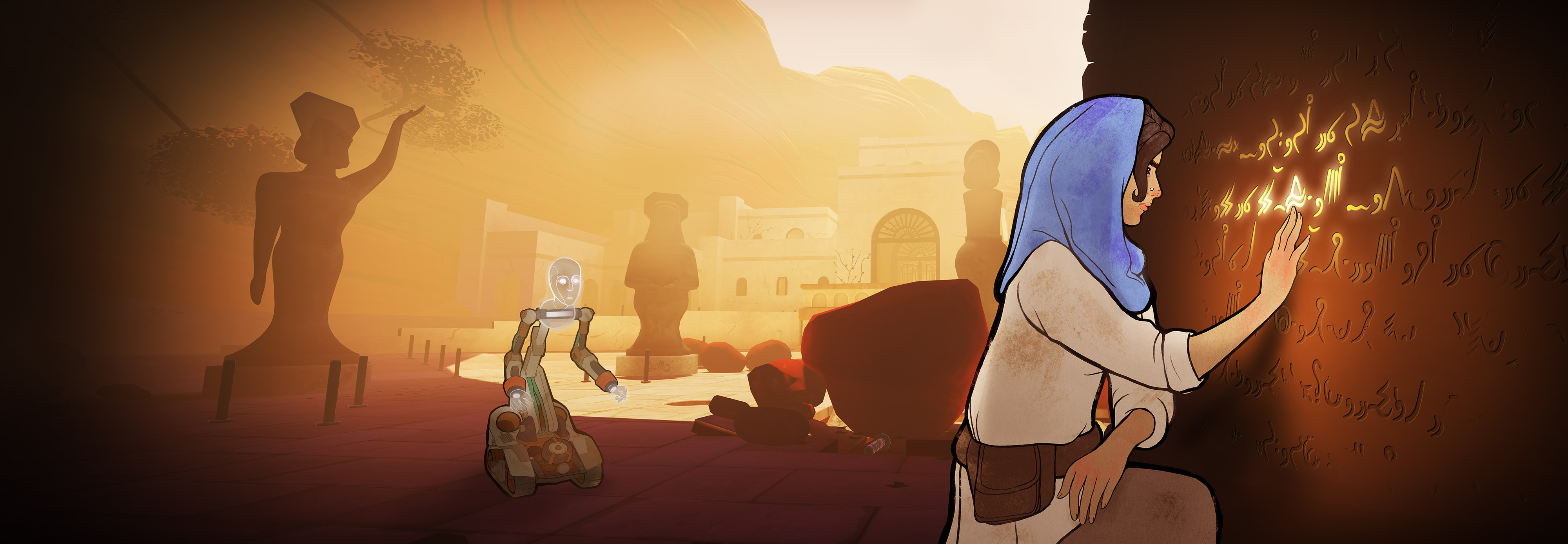
You decipher an alien script by proposing translations, then validating them across inscriptions with growing linguistic constraints. The journal tracks every hypothesis and auto-cross-references symbols so incorrect guesses can be revised without penalty. Open routes between sites let you pursue clues in any order while story flags prevent contradiction. Available on PC and consoles. Developed and published by inkle.
‘Dordogne’ (2023)
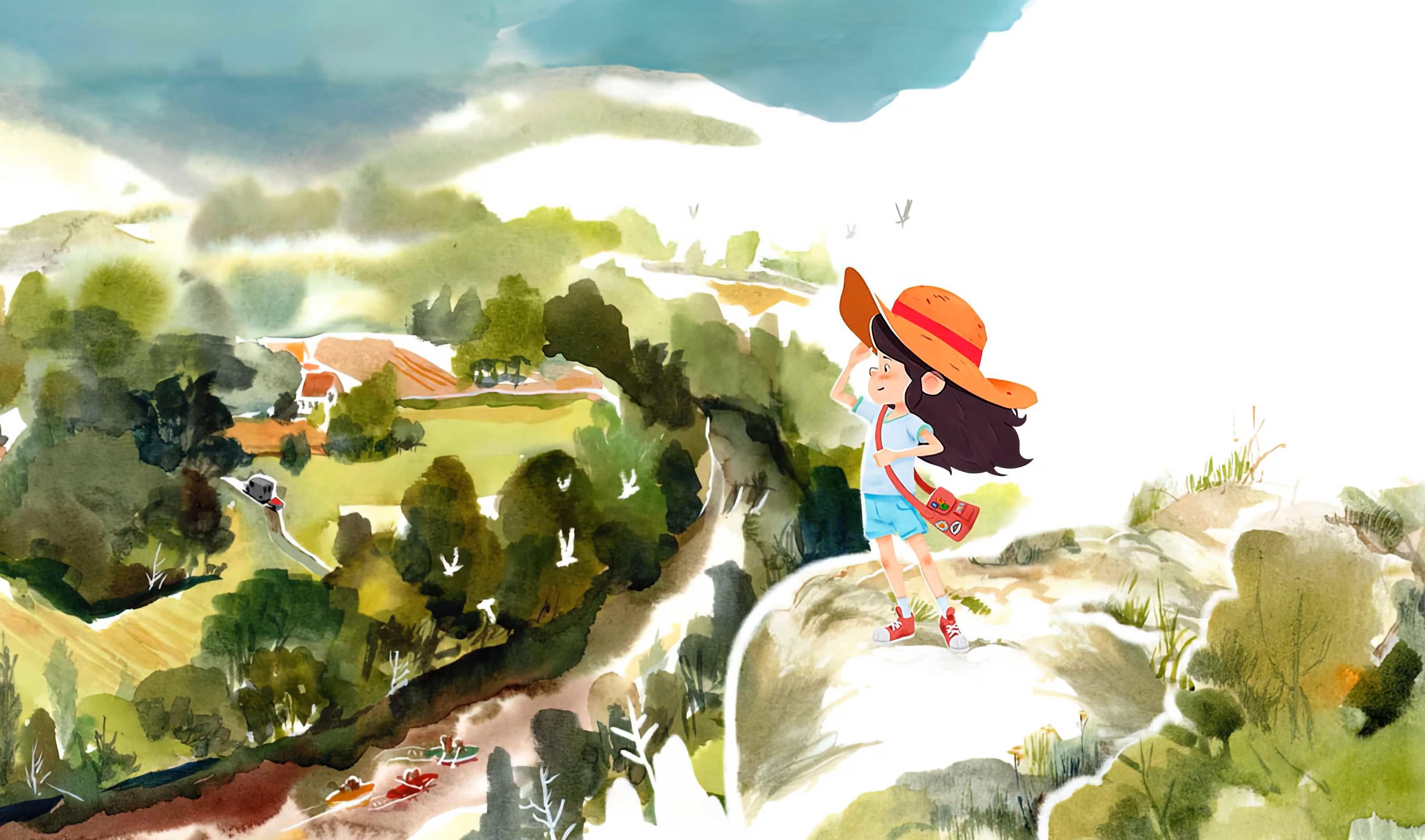
Watercolor exploration mixes light object puzzles with a diary system where collected stickers, sounds, and photos fill scrapbook objectives. Area maps are compact; checklists show remaining interactables to finish a scene before moving on. Controller and touch inputs are both supported with clear prompts for each action. Available on PC, PlayStation, Xbox, and Switch. Developed by Un Je Ne Sais Quoi and Umanimation, published by Focus Entertainment.
‘Venba’ (2023)

Cooking sequences function as logic puzzles where you infer family recipes from partial instructions and responsive ingredients. Each step provides feedback—sizzle, aroma cues, visual changes—so you can correct mistakes without fail states. Chapters are short and linear, enabling quick completion across multiple sessions. Available on PC and consoles. Developed and published by Visai Games.
‘A Little to the Left’ (2022)
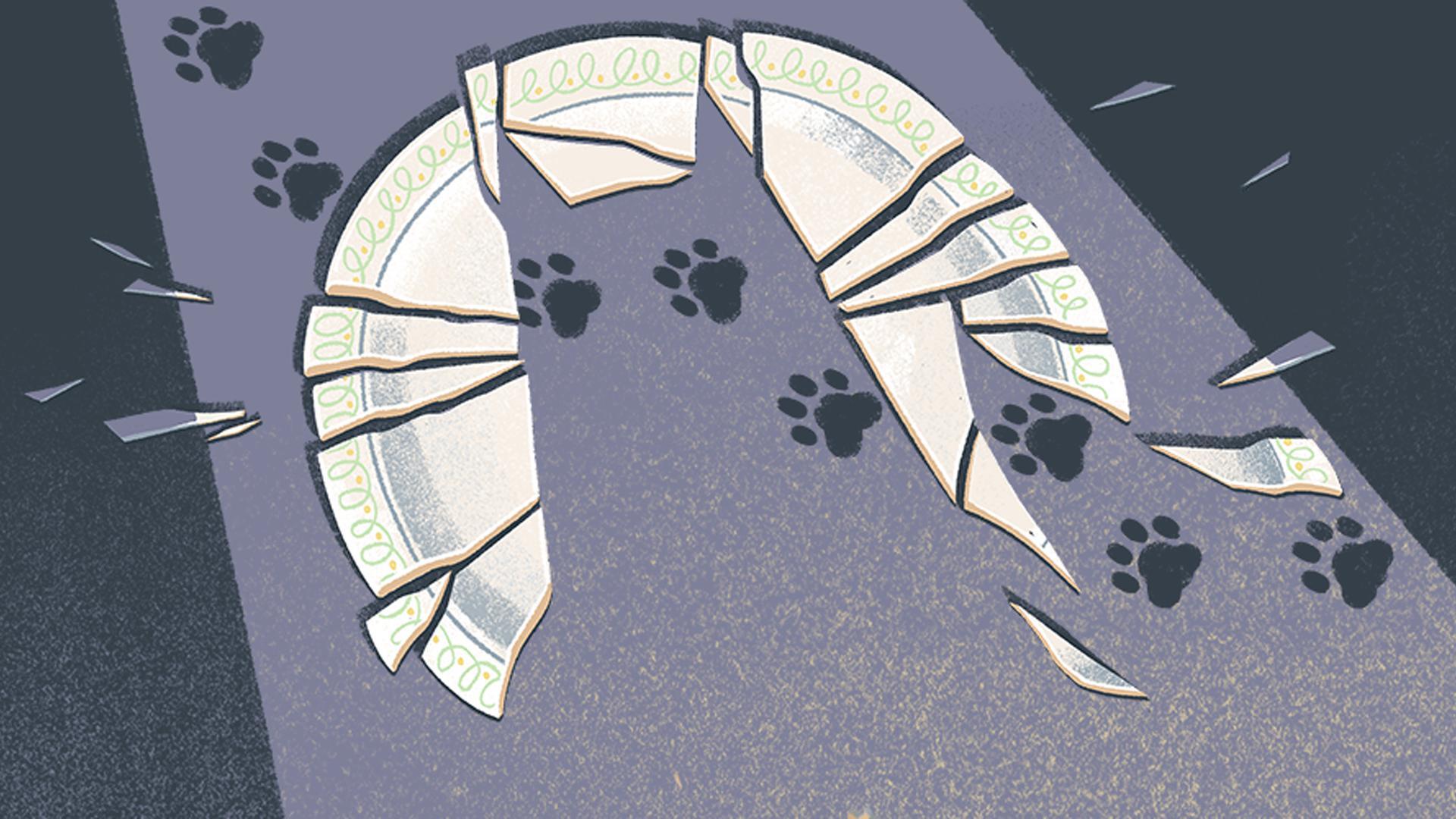
Household organization puzzles ask you to sort, stack, and align objects according to discoverable patterns like size, angle, or labels. Many levels have multiple valid solutions, with an interface that records which variants you’ve found. Daily puzzle modes add optional bite-sized challenges independent of the campaign. Available on PC and consoles. Developed by Max Inferno and published by Secret Mode.
‘Spiritfarer’ (2020)
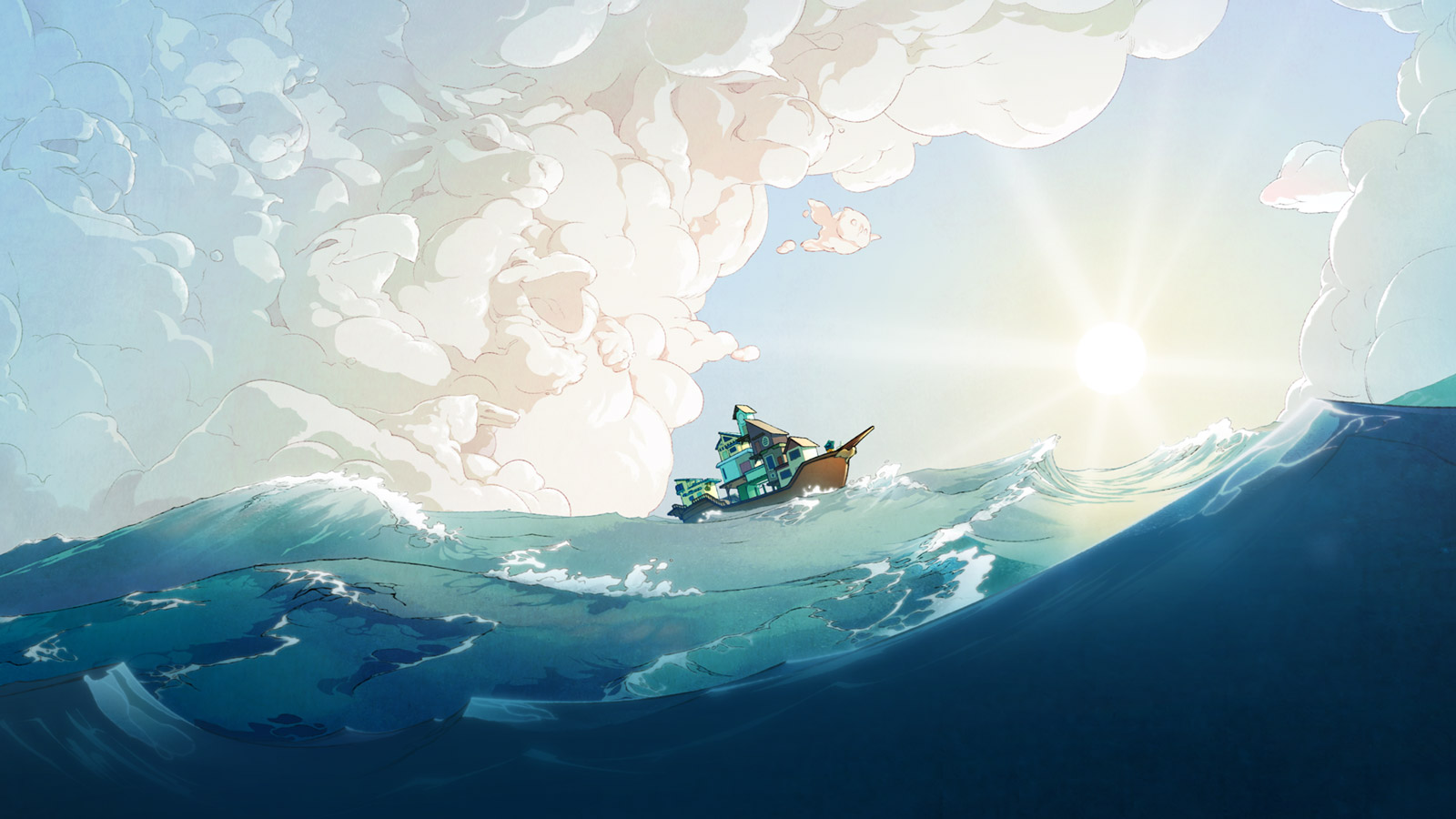
Ferry management intertwines with light platforming and environmental puzzles tied to ship upgrades that unlock new islands. Crafting and building systems advance quests at a relaxed pace, and a travel log clearly marks objectives and required materials. Drop-in local co-op allows shared tasks without progression conflicts. Available on PC and consoles. Developed and published by Thunder Lotus Games.
‘Eastshade’ (2019)
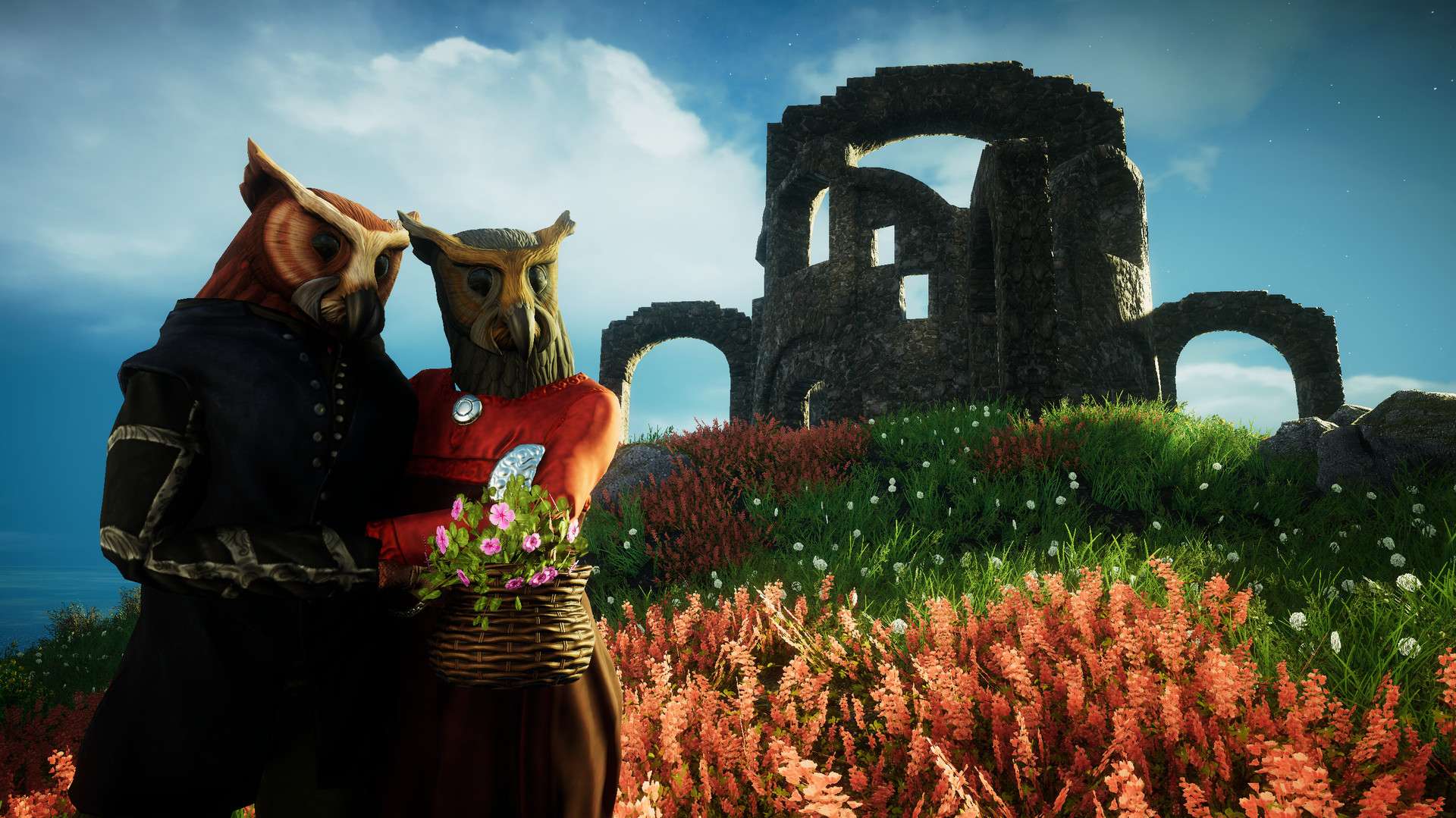
Exploration quests hinge on painting subjects instead of combat, using a camera-like framing tool to satisfy commissions and solve access puzzles. Reputation and attire gates determine dialogue outcomes, while travel is supported by fast-travel markers unlocked through play. Time of day and weather inform certain objectives without hard fail conditions. Available on PC and consoles. Developed and published by Eastshade Studios.
‘The Touryst’ (2019)
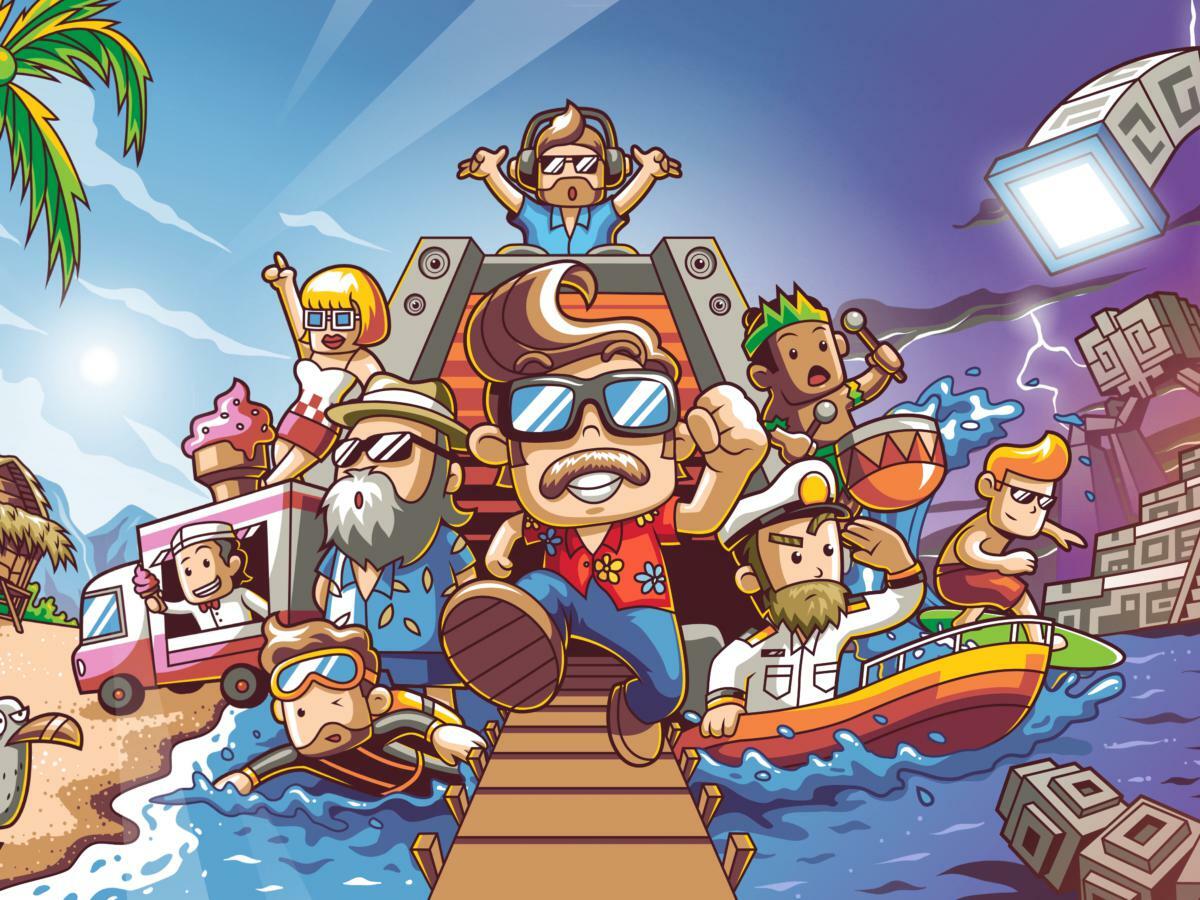
Island hubs contain monument dungeons with physics switches, block pushes, and perspective platforms, all resettable to avoid soft locks. Side activities—like surfing, photography, and arcade cabinets—feed coins and tips that open new travel routes. A quest list and clear signage keep navigation straightforward between islands. Available on PC, Xbox, PlayStation, and Switch. Developed and published by Shin’en Multimedia.
‘Rime’ (2017)
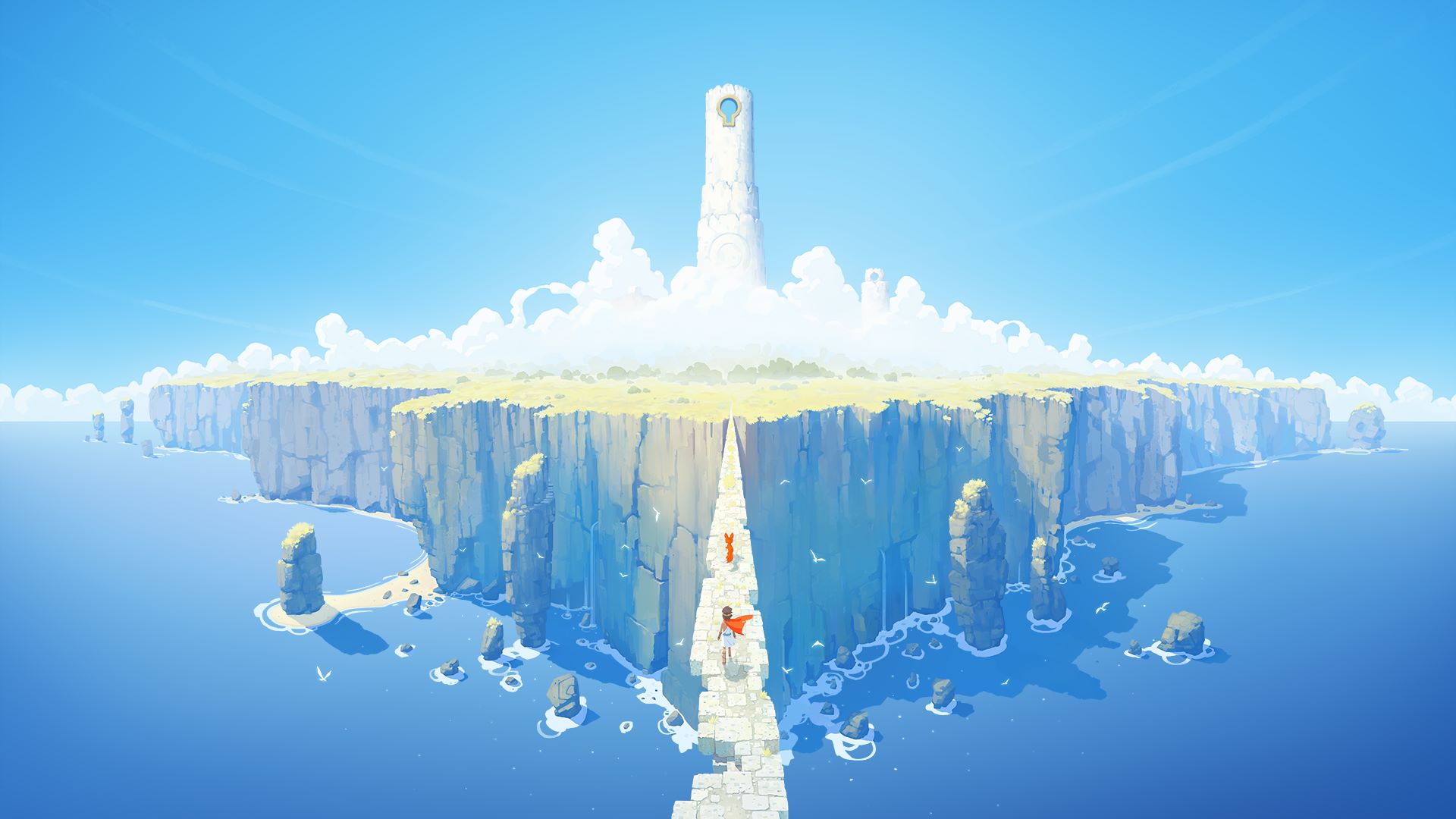
Environmental puzzles use statues, sound, and light to open pathways across a series of self-contained regions. Collectibles double as hints to upcoming mechanics, and generous checkpointing lets you experiment freely with puzzle states. There’s no inventory; interaction relies on observation and spatial reasoning. Available on PC and consoles. Developed by Tequila Works and published by Grey Box and Six Foot.
Share your favorite cozy puzzle-adventure in the comments and tell everyone which moment hooked you first!