Top 20 Movies That Sparked Massive Boycotts

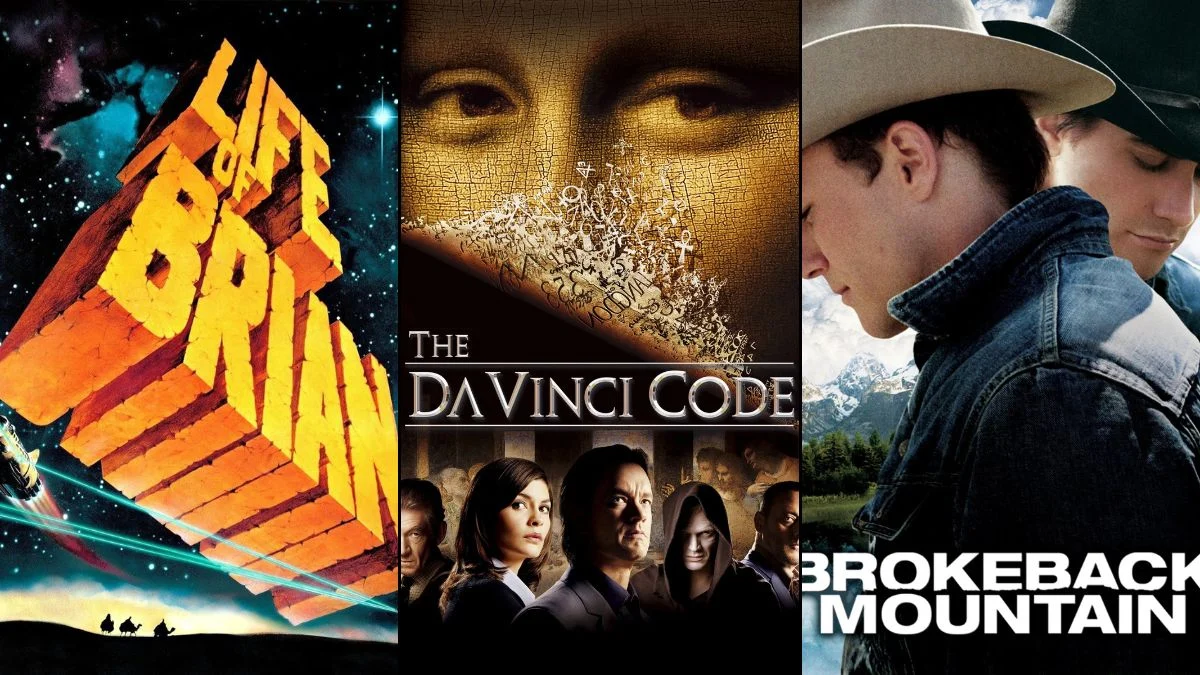

Some films do more than entertain and their releases trigger organized campaigns that pressure theaters, studios, and audiences. Boycotts can come from religious groups, political organizations, advocacy networks, or government aligned bodies, and they often call for cancellations, bans, or refusals to screen. These efforts can reshape distribution plans, alter marketing strategies, and push exhibitors to drop showings. Here are twenty films that met coordinated resistance and the concrete actions that followed.
‘The Birth of a Nation’ (1915)
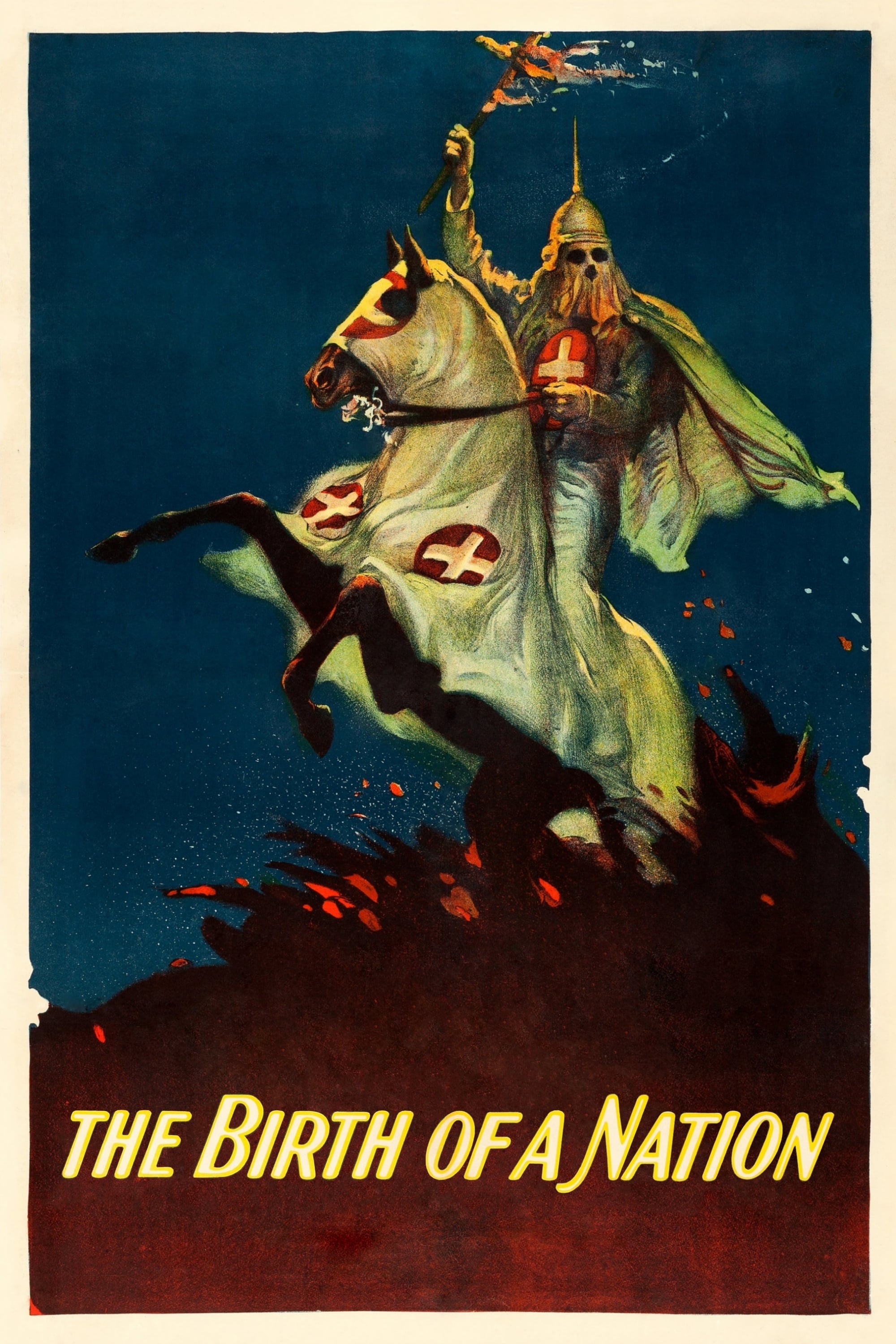
Civil rights groups organized protests and urged theaters not to screen ‘The Birth of a Nation’ because of its racist portrayals and use in recruitment efforts by extremist groups. Demonstrators picketed outside venues and petitioned local authorities to revoke permits for showings. Several cities imposed restrictions and denied licenses for screenings after lobbying from community leaders. The activism helped establish early models for organized film boycotts in the United States.
‘Life of Brian’ (1979)
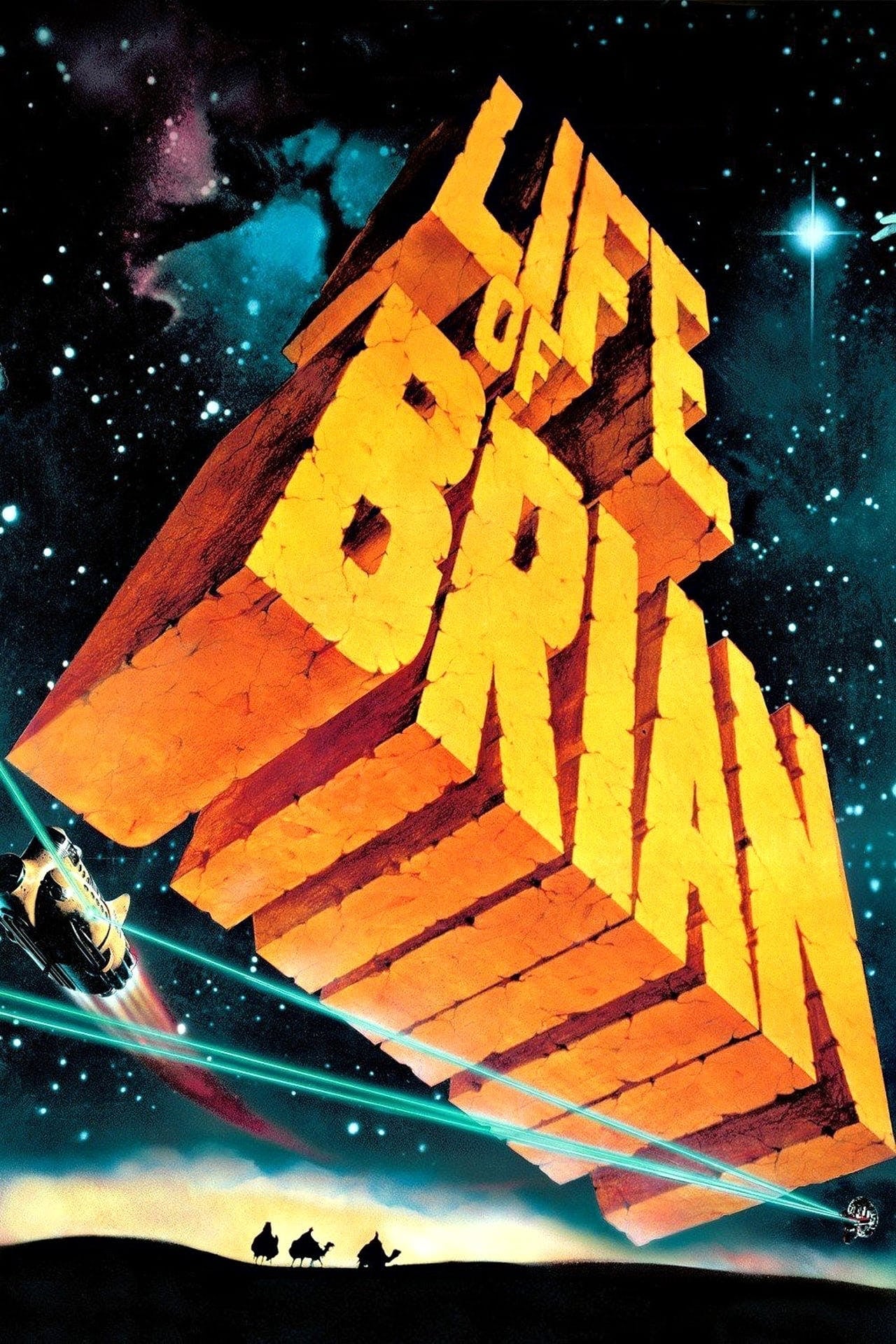
Religious organizations in multiple countries called for boycotts of ‘Life of Brian’ on grounds of blasphemy. Local councils and theater owners faced coordinated letter writing and church led campaigns to cancel bookings. Some municipalities barred public cinemas from showing the film and touring exhibitors rerouted around affected areas. The controversy significantly shaped the release pattern with limited access in certain regions.
‘Hail Mary’ (1985)

Catholic groups organized nationwide protests against ‘Hail Mary’ and urged supporters to avoid cinemas carrying the title. Demonstrations outside theaters sought to pressure exhibitors to pull the film from schedules. Distributors reported cancellations as owners responded to sustained pickets and community petitions. The dispute influenced programming choices in numerous cities for weeks.
‘The Last Temptation of Christ’ (1988)

Religious coalitions mounted a large scale boycott of ‘The Last Temptation of Christ’ targeting both the studio and theater chains. Exhibitors received mass phone campaigns and congregational petitions demanding cancellations. Several chains declined to book the film citing security concerns and community pressure. The organized response forced a reduced rollout with fewer screens than initially planned.
‘The Passion of the Christ’ (2004)
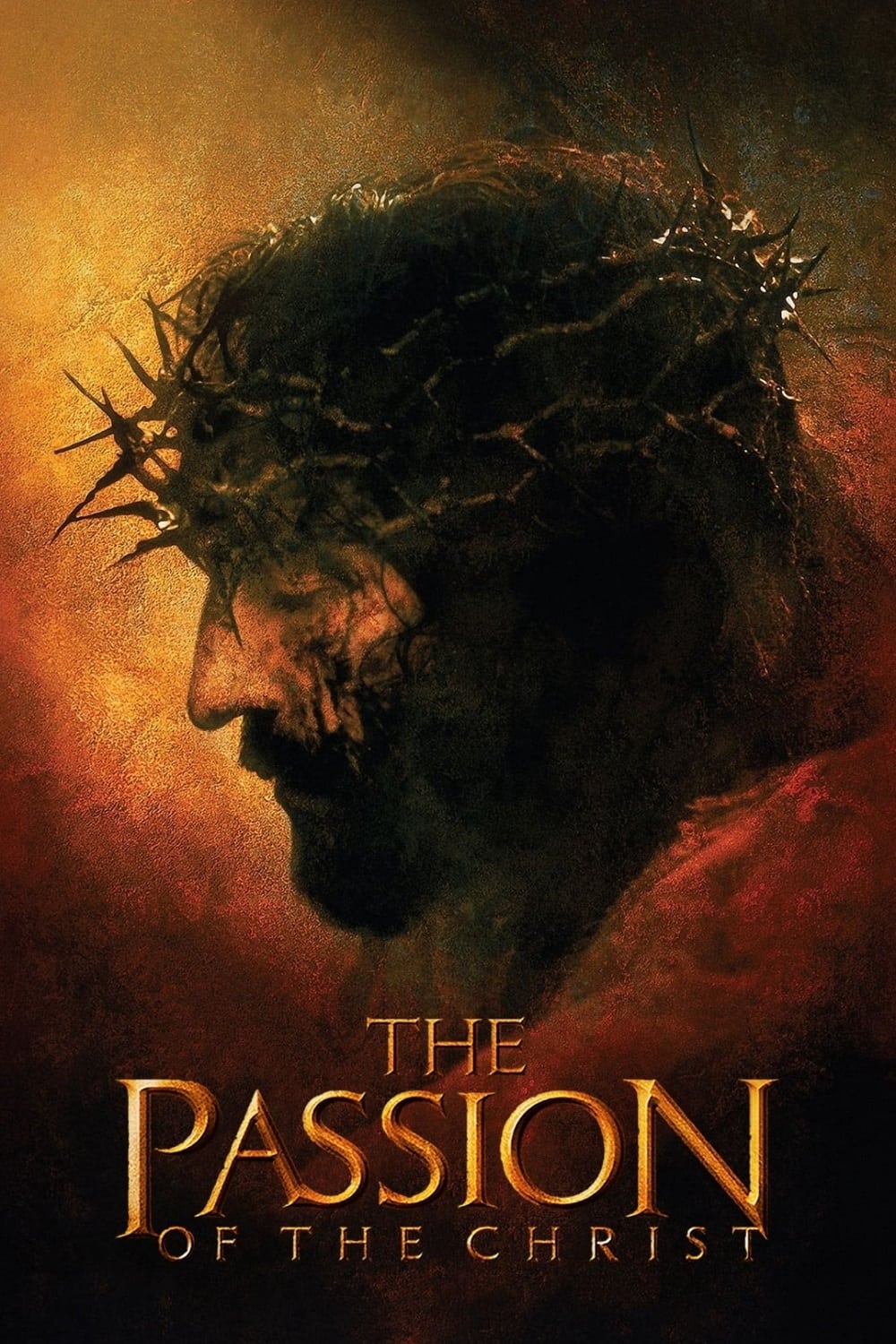
Interfaith and human rights groups urged boycotts of ‘The Passion of the Christ’ over concerns about content and potential social impact. Activists coordinated with community leaders to discourage attendance and to press local theaters for warnings or limited runs. Some educational and religious institutions advised members not to patronize screenings. The campaign generated widespread media attention and heightened security at multiplexes.
‘Brokeback Mountain’ (2005)
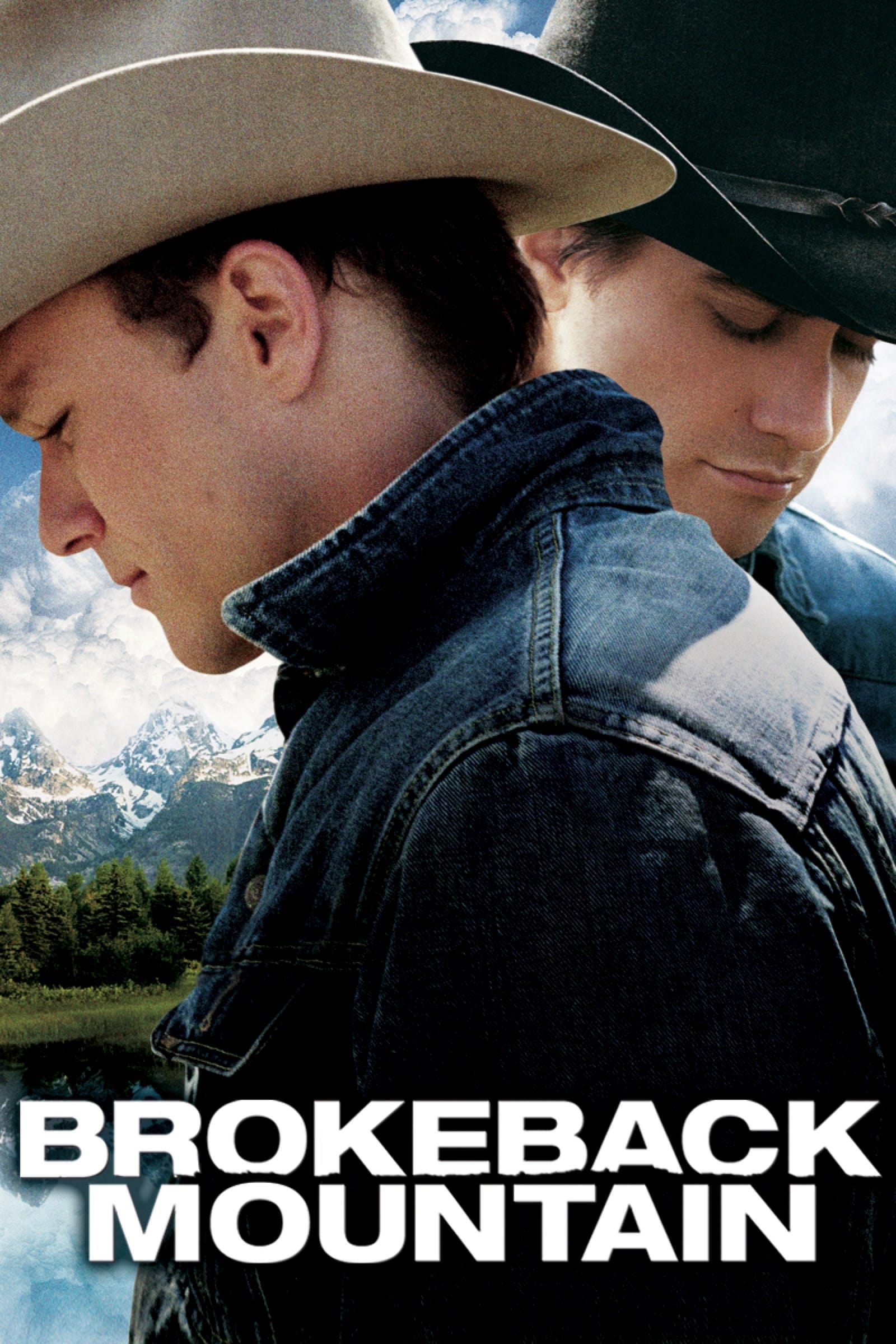
Conservative organizations called for boycotts of ‘Brokeback Mountain’ and sought to dissuade theater owners in smaller markets from booking it. Pressure campaigns influenced some exhibitors to decline showings despite strong demand. Faith based groups distributed guidance to members about avoiding the film and contacting local cinemas. The pushback shaped where the film could be seen during its expansion phase.
‘The Da Vinci Code’ (2006)

Religious bodies in several countries coordinated boycotts of ‘The Da Vinci Code’ and petitioned authorities to restrict screenings. Activists staged prayer rallies and demonstrations at cinemas to discourage attendance. Some national and local censors imposed edits or refused exhibition outright following organized complaints. The campaigns prompted studios to adjust publicity and security planning for premieres.
‘The Golden Compass’ (2007)
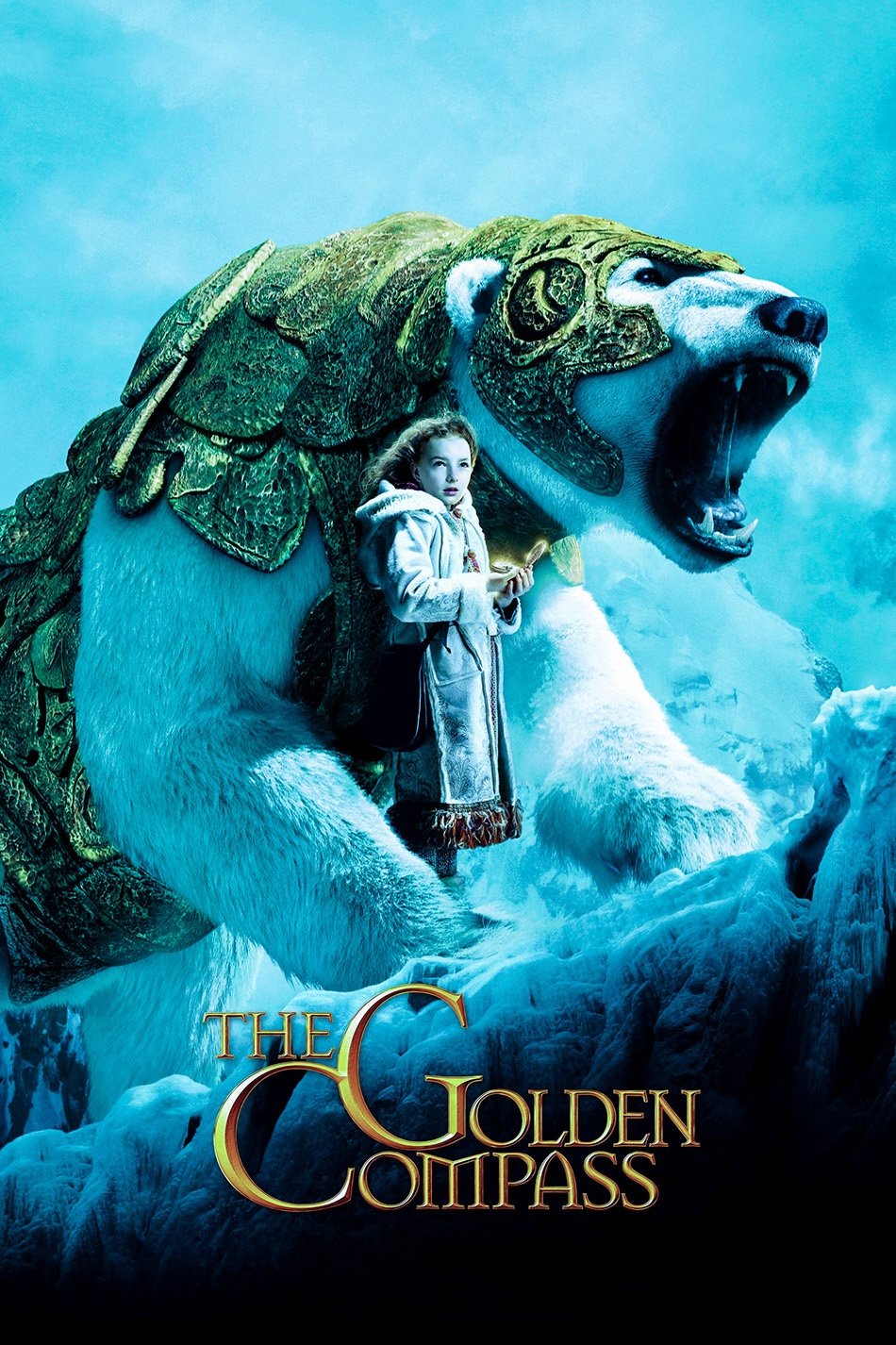
Advocacy groups urged a consumer boycott of ‘The Golden Compass’ citing concerns about themes they considered anti religious. Email trees and parish bulletins asked families to avoid the film and to contact retailers about related merchandise. The sustained outreach pressured partners tied to tie in promotions to scale back support. The campaign affected the performance of planned sequels in the same franchise space.
‘Noah’ (2014)
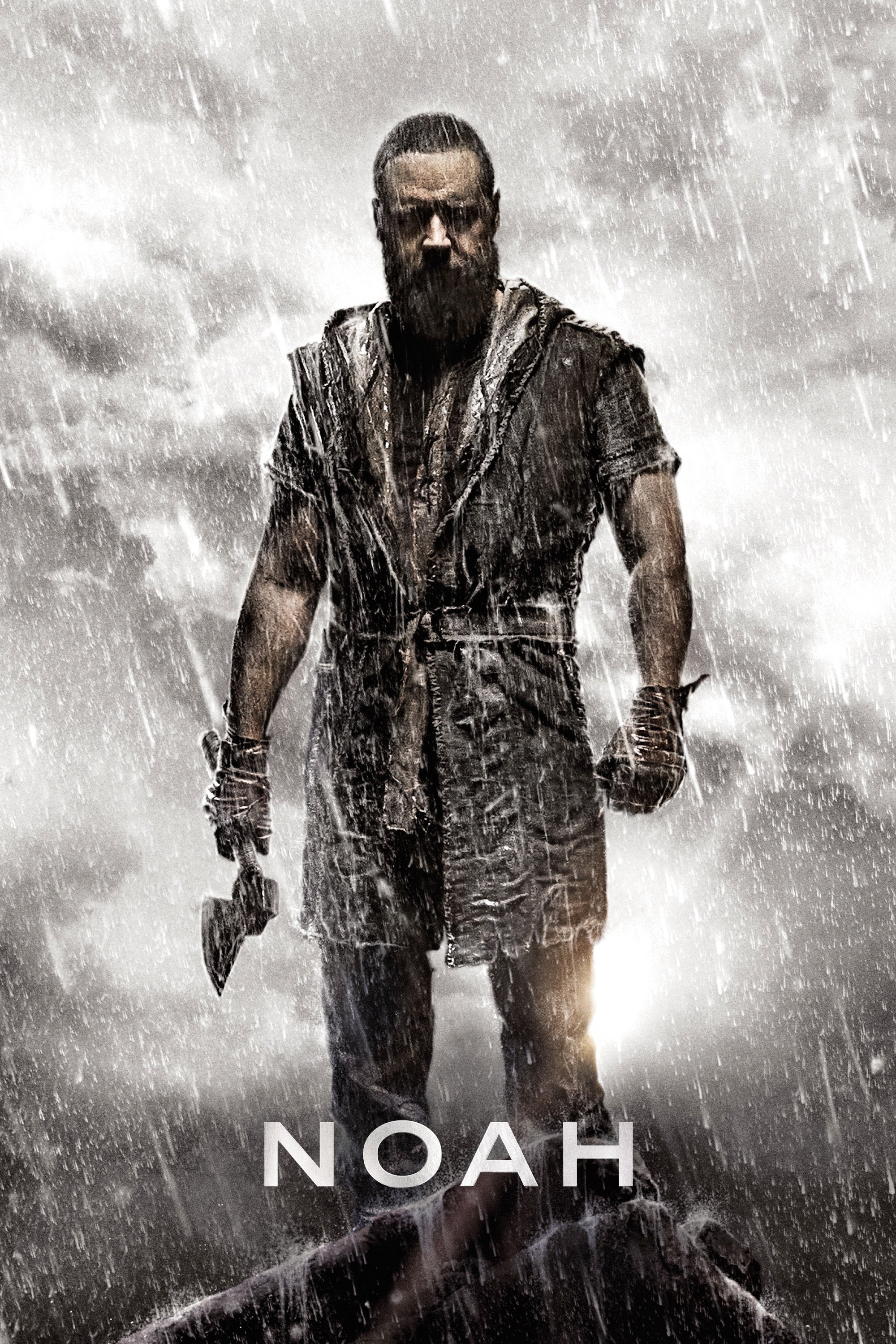
Religious authorities and community groups called for boycotts of ‘Noah’ in response to perceived deviations from scripture. Several territories saw coordinated efforts that encouraged cinemas to drop bookings and audiences to skip the release. Some countries issued bans while others required disclaimers after lobbying from religious councils. The combination of boycotts and regulatory actions produced a patchwork distribution landscape.
‘PK’ (2014)
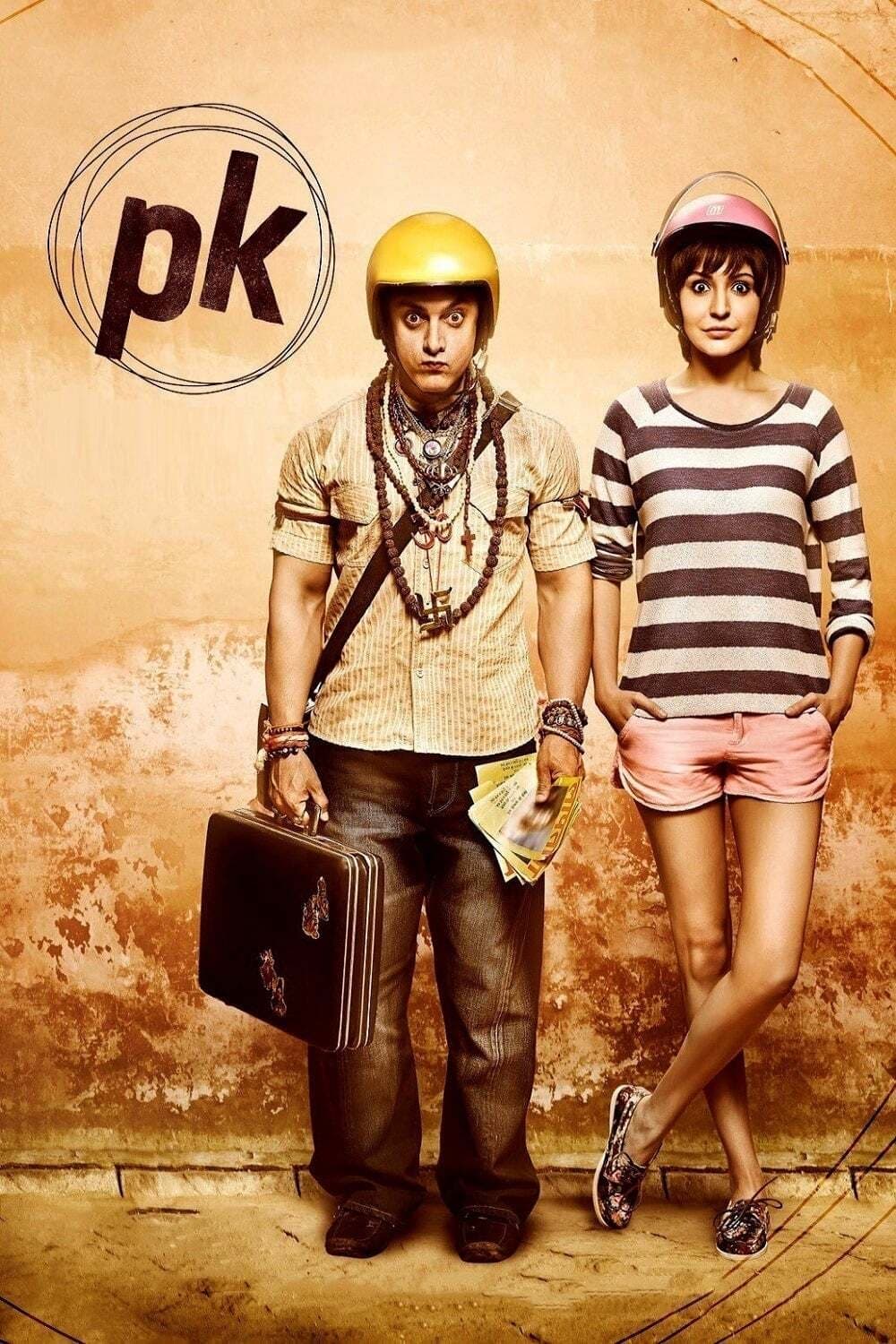
Activists and religious organizations organized boycotts of ‘PK’ and protested outside theaters where it opened. Petitions gathered signatures that urged exhibitors to halt showings and to remove promotional displays. Local officials in some areas requested enhanced security for cinemas due to organized demonstrations. The film continued its run but with sustained pressure on venue operators.
‘American Sniper’ (2014)

Student groups and community organizations urged boycotts of ‘American Sniper’ screenings on campuses and at independent theaters. Campaigns included open letters to administrators and coordinated ticket avoidance drives. Some venues canceled special showings and replaced them with alternative programming after negotiations. The debate extended to municipal film events where organizers faced divided community feedback.
‘The Hateful Eight’ (2015)
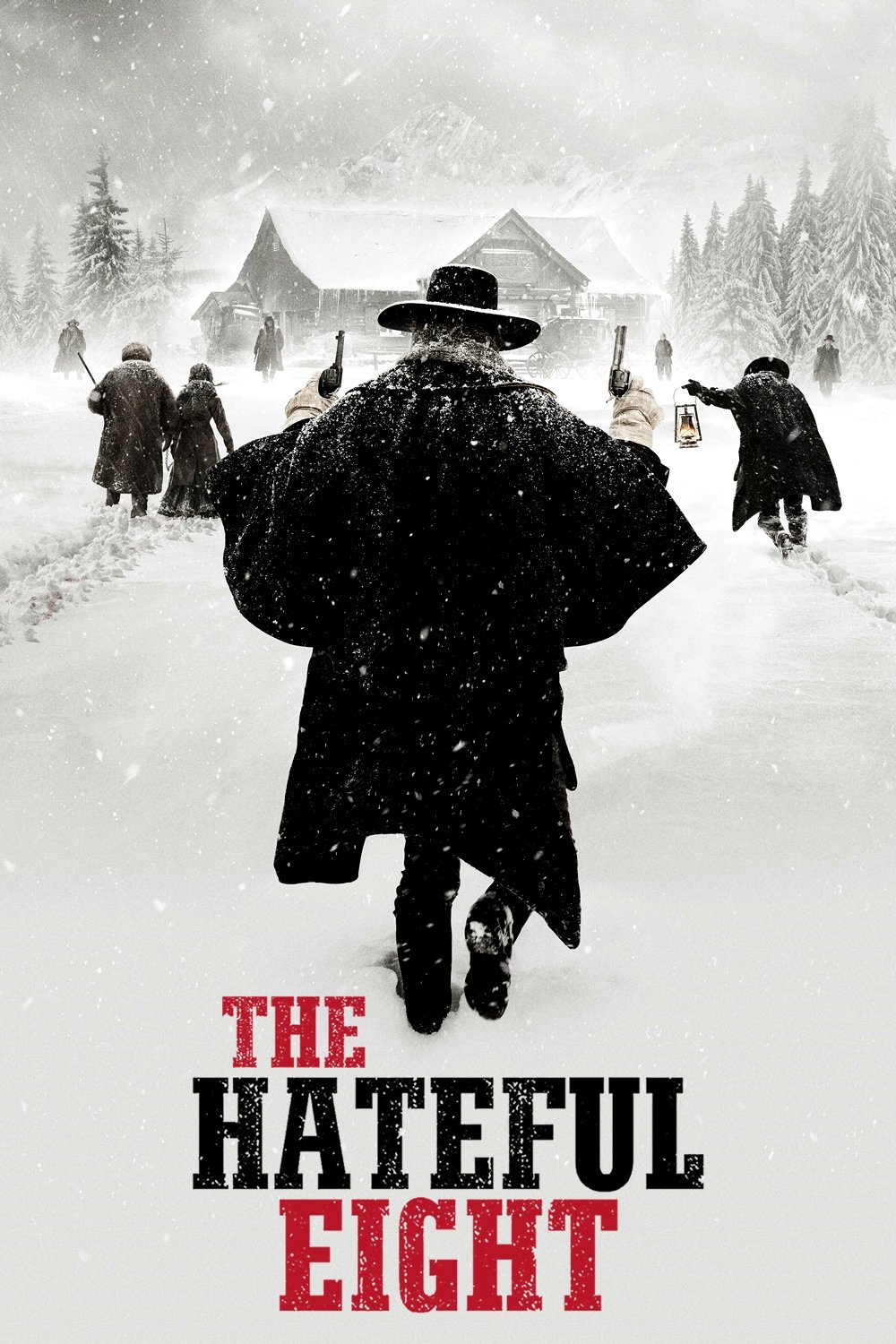
Police associations in numerous cities promoted boycotts of ‘The Hateful Eight’ following public remarks by the director that critics linked to law enforcement issues. Officers and supporters urged audiences to skip the film and asked exhibitors to reconsider premium placements. Theater owners reported coordinated calls and social media campaigns that targeted opening weekend. The effort placed pressure on promotional partners connected to the release.
‘Beauty and the Beast’ (2017)

Religious groups and officials in multiple markets called for boycotts of ‘Beauty and the Beast’ due to a brief scene depicting a same sex moment. Cinemas in some regions canceled or delayed runs after organized appeals from community leaders. Retail partners received letters requesting the removal of branded displays tied to the film. The coordinated response prompted content advisories and altered release plans in select areas.
‘Star Wars: The Last Jedi’ (2017)

Fan led groups organized boycott campaigns against ‘Star Wars The Last Jedi’ focused on creative choices and character arcs. Efforts included coordinated no show pledges and outreach to theater chains to reduce premium screen allocations. Online petitions sought to pressure the studio to change future installments and marketing direction. The movement generated visible social media trends that exhibitors monitored during the run.
‘Captain Marvel’ (2019)

Organized online groups promoted a boycott of ‘Captain Marvel’ driven by disagreements with publicity messaging and star interviews. Campaigns targeted presales and asked audiences to cancel advance tickets. Some theaters reported coordinated calls urging them to minimize showtimes or display warnings. The studio adjusted comment features on rating platforms as part of a broader response to the campaign.
‘Cuties’ (2020)
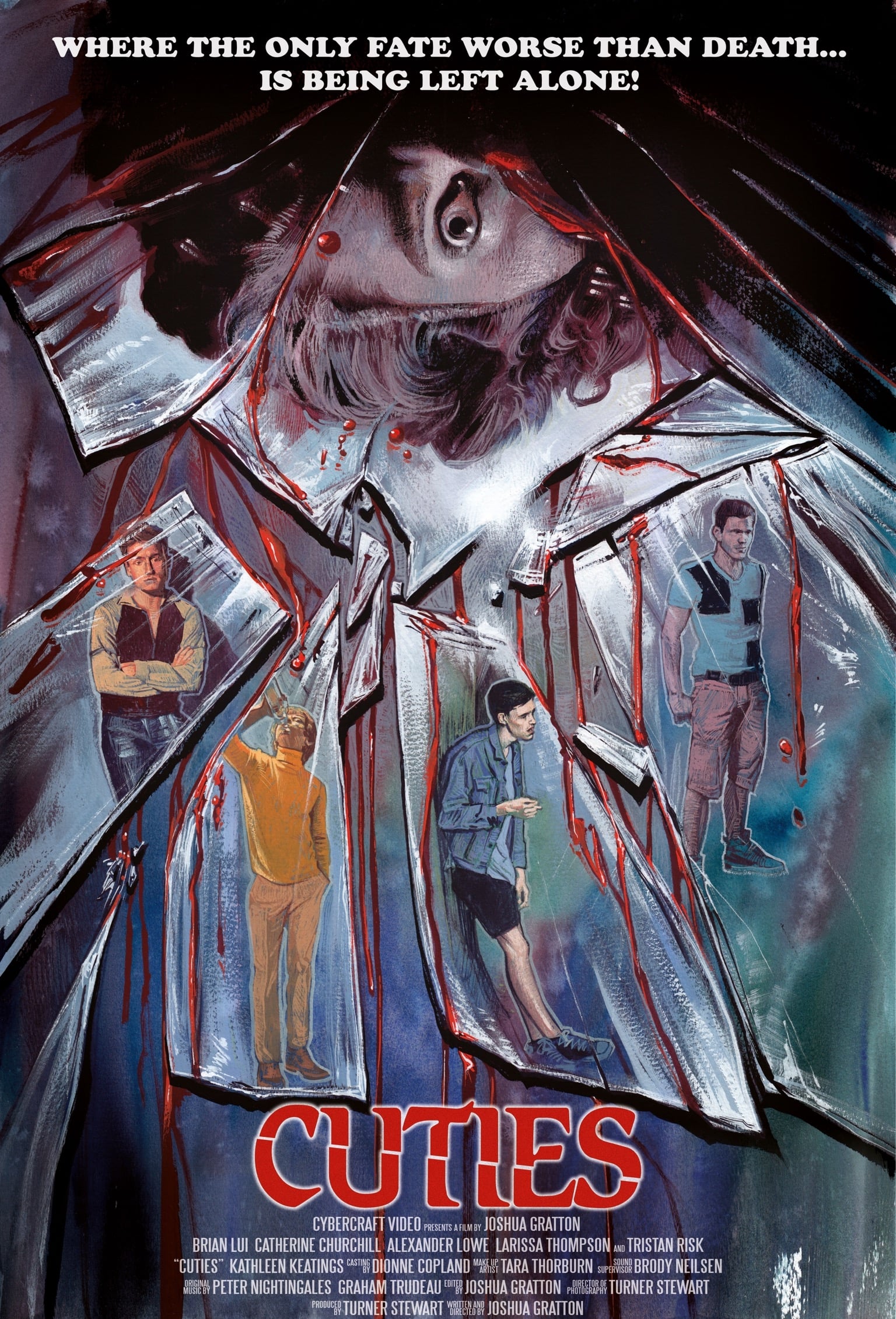
Parent groups and advocacy organizations launched a widespread boycott of ‘Cuties’ that targeted the distributor and associated services. Coordinated cancellations and public pledges aimed to reduce viewership and subscriptions tied to the platform. Lawmakers and officials issued statements that amplified calls for avoidance and removal. The campaign led to marketing changes and policy reviews by the hosting service.
‘The Lady of Heaven’ (2021)
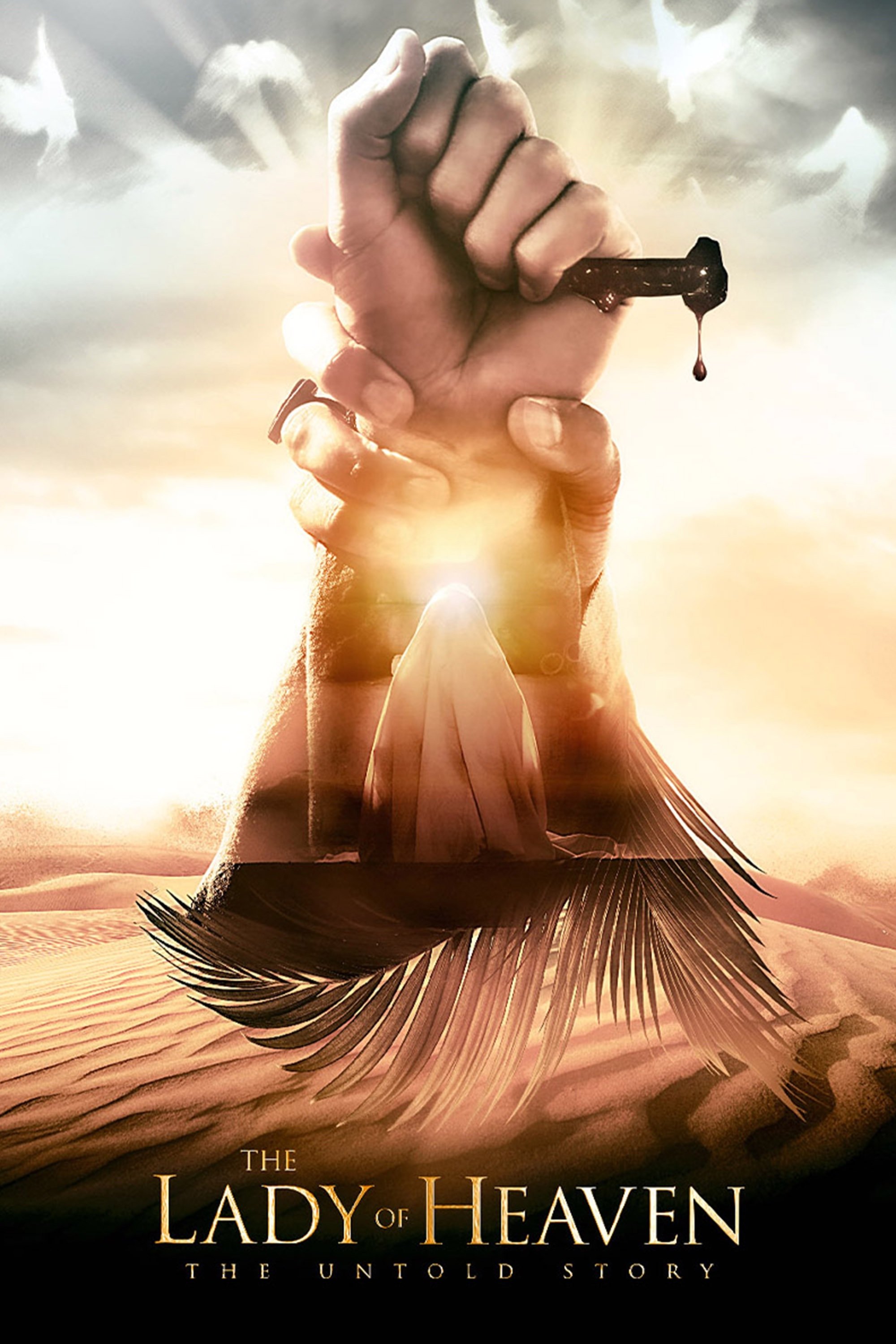
Religious organizations mobilized boycotts of ‘The Lady of Heaven’ and organized protests at cinemas across several countries. Exhibitors reported safety concerns and canceled screenings following sustained pressure. Community leaders issued joint statements that urged distributors to withdraw the film. The coordinated actions reshaped the release with limited availability in affected regions.
‘Lightyear’ (2022)

Officials and advocacy groups in a number of markets promoted boycotts of ‘Lightyear’ over a same sex kiss scene. The organized response involved petitions to regulators and outreach to theater chains about canceling runs. Several territories refused exhibition while others saw voluntary withdrawals by exhibitors. The studio faced parallel pressure on licensing and promotional tie ins during the campaign.
‘Barbie’ (2023)
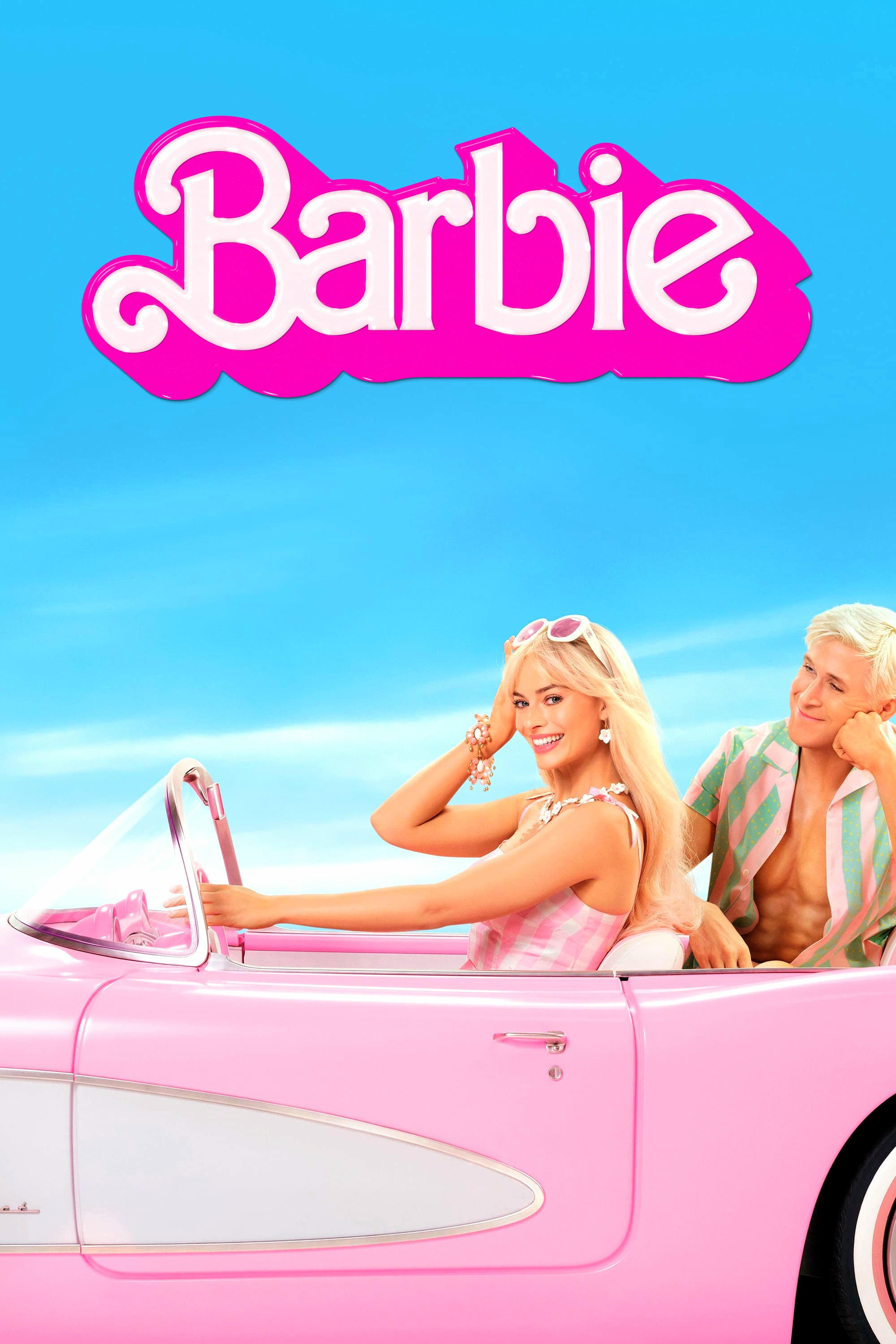
Political groups and regulators in multiple countries called for boycotts of ‘Barbie’ over perceived geopolitical messaging. Campaigns targeted national distributors and asked exhibitors to remove displays featuring map imagery. Some markets delayed approvals and required edits or disclaimers after lobbying from officials. The activism influenced marketing materials and territorial release timing.
‘The Kerala Story’ (2023)
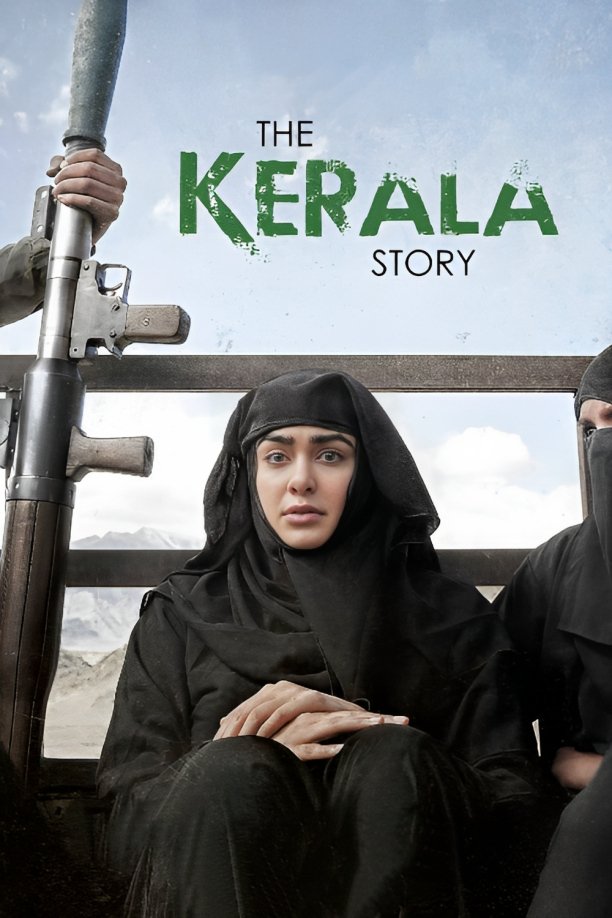
Activist networks and political organizations organized boycotts of ‘The Kerala Story’ in response to allegations regarding its portrayal of communities. The campaigns included legal appeals and public rallies outside cinemas. Several regions saw restrictions and advisories as authorities responded to organized complaints. The coordinated pressure affected show counts and security arrangements at theaters.
Share the titles you think were the most controversial in the comments.