

Top 20 Video Games That Will Make You CRY

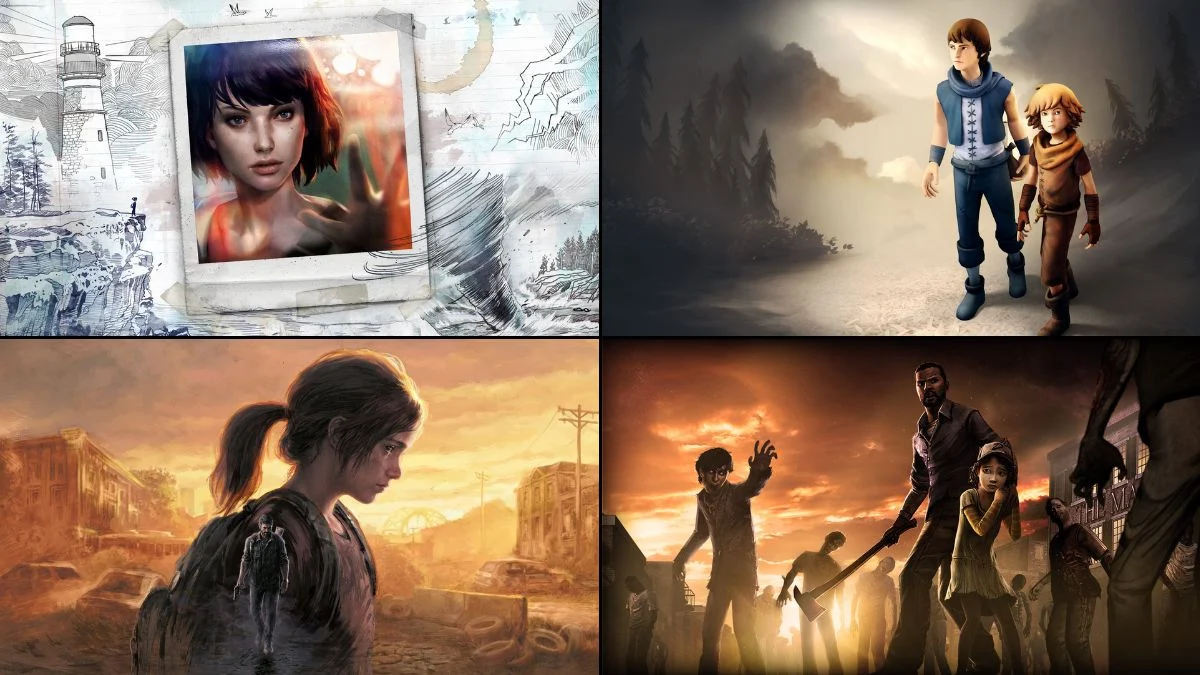


Some games earn their place in memory by telling stories that confront loss, love, and sacrifice through interactive moments you cannot pause away. These titles pair narrative with mechanics that amplify emotion through player choice, performance, or perspective. Many were praised for writing and performances while others used music and art direction to carry quiet scenes. The entries below highlight what each game covers, who made it, and where its most affecting beats come from.
The Last of Us Part I
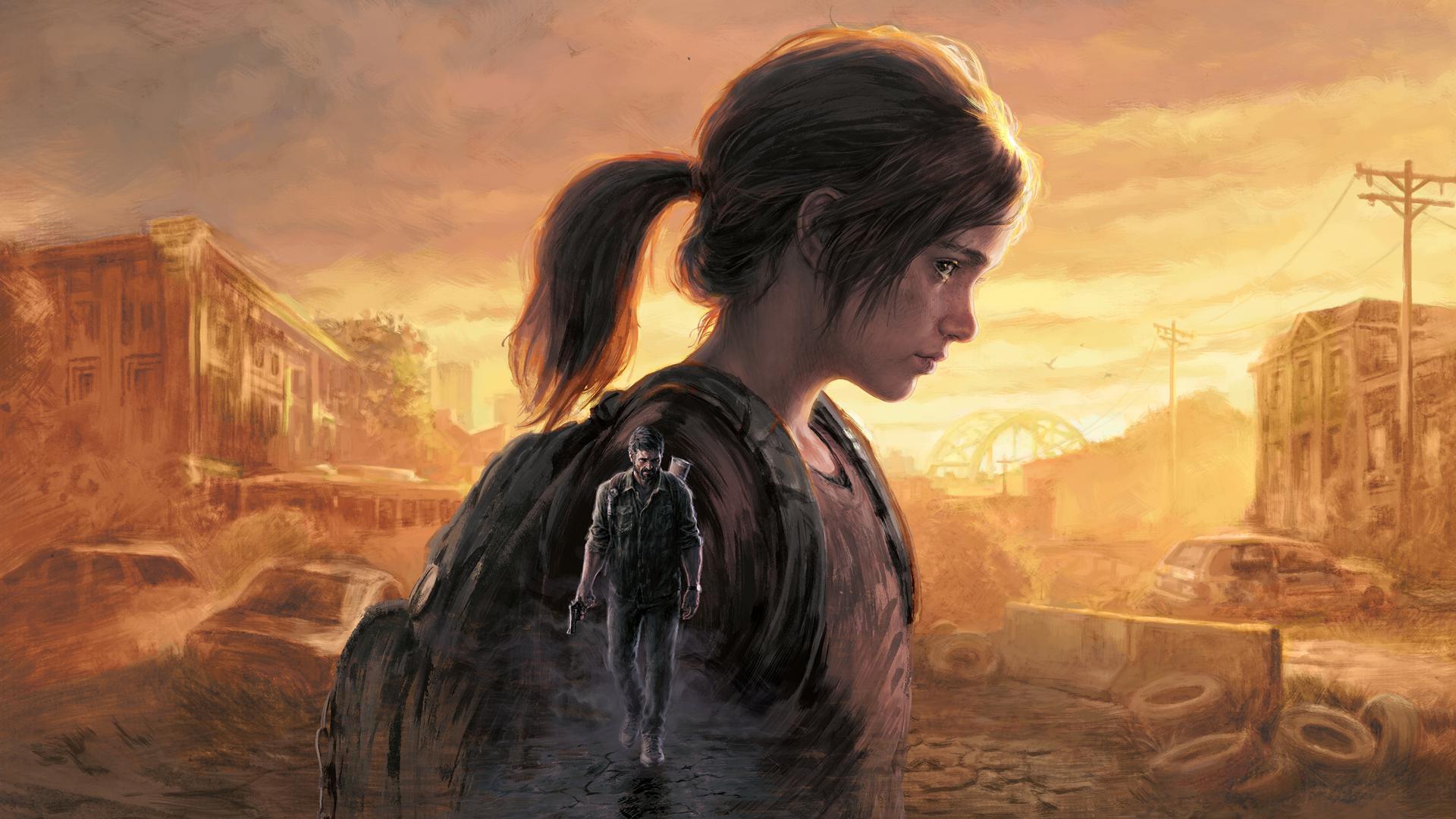
Released in 2013 by Naughty Dog, this action adventure follows Joel and Ellie as they cross a pandemic struck United States. The story explores found family through scripted sequences and playable stretches that build trust. Notable sections include the winter chapter and a closing decision that reshapes both characters. The game earned multiple Game of the Year awards and was later remade with updated visuals on newer PlayStation hardware.
The Last of Us Part II
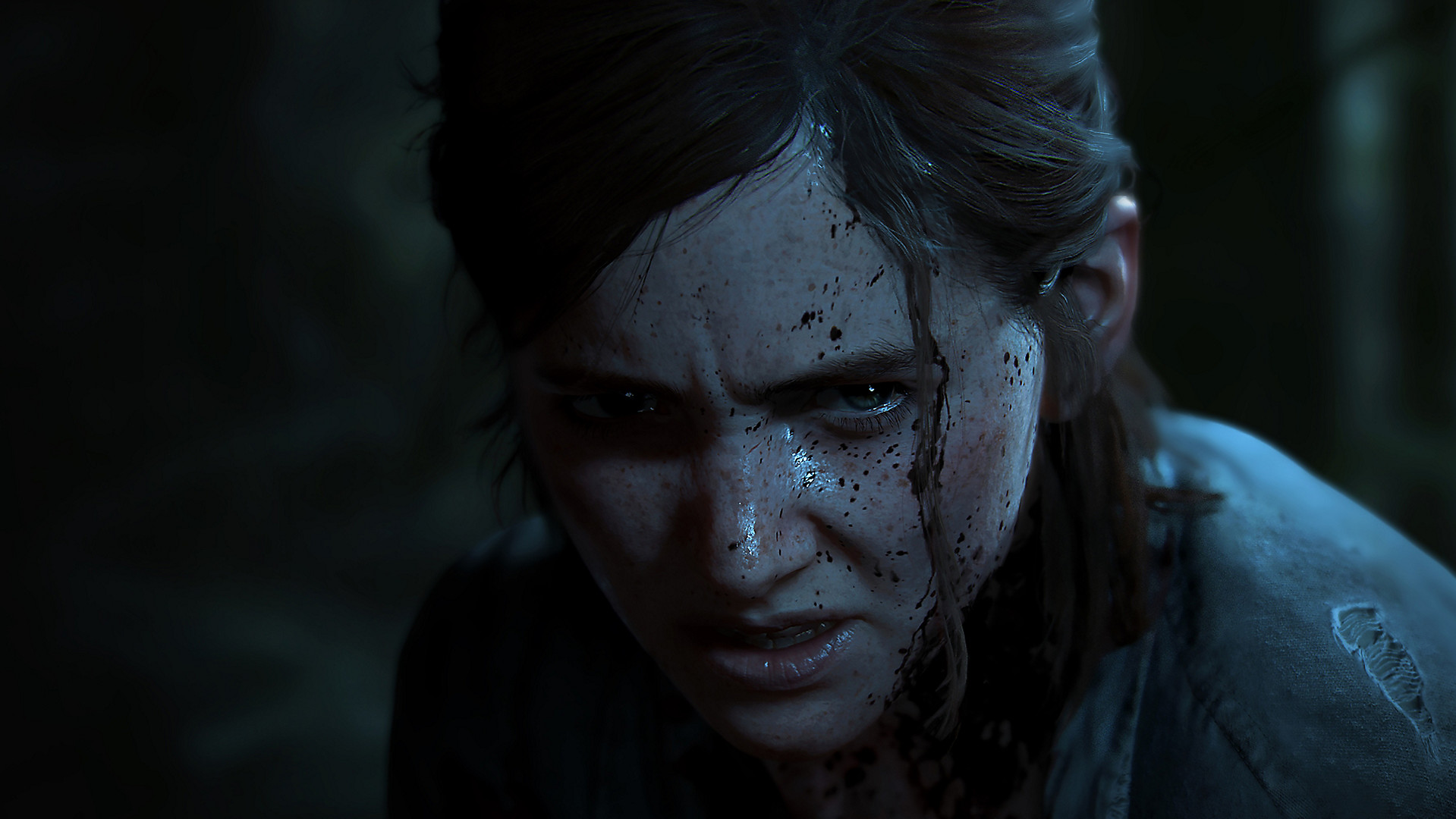
Naughty Dog’s 2020 sequel examines cycles of violence through dual perspectives. Players control Ellie and another lead whose story reframes earlier events. The campaign uses detailed facial capture and extensive flashbacks to deepen relationships. Its release drew wide discussion for narrative choices and won major awards for performance and accessibility features.
Red Dead Redemption 2
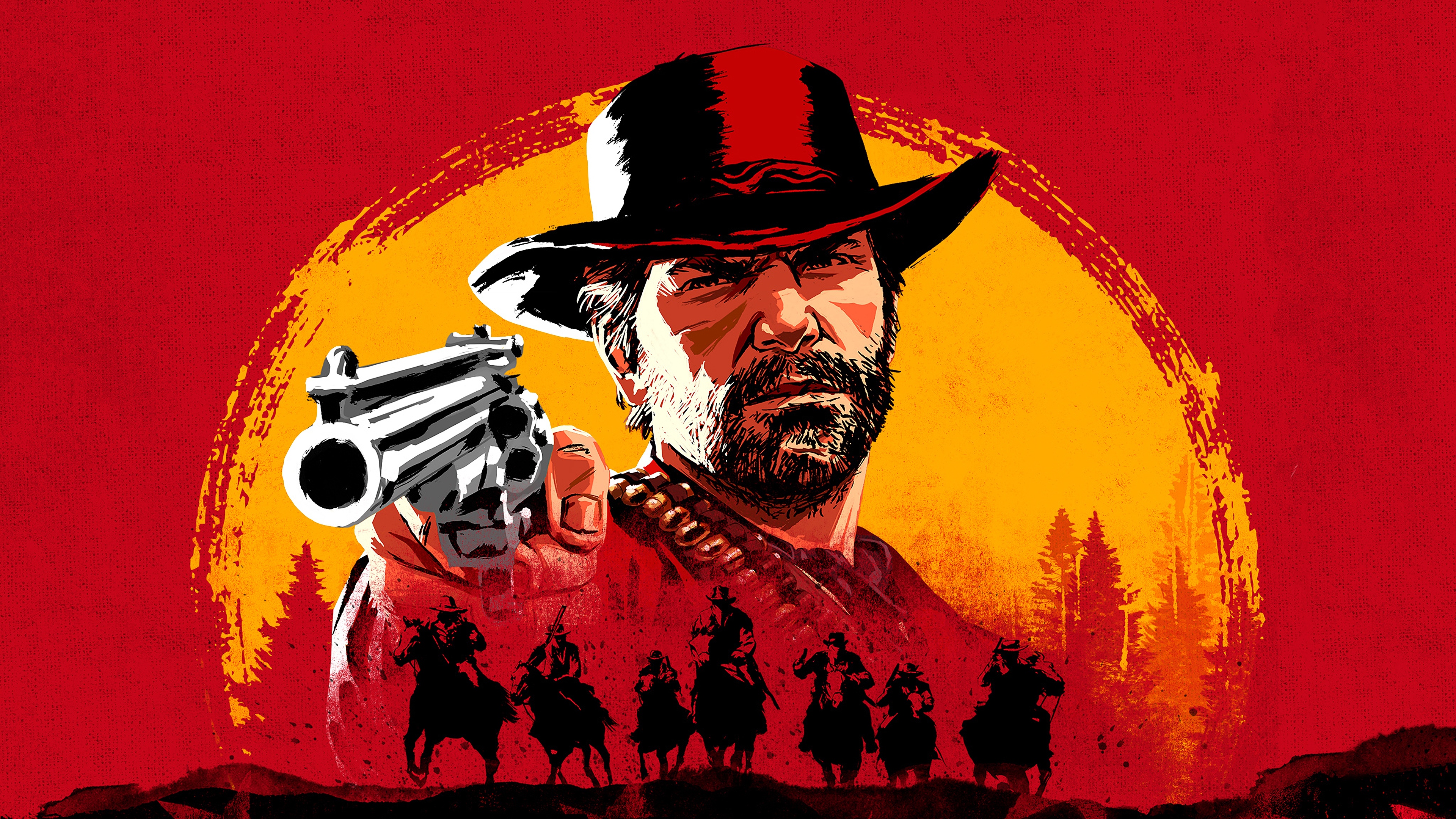
Rockstar Games released this open world western in 2018 set before the events of Red Dead Redemption. Players guide Arthur Morgan through gang life as choices influence honor and final scenes. The game features long form character arcs, journal entries, and quiet camp conversations that build attachment. It received praise for performance capture and a score that swells during key farewells.
Life is Strange
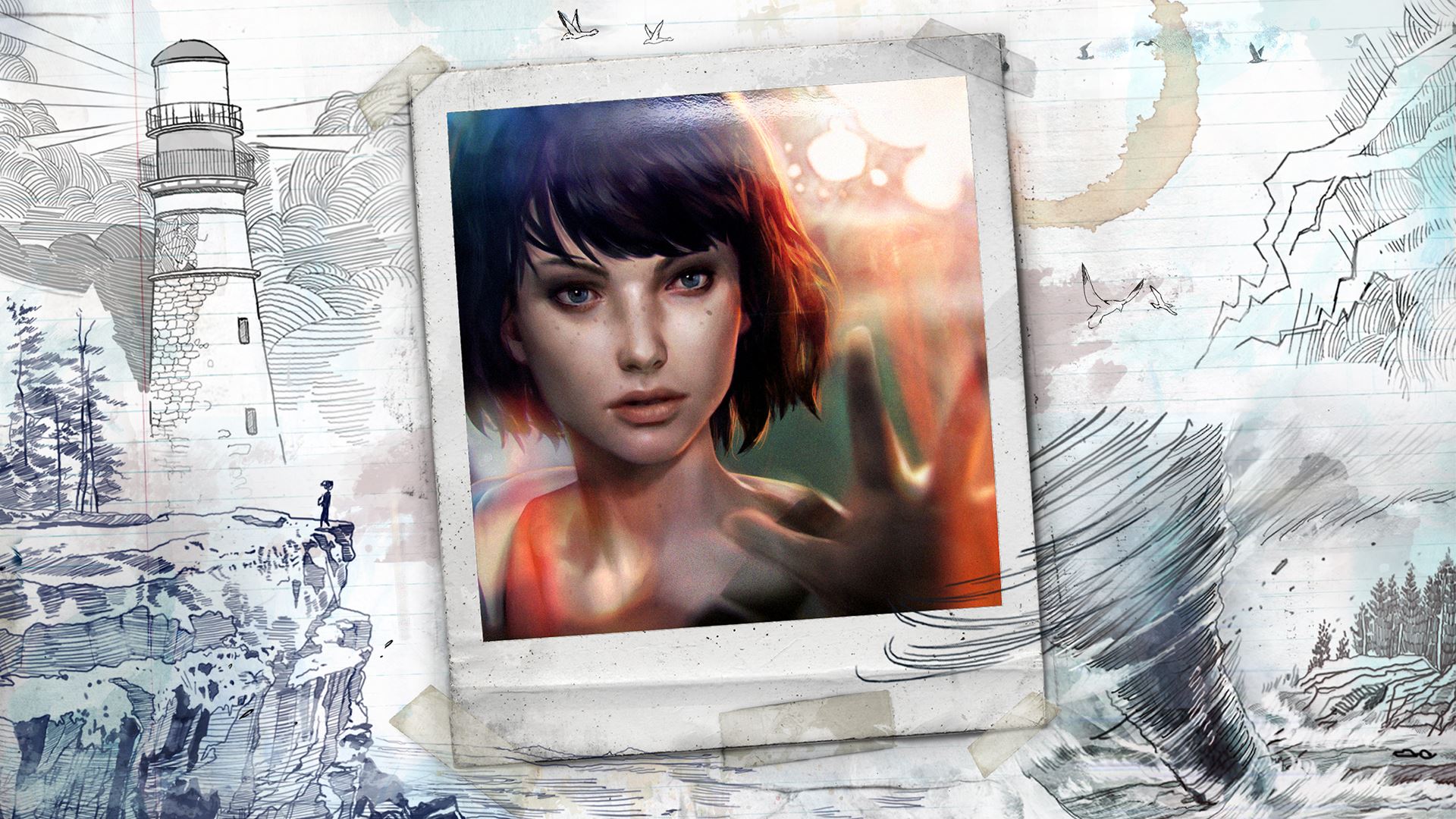
Dontnod’s 2015 episodic adventure follows Max Caulfield who discovers a power to rewind time. Player decisions branch relationships with Chloe and classmates across five episodes. The game uses licensed music and photo themed gameplay to frame pivotal scenes. Multiple endings reflect earlier choices and have been widely discussed by players.
Life is Strange Before the Storm
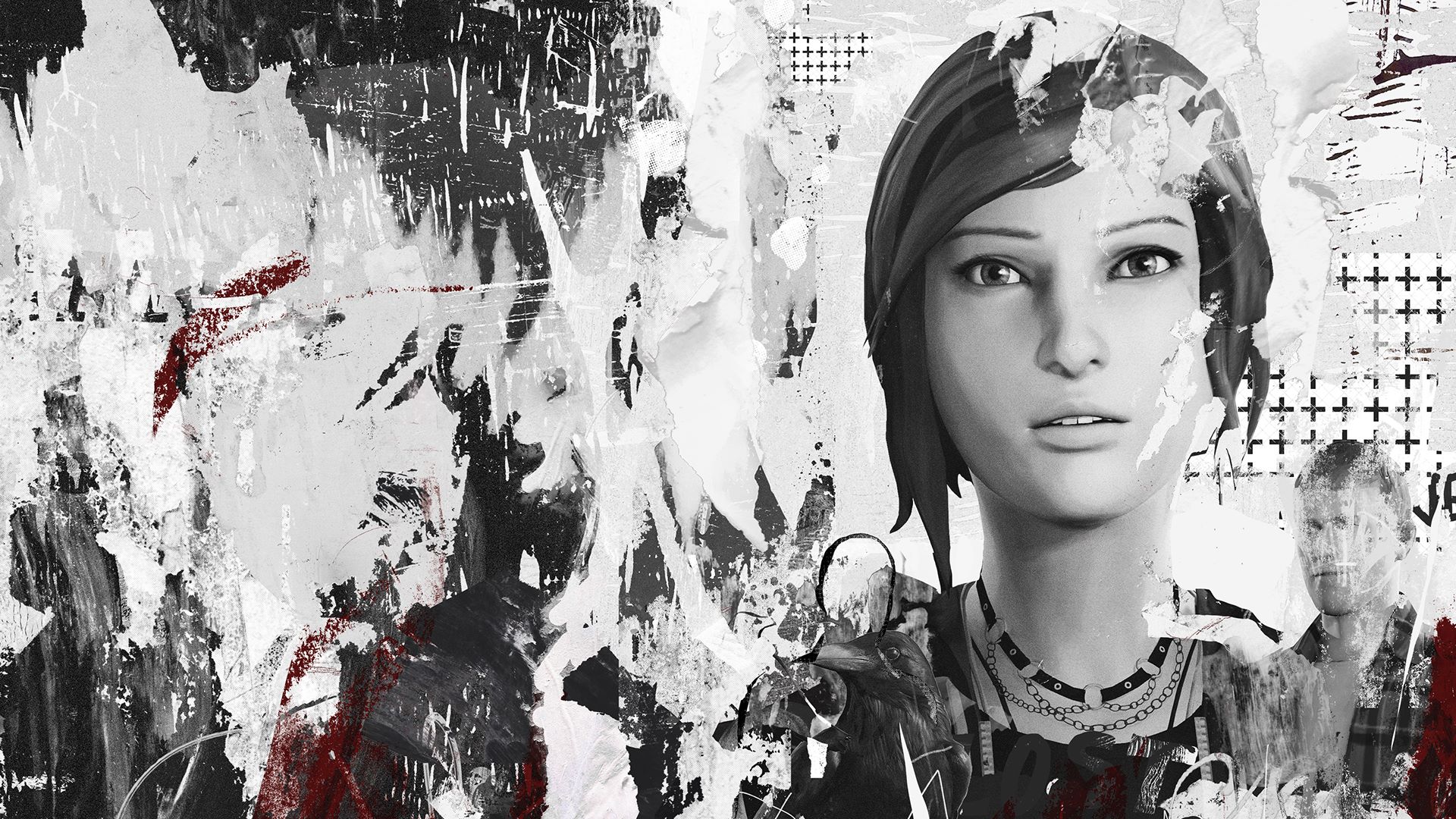
Deck Nine developed this 2017 prequel that centers on Chloe Price and her bond with Rachel Amber. Without time powers the game relies on dialogue and a Backtalk system that shapes confrontations. Themes include family upheaval and the cost of truth. A bonus episode reunites original voice talent for a farewell that ties into the first game.
Life is Strange True Colors
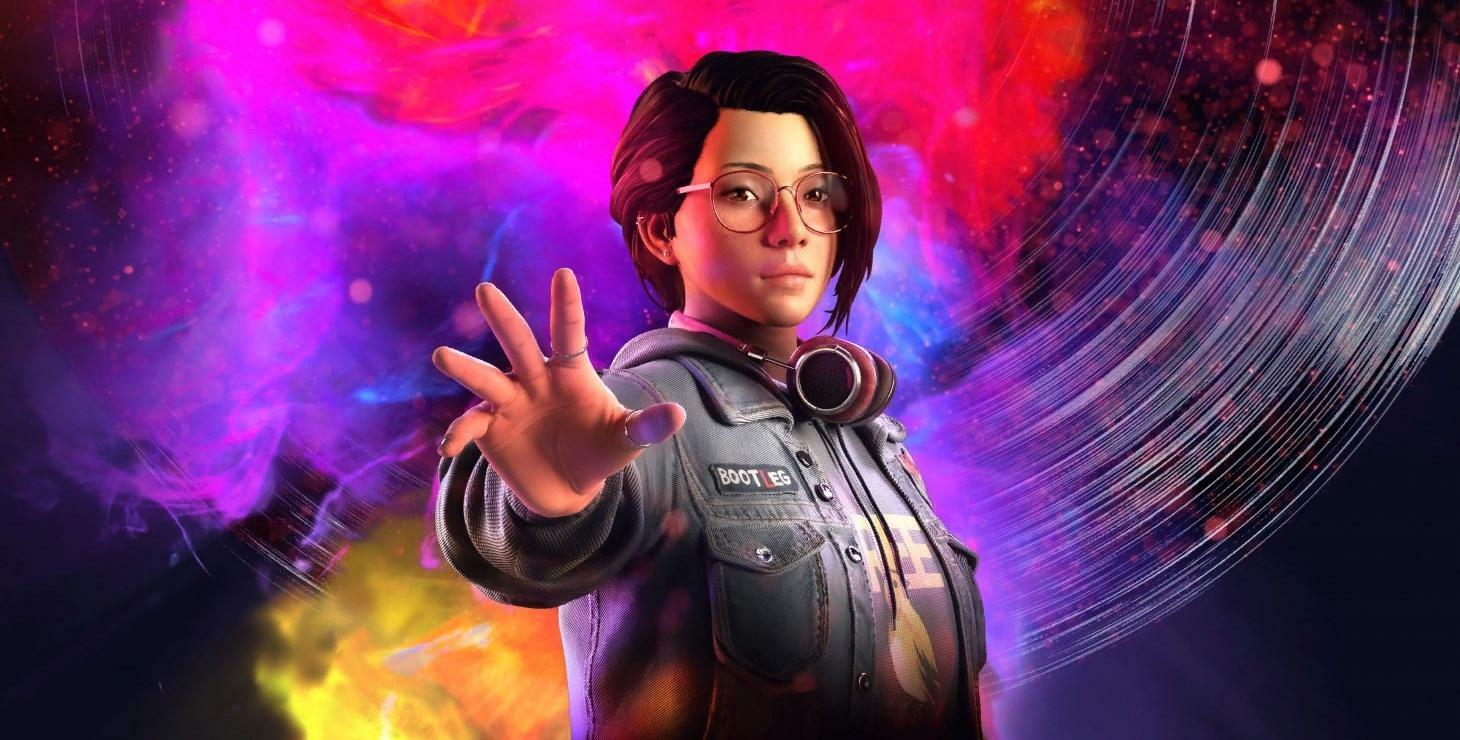
Released in 2021 by Deck Nine this standalone entry stars Alex Chen who experiences and influences emotions. The setting of Haven Springs supports ongoing choices that affect friendships and romance. A live performance chapter and a later reveal push the character toward acceptance. The game includes an optional streaming safe soundtrack to protect creators while preserving mood.
To the Moon
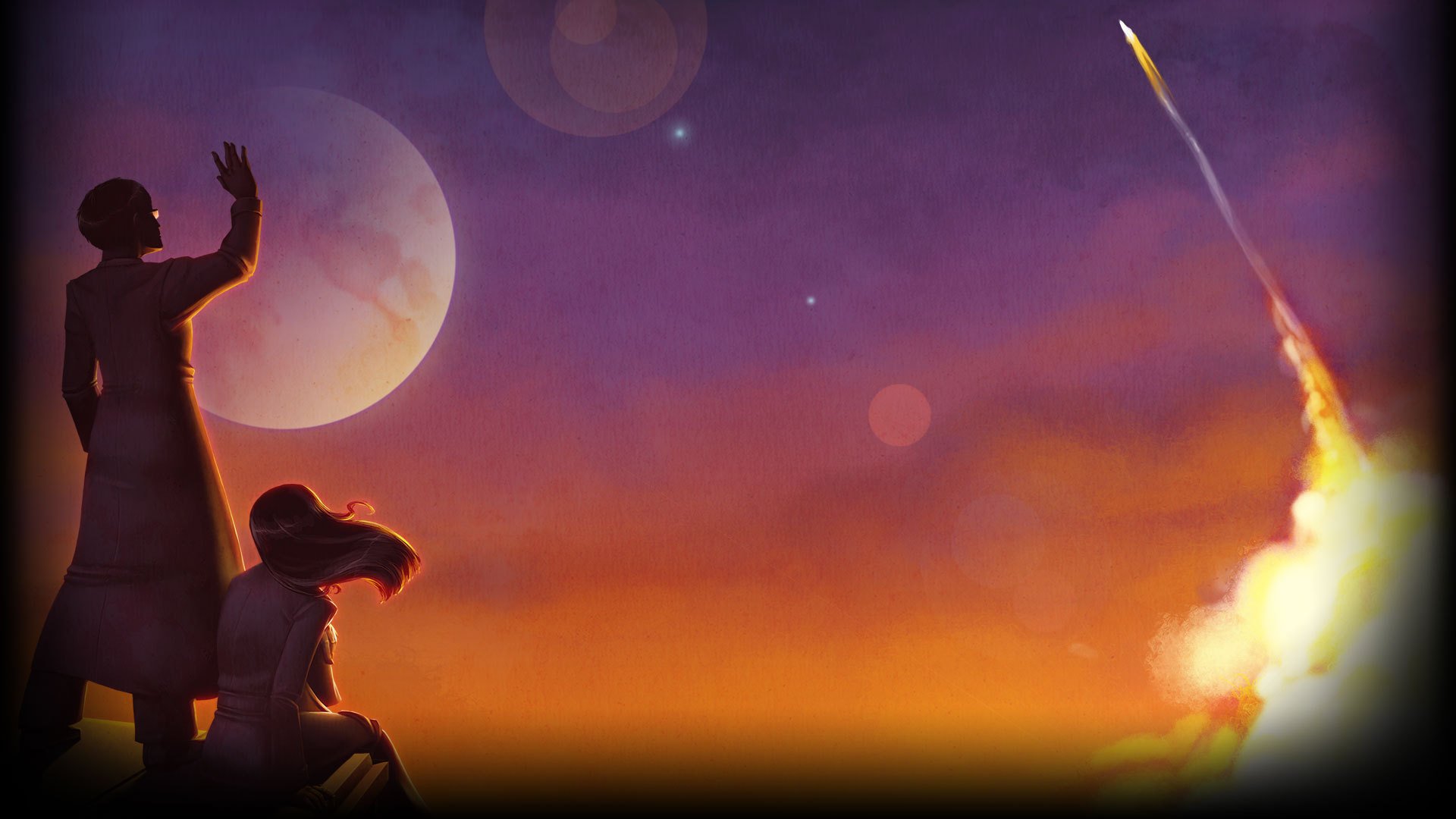
Freebird Games released this indie adventure in 2011 using a retro presentation. Two doctors travel through a client’s memories to fulfill a final wish. Music by Kan R Gao and Laura Shigihara anchors scenes that revisit a lifelong relationship. The story unfolds without combat and concludes at a lighthouse with a final montage.
Finding Paradise
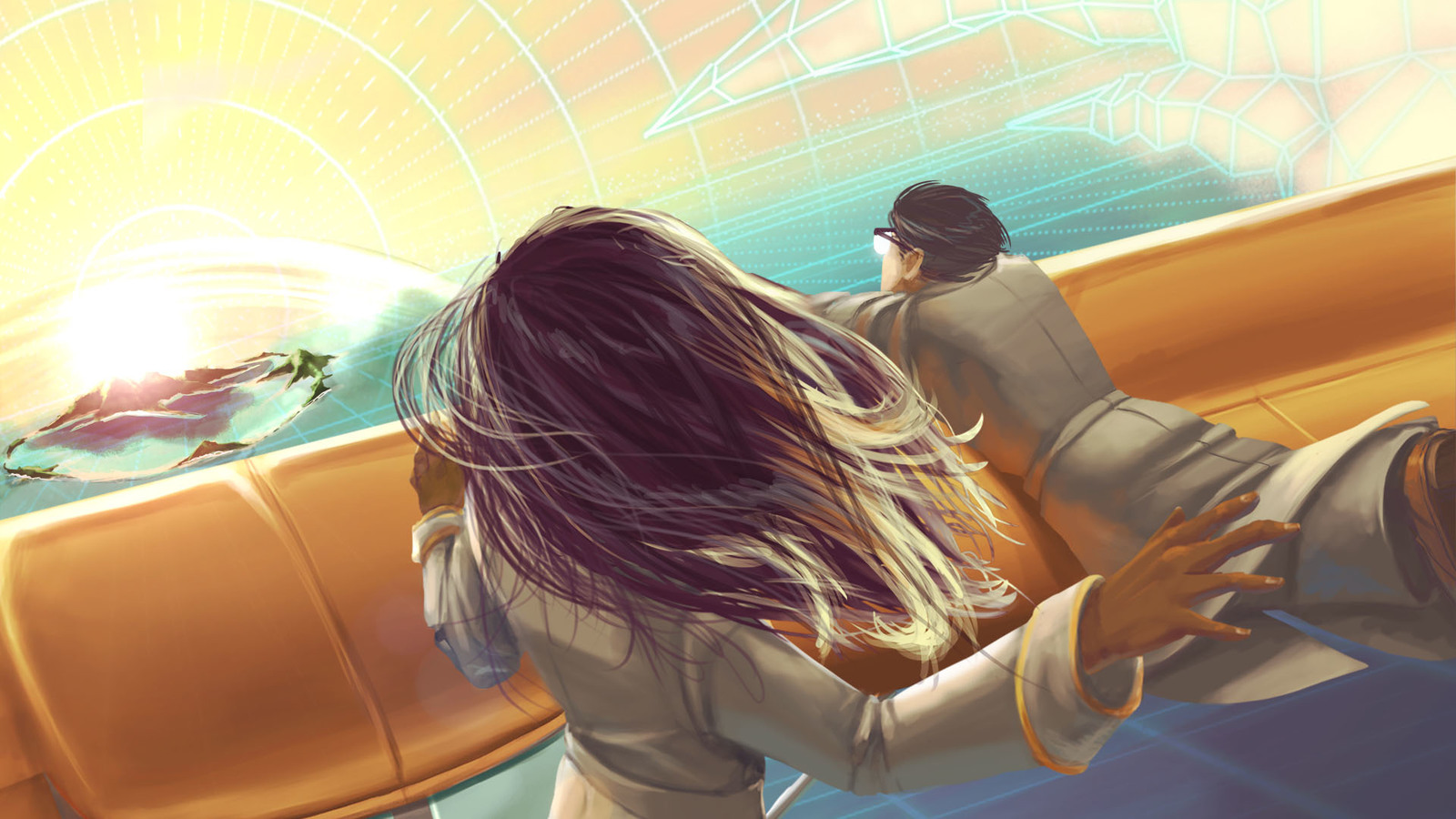
This 2017 follow up from Freebird Games continues the memory traversal format with the same doctors. The client’s life reveals conflicting desires that are reconciled through careful edits. Piano driven tracks recur as motifs across key chapters. The narrative connects lightly to the prior game yet stands alone for new players.
Brothers A Tale of Two Sons
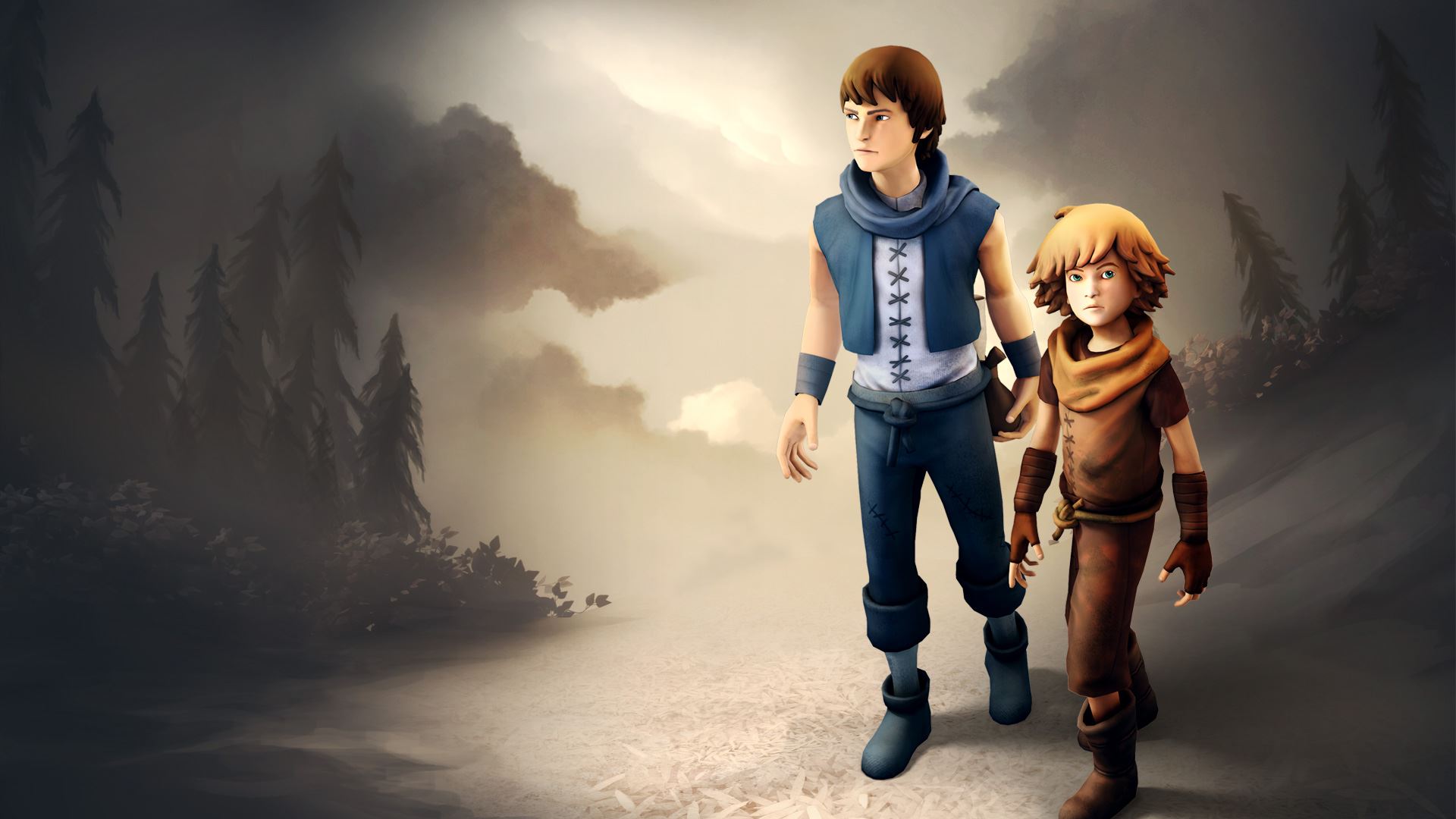
Starbreeze Studios released this 2013 adventure directed by Josef Fares. Players control two siblings simultaneously using one controller which becomes essential to the story’s climax. The game uses a fictional language and environmental storytelling rather than subtitles. Its control scheme transforms late game traversal into an emotional beat.
Shadow of the Colossus
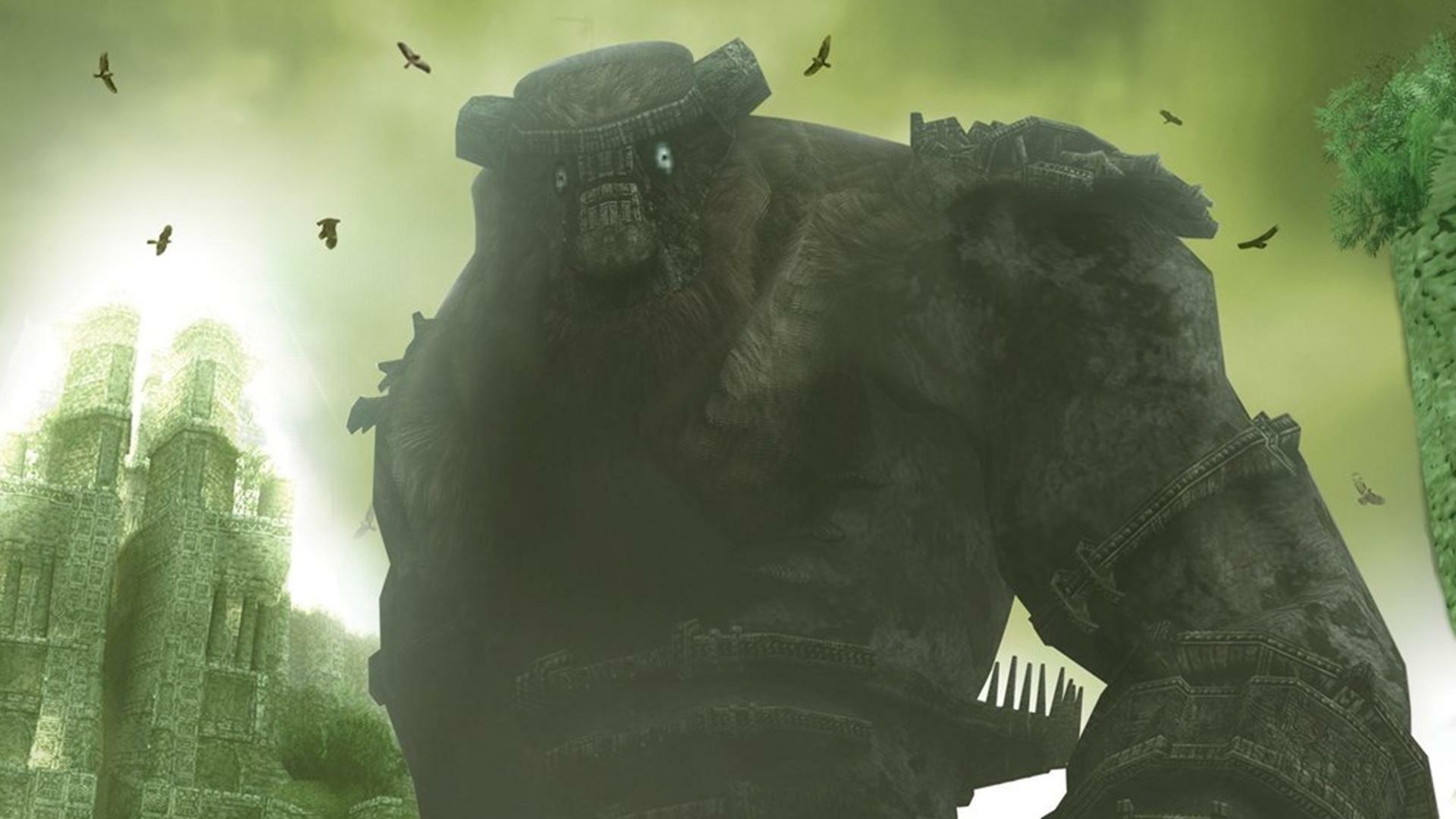
Team Ico’s 2005 action adventure tasks the player with defeating sixteen titans in a barren land. Sparse dialogue and a haunting score create a mournful tone as each colossus falls. The shrine hub and a loyal horse named Agro guide movement between arenas. A 2018 Bluepoint remake refined performance and lighting while preserving the original design.
Undertale
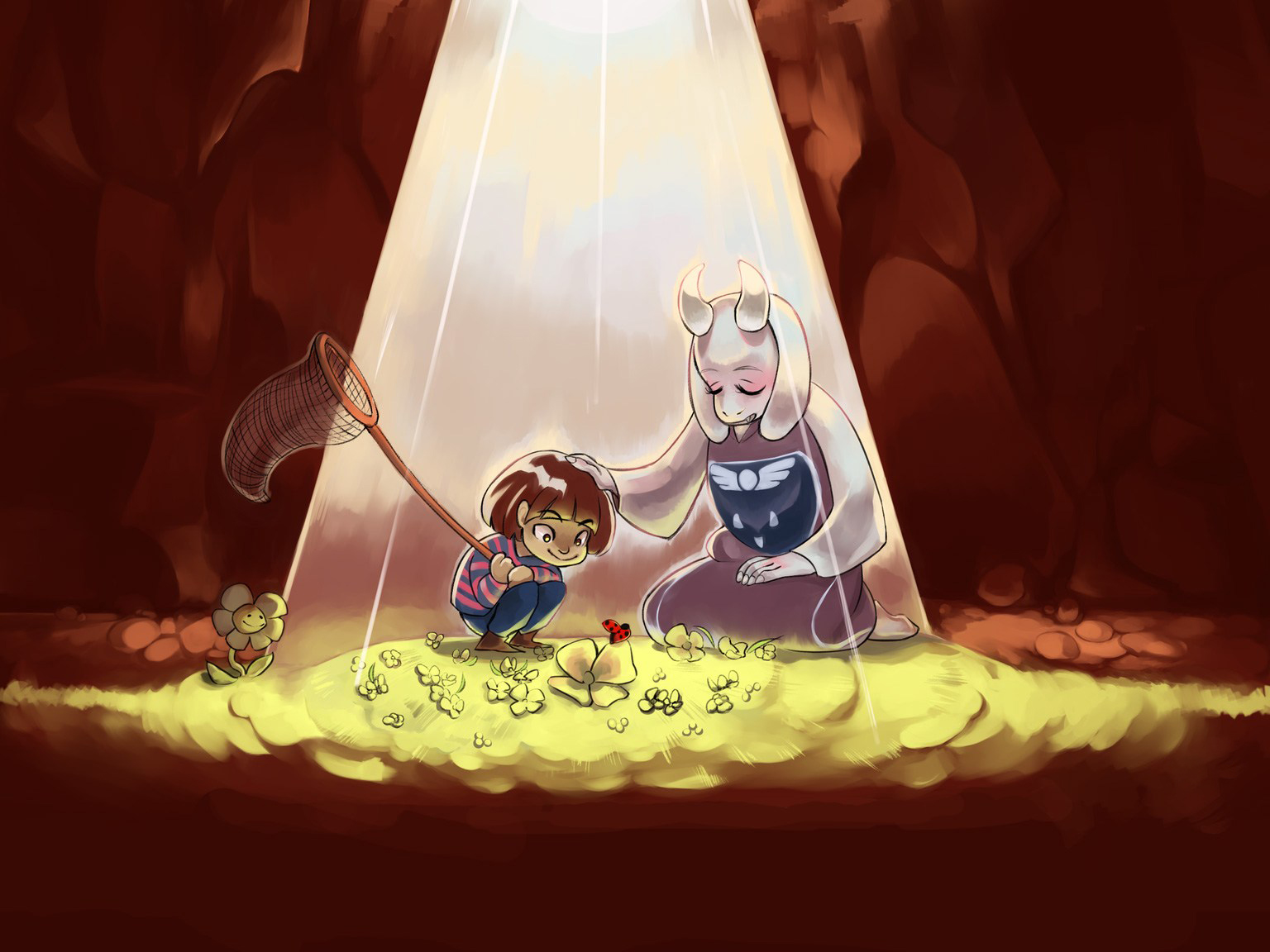
Toby Fox released this 2015 role playing game where combat can be resolved through mercy. Choices about sparing or fighting characters lead to distinct routes and finales. The game’s humor and bullet pattern battles sit next to scenes that address empathy. Music themes return during a final sequence that reflects earlier actions.
Omori

Omocat’s 2020 role playing game alternates between a dream world and daytime exploration. Turn based encounters use emotion states that change stats and strategy. The story investigates memory and guilt through branching paths and late game revelations. Visual shifts and soundtrack cues signal transitions that reframe prior events.
Valiant Hearts The Great War
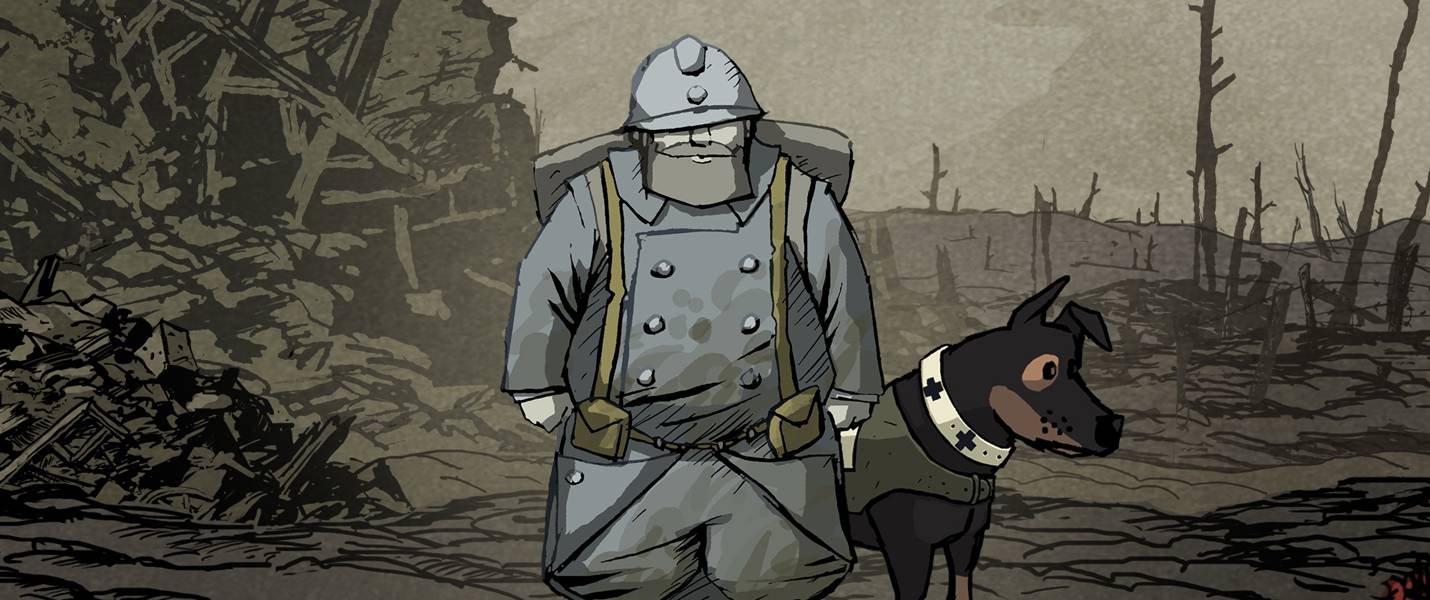
Ubisoft Montpellier released this 2014 puzzle adventure set during World War I. The game follows several civilians and a dog across the Western Front with historical notes unlocked during play. Hand drawn art and light puzzles carry scenes about separation and reunion. The ending aligns gameplay actions with a narrated letter for strong impact.
That Dragon Cancer
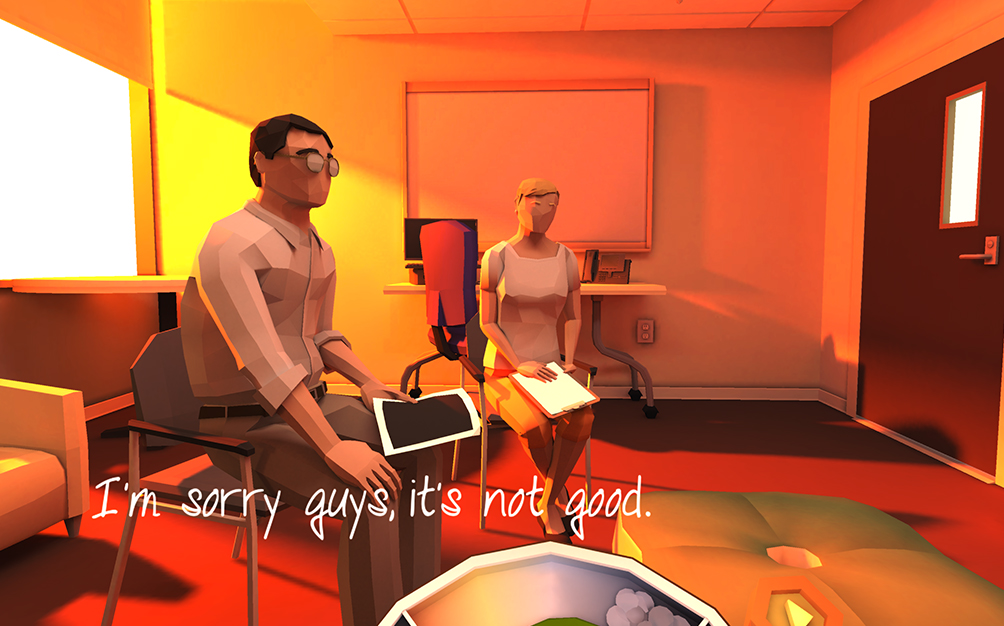
Numinous Games released this 2016 interactive memoir about a family caring for a child with cancer. The vignettes move through hospital rooms and imagined spaces that capture fear and hope. Real audio from parents and doctors grounds the experience. The project began as a personal tribute and later reached a wider audience through crowdfunding.
Spiritfarer
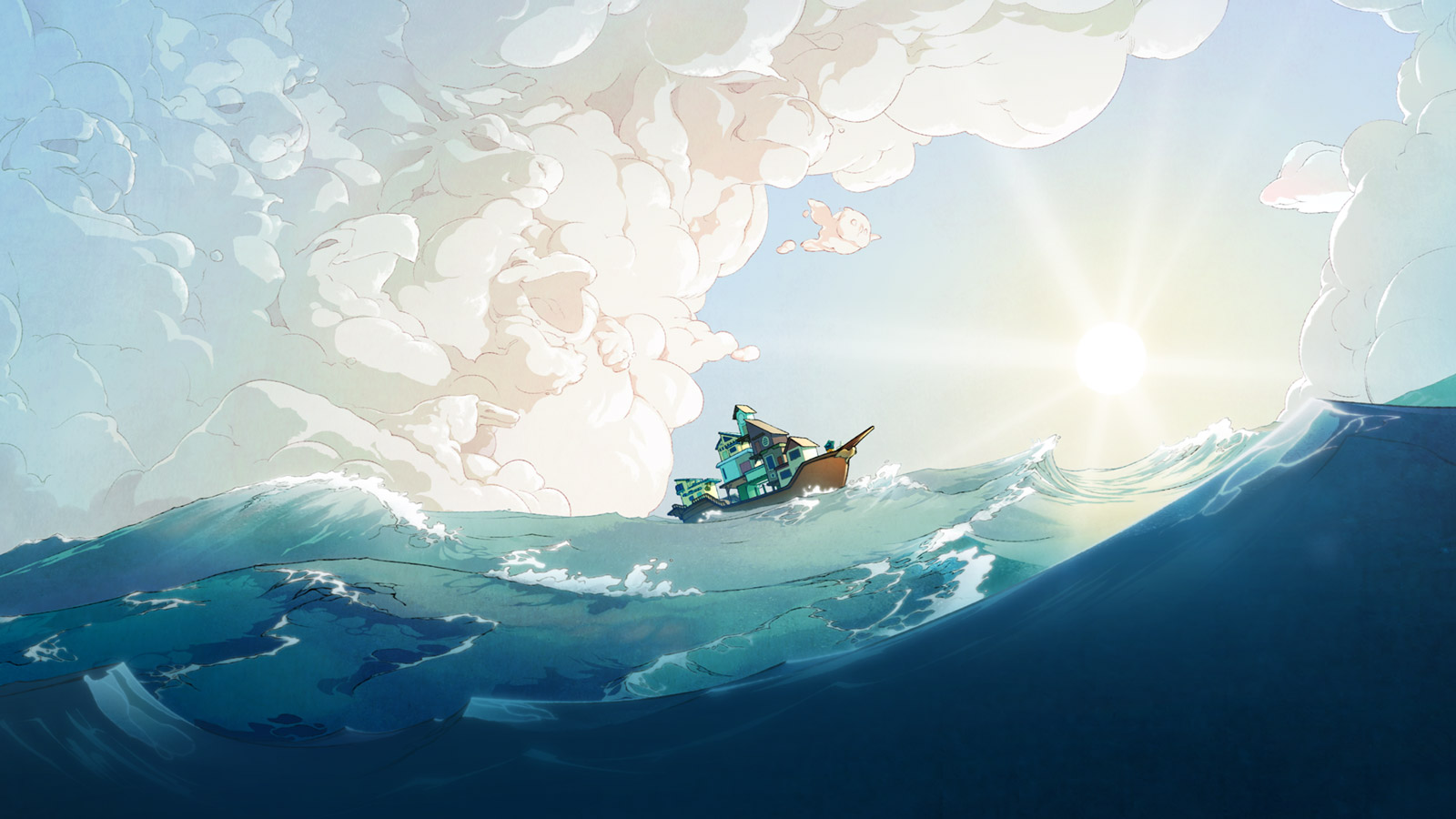
Thunder Lotus released this 2020 management adventure about guiding spirits to the afterlife. Players build a boat and complete tasks to fulfill each passenger’s final requests. Hand animated art and gentle platforming support conversations about memory and acceptance. Farewell moments occur at the Everdoor after storylines conclude.
Journey
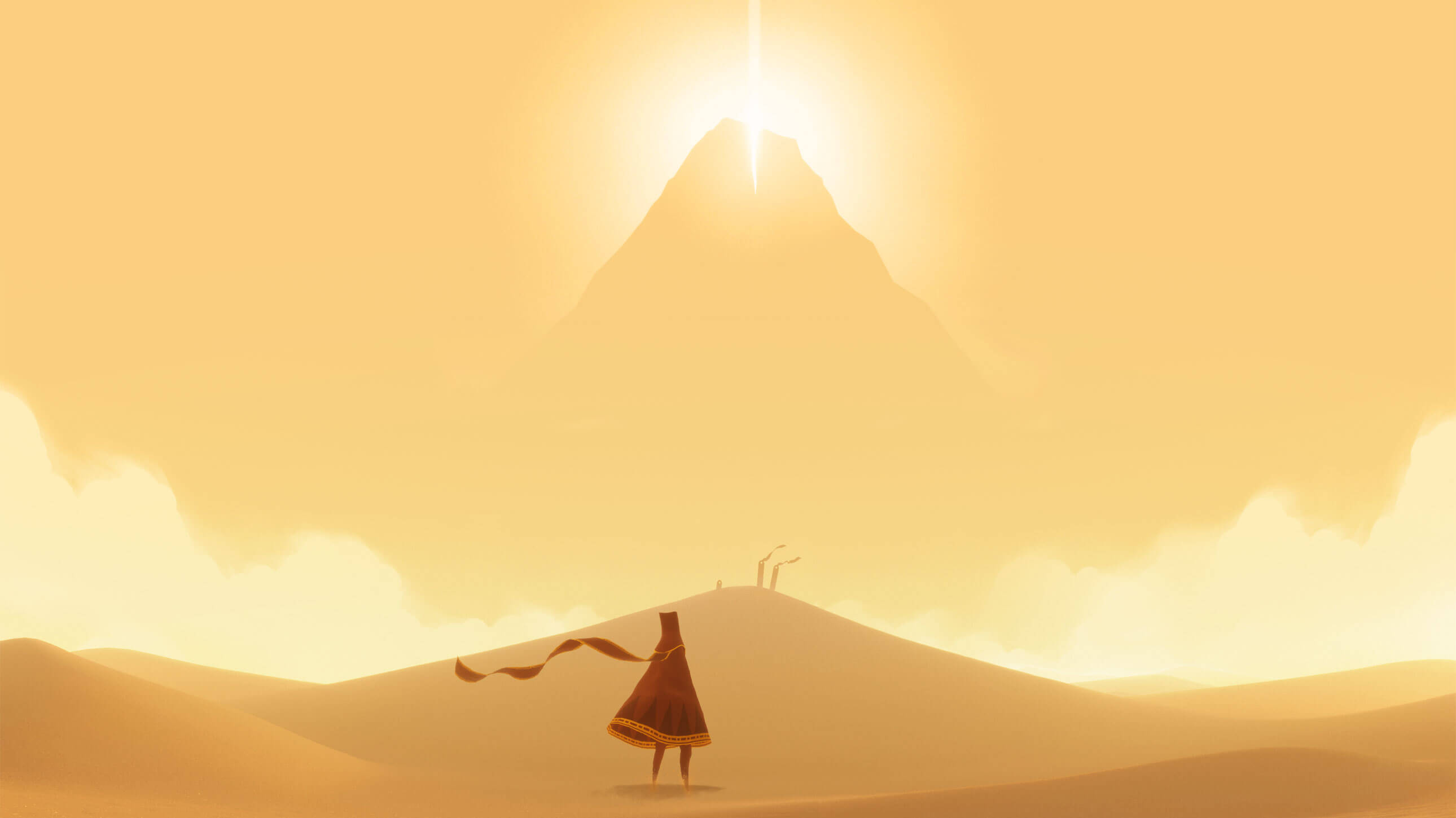
Thatgamecompany released this 2012 exploration game focused on traveling toward a distant mountain. Online co op pairs players silently with strangers whose presence helps navigation. Music by Austin Wintory follows a rising structure that matches each level. The snow ascent slows movement and frames a final sequence that many remember.
Final Fantasy X
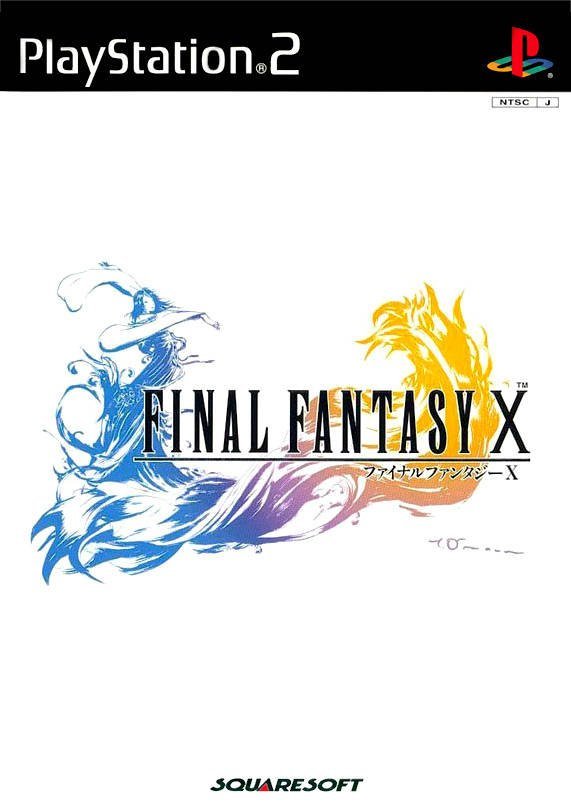
Square released this role playing game in 2001 for PlayStation 2. The story follows Tidus and Yuna across Spira on a pilgrimage to face Sin. The Sphere Grid progression and turn based battles pace character growth between cinematic scenes. An arranged soundtrack and voice acting supported a famous lakeside moment and a later farewell.
The Walking Dead Season One
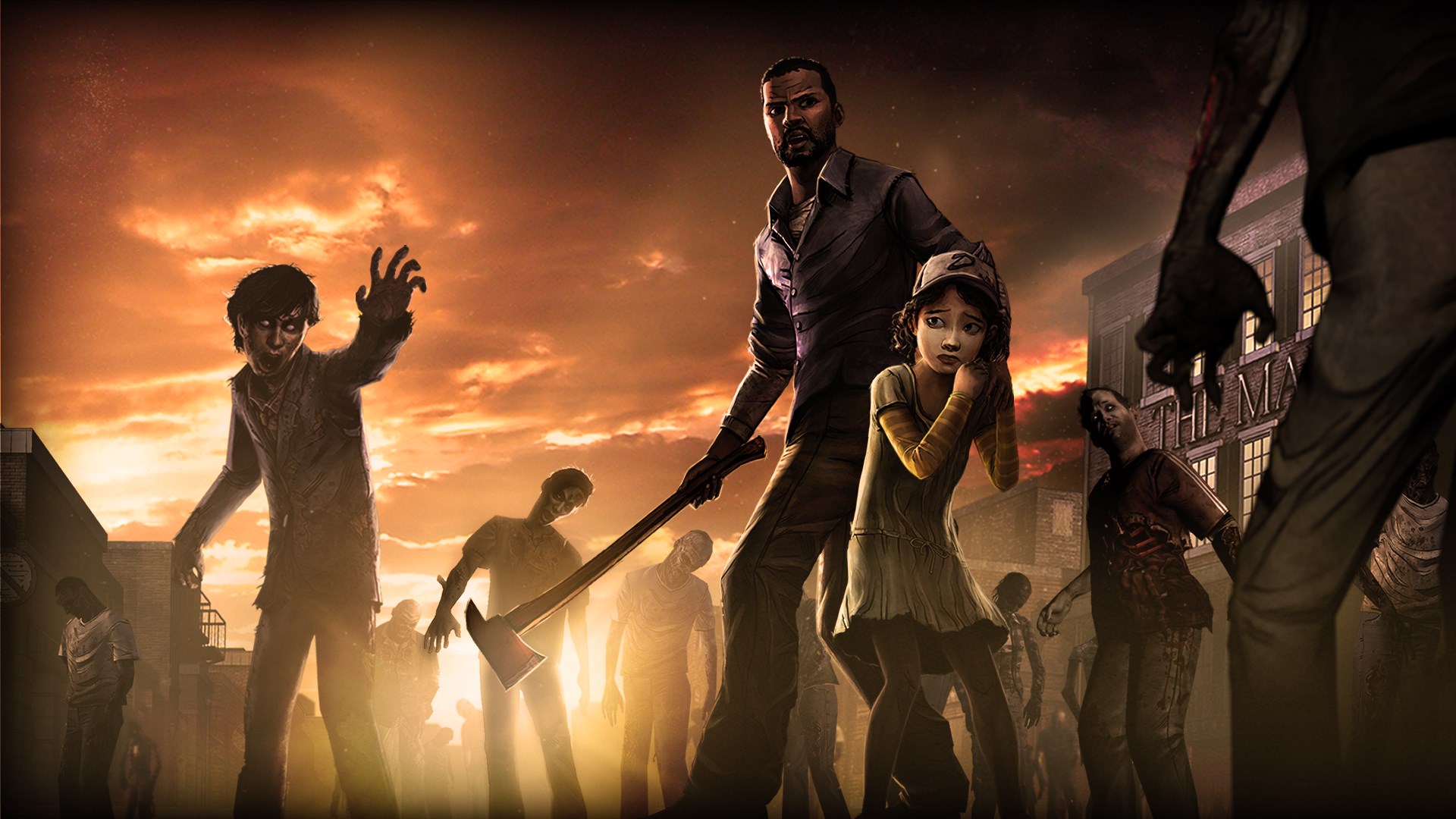
Telltale Games launched this episodic series in 2012 based on the comic universe. Players control Lee Everett who becomes guardian to Clementine across five episodes. Timed dialogue and quick decisions alter who accompanies the group. The finale places player choice within a confined room and ends with a critical instruction.
NieR Automata
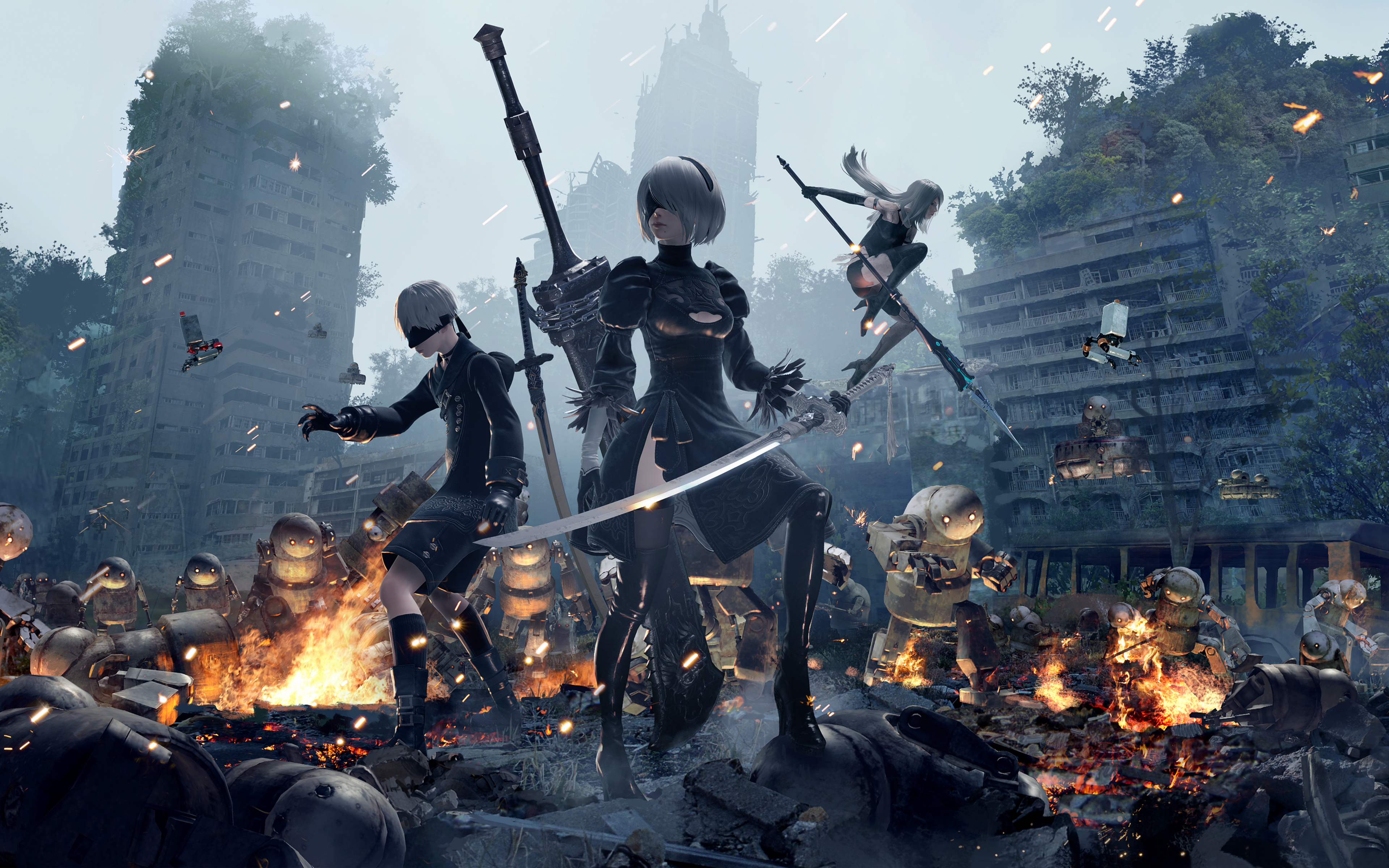
PlatinumGames released this 2017 action role playing game written by Yoko Taro. Multiple playthroughs reveal new chapters and perspectives as androids face recursive conflict. Combat set pieces connect with quiet side quests that add context to a ruined world. Endings require resource sacrifice that acknowledges help from other players.
Gris
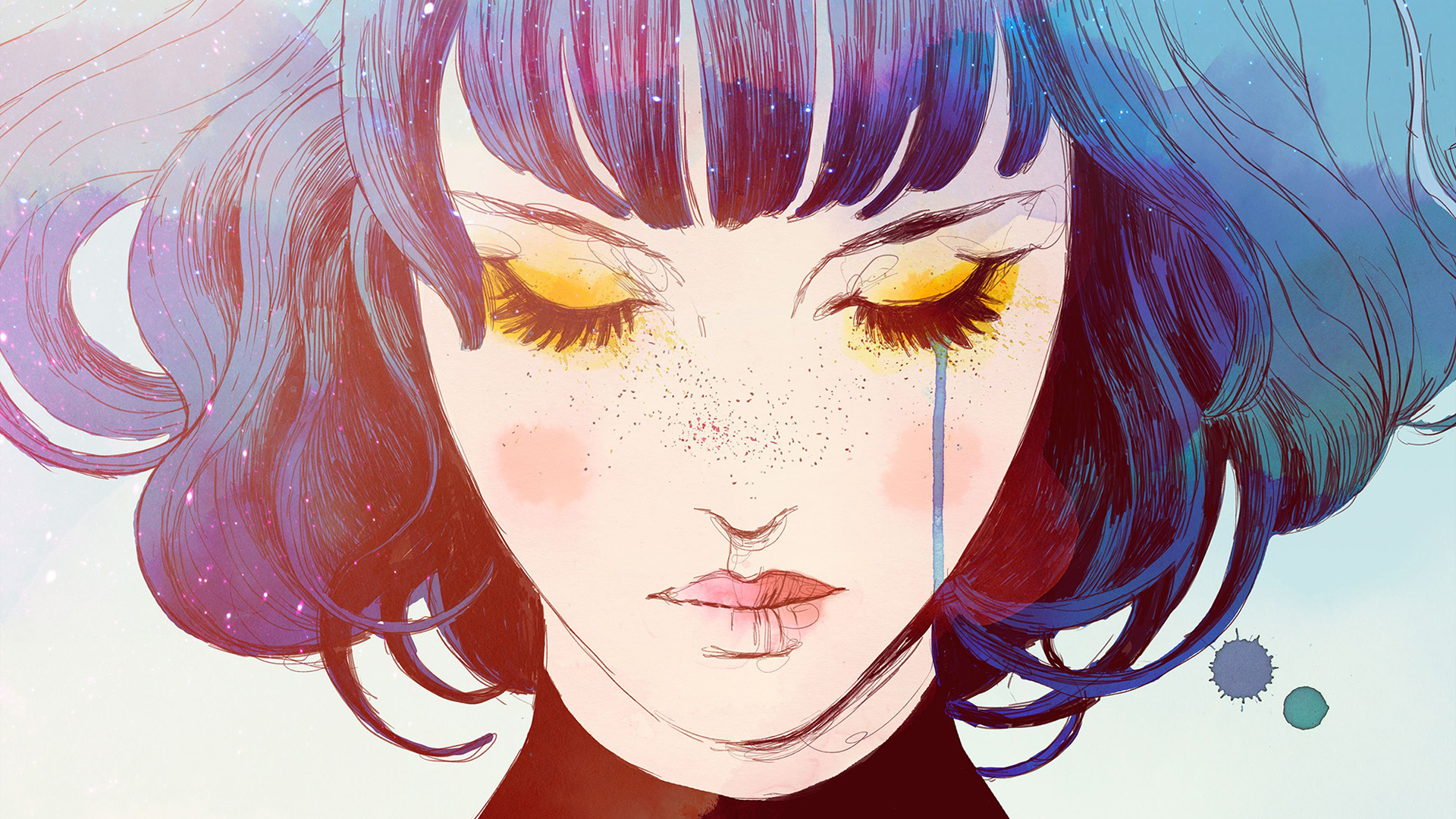
Nomada Studio released this 2018 platformer that uses color to reflect stages of grief. Players unlock traversal abilities that restore hues to a crumbling landscape. The game features watercolor art and a score by Berlinist that change with progress. Environmental puzzles culminate in a final section that resolves earlier motifs.
Share the games that moved you the most in the comments and tell us which moments stayed with you.