20 Games With Memorable Soundtrack Finales (No Ending Spoilers)



A powerful final track can make the credits linger in your head long after the screen fades to black. The games below are celebrated for ending on music that elevates the journey without giving away plot specifics, highlighting composers, production details, and how those songs were implemented. Each pick includes the studio responsible and practical context—like who wrote the music, how it’s presented in-game, and any noteworthy release or album info—so you can explore the sounds without risking story spoilers.
‘Journey’ (2012)
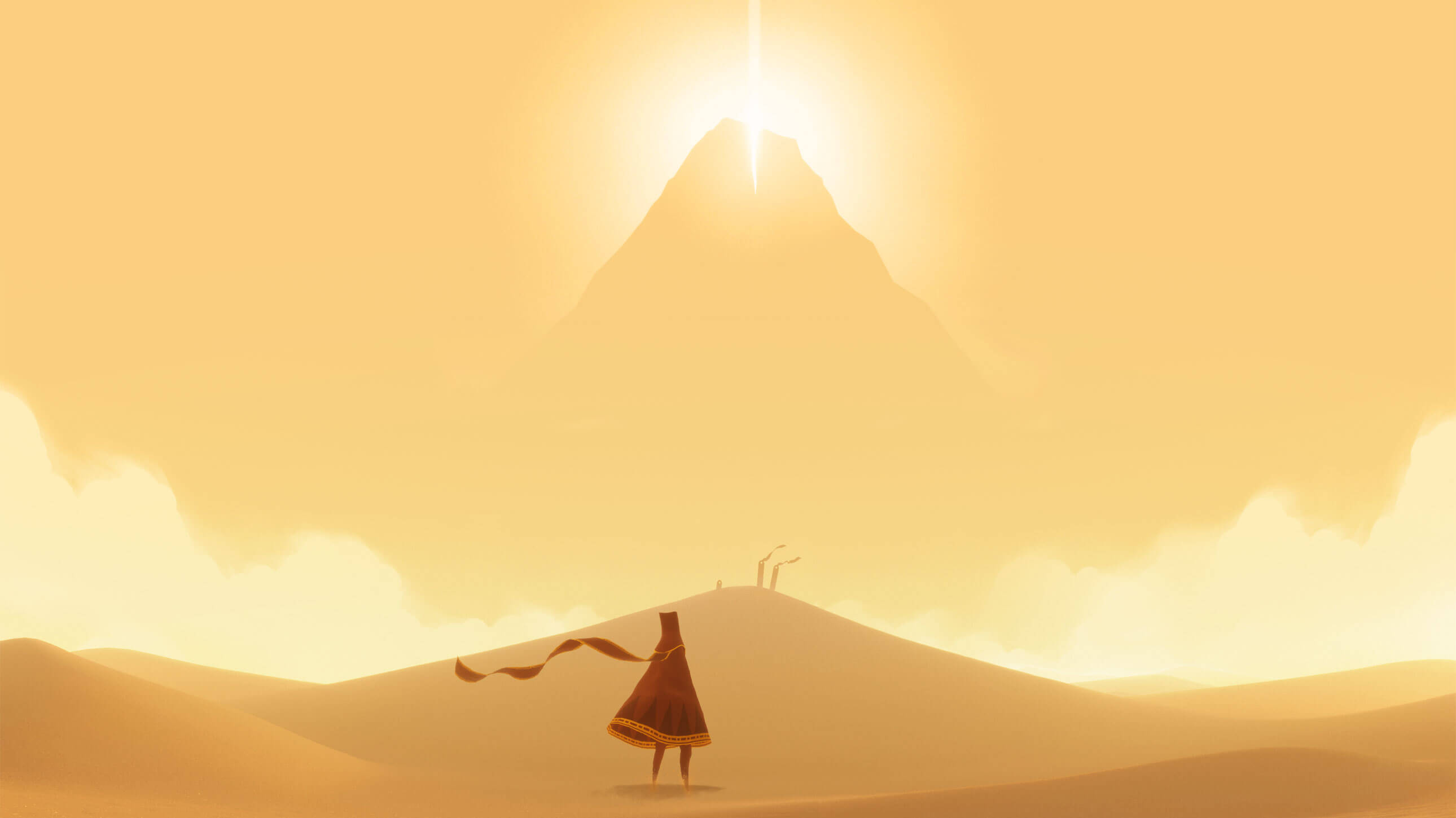
Developed by Thatgamecompany, ‘Journey’ closes with a sweeping orchestral cue by Austin Wintory that ties together the game’s vocal and cello motifs. The piece appears on the official soundtrack album and was arranged for live concerts, which helps explain its enduring presence beyond the game. Wintory’s score uses leitmotifs that evolve as instruments layer in, so the finale feels like a culmination of earlier musical ideas. The recording blends live soloists with ensemble textures, emphasizing dynamic swells that mirror the experience’s arc.
‘Halo 3’ (2007)
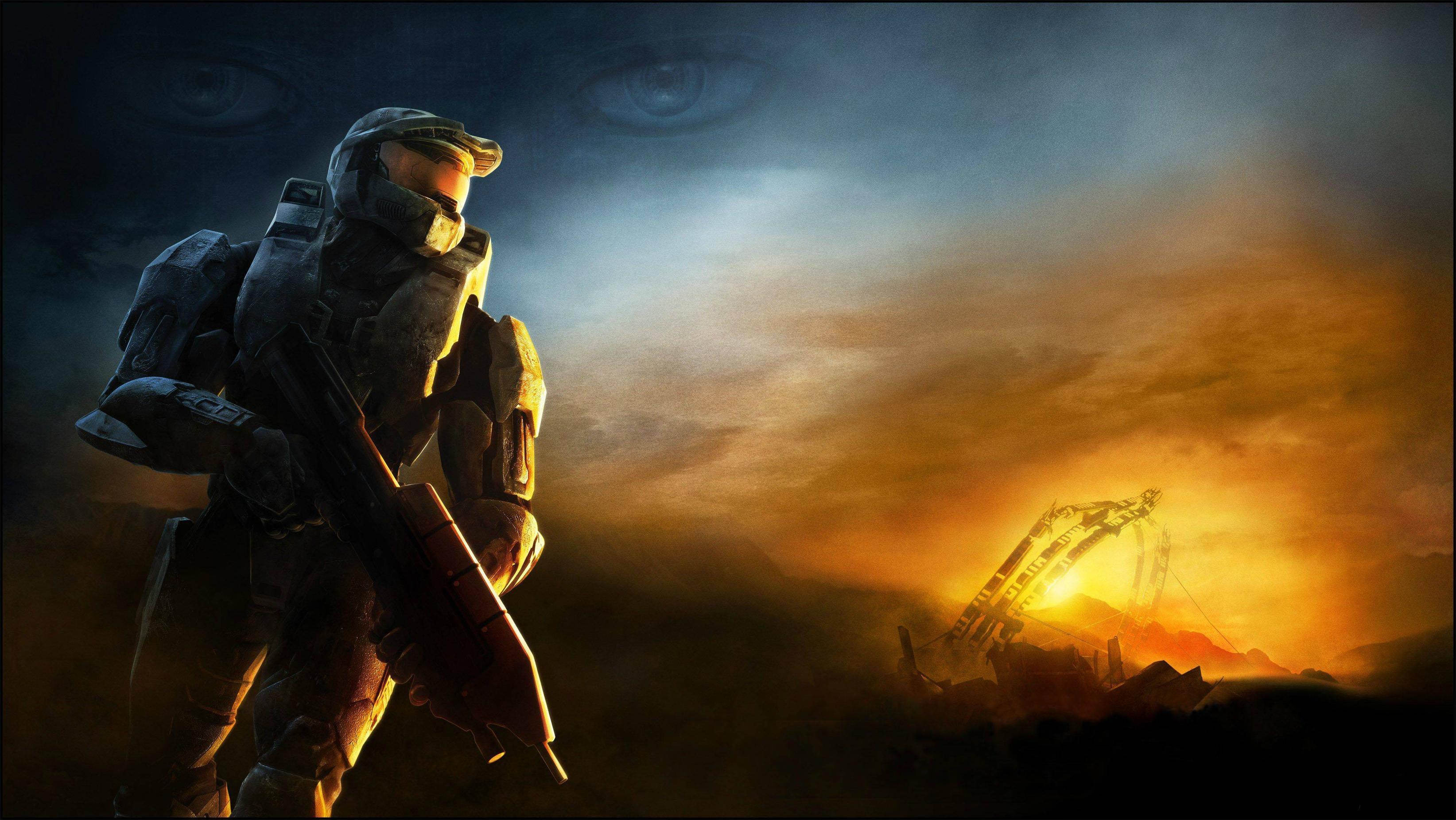
Bungie’s ‘Halo 3’ ends with an arrangement by Martin O’Donnell and Michael Salvatori that reprises the franchise’s signature chant and strings. The finale blends percussion with the monk-like vocal line, matching the series’ established sonic identity. Official soundtrack releases document multiple mixes, but the in-game version emphasizes choir and timpani for a ceremonial close. The cue functions as a thematic bookend, connecting back to motifs introduced at the series’ start.
‘Nier: Automata’ (2017)
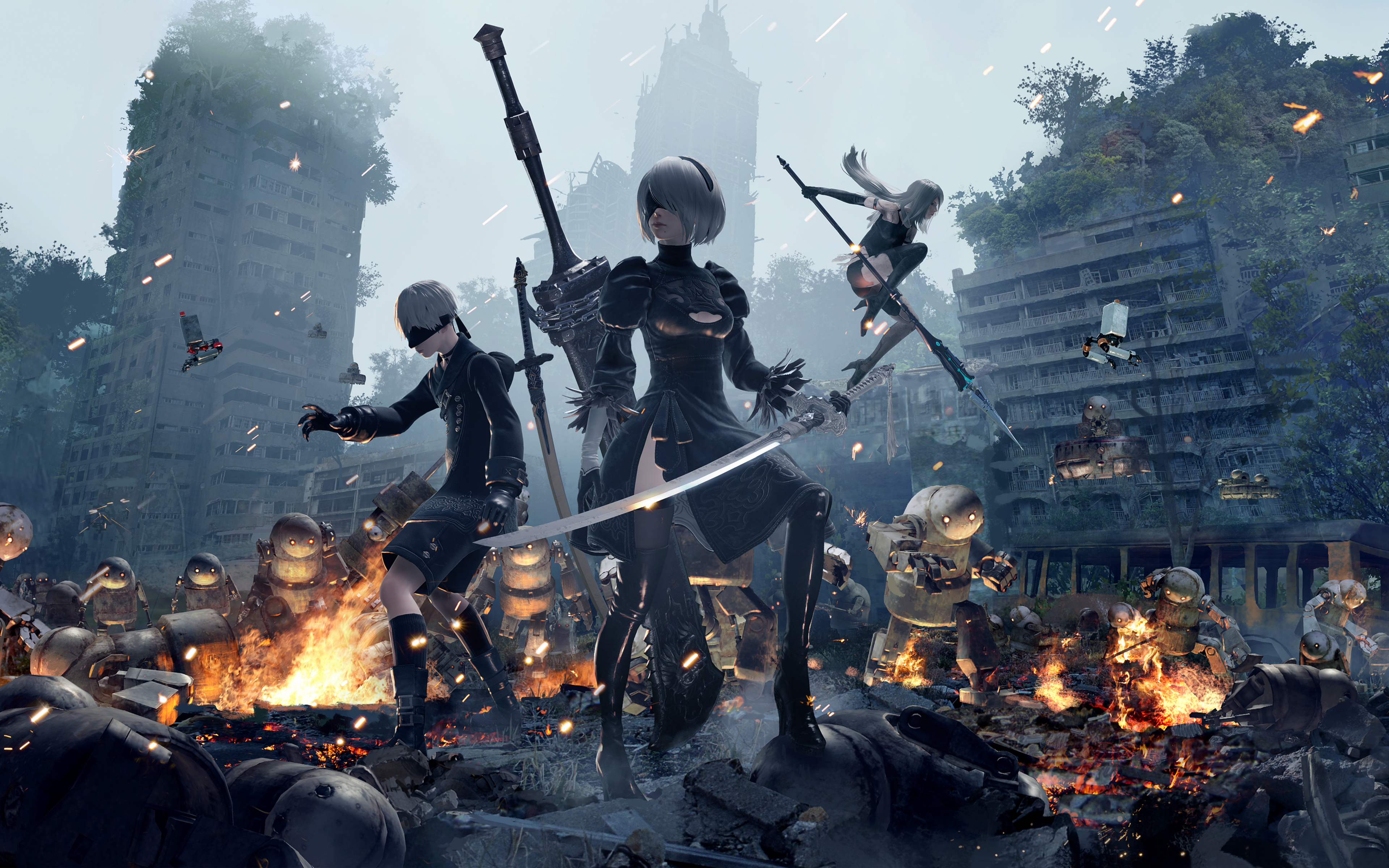
PlatinumGames produced ‘Nier: Automata’ with music by Keiichi Okabe and the MONACA team, known for multi-language vocals and layered electronica. The finale uses adaptive elements and choral textures that interact with prior motifs without disclosing narrative specifics. Okabe’s mixes feature both lyrical and invented-language vocals, which gives the last track a distinctive timbre. The soundtrack’s multiple “arranged” versions underscore how the ending reframes themes heard across earlier zones.
‘Chrono Trigger’ (1995)
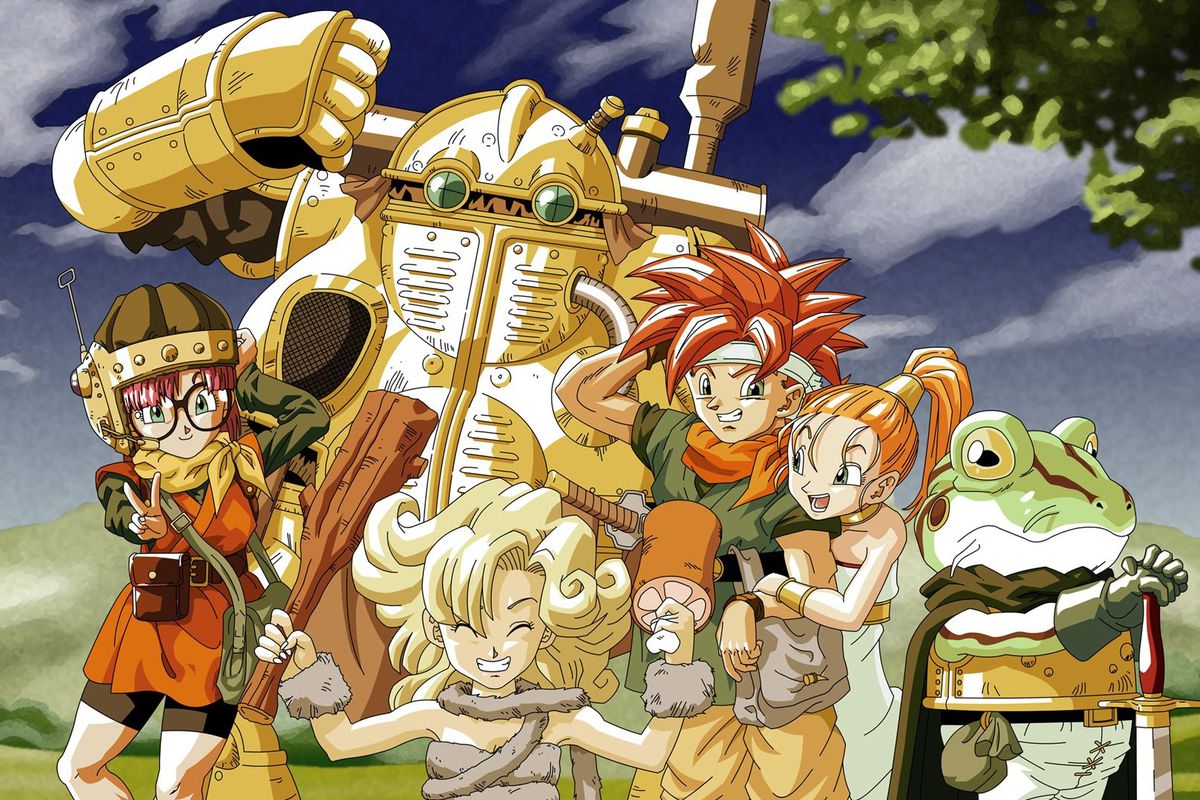
Square’s ‘Chrono Trigger’ wraps with a medley by Yasunori Mitsuda, with contributions from Nobuo Uematsu, that threads character and world motifs into one suite. The finale integrates acoustic percussion, bright leads, and transitions that echo earlier locations. SNES hardware constraints shaped the original samples, but later album and orchestral recordings present the piece with fuller instrumentation. The track order on official releases mirrors the game’s musical journey, enhancing the sense of closure.
‘Final Fantasy VII’ (1997)
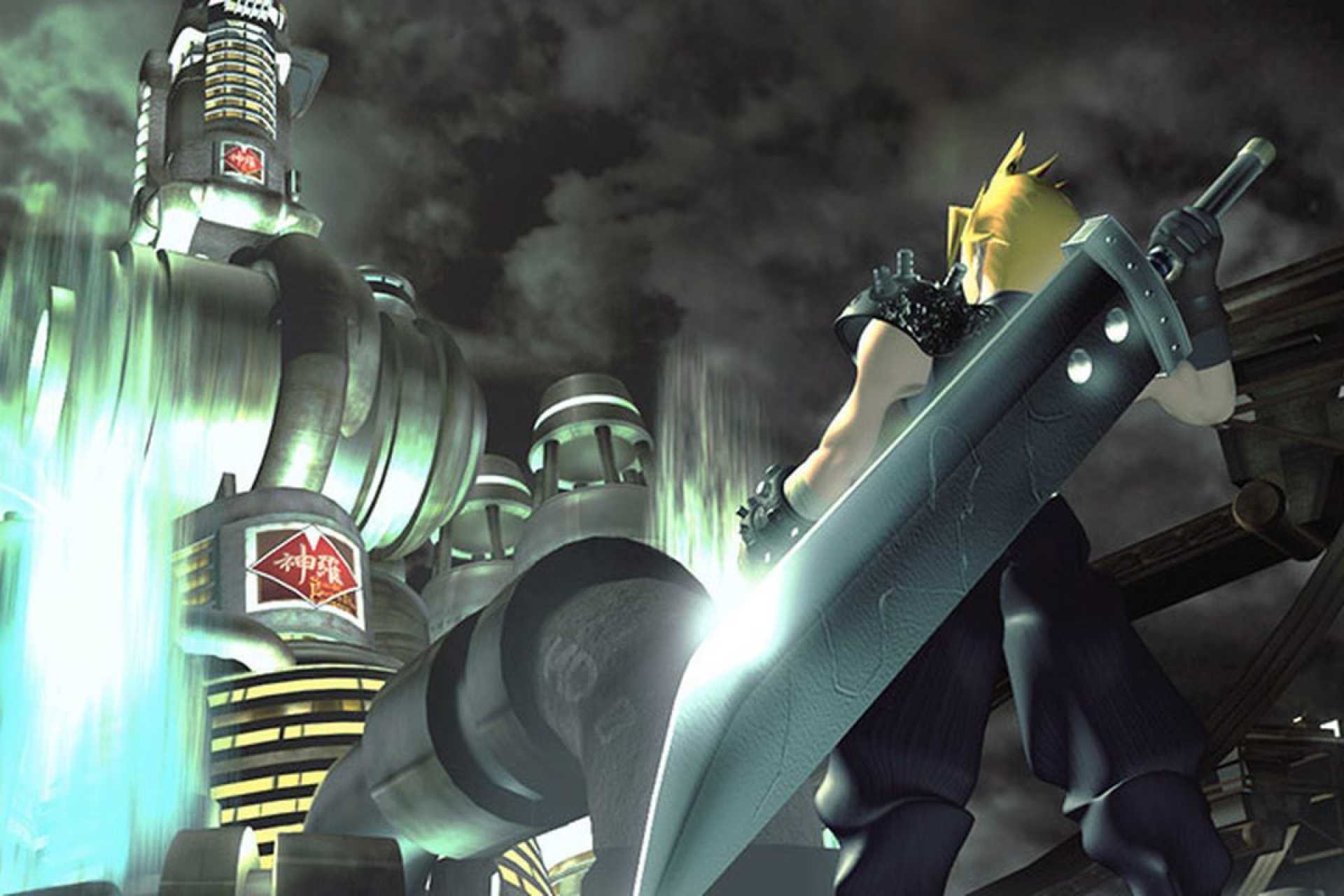
Developed by Square, ‘Final Fantasy VII’ closes with a multi-part composition by Nobuo Uematsu that escalates choral and symphonic elements. The piece reprises melodic cells introduced throughout the score, building them into a larger orchestral statement. Subsequent concerts and album recordings have standardized the arrangement, so the ending’s structure is well documented. The cue’s length and segmentation make it feel like a suite that moves through distinct movements before settling into credits.
‘Mass Effect 3’ (2012)
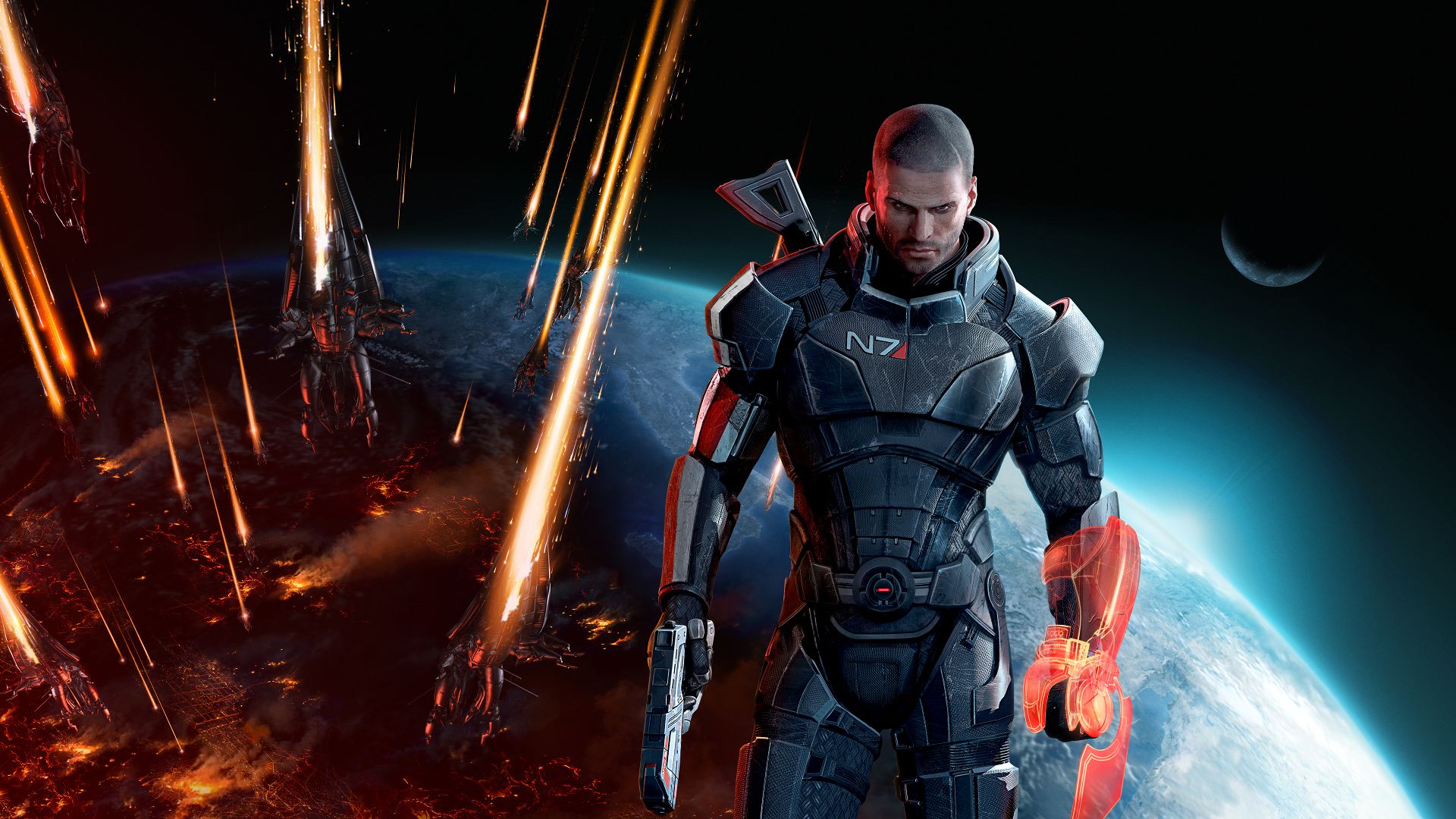
BioWare’s ‘Mass Effect 3’ finale features scoring by Clint Mansell, Sam Hulick, Cris Velasco, and Sascha Dikiciyan, blending orchestral pads with synth atmospheres. The credits arrangement distills core motifs from across the trilogy into a reflective, slow-building track. Multiple soundtrack editions list variations of the ending material, indicating how the mix was tailored for the final sequence. The production uses wide stereo imaging and low-end pulses to give the last cue a cinematic weight.
‘Shadow of the Colossus’ (2005)
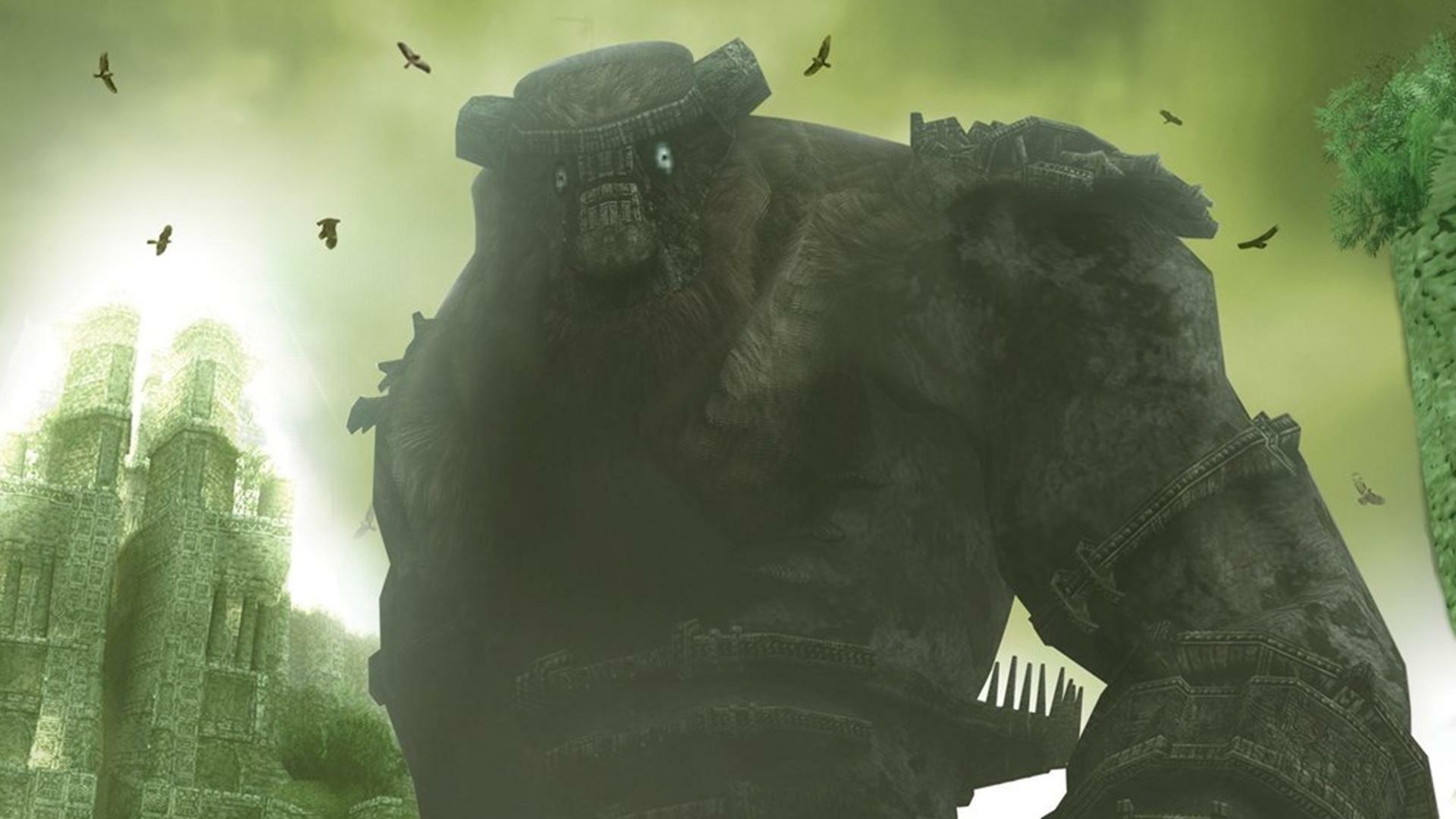
Team Ico (Japan Studio) developed ‘Shadow of the Colossus’ with music by Kow Otani, whose finale draws on the score’s brass, strings, and choir palette. The closing arrangement revisits earlier motifs in slower, solemn tempos that emphasize sustained harmonies. Official albums present both in-game and arranged versions, revealing how orchestration shapes the ending’s tone. Re-recordings for the remake preserved the thematic contours while updating the mix and dynamic range.
‘Undertale’ (2015)

Created by Toby Fox, ‘Undertale’ culminates with a medley that interweaves chiptune leads, piano, and percussion into a cohesive closing track. The finale transforms earlier character themes using tempo shifts and counter-melodies without revealing plot outcomes. Fox’s soundtrack release sequences the final pieces so recurring motifs are easy to trace. The production relies on crisp, loop-friendly patterns that resolve into a unified credits flow.
‘Celeste’ (2018)

Developed by Matt Makes Games (now Extremely OK Games), ‘Celeste’ ends with a layered electronic track by Lena Raine that develops the game’s arpeggiated synth themes. The credits arrangement introduces warmer pads and steady percussion to signal arrival and release. Official soundtrack and “B-Sides” albums document alternate mixes that emphasize different parts of the harmonic progression. The finale’s structure mirrors the score’s modular cue design, gradually adding voices before easing into a cadence.
‘God of War’ (2018)
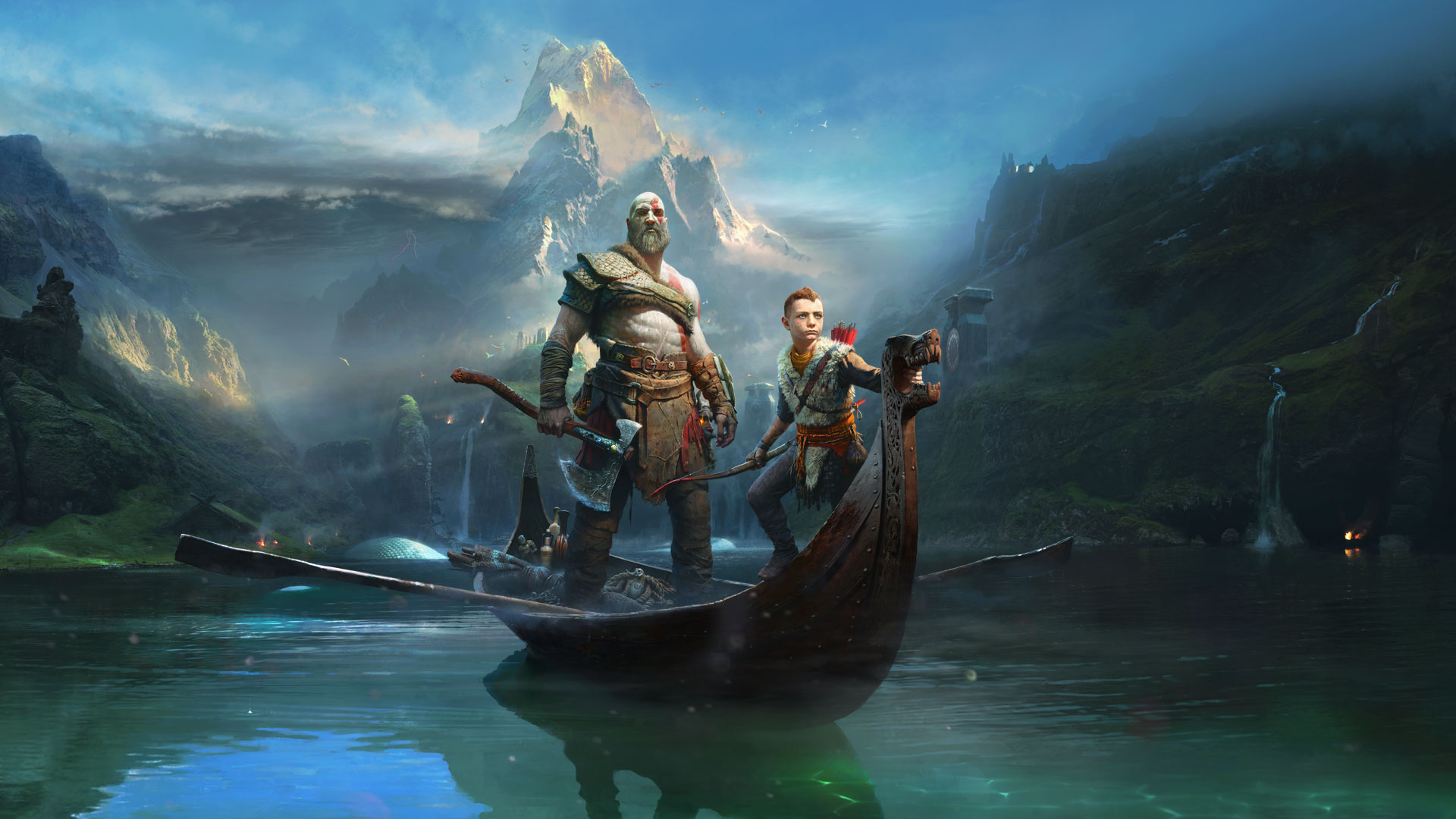
Santa Monica Studio’s ‘God of War’ closes with orchestral writing by Bear McCreary, featuring bass choir and Norse-inflected motifs. The end cue extends the main theme with low male vocals and broad brass voicings that feel ceremonial yet restrained. Album notes and live performances highlight the use of Icelandic choir vowels to achieve the timbre. The production favors heavy drums and drone-like strings, which anchor the final track’s steady pace.
‘Metal Gear Solid 3: Snake Eater’ (2004)
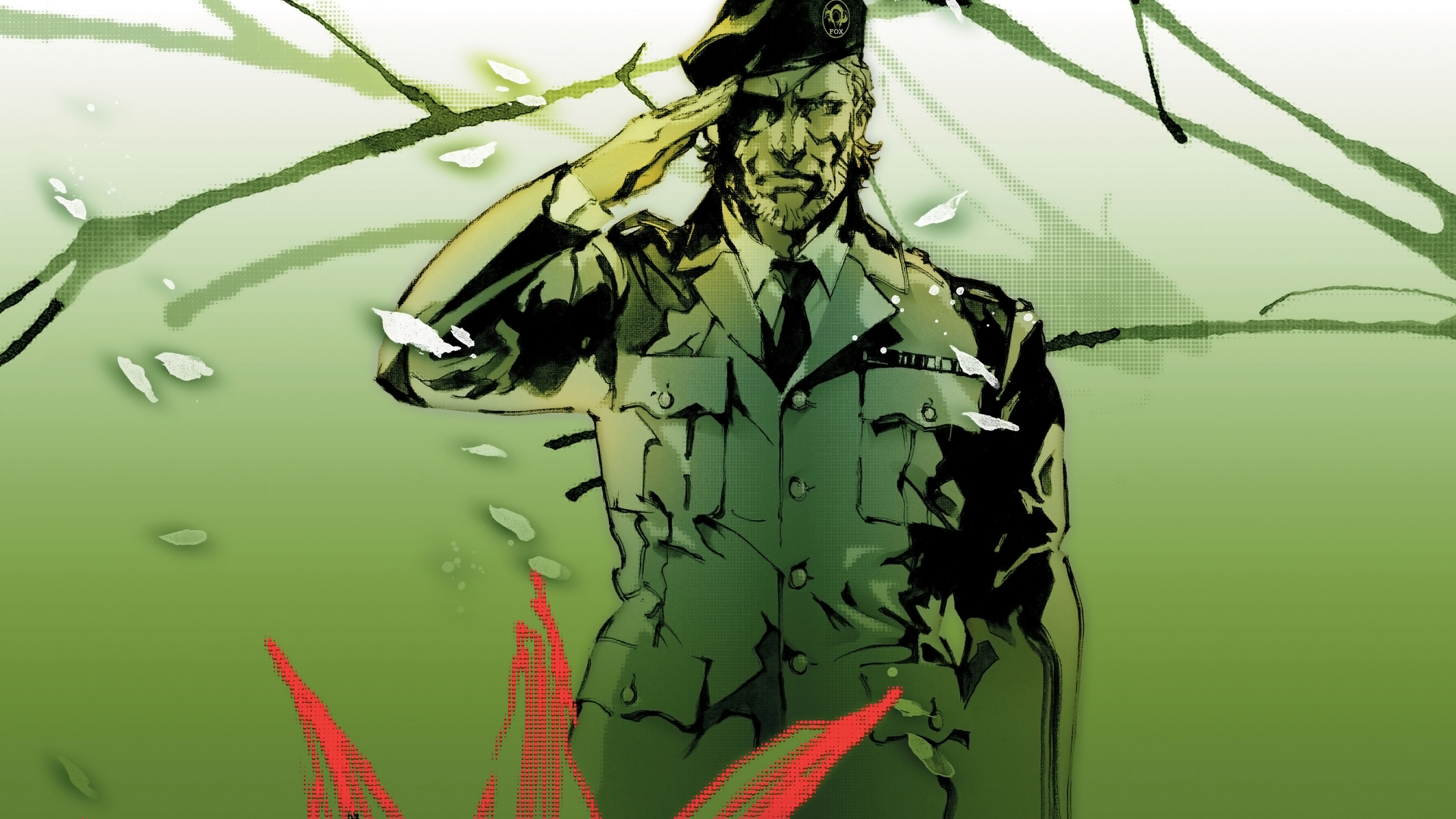
Kojima Productions (then Konami Computer Entertainment Japan) anchors ‘Metal Gear Solid 3’ with a finale that nods to its spy-cinema sound, including work by Norihiko Hibino. The closing music reprises melodic material associated with the game’s title theme, arranged for strings and vocals. Official soundtrack listings and later compilations preserve the ending’s arrangement with minimal changes. The mix balances lead vocal lines against tremolo strings to maintain clarity through the credits.
‘Portal’ (2007)

Valve’s ‘Portal’ ends with a comedic yet musically tight song written by Jonathan Coulton, produced to play over stylized credits. The track uses deadpan vocals and a steady electronic groove, referencing earlier sound cues without disclosing any puzzle solutions. Mike Morasky’s overall audio direction keeps synth textures consistent with the game’s sterile aesthetic. The official release includes a clean studio version, which matches the in-game timing and structure.
‘BioShock Infinite’ (2013)

Irrational Games’ ‘BioShock Infinite’ concludes with music supervised and scored by Garry Schyman, incorporating period instrumentation and choral elements. The ending arrangement folds in Americana textures—acoustic strings, harmonium, and choir—to echo the soundtrack’s broader palette. Licensed and original cues are documented across soundtrack releases, clarifying which versions appear in credits. The production emphasizes close-mic’d vocals and room ambience to achieve an intimate finish.
‘Hades’ (2020)

Supergiant Games’ ‘Hades’ features a finale by Darren Korb that adapts the score’s hard-edged guitars and Mediterranean modes into a cathartic credits song. The track includes vocals recorded with a close, present mix, aligning with the game’s character-driven sound design. Official albums provide both instrumental and vocal takes, showing how the ending motif can stand alone. The arrangement layers rhythmic ostinatos under melodic lines to create forward momentum without narrative details.
‘Ori and the Will of the Wisps’ (2020)
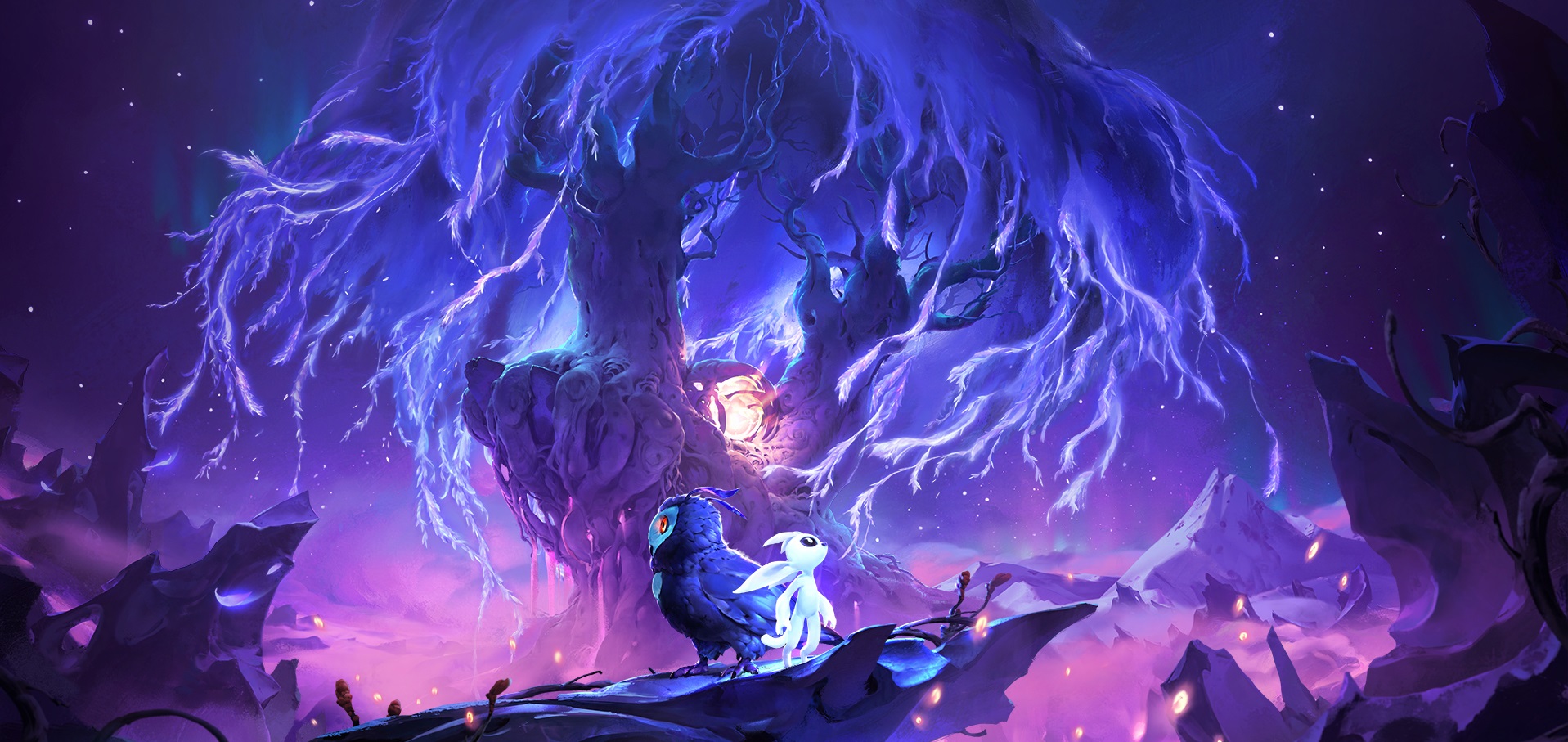
Moon Studios produced ‘Ori and the Will of the Wisps’ with a finale by Gareth Coker that expands the score’s choir and string writing. The credits music reprises primary themes in richer orchestration, recorded with a large ensemble for dynamic swells. Album materials indicate multi-location sessions that contribute to the track’s depth and clarity. The cue’s harmonic progressions mirror earlier exploration tracks, providing cohesion without referencing story events.
‘Hollow Knight’ (2017)

Team Cherry’s ‘Hollow Knight’ ends with a piece by Christopher Larkin that consolidates the score’s melancholic motifs into a gentle, orchestral close. The final track favors woodwinds and strings with restrained percussion, consistent with the game’s chamber-like sound. Soundtrack releases include both the core ending and companion epilogue cues, cataloging their thematic links. The mix highlights solo instruments before broadening to ensemble textures to mark the finish.
‘The Witcher 3: Wild Hunt’ (2015)
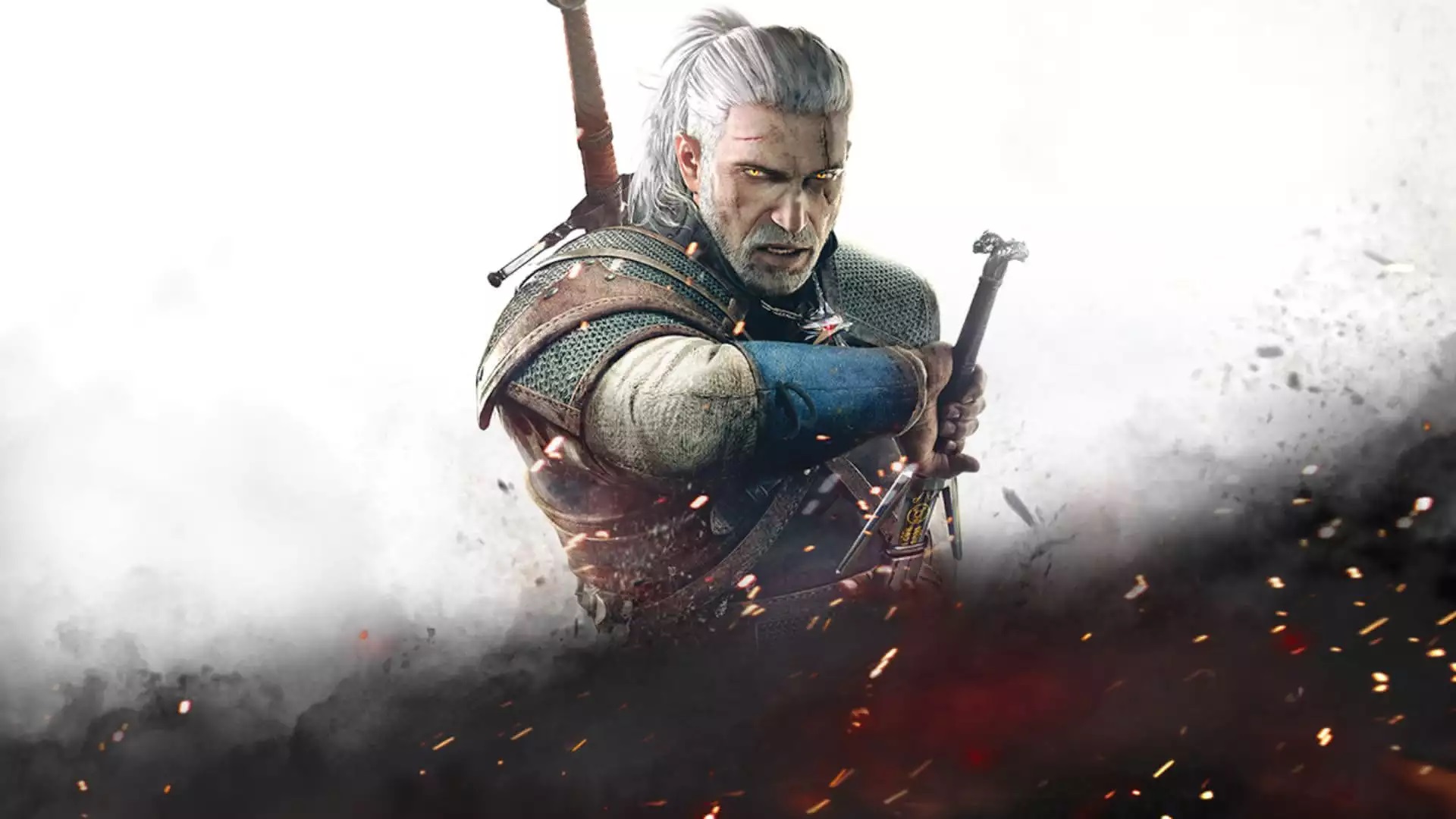
CD Projekt RED’s ‘The Witcher 3’ features an ending sequence scored by Marcin Przybyłowicz and Mikolai Stroinski, with performances by Percival Schuttenbach. The credits arrangement draws on folk instruments—hurdy-gurdy, nyckelharpa, and percussion—integrated with strings. Official soundtrack editions and expansions list alternate versions tied to different content, but the core ending remains consistent. Production notes emphasize rhythmic drive and modal melodies that connect back to the Continent’s musical identity.
‘Dark Souls’ (2011)
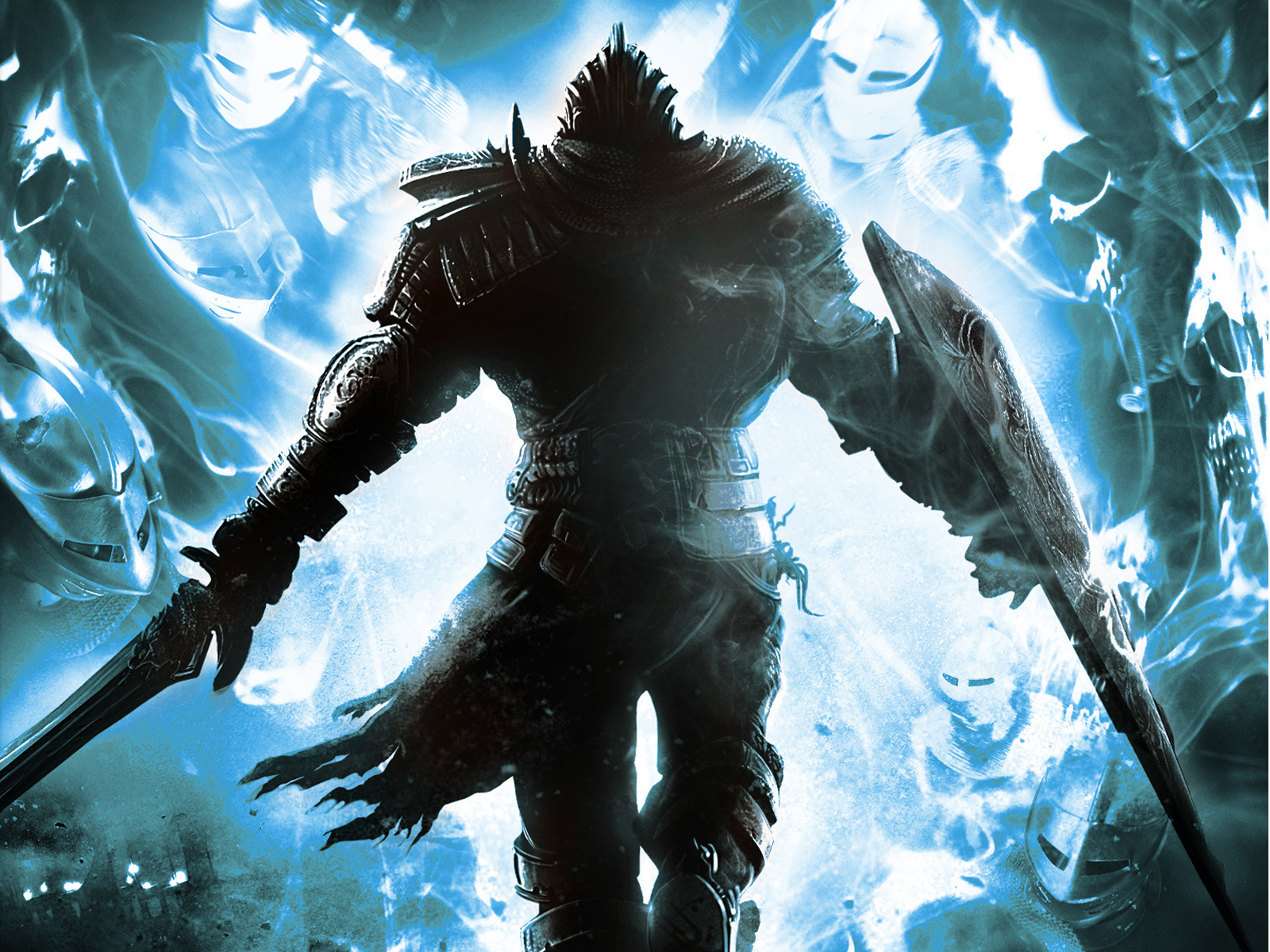
FromSoftware’s ‘Dark Souls’ concludes with music by Motoi Sakuraba that pares down the score to solemn, organ-like chords and strings. The finale’s restrained tempo and simple harmonic motion contrast with earlier boss cues, giving the credits space. Soundtrack releases document the cue as part of the main album, matching the in-game arrangement closely. The mastering favors smooth dynamics to create a reflective, unhurried close.
‘Persona 5’ (2016)

Atlus’s ‘Persona 5’ wraps with a credits song from Shoji Meguro’s team that blends acid-jazz rhythm section, vocals, and bright brass stabs. The track reuses rhythmic motifs from earlier dungeons in a polished, radio-style mix. Official soundtrack discs include the full vocals version and an instrumental, both synced to the credits timing. The arrangement’s bass and rhythm guitar sit forward in the mix, keeping the groove steady through the finale.
‘Red Dead Redemption 2’ (2018)

Rockstar Games delivers ‘Red Dead Redemption 2’ with a finale produced under music supervisor Ivan Pavlovich, featuring compositions by Woody Jackson and collaborators. The ending sequence integrates original vocal material recorded specifically for the closing, aligned with the score’s Americana palette. Multiple soundtrack albums—score and “music from” compilations—document the track’s studio version alongside in-game edits. The production spotlights acoustic instruments and wide reverb, giving the last cue a spacious, reflective feel.
Share your favorite soundtrack finales in the comments and tell us which closing track has stuck with you the longest!