25 Best Moral Dilemmas In RPGs

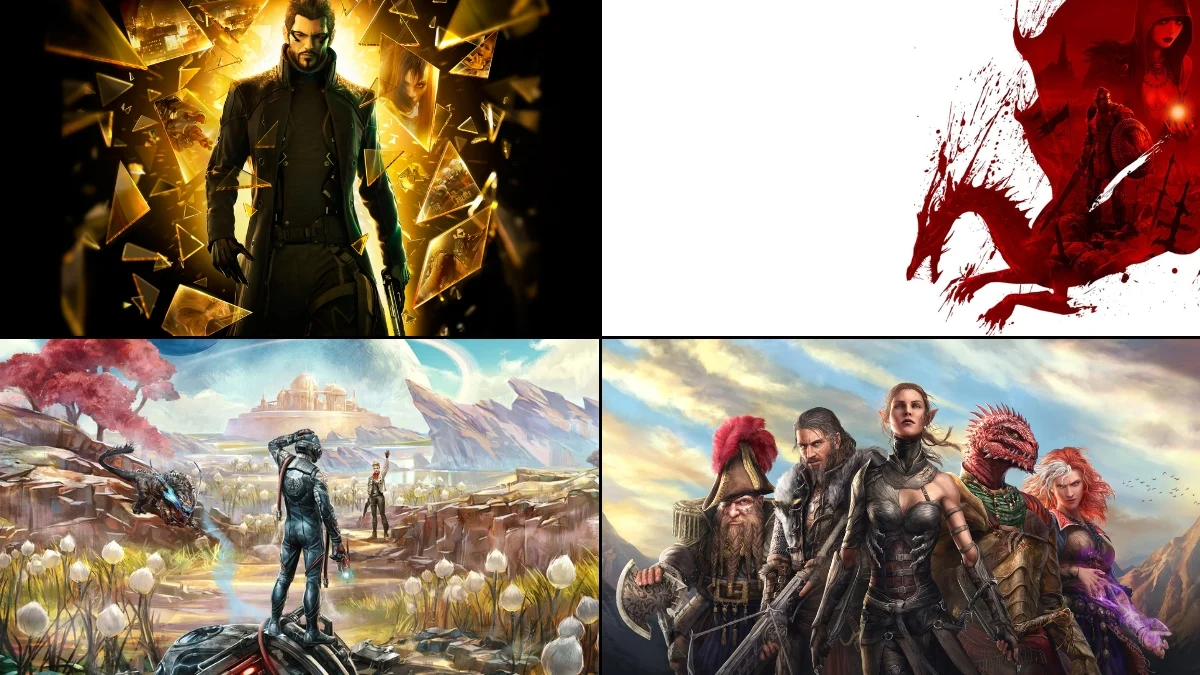

Role-playing games love to put players on the spot, and the toughest choices rarely have clean answers. The moral dilemmas below change quests, reshape factions, and sometimes rewrite entire endings—often locking away content while opening new paths. To help you track them down, each entry notes the core decision and the teams responsible for the game, so you know exactly where these moments came from and who crafted them.
‘The Witcher 3: Wild Hunt’ (2015)
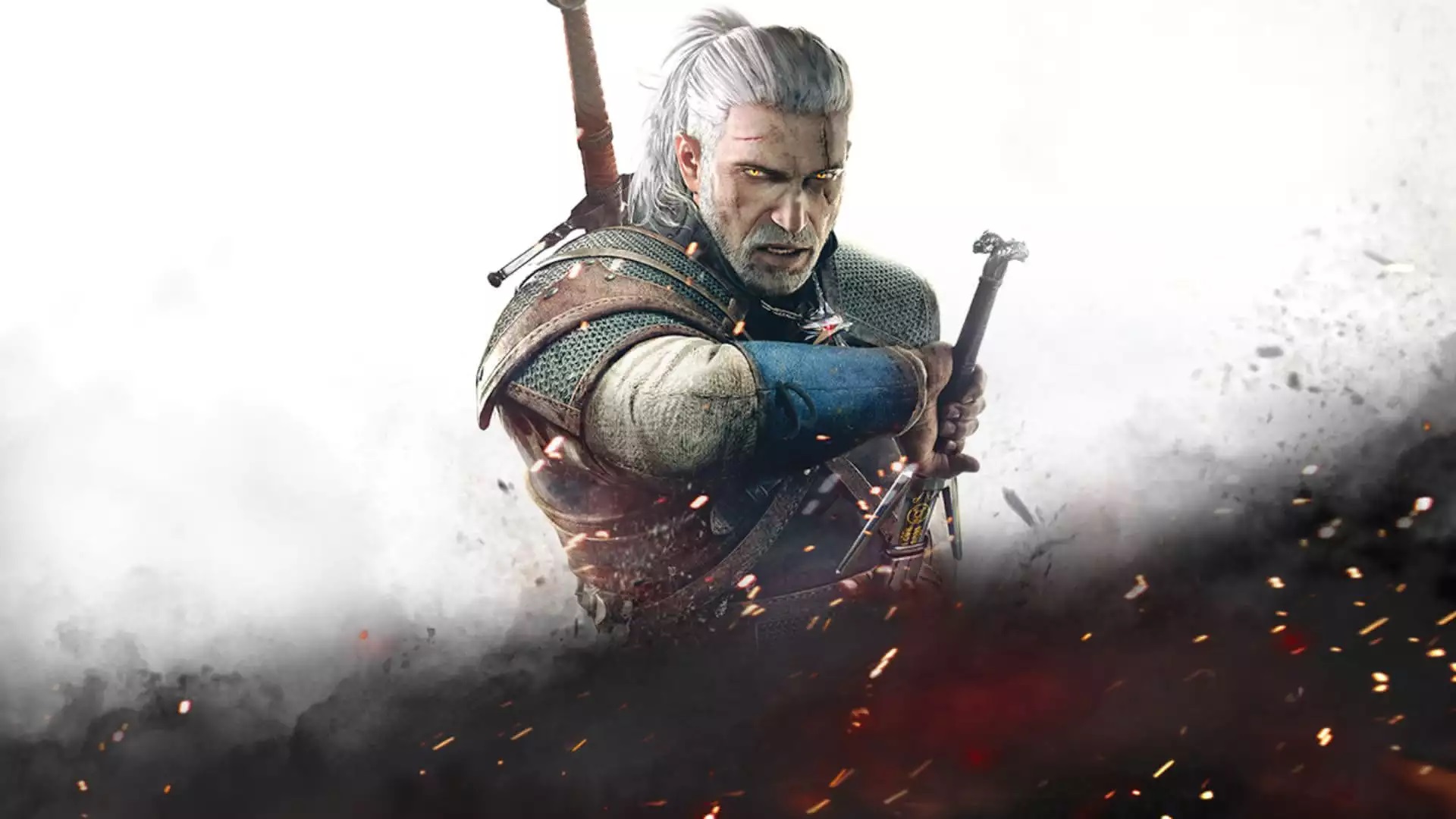
CD Projekt Red built multiple branching dilemmas, with the “Family Matters” quest forcing a call between aiding the Bloody Baron or prioritizing his suffering family. Decisions about the crones and the orphans of Crookback Bog ripple into later regions, altering NPC survival and village states. Choosing how to deal with the mage hunters in Novigrad affects future help, shop access, and side-quest availability. The developer’s state-tracking system carries consequences into DLC if prior saves are imported.
‘Mass Effect 2’ (2010)
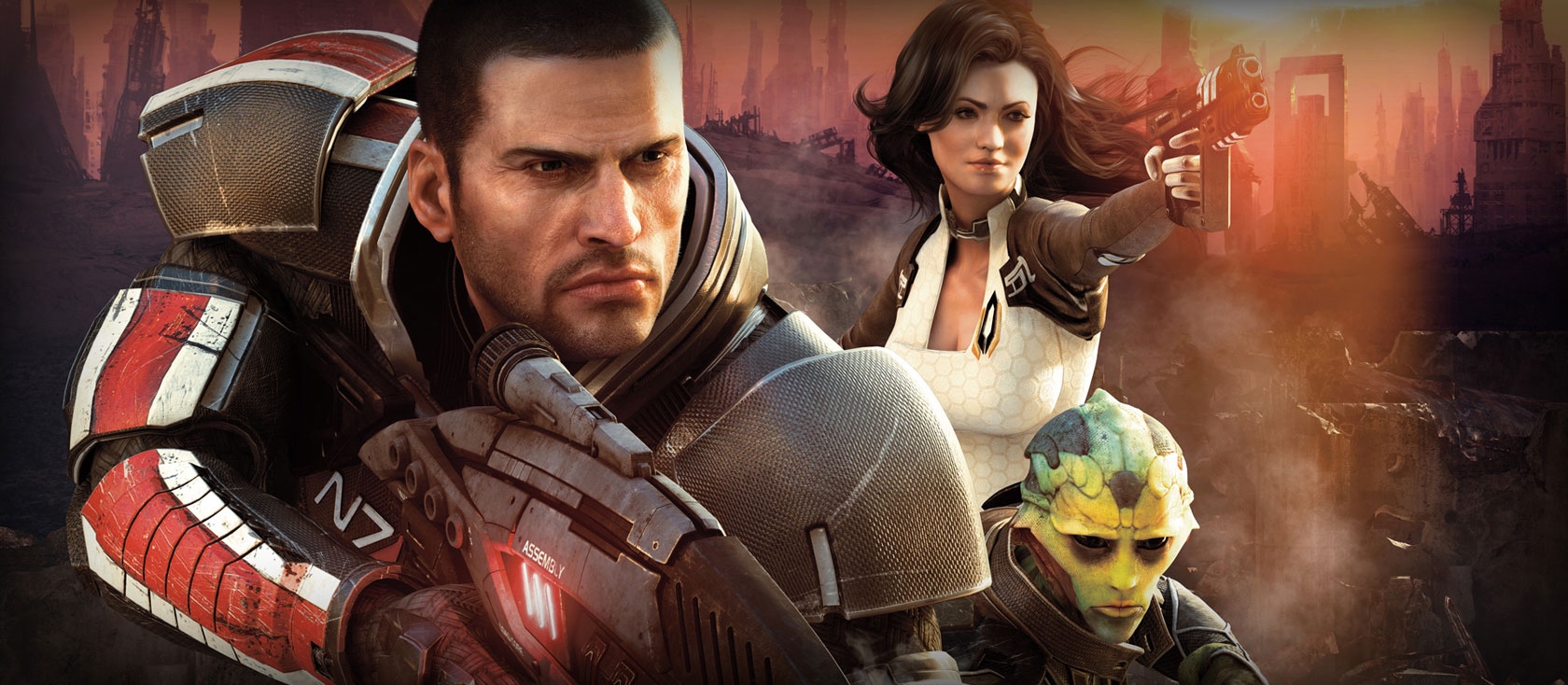
BioWare made the Collector Base decision central—keep it for research or destroy it—affecting war assets and narrative setup in the sequel. The Suicide Mission hinges on whether you completed loyalty quests and selected the proper specialists, directly determining who lives or dies. Paragon/Renegade interrupts can avert fights or escalate them, changing recruitment and dialogue outcomes. Electronic Arts published this installment, integrating save import from ‘Mass Effect’ to preserve past decisions.
‘Mass Effect 3’ (2012)
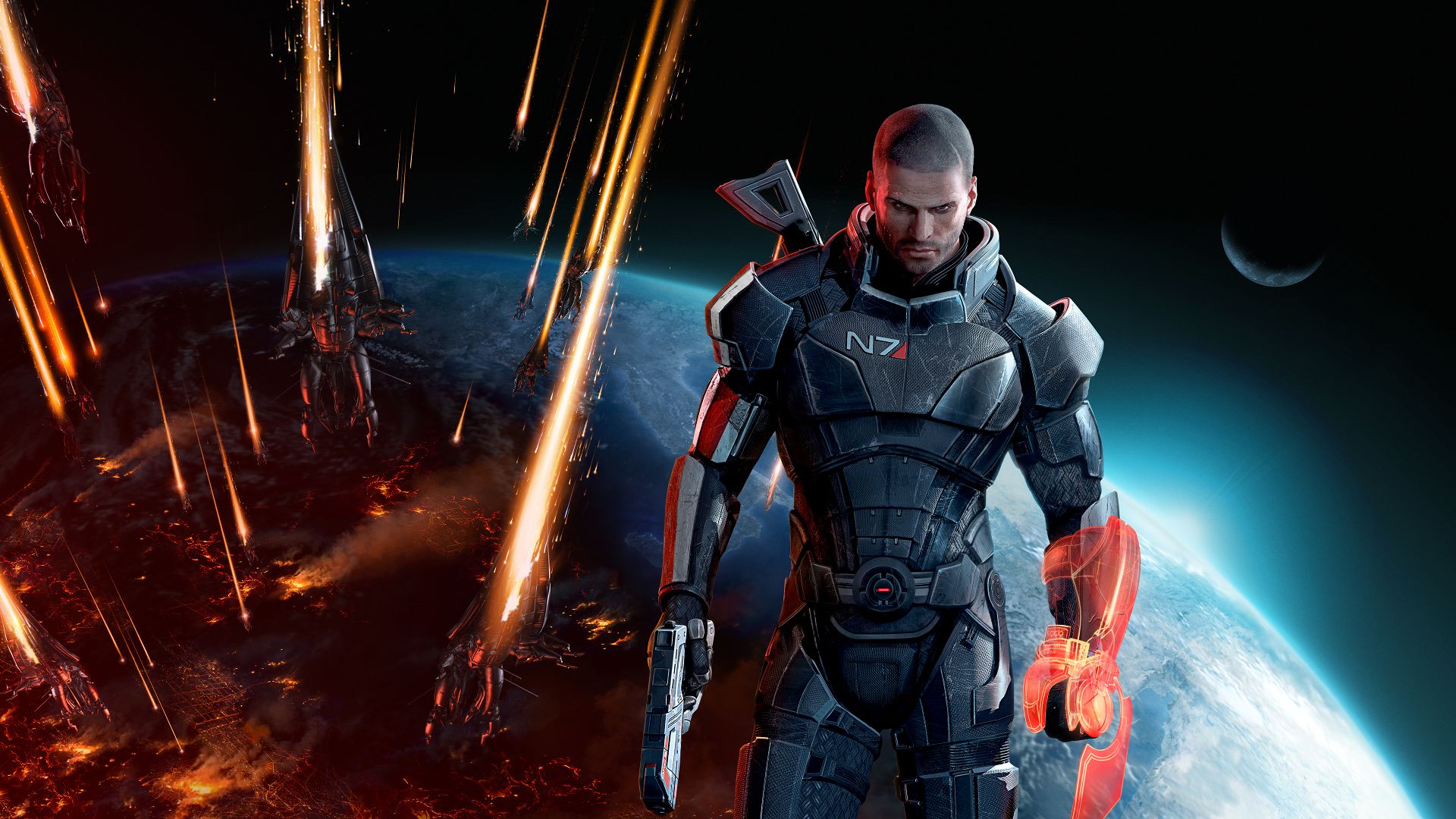
BioWare placed the genophage cure at the heart of the story, forcing a choice between honoring a cure or sabotaging it with long-term galactic implications. Your decision influences krogan-turian relations and the availability of military assets. Prior choices from ‘Mass Effect 2’—like Mordin’s fate and the rachni—reconfigure key missions and endgame conditions. EA published the game, with the Extended Cut clarifying outcome variables.
‘Mass Effect’ (2007)
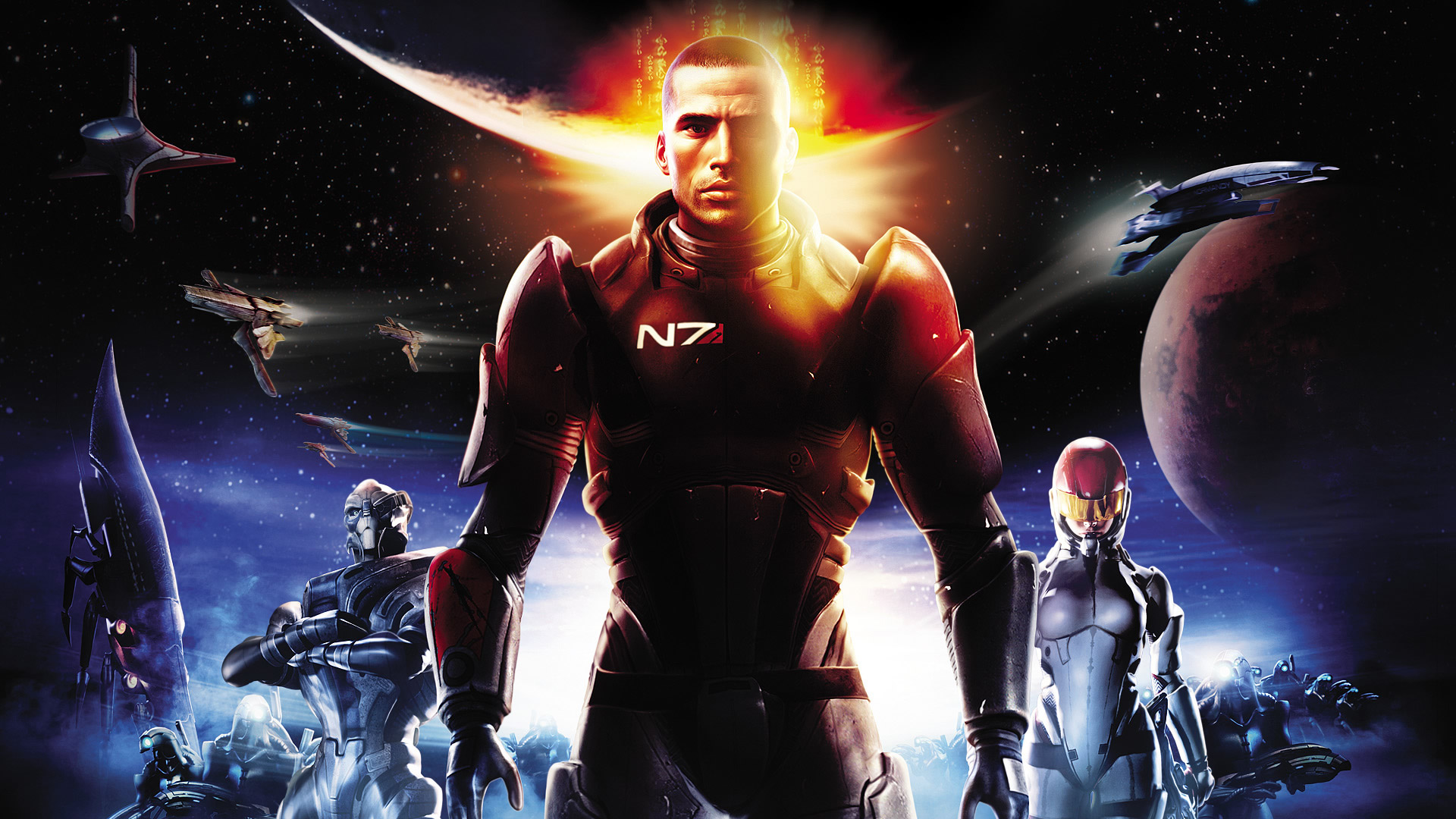
BioWare introduced the series’ first major crucible: save the Citadel Council or prioritize human forces during the Battle of the Citadel. The earlier choice about the rachni queen also echoes far beyond the ending, determining whether an entire species survives. Renegade/Paragon thresholds gate persuasion checks that can end boss confrontations without combat. EA handled publishing, with save-carryover establishing the trilogy’s continuity.
‘Dragon Age: Origins’ (2009)
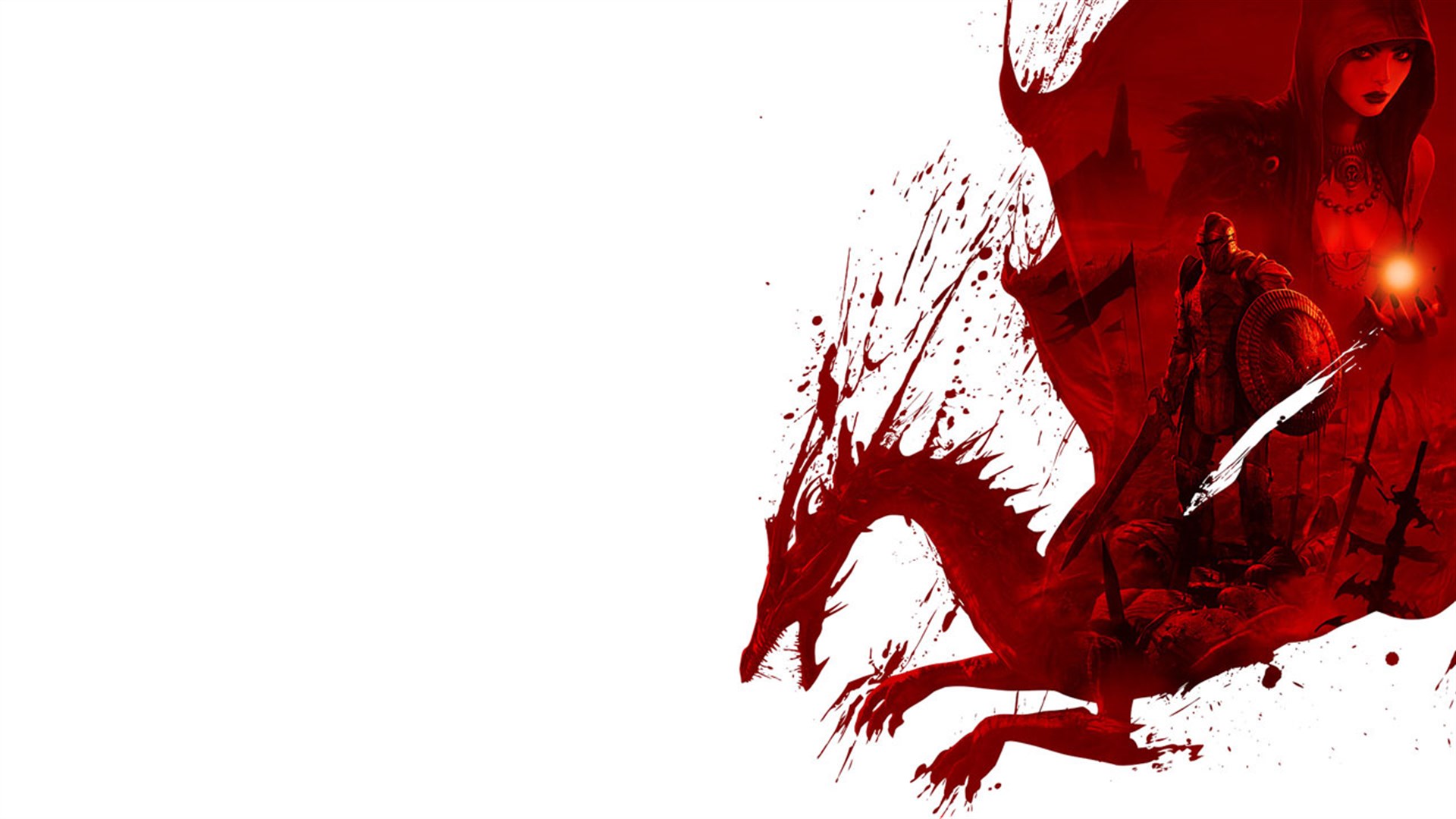
BioWare’s Anvil of the Void decision pits golem production against ethical cost, changing Orzammar’s leadership and quest outcomes. The werewolves versus Dalish elves conflict determines who is cured or condemned and which faction aids the final battle. Morrigan’s Dark Ritual offers a way to avoid a Gray Warden sacrifice, altering epilogue slides and future continuity. EA published the game, which tracks origin background choices throughout the campaign.
‘Dragon Age II’ (2011)
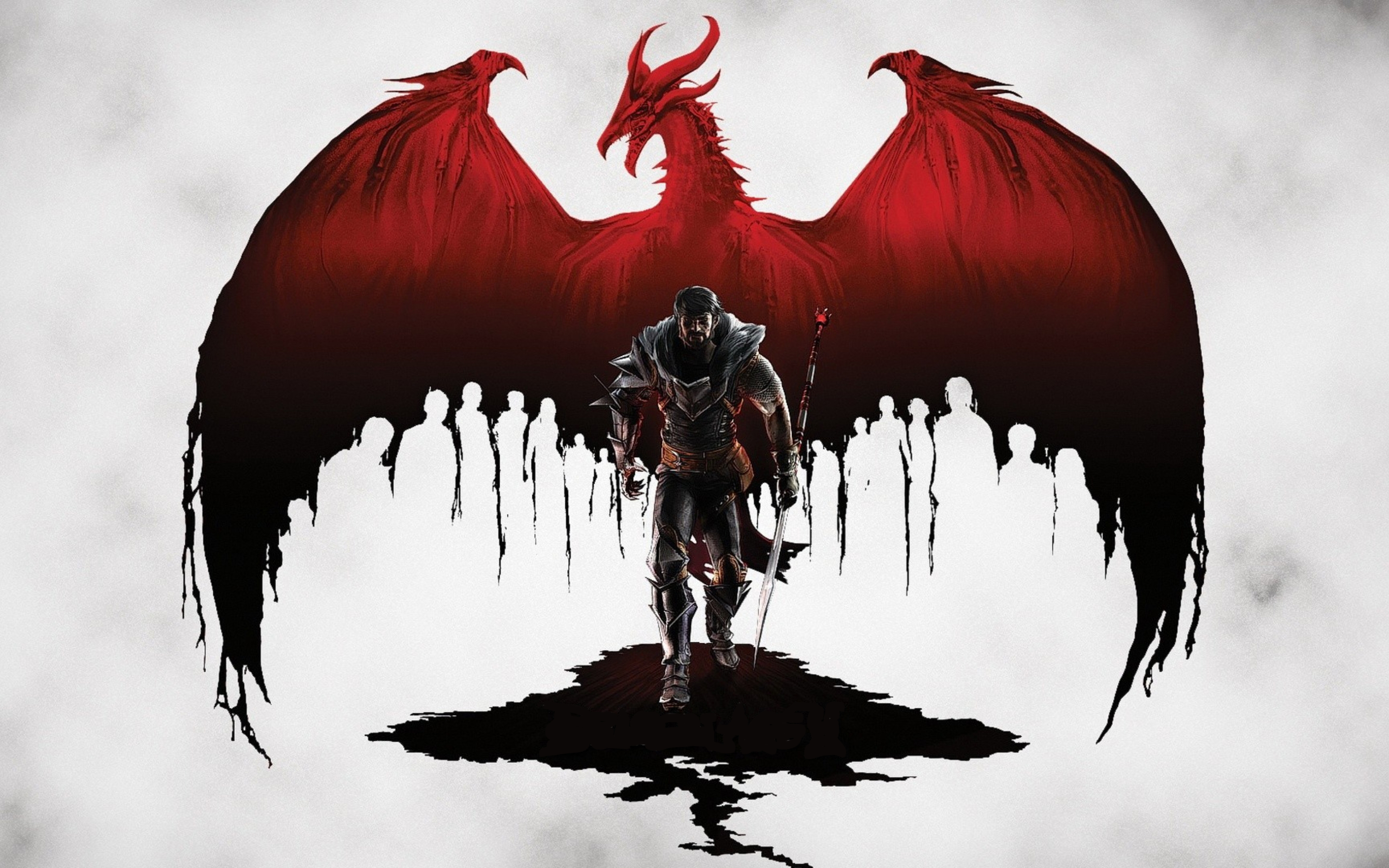
BioWare framed the Mage–Templar conflict through Kirkwall’s escalating crises, culminating in siding with one power at the expense of the other. Companion loyalties shift based on smaller decisions, altering who joins you in the finale. Earlier acts—like the Qunari arc—set reputational tone that affects support and outcomes. EA published, and choices export to ‘Dragon Age: Inquisition’ to adjust world state.
‘Dragon Age: Inquisition’ (2014)
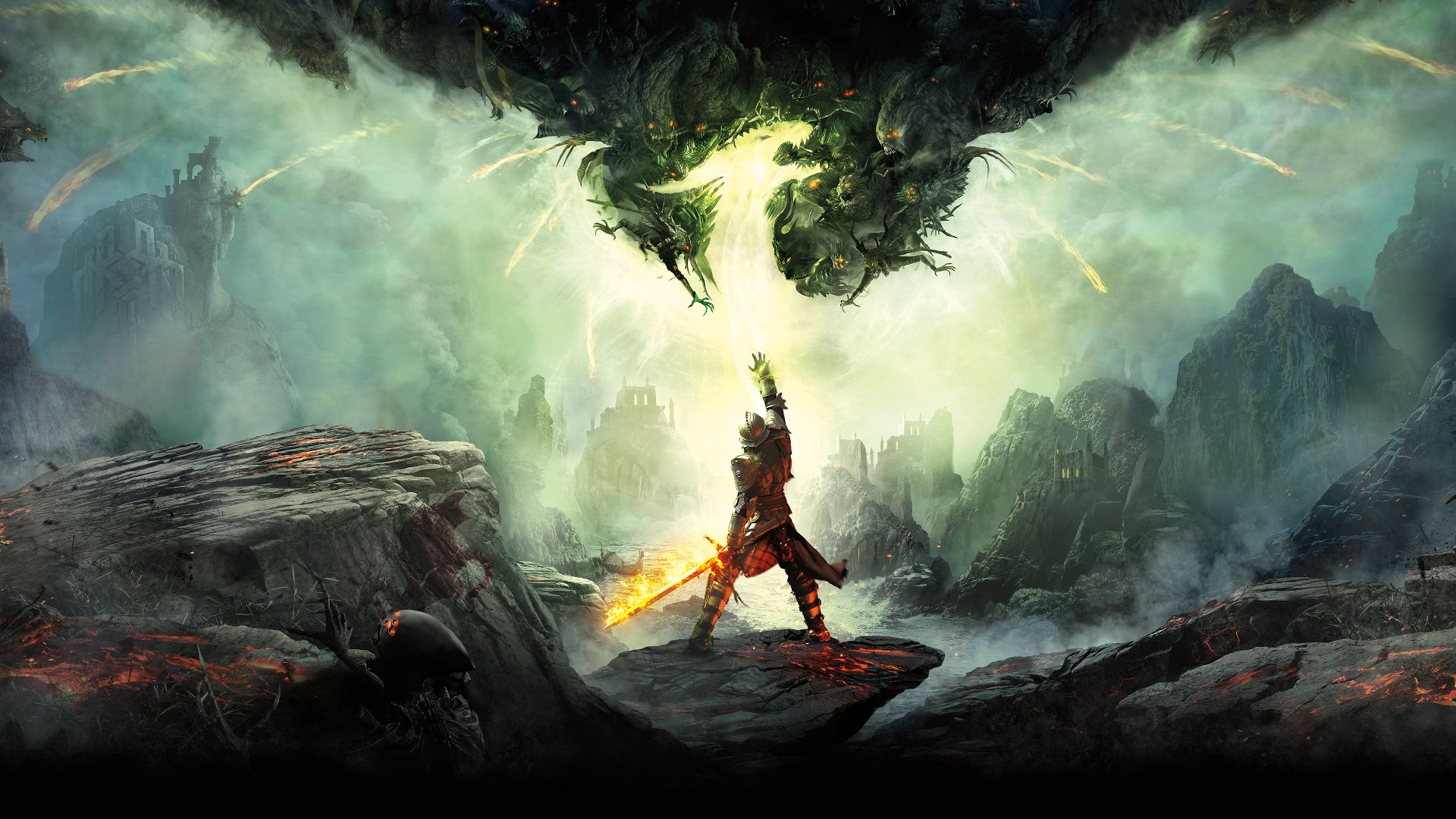
BioWare’s war table and main quests force an alignment with mages or templars, changing boss encounters and later political alliances. The fate of the Grey Wardens can be exile, oversight, or destruction, with unique epilogue effects. Judgment sequences in Skyhold let you sentence captured enemies, impacting morale and cameo appearances. EA published, with the Keep tool enabling cross-platform decision imports.
‘Fallout: New Vegas’ (2010)
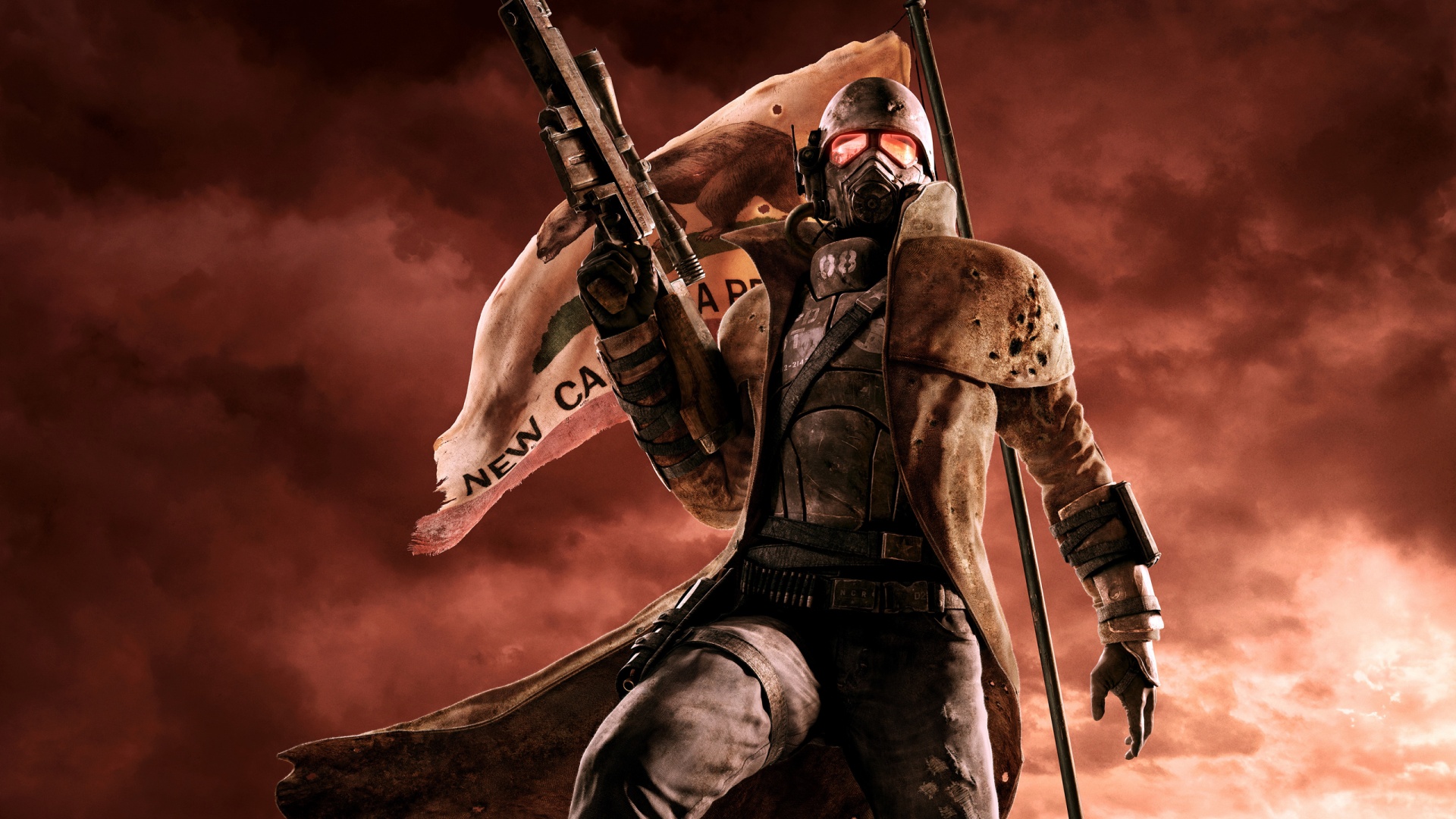
Obsidian Entertainment designed the Hoover Dam endgame around four major paths—NCR, Caesar’s Legion, Mr. House, or an independent route—each reconfiguring the Mojave’s power map. The “Yes Man” option allows a player-driven independent future at the cost of losing certain allies. Faction reputation systems dictate settlement reactions and quest availability far earlier than the finale. Bethesda Softworks published, with DLC epilogues referencing your chosen governance.
‘Fallout 3’ (2008)
Bethesda Game Studios made Megaton a signature moral test—disarm the bomb or detonate it—permanently altering a major hub and its inhabitants. Choices in the main quest about purification can force sacrifice or creative workarounds with companions. Karma and random encounters shift trader behavior and certain perk options. Bethesda Softworks published, with DLC expanding aftermath storytelling.
‘Fallout 4’ (2015)
Bethesda Game Studios set up a factional endgame between the Minutemen, Railroad, Brotherhood of Steel, and the Institute, with mutually exclusive outcomes. Early settlement work can unlock a neutral-leaning resolution path that avoids some conflicts. The fate of synths and specific NPC leaders hinges on dialogue checks and infiltration choices. Bethesda Softworks published, and your alliance dictates which quest lines and technologies remain accessible.
‘Planescape: Torment’ (1999)
Black Isle Studios built dilemmas around identity and regret, with choices like how to treat Deionarra’s shade altering later guidance and party dynamics. Dialogue-centric resolutions often bypass combat, but they can cost unique items or character developments. The endgame asks what the Nameless One owes to those harmed by his immortality and how to balance personal redemption against cosmic consequences. Interplay published, emphasizing narrative stats like Wisdom and Charisma to unlock paths.
‘Baldur’s Gate 3’ (2023)
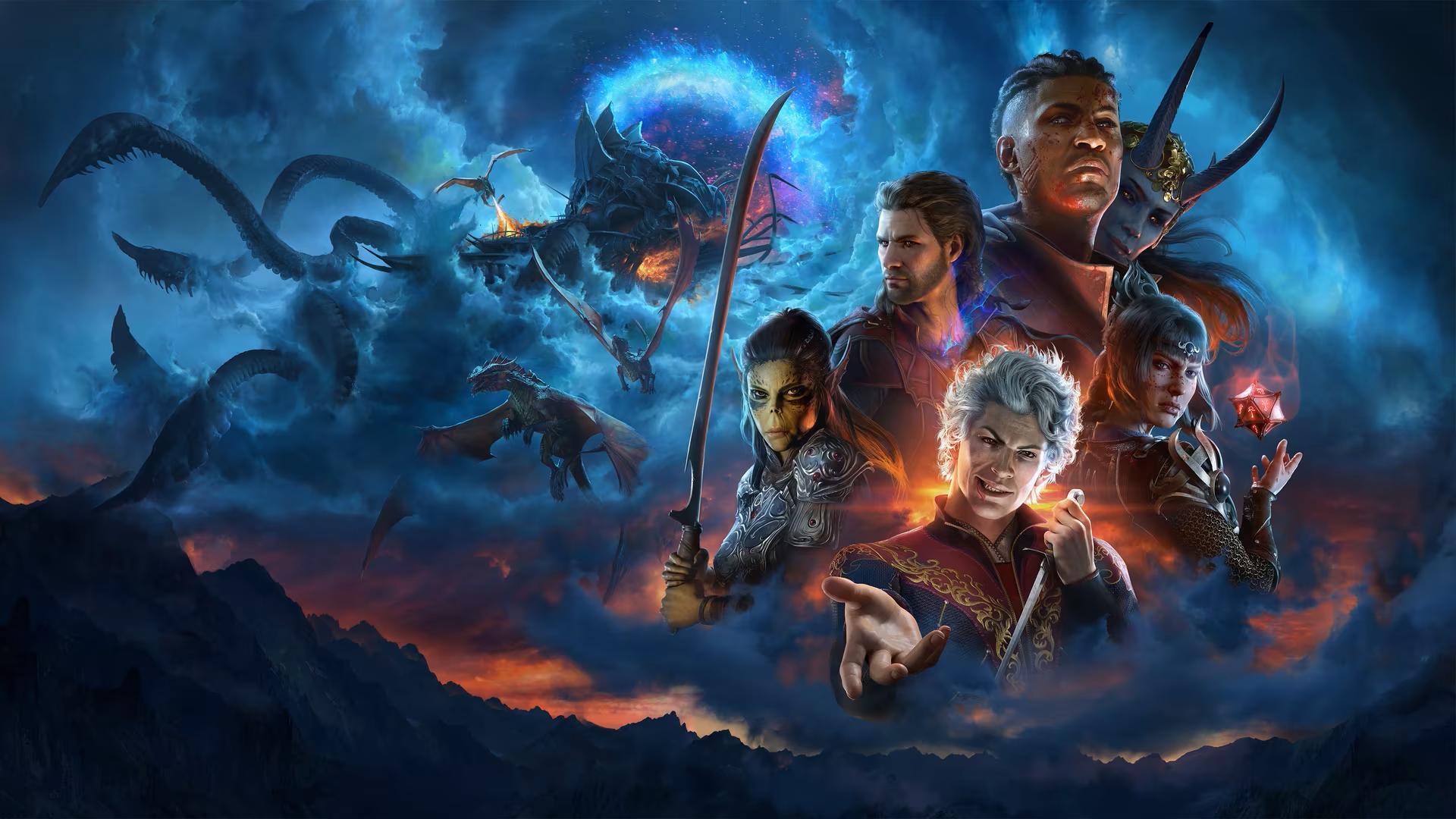
Larian Studios uses the tadpole temptation as an ongoing dilemma—embrace powers for short-term advantages or resist to maintain relationships and outcomes. The Act 1 conflict between the goblin leaders and the druid grove forces a side, changing recruitable companions and regional states. Later acts weigh personal ascendancy against collective fates, affecting citywide conditions and epilogues. Larian self-published, with frequent patches tracking granular flags for reactivity.
‘Baldur’s Gate II: Shadows of Amn’ (2000)
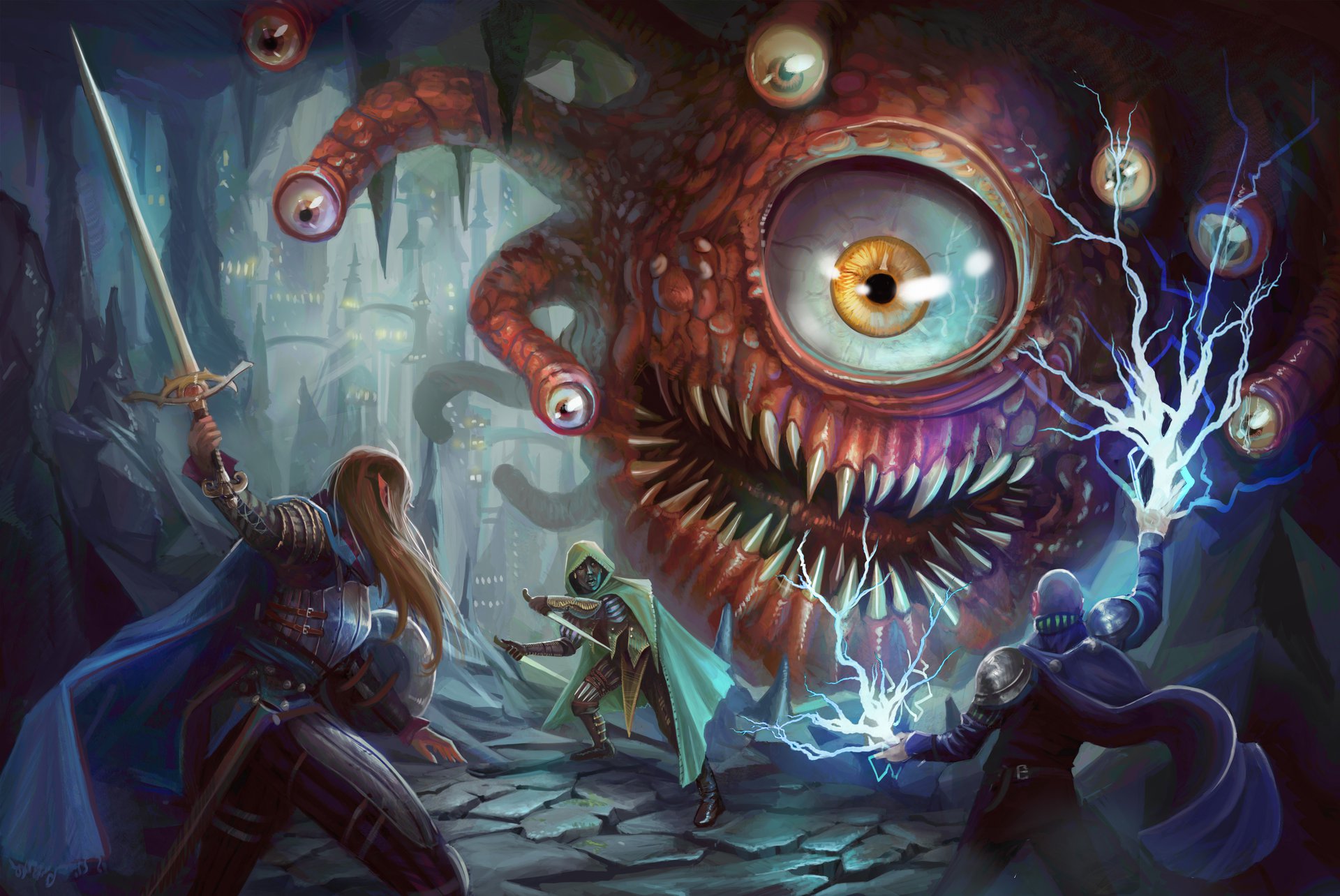
BioWare’s choices around Bodhi and the Shadow Thieves force players to commit to a faction, changing quest chains and resources. The handling of the protagonist’s Bhaalspawn nature influences certain encounters and companion reactions. Major decisions in Spellhold and Suldanessellar shape late-game support and item availability. Interplay and Black Isle handled publishing, with expansion content reflecting earlier allegiances.
‘Disco Elysium’ (2019)
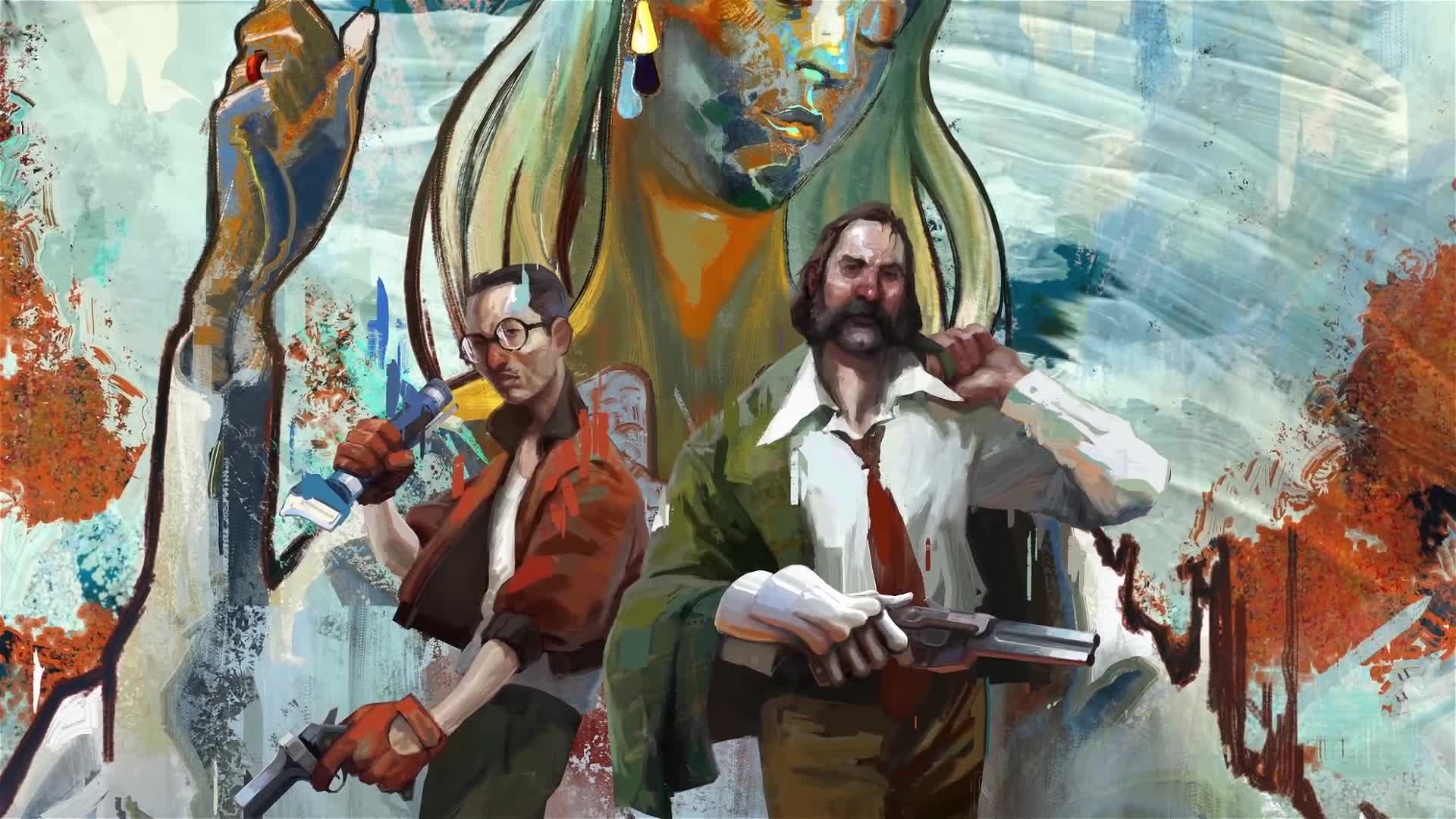
ZA/UM built dilemmas through ideology, addiction, and civic responsibility rather than binary morality, with skill checks opening mutually exclusive truths. How you handle the strike, the tribunal, and key witnesses determines case resolution and partner trust. Political alignments unlock unique scenes but can close off others, including specific Thought Cabinet developments. The Final Cut update, published by ZA/UM, added full voice acting and additional reactivity to prior choices.
‘Undertale’ (2015)
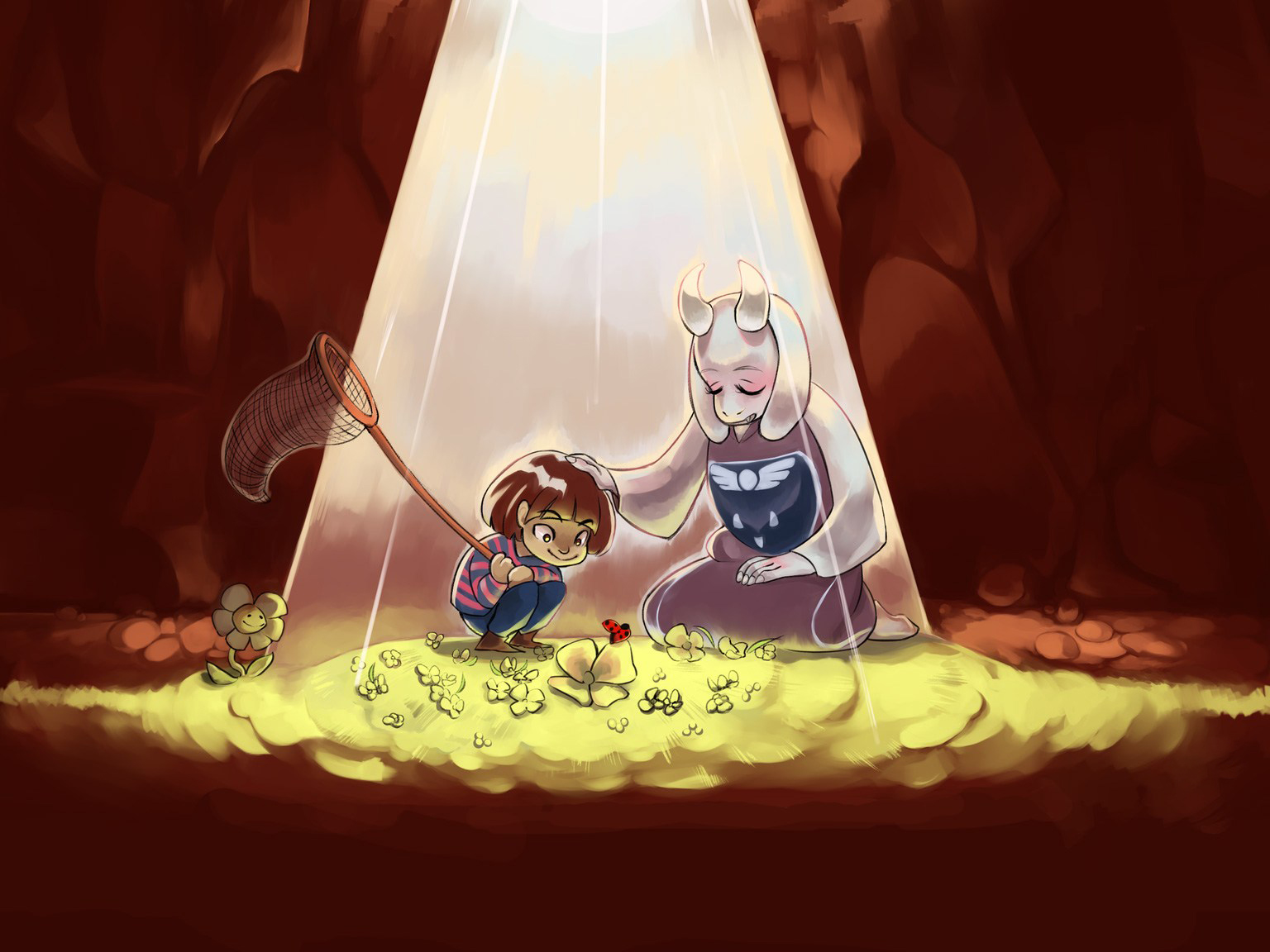
Toby Fox structured the entire game around the decision to fight or spare, with encounter mechanics rewarding non-violence through puzzles and dialogue. Choosing a pacifist, neutral, or genocide route changes boss identities, town states, and narrative tone. Save data remembers prior actions, producing meta-responses and unique endings on replays. The solo developer self-published, using minimal stats to emphasize behavioral outcomes.
‘The Outer Worlds’ (2019)
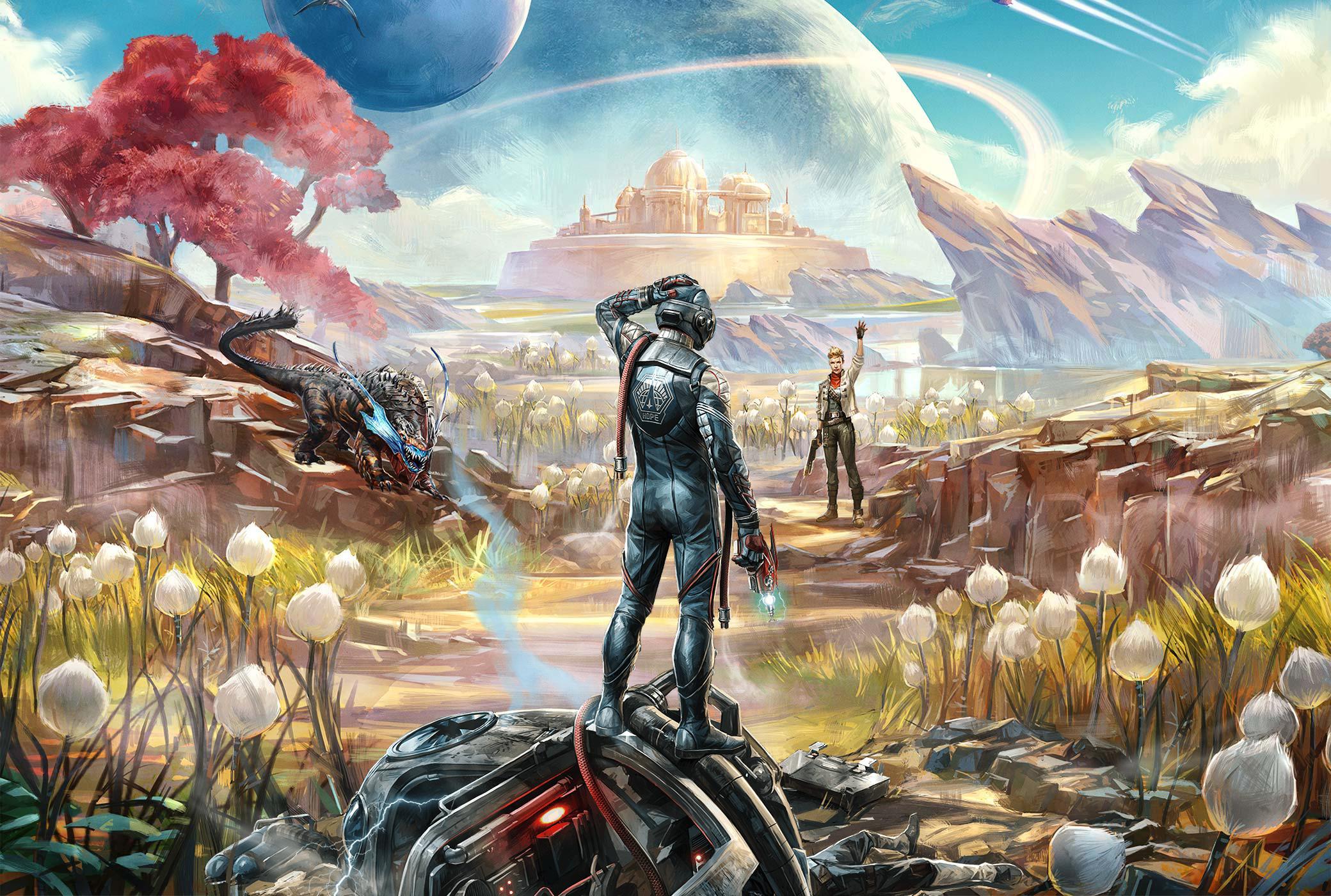
Obsidian Entertainment’s early Edgewater power-redirect choice strands either a town or a deserter community, locking in companion perspectives and future aid. Corporate contracts and faction standing affect mission payoffs and epilogues on multiple planets. Late-game decisions about scientific projects influence the colony’s long-term trajectory. Private Division published, with reputation thresholds gating discounts and quest branches.
‘Deus Ex’ (2000)
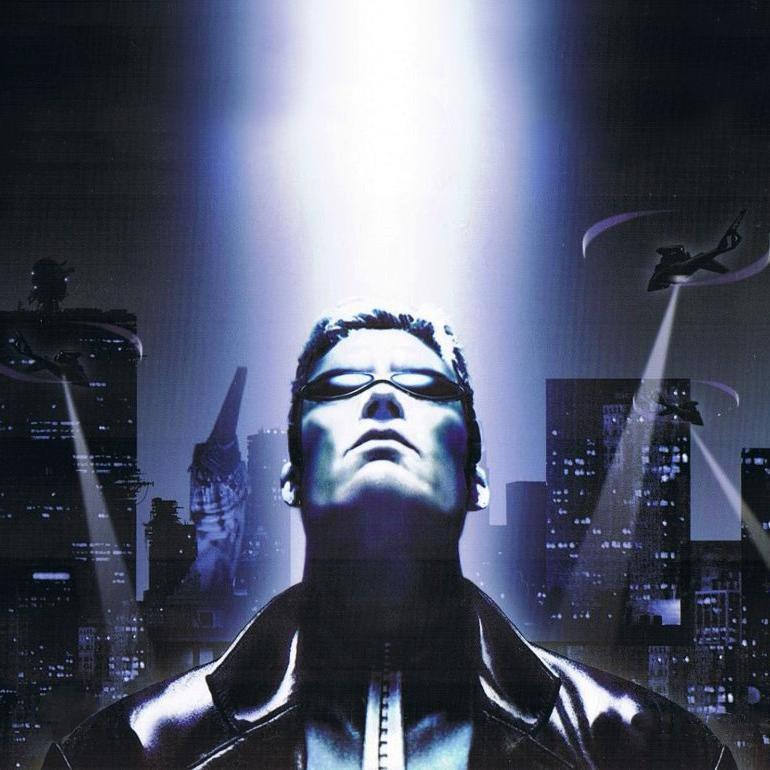
Ion Storm crafted a tri-ending dilemma—side with the Illuminati, ally with a benevolent AI, or plunge the world into a communications dark age—each reshaping global governance. Earlier decisions about whether to kill or spare targets change briefings, rewards, and later support. Non-lethal builds can access unique conversation paths and equipment. Eidos Interactive published, with skill investment enabling alternative mission solutions.
‘Deus Ex: Human Revolution’ (2011)
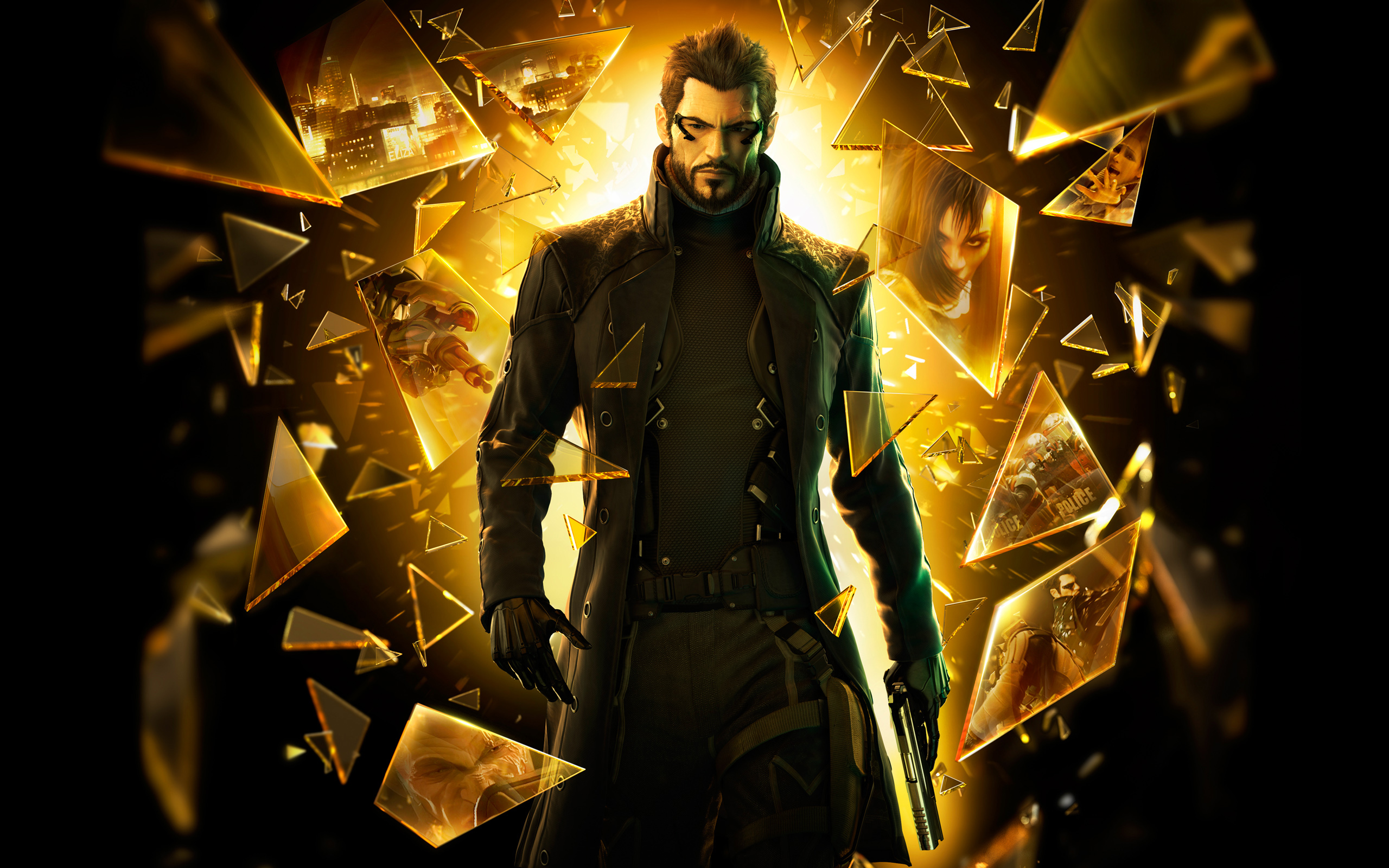
Eidos-Montréal tied augmentation ethics to corporate and political outcomes, culminating in a multi-path broadcast choice that sets public opinion. Side quests like “Cloak & Daggers” and “Smash the State” test whether to expose or shield individuals with competing harms. Boss confrontations can be redirected with prior intel or social augments to avoid casualties. Square Enix published, and the Director’s Cut refined encounter options.
‘Star Wars: Knights of the Old Republic’ (2003)
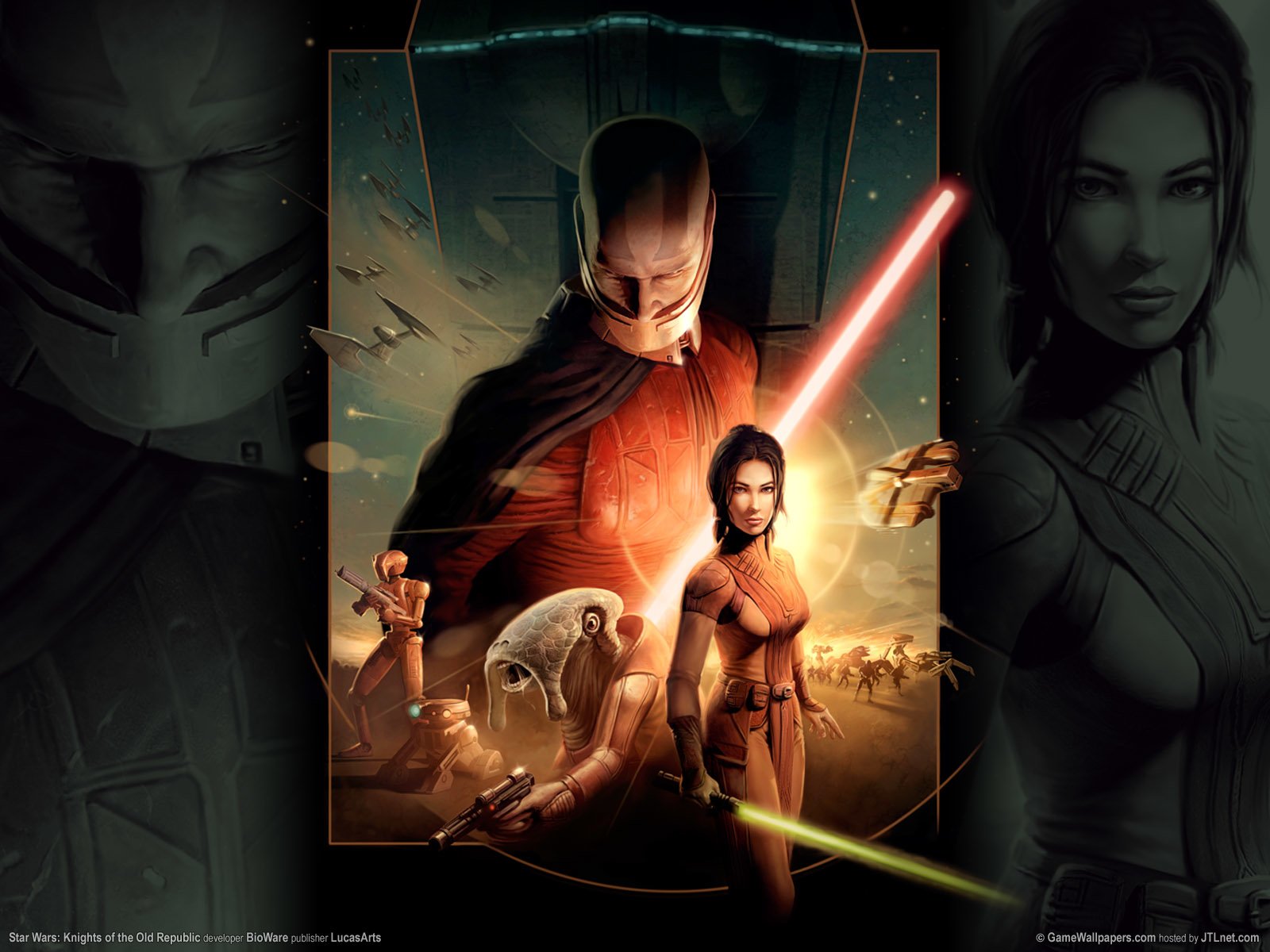
BioWare’s alignment system makes choices like the Wookiee life-debt and the fate of a young Force user pivotal to Light or Dark outcomes. The late-game twist reframes earlier decisions and affects companion loyalties. Planetary quests—such as handling the Sand People peace—offer non-lethal resolutions with unique rewards. LucasArts published, and your alignment gates powers and gear.
‘Fable’ (2004)
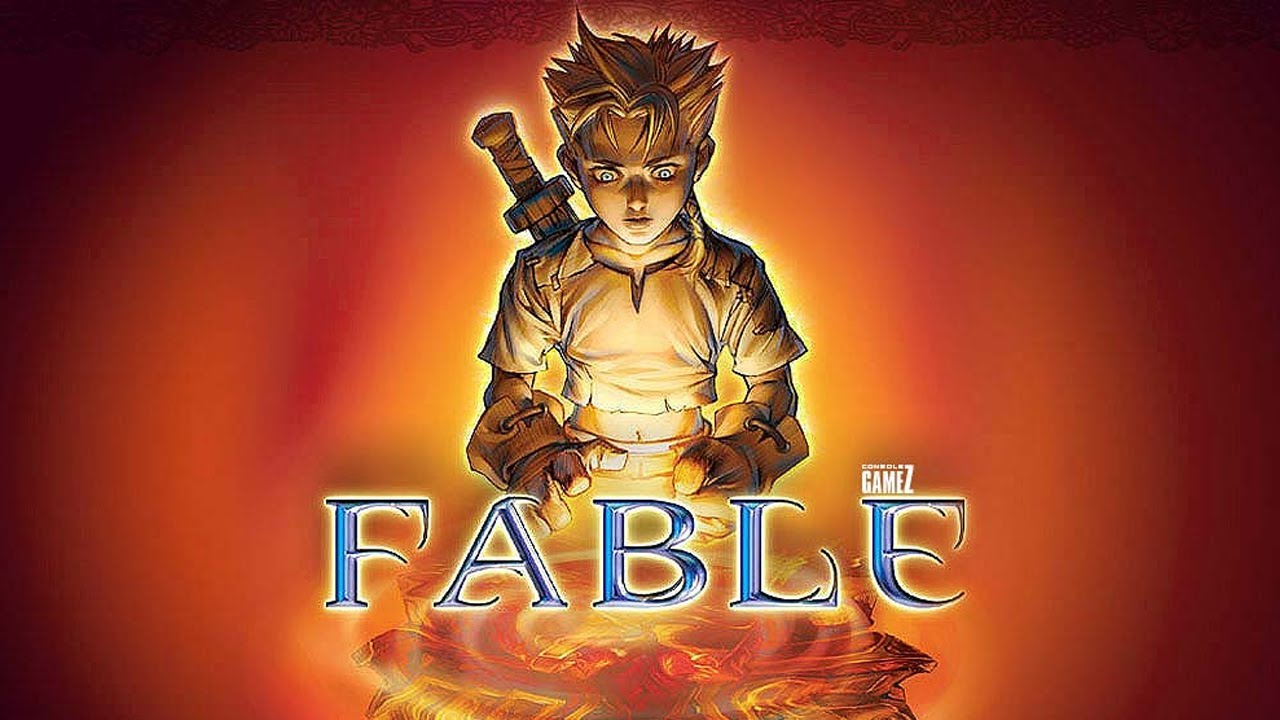
Lionhead Studios built visible morality around choices like sacrificing villagers for the Sword of Aeons or sparing loved ones at personal cost. NPC reactions, shop prices, and appearance shift based on accumulated deeds. Certain titles, tattoos, and equipment unlock only at extreme good or evil thresholds. Microsoft Game Studios published, with later editions preserving decision-based cosmetic changes.
‘Tyranny’ (2016)
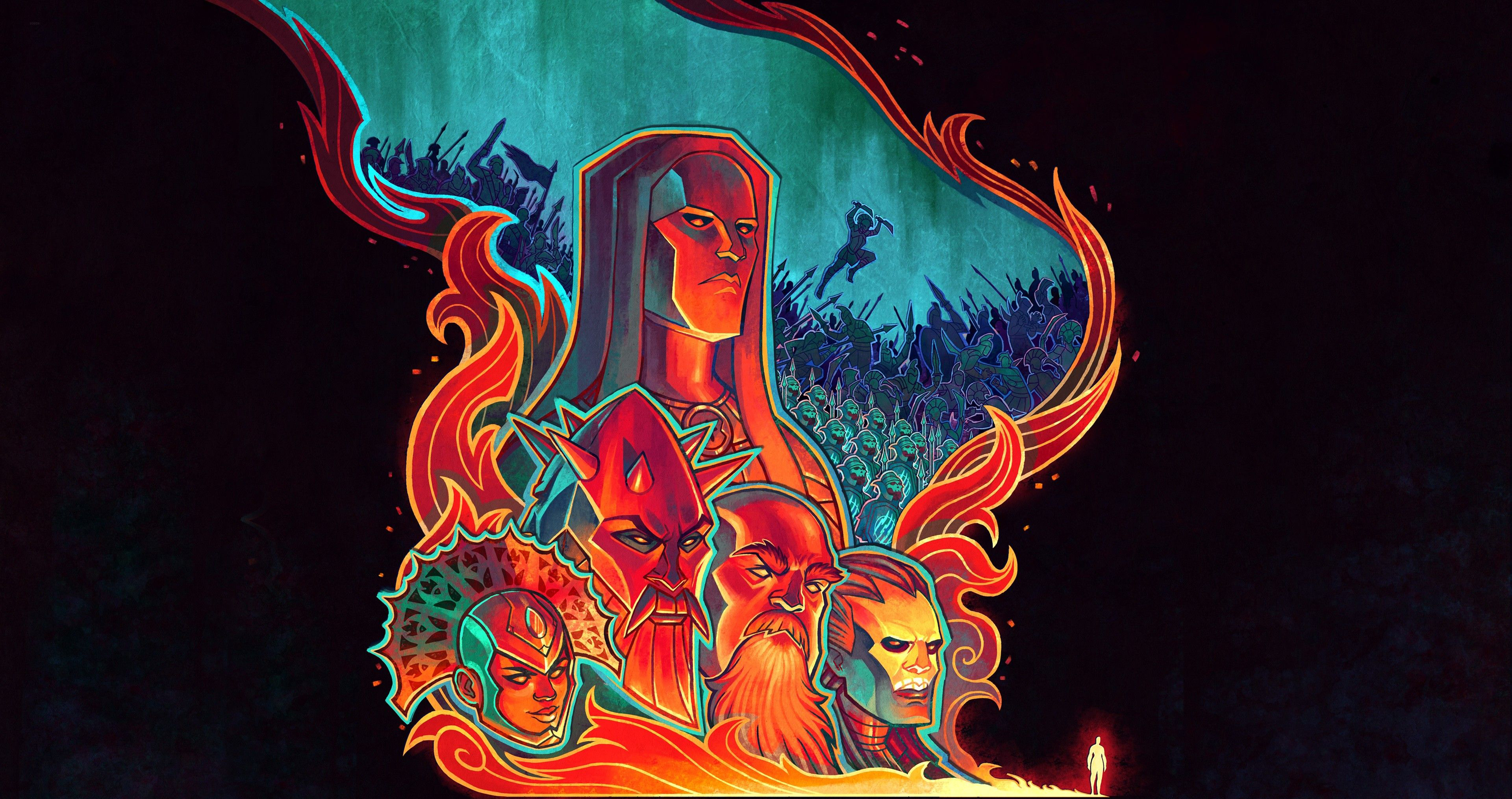
Obsidian Entertainment set the premise around enforcing or subverting Kyros’s law, with Conquest prologues establishing prior rulings that shape the whole campaign. Choosing which faction—Disfavored, Scarlet Chorus, or independent—determines regional governance and companion arcs. Court judgments from the Fatebinder’s throne change settlement economies and military access. Paradox Interactive published, emphasizing edict outcomes that can devastate or liberate territories.
‘Pathologic 2’ (2019)
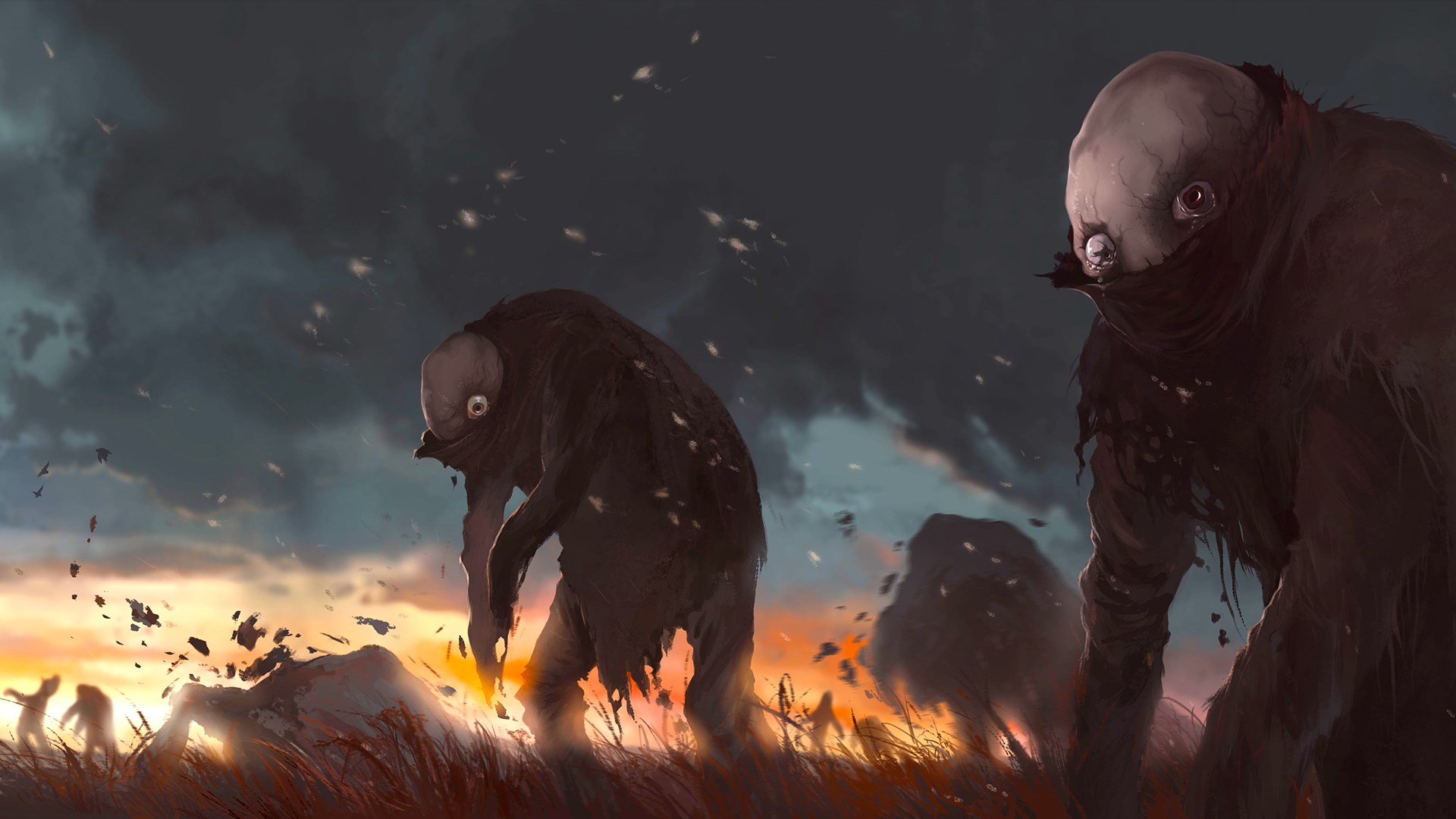
Ice-Pick Lodge ties survival systems to moral tradeoffs, forcing you to decide who gets scarce medicine during an epidemic. Choices about quarantines, resource theft, and patient selection alter district states and future questlines. Reputation in each neighborhood affects safety, prices, and access to key NPCs. tinyBuild published, with daily time limits ensuring missed opportunities become permanent losses.
‘Vampire: The Masquerade – Bloodlines’ (2004)

Troika Games framed dilemmas around the Masquerade, from aiding the Anarchs to supporting the Camarilla, each changing quest support and endings. The sarcophagus plot tests trust in multiple factions, with wrong calls leading to lethal consequences. Clan selection gates social or stealth approaches to avoid collateral harm. Activision published, and patch support later restored cut content that expands choice outcomes.
‘Divinity: Original Sin 2’ (2017)
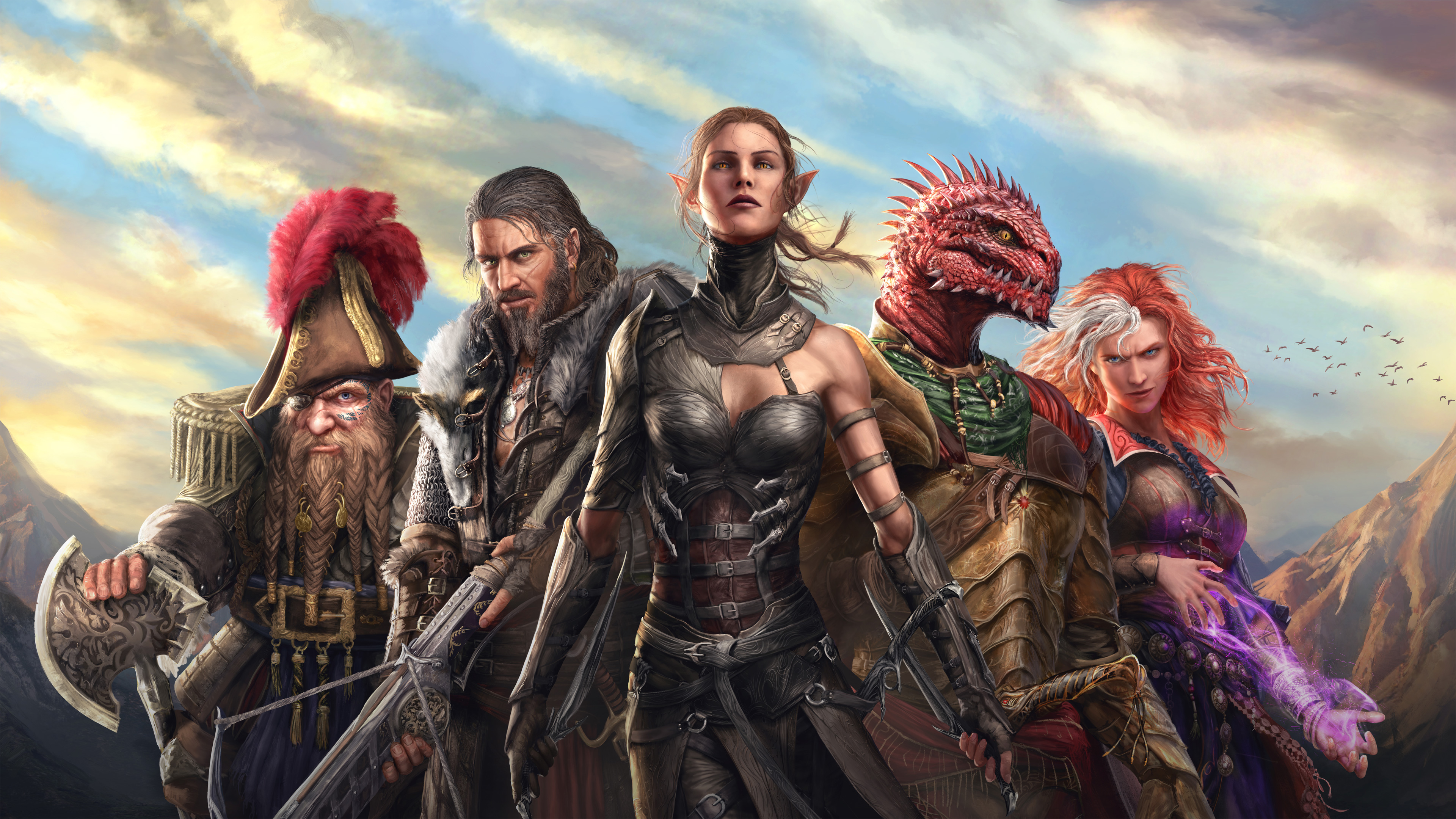
Larian Studios centered the main dilemma on whether to ascend to divinity or disperse Source, altering the world’s magical balance. Origin character quests—like Lohse’s or Fane’s—force tradeoffs between personal salvation and party stability. Dialogue checks tied to tags (e.g., Noble, Outlaw) open exclusive resolutions that can save or doom NPCs. Larian self-published, with Game Master tools reflecting the game’s systemic flexibility.
‘Pillars of Eternity’ (2015)
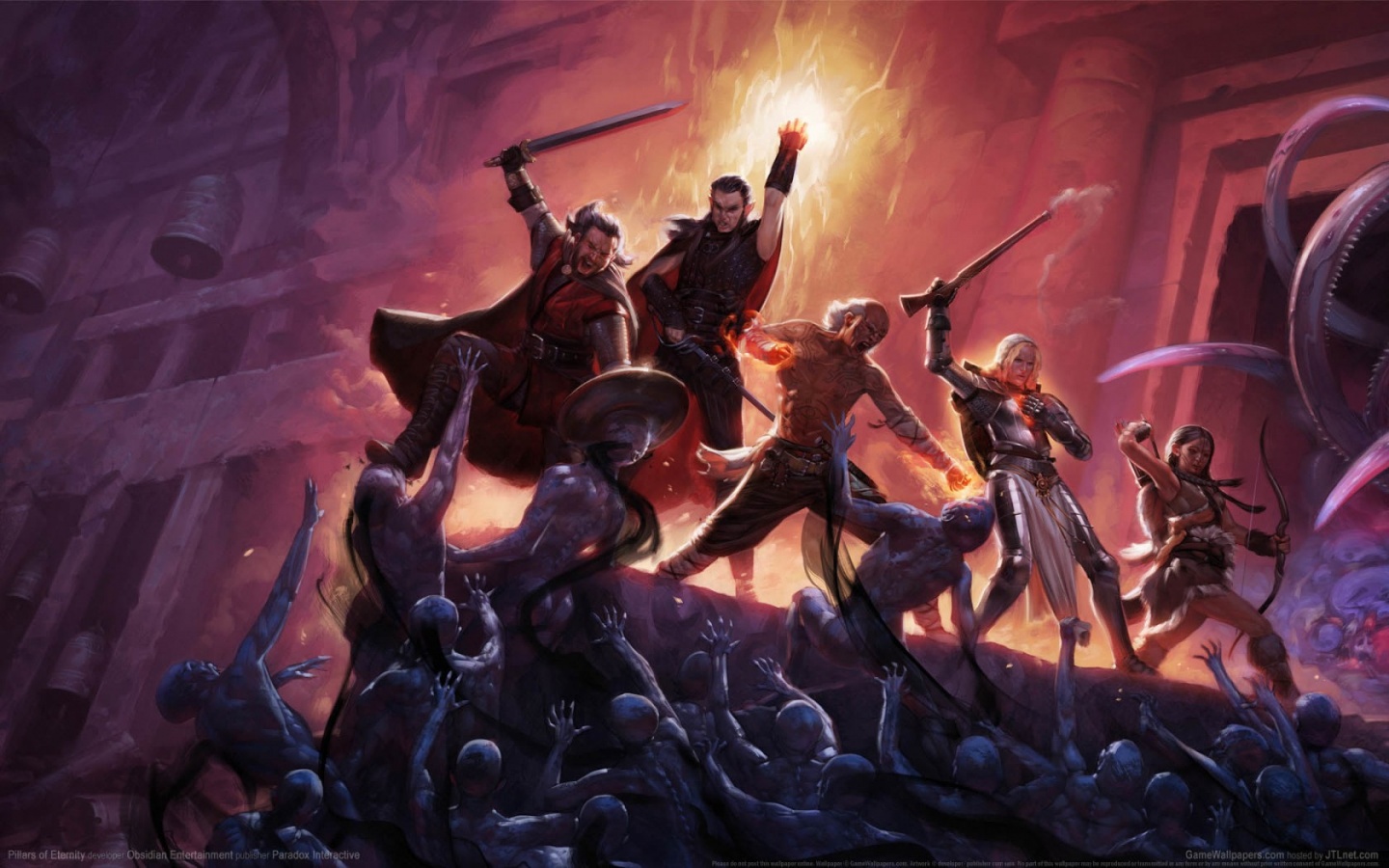
Obsidian Entertainment built regional dilemmas such as choosing leadership for the Crucible Knights or Dozens, changing Defiance Bay’s political future. The main plot’s revelations about souls and the Leaden Key reshape whether you expose truths or protect stability. Stronghold decisions influence which factions attack you and who seeks your aid. Paradox Interactive published, with end slides detailing the cumulative impact of your choices.
Share your favorite tough calls from RPGs in the comments—what’s the one decision you still think about after the credits?