20 Games With The Most Satisfying Endgame Loops

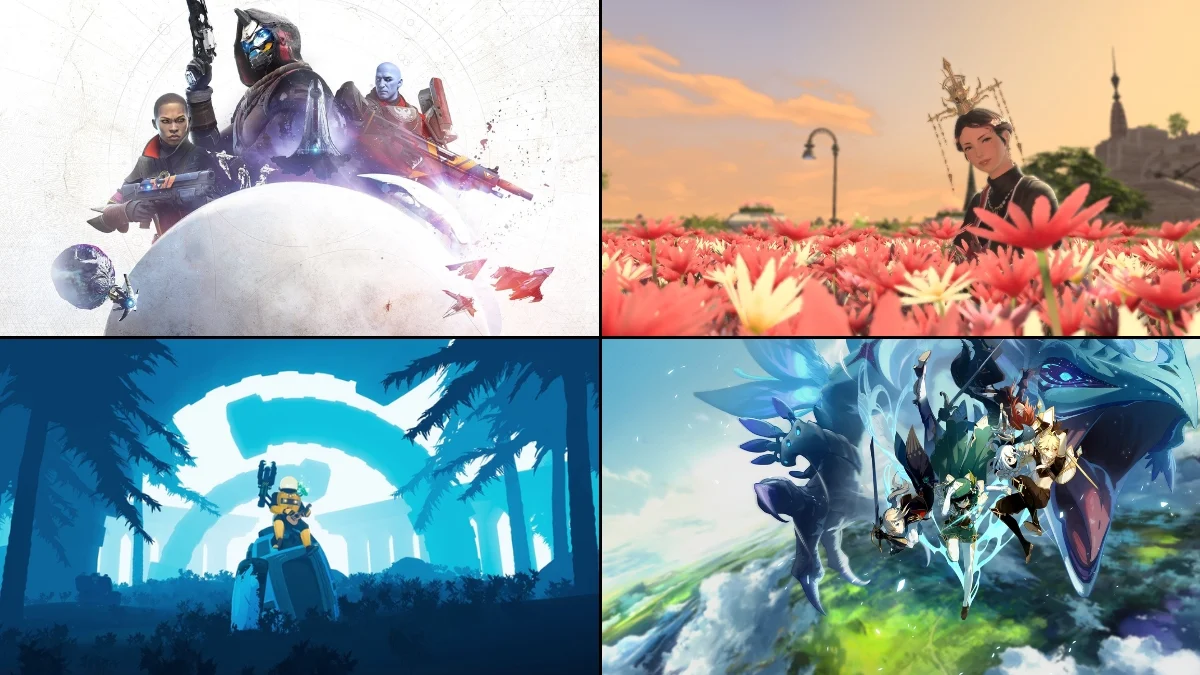

From live-service grinders to roguelikes and ARPGs, plenty of games are built to keep you busy long after the credits roll. The strongest endgames give you clear goals, repeatable challenges, and gear ladders or mastery systems that make each run feel productive. Below are twenty titles whose post-story loops are packed with systems that feed into each other—currencies, unlocks, rotations, and escalating difficulty tiers—so there’s always another build to perfect or boss to clear.
‘Destiny 2’ (2017)
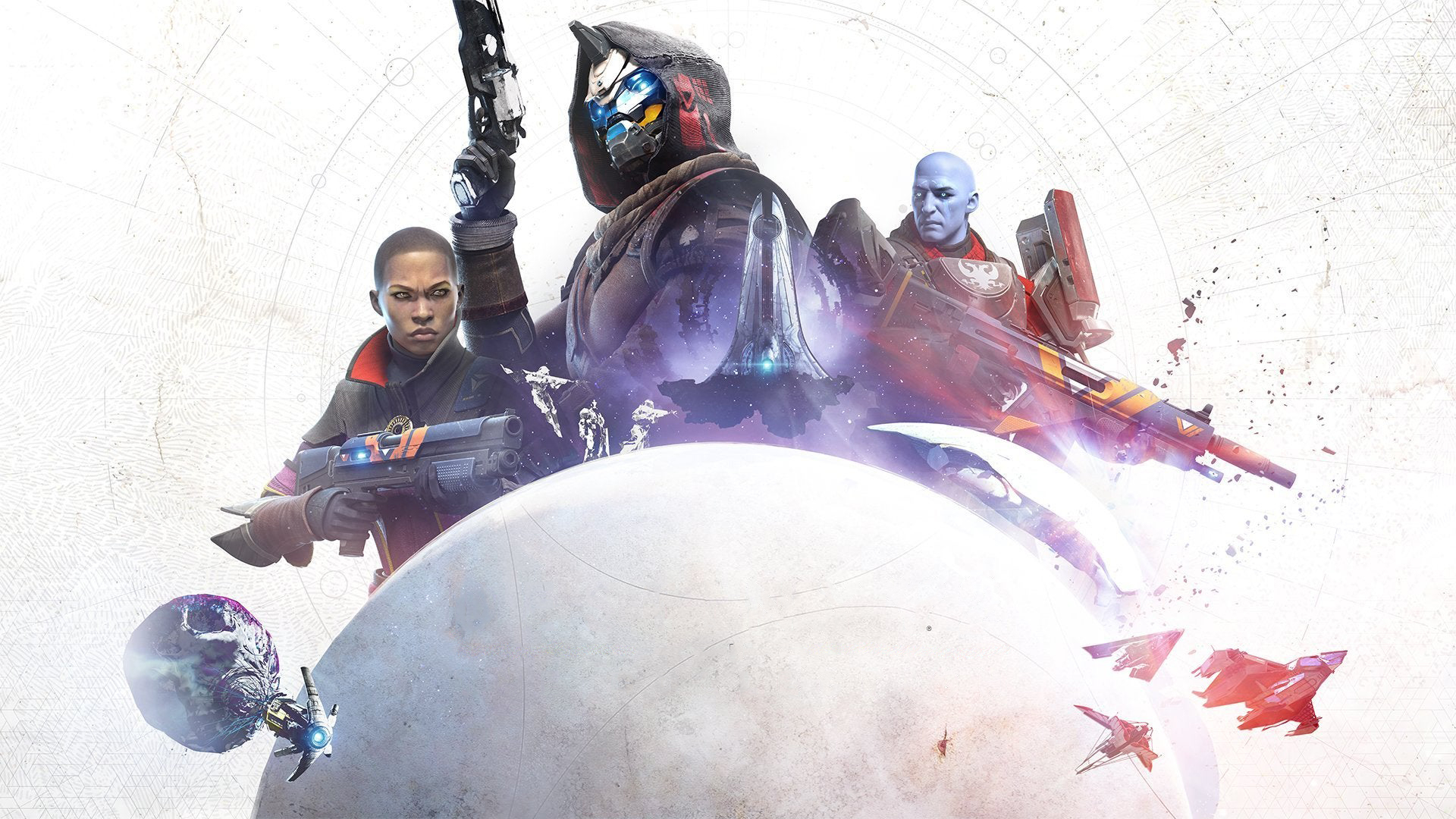
Bungie structures the endgame around weekly Pinnacle reward rotations, seasonal activities, and six-player raids with contest-mode challenges. Players chase light-level gains, weapon pattern crafting, and roll-hunting through Nightfalls, Trials, and dungeons that refresh on a schedule. Seasonal currencies and vendors create loops that funnel materials into focusing or upgrading specific gear. The developer’s season passes and limited-time events keep the reward pool evolving so that repeated clears remain productive.
‘Path of Exile’ (2013)

Grinding Gear Games centers the endgame on the Atlas of Worlds, where map items roll modifiers that scale risk and reward. Systems like the Atlas passive tree, Sextants, Scarabs, and league mechanics stack to customize loot strategies. Aspirational content such as Maven invitations, the Shaper/Elder cycle, and Uber pinnacle bosses provide progression targets. Frequent leagues from the developer add fresh mechanics that integrate into mapping and crafting loops.
‘Diablo IV’ (2023)
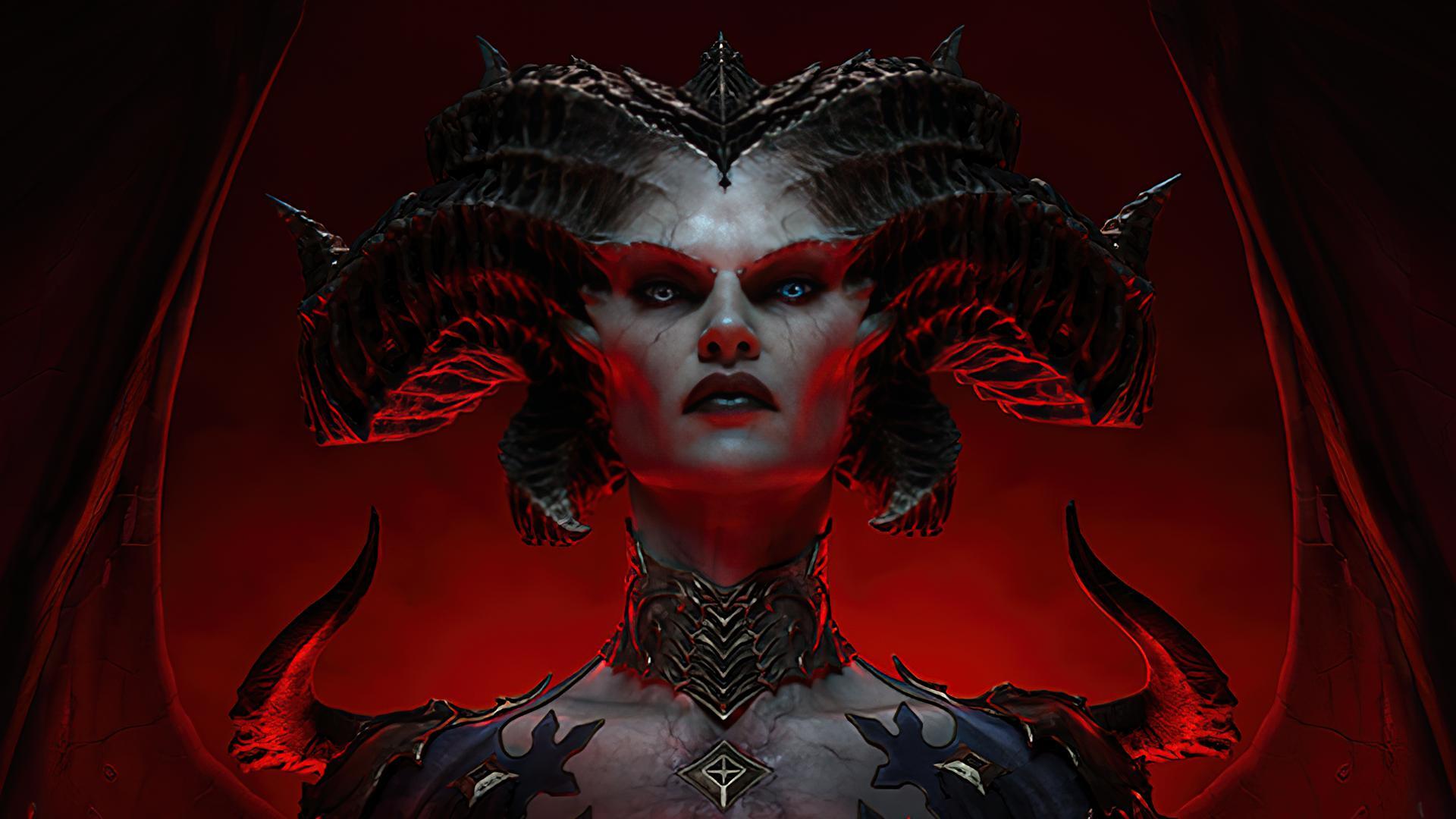
Blizzard Entertainment’s endgame flows through World Tiers, Nightmare Dungeons with sigil affixes, and Helltide events that drop targeted materials. The Paragon Board and Glyph leveling create long-term stat growth tied to dungeon farming. Tree of Whispers objectives supply rotating bounties that guide efficient session play. Seasonal updates from the developer introduce new loot categories and progression layers that fold back into dungeon rotations.
‘Warframe’ (2013)
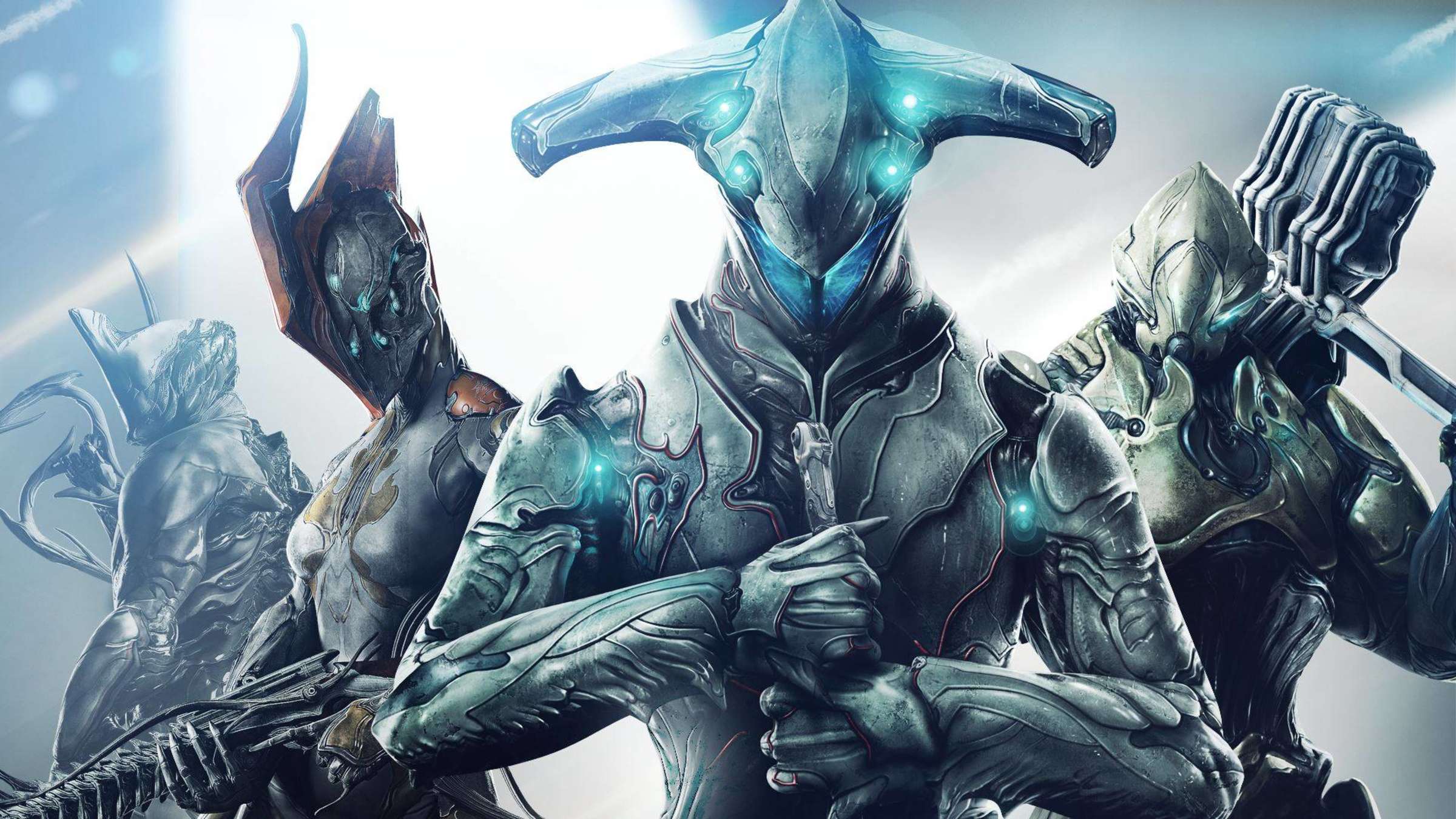
Digital Extremes builds a multi-track loop with star-chart clears, Sorties, Fissures for Prime parts, and Steel Path difficulty. Intrinsics, Focus schools, and modular gear (Zaws, Kitguns, Amps) extend progression beyond standard leveling. Open-world bounties and Railjack missions add resource pipelines that feed crafting and build optimization. Regular updates from the developer inject new frames, modes, and grinds that slot into existing economies.
‘Monster Hunter: World’ (2018)
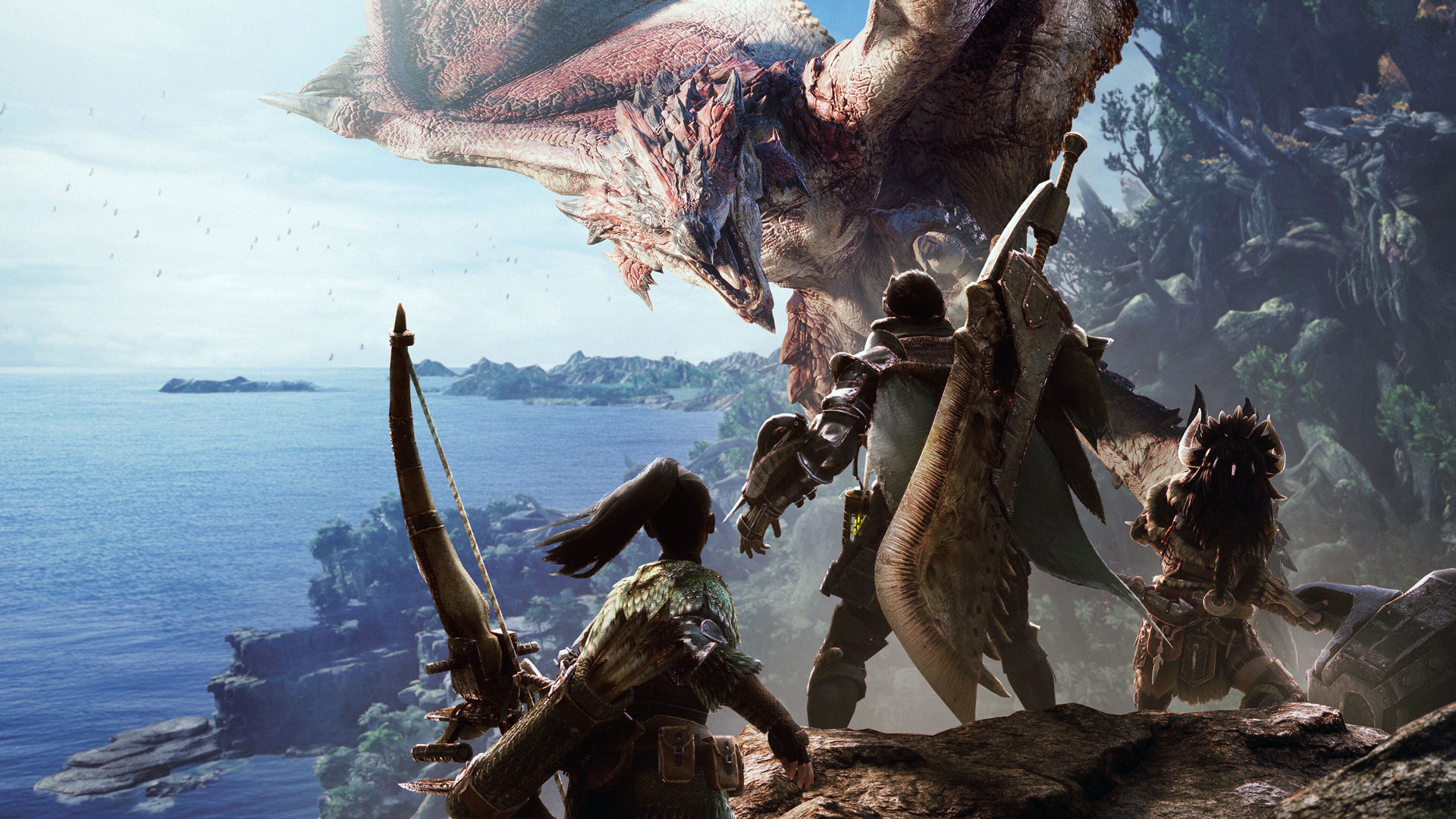
Capcom’s endgame revolves around tempered investigations, augment systems, and decoration farming that refine weapon builds. Guiding Lands biomes allow targeted material hunting while raising region levels to spawn specific monsters. Event quests and Arch-Tempered hunts provide rotating high-tier challenges with unique rewards. The developer’s title updates added monsters and gear that deepen the post-story crafting loop.
‘Genshin Impact’ (2020)
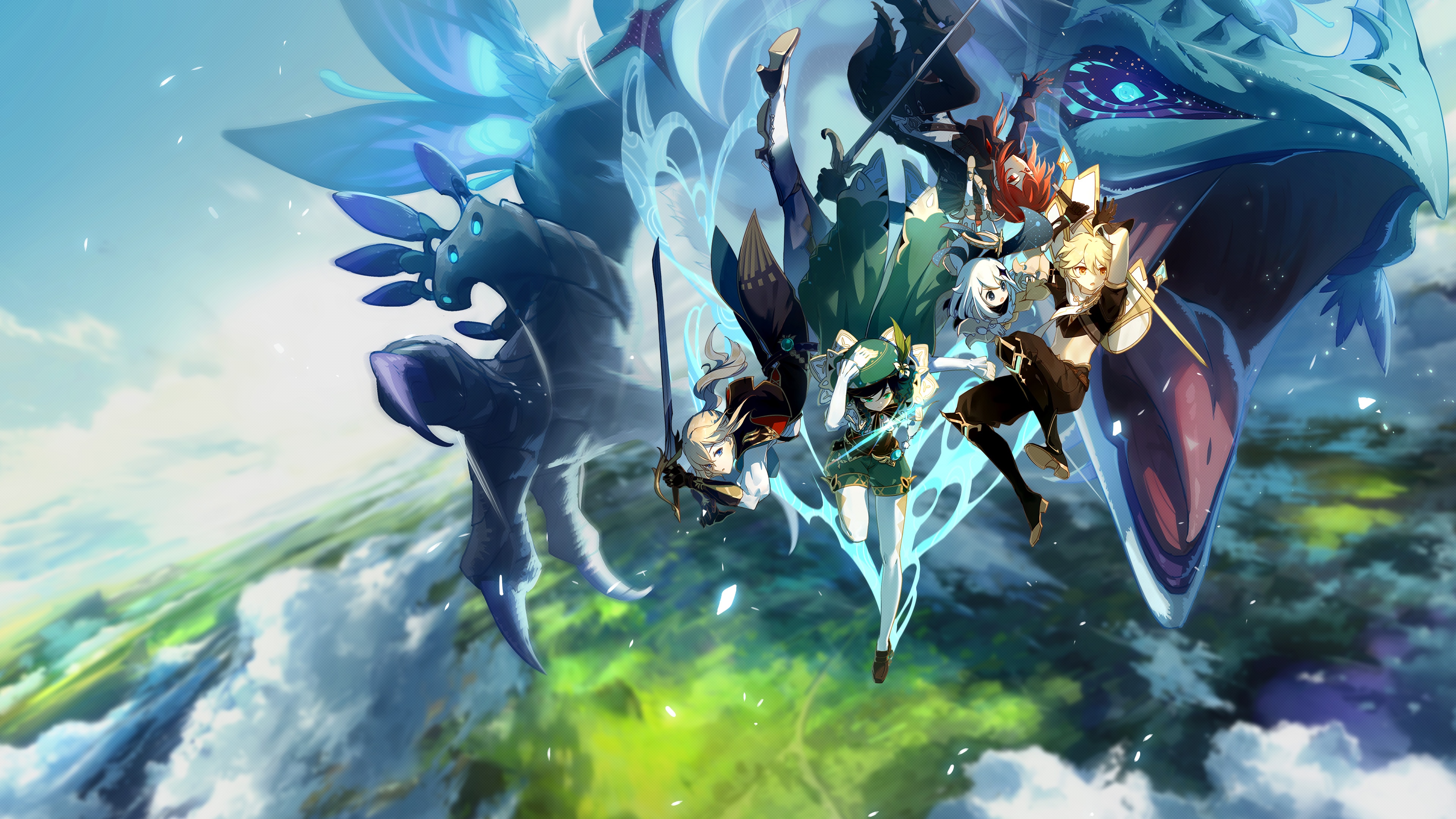
HoYoverse structures the loop with the Spiral Abyss’s rotating floors, resin-gated artifact domains, and talent/ascension material farming. Limited-time events and new regions expand boss drops and weapon blueprint sources. Battle Pass and daily commissions provide steady currency and primogems to fuel pulls and resin refreshes. The developer’s patch cadence regularly revises artifact sets and team comps, keeping domain runs relevant.
‘Tom Clancy’s The Division 2’ (2019)
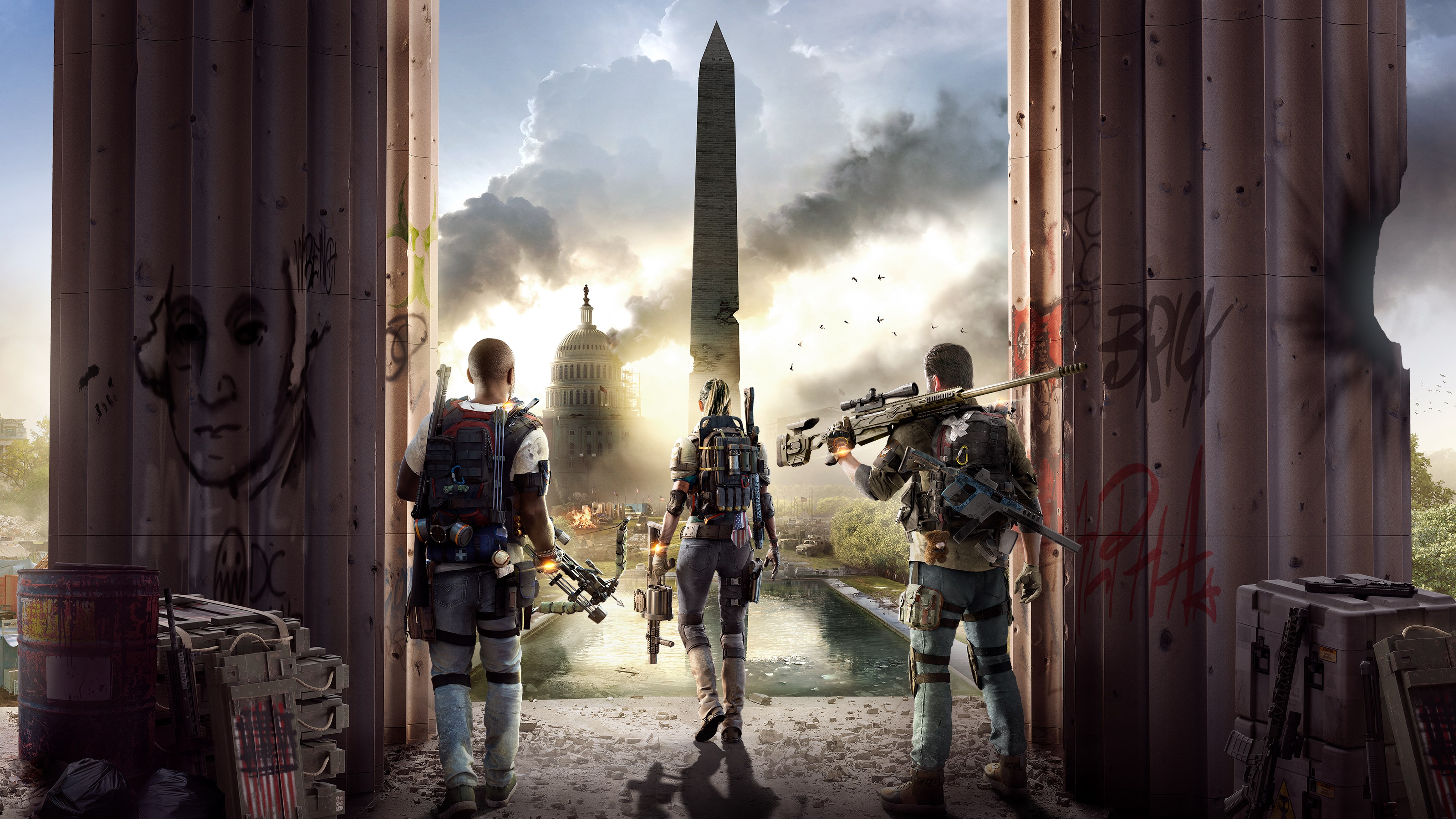
Massive Entertainment and Ubisoft anchor the endgame with World Tiers, invaded missions, and seasonal manhunts that reset targets. Gear Sets, Exotics, and recalibration libraries support iterative build crafting through targeted loot zones. The Summit and Countdown modes offer scalable encounters with efficient drop rates for farming. Seasons from the developer rotate global events and directives that remix familiar activities.
‘Borderlands 3’ (2019)
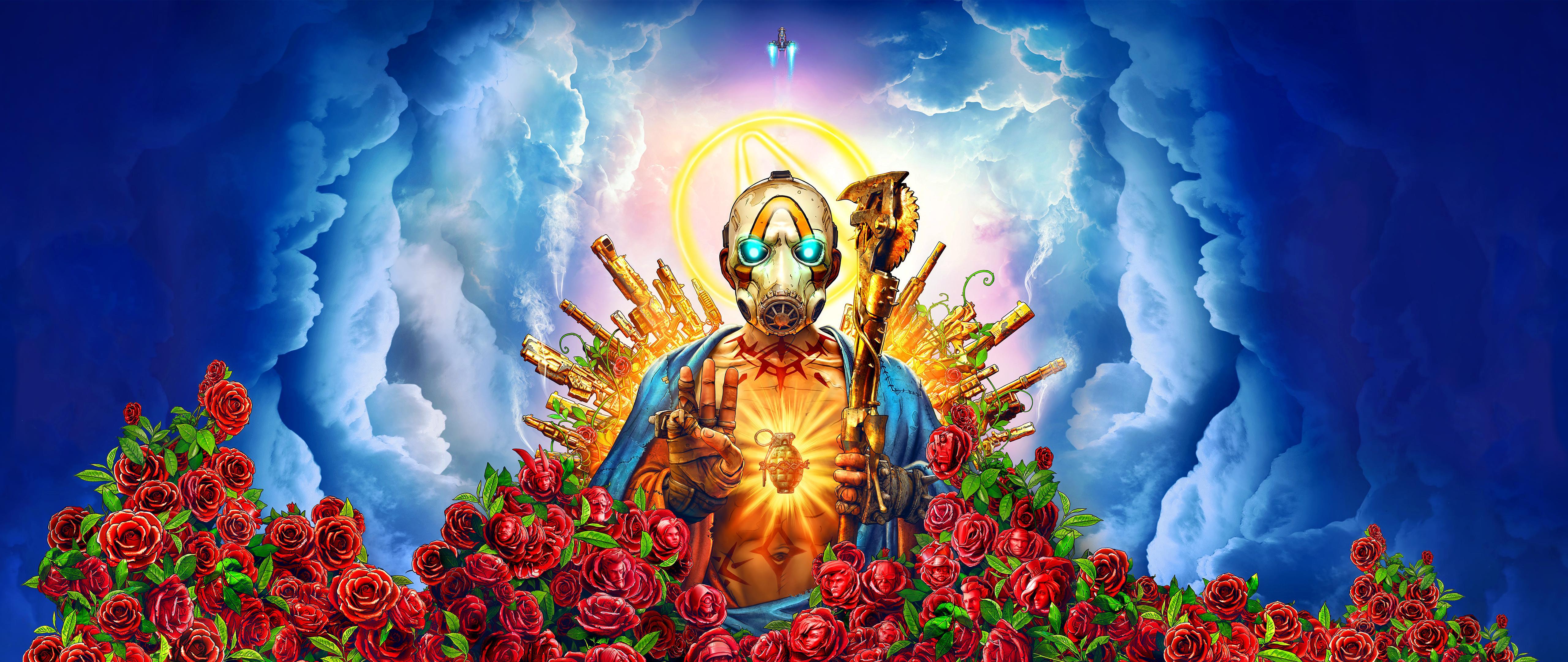
Gearbox Software’s loop features Mayhem Levels that scale enemy stats and loot multipliers, plus Proving Grounds and Circles of Slaughter for focused runs. Anointments and dedicated drop sources encourage boss farming for precise roll combinations. Guardian Rank adds account-wide progression that complements character builds. The developer’s events and DLCs broadened the loot pool and added new endgame arenas.
‘Elden Ring’ (2022)
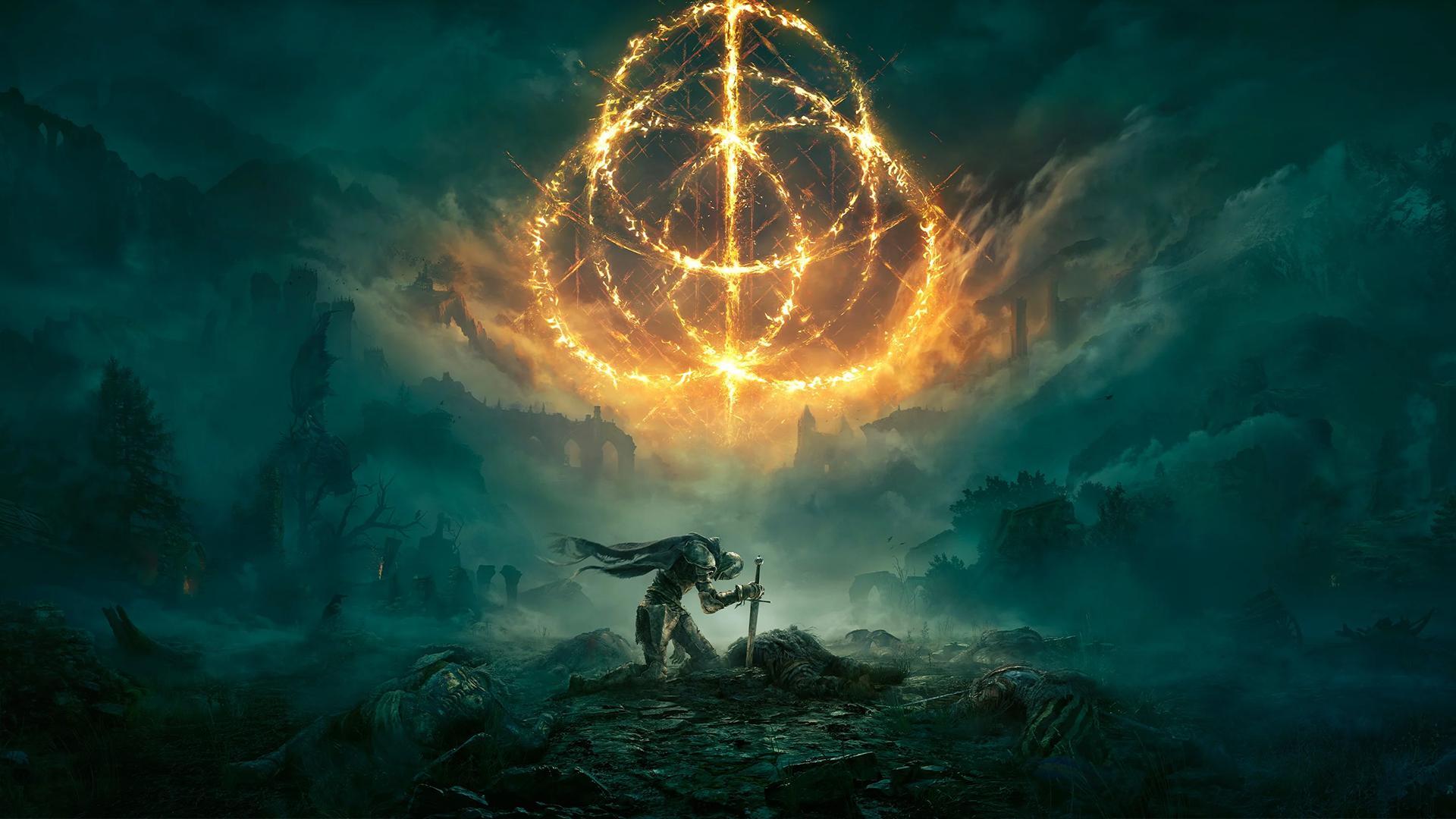
FromSoftware supports long-tail play with New Game+ cycles that retain builds, enabling faster access to late-game bosses and gear. Legacy dungeons, field bosses, and Evergaols become targeted routes for upgrade materials and unique ashes or talismans. Extensive weapon infusions and spirit ash upgrades create build experimentation loops. The developer’s balance patches and additional content sustain new routes and challenge runs.
‘Dark Souls III’ (2016)
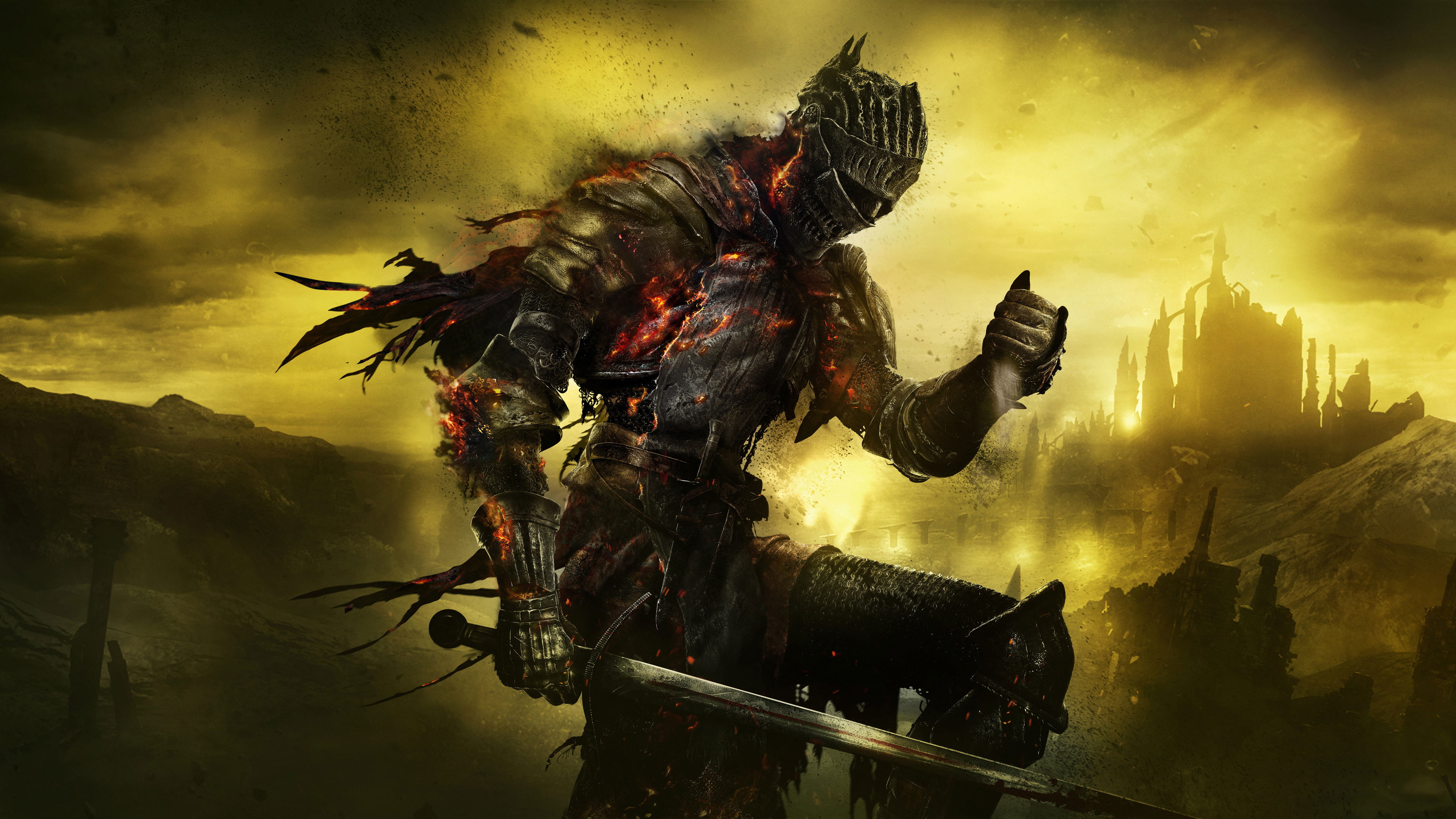
FromSoftware’s endgame emphasizes New Game+ tiers, covenant item farming, and optional bosses with unique drops. Weapon infusion paths and upgrade materials encourage repeated area clears for specific resources. PvP covenants and arenas provide alternative reward tracks tied to duels and invasions. DLC zones from the developer add high-difficulty encounters that serve as capstone goals for optimized builds.
‘No Man’s Sky’ (2016)
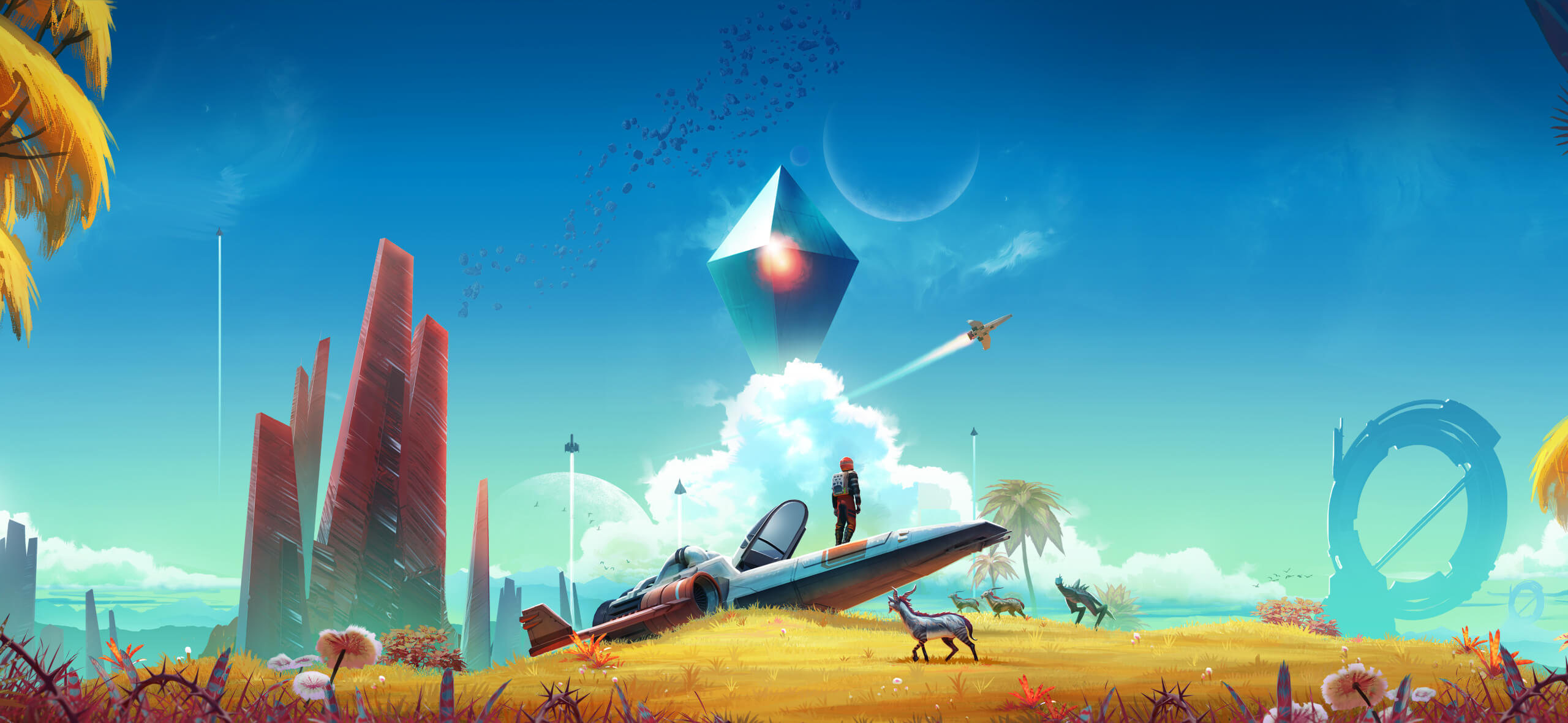
Hello Games ties the loop to base building, freighter and fleet management, and expedition milestones that reset with new objectives. Procedural missions from space stations feed nanites, modules, and blueprints into ship and multitool upgrades. Economy scanning, trading routes, and exotic ship hunting create collectible-driven goals. Ongoing updates from the developer add new systems—like settlements and voyages—that plug into existing progressions.
‘Final Fantasy XIV’ (2010)

Square Enix runs a clear gear ladder through Expert roulettes, Normal/Savage raids, and Extreme trials on a fixed patch cycle. Tomestones and weekly lockouts structure playtime into predictable upgrade checkpoints. Crafting and gathering endgames—custom deliveries, relic tools, and scrips—offer parallel progression paths. The developer’s raid tiers and relic weapon steps extend the loop across multiple patches.
‘Guild Wars 2’ (2012)
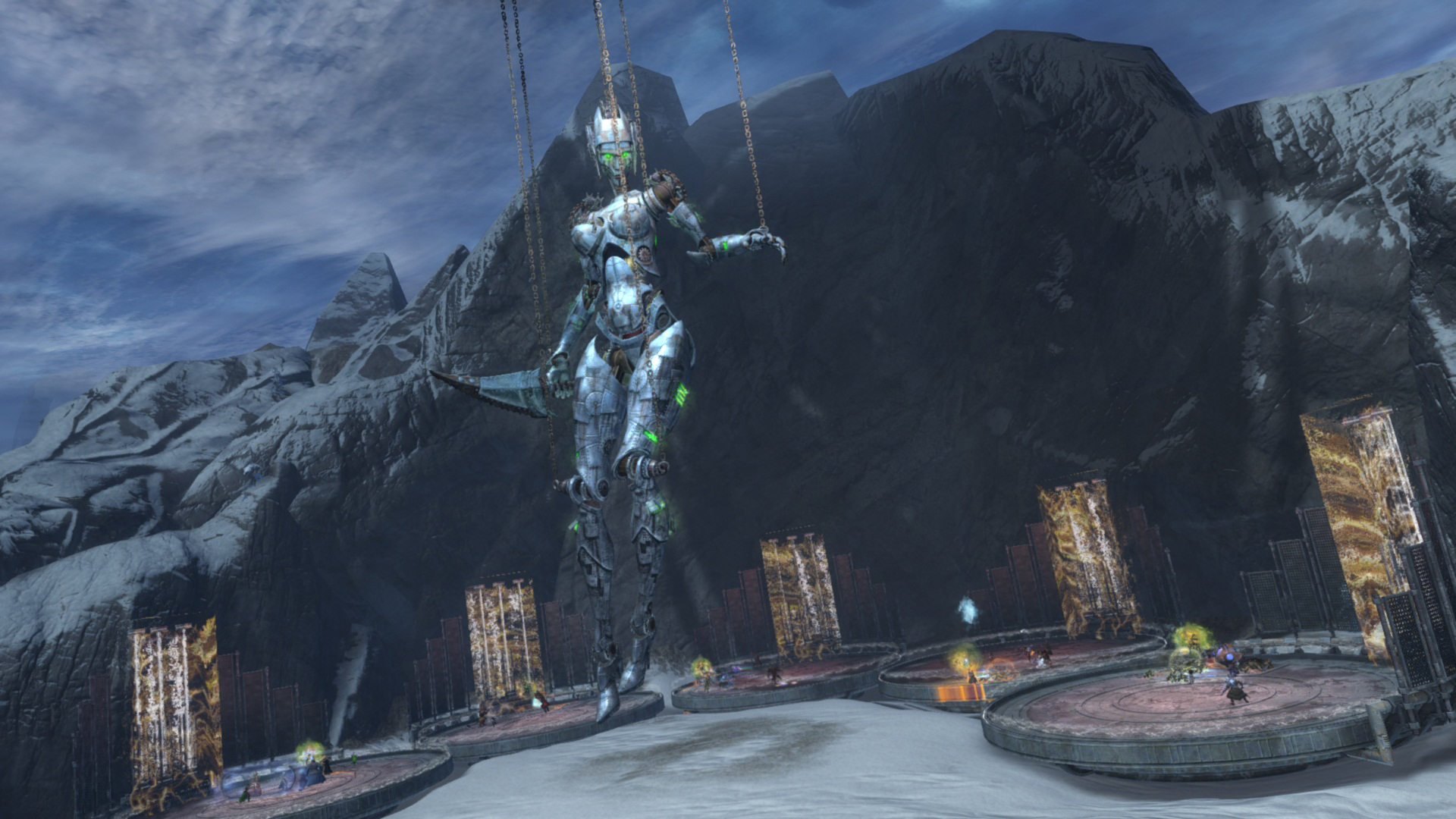
ArenaNet’s endgame spans fractals with agony resistance tiers, world bosses, raids, and strike missions with weekly rewards. Horizontal progression emphasizes mastery tracks and account unlocks rather than item level. Living World episodes and metas supply time-boxed events that funnel currency into legendary gear components. The developer’s expansions add new masteries and instanced content that refresh the play cycle.
‘Hades’ (2020)
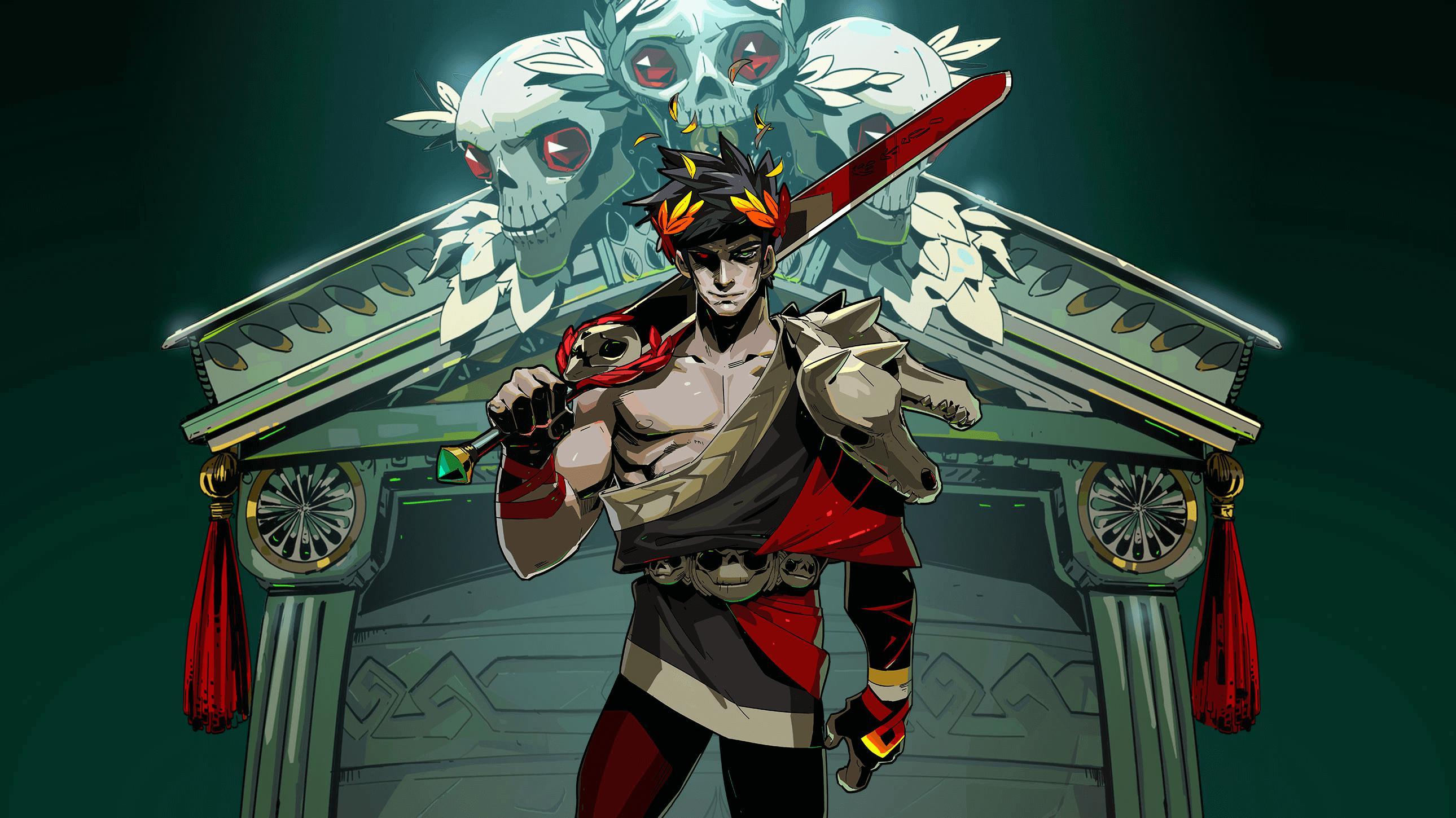
Supergiant Games designs post-clear play around the Pact of Punishment, which scales heat levels to increase difficulty and rewards. Weapon aspects, mirror upgrades, and keepsakes create build-crafting goals that encourage varied runs. The epilogue questline and hidden narrative milestones provide long-term targets beyond initial credits. Heat farming and resource sinks from the developer keep each escape attempt meaningful.
‘Slay the Spire’ (2019)
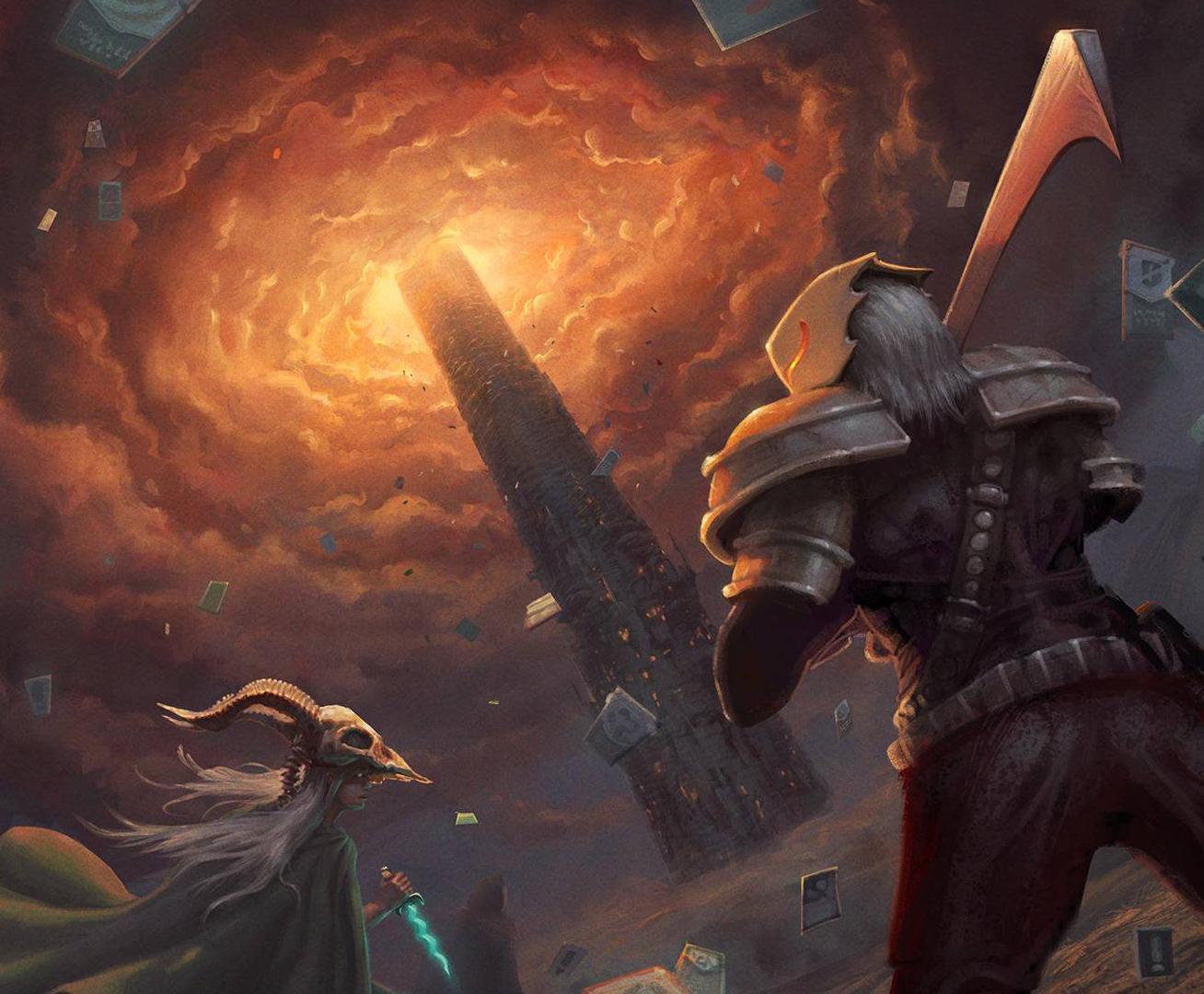
MegaCrit’s endgame revolves around Ascension levels that incrementally add challenge modifiers to each class. Unlockable cards and relics broaden deck-building possibilities over repeated climbs. Daily runs and custom modes introduce variable rule sets for alternative reward pacing. The developer’s balance updates preserve multiple viable strategies across high Ascension tiers.
‘Dead Cells’ (2018)
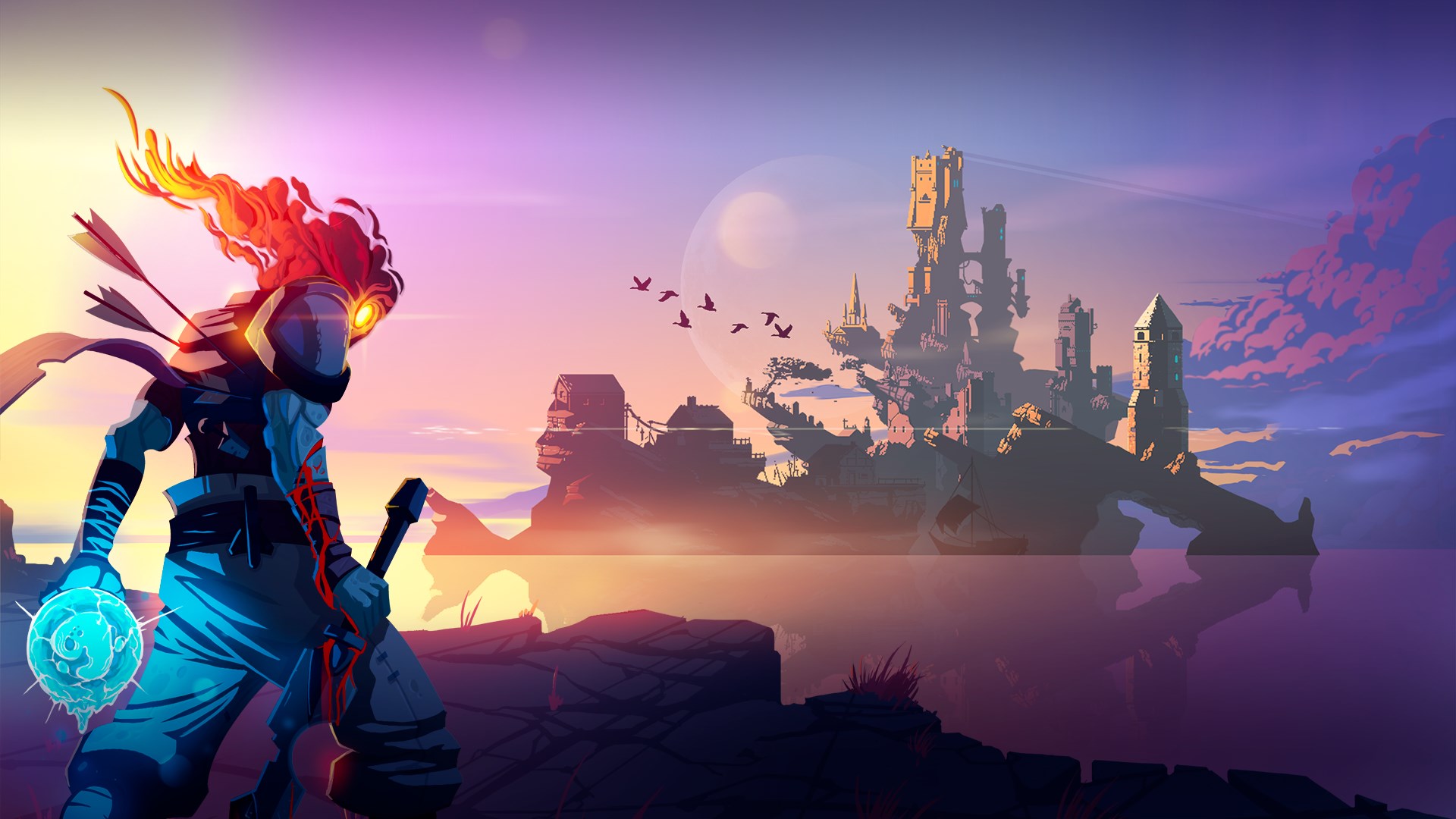
Motion Twin and Evil Empire gate the true loop behind Boss Cells that unlock tougher biomes and better drop tables. Blueprint hunting and forge upgrades steadily improve the quality of future finds. Biome-specific scroll routes and timed doors create optimized farming paths. The developer’s updates and DLCs add weapons and alternate biomes that deepen route planning.
‘Risk of Rain 2’ (2020)
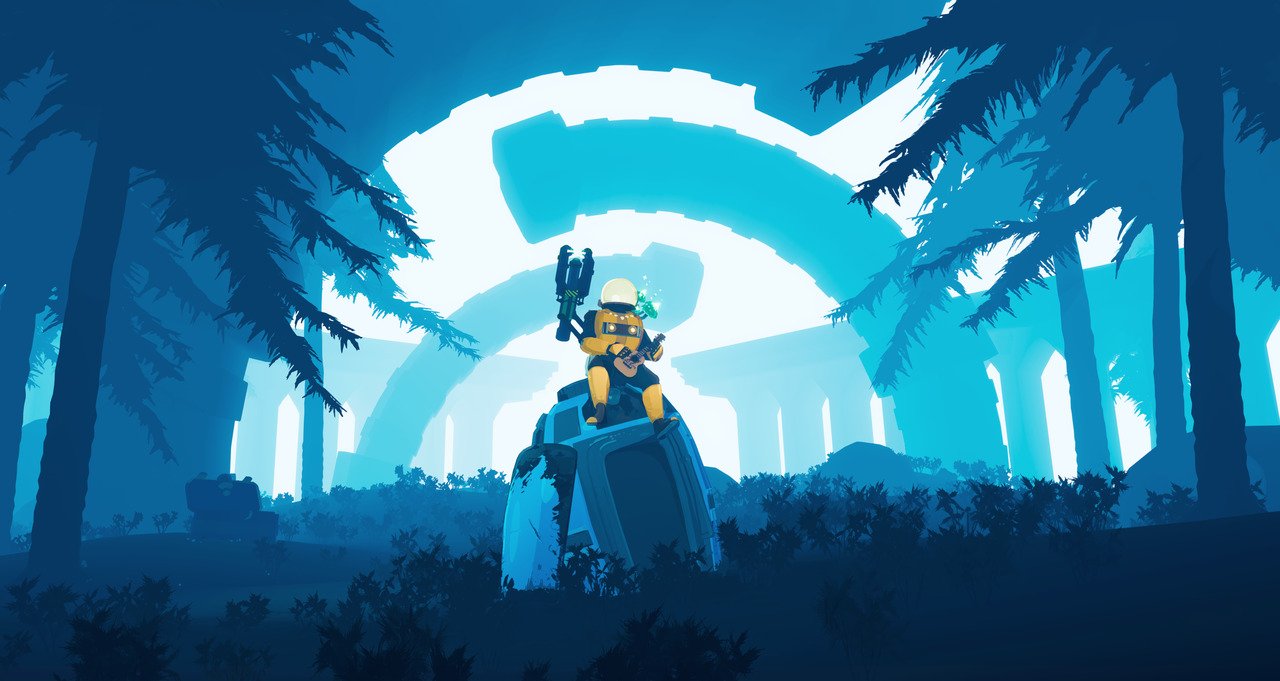
Hopoo Games supports endgame sessions with looping stages, scaling difficulty, and artifacts that radically alter run rules. Character unlocks and logbook challenges provide persistent goals between attempts. Lunar items and 3D printers introduce targeted risk-reward decisions that shape farming efficiency. Post-launch content from the developer added survivors, bosses, and alternate endings that extend replay structures.
‘Deep Rock Galactic’ (2020)
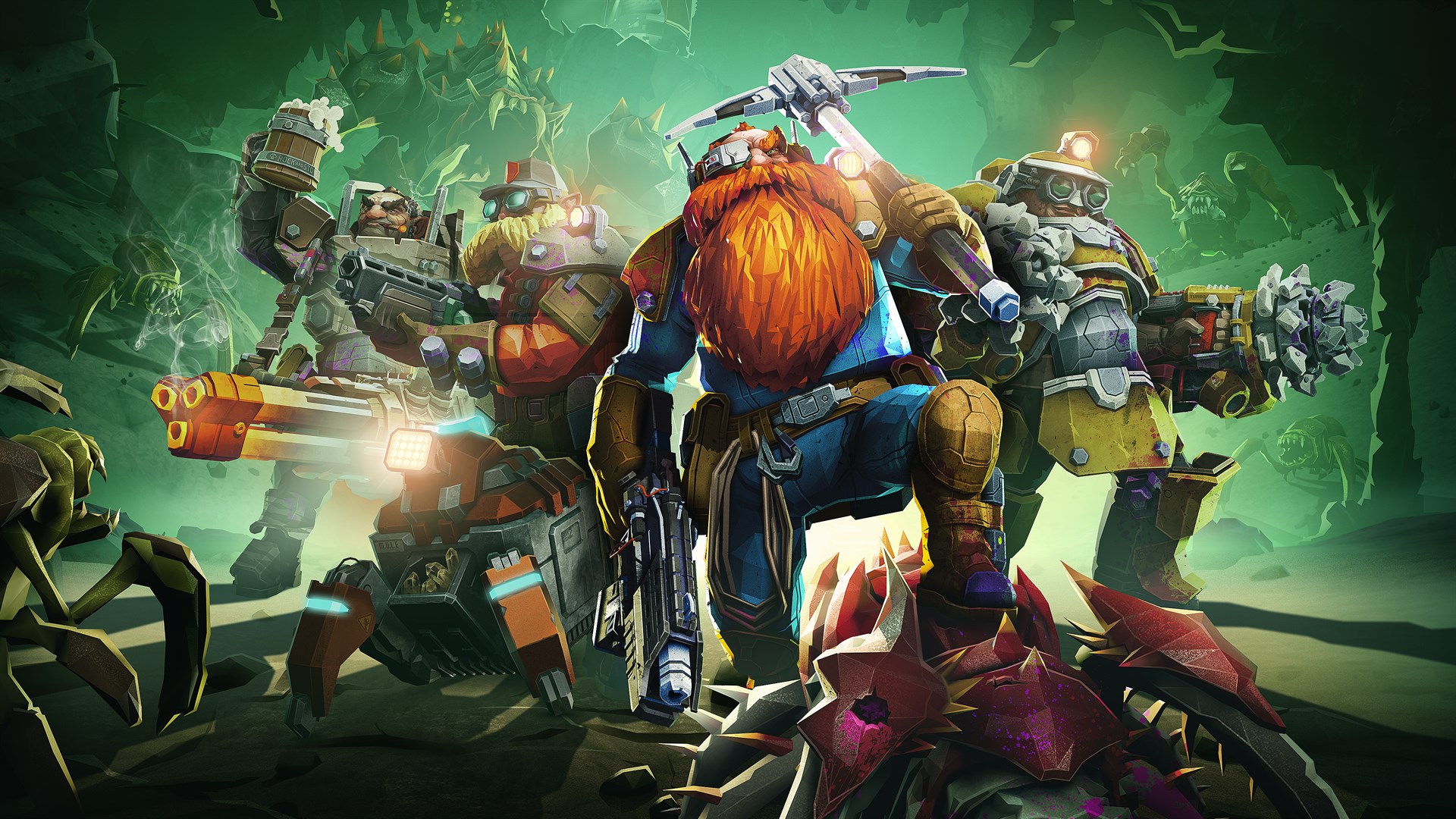
Ghost Ship Games builds progression around promotions, perk unlocking, and weekly core hunts for Matrix Cores. Assignment chains and seasonal events guide players toward overclock upgrades for weapons. Hazard levels and mission mutators scale challenge and payout for repeated mining runs. The developer’s seasons add performance pass tracks and new mission types that integrate with existing systems.
‘The Binding of Isaac: Rebirth’ (2014)
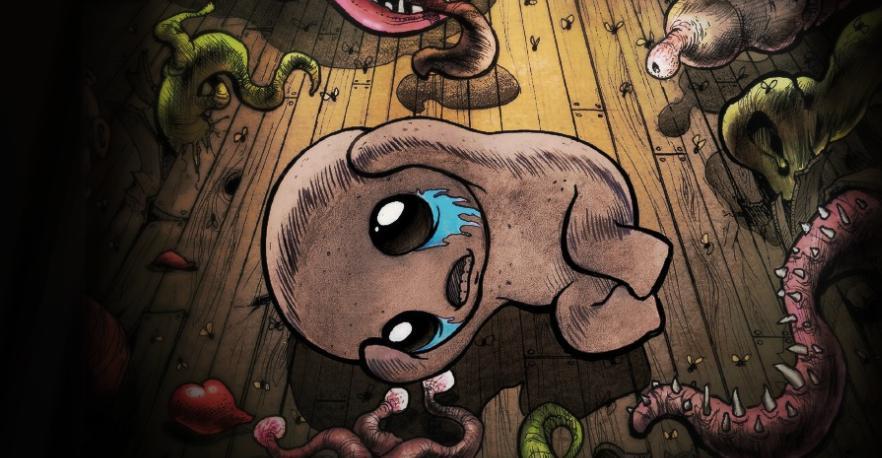
Nicalis and Edmund McMillen designed a meta full of character unlocks, completion marks, and alternate floors that expand with each milestone. Daily runs and Greed/Greedier modes provide distinct reward economies. Item synergies and transformation sets encourage repeated attempts to chase specific combinations. Expansions from the developer introduce bosses, items, and routes that fold back into the completion loop.
‘Terraria’ (2011)
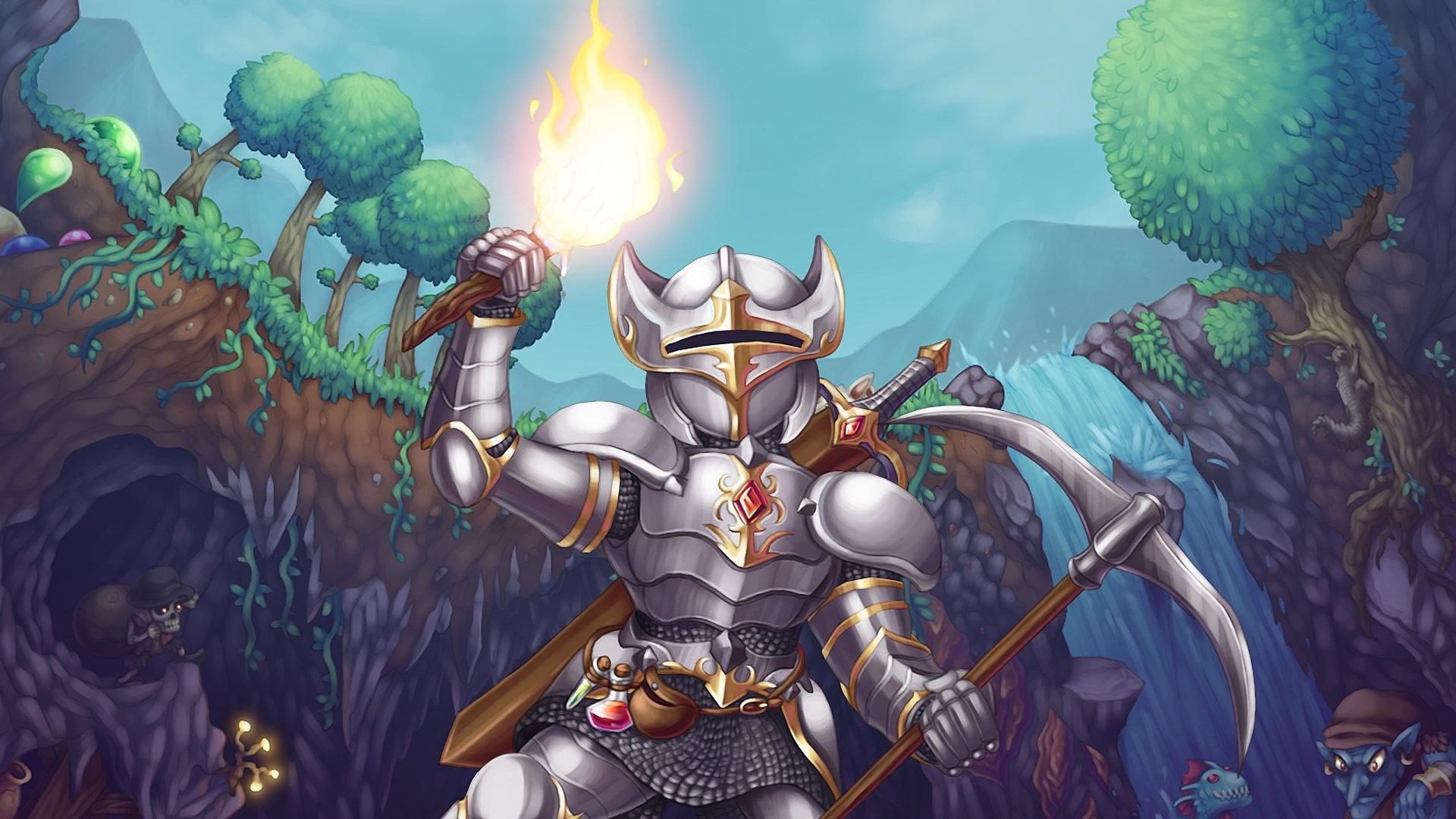
Re-Logic’s endgame opens after hardmode with mechanical bosses, events like the Pumpkin and Frost Moons, and the post-Golem grind. Accessory reforging and arena building create preparation loops for the final encounters. Biome farming and statue traps automate material acquisition to accelerate crafting. Major updates from the developer add gear tiers, events, and NPCs that extend post-boss goals.
‘Monster Hunter Rise’ (2021)
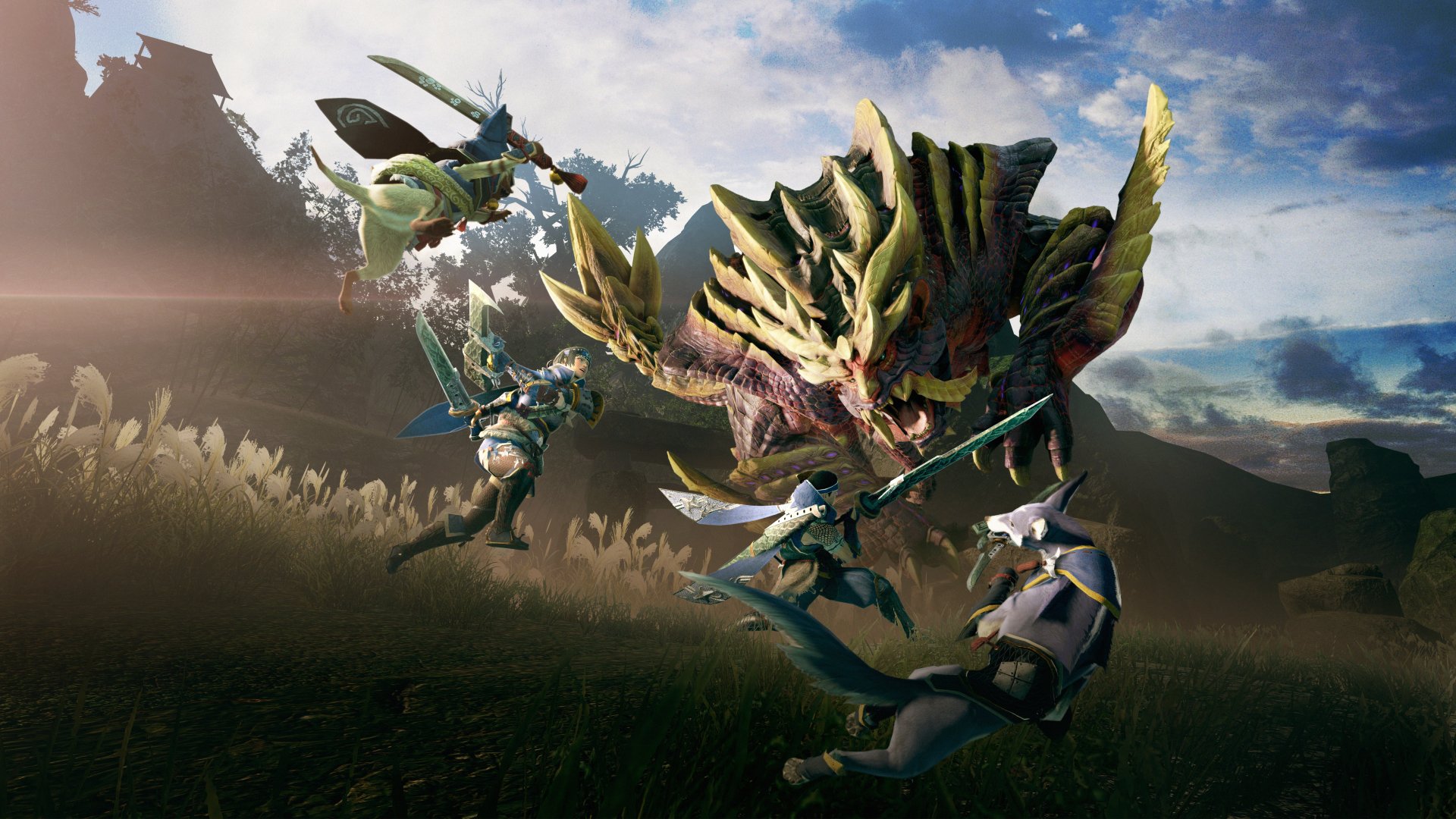
Capcom supports long-tail play with Anomaly Investigations, Qurio crafting, and Afflicted materials tied to specific monsters. Title updates introduce new monsters and Decorations that refine weapon sets. Rampage and event quests provide rotating routes for charms and upgrade parts. The developer’s endgame systems encourage targeted hunts that feed back into the build-optimization cycle.
Share your own go-to endgame loops—and the builds that keep you coming back—in the comments!