

20 Classic Games Revived by Mods



Classic PC games never really die—they just get patched, polished, and supercharged by passionate modders who refuse to let good design fade away. From overhauling graphics and UI to restoring cut content and fixing ancient bugs, these community projects make returning to old favorites genuinely exciting on modern hardware. Below are twenty timeless titles and the standout mods that breathe new life into them, with the studios behind each game noted so you know the origins of these legends.
‘Doom’ (1993)
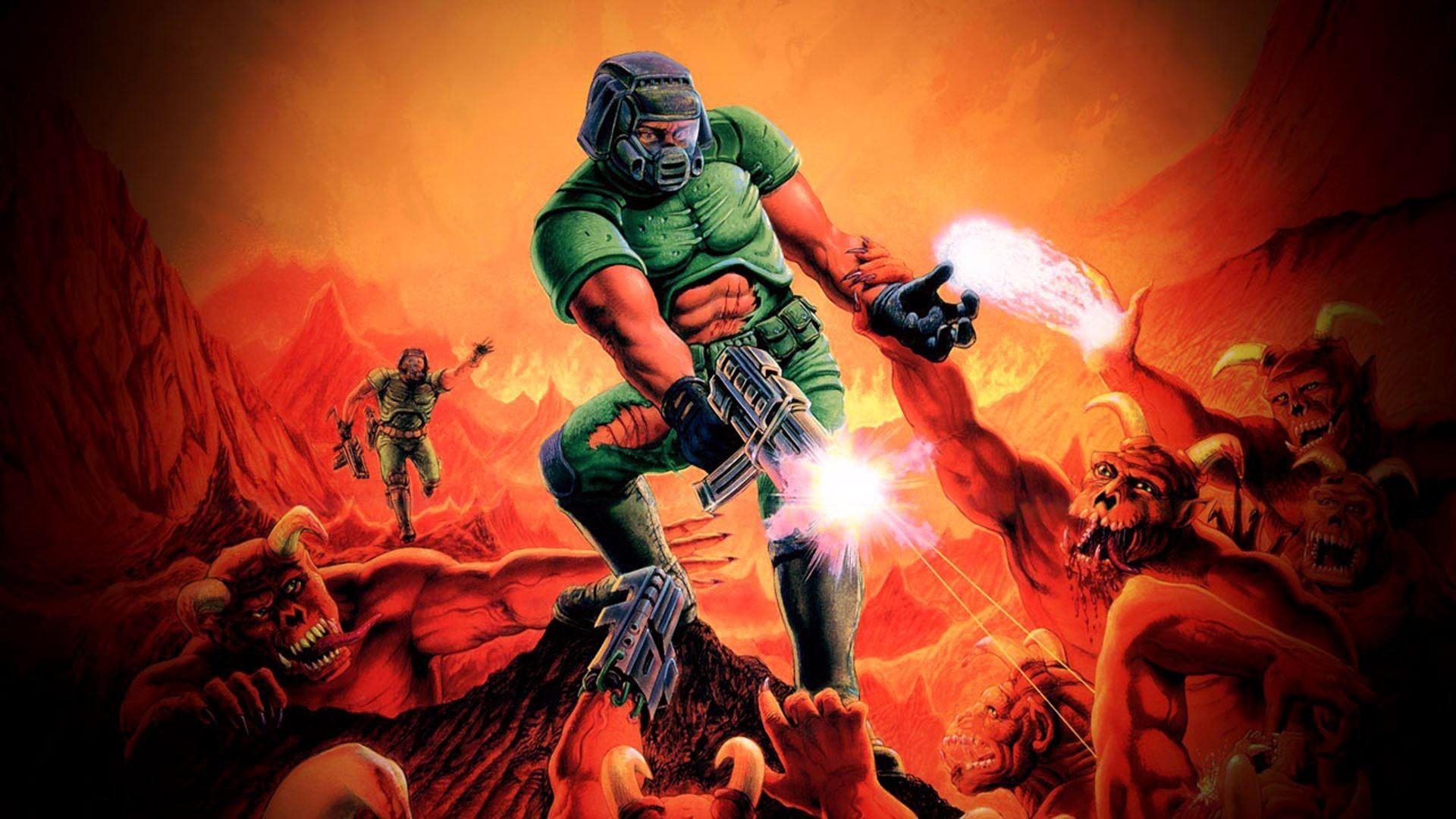
id Software’s genre-defining shooter lives on through source ports like GZDoom, which add modern rendering, widescreen support, and quality-of-life features without changing core gameplay. The ‘Brutal Doom’ mod amps up AI behavior, weapon feedback, and gore for a fresh, kinetic feel. WAD managers and texture packs such as ‘Doom HD Texture Pack’ make custom campaigns easy to install and prettier to play. Thanks to id Software’s open approach with the original code, running ‘Doom’ smoothly on today’s systems is simple.
‘Quake’ (1996)
id Software’s 3D landmark benefits from engines like QuakeSpasm and vkQuake that provide high framerates, proper mouse input, and native widescreen. Visual packs such as ‘Arcane Dimensions’ introduce enormous, intricately built maps and enemy variants that feel like premium expansions. Texture replacements and model upgrades modernize the look while retaining the game’s iconic speed and physics. Community installers bundle mission packs and mods so a clean, stable setup takes minutes.
‘Half-Life’ (1998)
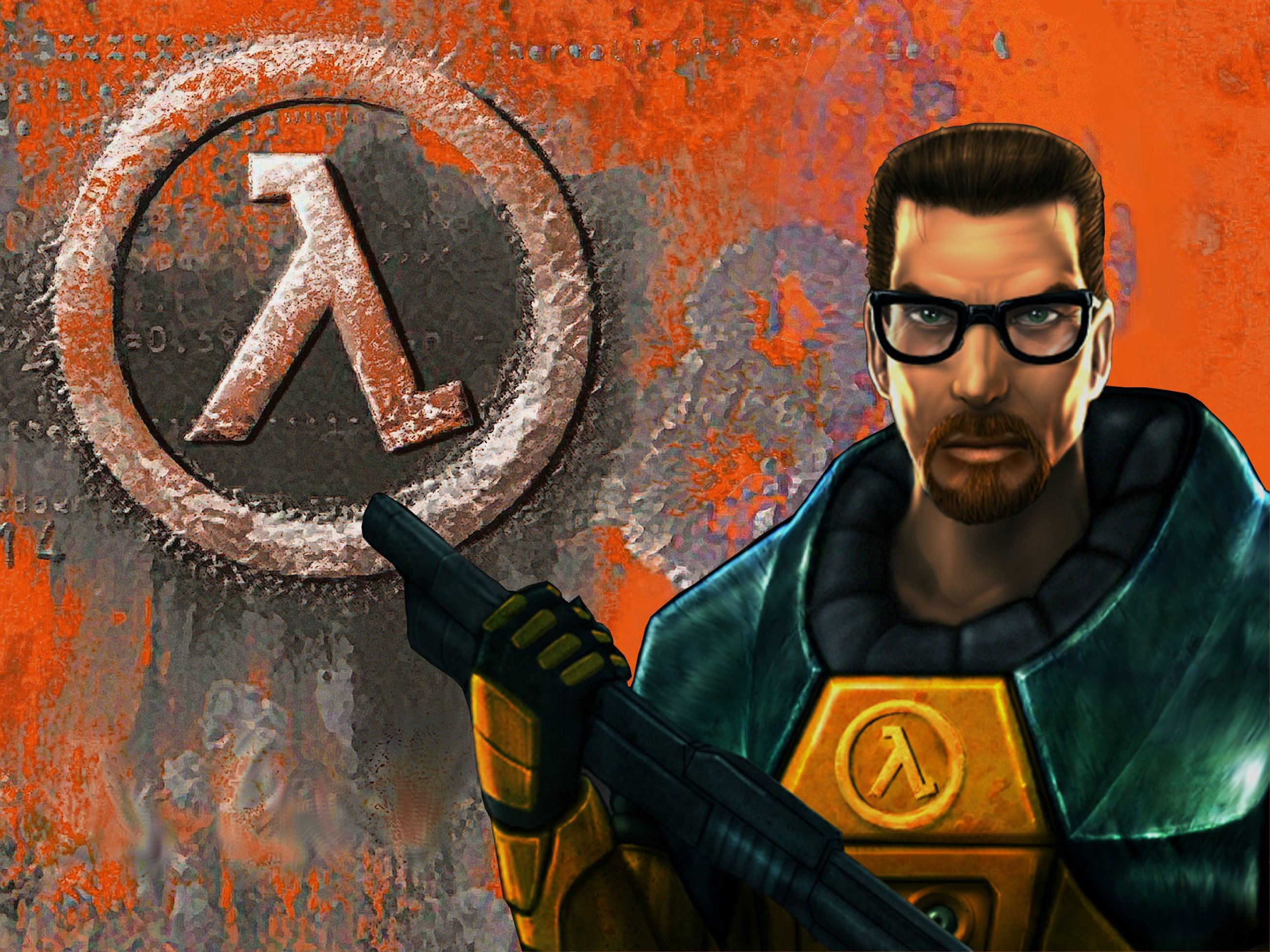
Valve’s classic returns stronger with ‘Half-Life MMod,’ which refines weapons, animations, and effects while preserving the original campaign. High-definition model packs and the Xash3D engine option improve performance and compatibility on new OSes. Community fixes address scripting glitches and restore minor assets cut from retail builds. With Valve’s open file structure, installing and toggling these additions is straightforward.
‘Thief: The Dark Project’ (1998)
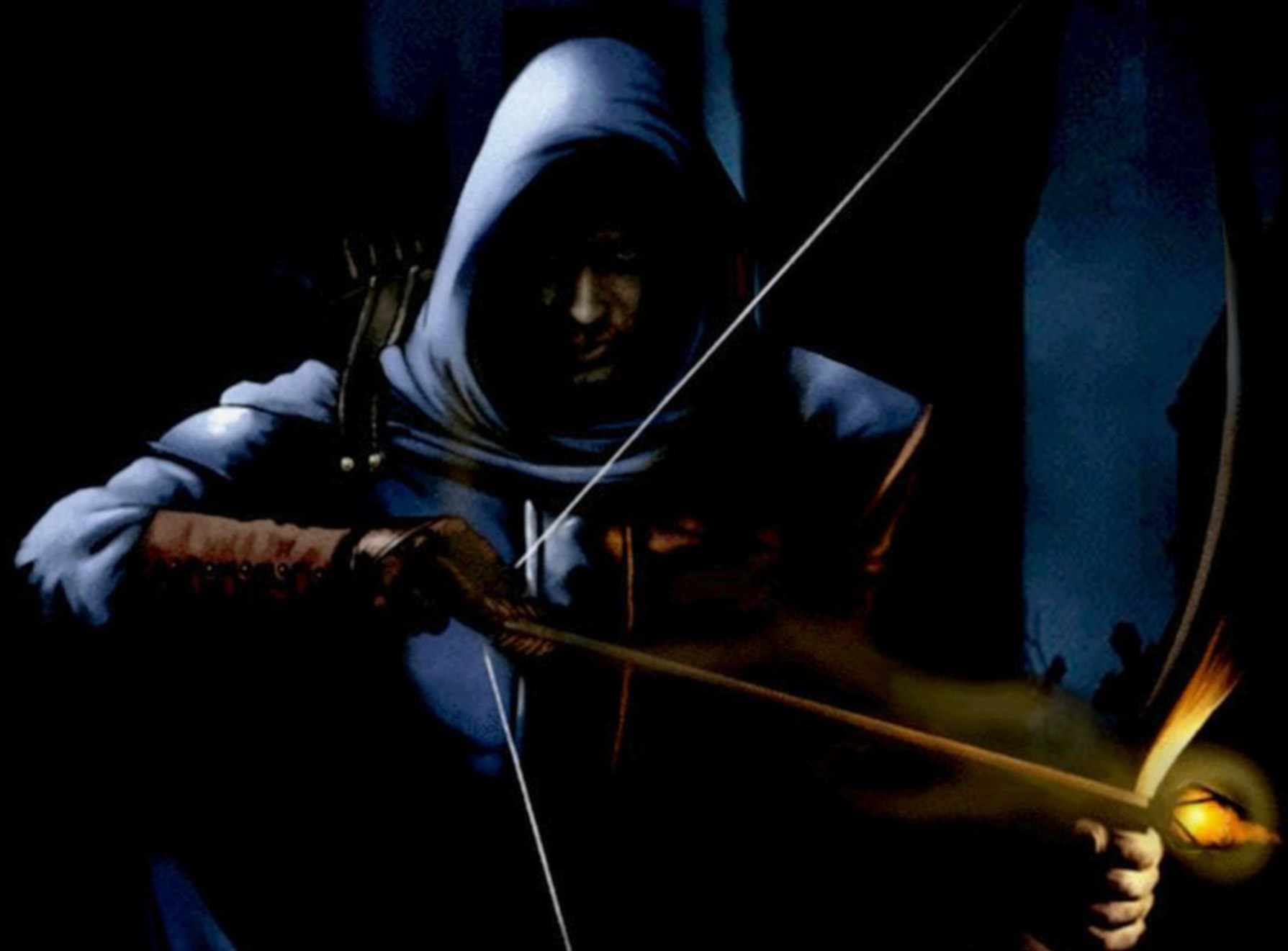
Looking Glass Studios’ stealth pioneer is best experienced today via the NewDark engine update included in ‘TFix,’ which repairs crashes, adds widescreen, and enables modern renderers. The ‘HD Texture Mod’ refreshes lighting and surfaces while staying faithful to the moody aesthetic. Fan missions—easily loaded with built-in tools—extend the campaign with dozens of high-quality heists. Combined, these upgrades make Garrett’s adventures smooth and stable on current PCs.
‘System Shock 2’ (1999)
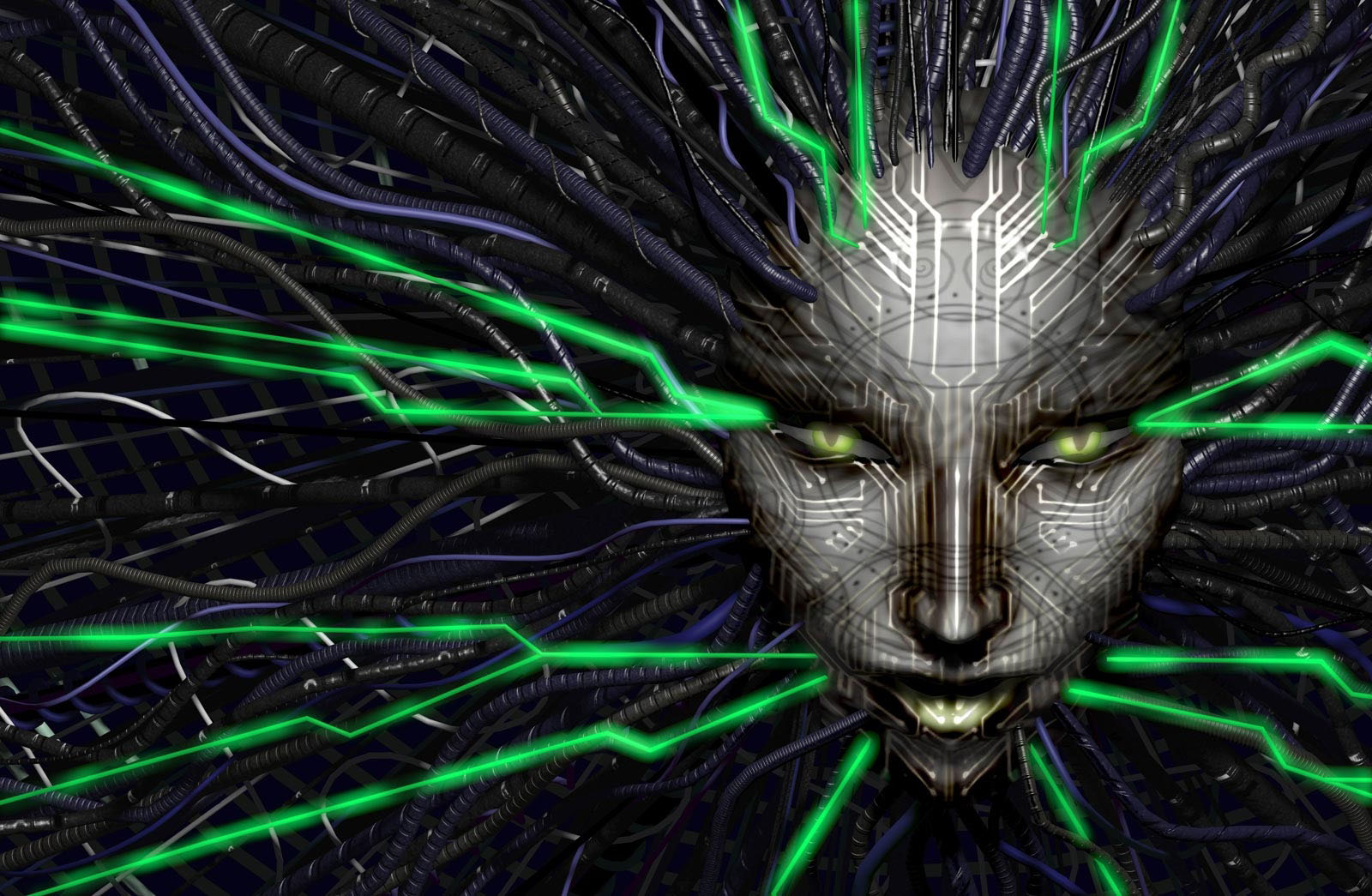
A collaboration between Irrational Games and Looking Glass Studios, this immersive sim thrives with the ‘SS2Tool’ and SCP (System Shock 2 Community Patch), which fix audio, scripting, and DirectX issues. Mods like ‘Rebirth’ and high-res texture packs update models and environments. Widescreen and input improvements remove long-standing technical hurdles. The result is a tight, atmospheric experience that runs cleanly on modern setups.
‘Planescape: Torment’ (1999)
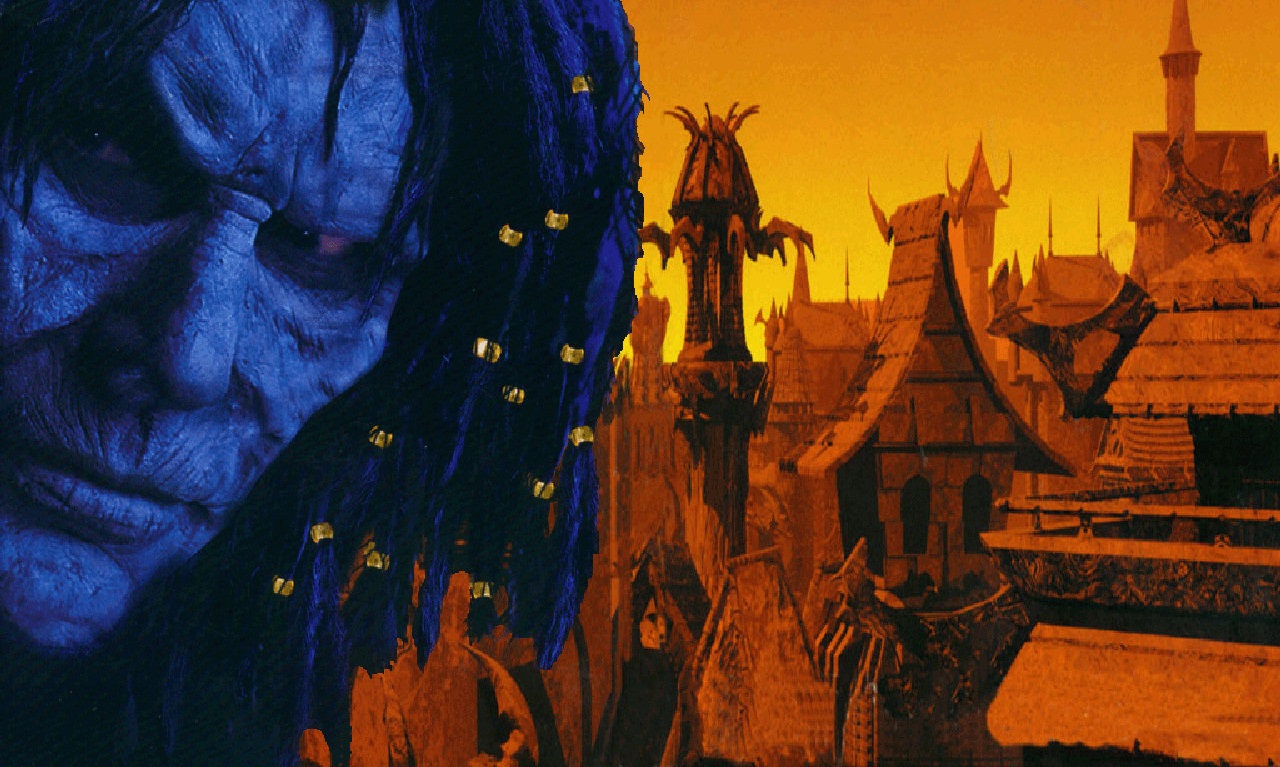
Black Isle Studios’ cult RPG gains clarity with Ghostdog’s UI mod, which scales text and interface for high resolutions. The Widescreen mod and ‘Unfinished Business’ restore cut dialogues and quests while fixing numerous quest flags. Community fixpacks resolve lingering scripting bugs for smoother progression. These additions keep the story-focused experience readable and stable without changing its tone.
‘Age of Empires II’ (1999)
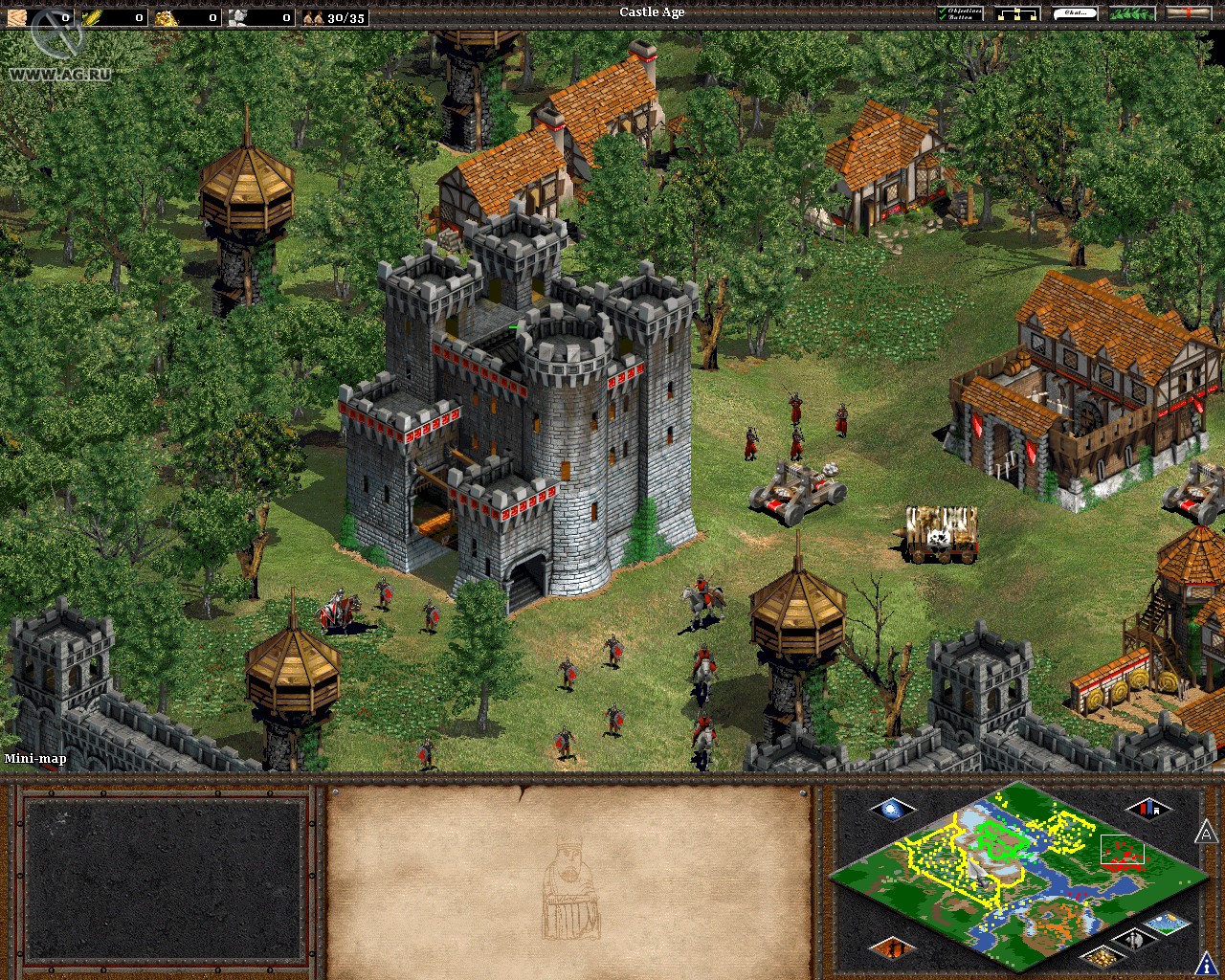
Ensemble Studios’ RTS is revitalized by ‘UserPatch’ and mod packs like ‘WololoKingdoms,’ which bring balance tweaks, spectator tools, and compatibility for newer expansions to the classic edition. Pathfinding and AI improvements create more consistent matches. High-resolution UI assets make long sessions easier on the eyes. Dedicated launchers streamline installation and version management.
‘Deus Ex’ (2000)
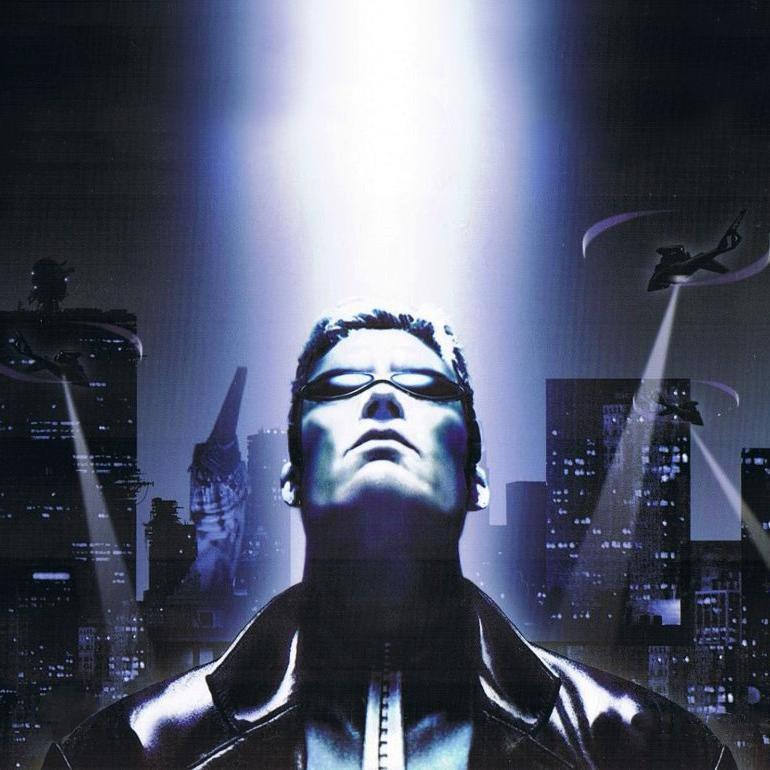
Ion Storm’s immersive sim benefits from two standout overhauls: ‘GMDX’ refines AI, weapons, and levels, while ‘Revision’ refreshes visuals and layout variety. Community renderers like Kentie’s launchers add widescreen, FOV control, and input fixes. Texture and model upgrades modernize the look without erasing the grungy cyberpunk style. Together, they deliver a polished experience that still respects the original design.
‘Diablo II’ (2000)
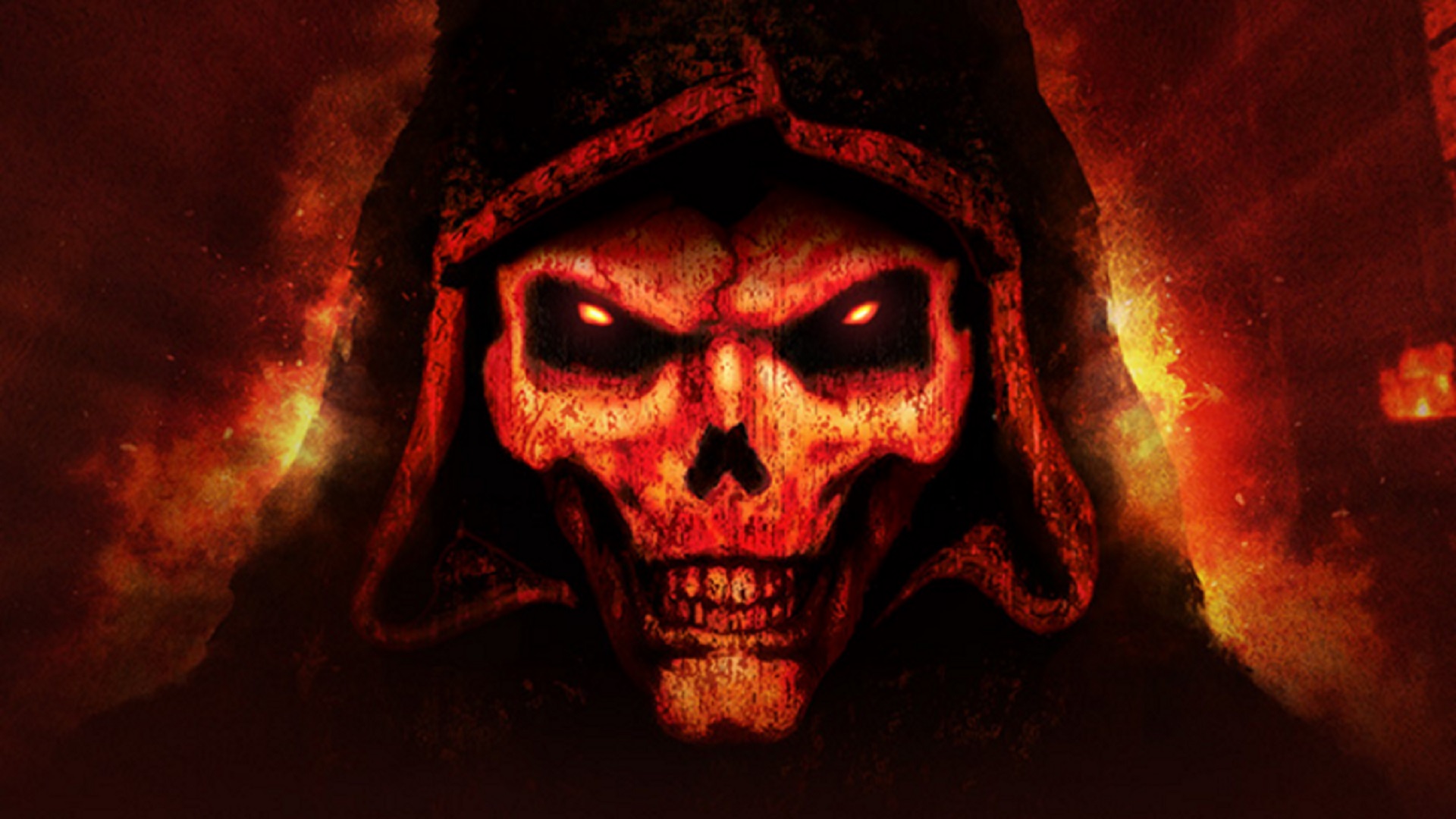
Blizzard North’s action-RPG is reborn through projects like ‘Median XL’ and ‘Project Diablo 2,’ which introduce redesigned skills, endgame ladders, and balance tuned for longevity. High-resolution modes and modern launcher tools simplify installs, mod switching, and updates. QoL additions—stackable items, advanced filters, and quick-cast—reduce friction for long play sessions. Active ladders and seasons keep the meta evolving.
‘Baldur’s Gate II: Shadows of Amn’ (2000)
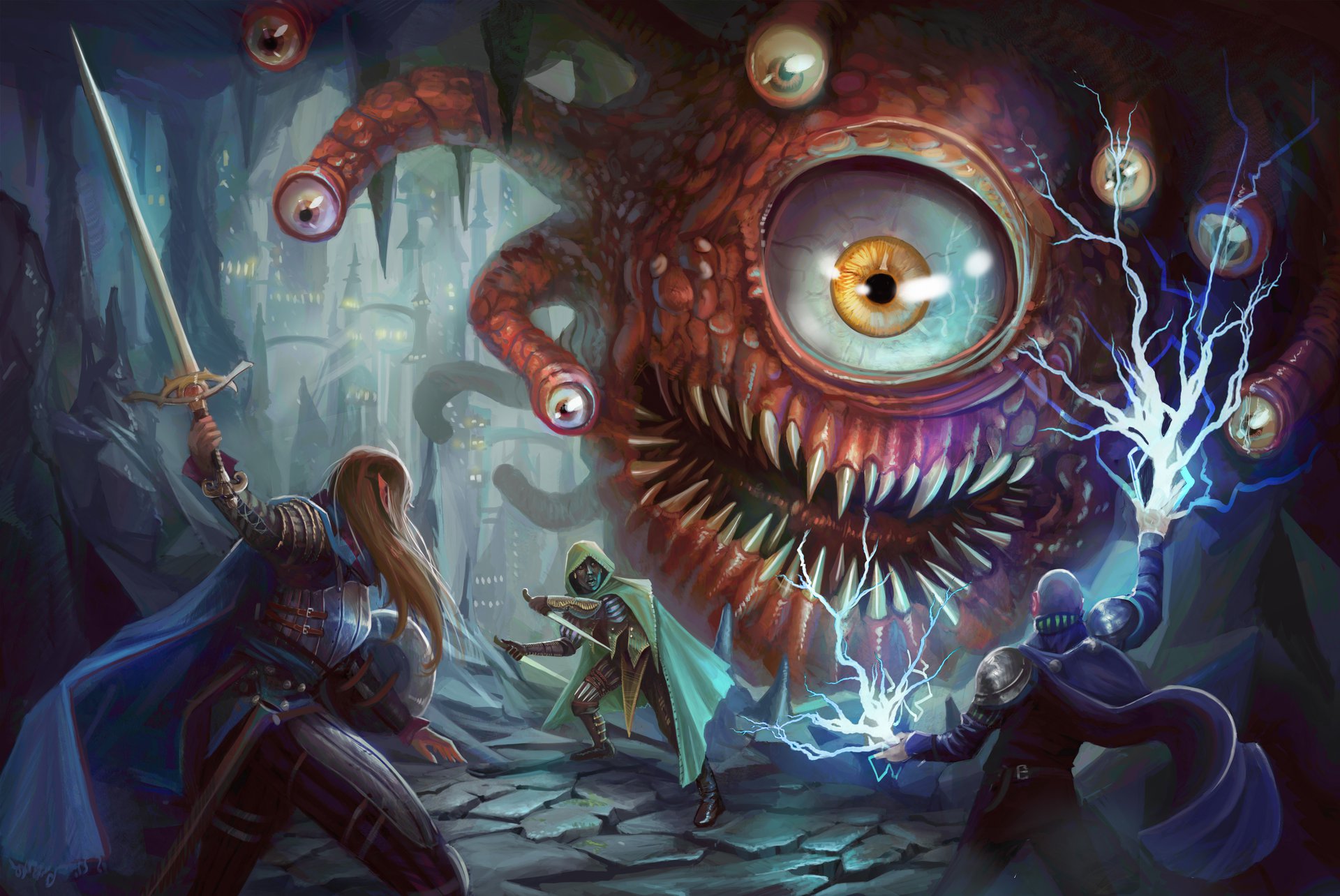
BioWare’s AD&D epic shines with ‘BG2 Fixpack’ and ‘Sword Coast Stratagems,’ which correct quests and elevate encounter AI. The ‘Ascension’ mod restores and expands the Throne of Bhaal finale content. Widescreen and UI scaling solutions make lengthy campaigns comfortable at 1080p and beyond. These community pillars keep the Infinity Engine adventure from feeling dated.
‘Fallout 2’ (1998)
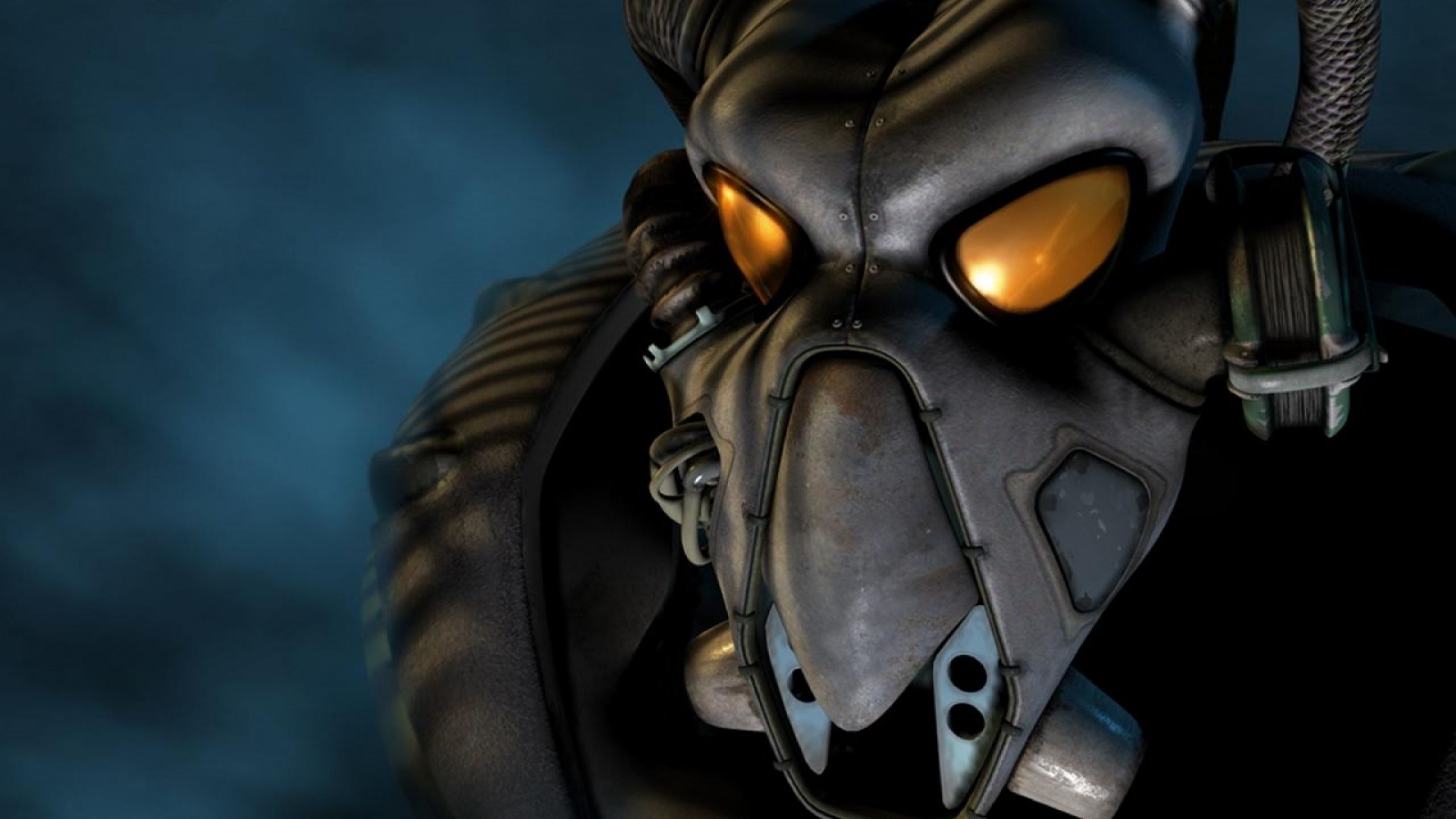
Black Isle Studios’ post-apocalyptic RPG is best played with Killap’s ‘Restoration Project,’ which reinstates cut towns, quests, and characters while fixing hundreds of bugs. High-resolution patches and sfall updates deliver modern resolutions and script enhancements. Optional tweaks streamline inventory and travel without altering core mechanics. The package makes a once-fragile classic stable and complete.
‘Star Wars: Knights of the Old Republic’ (2003)
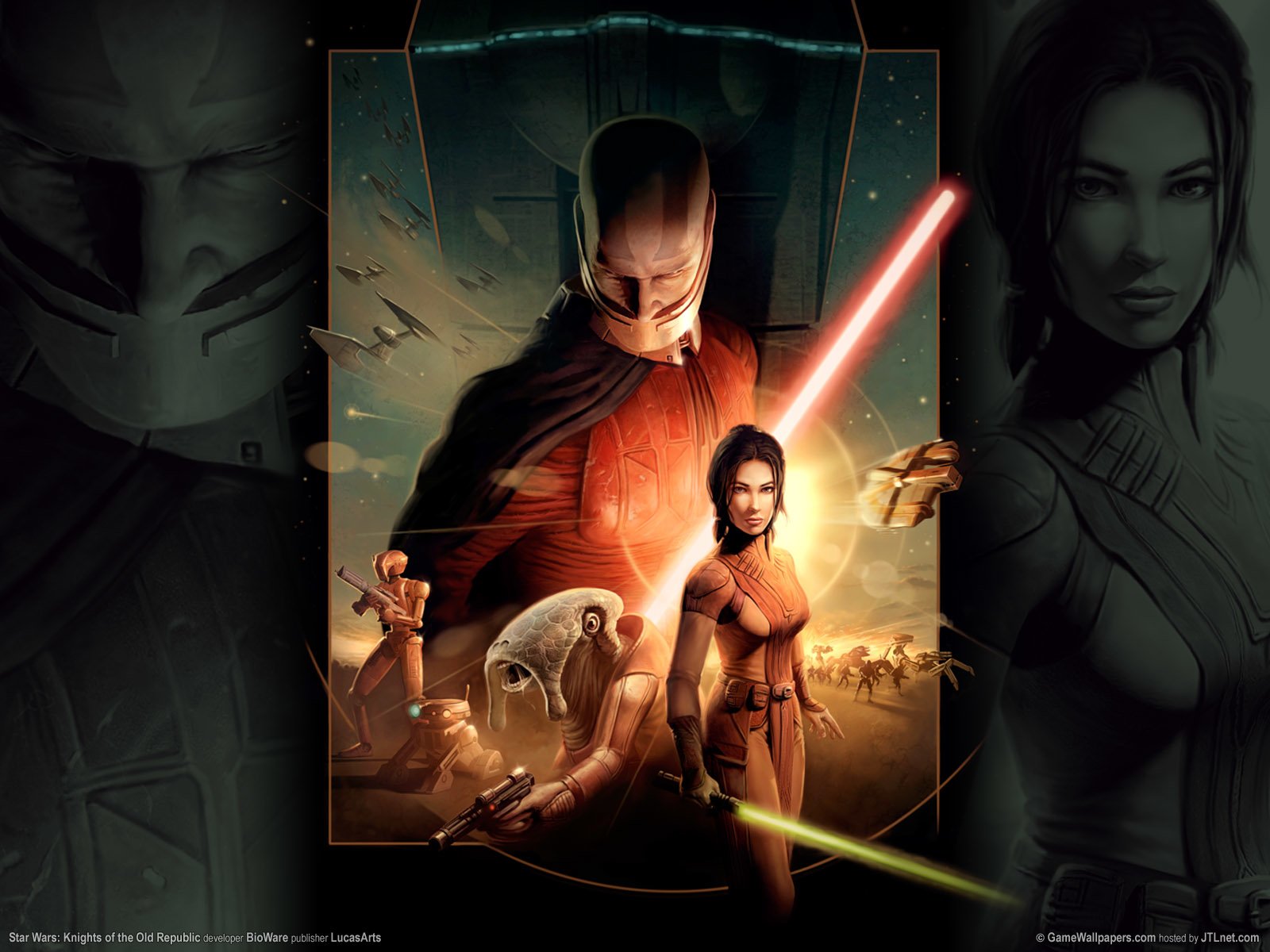
BioWare’s RPG benefits greatly from ‘K1 Restoration (K1R),’ which brings back cut missions, dialogue, and items coherently. Widescreen support and controller profiles improve comfort across modern displays and setups. Texture overhauls for characters, areas, and effects enhance fidelity without changing the art direction. These updates help the LucasArts-published classic feel fresh and cohesive.
‘Star Wars: Knights of the Old Republic II – The Sith Lords’ (2004)
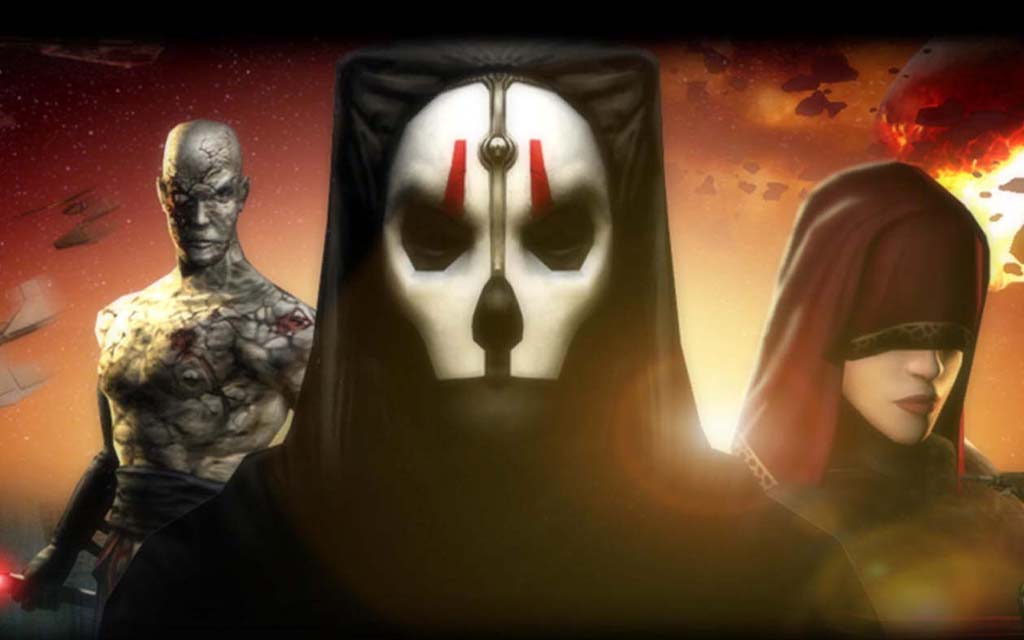
Obsidian Entertainment’s sequel reaches its intended form with the fan-made ‘TSL Restored Content Mod (TSLRCM),’ which re-enables major storylines and endings. Widescreen fixes and UI scaling address the original’s resolution limits. Additional community patches resolve quest logic and scripting errors for a clean playthrough. With LucasArts’ original assets intact, the narrative finally lands as designed.
‘Neverwinter Nights’ (2002)
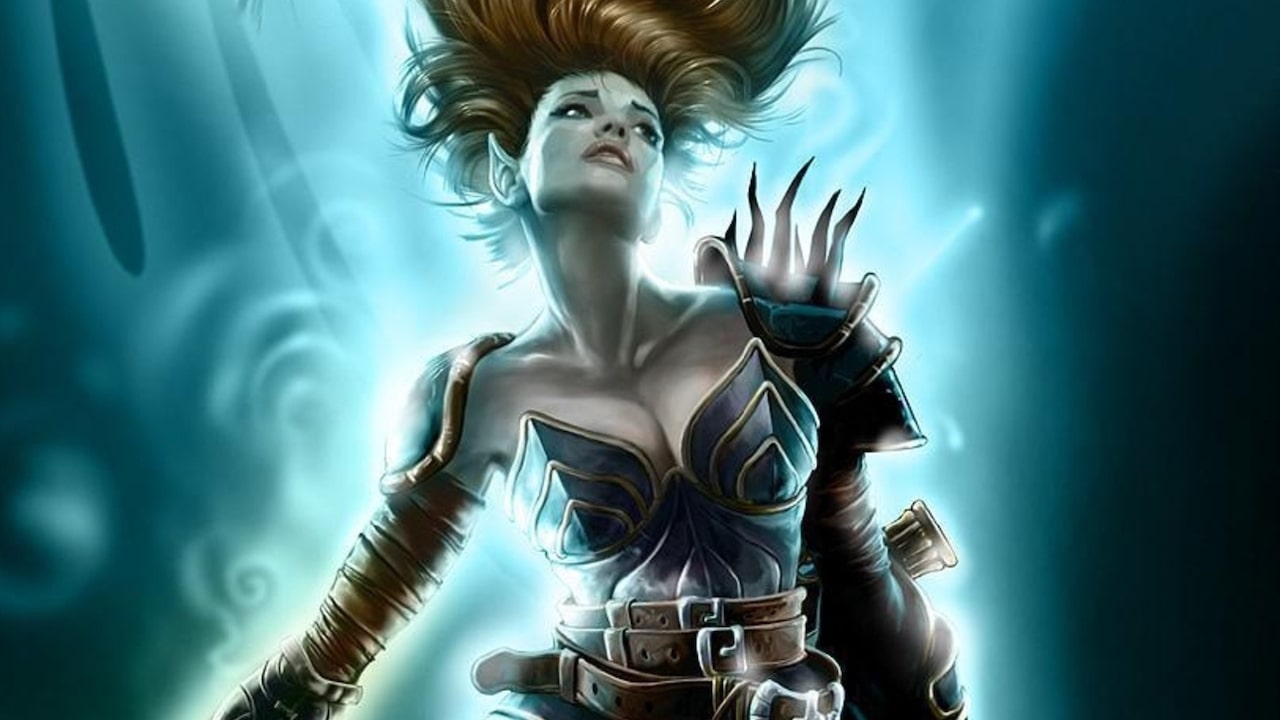
BioWare’s Aurora-powered RPG thrives on the ‘Community Expansion Pack (CEP),’ which adds thousands of placeables, creatures, and items for modules. Beamdog’s enhanced toolset and community patches ensure compatibility, modern renderers, and workshop distribution. Persistent worlds and premium modules stay active thanks to server tools and scripting improvements. The Infogrames/Atari-published classic remains a living platform for new adventures.
‘The Elder Scrolls III: Morrowind’ (2002)
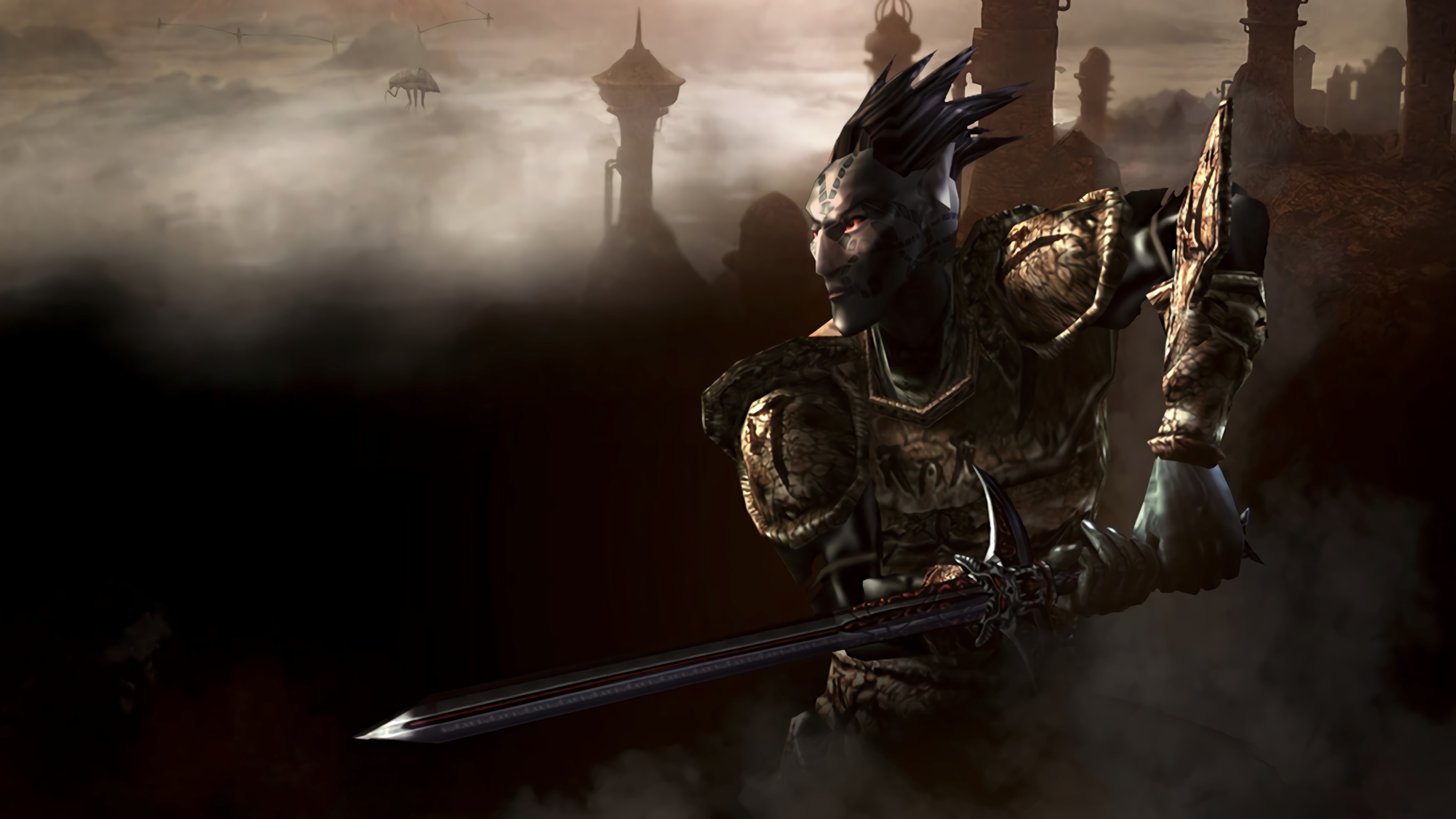
Bethesda Game Studios’ open-world RPG is transformed by OpenMW, an open-source engine that improves performance, stability, and mod capacity. Visual upgrades like MGE XE, ‘Project Atlas,’ and high-res texture packs modernize landscapes and cities. ‘Tamriel Rebuilt’ expands the map with massive, lore-friendly regions and questlines. The combination preserves the original feel while removing technical barriers.
‘Vampire: The Masquerade – Bloodlines’ (2004)
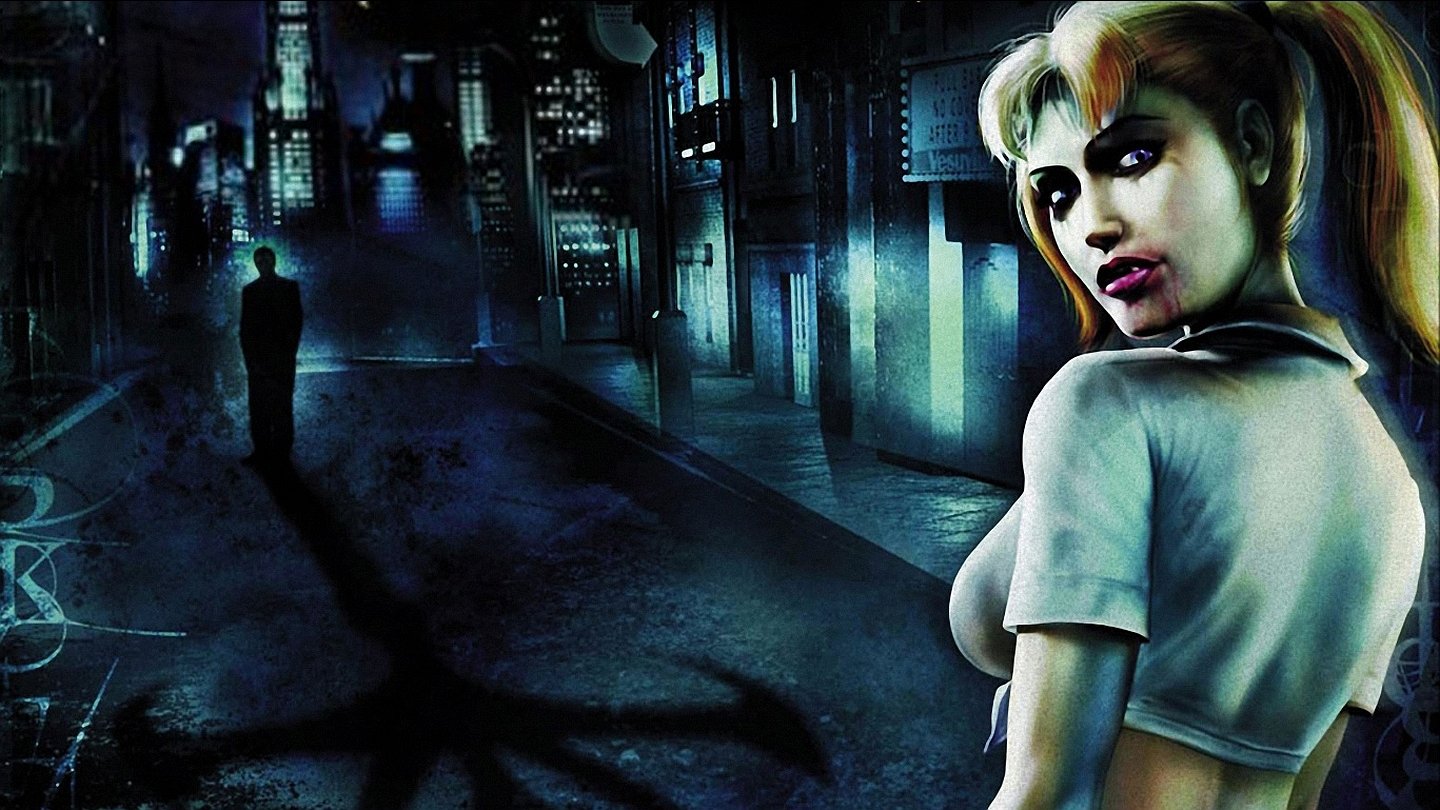
Troika Games’ cult classic is maintained by the Unofficial Patch (regular and “Plus”) that fixes thousands of bugs and restores cut content. Modern display support, shader fixes, and AI improvements make stealth and combat behave predictably. Optional gameplay tweaks rebalance disciplines and weapons without breaking quest flow. Continued updates keep this Activision-published RPG playable on current machines.
‘Grand Theft Auto: San Andreas’ (2004)
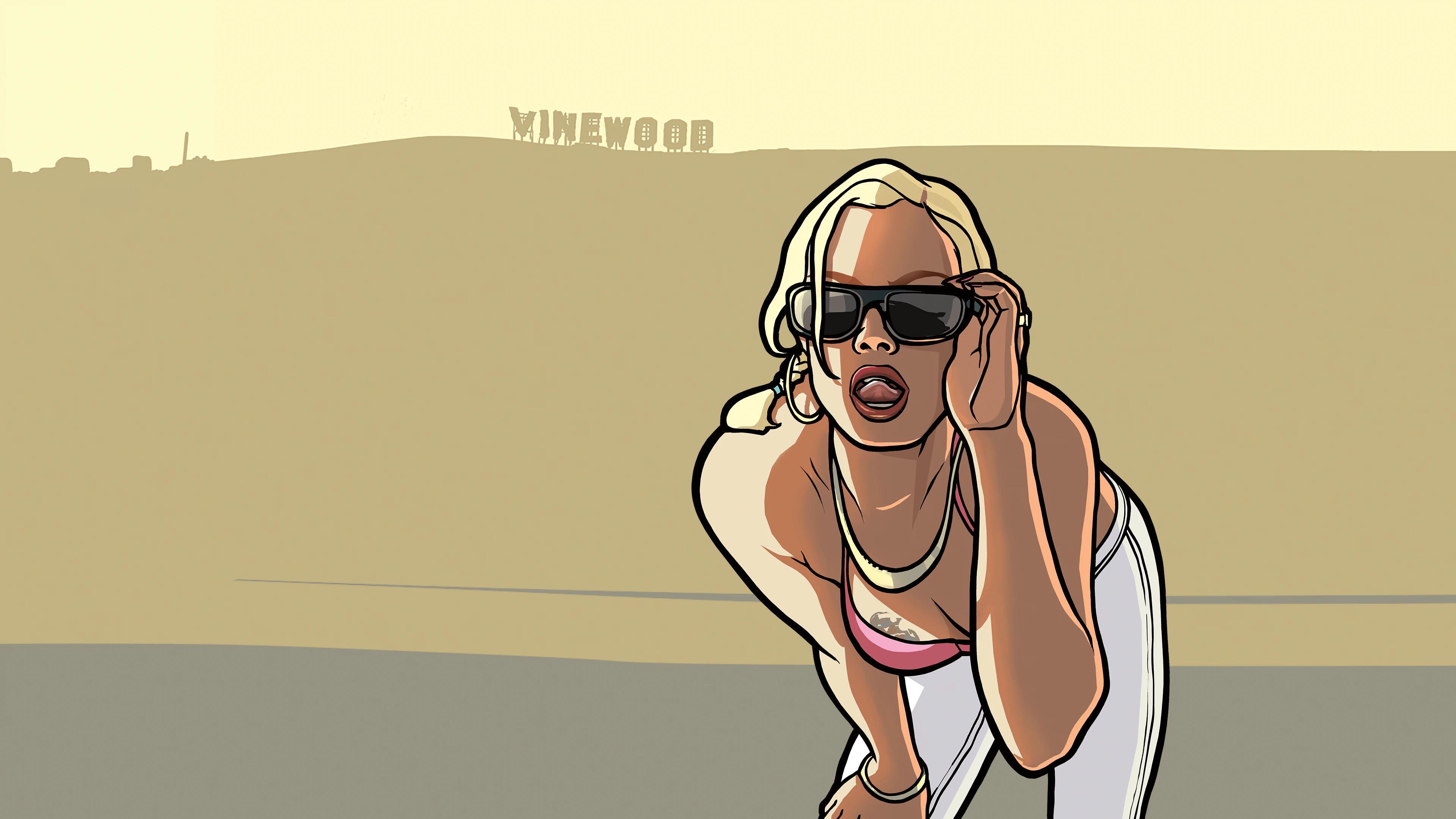
Rockstar North’s open-world hit is refreshed with ‘SilentPatch,’ ‘Widescreen Fix,’ and ‘Project2DFX,’ which repair physics quirks, correct UI scaling, and extend draw distance. Texture packs and reshade presets clean up the visuals while retaining the original art. Mod loaders simplify adding vehicles, radios, and quality-of-life tweaks safely. These fixes produce a stable, authentic experience beyond the original PC release.
‘S.T.A.L.K.E.R.: Shadow of Chernobyl’ (2007)
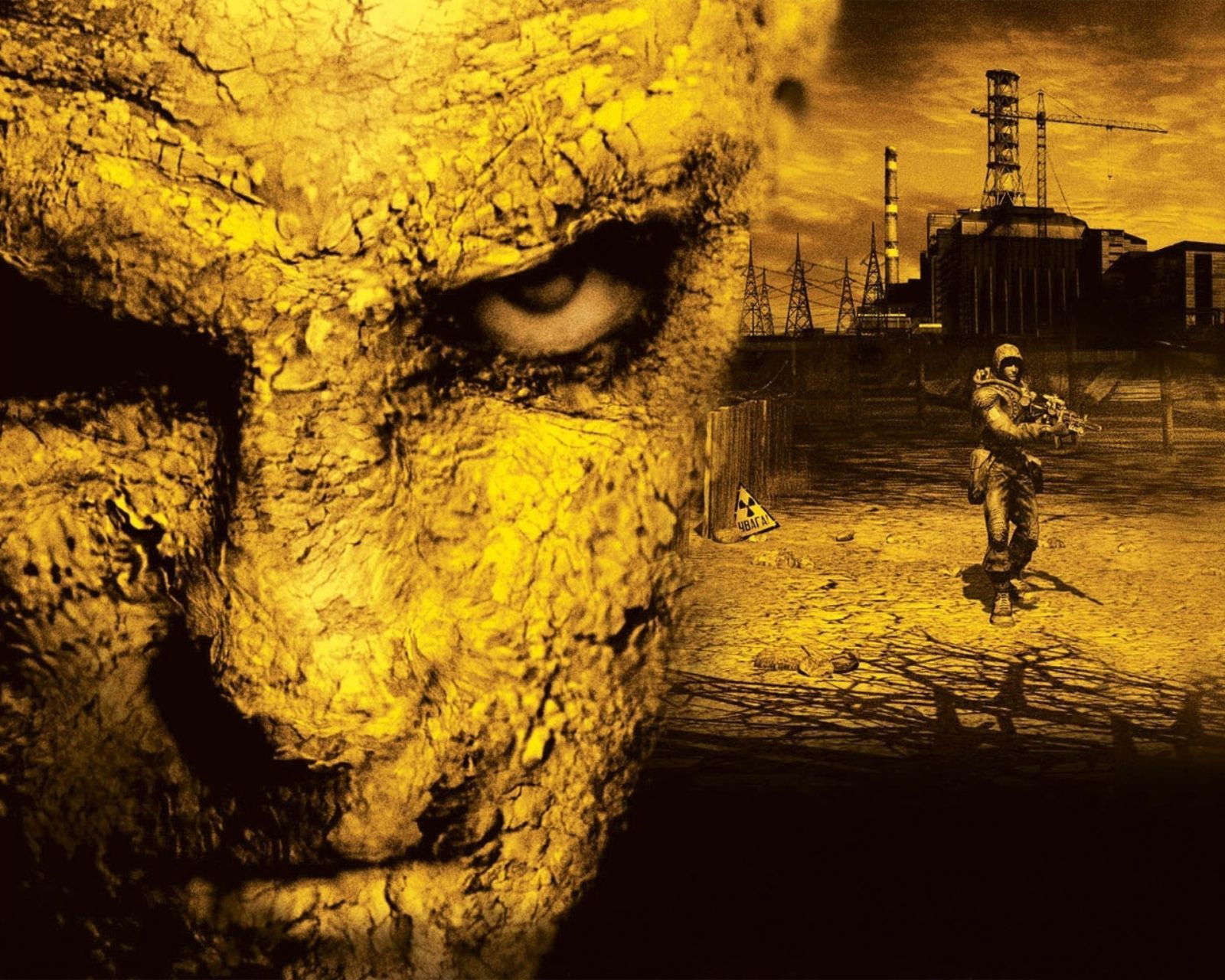
GSC Game World’s atmospheric shooter benefits from ‘Complete 2009’ for visual polish and stability, while other packs modernize weather, AI, and sound. Community patches fix quest logic and crash-prone scripts throughout the Zone. Texture and lighting overhauls preserve the bleak tone but improve clarity and performance. Mod managers bundle dependencies to keep installations tidy.
‘Command & Conquer: Tiberian Sun’ (1999)
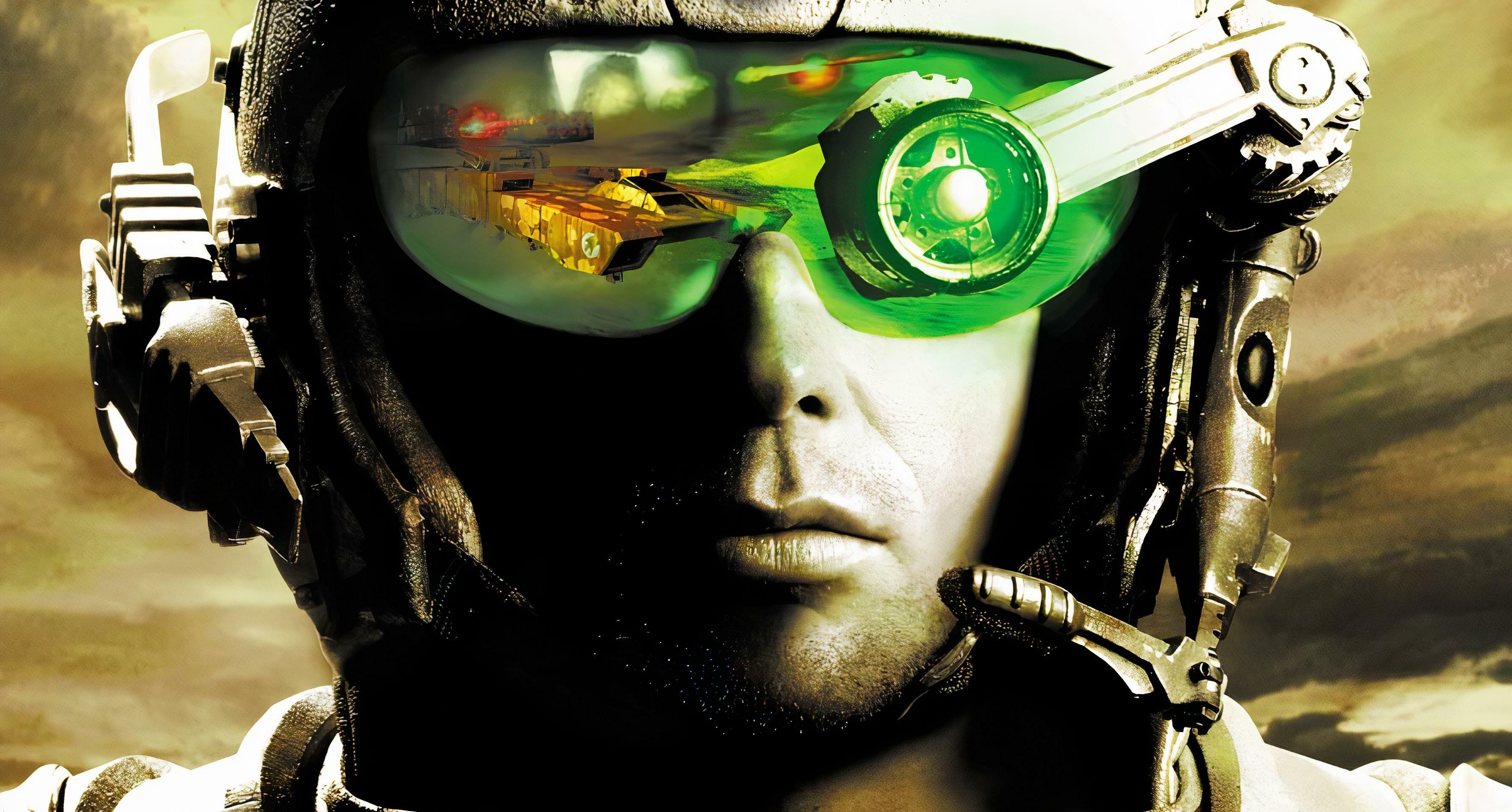
Westwood Studios’ classic RTS launches cleanly today via the community ‘TS Client,’ which integrates patches, online play, and widescreen support. Map packs and balance tweaks keep skirmishes engaging. Renderer fixes improve performance on modern GPUs without sacrificing the original look. Built-in mod management reduces friction for experimenting with total conversions.
‘Need for Speed: Underground 2’ (2004)
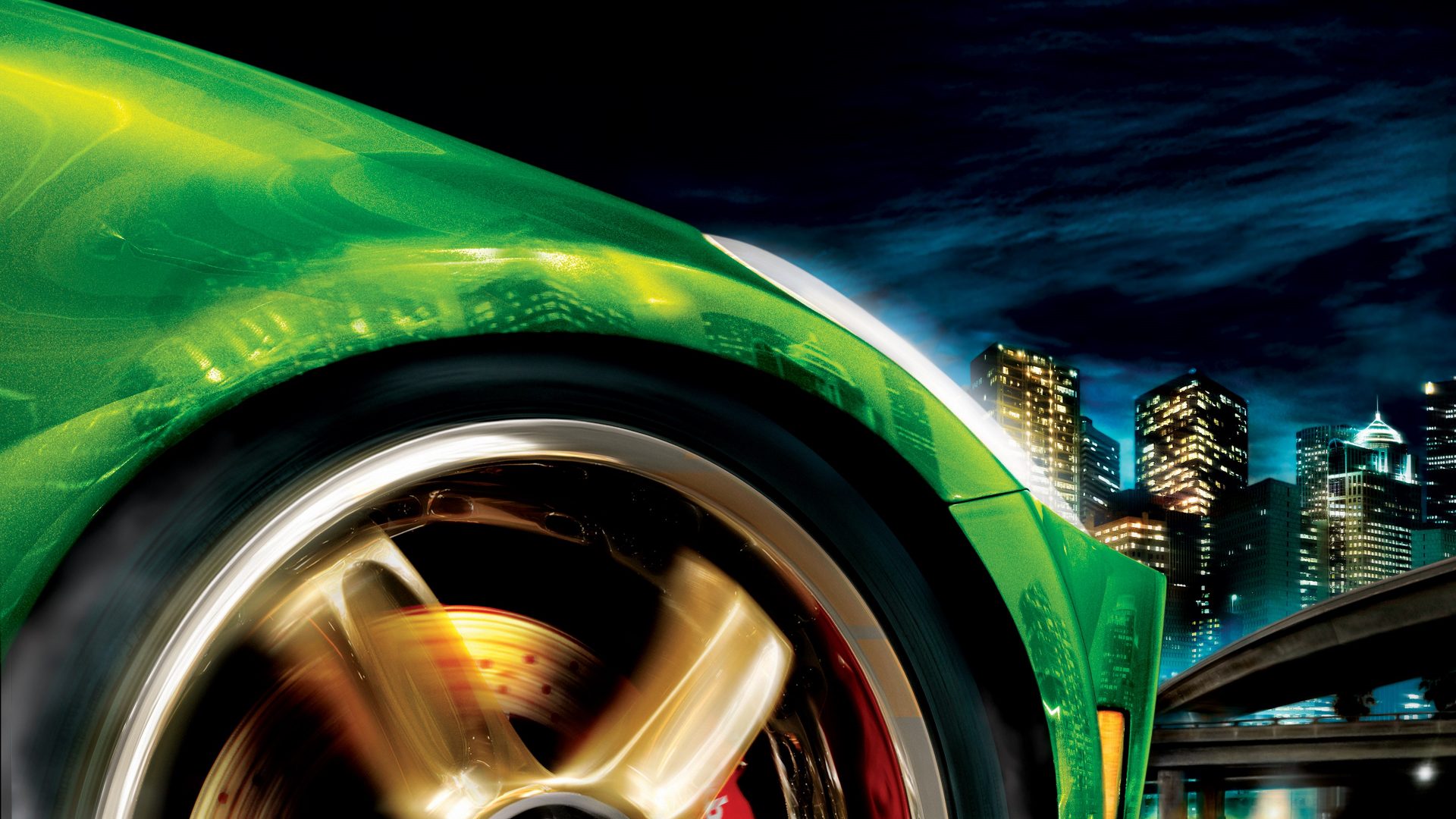
EA Black Box’s street racer gains modern comfort from ‘NFSU2 Extra Options’ and widescreen fixes that unlock resolutions, framerates, and camera controls. Texture and car packs update the vehicle roster and city details while preserving the neon vibe. Input patches resolve controller deadzones and vibration issues on new hardware. These community tools deliver a smooth, fully featured experience beyond the 2004 PC release.
Have a favorite modded revival we missed, or a setup tip others should try—share your picks and builds in the comments!