25 Best Dynamic Soundtracks That React To You



Some games don’t just set a mood—they listen to how you play and shift their music in real time. Dynamic or adaptive soundtracks mix, layer, and transition stems based on your actions, location, or game state, so combat sounds bigger as fights escalate and exploration settles into calmer textures when you slow down. Below are standout examples across platforms and eras where the score actively responds to you. Each entry notes the developer and briefly explains how the system works so you know exactly what’s happening under the hood.
‘Journey’ (2012)

Thatgamecompany designed a score that evolves with your movement, sand-surfing speed, and proximity to other players. Composer Austin Wintory built modular cues that add or subtract instruments as you gain scarf length or enter new areas. The game blends performance data to trigger seamless crossfades, so crescendos follow big glides and quieter strings return in shelter. Sony Computer Entertainment supported the project’s interactive music tech to keep transitions imperceptible.
‘Red Dead Redemption 2’ (2018)

Rockstar Games uses a stem-based system that reacts to mission states, wanted levels, and region changes across the open world. The engine selects and layers motifs from Woody Jackson’s score to intensify pursuits or relax during camp downtime. Riding, brawling, or stealthing each nudges orchestration and tempo without hard cuts. The audio team implemented logic that retunes arrangements on the fly to match pacing across towns, wilderness, and story beats.
‘Halo: Combat Evolved’ (2001)
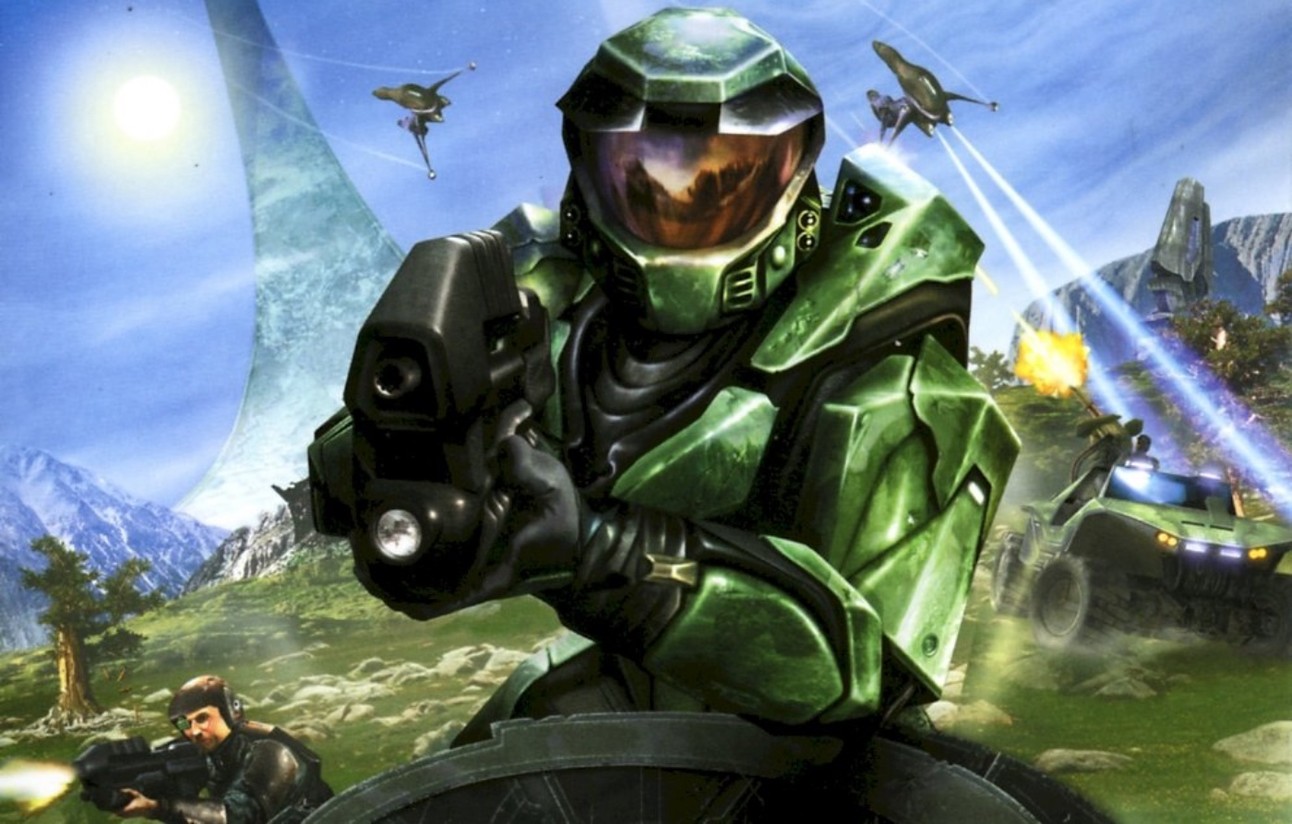
Bungie’s music system swaps between exploration pads, chant motifs, and combat percussion based on enemy awareness and encounter phases. Each firefight triggers escalating layers that add choirs and drums as more foes join, then decays back to ambience when you clear a room. The engine times transitions at bar lines for musical coherence. Microsoft Game Studios’ tools allowed designers to tag spaces with music states that the AI references during play.
‘DOOM’ (2016)
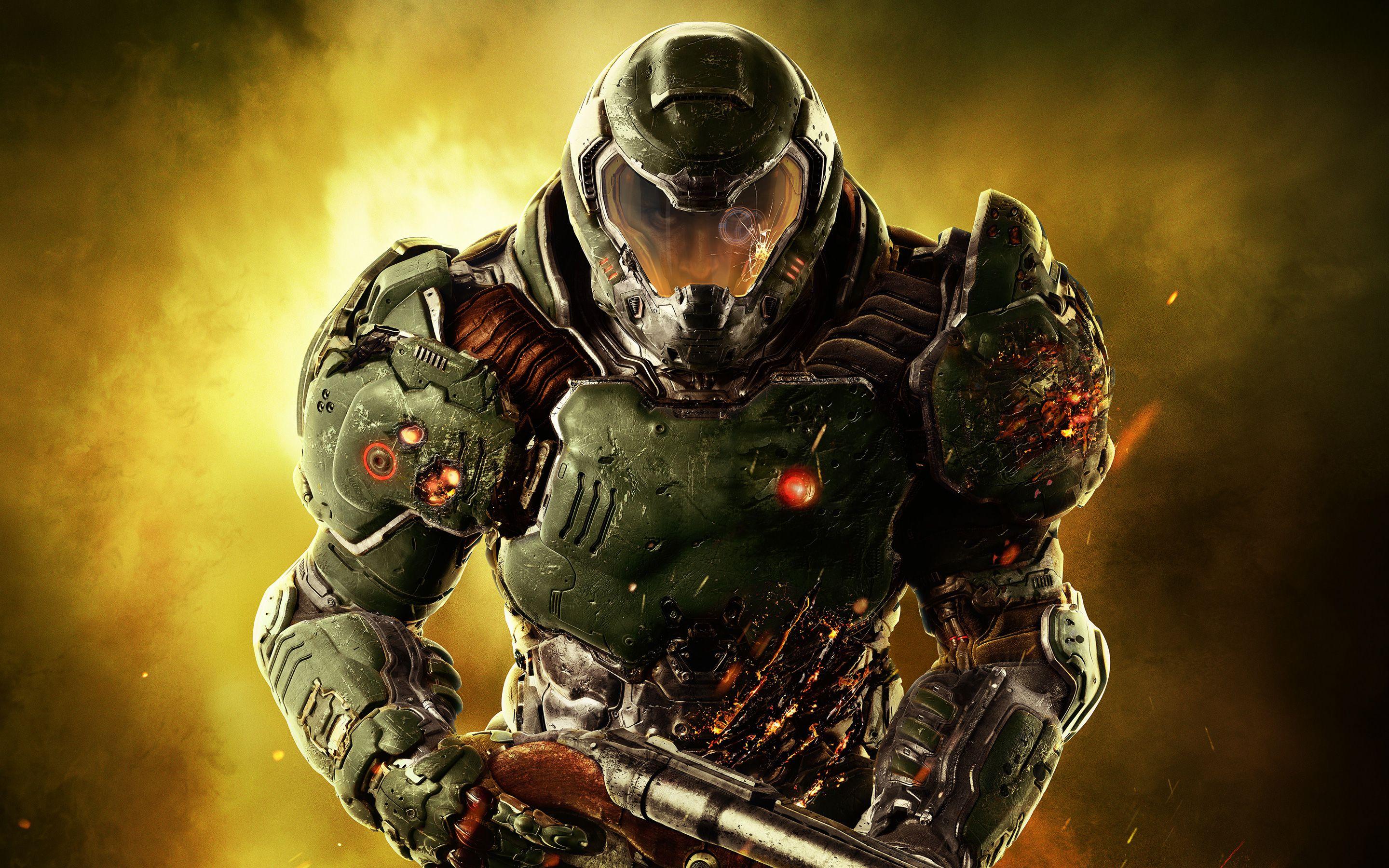
Id Software ties combat intensity to layered stems from Mick Gordon that thicken as you maintain Glory Kill chains and DPS spikes. The system modulates distortion and rhythm density rather than just volume, matching arena flow. When enemies thin out, the mixer peels back to a sparser groove before silencing. State machines track threat level and player aggression to determine which riffs engage or drop.
‘Hades’ (2020)

Supergiant Games routes Darren Korb’s cues through encounter logic that enhances instrumentation as chambers fill with elites or bosses enter new phases. Different biomes select unique instrument palettes, while boons and keepsakes don’t break musical continuity thanks to smooth crossfades. Between runs, the House of Hades uses calmer variations that react to conversations and locations. The studio’s custom audio middleware ensures snappy, click-free transitions.
‘Celeste’ (2018)

Matt Makes Games built an adaptive score by Lena Raine where each level has multiple layers—ambient, percussion, and melodic—that toggle with player actions. Assist Mode and B-Sides call alternate arrangements without rewriting the system. Checkpoints and subrooms cue softer mixes to ease focus during precision platforming. Logic blocks in the level scripts switch stems at loop boundaries for clean, musical changes.
‘The Legend of Zelda: Breath of the Wild’ (2017)

Nintendo EPD implemented piano-led motifs that respond to traversal speed, weather, and enemy aggro. Guardian encounters inject percussive and synth elements as targeting intensifies, then release back to minimalist phrases when you disengage. Towns and stables load distinct layers that subtly adapt to time of day. The engine prioritizes environmental cues so exploration music never masks critical sound effects like wind and wildlife.
‘NieR: Automata’ (2017)
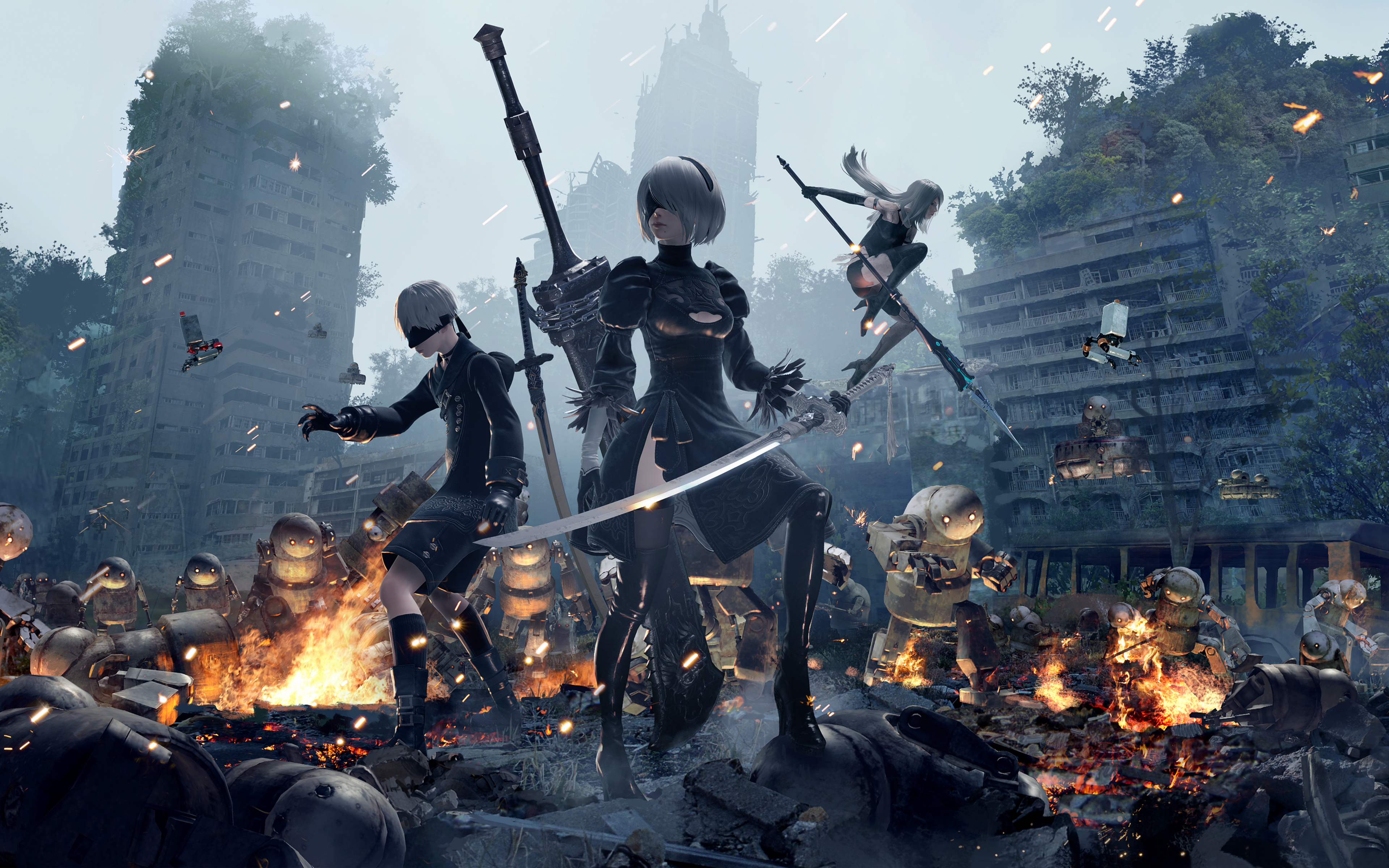
PlatinumGames supports a multi-tier system where each track exists in instrumental, light-vocal, and full-choral versions that swap based on combat and location. Keiichi Okabe’s compositions can shift language variants and add percussion as threat rises. Hacking segments trigger 8-bit demakes of the current cue while preserving tempo alignment. The middleware crossfades along predetermined stems to keep lyrical entries natural.
‘Outer Wilds’ (2019)

Mobius Digital uses time-loop and location logic to cue instruments from different travelers, synchronizing them across the solar system. As the loop nears its end, musical elements converge to signal impending events. Entering areas like Dark Bramble switches to tension layers that react to movement speed and proximity to hazards. The system leverages global timers and area triggers rather than combat states.
‘Left 4 Dead’ (2008)

Valve’s AI Director doesn’t just spawn enemies—it conducts the music. The score raises tension with stingers when Specials spawn, then ramps sustained layers during hordes and lowers them in recovery periods. Safe rooms and tool pickups cue relief motifs to signal pacing shifts. The reactive system reads player stress metrics to balance audio intensity with challenge.
‘Portal 2’ (2011)
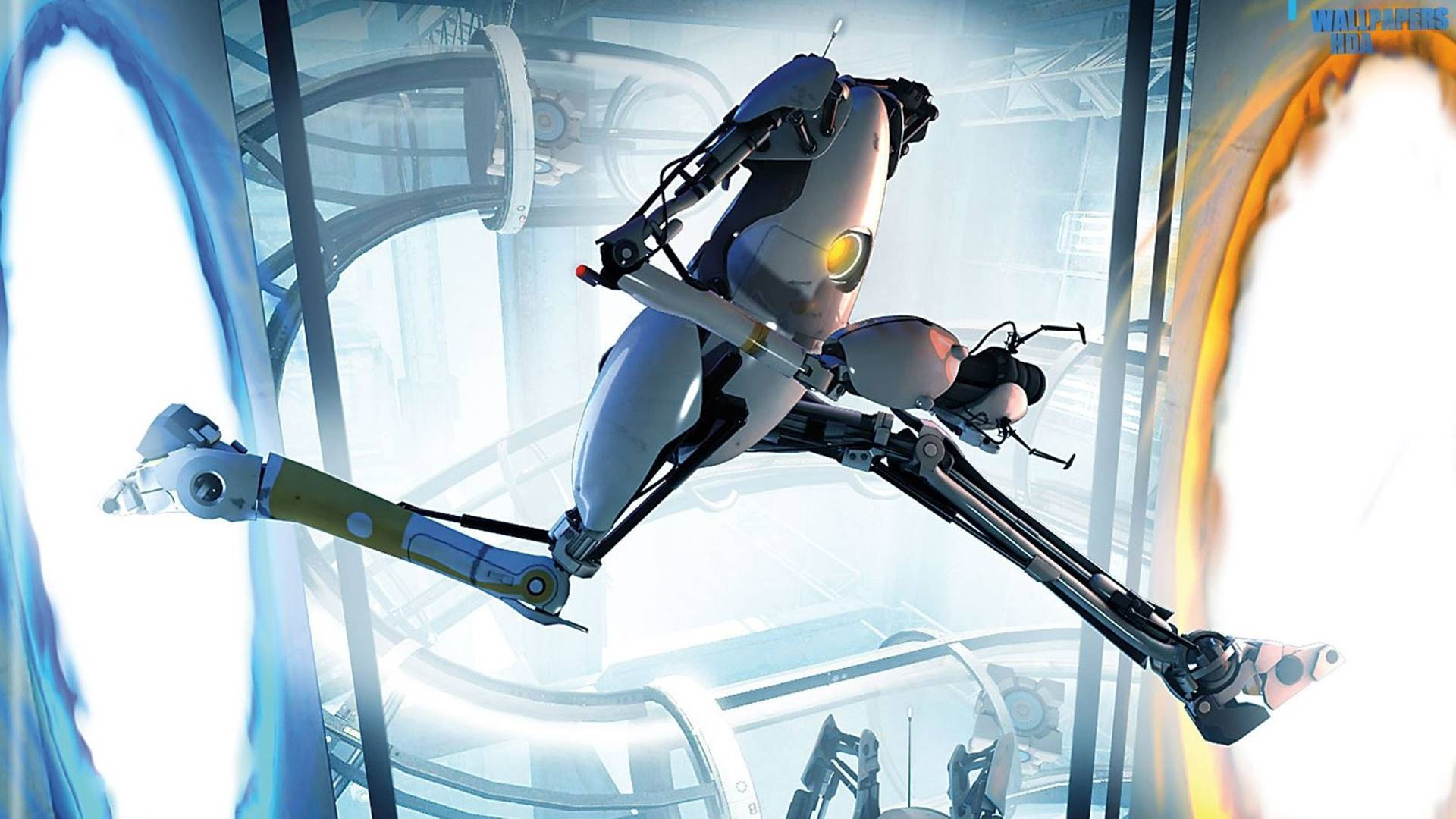
Valve ties puzzle progression to procedural music layers that activate as you place gels, hit switches, or ride excursion funnels. Elements phase in at rhythmic intervals so the soundtrack “builds” with your solution. Combat encounters with turrets trigger succinct tension motifs, then revert to minimalist tones in test chambers. The scripting keeps all transitions synchronized to measure boundaries.
‘No Man’s Sky’ (2016)

Hello Games partnered with 65daysofstatic to create generative suites that morph with flight, weather, and planetary biomes. The engine assembles phrases from banks, choosing textures that suit calm exploration or sentinel combat. Warping and entering stations prompt unique cues that adapt to context without abrupt restarts. Stems are mixed by rule sets that account for altitude and velocity.
‘Banjo-Kazooie’ (1998)
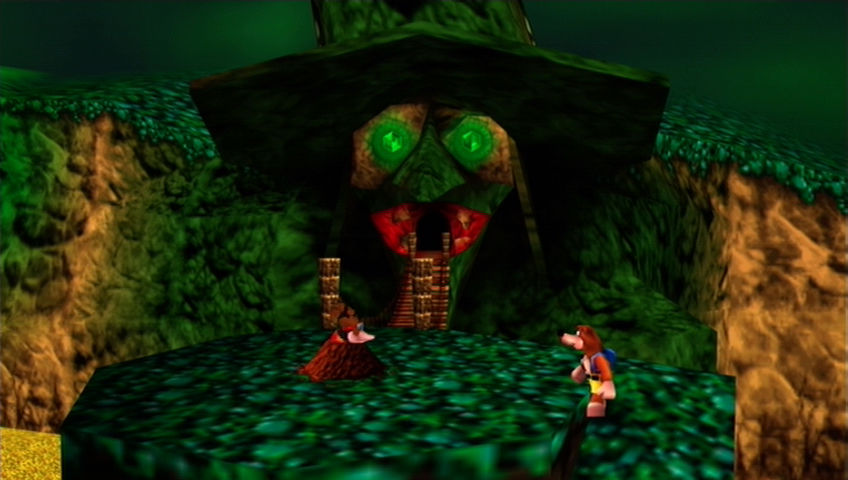
Rare used a landmark “Mickey Mousing” technique where Grant Kirkhope’s themes swap instrumentation based on where you stand—underwater, inside, or outside—without breaking melody. Crossfades maintain tempo as you cross thresholds, so the same tune feels appropriate in caves or courtyards. Enemy proximity adds short, reactive flourishes before returning to the area motif. The N64 engine streamed variations to keep memory usage low.
‘Shadow of the Colossus’ (2005)
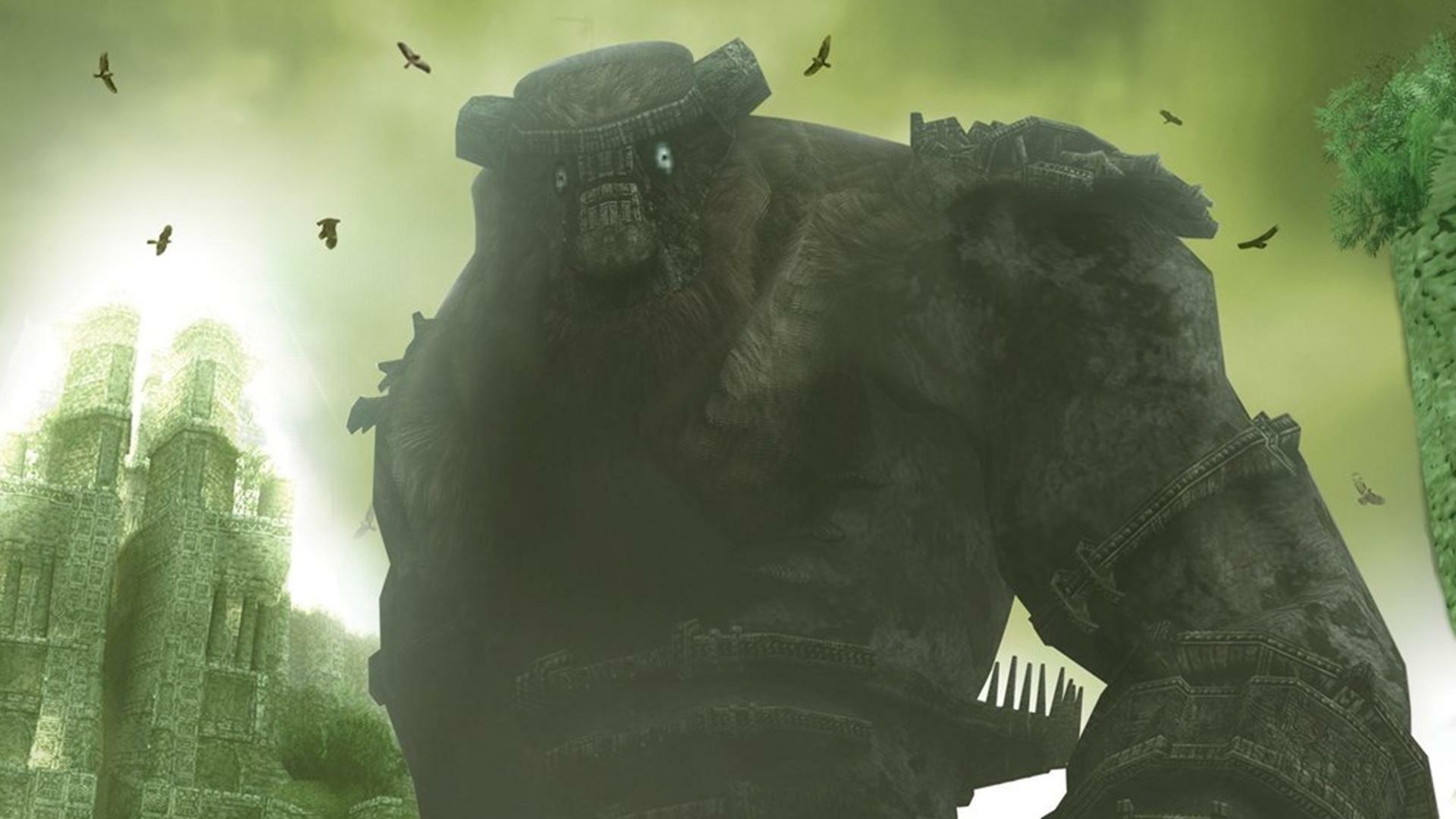
Team Ico’s score changes state between traversal, discovery, mounting, and colossus phase shifts. As you cling to a weak point, brass and percussion swell; when you’re thrown off, the cue drops to anxious strings. Between battles, the world reverts to sparse ambience to foreground hoofbeats and wind. The system uses boss HP and player position to drive transitions.
‘Alien: Isolation’ (2014)
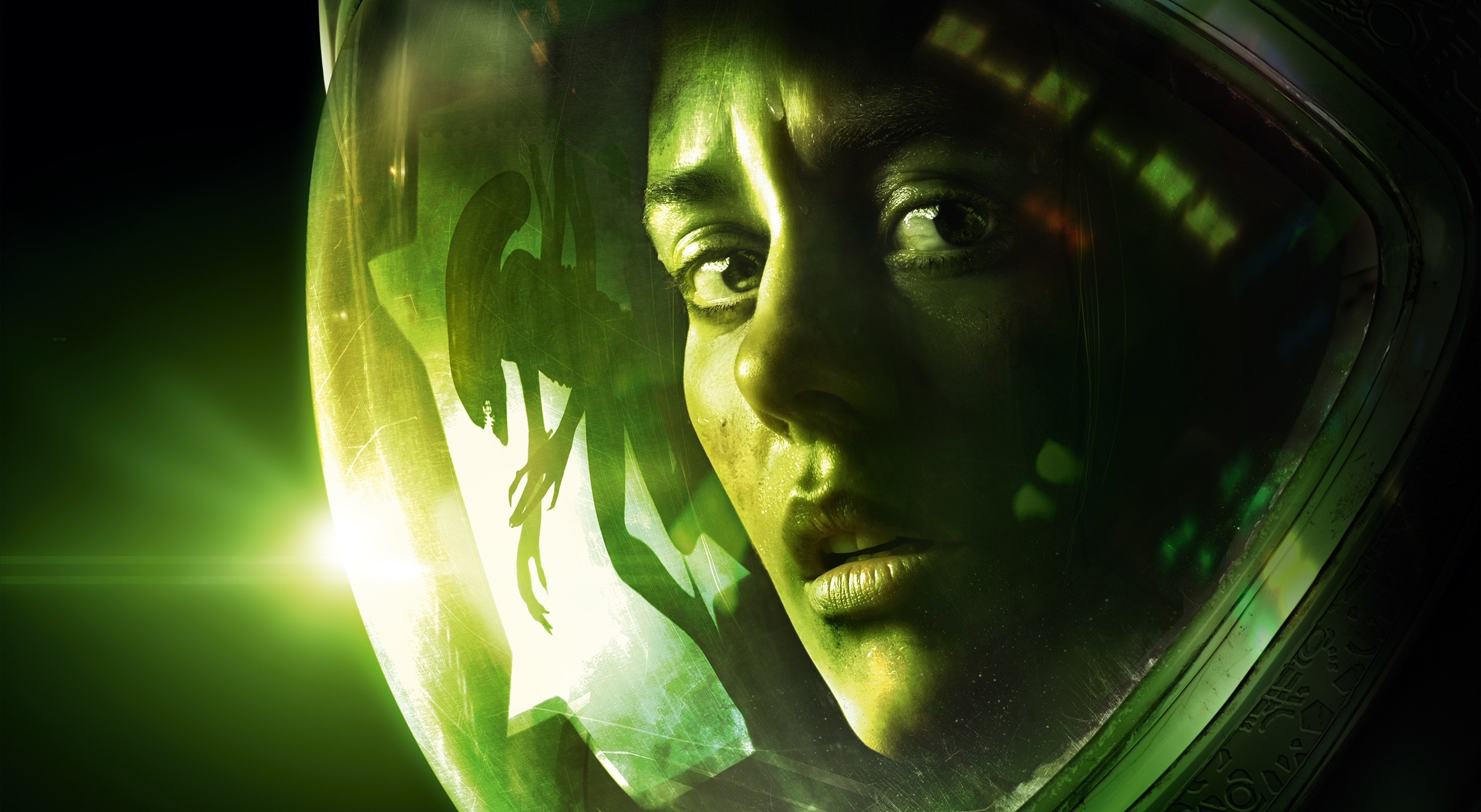
Creative Assembly links music intensity to the Alien’s AI senses and your noise level. Orchestral swells are queued when the creature searches nearby vents, then recede if you hide or distract it. Secondary threats trigger different motifs to avoid confusion with the main predator. The adaptive mixer respects stealth audio priorities so footsteps and beeps remain audible.
‘Tetris Effect’ (2018)

Monstars and Resonair synchronize music and sound effects to every input, scaling layers as you build combos and enter Zone. Track vocals and lead lines unlock as you clear lines quickly, while calmer passages follow recovery play. Stage themes re-instrument dynamically to reflect difficulty milestones. The system quantizes effect timing to maintain groove regardless of piece speed.
‘God of War’ (2018)

Santa Monica Studio’s audio engine switches between exploration drones and combat suites that scale with enemy waves and shield usage. As you trigger runic abilities, percussive layers thicken, then ease when threats subside. Boss phases call alternate motifs without halting the current rhythmic bed. The system also adapts to boat travel by lowering intensity and exposing ambient textures.
‘Sea of Thieves’ (2018)

Rare blends adaptive orchestration with diegetic instruments that players perform. Sailing near skeleton ships, megalodons, or the Kraken adds combat layers; approaching outposts dials it back. Player-triggered shanties subtly key-shift or duck to fit ambient cues. Event states and world-threat proximity feed the mixer so crew actions and dangers feel musically connected.
‘The Witcher 3: Wild Hunt’ (2015)

CD Projekt Red assigns combat, exploration, and region-specific variations that crossfade based on enemy awareness and map zone. Fiddle and vocal layers intensify as fights escalate, then drop to atmospheric pads when you sheath your sword. Quest states select unique cues to reflect narrative tension without interrupting loops. The middleware aligns changes to phrase endings to avoid jarring edits.
‘Grand Theft Auto V’ (2013)
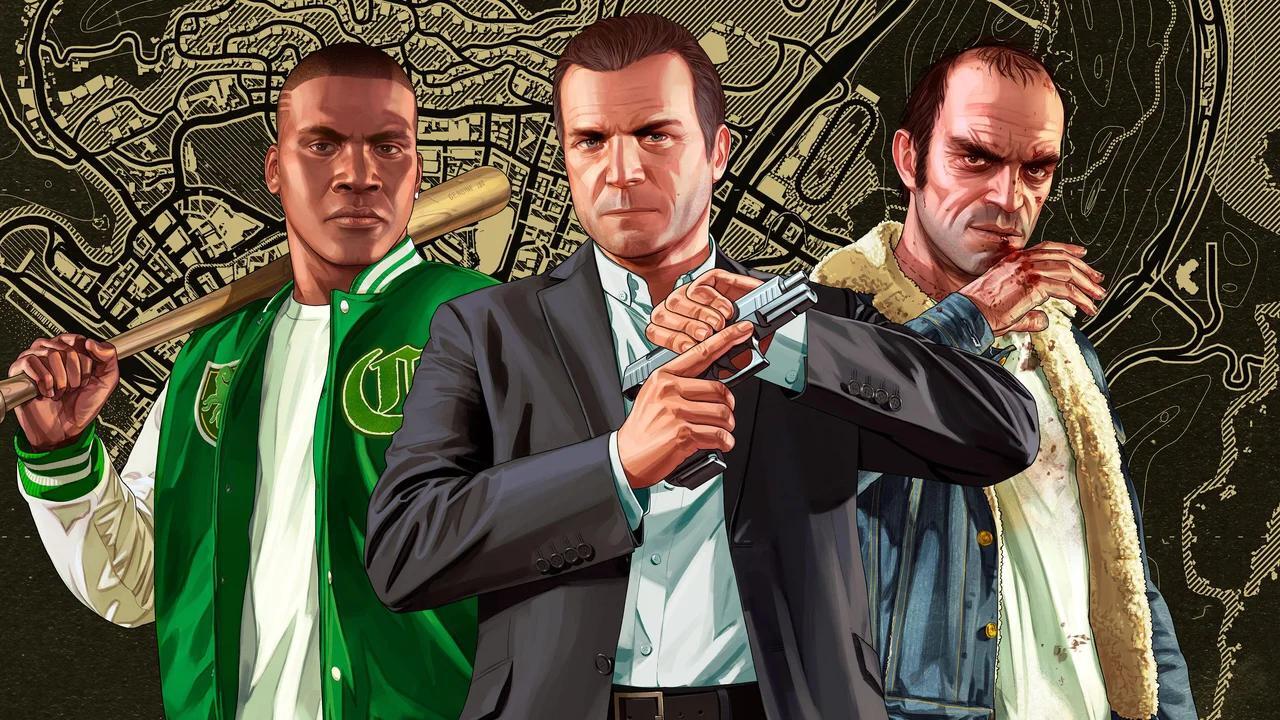
Rockstar North introduced a dynamic score that complements the series’ radio, adapting to heists, chases, and stealth. The system blends stems from multiple composers, selecting layers to match mission beats and player pace. Wanted level and vehicle type influence instrumentation density and drive. During free-roam, scripted events briefly overlay reactive cues, then hand control back to ambient or radio sources.
‘Monster Hunter: World’ (2018)
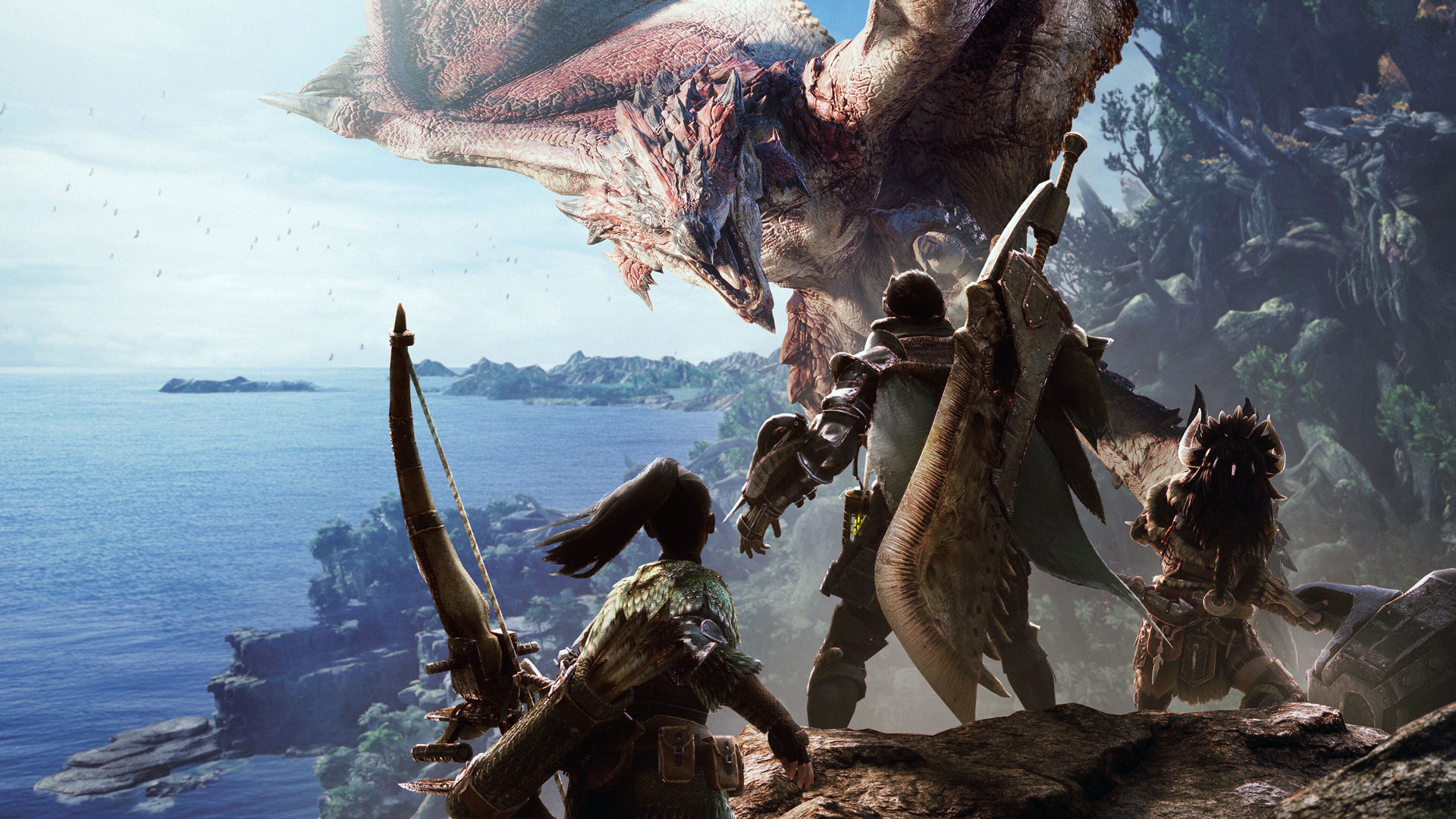
Capcom’s music scales with monster behavior—tracking, enraged states, and retreats all trigger different layers. Area transitions and mounting sequences cue specific motifs that resolve when the phase ends. Multiplayer hunts adjust intensity based on team engagement and monster focus. The audio team tags monster AI states to keep cues synchronized with tells and openings.
‘Dead Space’ (2008)

EA Redwood Shores used adaptive aleatoric strings and stingers that respond to threat presence rather than scripted scares. Combat adds chaotic textures that thin as you dismember the last Necromorph. Quiet corridors use low-level tension beds that swell if something starts hunting you. The system prioritizes diegetic ship sounds, ducking music when critical cues play.
‘Ape Out’ (2019)

Gabe Cuzzillo’s game drives a live-sounding jazz kit that reacts to your momentum and impacts. Each shove or smash triggers cymbal hits and fills quantized to the bar, building manic grooves during escapes. When you pause or sneak, percussion thins to sparse timekeeping. The reactive logic maps enemy density and player velocity to drum intensity.
‘Red Dead Redemption’ (2010)

Rockstar San Diego built a precursor to its later system, layering motifs for deserts, towns, and combat that respond to mission progress and threats. Standoff moments trigger tension cues, while travel pulls in relaxed instrumentation. Entering Mexico crossfades to region-specific themes without stopping the ride. The stem mixer reads location volumes and AI states to choose arrangements.
‘Super Mario World’ (1990)

Nintendo EAD used context-sensitive arrangements where riding Yoshi adds bongo percussion to the current level theme instantly. Underwater and ghost house versions keep melody but alter instrumentation to match environment. Timed events and star power temporarily replace the main loop with faster or alternate cues, then restore it at safe points. The cartridge streams these variations efficiently to fit SNES memory limits.
‘The Legend of Zelda: Tears of the Kingdom’ (2023)

Nintendo EPD extends the adaptive approach with additional instrumentation across sky, surface, and depths, each responding to traversal method and enemy alertness. Vehicle speed, cave acoustics, and region ecology influence which layers are exposed. Boss and mini-boss segments shift to distinct phase cues, then resolve to ambient piano when you disengage. The system coordinates with physics-driven sound so contraptions remain audible.
If you’ve got a favorite reactive score we missed, drop your pick in the comments and tell us where the music changes hit you the hardest!