25 Best Credit Sequences Worth Watching


Some games save their best surprises for the very end, turning the credits into interactive toys, Easter egg hunts, or story codas that tie everything together. From on-rails shooters made of developer names to full-blown playable fights, these finales reward players who stick around after the last boss falls. You’ll find sequences that hide secret challenges, reveal canon epilogues, and even change based on how you played. Here are twenty-five video game credit sequences that are genuinely worth watching all the way through.
Portal
The credits roll over the original song ‘Still Alive’ performed by GLaDOS, with lyrics that recap events from the test chambers. Names appear on a dark backdrop while the track embeds plot details and the status of Aperture Science. The sequence confirms narrative beats that set up the sequel. Players can rewatch it from the menu once the game is completed.
Portal 2

The finale transitions into the song ‘Want You Gone’ sung by GLaDOS as the credits list the expanded development team. A separate robot rendition of ‘Want You Gone’ appears for the co-op campaign, acknowledging the distinct mode. The credits include visual accents that reference core mechanics like gels and portals. Post-credits extras lead back to playable content and challenge modes.
Nier: Automata
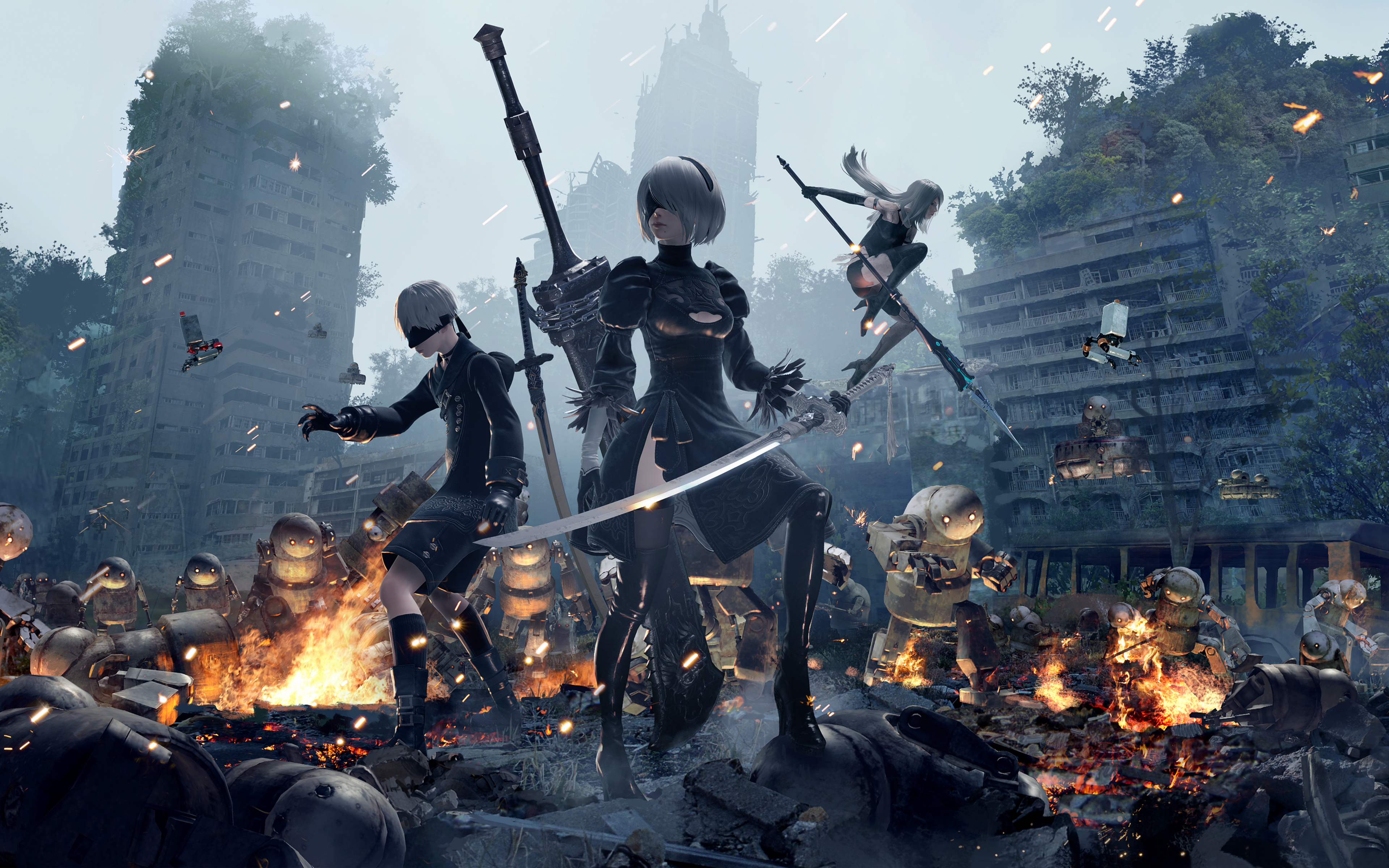
After the final route, the credits morph into a bullet-hell shoot-’em-up where players destroy names to progress. Accepting help summons other players’ data as allied ships that sacrifice themselves to protect you. Completing this sequence can result in deleting your own save to assist strangers in the future. The structure turns the credits into a thematic choice tied to the game’s core ideas.
Undertale
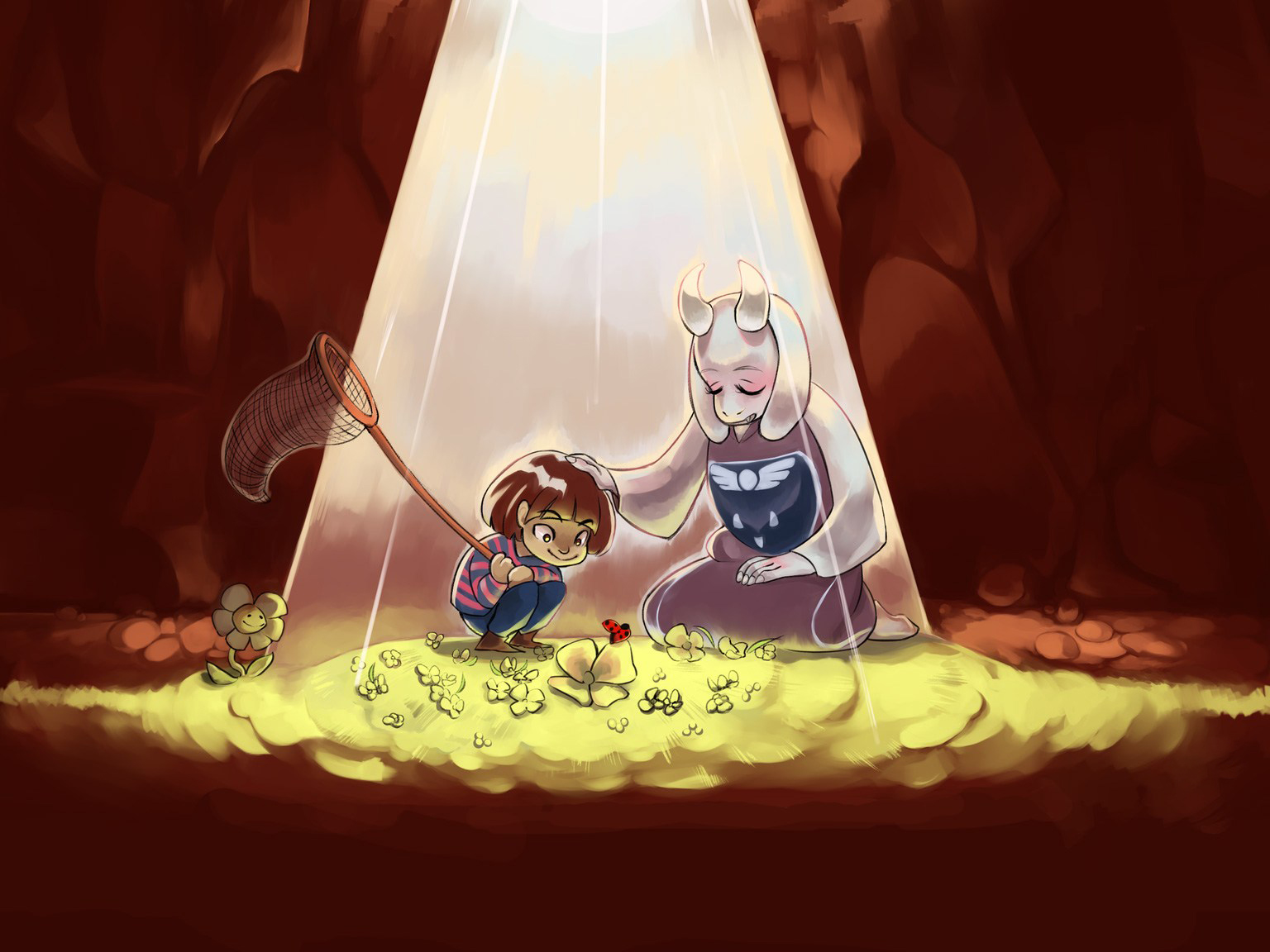
The true pacifist ending credits feature a dodge challenge where avoiding each name unlocks a gold star. Failing to dodge still completes the roll, but a flawless run changes the final screen. Character epilogues display during and after the names, reflecting relationships developed during the playthrough. The credits also acknowledge player choices made across routes.
Journey
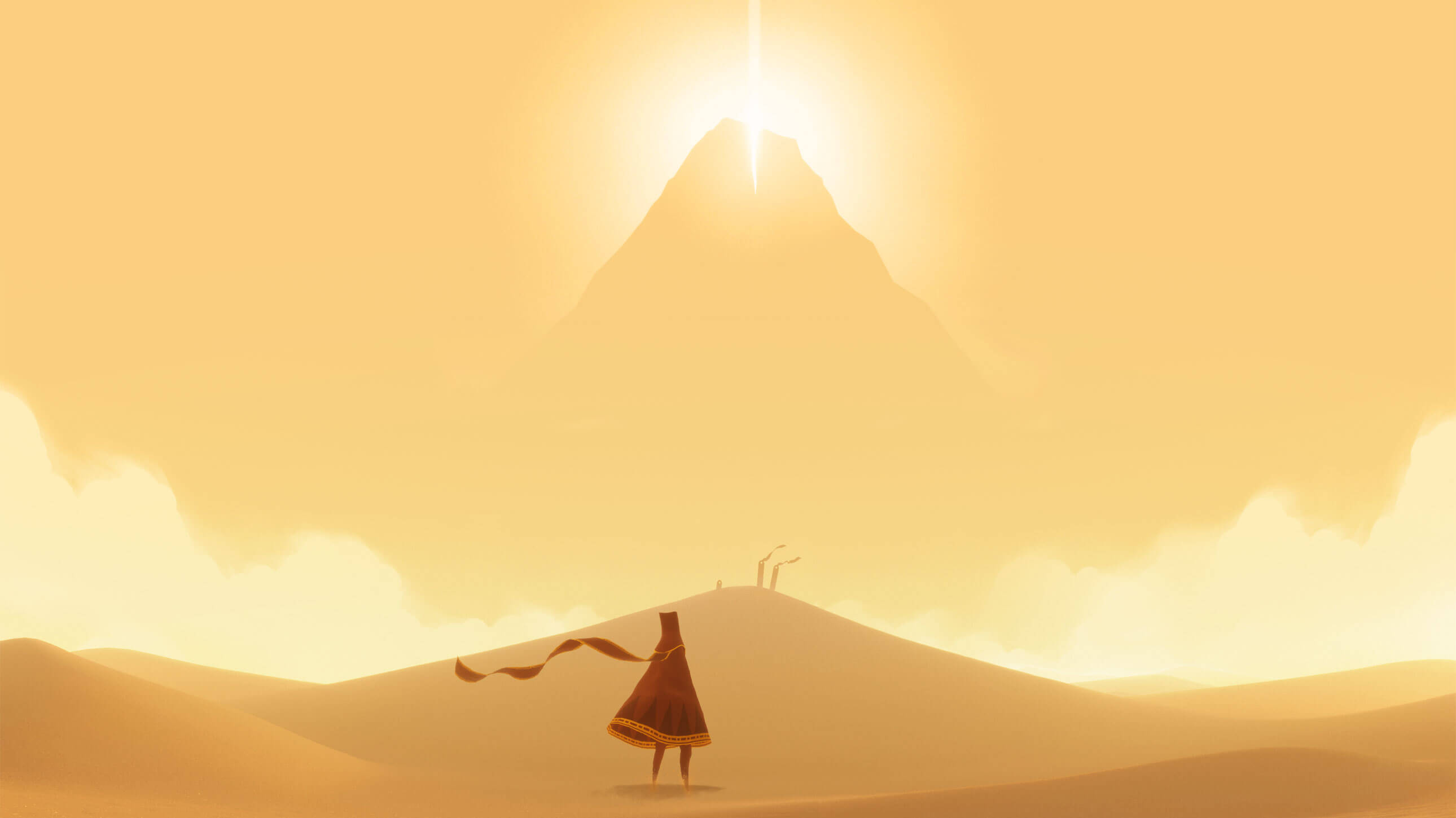
Credits list companions met along the way, showing the usernames of travelers who joined your pilgrimage. The roll overlays serene vistas from earlier areas and presents a cyclical return to the mountain’s base. It reinforces the anonymous co-op system by documenting who helped you. Players can revisit the credits from the chapter select screen.
Katamari Damacy
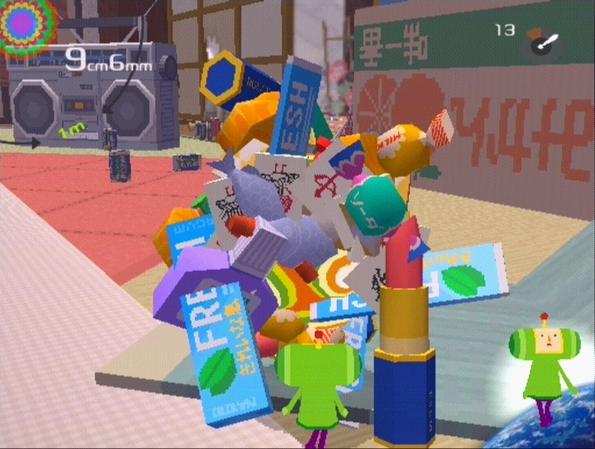
The credits become a playable roll where you can move the katamari across a landscape of names. Collecting the text causes titles to clatter into the ball like everyday objects. The sequence spotlights the soundtrack with continuous music while you roam. Finishing displays total size and items gathered during the credits play.
Super Smash Bros. Melee
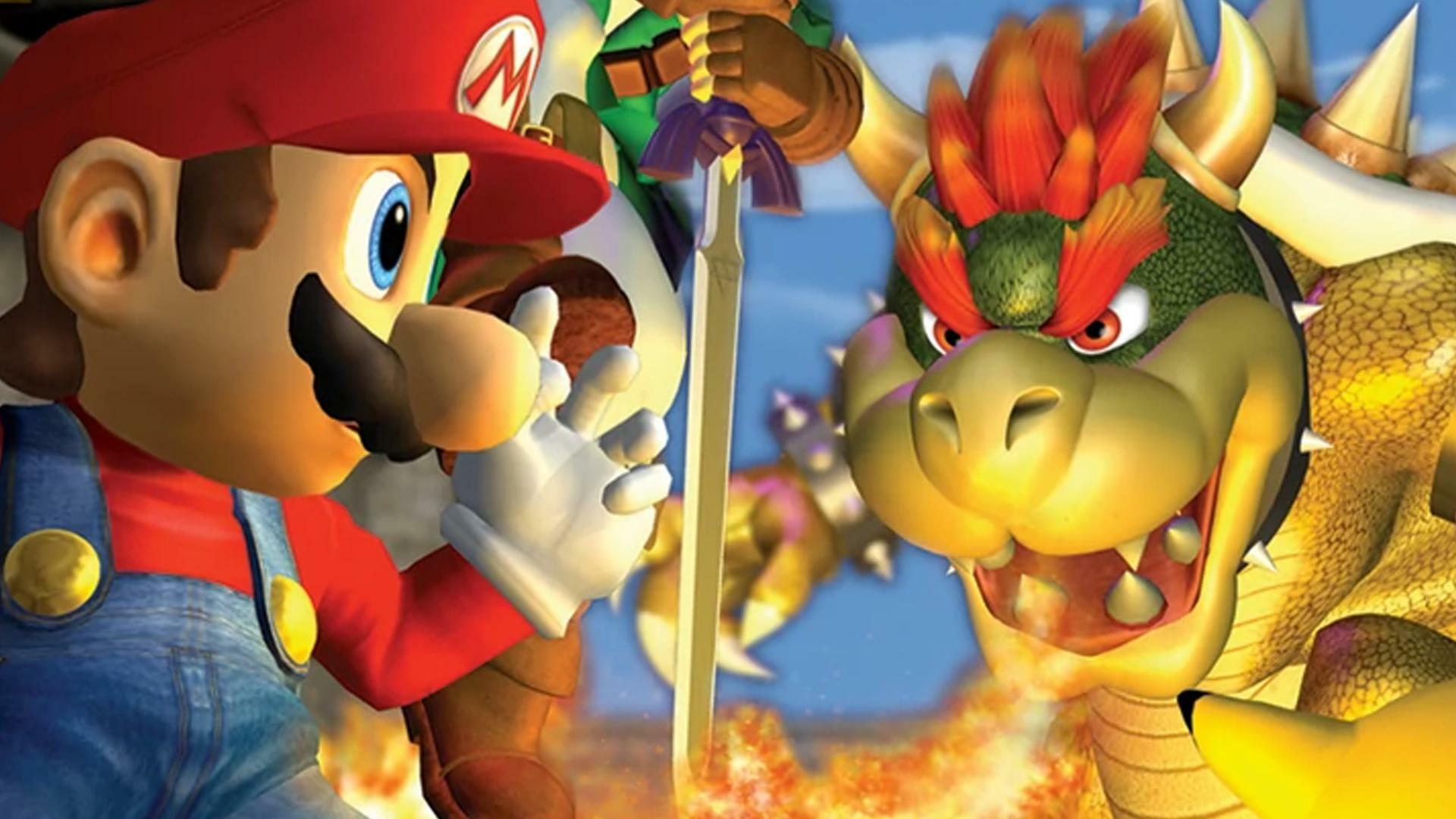
After clearing modes, the credits turn into a target shooter where developer names fly toward the camera. Hitting each name adds to a tally, and a results screen shows how many you tagged. The mini-game encourages repeat plays to “complete” the staff list. Variations of this format reappear in later entries with updated effects.
Bayonetta
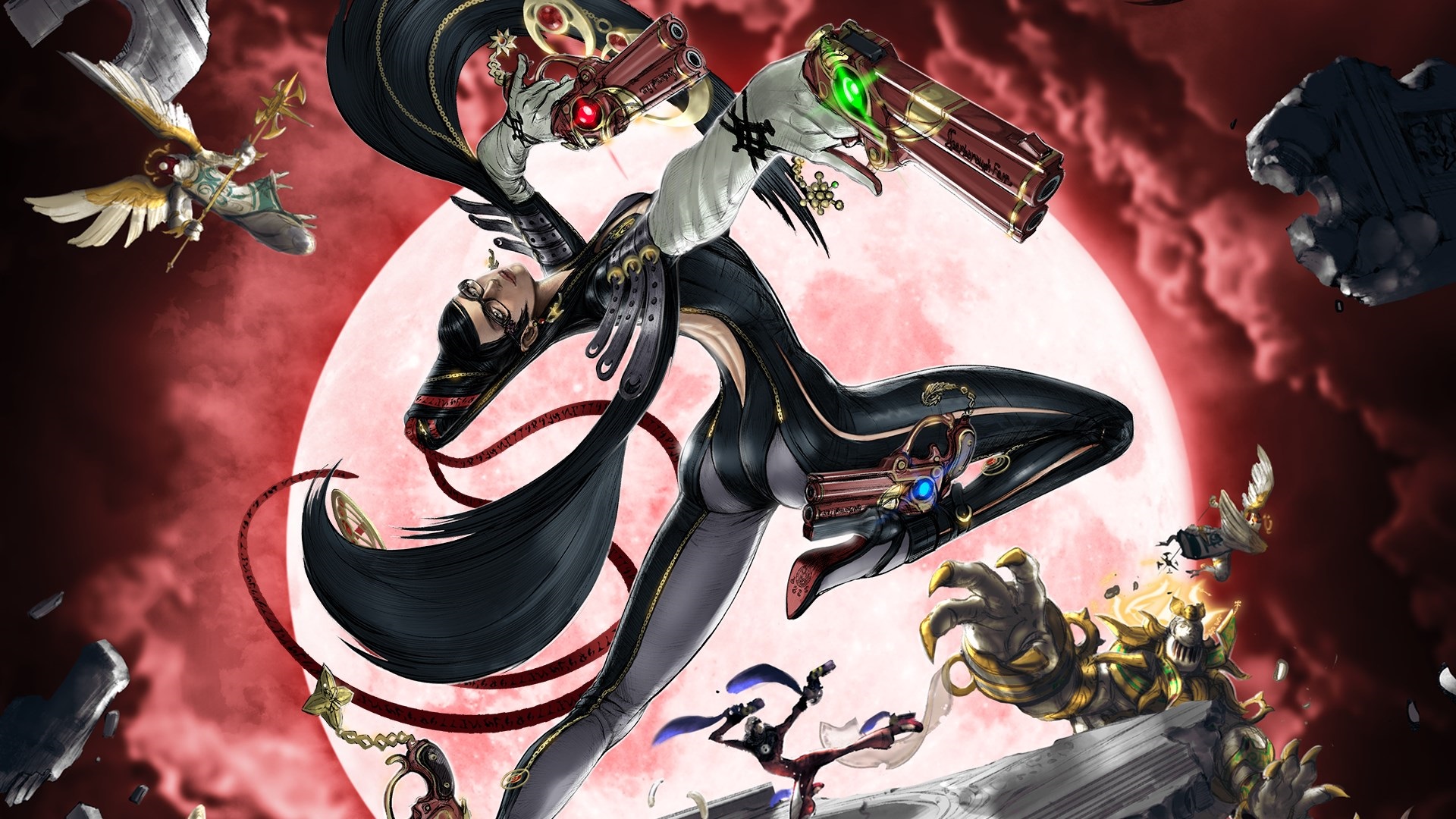
The credits overlay a combat arena where enemies spawn as the names scroll upward. You can keep fighting to earn halos and practice combos while the staff roll continues. A results summary appears at the end based on performance during this segment. This turns the credits into a final skill showcase using full move sets.
The Wonderful 101
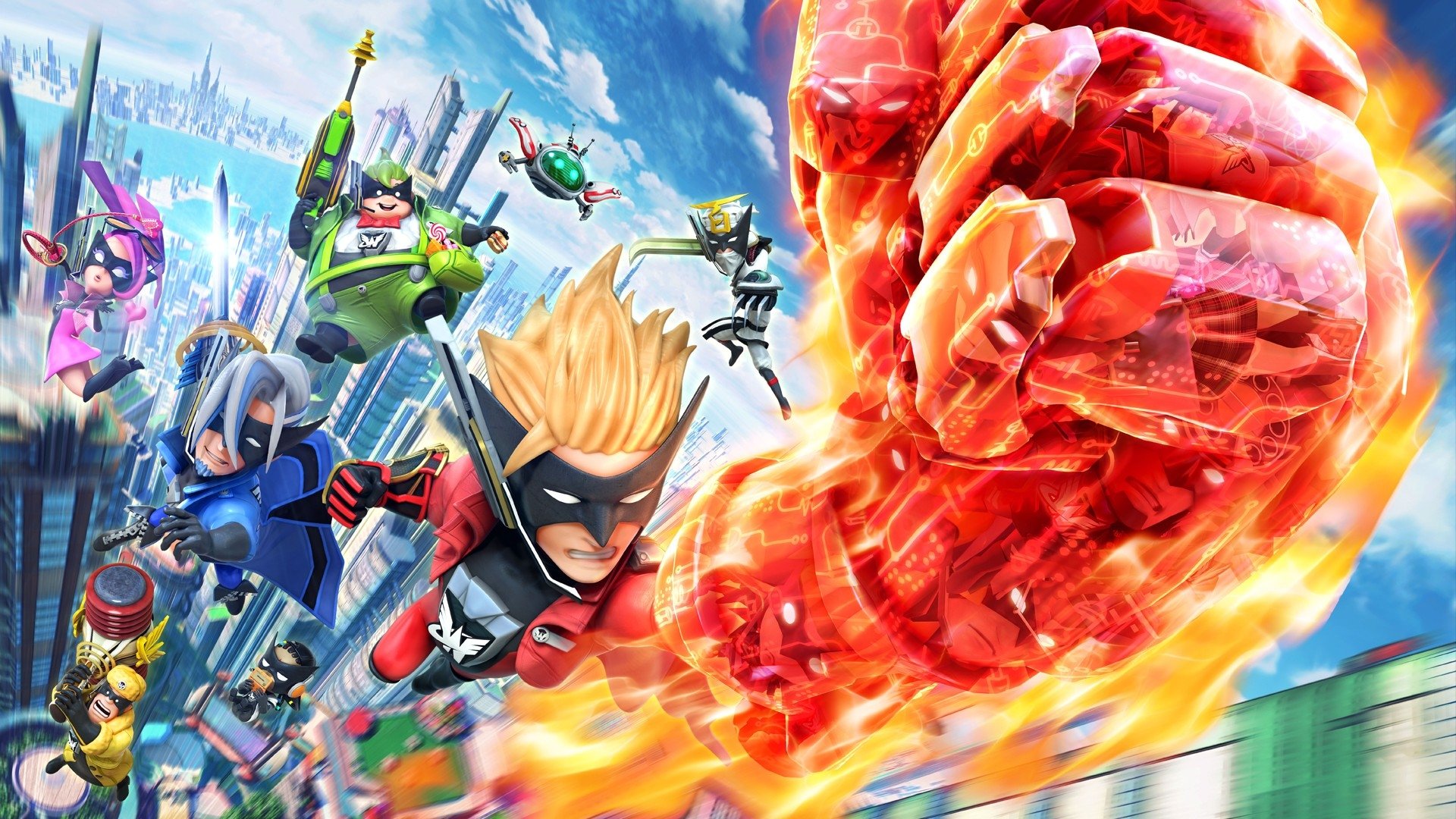
The finale features a lengthy playable credits battle with giant-scale set pieces and QTEs. Names appear on screen as the team fights across cityscapes and space. Hidden prompts and performance ranks apply during the roll. The sequence functions as an extended epilogue level that caps the story.
Splatoon
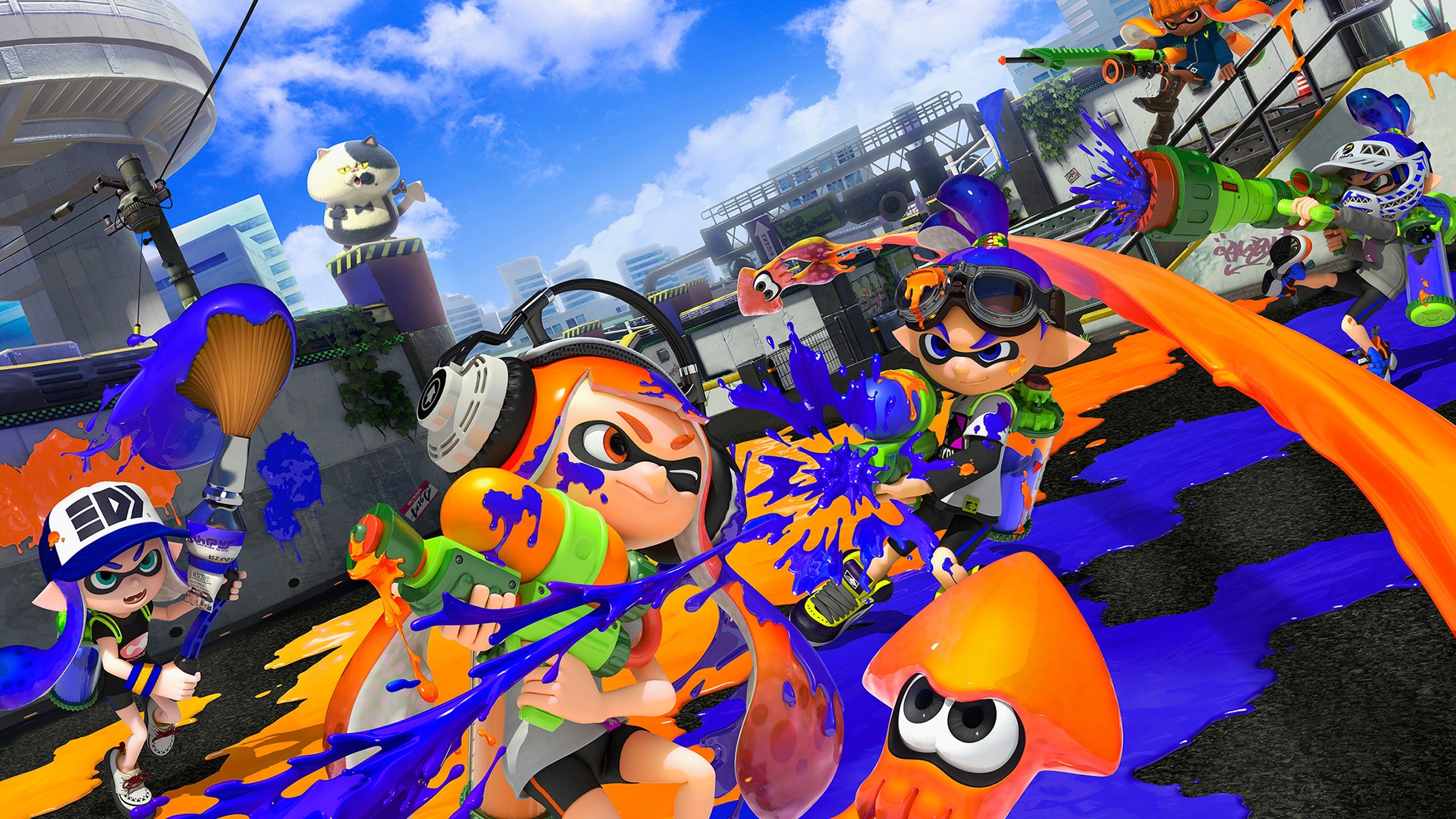
Clearing the campaign unlocks a credits sequence where you ink and shoot at flying text. The more you splat, the more the display changes with colorful effects. It reinforces the game’s core mechanic by turning names into targets. Players can replay the credits from the hub once unlocked.
Super Mario Odyssey
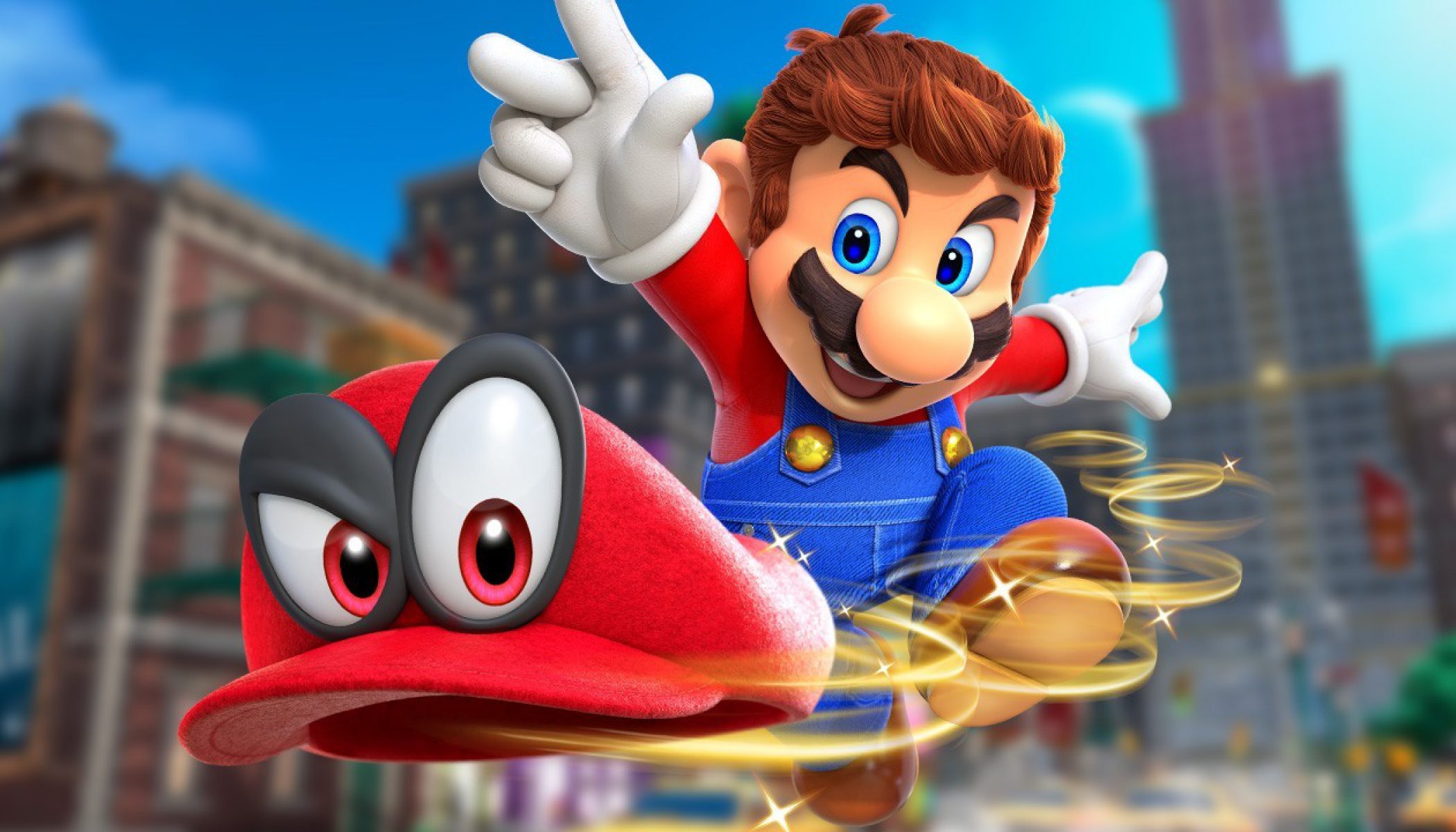
The credits present postcard-style snapshots from kingdoms visited, animating alongside the main theme ‘Jump Up, Super Star!’. Collectible statistics continue to be tracked after the roll ends, leading into extensive post-game content. Photo filters and captures from your adventure appear in the background. The sequence acts as a travelogue of your journey.
EarthBound
As the names scroll, the game shows a slideshow of in-game photographs taken throughout the adventure. The order reflects key story beats and moments the player captured. This ties back to the photographer character encountered in multiple towns. The final images bridge directly to the closing scene.
Shadow of the Colossus
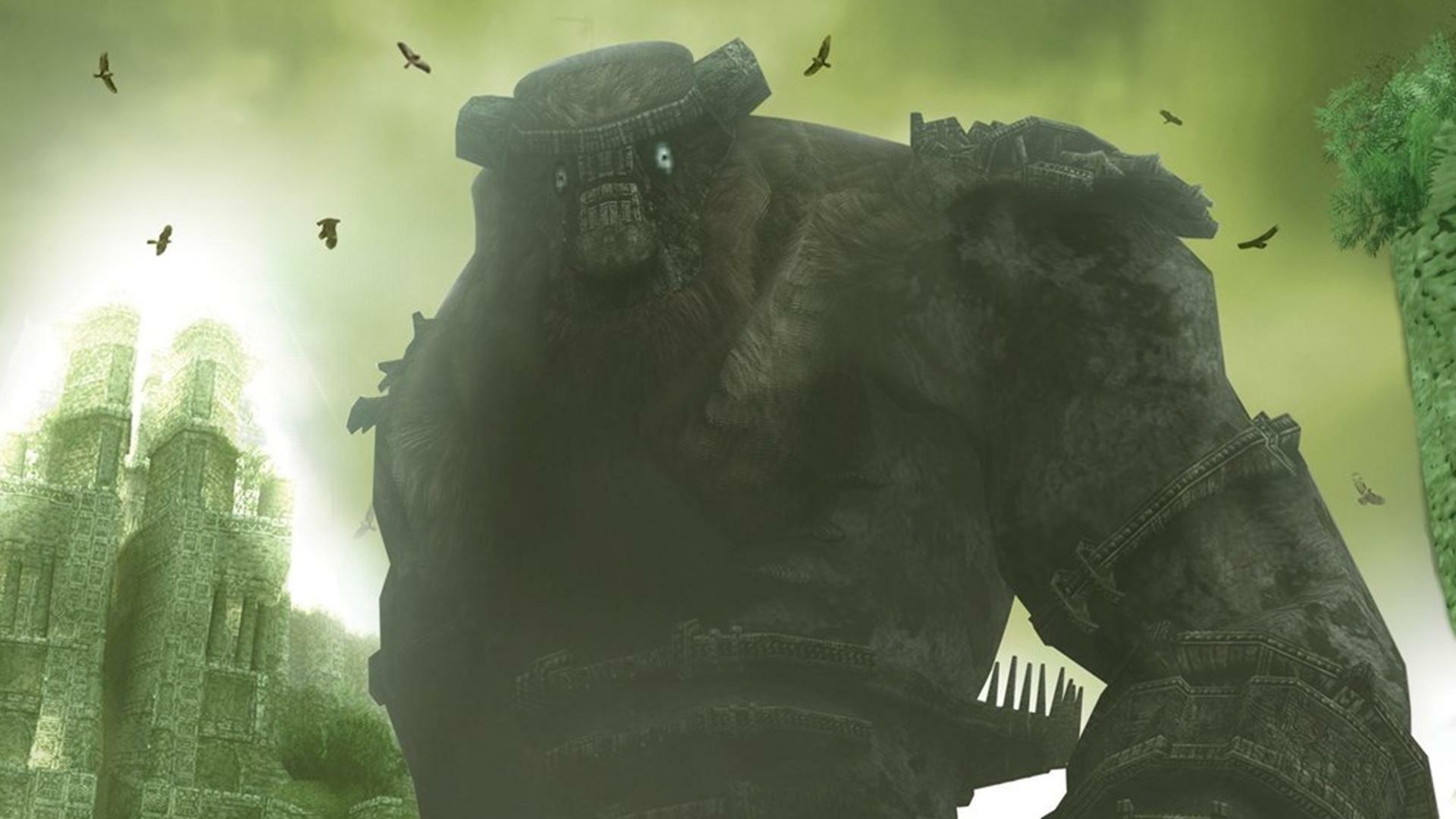
Credits play over slow pans of the ruined arena and temple as events quietly unfold. A post-credits scene reveals the outcome of the ritual with the child in the shrine. The roll uses the environment to deliver narrative closure. It sets up connections recognized by players familiar with the wider mythos.
Chrono Trigger
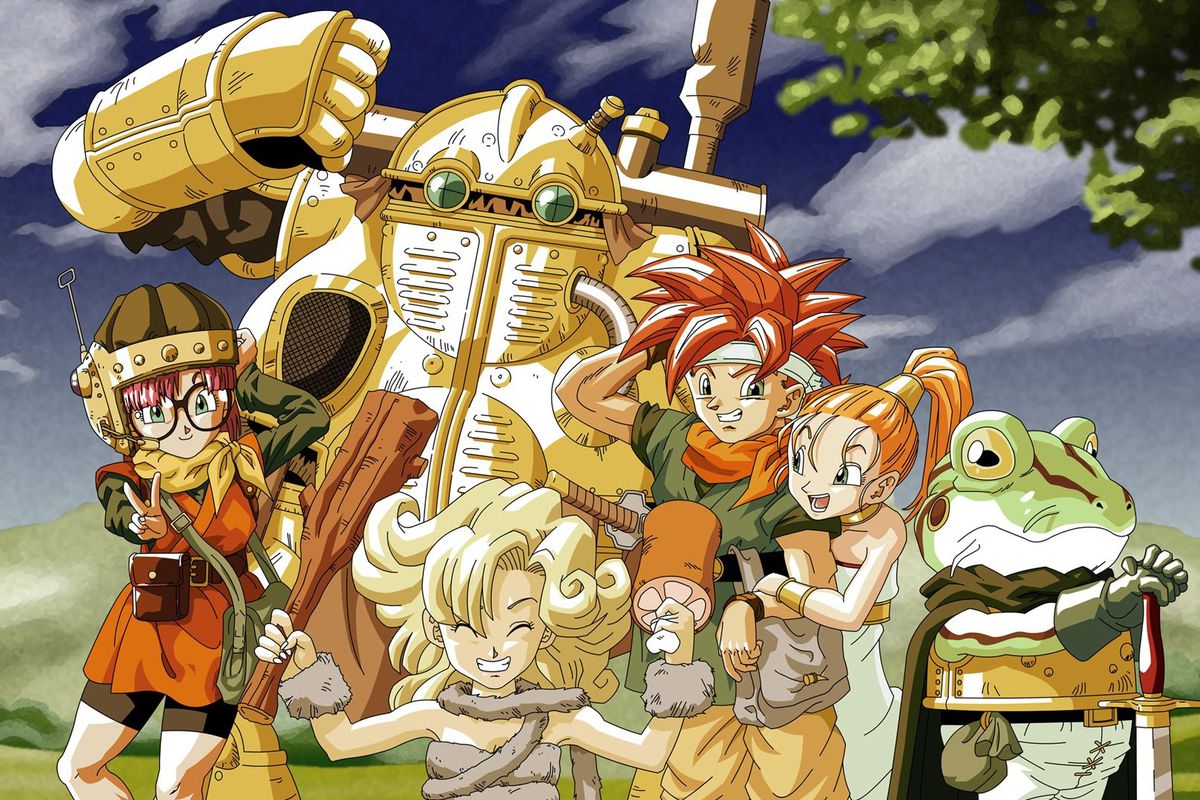
Depending on the ending achieved, the credits and accompanying scenes change to reflect different timelines. Character vignettes appear during or after the staff list to show futures altered by your actions. New Game Plus enables additional variations to unlock. This makes the credits part of the multi-ending structure.
Hades
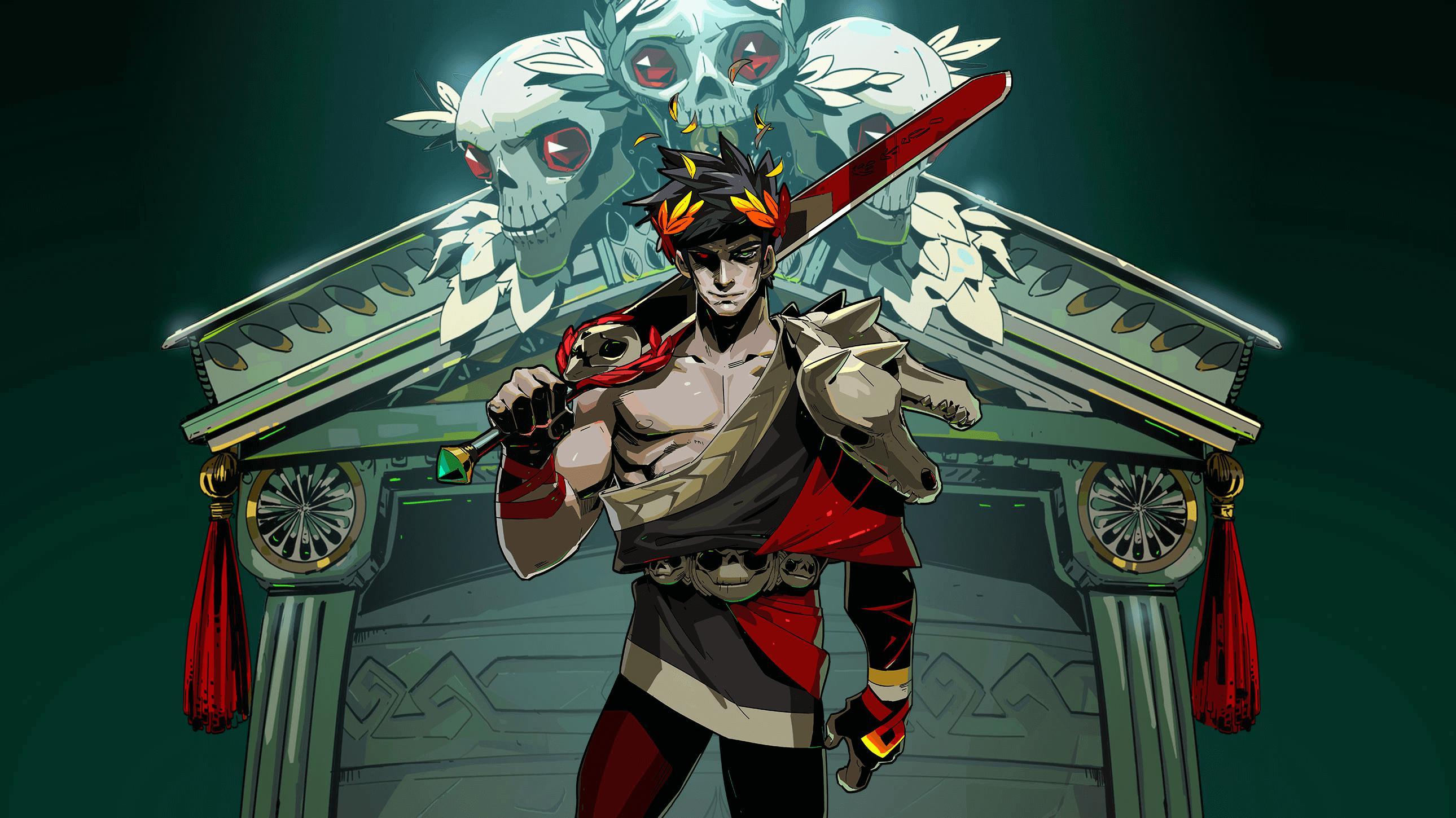
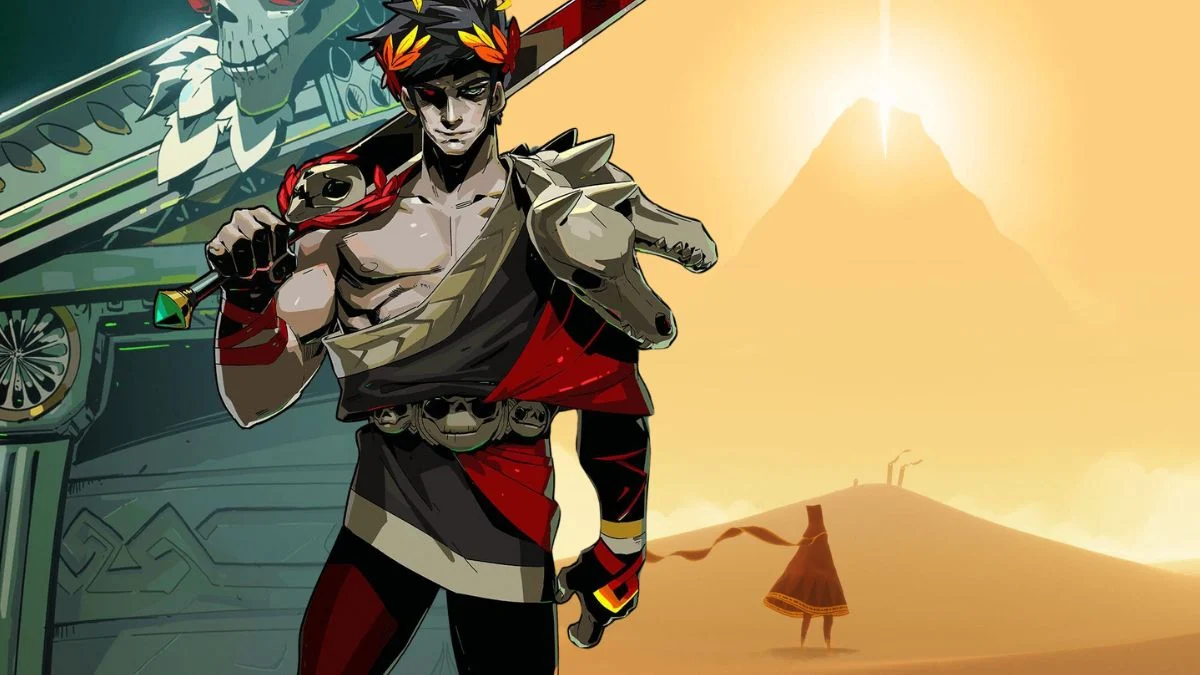
After completing the true conclusion, the credits roll alongside a vocal track that acknowledges Zagreus’s journey. The game logs run count and continues to offer post-credits narrative with new dialogue. Staff names appear over thematic art from key regions of the underworld. You can revisit the roll from the main menu extras.
Outer Wilds
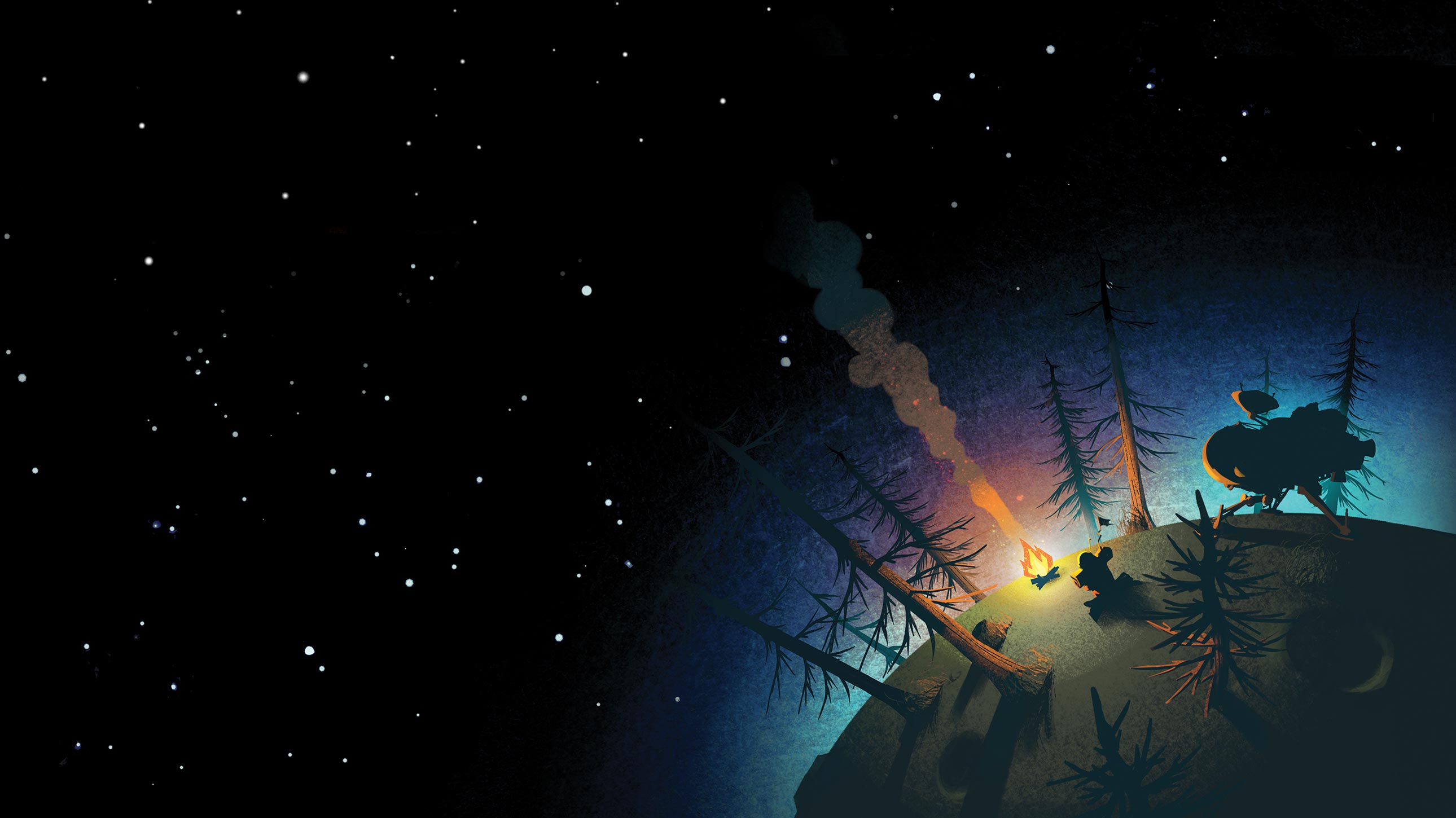
The credits follow a quiet musical performance where travelers contribute instruments in sequence. Names scroll as celestial imagery reflects the state of the universe after your final loop. The presentation changes context based on story resolution. It serves as a reflective epilogue consistent with the game’s focus on discovery.
Inscryption
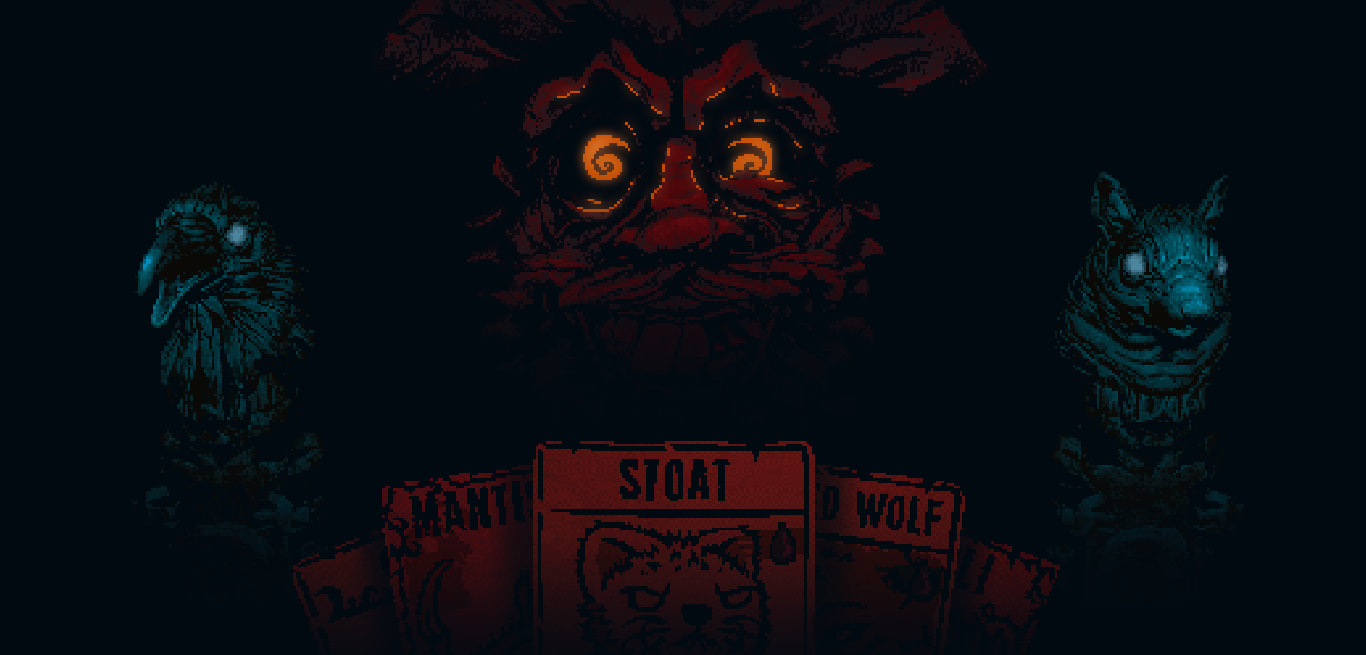
The credits integrate live-action footage and in-engine scenes tied to the game’s ARG elements. Names appear intercut with discoveries made on the fictional developer’s files. This sequence extends the meta-narrative beyond the final boss. Players can rewatch it to catch hidden details relevant to optional puzzles.
Asura’s Wrath
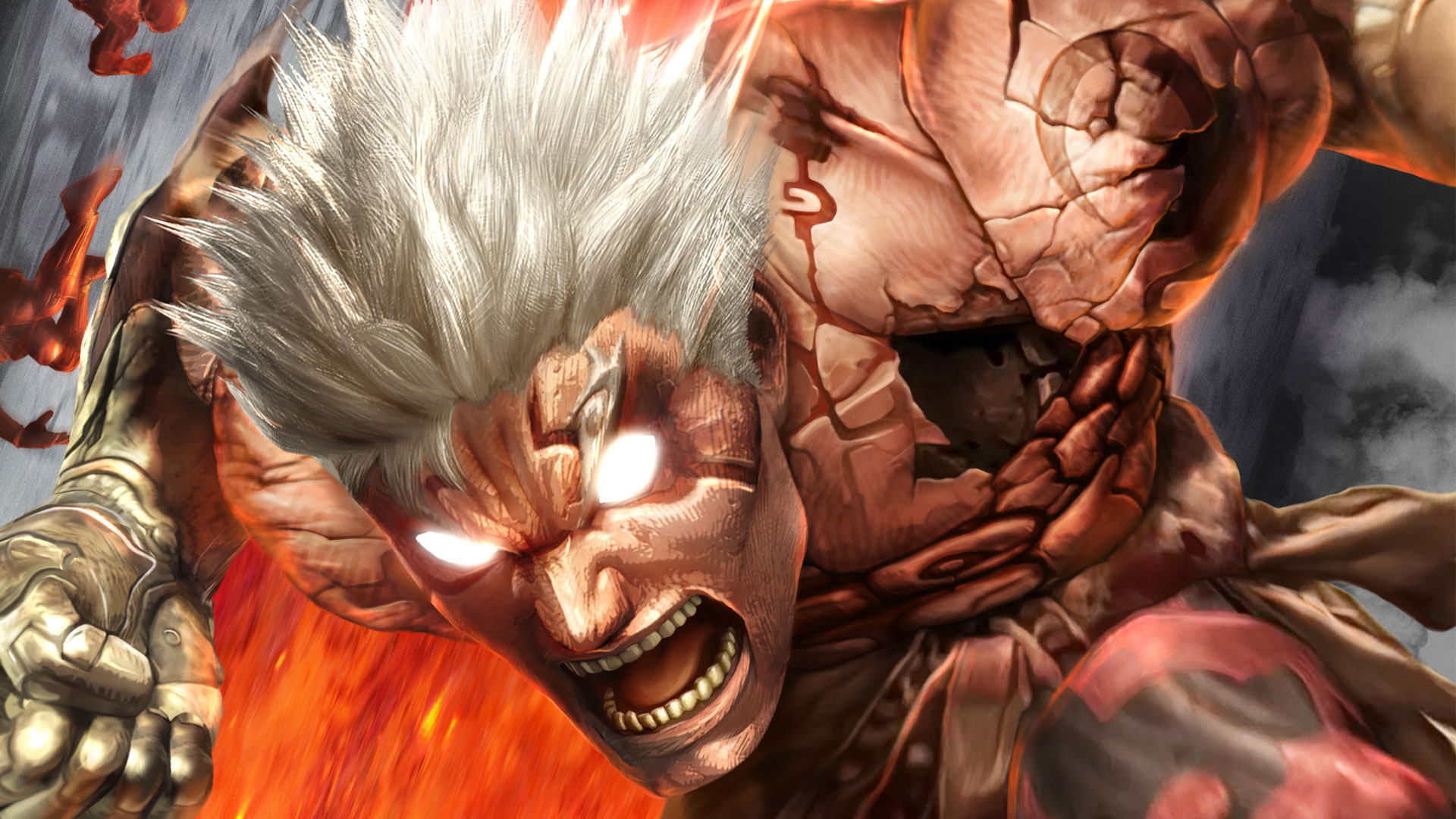
Episodes conclude with stylized credits that mimic late-night anime formatting, including next-episode previews. The final arc’s credits incorporate scenes that bridge into the true ending content. Some sequences reference downloadable episodes that complete the story. The presentation standardizes the game’s television-like structure.
Assassin’s Creed II
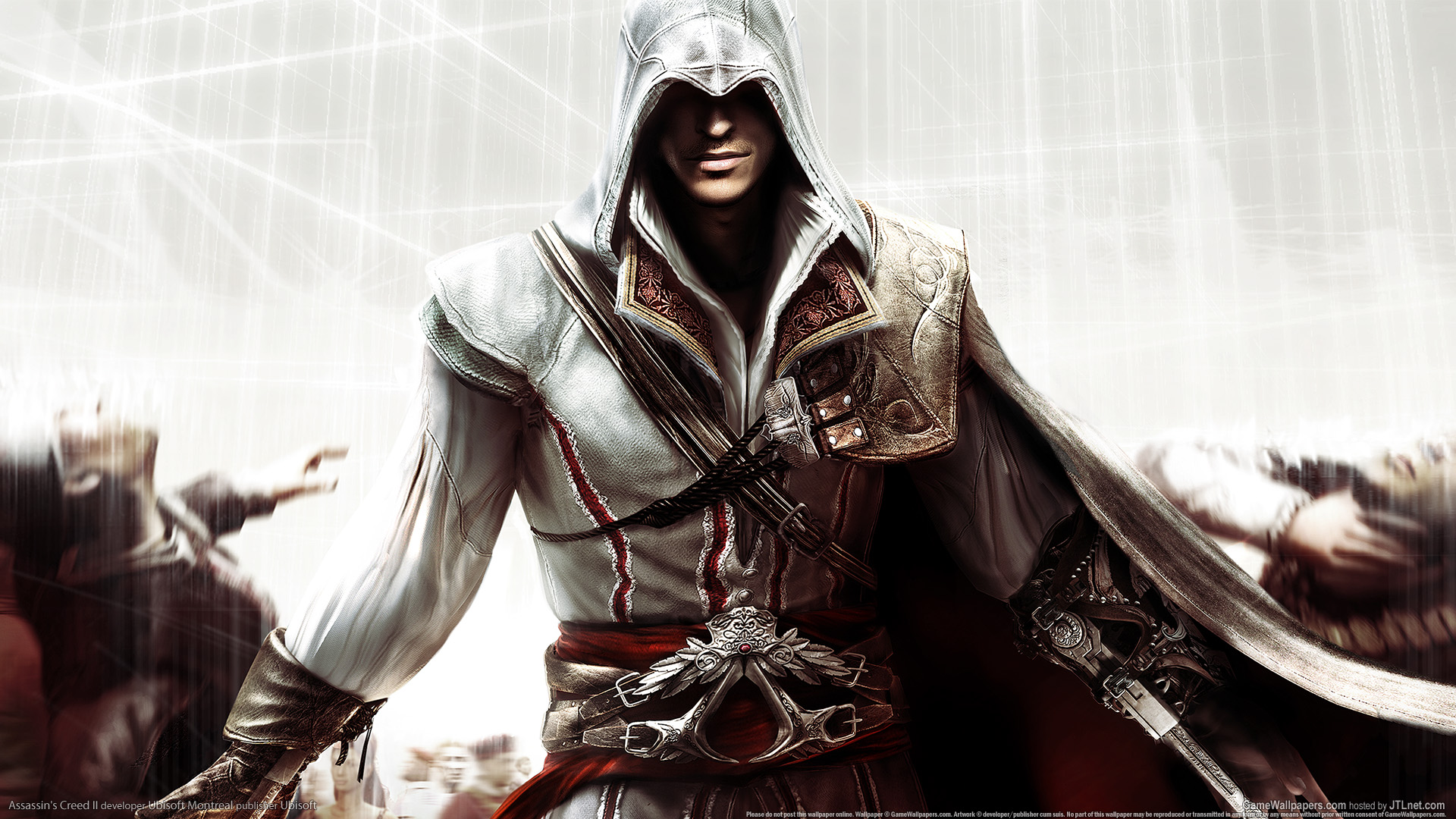
During the credits, control returns for a surprise modern-day combat tutorial in a white simulation space. Developer names appear while enemies attack, mixing staff roll with playable action. After the encounter, the credits continue with lore files and art assets. The interactivity foreshadows mechanics used in later entries.
Super Mario World

The credits parade introduces the entire cast of enemies with names as they appear on screen. Each course’s backdrop scrolls by while characters wave or perform animations. This acts as an illustrated bestiary for creatures met across the map. The finale closes on the heroes returning home.
Okami

As the names roll, sumi-e brush effects paint across the screen in the game’s signature style. Scenes from the journey appear as living scrolls that animate between sections. Completing additional content can alter which images are shown. The credits function as a moving ink painting that ties into core mechanics.
Red Dead Redemption
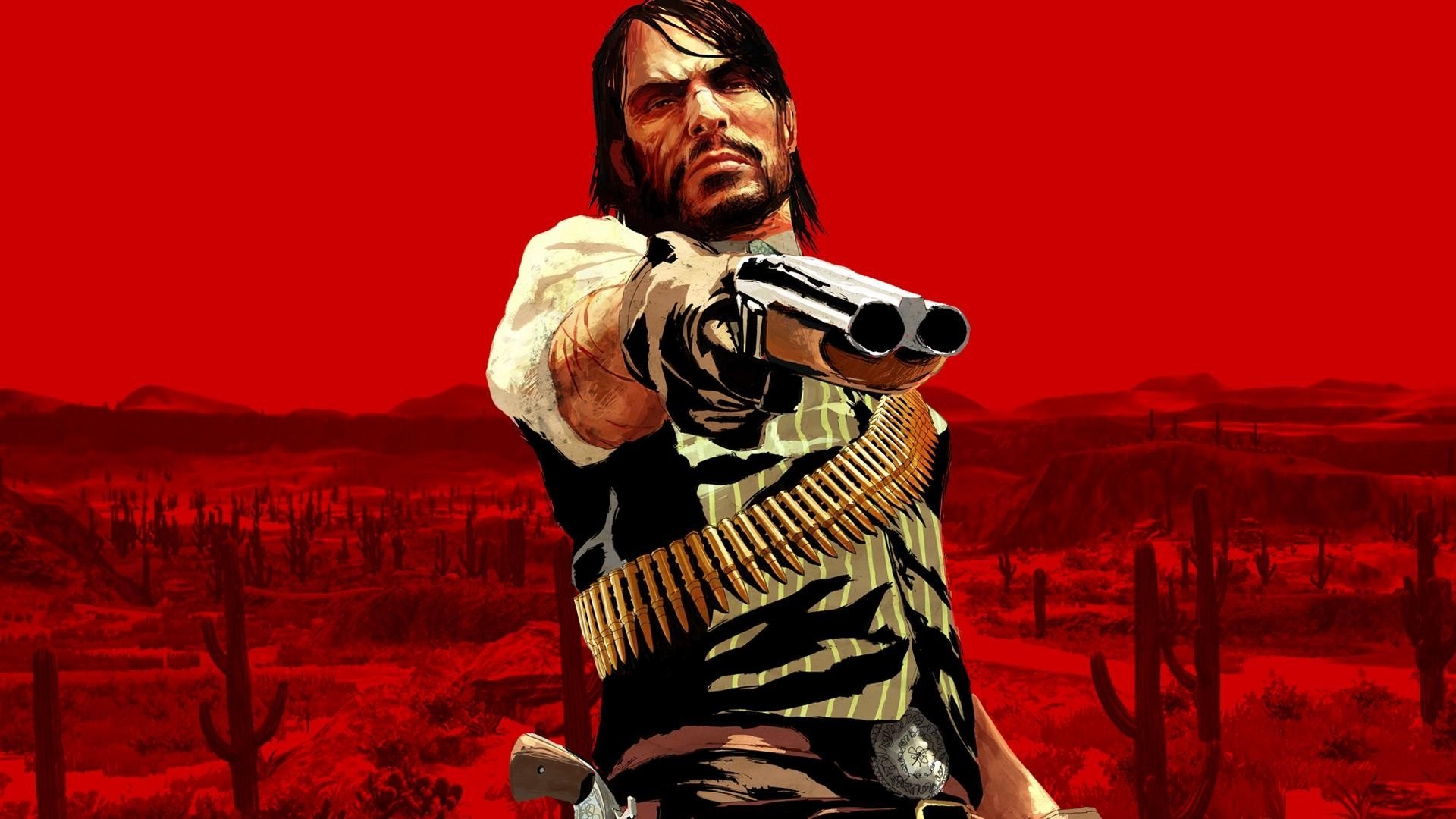
The credits follow epilogue scenes that track family events on the homestead. Names scroll over landscapes while time advances toward a final playable resolution. The roll preserves continuity with newspaper headlines and world changes. It serves as a bridge into the concluding confrontation that unlocks afterward.
The Stanley Parable
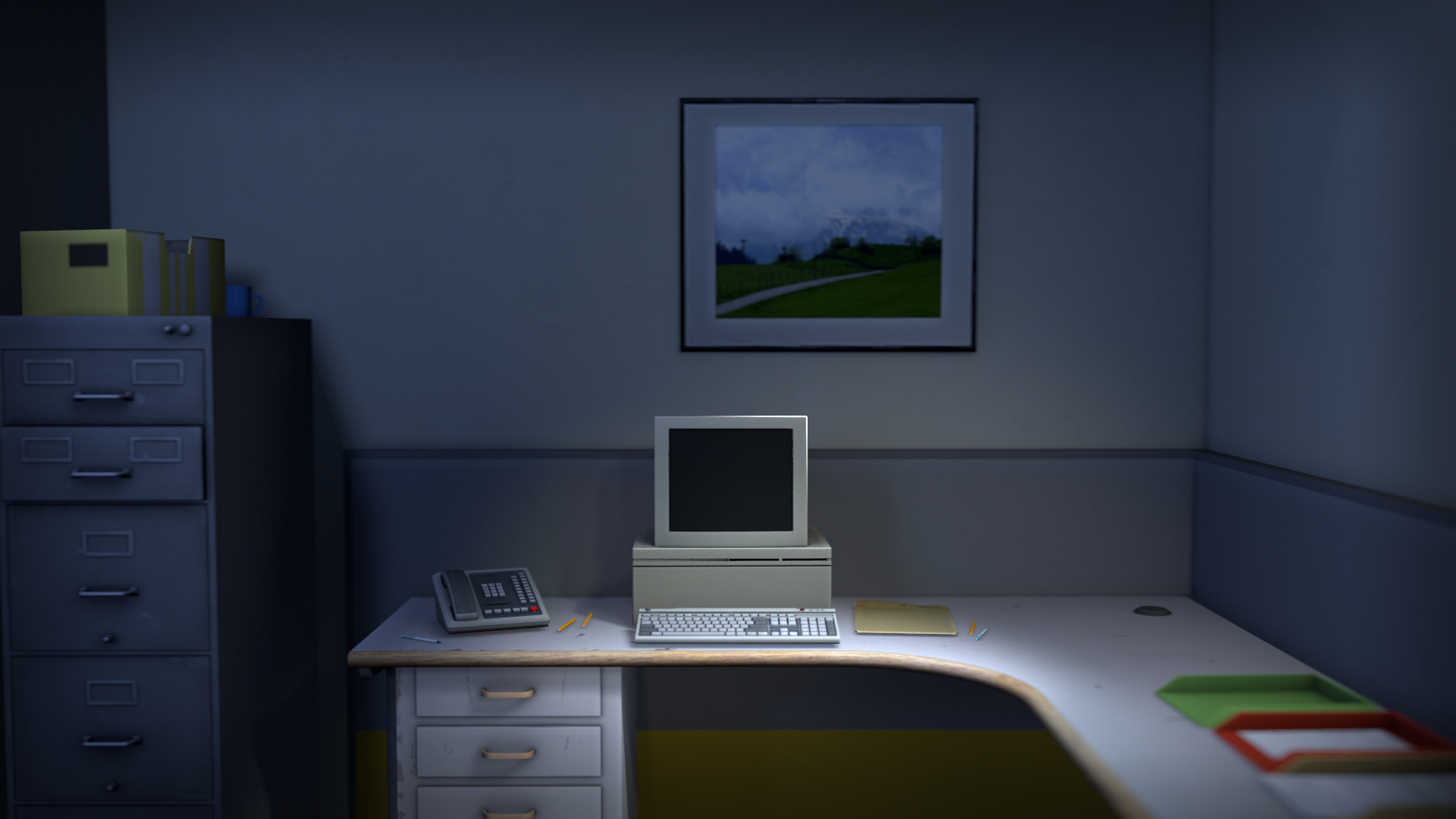
Multiple endings include bespoke credits that reflect how you navigated the narration. Some sequences insert commentary or visual jokes into the staff list itself. Certain routes even interrupt or reset the credits mid-roll. The variability encourages experimentation to see alternative versions.
Celeste
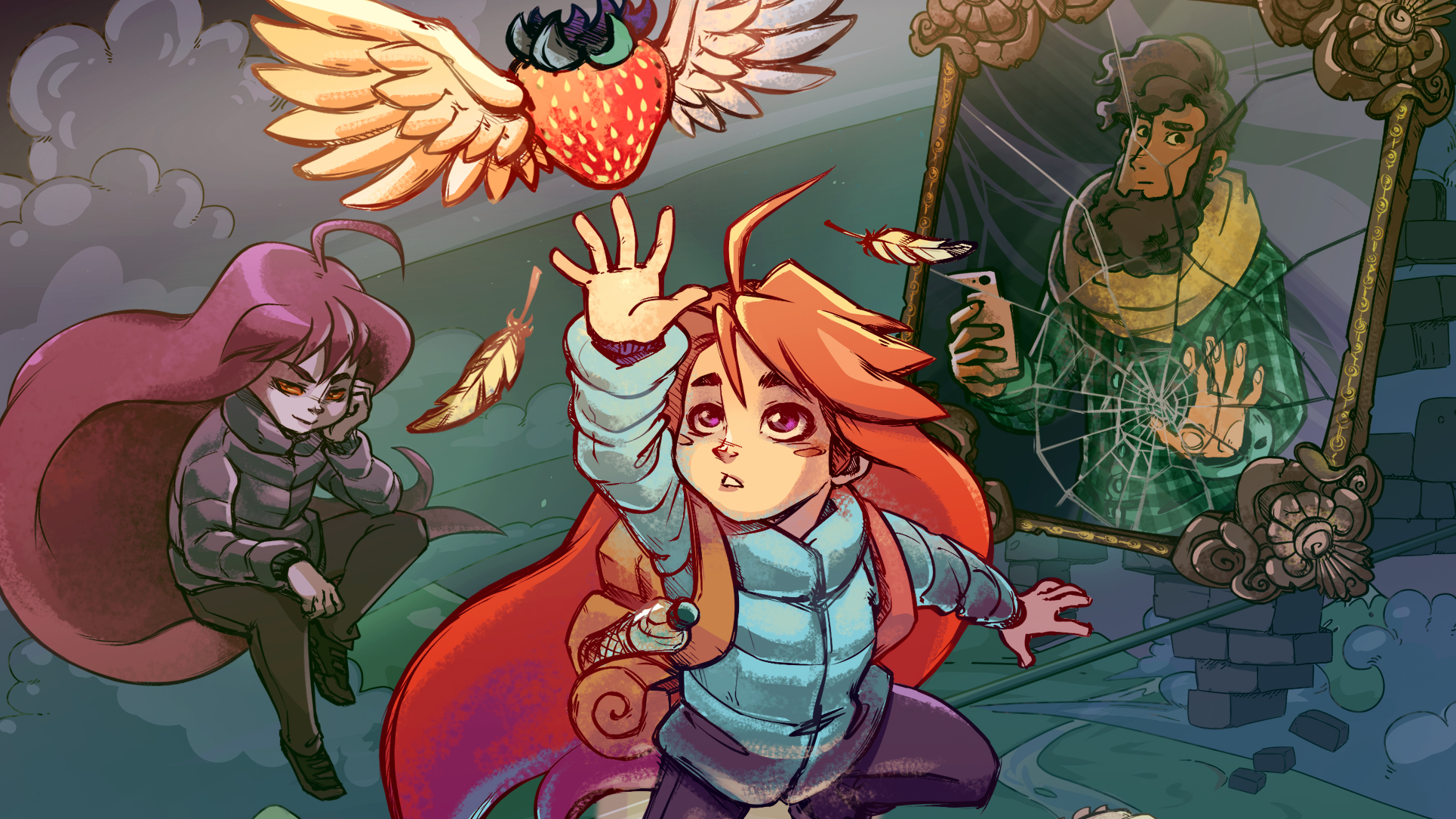
The credits compile Polaroid-style images of the climb, including characters met on the mountain. Your strawberry total appears afterward with an optional bonus level accessible post-credits. Names roll over calm backgrounds while the soundtrack provides a final theme. The sequence doubles as a gentle recap of progress and collectibles.
Share your favorite end-of-game credit moments in the comments and let us know which ones we should add next.