20 Games With The Most Satisfying Resource Chains



Great resource chains make planning feel purposeful and every upgrade unlocks new possibilities. These games build systems where gathering a raw input and turning it into a finished product takes know-how, space, and timing. Each one gives you clear recipes, meaningful bottlenecks, and tools to automate the grind. If you like watching conveyor belts hum and production graphs climb, this list will keep you busy for a long time.
‘Factorio’
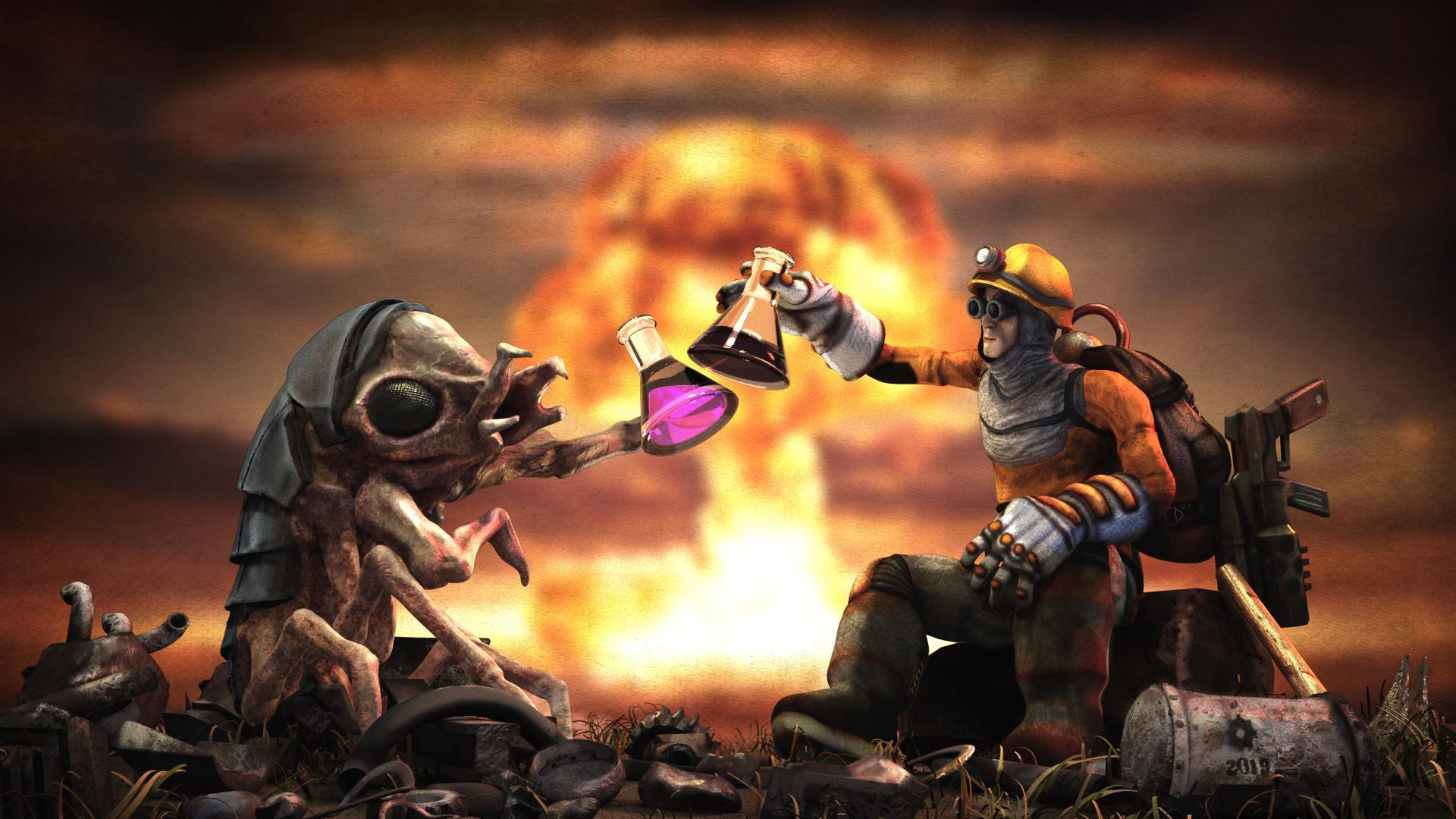
Belts, inserters, and assemblers turn basic ore into complex components through clear multi stage recipes. Oil processing splits crude into gases and liquids that feed plastics and fuels which then power higher tech items. Trains and logistic bots move bulk resources across long distances as the base grows. Pollution and bitters push you to balance expansion with defense and efficiency.
‘Satisfactory’
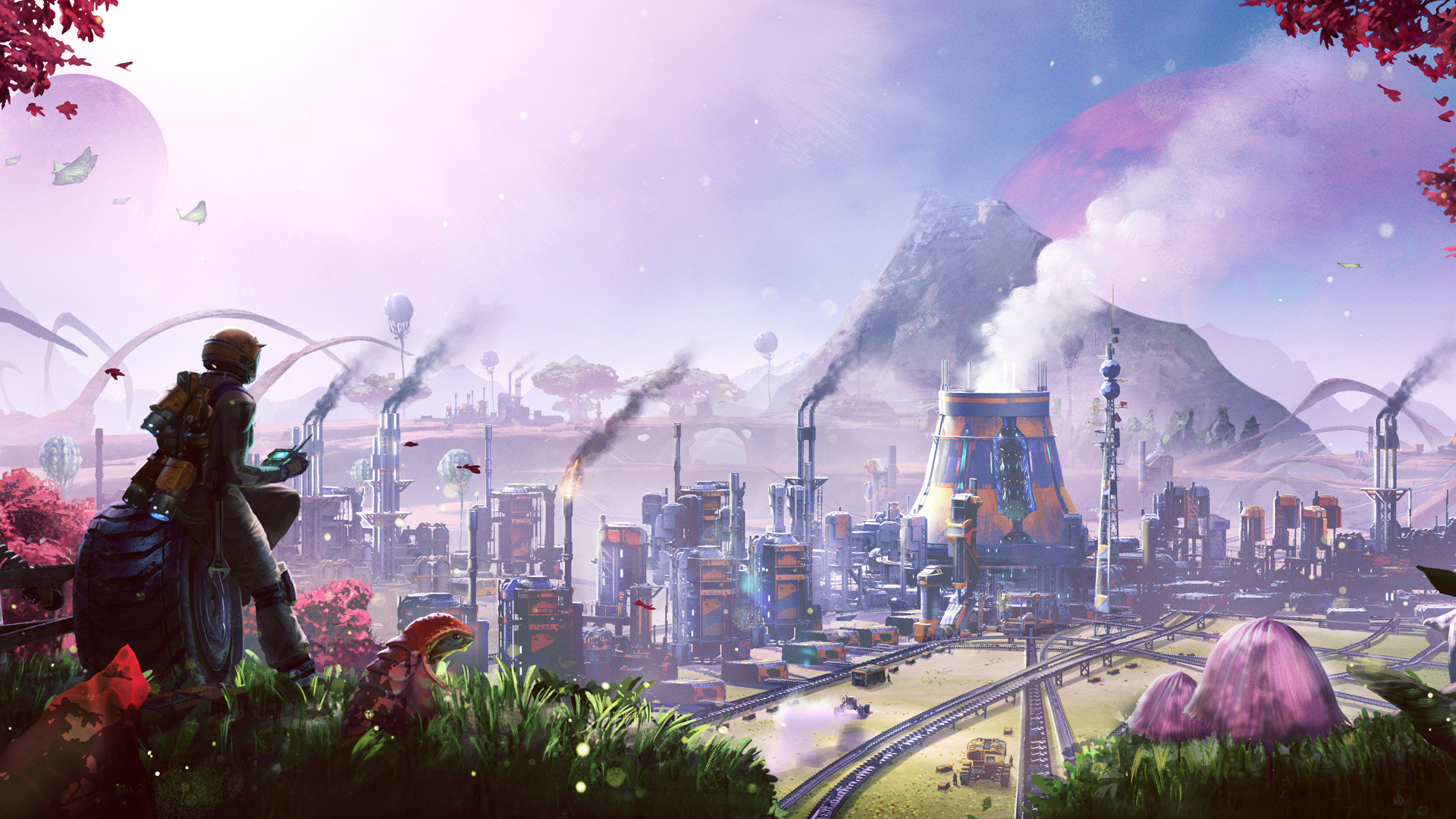
You place miners on resource nodes and route materials along conveyor lifts and belts into smelters and constructors. Manifolds and splitters balance throughput so machines stay clocked at stable percentages. Refineries combine fluids with solids and create byproducts that need sinks or alternate recipes. Power progression moves from biomass to coal then fuel and nuclear with pipelines feeding turbines.
‘Dyson Sphere Program’
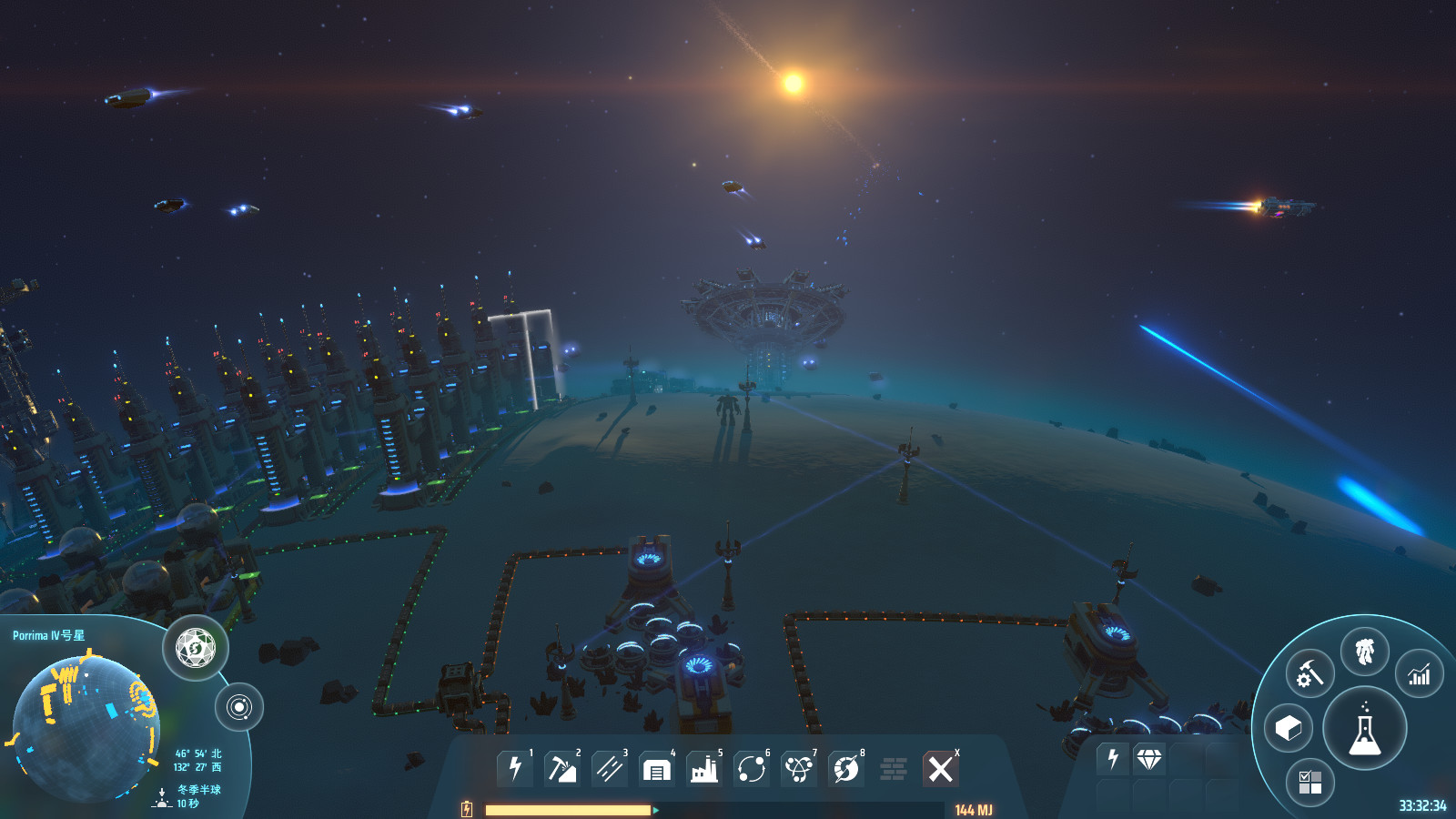
Gather ore on starting planets and scale to interplanetary logistics with planetary towers and interstellar stations. Assemblers chain components into advanced matrices which unlock new production. Oil refiners and fractionators handle fluid loops that feed high tier items. Late game structures harvest photons and antimatter for warper fuel and megastructure construction.
‘Anno 1800’
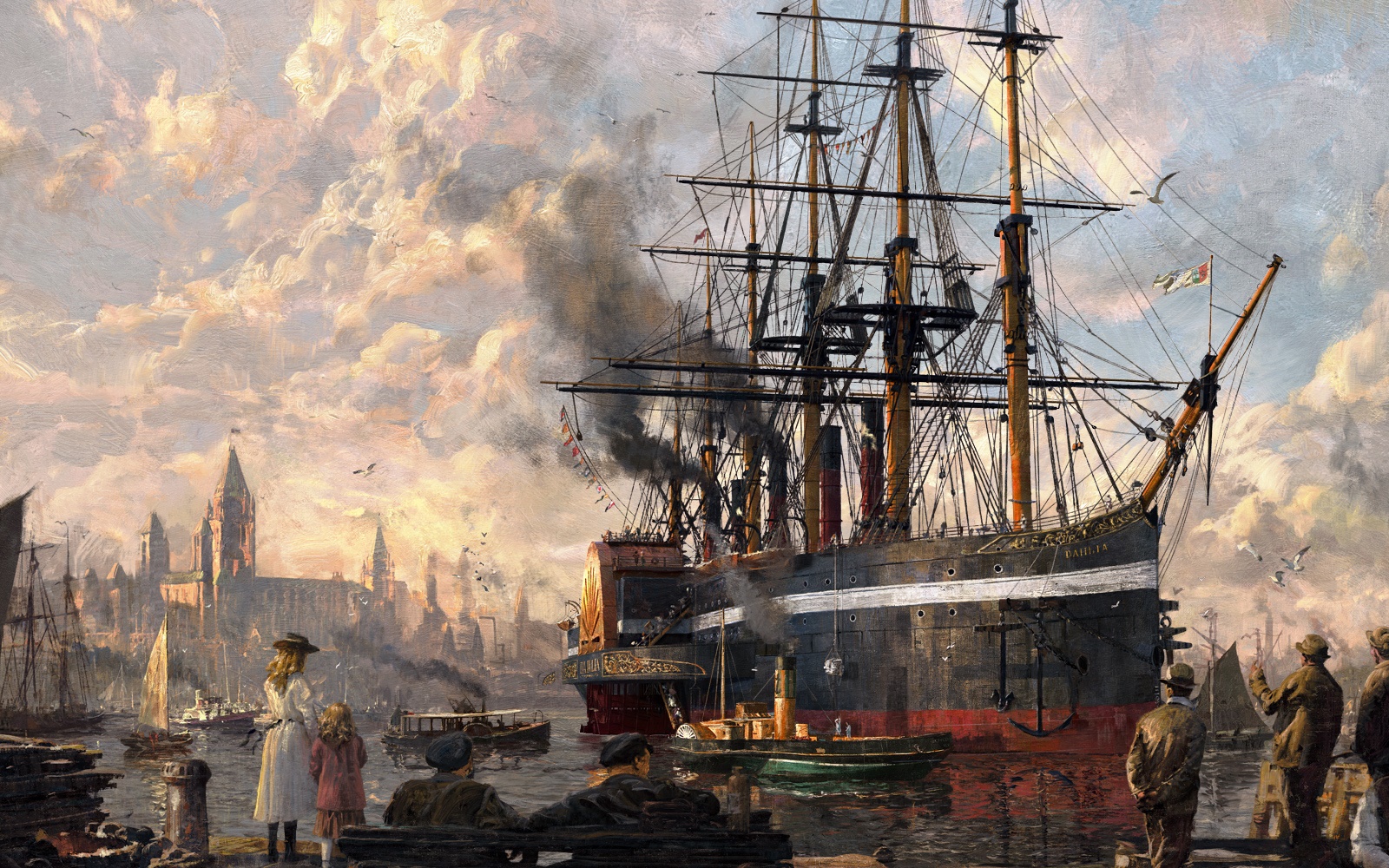
Workforce tiers demand specific goods that come from multi step production lines like grain to flour to bread. Fertility and island layouts shape where you place farms and factories and trade routes tie islands together. Electricity and tractors boost output once you supply oil. The New World and Arctic regions add inputs like cotton and gas that feed back into Old World chains.
‘Oxygen Not Included’

Dupes mine and ranch to create materials that move through kilns, rock crushers, and metal refineries. Gases and liquids follow temperature and pressure rules so loops use pumps, valves, and sensors. Food chains progress from mealwood to barbecue or pepper bread with fertilizer and heat requirements. Late game industry refines petroleum and super coolant to run turbines and rockets.
‘Captain of Industry’
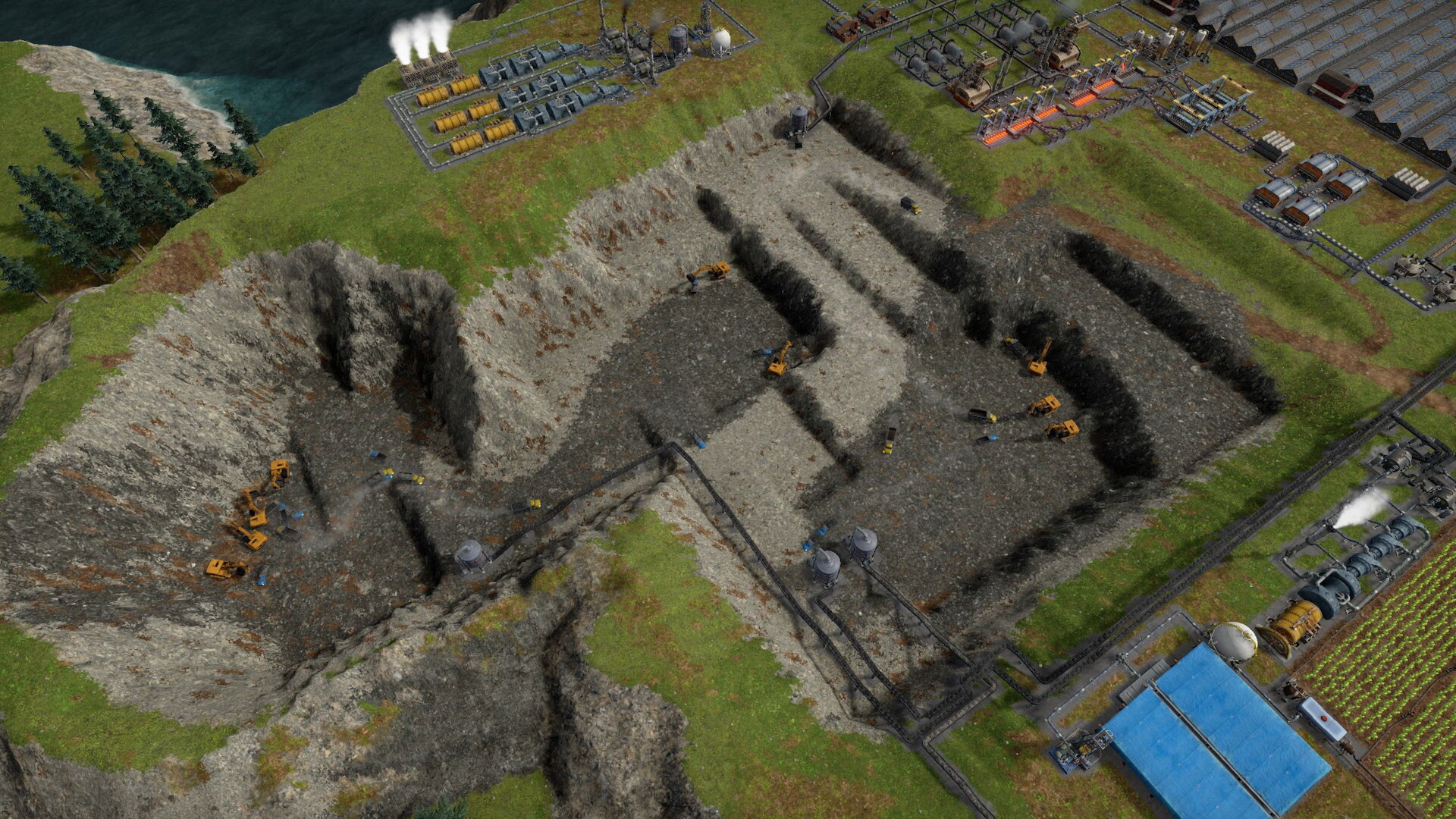
Start with scrap and coal smelting then transition into integrated steel and chemical lines. Terrain and mining create real excavations that feed crushers and sorters. Byproducts like slag and waste need dumping or recycling to keep systems stable. Power evolves from diesel to steam and low pressure heat recovery for closed loops.
‘Workers & Resources: Soviet Republic’
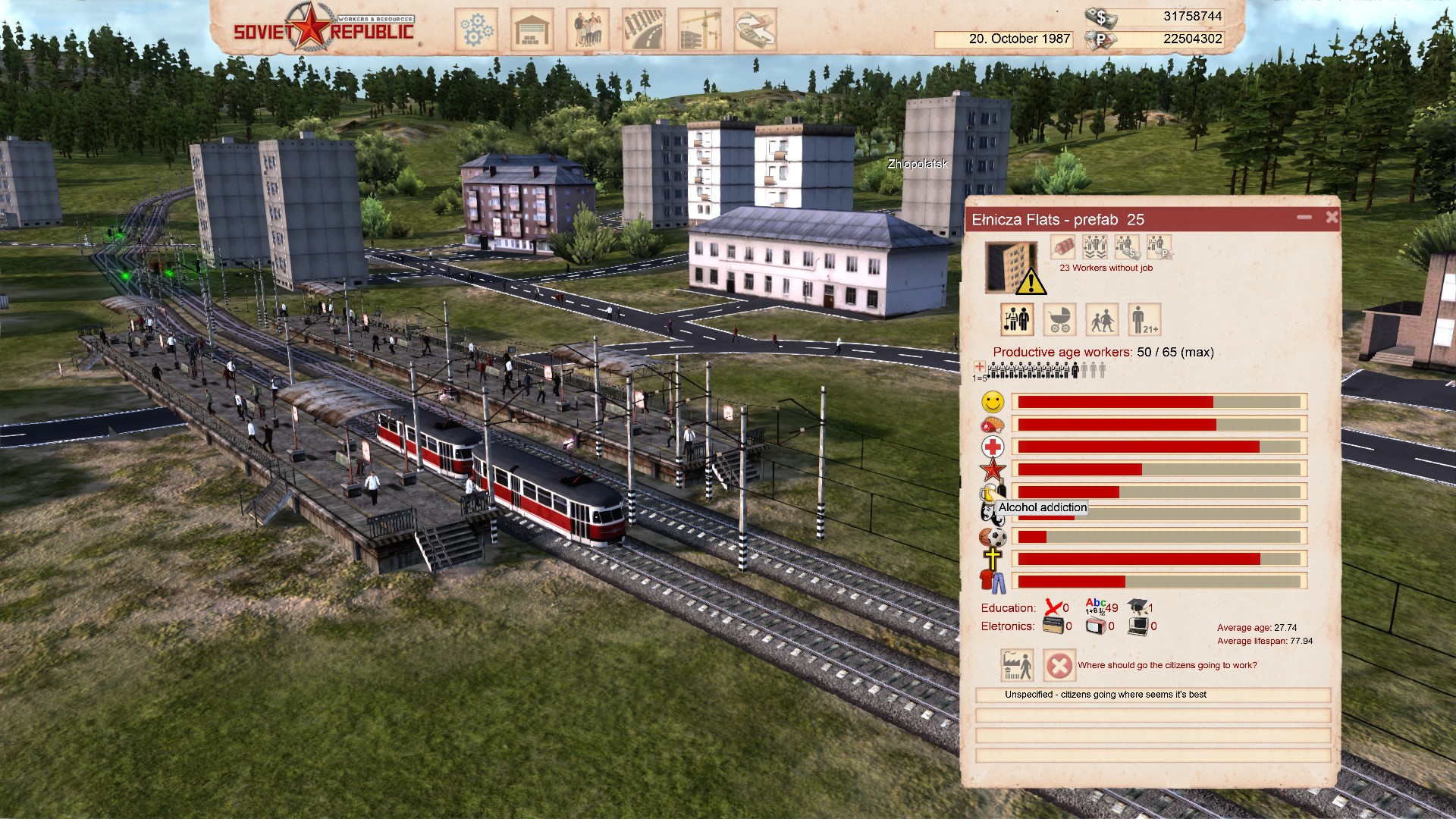
Resource chains span entire maps with quarries, mines, and refineries linked by roads, rails, and conveyors. You can process oil into fuel and bitumen then export or consume it locally. Construction industries require cement, steel, and prefab panels that you produce and deliver yourself. Citizen needs pull goods through distribution offices that route trucks to stores and factories.
‘Frostpunk’
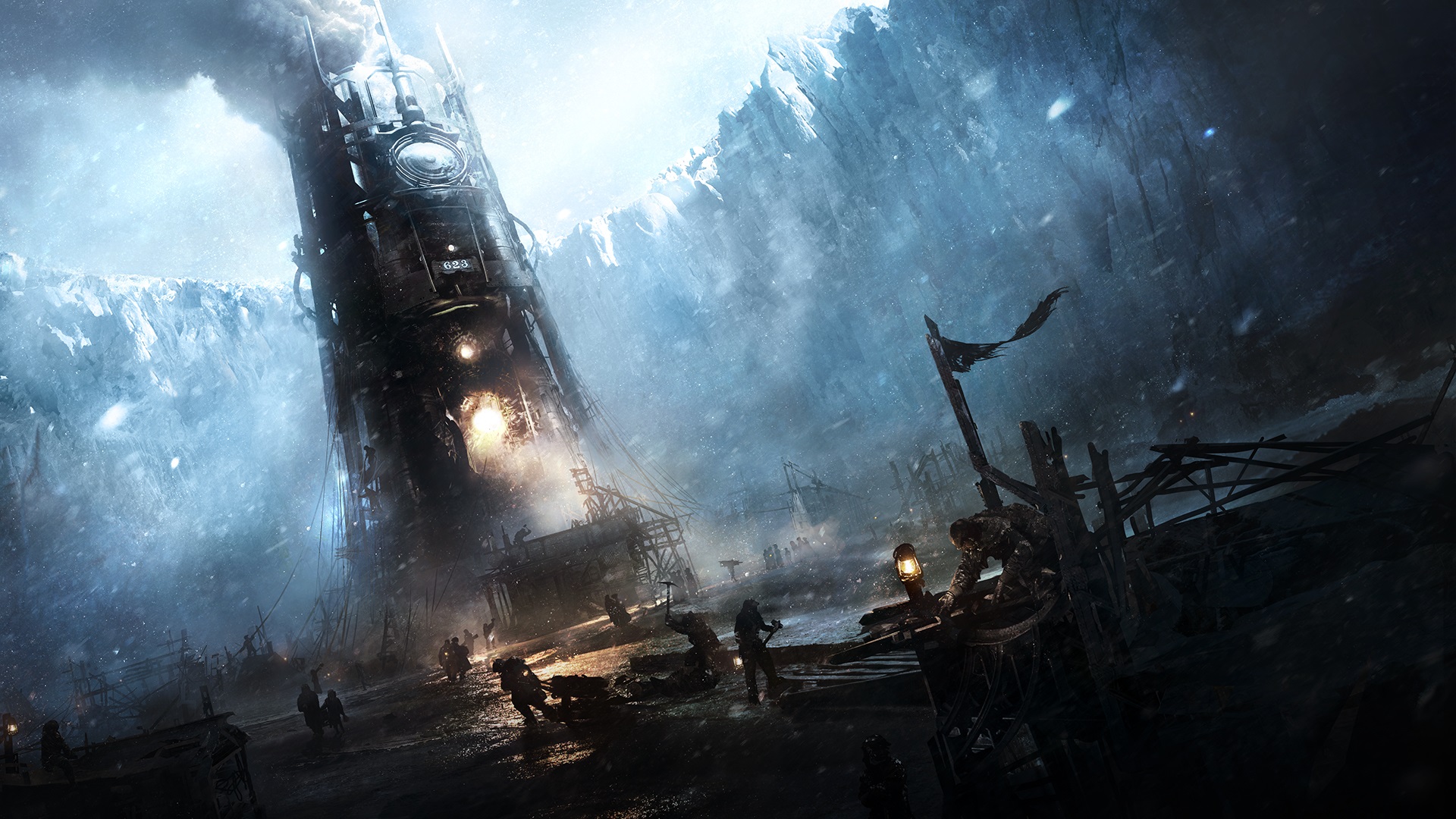
Coal, wood, and steel flow into workshops and factories to support heating and law choices. Automatons and upgraded gatherers change how inputs are collected over time. Food chains convert raw resources into rations at cookhouses with limited throughput. Power levels from the generator shift consumption across districts so supply must match temperature demand.
‘Banished’
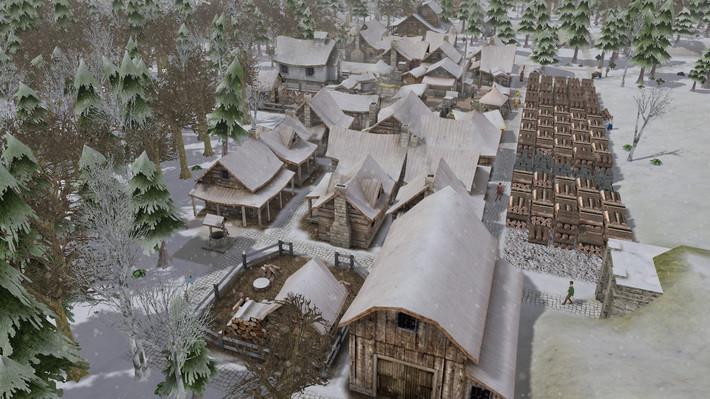
Villagers harvest logs, stone, and iron then craft tools and clothing through blacksmiths and tailors. Farms and orchards provide food that moves to barns and markets for distribution. Fuel chains turn logs into firewood to survive winters. Trading posts import seeds and livestock that unlock new production lines.
‘Timberborn’
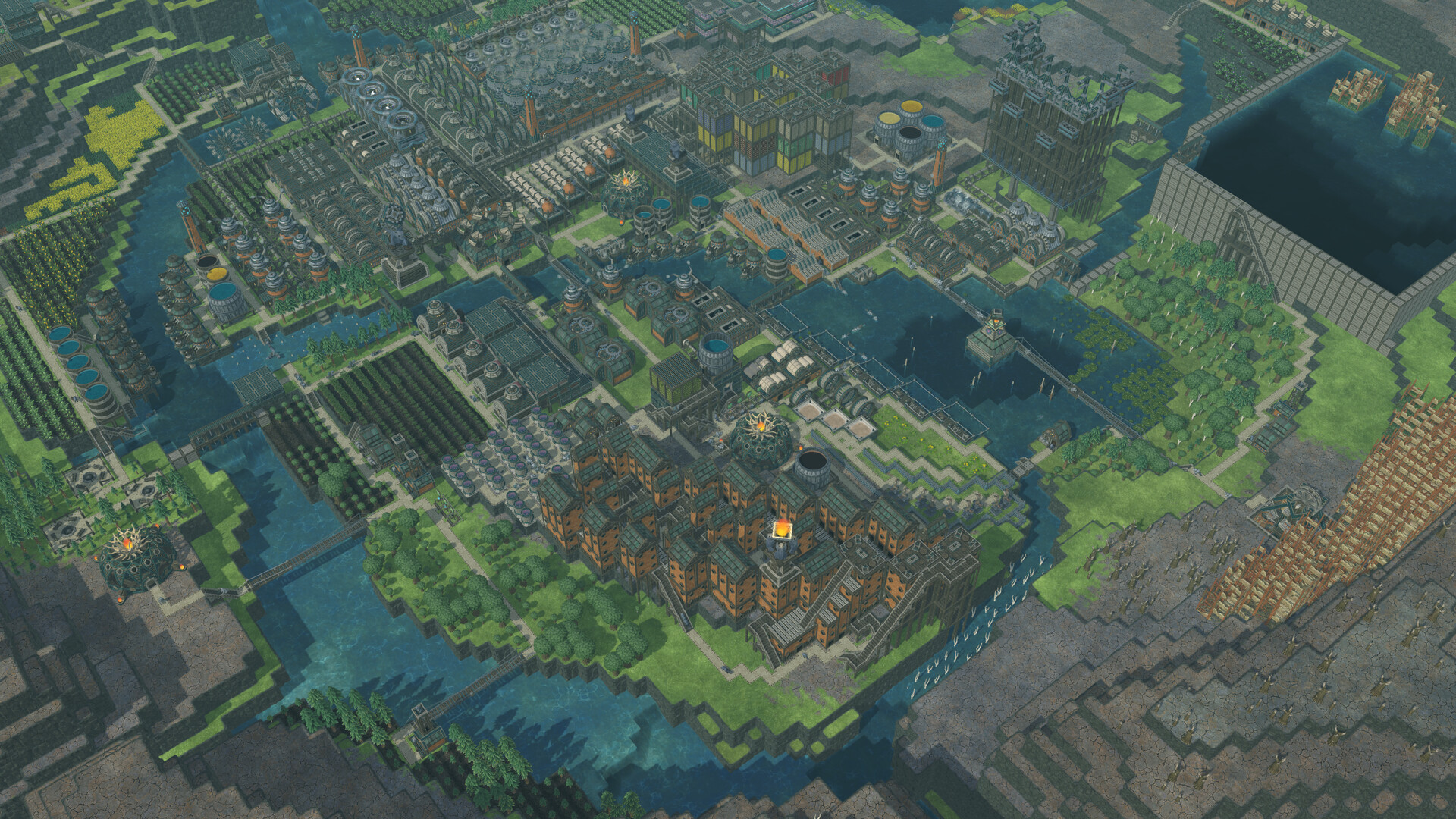
Beaver districts manage wood into planks and gears which unlock more advanced structures. Water cycles create droughts that force storage and irrigation planning. Power chains rely on water wheels and later engines and batteries to smooth output. Food processing adds bread and grilled goods that need flour and fuel.
‘Victoria 3’

Each building consumes specific inputs and produces goods that flow through market prices. Production methods swap inputs like hardwood or tools to change output and labor mix. Logistics and trade routes move resources across states and customs unions. Tech unlocks new chains like oil and electricity that transform profitability.
‘Tropico 6’

Plantations and ranches feed raw goods into cigar factories, rum distilleries, and textile mills. Teamsters and garages handle island logistics between farms, docks, and industry. Trade routes apply bonuses for certain goods and eras shift available products. Power plants and modern buildings introduce new inputs like coal and uranium.
‘EVE Online’

Players mine ore and harvest gas then refine materials into components for ships and modules. Blueprint production chains require multiple tiers from minerals to advanced parts. Planetary industry extracts and processes commodities through routed links. Market hubs reflect supply and demand which drives hauling and staging decisions.
‘Industries of Titan’

Factories route workers and devices to turn minerals and isotopes into processed materials. Interior belts and sockets connect modules while external trucks handle city wide delivery. Waste and pollution systems force recycling loops or dedicated storage. Research unlocks new devices that consume refined inputs for ship and defense production.
‘Shapez’
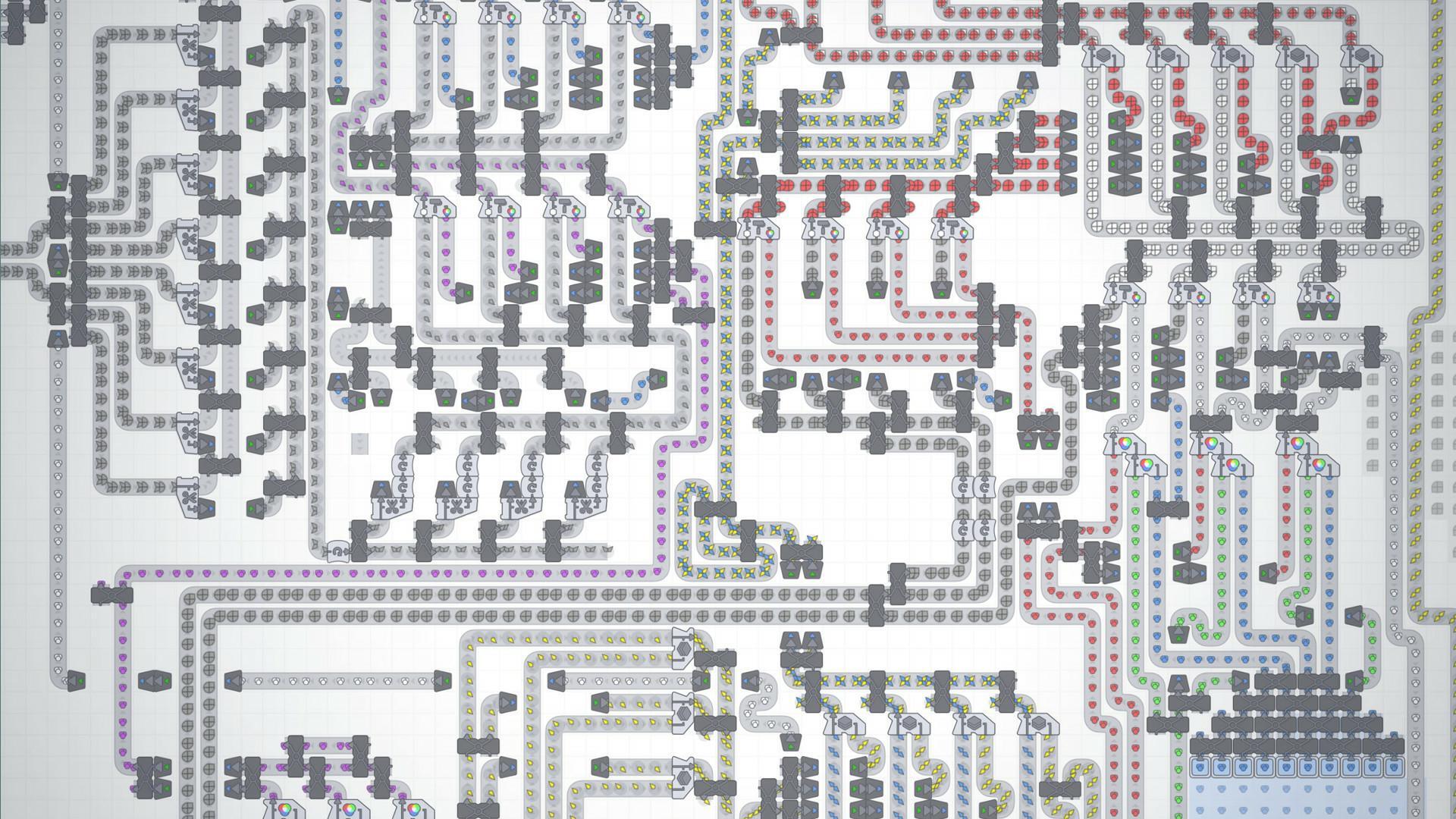
Infinite maps let you extract geometric shapes and colors then cut, rotate, and paint them through processors. Belts and balancers scale patterns so exact ratios keep machines fed. Hub goals define target items that require layered transformations. Later tiers combine colors and shapes in parallel lines that test throughput.
‘Factory Town’
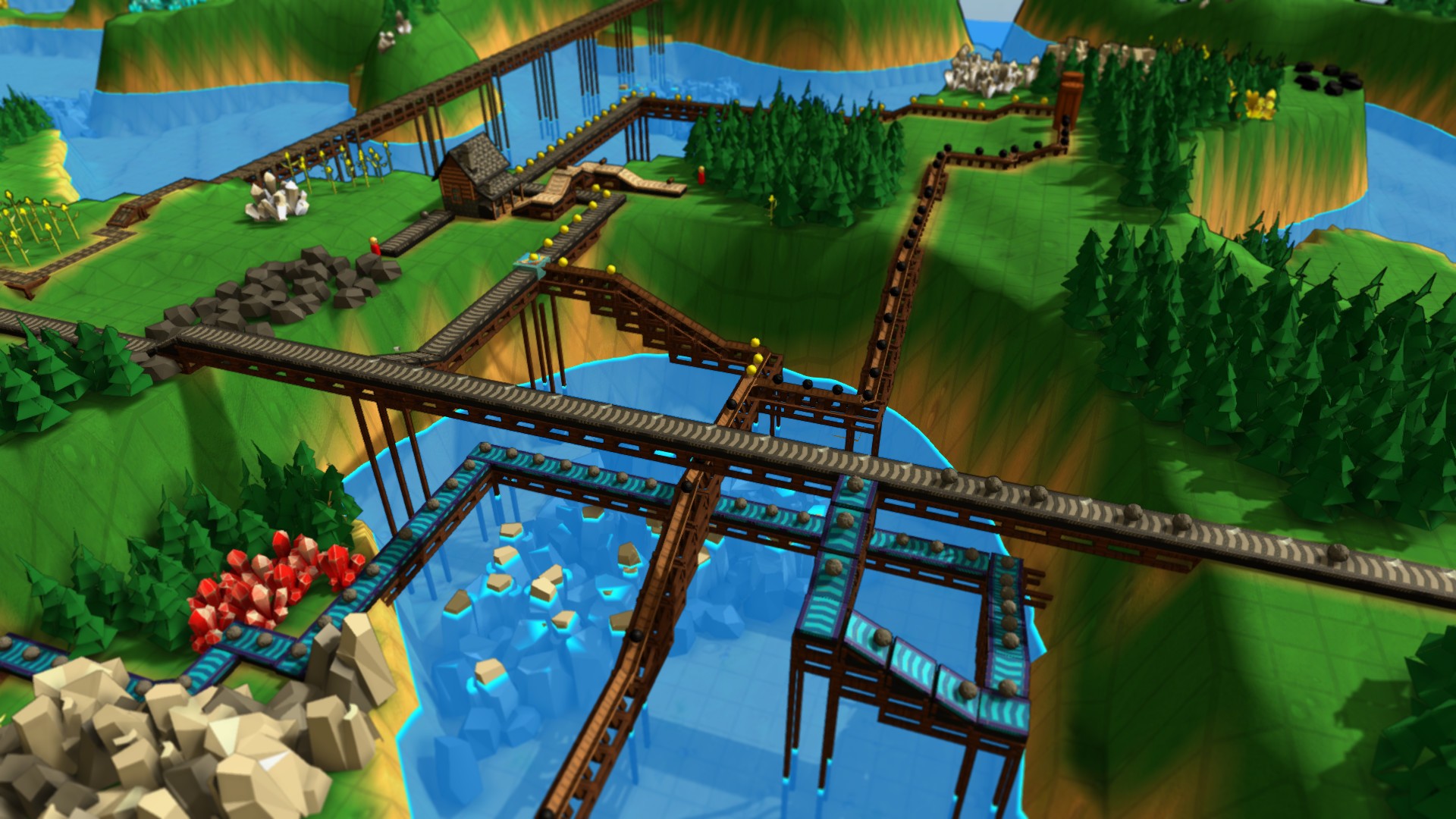
Harvesters gather grain, wood, and stone then conveyors and chutes move items to workshops. Research points come from schools and temples that consume crafted goods. Rail lines and pipes unlock late game logistics and advanced recipes. Power and specialty housing boost output when supplied with proper items.
‘Infinifactory’

You design block based assembly lines that take inputs and deliver exact outputs to a goal zone. Sensors and pushers route parts along conveyors with precise timing. Solutions rely on stable ratios and compact layouts for efficiency. Later puzzles introduce hazardous materials and 3D constraints that change flow.
‘Opus Magnum’
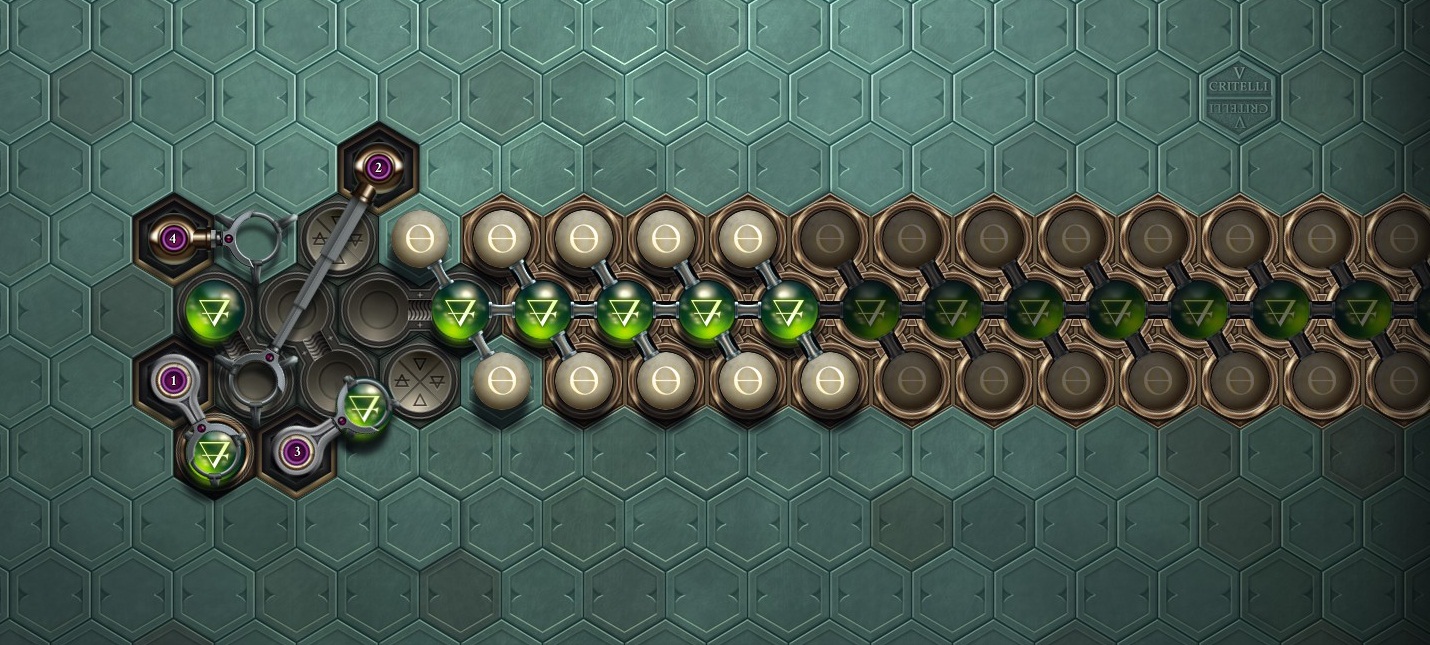
Alchemy machines use arms and tracks to grab, bond, and transmute elements into target molecules. You program cycles that synchronize movement and resource use. Metrics track area, cost, and speed which encourages cleaner chains. Components like glyphs of calcification and projection change input requirements.
‘Production Line’
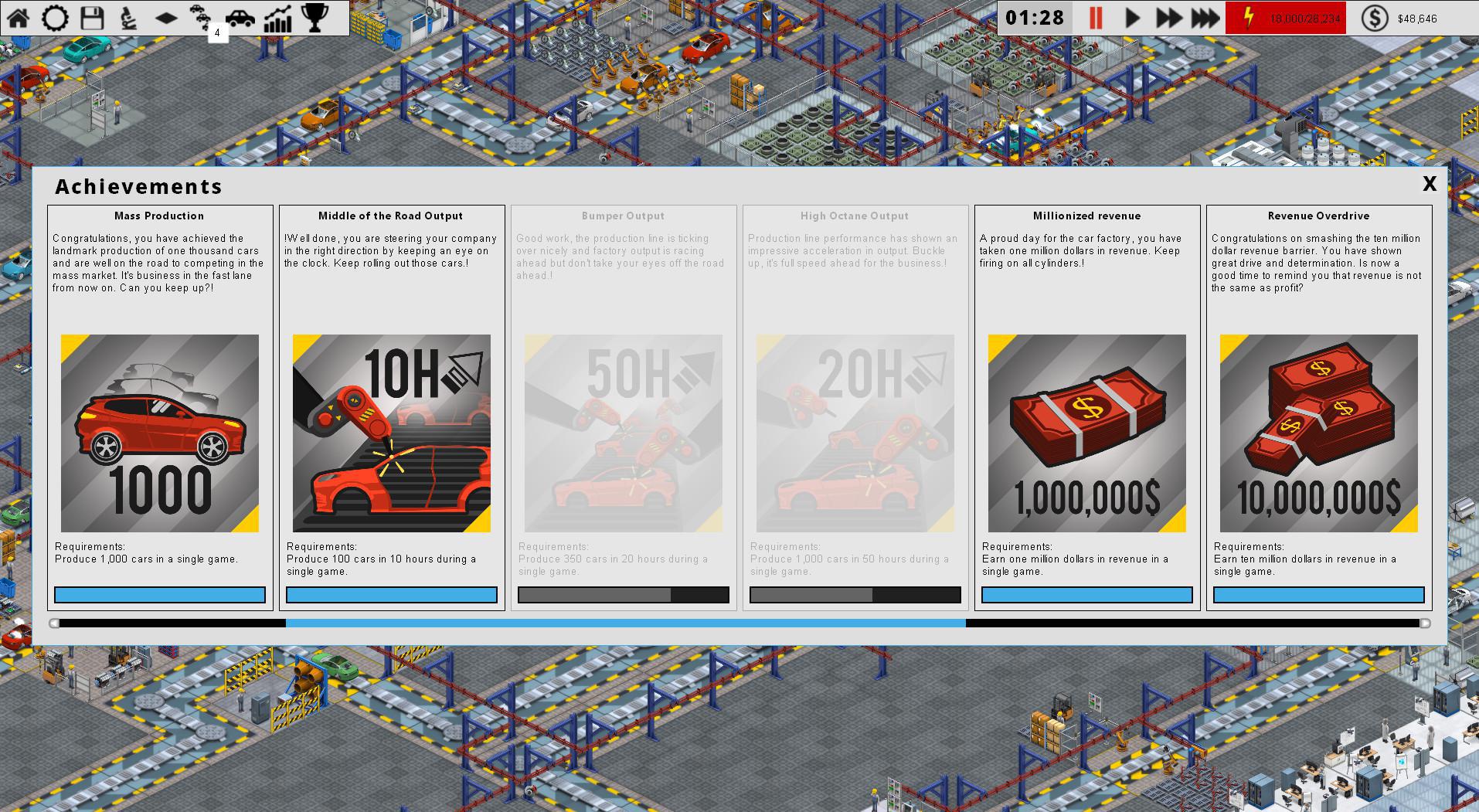
Car factories split work into stations that install parts from conveyors and stockpiles. Research unlocks new features that add inputs to each trim level. Supply importers and local component factories balance just in time flow. Efficiency improves with parallel lines and smart routing to reduce bottlenecks.
‘Transport Fever 2’
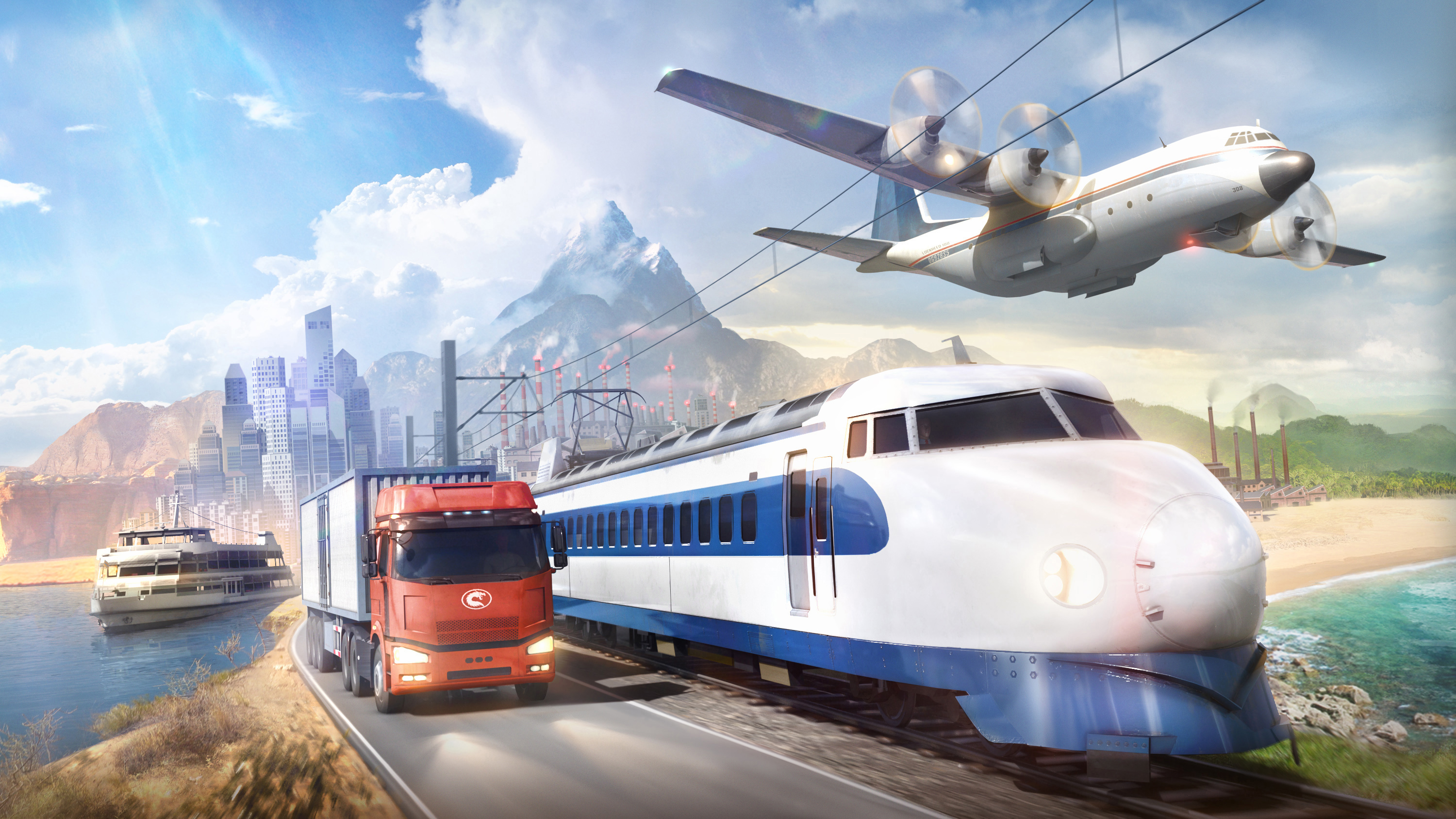
Industries produce and consume cargo along multi hop routes that you build with trucks, trains, and ships. Raw materials like grain or iron ore must reach processors to unlock final goods. Lines gain frequency and capacity bonuses when vehicles are scheduled well. Towns demand specific products which creates steady pull through the network.
Share your favorite resource chain moments in the comments and tell us which game belongs on this list.