20 Games With Crafting That Changes The Story

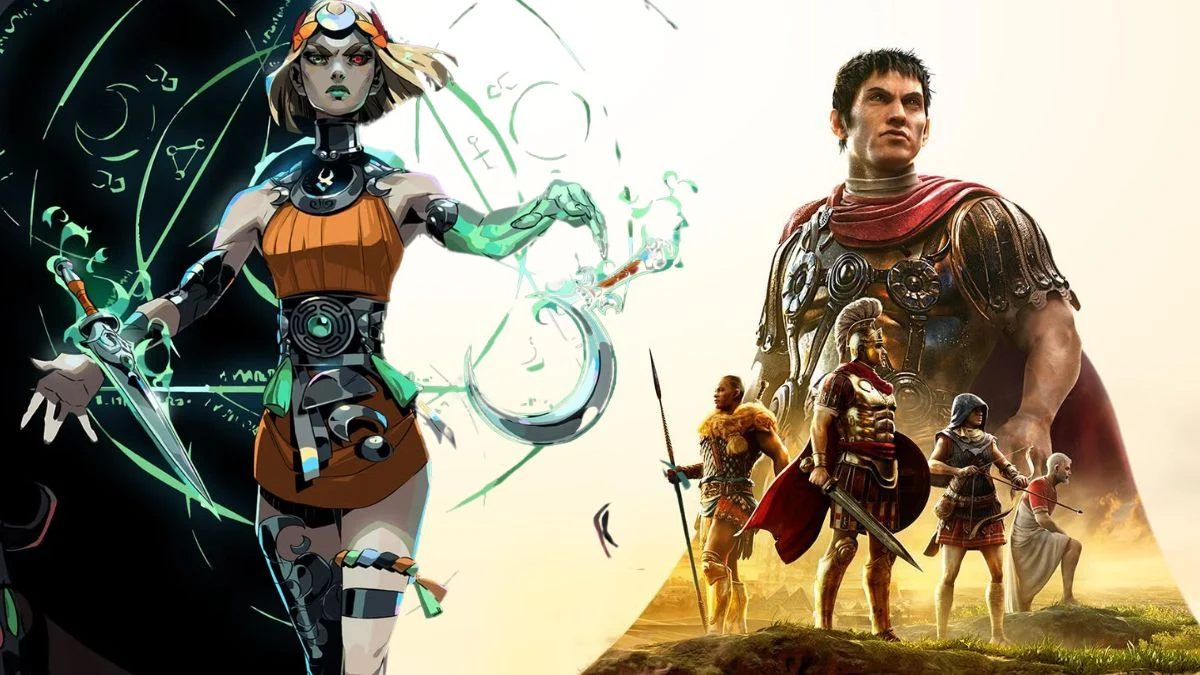

Crafting has taken on a bigger storytelling role in recent years, shaping who you can help, the paths you can open, and which endings you see. Between 2020 and 2025, more games tied blueprints and benches to relationships, districts, and entire regions. The items you assemble can unlock peaceful routes, keep key characters alive, or sway which factions back your plans. Here are newer releases where making things meaningfully nudges the narrative you experience.
‘Hades’ (2020)
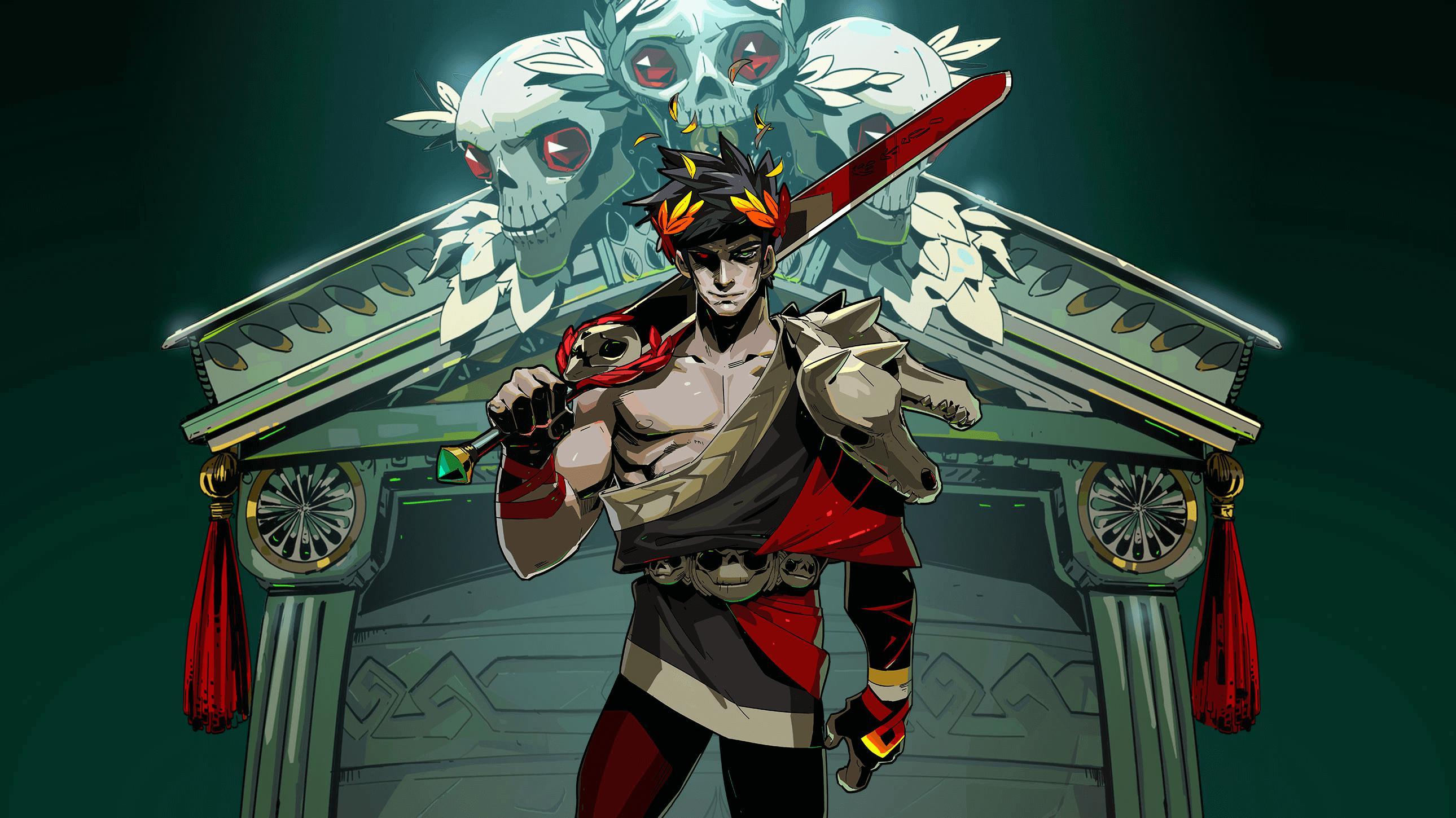
Renovating the House of Hades with crafted upgrades unlocks new interactions and side scenes that change how characters develop over repeated runs. Gathering resources to forge or improve keepsakes shifts available boons and favors, which opens unique story beats with gods and companions. Commissioned work orders add facilities that trigger fresh dialogue and quests. Completing crafted improvements also contributes to hidden requirements for late game revelations.
‘Spiritfarer’ (2020)
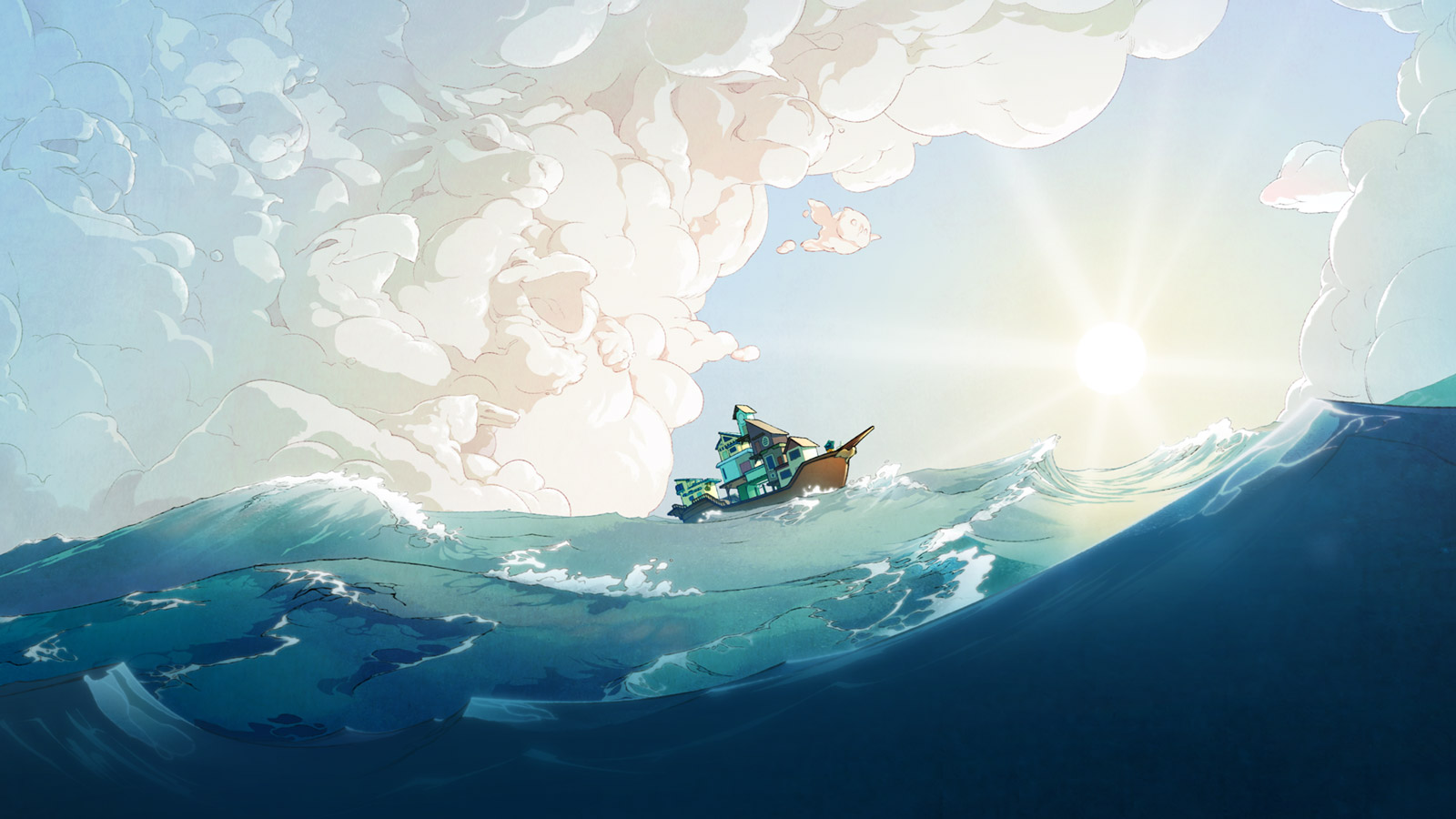
Building and upgrading stations on your boat lets you process materials into foods and goods that advance each spirit’s requests. Meeting those crafted needs unlocks new conversations and ferry destinations that move a passenger toward farewell. The layout you construct affects who can live aboard at the same time, which changes the order of personal storylines. Crafted improvements also reveal memories and letters that would not appear without specific buildings.
‘Mount & Blade II: Bannerlord’ (2020)
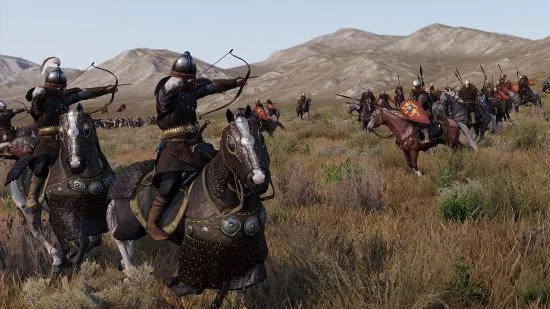
Smithing crafted weapons with particular traits can fulfill contracts and win the favor of nobles who gate crucial political quests. Equipping companions with gear you forge helps them survive pivotal battles that unlock marriage offers and clan alliances. Producing trade goods at your workshops strengthens your faction’s towns, which shifts diplomatic outcomes. Crafting investments influence which kingdoms rise or fall around your campaign’s evolving story.
‘Wasteland 3’ (2020)
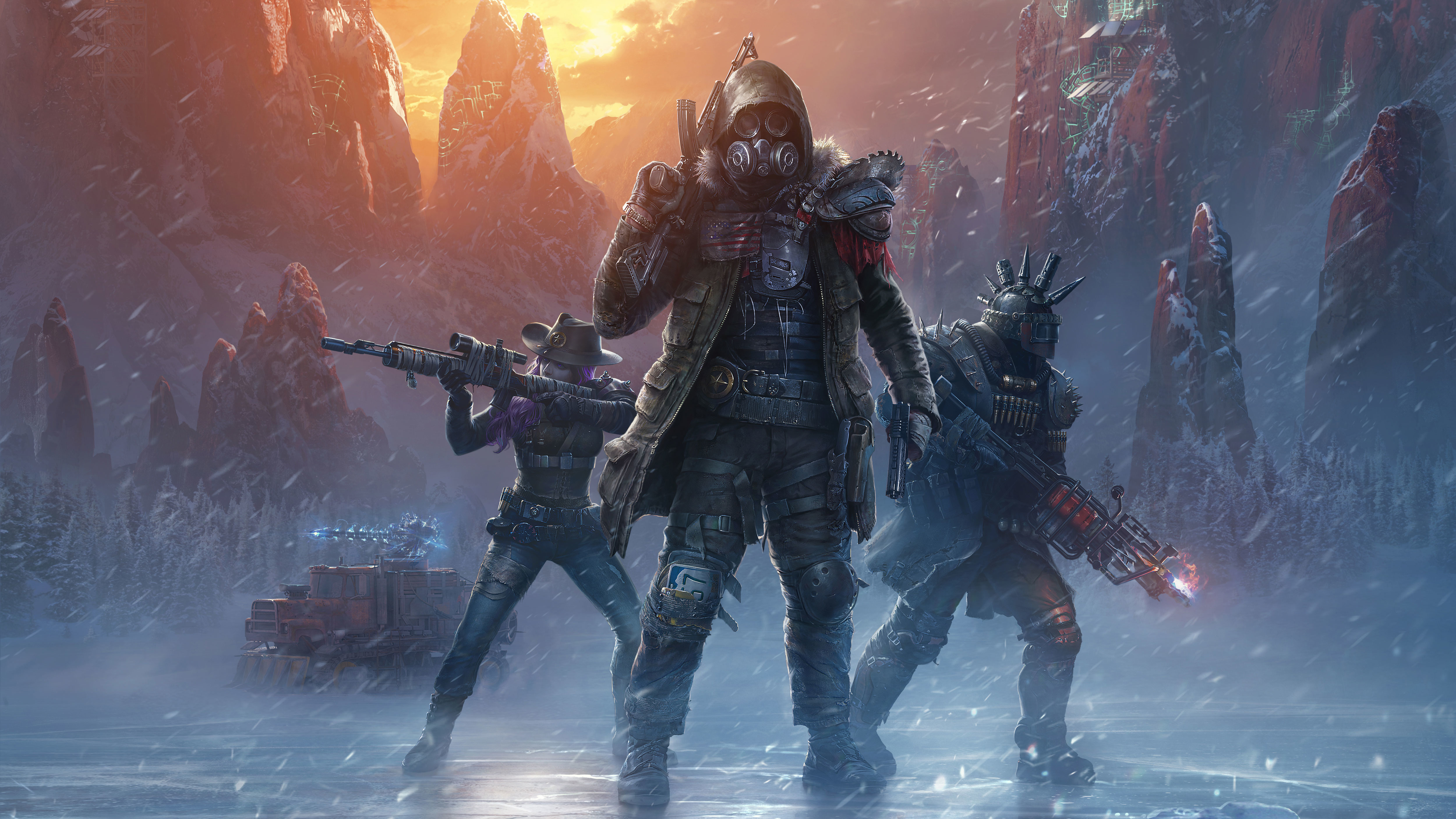
Modding weapons and assembling utilities allows nonlethal or specialized approaches that change how missions conclude. Crafted items for repairs and power routing open alternate entries to restricted areas, which alters who you meet and who survives. Building specific gadgets can satisfy quest conditions that avoid faction fallout. The world state in closing summaries reflects which communities you supported with crafted solutions.
‘Sable’ (2021)
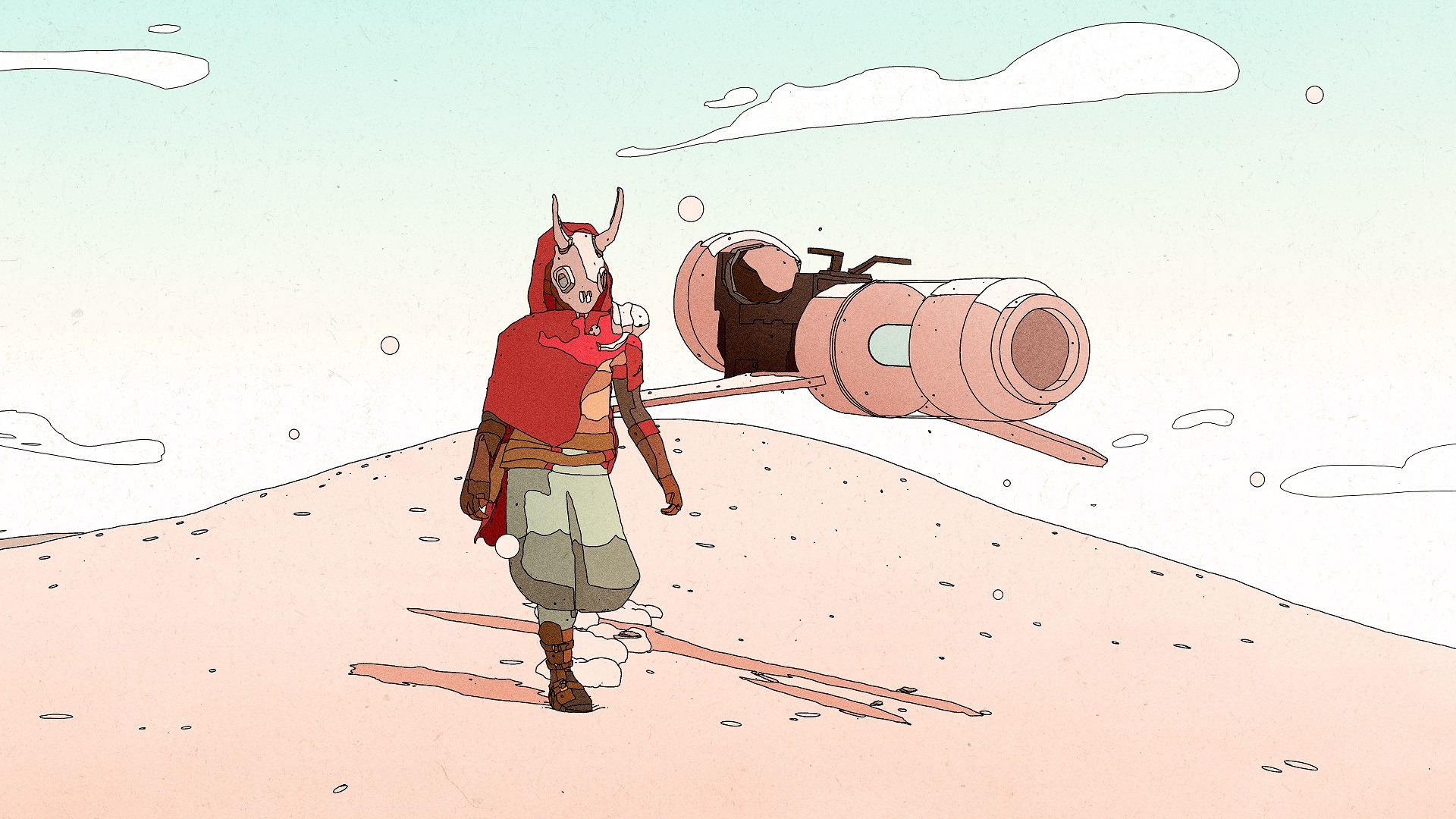
Crafting masks from badges determines which clans acknowledge you and what rites open next. Assembling hoverbike parts affects access to distant regions that hold personal history scenes. Built gear and camp tools let you handle route challenges that gate side arcs. The masks you complete guide which endings feel earned based on the lives you touched.
‘Subnautica: Below Zero’ (2021)

Fabricating vehicles and environment gear lets you reach story sites that present different ways to resolve key objectives. Crafted beacons and modules uncover optional evidence that shifts how characters respond later. Building habitat rooms enables research projects that open new dialogue. The sequence you unlock through crafted equipment changes the order and flavor of major revelations.
‘Wildermyth’ (2021)
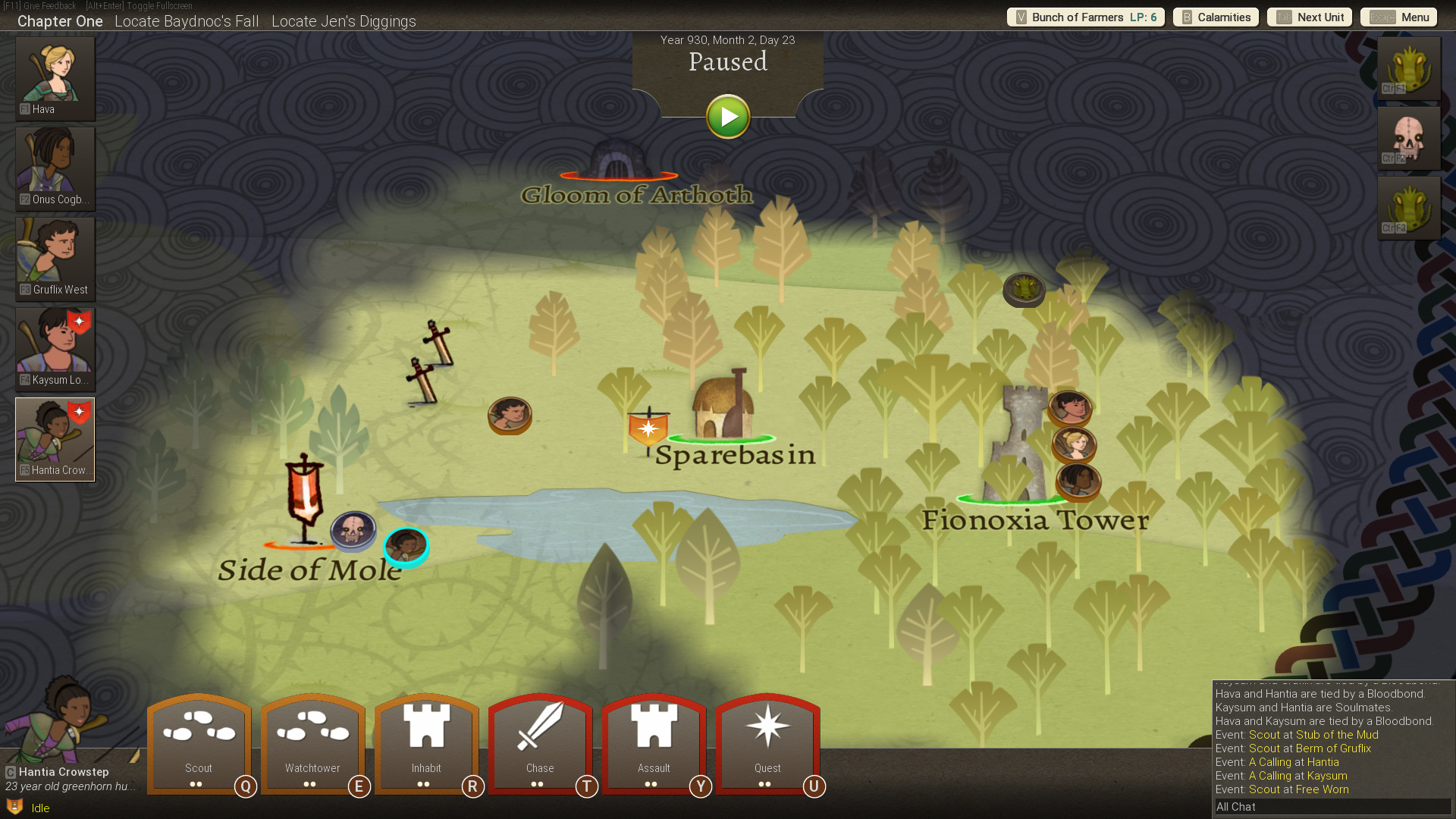
Forging and enchanting weapons adds story-specific properties that feed into event text and transformations. Crafted armor and artifacts unlock unique ability options that alter encounter outcomes and follow up vignettes. Town improvements you commission affect which recruits and missions appear. Relics you create persist across campaigns, which changes future narratives when they return as legends.
‘Death Stranding Director’s Cut’ (2021)

Constructed structures like roads and ziplines reshape travel routes that unlock time sensitive deliveries and story scenes. Fabricated equipment opens stealth and rescue options that alter who you can save and who later assists you. Upgraded facilities enable premium orders that reveal background lore. The world reacts to the network you build with crafted infrastructure.
‘Citizen Sleeper’ (2022)
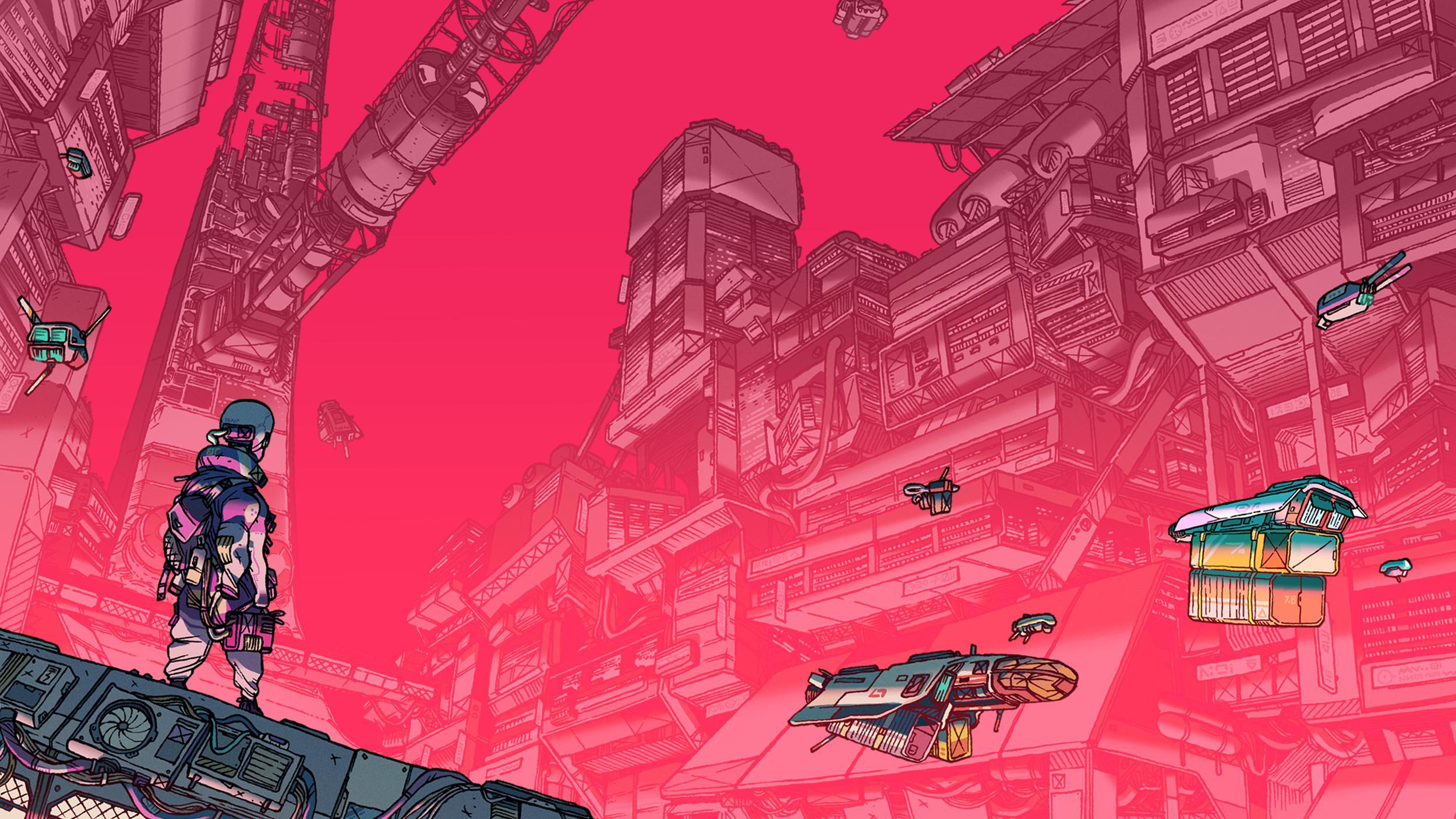
Crafting components and food through workstations lets you meet character projects that branch their stories. Assembled ship parts or drugs fulfill timed tracks that decide whether allies depart, stay, or suffer setbacks. Built upgrades open new locations on the station where exclusive scenes trigger. Your crafted contributions directly determine which futures become available.
‘Dying Light 2 Stay Human’ (2022)
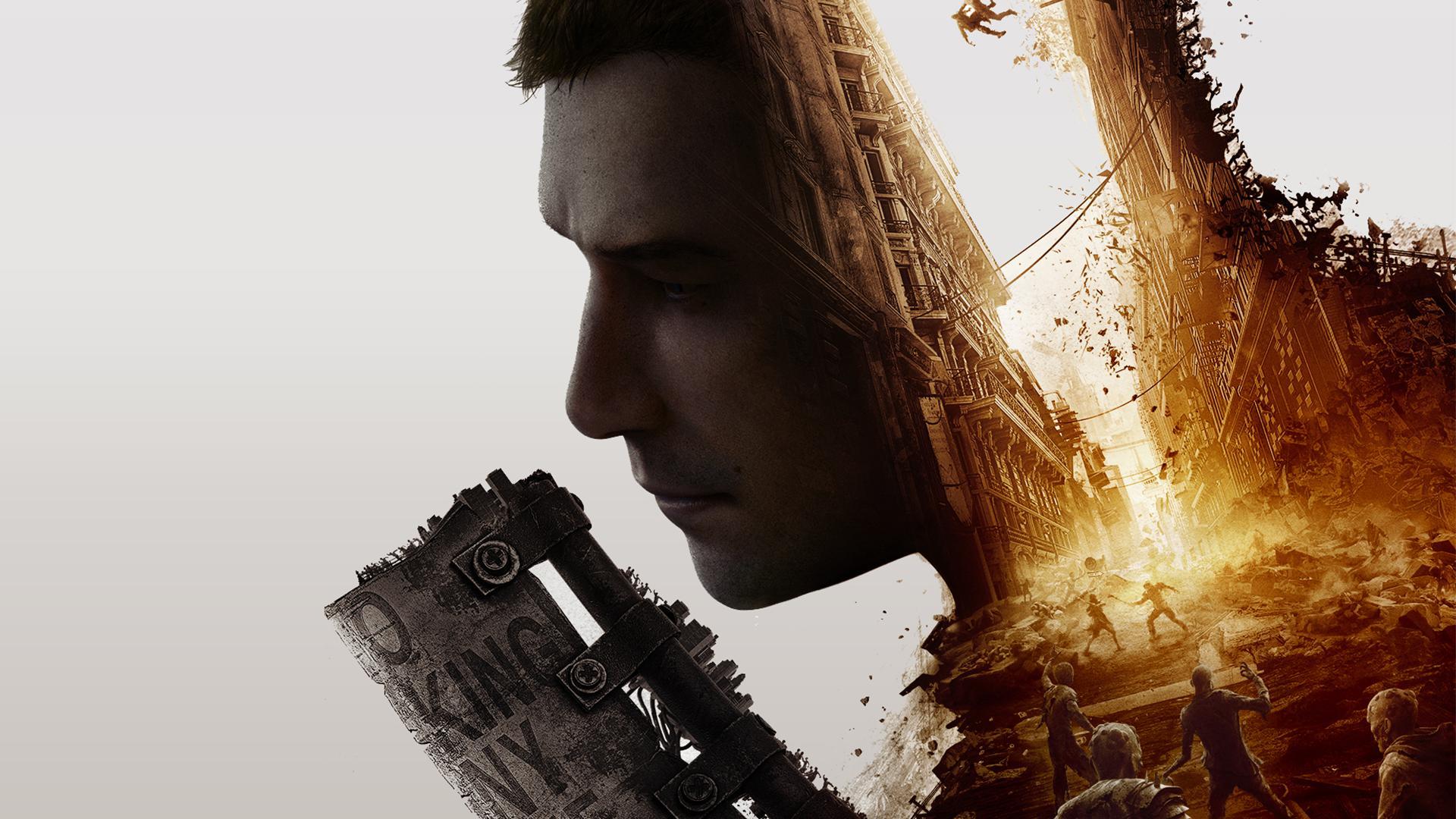
Crafted tools and mods enable nonlethal takedowns and traversal paths that change how district assignments resolve. Building upgrades with faction projects shifts who controls facilities, which alters mission chains and later support. Medicine and boosters you create determine whether certain NPCs can be saved during timed events. District outcomes and late game assistance reflect what you built.
‘Expeditions: Rome’ (2022)

Workshop crafting equips your praetorians with gear that passes skill checks in narrative encounters. Assembled siege tools and camp upgrades open new conquest routes that influence regional loyalty. Commissioned trinkets unlock companion scenes tied to personal quests. The political balance after major campaigns reflects the supplies and equipment you produced.
‘Cult of the Lamb’ (2022)
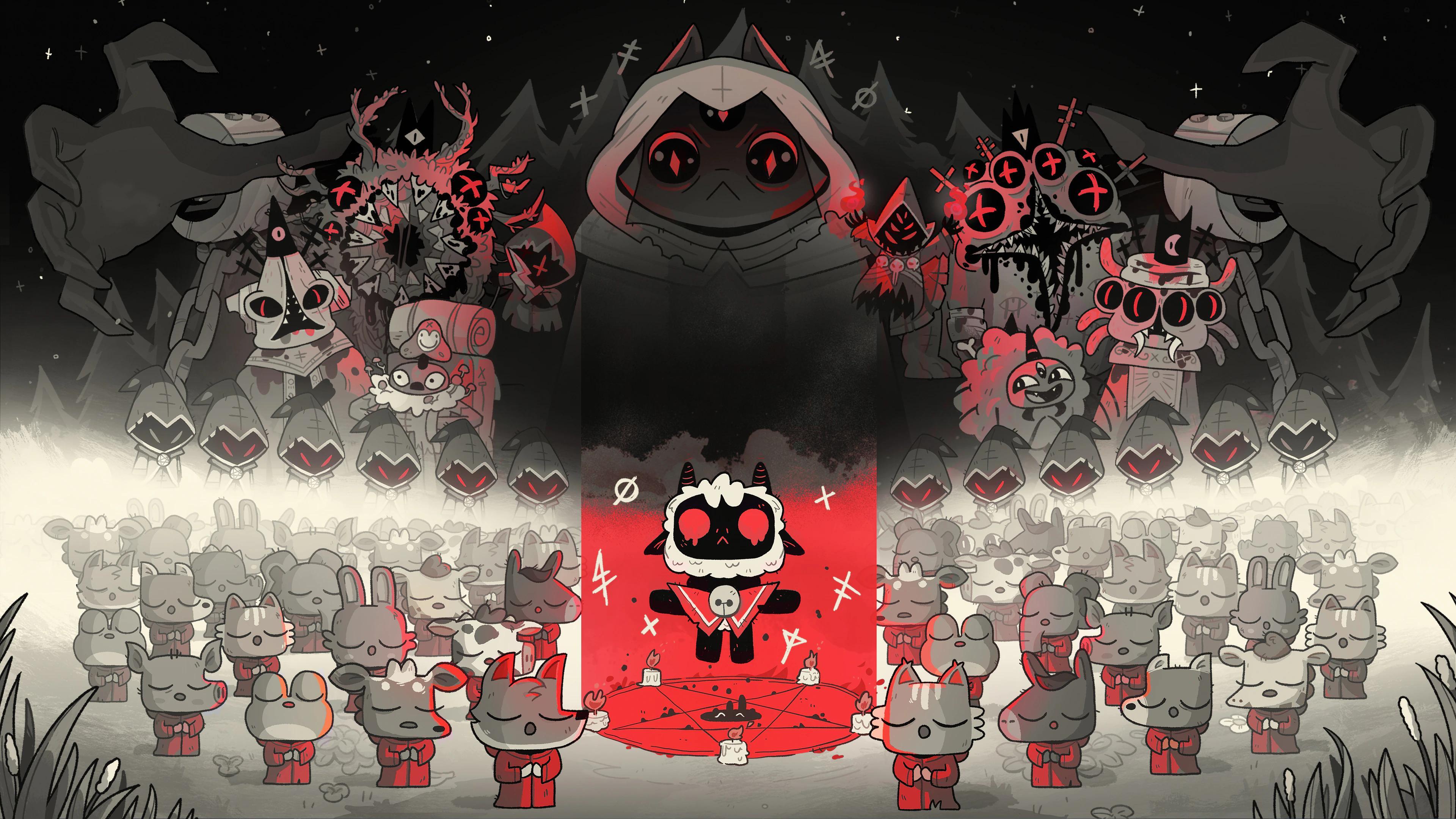
Constructing shrines, shelters, and ritual spaces changes follower stability and the quests they bring you. Crafted decorations and resources are needed to resolve disputes or fulfill requests that branch future events. Building mission structures unlocks special crusades that add lore scenes. The state of your cult during the finale depends on what you erected and maintained.
‘V Rising’ (2022)
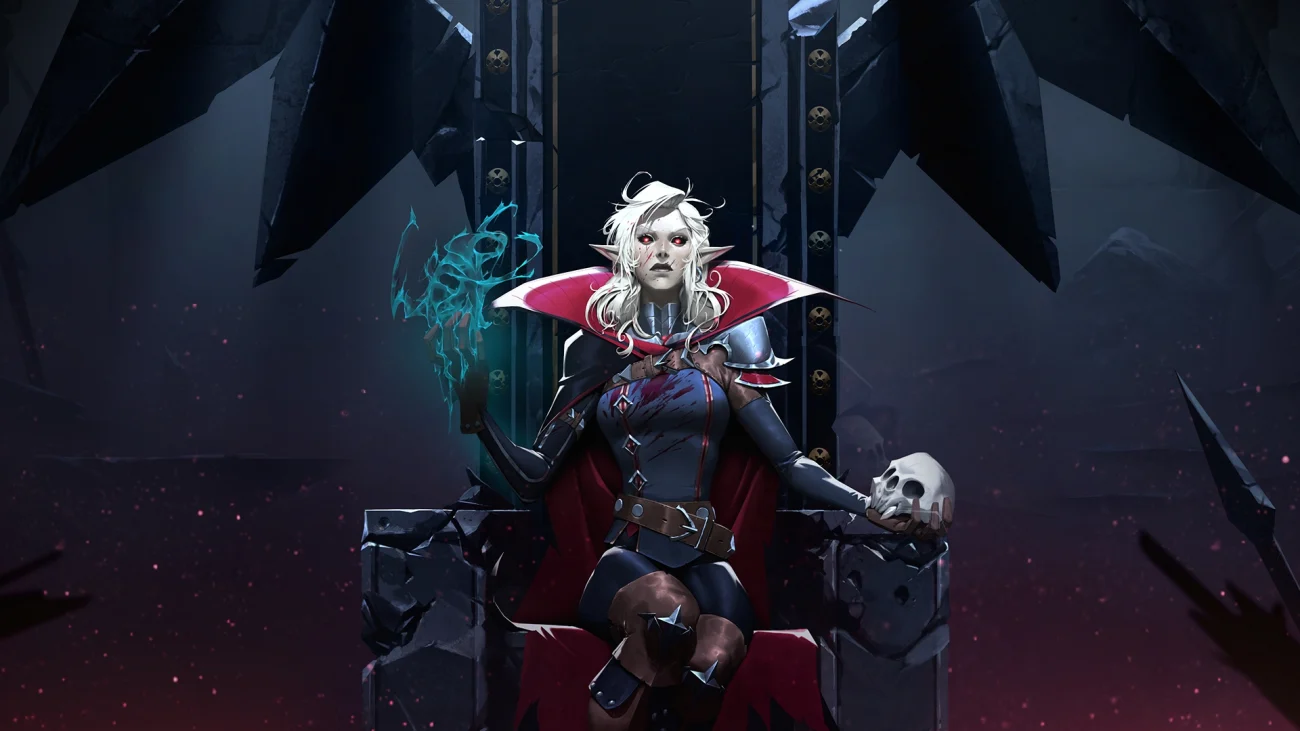
Crafting workbenches and refining chains unlocks territories and bosses that gate story progression. Assembled castle rooms grant powers and followers that open unique missions. Tailored gear allows approaches that preserve or eliminate key targets, which shifts later opportunities. Your domain’s layout and production lines determine how quickly new narrative steps appear.
‘My Time at Sandrock’ (2023)

Commission crafting pushes the main plot forward by restoring city infrastructure tied to character arcs. Building large machines unlocks set pieces that introduce new rivals and allies. Crafted gifts and furniture change relationship thresholds that open quests and scenes. The town’s appearance and services at the ending reflect the projects you completed.
‘Baldur’s Gate 3’ (2023)
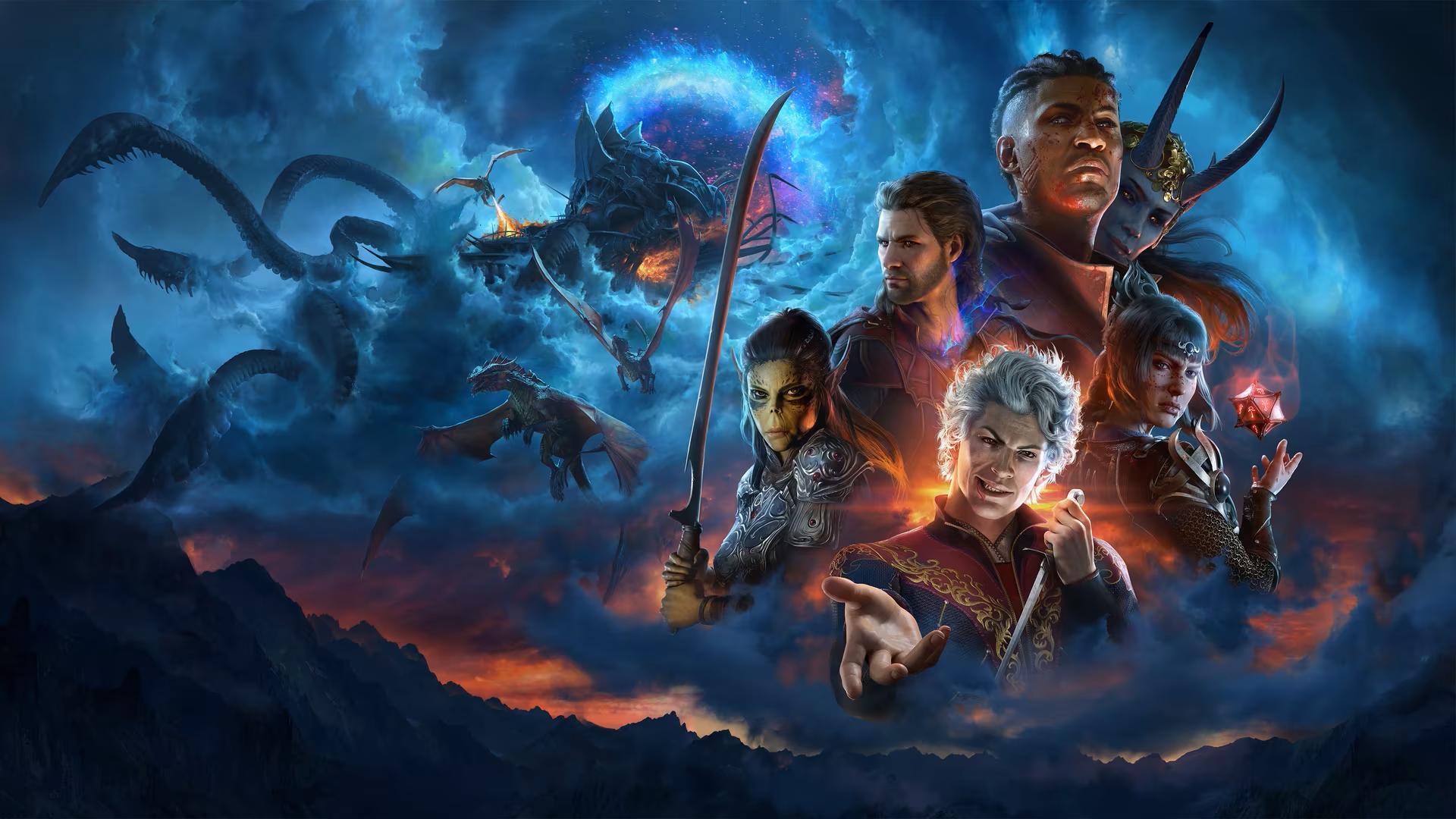
Combining materials through alchemy unlocks elixirs and coatings that enable peaceful or investigative solutions in sensitive quests. Forging or upgrading specific items reveals dialogue and checks with characters linked to those relics. Crafted camp supplies and tools allow routes that avoid casualties in set pieces. Certain crafted choices help meet hidden conditions that influence who remains with you for late chapters.
‘Sons of the Forest’ (2023)
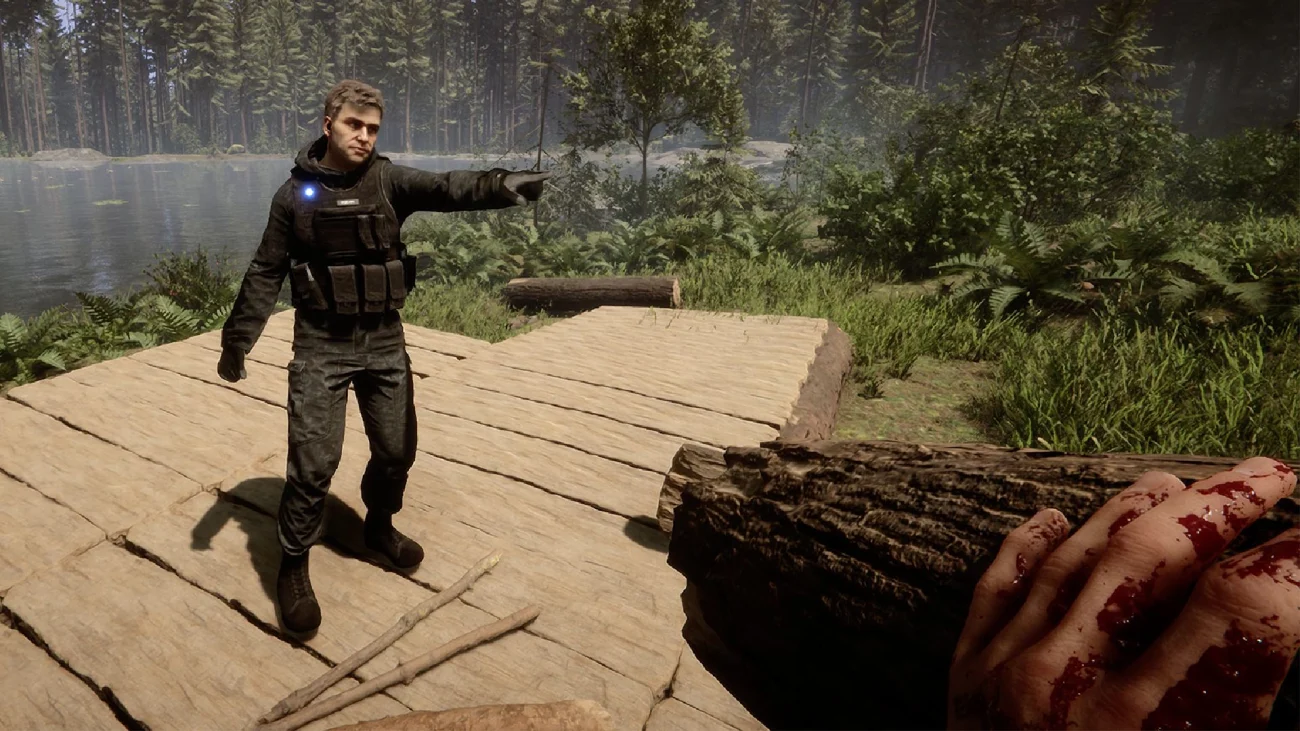
Base structures and crafted survival tools determine whether companions endure long enough to open their story beats. Assembled gear allows safer access to areas that hold optional endings and character reveals. Traps and defenses you build change how often crises interrupt key tasks. The outcome of the island run records what you constructed and protected.
‘Frostpunk 2’ (2024)

Industrial facilities you establish define how districts function and which policies become viable. Crafted energy solutions and automatons unlock missions that decide the fate of settlements. Production choices drive public opinion, which changes crisis events and their resolutions. The scenario’s closing report reflects the city you built and the people it sustained.
‘Hades II’ (2024)
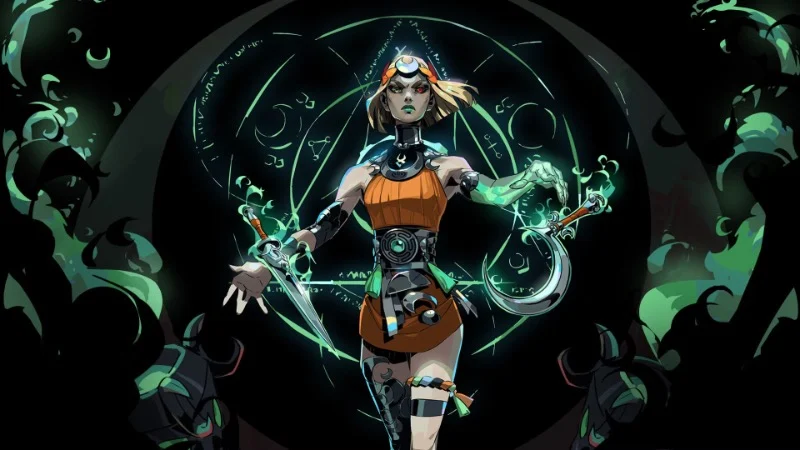
Incantations and crafted upgrades at the cauldron open regions, tools, and companions that branch questlines. Gathering reagents to complete specific recipes unlocks new training options and scenes. Built improvements in the hub area change who appears between runs. Progression through crafted rites contributes to requirements for later narrative milestones.
‘Pacific Drive’ (2024)

Upgrading and crafting modules for your station wagon determines which anomaly routes and story jobs you can tackle. Built tools enable safe retrievals that reveal new characters and logs. The car’s configuration opens shortcuts that change what events you encounter on a given run. Long term story projects require assembled parts that redirect future expeditions.
‘Dragon’s Dogma 2’ (2024)
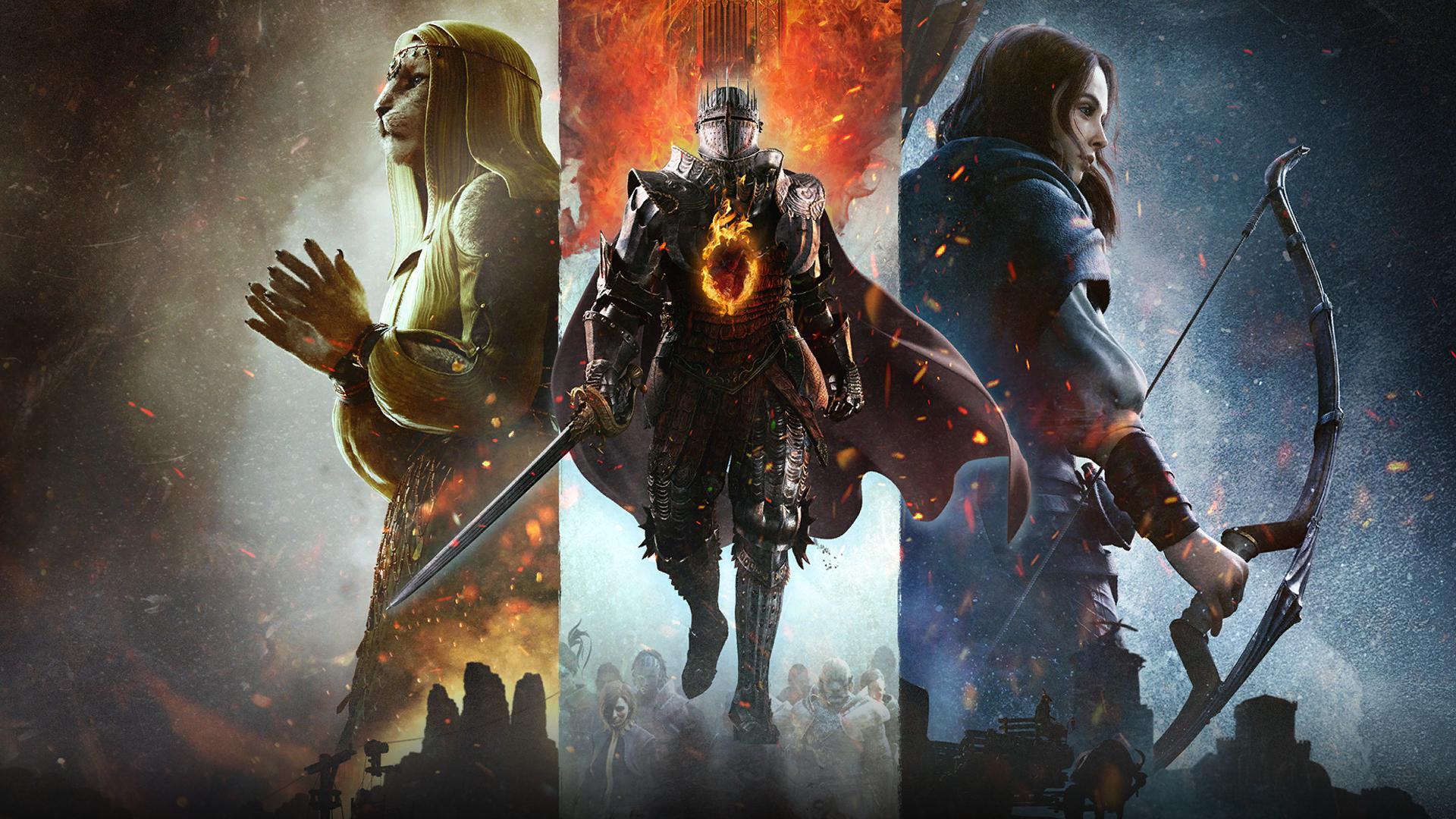
Item combination and the return of forgery let you resolve quests with alternates that keep targets alive or mislead pursuers. Crafted curatives and resist items allow timed rescues that unlock later scenes. Specialized gear you prepare meets conditions for encounters that gate side arcs. The people present in key moments depend on what you created and carried.
Share the newer crafting driven games you think should make the cut and tell us how your builds changed the story in the comments.