20 Games With Satisfying Destruction Mechanics



Whether it is punching holes through walls or leveling entire structures, games that model destruction can turn every encounter into a creative puzzle. The best ones treat damage as more than visual flair and let systems respond in believable ways. That can mean fractured cover, collapsing buildings, or materials that break apart exactly where they are hit. Here are standout games where tearing things down is part of how you play and how you win.
‘Red Faction: Guerrilla’ (2009)

This open world shooter uses the GeoMod 2.0 engine to let players demolish any building from any angle. Structural supports actually matter, so cutting beams and columns brings down roofs and walls. Missions encourage targeted demolition like dropping a smokestack onto enemy vehicles. The game’s weapons and vehicles interact with materials in predictable ways that reward planning.
‘Battlefield: Bad Company 2’ (2010)

Destruction is core to the flow of its multiplayer maps, where houses and cover crumble under sustained fire. The Frostbite engine tracks impact points so walls chip away and facades give out after repeated hits. Players can remove enemy cover to force movement and open new sightlines. Explosives and heavy weapons reliably punch entries through buildings for flanks.
‘Battlefield 4’ (2013)

Multiplayer maps feature large scale events that reshape routes, alongside granular wall and cover damage. The engine simulates rubble piles that change traversal and create new positions. Players can flood or collapse parts of levels by attacking key structures. Small arms and explosives both contribute to progressive wear that feels consistent.
‘Battlefield 1’ (2016)

World War I settings pair with terrain scarring that persists through the match. Artillery and tank shells carve craters that become impromptu cover for infantry. Buildings chip away room by room to create new angles and firing positions. The evolving battlefield rewards squads that adapt to the new layout.
‘Rainbow Six: Siege’ (2015)

Maps are built around soft walls, floors, and ceilings that can be breached with tools or explosives. Line of sight changes dynamically as players create murder holes and rotate sites. Different materials resist different gadgets, which adds planning depth to every round. Teams must account for vertical play where ceilings and floors rarely stay intact.
‘Teardown’ (2020)

Every level is a fully voxel based sandbox where almost every object can be cut, burned, or collapsed. Materials like wood, glass, concrete, and metal behave differently under tools and vehicles. Players plan heists by carving routes and building shortcuts that persist during the alarm phase. Physics driven debris and fire systems create emergent solutions.
‘Just Cause 3’ (2015)

Outposts and infrastructure are designed to be dismantled piece by piece using explosives and tethers. Fuel tanks, radar dishes, and statues are destructible objectives that alter control of the map. The tether tool can rip assemblies apart by applying force to multiple points. Chain reactions encourage creative setups that clear bases efficiently.
‘Just Cause 4’ (2018)
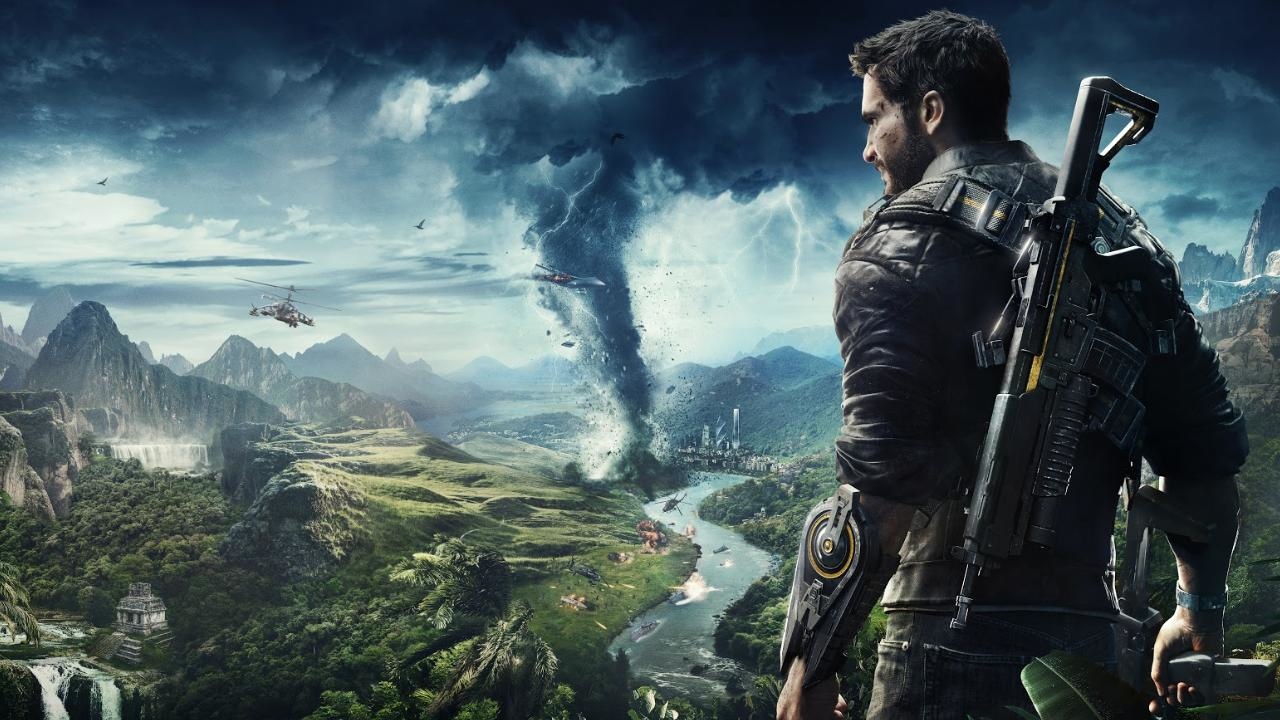
Destruction systems expand with modular vehicles and dynamic weather that amplifies damage. Tethers with boosters and balloons let players stress structures from unusual angles. Bases are packed with interconnected targets that trigger secondary blasts. The sandbox supports elaborate multi step takedowns of large installations.
‘Wreckfest’ (2018)

Soft body damage deforms cars based on impact speed and angle, which affects handling and performance. Body panels crumple, frames twist, and wheels misalign in a way that influences race outcomes. Tracks fill with persistent debris that changes racing lines. Event modes encourage tactical collisions that consider the damage model.
‘BeamNG.drive’ (2013)
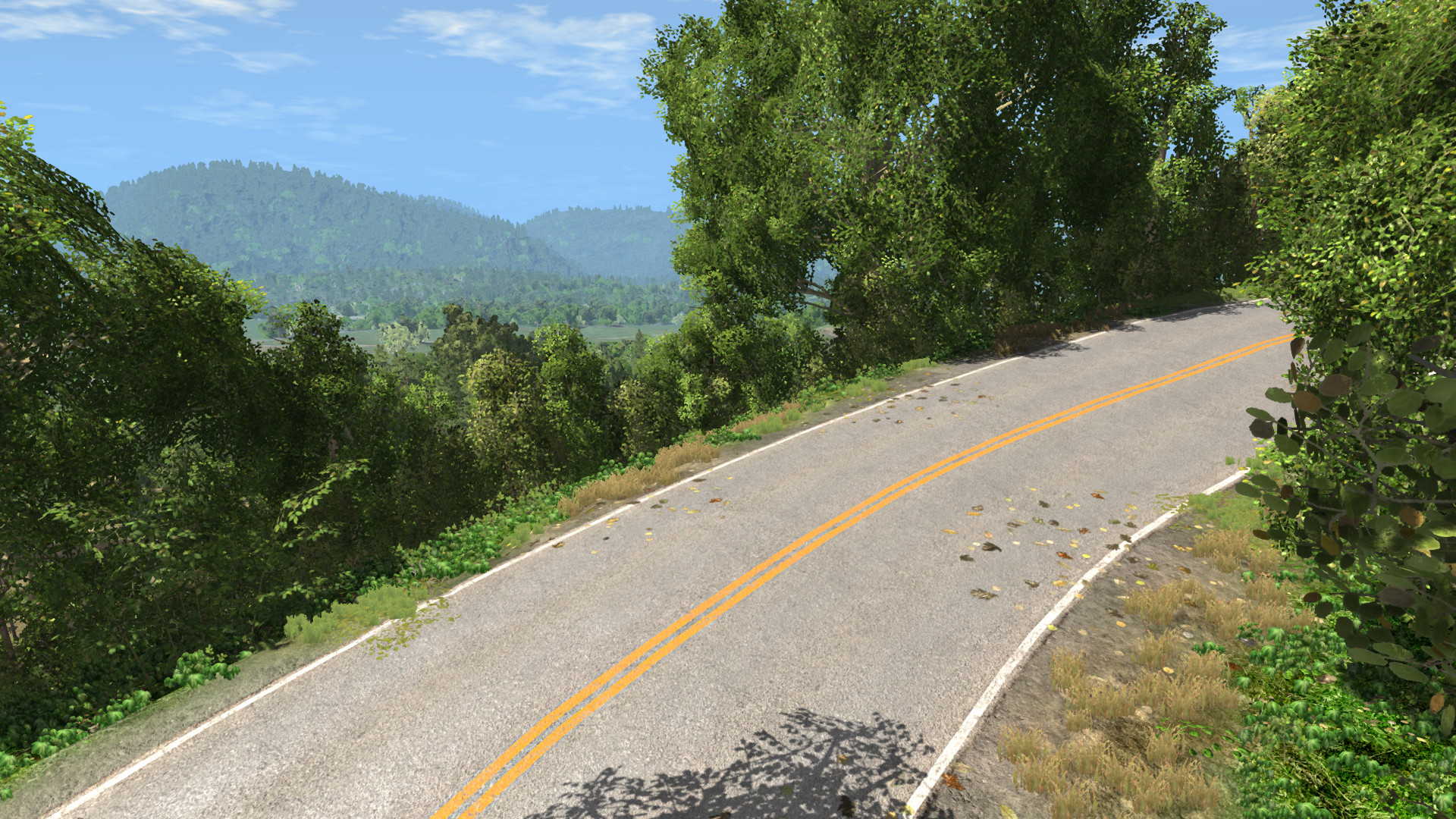
Vehicles use node and beam physics that simulate components flexing and breaking under stress. Suspension parts, frames, and bodywork fail realistically and impact drivability. Scenarios and free drive let players test crashes and repair strategies. Mod support and tool assisted tests help explore the destruction model in detail.
‘Minecraft’ (2011)
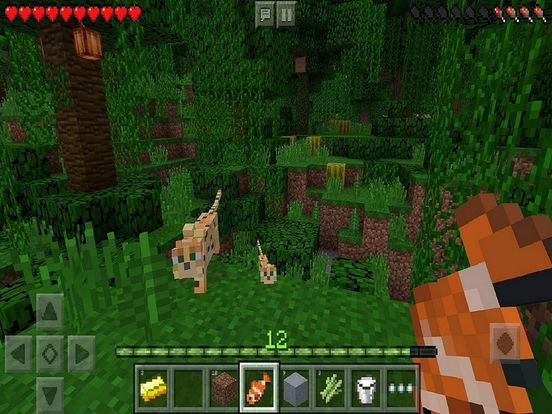
The entire world is a destructible grid of materials with distinct hardness and tool requirements. Players mine and remove blocks to gather resources and reshape terrain. Redstone and explosives enable controlled demolition for quarries and tunnels. Community builds often rely on careful blasting to clear large areas safely.
‘Fortnite’ (2017)

Harvesting and combat both rely on breaking structures quickly and cleanly. Every material has predictable health values, which informs weapon choices and timing. Players can edit and then destroy their own builds to recycle routes during fights. Environmental objects provide consistent resource yields that support rapid construction.
‘Besiege’ (2015)
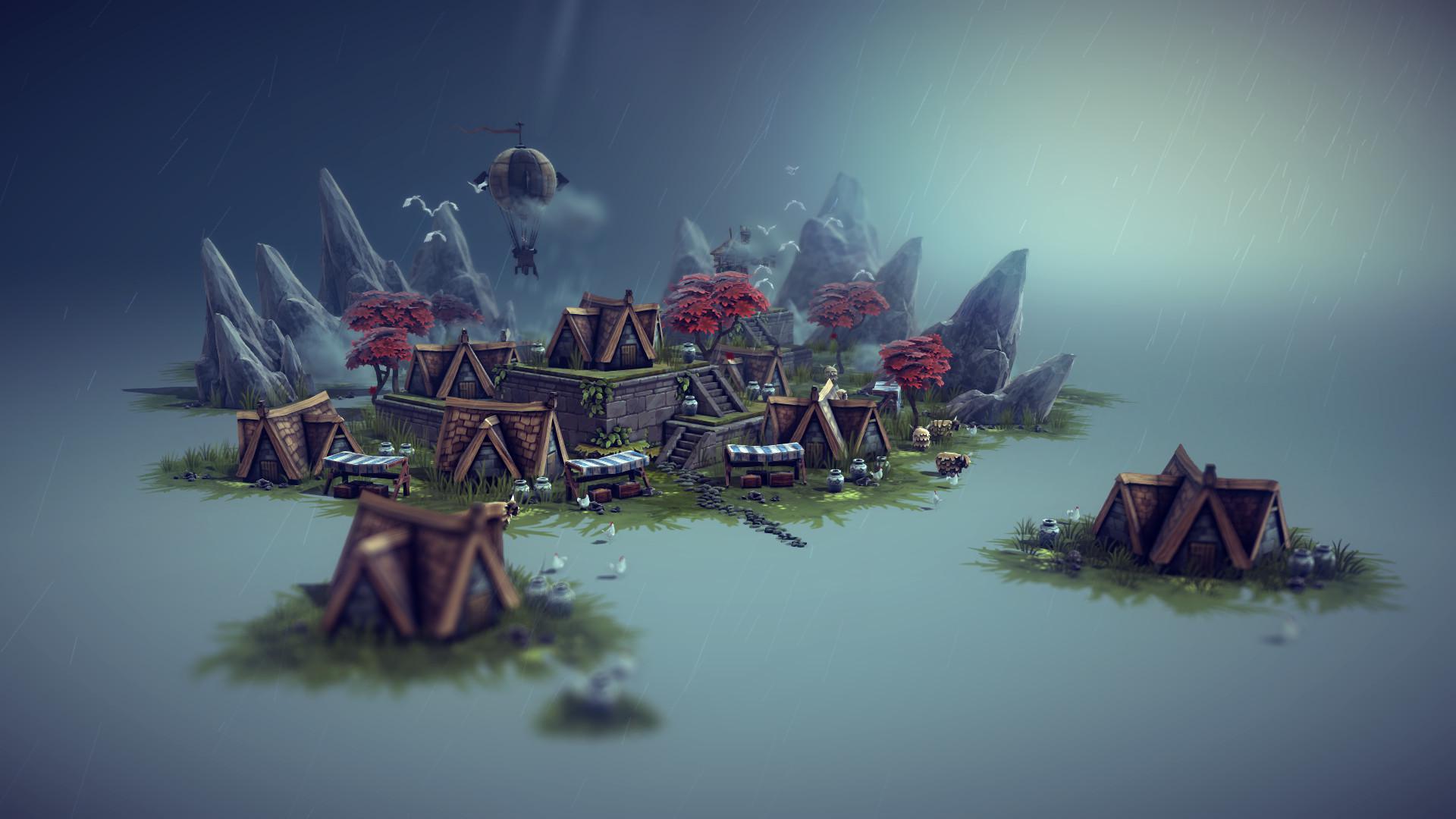
Levels challenge players to design machines that tear down fortifications and devices. Materials and joints break under strain, which teaches tradeoffs between power and stability. Projectiles and spinning parts interact with targets using consistent physics. Success often comes from refining a contraption to focus force on weak points.
‘Hardspace: Shipbreaker’ (2020)

Spaceship salvage revolves around cutting hulls along marked seams and separating material classes. Pressure, fuel, and electrical systems must be vented or isolated to avoid chain reactions. Tethers and grapples let players maneuver massive parts without collisions. The yard tracks salvage value and fines for damage, which rewards careful dismantling.
‘Company of Heroes 3’ (2023)

Cover and buildings degrade under sustained fire, changing infantry survivability. Tanks can breach walls to open new paths for flanking and capture. Rubble replaces destroyed structures and becomes light cover that alters engagements. Destruction carries across missions in certain modes to reflect prior battles.
‘World in Conflict’ (2007)

Artillery and air strikes scar the terrain and remove cover across large battlefields. Buildings collapse under heavy bombardment, forcing units into the open. The tactical layer emphasizes timing strikes to clear strongpoints. Persistent wrecks and craters influence movement and line of sight.
‘MechWarrior 5: Mercenaries’ (2019)
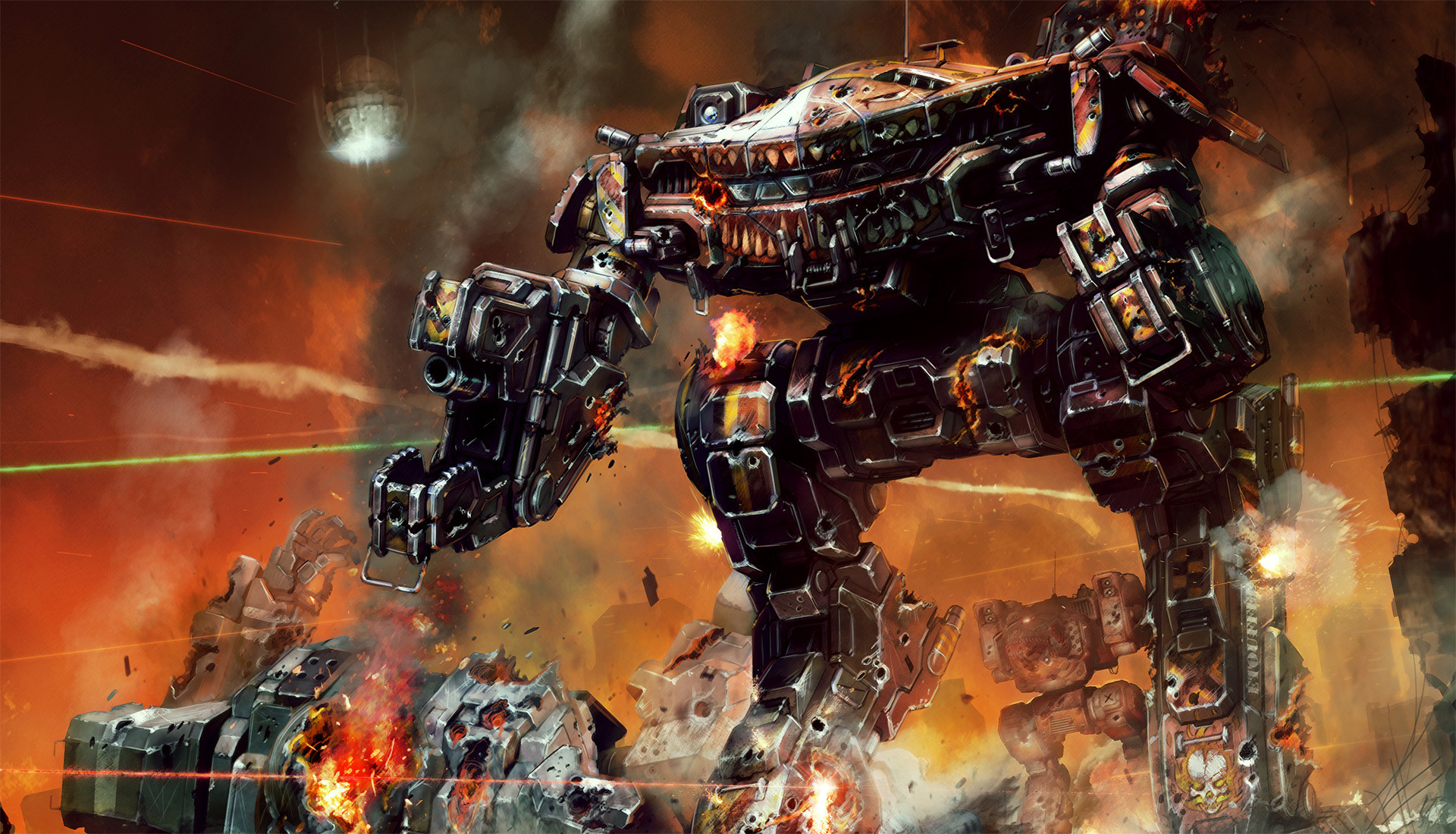
Urban maps let heavy mechs topple towers and grind through obstacles during combat. Collateral damage affects payouts, which adds a cost layer to reckless action. Destructible terrain changes firing lanes and sightlines for long range weapons. Contracts often involve targeted demolition of facilities that are defended by armored units.
‘Crackdown 3’ (2019)

The competitive mode showcases cloud assisted destruction where entire buildings can be reduced to debris. Structural stress accumulates as supports are removed, leading to progressive collapse. Players use verticality that disappears mid match as towers fall. The tech prioritizes accurate fragmentation and server side physics.
‘Red Faction’ (2001)

The original GeoMod engine allows players to tunnel through rock and reshape interior spaces. Explosives carve new routes that bypass locked doors and checkpoints. Levels are designed with multiple solutions based on how you excavate. The system tracks blast radius and material density to determine cavity size.
‘Burnout Paradise’ (2008)

Crashes deform vehicles and scatter parts in slow motion that reflect impact vectors. Traffic and environmental props break apart to clear new paths. Event types encourage creating massive wrecks that rack up points. Persistent smashable objects across the map reward exploration and skillful takedowns.
Share the games you think belong on this list in the comments and tell us which destruction mechanics you keep coming back to.