20 Games With NPC Schedules You’ll Actually Notice



Some games build worlds that feel alive because everyone around you is actually on the clock. These NPCs wake up, go to work, hit their favorite spots, and head home, and the game reacts if you intersect with their plans. Shops open and close, quests only trigger at certain hours, and events roll forward even if you are somewhere else. Here are games where routines are visible, trackable, and baked into the design so you can plan around them.
The Elder Scrolls IV: Oblivion
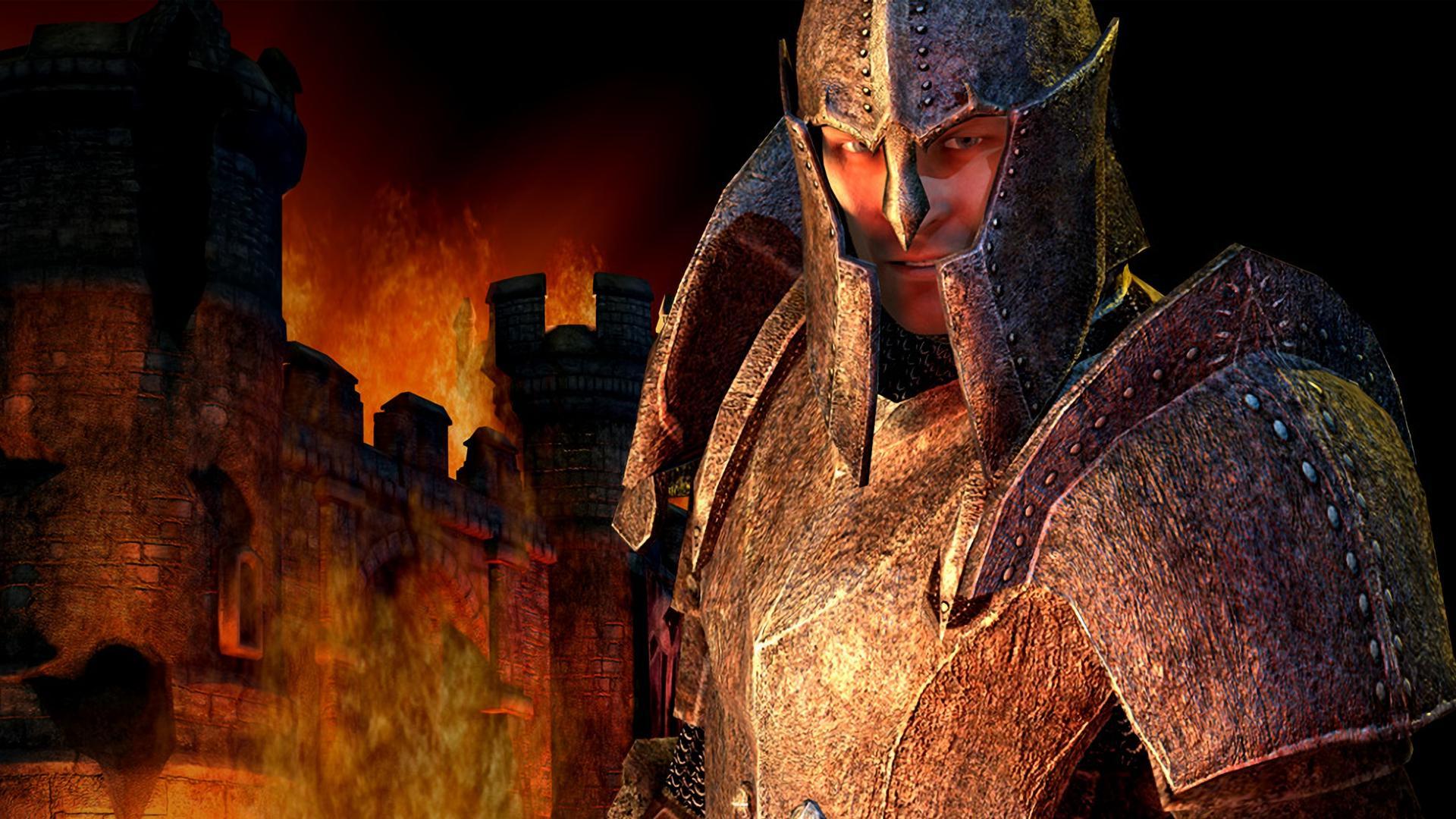
Radiant AI assigns every citizen daily goals like eating, working, wandering, and sleeping that play out on fixed schedules. Characters visit specific places at set times and will change plans if needs like hunger or safety kick in. Guards rotate posts and towns shut down for the night as doors lock and interiors clear out. Quests often hinge on being in the right place at the right hour to catch someone en route.
The Elder Scrolls V: Skyrim

Villagers keep predictable routines that include jobs, meals, and bedtime, and they comment when you intrude at odd hours. Shopkeepers close up for the night and may be found at inns or their homes after hours. NPCs travel to temples or markets on certain days and gather for events like festivals or speeches. Some quests track targets across their daily loop so you can intercept them at a convenient moment.
Red Dead Redemption 2

Towns run on timetables with stores opening in the morning and shutting their doors late in the evening. Ranch hands, train workers, and townsfolk follow repeatable paths from home to job sites and back. Gang members at camp keep personal routines like chores, meals, and evening gatherings that change by time and weather. Random encounters spawn more reliably at certain hours along known routes.
Shenmue

Every named resident follows a personal schedule tied to the in-game clock, including commuting patterns and shop hours. You can track people by learning where they live and where they work at specific times. Some leads only become available during narrow time windows, which encourages checking locations at the right hour. Buses and arcade machines also follow set availability, reinforcing the day structure.
Shenmue II

The sequel expands routines across denser neighborhoods with layered paths through markets, docks, and apartment blocks. Merchants open stalls at consistent times and pack up in the evening while street performers occupy regular spots. Key contacts maintain workplaces and off-hours hangouts that shift by district. Time-sensitive meetings require planning around transit and business hours.
The Legend of Zelda: Majora’s Mask

Clock Town runs on a repeating three-day cycle where every character has timed movements and events. Side quests are built around being present when an NPC leaves home, starts work, or attends a gathering. The Bomber’s Notebook logs appearances and appointments so you can align with exact hours. Failing a window means waiting for the next loop to try again.
Animal Crossing: New Horizons
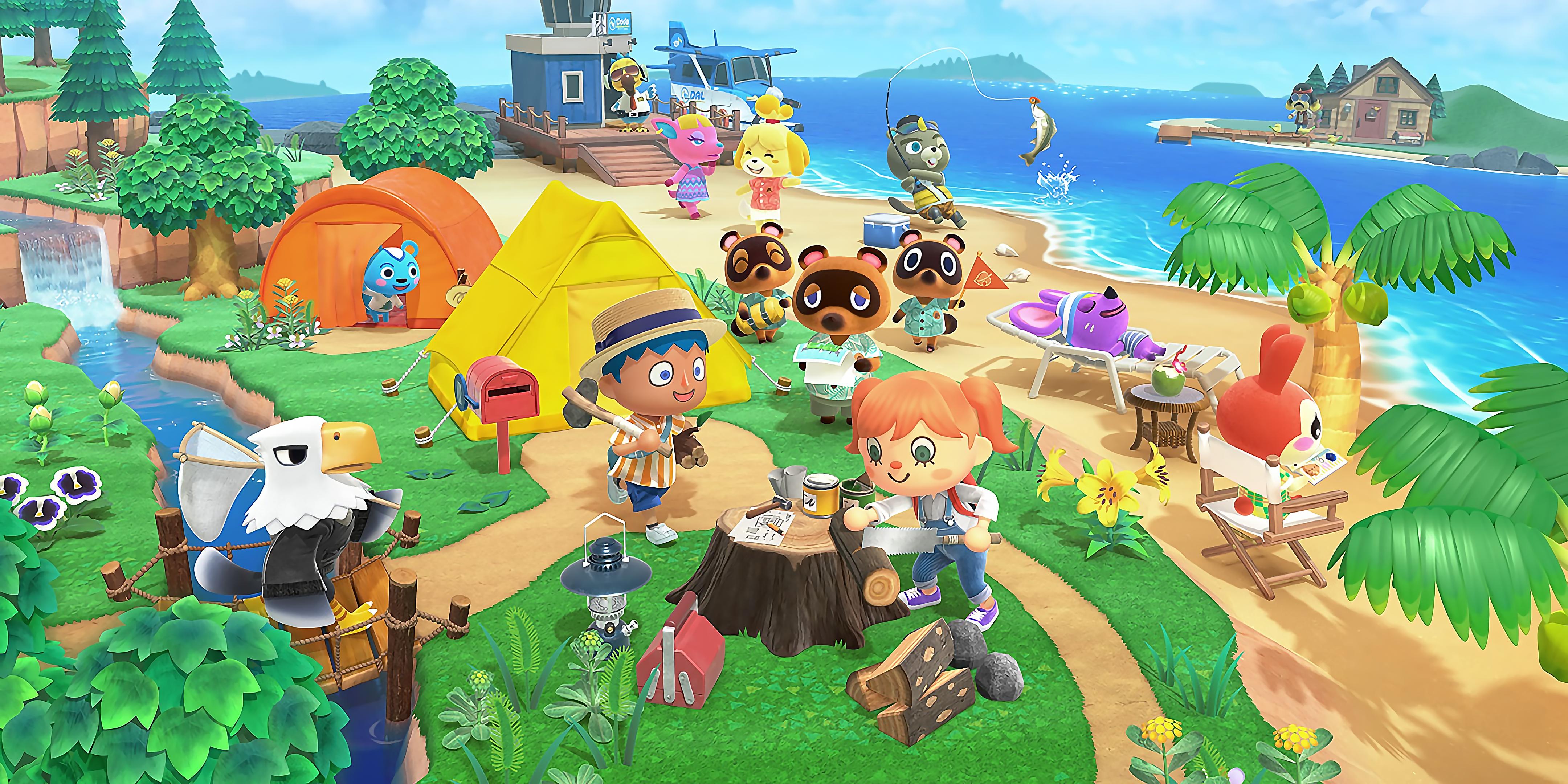
Villagers keep wake and sleep patterns that differ by personality types and influence when they socialize outside. Shops have daily hours while special visitors arrive on specific days and times. Turnip buying and selling follows a weekly rhythm with morning and afternoon prices. Nighttime brings different island activity like meteor showers and certain bug and fish spawns.
Stardew Valley
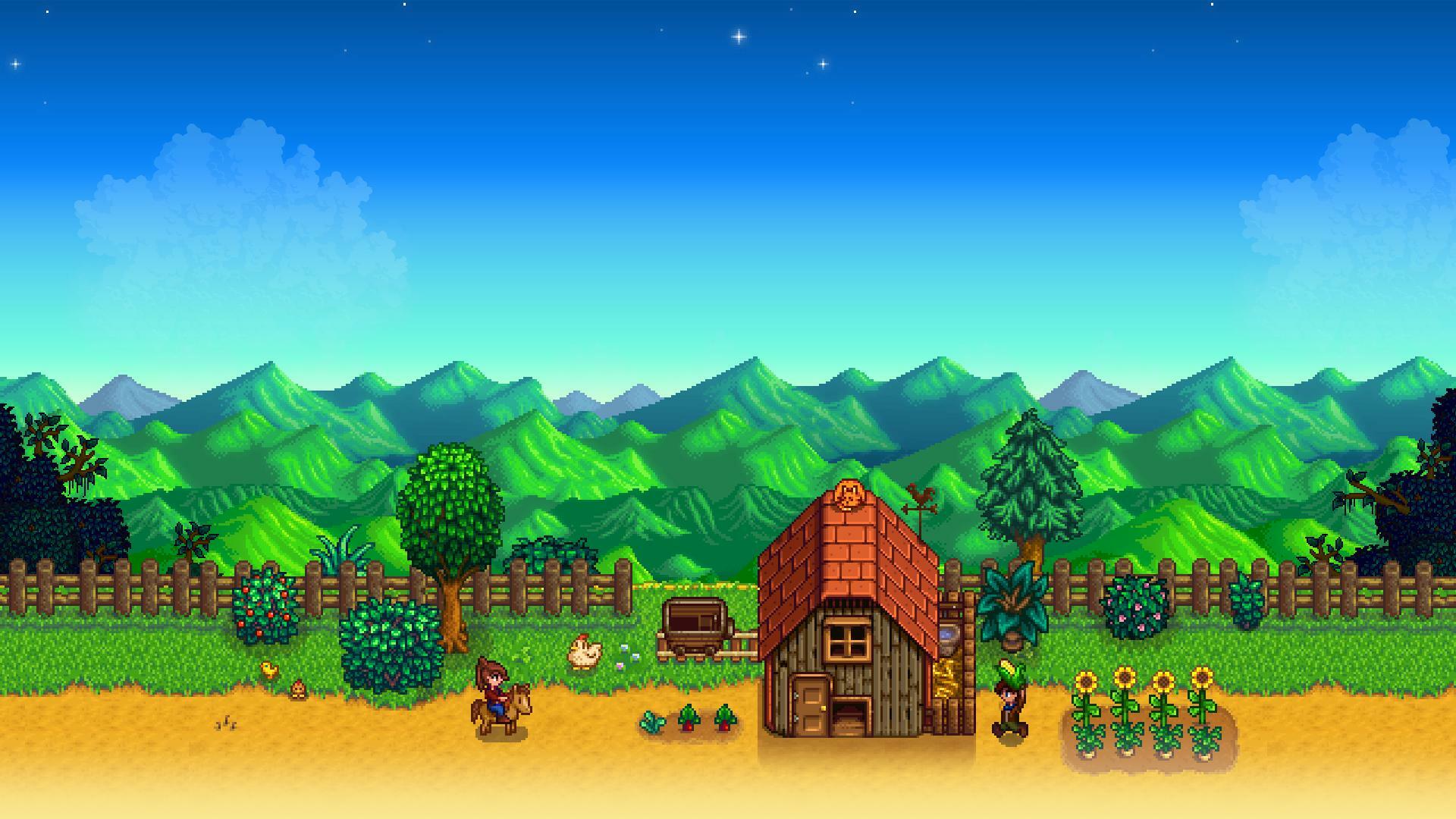
Each resident follows a weekly schedule with variations for weather and festivals, and many change routines after milestones. The calendar lists birthdays and events that alter daily paths and building hours. Shops, clinics, and the saloon have opening and closing times that affect quests and gifting. The community center bundles and bulletin board tasks often depend on meeting people during their rounds.
Persona 5 Royal

Time advances in discrete blocks and confidants are only available on certain days and time slots. School, exams, part-time jobs, and weather all shift who appears where and when. Some social links require visiting specific locations at exact hours for rank ups. Activities like batting cages or the cinema also rotate availability and bonuses by date.
Hitman World of Assassination

Targets and key NPCs follow complex patrols and timed routines that create multiple infiltration windows. Staff briefings, smoke breaks, meal times, and scripted tours open paths through restricted zones. Disguises intersect with schedules to trigger unique meetings or private conversations. Story missions often rely on syncing with a target’s loop to stage an accident or interception.
Kingdom Come: Deliverance
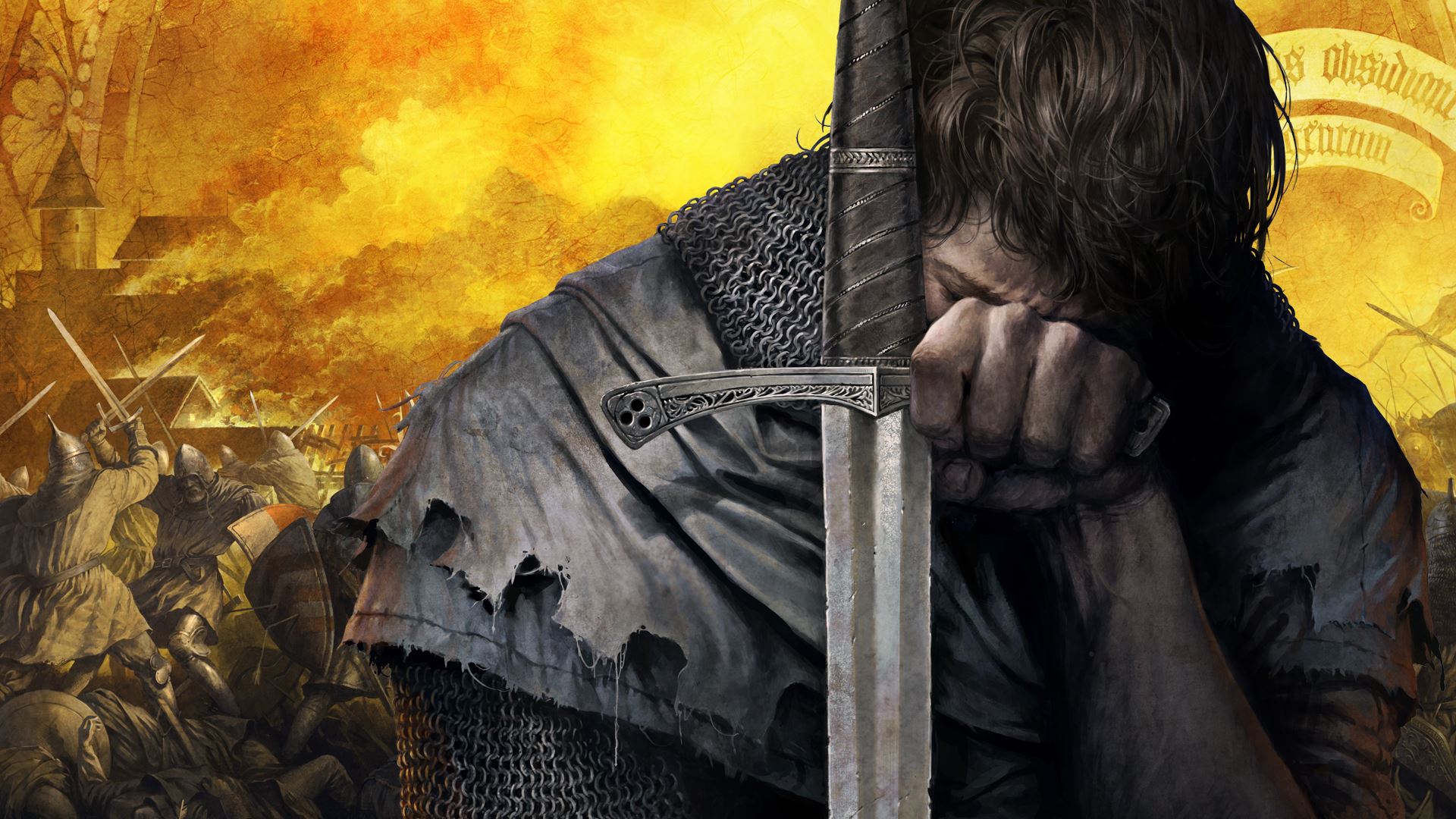
Villagers adhere to strict patterns that include work shifts, meals, prayers, and sleep in locked homes. Inns, bathhouses, and vendors keep regular hours and may refuse service outside them. Crimes are more detectable or safer depending on whether residents are awake, at church, or away from home. Guards rotate patrols and react to curfew violations in settlements.
Gothic

NPCs wake up, head to jobs like hunting or smithing, gather for meals, and return to beds at night. Guild camps visibly transform between day work and evening downtime. Entering homes after hours triggers different lines and reactions compared to daytime visits. Some teachers and traders are only available during their posted time blocks.
The Witcher 3: Wild Hunt

Villagers and merchants follow day and night cycles that determine availability and prices. Blacksmiths and armorers close shop after hours while taverns stay active later. Weather and time influence where travelers and guards stand or take shelter. Certain contracts and meetings require arriving at precise times for scripted appearances.
Watch Dogs: Legion

Every civilian has a profile with a job, commute, and habits that place them at predictable locations across the day. Recruitment missions tie objectives to where that person is likely to be at a given hour. Criminal activity and opportunities often spawn along those routines. Borough events and checkpoints shift foot traffic patterns during peak times.
Deathloop

Each district changes layout, enemy placements, and NPC behavior across morning, noon, afternoon, and evening. Visionaries maintain unique schedules that intersect only at certain times, creating new strategies. Clues document when doors open, parties start, or experiments run. Planning routes around these time slots is required to line up multiple targets.
Pathologic 2

Named townsfolk move on personal paths and may fall ill or die if not reached within time-limited windows. Quests expire as the day advances, altering later outcomes and dialogue. Shops run limited stock that refreshes in daily cycles. Night phases change who is on the streets and which interactions are possible.
Dead Rising
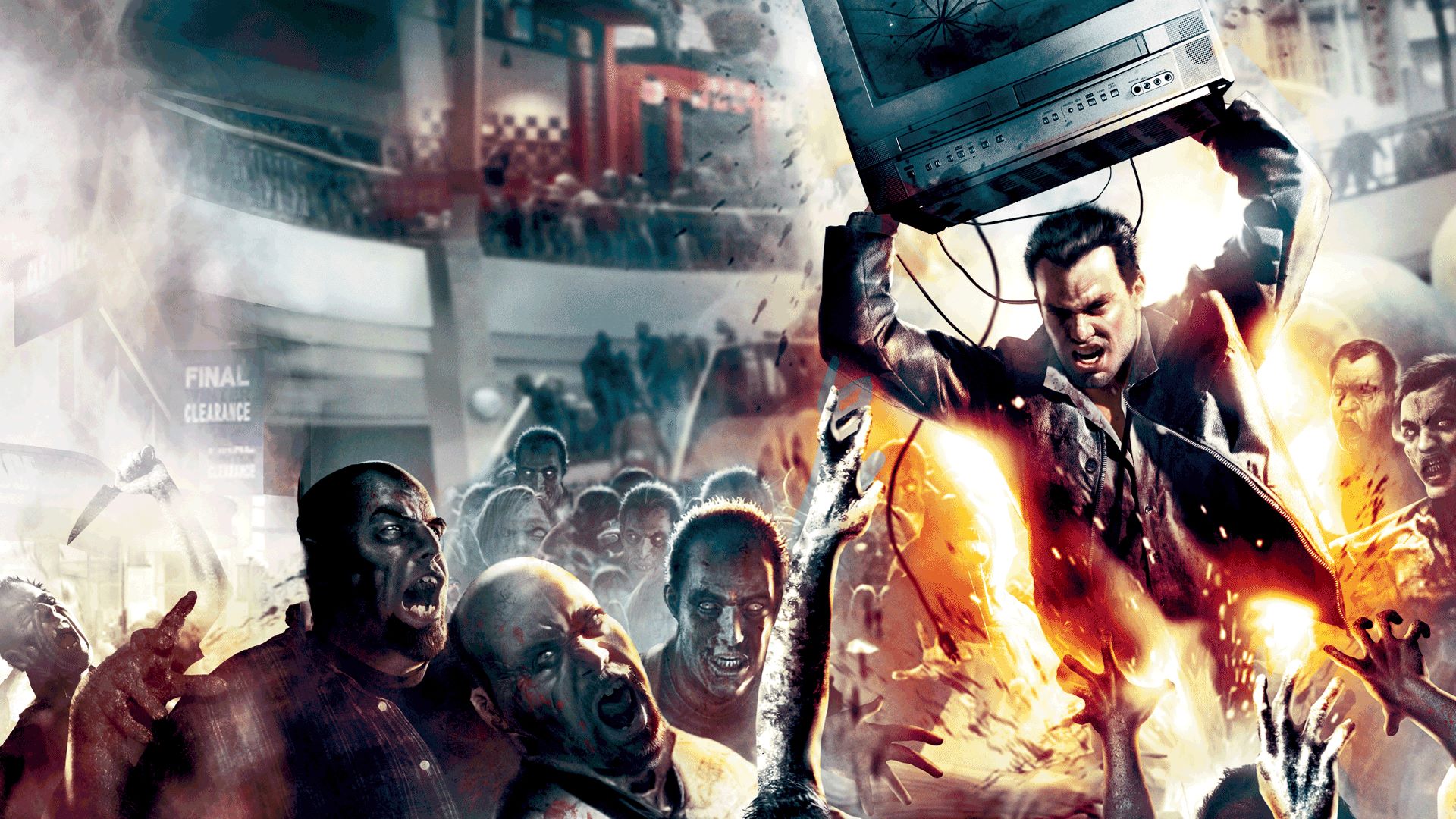
Survivor rescues and boss encounters are attached to time-stamped scoops that appear on a schedule. Mall stores open or close shutters based on the campaign clock. Failing to reach a location in time lets events resolve without you and affects later objectives. Helicopter pickups and case files require arriving at specific hours.
The Sims 4

Autonomous sims follow work shifts, school times, and daily needs that drive them between lots and activities. Community venues populate differently by hour with role NPCs arriving and leaving on timers. Festivals and neighborhood events occur on rotating schedules that alter who shows up. Careers, clubs, and calendars create predictable windows for social interactions.
The Legend of Zelda: Breath of the Wild

Many townspeople follow daily routes from home to shops and inns and then back at night. Traveling merchants appear along set paths and keep loose arrival windows. Rain and night shift some routines like gathering spots and guard posts. Shrine quests often depend on meeting a character at a location during specific hours.
Cyberpunk 2077

Crowds and vendors adhere to day and night cycles with markets and bars changing occupancy over time. Fixers contact you at planned windows and some gigs only trigger after certain hours. NPCs relocate between homes, workplaces, and hangouts in repeatable patterns. Patch updates expanded behaviors like shop hours and street activity to better reflect the clock.
Share your favorite examples of games with believable daily routines in the comments and tell us which schedules stood out most.