‘Super Smash Bros. Ultimate’ Mistakes You’ll Never Be Able to Unsee


Once you start spotting the little habits that hold players back in ‘Super Smash Bros. Ultimate’, you can’t stop seeing them—on your own controller and across the screen. These aren’t gimmicks or character-specific secrets; they’re universal fundamentals that quietly swing games. Fixing them tightens your neutral, boosts your survivability, and unlocks cleaner punishes. Here are ten common mistakes, plus what to do instead so your play holds up under pressure.
Air-Dodging Onto Stage at High Percent
Directional air dodges have long landing lag, so dodging toward the stage at kill percent practically hands over a punish. Use drift and fastfall to reach ledge, where you have invincibility and multiple options. If you must air dodge, aim for the ledge snap rather than center stage to avoid that punishable landing. Practice recovering with jump first, then air dodge as a last resort so you don’t eat a charged smash on arrival.
Burning Your Double Jump Too Early
Your double jump is your best resource for mixing recoveries and escaping juggles, but spending it high above the stage leaves you with predictable fall patterns. Delay it until you confirm you’re out of true follow-ups; drift, fastfall, or use a special first if it’s safe. Ultimate standardized jump squat to three frames, which makes short hops and fast aerials reliable for landing, so you don’t need to panic-jump. Keep the jump banked and you’ll survive longer and come down with better timing.
Always Picking the Same Ledge Option
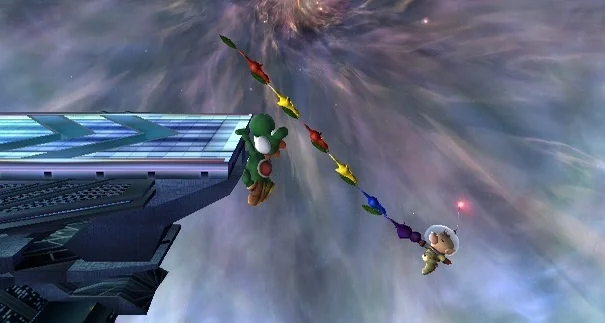
Ledge get-up, roll, jump, and attack each lose invincibility at different points—spamming one makes you trivial to trap. Rotate options based on where the opponent stands: roll if they’re close to the ledge, jump if they’re grounded and slow, neutral get-up when they’ve pre-committed to a swing. Mix in drop-from-ledge regrabs sparingly to refresh invincibility, but don’t overuse them or you’ll get two-framed. The goal is to reset neutral, not to fight from disadvantage every stock.
Ignoring Stale-Move Negation
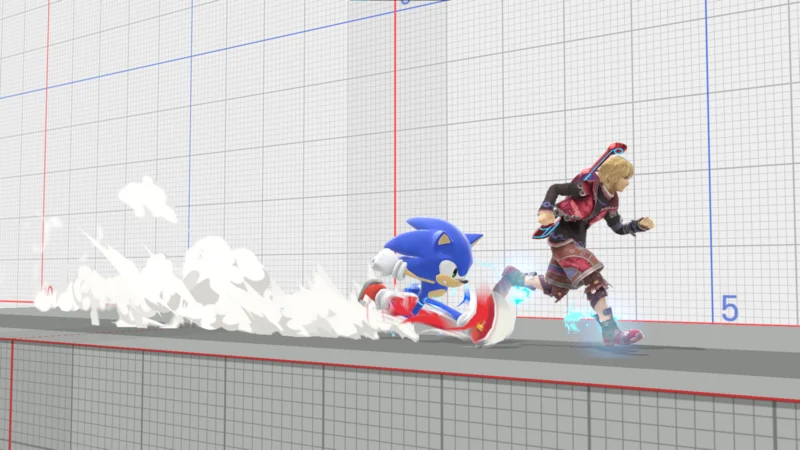
Repeating the same move weakens its damage and knockback thanks to the stale queue, which tracks your last several attacks. If your kill confirm suddenly stops working, it’s often because the finisher is staled. Cycle through different pokes, throw in pummels before a throw, or whiff a safe projectile offstage to refresh your lineup. Keeping your main KO option fresh turns borderline stocks into clean closes.
Mashing and Getting Accidental Buffer Rolls/Air Dodges
Ultimate’s input buffer stores actions during hitstun and landing lag, so frantic mashing often becomes an unintended roll or air dodge the moment you’re free. Instead, hold shield to buffer a block on landing or pre-input a single, safe option like a jab. Manage your stick so a buffered defensive doesn’t slide you into the corner. Clean buffer discipline turns “scramble deaths” into solid resets.
Not DI’ing for Survival vs. Combo
Survival DI and combo DI are different problems: one keeps you alive, the other escapes strings. For survival, hold perpendicular to the knockback angle and, when sent near a corner, favor toward the top corner to avoid early blast-zone trips. For combo DI, angle away from the follow-up path or down and away to fall out faster; don’t drift into the opponent’s next hit. Learn your character’s fastfall and air-speed thresholds so you can switch from escape DI to recovery planning instantly.
Skipping Techs on Stage Spikes and Platforms
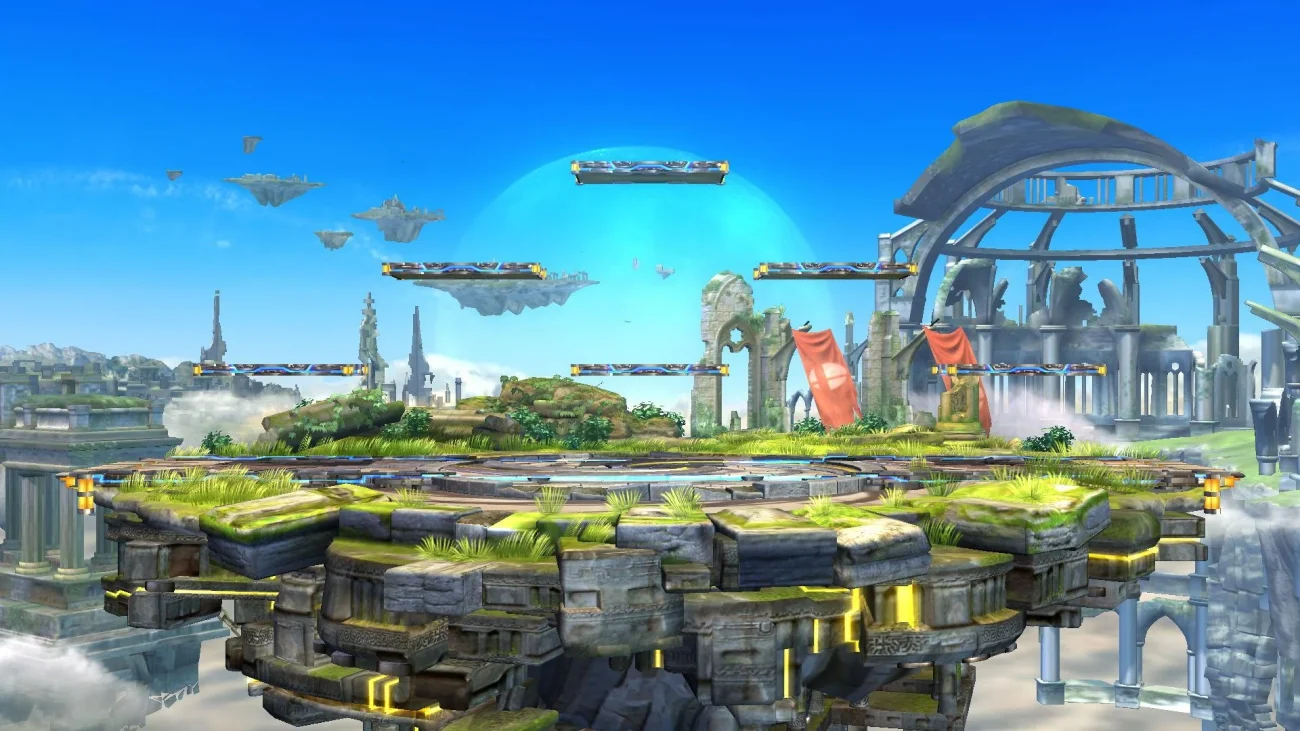
Unteched hits into walls, stage undersides, or platforms lead to free follow-ups or outright KOs. Hold shield as you collide and time a press near impact to tech; if you’re unsure, “option select” by holding shield so you at least get a quick shield on slide. Mix tech directions—neutral, roll in, roll out—so the attacker can’t auto-cover. In training, record stage-spike setups and drill the timing until your muscle memory takes over.
Overreliance on Shield Without Managing Shield Health
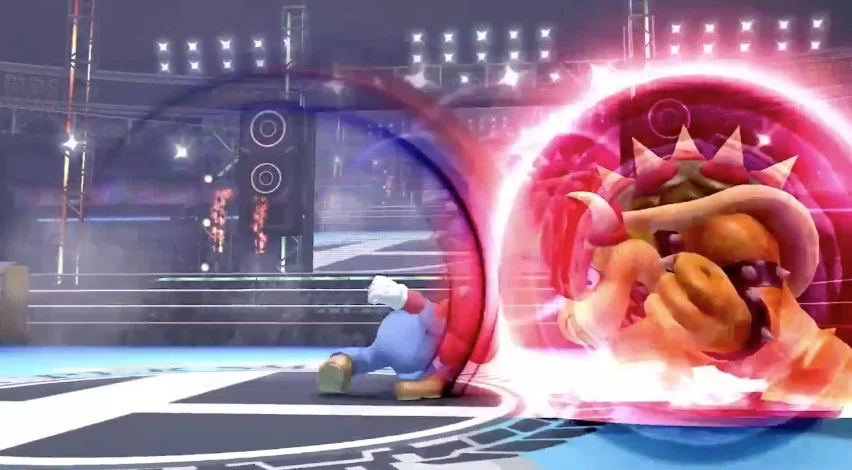
Shields shrink as they’re damaged and won’t protect your feet and head once low, leading to shield pokes and breaks. Let it regenerate by backing up, short hopping, or parrying instead of holding it down in pressure. Aim to block with the shield bubble centered on incoming hitboxes by micro-spacing, which reduces poke risk. When cornered, jump out early or spot-dodge a grab rather than trying to “tank” everything behind a brittle bubble.
Fishing for Raw Smash Attacks in Neutral
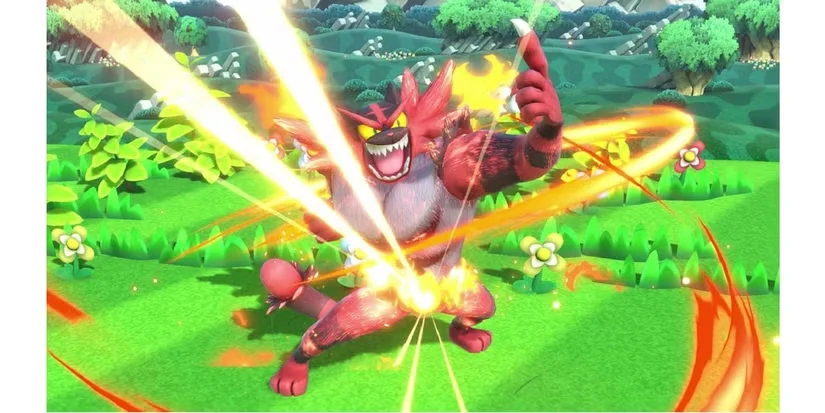
Smash attacks have long startup and endlag, and good players dash-block or whiff-punish them on reaction. Build damage with safe aerials, tilts, and grabs, then look for a confirm, a ledgetrap, or a whiffed option to cash out. Many characters have tilt or aerial “anti-airs” that convert more reliably than a raw up smash. Save the big swing for a read you’ve conditioned, not for every neutral reset.
Neglecting Center Stage and Giving Up Space for Free
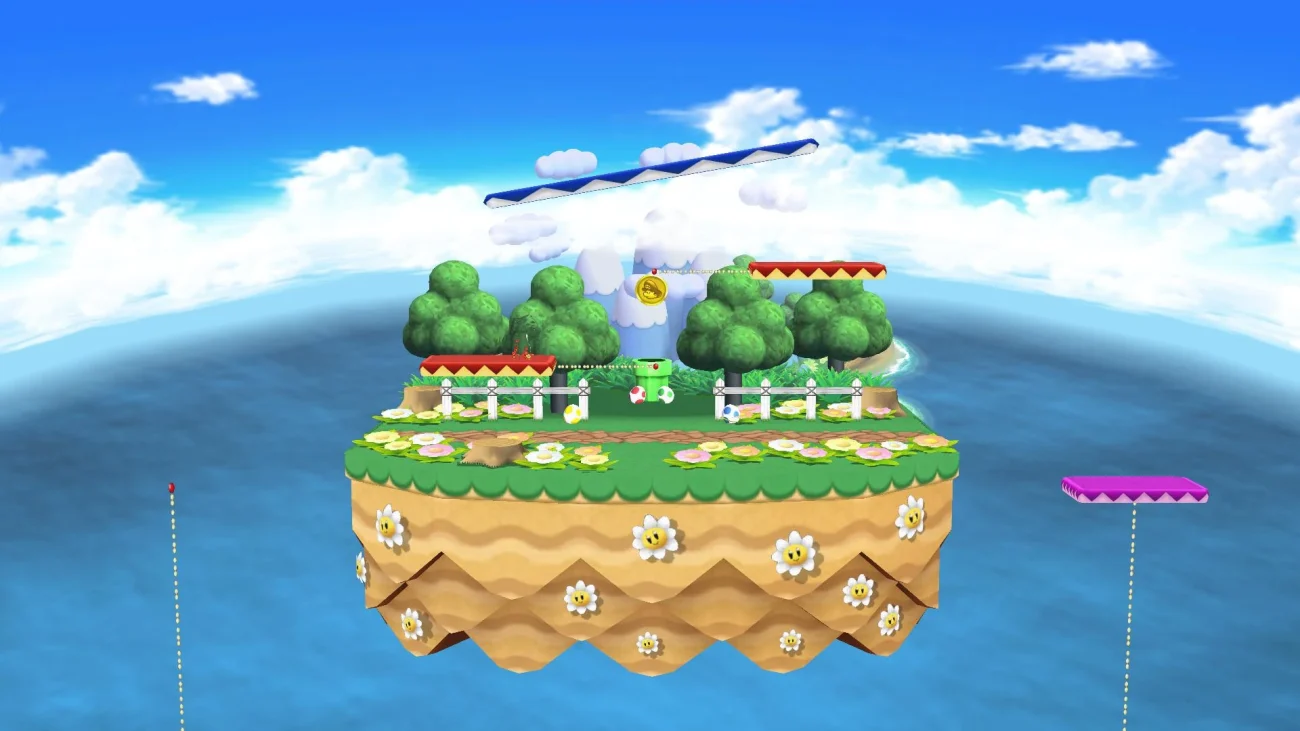
Sprinting past center to chase hits puts your back to the ledge, where every trade becomes lethal. Hold center so the opponent runs out of stage first, then push them into ledgetraps where your flowchart is strongest. Prioritize stage regrab after a throw or combo ender rather than overextending offstage without a read. Winning space forces worse recoveries and turns small advantages into stocks.
Share your own “can’t unsee it now” habits—and what finally fixed them—in the comments!