25 Game Skill Checks That Change Everything



Skill checks can turn a routine conversation into a branching plot, unlock entire questlines, or flip a combat encounter on its head. They’re the quiet dice rolls—visible or behind the scenes—that check your stats, proficiencies, or choices and then alter what happens next. From classic CRPGs to modern open worlds, these moments reward planning, specialization, and a little luck. Here are standout examples where a single check can reshape outcomes in ways you’ll definitely notice.
‘Disco Elysium’ (2019)

Checks in ‘Disco Elysium’ gate everything from persuading suspects to surviving moral crises, with active white checks you can retry after new clues and red checks that lock in forever. Each roll pulls from attributes like Intellect, Psyche, Physique, and Motorics, then factors in skills and situational modifiers. Failures create new content—like internal dialogues or alternative leads—instead of simple dead ends. ZA/UM built the system so even botched attempts can open unique scenes and endings.
‘Baldur’s Gate 3’ (2023)
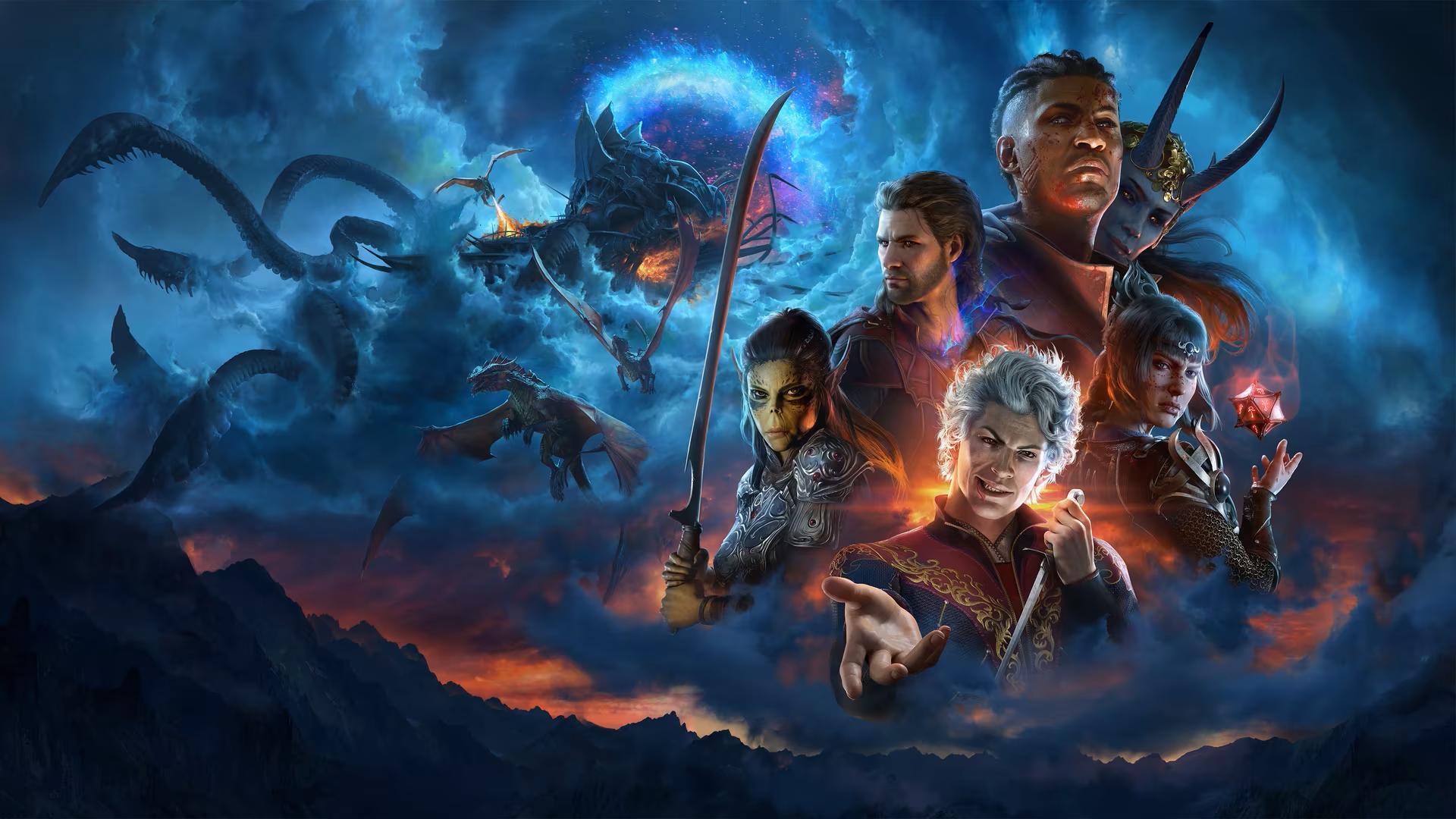
‘Baldur’s Gate 3’ runs visible d20 rolls for dialogue, exploration, and combat stunts, reflecting D&D 5e rules with proficiency, Ability modifiers, and Advantage/Disadvantage. Passing or failing a persuasion check can avert fights, recruit companions, or change faction allegiances. Environmental interactions—like Athletics shoves or Sleight of Hand locks—use the same framework to open shortcuts or loot. Larian Studios ties many companion quests and even late-game states to these outcomes.
‘Fallout: New Vegas’ (2010)
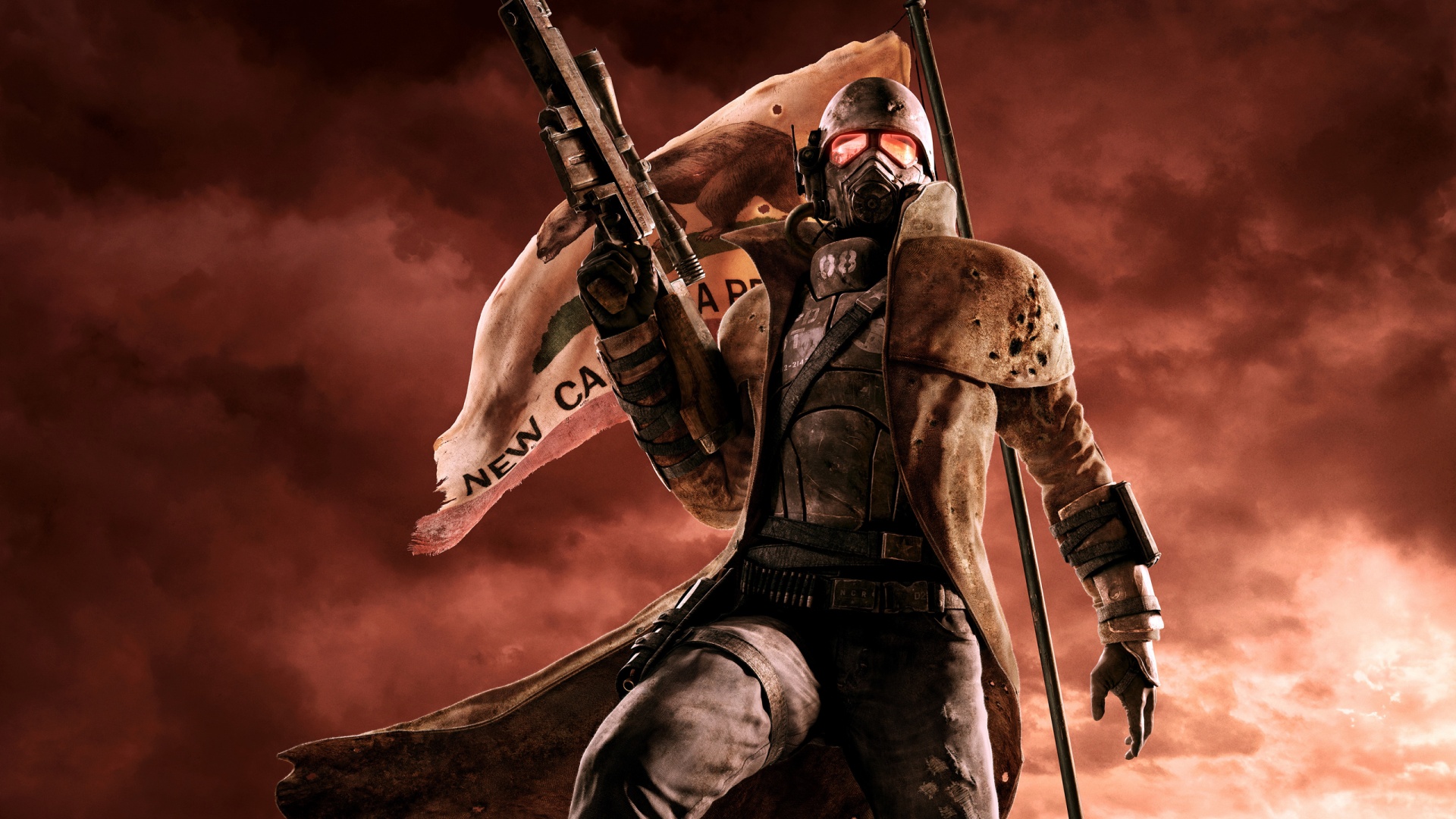
Speech, Barter, Science, and faction reputations gate dialogue paths that can redirect entire questlines in ‘Fallout: New Vegas’. High Medicine lets you diagnose problems, while Repair or Science unlocks peaceful resolutions and secret routes. The final act can be steered by meeting specific skill thresholds in critical conversations. Obsidian Entertainment designed many main-quest beats to accept non-combat solutions if your build supports them.
‘Fallout 3’ (2008)
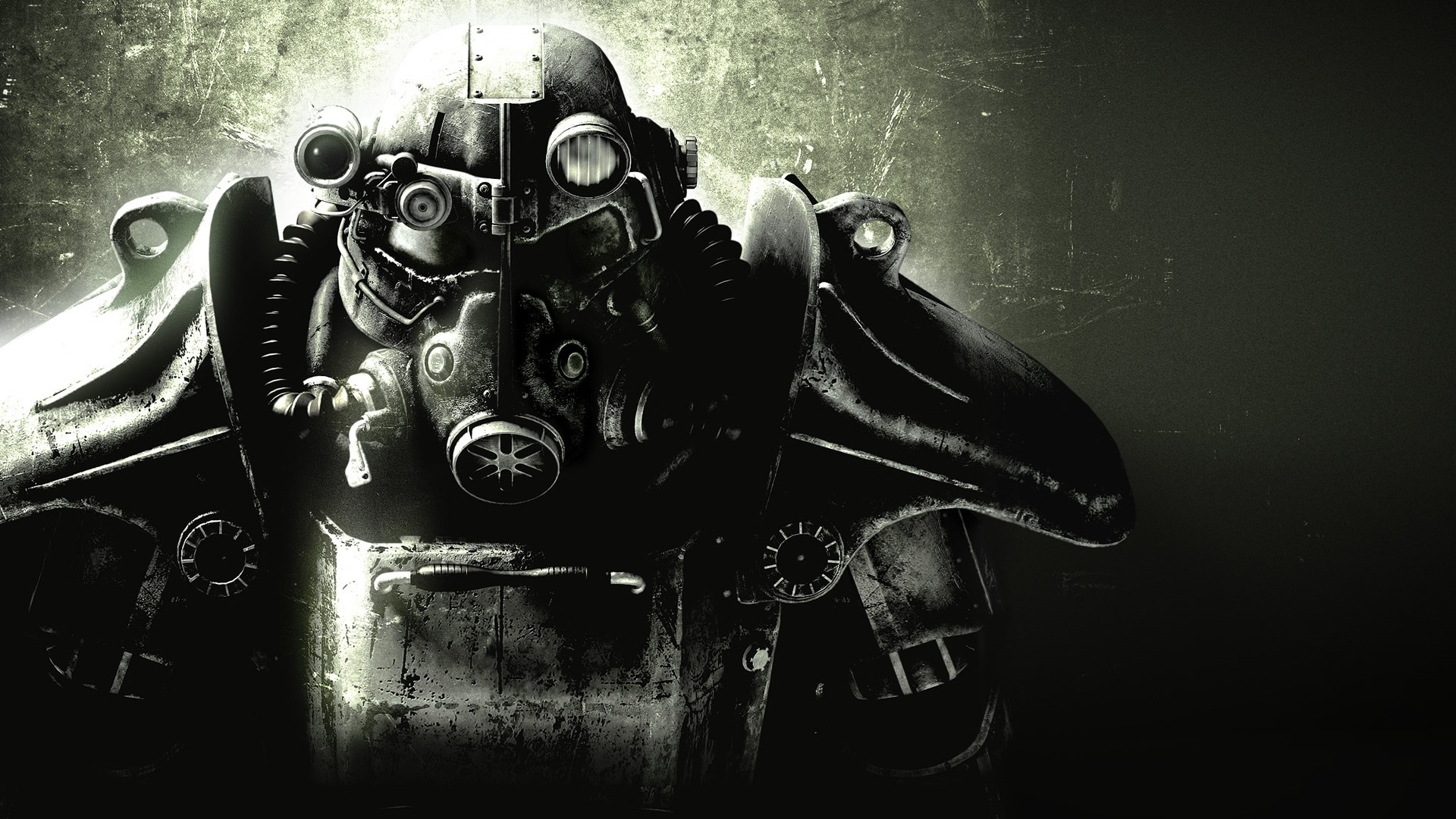
‘Fallout 3’ uses skill thresholds in Speech, Science, Medicine, and more to alter how quests play out and what rewards you receive. A single Speech success can avoid combat or net larger payouts, while Science checks open terminals, bypassing hazards. Certain checks modify karma outcomes and NPC survival in key missions. Bethesda Game Studios spreads these gates across the Capital Wasteland to encourage diverse character builds.
‘The Outer Worlds’ (2019)

In ‘The Outer Worlds’, dialogue skills—Persuade, Lie, Intimidate—combine with specialized stats like Medical, Engineering, and Science to unlock unique fixes and tactics. Meeting thresholds can resolve corporate standoffs without firing a shot or reveal hidden quest branches. Party skill bonuses from companions expand what you can do in conversations and terminals. Obsidian Entertainment built many faction outcomes around whether you can talk—or tinker—your way through.
‘Vampire: The Masquerade – Bloodlines’ (2004)

Clan choice and skills like Persuasion, Seduction, and Intimidation radically change routes through ‘Bloodlines’. Malkavian and Nosferatu characters see entirely different dialogue or stealth demands, with checks unlocking shortcuts, alliances, or unique quest solutions. Disciplines can substitute for stats, opening supernatural options in social scenes. Troika Games wired many hubs so social builds can progress with minimal combat.
‘Planescape: Torment’ (1999)
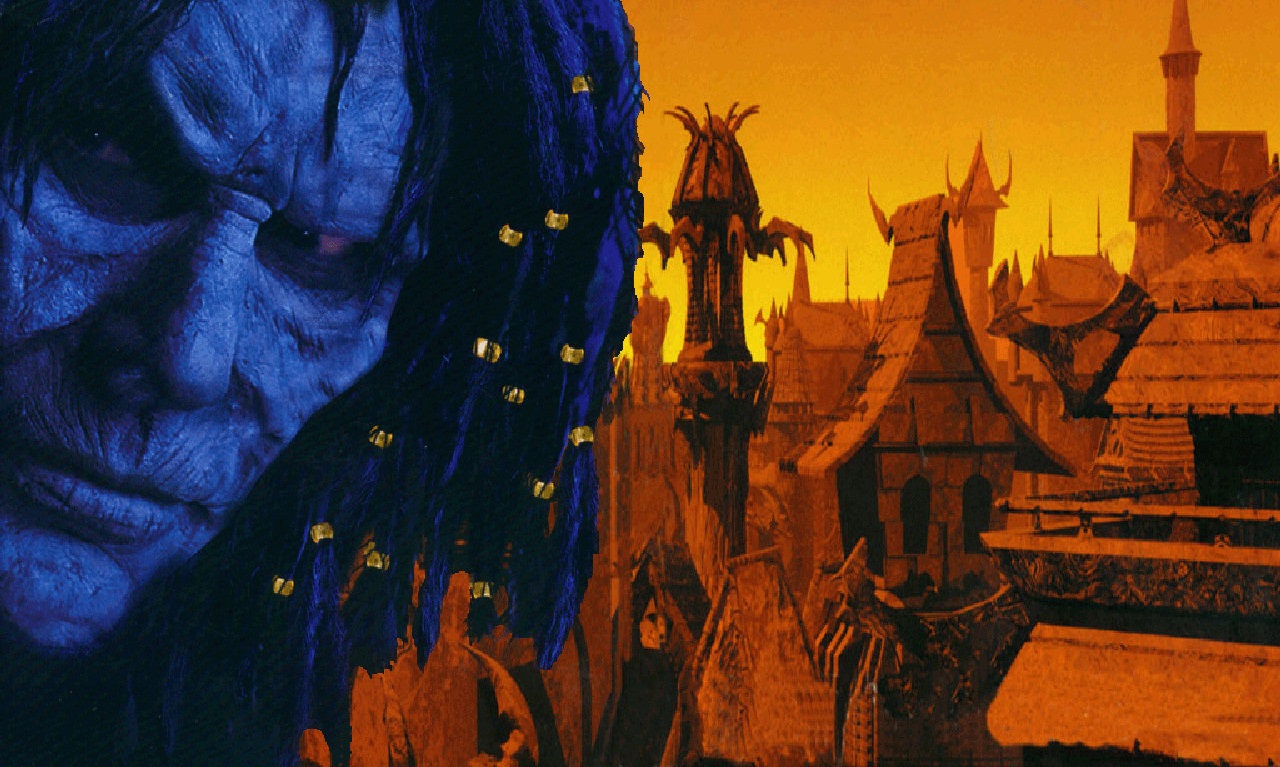
High Wisdom and Intelligence unlock major revelations in ‘Planescape: Torment’, altering memories, companions’ arcs, and even the ending. Dialogue checks open metaphysical answers that brute force can’t reach, including unique solutions to boss confrontations. Certain class and alignment choices add specialized lines that steer quests in unexpected directions. Black Isle Studios centered the game’s progression on conversational and philosophical tests as much as combat.
‘Star Wars: Knights of the Old Republic’ (2003)

Skill and attribute checks in ‘KOTOR’ determine whether you can persuade NPCs, slice computers, or repair droids for alternative outcomes. Light Side versus Dark Side choices combine with dialogue gates to reshape companion loyalty and story beats. Repair and Computer Use reduce costs or unlock peaceful paths through hostile areas. BioWare used these checks to branch not just rewards but moral trajectories.
‘Mass Effect 2’ (2010)
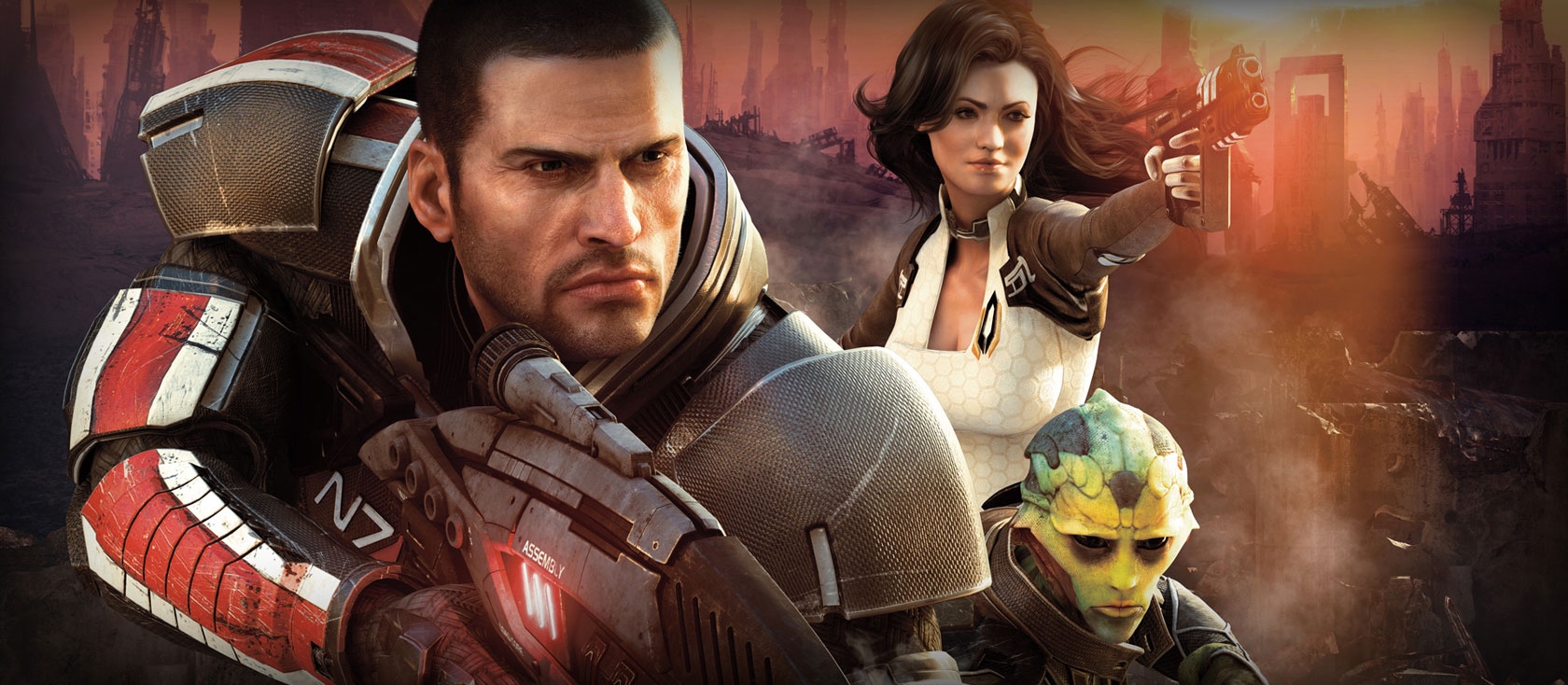
‘Mass Effect 2’ ties Paragon/Renegade dialogue gates to cumulative reputation, enabling high-stakes interrupts and persuasion lines in pivotal missions. Meeting these checks can reconcile squadmates, avert loyalty conflicts, or stabilize endgame variables. Certain confrontations change entirely if you pass specific conversation thresholds. BioWare designed the Suicide Mission’s survival math to be influenced by prior checks and loyalty outcomes.
‘Dragon Age: Origins’ (2009)
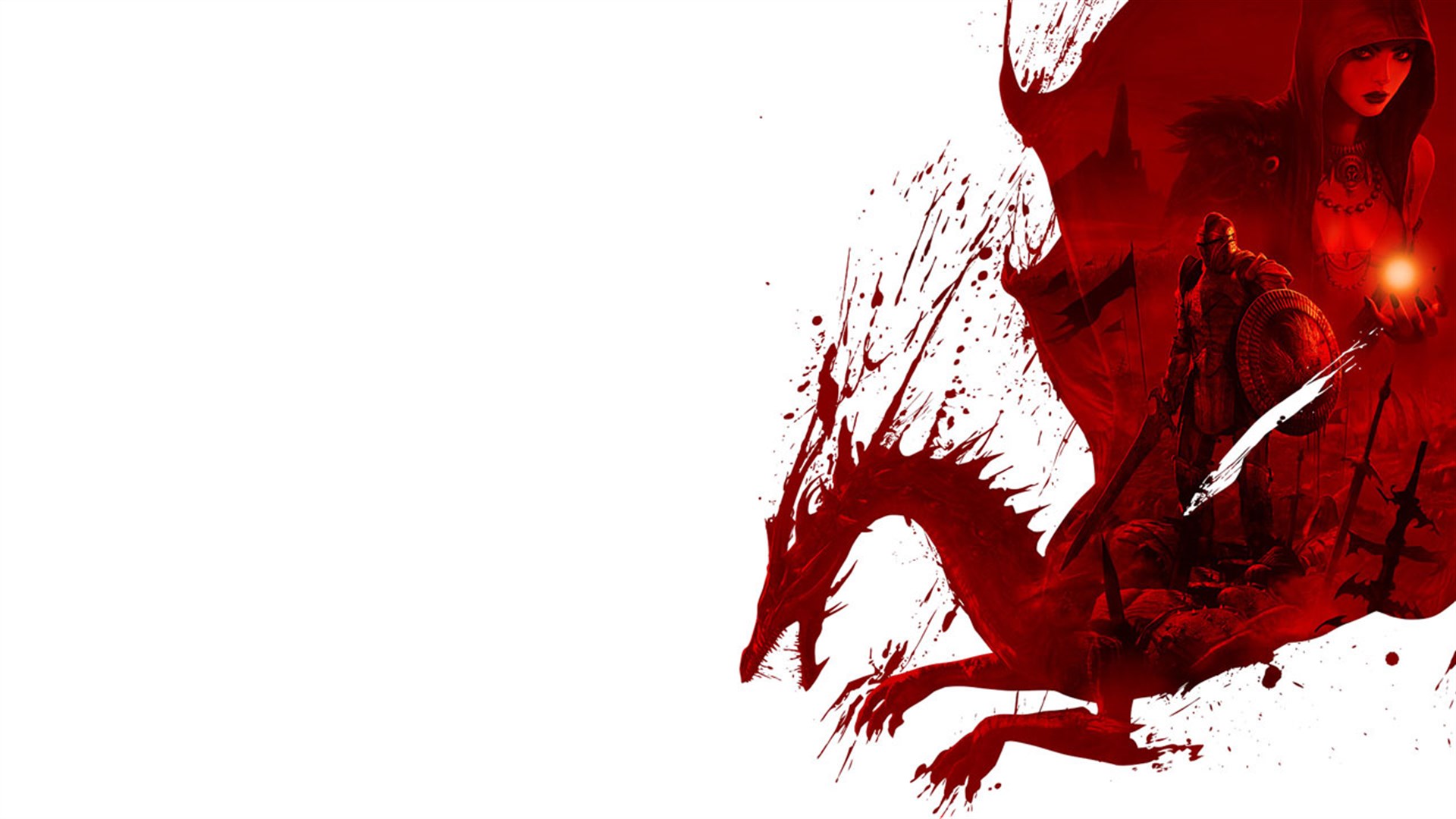
Cunning-based Coercion checks in ‘Dragon Age: Origins’ open or close negotiation paths with nobles, mercenaries, and even party members. Class and background also unlock exclusive lines that redirect quest solutions. Success can avert battles, secure rare items, or reshape treaty support in the Landsmeet. BioWare spreads these checks across the origin stories and the main campaign for consistent impact.
‘Pathfinder: Kingmaker’ (2018)
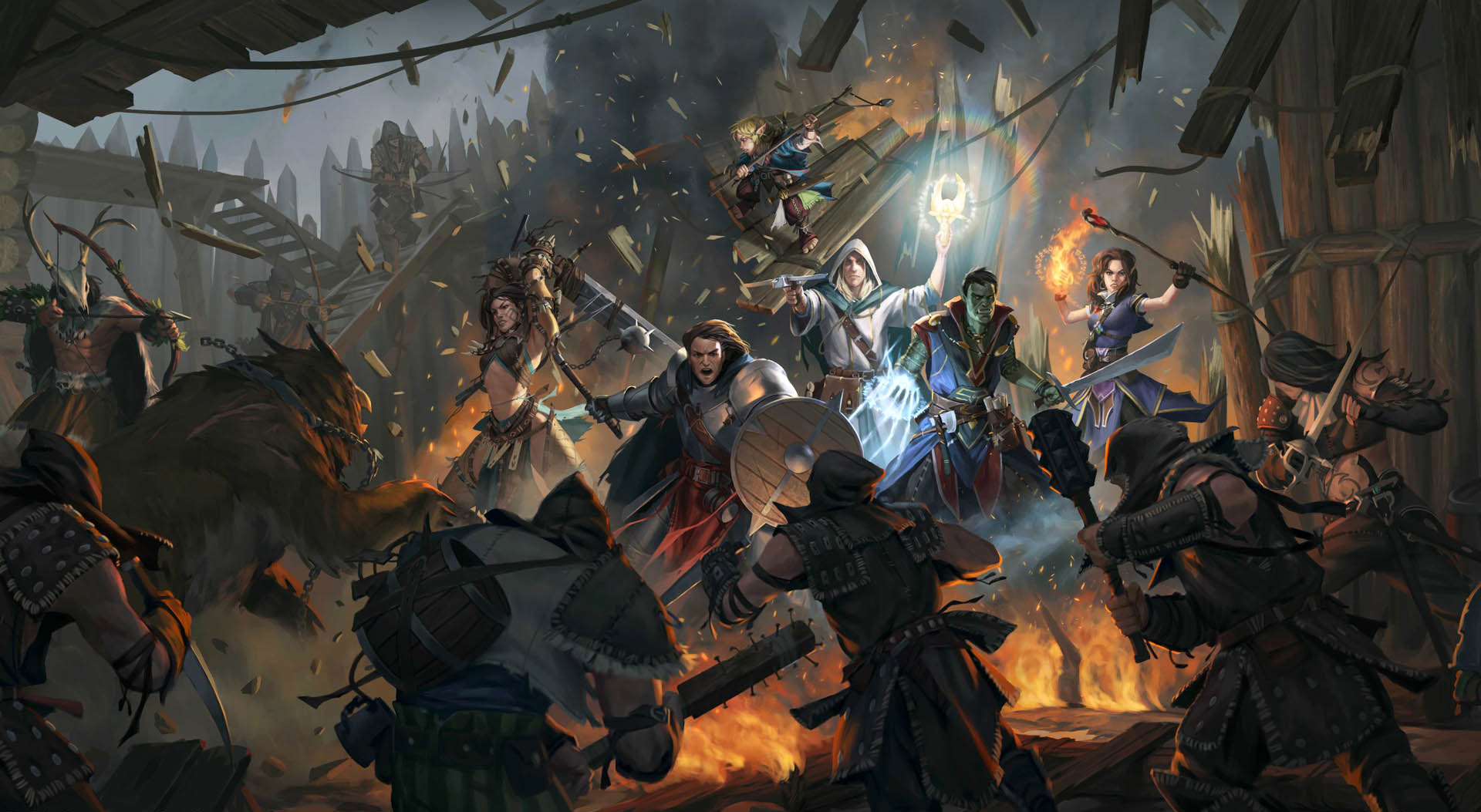
‘Pathfinder: Kingmaker’ uses tabletop-style skill rolls—like Perception, Lore, and Mobility—for dialogue, traps, and scripted interactions. Kingdom events frequently hinge on advisors’ skill bonuses, producing long-term consequences. Party composition affects which checks are even possible during exploration. Owlcat Games mirrors the Pathfinder rules to make both micro decisions and realm management depend on thresholds.
‘Pathfinder: Wrath of the Righteous’ (2021)

Mythic Paths layer on top of standard skills in ‘Wrath of the Righteous’, unlocking exclusive dialogue and quest resolutions. Checks during crusade management affect morale, resources, and strategic encounters. Certain mythic options completely replace combat with narrative outcomes if you meet prerequisites. Owlcat Games integrates skill gates into both personal storylines and large-scale warfare.
‘Pillars of Eternity’ (2015)
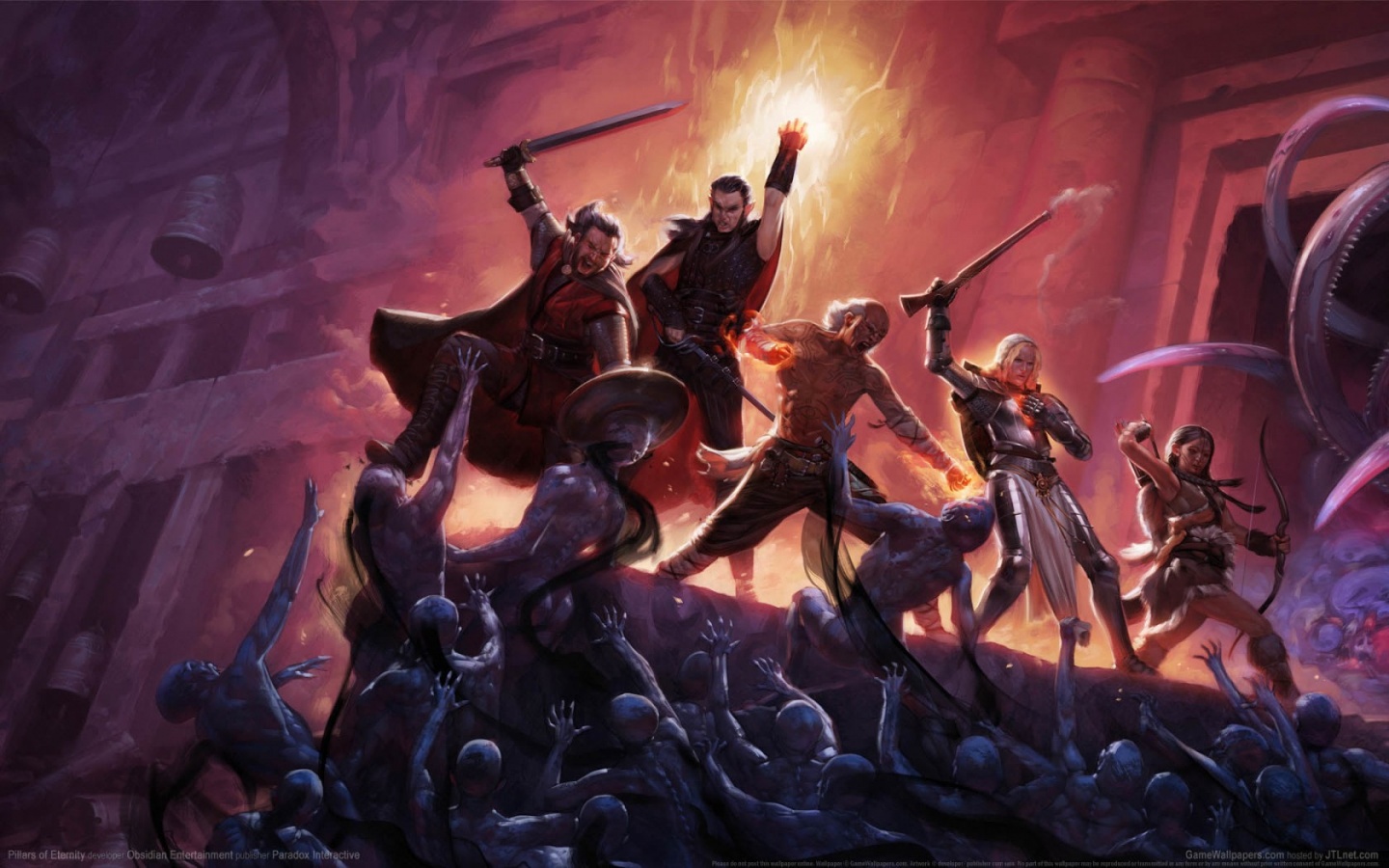
‘Pillars of Eternity’ presents visible thresholds for skills like Lore, Athletics, and Survival, plus background- and reputation-based checks. Meeting them can bypass fights, reveal deeper lore, or alter companion quests. Scripted Interactions roll against party skills to open secret routes or avoid hazards. Obsidian Entertainment designed many quests with multiple, clearly signposted gates to encourage planning.
‘Pillars of Eternity II: Deadfire’ (2018)
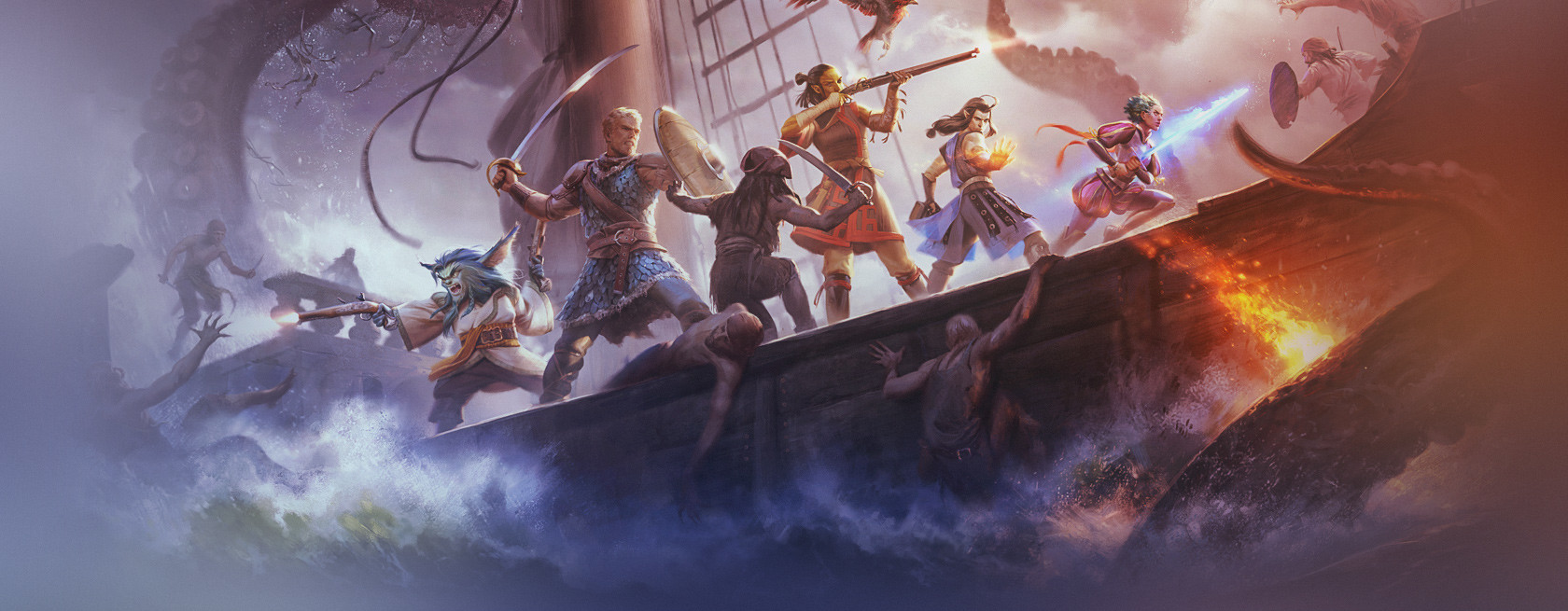
In ‘Deadfire’, passive checks draw from skills and dispositions, while active choices in Scripted Interactions use party totals to steer outcomes. Faction allegiances influence which checks appear and how NPCs respond. Success can grant ship upgrades, alternate heist plans, or peaceful resolutions in volatile ports. Obsidian Entertainment expanded visible thresholds to help you engineer specific routes.
‘Wasteland 2’ (2014)

Skill gating in ‘Wasteland 2’ includes classic checks like Lockpicking and Safecracking plus conversation skills that sway settlements. Choices locked behind thresholds can decide which towns survive and which factions thrive. Failure often keeps paths open but with harsher battles or worse loot. inXile Entertainment emphasizes party spread so multiple Rangers contribute to rolls.
‘Wasteland 3’ (2020)
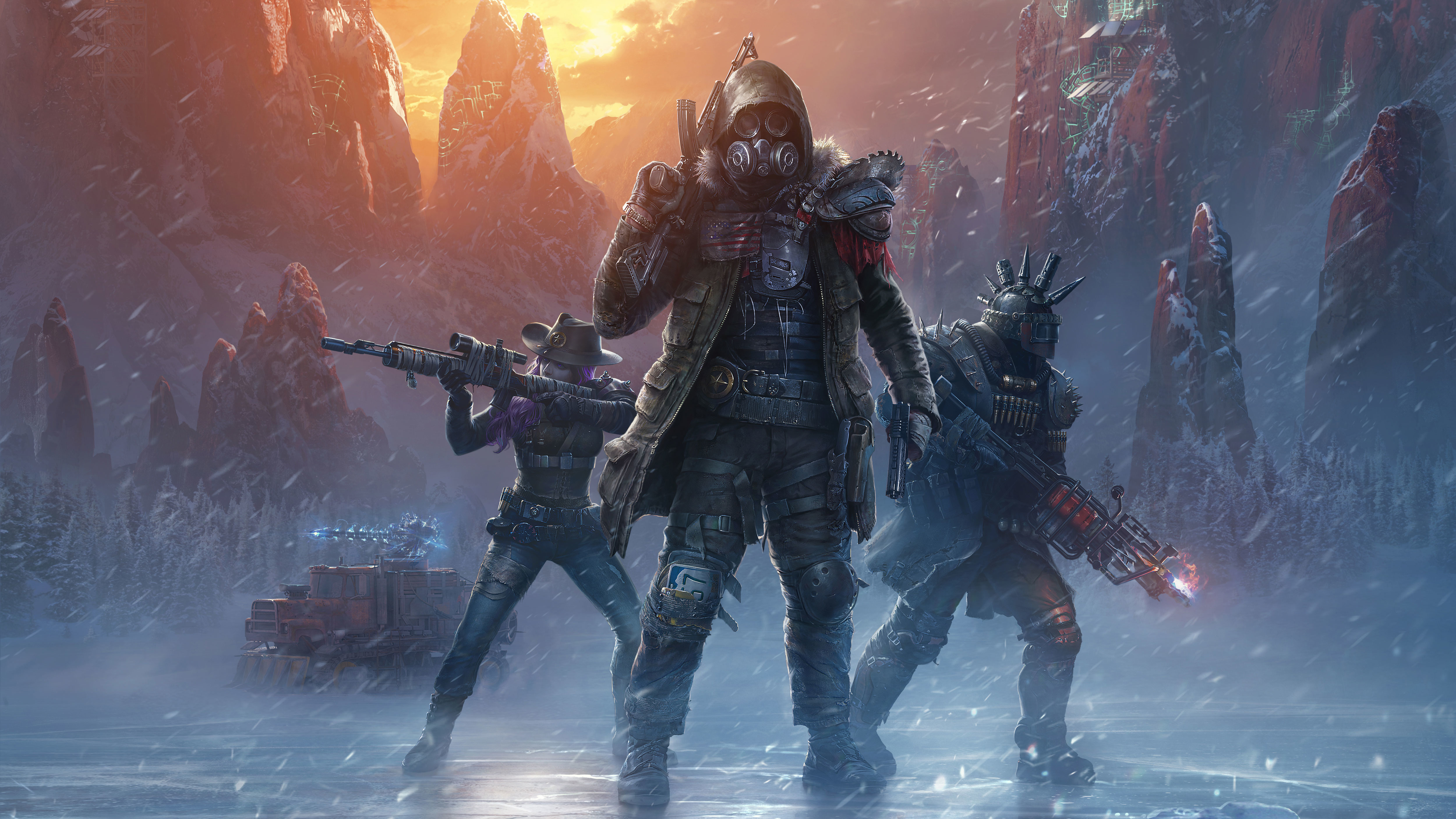
‘Wasteland 3’ adds team-based conversation checks where the “face” character’s stats and background matter. Mechanics and Weird Science can defuse traps or reprogram robots for alternate solutions. High Kiss Ass, Hard Ass, or Nerd Stuff unlock drastically different story beats in the same quest. inXile Entertainment ties key regional outcomes to these success states.
‘The Elder Scrolls V: Skyrim’ (2011)

‘Skyrim’ uses Speech checks to haggle, intimidate, and persuade, while other skills gate world interactions—from Lockpicking to Pickpocket. Certain quests branch through intimidation or persuasion paths that avoid combat or open faster routes. Perks like Intimidation or Investor change shop behavior and quest dialogue options. Bethesda Game Studios spreads these checks across guild lines and civil-war content.
‘The Witcher 3: Wild Hunt’ (2015)

Axii dialogue options in ‘The Witcher 3’ are gated by Sign intensity and character progression, enabling mind-control resolutions. Passing Axii checks can avert fights, gain discounts, or secure information quickly. Other choices check prior quest states, changing outcomes for characters and regions. CD Projekt Red blends soft stat gates with accumulated decisions to branch scenes.
‘Deus Ex: Human Revolution’ (2011)
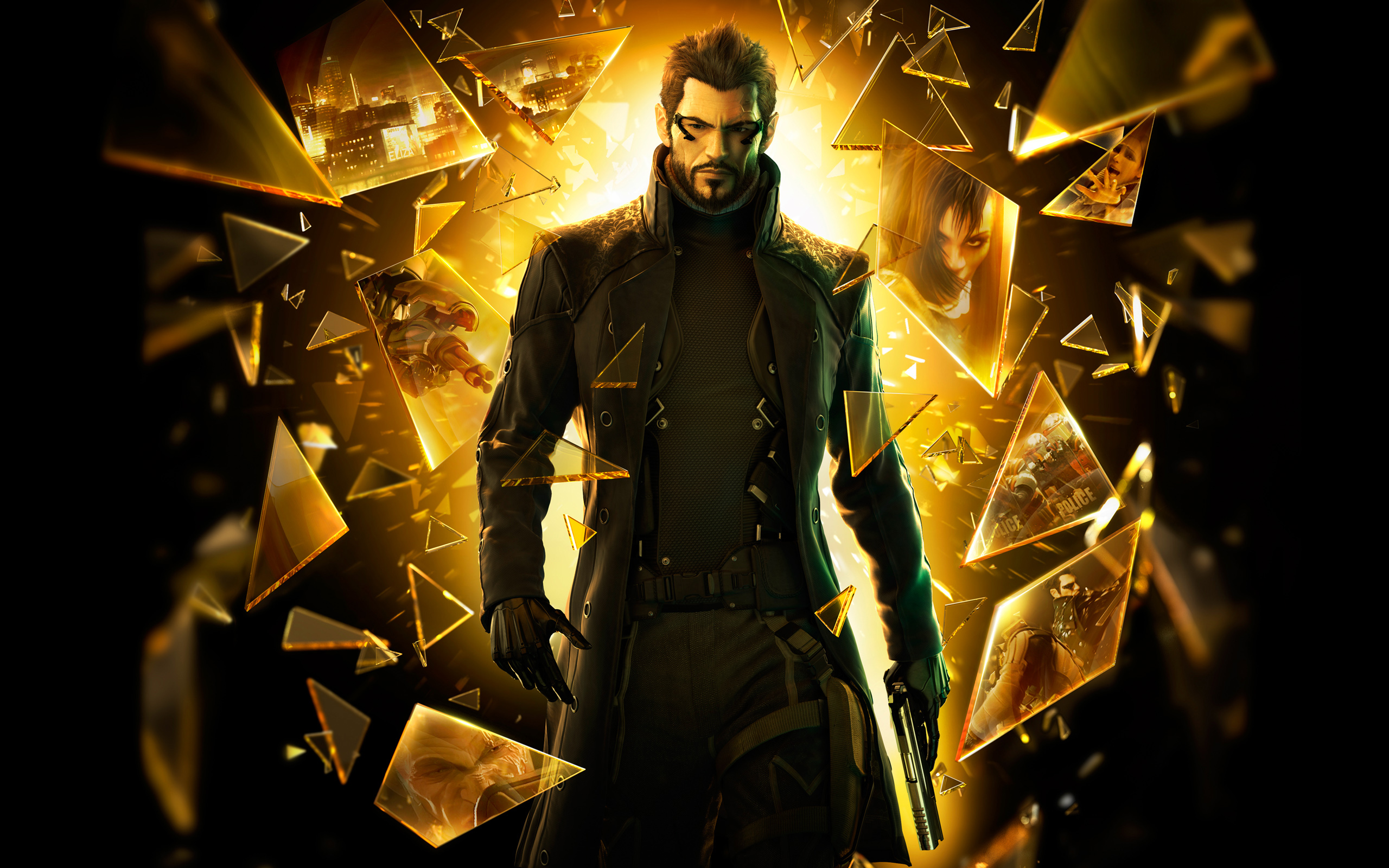
The CASIE augmentation in ‘Human Revolution’ unlocks special persuasion routes by analyzing NPC behavior during conversations. Meeting the right prompts can gain access, avoid alarms, or secure extra intel and rewards. Hacking and Praxis-gated movement skills open alternate mission paths entirely. Eidos-Montréal designed many objectives with social, stealth, or combat checks that solve the same problem differently.
‘Alpha Protocol’ (2010)

Reputation with contacts and timed dialogue stances combine with skill thresholds to shift missions in ‘Alpha Protocol’. Passing certain social checks can change boss behavior, unlock alliances, or alter endgame sequences. Technical and stealth skills open non-lethal or covert routes in hubs. Obsidian Entertainment tied multiple endings to whether you hit key conversation gates throughout.
‘Divinity: Original Sin’ (2014)
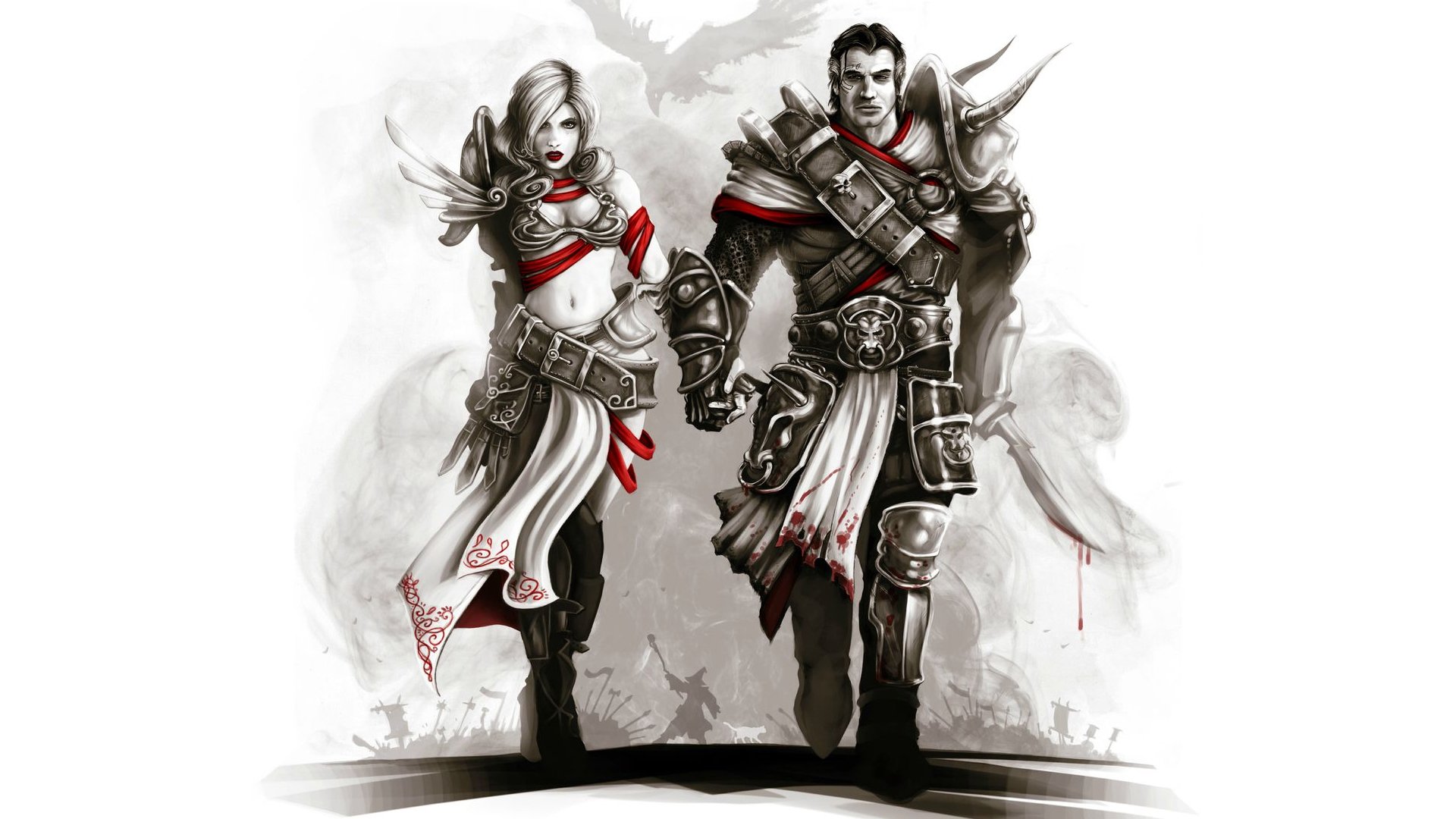
‘Original Sin’ uses attributes and skills to unlock persuasion outcomes, with Rock-Paper-Scissors resolving party disagreements into world states. Environmental checks—like crafting or Telekinesis thresholds—enable creative puzzle solutions and sequence breaks. Dialogues often branch based on traits earned by your choices. Larian Studios built many encounters to be rerouted through utility skills rather than combat alone.
‘Divinity: Original Sin 2’ (2017)
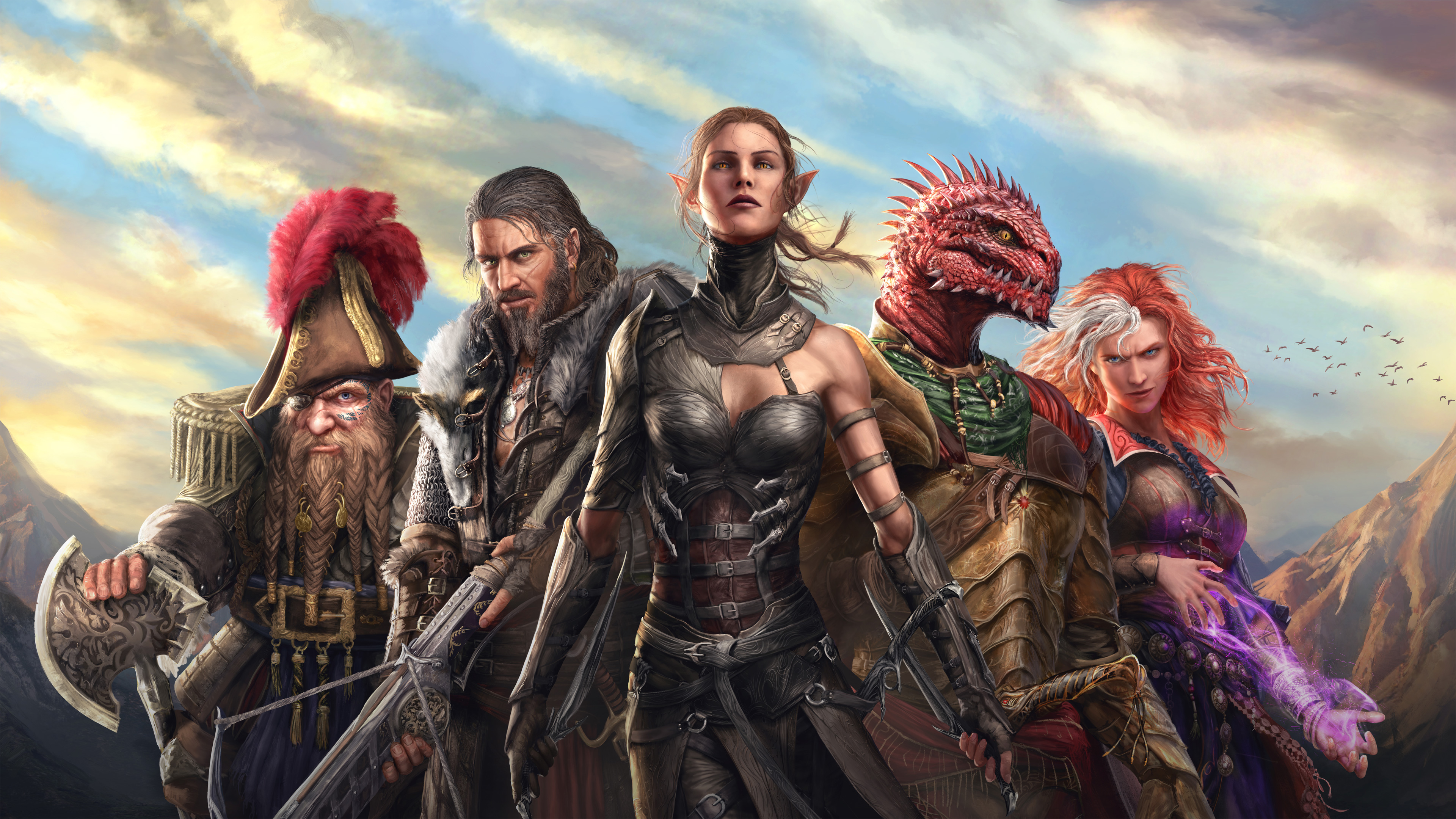
In ‘Original Sin 2’, Persuasion scales with your attributes, allowing dialogue wins that avoid battles or change quest allegiances. Civil skills like Thievery and Loremaster open alternate heist plans and deeper item insights. Origin tags and race tags add exclusive lines that act as hidden checks for unique outcomes. Larian Studios layered visible and tag-based gates to diversify solutions.
‘Shadowrun: Dragonfall’ (2014)
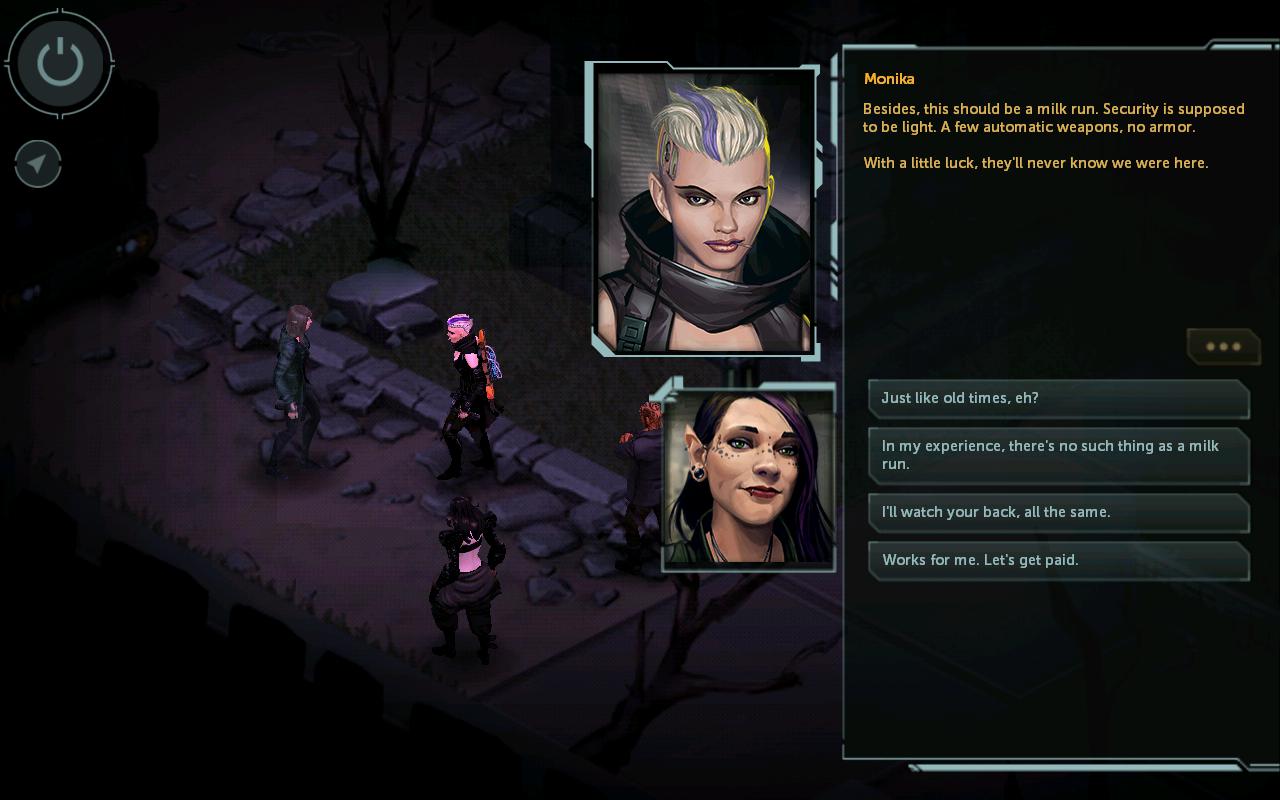
Etiquettes (like Academic or Security) and skills (Decking, Biotech, Charisma) gate dialogue and matrix paths in ‘Dragonfall’. Meeting them can bypass firefights, expose conspiracies earlier, or gain specialized loot. Party builds matter, since teammates can cover checks you lack. Harebrained Schemes structures runs so social, tech, or brute-force approaches all feel viable.
‘Tyranny’ (2016)
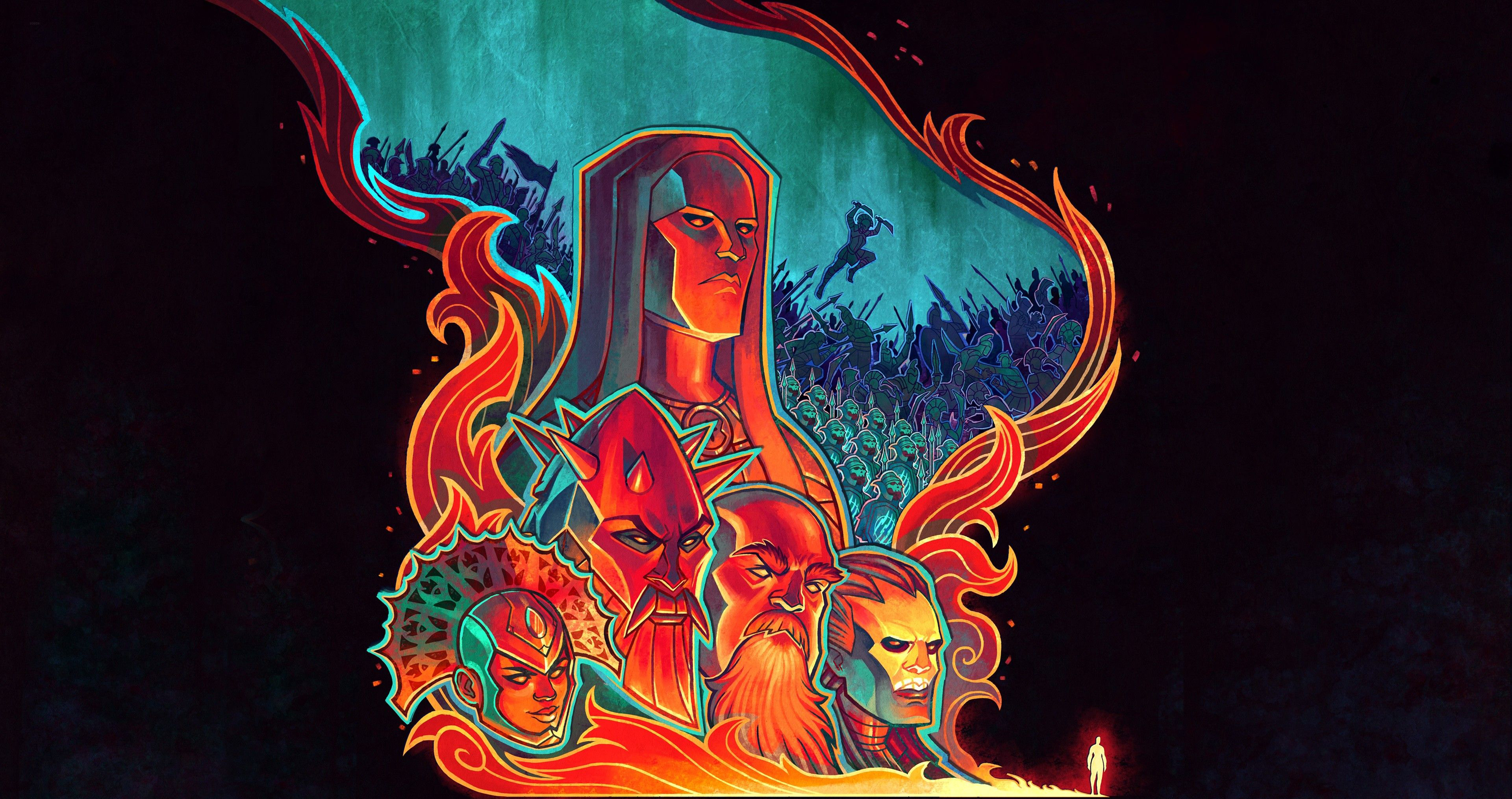
‘Tyrrany’ uses skill levels and reputation-based Favor/Fear to unlock unique declarations of authority that reshape compliance. Checks decide whether factions submit, cooperate, or revolt during critical edicts. Conquest choices create background flags that open or close later options. Obsidian Entertainment ensures many late-game states depend on cumulative checks and prior rulings.
‘Cyberpunk 2077’ (2020)
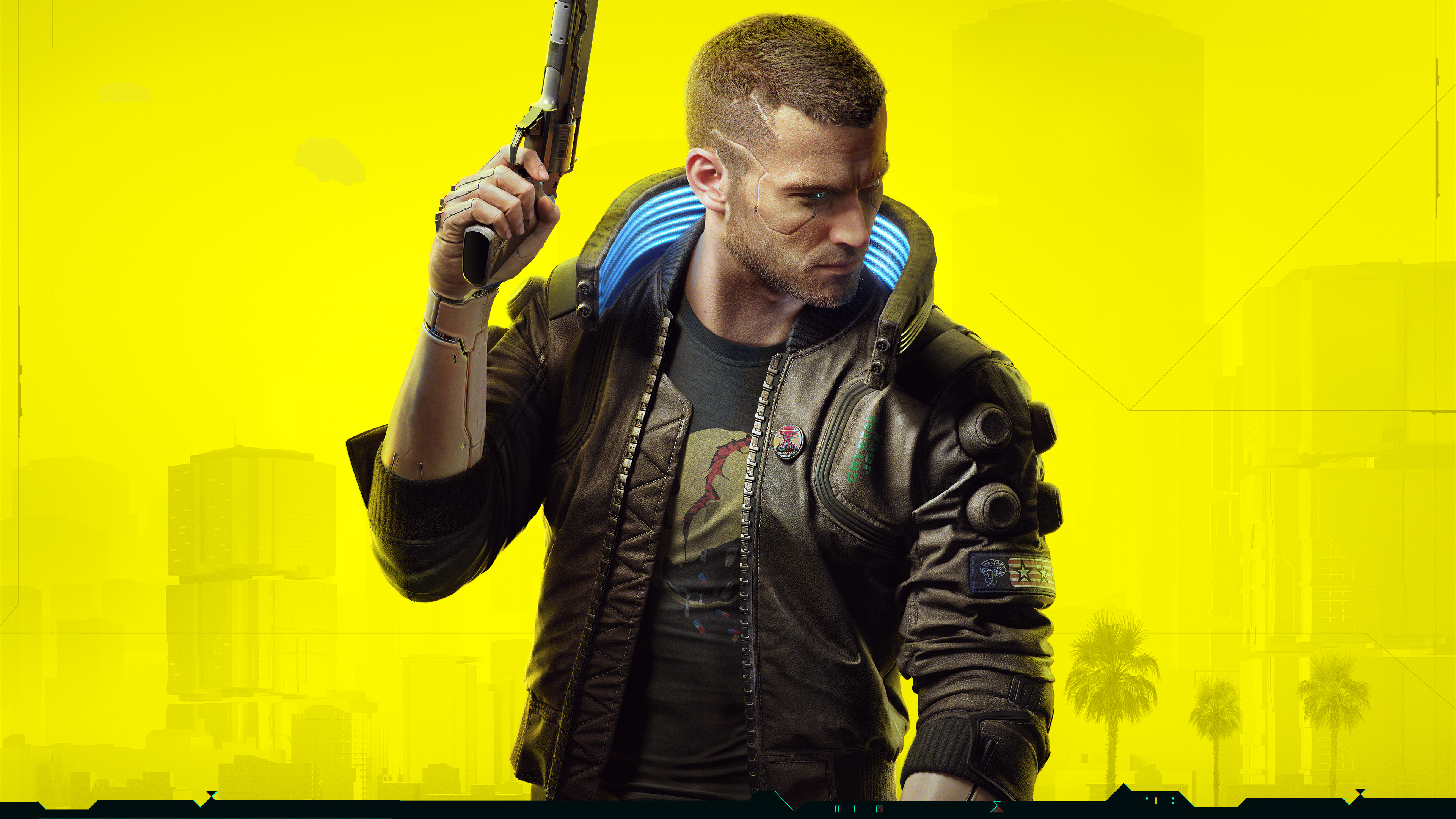
Attribute thresholds—Body, Technical Ability, Intelligence, Cool, Reflexes—gate doors, hacks, and dialogue in ‘Cyberpunk 2077’. Meeting checks can open stealth routes, defuse negotiations, or unlock exclusive gigs and weapon mods. Lifepath-specific lines act as hidden gates in certain scenes alongside Street Cred requirements. CD Projekt Red ties many quest variants and endings to these thresholds and accumulated choices.
Share your favorite game skill-check moment in the comments!