20 Games Where Bartering Beats Buying


Some games make currency feel like an afterthought, pushing you to trade what you have for what you need instead of tossing coins at a shopkeeper. These worlds reward scavenging, crafting, and knowing who values what, so the best deals come from smart swaps. From survival sandboxes to tactical RPGs, bartering shapes how you progress, gear up, and stay alive. Here are twenty games where trading goods and favors outperforms a simple purchase every time.
‘Pathologic 2’

Barter is the backbone of survival here, with townsfolk valuing everyday items like needles, razors, and toast differently based on who they are. Children trade unique trinkets and consider money nearly useless, so you build a mental price list by observing offers. Reputation in each district affects what people will accept, which makes route planning part of the economy. You keep a rotating stash specifically to meet the odd requests that unlock better swaps.
‘Escape from Tarkov’
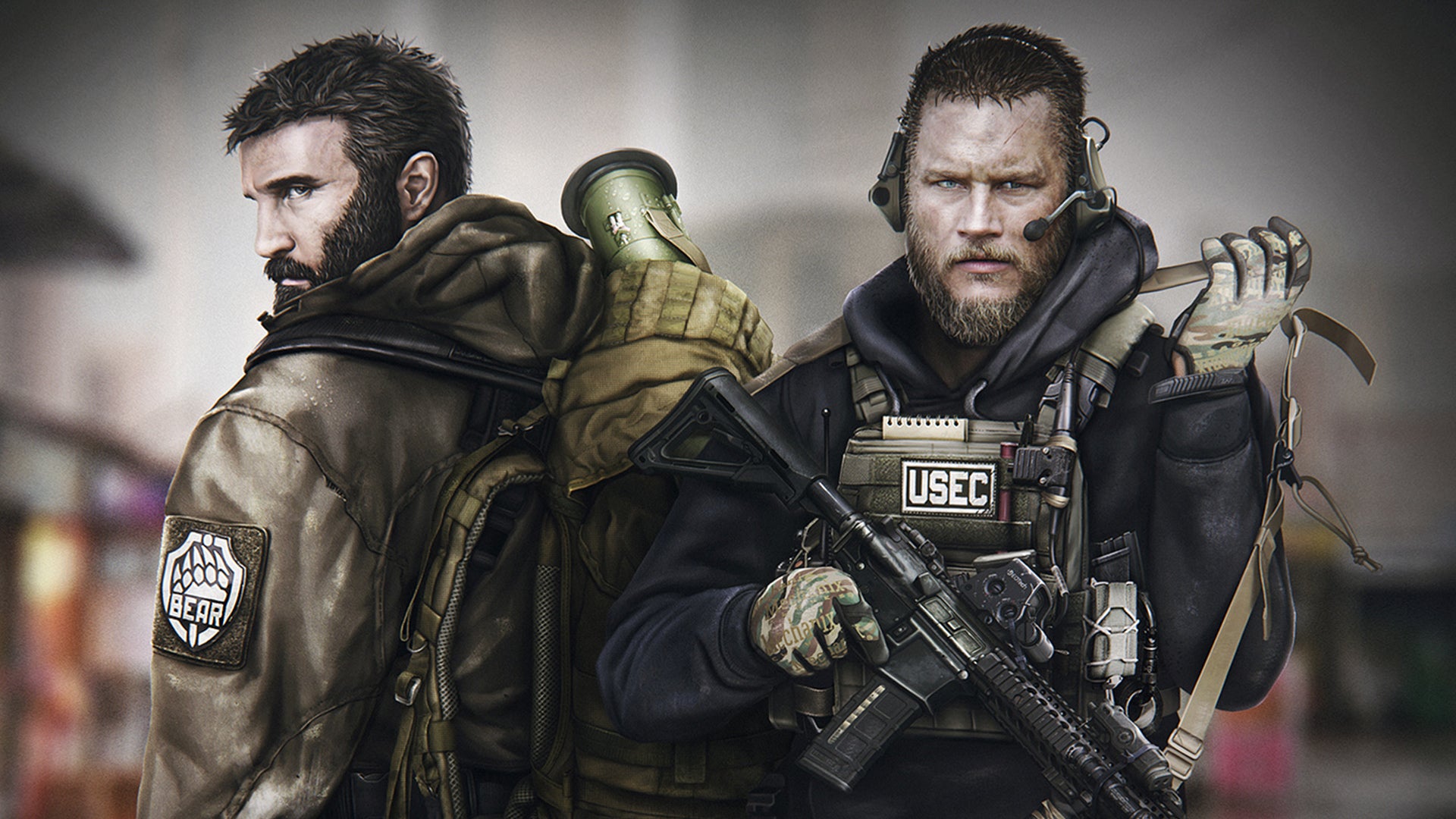
Traders offer item-for-item deals where specific barter goods buy high-end weapons, armor, and mods. Completing tasks expands these barter catalogs, which lets you skip cash prices entirely for some of the best gear. The flea market also supports player barters, so rare consumables can be turned directly into equipment. Knowing which quest items double as barter currency saves rubles and speeds progression.
‘This War of Mine’
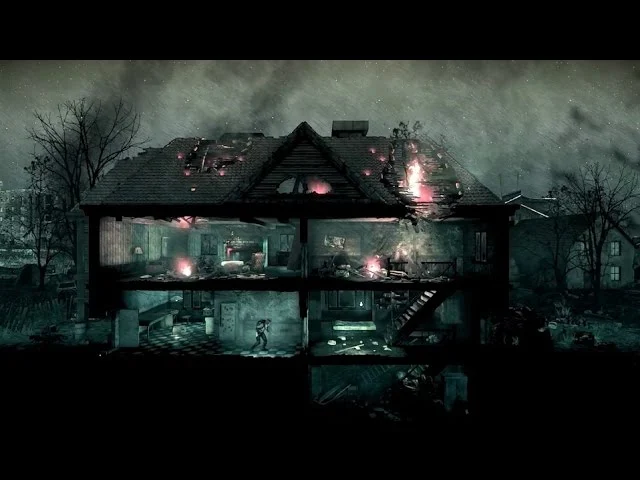
Every household and visitor has a shifting sense of value, so medicine and bandages can buy almost anything while luxuries move deals only when morale is low. You carry compact, high-value goods to maximize trades during risky night runs. The “Very generous” meter guides whether to add or remove items, making each swap a small puzzle. Your choices ripple into future trades as shortages develop across the city.
‘Mount & Blade II: Bannerlord’
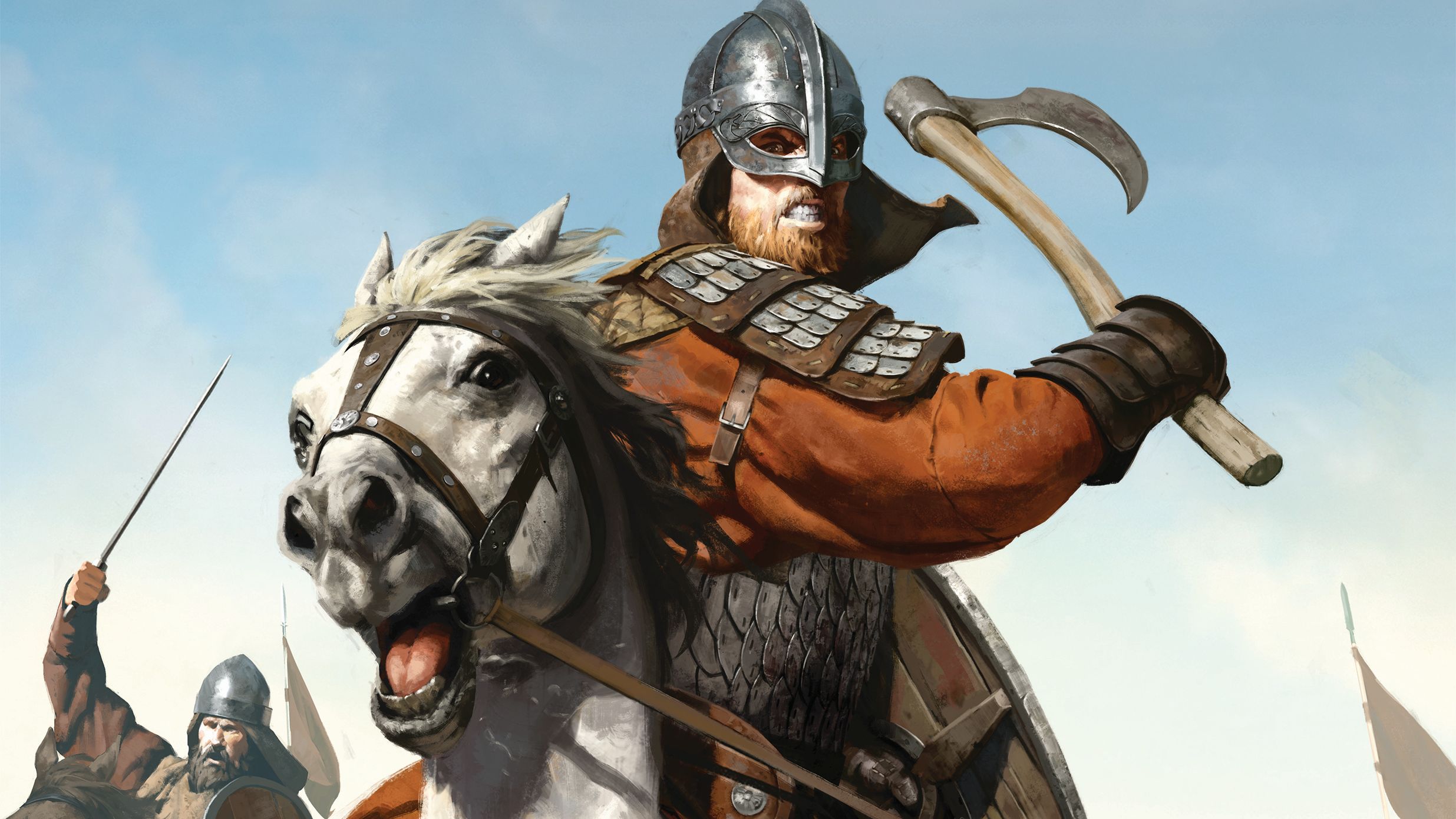
The dedicated bartering screen lets you exchange not only goods but prisoners, influence, cash, and even fiefs. Negotiations with nobles use a value meter, so you can bundle concessions to secure peace or marriages without spending coin. In towns, you profit by hauling cheap goods between regions with opposing supply trends. Companion perks further improve outcomes, turning caravans and diplomacy into barter-driven engines.
‘Path of Exile’

There is no gold, only currency items that double as crafting materials, which creates a pure barter economy. Vendors use recipe tables that convert sets of gear into orbs, so smart looting turns trash into useful trade pieces. Player markets price almost everything in chaos or exalted orbs, yet direct swaps for specific bases or fossils are common. Progress depends on learning which currency tiers and mods other players actually want.
‘Resident Evil 4’

The Merchant’s trade shop accepts spinels for exclusive weapons, attachments, and maps. You earn spinels through optional requests, which encourages side objectives that feed into better gear without spending pesetas. Some upgrades and rare items appear only in this barter catalog, so hoarding spinels pays off. Timing your purchases around trade-only stock stretches your cash much further.
‘The Banner Saga’

Renown acts as both experience and currency, so every promotion you buy delays a supply or item purchase. Market prices change with location and scarcity, which makes timing rest stops important. You can trade clans’ survival for character growth by choosing when to spend or save renown. Managing this shared resource turns every transaction into a barter between immediate needs and long-term strength.
‘DayZ’
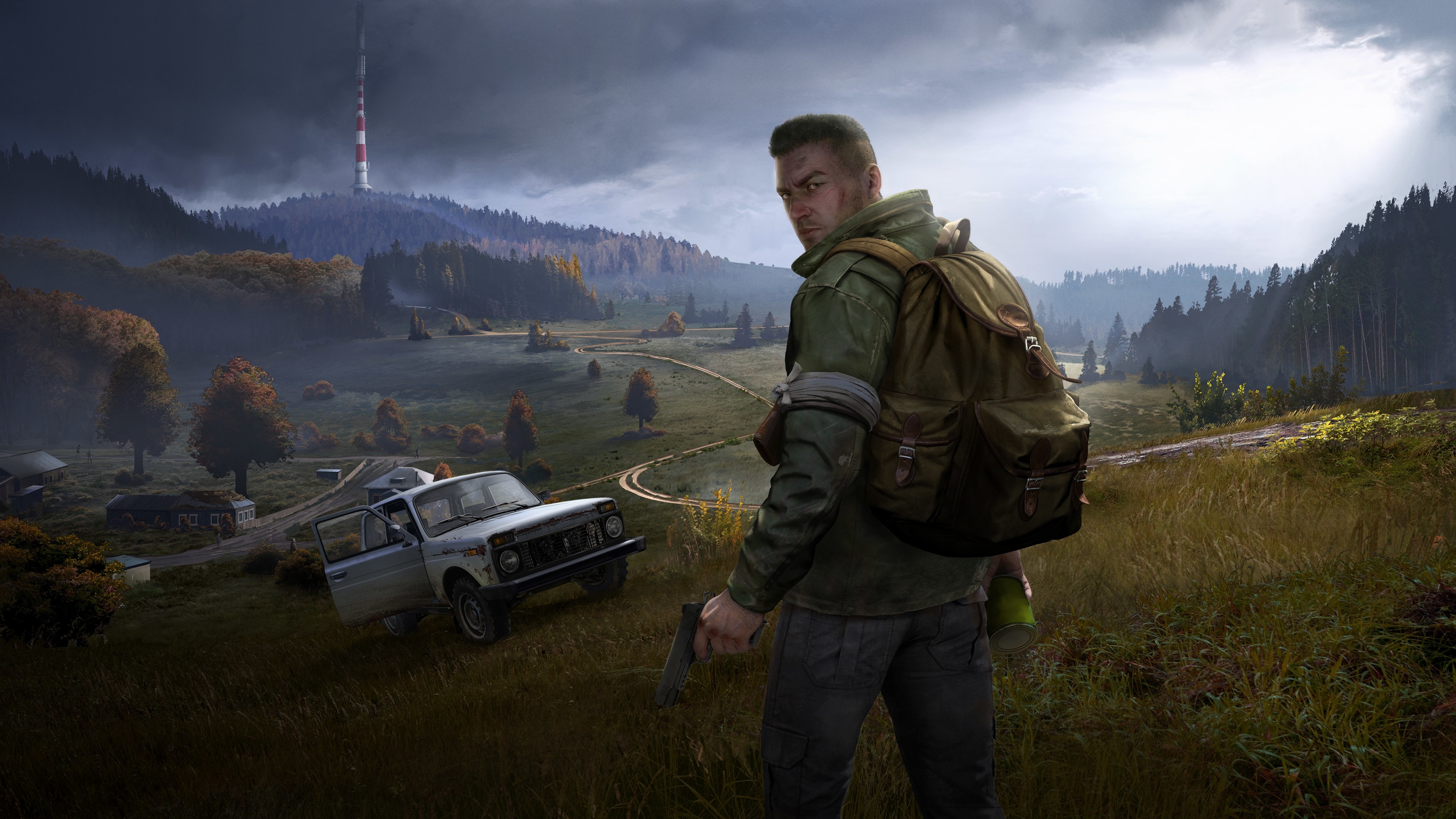
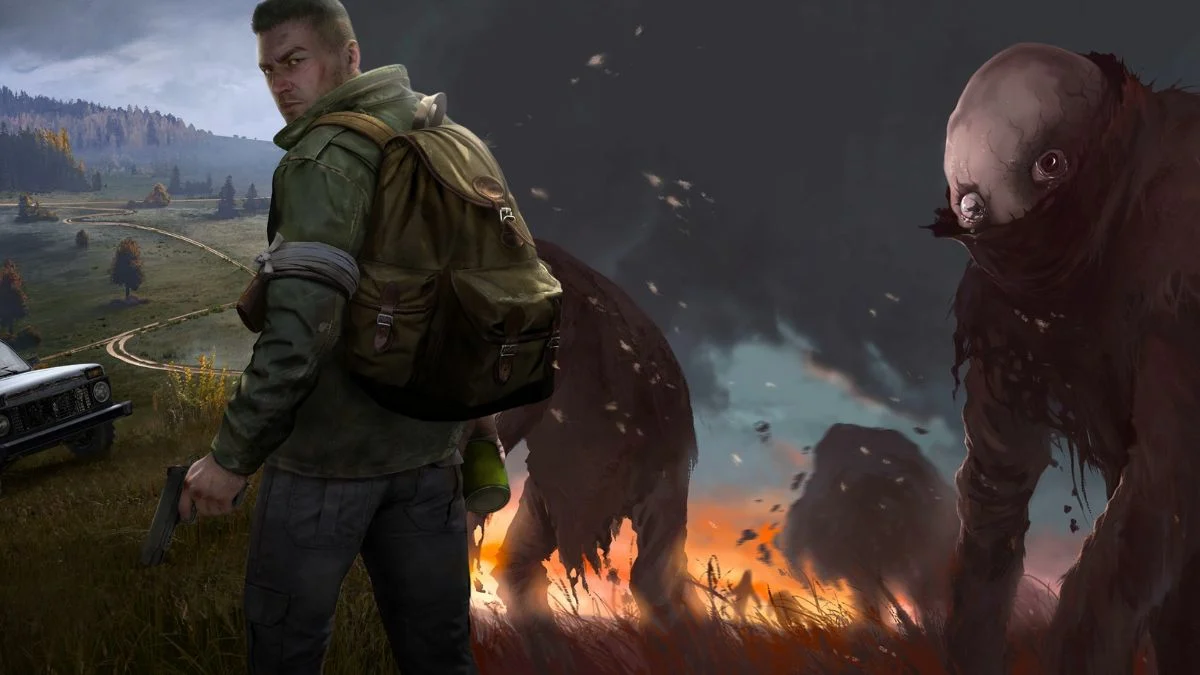
With no universal currency, survivors swap medical supplies, ammunition, tools, and food at impromptu hubs. Value changes with the map’s current scarcity and weather, so water or warm clothing can carry more weight than rifles. Player reputation matters because safe trades rely on trust and repeat partners. Community servers often develop recognized barter ratios that guide fair exchanges.
‘The Oregon Trail’
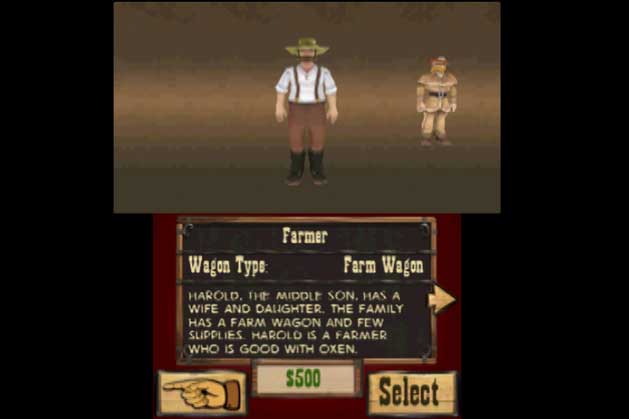
Trading at forts and on the trail helps you replace broken parts and ammo when cash is tight. Fellow travelers offer deals based on your current predicament, so spare clothing or food can cover critical wagon repairs. The system pushes you to pack versatile goods that hold value across regions. Good bartering often decides whether your party reaches the next landmark intact.
‘Neo Scavenger’
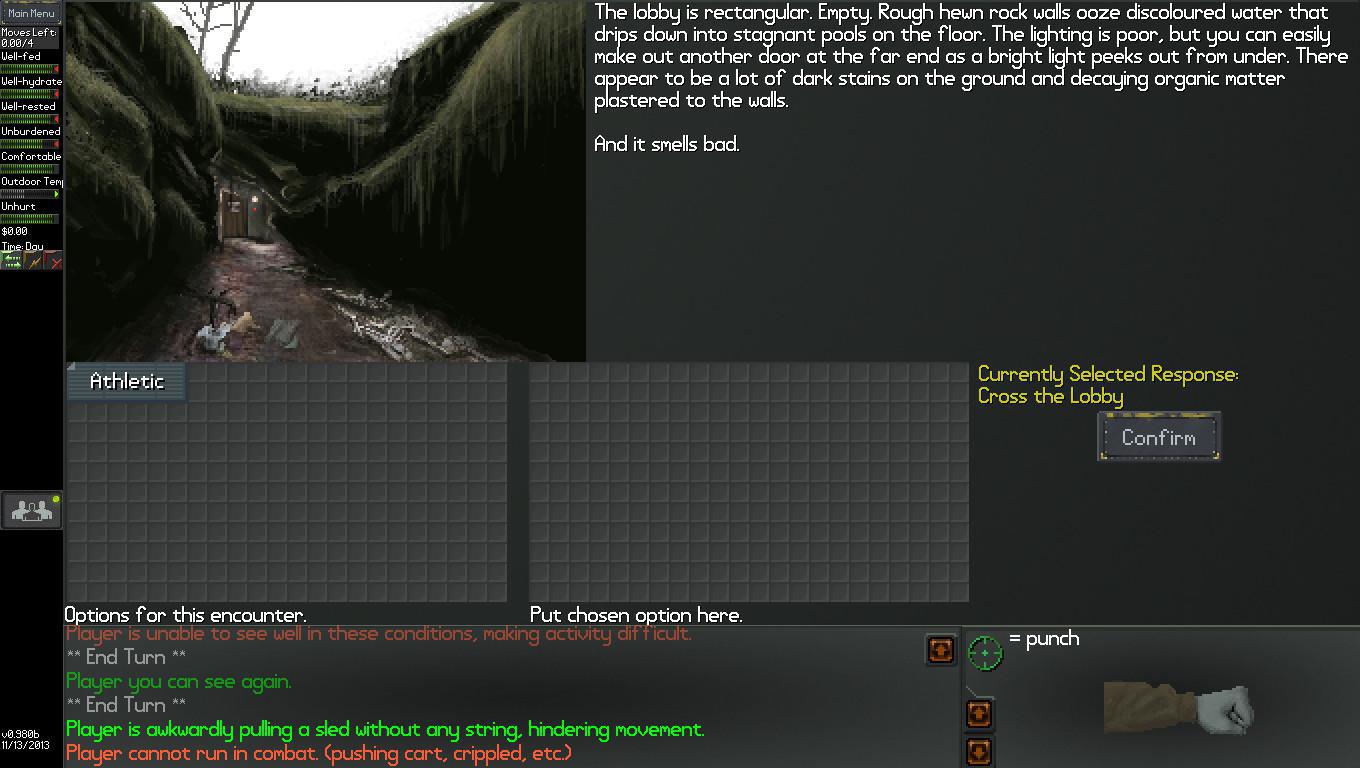
Merchants and drifters weigh condition and cleanliness heavily, so repaired gear fetches better returns. You juggle bulk versus value since backpacks and clean water often outperform damaged weapons in trade. Some traders only accept certain categories, which forces careful loadouts before visiting a market. The result is a meticulous barter loop where maintenance equals money.
‘The Long Dark’
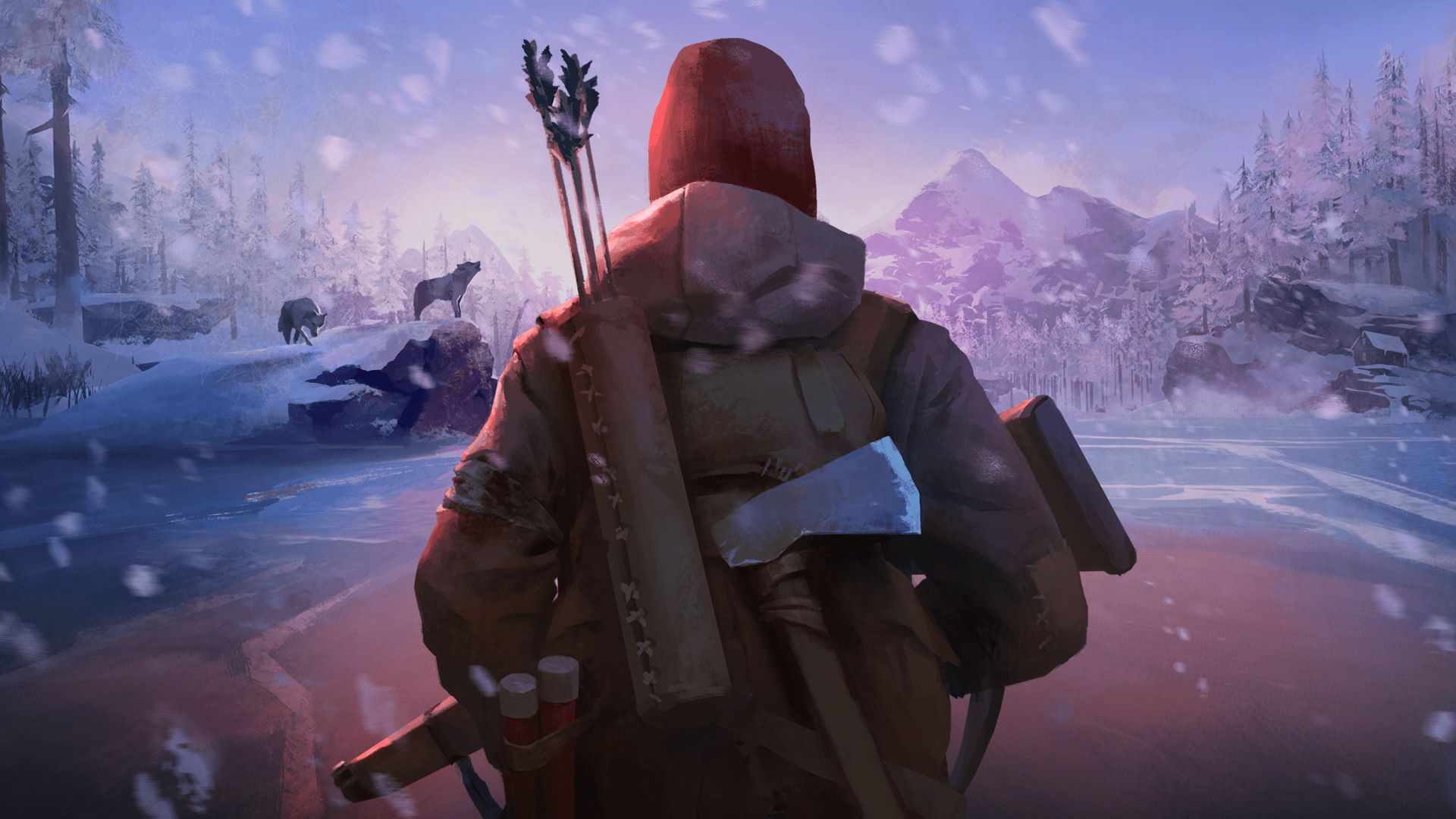
Story mode characters trade more readily when you build trust through tasks, which unlocks better items and quantities. In survival scenarios, you treat crafting and curing times as part of a barter pipeline for NPC encounters. Coffee, medicine, and well-made clothing pieces move deals faster than scrap. Planning routes around likely trading partners saves scarce ammunition.
‘Red Dead Redemption 2’

The Trapper crafts unique outfits from perfect pelts, so quality hunting directly translates into high-end gear without cash. Pearson upgrades camp satchels using specific animal parts, turning carcass management into a trade workflow. Fences exchange stolen goods and trinkets for talismans and satchels that provide permanent perks. Efficient trading chains replace store purchases with targeted collecting.
‘The Elder Scrolls V: Skyrim’

Merchants buy and sell based on your Speech perks, with fences expanding what you can offload. Potions, jewelry, and crafted gear serve as compact value for big purchases after a few speech bonuses. The Investor and Master Trader perks spread higher merchant gold across towns, which improves future swaps. Haggling perks make crafted goods the best barter chips in the province.
‘Don’t Starve’

The Pig King exchanges trinkets and certain foods for gold nuggets, which then fund tools and structures. In some variants, specialized traders accept resources that are worthless elsewhere, encouraging targeted gathering. Seasonal scarcity shifts what is worth hauling, so you plan farms and traps around trade cycles. Efficient barter routes free you from risky exploration during harsh weather.
‘Fallout: New Vegas’
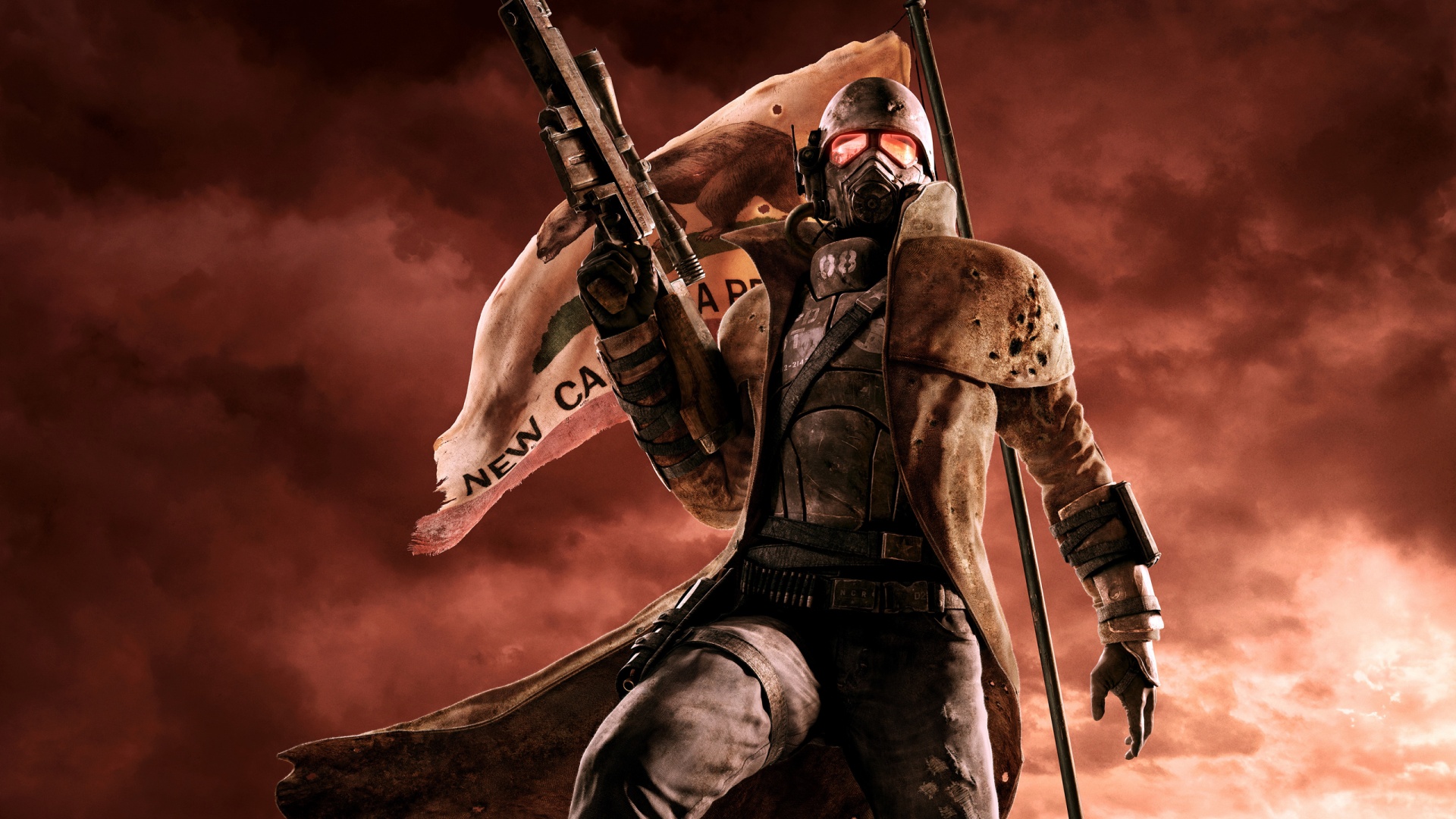
The Barter skill opens dialogue checks that let you swap items or secure better quest outcomes. Vendors tied to factions offer improved terms as your reputation rises, which beats flat cash prices. Ammo types and crafting components act as flexible value stores for long trips between settlements. Perks and clothing push prices further, letting you convert scavenged goods into top-tier mods.
‘Death Stranding’
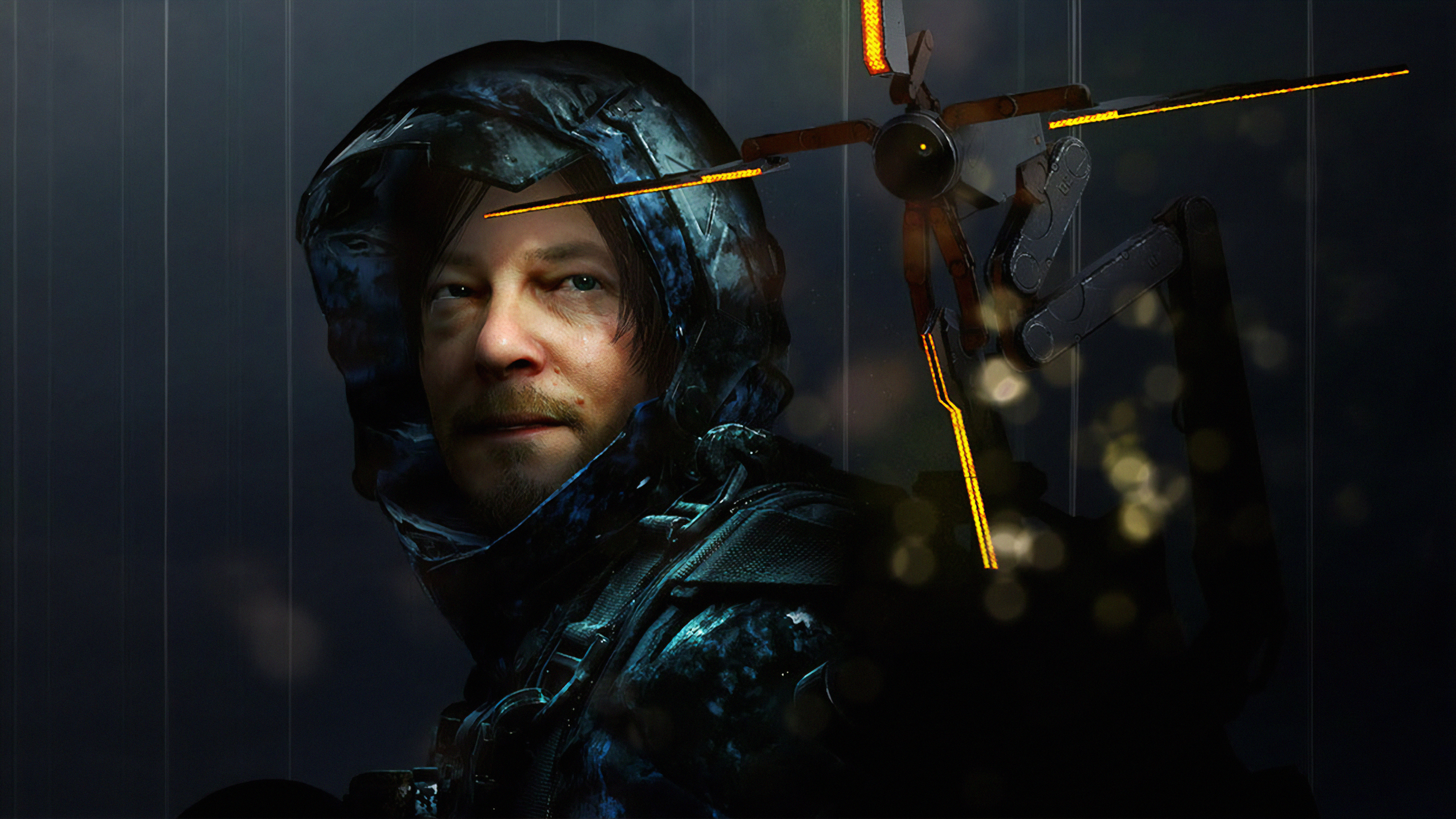
Facilities trade materials and schematics as you raise connection levels through deliveries. You can leave items in shared lockers for others and receive useful gear in return, creating indirect barter. Player structures and upgrades come from pooled resources rather than simple purchases. Building reliable routes effectively prints value that you trade back into equipment and vehicles.
‘State of Decay 2’
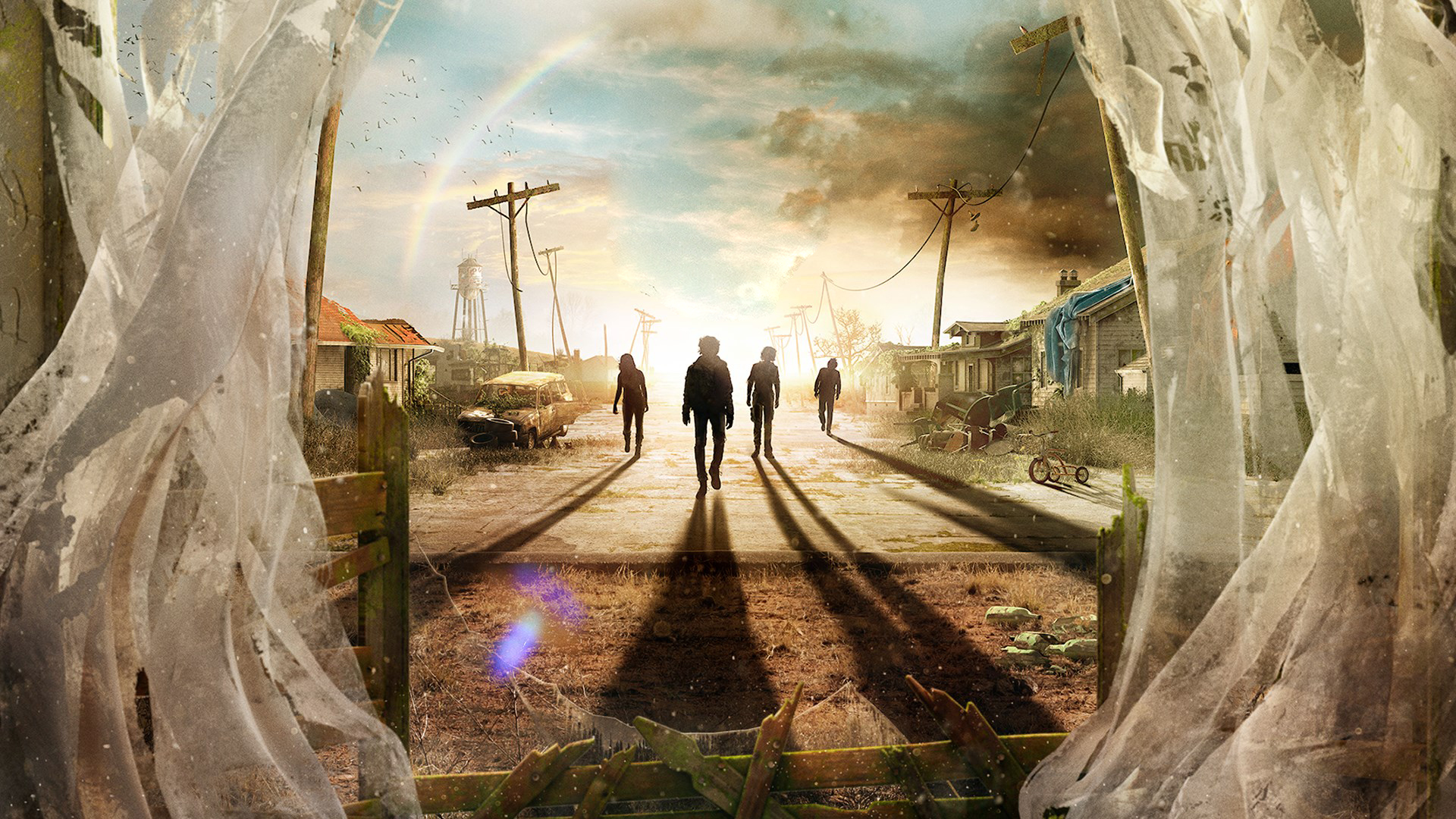
Enclaves buy and sell using influence, yet many deals hinge on what rucksacks and consumables you bring. Specialized enclaves offer unique items or services that are easier to secure with the right trade goods. Leader bonuses and facilities improve yields, giving you more to swap during visits. Managing surplus medicine or food keeps your community supplied through steady exchanges.
‘Monster Hunter: Rise’
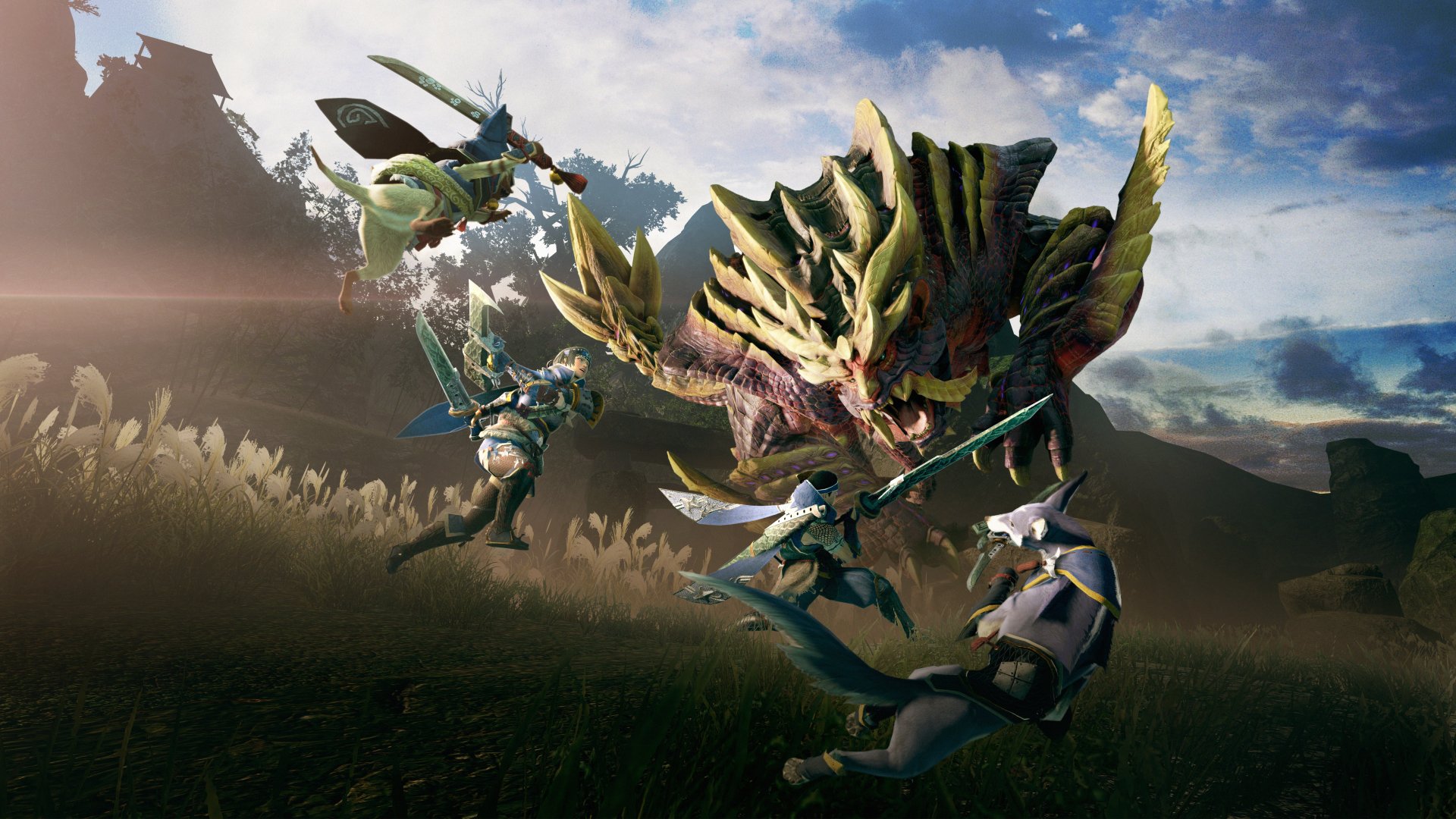
Smithy upgrades rely on monster parts, so hunting efficiently replaces spending. The Argosy and submarines let you barter for rare materials through trade requests that run in the background. Melding converts extra parts into talismans, which turns duplicates into build-defining gear. Event quests and buddy expeditions feed this loop, keeping purchases minimal.
‘S.T.A.L.K.E.R.: Shadow of Chernobyl’
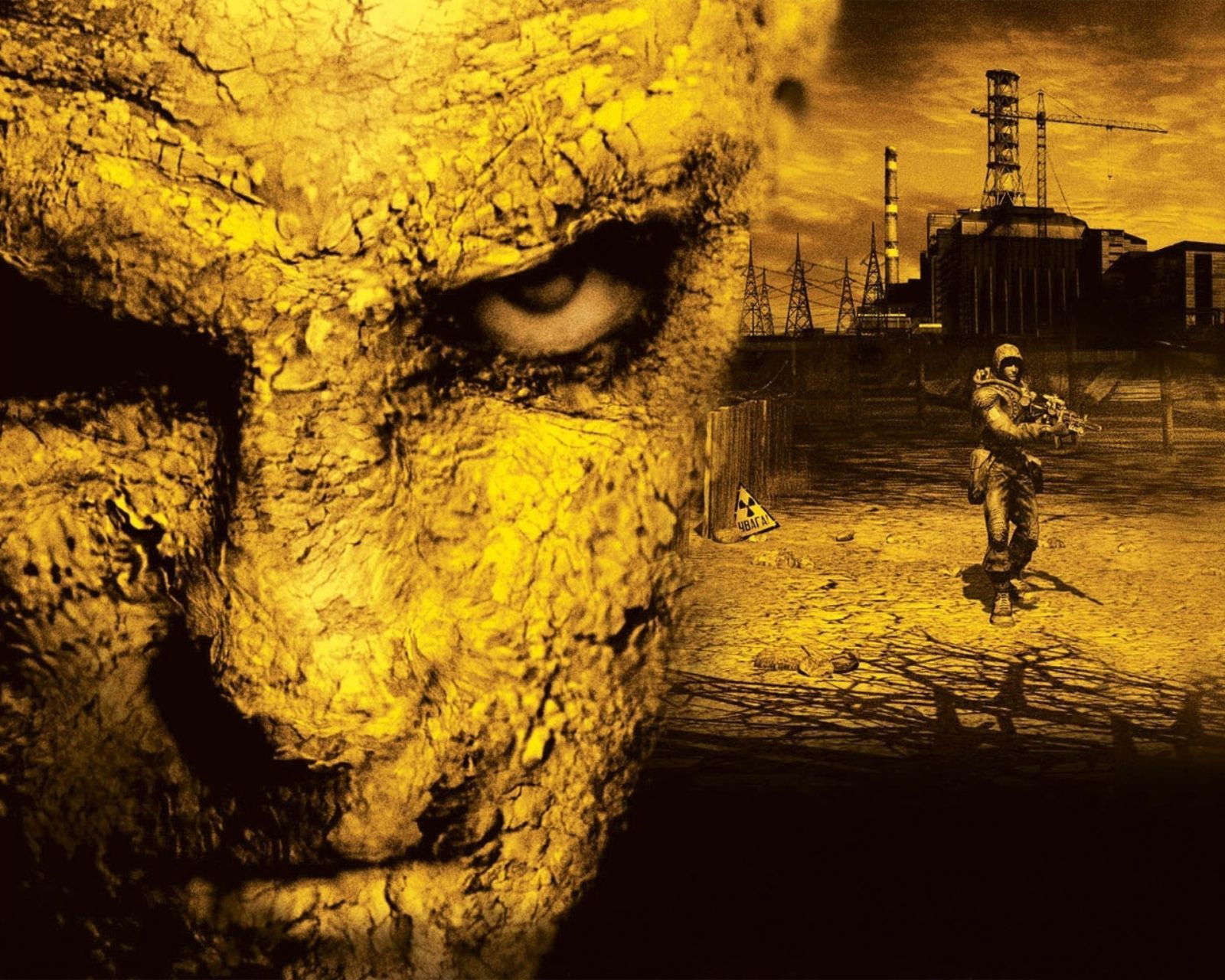
Traders and roaming stalkers accept artifacts and high-grade loot, often offering better kit than cash alone can buy. Artifact properties and weight make them prime barter items on longer excursions. Faction standing changes what certain vendors will part with, so allegiance is part of the trade. Planning raids around artifact fields yields the best swaps back in camp.
‘Cataclysm: Dark Days Ahead’
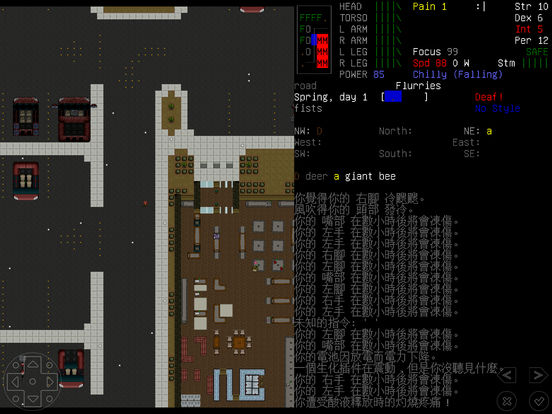
There is no stable currency, so NPCs evaluate deals using barter skill, item quality, and condition. Repairing or crafting upgrades before trading multiplies value, especially for tools and clothing. Different NPCs prioritize different categories, which rewards carrying a varied pack. Skill books and clean water often anchor deals, letting you acquire weapons and medicine without cash.
Share your favorite barter-first moments and clever trade strategies in the comments.