25 Best Quality-Of-Life Updates That Saved Games



Sometimes a smart quality of life update can steady a troubled release or keep a good thing going much longer than expected. The most effective fixes clean up clutter, remove friction, and make the basics feel effortless, from menus and matchmaking to inventory and map tools. The games below each landed meaningful upgrades that made everyday play smoother and more welcoming. Here are the standouts that turned frustration into flow and kept players coming back.
No Man’s Sky

Hello Games kept rolling out free updates that overhauled inventory management, base building tools, and multiplayer discovery. The interface added quick split stacks, one click refuels, and clearer crafting trees that reduced fussy steps. Waypoints, planetary maps, and teleporter networks made long travel loops simple. Cross save and platform parity upgrades helped friends actually meet up and stay together.
Cyberpunk 2077

The big system overhaul brought a redesigned perk tree with clear descriptions and fewer trap choices. Police and vehicle handling behavior were reworked so chases and driving felt predictable and fair. The UI added sortable quest lists and better map filters that cut down on clutter. Performance and memory optimizations stabilized dense areas and reduced crashes on all platforms.
Diablo III
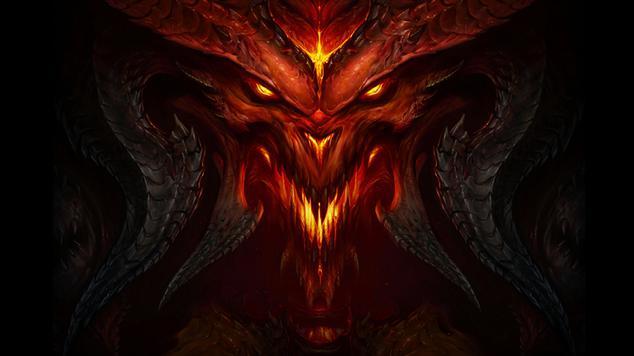
The shift to smarter loot with the much praised item revamp cut vendor trash and made drops match your class more often. Adventure Mode and bounties streamlined leveling and gear hunting without story gating. Crafting and enchanting let players fix bricked items instead of praying for perfect rolls. Community features like clans, better public games, and rifts made grouping quick and reliable.
Final Fantasy XIV

The relaunch refined quest flow with shorter errands, denser hubs, and clear role tooltips for new jobs. Duty Finder and Party Finder simplified matchmaking across servers so queues moved quickly. The game added account wide conveniences like the glamour dresser and retainer tweaks to tame storage. Clearer telegraphs and UI scaling options helped fights stay readable even in busy raids.
Halo: The Master Chief Collection
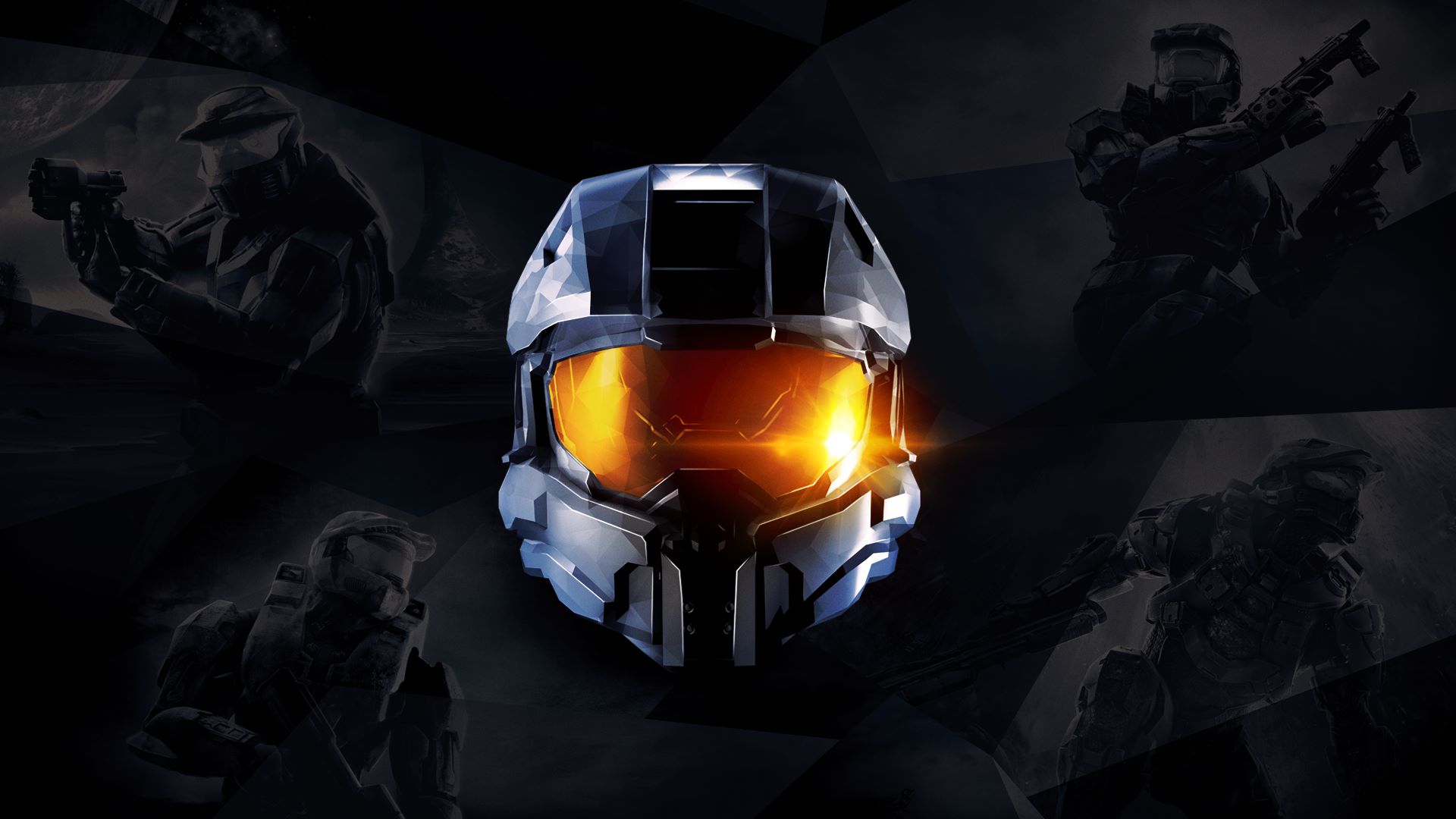
Massive patches rebuilt matchmaking to place full lobbies faster and keep parties intact. Menus were reorganized so players could build custom playlists and jump between campaigns smoothly. Input based and region based filters produced more stable pings. A steady cadence of performance fixes improved hit registration and reduced desync across the collection.
Destiny

The major update reworked quests into a unified page and added kiosks to reclaim gear and shaders. Infusion and light systems were simplified so upgrades felt straight forward. Bounties and reputation tracking moved into menus instead of clumsy vendor loops. Strike playlists and improved loot tables kept cooperative runs efficient.
Destiny 2
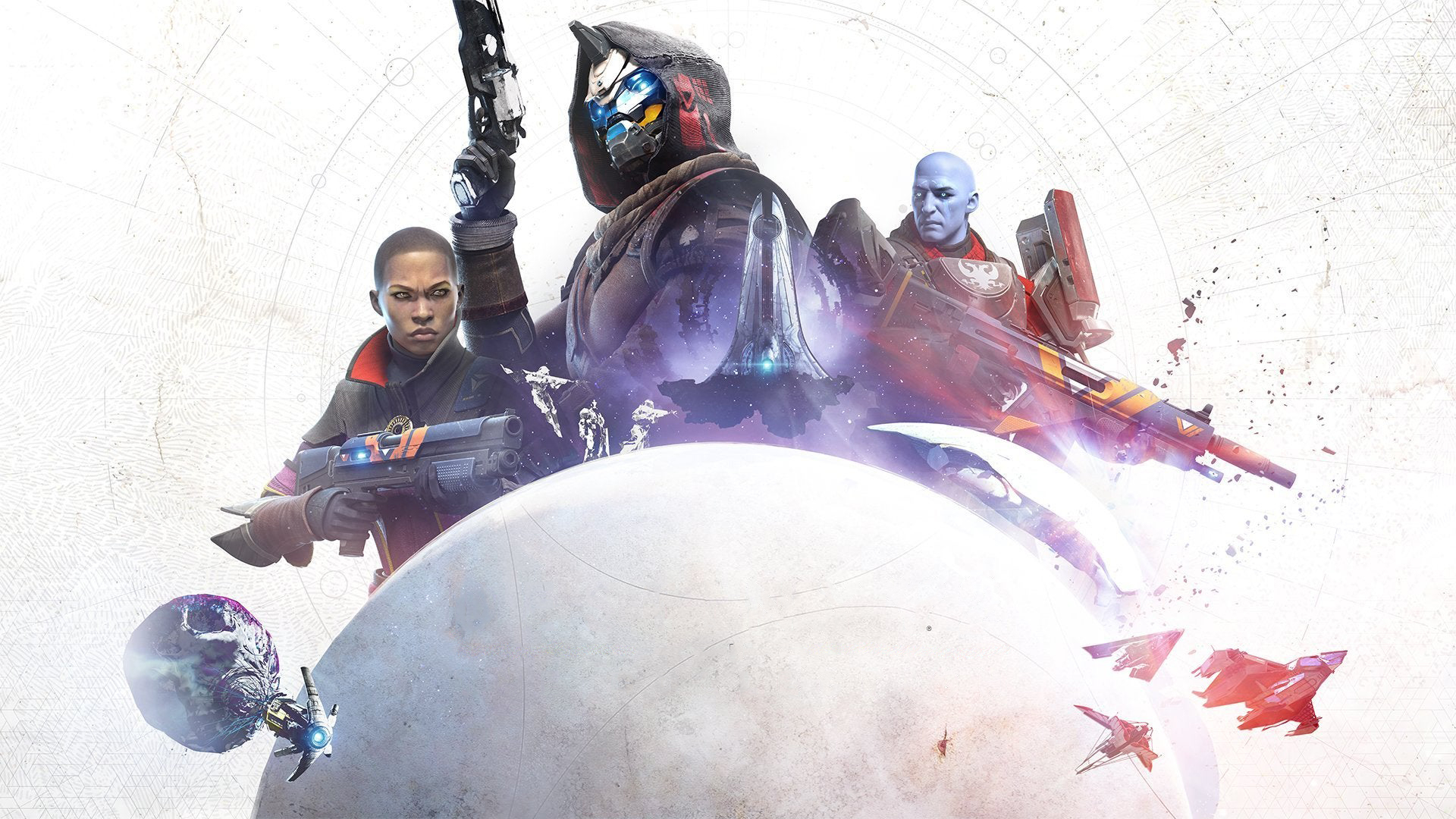
Loadouts, transmog, and appearance screens reduced vault trips and let players swap roles in seconds. The armor and mod overhauls consolidated energy types and slotted frequently used perks cheaply. Crafting and focusing options made chase items attainable without marathon grinds. UI additions like subclass summaries and stat breakdowns clarified what actually changed in a build.
The Witcher 3: Wild Hunt

A free update added quick sign casting so players could swap magic without pausing menus. The map gained flexible filters to hide question marks and highlight essentials. Inventory tabs and sorting were tuned to expose weights, ingredients, and set bonuses cleanly. Cross progression support let saves move between platforms for flexible play.
Elden Ring

Patches added map icons for important NPCs and quest progression to reduce note taking. Newly acquired items were marked in their categories and tagged with exclamation icons. Co op and PvP saw clearer summoning ranges and better connection stability. Balance passes adjusted weapon classes and ashes so more builds were practical.
Baldur’s Gate 3

Updates introduced stash access from camp with faster send to and retrieve actions. Inventory gained better sorting, multi select, and tooltips that compare at a glance. Party management improvements made hirelings and respecs accessible through a single character in camp. Performance tweaks reduced long loads and stutter in busy cities.
Warframe
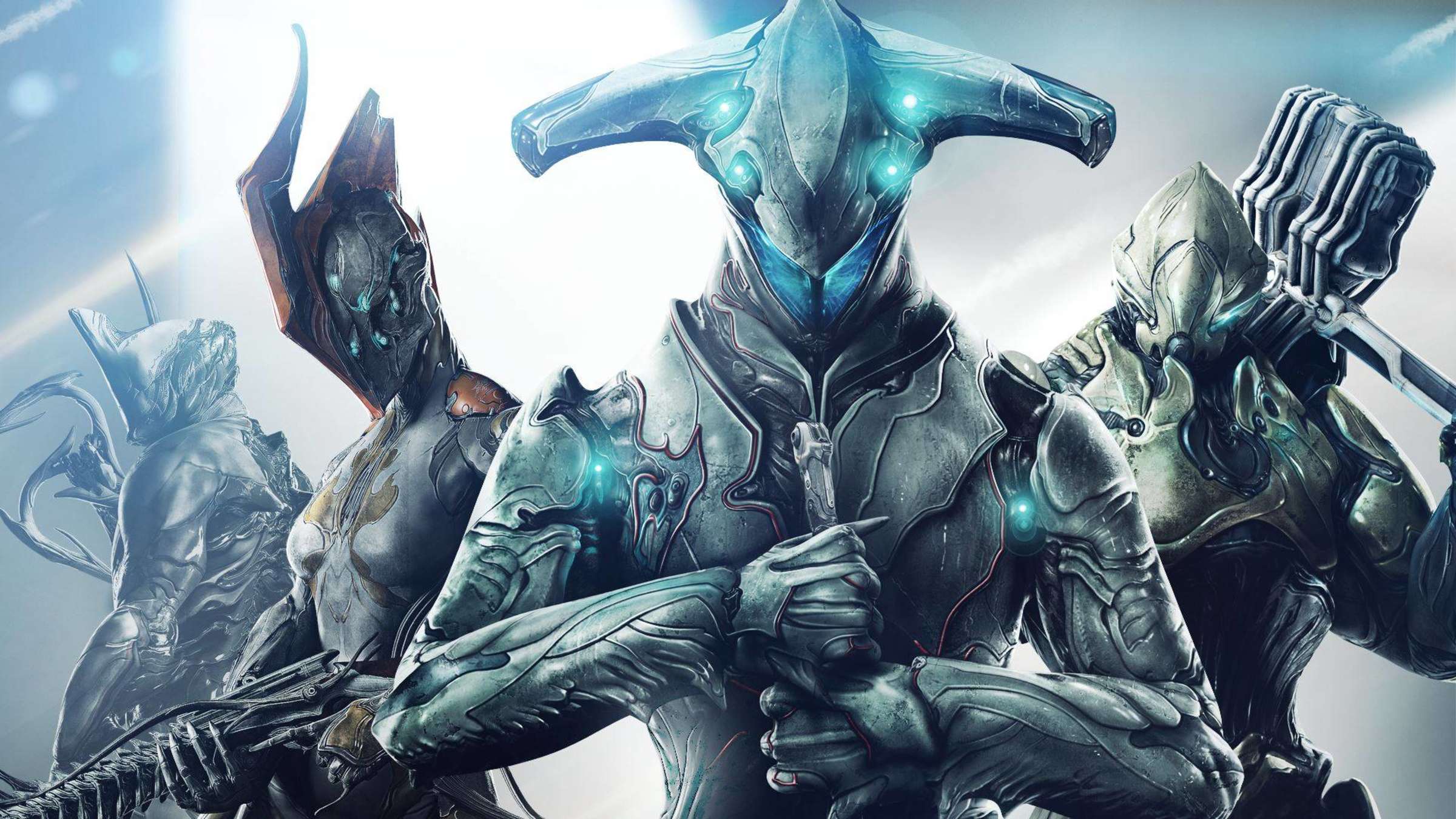
A rebuilt new player intro explained movement, modding, and crafting with step by step quests. Waypoints and objective markers were made consistent across tilesets to cut confusion. Cross save and cross platform play helped squads form regardless of hardware. The arsenal and foundry screens were reorganized to minimize clicks between upgrades.
Sea of Thieves

Seasonal progression added clear rewards and checklists so sessions felt directed. Tall Tale checkpoints let crews resume long voyages without losing an evening. Captains could save ship loadouts and restock quickly at outposts. Server stability and emissary value displays made trading routes easier to plan.
Path of Exile

Official loot filters let players hide low value drops and highlight chase items. Premium stash tabs like currency, fragments, and maps removed inventory Tetris. The trade API and in game whispers made buying and selling fast without third party guesswork. Map and atlas tools clarified progression and boss access.
Starfield

Patches added detailed city maps and better surface navigation that labeled vendors and services. Ship storage and cargo link screens exposed capacities and routes cleanly. Input responsiveness and upscaling support improved frame pacing on varied hardware. Crafting and outpost menus received sorting and pinning to keep projects organized.
Apex Legends
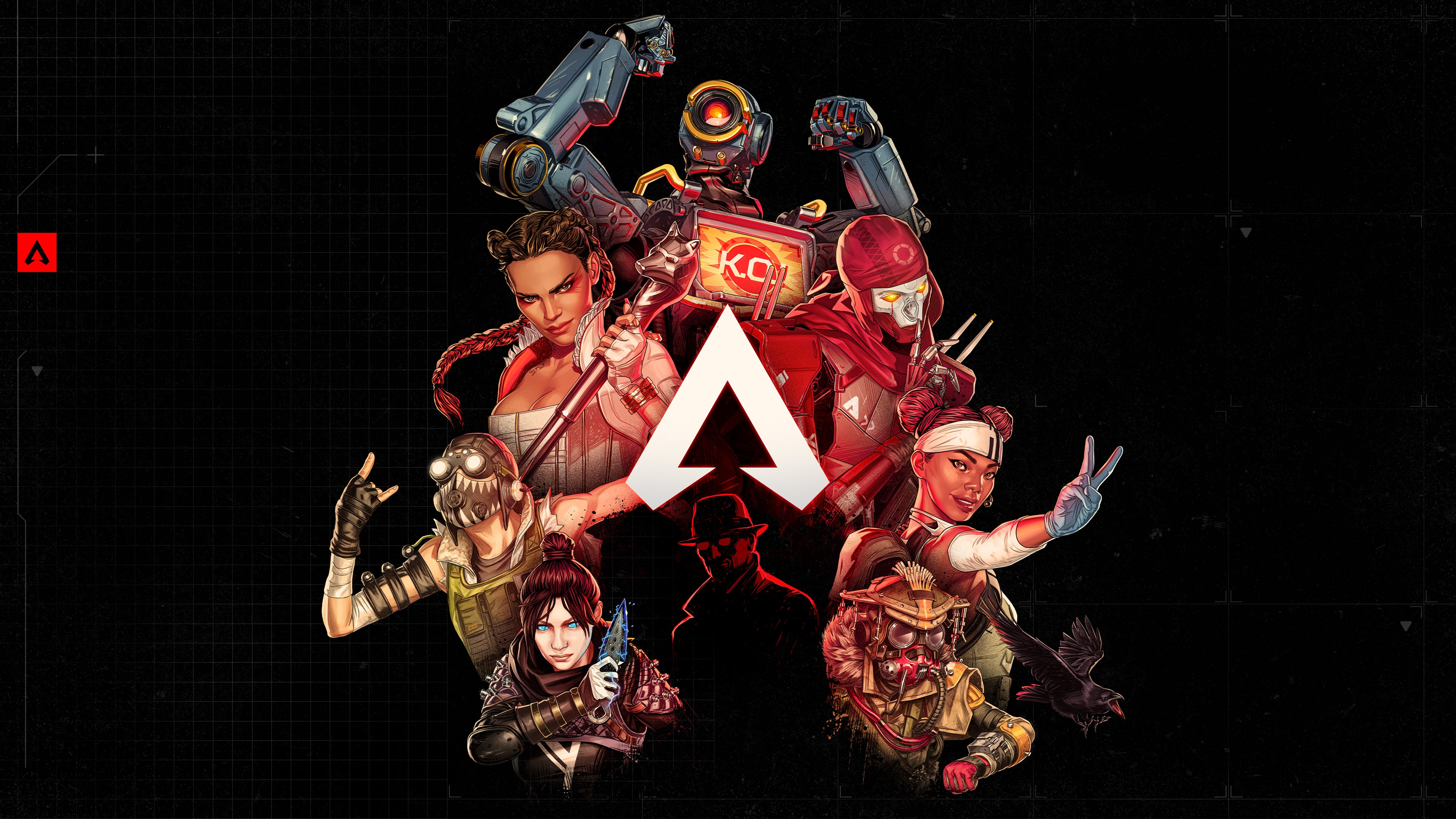
The expanded firing range introduced dummies, movement drills, and quick loadouts for testing. Cross progression let accounts unify unlocks across platforms. Ping system refinements clarified context like enemy health and rotated pings into a readable wheel. Performance and netcode updates stabilized matches during big events.
Among Us

Account systems brought reporting, moderation, and better lobby controls. Quick chat allowed safe communication for younger players and faster calls for everyone. Role and settings expansion increased variety without complex mod setups. Anti cheat improvements reduced match disruptions and lobby spam.
The Elder Scrolls Online

The game adopted level scaling across the world so friends could quest together immediately. Craft bag storage for subscribers removed clutter and sped up crafting loops. Group Finder and dungeon tools matched parties more reliably and displayed roles clearly. Combat and animation tweaks improved responsiveness during large fights.
Fallout 76
A major update introduced human NPCs with dialogue that clarified quests and world logic. Stash size increases and weight adjustments made hoarding and crafting sustainable. Public teams granted role themed bonuses and simplified grouping for events. Daily Ops and world activity markers gave players focused goals each session.
Monster Hunter: World

Updates enabled layered armor widely so fashion builds did not cost stats. The radial menu and item wheel received improvements for instant access to critical tools. Decoration crafting and melding options made endgame builds achievable without extreme luck. Guiding Lands and investigation filters helped target specific monster parts efficiently.
Monster Hunter Rise
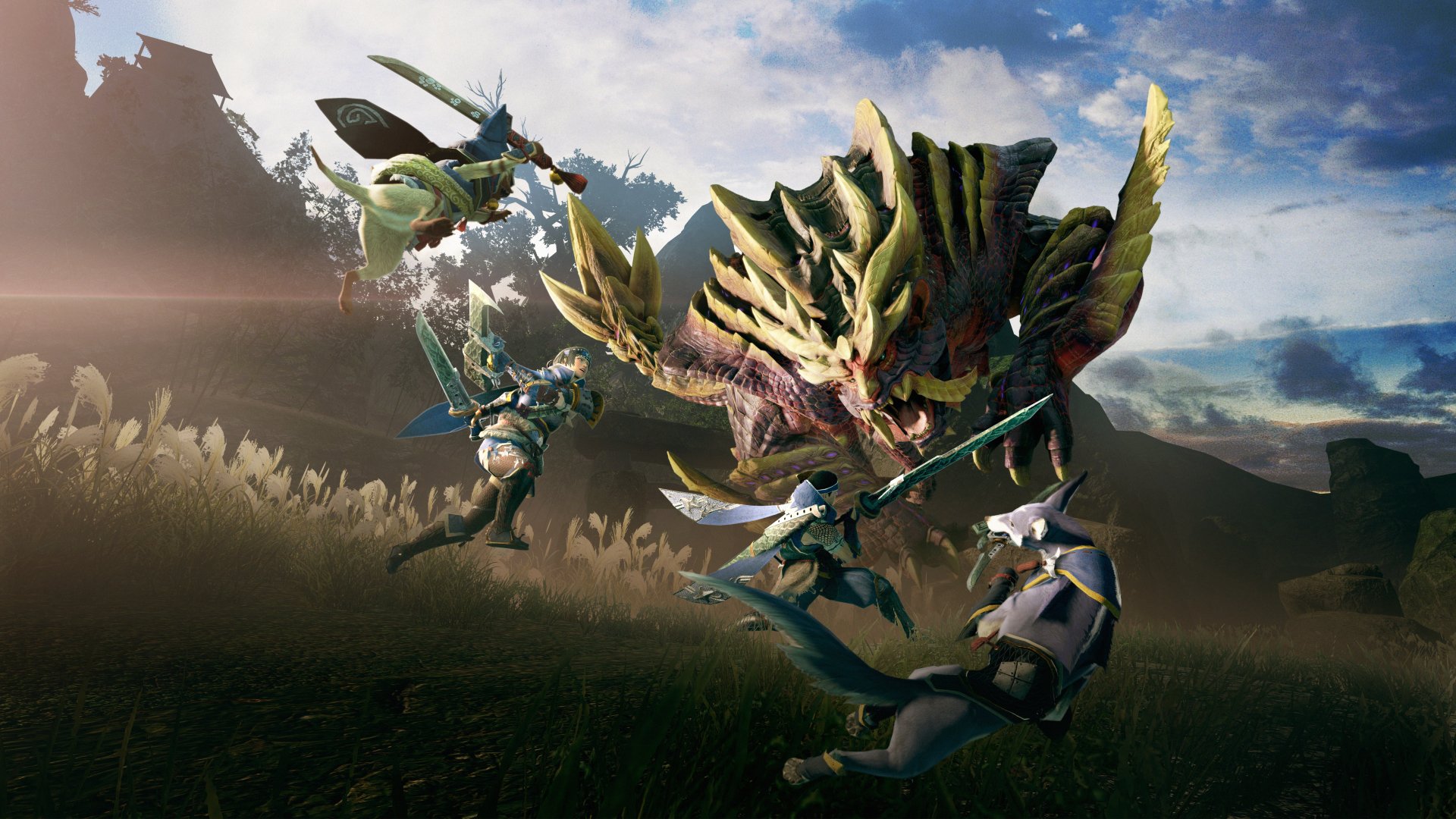
The expansion added skill swap so players could switch silkbind moves mid hunt. Followers allowed solo players to run quests with NPC partners while learning move sets. Decorations and crafting options expanded to reduce reliance on rare charm drops. UI and sorting changes made talisman and armor comparisons faster.
Stellaris
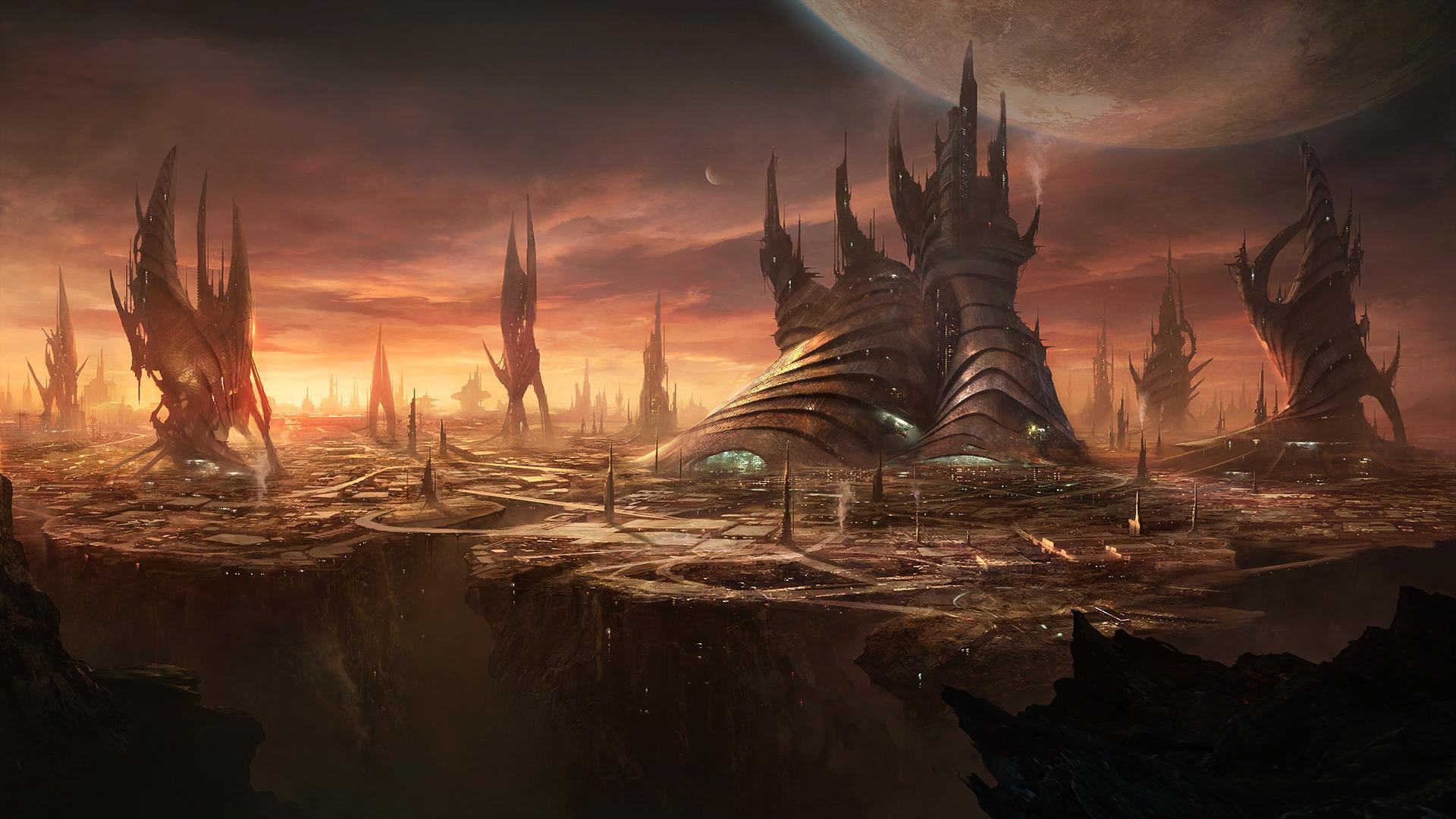
Major patches reworked the outliner and fleet manager to reduce busywork in large empires. The market and automation tools helped balance resources without micro managing. Performance and late game AI updates kept big galaxies playable. Tooltips and nested panels explained modifiers and ethics clearly.
Rainbow Six Siege
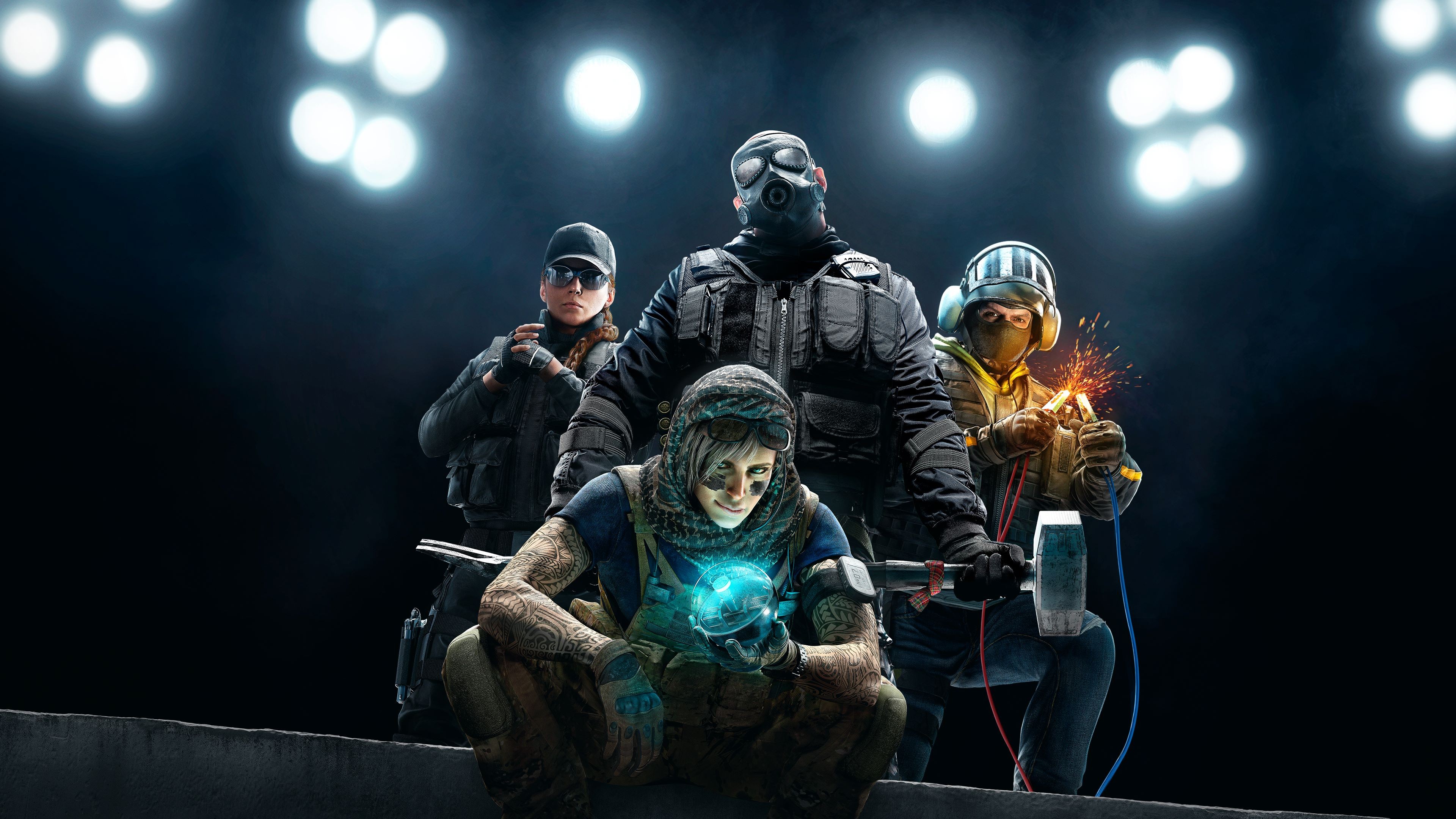
A health focused season targeted hit registration, server performance, and matchmaking stability. Map reworks cleaned sightlines and simplified callouts for consistent learning. Operator balancing passes standardized gadget interactions and counters. Newcomer and unranked playlists eased players into competitive rules.
Battlefield 2042
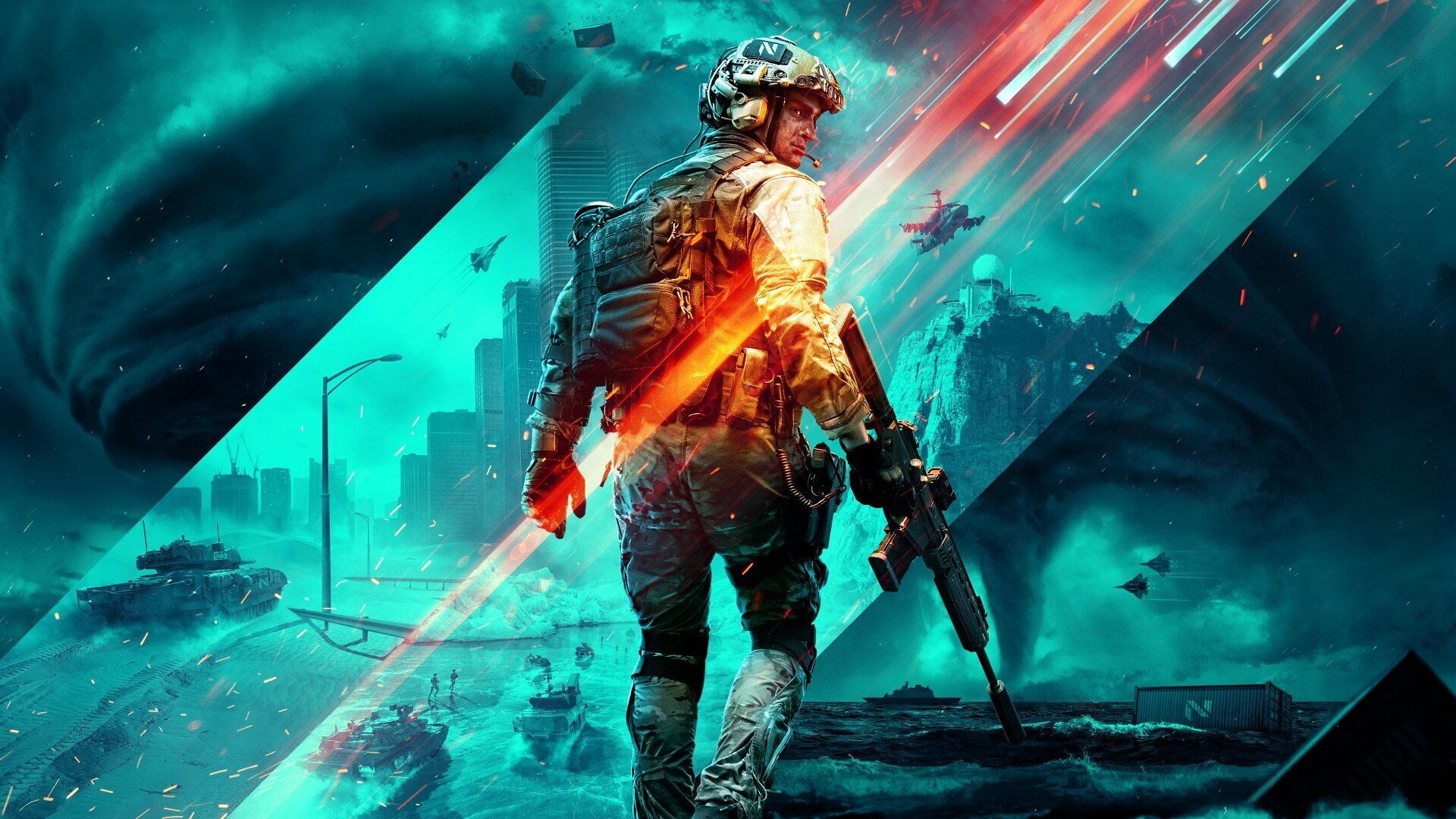
Post launch updates restored a class system with clear equipment identities. The scoreboard, voip, and squad management returned to the interface for coordination. Specialists were retuned with restrictions that aligned gadgets to roles. Gunplay, recoil, and attachment balance patches reduced randomness.
Pokémon Go

The appraisal tool was redesigned to show IV bars and star ratings for fast sorting. Remote raid access and lobby improvements made group play flexible. Box search gained powerful filters and tags to manage large collections. Adventure Sync and background tracking supported passive progress without constant app focus.
ARK: Survival Evolved

Quality passes improved building snap points and allowed easier structure pickup. Cryopods condensed tamed creatures into inventory items, reducing server strain and upkeep. Automated crafting and feeding options trimmed repetitive chores. UI updates added engram search and clearer stat readouts for tames and gear.
Share the quality of life update that helped you stick with a game in the comments.