20 Best Party Banter Moments In RPGs


Great party banter turns a solid RPG into a world that feels alive, with characters who react to places, choices, and each other in ways that deepen the story. These moments usually unlock as you explore, rest at camp, or bring specific companions together, and they can change based on decisions you make. Many games tie these conversations to approval systems, influence mechanics, or relationship ranks, which means you can miss lines if you take different routes. Here are standout examples where companion chatter adds context, reveals backstory, or even triggers unique events.
‘Baldur’s Gate 3’
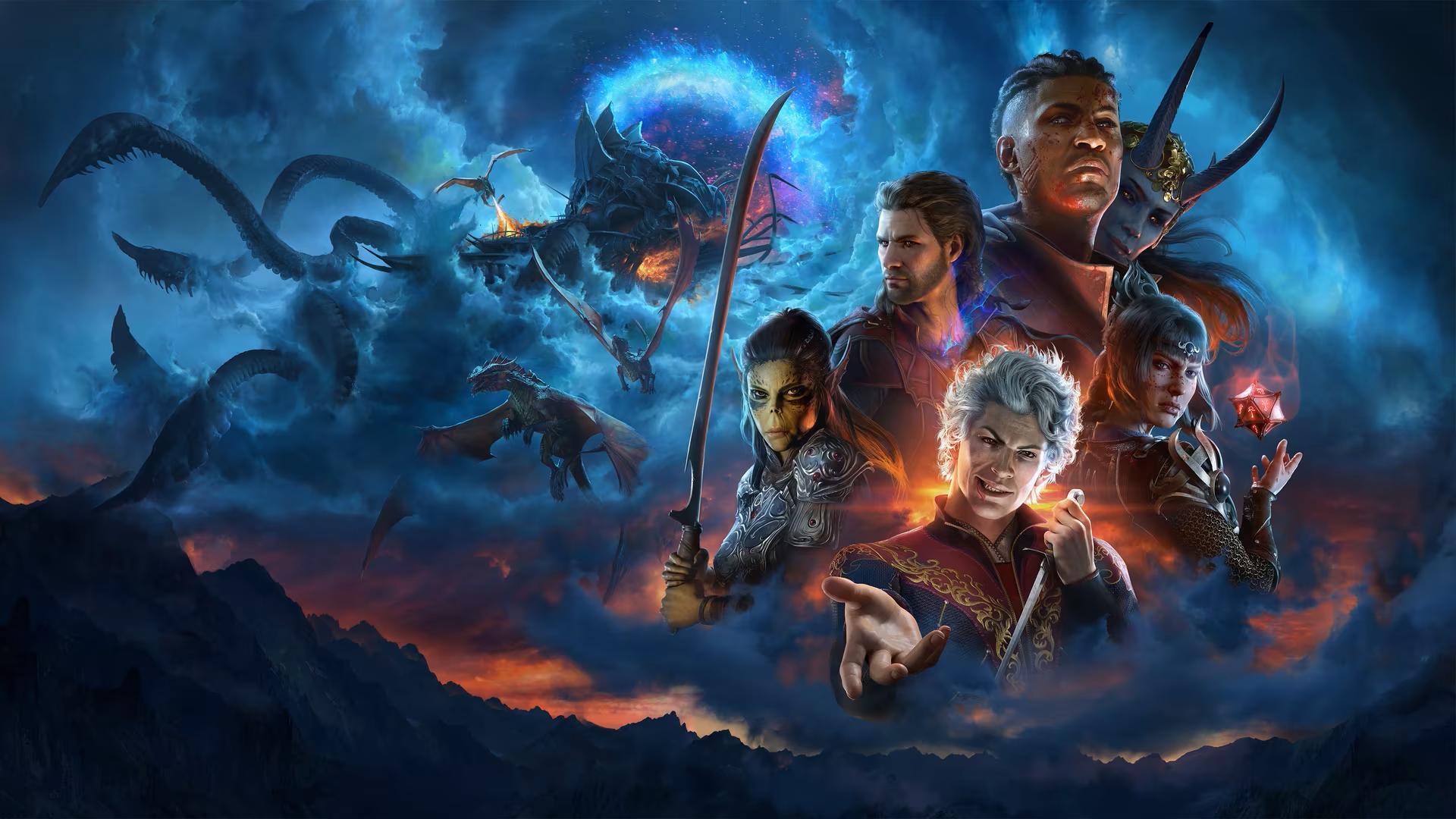
Companions regularly interject during dialogue checks, adding lines that reflect their backgrounds and approval toward your choices. Arguments between party members like Lae’zel and Shadowheart can trigger in the field or back at camp and may evolve as the story advances. Camp scenes unlock after major milestones and can lead to new quests or changes in relationships. Many banter exchanges are conditional on who is present, what you have discovered, and the outcomes of earlier encounters.
‘Mass Effect’
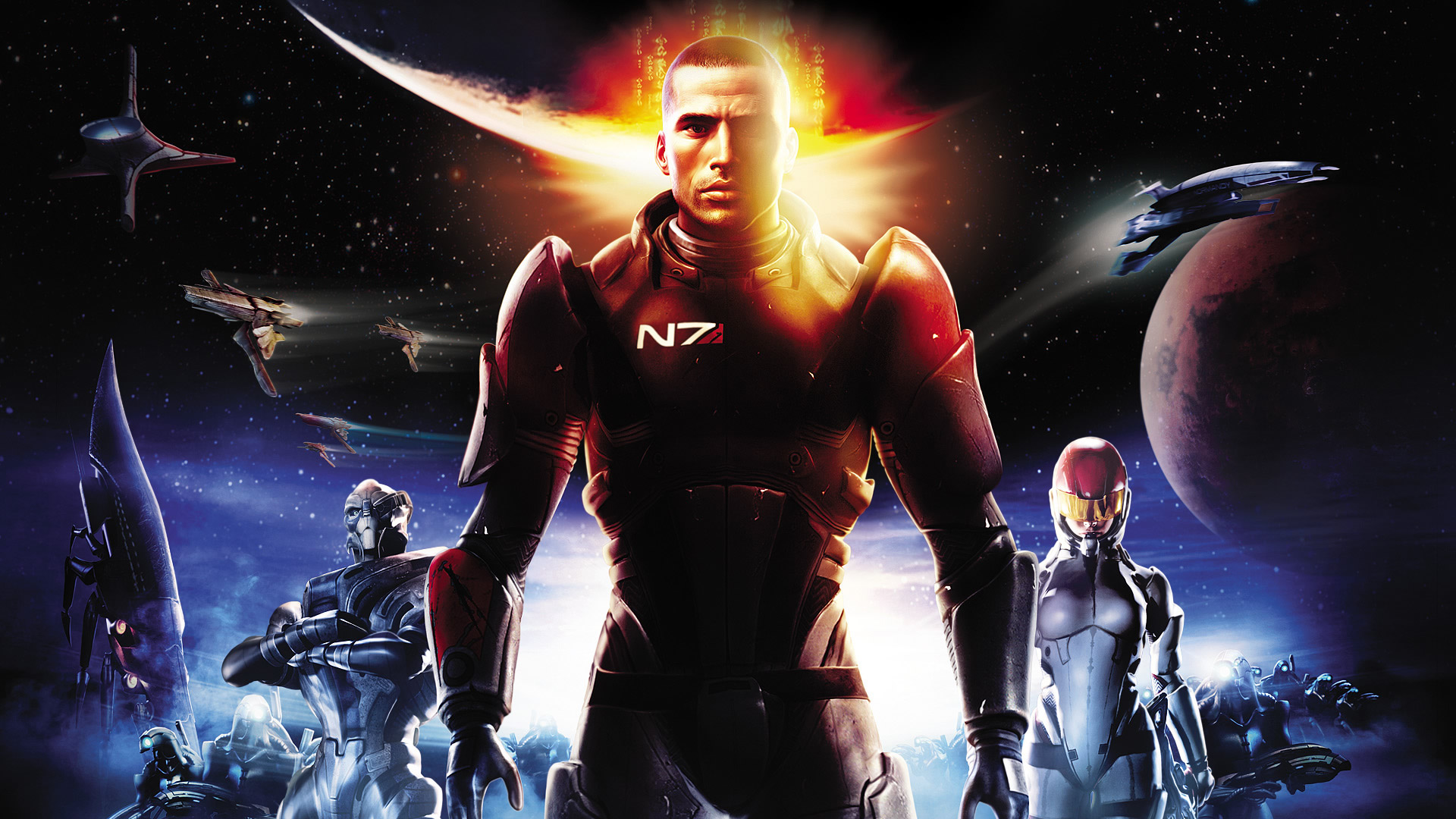
While riding Citadel elevators or moving through missions, squadmates trade lines that share lore on planets, factions, and current events. Different pairings produce unique exchanges, so bringing various combinations results in new dialogue. News bulletins between floors often reference your completed assignments and alter later chatter. These conversations establish background details that persist across later adventures.
‘Mass Effect 2’
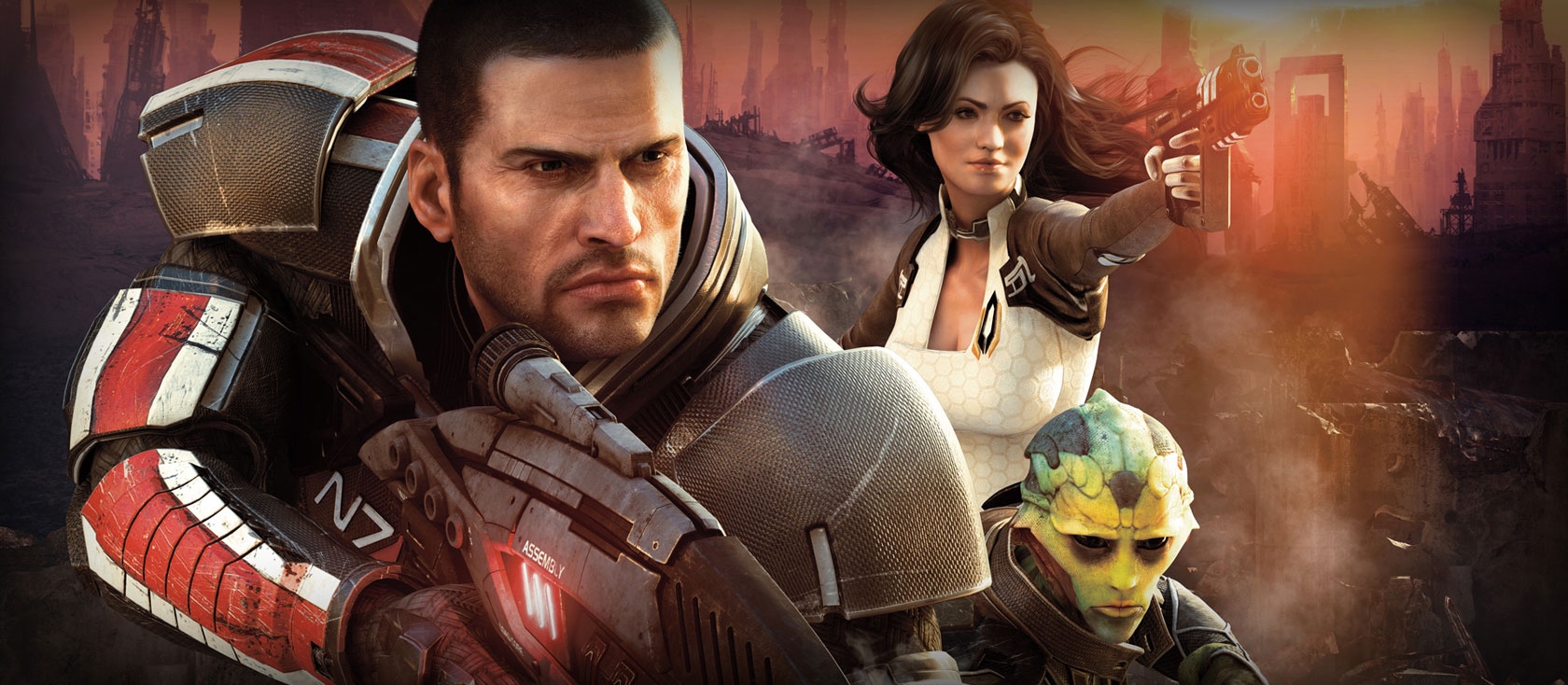
Squadmates comment during missions and on the Normandy, with lines that respond to loyalty progress and mission outcomes. Pairing characters with known conflicts like Miranda and Jack or Tali and Legion can surface special exchanges. Ambient conversations aboard the ship update after key story beats and research projects. Many lines unlock only after completing a character’s loyalty mission or visiting certain hubs.
‘Dragon Age: Origins’
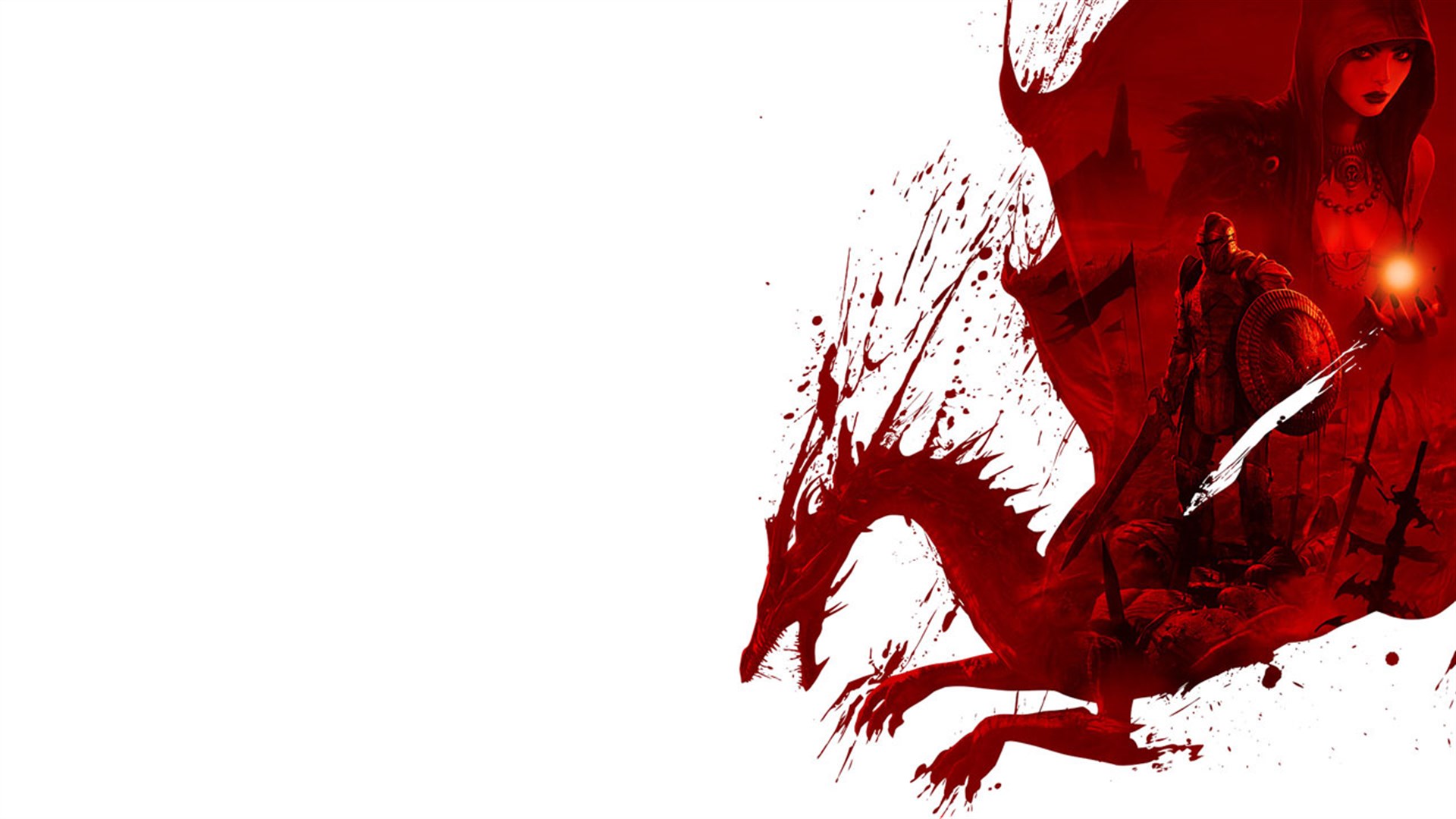
Companion banter triggers while traveling and at the party camp, shaped by approval and story progress. Alistair and Morrigan frequently exchange pointed remarks that change if you resolve quests in particular ways. Special conversations occur when specific characters are together in certain regions. Campfire talks can reveal personal quests and sometimes alter how characters perform in later confrontations.
‘Dragon Age II’
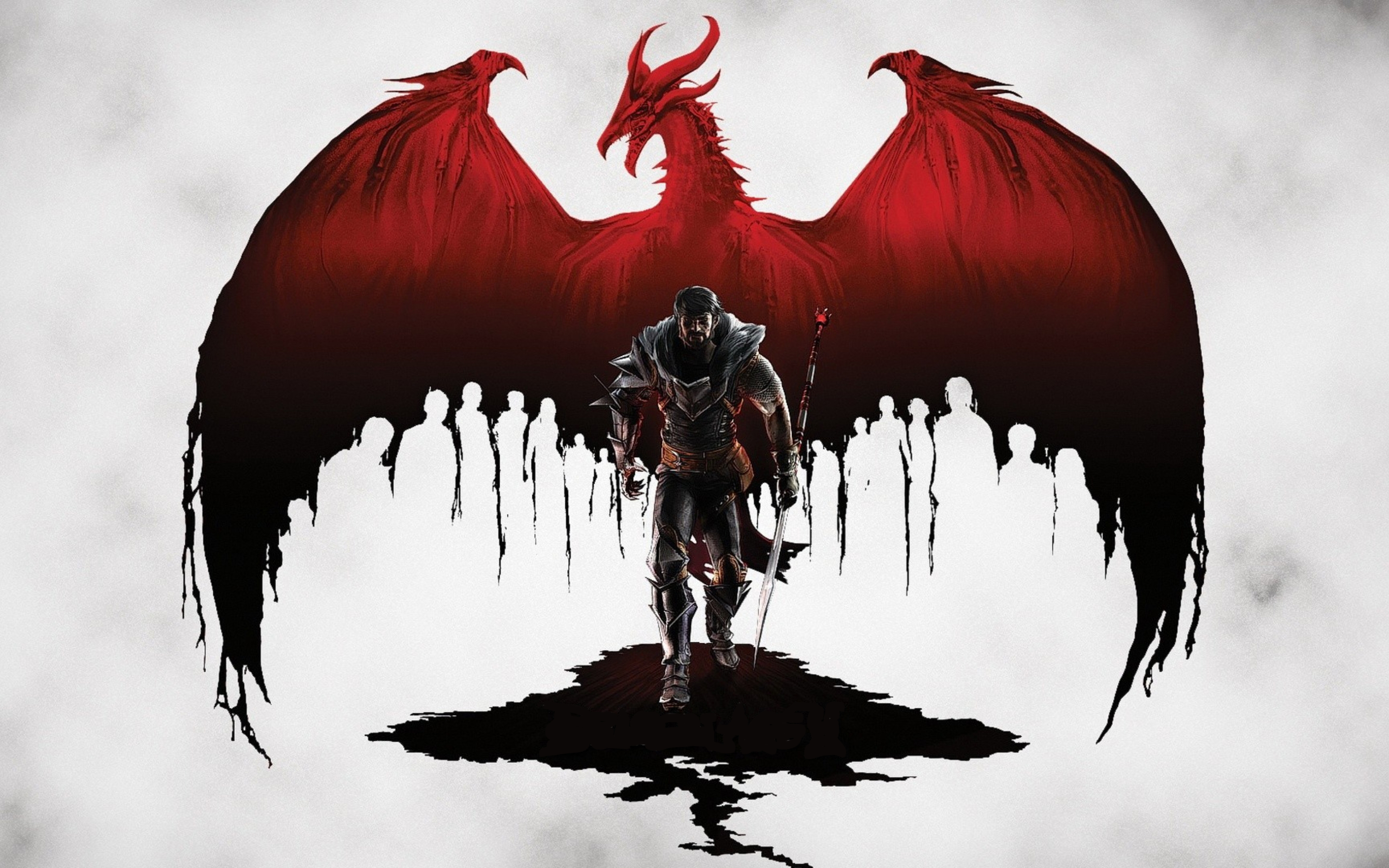
Party chatter runs throughout Kirkwall and updates across the acts as the city changes. Rivalry and friendship values influence the tone of exchanges and can unlock new companion scenes. Some banter only appears when you equip certain items or complete companion quests. Walking through familiar districts with different teams produces new location-specific lines.
‘Dragon Age: Inquisition’
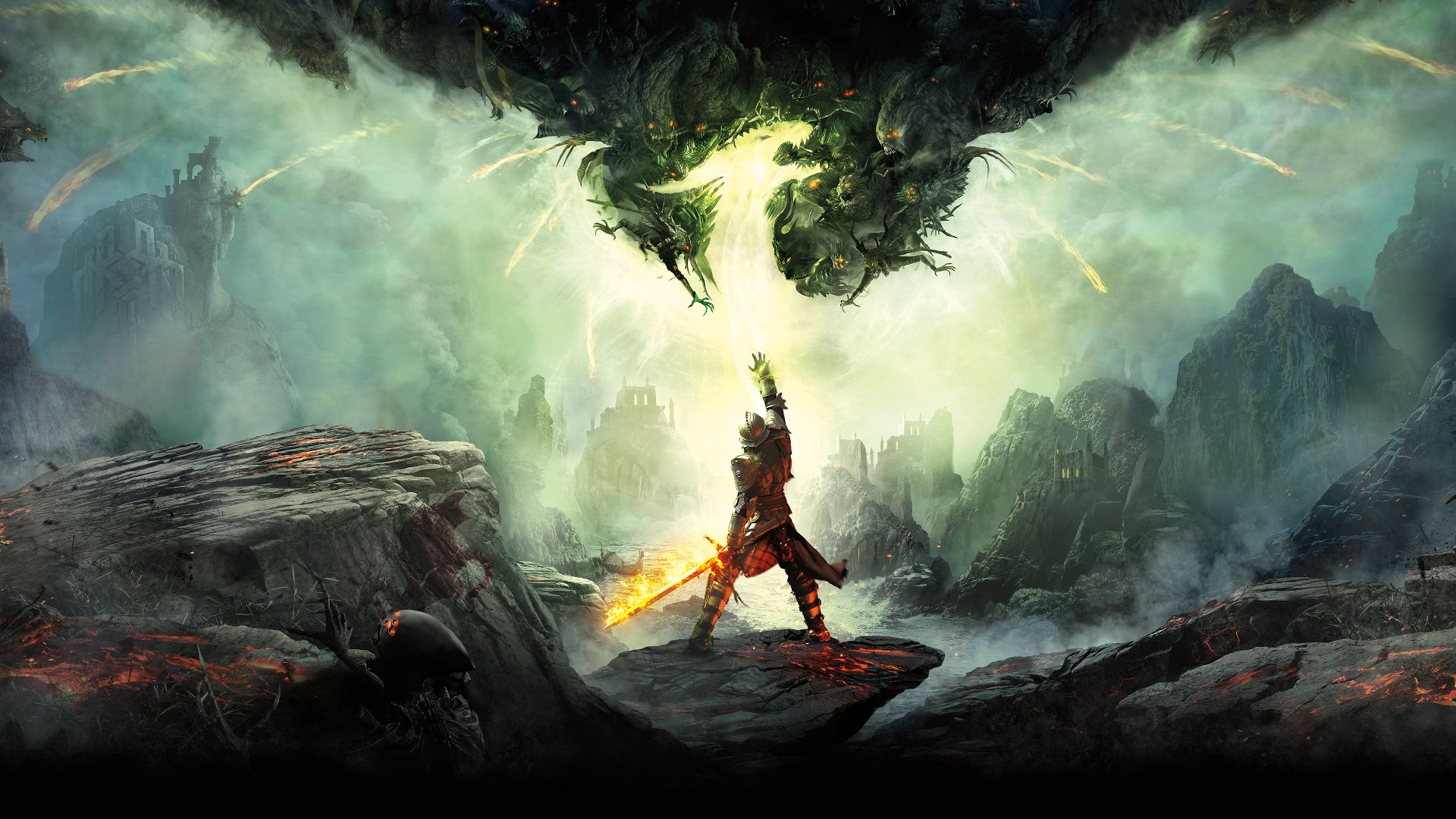
Open-world exploration prompts companions to comment on landmarks, factions, and ongoing operations. Approval affects whether exchanges are supportive or critical and can lead to unique party interactions. Mounting, dismounting, and entering keeps often trigger short lines that acknowledge recent accomplishments. Specific trios of characters can produce special sequences that only appear with that roster.
‘Divinity: Original Sin 2’
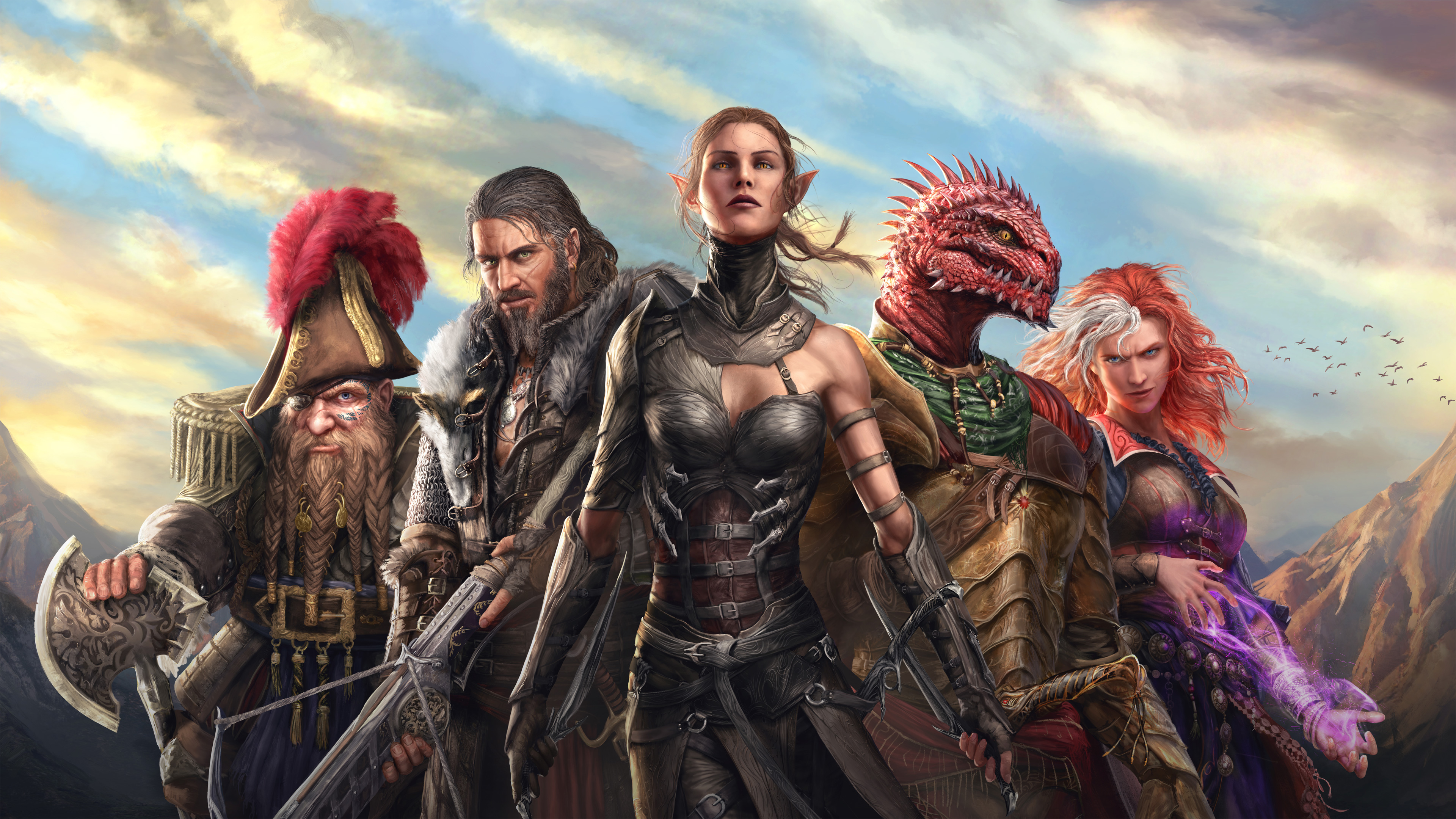
Origin characters debate choices throughout quests, and tag-based dialogue changes how situations play out. Party members react to your decisions in real time, sometimes challenging you in front of NPCs. Certain combinations of origin characters unlock unique scenes and even alter later quest resolutions. Conversations at key story moments can shift relationships and open or close options in future acts.
‘Pillars of Eternity II: Deadfire’
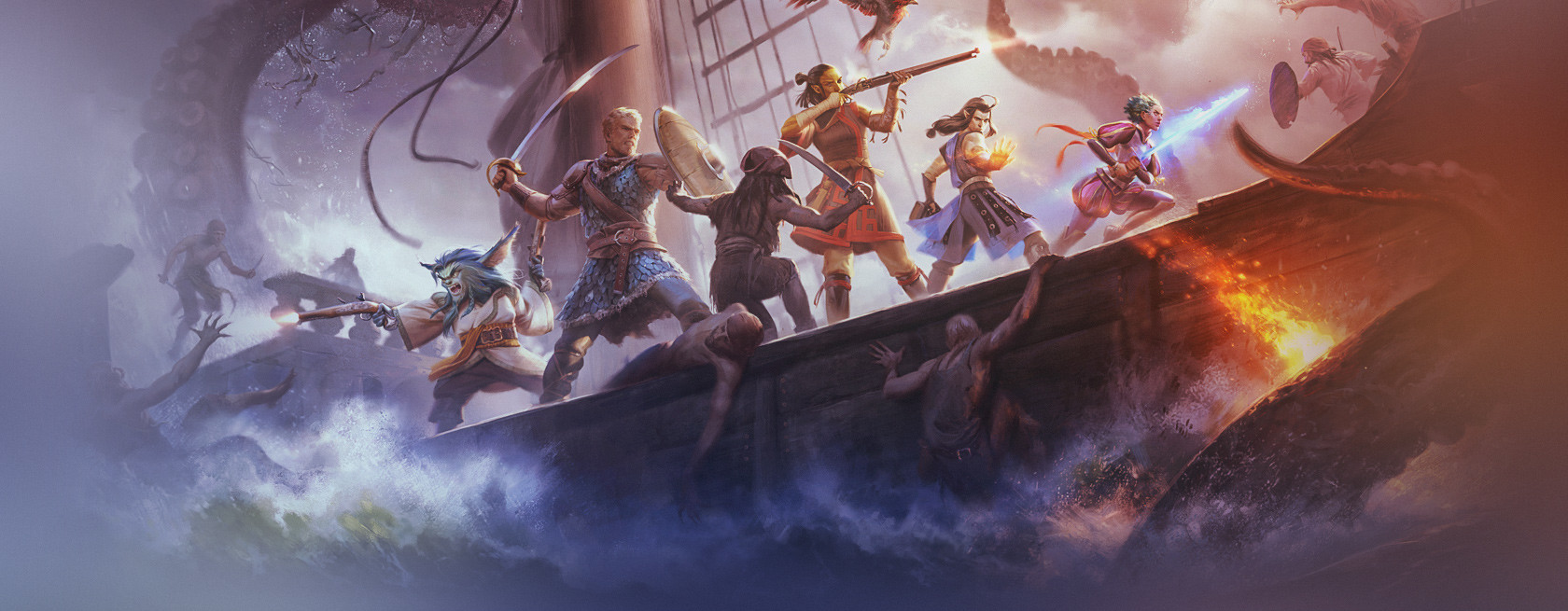
Companions hold shipboard conversations that reflect your captaincy, faction ties, and chosen route through the archipelago. Relationship scores between companions influence whether their exchanges are friendly or confrontational. Many areas trigger barks that reference local gods, cultures, and earlier choices. Banter can escalate into scripted events that modify how characters participate in later quests.
‘Star Wars: Knights of the Old Republic’
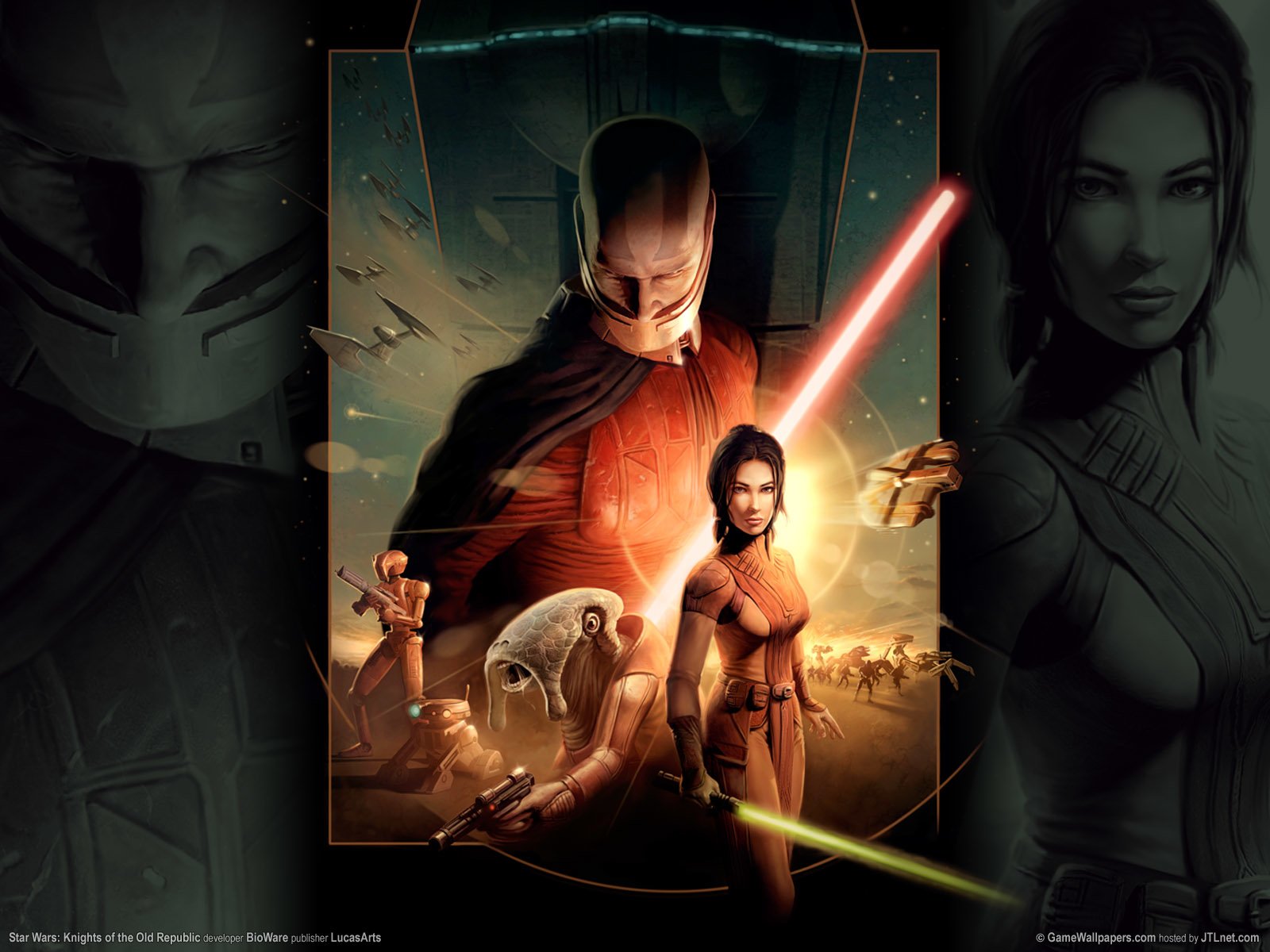
Party members like Carth and Bastila discuss your actions during planet visits and aboard the Ebon Hawk. Influence and story revelations change the tone and content of their exchanges. Some lines unlock after addressing personal history or completing side quests tied to each companion. New banter appears as you revisit hubs following major plot twists.
‘Star Wars: Knights of the Old Republic II’
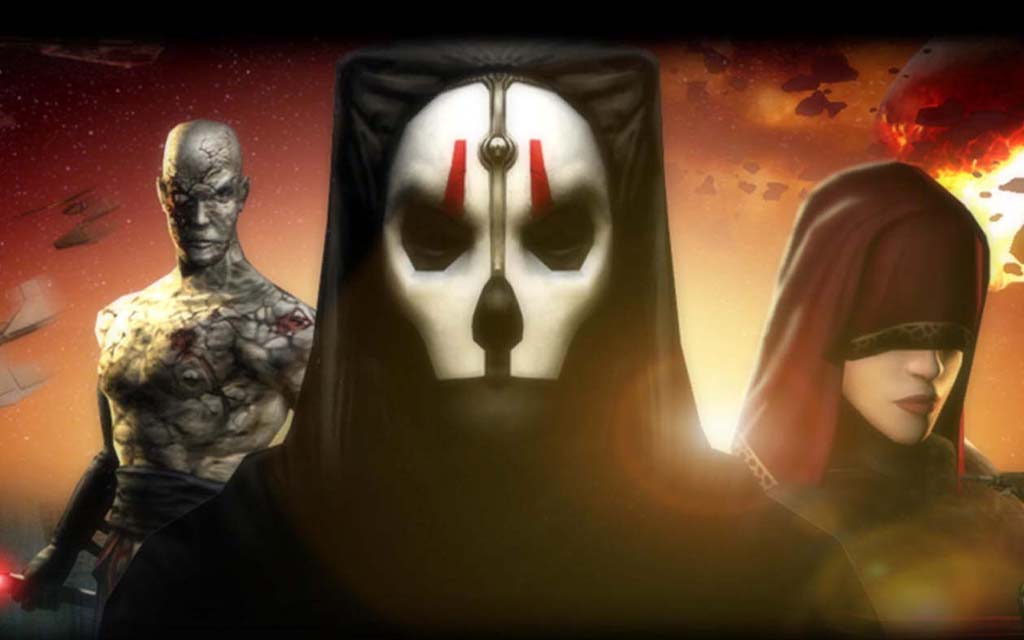
Influence mechanics cause companions to adopt viewpoints that show up in ambient talk and formal dialogues. Kreia comments on your decisions in the field and during shipboard sequences, often unlocking new lines after key choices. Party arguments can reappear in future scenes if you continue steering decisions in a consistent direction. Certain combinations of companions on specific planets trigger rare exchanges.
‘Fallout: New Vegas’
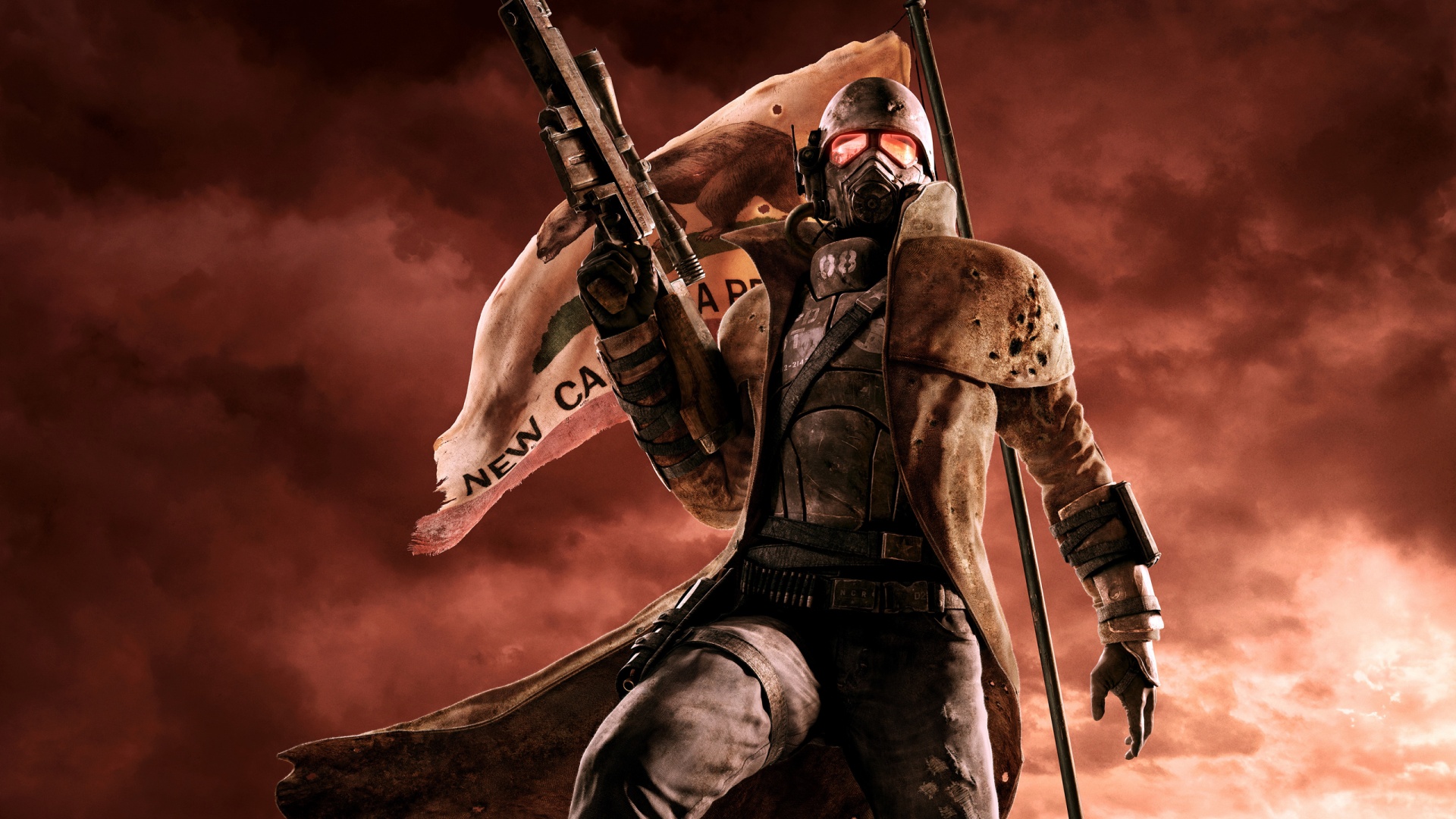
Companions like Boone, Veronica, and Raul comment on locations and factions during travel. Entering certain areas with the right follower can start companion quests or alter their outcomes. Reputation with groups changes which banter lines you hear and how NPCs respond. Many remarks only play when a specific follower is active at the moment you cross a trigger.
‘The Outer Worlds’
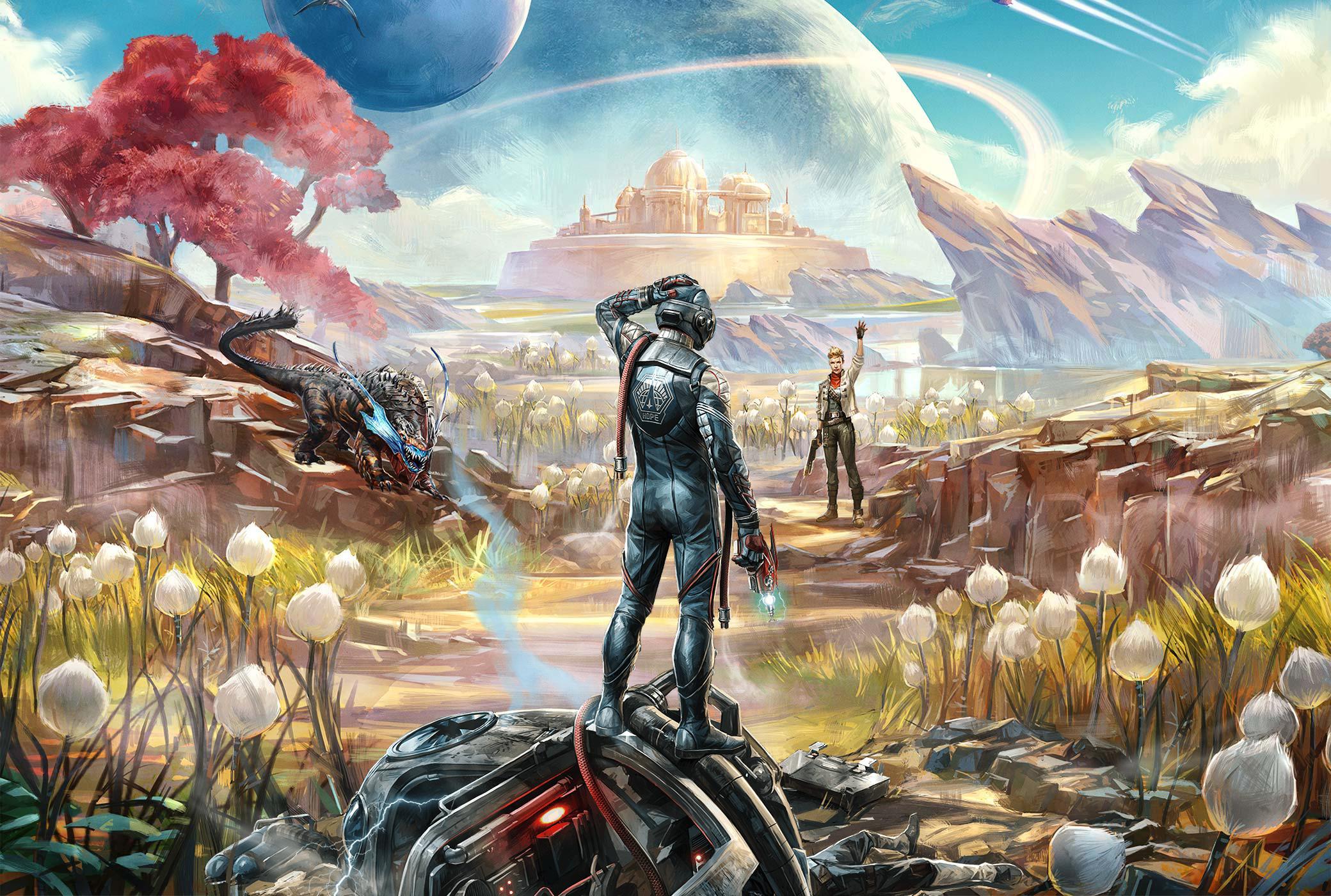
Followers interject during conversations with NPCs, adding skill checks or context that can change quest results. Companion quests update their comments across different settlements and ships. Specific pairs produce extra lines, especially when quests involve their personal connections. Many interjections depend on your dialog choices and the current state of the colony.
‘Final Fantasy XV’
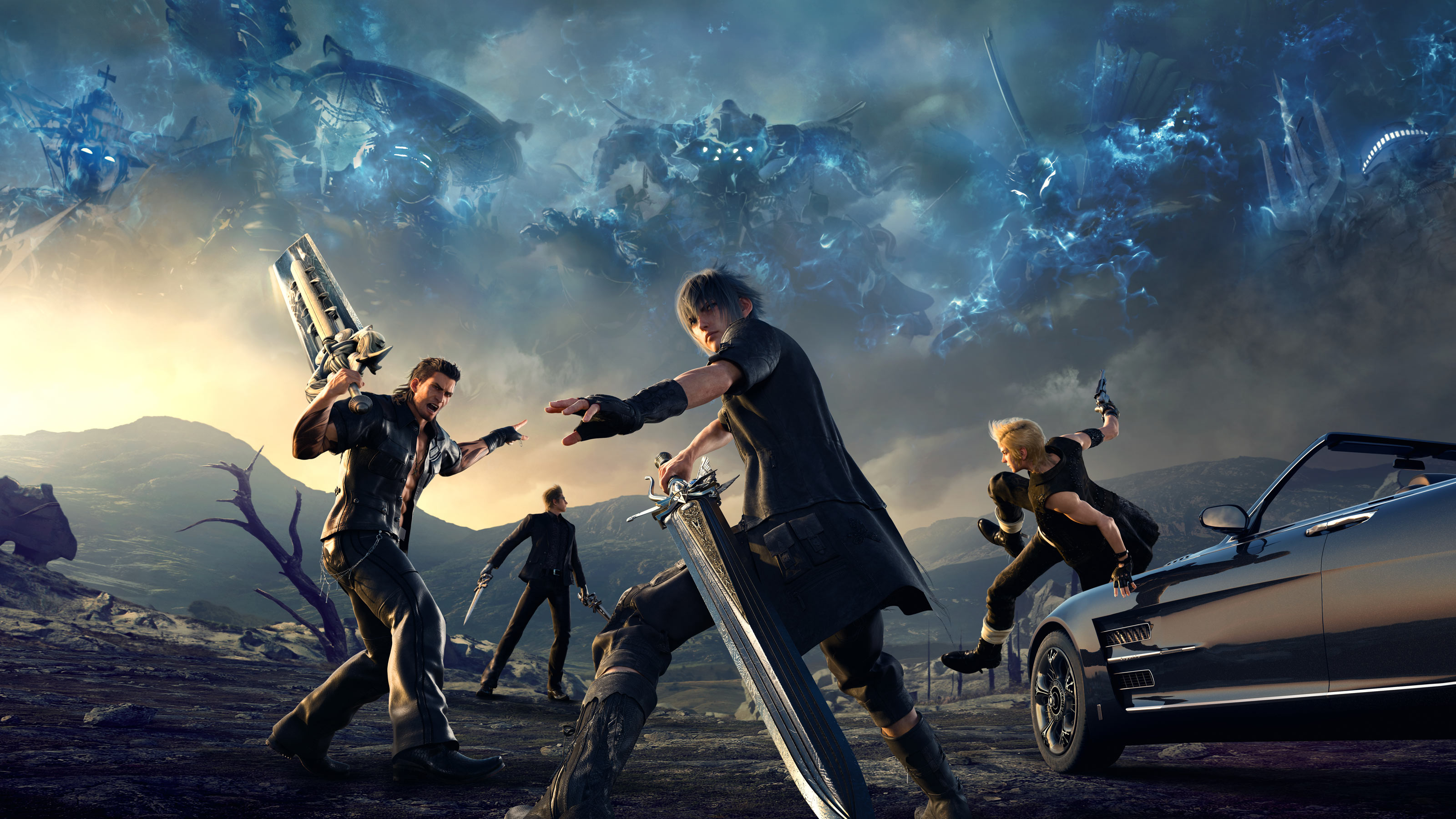
Road trips, camping, and photo reviews create ongoing chatter among Noctis and his friends. Party members react to weather, wildlife, and recent battles while driving or walking. Mealtime scenes add new lines when you unlock recipes or visit certain diners. Post-battle remarks change with weapon choices and enemy types.
‘Yakuza: Like a Dragon’

The party chat feature triggers as you stroll through districts and during story downtime. Drink link conversations at bars expand character histories and unlock new combat perks. Restaurant combos prompt unique exchanges when you order specific menus. These chats update as you progress through chapters and recruit new members.
‘Xenoblade Chronicles’
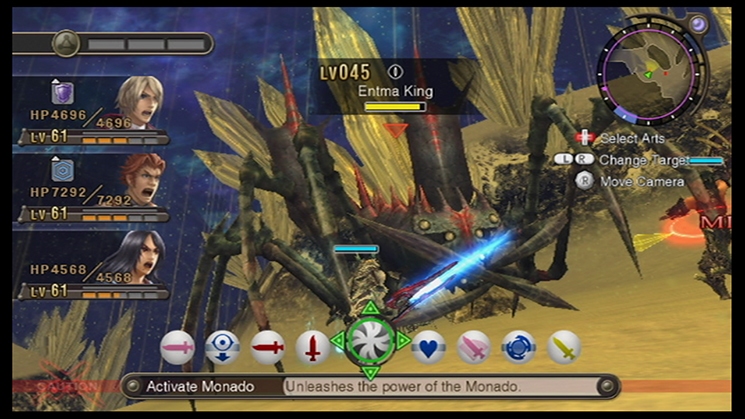
Heart-to-hearts appear at marked spots and require certain affinity levels and party compositions. These scenes reveal companion histories and can change based on previous story decisions. Affinity chart progress unlocks additional conversations in later regions. Some exchanges are missable if you advance without meeting the required conditions.
‘Octopath Traveler’
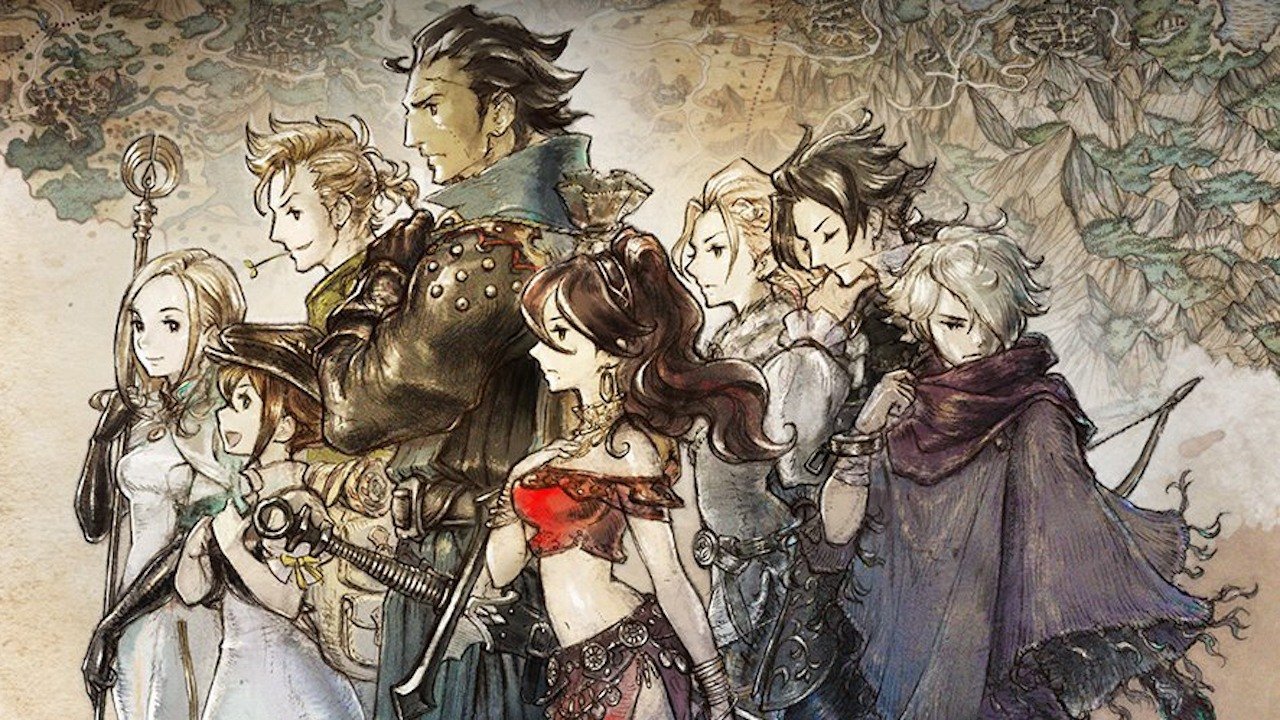
Travel banter triggers between chapters and in towns when certain party members are present. Character pairings determine which lines appear, with context drawn from the current protagonist’s story. Conversations update after boss fights and key reveals, adding new perspectives on the journey. Many scenes only unlock during specific windows within each chapter.
‘Tales of Arise’
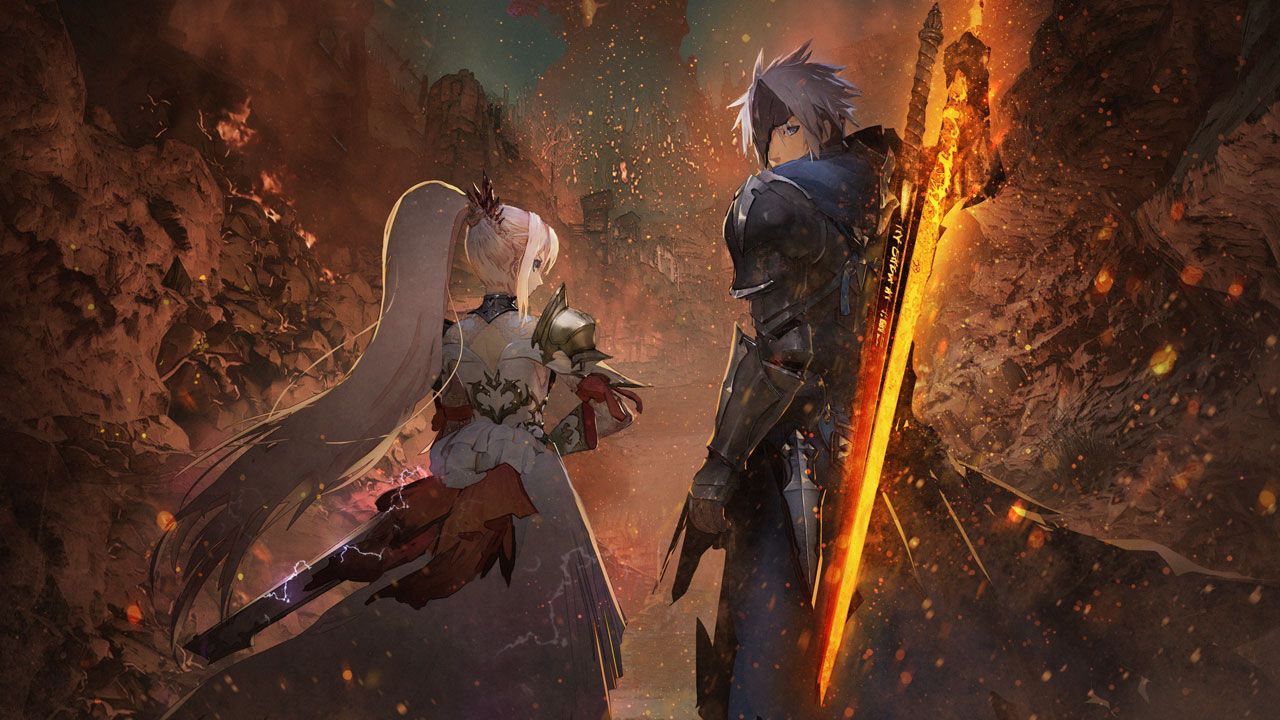
Skits pop up during exploration, after battles, and at camp, offering party commentary on recent events. Trigger prompts appear on screen and can be replayed later from menus. New skits unlock as you cook recipes, visit towns, and complete sub-quests. Party composition affects certain skit pairings and the topics they cover.
‘Persona 5’
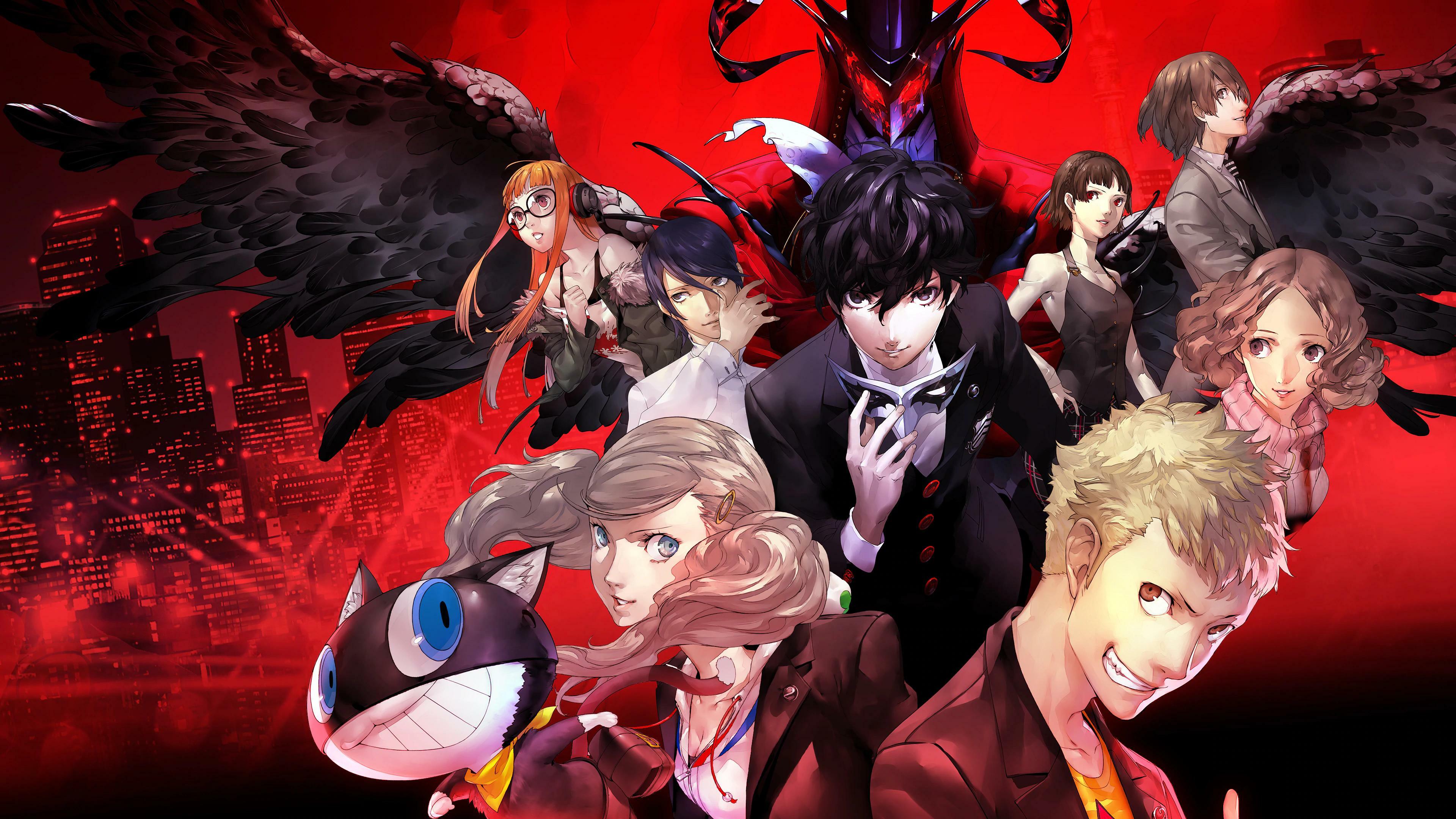
Group messages and infiltration chatter respond to palace progress and daytime choices. Safe room discussions change strategies and provide hints based on recent discoveries. Confidant ranks influence how characters talk during heists and social scenes. New lines appear after unlocking tools, recruiting members, or clearing key obstacles.
‘Dragon Quest XI’
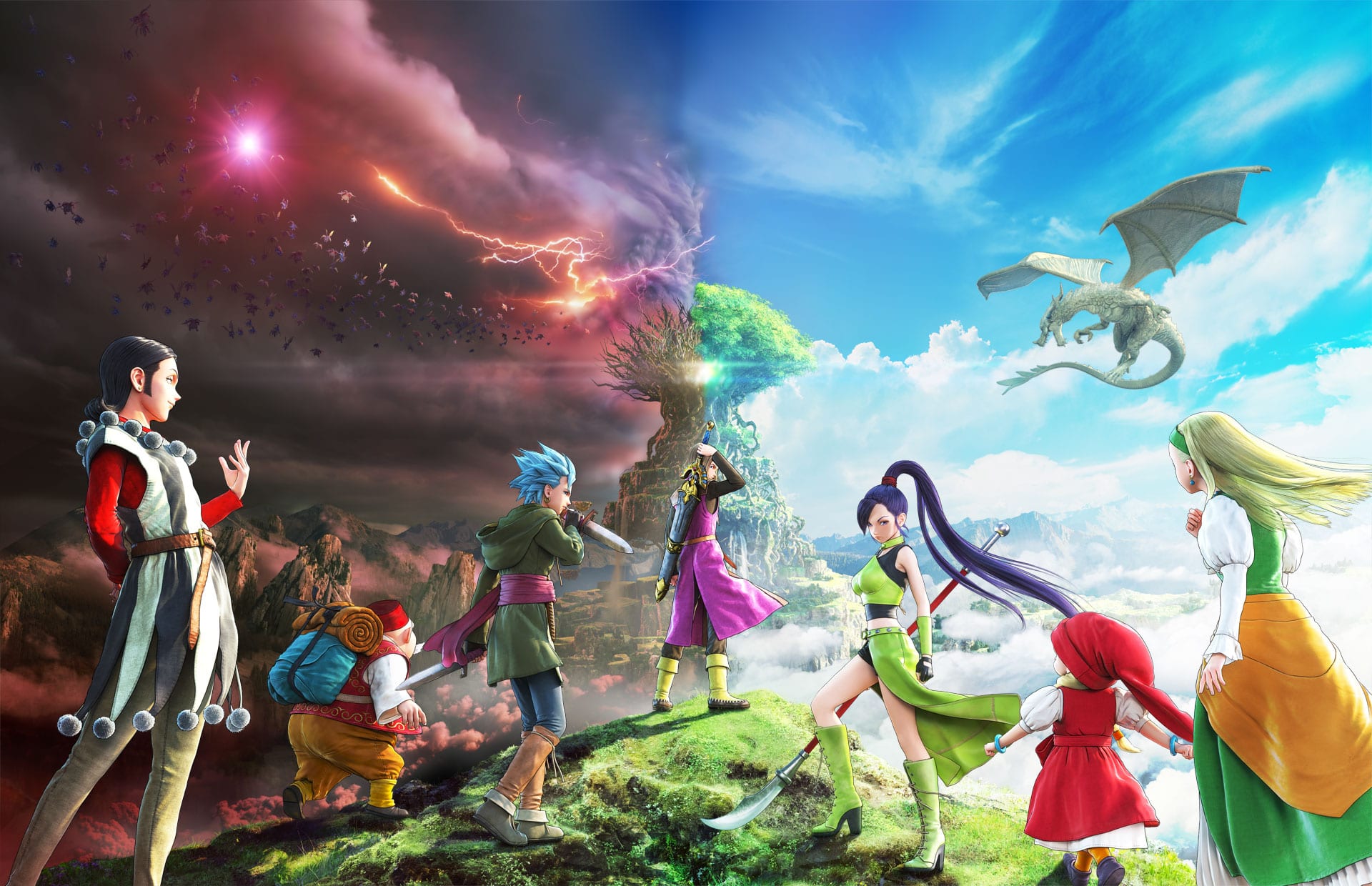
The Party Talk feature updates companion remarks in nearly every town, dungeon, and campsite. Characters comment on objectives and recent story beats, often giving clues about where to go next. Dialogue changes based on who you recruit and how far the story has advanced. Revisiting earlier areas produces new lines that reflect current circumstances.
‘Baldur’s Gate II: Shadows of Amn’
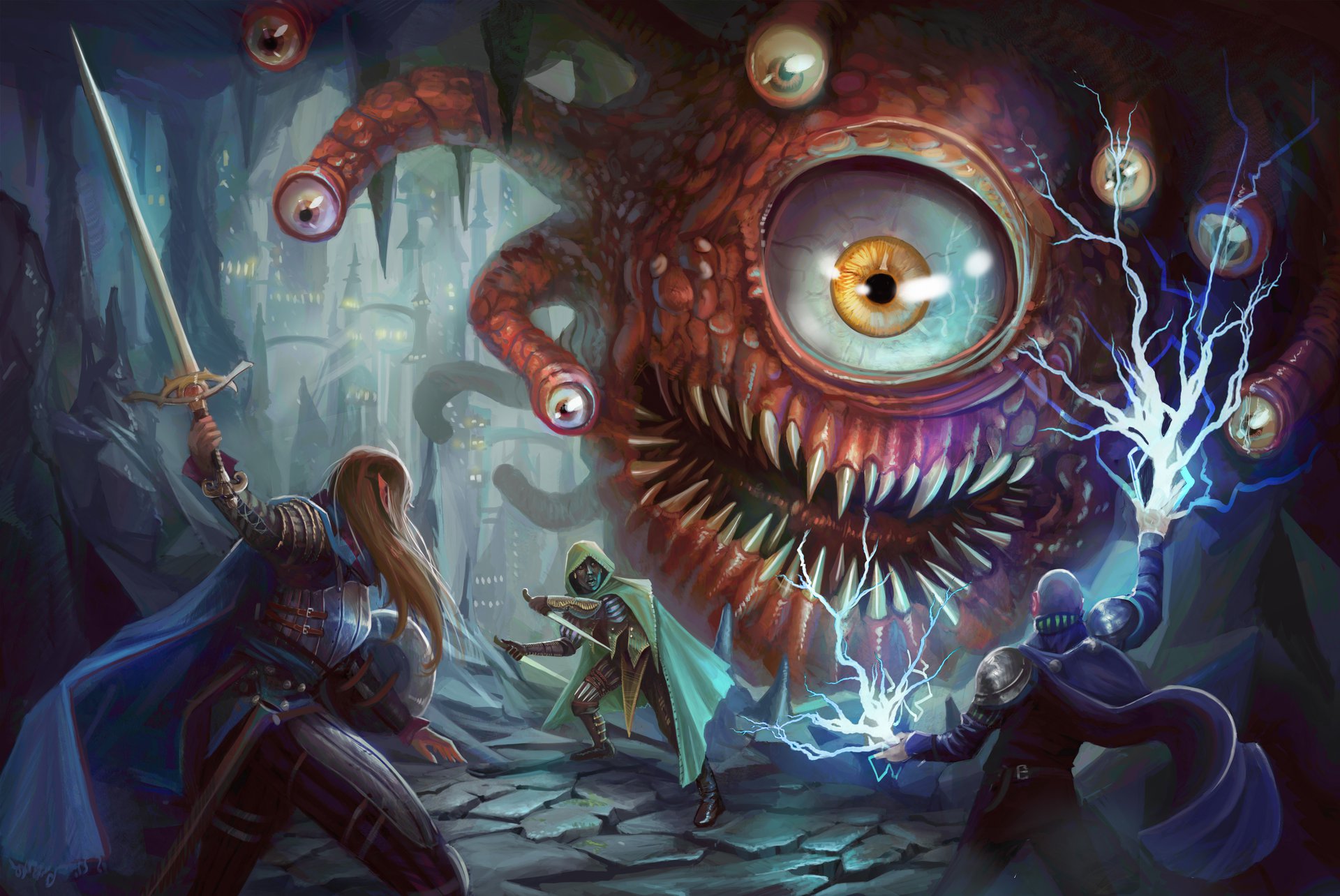
Inter-party banter can escalate into scripted confrontations when certain characters travel together. Minsc and Edwin have exchanges that may trigger consequences if left unresolved. Backgrounds and alignments influence how companions react to your choices throughout chapters. Resting and moving through hub districts unlock new lines as quests evolve.
‘Pathfinder: Wrath of the Righteous’
Companions comment on crusade progress, mythic path choices, and area-specific events. Conflicting alignments produce debates that can shift if you continue making consistent decisions. Camp scenes introduce new conversations after milestones and boss encounters. Certain party compositions unlock unique remarks and sometimes additional interactions during key quests.
Share your favorite party banter moments in the comments and tell us which teams brought your adventures to life.