15 Actors Who Looked Exactly Like the Real People They Played


Great biopics don’t just tell a life story—they make audiences feel like they’ve stepped into the same room as the real person. The most convincing performances usually blend precise hair and makeup work, tailored costuming, and months of physical and vocal preparation. Below are standout transformations where actors paired technical craft with deep research to recreate signature looks, mannerisms, and voices. Each entry notes the nuts-and-bolts choices—prosthetics, coaching, wardrobe, and training—that helped bring these real figures to the screen.
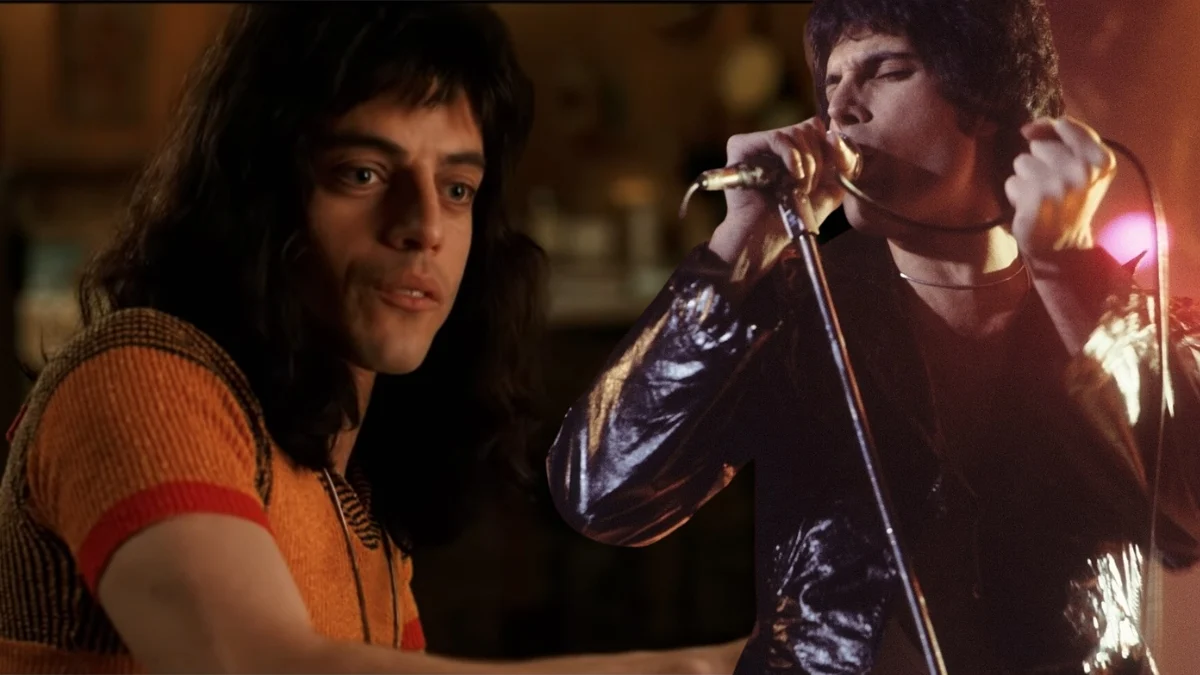
Rami Malek as Freddie Mercury in ‘Bohemian Rhapsody’ (2018)
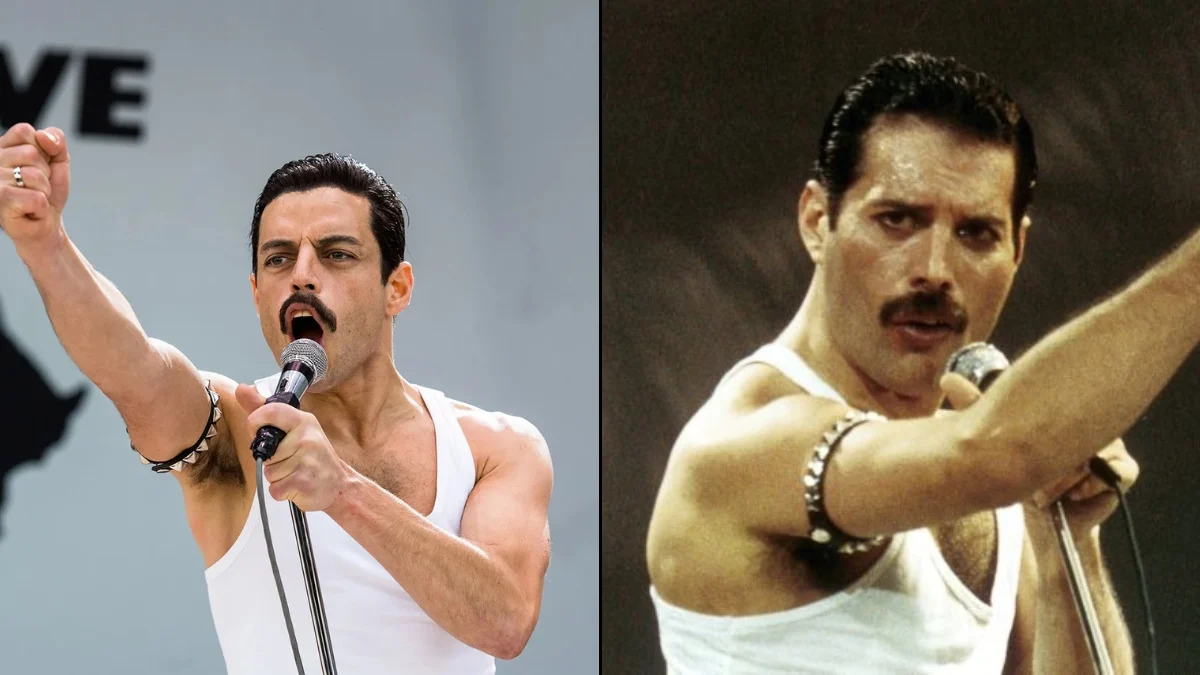
Malek used custom dental prosthetics to replicate Mercury’s overbite and spent months with a movement coach to map the singer’s stage patterns. The production recreated outfits from the 1985 Live Aid set, down to the studded armband and faded jeans. Vocal tracks combined Malek’s voice with isolated Mercury recordings and a sound-alike to match timbre in different ranges. Choreography and camera blocking were engineered to mirror the Live Aid performance beat-for-beat.
Daniel Day-Lewis as Abraham Lincoln in ‘Lincoln’ (2012)
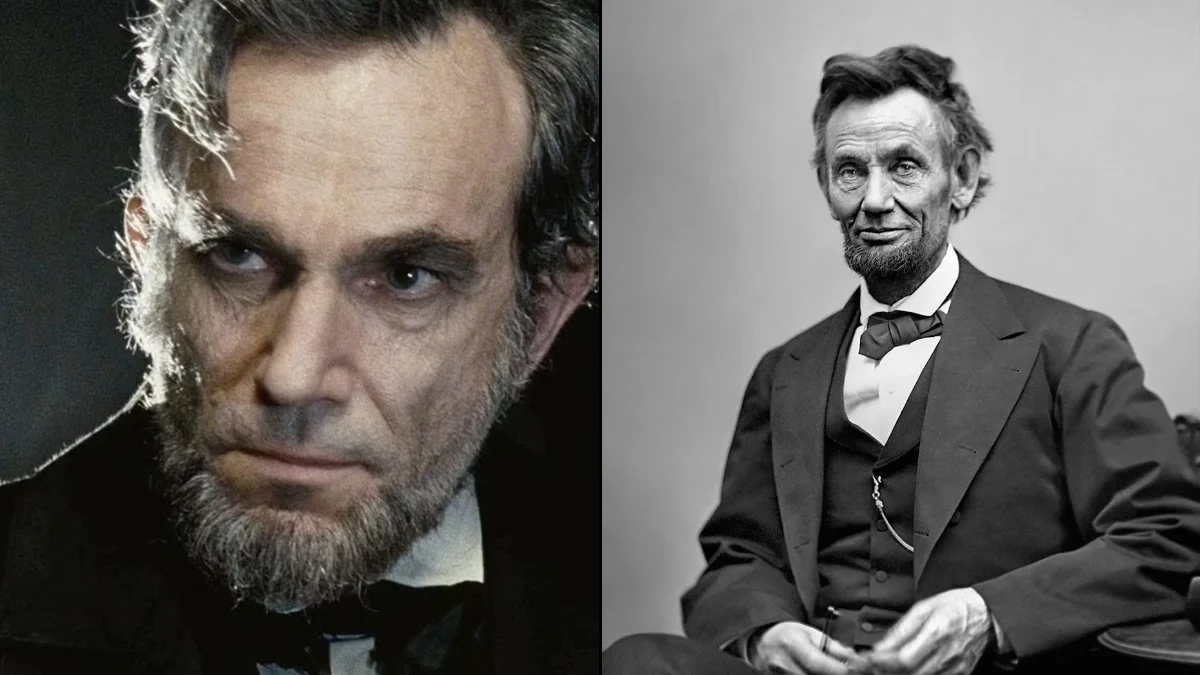
Day-Lewis worked from period photographs and written accounts to shape Lincoln’s posture, gait, and high, reedy speaking voice. Costume teams built frock coats and stovepipe hats using 1860s-era tailoring patterns and fabrics. Makeup departments used subtle prosthetics to age skin texture without masking expression. The film’s dialogue incorporated contemporary idioms and anecdotes drawn from Civil War–era sources to anchor the portrayal.
Jamie Foxx as Ray Charles in ‘Ray’ (2004)
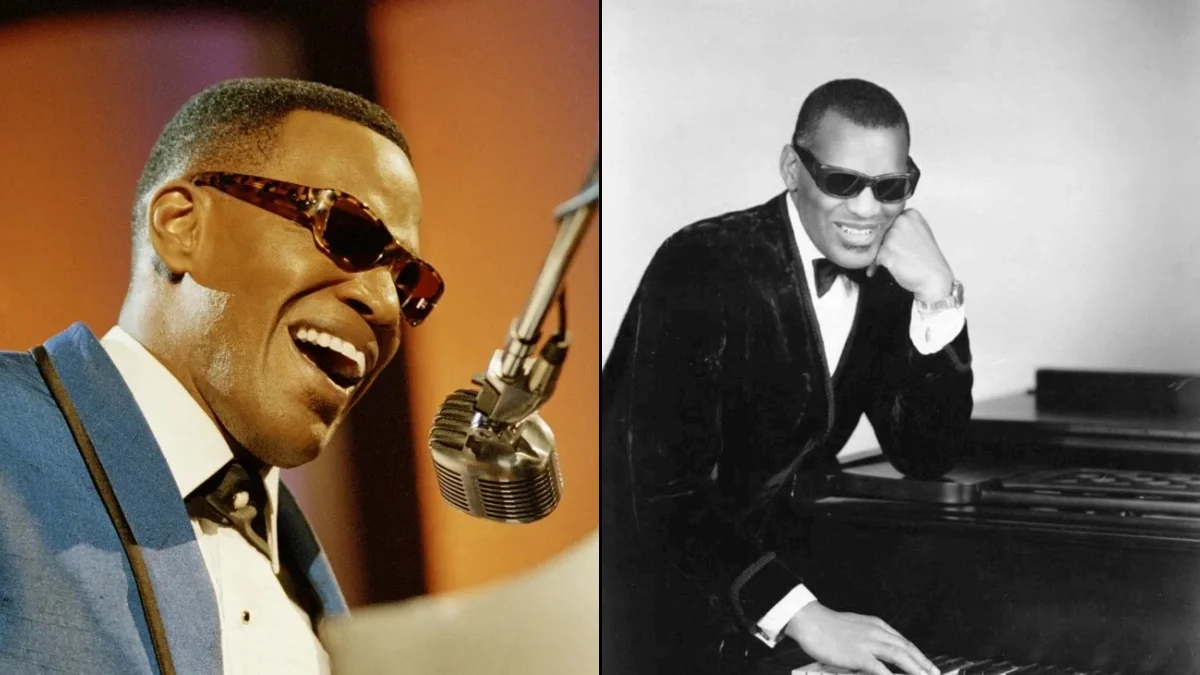
Foxx wore prosthetic eyelids during many scenes to simulate Charles’s blindness and practiced navigating sets without sight to naturalize movement. He trained intensively on piano to perform songs with the correct voicings and rhythmic feel. Wardrobe reproduced Charles’s custom tuxedo cuts and stage jackets from tour photos. Sound mixing preserved the mic bleed and room acoustics typical of mid-century recording sessions.
Angela Bassett as Tina Turner in ‘What’s Love Got to Do with It’ (1993)
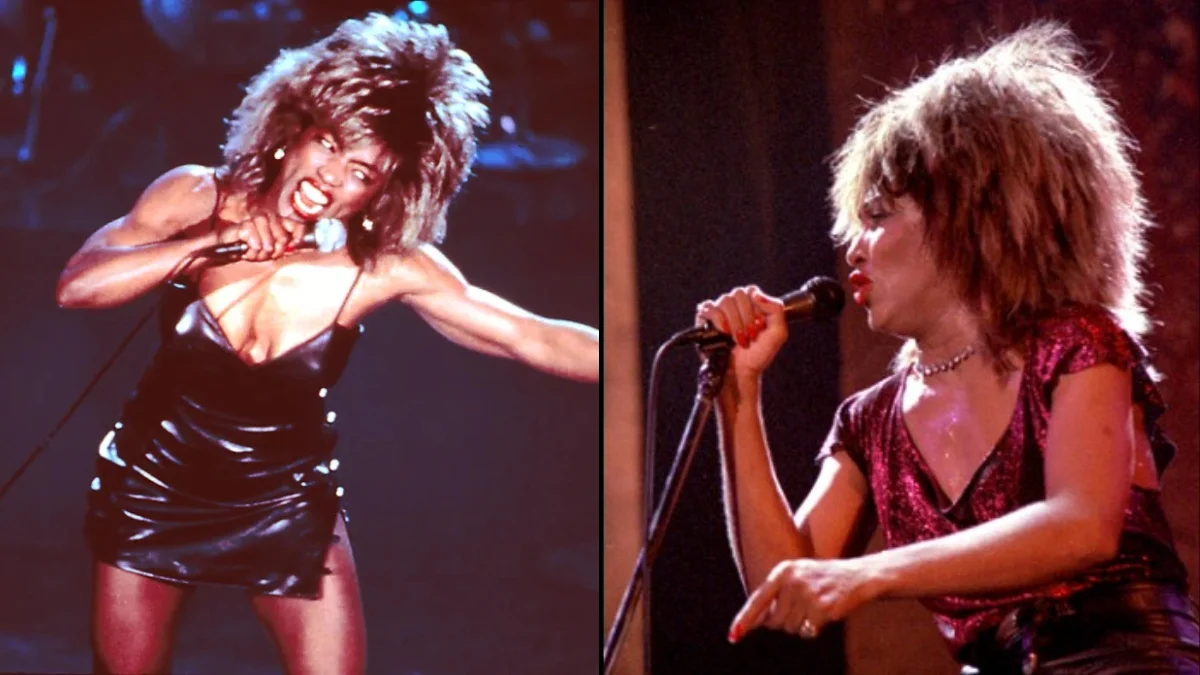
Bassett integrated Turner’s heel-first stride and shoulder isolations after reviewing concert tapes frame by frame. Wigs and hairlines were designed to match Turner’s evolving styles from the Ike & Tina revue era to solo superstardom. Costumers replicated sequined minis and fringe dresses that moved visibly under stage lights. The performance numbers were staged at concert sound pressure levels to capture Turner’s live dynamics.
Austin Butler as Elvis Presley in ‘Elvis’ (2022)
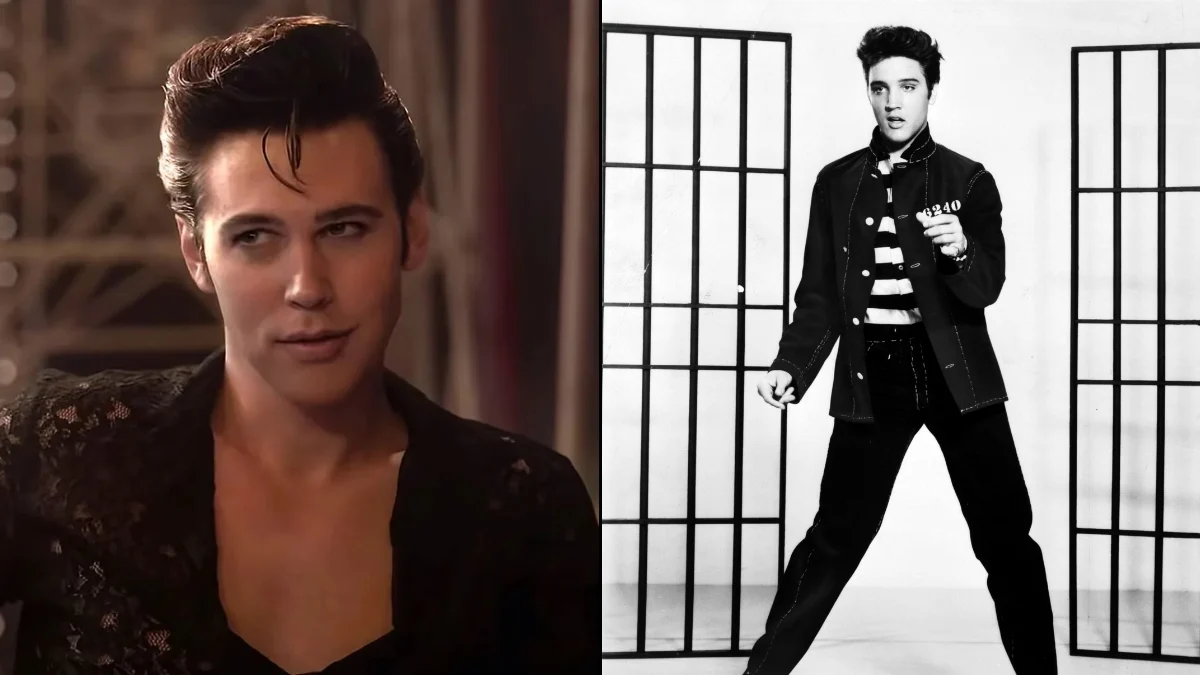
Butler trained with vocal coaches to chart Presley’s voice across distinct career periods and recorded many performance vocals live on set. Makeup used light contouring and period-accurate sideburn applications rather than heavy prosthetics. Wardrobe teams recreated notable outfits, including the black leather ‘68 Comeback Special suit and early rockabilly looks. Choreography referenced archival footage to match pelvis-led movement and mic technique.
Charlize Theron as Aileen Wuornos in ‘Monster’ (2003)
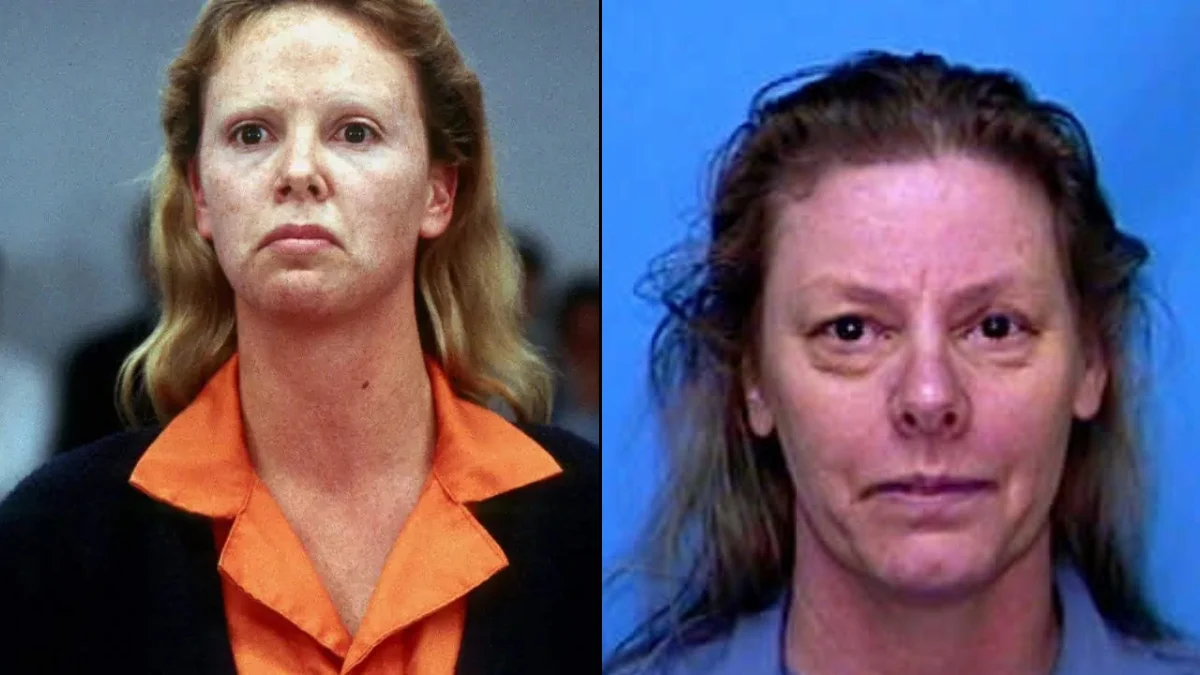
Theron wore dental appliances, contact lenses, and altered her eyebrows and hairline to shift facial proportions toward Wuornos’s. The makeup process added sun damage, capillaries, and mottling to mimic outdoor exposure. She adjusted weight and posture to create a rounded shoulder frame consistent with mug shots and court appearances. Costuming sourced thrift-store denim, tees, and windbreakers typical of late-1980s Florida.
Meryl Streep as Margaret Thatcher in ‘The Iron Lady’ (2011)
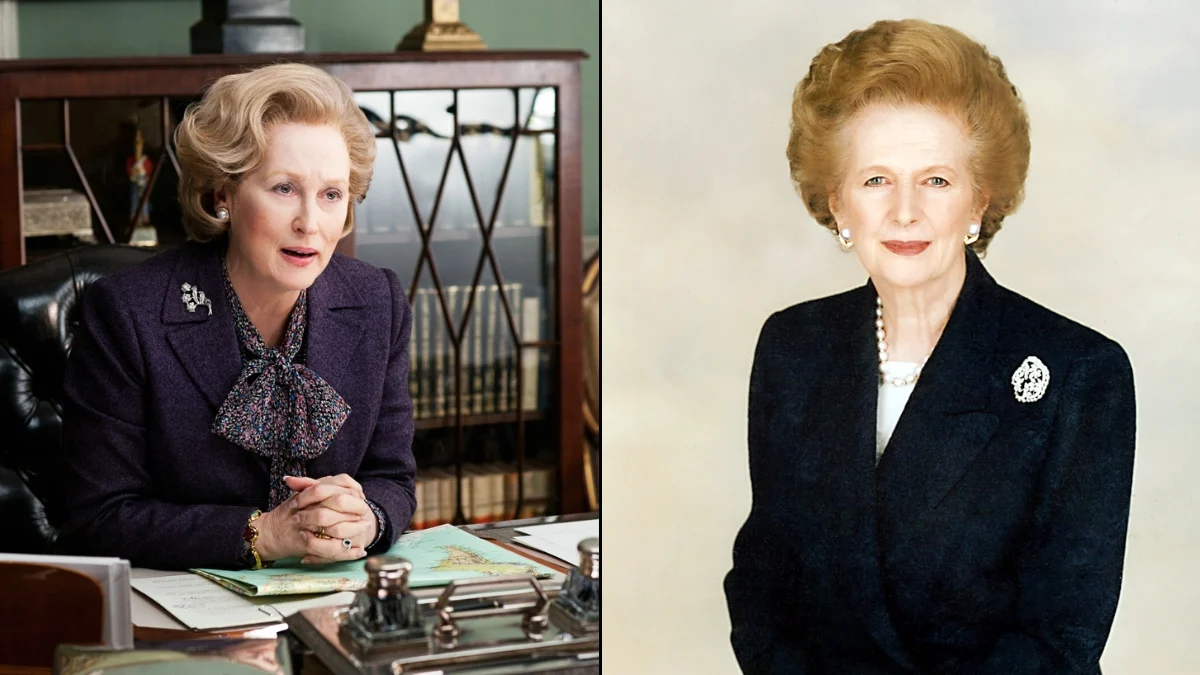
Streep employed a dialect coach to capture Thatcher’s calibrated pitch drop and clipped consonants across different life stages. Prosthetic appliances subtly reshaped the nose bridge and jawline, with age progression handled through layered stipple and veining. Wardrobe recreated signature pussy-bow blouses, structured skirt suits, and brooches from reference photography. Hair teams constructed period-accurate wigs with set lacquer to match Thatcher’s coiffed volume.
Sean Penn as Harvey Milk in ‘Milk’ (2008)
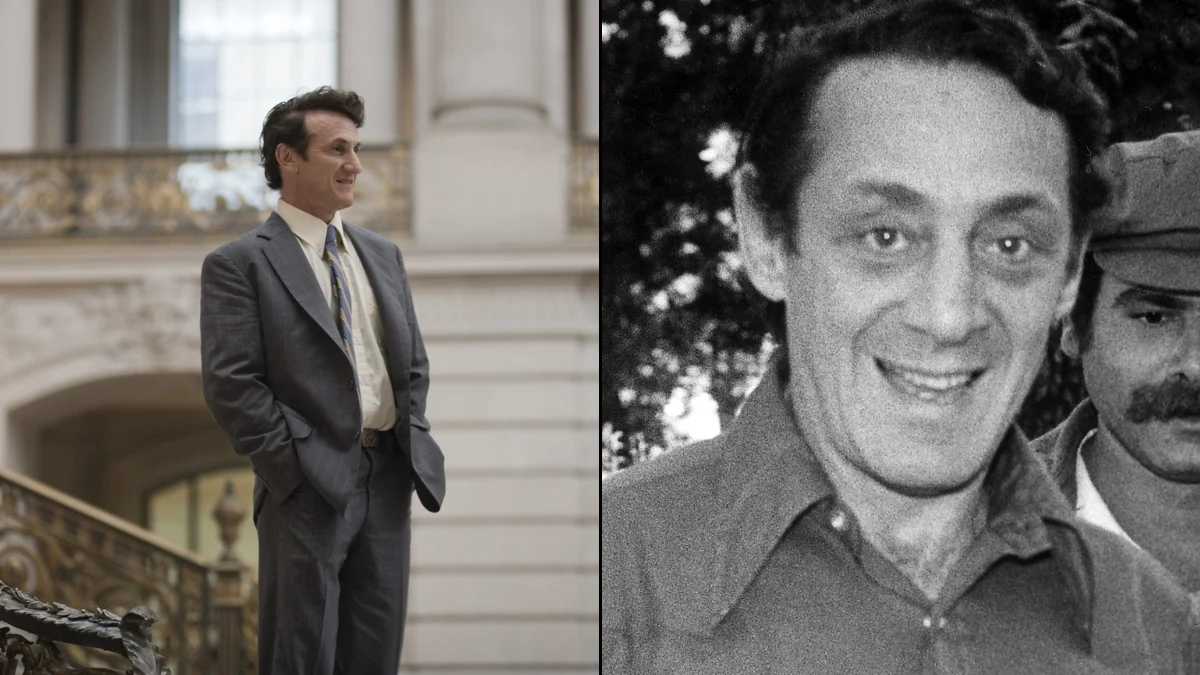
Penn studied Milk’s campaign footage to reproduce hand gestures, open-palmed clapping, and street-corner speech cadence. Eyewear and haircut were patterned from photographs taken during Milk’s time on San Francisco’s Board of Supervisors. The production shot on Castro Street locations dressed with 1970s signage and storefronts for visual continuity. Costume departments tailored narrow-lapel jackets and pastel shirts common to Milk’s public appearances.
Gary Oldman as Winston Churchill in ‘Darkest Hour’ (2017)
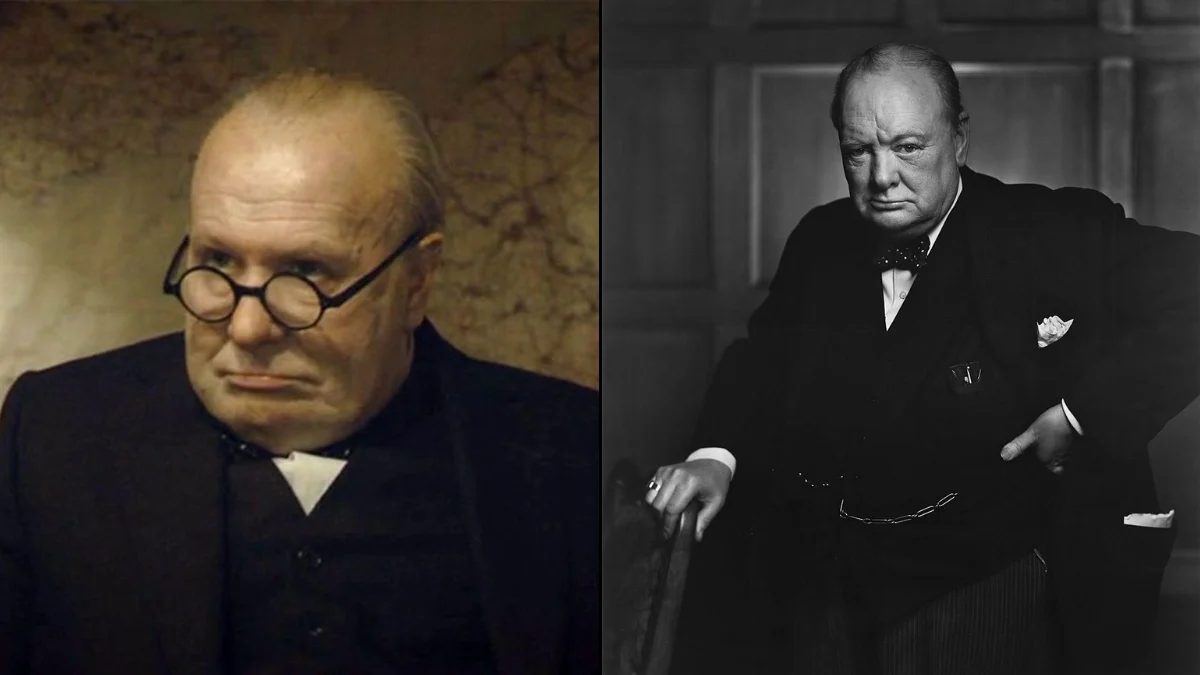
Oldman wore a full silicone facial prosthetic and neck-and-torso bodysuit crafted to Churchill’s wartime proportions. The makeup design allowed pore detail and flexible expression under intense lighting. He trained to emulate Churchill’s cigar placement, cane use, and rolling cadence in speeches. Tailors reproduced chalk-stripe suits, pocket watches, and bow ties sourced from period outfitters.
Kristen Stewart as Princess Diana in ‘Spencer’ (2021)
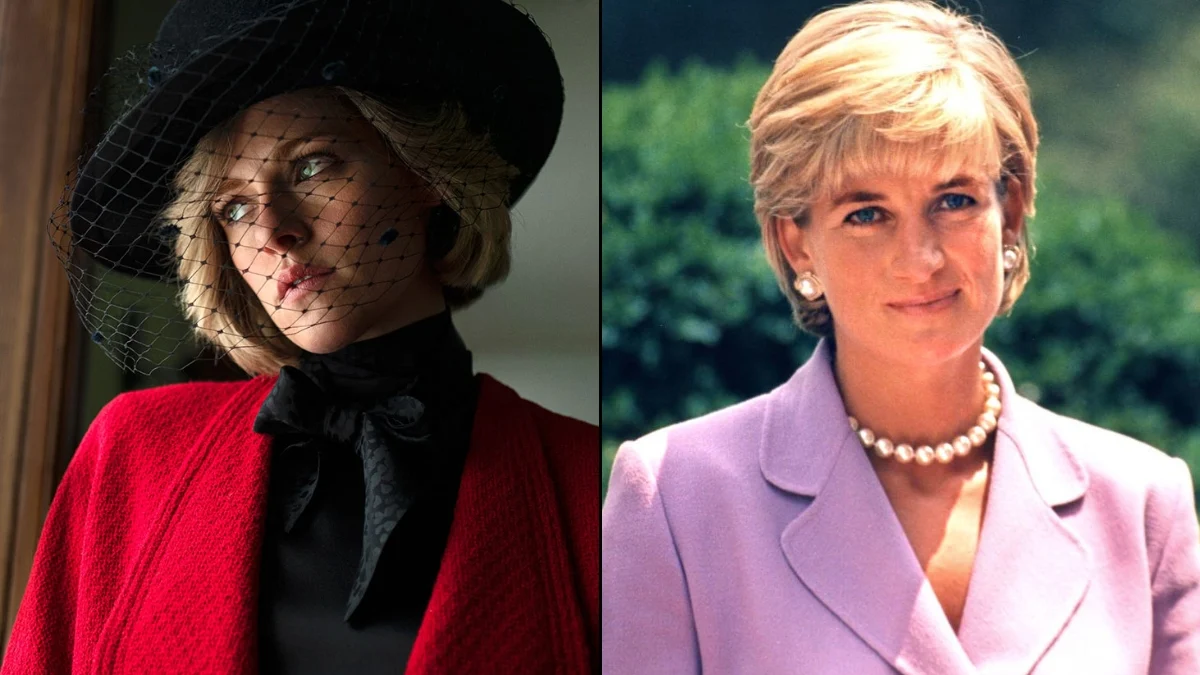
Stewart worked with coaches to capture Diana’s head tilt, downcast gaze, and breathy glottal stops. Wardrobe recreated early-1990s wardrobe staples including the iconic tartan and pearl combinations, using custom millinery for hats. Filmmakers used replica jewelry and sourced knitwear with the correct gauge and fit to match press photos. Movement direction emphasized Diana’s measured walk and protective arm positioning in public settings.
Denzel Washington as Malcolm X in ‘Malcolm X’ (1992)
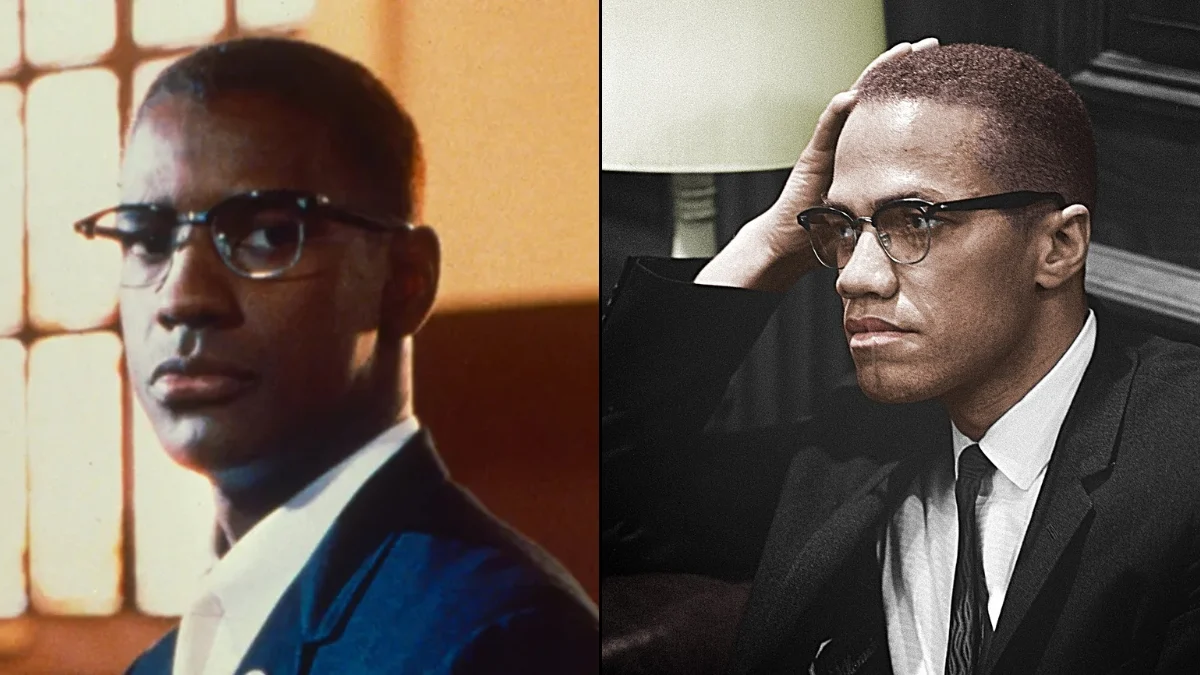
Washington studied speeches and interviews to map vowel length, tempo, and rhetorical pauses across Malcolm’s Nation of Islam and later periods. Hair and makeup traced the character’s transition from conk to natural hair, aligned with specific life chapters. Wardrobe teams built wide-shoulder zoot suits and narrow-lapel ensembles from archival style guides. The production staged key events in matching venues and re-created podiums and signage from newsreels.
Ben Kingsley as Mahatma Gandhi in ‘Gandhi’ (1982)
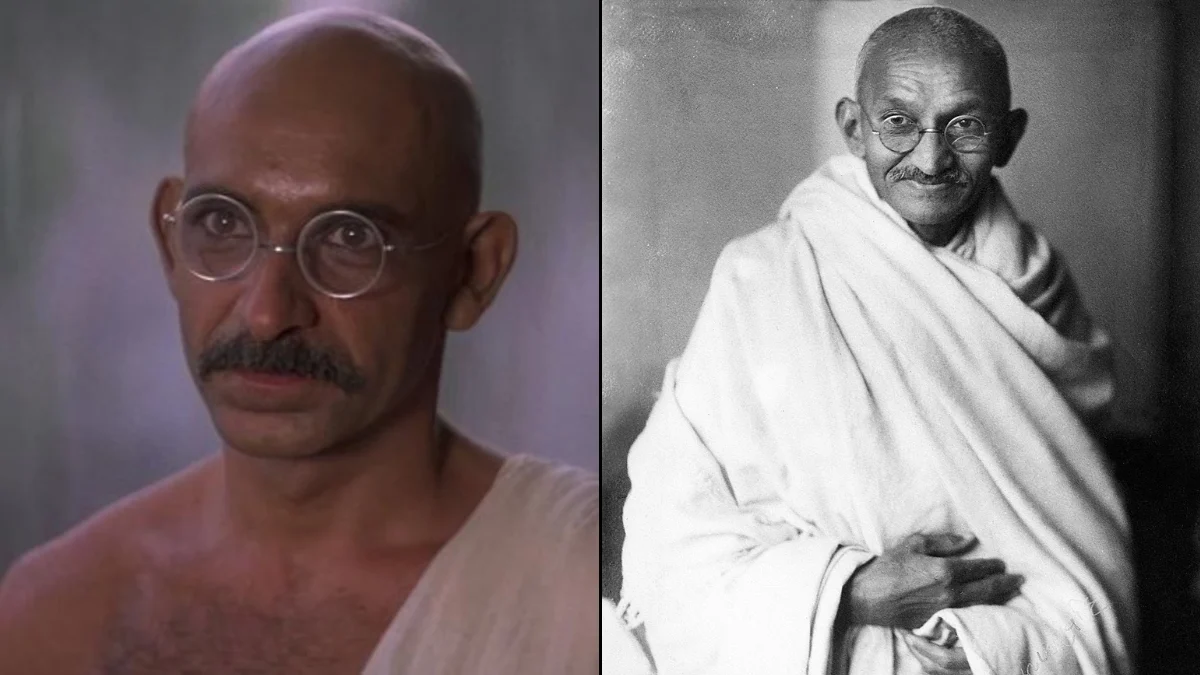
Kingsley adopted Gandhi’s lean posture and barefoot gait, incorporating yoga-based flexibility drills. Makeup work focused on hairline, moustache shape, and skin tone continuity under strong Indian daylight. The wardrobe featured handspun khadi garments and shawls woven to period thicknesses. Large-scale crowd scenes were blocked to mirror processions documented in contemporary photographs.
Robert Downey Jr. as Charlie Chaplin in ‘Chaplin’ (1992)
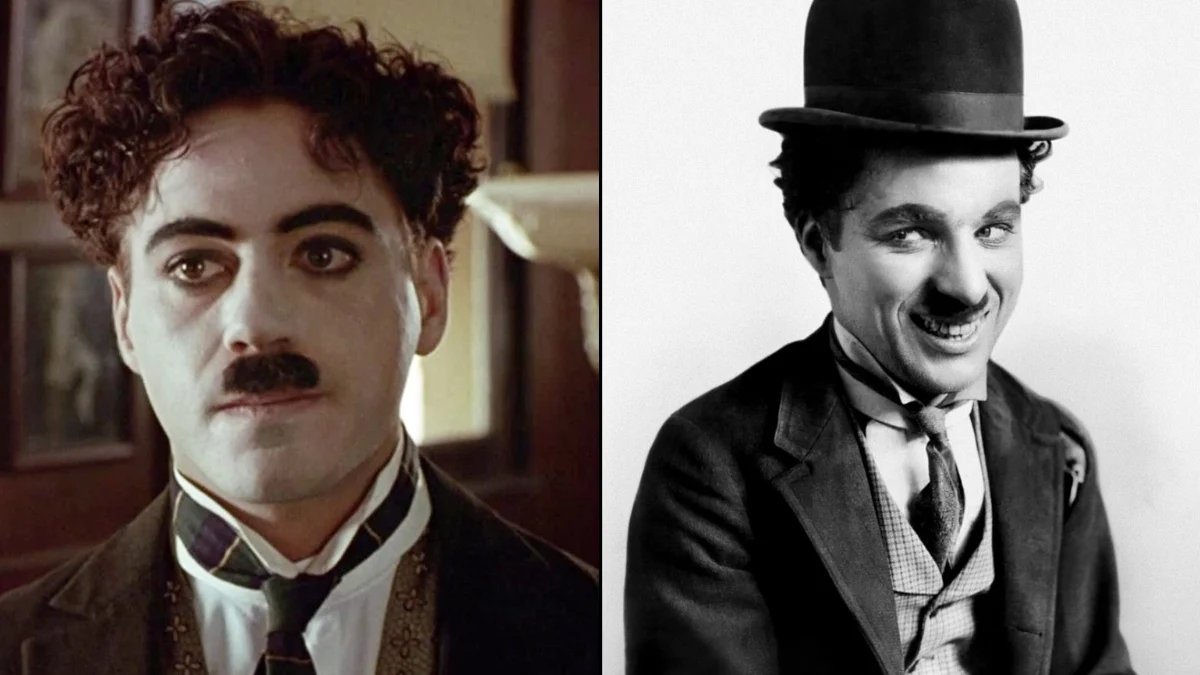
Downey trained in mime, cane work, and roller-skating stunts to reproduce Chaplin’s physical vocabulary. A dialect coach helped him switch between Chaplin’s off-screen speaking voice and the Tramp’s silent-era expressiveness. Makeup teams refined the toothbrush moustache and eyebrow lines to survive close-up film grain. Costuming reproduced bowler hats, tight jackets, and oversized trousers cut to Chaplin’s original proportions.
Margot Robbie as Tonya Harding in ‘I, Tonya’ (2017)
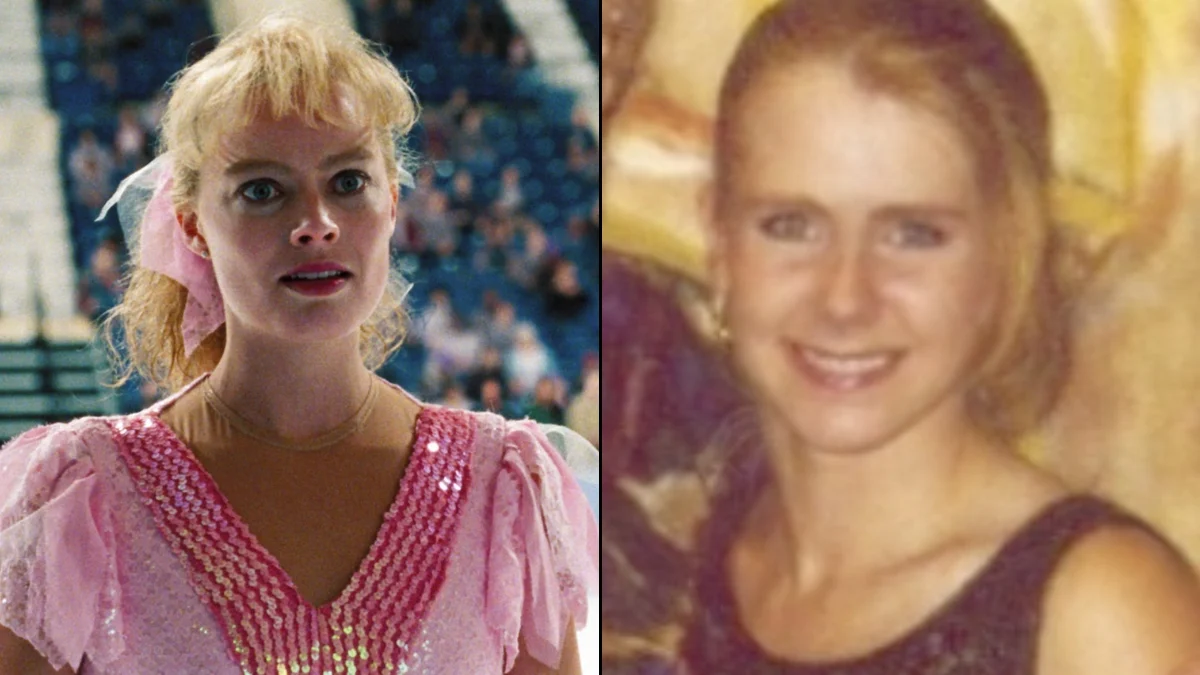
Robbie spent months learning triple-jump technique and spins with figure-skating coaches, supplemented by VFX for the most difficult elements. Hair and makeup tracked Harding’s teased bangs, blue eyeshadow palettes, and competition-legal glitter. Wardrobe reconstructed iconic leotards and training jackets from event footage and press photos. On-ice scenes used rink acoustics and blade mics to capture authentic scratch and glide sounds.
Val Kilmer as Jim Morrison in ‘The Doors’ (1991)
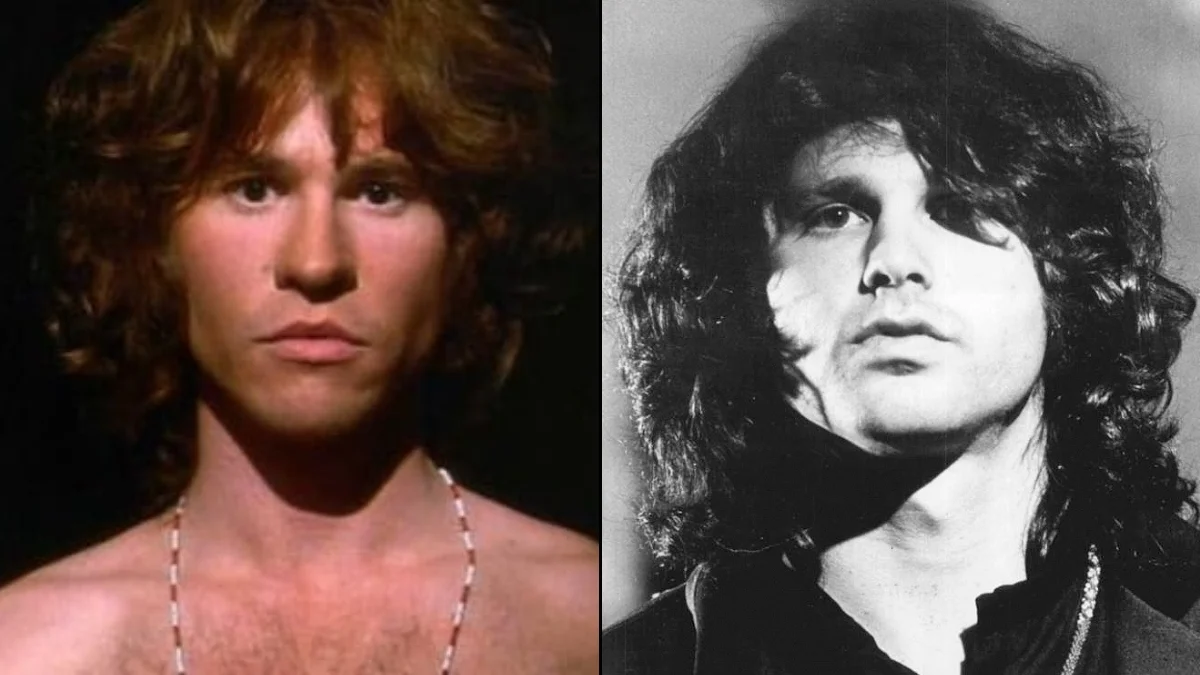
Kilmer recorded vocals and rehearsed breath control to match Morrison’s phrasing for performance sequences. Hairstyling replicated the singer’s layered curls and length, while leather pants and concho belts were copied from concert stills. Movement work emphasized loose-kneed stances, mic-stand pivots, and arm sweeps seen in archival footage. Sound and lighting teams recreated venue rigs from late-1960s tours to frame the stage presence accurately.
Share the transformations you think nailed the real-life look in the comments!