25 Iconic Emotes And Dances In Games

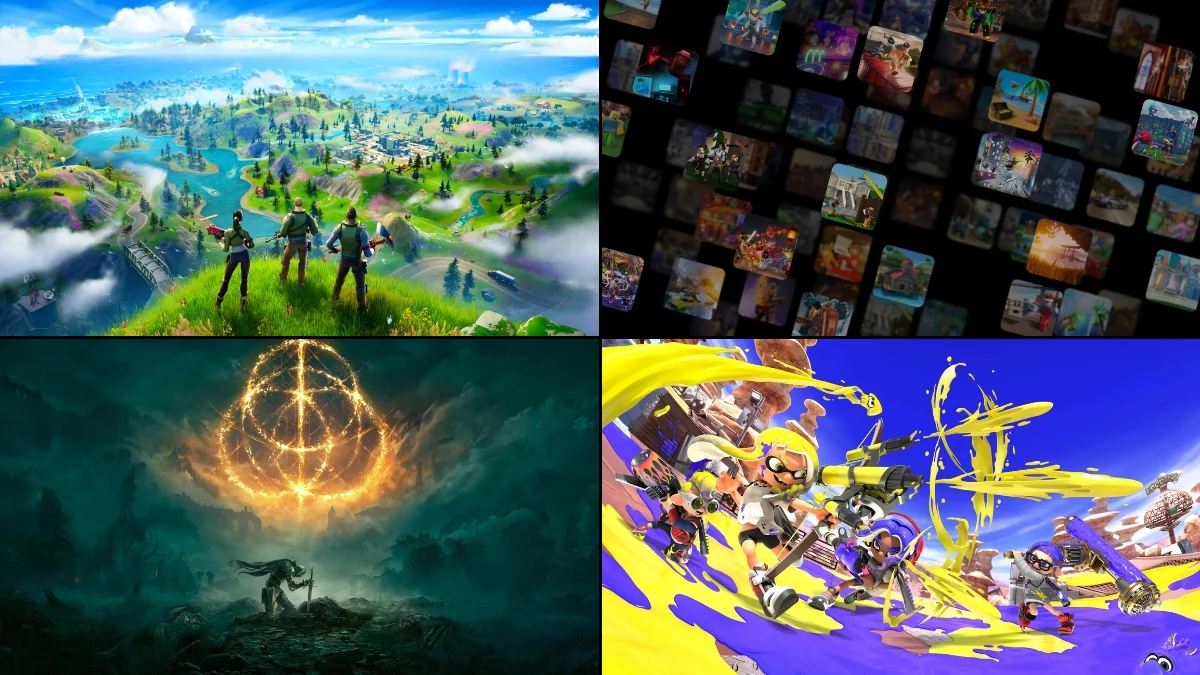

From victory jigs to lobby show-offs, emotes and dances have become a universal language in games—part celebration, part communication, and sometimes pure intimidation. Below are the most recognizable moves across genres and platforms, with quick notes on how they work, where to get them, and any quirks worth knowing. Each entry also credits the studio behind the game, so you know who’s responsible for the move you’ve seen a thousand times in clips and streams.
‘Fortnite’ (2017) – Floss
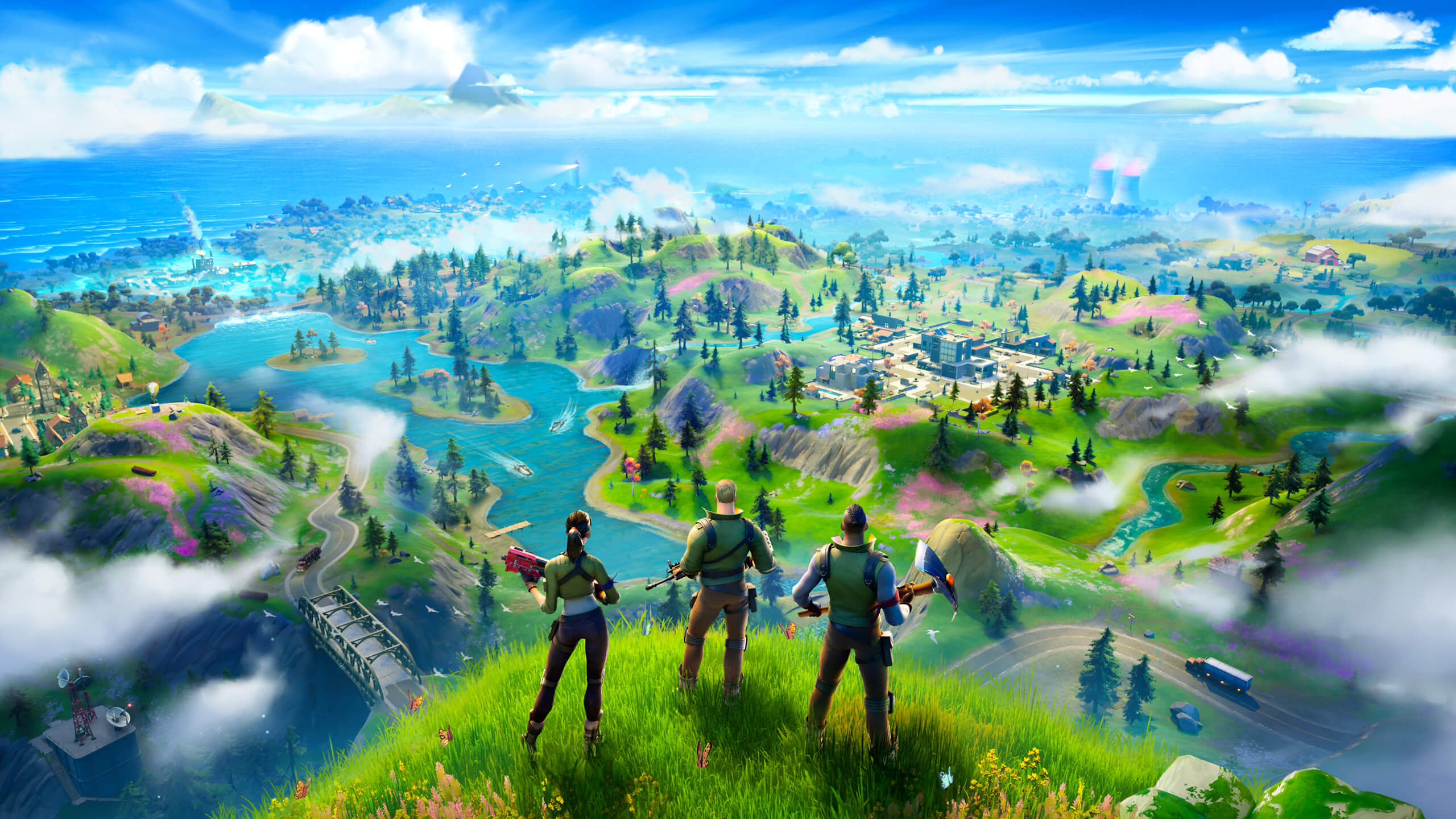
The Floss became a cultural staple in ‘Fortnite’ as a Battle Pass reward from an early Chapter 1 season and has since rotated through locker lineups and nostalgia playlists. Players trigger it from the emote wheel, with playback unaffected by equipped weapon or loadout. It’s a non-reactive cosmetic with no gameplay benefit, usable in the lobby, on the island, and during endgame victory screens. Epic Games maintains its availability rules, so check current shop or pass offerings if you’re hunting it.
‘Fortnite’ (2017) – Orange Justice
Orange Justice entered the game after a community contest, turning a fan submission into a permanent part of the emote canon. It’s a standard emote that can be favorited for quick access on the radial wheel. The move works anywhere emotes are allowed, including creative maps and the lobby. Epic Games vaulted and unvaulted it via Battle Pass histories and special shop appearances over time.
‘Fortnite’ (2017) – Take the L
Take the L is a short, looping taunt that plays a distinctive horn-hand animation, making it one of the most recognizable eliminator emotes. You can play it during matches and on the Victory Royale screen; it does not confer any advantage. Inventory status depends on past Battle Pass ownership and occasional shop rotations. Epic Games categorizes it as a cosmetic with standard emote permissions across modes.
‘Fortnite’ (2017) – Dance Moves (Default)
Dance Moves is the default emote every account starts with, ensuring players can emote without owning anything else. It’s permanently in your locker and can’t be removed, so it’s a reliable fallback for challenges that require emoting. The animation loops and can be canceled by movement or actions. Epic Games ships it with all platforms and input types, keeping parity across devices.
‘World of Warcraft’ (2004) – /dance
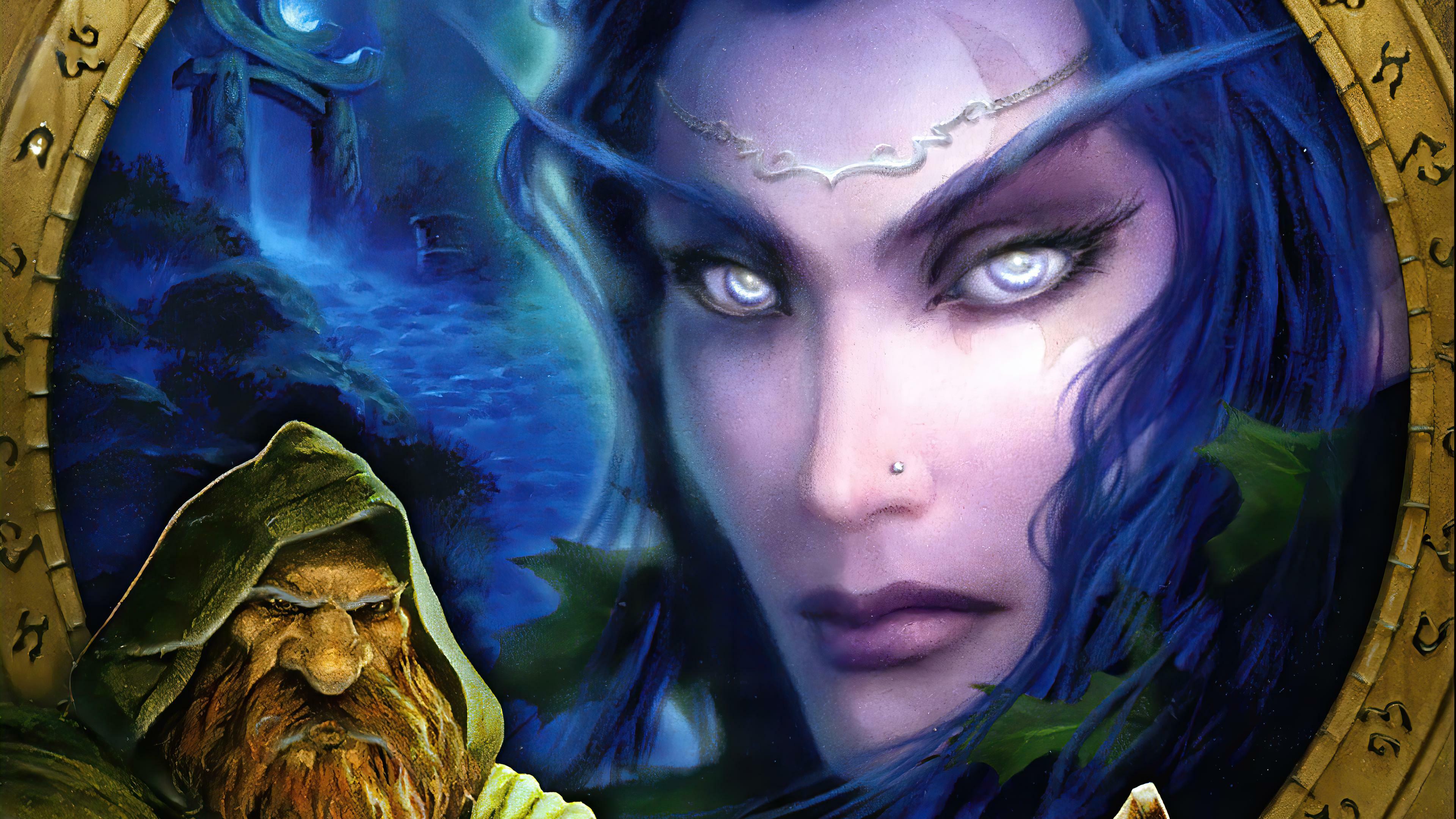
Typing /dance makes player characters perform race- and gender-specific animations that work in any open area or social hub. Emotes show on your character client-side and to nearby players, with no cooldown beyond animation timing. The command functions in most rested zones, raids, and cities unless restricted by encounter scripting. Blizzard Entertainment maintains /dance parity across expansions and transmog appearances.
‘Final Fantasy XIV’ (2013) – Manderville
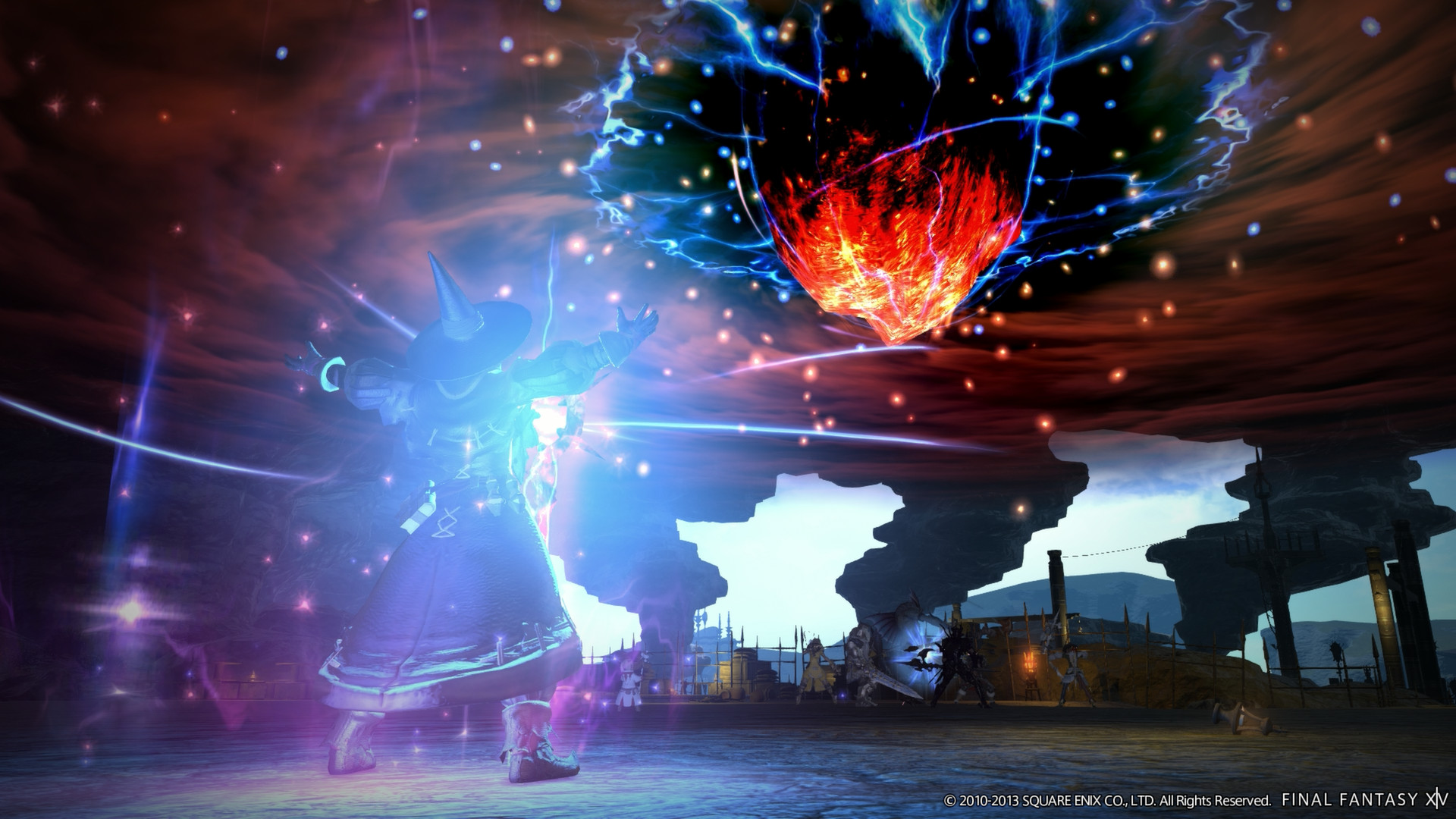
The Manderville emote is unlocked through the Hildibrand questline, adding a flamboyant dance tied to that comedic side story. Once learned, it appears in the Emotes menu and can be placed on hotbars for quick use. The animation plays in housing wards, cities, and open zones, respecting area restrictions like duties or instanced content. Square Enix preserves unlocks account-wide per platform via the same service account.
‘Destiny 2’ (2017) – The Carlton (Enthusiastic Dance)
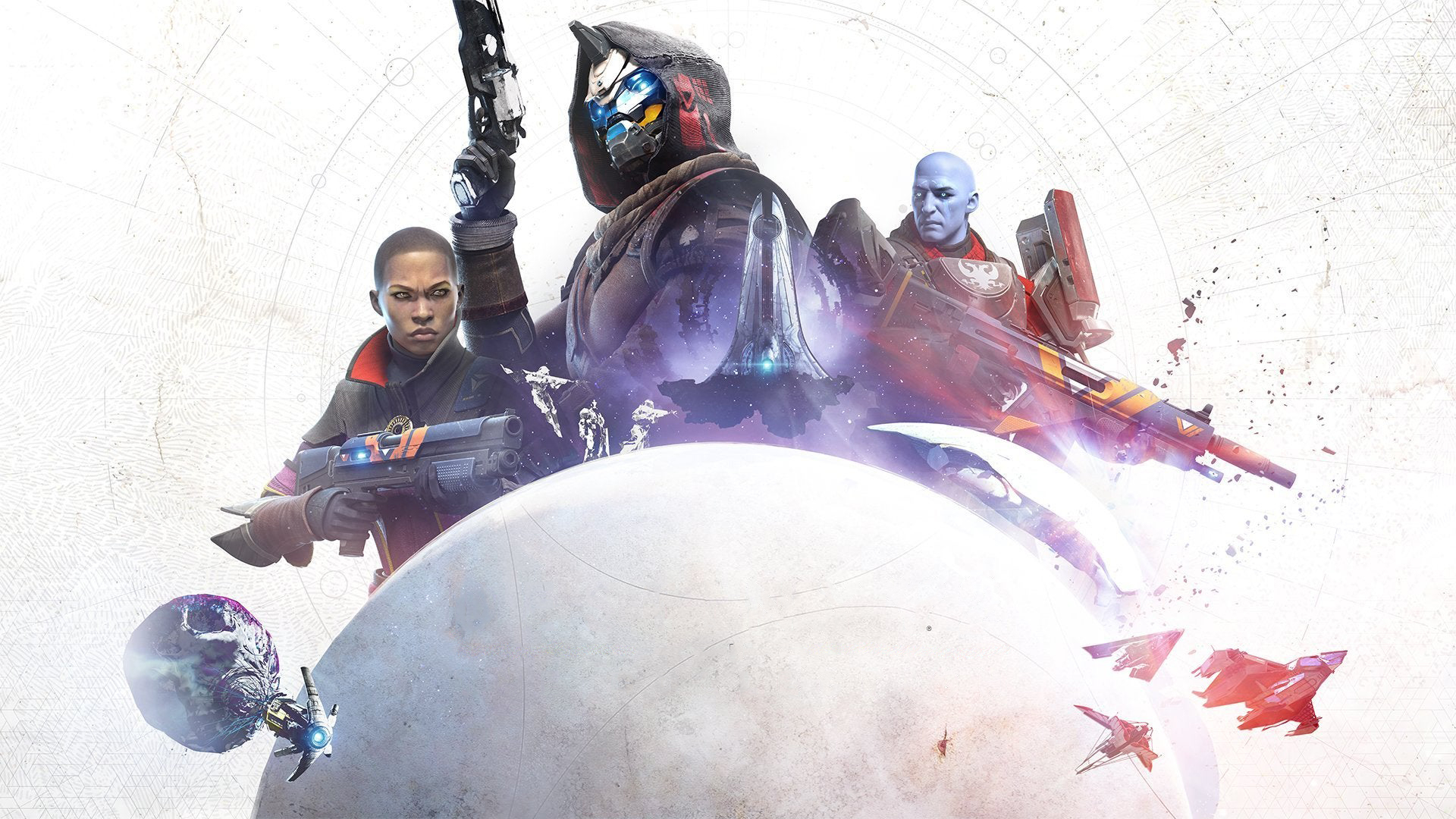
This expressive dance appears in Eververse rotations and occasionally in Bright Engram loot pools, usable in social spaces, patrol zones, and activities where emotes are enabled. It lives in the Collections tab once acquired, allowing reacquisition for a small cost if deleted. The emote is purely cosmetic and cancels on sprint, jump, or weapon use. Bungie tags it as a Legendary emote with typical Eververse availability windows.
‘Dark Souls’ (2011) – Praise the Sun
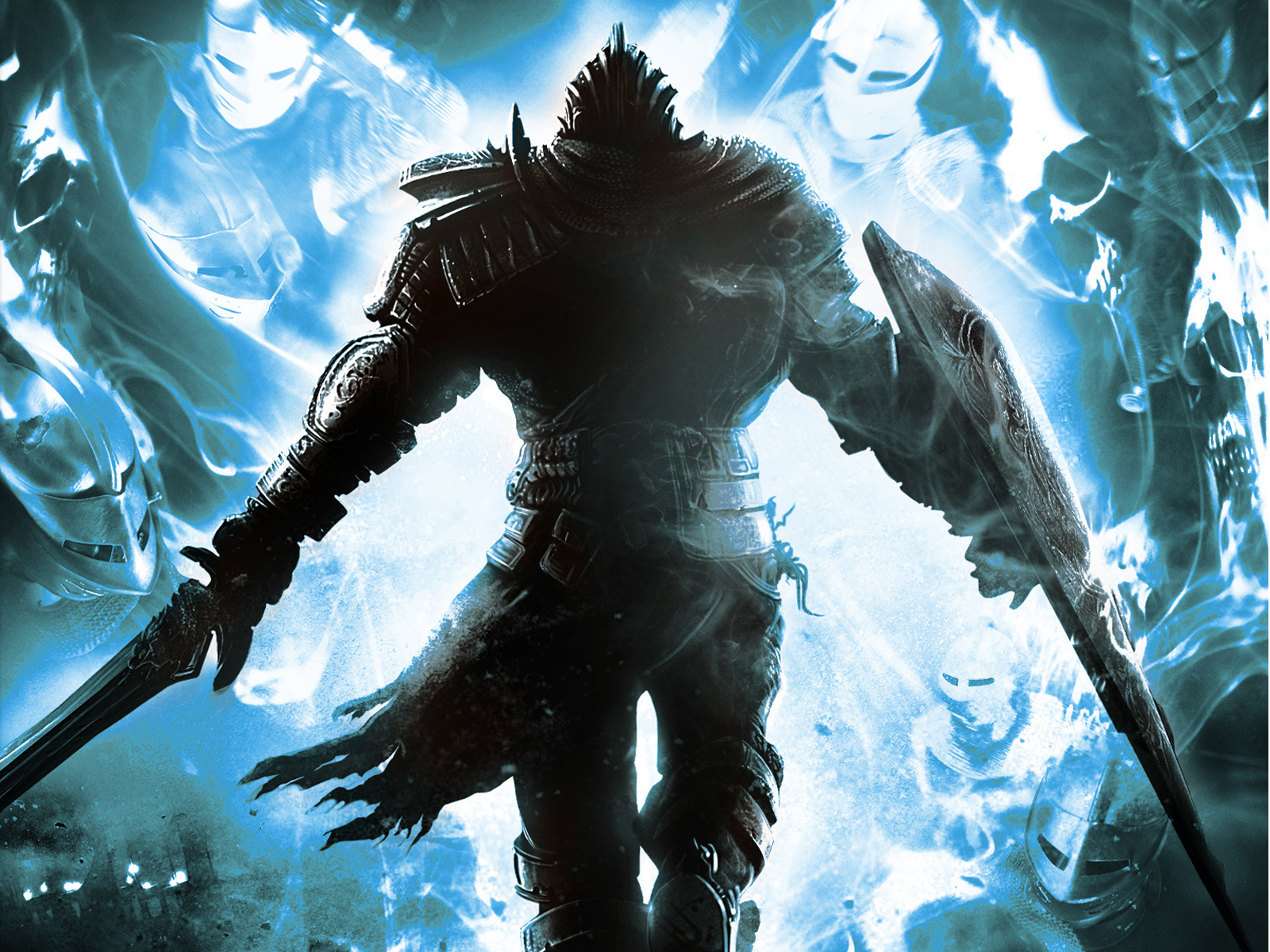
Praise the Sun is a gesture tied to the Warrior of Sunlight covenant, granting a celebratory, arms-raised pose that players often signal after bosses. Gestures map to the menu and can be quick-selected for rapid use. They do not consume stamina or alter aggro, so they’re safe between combat beats. FromSoftware and Bandai Namco Entertainment preserve gesture unlocks within the save file across NG cycles.
‘Elden Ring’ (2022) – Finger Snap
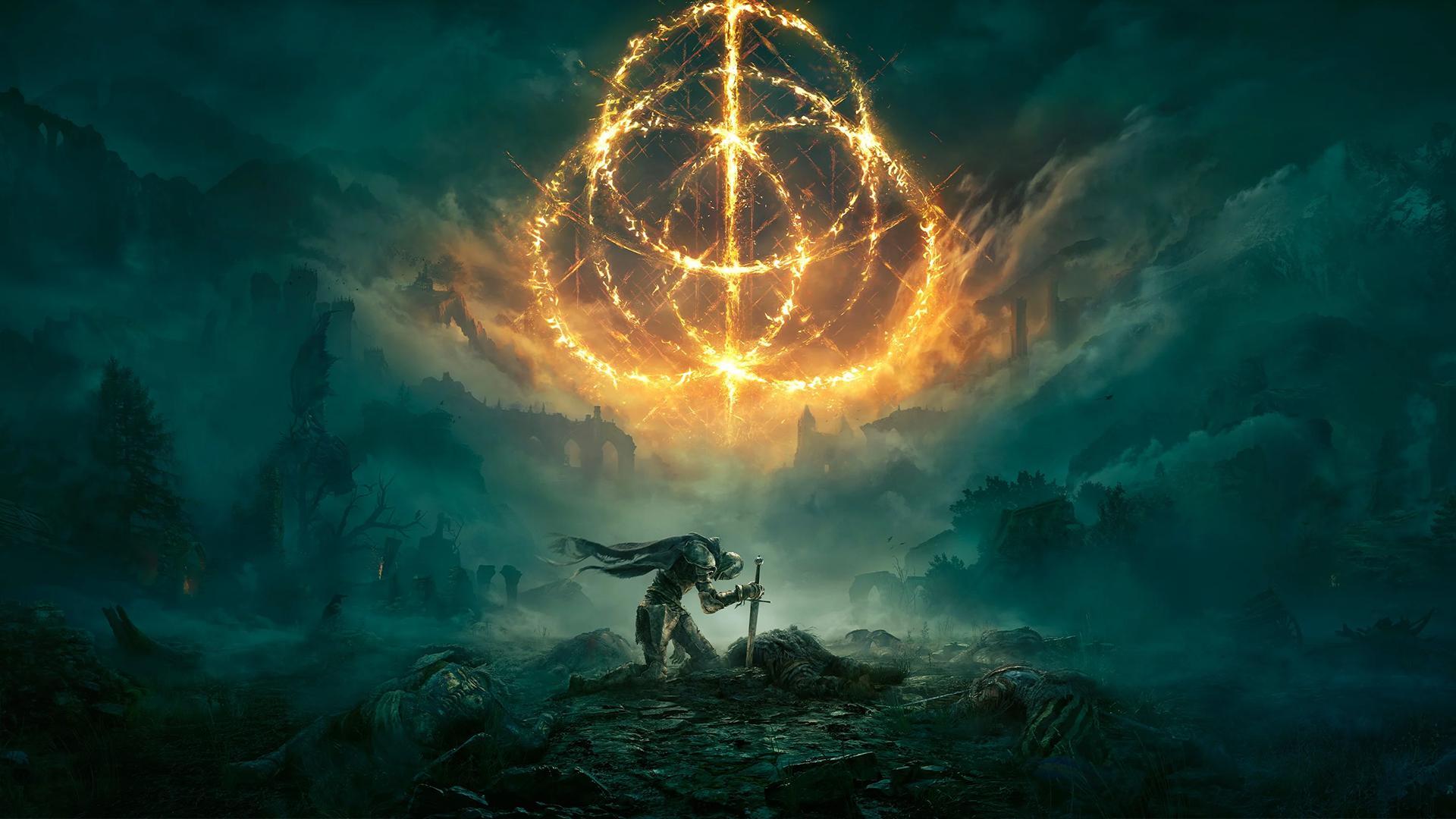
Finger Snap is acquired after hearing a distant howl and learning the cue to summon a certain NPC at night in the Mistwood Ruins. Once obtained, it’s assignable from the Gestures menu and can trigger specific NPC interactions at marked locations. The gesture plays instantly and doesn’t lock you in movement for long, minimizing risk in the open world. FromSoftware enables gesture prompts contextually when relevant event flags are set.
‘Monster Hunter: World’ (2018) – Dance
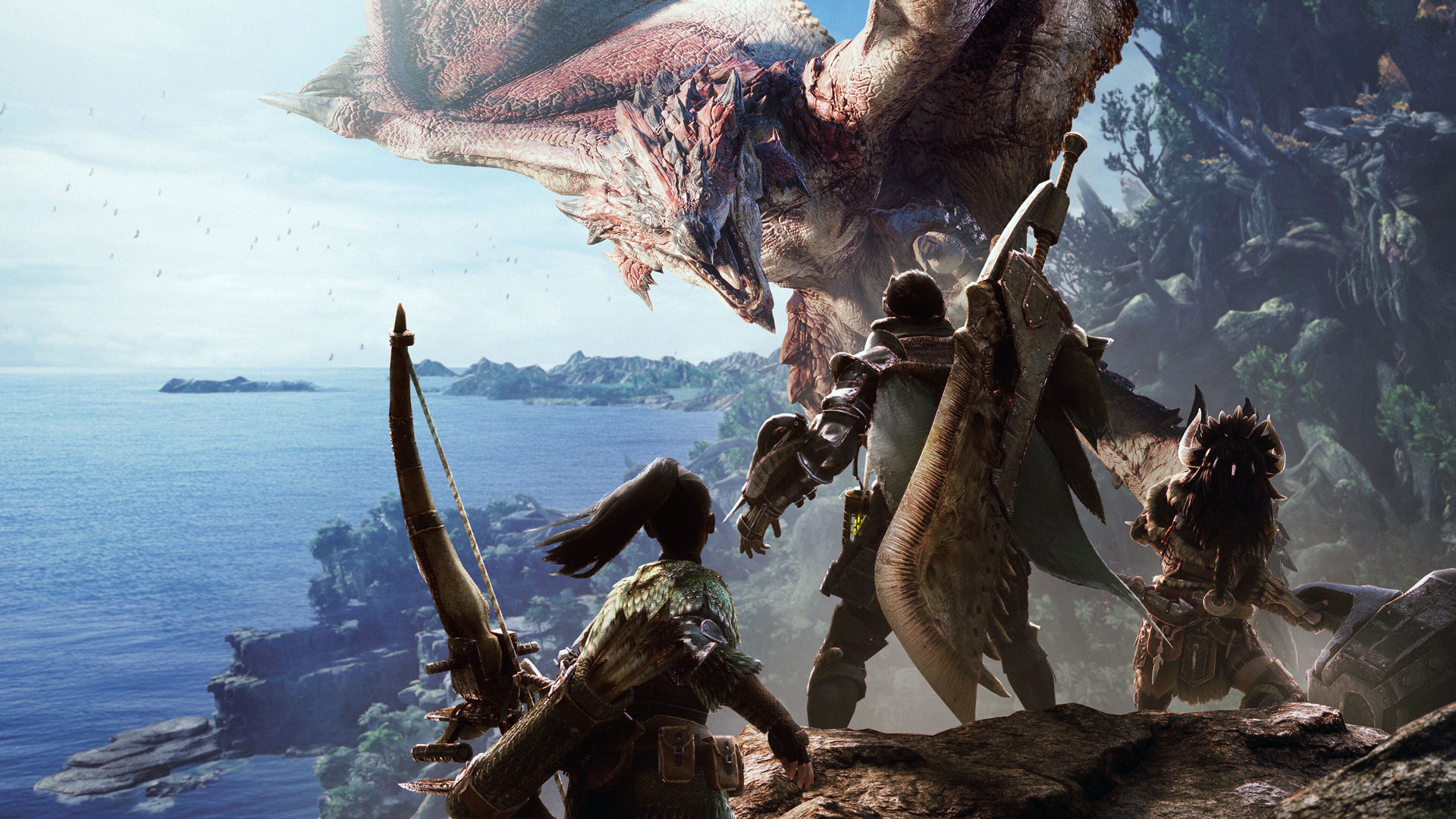
The base game and add-on packs include dance gestures that can be bought as DLC or obtained from limited-time events. Dances are accessible from the gestures menu in Astera, Seliana, and expeditions where emotes are permitted. Performing one doesn’t affect buffs, equipment, or Palico behavior. Capcom lists all gesture entitlements in your Add-On Content menu for re-downloads.
‘Overwatch’ (2016) – Hero Dance Emotes (Anniversary)
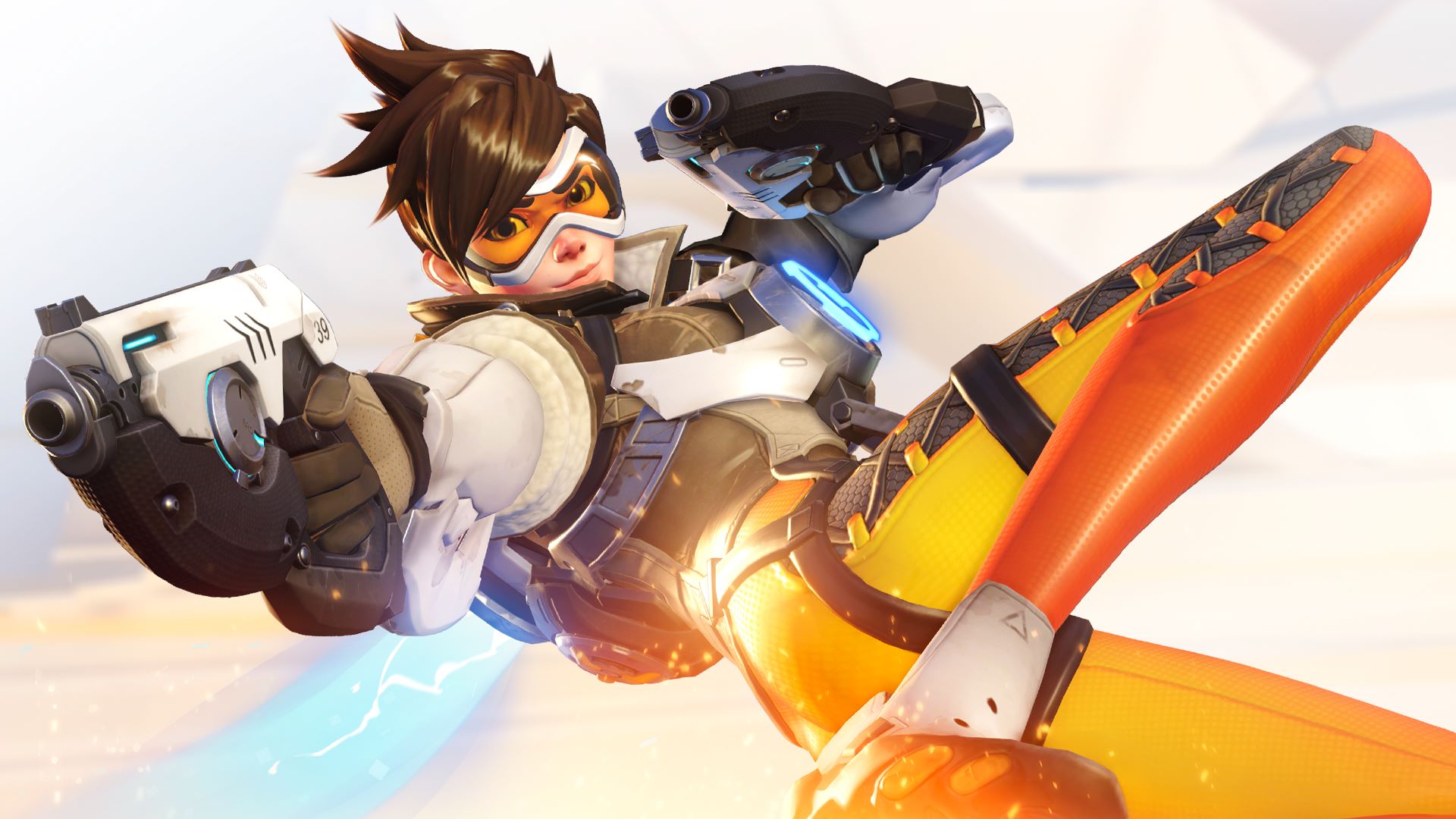
Overwatch’s Anniversary events introduced hero-specific dance emotes, unlocked via event loot boxes or direct credits during the event window. Each dance is tied to a hero and plays in pre-match, post-victory screens, and custom games. These emotes don’t interrupt ability cooldowns outside of play restrictions; they’re cosmetic only. Blizzard Entertainment re-runs Anniversary Remix windows that often re-enable past rewards.
‘Apex Legends’ (2019) – Skydive Emotes
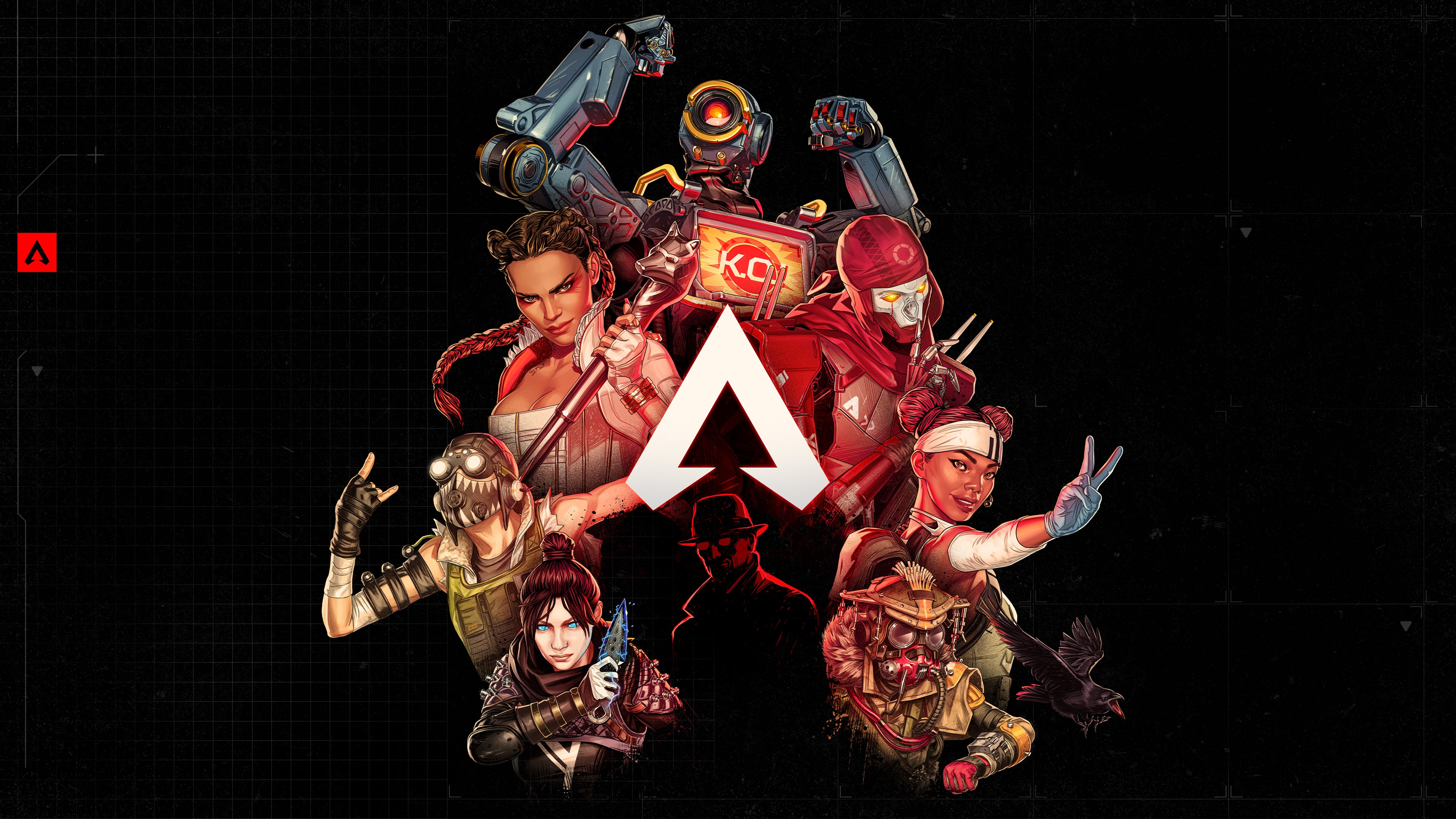
Skydive Emotes play during mid-air dives and are obtained through Battle Pass tiers or limited bundles. They’re legend-specific and can be equipped per legend from the Loadouts menu. Emotes trigger automatically when you press the prompt during a legal dive window and won’t cancel tactical/ultimate inputs on ground. Respawn Entertainment rotates them seasonally alongside new maps and LTMs.
‘League of Legends’ (2009) – Champion /dance
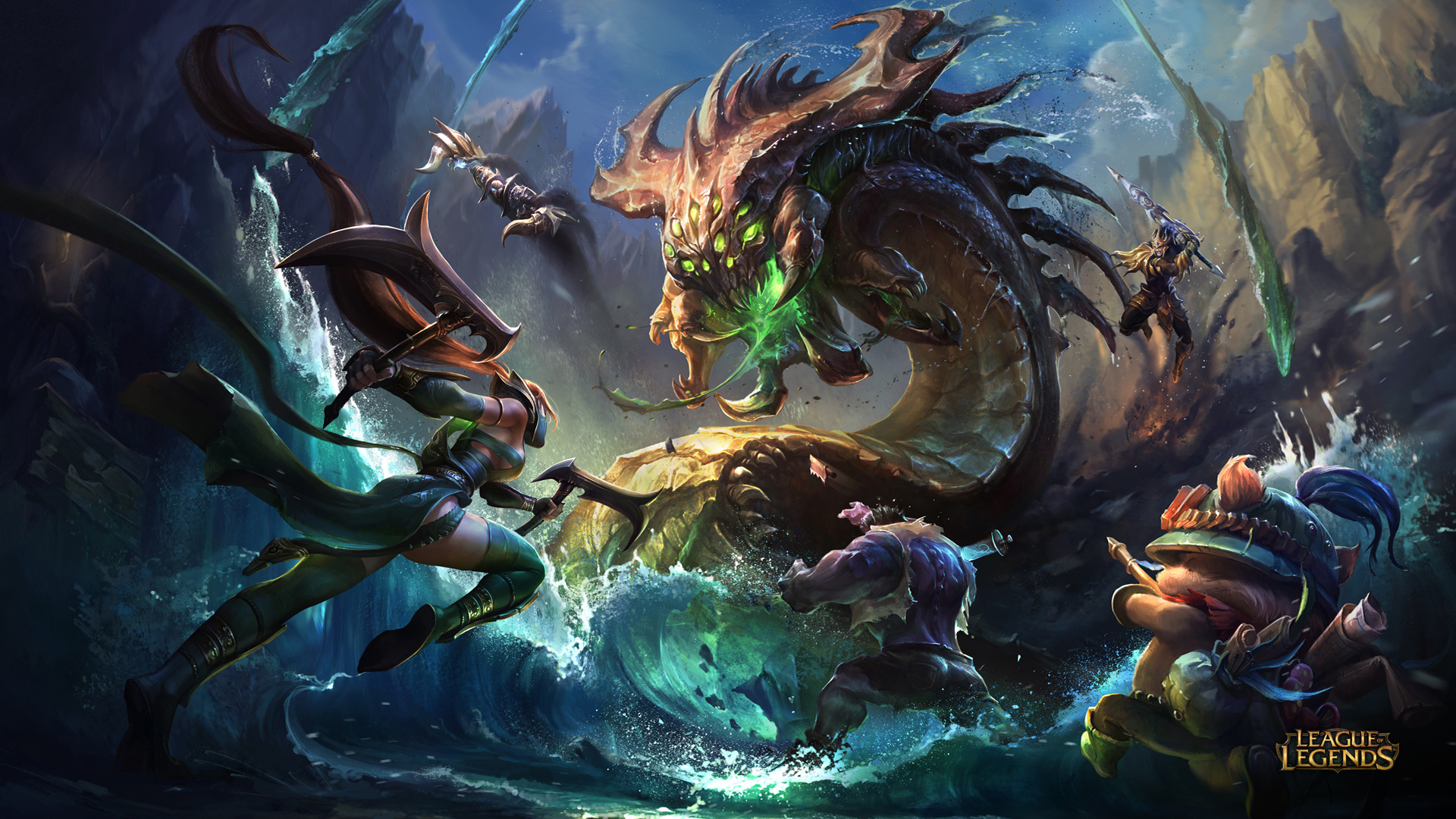
Every champion has a /dance animation activated via the chat command or the default hotkey (Ctrl+3). Dances are visible to allies and enemies within vision and don’t affect movement speed or channeling unless interrupted by input. They’re used frequently for lane banter and post-objective celebrations. Riot Games ships new champion dances with each release and updates older rigs as models are refreshed.
‘Roblox’ (2006) – /e dance
Many ‘Roblox’ experiences support the platform-level /e dance, /e dance2, and /e dance3 commands, which trigger default animation sets on your avatar. Availability can vary by experience if the developer overrides or disables chat emotes. These animations loop until movement or another action interrupts them. Roblox Corporation documents these commands as part of the universal chat-command system.
‘Minecraft’ (2011) – Wave (Bedrock Emote)
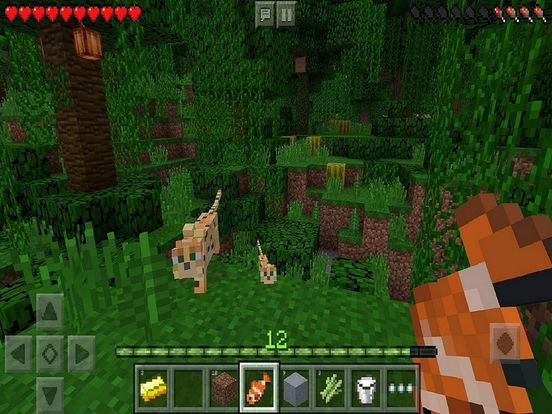
Bedrock Edition includes an emote wheel mapped to the B key (or controller equivalent), with emotes like Wave unlocked via achievements or the marketplace. Emotes are account-tied through your Xbox Live/Microsoft account and sync across Bedrock platforms. They play in third-person and can be slotted into wheel slots for quick access. Mojang Studios continues to add wheel features while keeping emotes cosmetic-only.
‘Grand Theft Auto Online’ (2013) – Nightclub Dance
After the After Hours update, players can enter clubs and trigger dance styles, intensity, and flourishes on the dance floor UI. Dancing raises Nightclub Popularity when combined with management tasks and can unlock minor cosmetic awards. Controls allow tempo changes and specific move prompts in time with the DJ set. Rockstar Games ties these features to the Nightclub property and associated updates.
‘Splatoon 3’ (2022) – Victory Emotes
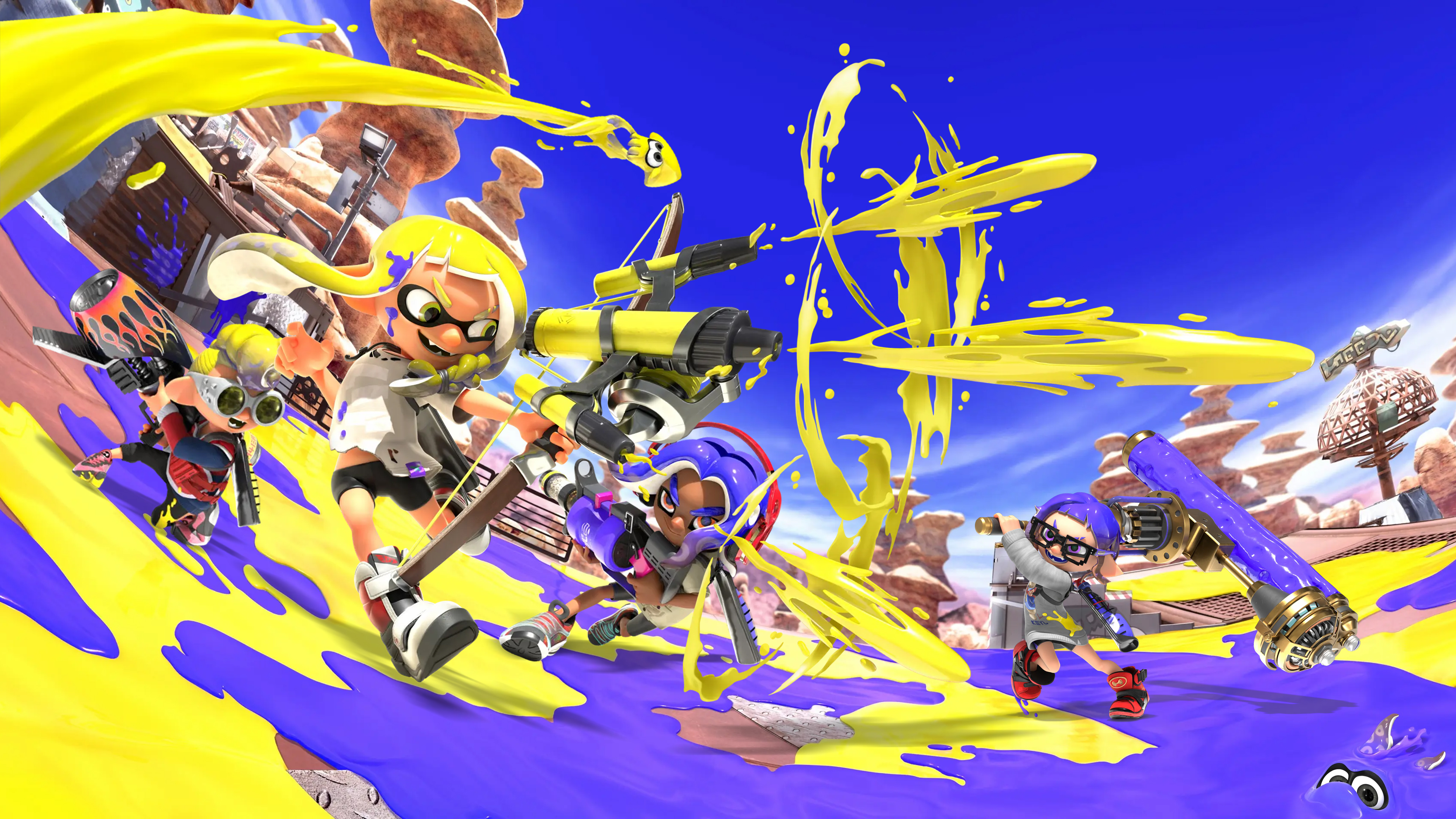
Winning teams trigger victory emotes that you can customize by leveling the Catalog and redeeming rewards. Your chosen victory emote plays on post-match results screens alongside gear showcase. Emote selection is changed in the Lobby terminal and persists across modes. Nintendo distributes new emotes with each season’s Catalog refresh.
‘Animal Crossing: New Horizons’ (2020) – Hip Reaction Collection (Dance)
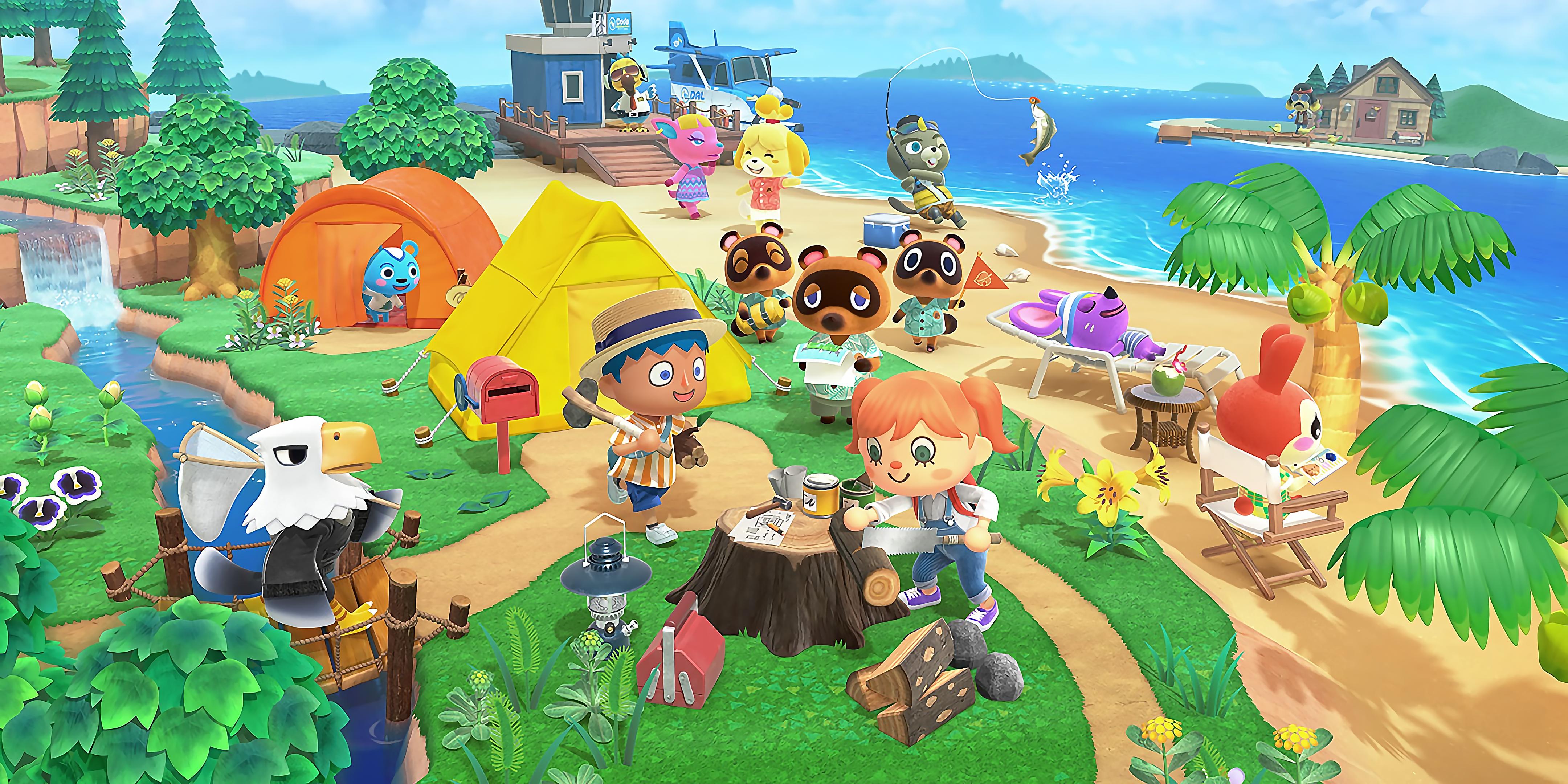
Purchasing the Hip Reaction Collection from the Nook Stop adds extra Reactions, including dance-style moves you can trigger anywhere on your island. Reactions are bound to a quick radial and can be favorited for faster access. Villagers respond to certain Reactions, enabling group animation moments during events. Nintendo links these unlocks to your save and user profile on the console.
‘Sea of Thieves’ (2018) – Groovy Dance
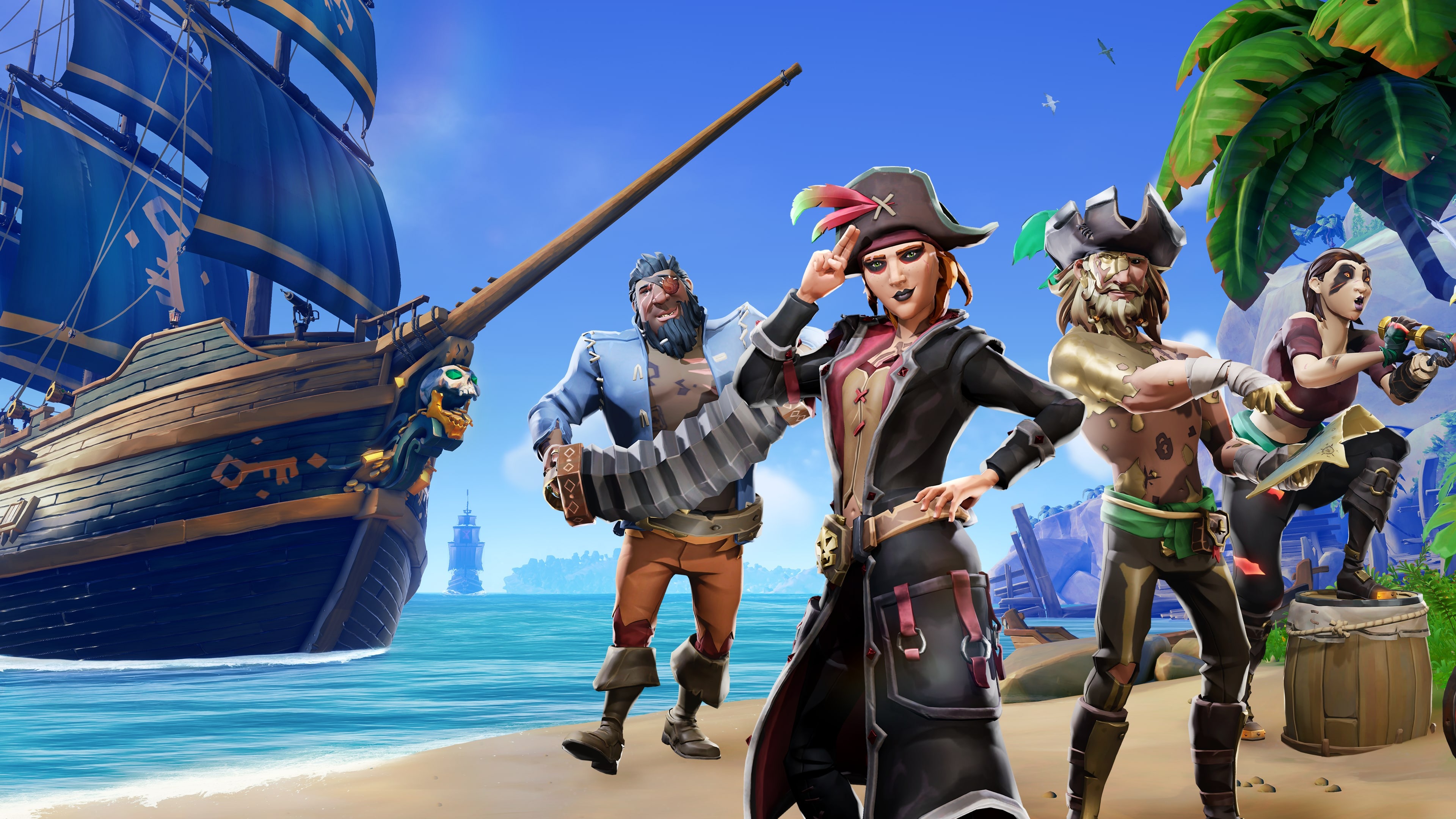
The Groovy Dance and other emotes are sold via the Pirate Emporium and can be equipped on the emote radial. Emotes can be used on ships, outposts, and open seas, with some variants allowing instruments for synced crews. Cosmetic only, they don’t affect stamina, health, or detection. Rare periodically bundles dance emotes in themed Emporium sets tied to seasons.
‘PUBG: Battlegrounds’ (2017) – Victory Dance
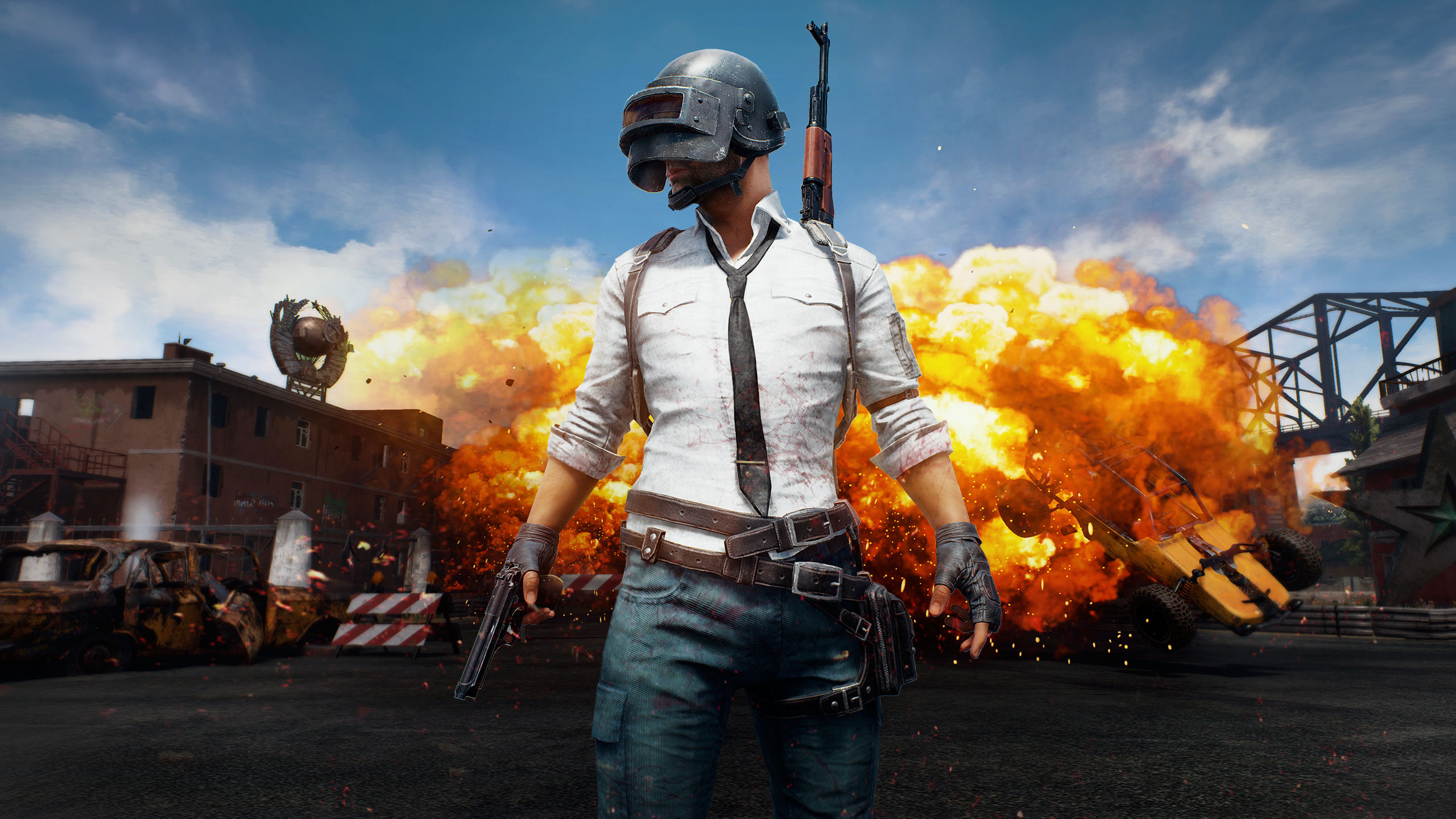
Victory Dances are unlocked through Survivor Passes or the in-game store and can be used in the lobby or after match results. Players assign them to emote wheel slots for quick access on PC and console. The animations are cosmetic and do not alter hitboxes or movement in matches. PUBG Studios (Krafton) cycles availability alongside new seasonal content drops.
‘The Elder Scrolls Online’ (2014) – Dance, Breton
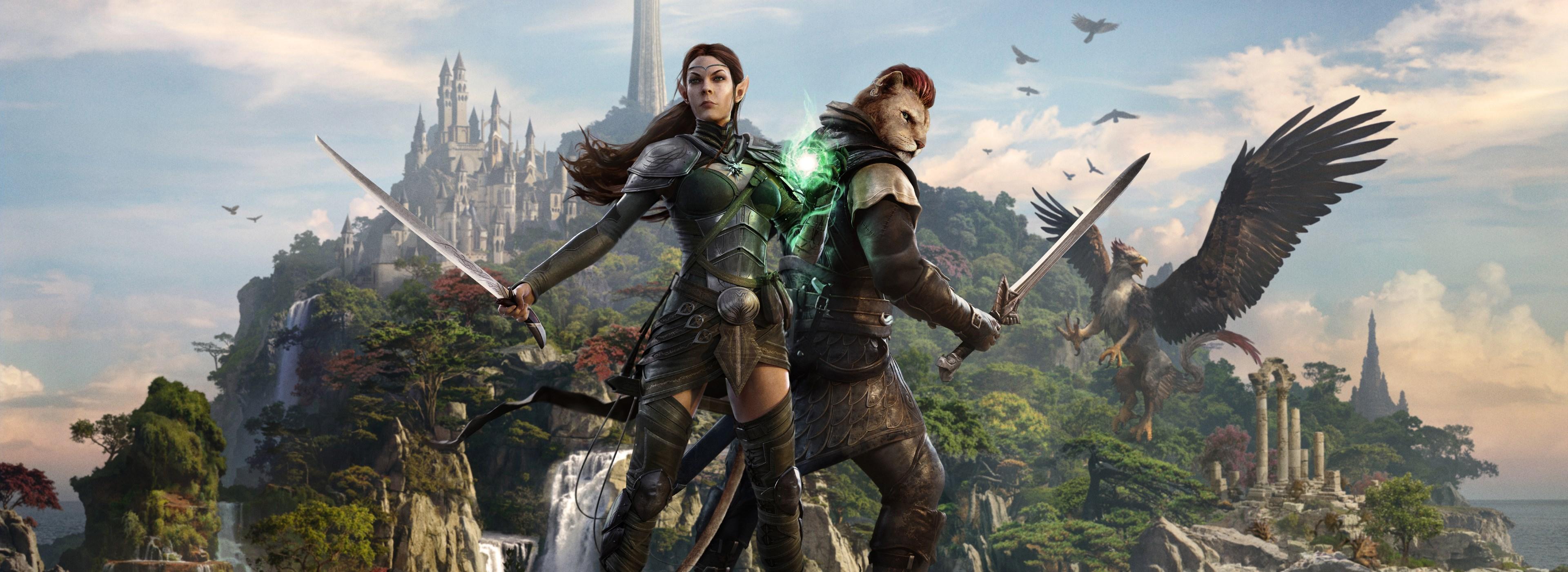
ESO features many dance emotes like Dance, Breton, acquired via quests, events, or the Crown Store, and all are slottable in the Quickslot Emotes menu. They function in towns, player housing, and world zones where emotes are unrestricted. Some are account-wide entitlements and appear on all characters. ZeniMax Online Studios keeps event-exclusive dances returning through annual festivals.
‘Star Wars: The Old Republic’ (2011) – Cantina Dance
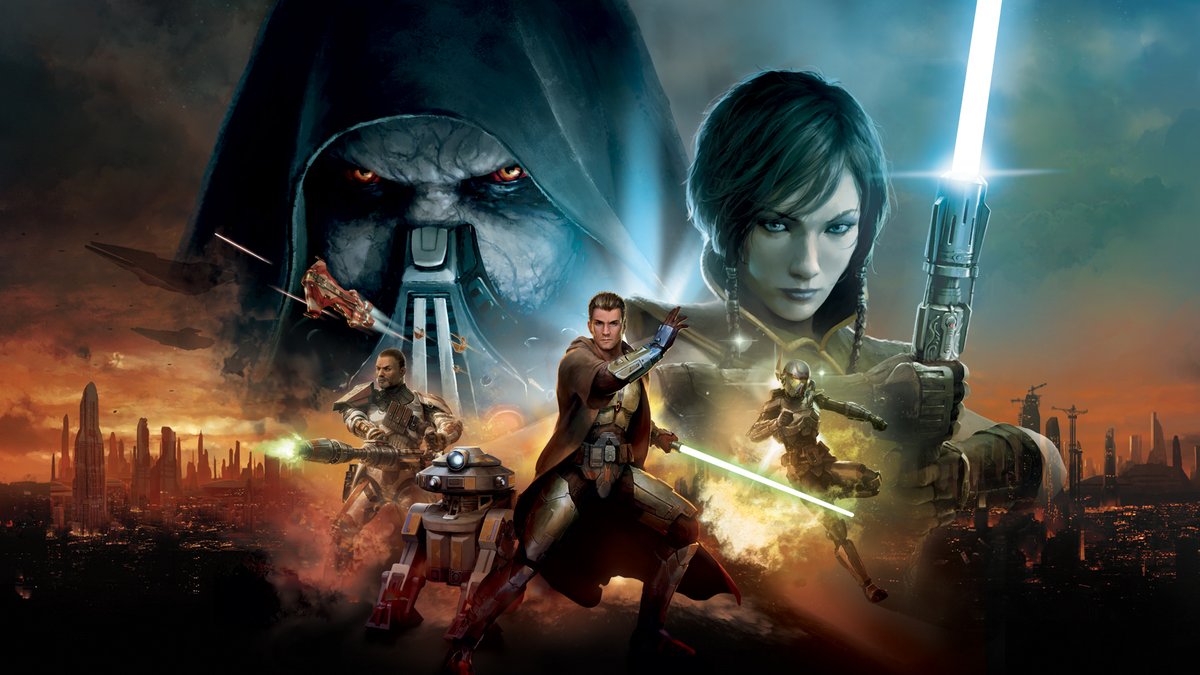
Players can /dance in cantinas and unlock specialty dance emotes through the Cartel Market or events. Emotes are listed in the Emotes interface and can be hotbar-bound for faster role-play use. They’re visible to nearby players and persist until canceled or movement occurs. BioWare and Electronic Arts rotate premium emotes in the Cartel packs and direct-buy storefront.
‘Tom Clancy’s The Division 2’ (2019) – Chicken Dance
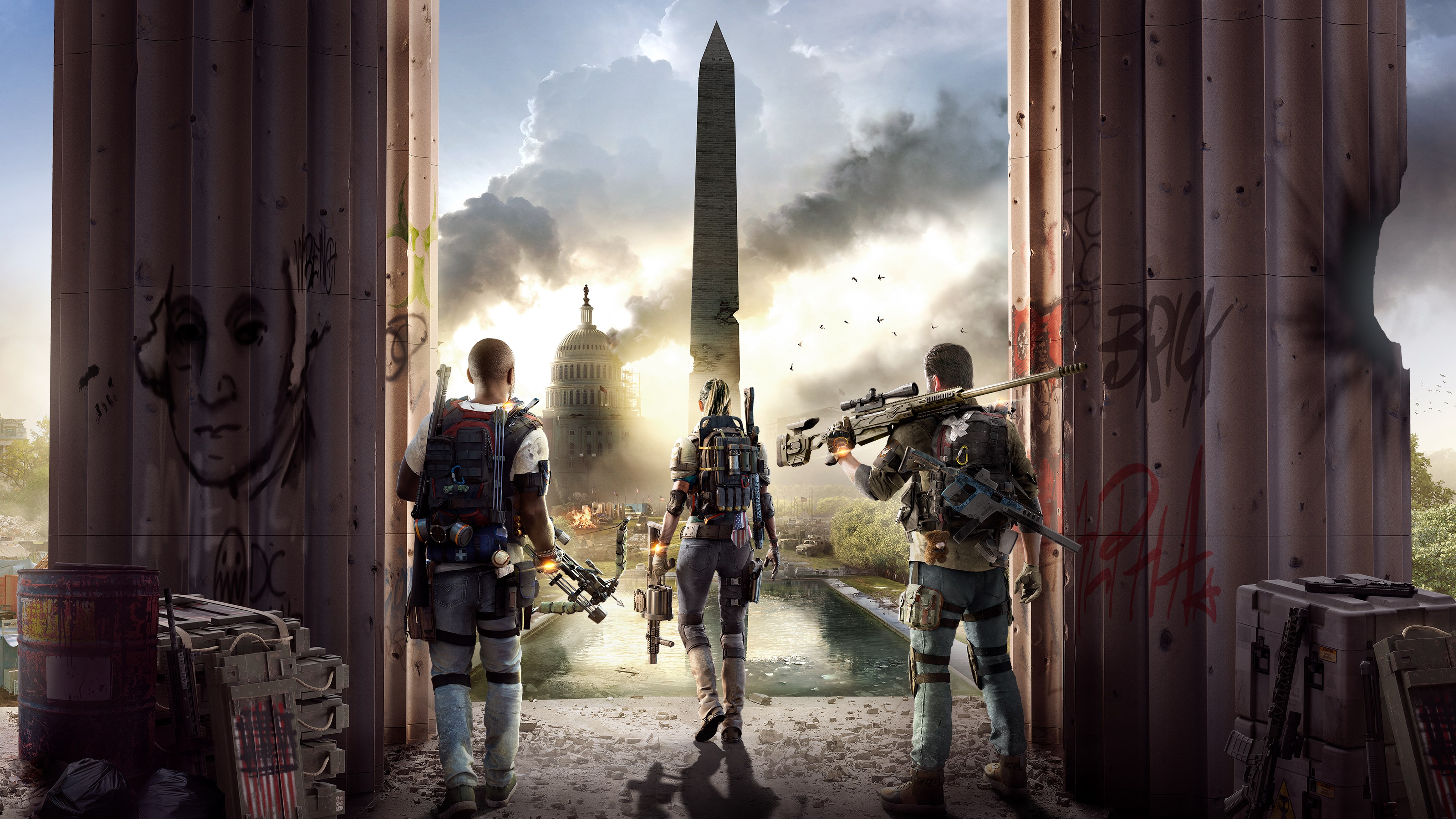
The Chicken Dance is obtainable from Apparel Caches or store bundles and can be equipped on the emote wheel. It plays in safe houses, open world, and during non-combat moments in missions where emotes are allowed. Emotes are purely cosmetic and can be favorited for quicker selection. Massive Entertainment and Ubisoft add and retire emotes with Apparel Events throughout each season.
‘Path of Exile’ (2013) – Dance

Dance emotes are microtransactions purchased from the in-game shop and appear in your Cosmetics panel for slotting. They can be performed in towns and hideouts, syncing with your character’s armor and aura visuals. Emotes do not consume charges or interfere with skills. Grinding Gear Games preserves microtransaction ownership across leagues through your account.
‘Warframe’ (2013) – Narta Dance
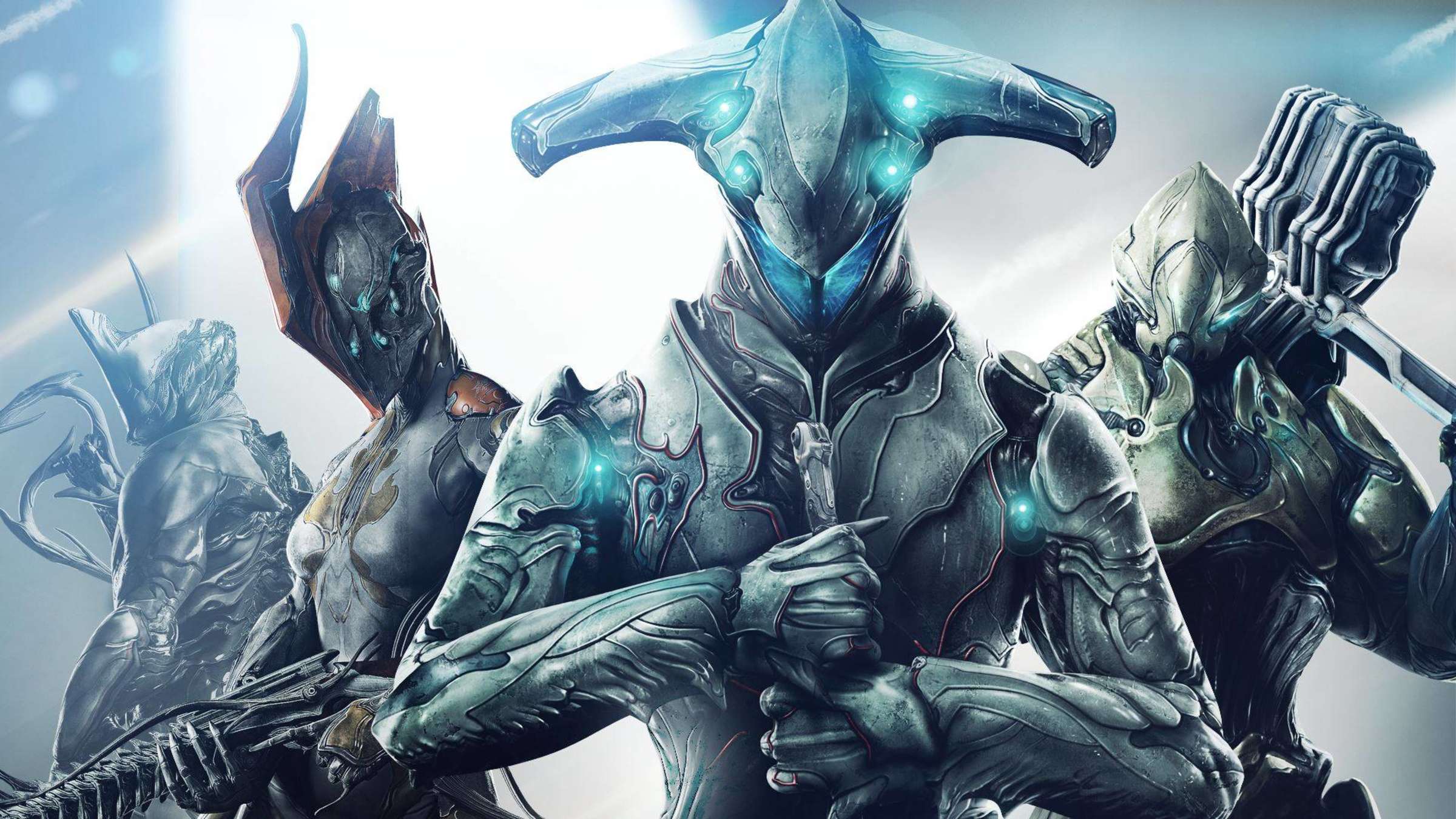
Narta emotes are looping dance animations purchasable from in-game vendors and the Market, usable in Relays, Dojos, and missions during downtime. They’re assigned to the Emote wheel and can be paired with idle stances for style sets. Like all emotes in the game, they’re cosmetic and can be canceled instantly by movement or ability use. Digital Extremes keeps Narta varieties available through rotating vendors and Market listings.
Share your favorite in-game dance or emote in the comments and tell us where you first picked it up!