25 Best Seasonal Cosmetics Worth Earning

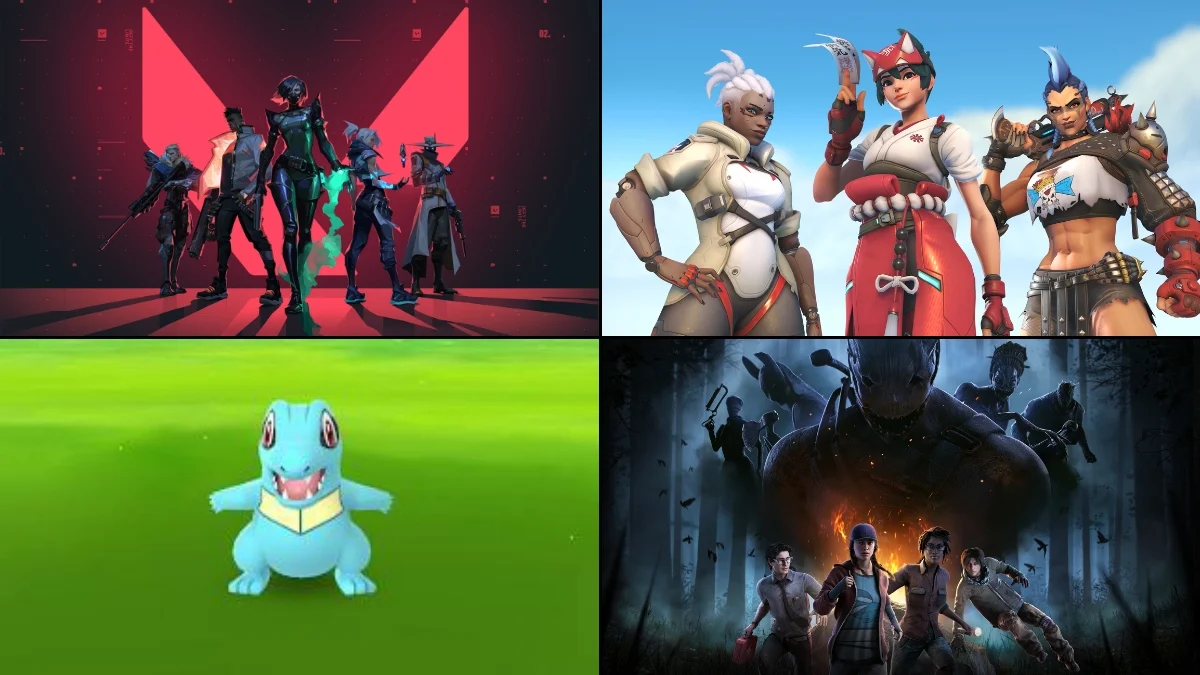

Seasonal events are a reliable way to grab time-limited cosmetics that signal when and how you played, and many of them come with unique earn conditions, currencies, or challenges you can plan around. Below are games with recurring seasonal skins, ornaments, outfits, and accessories—plus how they’re typically obtained, whether they return, and what to expect each cycle. Use the notes on event timing, unlock methods, and permanence to avoid missing anything that won’t be back for a long while. Where helpful, you’ll also see the studios responsible for each game so you know whom to follow for updates.
‘Destiny 2’ (2017)
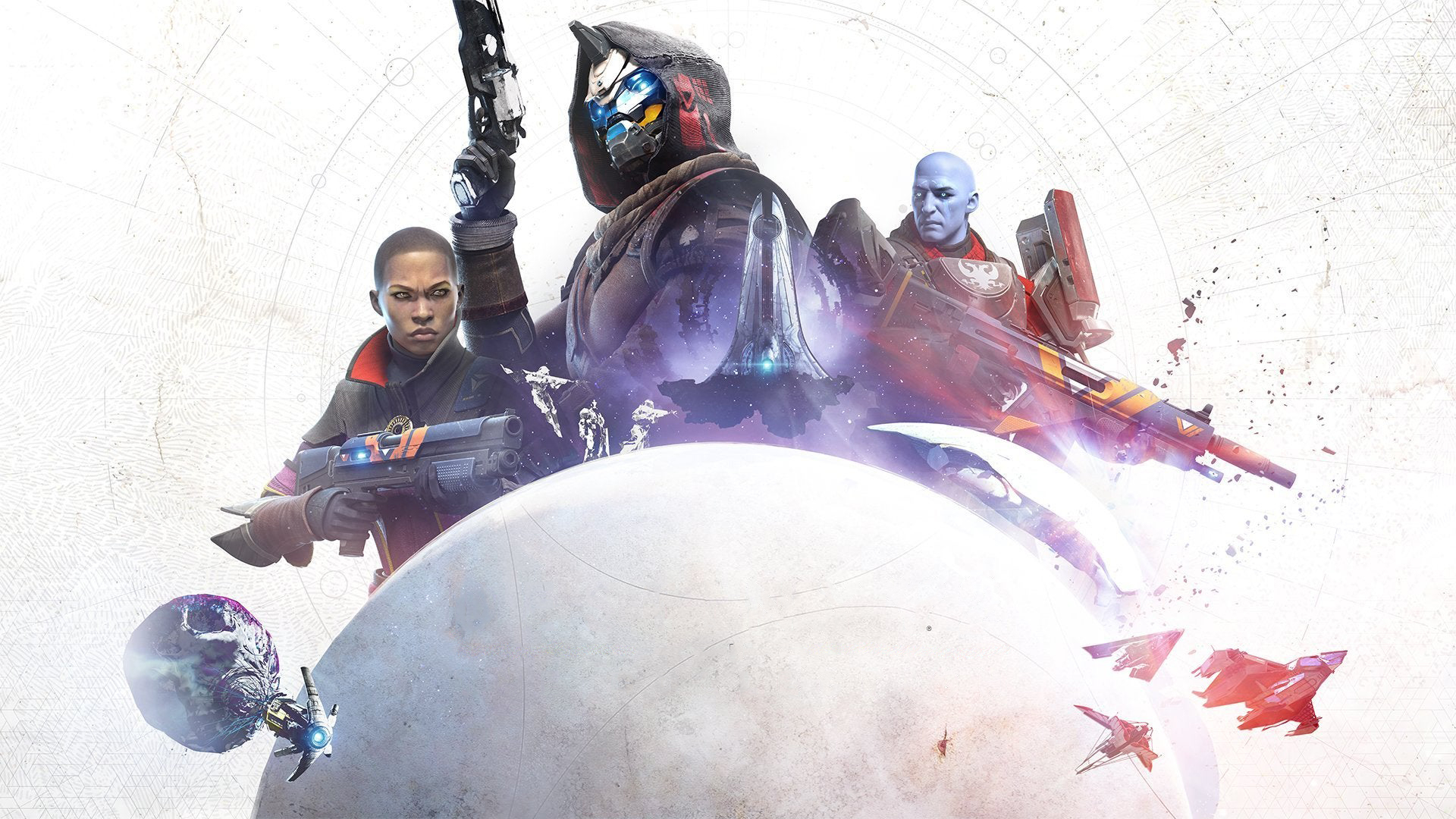
Annual events like Festival of the Lost and The Dawning offer armor ornaments and universal shaders earned through event cards and activity challenges. Cosmetics can be purchased via Bright Dust during the event window or Silver in the Eververse store, and many return on a yearly rotation. Event challenges also award exclusive mementos and titles tied to the current year, which are account-wide once claimed. Developed and published by Bungie, event dates are posted in the seasonal calendar at the start of each in-game Season.
‘Fortnite’ (2017)
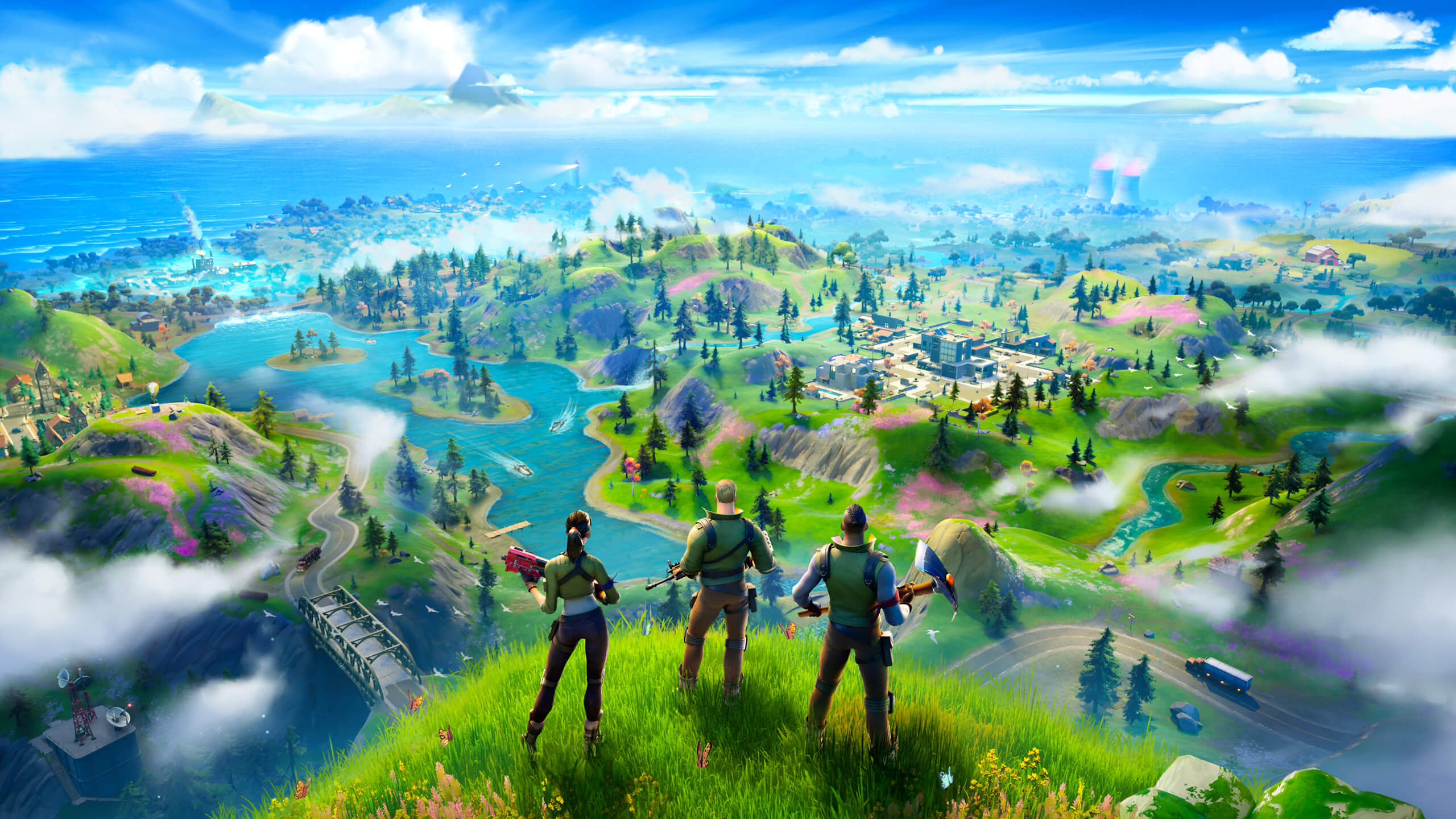
Winterfest and Fortnitemares distribute skins, back blings, wraps, and emotes through daily presents, quest chains, and limited-time shop rotations. Some cosmetics are zero-cost if you log in during specific days, while others require completing event quests or purchasing bundles. Older seasonal sets frequently vault and then reappear in later years for short windows. Epic Games announces event schedules and free item claim periods via in-game news and social channels.
‘Overwatch 2’ (2022)
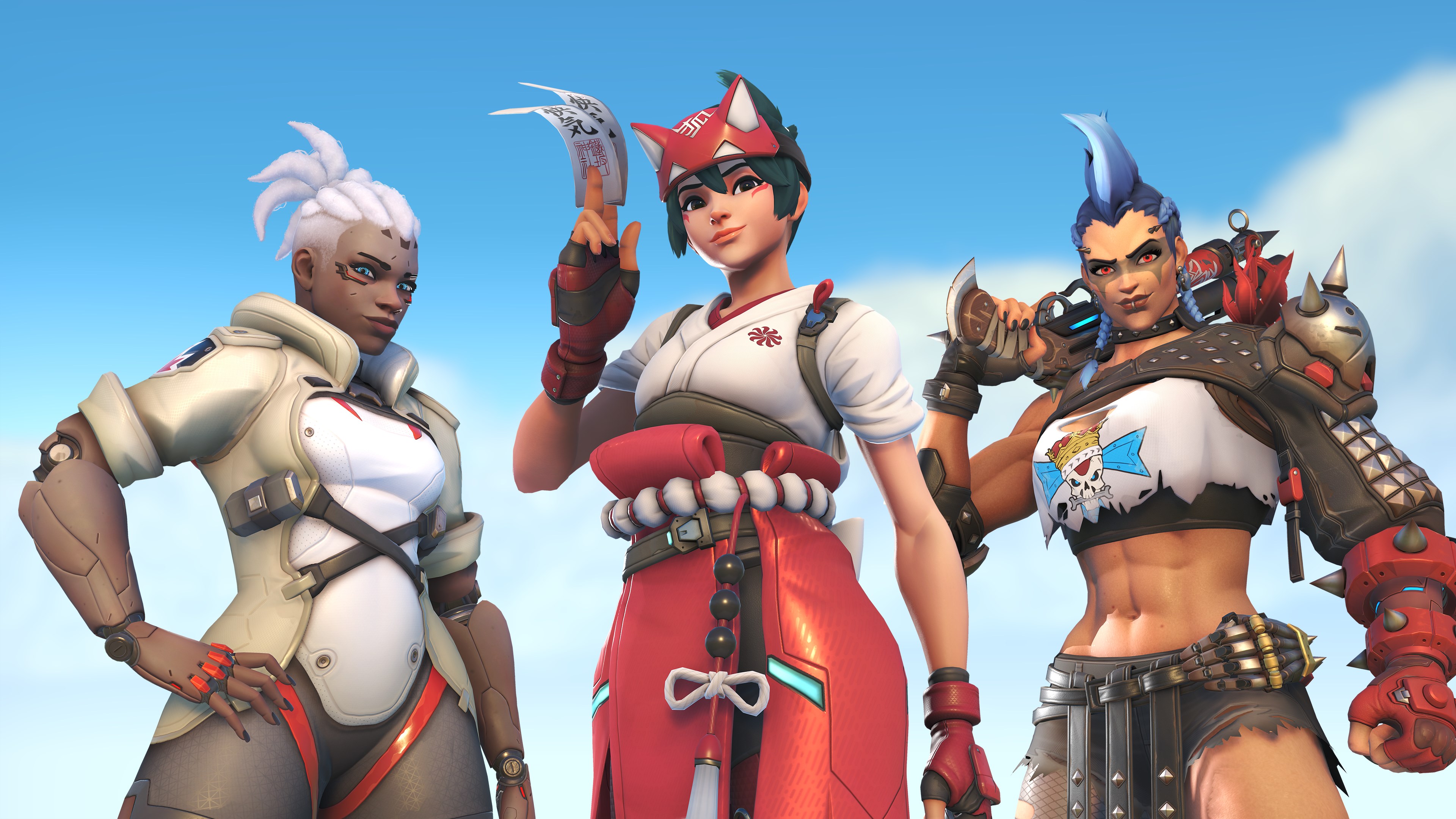
Halloween Terror, Winter Wonderland, and Lunar New Year feature themed skins, weapon charms, and victory poses earnable through event challenges and the seasonal battle pass. Many legacy ‘Overwatch’ skins re-enter the shop on rotations alongside new mythic or epic variants. Weekly challenges grant event currency tokens you can exchange for limited items during the window. Blizzard Entertainment posts exact challenge lists and end dates with each mid-season patch.
‘Apex Legends’ (2019)
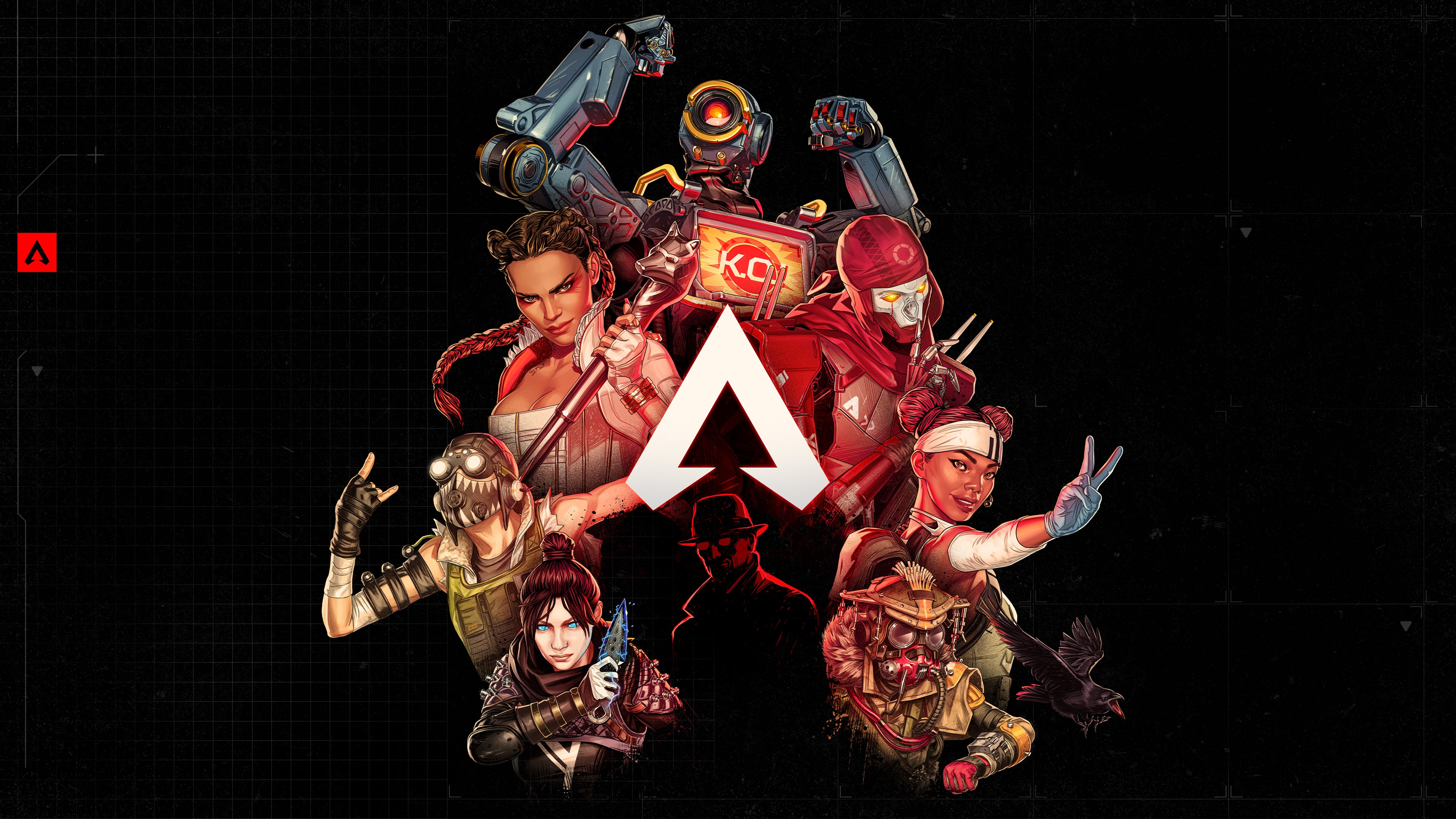
Fight or Fright and Wintertide bring limited-time cosmetics tied to Collection Events, with heirloom-track rewards when all event items are unlocked. Event packs can be purchased, but there are also free tracker rewards from challenge ladders that reset weekly. Skins often return in recolors during future events, while heirlooms remain permanently available once granted. Respawn Entertainment shares pack counts, prices, and challenge thresholds in each event blog.
‘Warframe’ (2013)
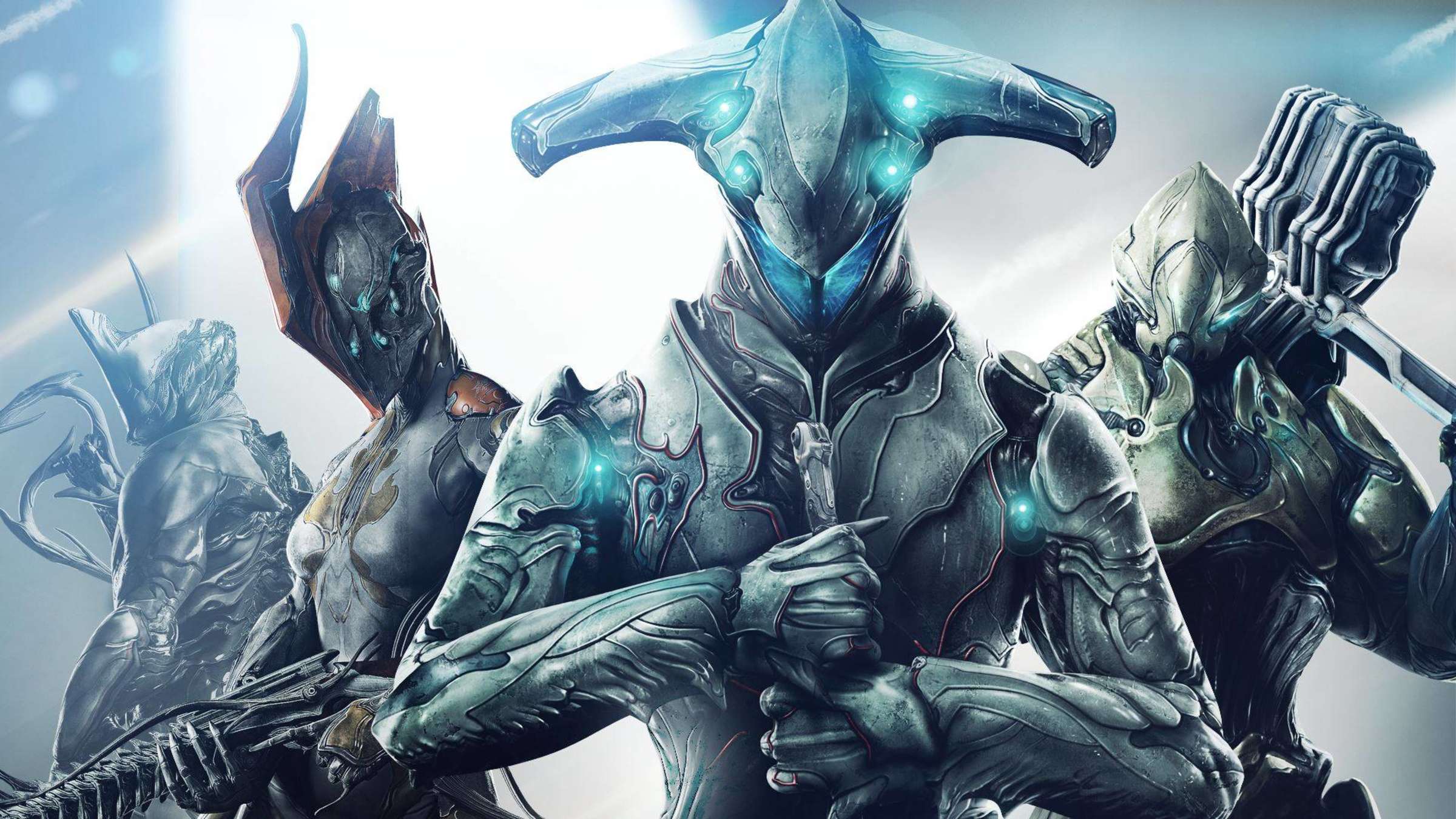
Day of the Dead, Tennobaum, and the annual anniversary include limited armor pieces, syandanas, and weapon skins purchasable for credits or Platinum and sometimes claimable for free. Seasonal alerts rotate missions that drop event-exclusive cosmetic items or blueprints. Many holiday skins reappear each year in the Market for a defined period, while anniversary items have specific claim dates. Digital Extremes details windows and drop locations in in-game Alerts and News.
‘Final Fantasy XIV’ (2013)
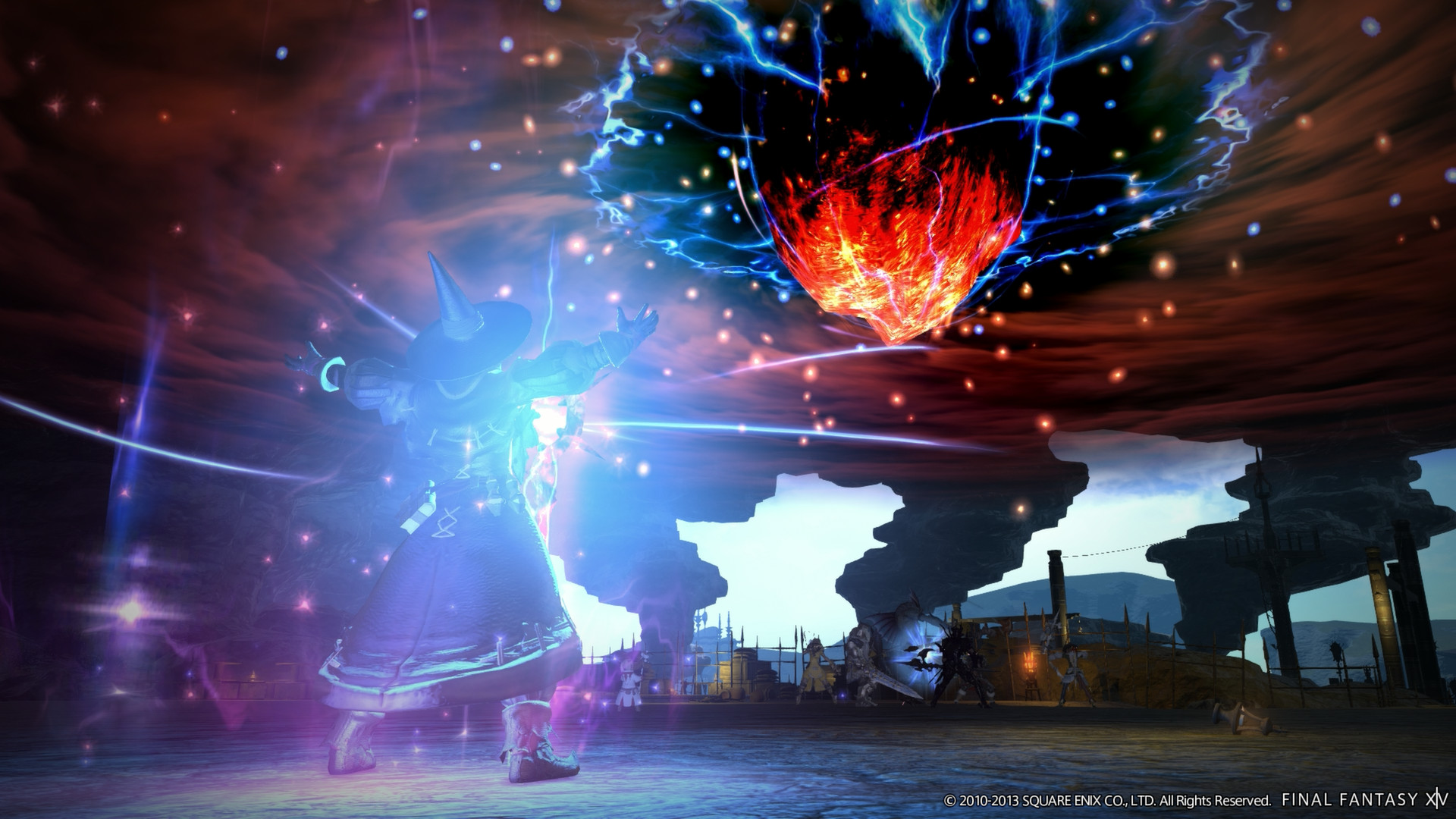
All Saints’ Wake, Starlight Celebration, and Hatching-tide grant outfits, minions, and housing items through short questlines available to characters above a modest level requirement. Missed rewards typically move to the online store after a grace period, making them obtainable but no longer free. Event items are account-wide on the same service account once claimed. Square Enix posts start and end times on The Lodestone with quest NPC locations.
‘Monster Hunter: World’ (2018)
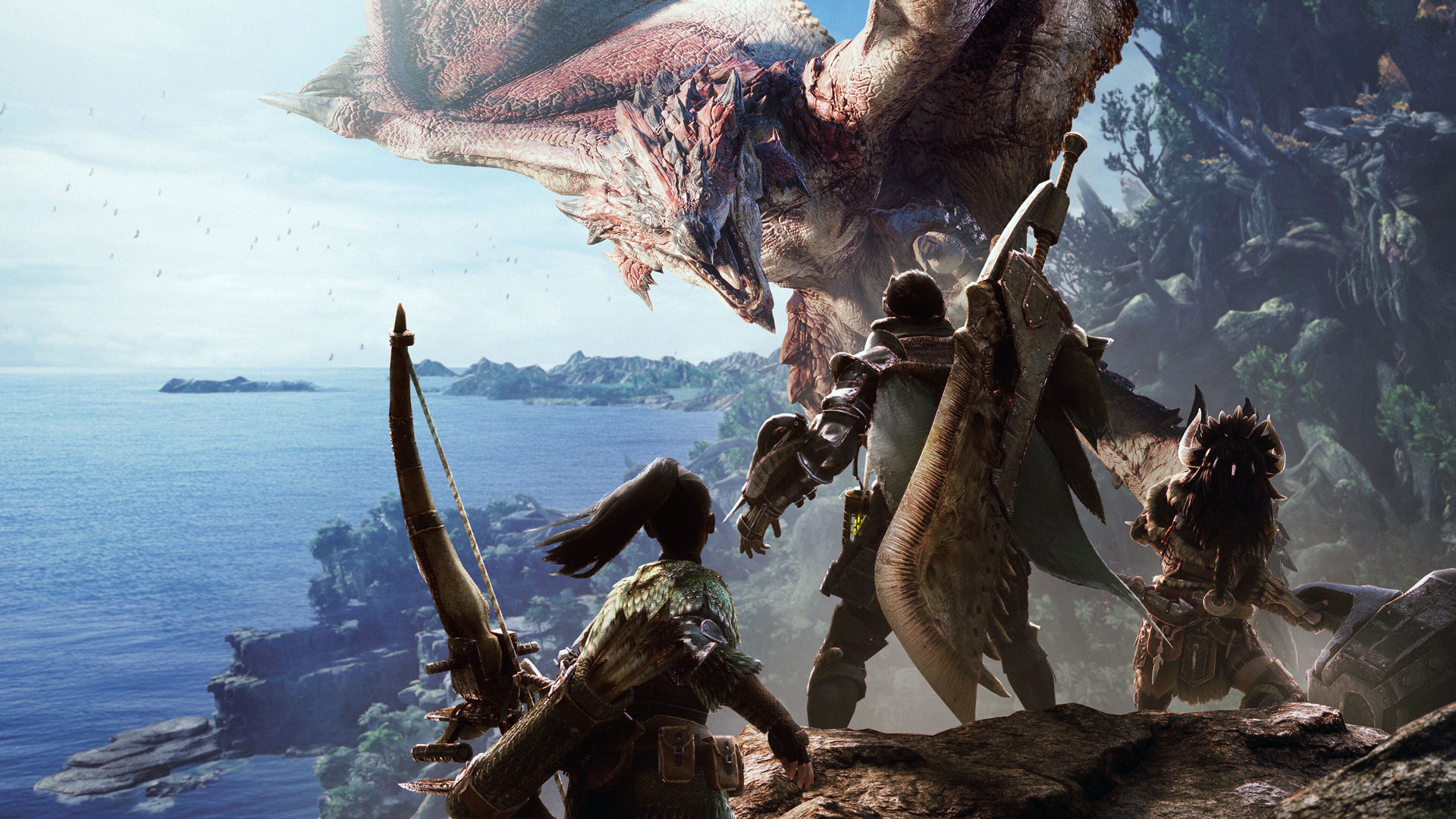
Seasonal festivals like the Spring Blossom Fest unlock layered armor sets, guild card cosmetics, and canteen themes through limited bounties. The Gathering Hub updates with event-exclusive tickets used to craft cosmetic gear at the Smithy. Past festival quests cycle back during “All-Stars” periods so missed layered sets can be crafted later. Capcom announces festival schedules in title update notes and hub decorations signal active events.
‘Diablo IV’ (2023)
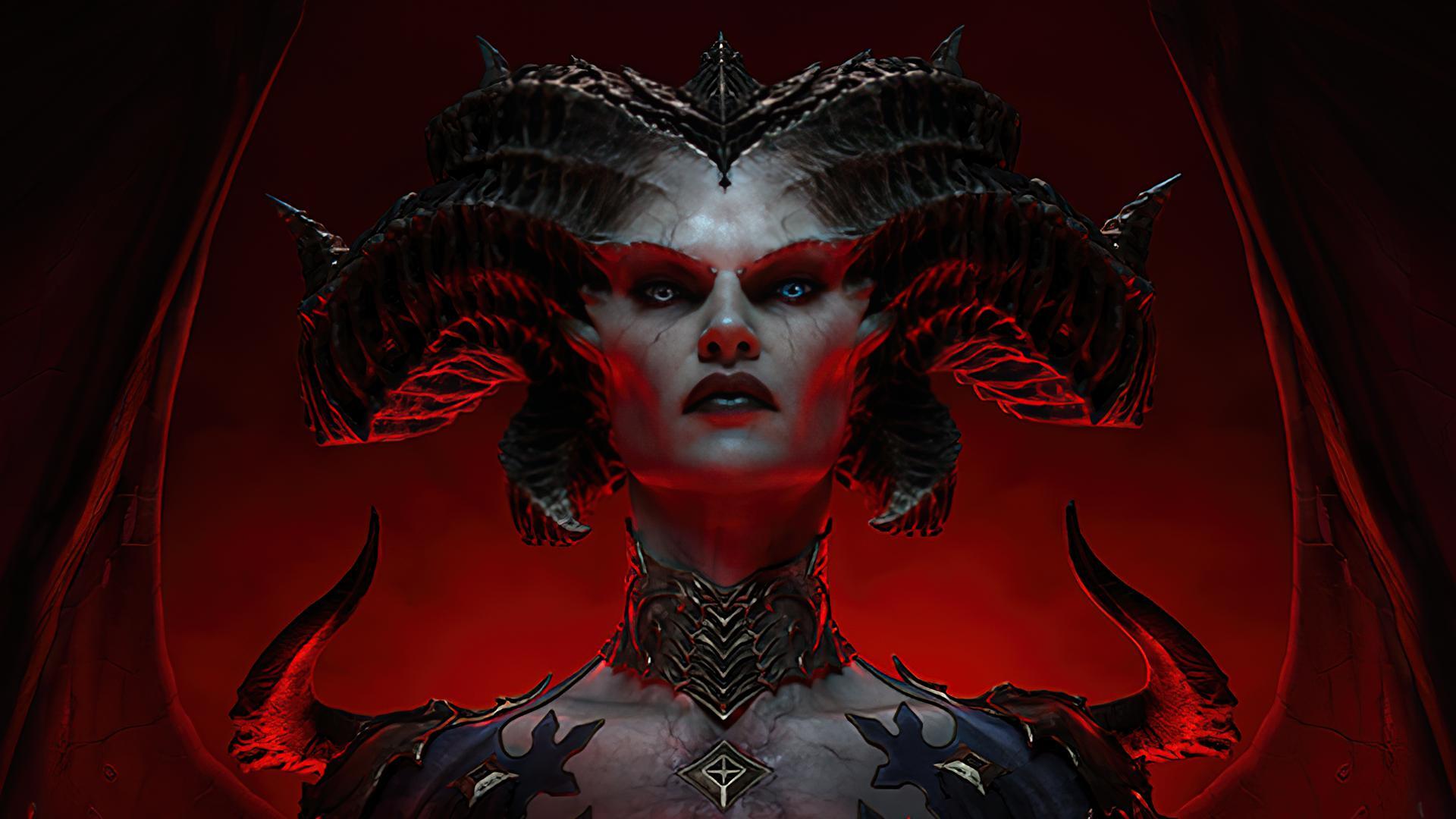
Each Season introduces shop rotations, battle pass cosmetics, and free event trinkets tied to limited world events. Cosmetic armor sets and mounts are account-wide once unlocked, while some transmogs require finding the base item before applying the look. Seasonal journey tiers award titles, emblems, and cosmetic caches at defined milestones. Blizzard Entertainment publishes the rotation cadence and earn conditions in the seasonal blog post.
‘Path of Exile’ (2013)

Challenge leagues ship with themed armor sets, wings, footprints, and hideout decorations earned by completing objective tiers. Mystery boxes and supporter packs often align with the league’s aesthetic, and some items retire permanently when the league ends. Challenge rewards are account-bound and claimed automatically once thresholds are hit. Grinding Gear Games lists the exact challenge counts and visual rewards before league launch.
‘League of Legends’ (2009)
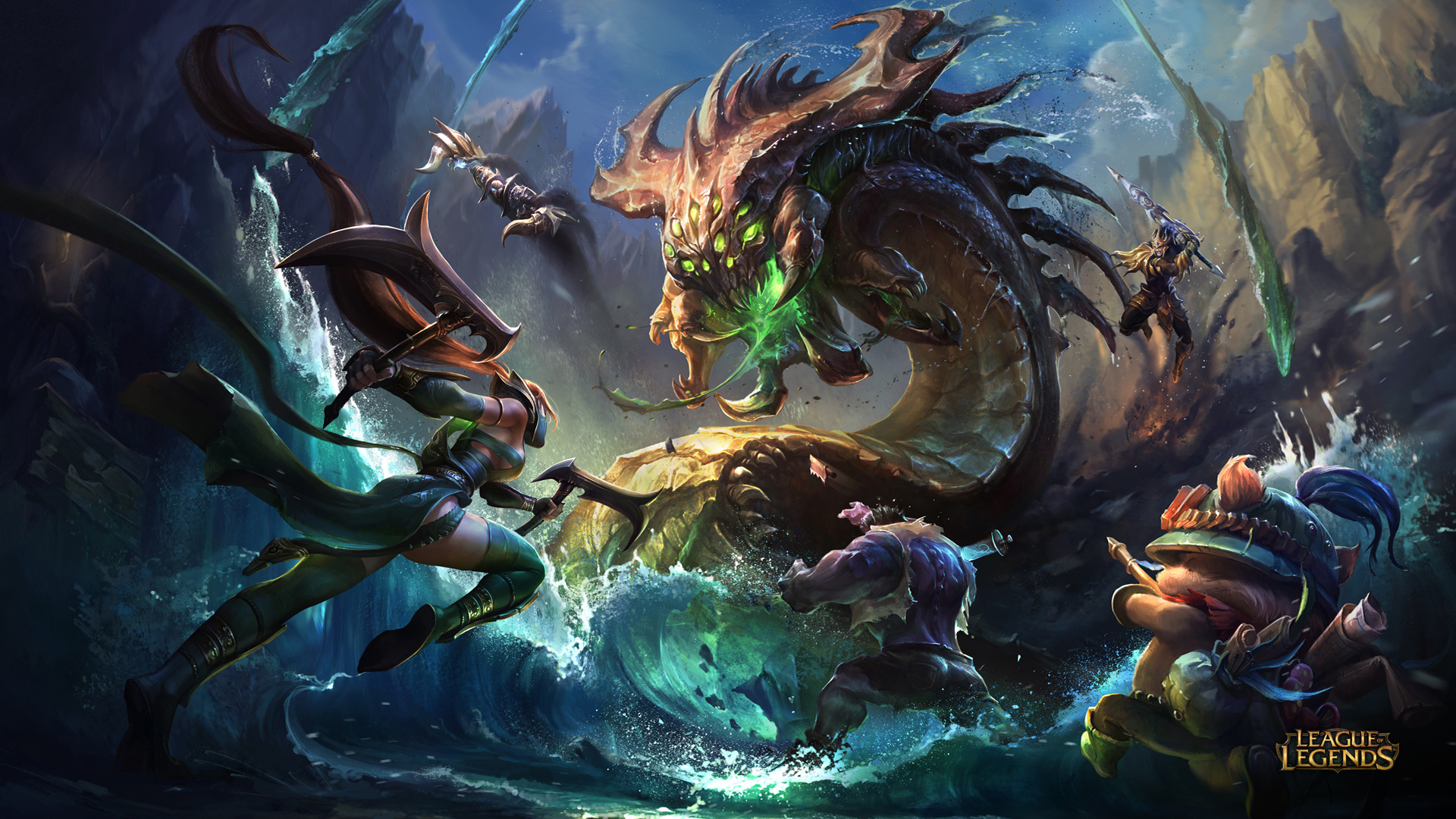
Snowdown Showdown, Lunar Revel, and other calendar events offer skins, chromas, ward skins, and emotes via event passes and orb crafting. Tokens earned from matchmade play can be exchanged in an in-client shop for event-exclusive items until the store closes. Retired legacy skins sometimes reappear during special vault openings. Riot Games provides token prices, mission chains, and store close dates in client news.
‘Valorant’ (2020)
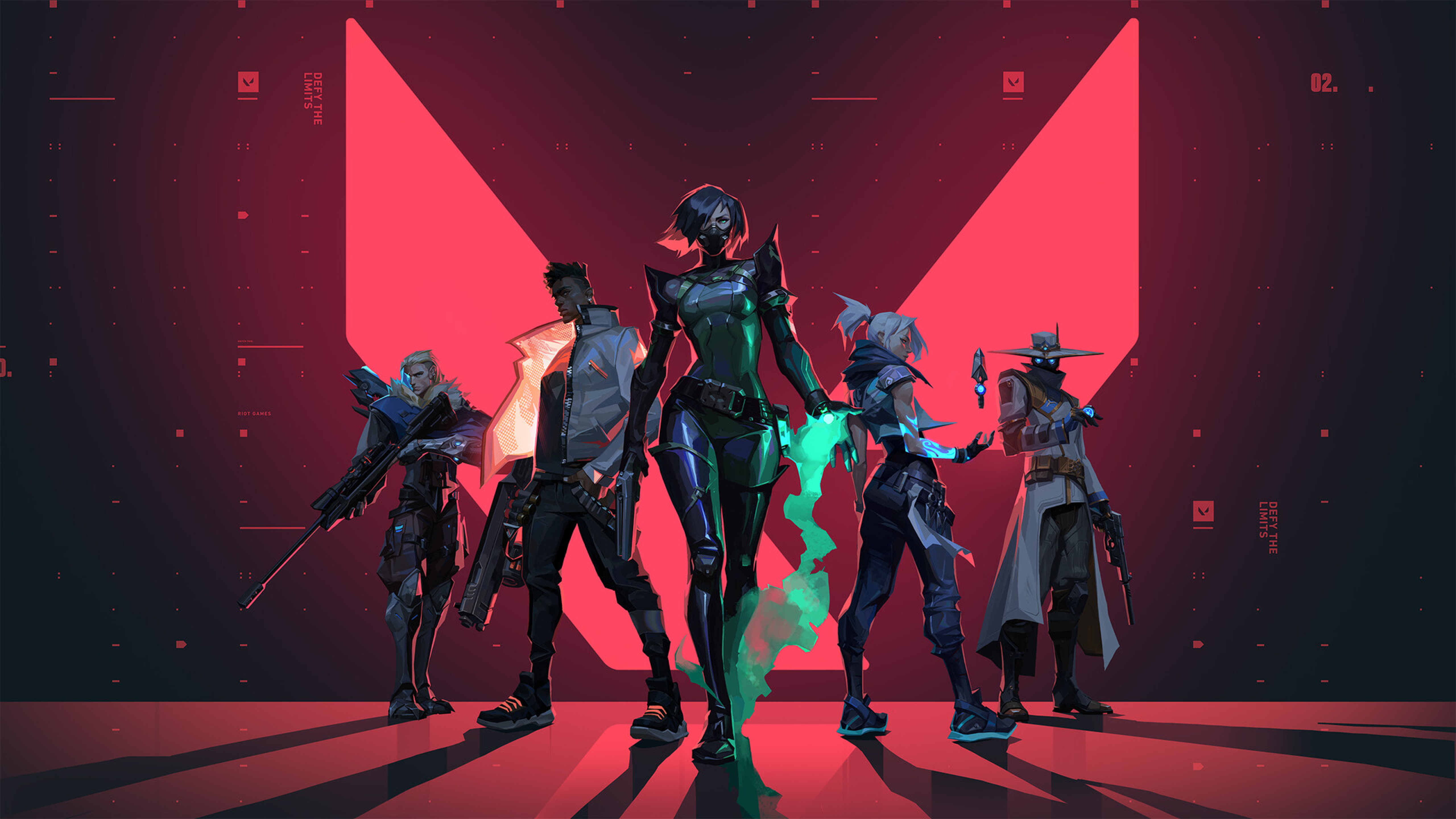
Holiday and Lunar bundles, along with episodic skin lines, rotate through the store with time-boxed availability and individual weapon unlocks. Night Market sales occasionally discount eligible seasonal skins during specific windows. Gun buddies, cards, and sprays tied to events are typically claimable via missions or a free track. Riot Games announces bundle durations and Night Market timing ahead of each cycle.
‘Halo Infinite’ (2021)
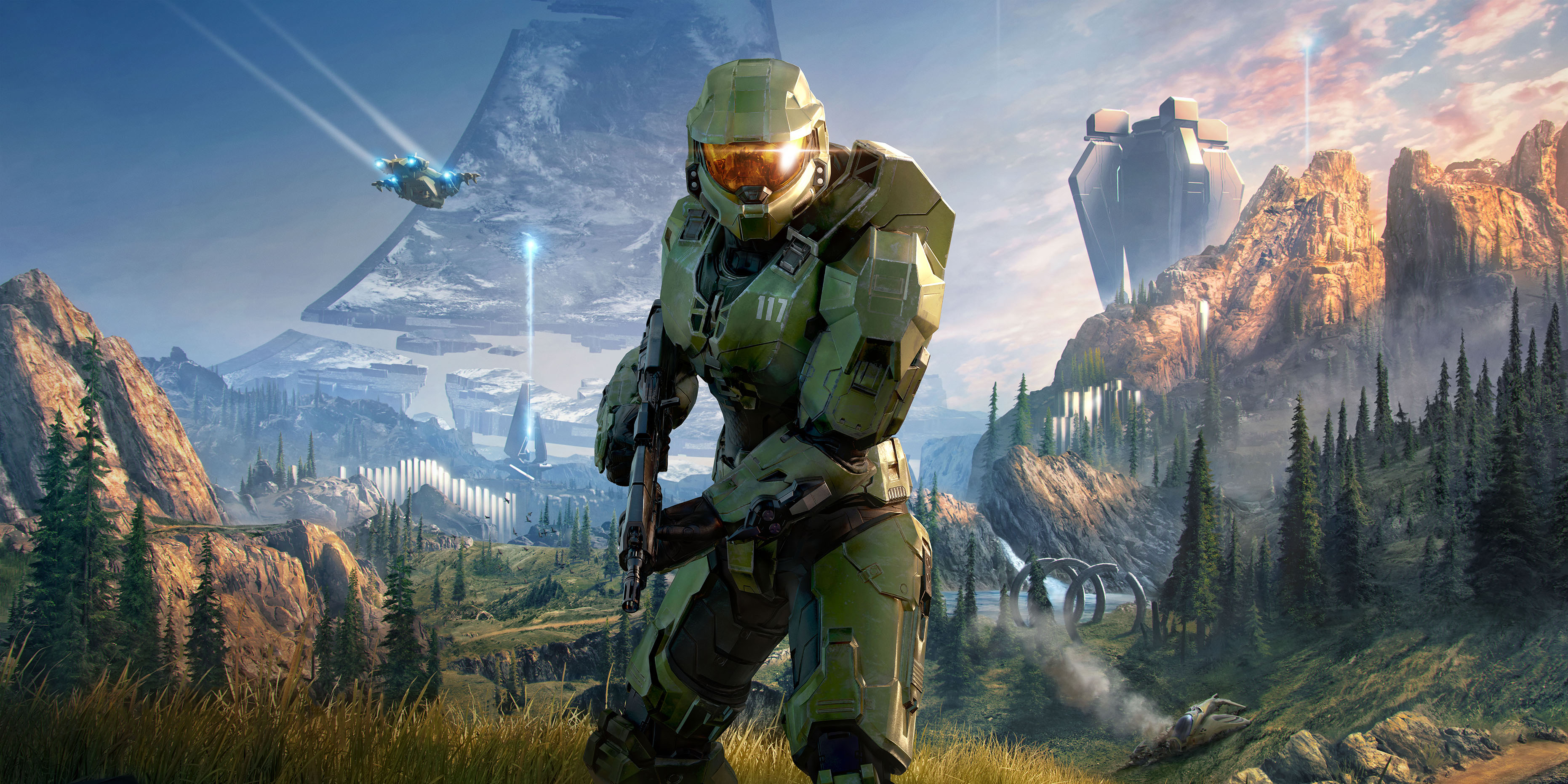
Winter Contingency and Fracture events award armor cores, coatings, visors, and emblems through limited event passes separate from the main season. Progress is mission-gated per week, and missed tiers usually return in a later rerun. Most coatings are core-specific, so check compatibility before claiming. 343 Industries publishes event calendars and pass contents in the weekly update posts.
‘Rocket League’ (2015)
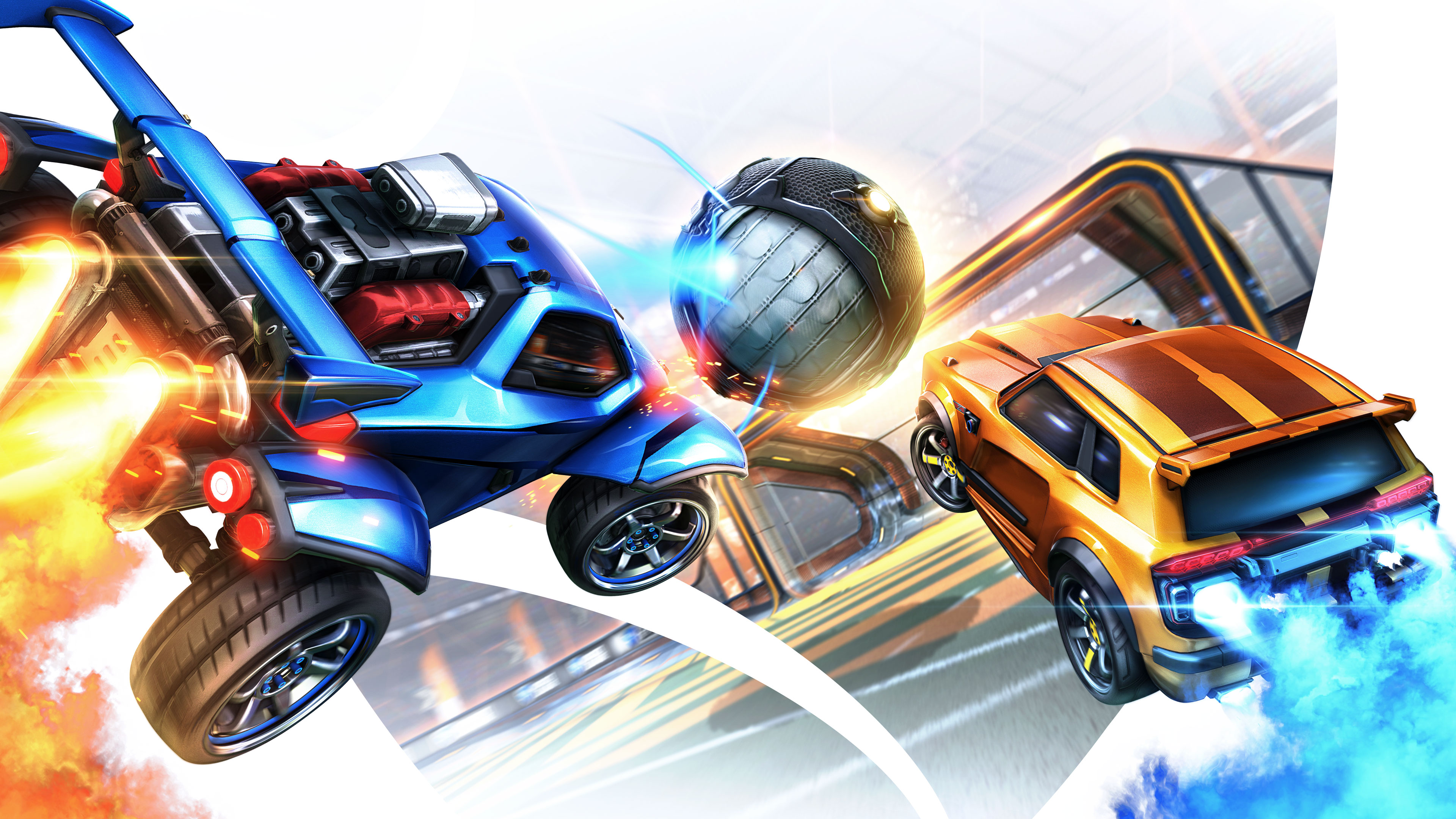
Frosty Fest and Haunted Hallows include decal sets, toppers, goal explosions, and player banners unlocked through event challenges and a rotating shop. Limited items are tradeable if obtained from drops, but direct-purchase event items are typically account-bound. Golden gifts from events contain items from prior series, expanding unlock pools. Psyonix outlines challenge milestones and crate contents in each event announcement.
‘Animal Crossing: New Horizons’ (2020)
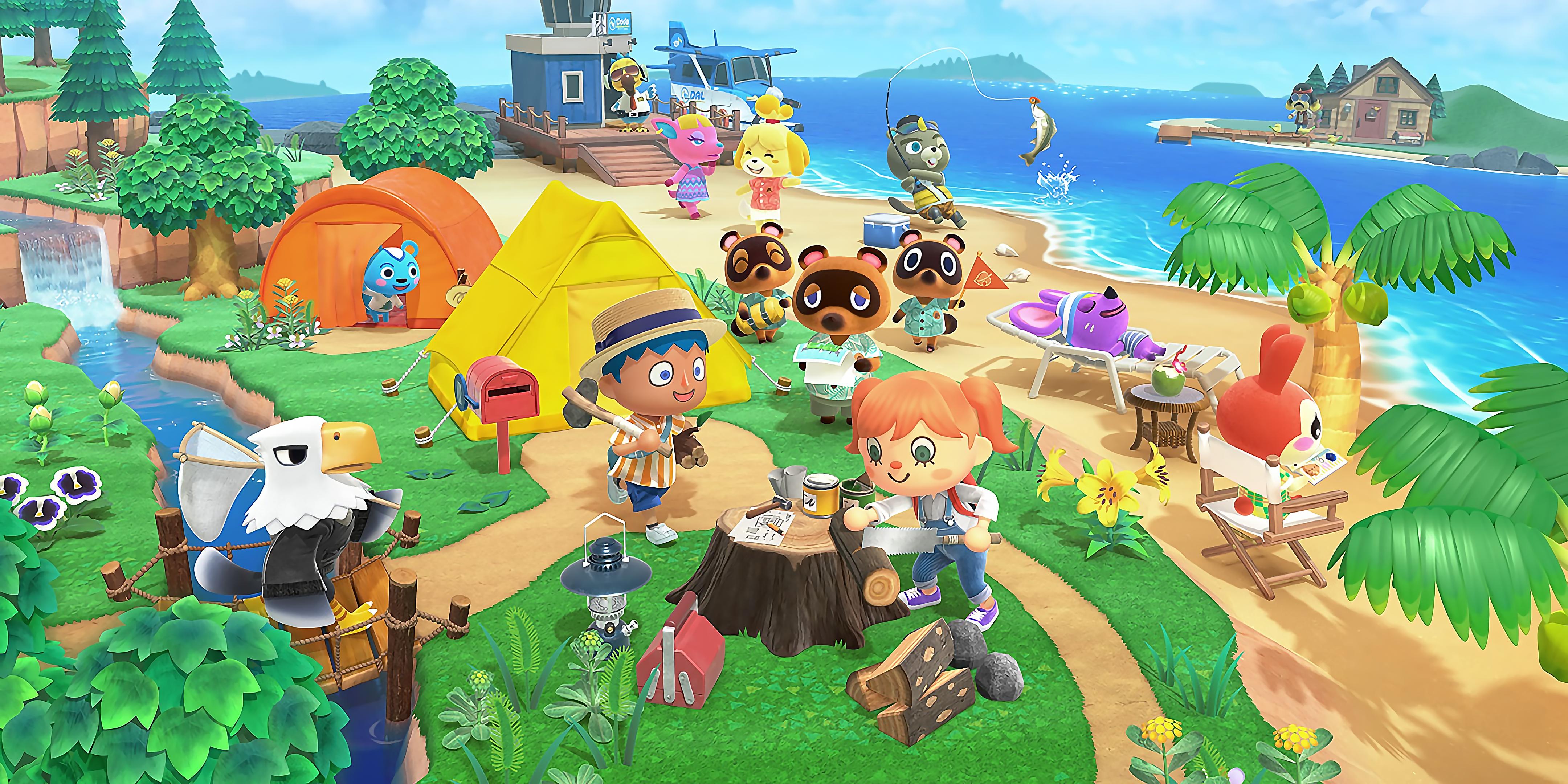
Seasonal clothing and DIY recipes appear in Able Sisters and from balloons or seasonal materials during events like Toy Day and Bunny Day. Many outfits are region and date-locked, so time windows matter for catalog completion. Items can be cataloged by visiting other players to record variants you missed. Nintendo details active dates and item sources in patch notes tied to real-world holidays.
‘Sea of Thieves’ (2018)
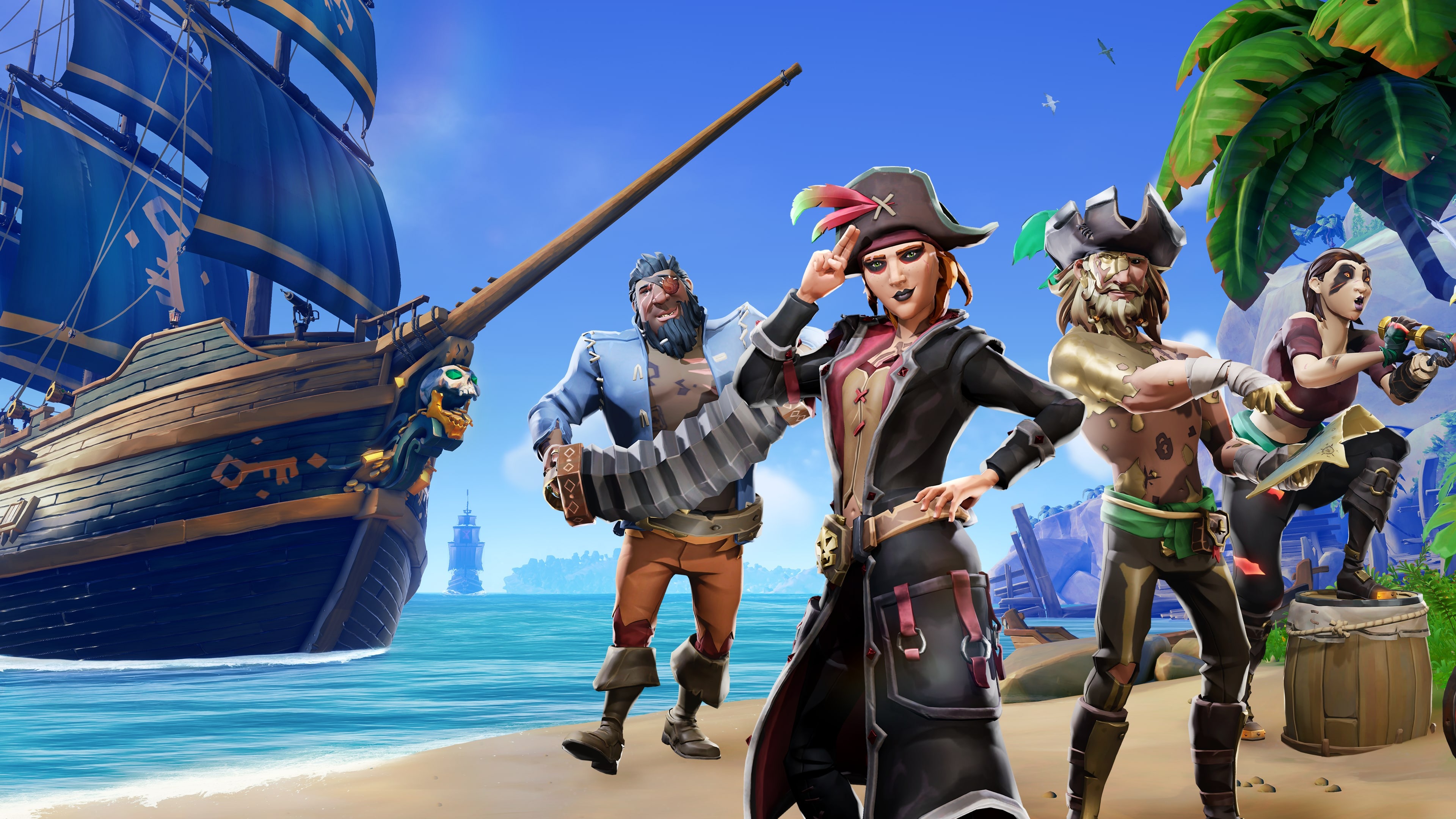
Plunder Pass seasons add ship sets, costumes, and emotes earnable via Renown, with select items purchasable for Ancient Coins. Seasonal Events like Gilded Voyages also grant cosmetics for completing themed goals. Some Plunder Pass items become available in the Pirate Emporium after the season ends but may be split into separate purchases. Rare posts season start/end times and reward tracks on the official hub.
‘Dead by Daylight’ (2016)
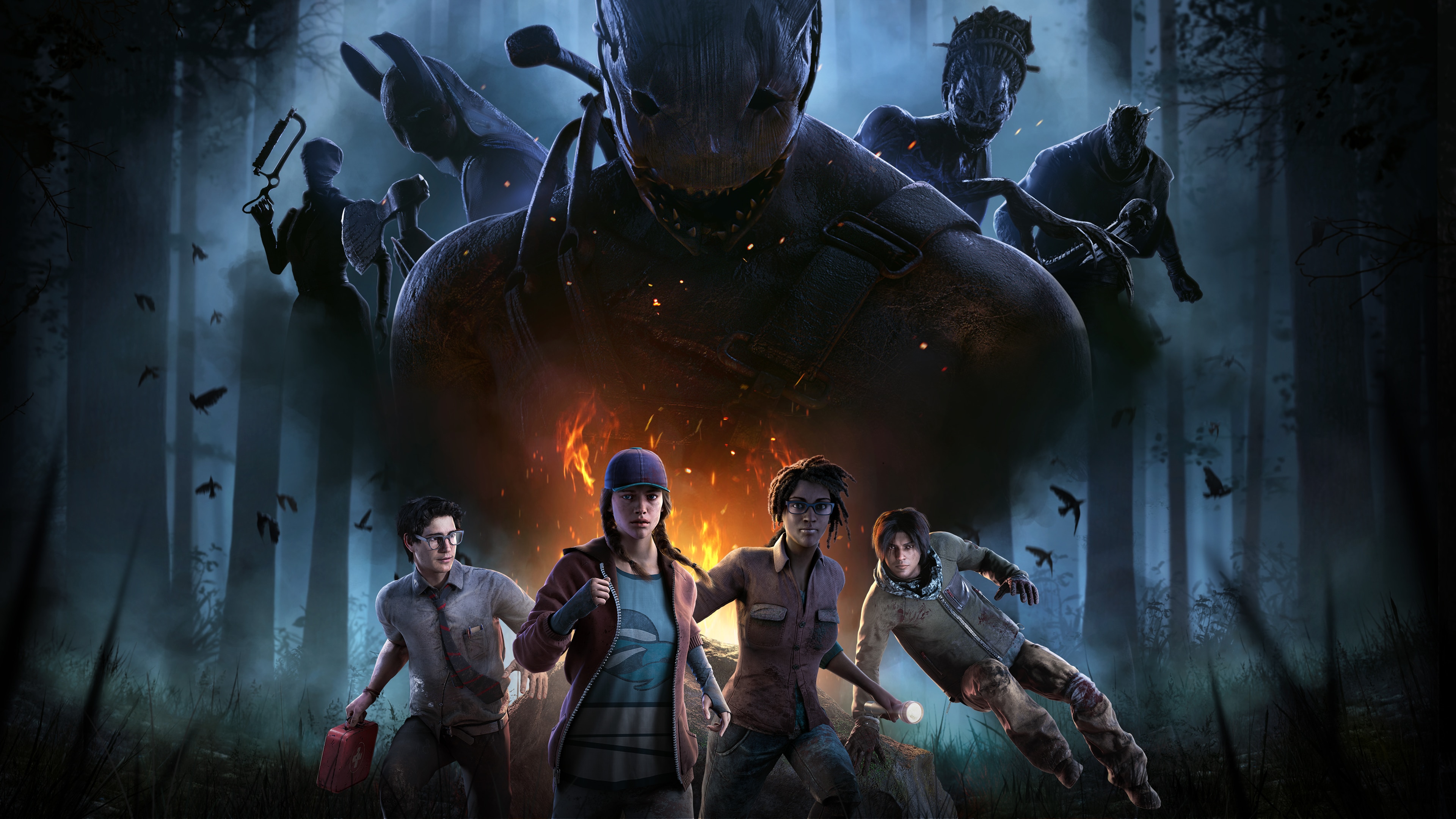
Halloween and Lunar New Year events feature limited killer/survivor outfits, charms, and lobby visuals obtainable through event tomes and in-event currencies. Event tomes track challenges across weeks and grant cosmetics on completion. Boutique rotations reissue some limited outfits, but event charms generally remain exclusive. Behaviour Interactive publishes event mechanics, tome pages, and expiry dates in the archive tab and blog.
‘Tom Clancy’s The Division 2’ (2019)
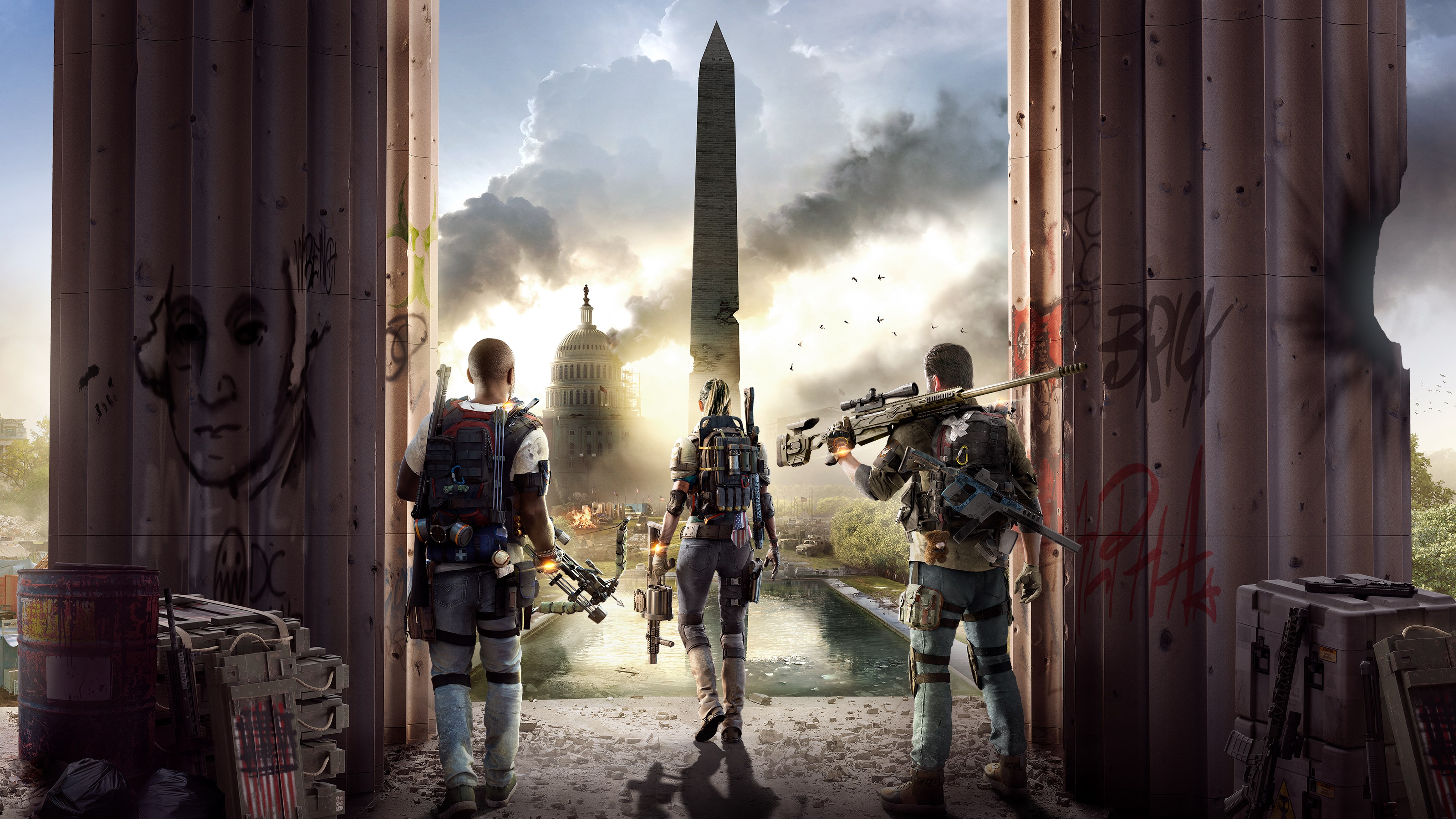
Apparel Events distribute themed caches that unlock outfits, backpacks, and emotes by earning keys through SHD levels and daily projects. Duplicate protection applies until a collection is complete, and a late-event “direct purchase” window lets you buy missed items with premium currency. Event exclusives typically return in apparel store reruns after a cooldown. Massive Entertainment and Ubisoft announce key earn rates and closing dates in patch notes.
‘Fall Guys’ (2020)
Seasonal Shows deliver costumes, nameplates, and celebrations via event challenges and the Fame Pass. Collaborations re-run periodically, but certain event rewards stay exclusive to their original window. Cross-progression ensures unlocks sync across platforms once claimed. Mediatonic posts event lists, challenge totals, and store rotations within the in-game newsfeed.
‘World of Warcraft’ (2004)
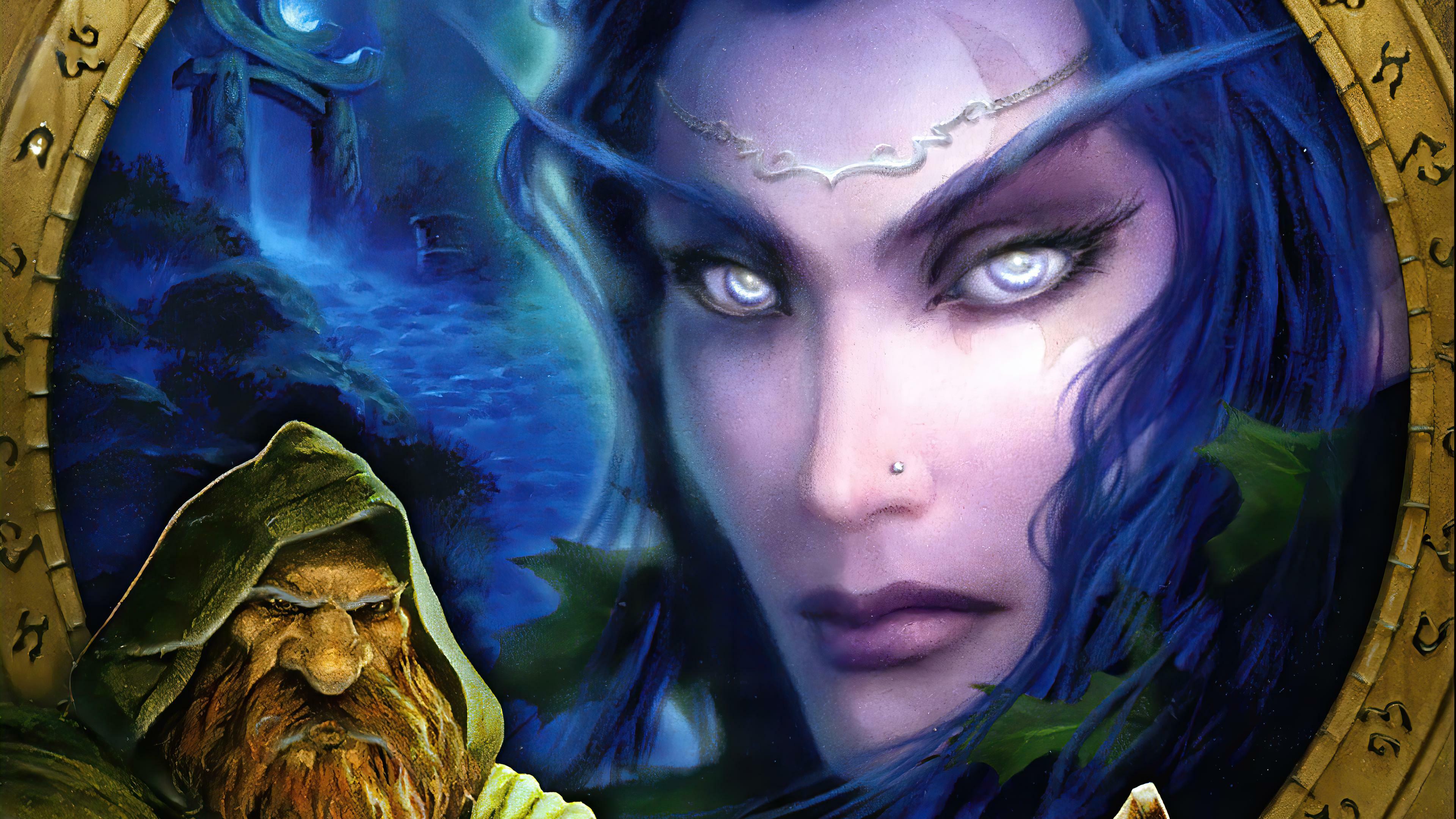
Hallow’s End, Feast of Winter Veil, and Lunar Festival award toys, pets, and cosmetic armor through event quests, currency vendors, and dungeon bosses. Many rewards are account-wide via the Collections system once learned. Some items rotate annually with new additions flagged in the event guide each year. Blizzard lists vendors, currency costs, and drop sources in the in-game Adventure Guide.
‘The Elder Scrolls Online’ (2014)

Witches Festival and New Life Festival grant outfit pages, mementos, and event tickets redeemable at the Impresario vendor. Ticket-purchased collectibles can be combined into seasonal morphs and often retire after the year concludes. Daily quest completions during the event maximize ticket gains. ZeniMax Online Studios posts ticket caps, vendor inventories, and start/end dates ahead of each event.
‘Pokémon GO’ (2016)
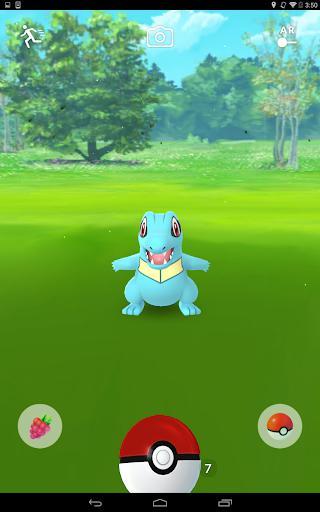
Holiday events introduce avatar clothing, pose variants, and themed stickers available in the shop or as event research rewards. Time-limited Field Research lines specify exact tasks and expiry dates for cosmetic items. Some avatar pieces return annually, while others are tied to paid Special Research. Niantic lists availability windows and research steps in the in-app Today View.
‘PUBG: Battlegrounds’ (2017)
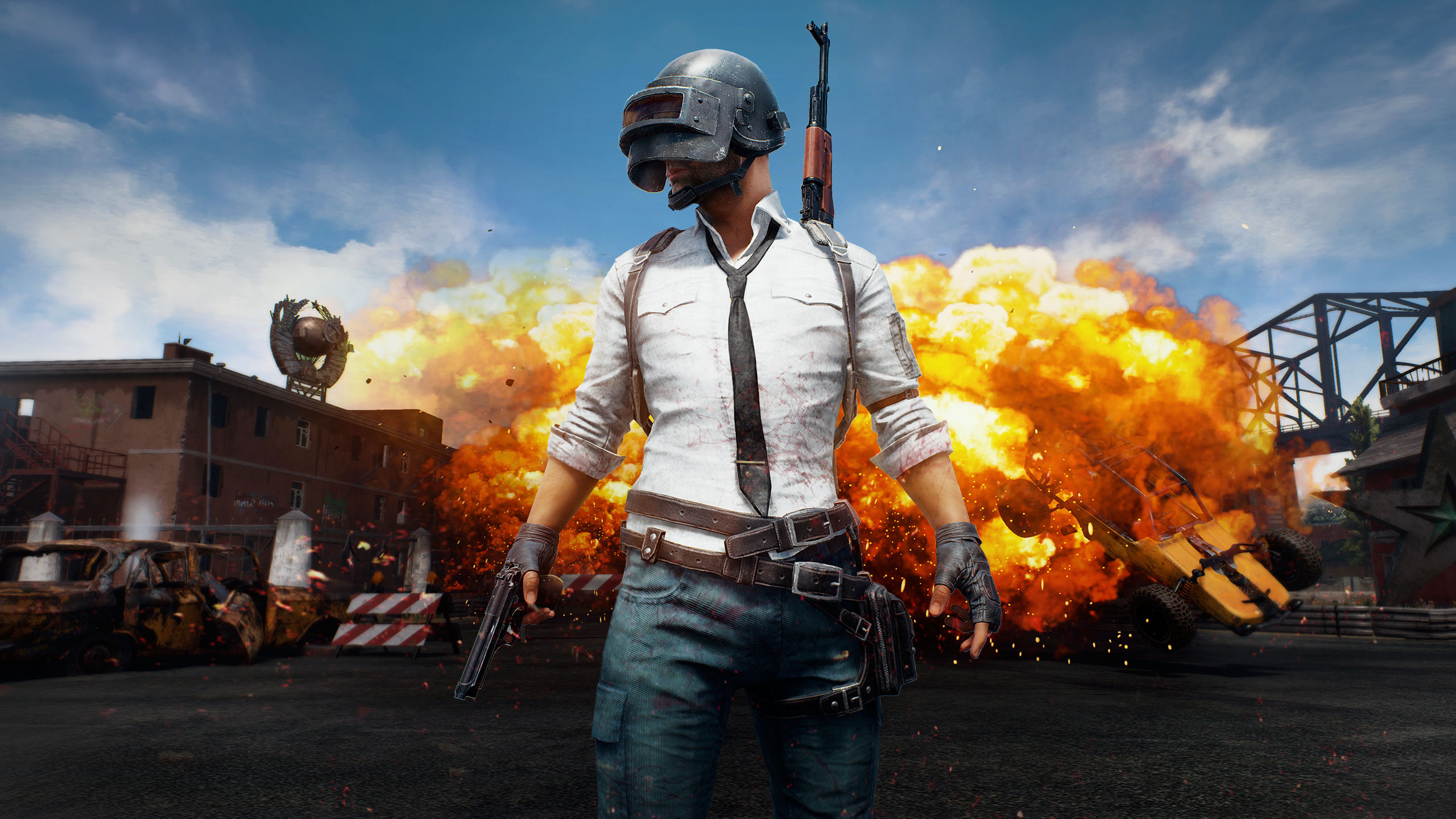
Halloween and Winter events rotate costumes, weapon skins, and parachutes through the store and event missions with clear end timers. Event passes may include free and premium tracks, with items becoming non-obtainable after the season. Crates and coupons occasionally offer a second chance at prior seasonal pieces. PUBG Studios details crate pools, redemption currencies, and pass timelines on the event page.
‘Rainbow Six Siege’ (2015)
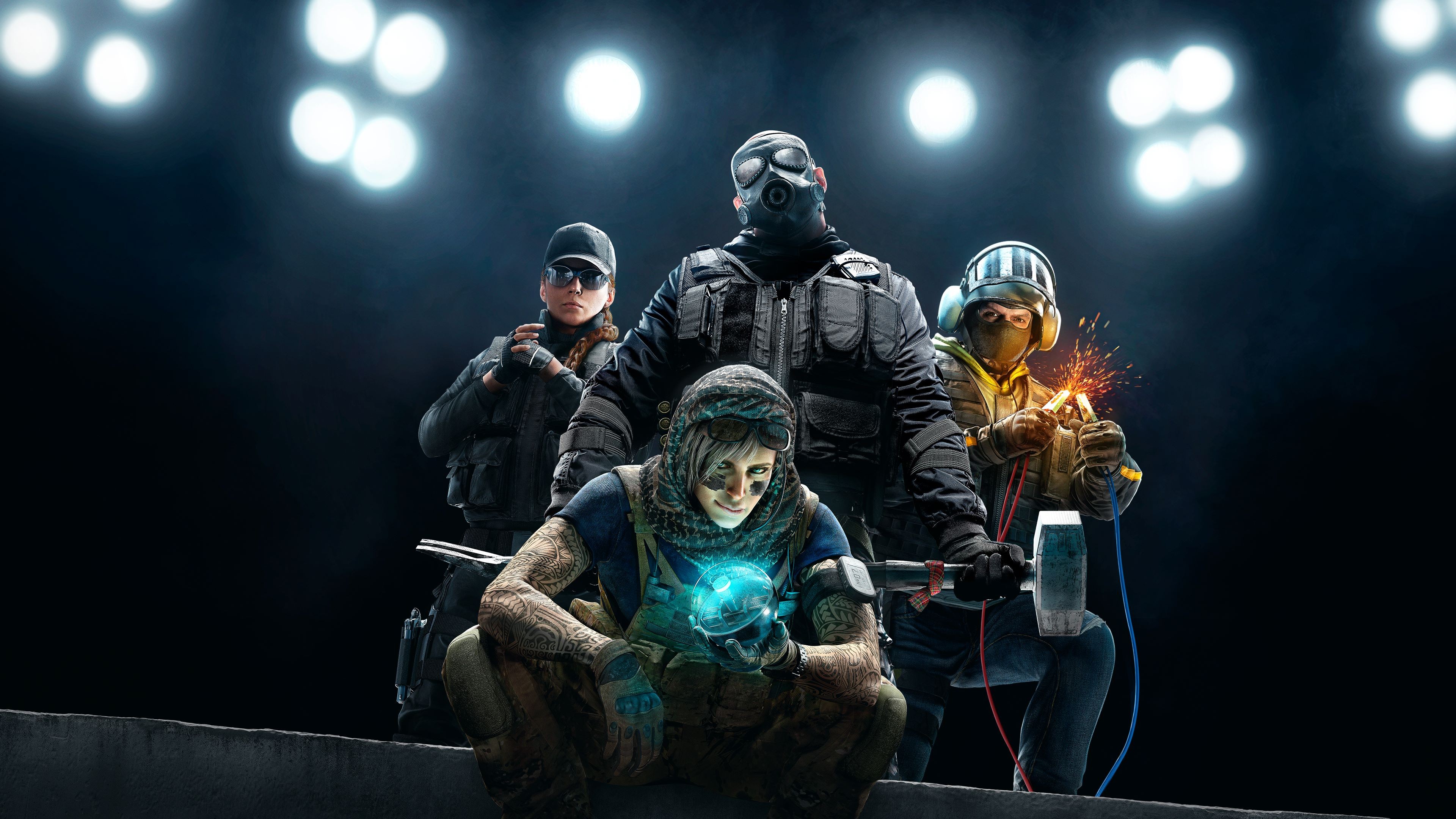
Doctor’s Curse and Snow Brawl reintroduce limited uniforms, headgears, and weapon skins via event packs and shop bundles. Earnable alpha packs come from event challenges, while duplicate protection applies within a given collection. Retired items return only during the same event’s rerun window. Ubisoft shares pack odds, challenge requirements, and event end dates in client news.
‘For Honor’ (2017)
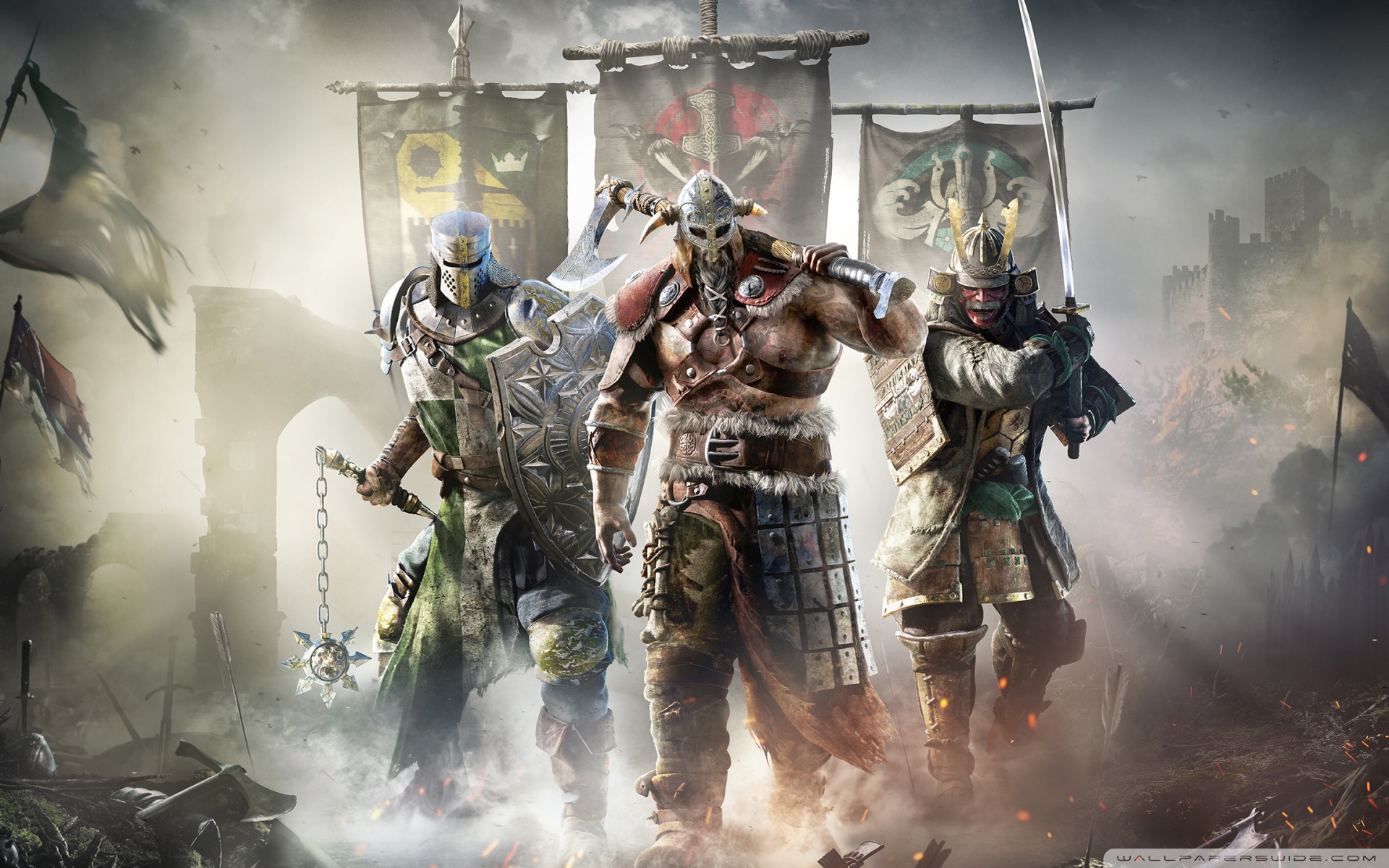
Monsters of the Otherworld and Frost Wind Nights bring effect visuals, outfits, and ornaments tied to event orders and arcade challenges. Event loot pools apply to matches during the window, and themed executions are sold for limited periods. Some cosmetics become available again in future event reruns with unchanged costs. Ubisoft announces order objectives and drop periods in title update notes.
‘Splatoon 3’ (2022)
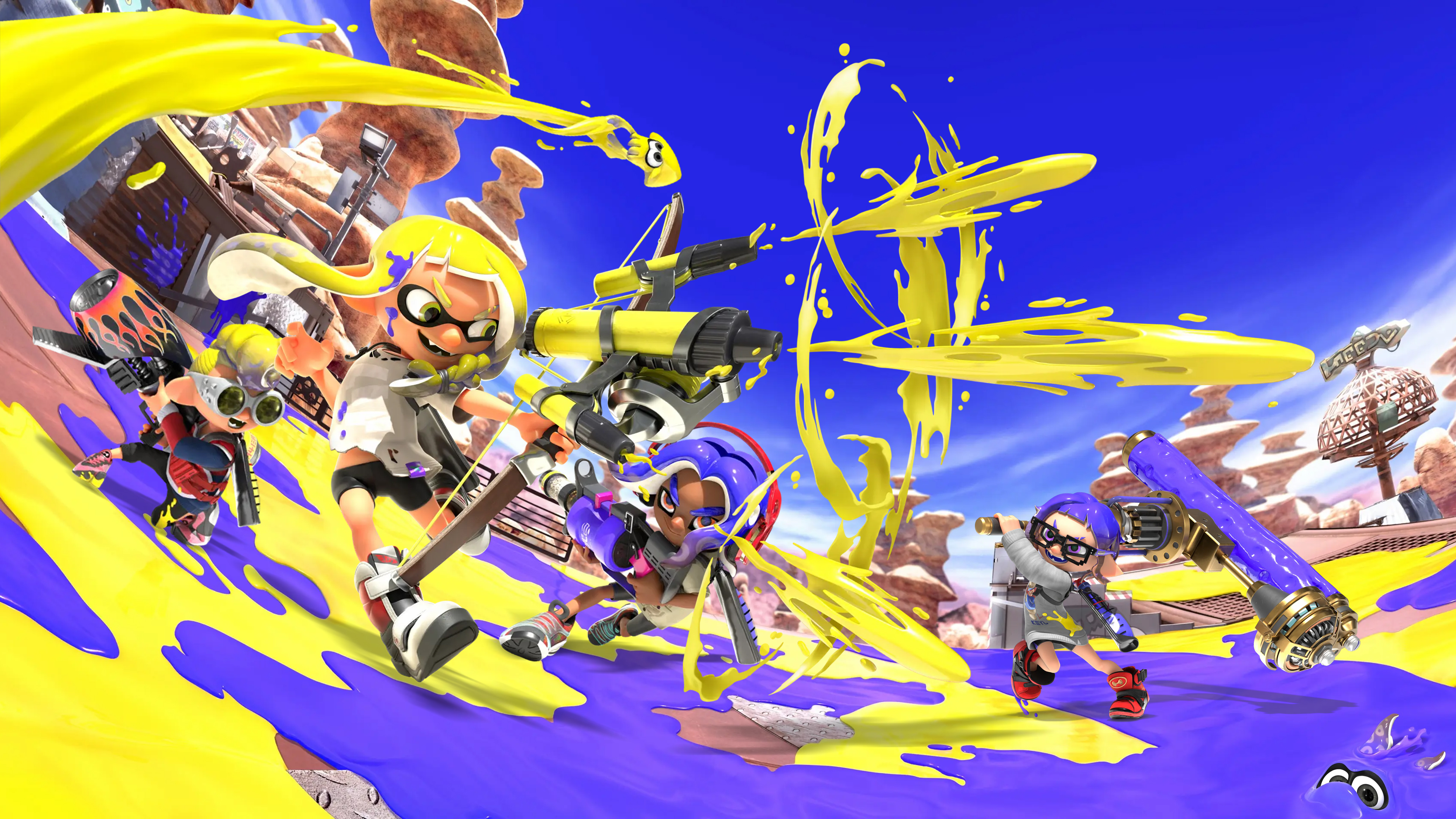
Catalog seasons add emotes, banners, and gear alongside Splatfest-themed drops and Big Run rewards during limited weekends. Catalog items rotate out at season’s end and are not earnable later, while Splatfest tees are temporary rentals but grant exclusive ability chunks if scrubbed. Seasonal locker decorations are tied to specific event challenges. Nintendo posts season dates and catalog page counts with each patch.
Share your favorite seasonal cosmetics and the ones you’re still chasing in the comments!