Most Adorable Creatures In Games

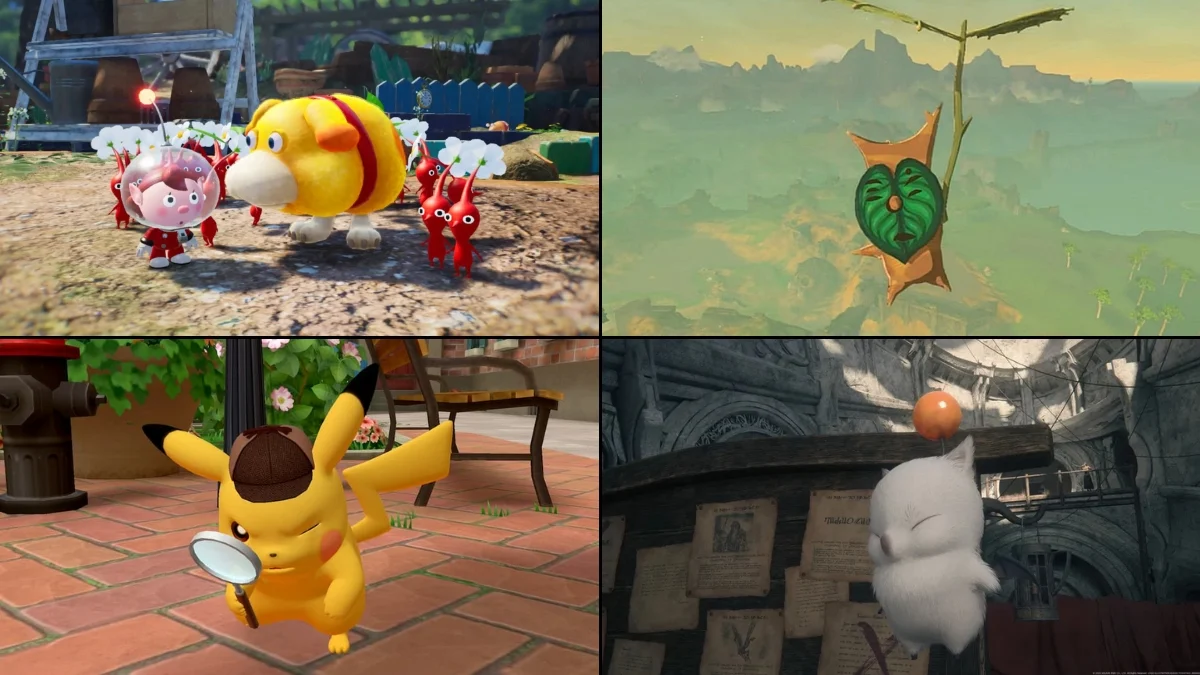

From mascot-ready companions to tiny helpers that make big adventures possible, games are packed with creatures that players immediately recognize and remember. Below are ten standouts that earned their place through smart design, memorable mechanics, and a strong presence across multiple entries. Each one ties into its series’ systems—whether that’s collecting, caretaking, or combat support—in ways that help players learn, explore, and experiment. Here’s a quick primer on where they come from and what they actually do in their games.
Pikachu

Debuting in ‘Pokémon Red and Blue’ from Game Freak, Pikachu is an Electric-type species known for moves like Thunderbolt and Quick Attack. Its design influenced the series’ mascot branding, leading to prominent roles in the anime, films, and spin-offs. In mainline games, Pikachu evolves from Pichu via high friendship and into Raichu using a Thunder Stone, with regional variants affecting stats and move pools. Competitive formats often leverage abilities like Static and access to priority or pivot moves, while in ‘Pokémon: Let’s Go, Pikachu!’ it serves as the player’s partner with unique field interactions.
Koroks
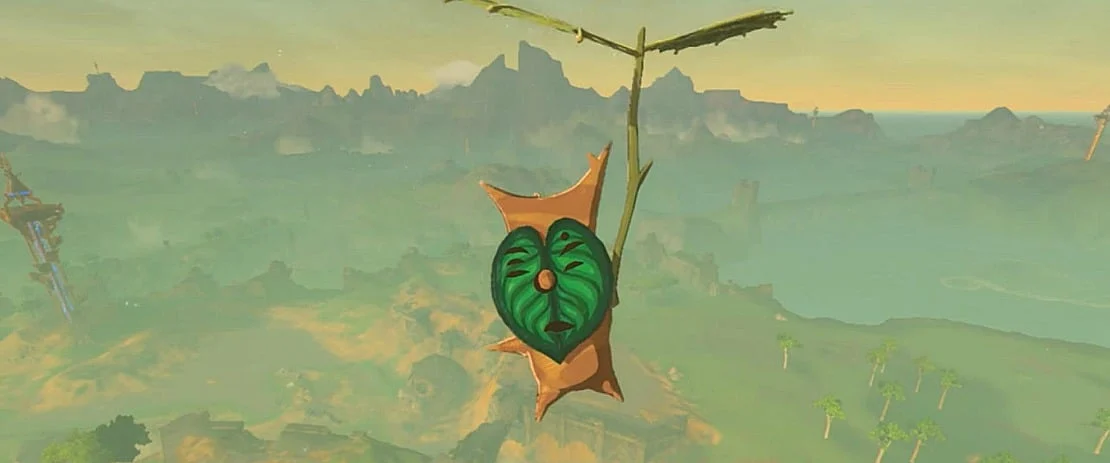
Introduced widely in ‘The Legend of Zelda: Breath of the Wild’ by Nintendo EPD, Koroks populate Hyrule as collectible puzzle rewards. Players find them by solving environmental challenges—lifting rocks, completing patterns, or interacting with pinwheels—to earn Korok Seeds. Those seeds expand inventory slots for weapons, bows, and shields through the character Hestu. The system encourages open-world exploration by pairing micro-puzzles with tangible progression benefits across the entire map.
Moogles
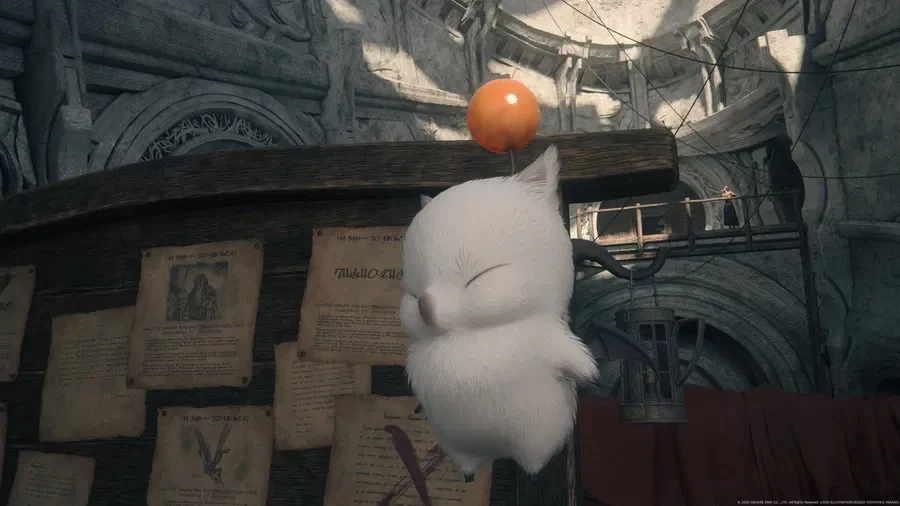
Moogles first appeared in the ‘Final Fantasy’ series by Square (now Square Enix) and recur in numerous entries as helpers, shopkeepers, or party-adjacent NPCs. Their roles vary: they deliver letters in ‘Final Fantasy IX’, run minigames in ‘Final Fantasy VI’, and serve as job-specific units in spin-offs like ‘Final Fantasy Tactics Advance’. Many games use Moogles for tutorials or save systems, integrating them directly into core UI functions. Their consistent iconography—small wings, pom-poms, and distinct speech patterns—makes them a cross-title connective element for the franchise.
Chao
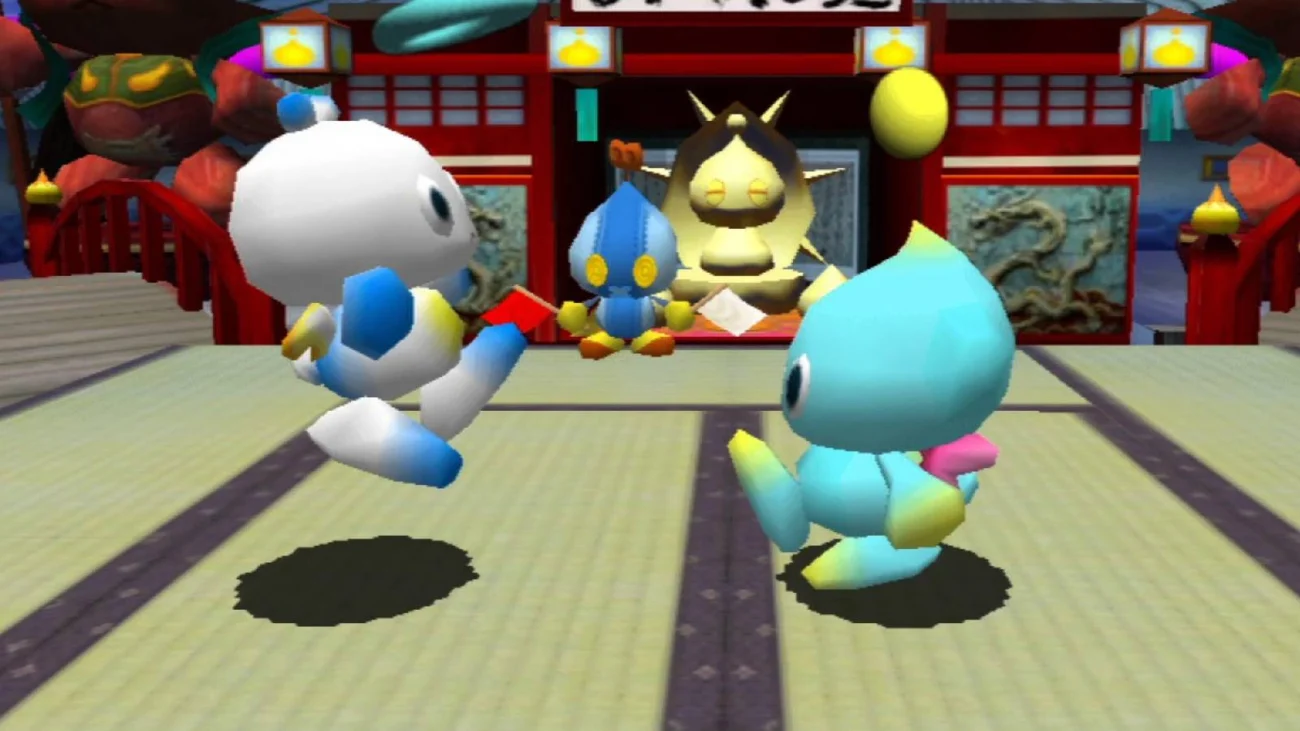
The Chao life-sim system launched with ‘Sonic Adventure’ by Sonic Team, letting players hatch, raise, and evolve creatures through stats and alignments. Feeding animals and Chaos Drives modifies attributes like Run, Power, and Swim, influencing performance in Chao Races and Karate. Alignment toward Hero or Dark depends on player interactions and the character delivering care. Data persistence between stages and minigames turned Chao Gardens into a long-term progression layer beyond main platforming levels.
Slimes (Dragon Quest)
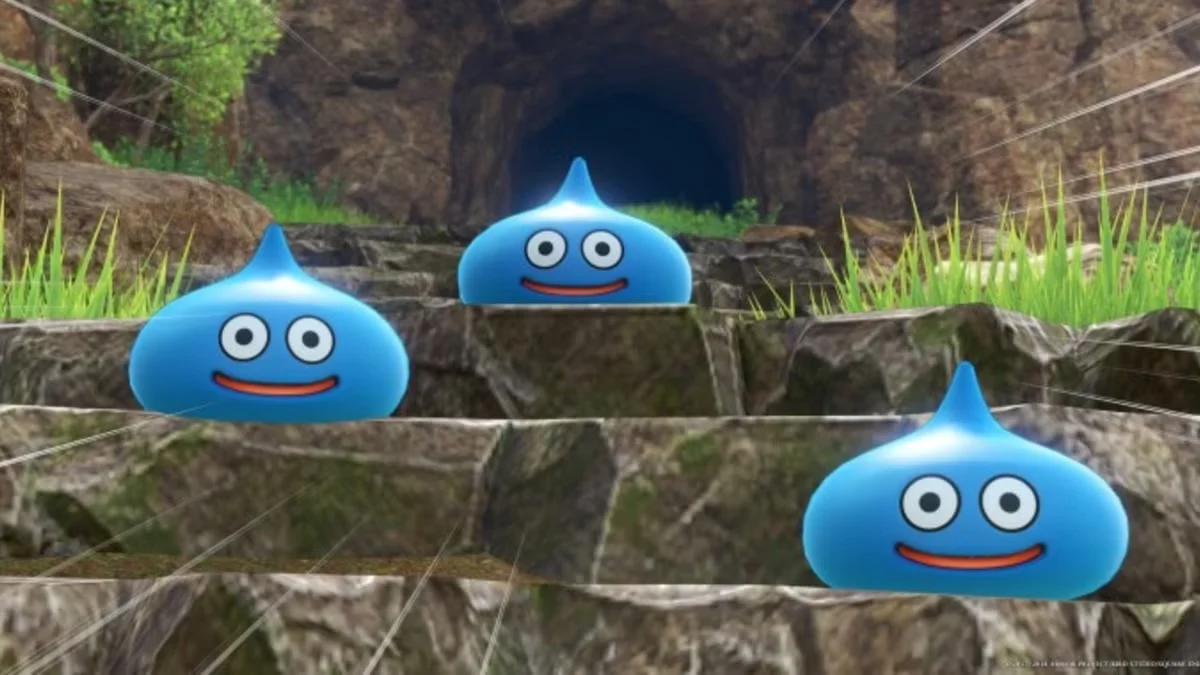
Slimes are the emblematic monsters of ‘Dragon Quest’ from Square Enix, appearing as early-game encounters with simple behaviors and low stats. Variants—like Metal Slimes and King Slimes—introduce experience spikes, rare spawns, and formation mechanics that keep encounters engaging. The series uses Slimes for tutorials on targeting, damage ranges, and status effects without overwhelming new players. Merchandising and spin-offs, including ‘Dragon Quest Heroes: Rocket Slime’, extend their presence beyond standard RPG battles.
Lumas
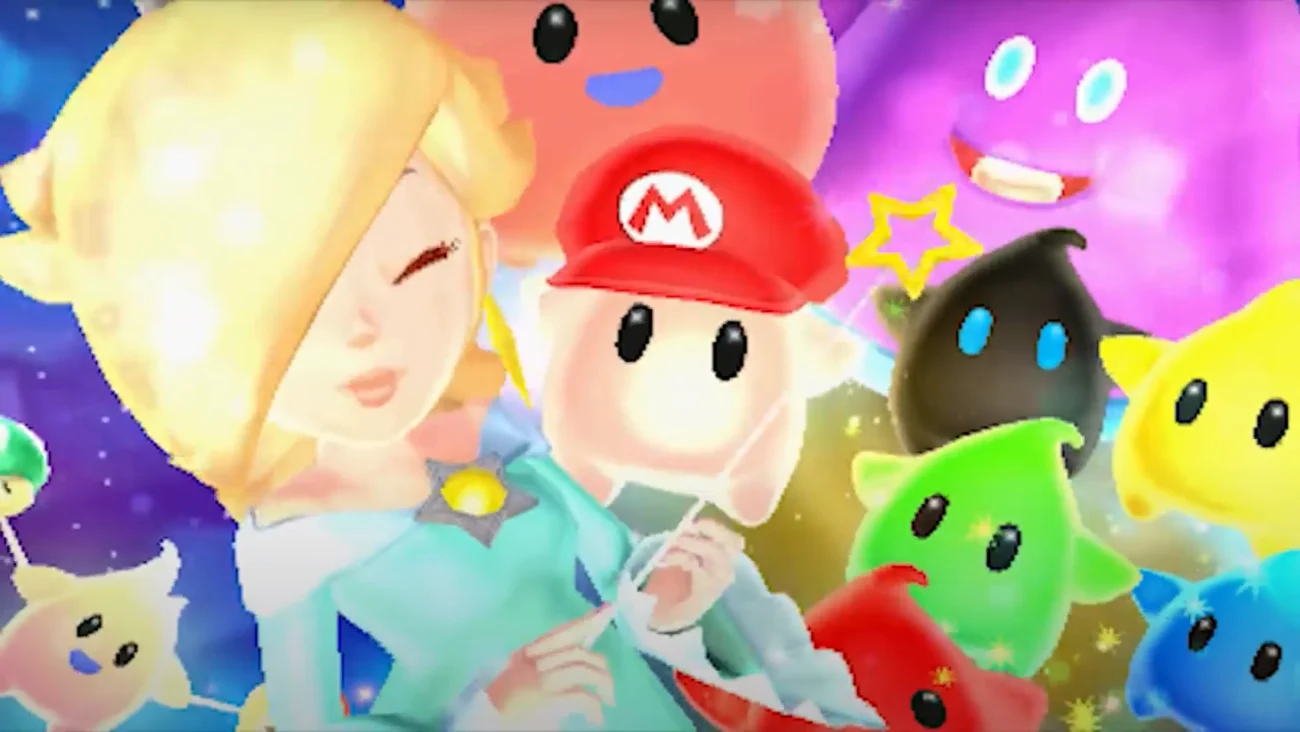
Lumas arrive with ‘Super Mario Galaxy’ by Nintendo EAD, acting as both narrative figures and gameplay enablers for galaxy travel. They consume Star Bits to unlock new paths or transform into Launch Stars and planets, directly tying collectibles to level access. The character Rosalina’s storybook frames Lumas as part of the hub’s lore, connecting platforming progression to worldbuilding. Subsequent appearances in ‘Super Mario Galaxy 2’ and other Nintendo titles maintain their role as cosmic guides and transformation triggers.
Pikmin
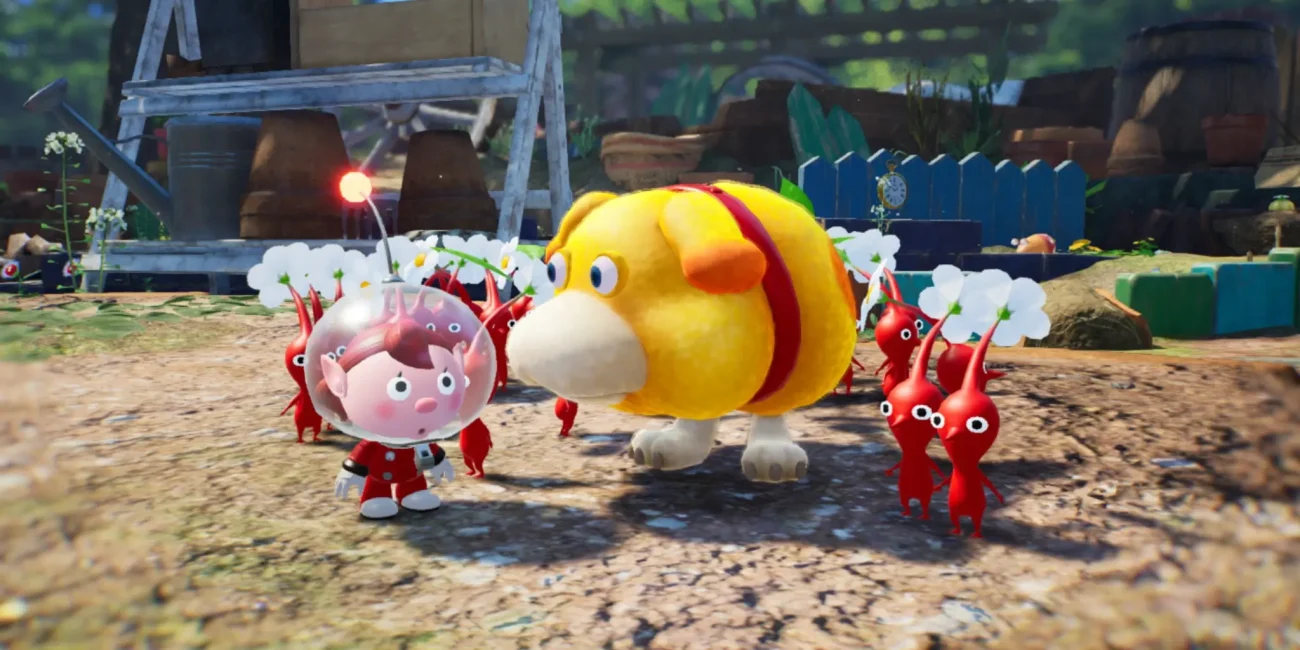
Created by Nintendo EPD for ‘Pikmin’, these plant-like allies function as a real-time strategy resource with color-coded abilities. Red, Blue, Yellow, and later varieties like Rock and Winged Pikmin each contribute to traversal, combat, and puzzle-solving. The day-night cycle and limited carrying capacity introduce time management and routing decisions. Across sequels, new types and Dandori-focused modes refine efficiency play while preserving the core command-and-carry loop.
Palicoes
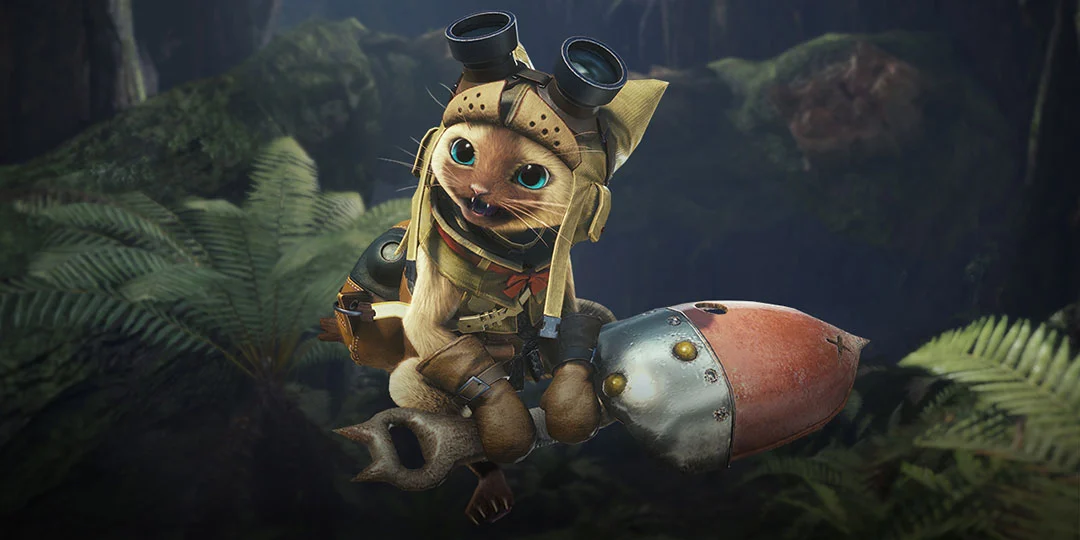
‘Monster Hunter’ from Capcom features Palicoes as AI companions that support hunters with healing, traps, and gathering. Loadouts and gadgets—such as Vigorwasp Spray or Flashfly Cage—let players tailor support to weapon choice and monster behavior. In ‘Monster Hunter: World’ and ‘Monster Hunter Rise’, Palicoes can craft gear from monster materials, mirroring the hunter’s equipment progression. Multiplayer balance accounts for Palico presence, maintaining encounter difficulty while enabling solo-friendly play.
Pink Slimes
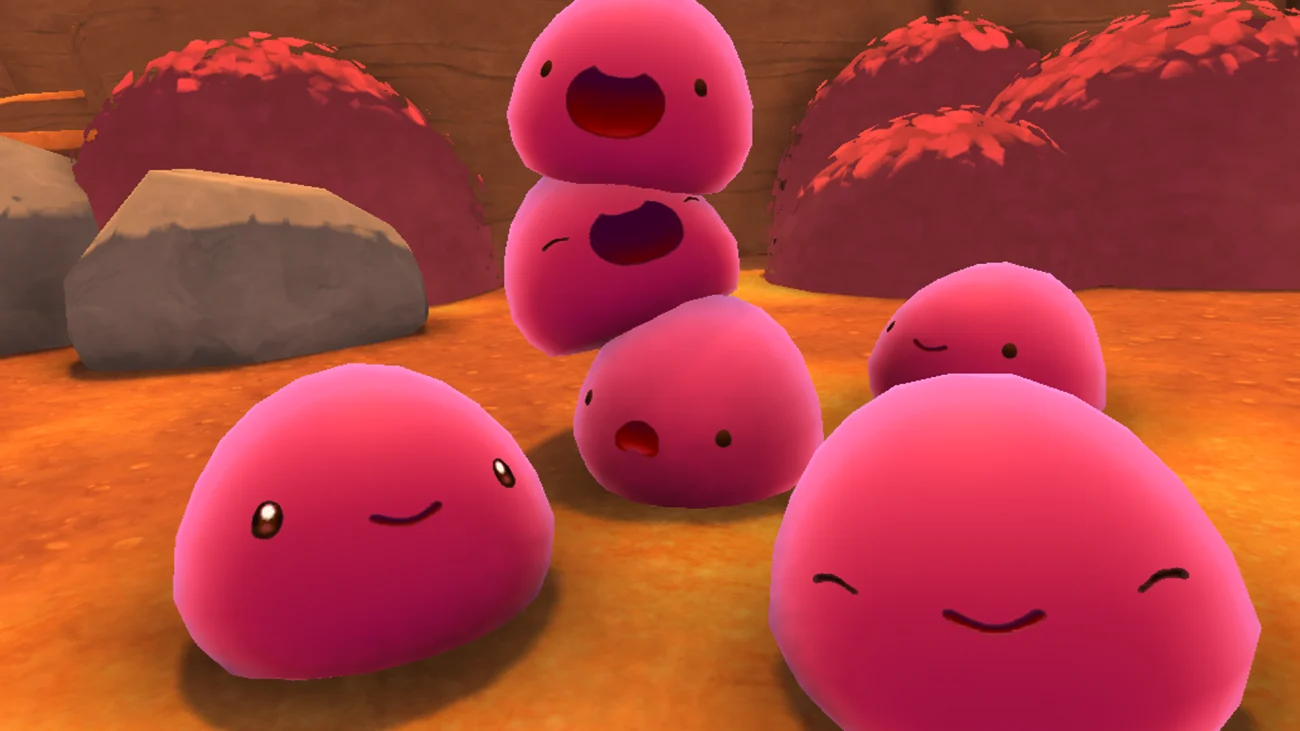
In ‘Slime Rancher’ by Monomi Park, Pink Slimes are foundational farm creatures that produce plorts used as the game’s core currency. They eat any food type, simplifying early resource loops before players manage specialized diets. Combining slimes into Largos introduces risk via tarr creation if three slime types mix, teaching containment and ecology rules. Corral upgrades, vacuum mechanics, and the Plort Market integrate Pink Slimes into the broader ranch economy and tech unlocks.
Axolotls
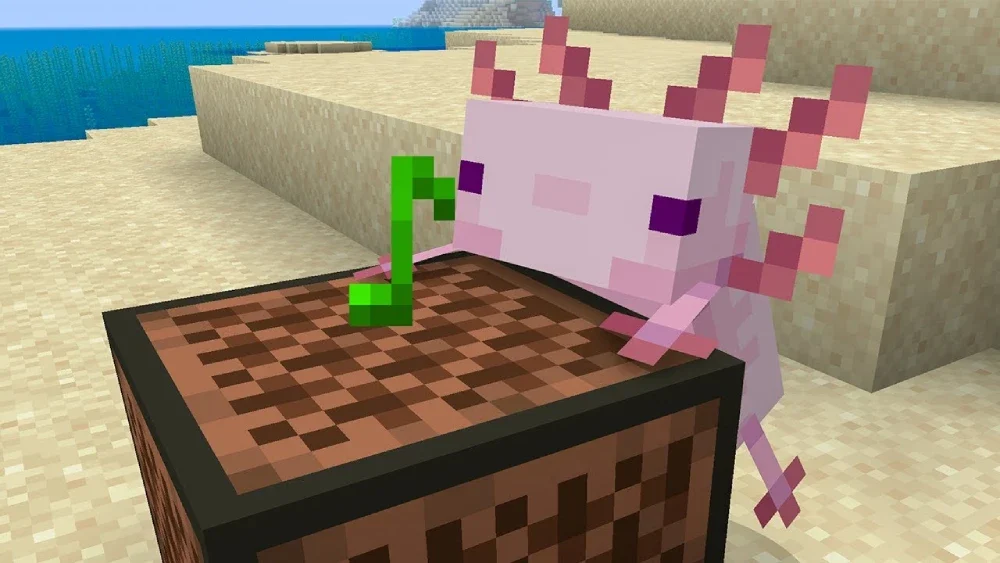
‘Minecraft’ by Mojang Studios added axolotls as aquatic mobs that spawn in lush cave biomes and assist players in underwater combat. When a player helps defeat enemies like guardians, axolotls grant the Regeneration effect, reinforcing cooperative mechanics. Bucketing allows safe transport to new locations, enabling farm setups and monument expeditions. Their behavior includes “playing dead” to recover health, a unique AI touch that influences encounter pacing in water.
Share your favorites in the comments—what creature would you add to the list and why?