Best Mini-Bosses That Deserve More Credit

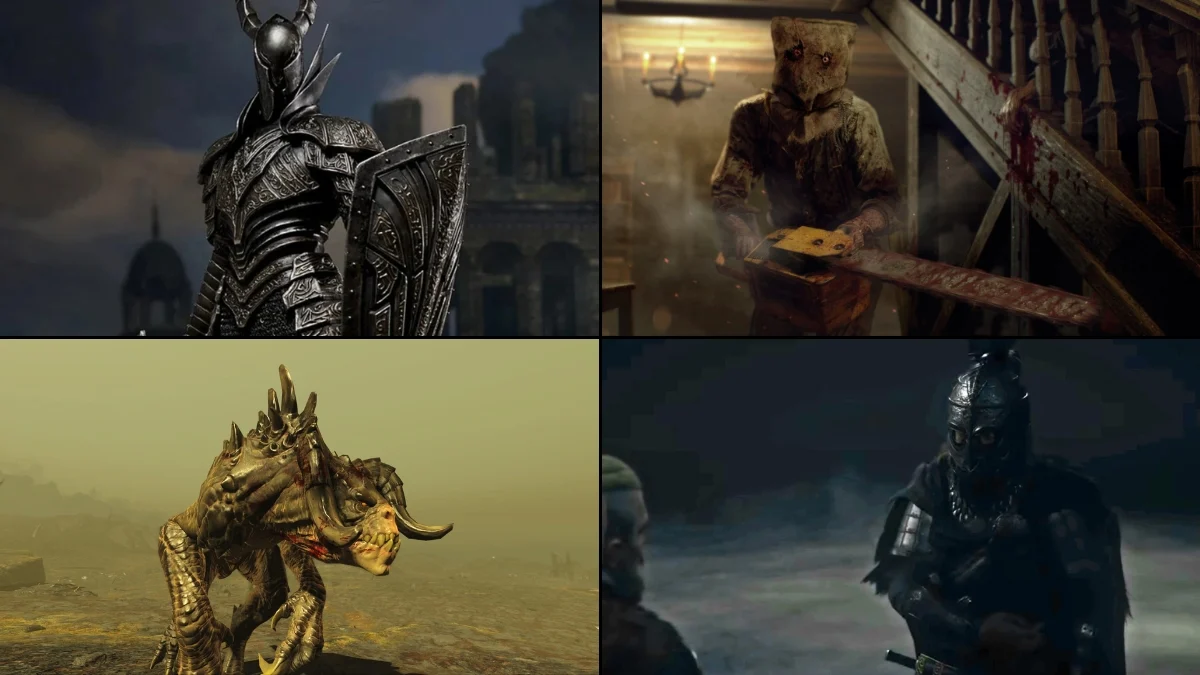

Mini-bosses often teach core mechanics, reshape how you approach a level, and quietly gate powerful gear—yet they rarely get the spotlight. The best ones act like pop quizzes before the exam, forcing you to apply tools you just learned under pressure. They also break up pacing with memorable set-pieces, roaming threats, or optional challenges that pay off with unique loot. Here are ten standouts that do important work behind the scenes and make their games richer in the process.
Havel the Rock (Dark Souls)
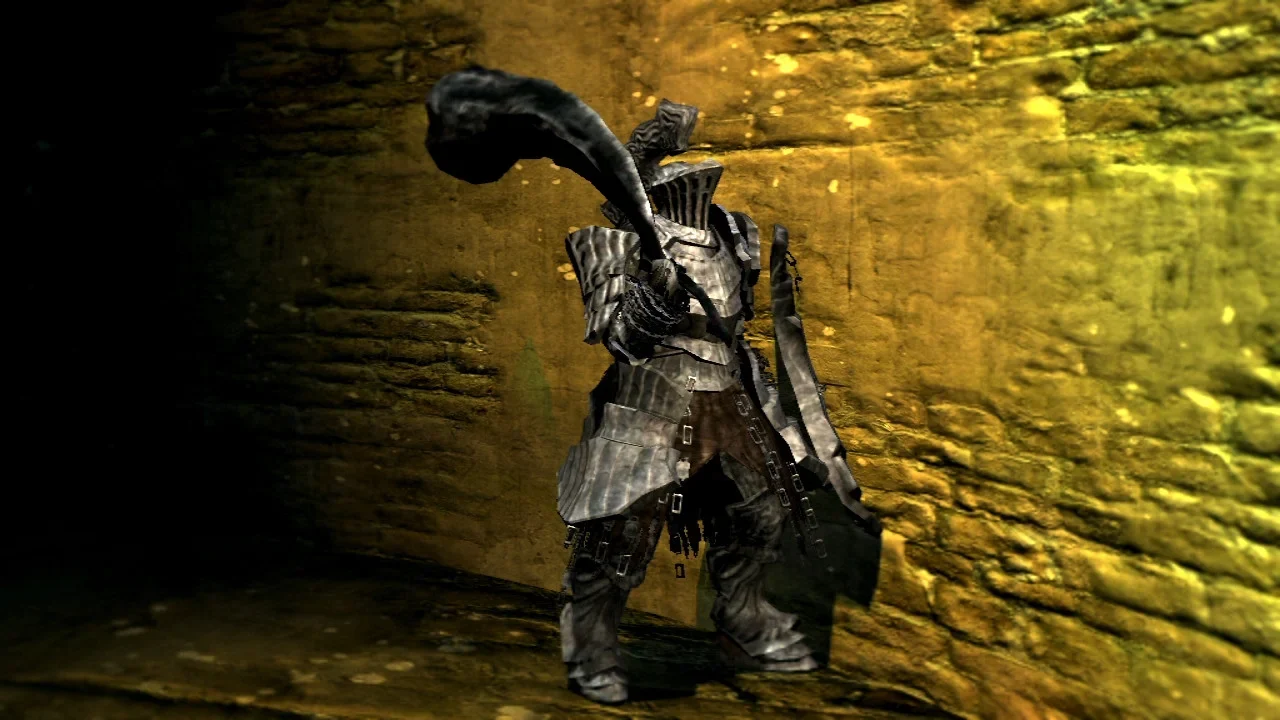
Found locked in a tower below the Undead Burg, Havel is an early optional fight that introduces poise, stamina management, and spacing against ultra-heavy hitters. He wields a Dragon Tooth and can one-shot under-leveled players, rewarding discipline with backstab windows and ring-swapping strategy. Defeating him drops Havel’s Ring, a load-boosting accessory that enables heavier armor and weapons much earlier than usual. The encounter teaches that some battles are about patience and positioning rather than raw damage.
Lynel (The Legend of Zelda: Breath of the Wild)
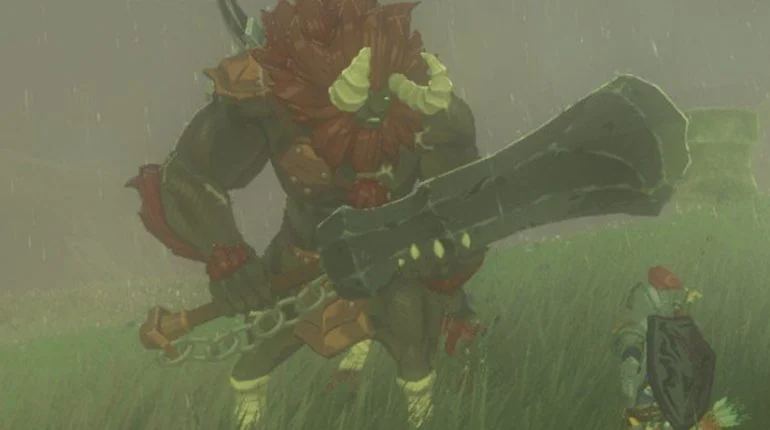
Lynels roam Hyrule as open-world mini-bosses with high health, varied attack patterns, and powerful elemental variants. They reward players who master perfect dodges, shield parries, and bow headshots, reinforcing the flurry-rush and stamina systems. Drops include Lynel weapons, bows, and materials used for armor upgrades and crafting. Their placement near key routes and late-game areas makes them formative tests for combat readiness.
Dr. Salvador, Chainsaw Villager (Resident Evil 4)
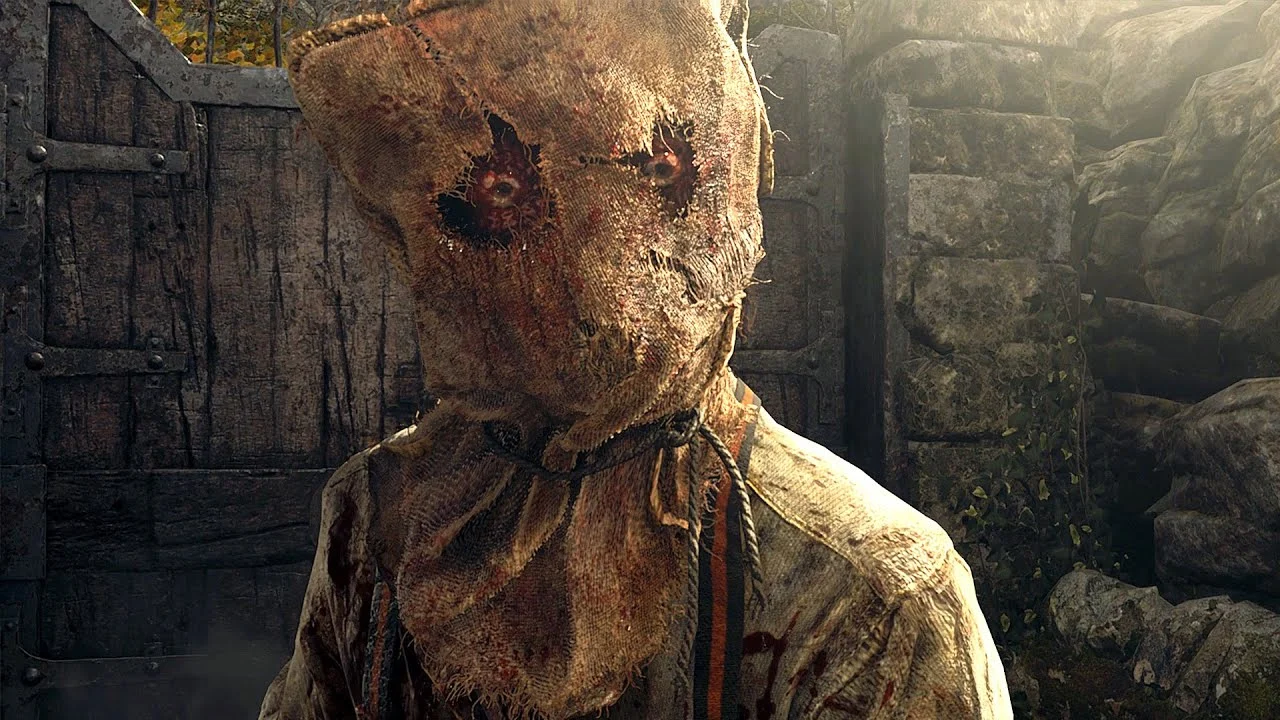
This sack-masked mini-boss appears during the village assault and in later areas, showcasing crowd-control under extreme pressure. He staggers to well-placed shotgun blasts and flash grenades but can instantly kill at close range, teaching distance discipline. Defeating him yields valuable loot and buys breathing room to manage the horde. The fight emphasizes route planning, window vaults, and door funnels that define the game’s arena-style encounters.
Berserker (Gears of War)
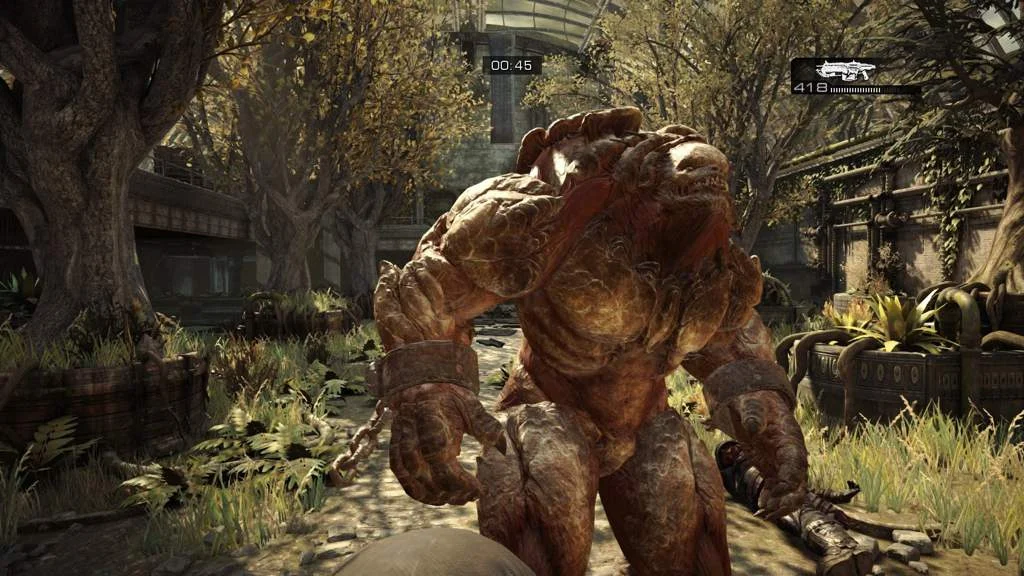
Introduced as blind but hyper-aggressive, the Berserker tracks by sound and charges through walls, forcing stealth and baiting tactics. Players must lure it into open sunlight and use the Hammer of Dawn, turning the environment into a weapon. The encounter illustrates audio cues, cover breakage, and destructible level geometry. Later variants iterate on the formula, reinforcing the lesson that some foes aren’t beat by bullets alone.
Deathclaw (Fallout 4)
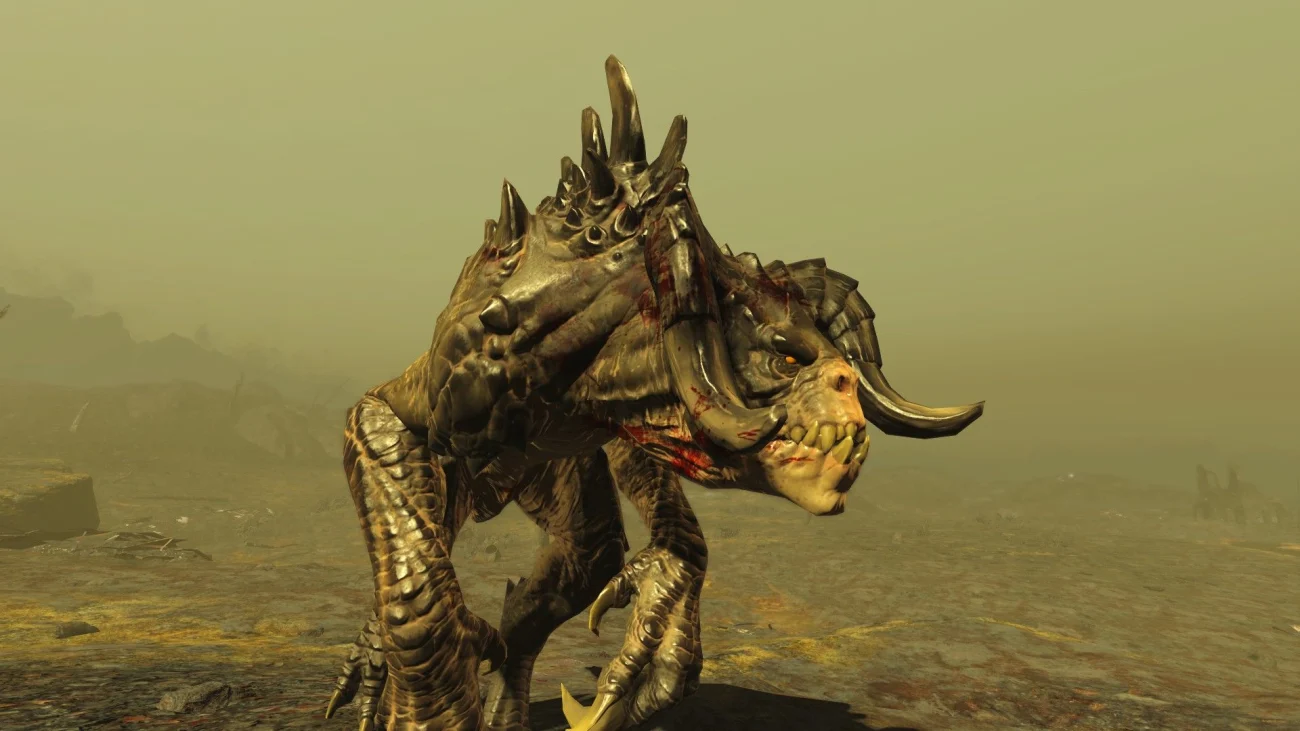
Often first encountered at Concord or in high-level zones, Deathclaws combine speed, armor, and devastating melee damage. They push players to use V.A.T.S. for limb targeting, mines, and vertical terrain to survive. Rewards include XP, crafting materials like Deathclaw meat, and access to cleared locations or quests. The mini-boss role scales across the map, signaling zone difficulty and encouraging smart preparation.
E.M.M.I. (Metroid Dread)
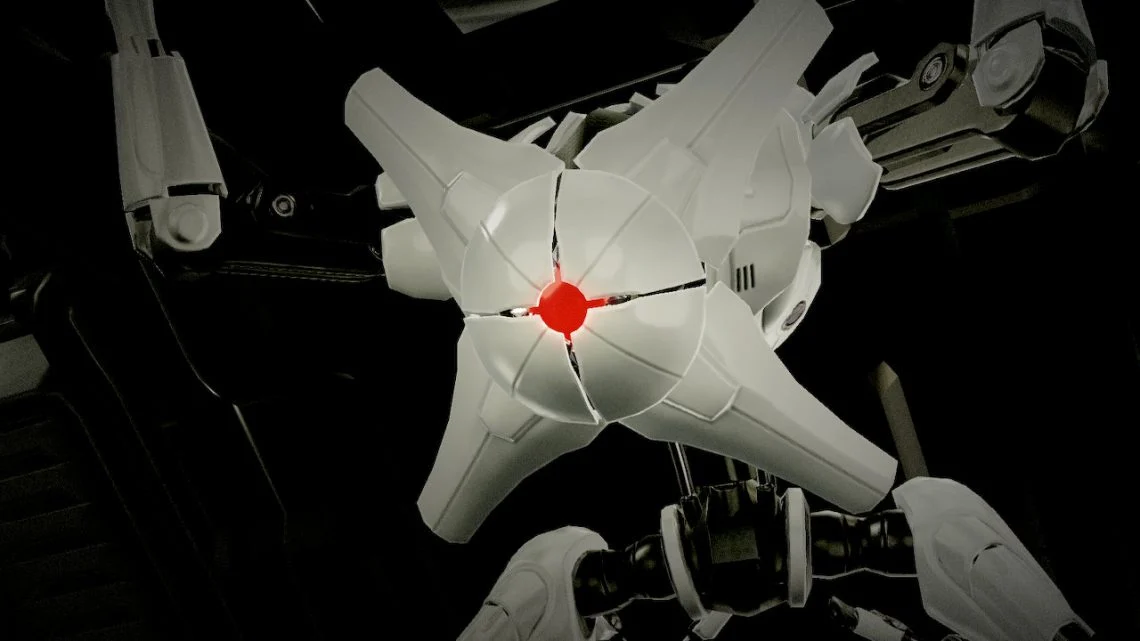
Each E.M.M.I. patrols a sealed zone, turning traversal into stealth and route optimization puzzles. Players must obtain a temporary Omega Cannon by charging at central units, then perform a two-stage kill that demands precise positioning and timing. New E.M.M.I. variants add elemental threats, expanding Samus’s toolkit relevance. Their loop teaches exploration under pursuit and escalates tool mastery across the campaign.
Headless (Sekiro: Shadows Die Twice)
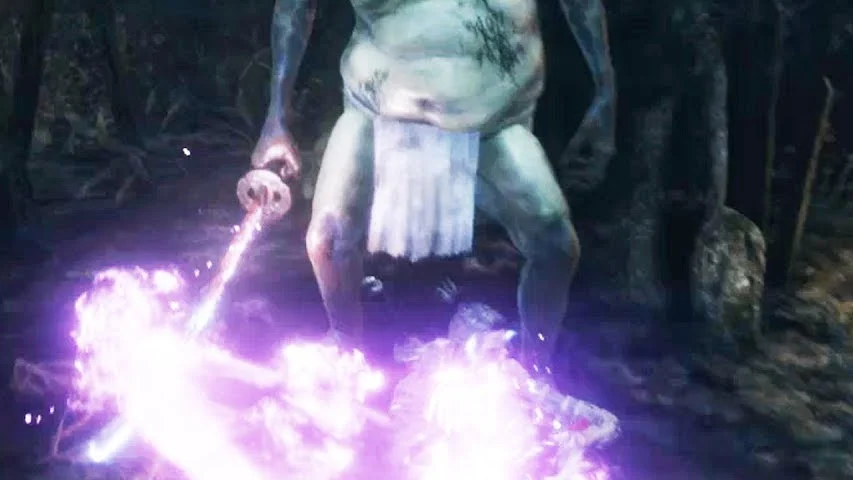
Headless mini-bosses inflict Terror and slow movement, punishing aggression without proper preparation. Divine Confetti and Pacifying Agents become mandatory consumables, and underwater variants add posture-neutral tactics. Defeating them grants Spiritfall items that replicate sugars for temporary buffs, creating long-term combat value. These encounters formalize status management and resource planning beyond standard duels.
Mr. X / Tyrant T-00 (Resident Evil 2)
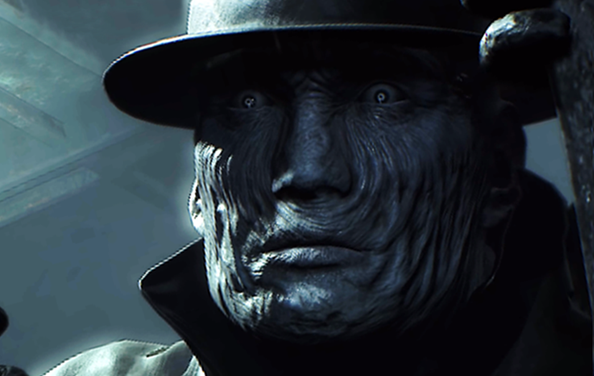
This relentless pursuer functions as a roaming mini-boss that reconfigures the R.P.D. into a live stealth puzzle. Footstep audio, room geometry, and door rules become survival systems to route around him while solving objectives. He can be staggered with heavy fire but not killed outright during most of the campaign, teaching threat mitigation over elimination. The design turns backtracking into time-boxed runs that heighten inventory and key-item planning.
Zealots (Assassin’s Creed Valhalla)
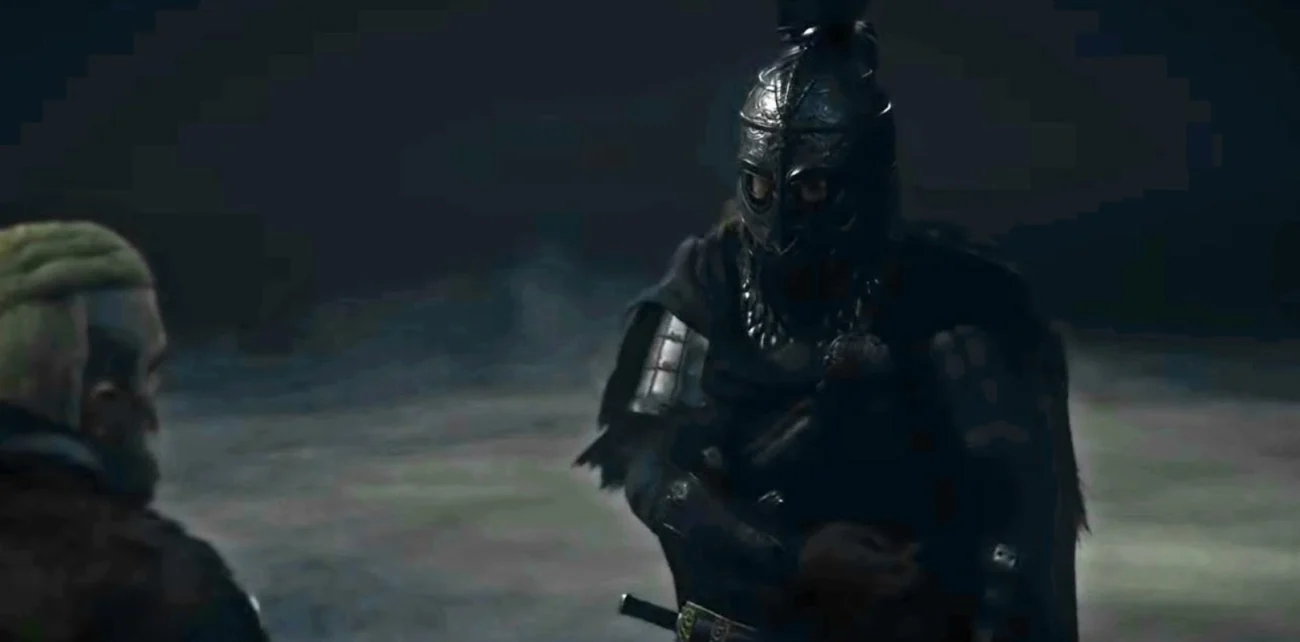
Zealots wander England as high-level bounty mini-bosses who engage on sight and chase across long distances. Each carries distinct gear and resistances, prompting experimentation with loadouts, dodges, and weak-point shots. Defeating them yields Order of the Ancients clues, rare materials, and unique cosmetics. Their open-world placement creates emergent difficulty spikes that reward map awareness and readiness.
Black Knight (Dark Souls)
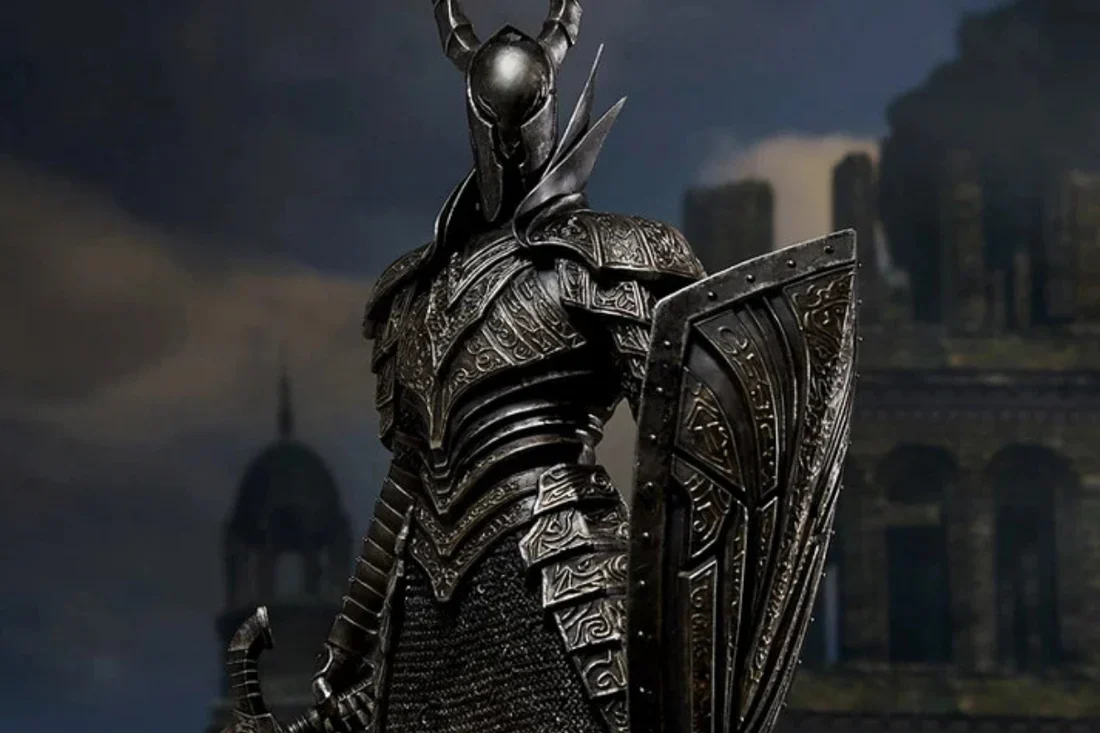
Black Knights appear as rare elites with unique movesets, resistances, and weapon drops that can define an entire build. Learning parry timings, spacing around thrusts, and terrain baiting turns them from roadblocks into resource pinatas. Their weapons—sword, greatsword, halberd, and axe—offer high damage and special moves, acquired through low-chance drops. Early victories can drastically change a playthrough by enabling mid-game power far ahead of schedule.
Share your favorite underrated mini-boss encounters in the comments and tell us which ones taught you the most useful lessons.