25 Best Community-Made Challenges



Players have been inventing their own ways to push games further for decades, turning standard playthroughs into inventive tests of planning, mechanics mastery, and restraint. These community-made challenges usually follow simple, shareable rules that anyone can adopt, and they spread through forums, wikis, YouTube, and speedrunning hubs. Below are 25 well-known examples with clear setups you can try yourself. Each entry notes the core rules, how to enable or track them in-game, and who made the game so you know where the systems come from.
‘Pokémon FireRed/LeafGreen’ (2004) – Nuzlocke Challenge

The Nuzlocke community challenge enforces two core rules: you may catch only the first Pokémon you encounter on each route, and if a Pokémon faints, it is considered “dead” and must be released or permanently boxed. Most players also nickname every Pokémon to encourage attachment and accountability. Progress is typically tracked with self-imposed logging or shared spreadsheets; no mods are required. These remakes were developed by Game Freak and published by Nintendo/The Pokémon Company, and the ruleset applies cleanly to many mainline entries.
‘Dark Souls’ (2011) – No-Hit Run
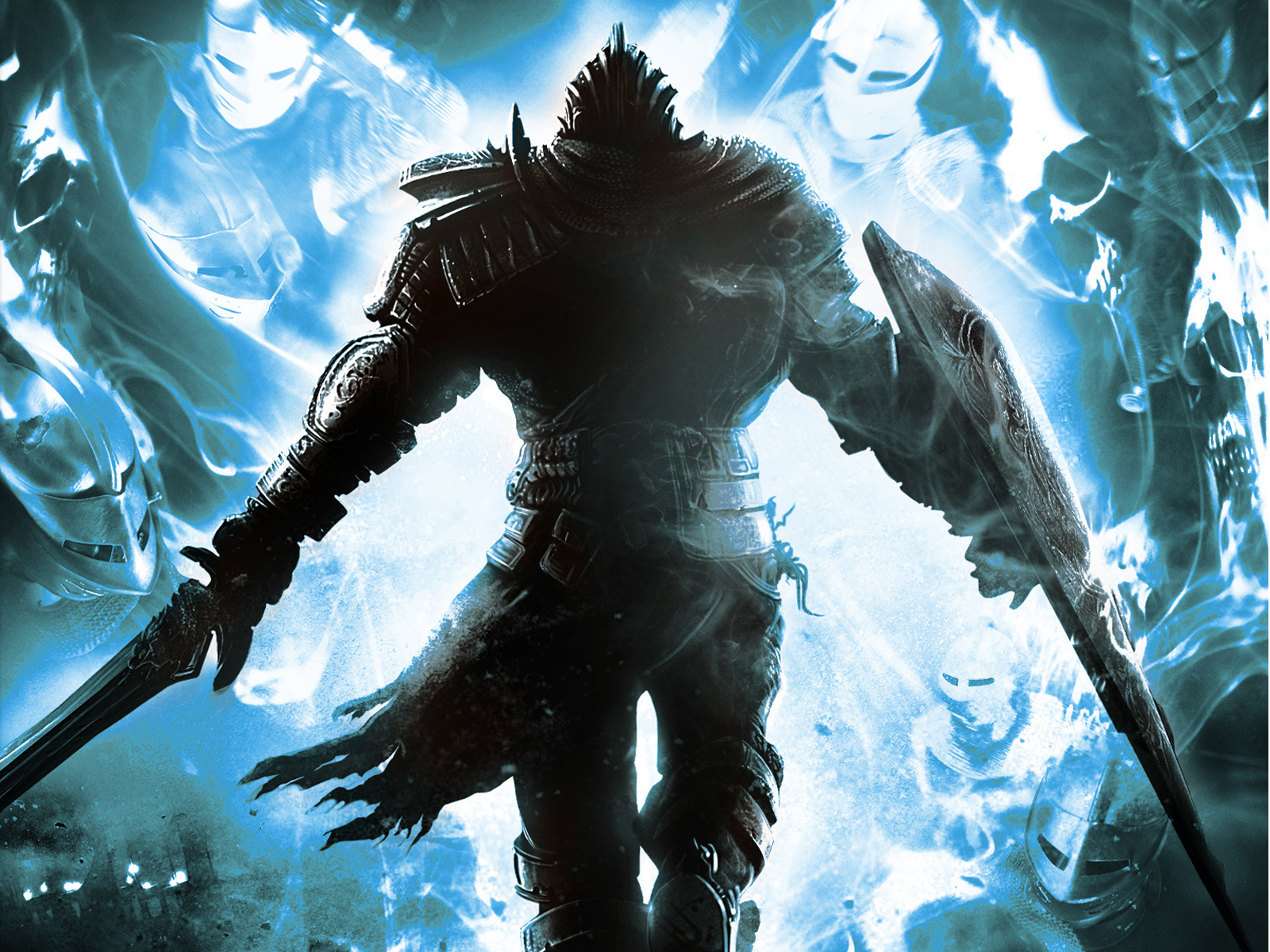
A No-Hit run requires finishing the game without taking a single point of damage—any hit forces a reset to the start or the beginning of the current split. Runners segment attempts by boss or area and use save splits, timers, and consistent routing to verify clean segments. Community trackers and video proof are commonly used to validate attempts. The game was developed by FromSoftware and published by Bandai Namco Entertainment.
‘The Legend of Zelda: Breath of the Wild’ (2017) – Three-Heart Run
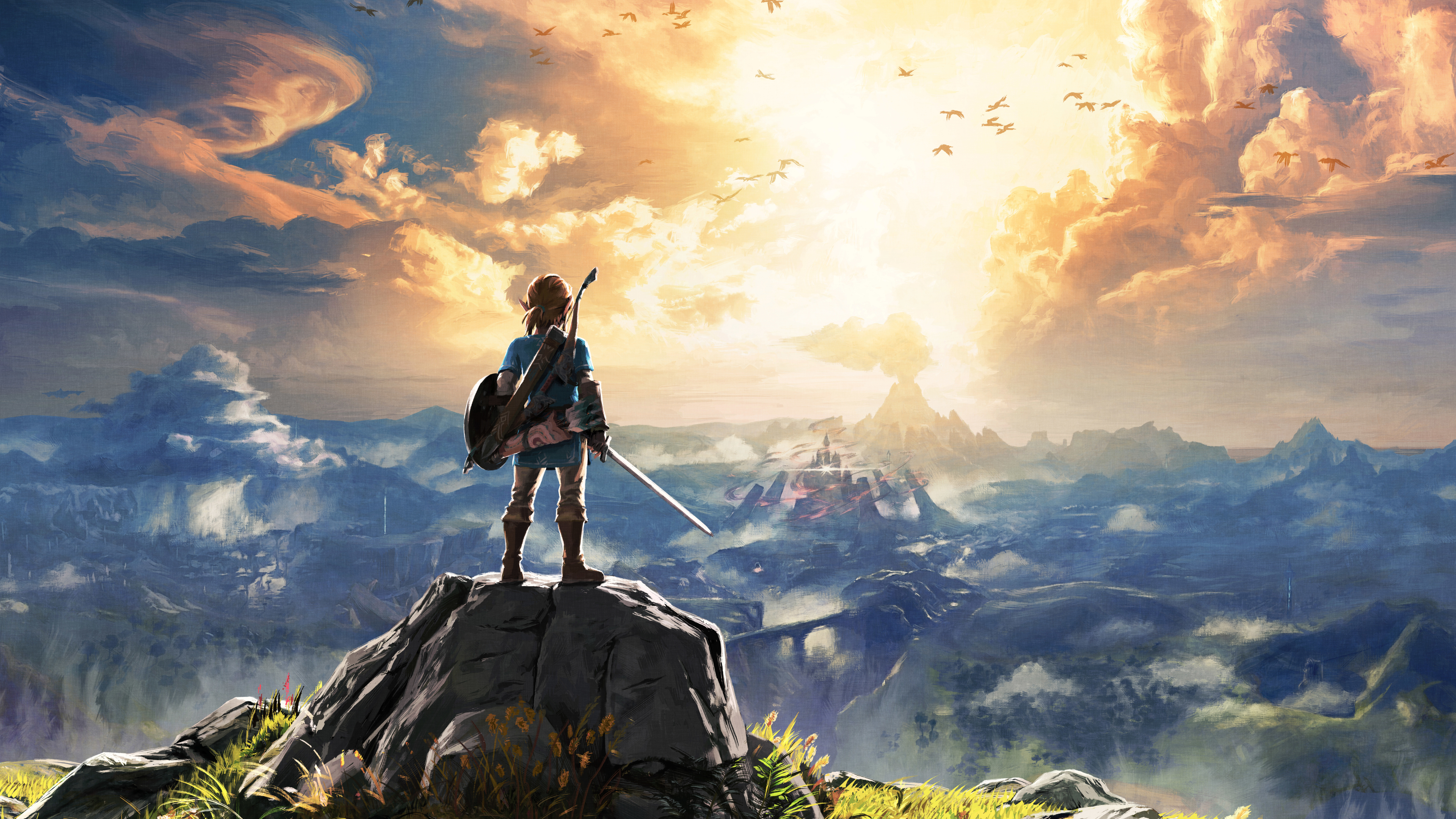
A Three-Heart run avoids spending Spirit Orbs on heart containers, allocating them to stamina or leaving them unspent to keep Link at base health. Players typically toggle off map markers and restrict fast travel to add route-planning pressure, though that’s optional. Bosses and late-game areas are approached with careful armor upgrading and food/elixir preparations. This open-world entry was developed by Nintendo EPD and published by Nintendo.
‘Minecraft’ (2011) – Hardcore One-Life Survival
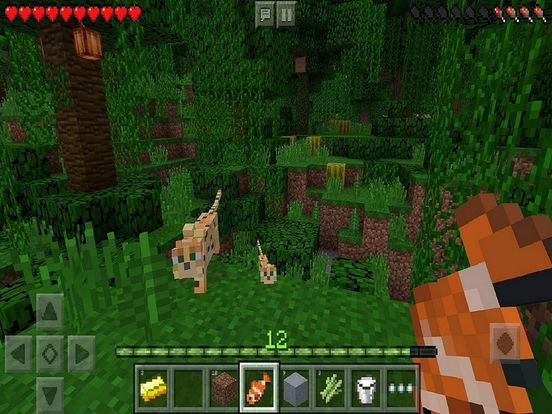
Hardcore mode locks the world at the hardest difficulty and enables permanent death—when you die, the world is deleted or becomes spectator-only. Many players combine Hardcore with personal goals like defeating the Ender Dragon or completing specific advancement sets. Streamers often document runs with seed notes and death logs for transparency. The game was created by Mojang Studios and published by Mojang/Microsoft.
‘The Elder Scrolls V: Skyrim’ (2011) – Permadeath Survivalist Run

Permadeath means any death ends the character; players often add Survival Mode (Anniversary Edition/Creation Club) to enforce hunger, cold, and fatigue. Fast travel is disabled, travel is on-foot or horseback, and crafting rules limit potion stacking or enchantment loops. Many track progress via character diaries and hard save caps to prevent scumming. This RPG was developed by Bethesda Game Studios and published by Bethesda Softworks.
‘XCOM 2’ (2016) – Ironman Legendary Campaign
Ironman enables single-save progression, preventing reloads to undo mistakes, while Legendary sets the toughest enemy stats and timers. The community standard also forbids mission restarts and limits squad wipes to “run over” status. After-action reports and cloud-save timestamps help verify no save manipulation. The tactics sequel was developed by Firaxis Games and published by 2K.
‘Hitman 3’ (2021) – Suit Only Silent Assassin
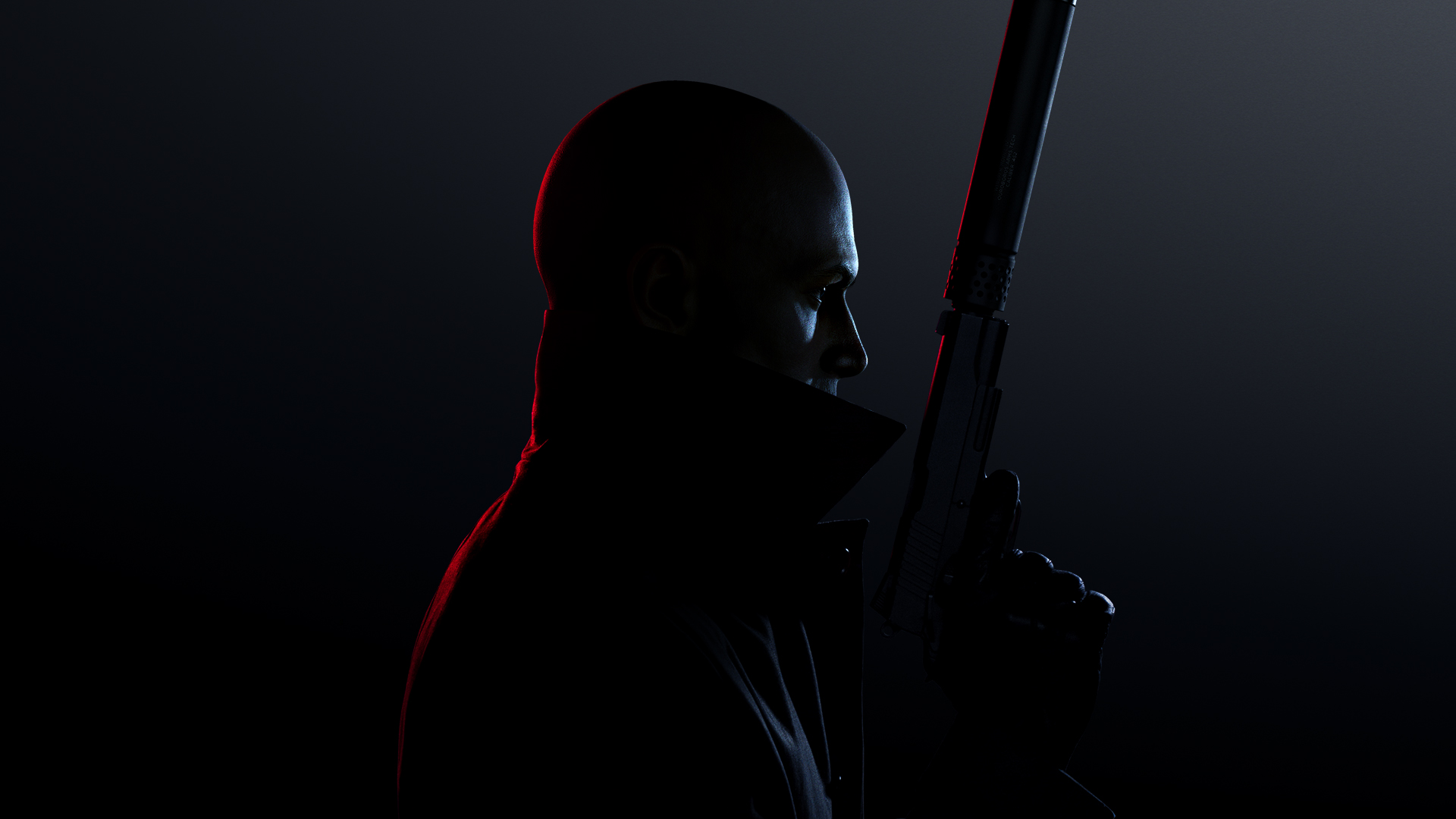
This format requires completing missions with no bodies found, no non-target casualties, and perfect stealth ratings, all while remaining in the default suit. Players rely on route planning, distraction tools, and exit timing; optional constraints include “No Loadout” or “No Knockouts.” Community contracts and video runs provide comparable benchmarks across locations. The stealth title was developed and published by IO Interactive.
‘Resident Evil 4’ (2005) – Knife Only Run
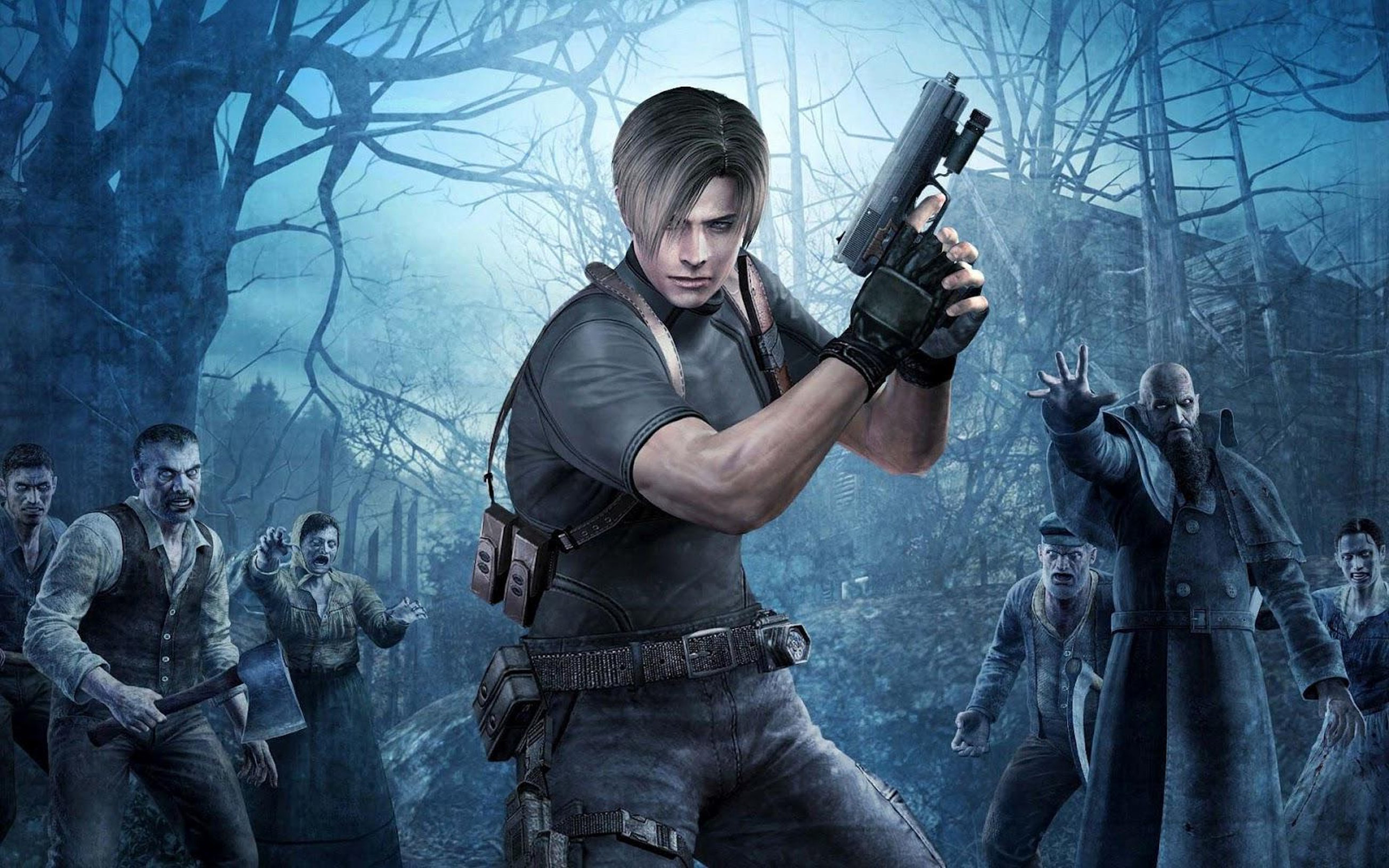
A Knife Only run limits offensive actions to Leon’s knife and context kicks; grenade and firearm use is restricted to mandatory triggers like specific puzzles or scripted sequences. Ammo pickups are left behind, and boss strategies revolve around staggers, positioning, and i-frames. Runners often log exceptions and provide encounter-by-encounter notes to prove compliance. The game was created by Capcom and published by Capcom.
‘Cuphead’ (2017) – No-Damage S-Rank Run

Players aim to S-rank every boss without taking a hit, within the time and parry/count requirements, and on the required difficulty. The community tracks successful cards and weapon sets per boss to standardize comparisons. Proof is usually video with end-of-level grade screens visible. This run-and-gun was developed by Studio MDHR and published by Studio MDHR.
‘Hollow Knight’ (2017) – Low% Completion

Low% focuses on finishing the game with the fewest possible item pickups and ability upgrades, following community-accepted minimums. Routes avoid optional movement tech and charms unless required to access the final boss path. Leaderboards and save-file item audits confirm pickup counts. The Metroidvania was developed by Team Cherry and self-published.
‘The Witcher 3: Wild Hunt’ (2015) – Death March Starter Gear Only
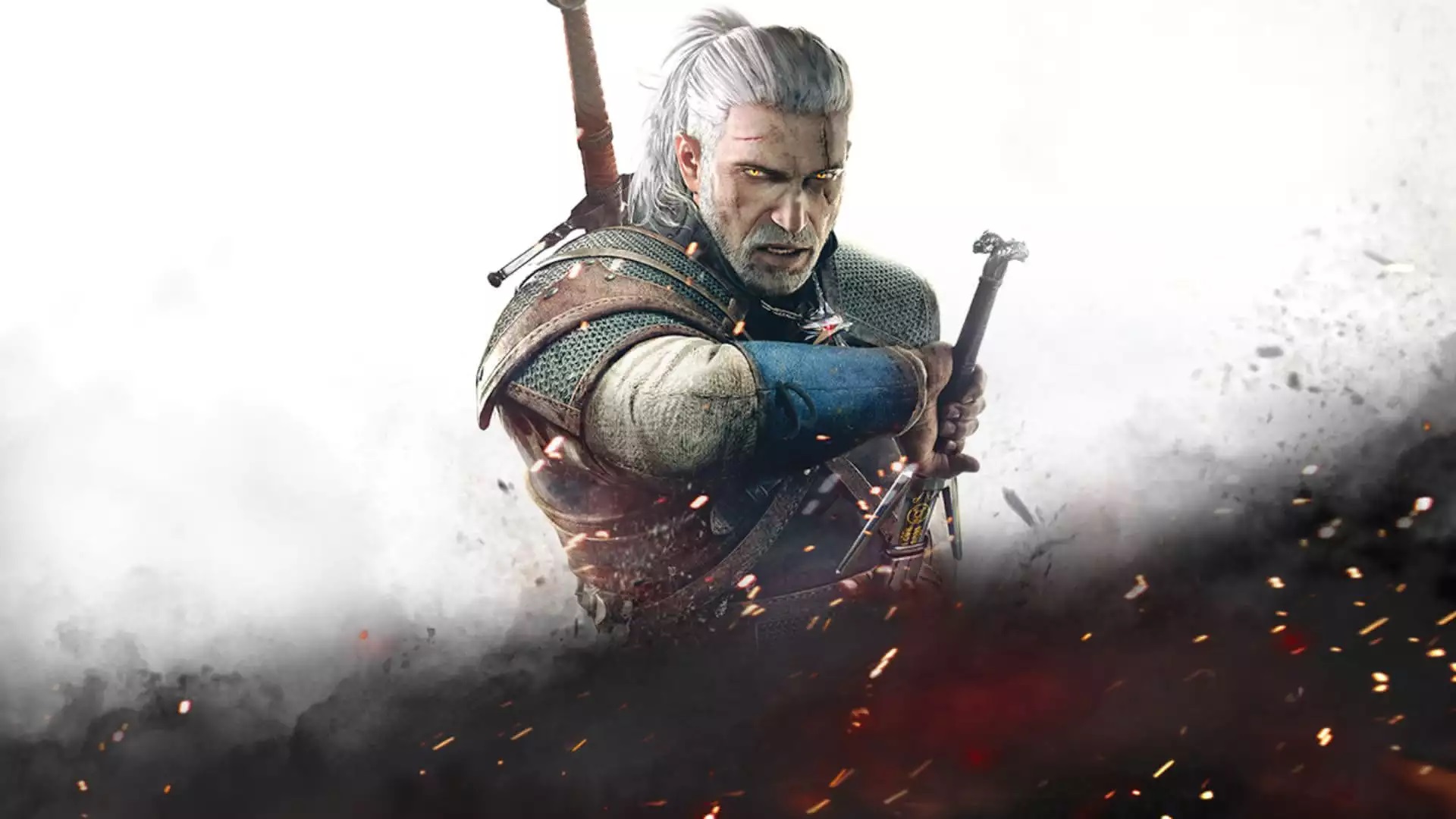
This challenge sets the highest difficulty and limits Geralt to the initial armor and steel/silver swords, with repairs allowed but no equipment upgrades. Players may permit oils, decoctions, and signs, but forbid crafted armor sets and relic swords. Screenshots of inventory and upgrade logs help validate attempts. The RPG was developed by CD Projekt Red and published by CD Projekt.
‘Undertale’ (2015) – True Pacifist No Kill, No Grind
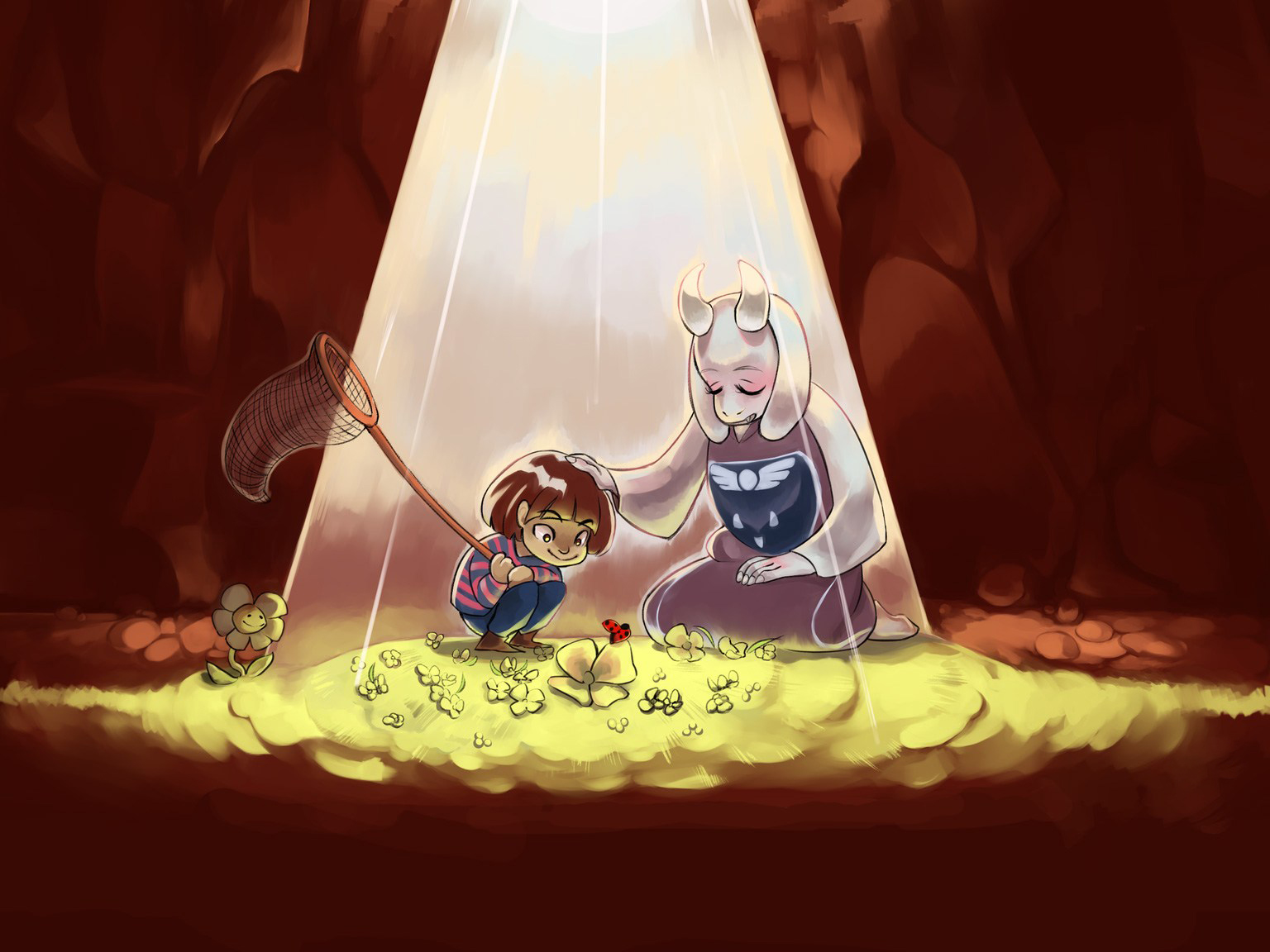
The True Pacifist route requires sparing all enemies, completing key friendship sequences, and avoiding EXP gain; the community variant removes random battle grinding for resources. Save checkpoints and end screens verify that LV remains 1 through the finale. Route notes specify required dialogue flags to ensure the correct ending triggers. The game was developed by Toby Fox and self-published.
‘Fallout: New Vegas’ (2010) – Pacifist Courier Run
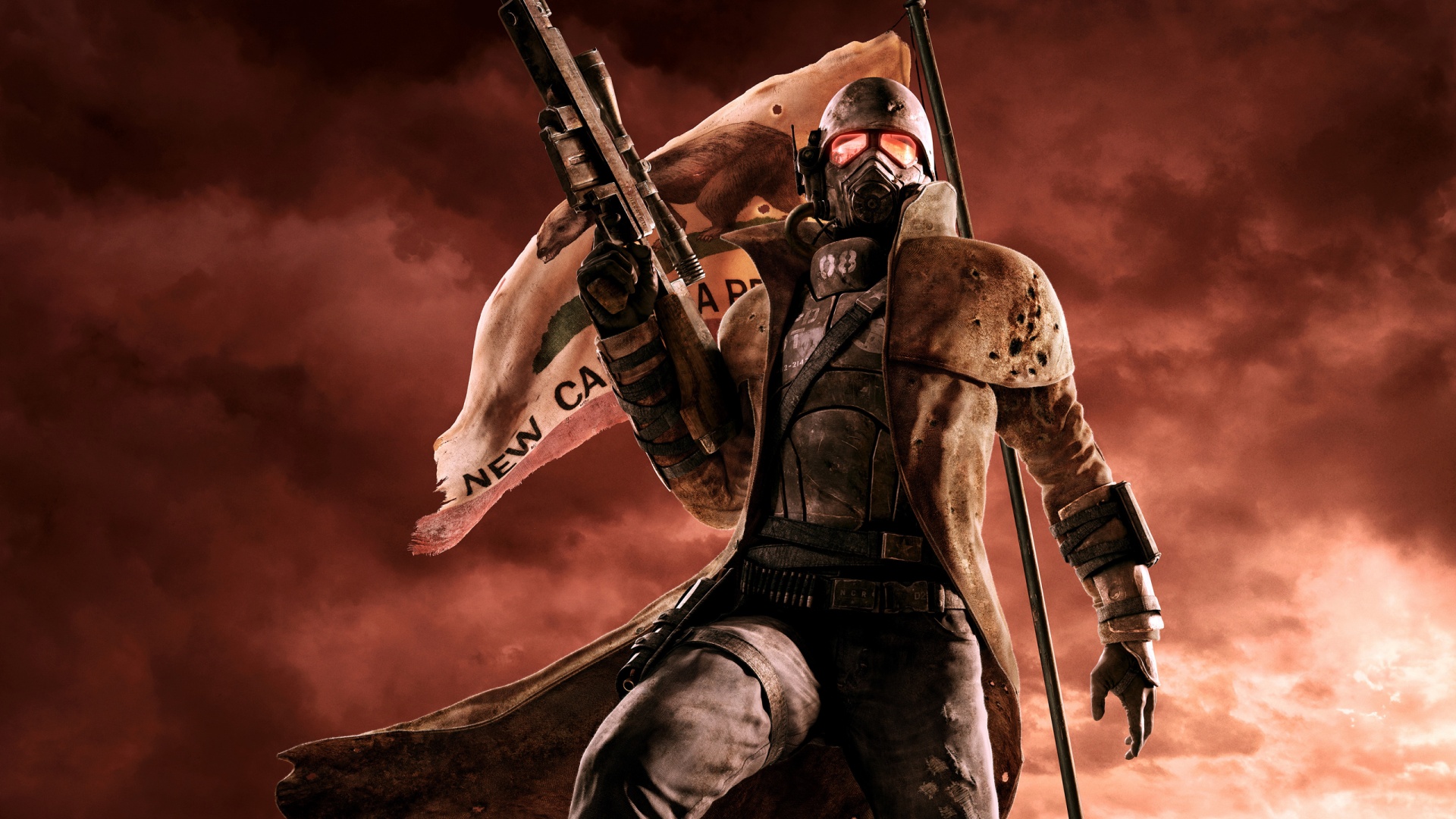
This run aims to complete the main quest and as many side quests as possible without the Courier personally killing NPCs or creatures. Players rely on speech checks, companion combat, stealth, and quest sequencing to avoid lethal outcomes. Kill counters and companion settings are monitored to keep personal kills at zero. The RPG was developed by Obsidian Entertainment and published by Bethesda Softworks.
‘Celeste’ (2018) – Golden Strawberry No-Death
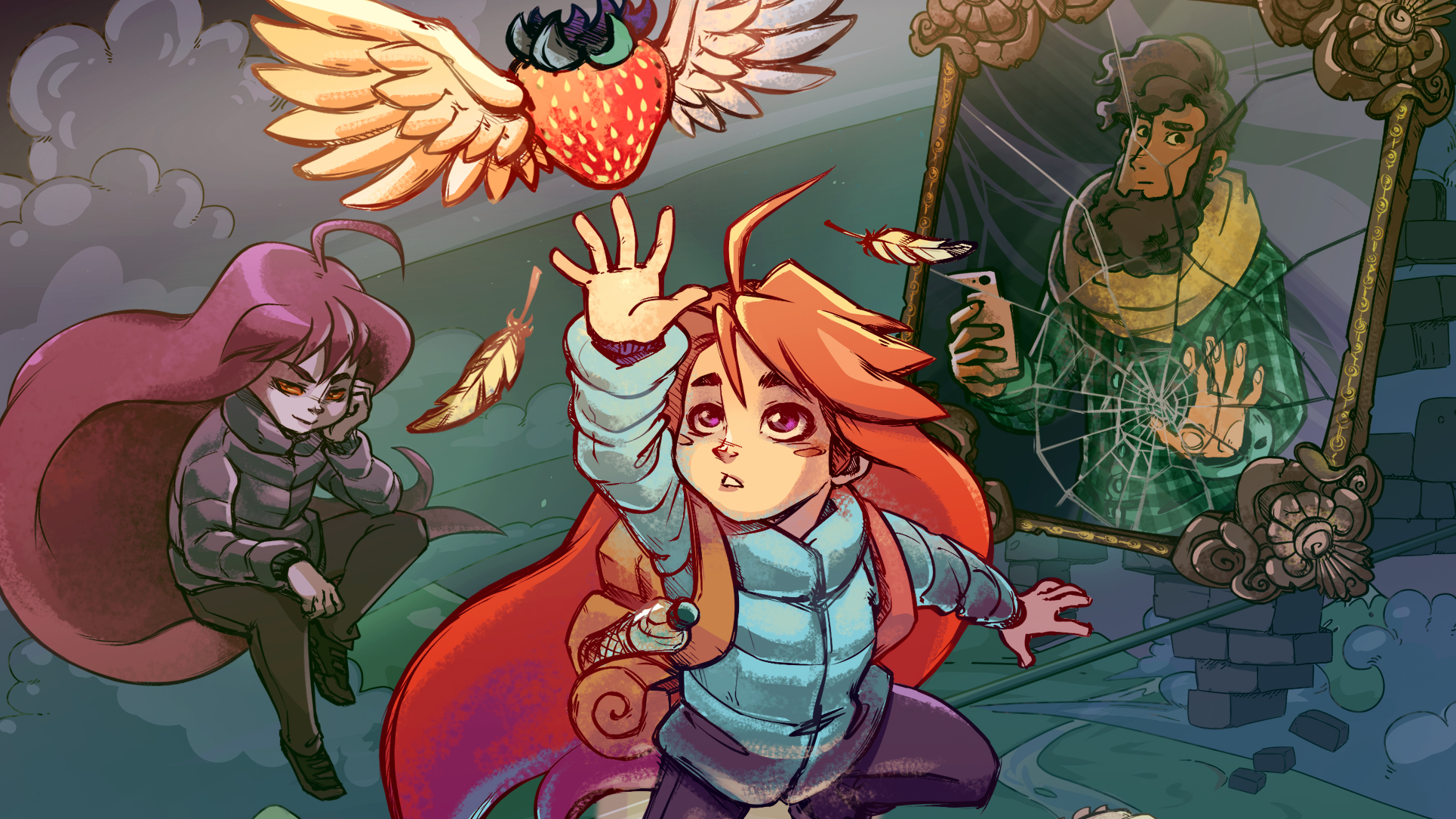
Collecting a Golden Strawberry requires completing a chapter from start to finish without dying; any death resets the attempt. Community standards include completing all B- and C-sides with Goldens for full sets. Video captures of the final pickup screen confirm success. The platformer was developed by Extremely OK Games and published by Matt Makes Games/EXOK.
‘Monster Hunter: World’ (2018) – Naked (No Armor) Hunts
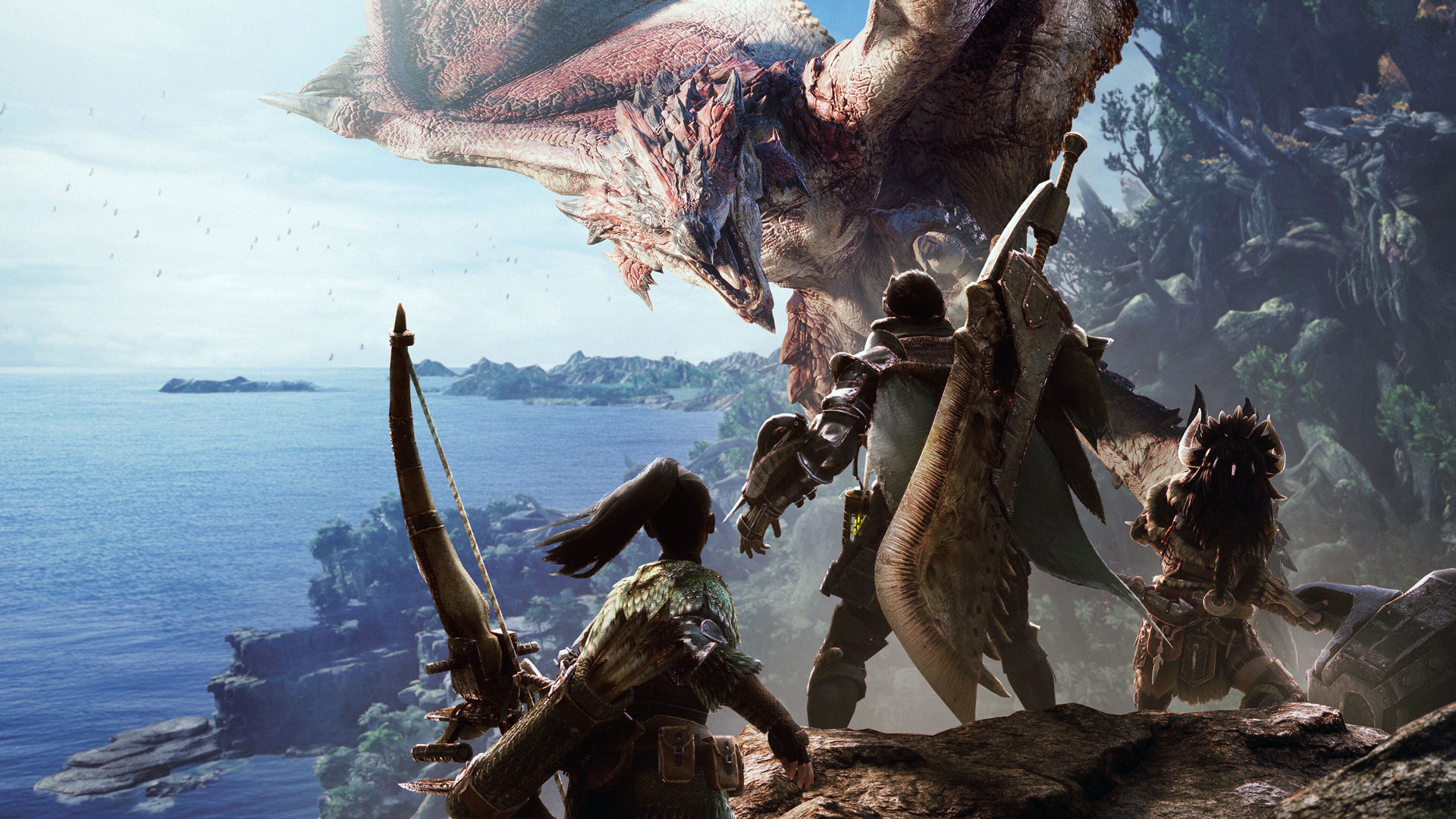
Players unequip all armor and charms, keeping only a weapon, and hunt tempered or master-rank targets under standard time limits. Decorations providing defense are removed, and carts are tracked to compare clear consistency. Clear-proof usually includes pre-hunt equipment screens and the reward summary. This action title was developed and published by Capcom.
‘Diablo II: Resurrected’ (2021) – SSF HC (Solo Self-Found Hardcore)
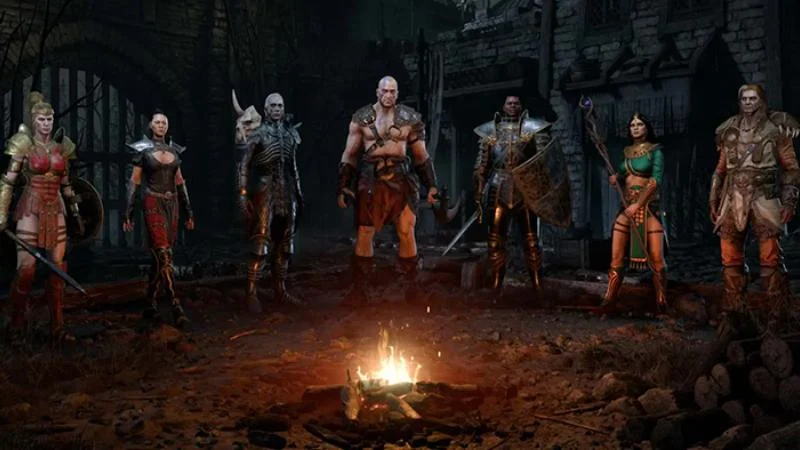
Solo Self-Found forbids trading and grouping, and Hardcore deletes the character on death; all gear must drop during the run. The community also disallows twinking with mule stashes to keep item pools pure. Ladder boards and character screen shots at key milestones validate status. The remaster was developed by Blizzard Entertainment and Vicarious Visions and published by Blizzard Entertainment.
‘Grand Theft Auto V’ (2013) – No HUD, First-Person Only Story Run
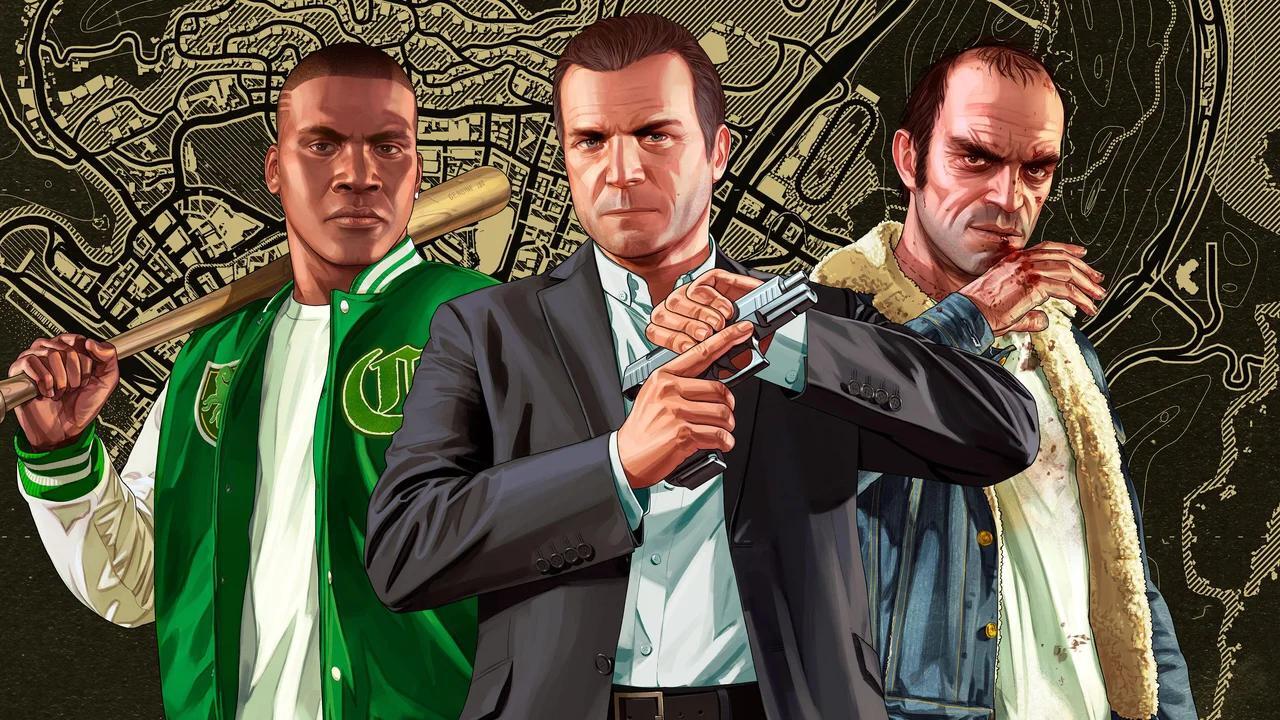
This challenge disables the HUD, minimap, and aim assists, and locks the camera to first-person for all missions and free-roam driving. Players navigate by landmarks, radio chatter, and in-world signage. Completion proof typically shows settings menus and mission pass screens in the same recording. The open-world game was developed by Rockstar North and published by Rockstar Games.
‘Red Dead Redemption 2’ (2018) – Max Honor, No Fast Travel

Players complete the story while maintaining maximum Honor and forbidding all fast travel methods, including camp and stagecoaches. Money-making and camp upgrade plans prioritize legal activities and donations to sustain Honor. Route logs record travel legs and camp interactions to verify compliance. The title was developed and published by Rockstar Games.
‘The Elder Scrolls III: Morrowind’ (2002) – No Map Marker Pilgrim Run
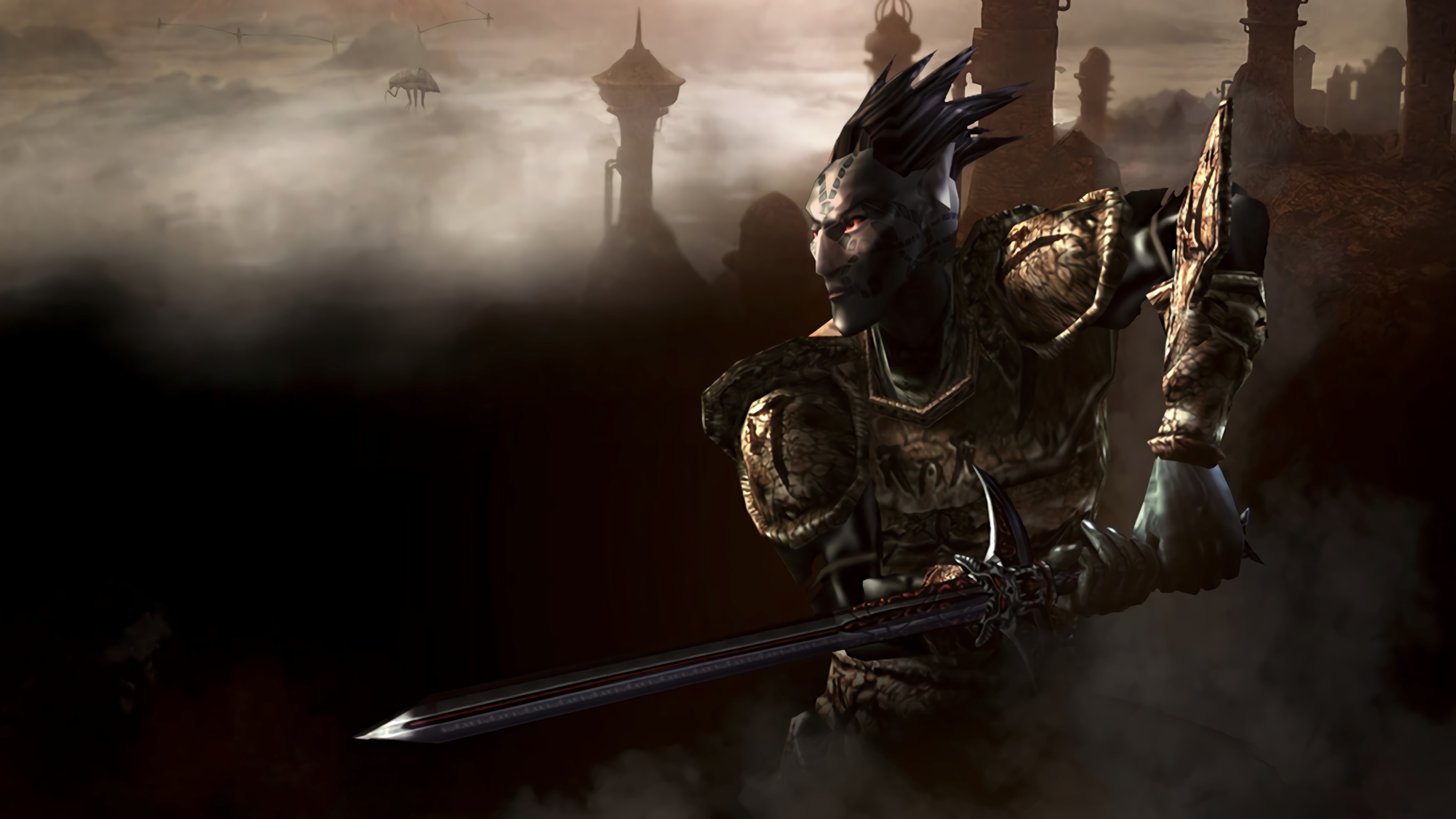
This variant forbids the use of map markers and fast travel services; directions are followed using NPC dialogue, road signs, and landmarks. Players often limit Recall/Mark and Intervention spells to preserve navigational intent. Journal-only progression notes are used to confirm adherence to clues as written. The RPG was developed by Bethesda Game Studios and published by Bethesda Softworks.
‘Super Mario 64’ (1996) – 120-Star No-Reset Marathon
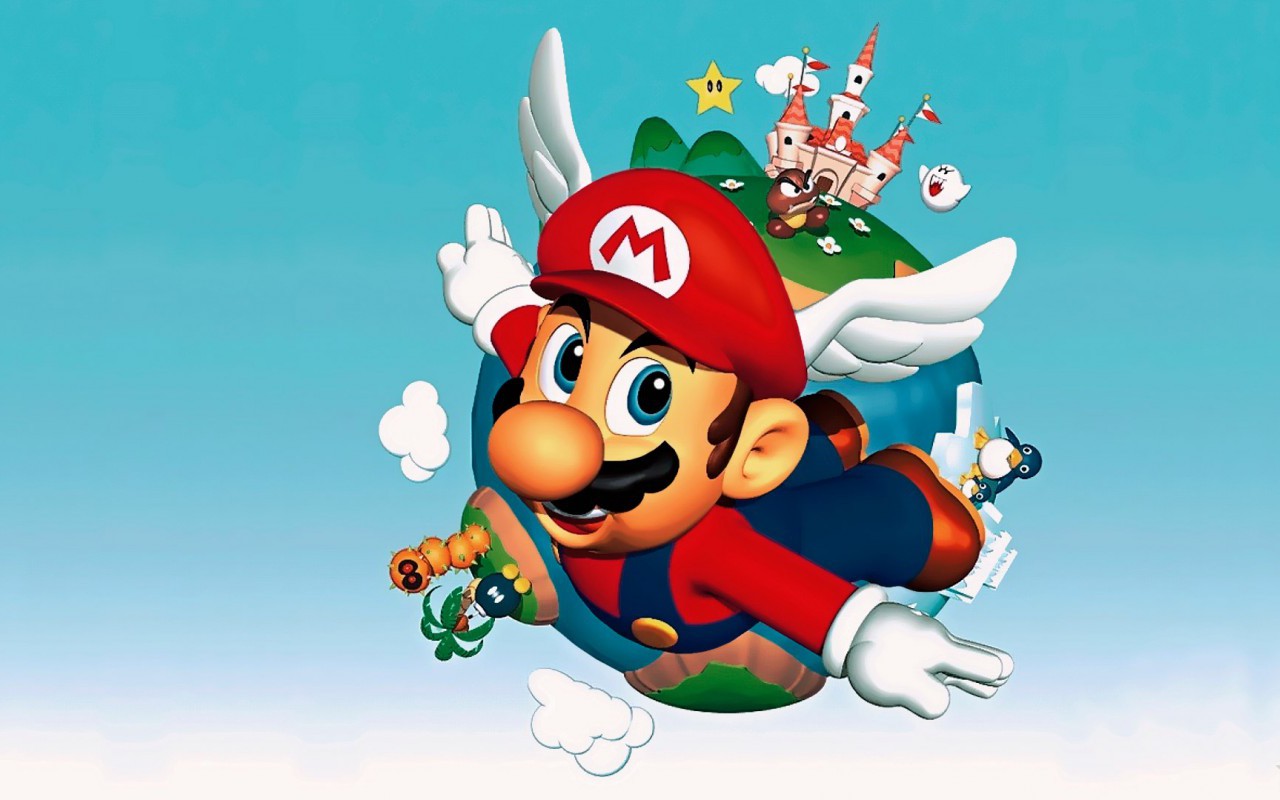
A No-Reset marathon collects all 120 stars in one continuous session without restarting on mistakes. Community timing standards use in-game timers and external splits, and category rules ban save state use. Clear screenshots and final file star counts provide verification. The platformer was developed by Nintendo EAD and published by Nintendo.
‘Darkest Dungeon’ (2016) – Torchless (Pitch Black) Campaign
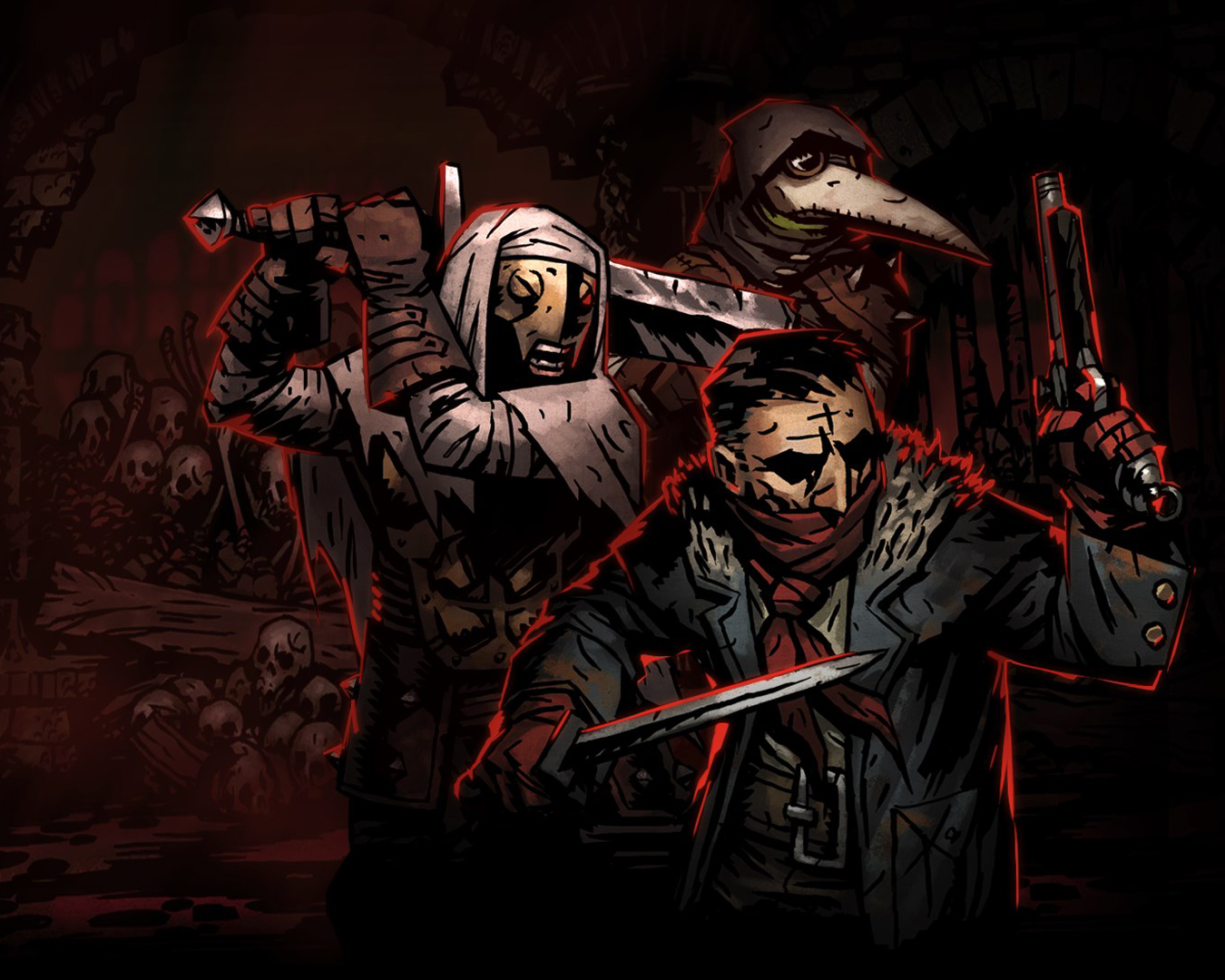
Torchless runs keep the light at zero, increasing stress, crits, and ambush rates, while finishing bosses and the Darkest Dungeon with minimal roster losses. Rules commonly restrict retreat abuse and mandate provision budgets per delve. End-of-week estate screenshots and death logs serve as proof. The game was developed by Red Hook Studios and published by Red Hook/Klei (early access).
‘Path of Exile’ (2013) – Solo Self-Found Hardcore League

SSF HC forbids trading and partying and deletes the character on death; atlas progress, crafting, and uniques must come from personal drops. Players typically publish stash tabs and character profiles for transparency. Seasonal league rules from the developer are combined with the community’s SSF constraints. The ARPG was developed and published by Grinding Gear Games.
‘Stardew Valley’ (2016) – Year-One Community Center Completion
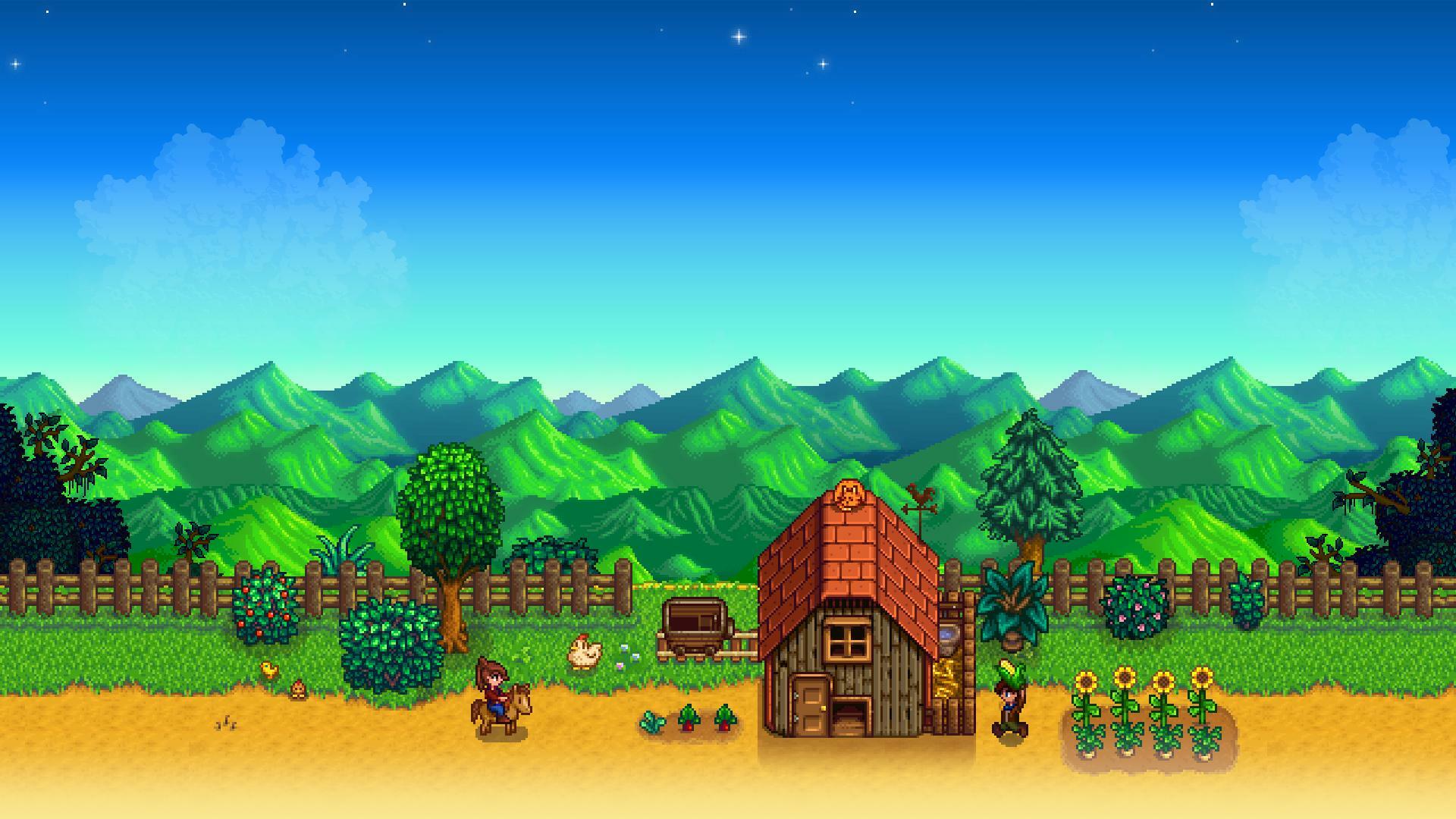
This goal completes every Community Center bundle before Spring Year 2, which requires crop planning around seasonal availability and early tool upgrades. Many runners also avoid the Joja route to keep bundles mandatory. Shared spreadsheets track bundle items, rainy-day fishing, and festival timings. The farming sim was created by ConcernedApe and published by ConcernedApe/Chucklefish (initial PC release).
‘Baldur’s Gate 3’ (2023) – Honour Mode No Long Rest
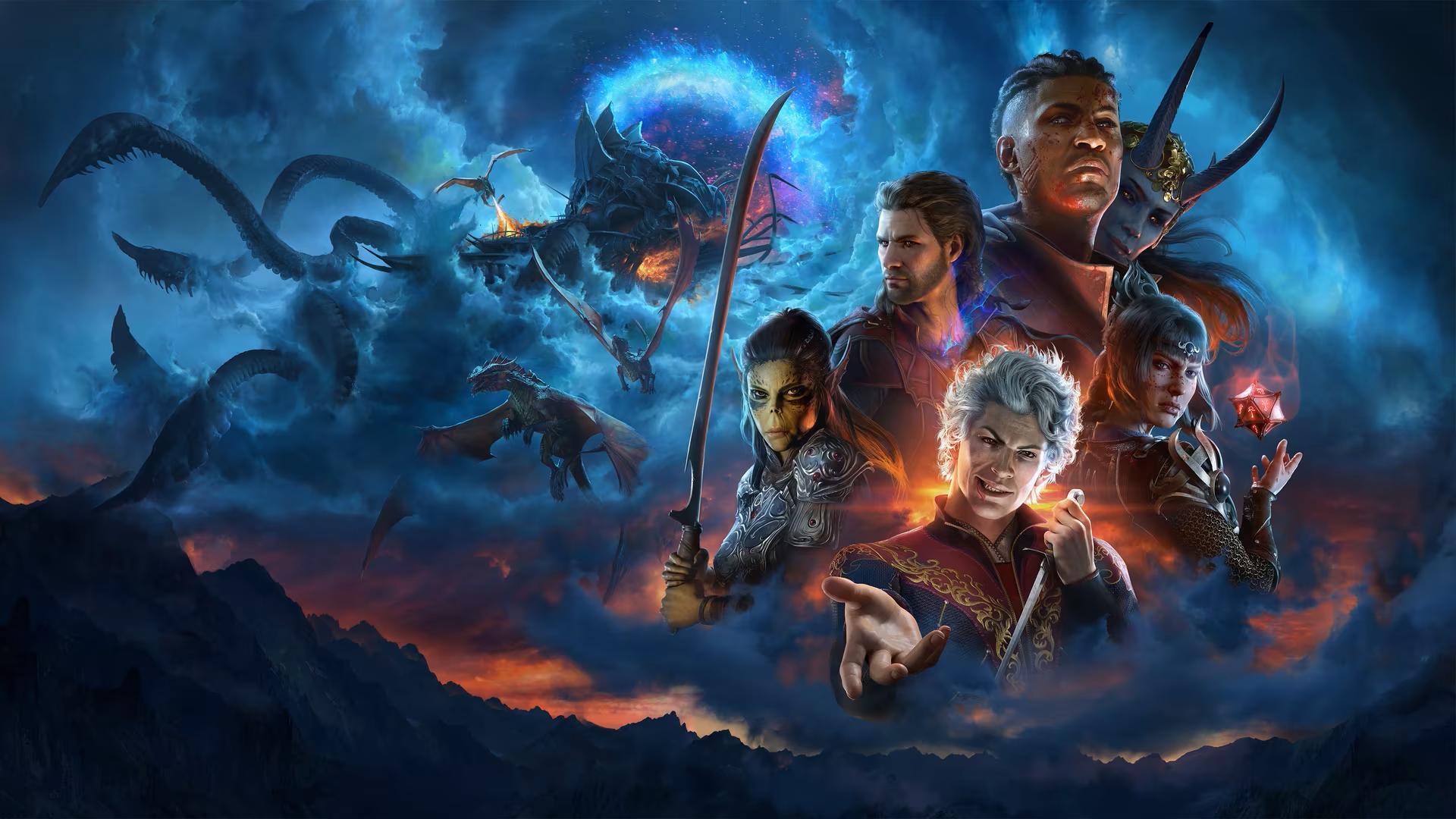
Honour Mode sets one save slot and tougher boss variants; the community variant forbids Long Rests, relying on Short Rests, consumables, and camp supplies sparingly. Party composition emphasizes resource-independent actions and battlefield control. Completion proof includes Honour run summaries and end-screen adventure stats. The CRPG was developed and published by Larian Studios.
‘Metal Gear Solid V: The Phantom Pain’ (2015) – Non-Lethal, No Alerts, Perfect Stealth

This challenge clears missions with zero kills, zero combat alerts, and Perfect Stealth ranks where available. Loadouts favor tranq weapons, stun tools, and camouflage, and optional restrictions remove reflex mode and support strikes. Results are shown via post-mission rank screens and equipment snapshots. The stealth game was developed by Kojima Productions and published by Konami.
Share the community-made challenge you’ve tried—or the one you’re planning to attempt next—in the comments!