The Witcher 3: Wild Hunt’ Mistakes You’ll Never Be Able to Unsee

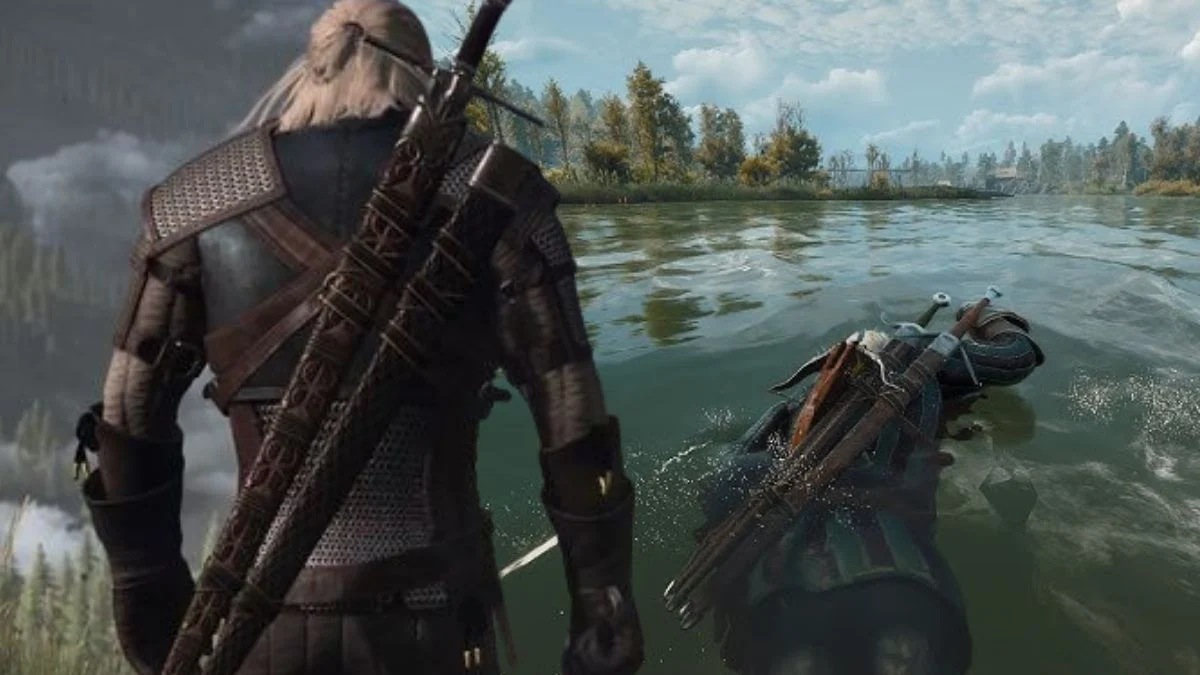

‘The Witcher 3’ is an epic game, but it also carries a few quirks that stand out once you spot them. Many of these are small technical slips that show up in navigation, animation, lighting, or quest logic. They rarely break progress, yet they can pull you out of the moment when they happen. Here are the repeatable, easy-to-spot mistakes that players can identify and even reproduce across different playthroughs.
Roach Taking Roof Routes
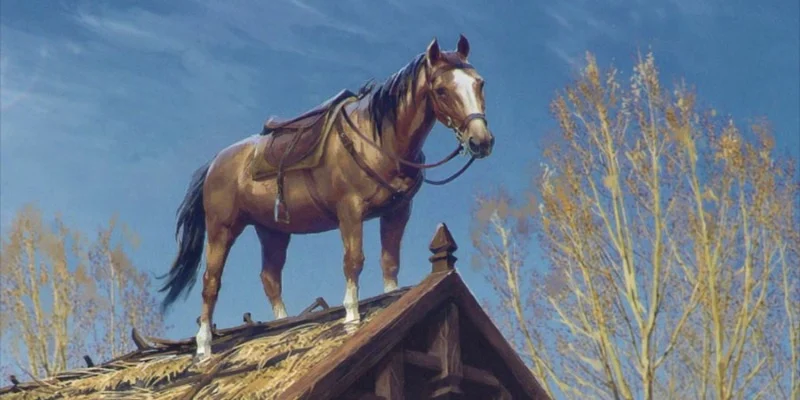
Roach’s pathfinding can snap to nearby navmesh in dense towns, which occasionally places the horse on stairs, narrow porches, or even rooftops. This behavior is easiest to trigger in Novigrad by calling Roach from cramped alleys where multiple walkable surfaces overlap. The horse spawns on the closest valid node, not the clearest open ground, which explains the awkward placements. Dismounting and moving to a street with wider navigation often prevents the issue from repeating.
Silver Sword Not Auto-Equipping On Monsters
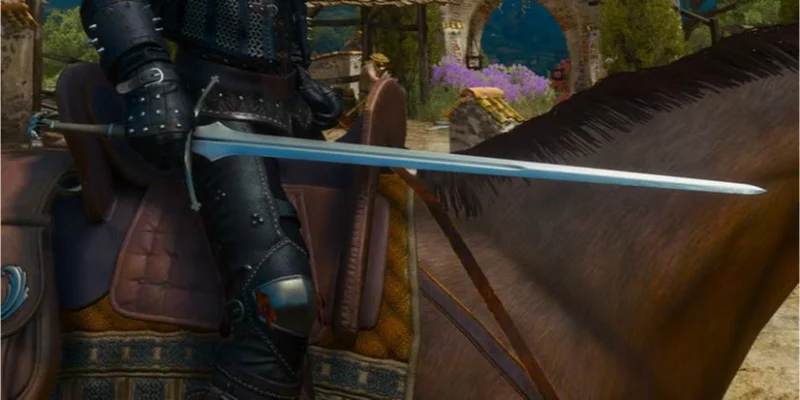
Geralt’s auto-draw sometimes selects the steel sword against monsters when combat starts during transitions or after cutscenes. The mismatch appears most often if the player swapped weapons just before a dialogue or mounted sequence that then flows straight into a fight. Because the damage is reduced against certain enemy types, the encounter feels longer until the player manually switches to silver. Opening the radial menu and reselecting the correct sword resolves the mismatch immediately.
Floating Props And NPC Clipping In Novigrad Markets

Crowded vendor spaces in Novigrad can spawn props and NPCs with slight vertical offsets that make baskets or stools appear to float. The issue comes from tight collision volumes that overlap when the market fills beyond a threshold. NPCs may step through small tables or benches as their avoidance picks a higher-priority route. Leaving the district and reloading the cell forces a fresh placement that usually clears the floating items.
Weather Appearing Inside Interiors
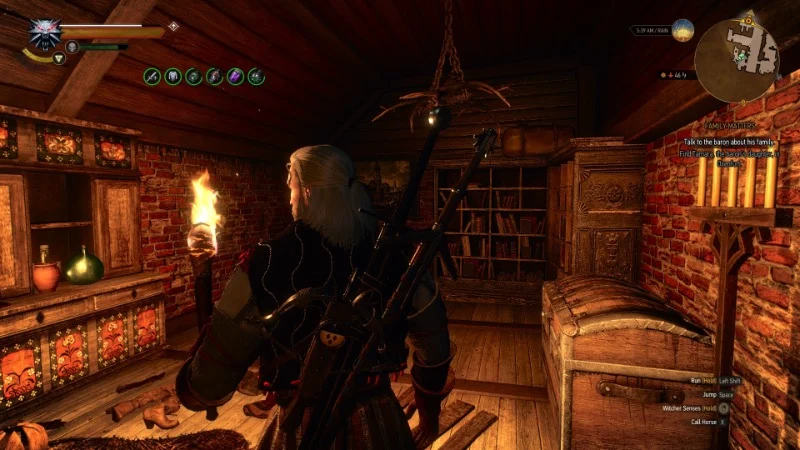
Rapid weather changes can carry rain or snow particle systems into interior volumes during quick loads or fast travel. The effect is most noticeable when you enter a building at the exact moment the climate shifts on the exterior map. Particle culling sometimes applies a tick late, so precipitation remains visible until the next lighting update. Exiting and reentering the structure refreshes the weather state and removes the indoor rain.
Duplicate NPC Faces In The Same Scene
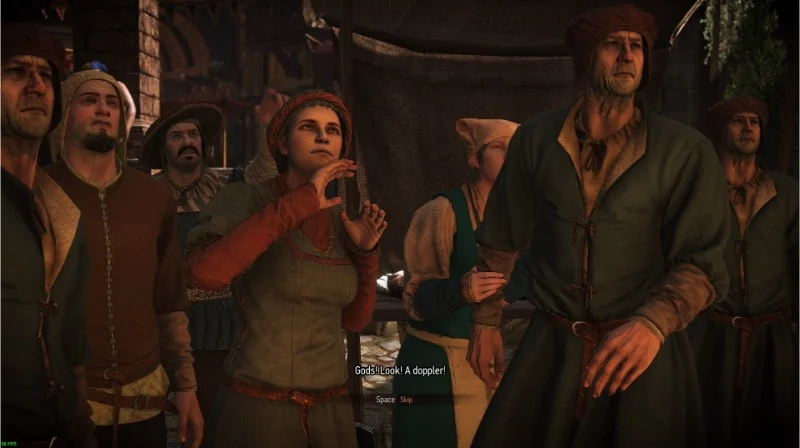
The population system recycles civilian face and outfit templates, which can spawn identical villagers only a few meters apart. This duplication is easiest to spot in Oxenfurt bridges and Novigrad docks during peak pedestrian cycles. The reuse keeps memory use stable while maintaining crowd density, but it produces obvious clones when spawn timers align. Moving a block away and returning typically reshuffles the pool and reduces this mirroring.
Dialogue Referring To The Wrong Time Of Day
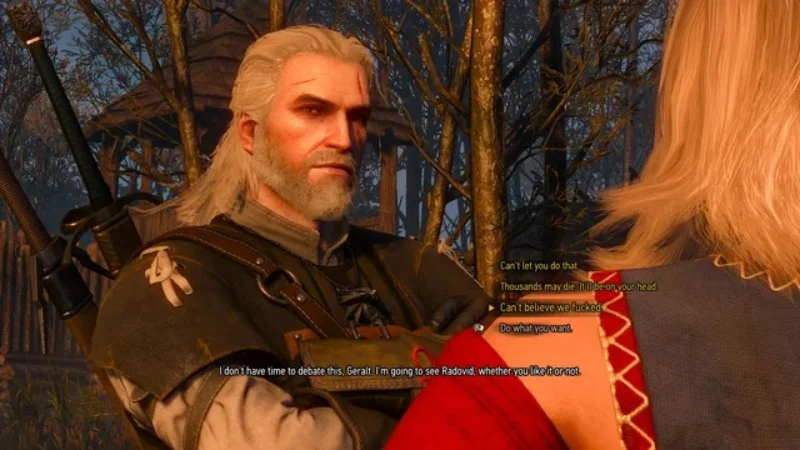
Ambient barks and some quest lines can reference sunlight or nightfall that does not match the current clock. The mismatch occurs when a line triggers from a time-gated pool that was selected before the day–night transition actually completed. Because streaming and dialogue selection are decoupled, the queued voice plays even after the skybox has updated. Waiting a minute or advancing time through meditation syncs the ambient lines with the visible lighting.
Vanishing Scabbards During Cutscenes
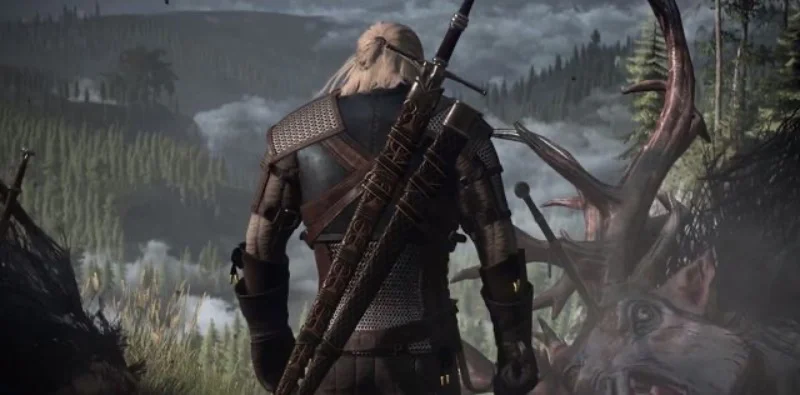
In certain cinematics, Geralt’s scabbards disappear or swap sides because the scene uses a simplified mesh set to avoid clipping with armor. The change happens at the cutscene boundary when the game switches from gameplay equipment to a cinematic rig. When control returns, the full weapon models reload and the scabbards pop back into place. This swap is most noticeable after story dialogues that begin immediately following combat.
Shadows Casting In The Wrong Direction

Dynamic lights from torches and braziers sometimes cast shadows that ignore the moon or sun position after quick loads. The renderer prioritizes nearby light sources, which can momentarily override global direction until the next shadow pass. You can reproduce this by loading a save at dusk near multiple fire sources and rotating the camera. Moving a few steps or forcing a lighting refresh corrects the shadow vector.
Swimming Up Waterfalls And Steep Currents
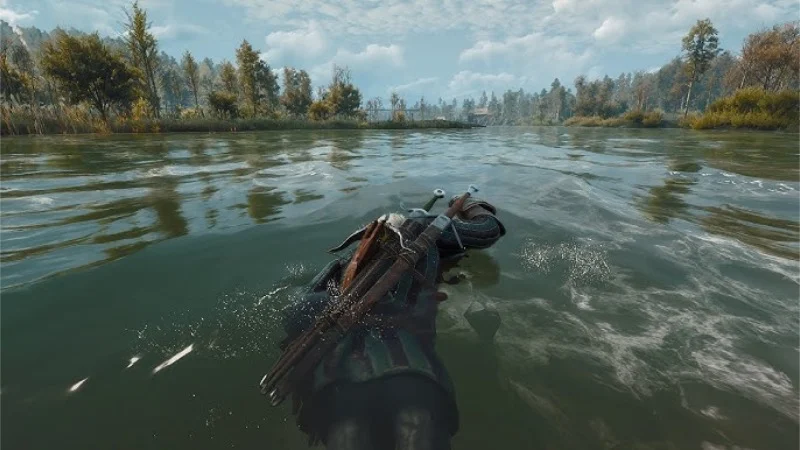
Geralt can occasionally swim forward against visibly strong currents and climb short waterfalls when the water volume’s flow vector is shallow. This happens in certain Skellige coves where the collision slope is gentle and the current is defined more for appearance than force. Sprint-swimming at the base lets the character gain height instead of being pushed back. Leaving the water and reentering from a different angle restores the intended resistance.
Quest Markers Pointing Through Locked Doors
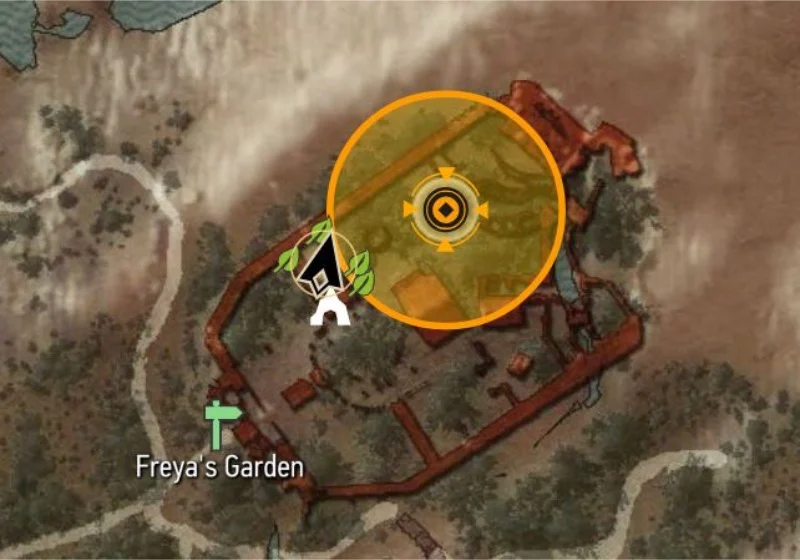
Some markers target an NPC or container directly rather than the intended route nodes, which can guide players to a locked or one-way entry. The clearest examples appear in multi-level interiors where the waypoint locks onto the goal upstairs without switching to a staircase breadcrumb. Following the compass alone leads to a blocked door until the player finds the correct access path. Switching the map to a higher zoom level reveals the staircase or alternate entrance that the marker skipped.
Share the mistake that jumps out at you the most and tell us where you first noticed it in the comments.