Directors Who Pioneered New Technologies



Filmmaking stands at the intersection of artistic expression and engineering where visionary directors constantly push the boundaries of what is technically possible. These innovators frequently invent custom tools or repurpose existing equipment to achieve visuals that audiences have never witnessed before on the big screen. Their dedication to technological advancement often shapes the entire industry and creates new standards for visual effects and production methodologies. This article explores several directors who changed cinema history through their groundbreaking use of new technologies.
James Cameron

James Cameron is widely recognized for driving the development of computer-generated imagery and performance capture technology throughout his career. He utilized early liquid morphing effects in ‘The Abyss’ before perfecting the technique with the liquid metal antagonist in ‘Terminator 2: Judgment Day’. His work on ‘Avatar’ required the creation of a virtual camera system that allowed him to see digital characters within a live environment in real time. This innovation bridged the gap between live-action and animation while setting a new benchmark for stereoscopic 3D filmmaking.
George Lucas
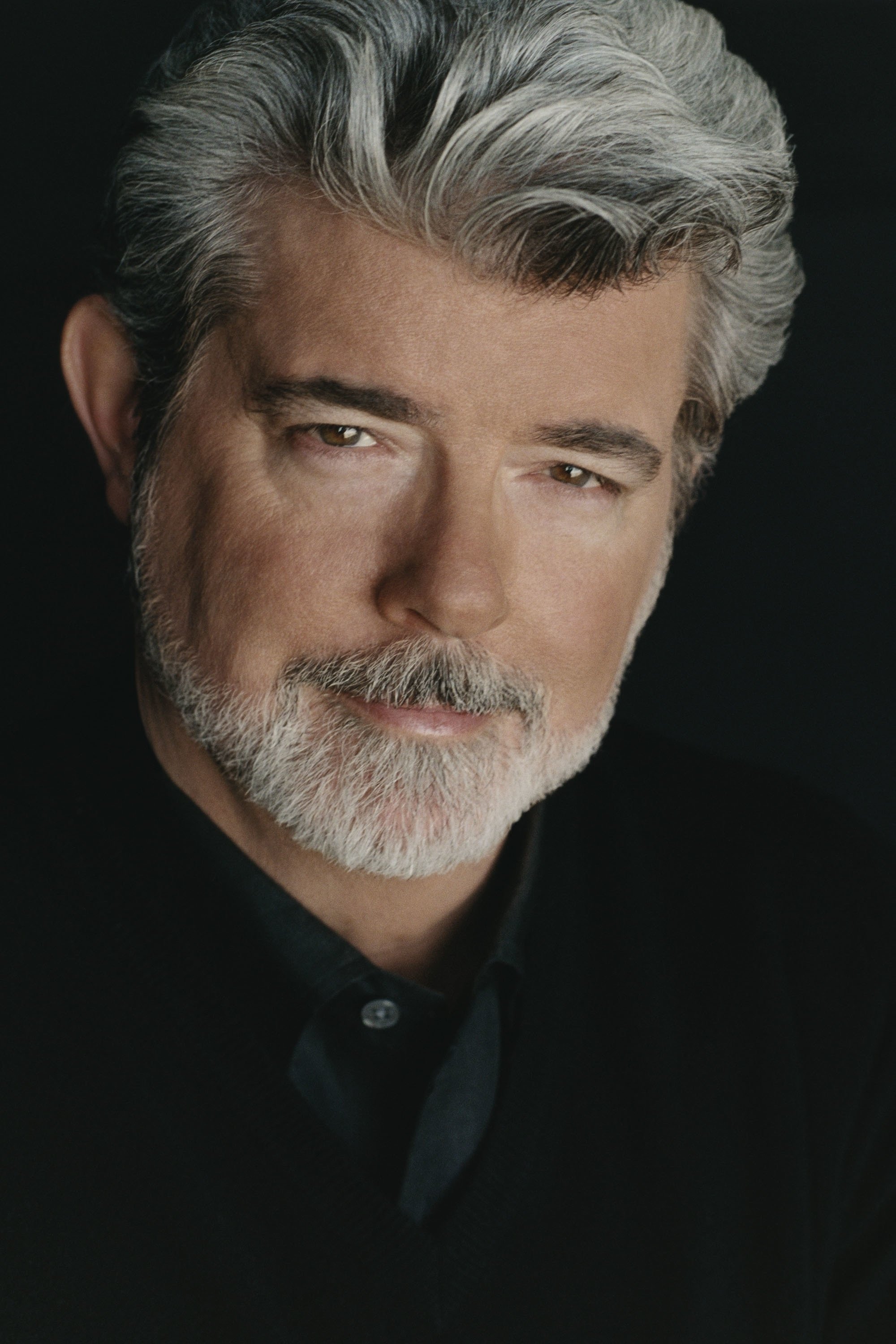
George Lucas founded Industrial Light & Magic to create the practical effects required for ‘Star Wars’ when existing studios could not meet his specific demands. He later pushed the industry toward digital cinematography by shooting ‘Star Wars: Episode II – Attack of the Clones’ entirely with high-definition digital cameras. His efforts accelerated the transition from celluloid film to digital projection in theaters around the world. Lucas also championed advancements in sound design through the development of the THX audio reproduction standard.
The Wachowskis

Lana and Lilly Wachowski revolutionized action cinema with the introduction of Bullet Time in ‘The Matrix’. This visual effect involved arranging a series of still cameras in a curve or circle to capture a moment that could be slowed down while the camera angle appeared to move at normal speed. The technique allowed the audience to view high-speed movements from multiple perspectives in a fluid and seamless manner. Their innovative approach fundamentally altered how action sequences were choreographed and filmed in subsequent Hollywood blockbusters.
Stanley Kubrick
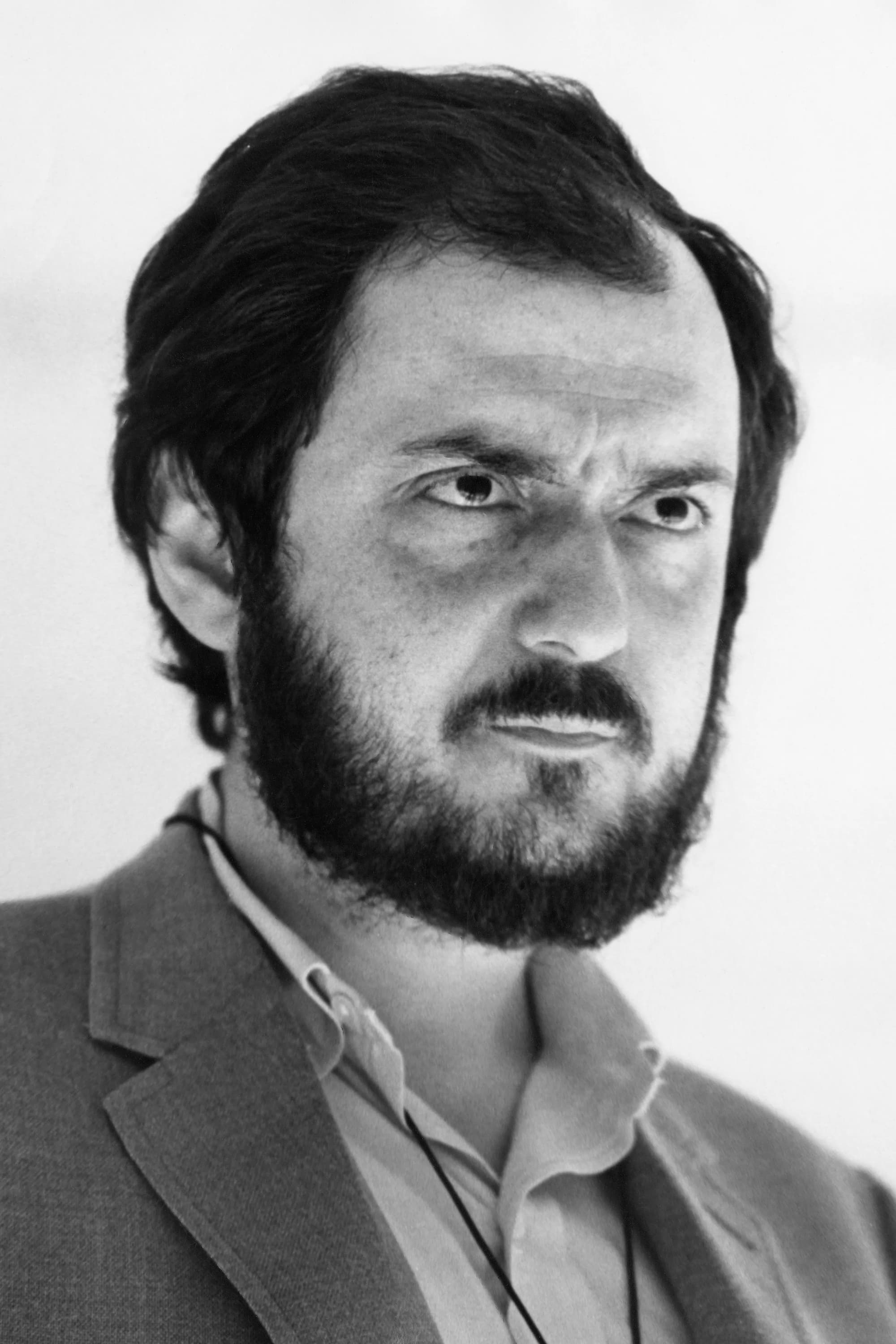
Stanley Kubrick consistently demanded technical perfection and often employed engineering solutions to solve cinematic problems. During the production of ‘2001: A Space Odyssey’ he utilized slit-scan photography to create the psychedelic star gate sequence without the aid of modern computer graphics. He famously adopted the newly invented Steadicam for ‘The Shining’ to achieve smooth and floating tracking shots through the hotel corridors. These technical choices allowed him to construct immersive environments that felt physically tangible to the audience.
Peter Jackson

Peter Jackson utilized the proprietary MASSIVE software to generate armies of thousands of intelligent digital agents for the battle sequences in ‘The Lord of the Rings’ trilogy. He pioneered the use of real-time motion capture on set to translate the performance of Andy Serkis into the digital character Gollum. This workflow allowed actors to interact naturally with computer-generated characters rather than tennis balls on sticks. His commitment to these tools established motion capture as a legitimate method for complex character creation.
Jon Favreau

Jon Favreau has spearheaded the use of virtual production technology known as The Volume to eliminate the need for traditional green screens. He employed a massive LED video wall that displays real-time backgrounds rendered by a video game engine during the filming of ‘The Mandalorian’. This lighting and projection technique allows the camera to capture realistic reflections on physical props and actors. It significantly streamlines the post-production process by capturing complex visual effects directly in the camera lens.
Robert Zemeckis

Robert Zemeckis successfully merged live-action footage with hand-drawn animation in ‘Who Framed Roger Rabbit’ by using robotic arms to move props. He later committed fully to performance capture technology with ‘The Polar Express’ which was the first feature film entirely animated using motion capture data. This technique allows the director to record the nuances of an actor’s face and body movements simultaneously. His experiments paved the way for the realistic digital humans seen in modern cinema.
Jerry Lewis

Jerry Lewis is credited with inventing the video assist system which is now a standard tool on film sets. He taped a video camera next to his film camera during the production of ‘The Bellboy’ to review his performance immediately. This mechanism eliminated the need to wait for film processing to see if a take was successful. It allowed directors to monitor the shot composition in real time while the camera operator looked through the lens.
Alfred Hitchcock

Alfred Hitchcock collaborated with a camera operator to create the dolly zoom technique for his psychological thriller ‘Vertigo’. The effect involves zooming in with the lens while simultaneously physically moving the camera away from the subject. This counter movement keeps the subject the same size while the background perspective dramatically distorts. The resulting visual successfully simulates the disorienting sensation of acrophobia or dizziness.
Christopher Nolan

Christopher Nolan pushed for the use of IMAX cameras in feature filmmaking starting with ‘The Dark Knight’. He utilized these massive and loud cameras for action sequences rather than restricting them to documentaries or nature films. The high resolution format captures significantly more detail and expands the aspect ratio to fill the entire screen. His persistence proved that bulky large format equipment could be used effectively for narrative cinema.
Ang Lee

Ang Lee experimented with high frame rate technology by shooting ‘Billy Lynn’s Long Halftime Walk’ at 120 frames per second. This speed is five times faster than the standard cinematic frame rate and produces crystal clear images with zero motion blur. He combined this with 3D photography to create an experience that mimics human vision more closely than traditional film. The technology aims to remove the barrier between the audience and the characters on the screen.
Alfonso Cuarón

Alfonso Cuarón invented a device known as the Light Box to simulate the complex lighting of outer space for the movie ‘Gravity’. This structure was a hollow cube lined with thousands of LED lights that could project images of Earth and stars onto the actors. The moving images on the walls provided realistic lighting references for the digital environments added later. It solved the difficult problem of matching live action studio lighting with computer generated backgrounds.
Steven Spielberg

Steven Spielberg marked a turning point in visual effects history with the dinosaurs in ‘Jurassic Park’. He originally planned to use stop motion animation but switched to computer generated imagery after seeing a test from Industrial Light & Magic. This decision validated CGI as a viable method for creating photorealistic living creatures that interacted with actors. The success of these effects effectively ended the era of stop motion for realistic creature effects.
Walt Disney
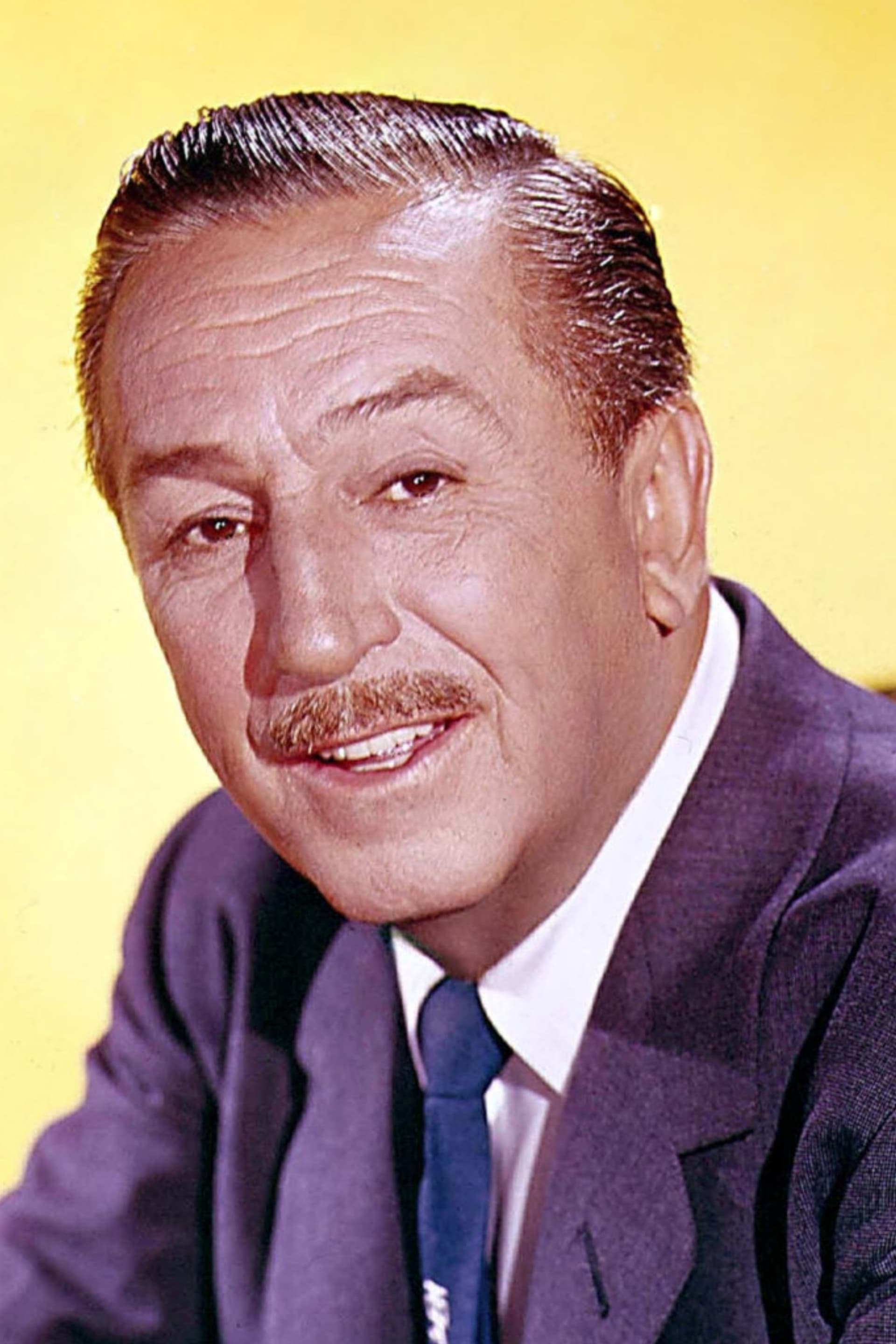
Walt Disney improved the sense of depth in animation through the development of the Multiplane Camera. This massive device held several layers of artwork on glass plates that could be moved past the camera at different speeds. The resulting parallax effect made background elements appear further away than foreground objects during tracking shots. He utilized this technology to great effect in ‘Snow White and the Seven Dwarfs’ and ‘Pinocchio’.
David Fincher

David Fincher pioneered advanced head replacement technology to depict the reverse aging process in ‘The Curious Case of Benjamin Button’. His team captured the facial performance of Brad Pitt and digitally grafted it onto the bodies of body doubles. This process required the development of new lighting systems and software to track the subtle movements of the human face. The result allowed a single actor to convincingly portray a character across decades of life.
Orson Welles
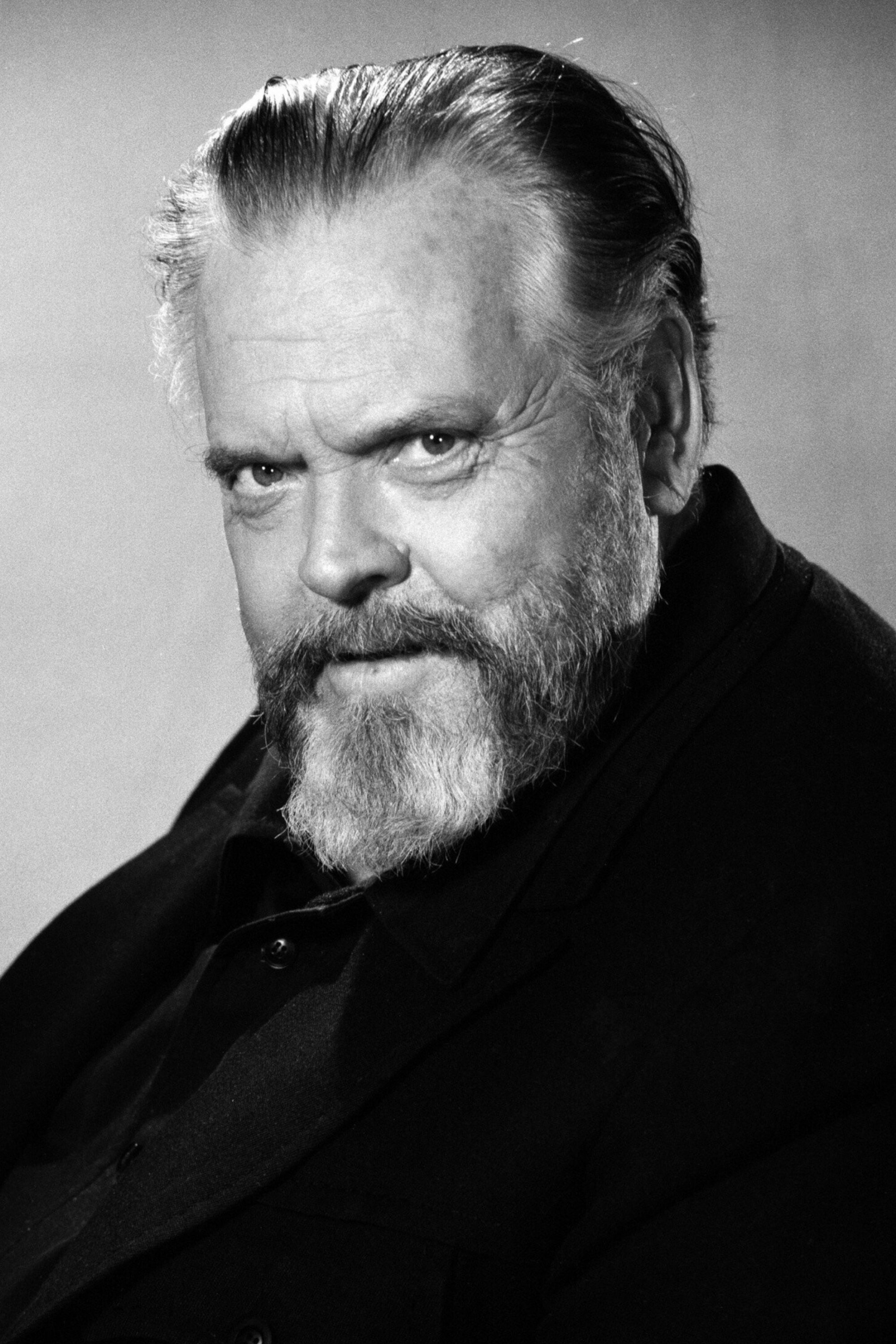
Orson Welles worked with cinematographer Gregg Toland to perfect deep focus photography in ‘Citizen Kane’. This technique kept objects in the extreme foreground and the distant background in sharp focus simultaneously. They achieved this through powerful lighting and special lens coatings that allowed for a smaller aperture. The visual style permitted complex staging where significant action could occur in multiple planes of the frame at once.
Francis Ford Coppola

Francis Ford Coppola attempted to revolutionize production methods with his concept of Electronic Cinema for ‘One from the Heart’. He directed the film from a trailer equipped with video monitors and speakers rather than standing on the set. This workflow utilized early video previsualization to edit the film in real time as it was being shot. Although the film struggled financially the method foreshadowed modern digital directing workflows.
Let us know in the comments which technological breakthrough you think had the biggest impact on cinema.