Anime That Completely Changed Genres in the Middle of the Season


Some anime start in one lane and then slam on the brakes, pivoting into something totally different halfway through a cour. Below are 25 series that make a clear mid-season genre turn—often tied to a twist episode, a time skip, or an arc transition—along with when and how the shift happens so you can spot the exact moment the story changes course.
‘Puella Magi Madoka Magica’ (2011)
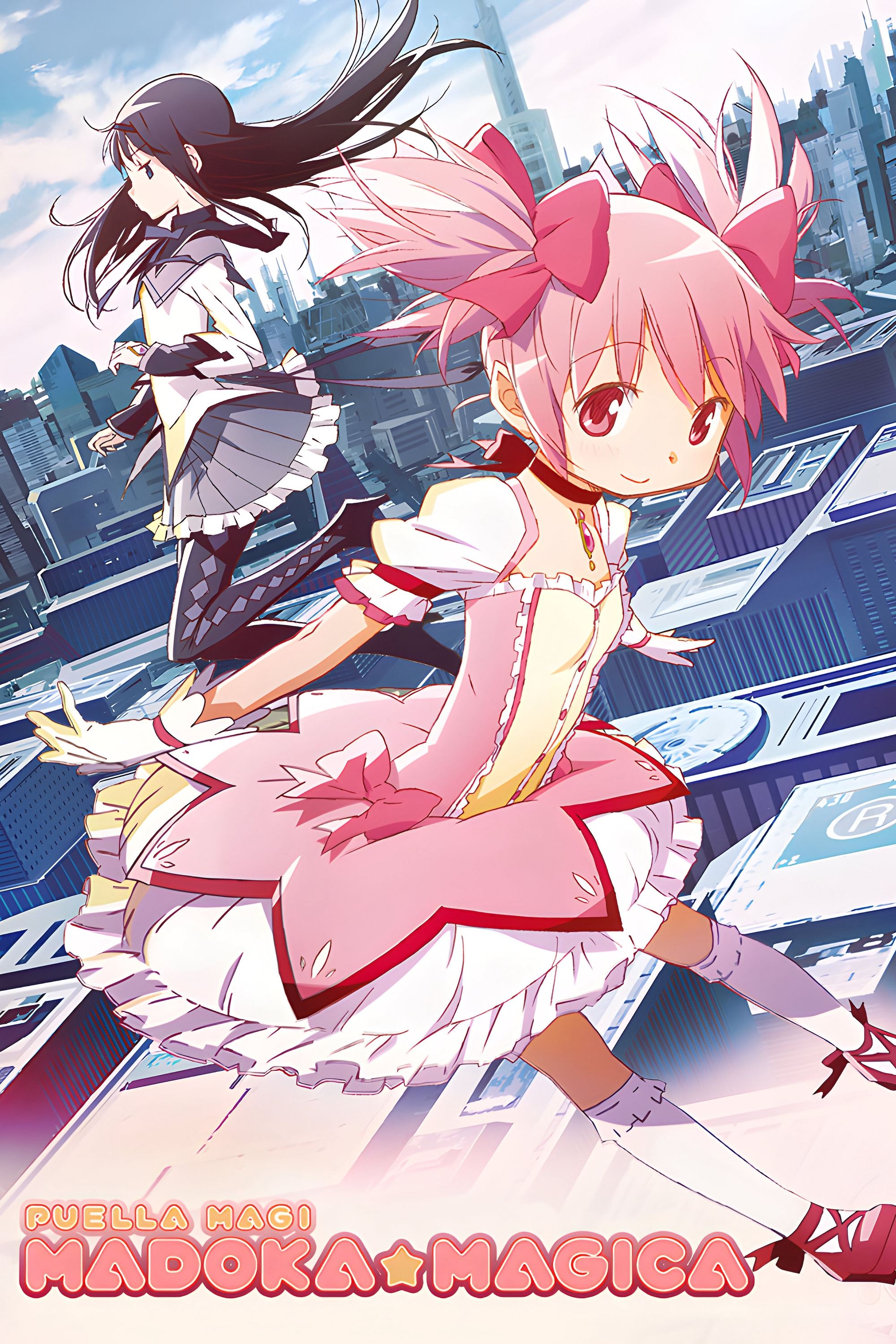
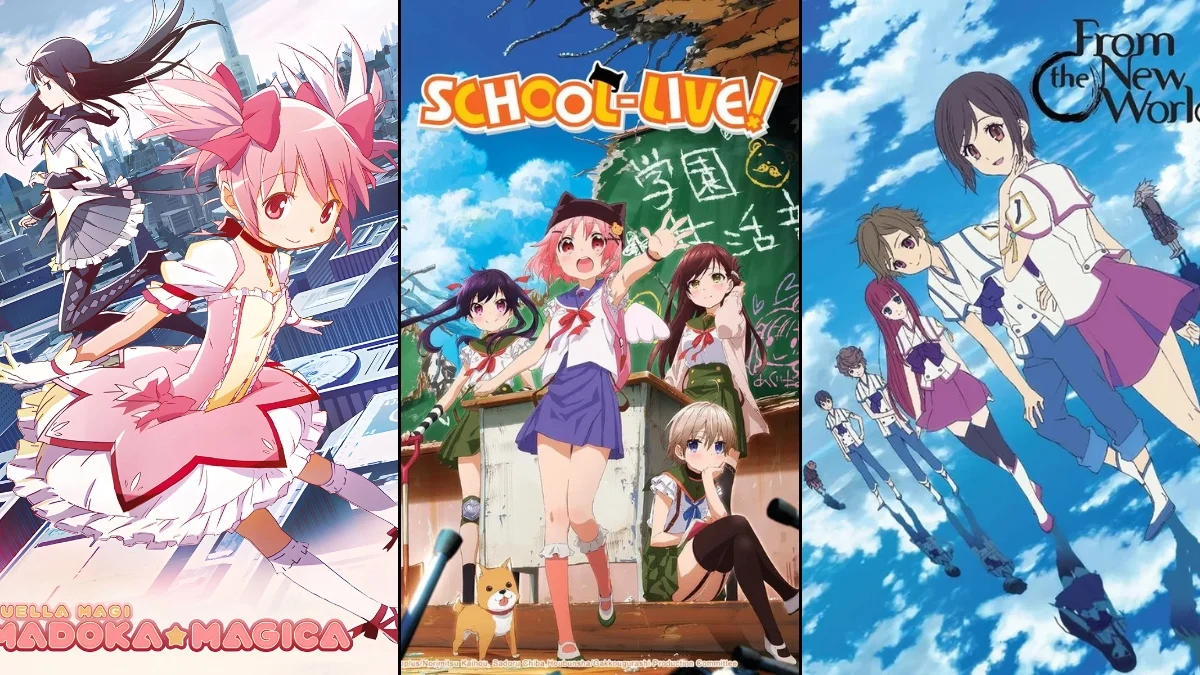
Episodes 1–2 present a conventional magical-girl setup with prospective contracts and light campus life, but episode 3 introduces an abrupt tonal and narrative shift tied to a major character death. From that point, the show leans into psychological horror and time-loop science-fantasy mechanics. The mid-season stretch expands on witch lore, soul gems, and entropy, reframing battles as existential stakes. Director Akiyuki Shinbo and writer Gen Urobuchi structure the pivot so it redefines the series’ core premise.
‘School-Live!’ (2015)
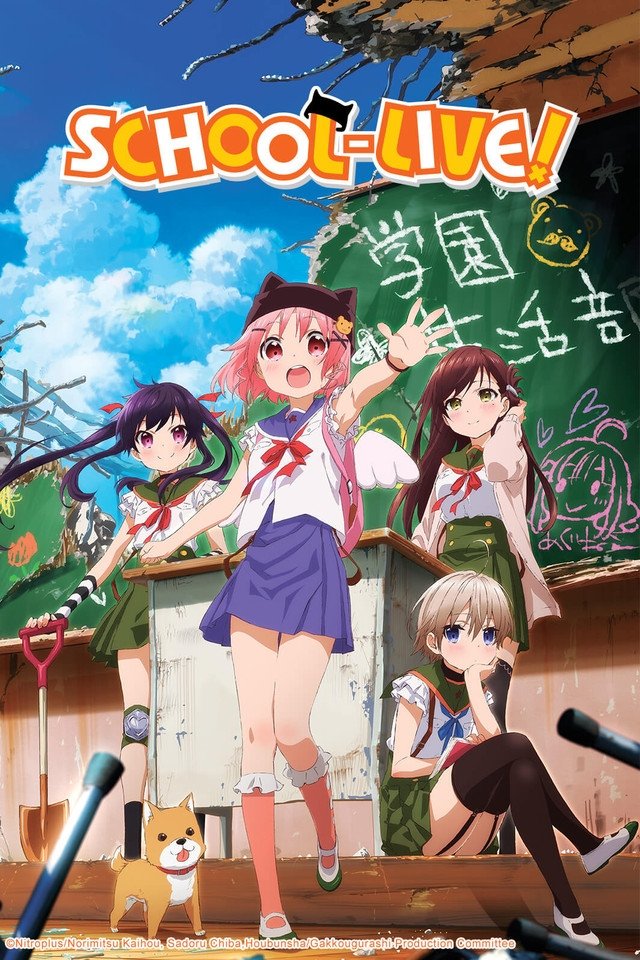
The premiere masks a slice-of-life club comedy until the final scene reveals a zombie apocalypse outside the school. Mid-season episodes switch the format to survival horror, logistics, and trauma management, with lesson plans replaced by barricades and supply runs. The series uses unreliable narration early on, then drops that device as the group confronts infection protocols and evacuation routes. The Club’s activity sheets become checklists for disaster response rather than after-school fun.
‘Samurai Flamenco’ (2013–2014)
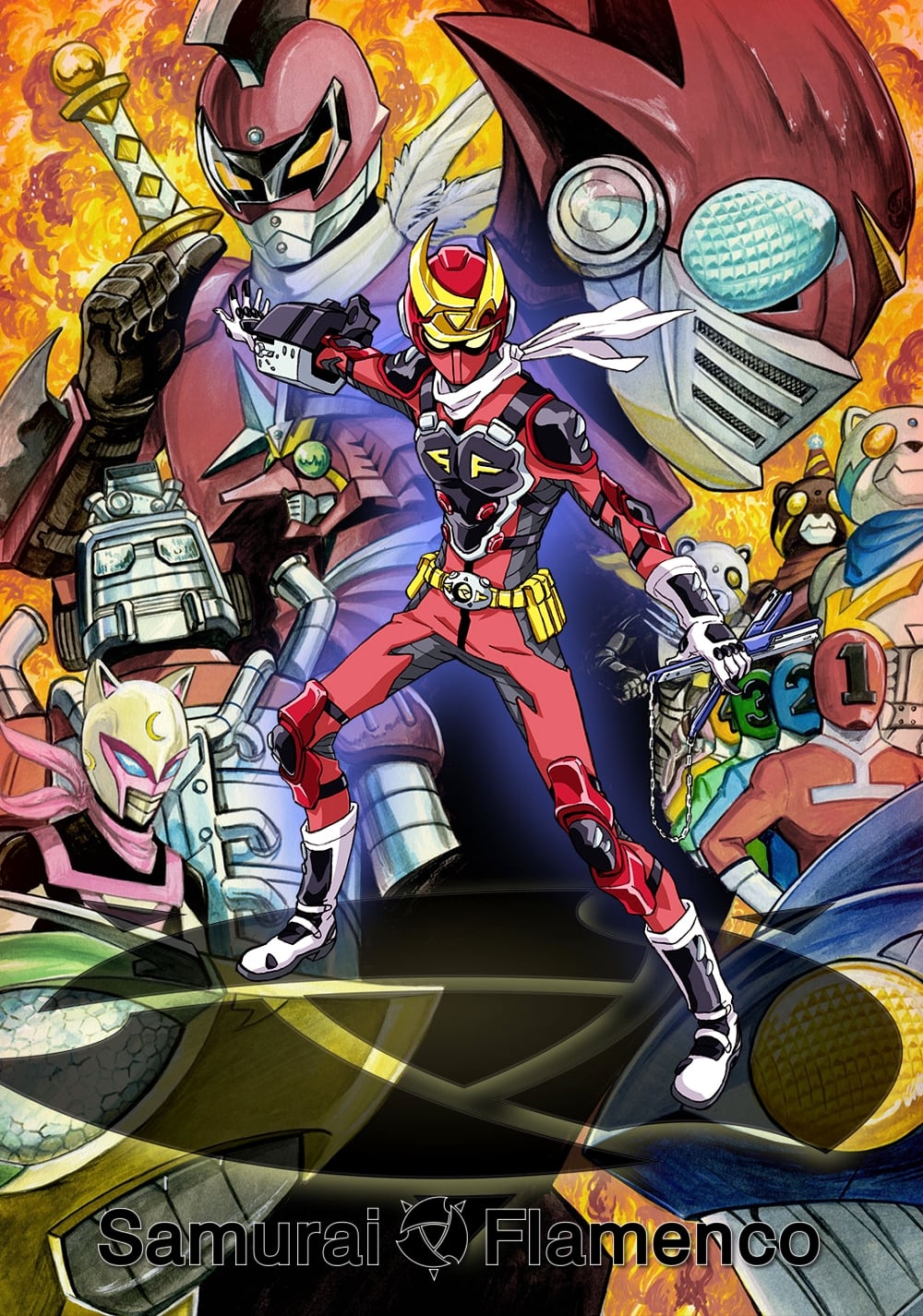
Early episodes follow a grounded tokusatsu-inspired vigilante story about petty crimes and PR. Around the mid-season mark, the show escalates into full-on sentai spectacle with supervillain organizations, monster-of-the-week battles, and then geopolitical stakes. The production openly changes its threat model—street hooligans give way to weaponized absurdity and world-saving heroics. The cast’s careers and costumes scale accordingly, shifting the genre from comedy-drama to meta-superhero action.
‘Blood-C’ (2011)
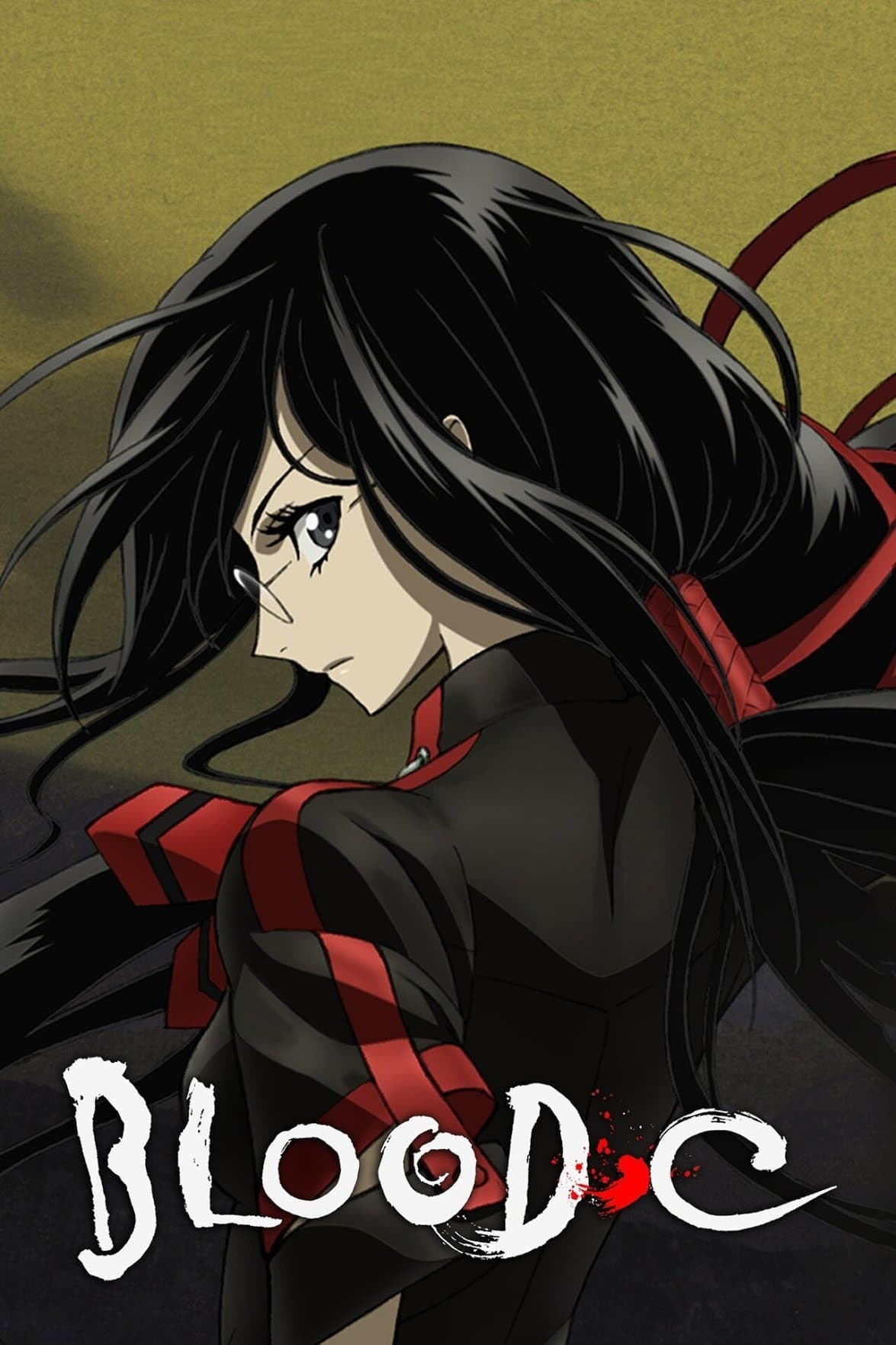
The first half frames small-town slice-of-life routines around a polite shrine maiden, punctuated by contained night battles. In the middle stretch, a large plot reveal reframes prior events and unleashes graphic horror, with massacres replacing isolated encounters. The narrative abandons episodic monster hunts for conspiracy and human complicity. Story beats begin connecting to ‘Blood-C: The Last Dark’, altering tone from quaint mystery to sustained splatter horror.
‘From the New World’ (2012–2013)
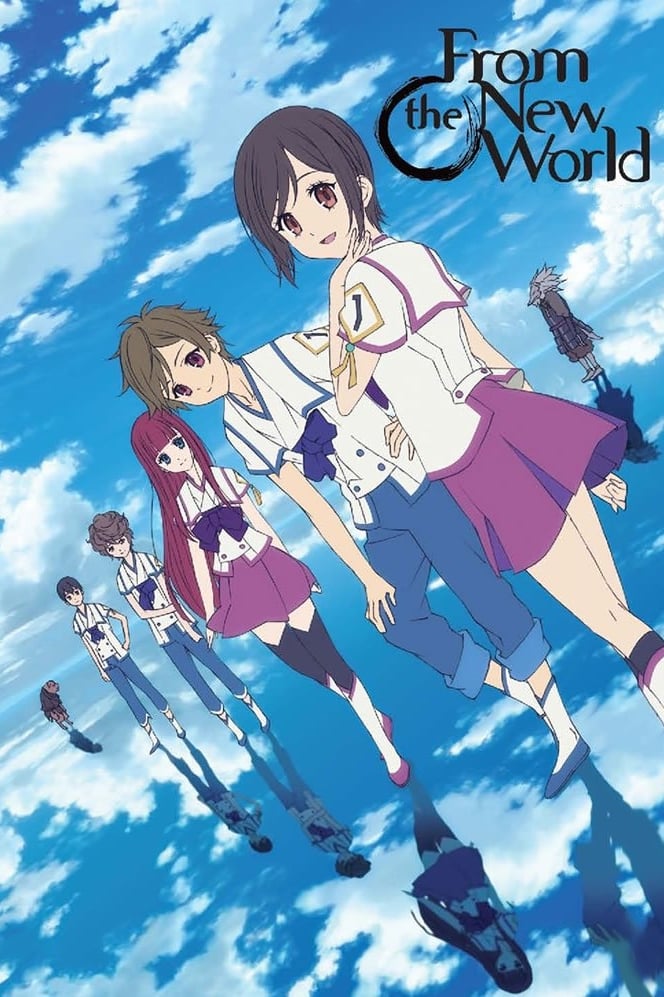
Initial episodes center on school life and telekinetic training in a pastoral community. Mid-season, the series pivots into socio-political horror as it exposes caste systems, genetic engineering, and uprisings among subjugated species. The structure transitions from classroom exercises to investigations, flight, and wartime strategy. Survival procedures, maps, and oral histories replace tests and field trips as the primary narrative tools.
‘Kokoro Connect’ (2012)
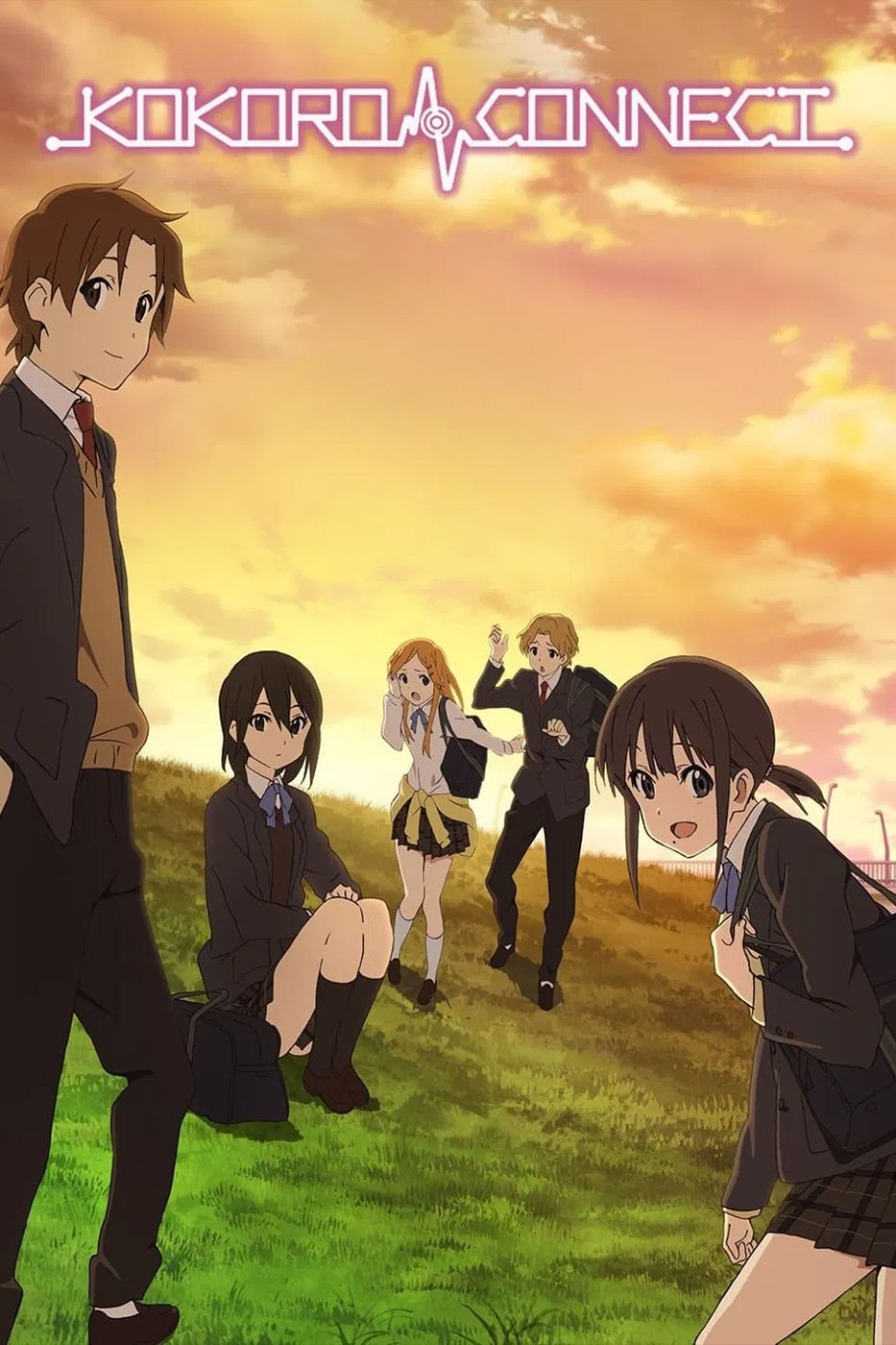
The show begins as a body-swap high-school comedy that mines awkward situations for light drama. Midway through, new “phenomena” arcs introduce emotional manipulation, memory leakage, and forced truth-telling, shifting the series toward psychological thriller territory. Club dynamics become case studies in consent, culpability, and crisis management. Each arc adds a different rule-set, changing the problem-solving genre from hijinks to ethical triage.
‘Yuuki Yuuna Is a Hero’ (2014)
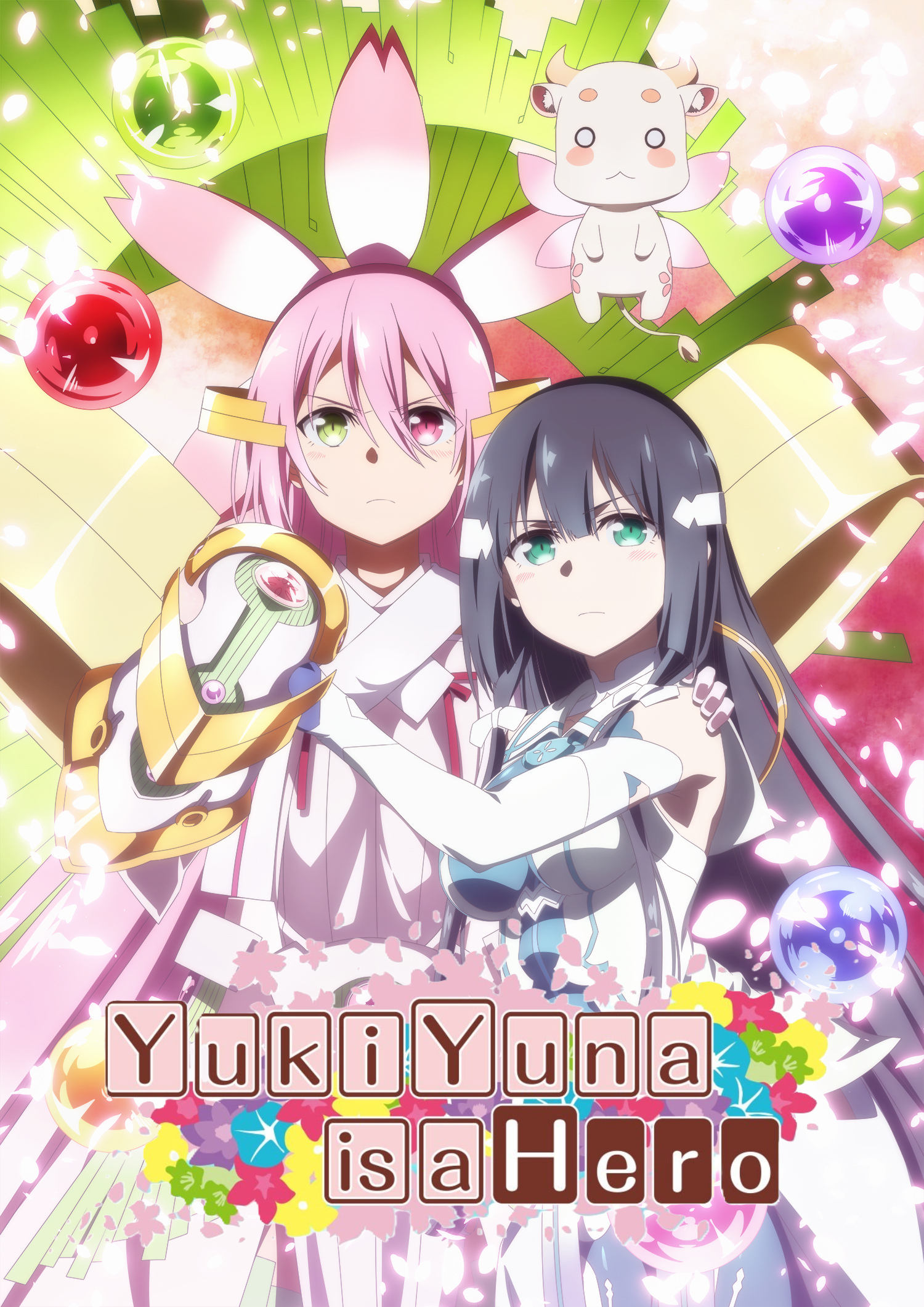
For several episodes, it presents a routine magical-girl defense team with school activities and morale-boosting rituals. The middle episodes reveal the true costs of transformation and the organization’s hidden objectives, turning the show into a body-horror tragedy. Training charts and mission briefings replace club agendas, with health metrics becoming plot-critical data. The genre emphasis moves from teamwork empowerment to sacrificial calculus.
‘Gurren Lagann’ (2007)
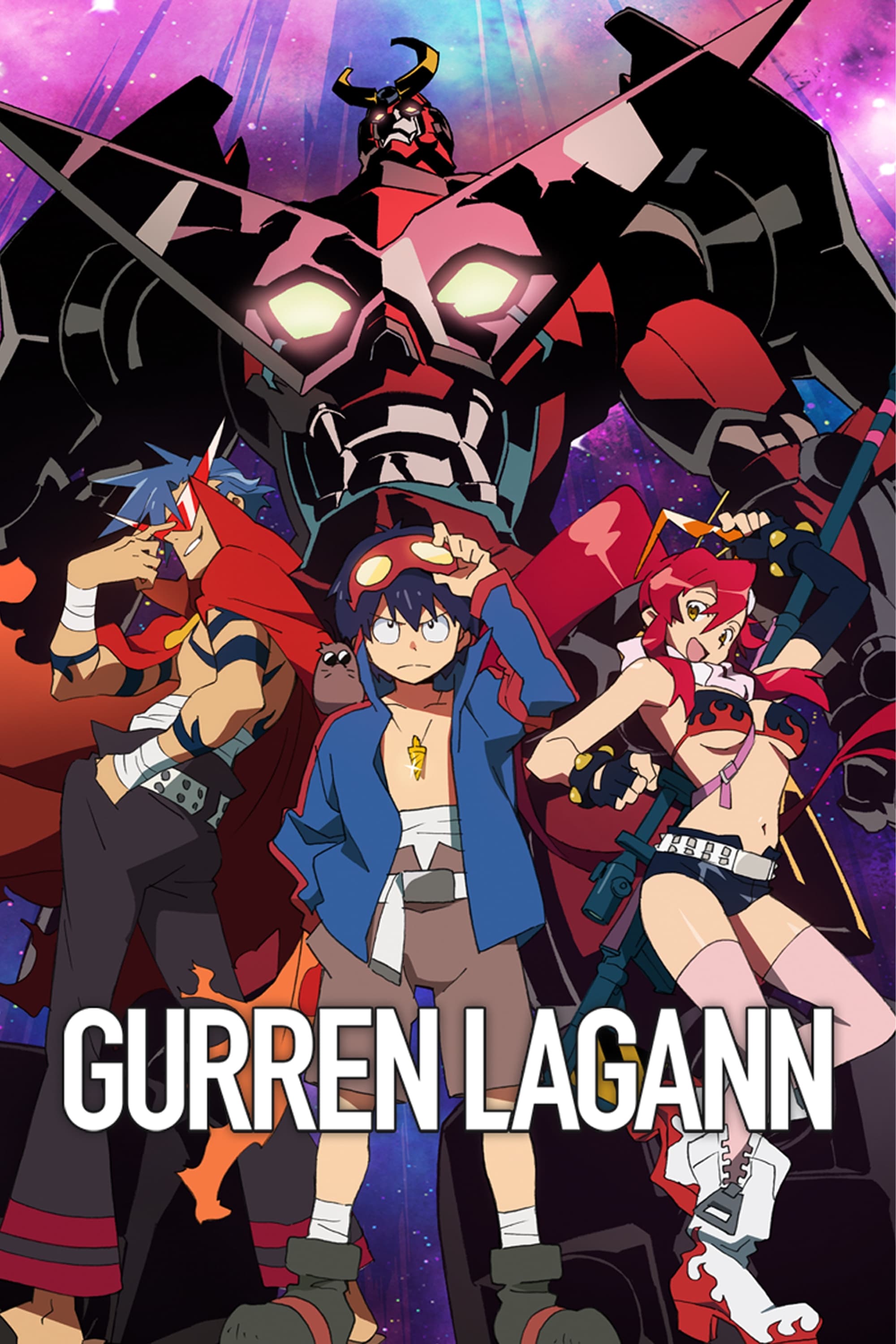
The opening half is a scrappy resistance mecha adventure focused on village escape and surface skirmishes. A pivotal death and subsequent leadership arc pivot the tone toward large-scale militarized campaigns. The latter half of the season introduces time progression, political governance, and cosmic stakes. The action scales from cave digs to city defense and then interstellar confrontation, changing the series’ scope and subgenre.
‘Trigun’ (1998)
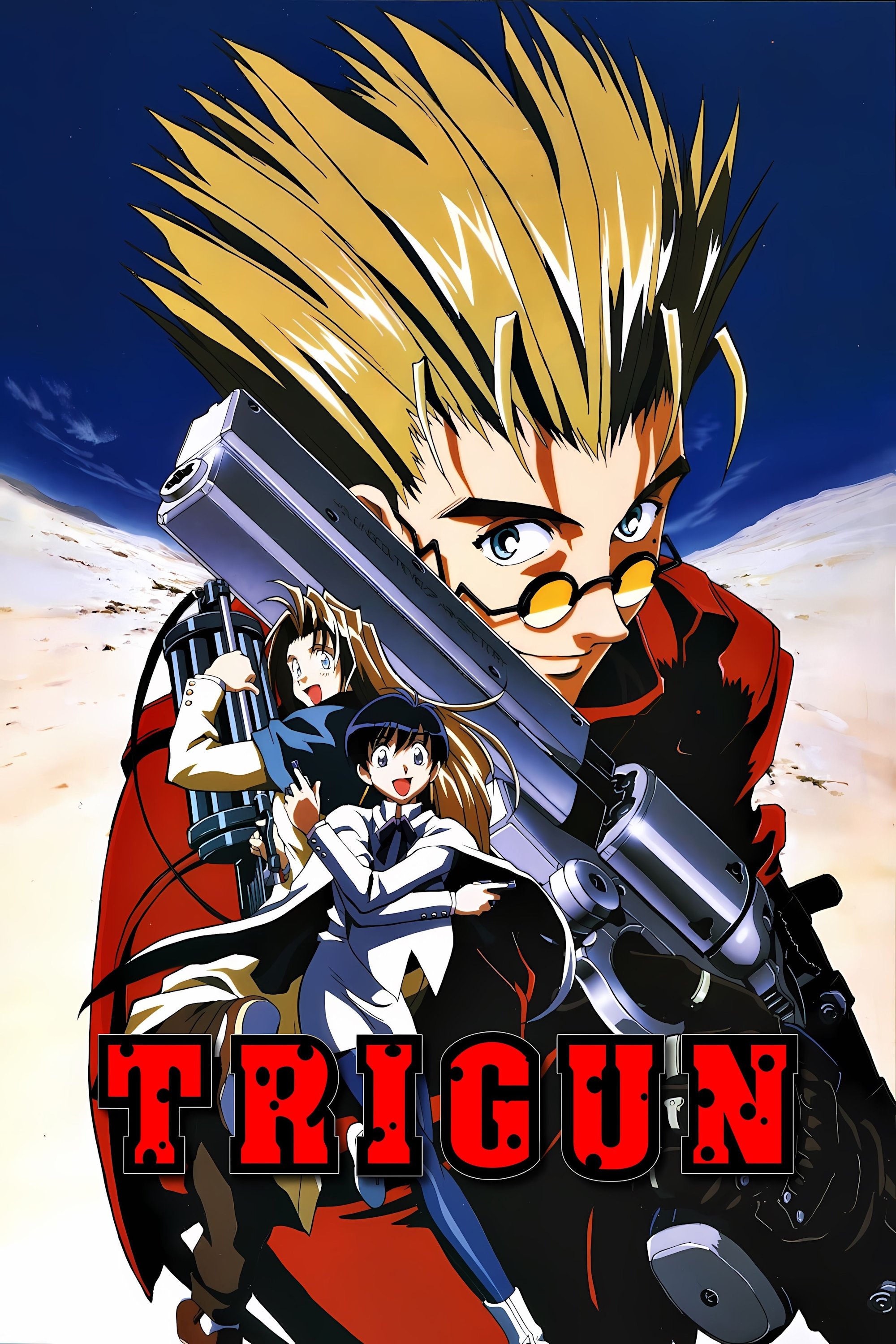
Early episodes play like comedic Western capers with bounties and barroom chaos around a wandering gunslinger. Near the midpoint, the plot foregrounds Vash’s past, the Gung-Ho Guns, and the philosophical conflict with Knives, shifting into somber drama. Standalone misadventures give way to serialized manhunts and moral dilemmas. The soundtrack use and episode structure also transition from gag-heavy to tension-driven storytelling.
‘Magical Girl Raising Project’ (2016)
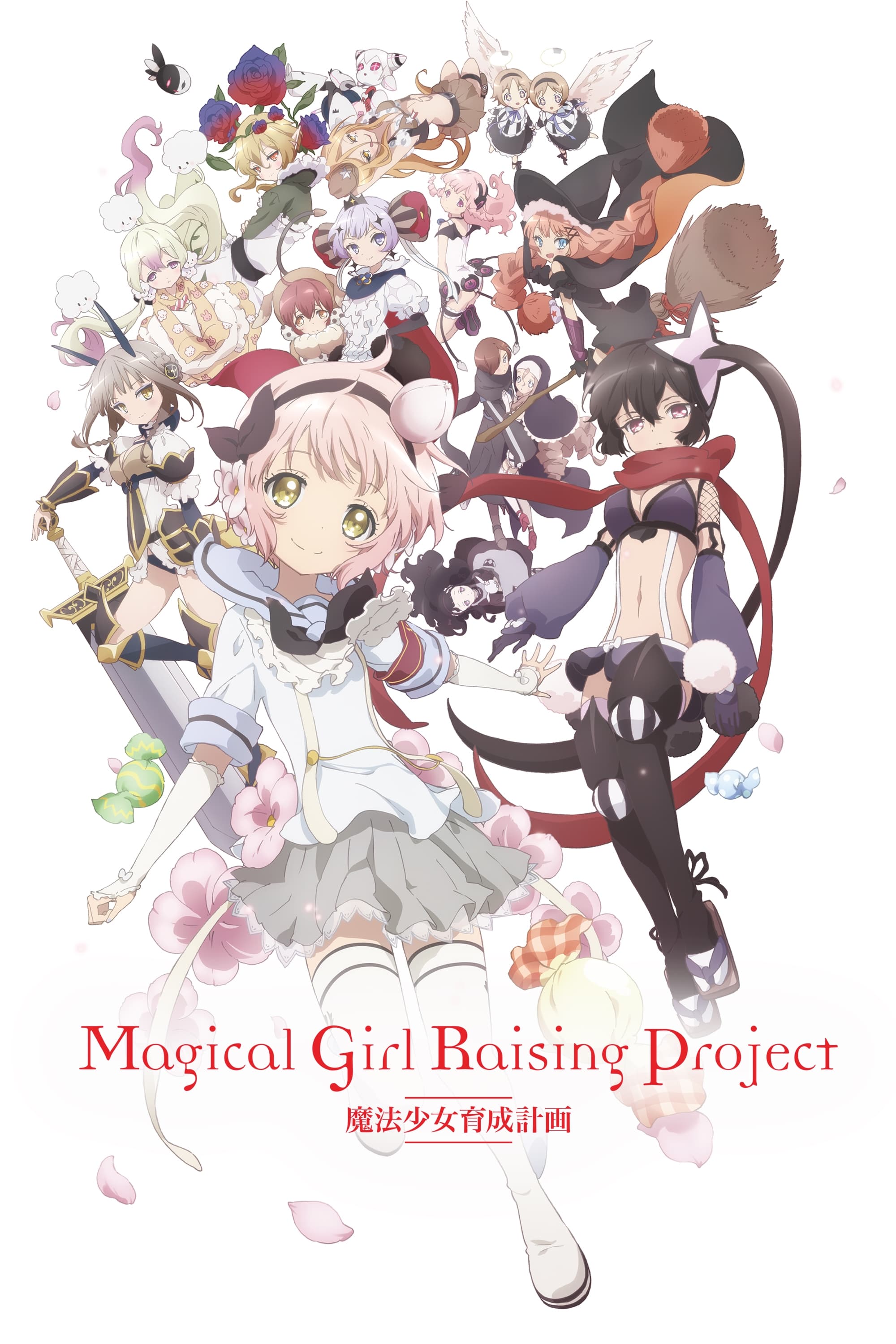
The premiere establishes a standard magical-girl coalition chosen by an app-like system. By the middle episodes, rules change and the premise becomes a survival game with elimination criteria. Status dashboards, quotas, and resource competition replace friendly meet-ups. Characters’ abilities are repurposed for defense, reconnaissance, and ambush rather than community service.
‘Flip Flappers’ (2016)

Initial episodes are whimsical, episodic dives into surreal “Pure Illusion” worlds with artifact retrievals. Mid-season, a corporate lab, rival teams, and a conspiratorial backstory shift the format into sci-fi intrigue. Mission-of-the-week adventures narrow into investigations of identity, memory, and manufactured reality. The visual language remains fantastical, but the narrative adopts espionage tactics and containment procedures.
‘Sword Art Online’ (2012)

The first half is a death-game survival story inside a locked VRMMO with permadeath rules and raid logistics. Mid-season, the setting switches to a different game world with rescue objectives and court intrigue. The genre emphasis moves from dungeon progression and guild management to fantasy adventure with flight mechanics. Systems knowledge shifts from survival crafting to world-navigation and politics.
‘Bleach’ (2004–2012)
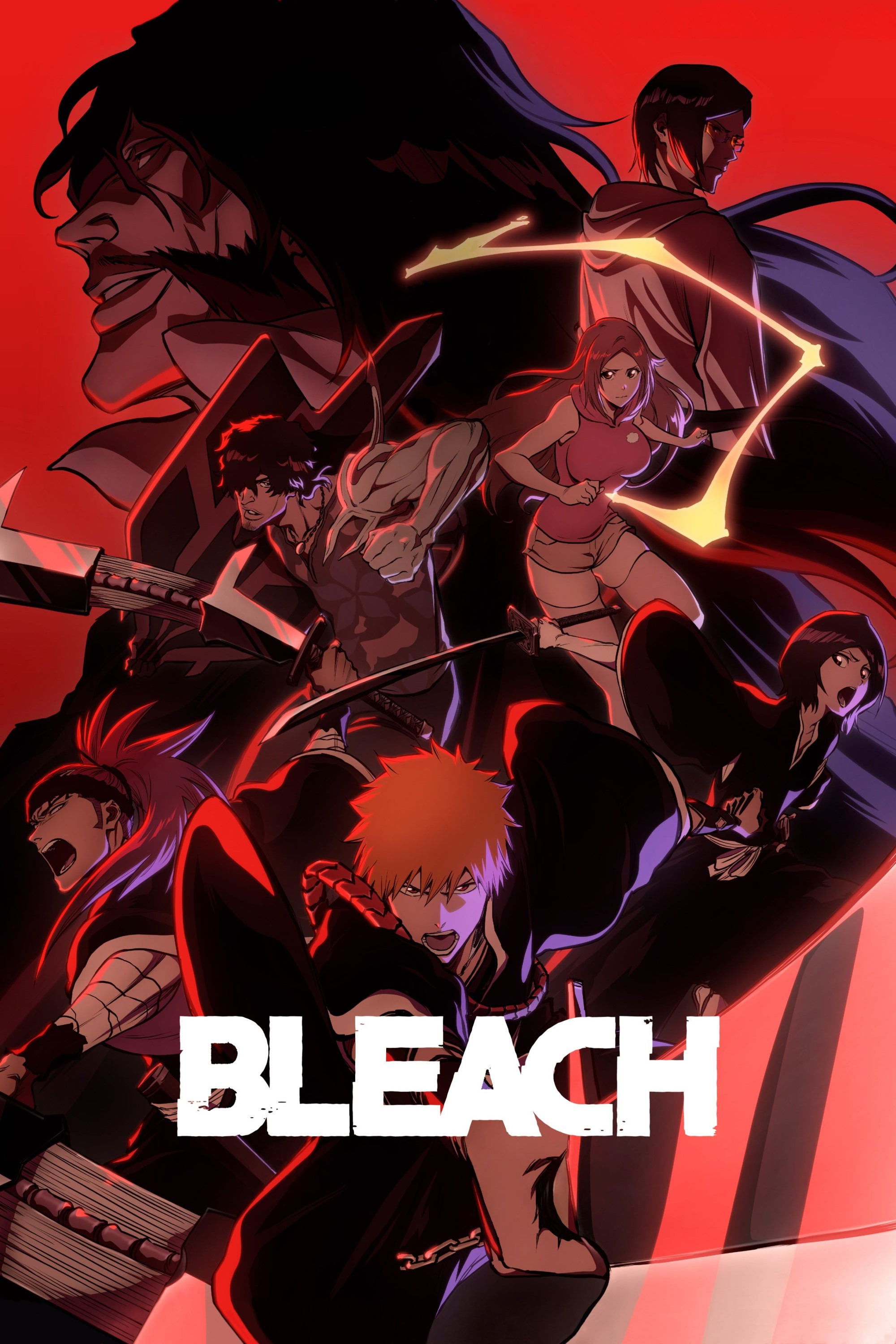
Early episodes follow a monster-of-the-week format in a modern high-school setting with ad-hoc exorcisms. Around the mid-season of the first cour, the narrative pivots to the Soul Society infiltration arc, transforming into an extended shonen war saga. Procedural encounters give way to structured squads, hierarchies, and multi-episode duels. Training, ranks, and rescue timetables supplant classroom scenes and neighborhood patrols.
‘Guilty Crown’ (2011–2012)
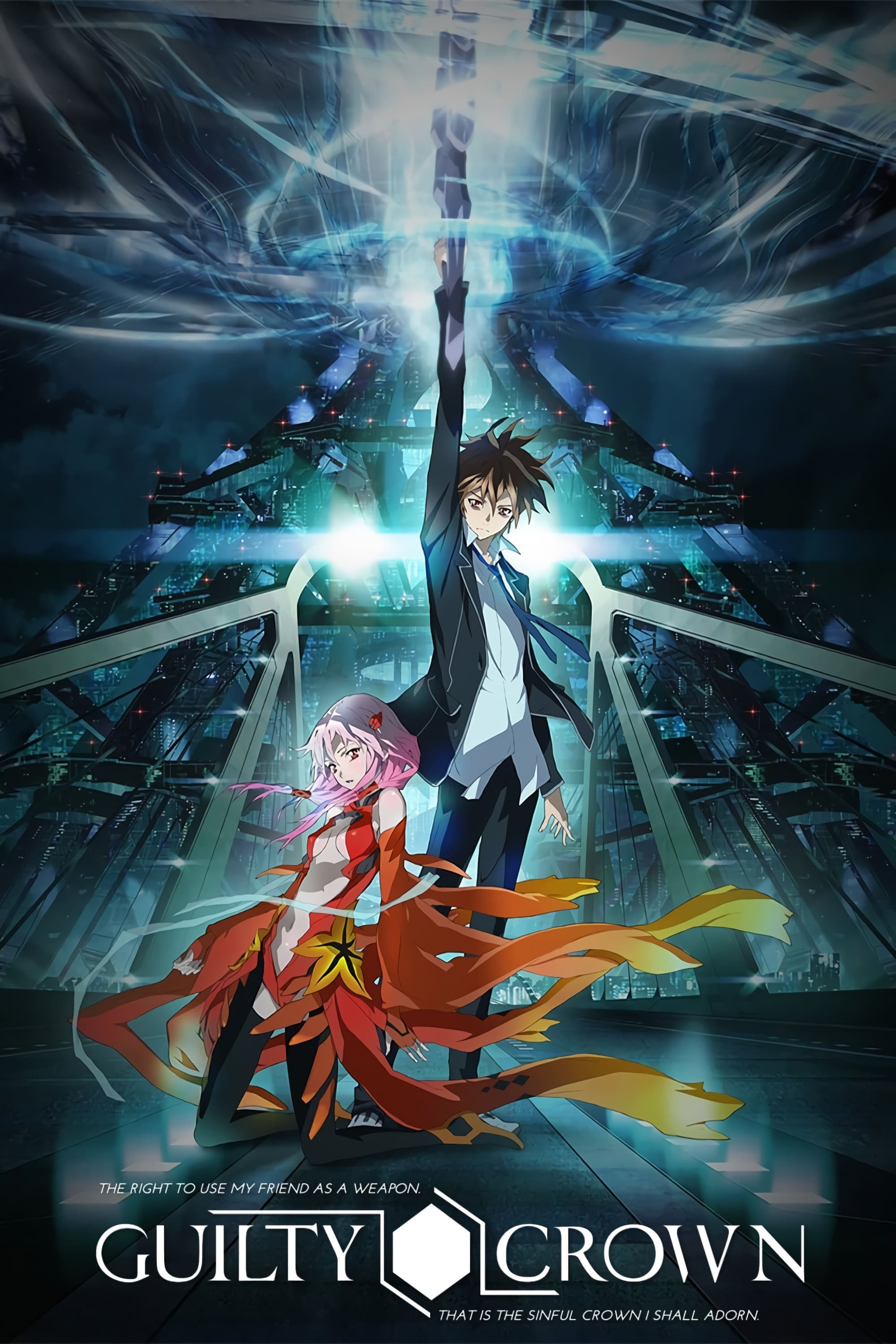
The series starts as a school-set sci-fi with episodic missions and a mysterious “void” power. Midway through, the plot escalates into authoritarian lockdown and resistance warfare, reclassifying the story as dystopian rebellion. Campus clubs and concerts get replaced by martial law, quarantines, and chain-of-command decisions. Power mechanics are reinterpreted for battlefield logistics rather than personal growth.
‘Charlotte’ (2015)
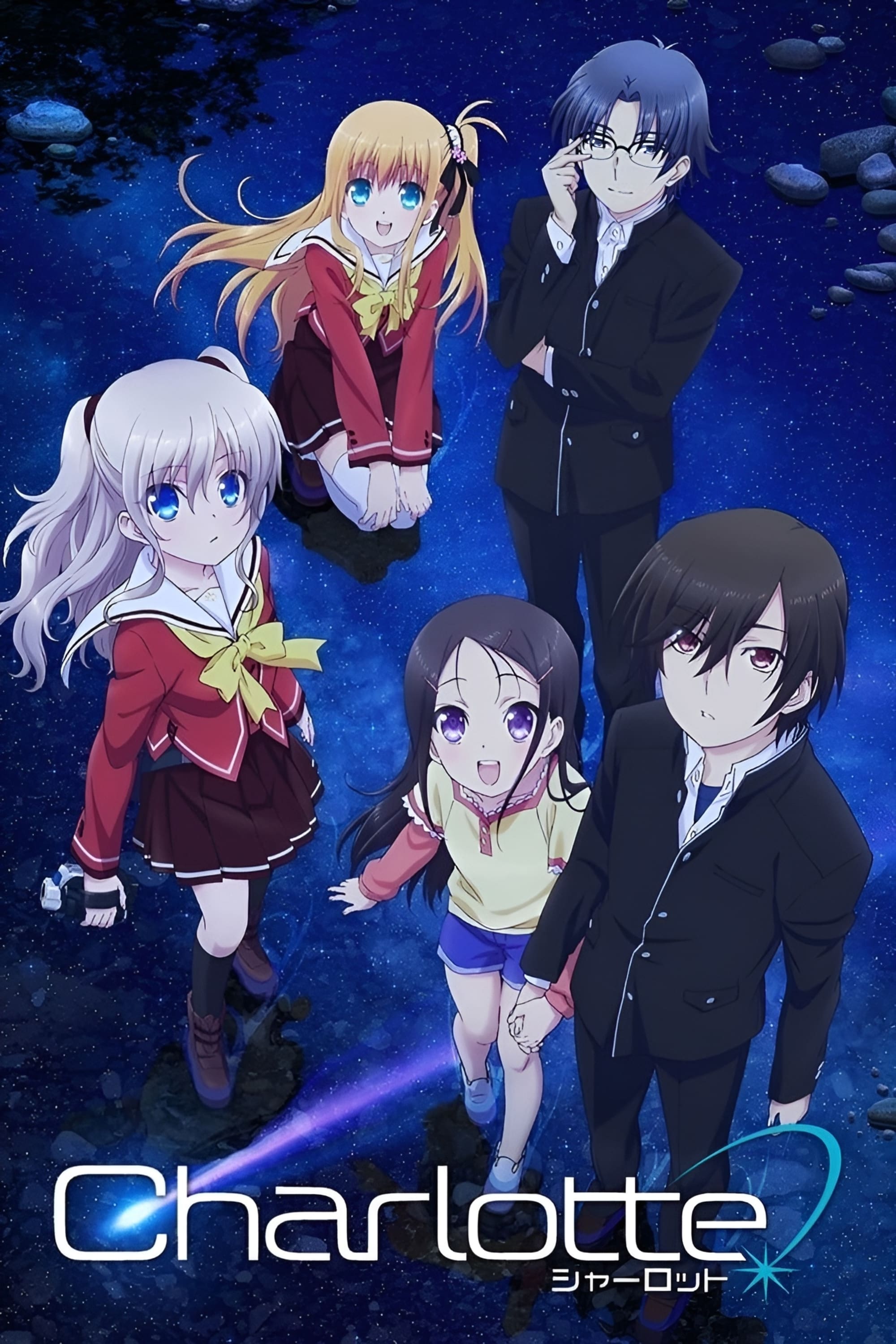
Opening episodes feature comedic misuse of short-term supernatural abilities in a school setting. The midpoint introduces a catastrophic incident and a global black-ops thread, shifting into thriller territory. The protagonist’s skillset becomes instrumental for targeted extractions and containment. Slice-of-life club work is replaced by international travel, security perimeters, and risk-of-capture planning.
‘Darling in the Franxx’ (2018)
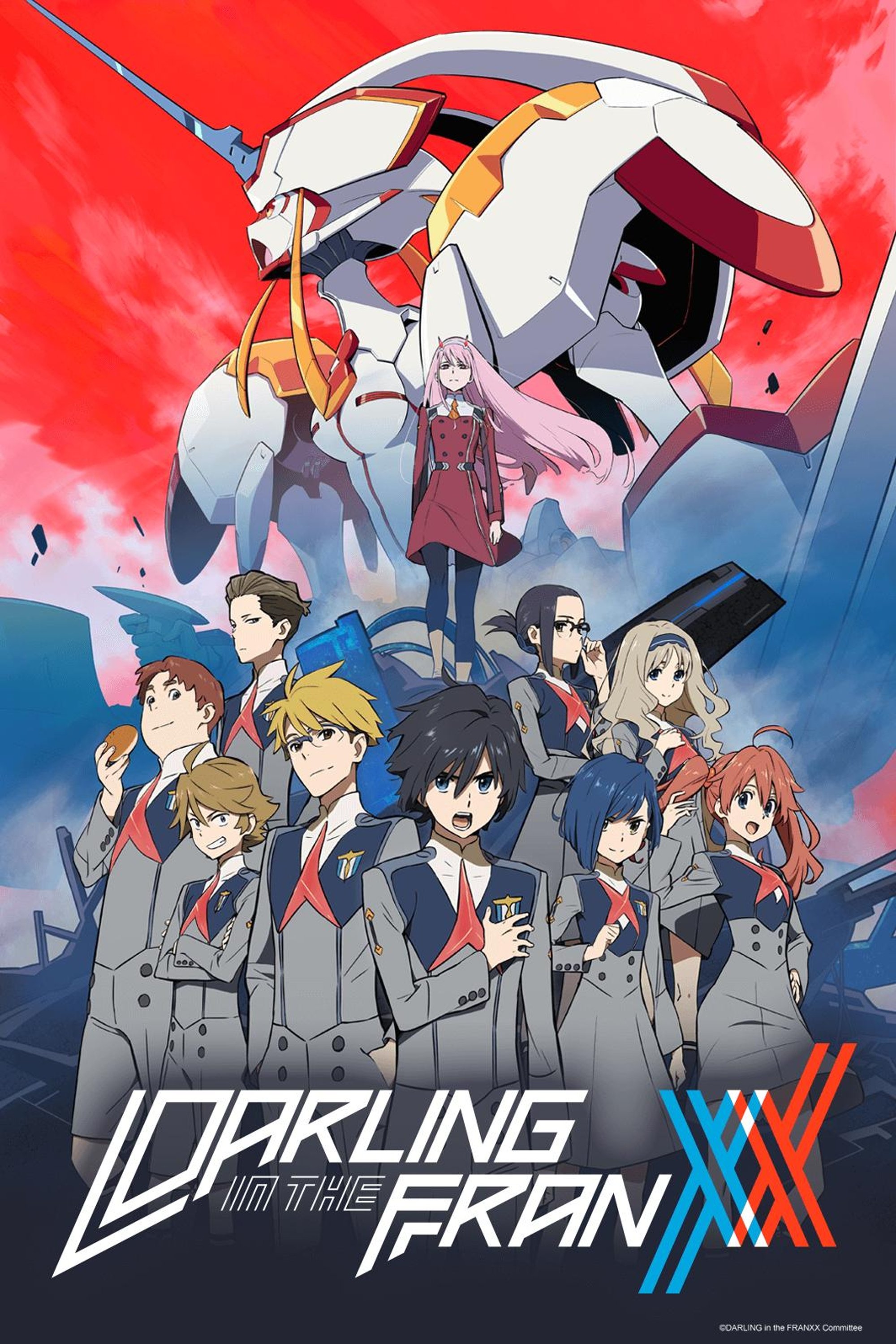
The first half operates as squad-based mecha action with coming-of-age beats and team formation. Mid-season, revelations about the world’s history and the enemy change the stakes to species-level conflict and spacebound warfare. Character pairings and sorties yield to governance disputes and existential threats. Mission reports evolve into strategic briefings with planetary defense parameters.
‘Fena: Pirate Princess’ (2021)
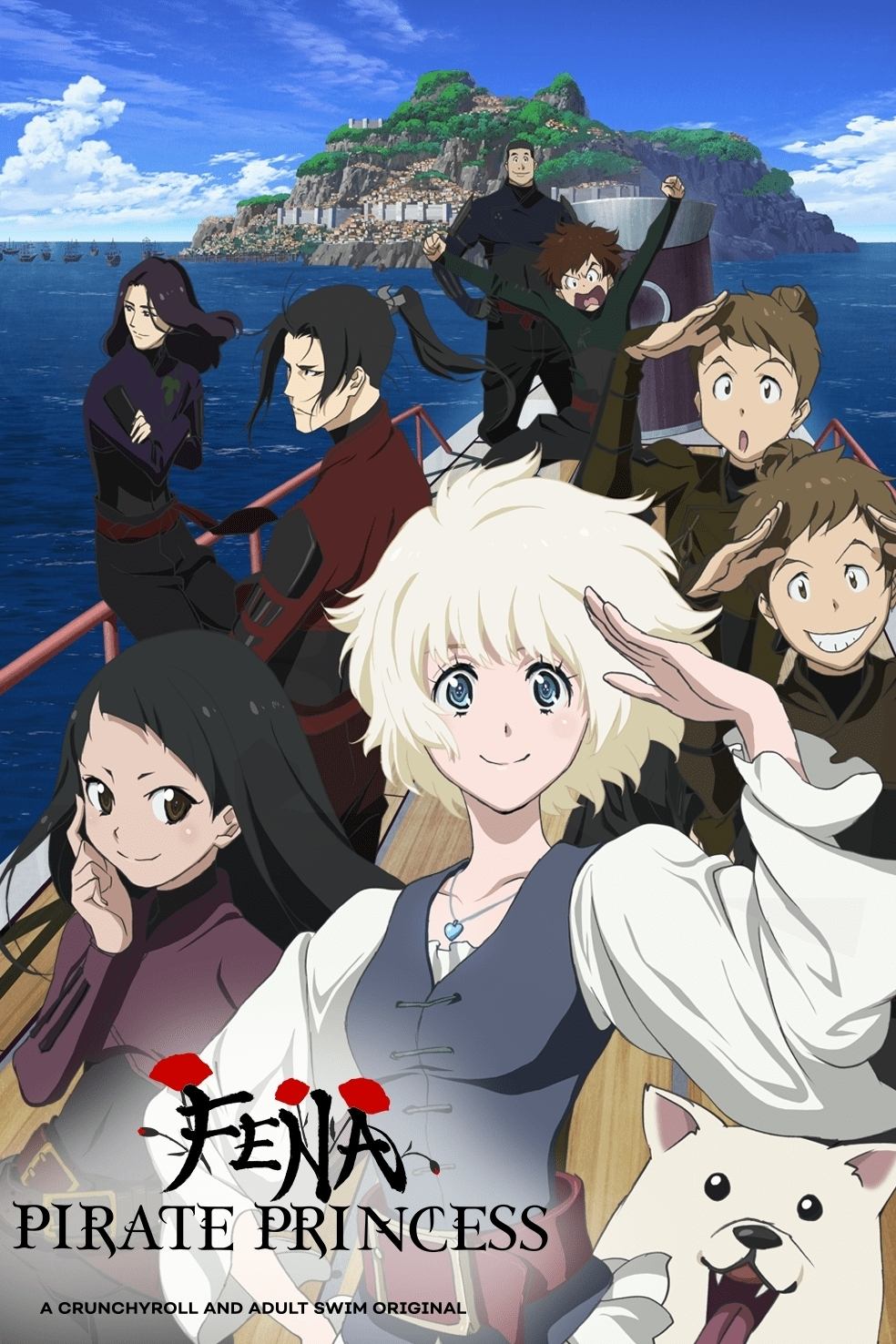
It begins as a swashbuckling treasure-hunt with ship upgrades, maps, and coded clues. Midway, the narrative pivots toward mythic destiny and secret-society machinations. The crew’s objectives shift from tradecraft—scouting, tailing, and navigation—to safeguarding a prophesied role. Nautical tactics give way to ritual sites and historical revelations.
‘Rokka: Braves of the Six Flowers’ (2015)
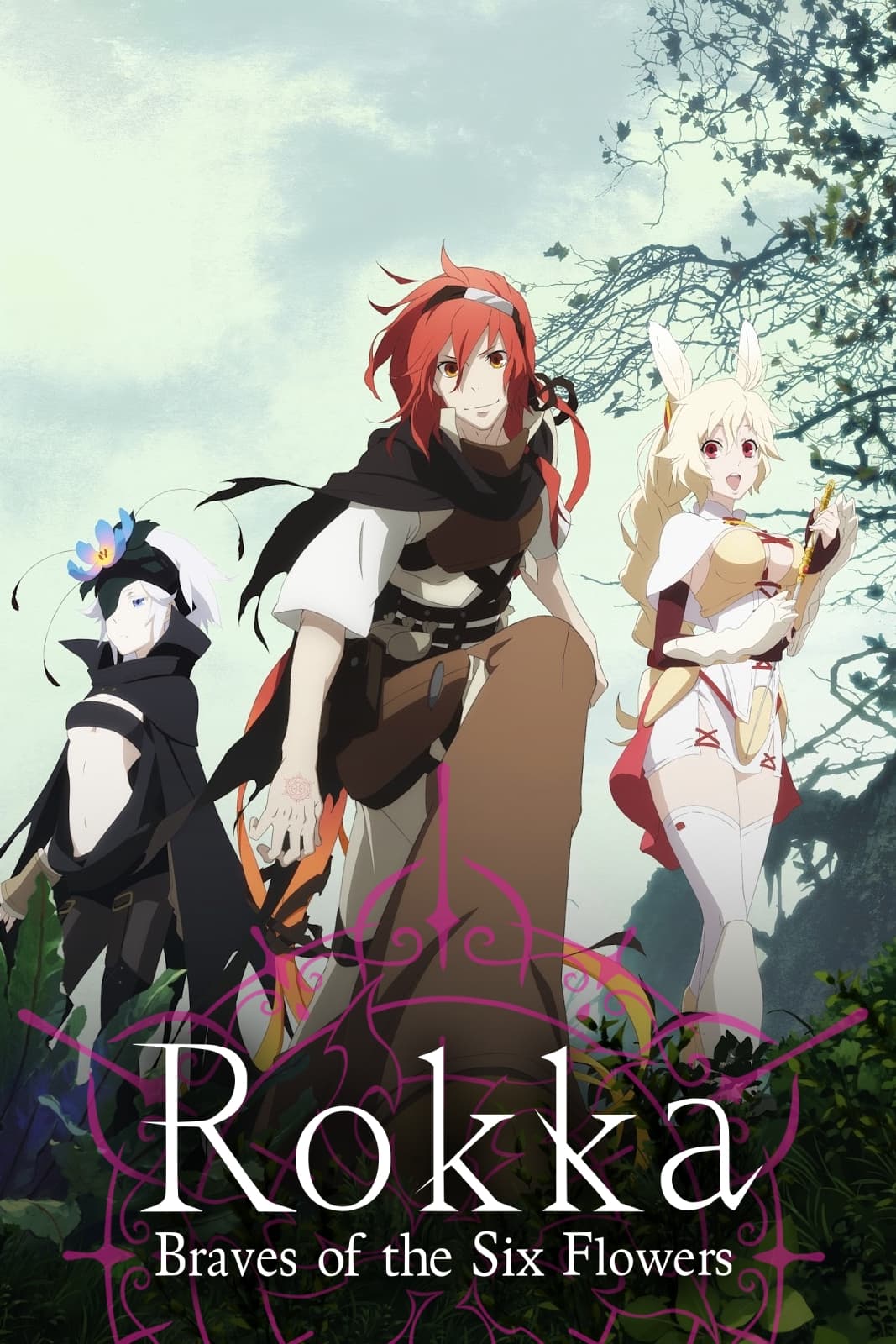
Early episodes set up a straightforward fantasy quest with a fixed party count. At the midpoint, the show turns into a locked-room mystery when the heroes are trapped and must deduce an impostor. Travel logistics and monster hunting pause in favor of alibis, timekeeping, and trap analysis. The tone changes from combat scheduling to investigative procedures with suspect interviews and proof standards.
‘Princess Tutu’ (2002–2003)
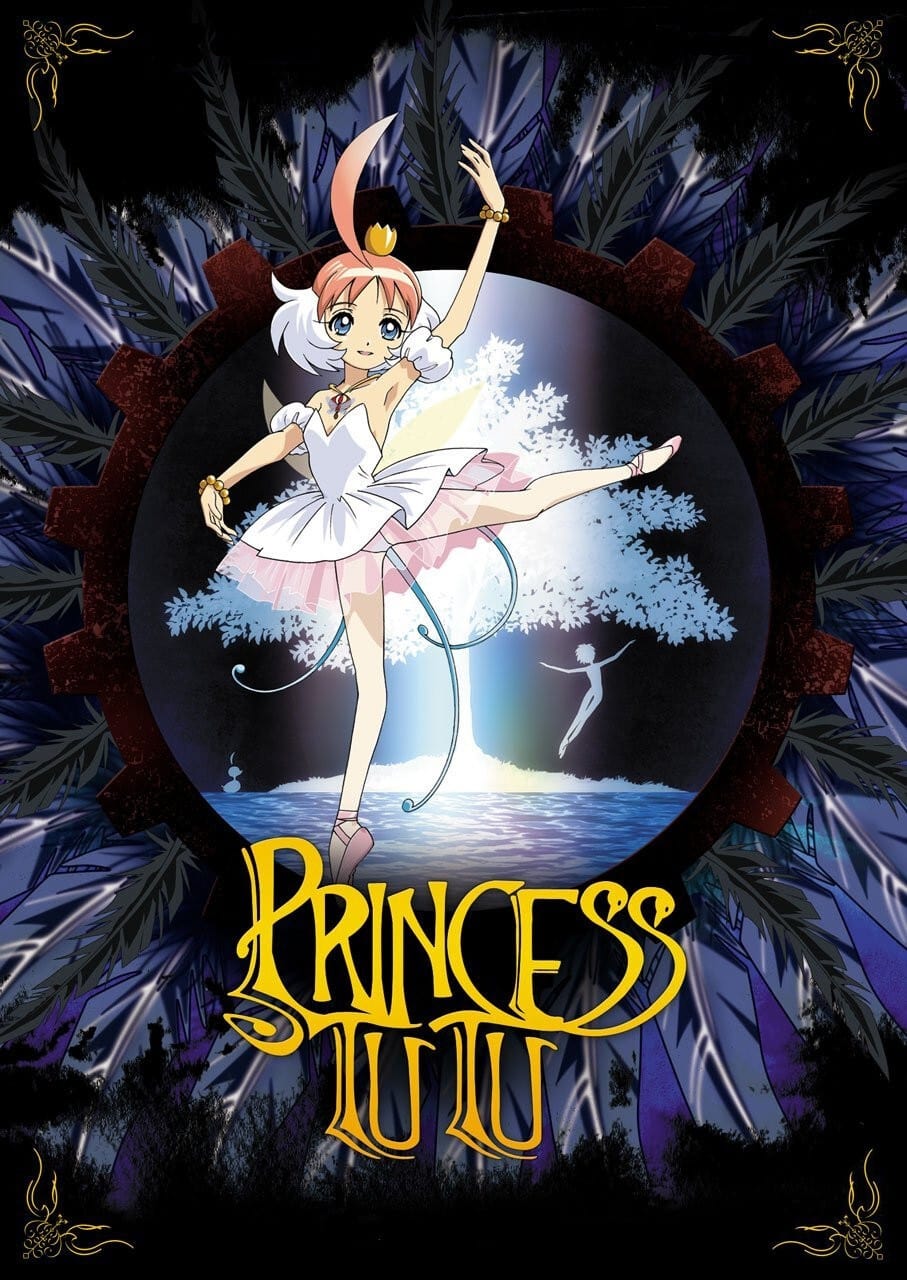
The first half is a magical-ballet fairytale with episodic heart-shard recoveries. Mid-season, the series becomes meta-narrative fantasy as it interrogates authorship, fate, and story roles. Villain motivations are reframed, and choreography becomes a vehicle for rule-breaking within the tale itself. Episodes begin to weigh character agency against scripted outcomes, altering the genre from fairytale quest to literary deconstruction.
‘Shadow Star Narutaru’ (2003)
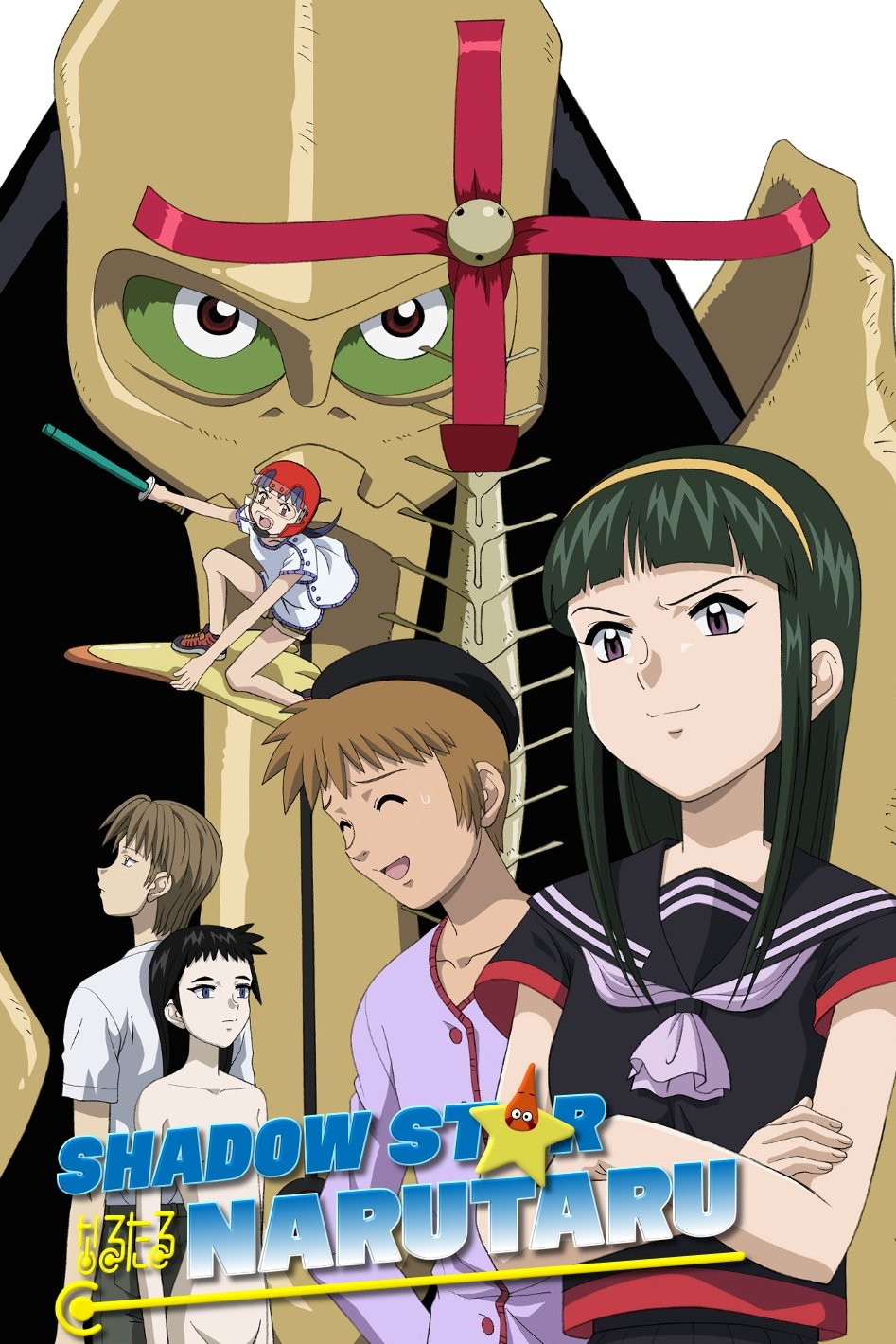
Initial chapters present cute creature companionship and summer break exploration. Mid-season, the narrative exposes abuse, terrorism, and the weaponization of “dragons,” shifting to grim psychological drama. School projects and beach trips are replaced by disappearances, cover-ups, and escalating violence. Creature abilities become instruments in human conflicts rather than adventure aids.
‘Angel Beats!’ (2010)
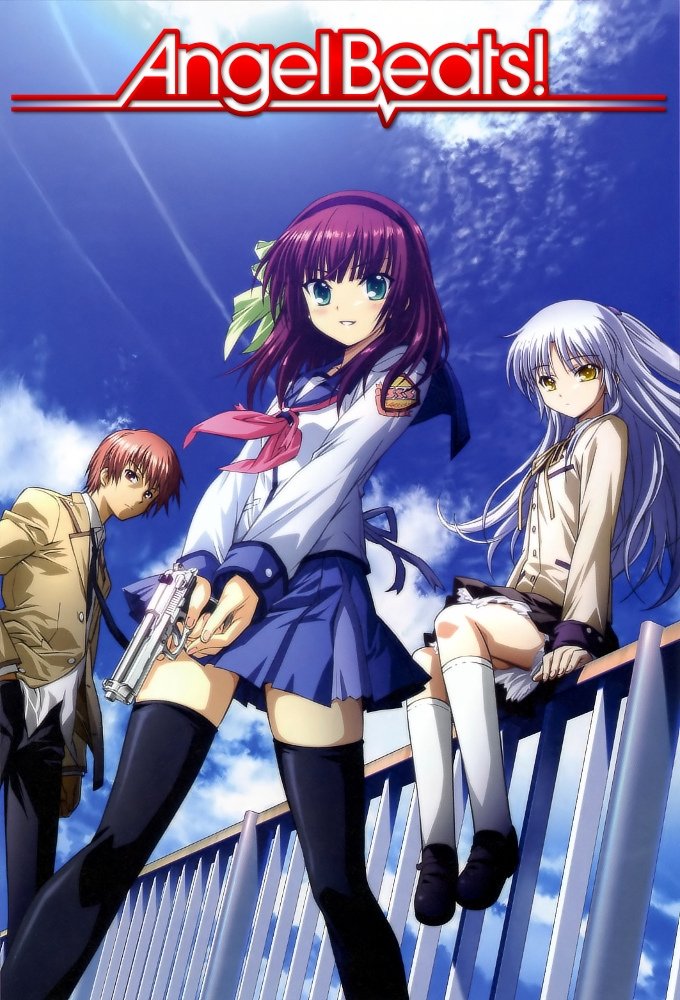
The setup leans on comedy and band activities within a school-like afterlife. In the middle episodes, plotlines concentrate on regret resolution, memory recovery, and terminal farewells, shifting to melodrama. Missions that once disrupted classes turn into individualized graduation plans. The series’ mechanics focus on fulfillment metrics rather than prank operations.
‘Death Note’ (2006–2007)
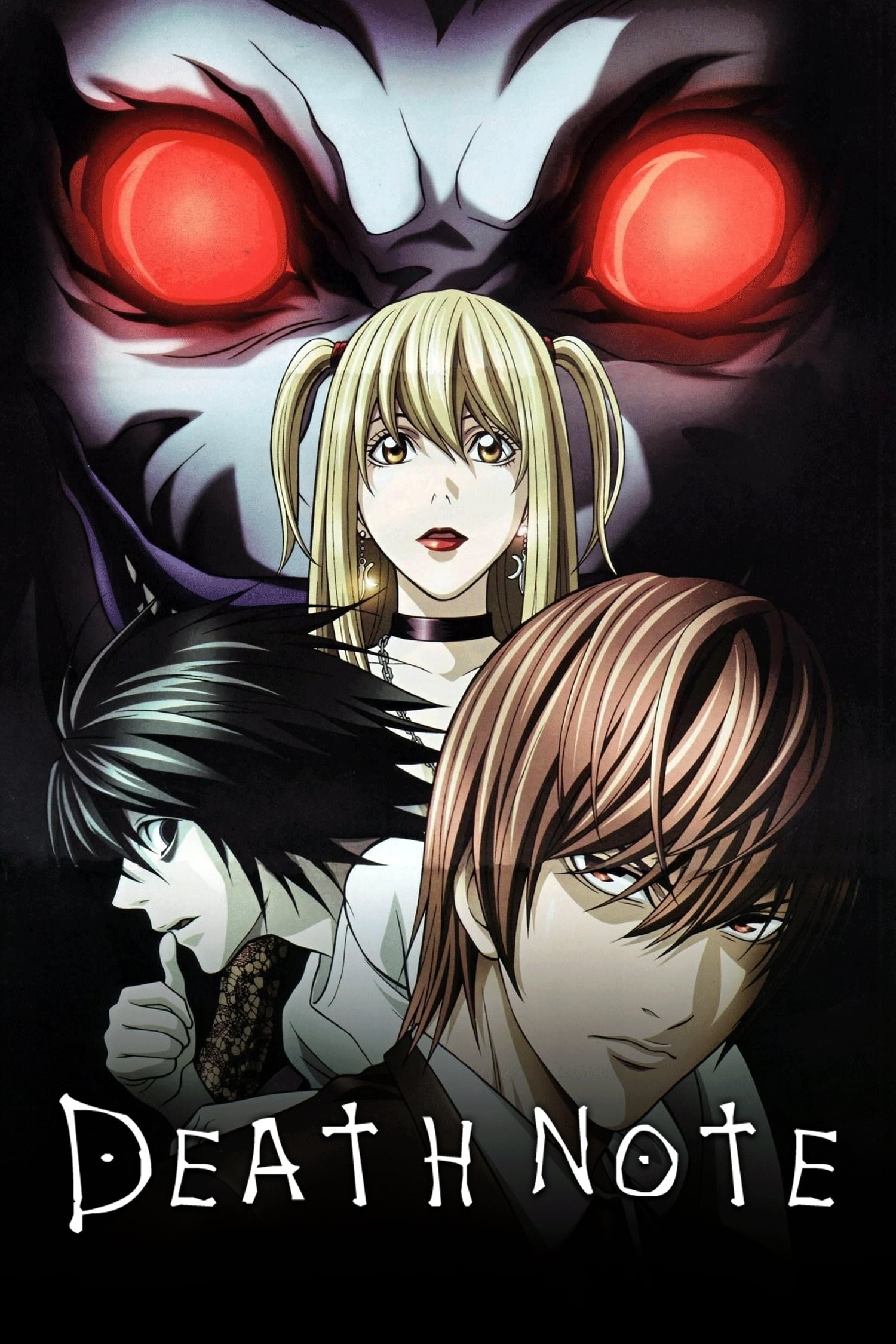
Early episodes center on a two-person cerebral duel with surveillance gambits and legal loopholes. Mid-season, a major cast transition reshapes the conflict structure, introducing new investigative teams and corporate settings. The genre emphasis tilts from detective chess to power succession and counter-intelligence. The tools of play shift from police warrants and wiretaps to insider operations and layered identities.
‘Made in Abyss’ (2017)
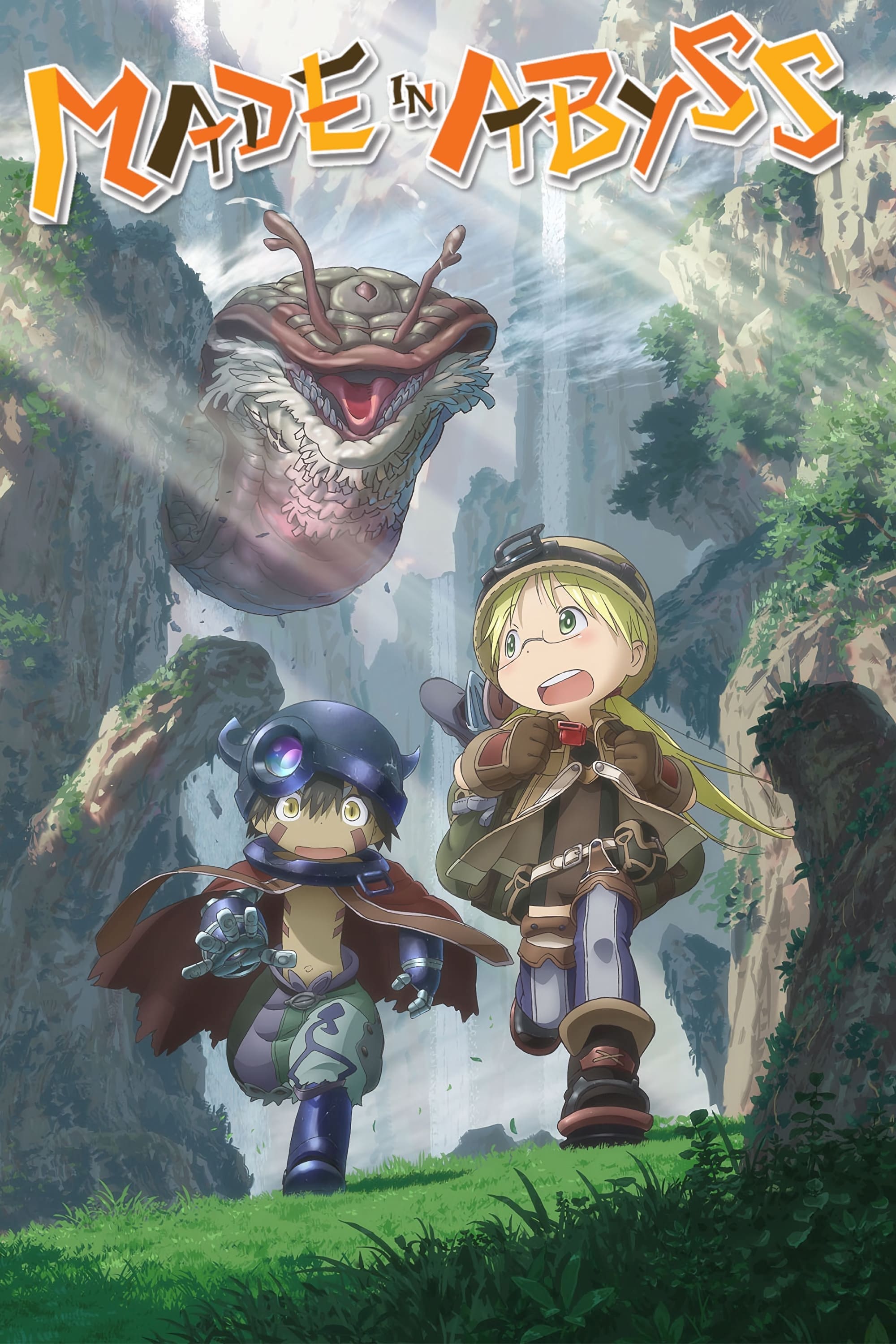
The opening half is a hazardous yet exploratory descent with cartography, relic cataloging, and survival kits. Midway, the show pivots into body-horror and medical triage as the pair reach deeper layers. Scenes begin to detail antidotes, field surgeries, and curse-mitigation strategies. The quest log transitions from “discover” objectives to “endure and escape” procedures.
‘Rurouni Kenshin’ (1996–1998)

Early episodes are largely episodic with local disputes, odd jobs, and comedic downtime in Tokyo. Around the Kyoto arc’s onset, the series shifts into serialized warfare against organized assassins and national security threats. Travel itineraries, courier routes, and political orders become central plot devices. Duels move from street scuffles to planned engagements with reconnaissance and counter-intel.
‘Pandora Hearts’ (2009)
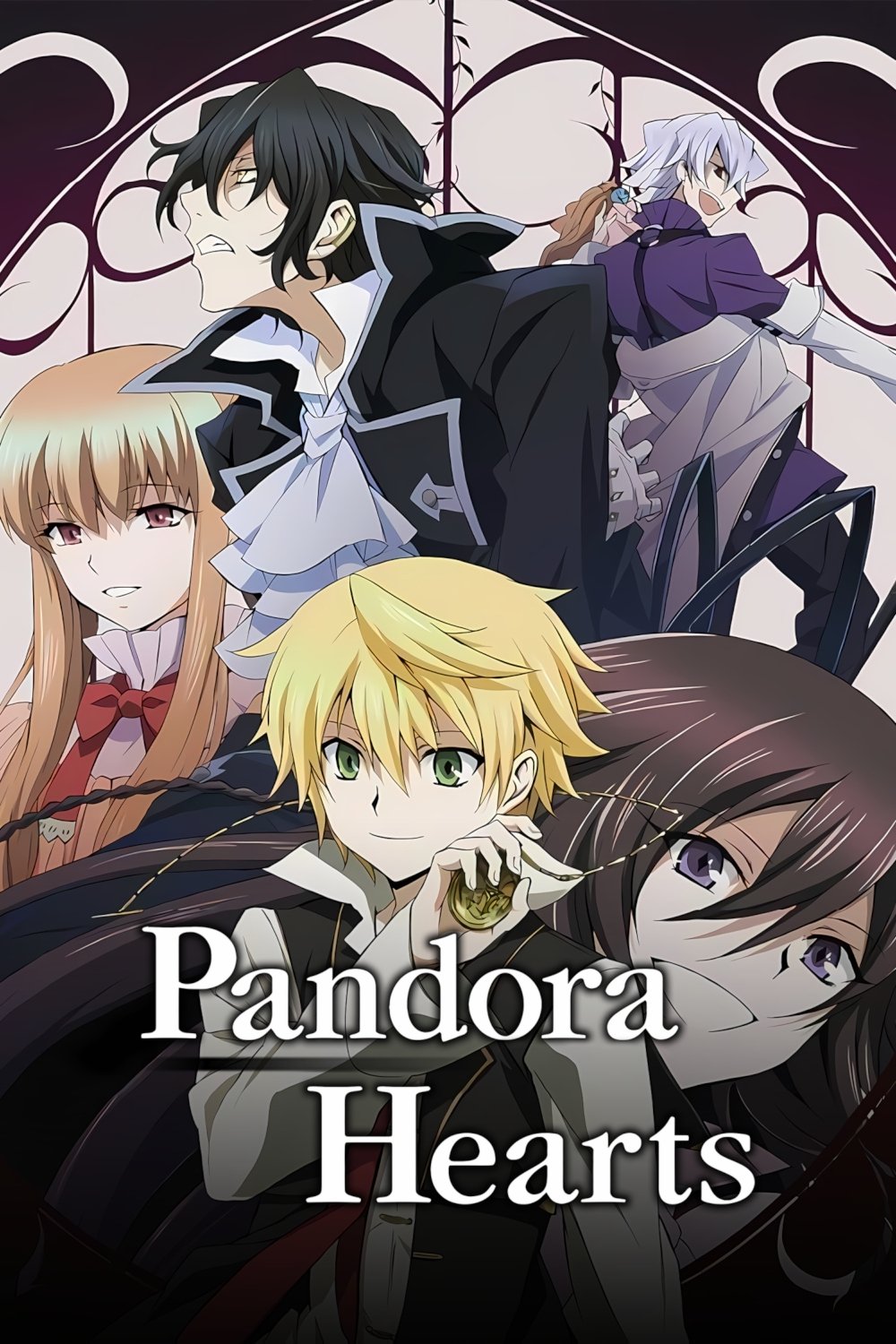
It starts as a gothic mystery with social gatherings, coming-of-age rituals, and mild supernatural incidents. Mid-season, the story dives into the Abyss’s politics and conspiracy networks, becoming dark fantasy intrigue. Ballrooms and estate tours give way to contractor pacts, seal mechanics, and factional conflicts. Clues transition from etiquette-bound hints to archival research and combat revelations.
Share the wildest mid-season genre flip you’ve seen in anime in the comments!