Survival Games That Are Just Inventory Management Simulators


Survival games live and die on what you can carry, stash, and sacrifice, and some turn that juggling act into the real endgame. From grid-based “Tetris” backpacks to brutal weight limits and shared community stockpiles, these titles make every slot, kilogram, and container matter. Below are picks where inventory rules shape your route, your fights, and your chances of making it to sunrise. Each entry highlights how its systems work in practice and calls out the teams behind them, so you know who’s responsible for your next hard choice about dropping ammo for water.
‘Resident Evil 4’ (2005)
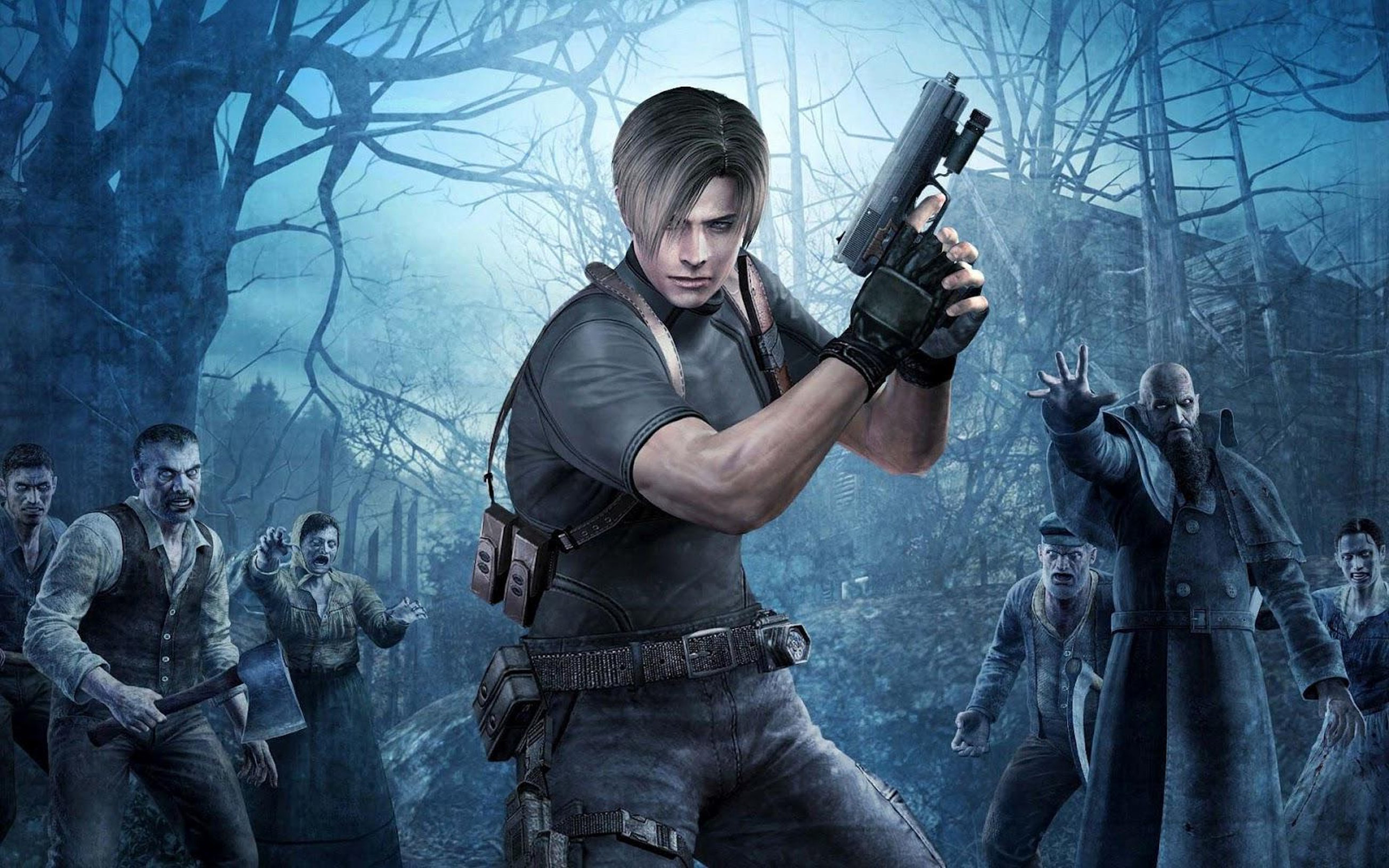
The iconic attaché case turns gear into a tile puzzle where rotating and arranging items is as crucial as aiming, and bigger cases unlock new loadout possibilities. Ammo, grenades, and healing compete for limited space, forcing run-by-run decisions that change how you approach encounters. Merchants sell case upgrades and weapon attachments that add further tradeoffs in footprint versus power. Developed and published by Capcom, the system’s crisp grid rules set a template many later games echoed.
‘Resident Evil Village’ (2021)
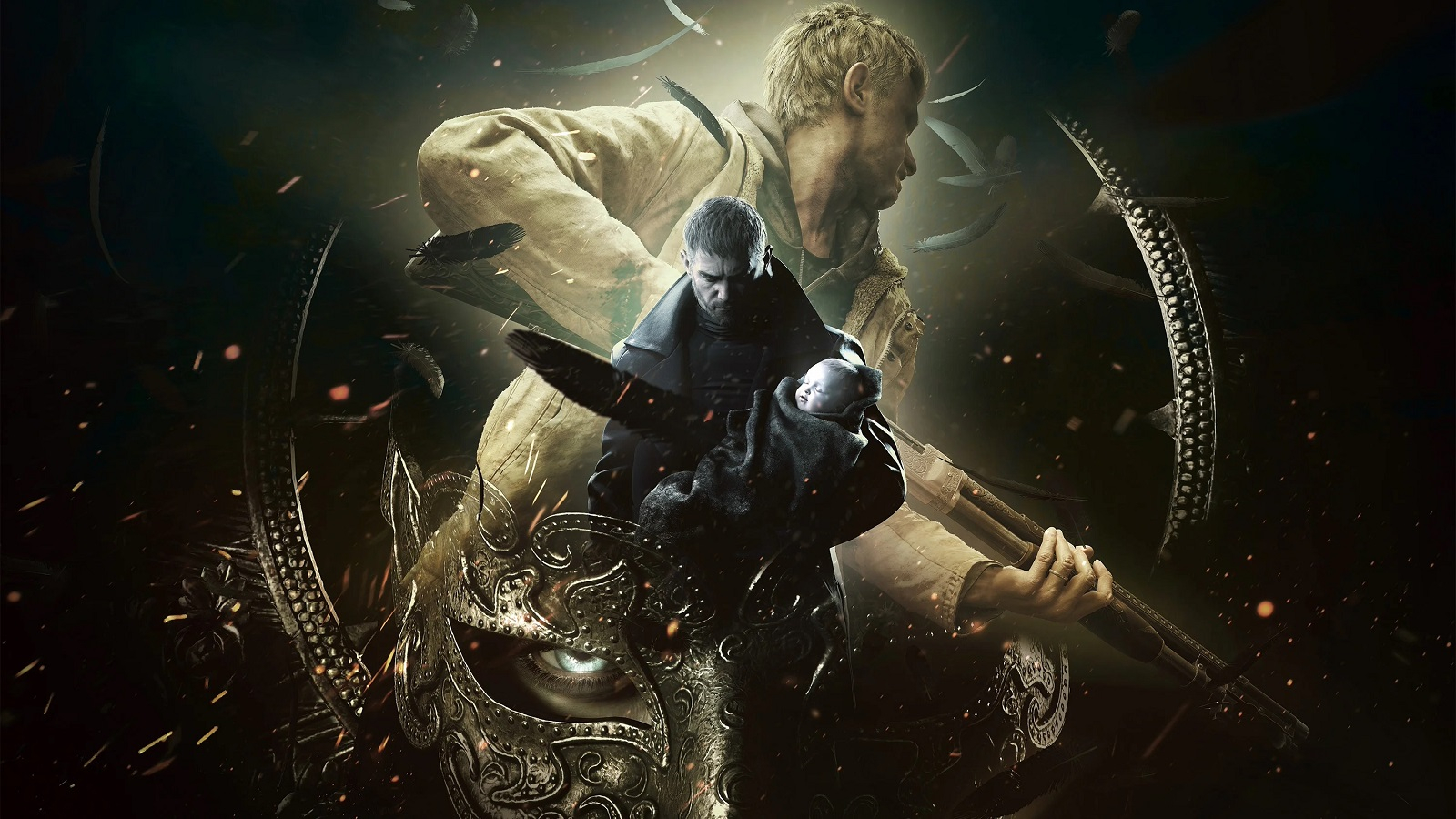
The series returns to a grid backpack where weapon size, ammo stacks, and crafting parts fight for every block. New weapon customization means attachments can inflate your footprint, nudging you to restructure mid-raid. Frequent scavenging and field crafting make the case a live dashboard for moment-to-moment planning. Capcom developed and published the game, refining the modern version of its famed inventory “Tetris.”
‘Resident Evil’ (1996)

Early entries limit you to a handful of slots and rely on storage boxes that link across safe rooms, turning route-planning into a logistical puzzle. Key items often consume precious space, so deciding when to pick them up changes how far you can push before returning to stash. Ammo scarcity ties directly to those constraints, making item runs part of the horror. Capcom developed and published this foundational survival blueprint.
‘Diablo II’ (2000)

A strict grid inventory means potions, charms, and loot compete with your town portal and quest items, shaping how long you can stay in a dungeon. Gear pieces vary in size, making high-value finds a mini-packing challenge under pressure. Horadric Cube storage adds another layer, compressing items at the cost of a slot. Developed by Blizzard North and published by Blizzard Entertainment, it set the ARPG standard for loot-driven space management.
‘Path of Exile’ (2013)

Every map run is bounded by your inventory’s grid, with rare items, currency, and fragments consuming space until a stash trip. Loot filters help triage pickups, but socket-hunting and item bases still force hard choices mid-mission. The premium stash system introduces specialized tabs that reorganize economies between sessions. Grinding Gear Games develops and publishes the game, building deep logistics into its endgame loop.
‘Escape from Tarkov’ (2017)
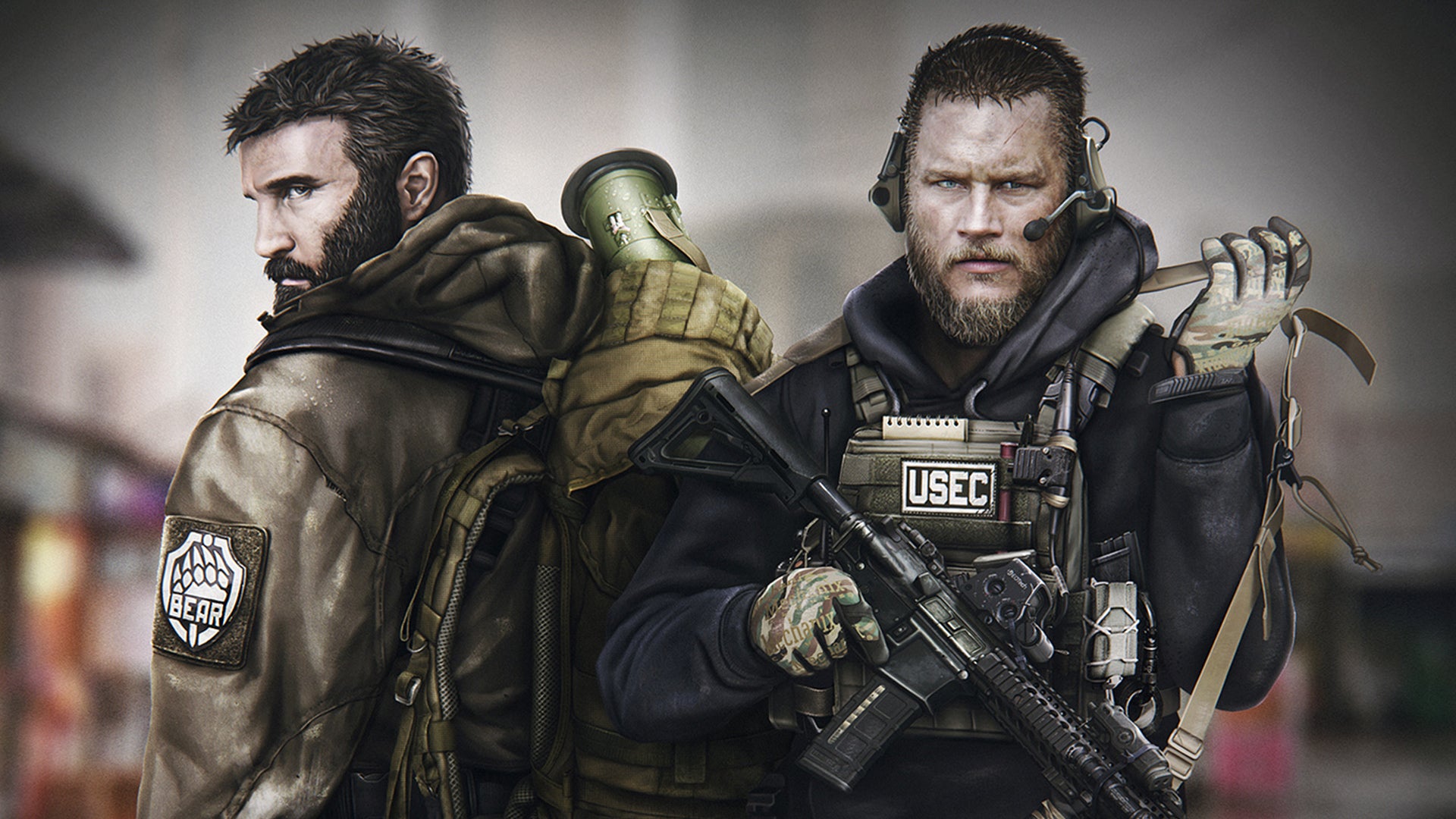
Your secure container, rig, backpack, and pockets create layered storage with real risk—lose a fight and most of it’s gone. Rigs and armor come with built-in slots that change how you carry ammo and meds, and container Tetris happens under fire. Hideout upgrades and flea market play extend the logistics meta well beyond raids. Battlestate Games develops and publishes this extraction shooter where inventory literally equals survival odds.
‘DayZ’ (2013)
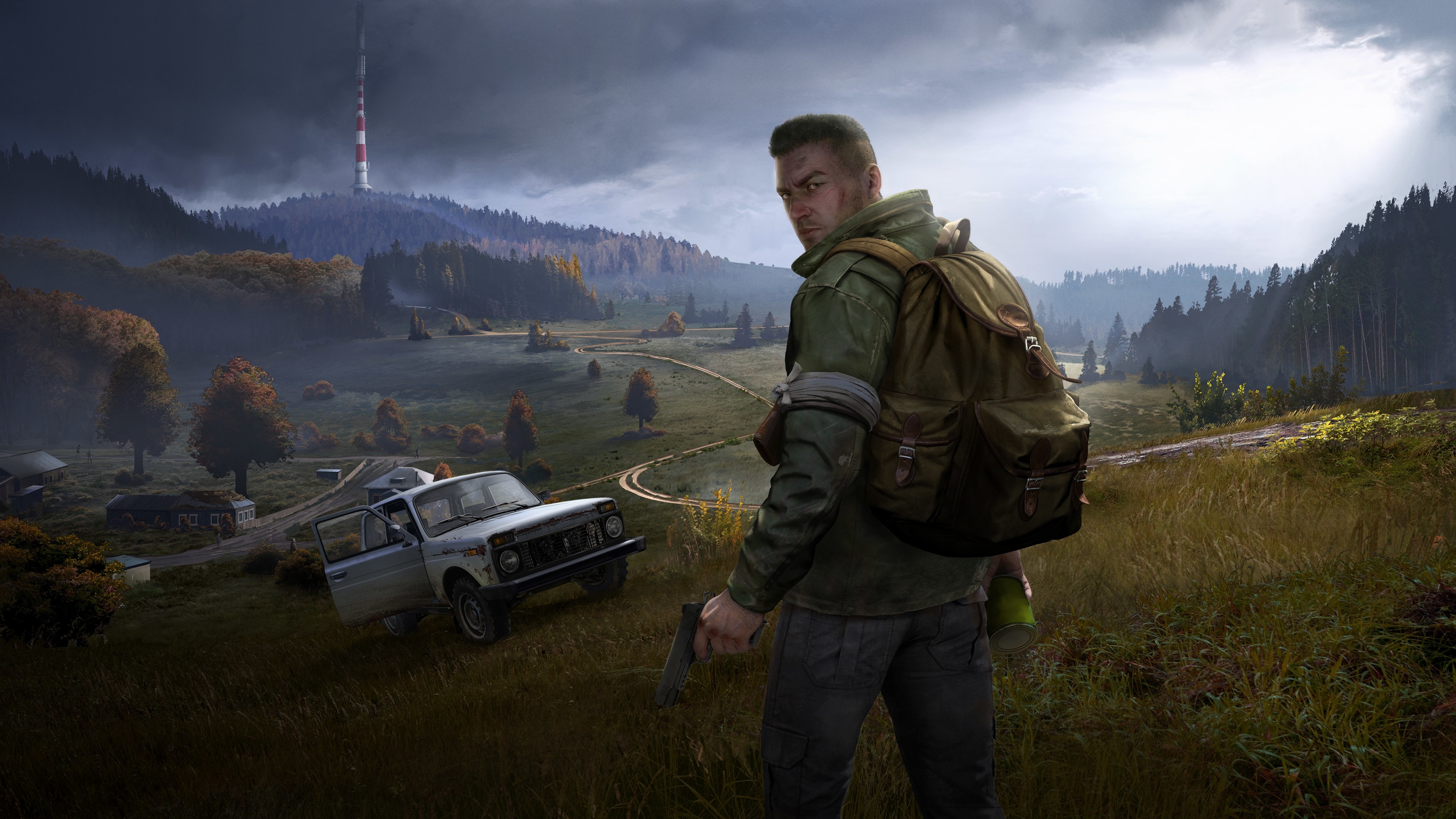
Pants, jackets, vests, and backpacks each add slot grids, while item condition and weight affect stamina and mobility. Managing blood, food, temperature, and medical supplies turns your storage into a constantly shifting priority list. Containers inside containers—like ammo boxes and protective cases—extend capacity at the cost of time and organization. Bohemia Interactive develops and publishes, anchoring the sandbox to gear logistics.
‘S.T.A.L.K.E.R.: Shadow of Chernobyl’ (2007)

Encumbrance thresholds limit sprinting and movement, and artifact hunting adds heavy, valuable finds that punish greed. Weapons, medkits, and anti-radiation supplies all weigh in, shaping your loadout for specific zones. Traders and stash spots encourage regional caching to reduce backtracking. Developed by GSC Game World and published by THQ, it ties atmosphere to weight-and-space calculus.
‘The Long Dark’ (2014)
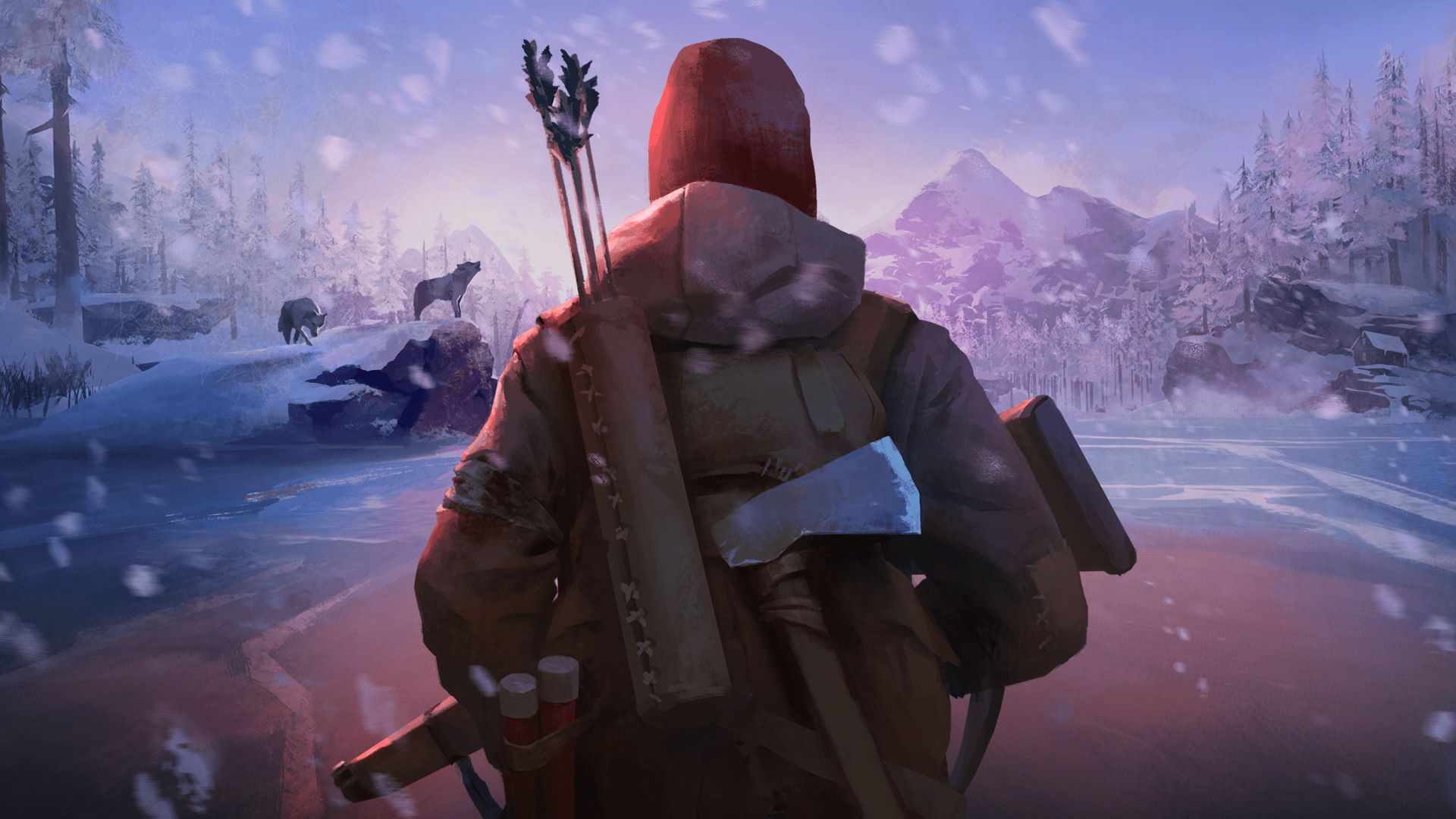
Every kilogram matters, and cold weather adds extra supplies to your must-carry list, from fuel to clothing layers. Food decays, water is heavy, and injuries require medical kits that eat slots and stamina margin. Caching at key shelters becomes a map-wide strategy to survive blizzards and wolf patrols. Hinterland Studio develops and publishes this meticulous survival sim.
‘Subnautica’ (2018)

A slot-based inventory governs how long you can stay underwater before returning to a base or vehicle to offload. Personal storage, seabase lockers, and vehicle cargo bays create a multi-tier logistics network as you expand deeper. Crafting chains rely on mined resources that quickly fill your pack unless you plan runs around biomes. Unknown Worlds Entertainment develops and publishes, making storage part of exploration pacing.
‘No Man’s Sky’ (2016)
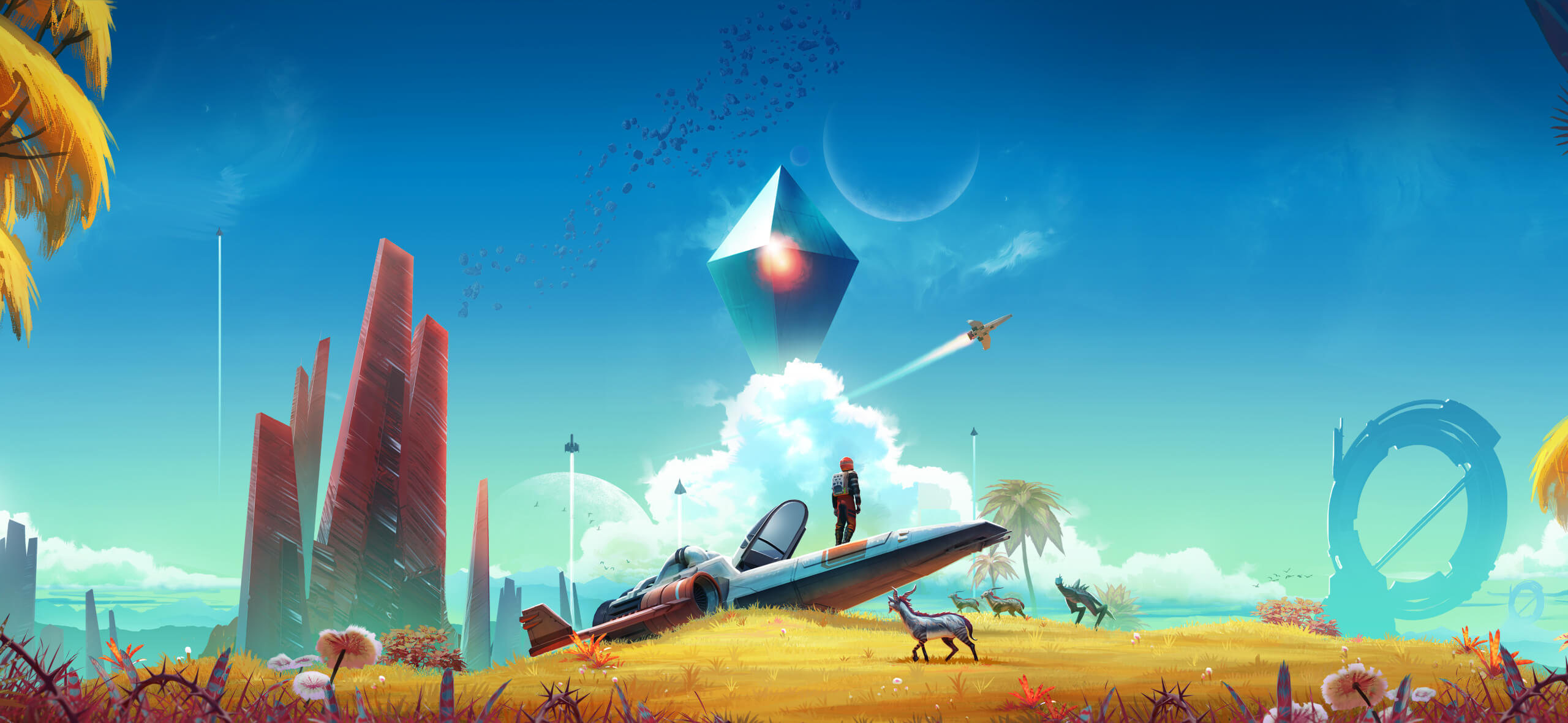
Your exosuit, starship, and freighter each offer separate inventories with tech slots and cargo tabs that affect stack sizes. Upgrades and multi-tool modules consume valuable real estate, trading raw capacity for capability. Galactic trading loops hinge on juggling high-demand goods and crafting components across containers. Hello Games develops and publishes, turning inventory upgrades into a core progression path.
‘Green Hell’ (2019)

A backpack grid with a dedicated crafting surface makes placement and inspection part of survival. Food spoils, bandage materials stack oddly, and tools degrade, pushing frequent reorganization. Weight and item type influence stamina drain and movement through dense jungle. Creepy Jar develops and publishes this punishing, detail-driven system.
‘Project Zomboid’ (2013)
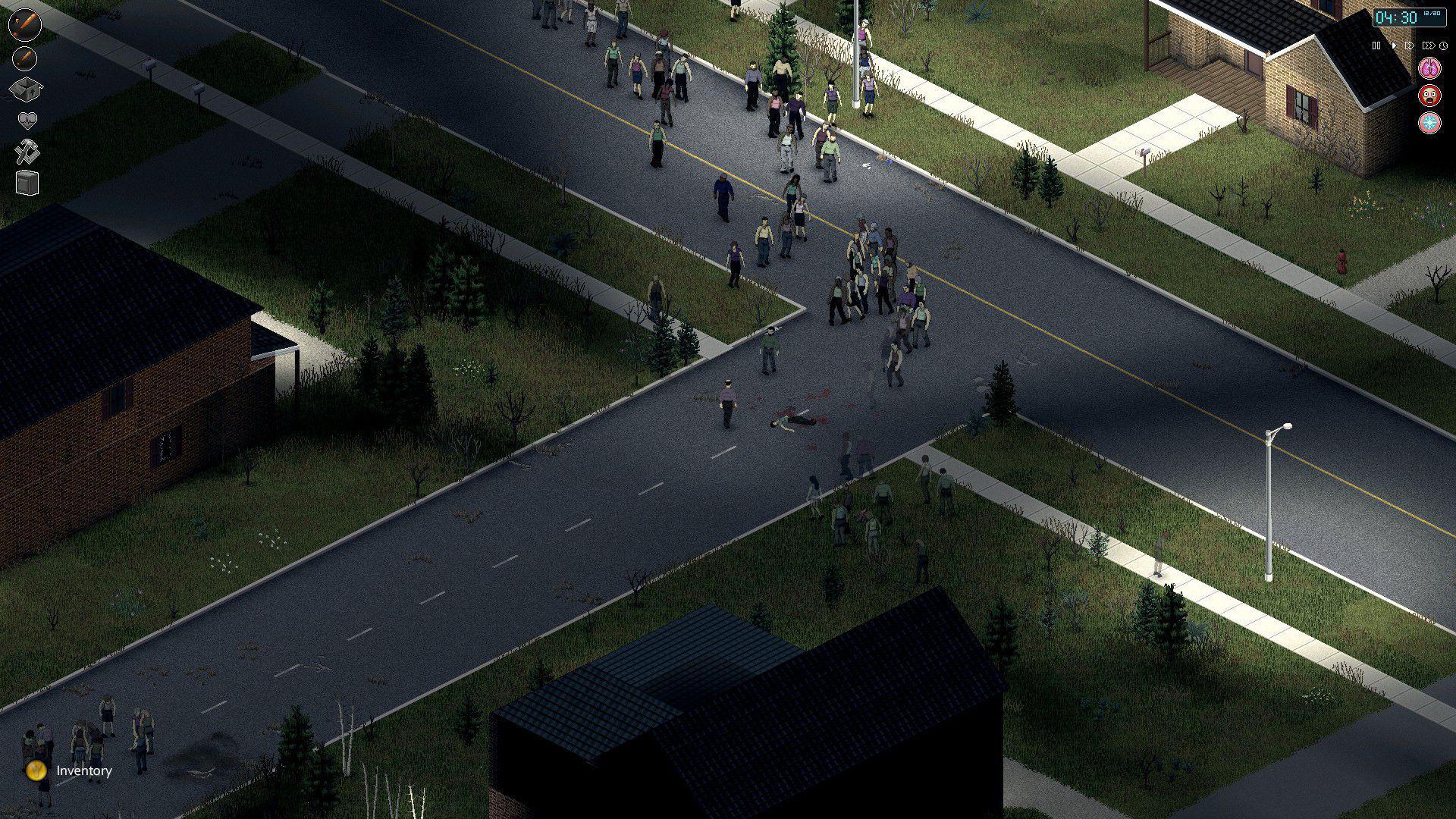
Every container—cupboards, car trunks, and tool belts—has capacity and weight limits, and traits like “Strong” change how much you can haul. Food freshness and cooking gear compete with medical and carpentry supplies during long-term base building. Vehicle logistics add mobile storage that can serve as lifelines during evacuations. The Indie Stone develops and publishes, making logistics a true endgame.
‘The Forest’ (2018)
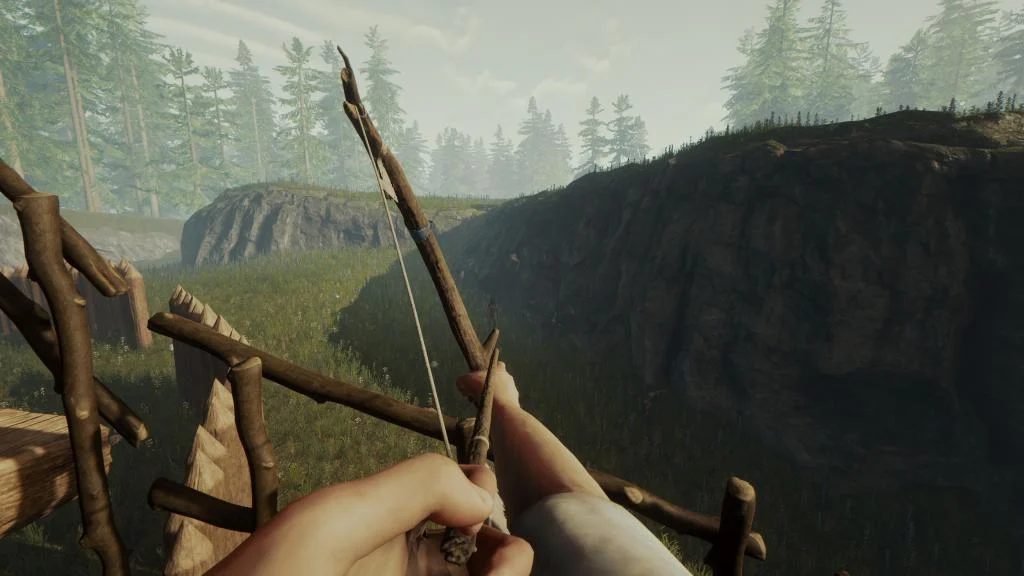
Your survival mat acts as an organizing surface for crafting, while limited stacks restrict how many meds, snacks, and arrows you can carry. Animal hides and bones collide with building ambitions, pushing you to set up storage racks at camp. Cave expeditions demand tailored loadouts to balance light sources, weapons, and climbing gear. Endnight Games develops and publishes, tying inventory to exploration readiness.
‘Don’t Starve’ (2013)

A small hotbar and backpack extension define early-game capacity, with specialized containers at base for food, materials, and research. Seasonal demands force rotations between warm clothing, healing, and farming tools. Spoilage and sanity mechanics make what you carry—mushrooms, meals, trinkets—a constant tradeoff. Klei Entertainment develops and publishes this exacting survival loop.
‘SCUM’ (2018)
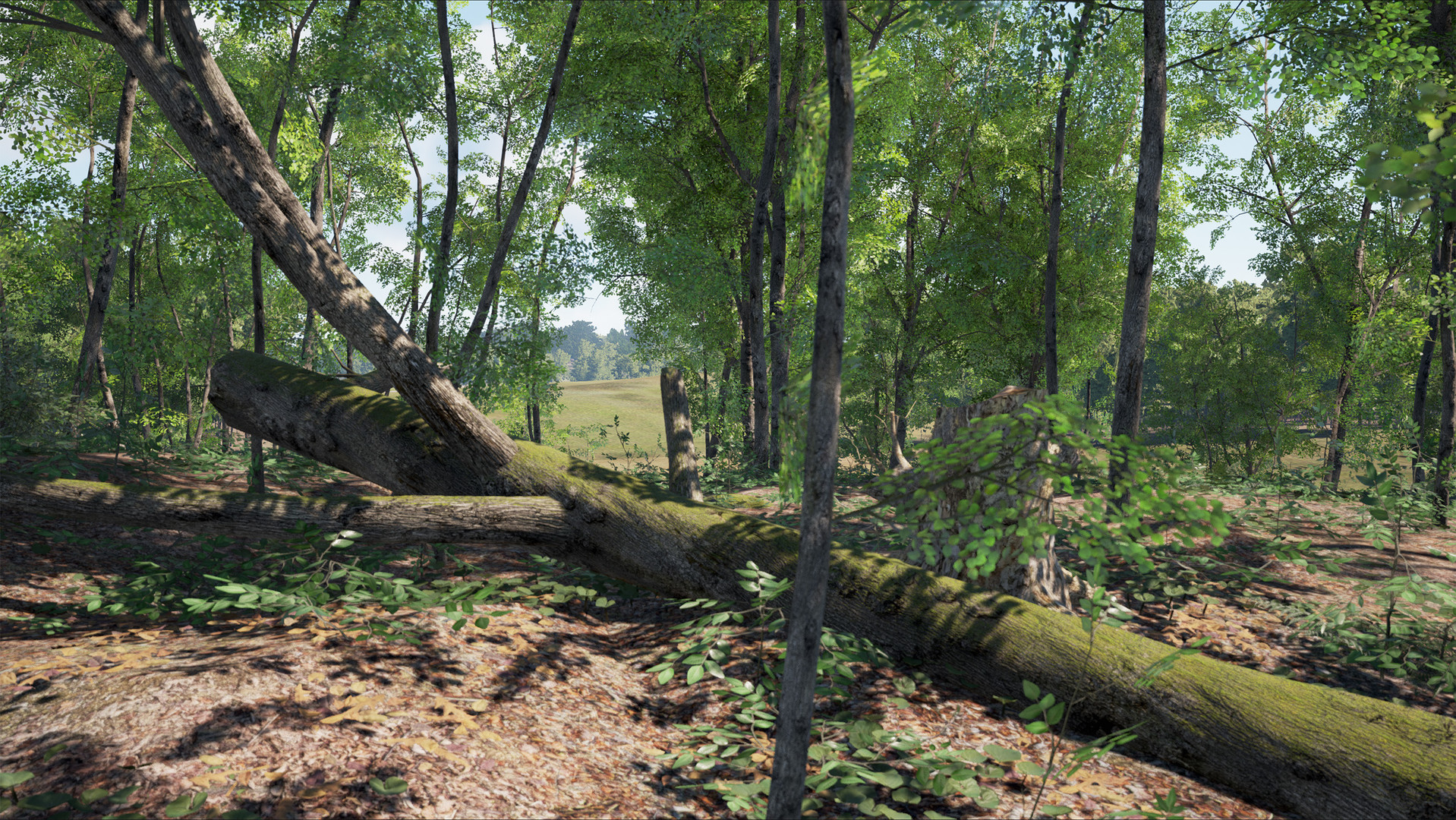
A grid-and-slot backpack system interfaces with deep metabolism tracking, so ammo and armor compete with food tuned to your macros. Clothing layers add pockets with different slot sizes and access speeds. Base raiding and vehicle storage extend logistics into PvP and faction play. Developed by Gamepires with support from Croteam and published by Devolver Digital, it’s a hardcore inventory sandbox.
‘7 Days to Die’ (2013)
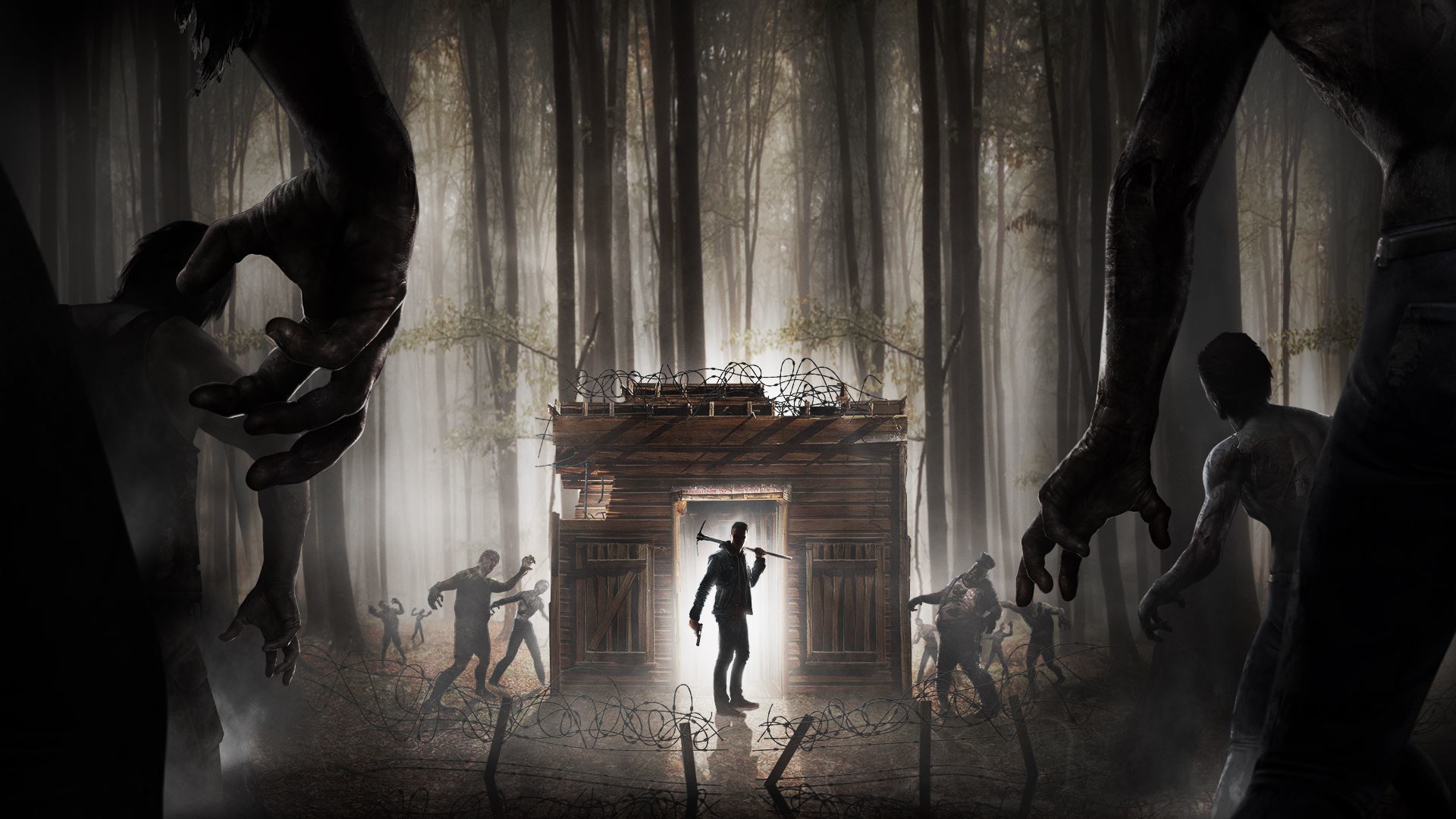
Limited hotbar and backpack slots push early-game stash points and frequent sorting, especially before you unlock mods and vehicles. Weightless stacks contrast with equipment durability, so repair kits and spare tools fill precious space. Horde nights demand pre-positioned chests to resupply ammo and meds under pressure. The Fun Pimps develops and publishes, making storage a week-long plan.
‘This War of Mine’ (2014)
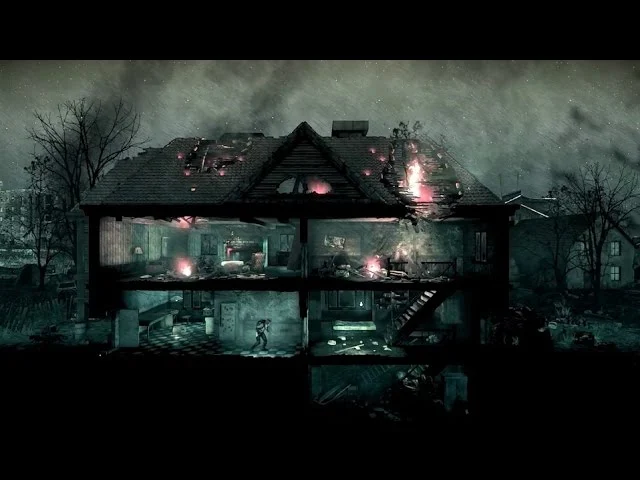
Each scavenger has a fixed number of item slots, and every trip to ruined buildings is a puzzle of what to bring versus what to take back. Tools occupy space but speed looting, while food, meds, and components compete for the same limited capacity. Upgrading your shelter’s storage and crafting stations changes what’s worth carrying home. 11 bit studios develops and publishes this logistics-first survival experience.
‘Raft’ (2018)

Your early inventory is tiny, so building storage and organizing by resource type becomes essential to long voyages. Smelting, cooking, and research bench needs translate into separate bins for ores, planks, and ingredients. Late-game islands and story locations reward players who pack specialized gear and spare tools. Developed by Redbeet Interactive and published by Axolot Games, it’s seafaring by way of shelving.
‘Astroneer’ (2019)

A slot-based backpack with quick-attach sockets makes items physical—resources, tools, and power modules clip on and off surfaces. Base platforms and storage extenders turn logistics into a spatial puzzle across planets. Vehicles and tractors carry storage pallets, enabling mobile mining convoys. System Era Softworks develops and publishes, emphasizing tangible, modular inventory.
‘Icarus’ (2021)
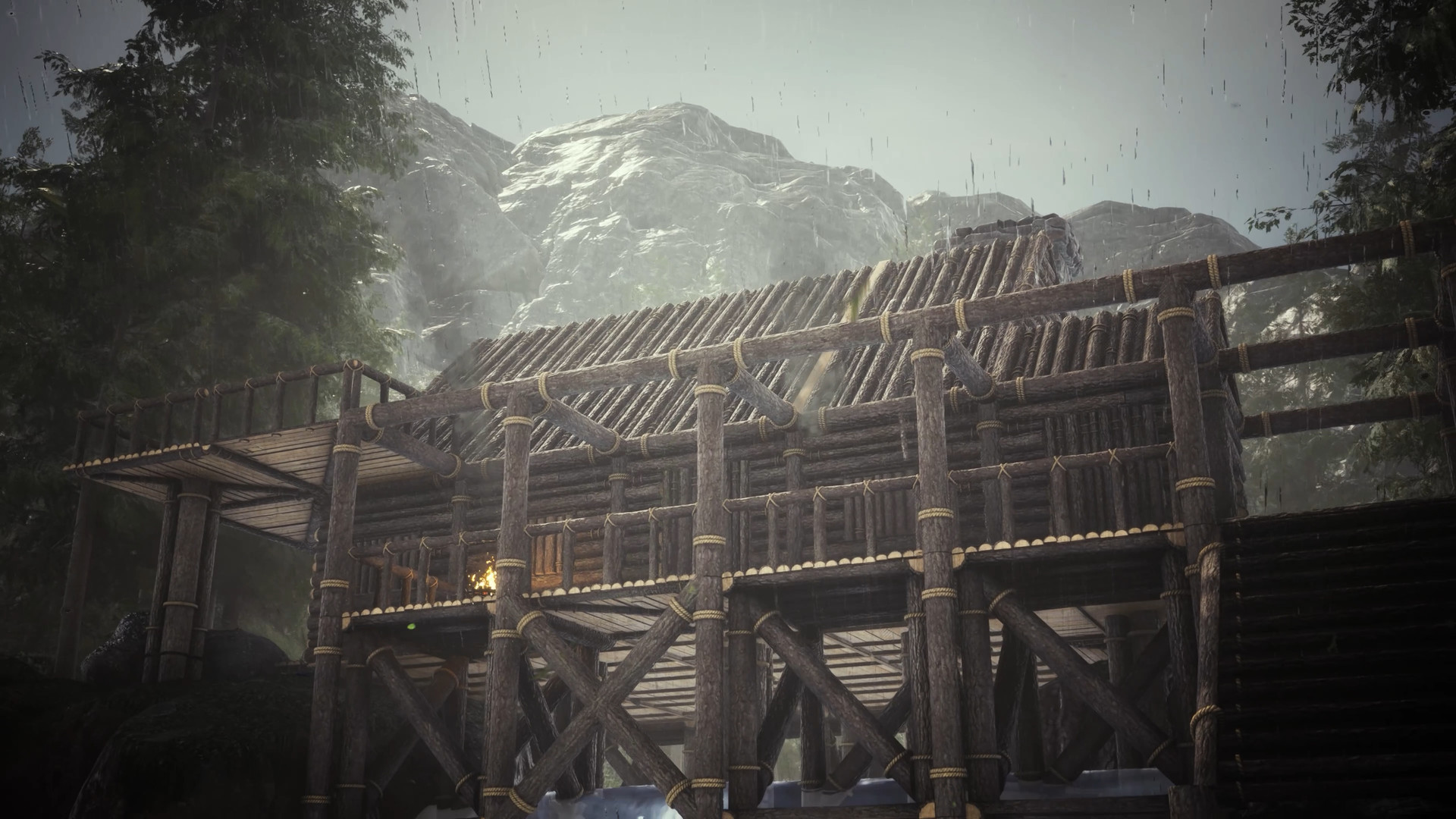
Mission-based drops reset progression, so what you craft, carry, and leave in orbital storage matters long-term. Weight limits and storm exposure force careful packing of tools, shelter parts, and oxygen supplies. Station workshop gear occupies precious slots but reduces risk during harsh biomes. RocketWerkz develops and publishes, building meta-inventory into its session structure.
‘V Rising’ (2022)

Your vampire’s gear score stems from crafted sets, but haul capacity and chest networks determine how fast you scale. Servants, workstations, and castle rooms act as specialized storage, streamlining material flow if you plan layouts well. Raids and resource runs hinge on packing salvage tools and transport coffins efficiently. Stunlock Studios develops and publishes, blending ARPG loadouts with base logistics.
‘Valheim’ (2021)
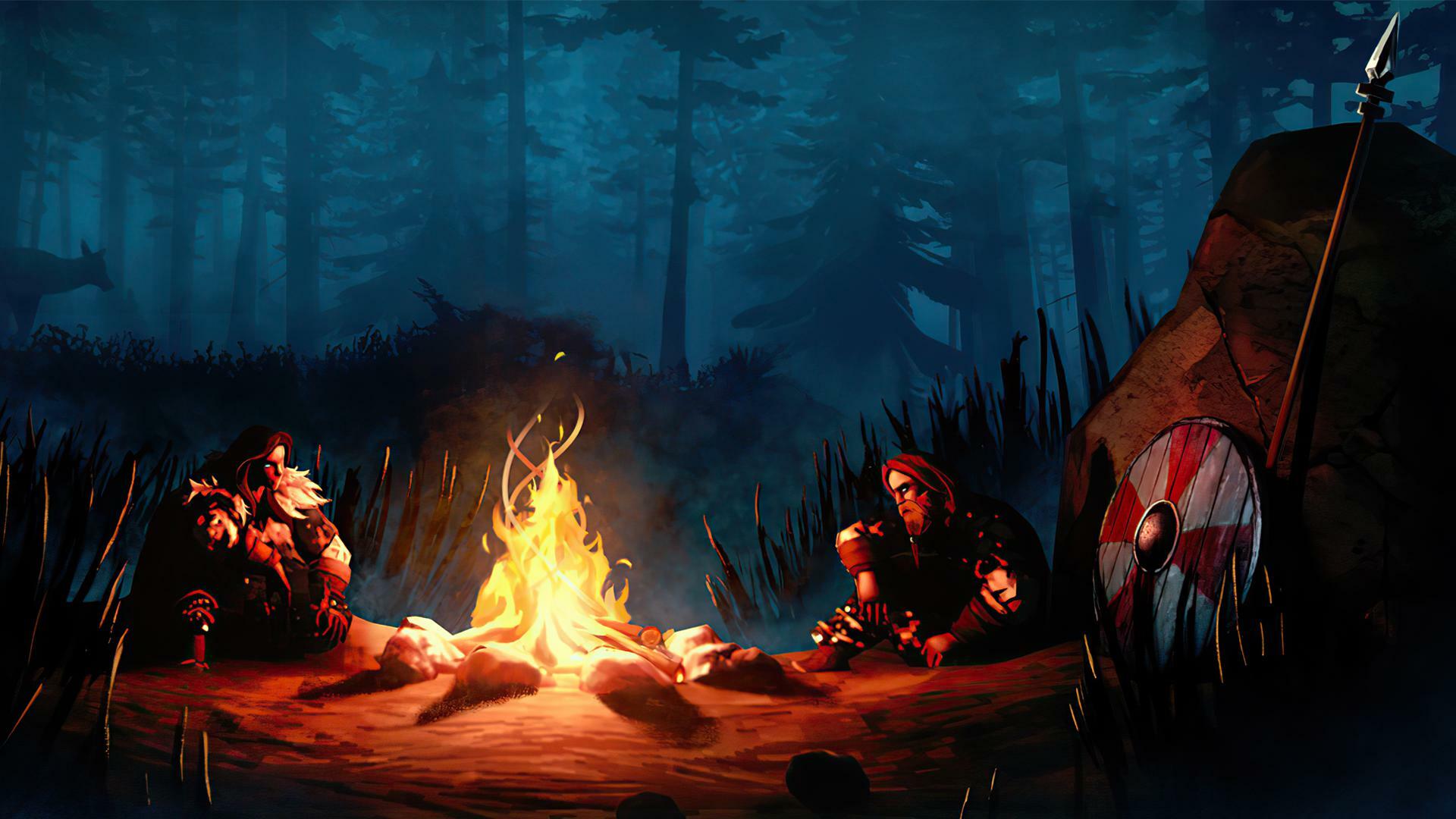
Encumbrance and limited stack sizes make carts and ships central to moving ore and wood between biomes. Portal mechanics exclude metals, forcing dedicated trade routes and staging bases. Upgrades to mead, food, and armor drive constant re-sorting of chest rooms. Developed by Iron Gate Studio and published by Coffee Stain Publishing, it turns inventory into Viking supply chains.
‘Terraria’ (2011)
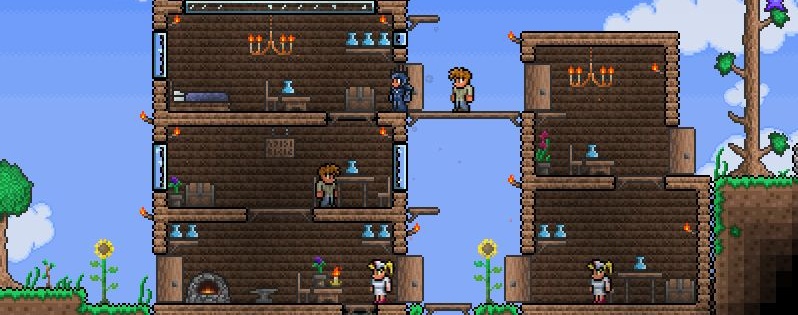
Early progression squeezes you with small packs and many resource types, pushing quick-access sorting and chest labeling at base. Piggy banks and safes extend personal storage that persists on death, changing how you risk boss runs. Late-game void bag mechanics ease trips but never fully remove the need for organization. Re-Logic develops and publishes, making storage a parallel progression.
‘Minecraft’ (2011)
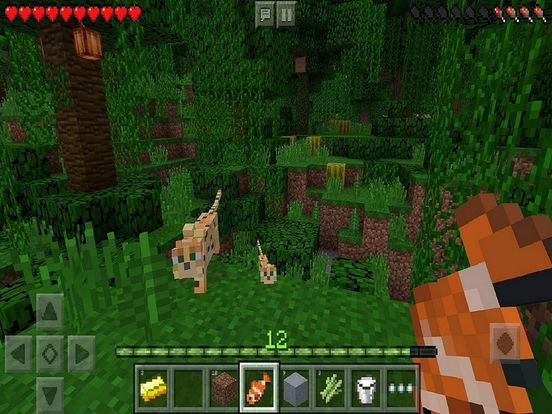
A 27-slot backpack plus hotbar sets tight limits until you craft shulker boxes and ender chests for mobile and persistent storage. Food, tools, and building blocks compete during exploration, and death drops add recovery logistics. Redstone farms and sorting systems evolve into full-scale warehouse automation for long worlds. Mojang Studios develops and publishes, turning inventory into the backbone of every survival plan.
Share your favorite “my pack is full” moment—and the game that did it to you—in the comments!