Anime That Forgot Their Own Original Plot Halfway Through


Some anime start with a crystal-clear premise, then swerve into detours—filler marathons, new villains, or even different genres—that pull focus from the original hook. Below are twenty series that began with one central throughline before pivoting into side arcs, anime-original material, or sprawling ensemble stories that reshaped what each show spent most of its time on. For each entry, you’ll see the initial setup and how the narrative emphasis noticeably shifted later on. Use it as a handy guide to understand why these shows often feel very different by the time you hit their middle stretch.
‘Naruto’ (2002–2007)
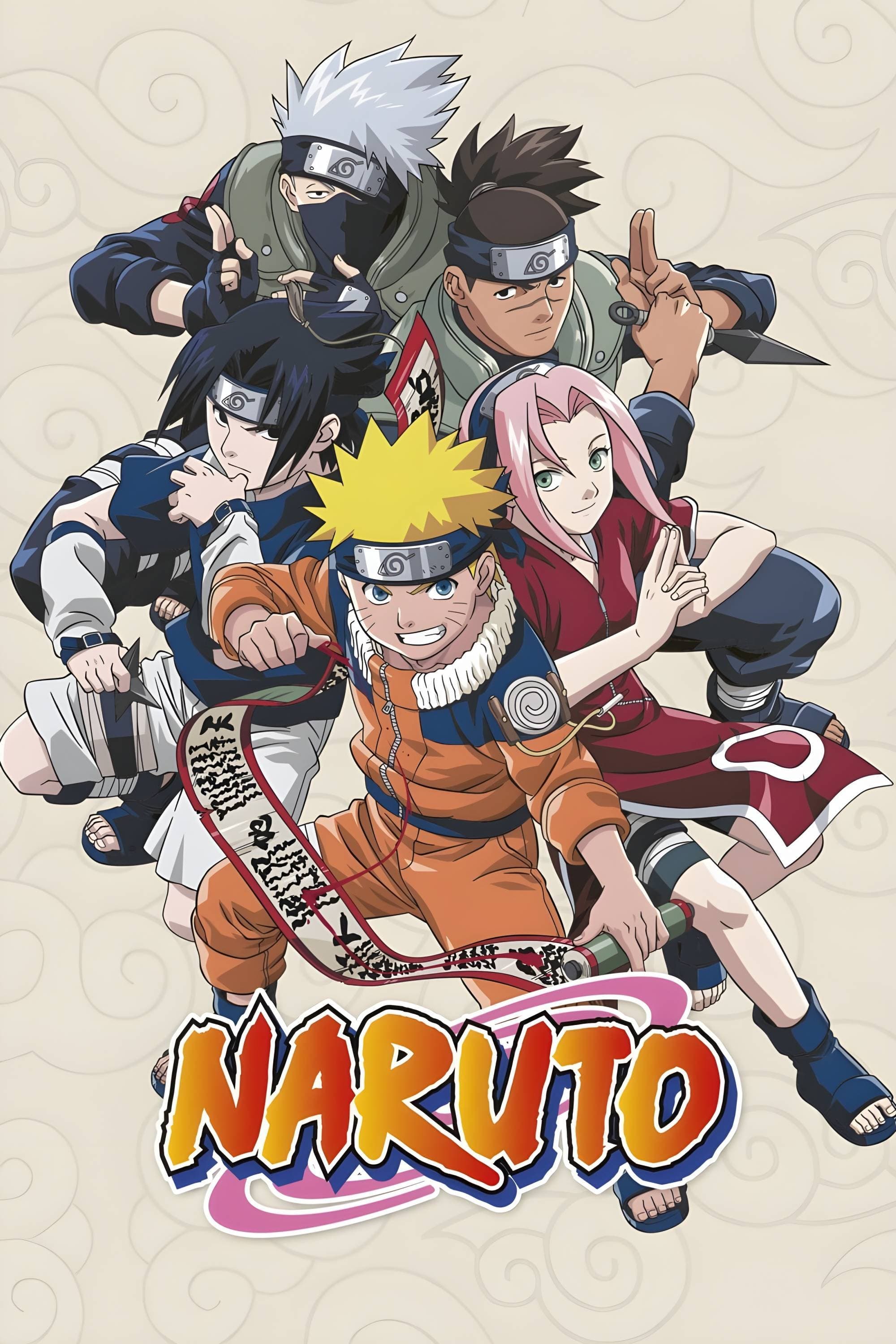
The opening arcs establish Naruto’s growth at the Ninja Academy, Team 7’s missions, and the looming threat of rogue forces like the Akatsuki. Midway, the series introduces long chains of anime-original episodes that pause the central pursuit of Sasuke and larger conspiracies. These filler periods revolve around standalone missions with new one-off characters. The main cast’s development slows as the story emphasizes side stories and village errands.
‘Naruto Shippūden’ (2007–2017)
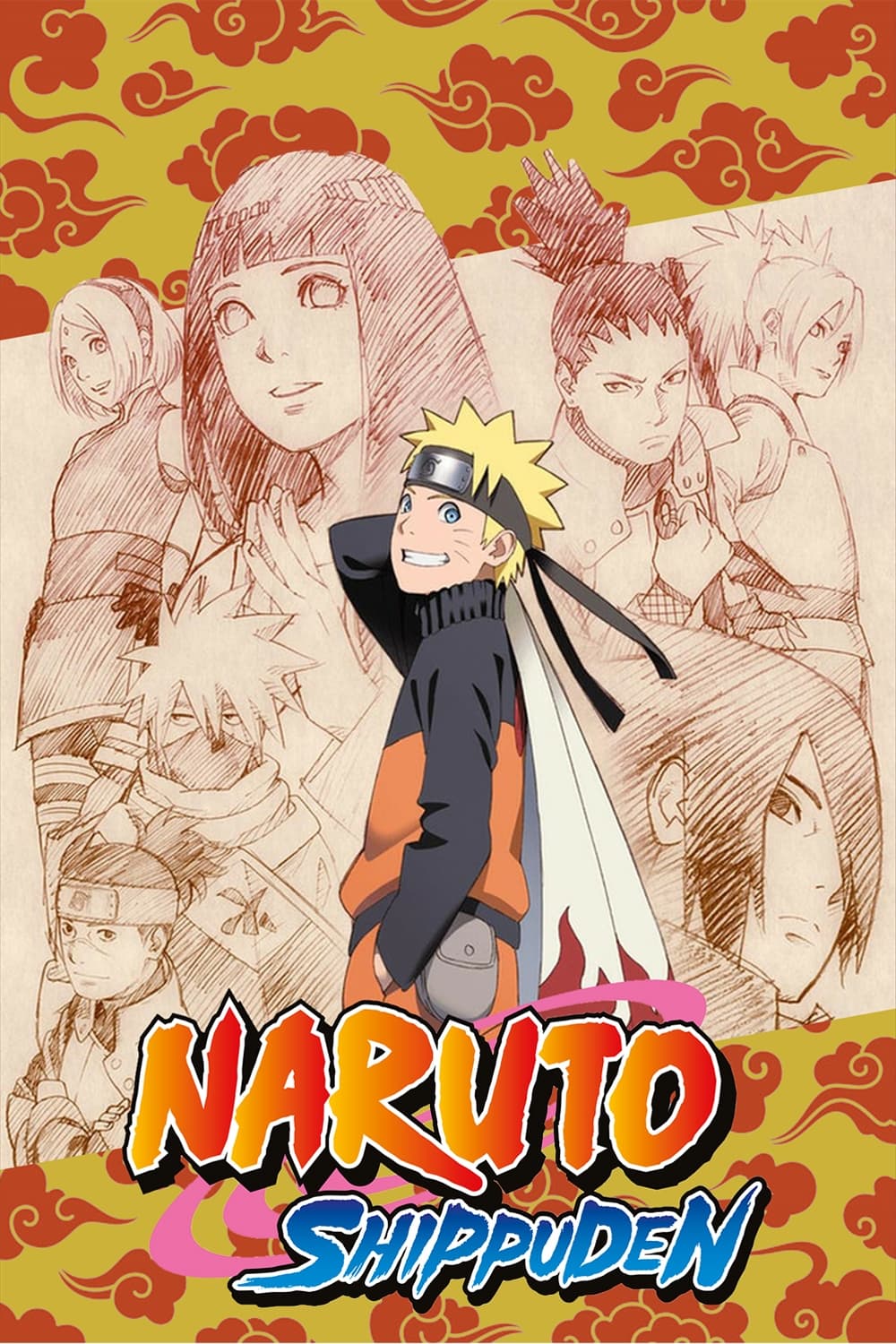
The early stretch foregrounds the Akatsuki conflict and the rescue of Gaara. Later seasons intersperse major plot beats with extensive anime-original arcs and flashback cycles that delay core confrontations. Entire multi-episode runs explore background missions unrelated to the immediate war stakes. The result is long gaps between the principal arcs of the Fourth Great Ninja War.
‘Bleach’ (2004–2012)
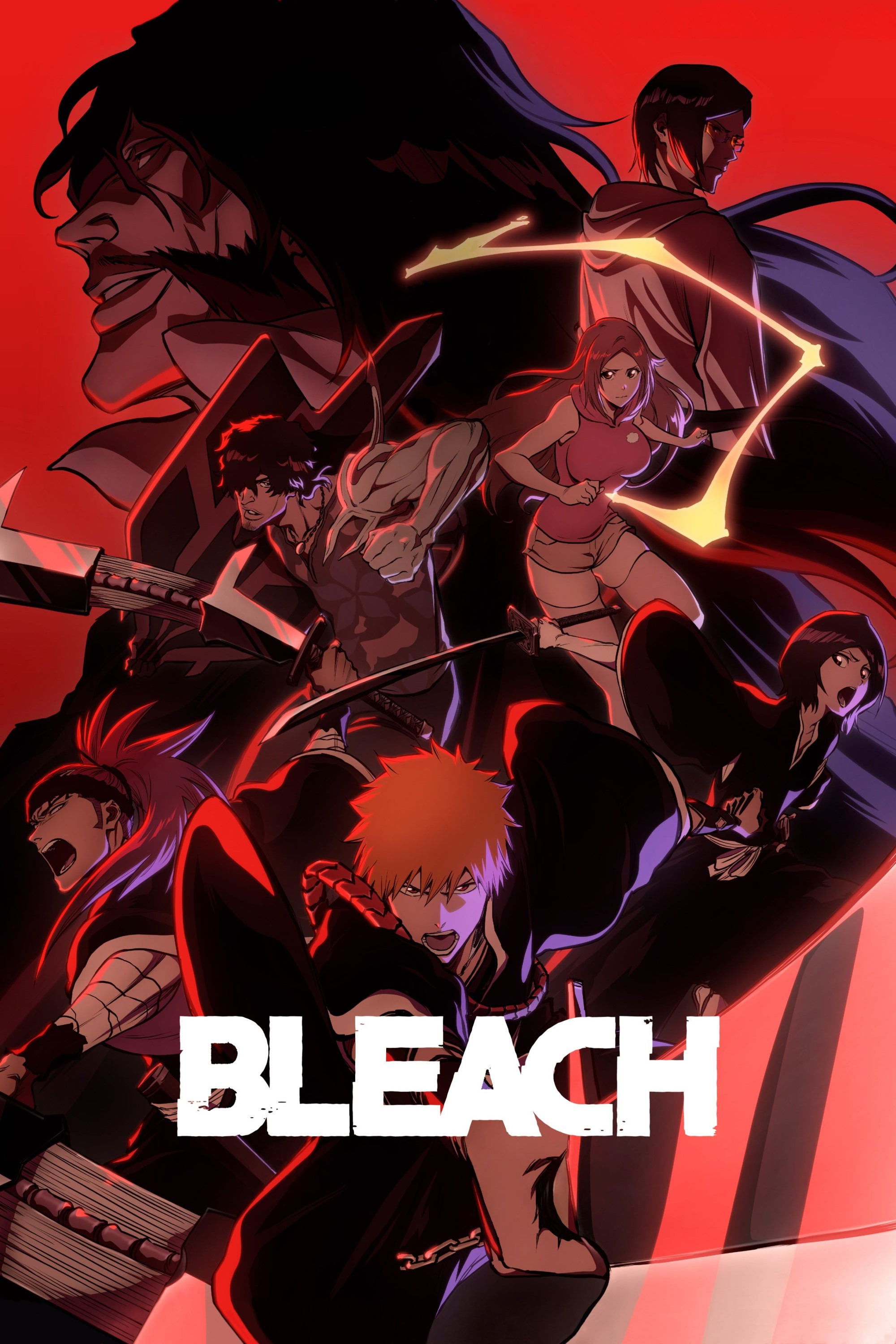
The show opens with Ichigo’s substitute Soul Reaper duties and escalates into the focused Soul Society rescue arc. After that, anime-original sagas—like the Bount arc—and inserted filler stretches arrive between canon arcs. These detours introduce independent antagonists and conflicts disconnected from the series’ central conspiracies. The pacing repeatedly shifts away from the main villains and world-shaking plots.
‘Sword Art Online’ (2012)

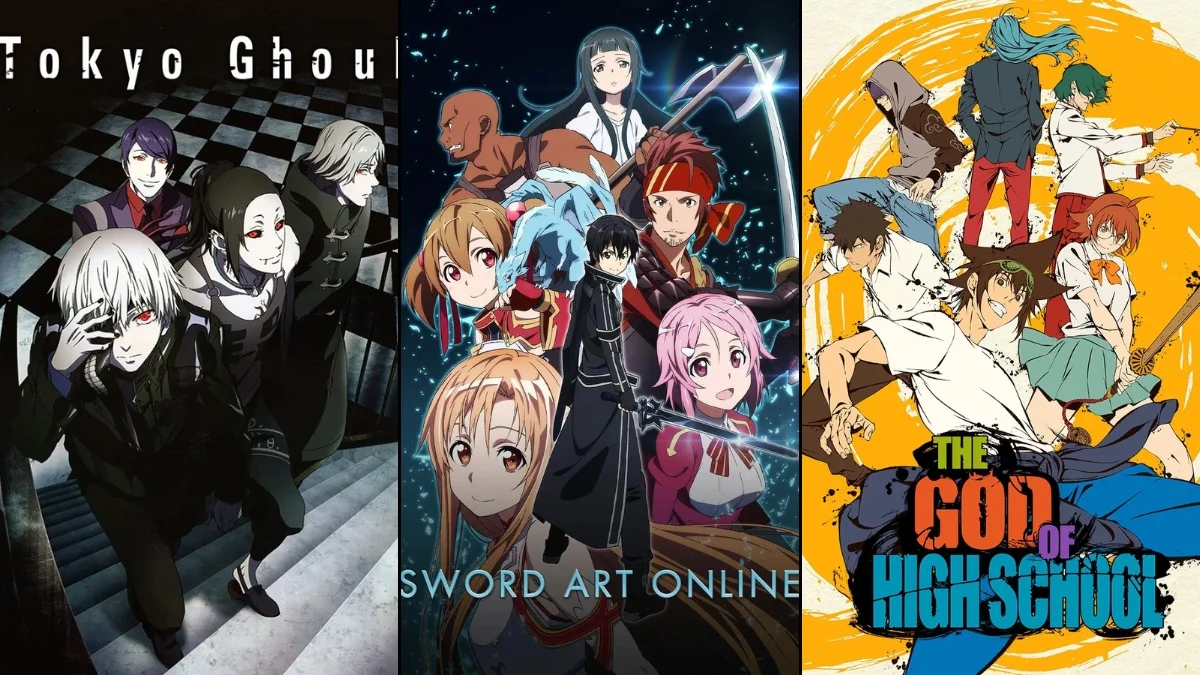
The premise centers on survival inside a death-game VRMMO where clearing floors is the only escape. Mid-series, the story pivots to a new virtual world with a different objective and power structure. Character dynamics and stakes reframe around a rescue plot rather than the original survival challenge. The game-clearing progression gives way to a separate conflict with new rules and antagonists.
‘The Promised Neverland’ (2019–2021)
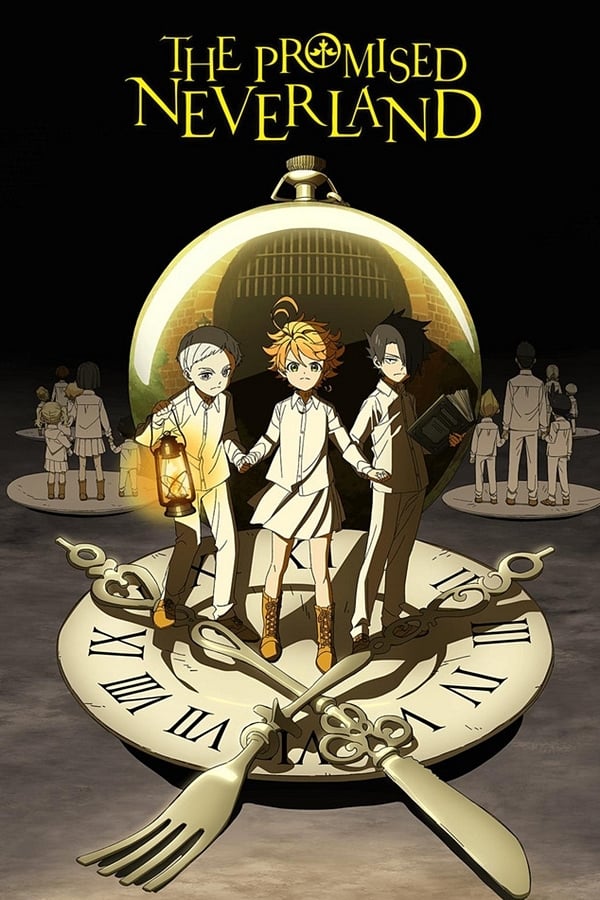
Season 1 focuses on an escape plan built on strategy, secrecy, and cat-and-mouse tension. Season 2 condenses and omits major arcs from the source material, jumping across time and locations. Key characters and organizations receive reduced screen time while the narrative sprints to resolutions. The methodical survival premise is replaced by fast transitions between destinations and revelations.
‘Tokyo Ghoul √A’ (2015)
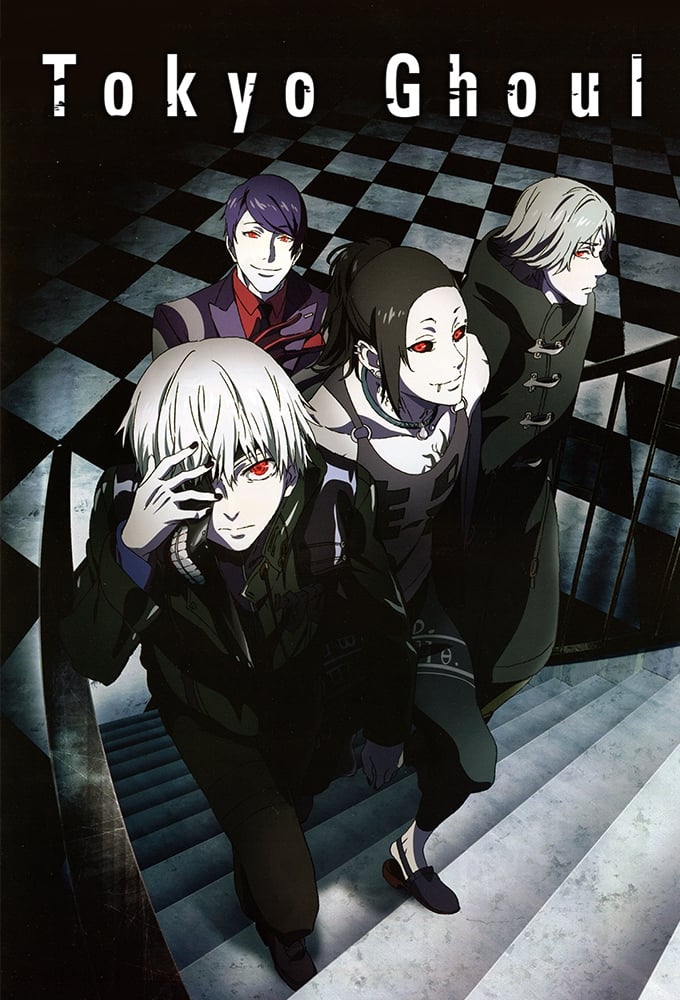
The first series sets up a dual-identity struggle and the balance between human society and ghoul factions. This sequel departs from the source’s path, altering Kaneki’s choices and relationships. Entire plotlines diverge, leading to different alliances and confrontations. The thematic focus moves from careful psychological escalation to anime-original conflicts and outcomes.
‘Fullmetal Alchemist’ (2003–2004)
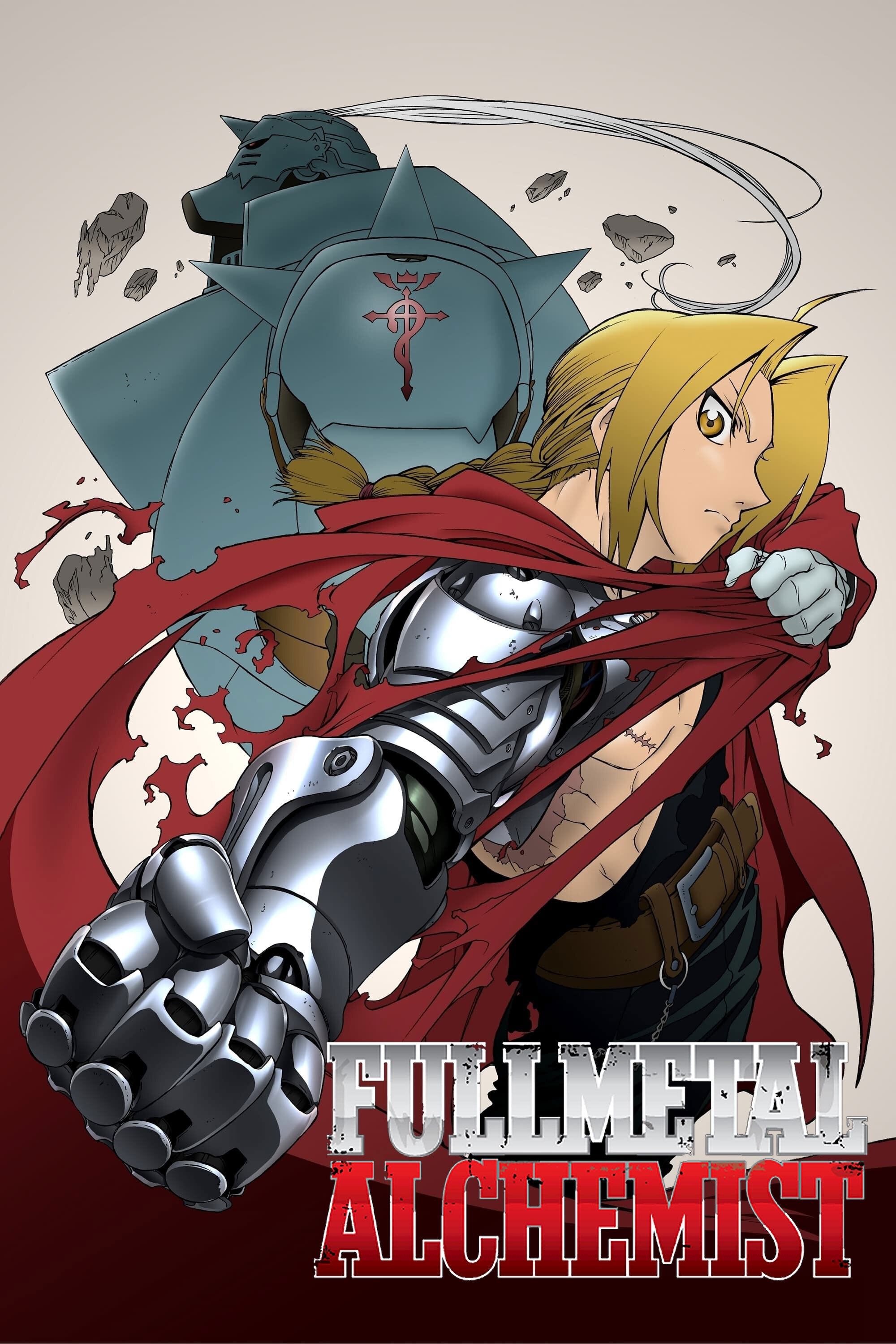
The initial goal is the Elric brothers’ search for the Philosopher’s Stone and truth behind human transmutation. Midway, the story branches from the manga and establishes original antagonists and lore. The investigation into Amestris’ conspiracies takes new routes with anime-exclusive revelations. The final act resolves threads created specifically for this adaptation rather than the source’s main line.
‘Soul Eater’ (2008–2009)
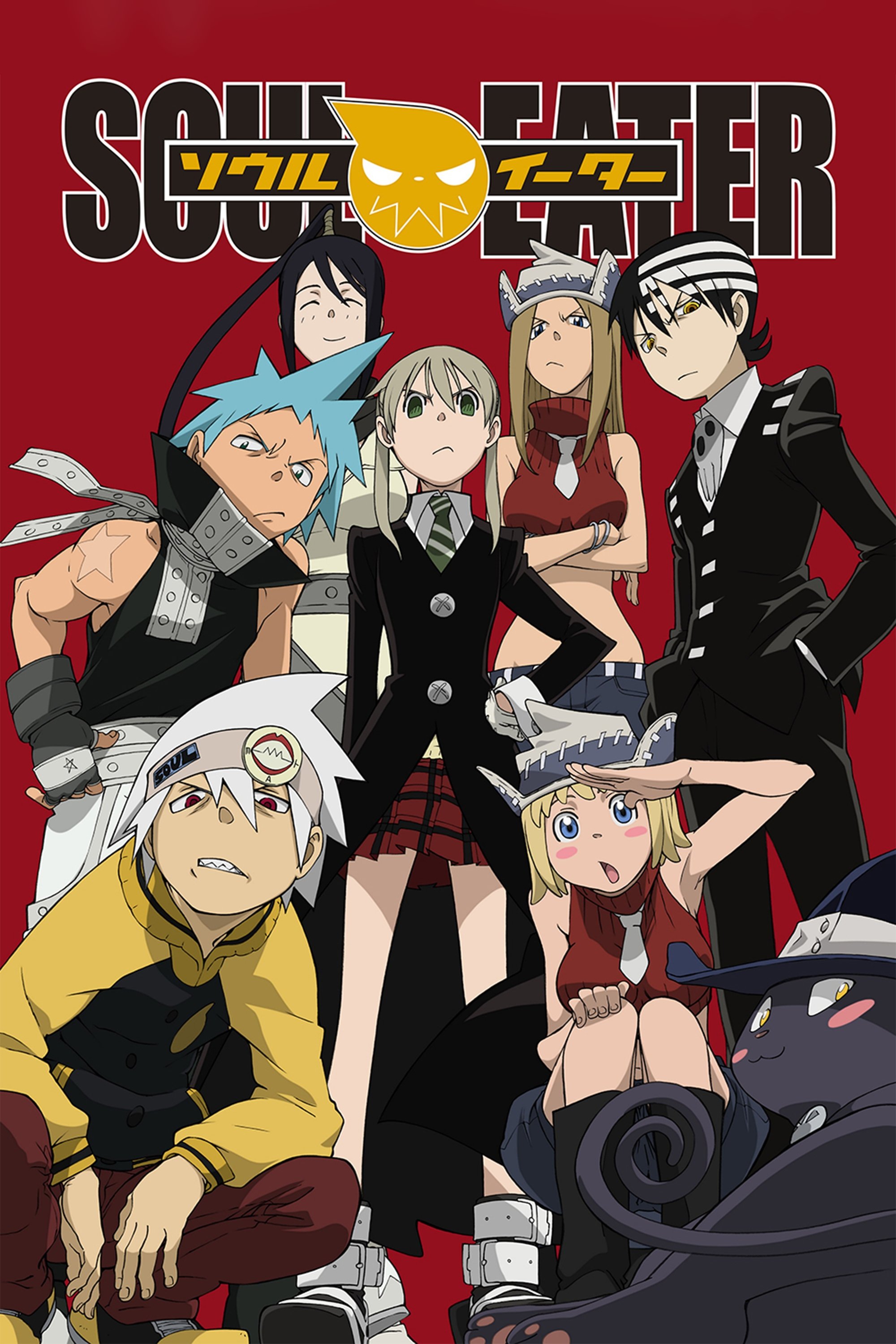
Early episodes follow students collecting souls to craft a Death Scythe and confront key witches. Later on, the adaptation diverges, introducing anime-original developments and an ending separate from the manga. Character arcs and the central training objective shift toward a bespoke climax. The series spends its latter portion on conflicts designed for the show’s own resolution.
‘Guilty Crown’ (2011–2012)
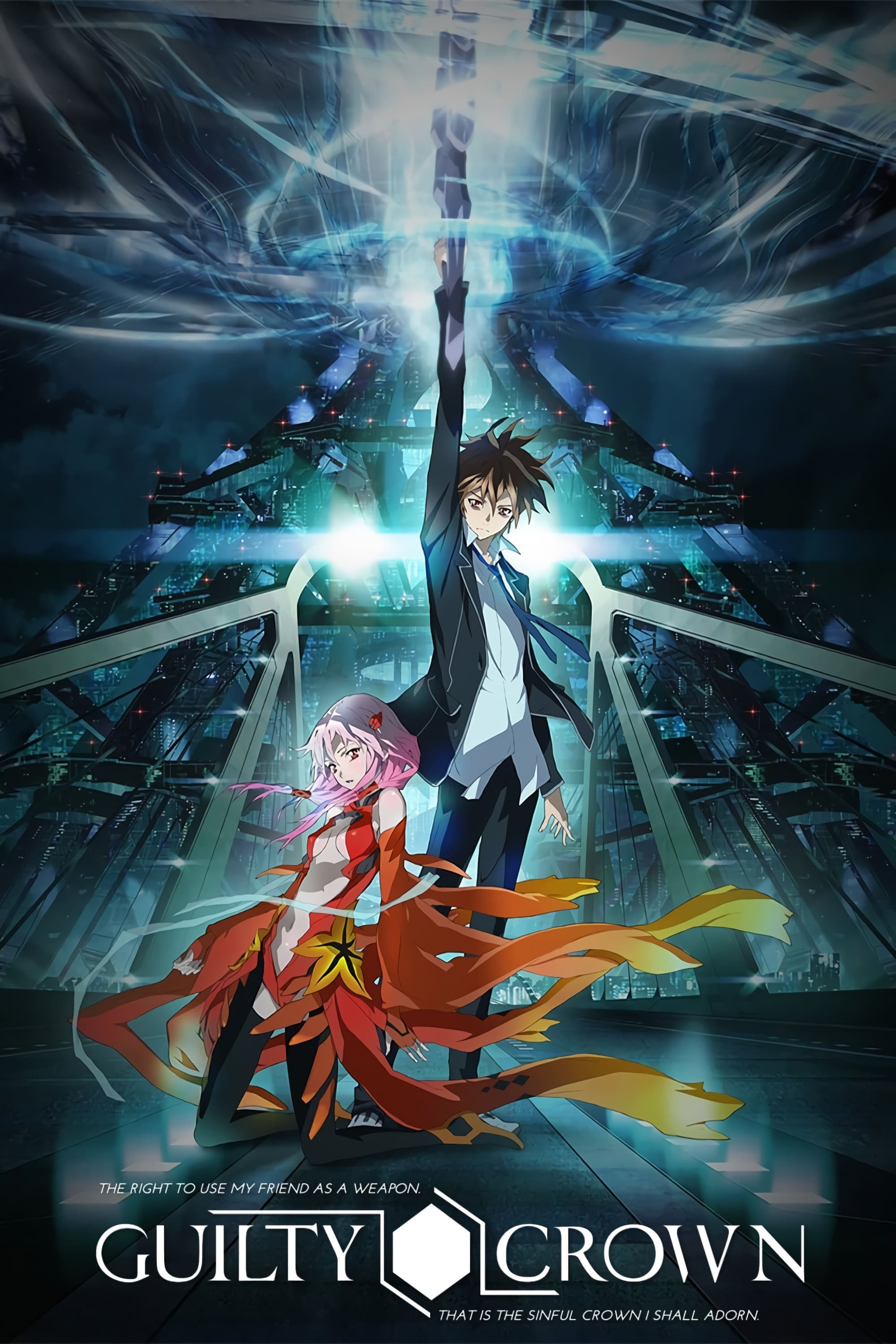
The setup presents a rebellion against a controlling organization, anchored by a unique power system. Mid-run, leadership changes and internal power plays redirect the narrative to competing factions. The focus moves from external resistance to upheavals within the protagonists’ group and citywide crises. The initial stealth-and-heist tone gives way to rapid regime shifts and endgame spectacles.
‘Charlotte’ (2015)
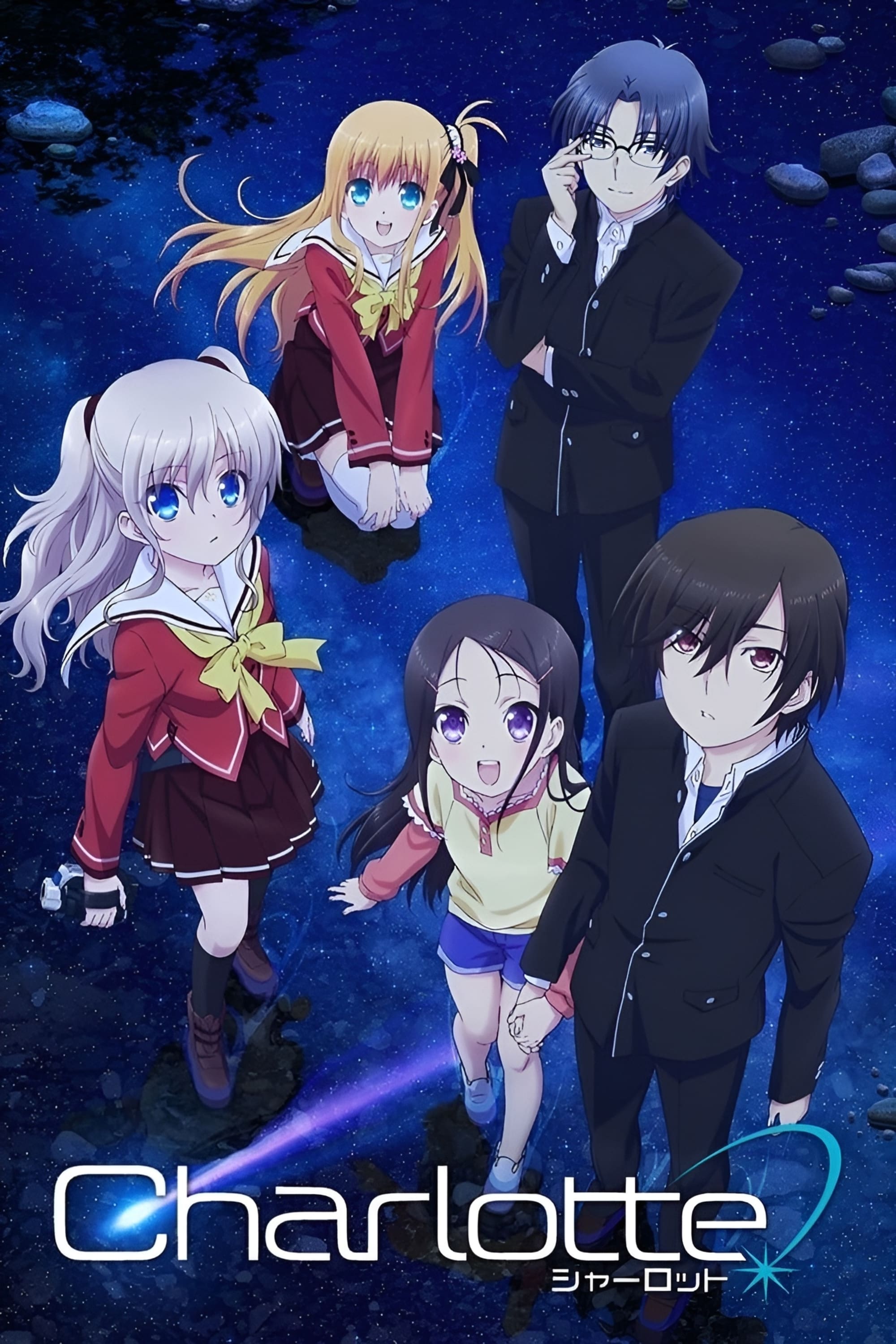
The premise involves teens with unstable abilities and a small group protecting them. Mid-series, the scope expands internationally with time travel elements and high-stakes missions. The intimate school-club format transitions into globe-spanning operations. The original case-by-case assistance structure is overtaken by a race to avert catastrophic outcomes.
‘Aldnoah.Zero’ (2014–2015)
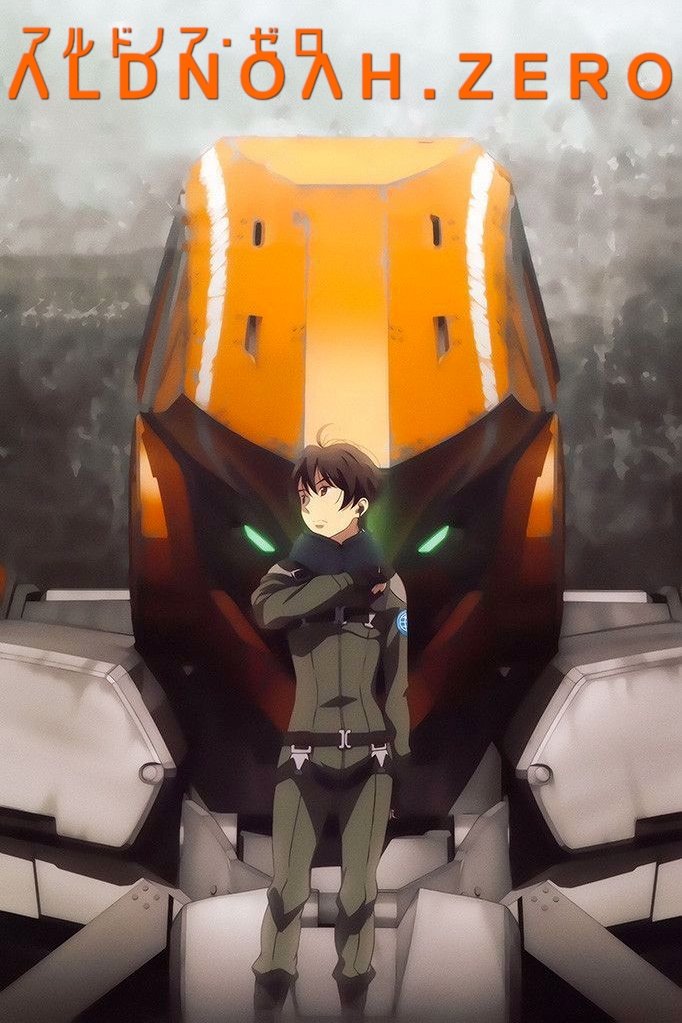
It begins as a tactical conflict between Earth forces and Martian technology, emphasizing battlefield logic. As it progresses, political machinations and leadership coups reshape the central conflict. Key relationships and succession struggles start to drive major turns. The focus drifts from ground-level strategy to palace intrigue and dramatic reversals.
‘Kabaneri of the Iron Fortress’ (2016)
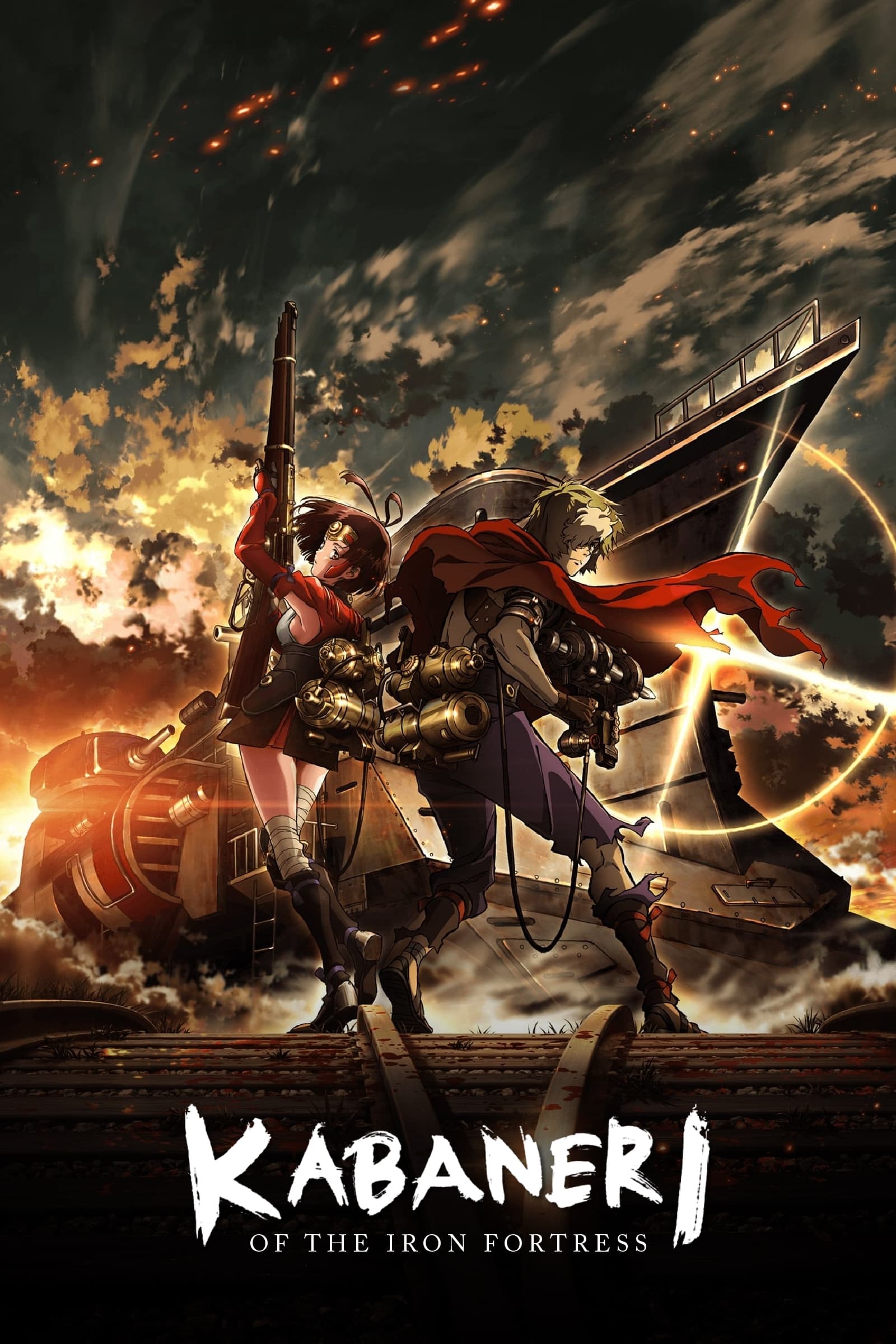
Early episodes center on survival aboard armored trains and engineering solutions against infected threats. Midway, a human antagonist with militaristic aims reframes the conflict around factional control. The series spends substantial time on rivalries, sieges, and weaponized politics. The travel-and-survival structure yields to battles for dominance between human groups.
‘Erased’ (2016)
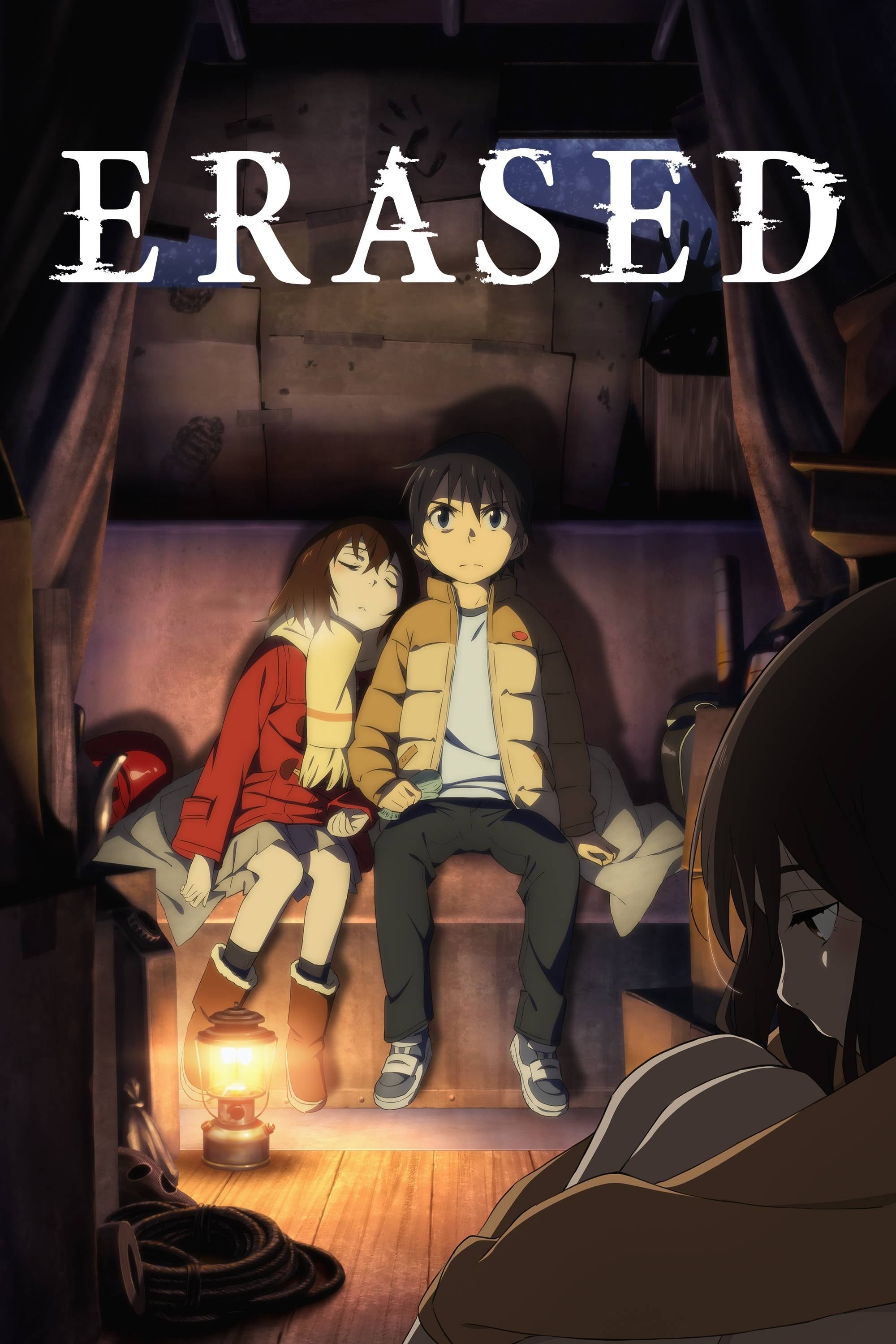
The hook is a time-slip mystery to prevent childhood abductions. Later episodes compress investigations and shift emphasis toward present-day confrontations. Extended community sleuthing gives way to direct showdowns. The procedural element recedes as the story prioritizes tying off the culprit’s thread quickly.
‘The Melancholy of Haruhi Suzumiya’ (2006–2009)
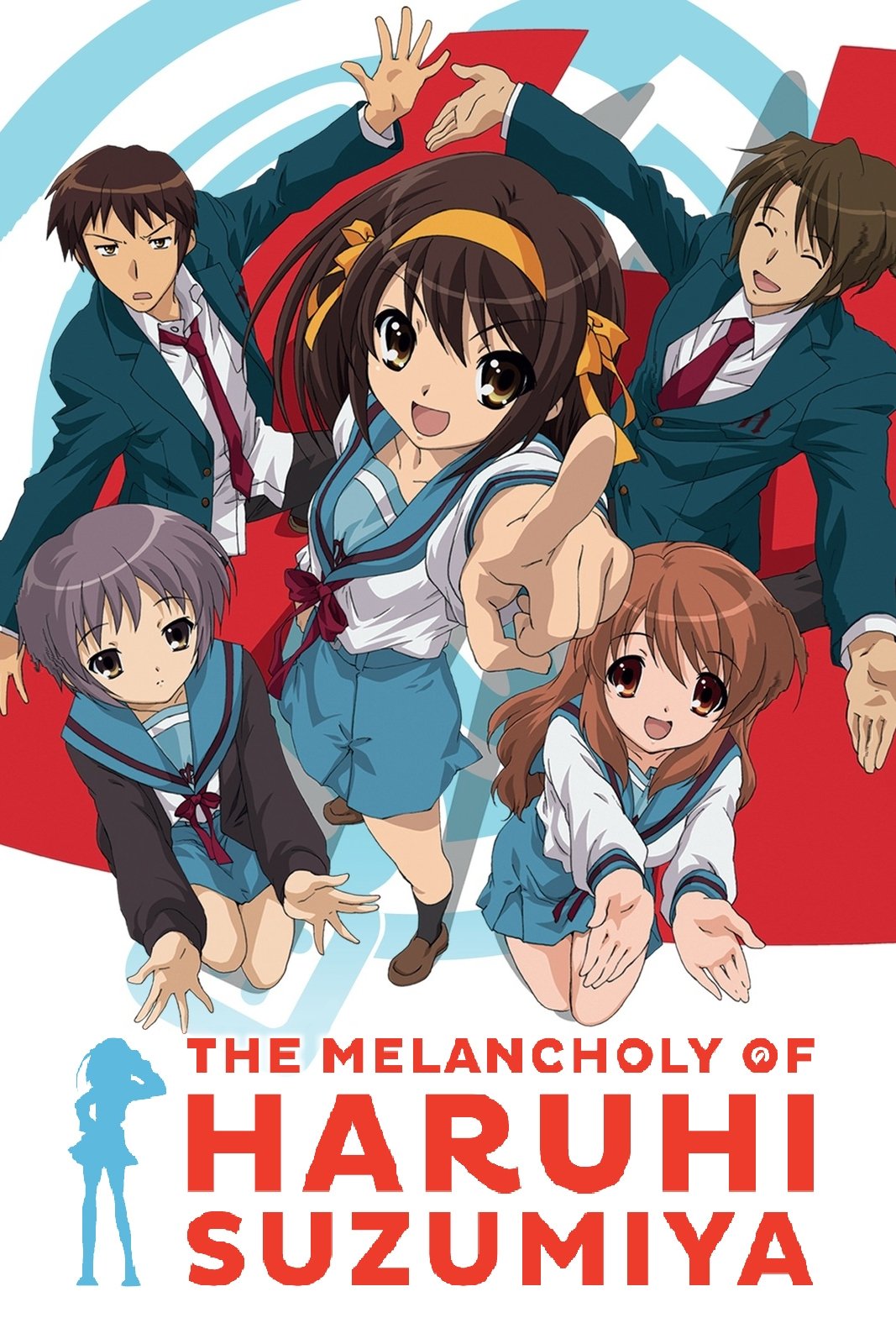
The early appeal lies in paranormal club antics surrounding unexplained phenomena. In the second season’s middle, an extended loop of near-identical episodes repeats a summer scenario. This structural experiment sidelines ongoing mysteries and character progression for multiple weeks. The overarching enigma pauses while the loop format dominates the airing sequence.
‘Inuyasha’ (2000–2004)

The main quest involves gathering jewel shards and confronting recurring antagonists. Numerous side adventures and self-contained village episodes occupy large mid-series stretches. Important confrontations are spaced out between monster-of-the-week detours. The shard collection thread advances intermittently as character-focused standalones take priority.
‘Fairy Tail’ (2009–2019)
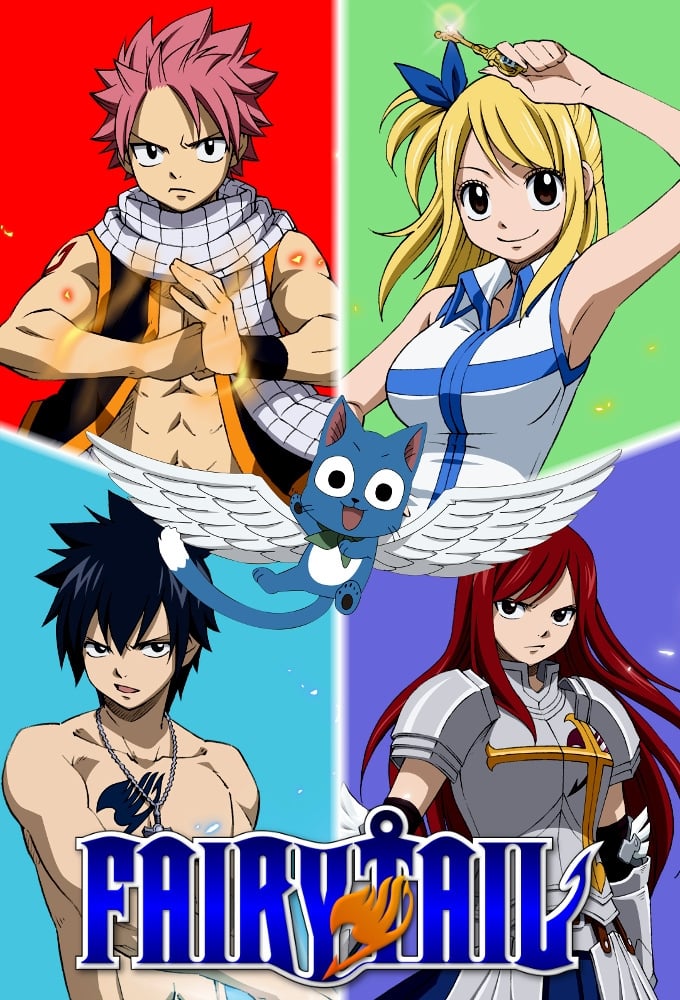
The guild’s jobs and a few central villains define the initial arcs. Over time, extended tournament arcs, alternate-world excursions, and filler storylines expand the scope. Many episodes delve into side guild rivalries and festival-style events. The original treasure-hunt and dark guild threats share space with celebratory and crossover-style narratives.
‘Boruto: Naruto Next Generations’ (2017–2023)

The early episodes commonly feature school-life vignettes and local incidents. Large mid-series portions adopt anime-original missions and light investigative cases. Major plotlines with high-level antagonists appear intermittently between these arcs. The broader saga advances in bursts while day-to-day leaf village stories fill the gaps.
‘The God of High School’ (2020)
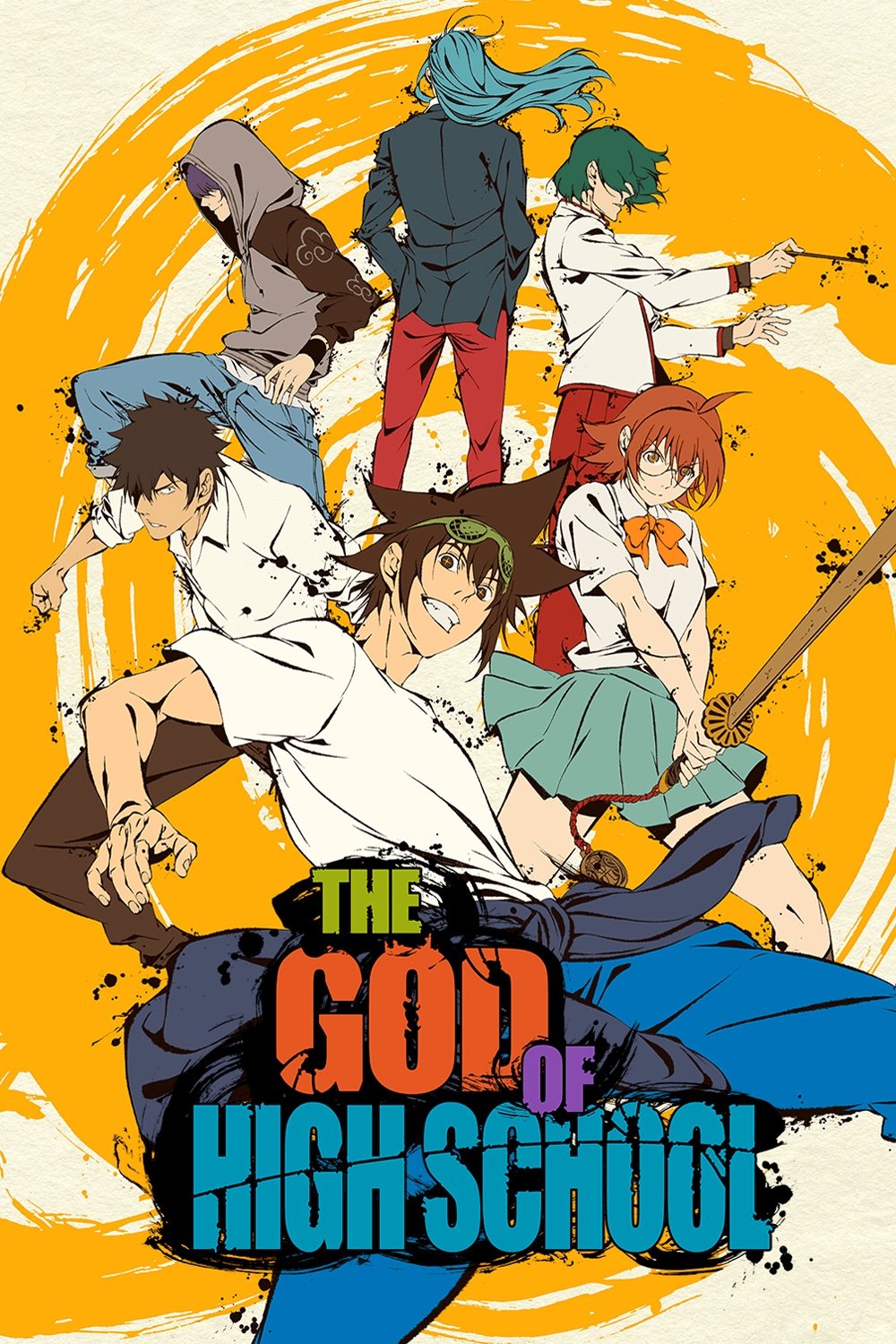
The premise starts with a martial arts tournament promising a clear bracket-style progression. Midway, the narrative accelerates into supernatural warfare and secret organizations. Tournament structure gives way to mythic powers and world-altering stakes. Character backstories are condensed as the plot races into large-scale conflicts.
‘Psycho-Pass 2’ (2014)
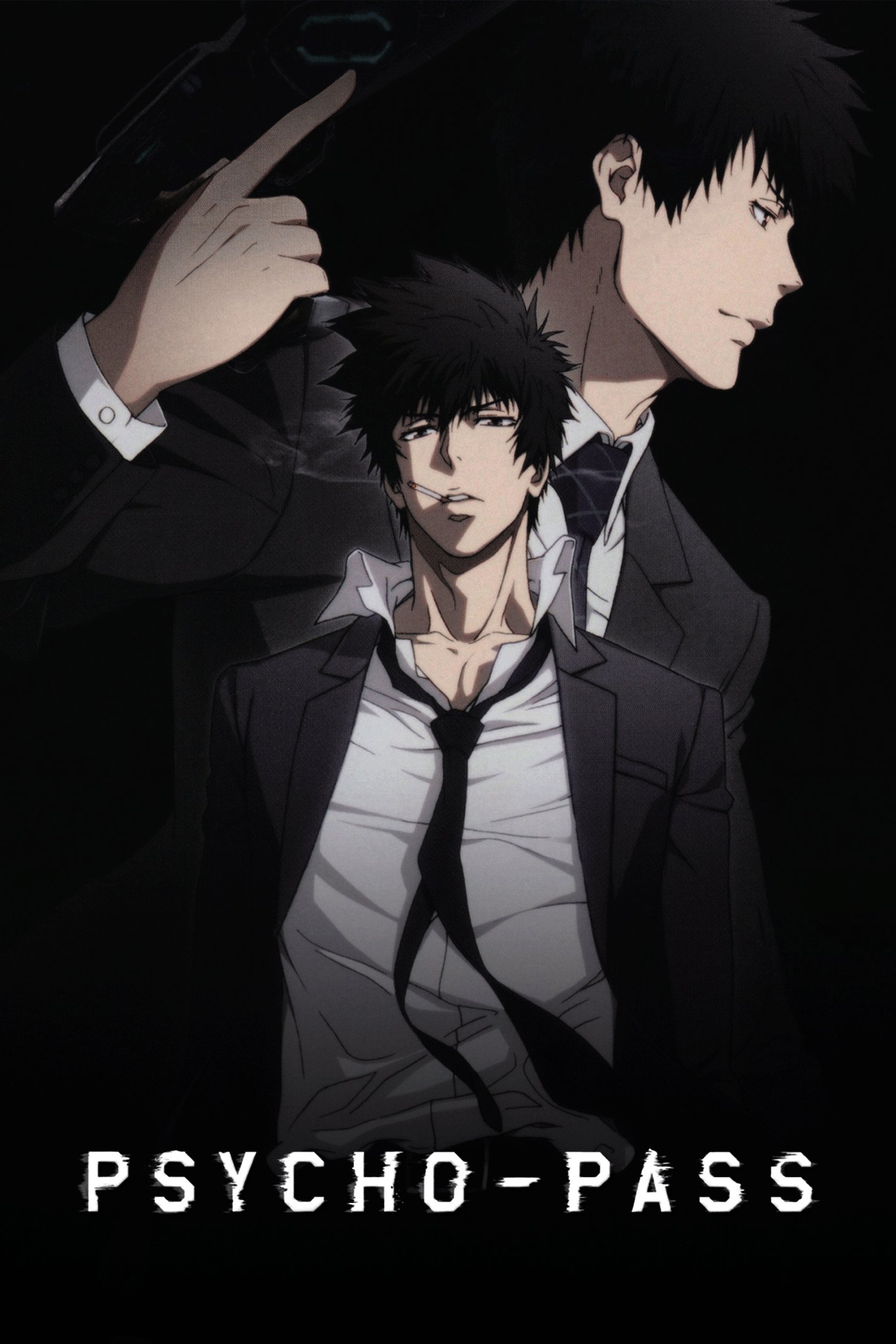
The first series focuses on investigations tied to a pervasive surveillance system. The second outing shifts to a new mastermind and escalates public disorder scenarios. Casework becomes more about engineered societal shocks than methodical detective procedures. The show spends extended time on citywide crises rather than incremental system analysis.
‘Yu-Gi-Oh! Duel Monsters’ (2000–2004)
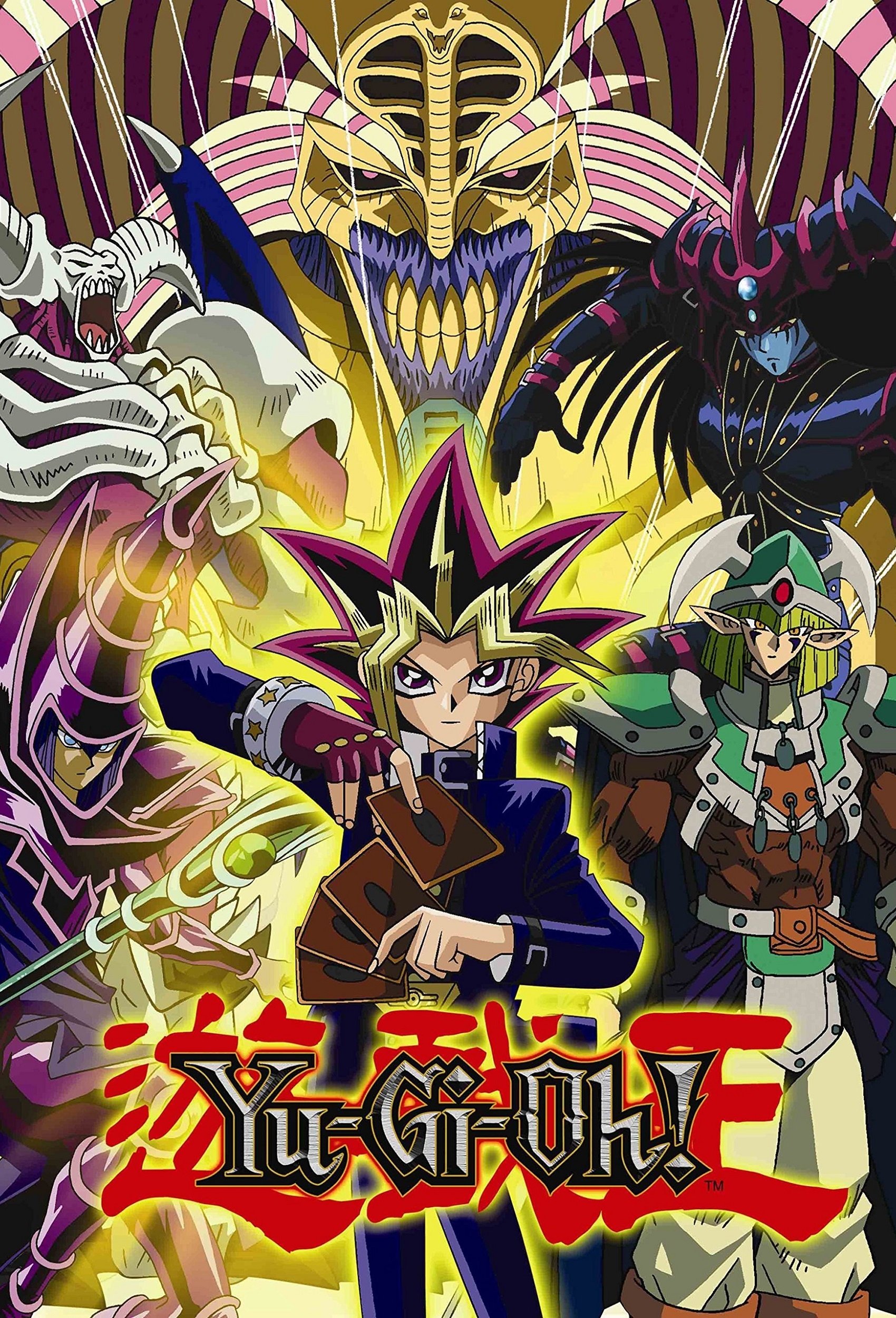
Initial episodes mix school life, assorted games, and interpersonal challenges. As it progresses, the narrative centers almost exclusively on structured card duels and tournament arcs. Episodic variety narrows as the rules and metagame of dueling dominate screen time. The early broader premise yields to a competition-driven format with serialized brackets.
Share your own examples and where you felt the pivot most clearly in the comments!