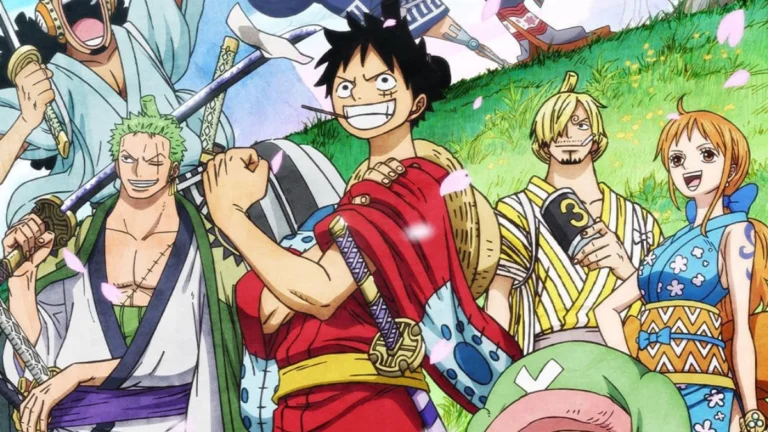
Anime That Were Banned In Certain Countries For Bizarre Reasons



From moral panics to unexpected legal quirks, anime has occasionally run head-first into censors for reasons that seem strange in hindsight. While some bans cite violence or explicit content, others blame schoolyard trends, language issues, or even alleged symbolism. Below are notable cases where officials stepped in—sometimes nationwide, sometimes via regulators or courts—and pulled shows from airwaves, catalogs, or shelves for unusual reasons. Each entry outlines where it happened, who made the call, and what the authorities said at the time.
‘Death Note’ (2006–2007)
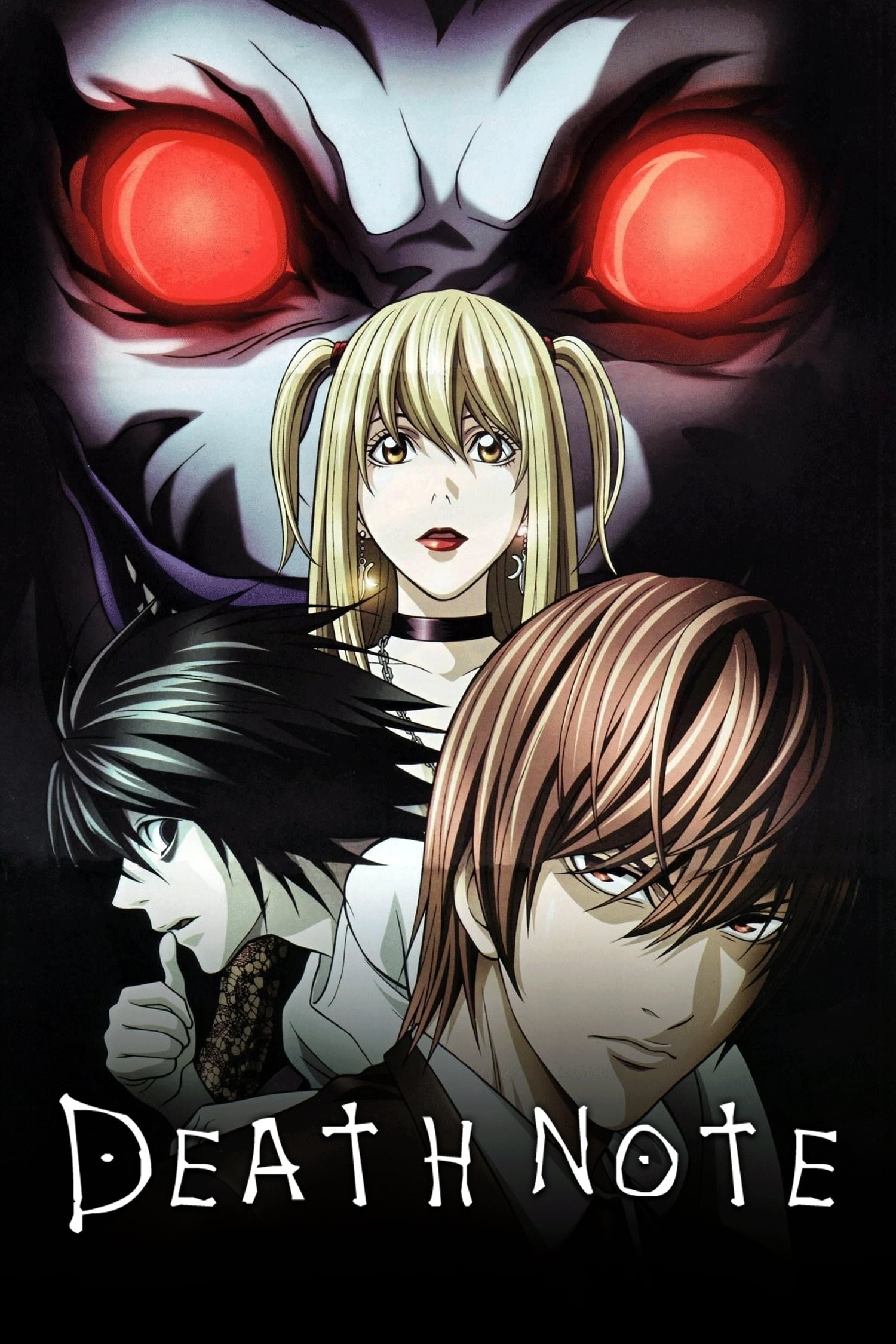
China’s Ministry of Culture swept up ‘Death Note’ in a 2015 directive that ordered streaming platforms to remove dozens of titles over “violent” and “harmful” content; local media specifically highlighted copycat “death note” notebooks showing up in schools as a concern. Earlier, city-level crackdowns in parts of China had seized homemade notebooks that mimicked the series’ premise, with education officials linking them to classroom disruptions. In 2010–2013, schools in regions outside China also reported confiscations of similar notebooks, which fueled parental complaints and retailer self-policing even where no formal broadcast ban existed. The net effect was takedowns on major Chinese video sites and tighter moderation of fan merchandise.
‘Pokémon’ (1997– )

In 2001, Saudi Arabia’s highest religious authority issued a ruling that effectively banned ‘Pokémon’ merchandise—cards, games, and related media—alleging the franchise promoted gambling via point systems and used imagery interpreted as Zionist symbols. The ruling prompted seizures of products in the Kingdom and influenced restrictions in parts of the Gulf. While broadcast arrangements varied by channel and country, the practical outcome in Saudi Arabia was a broad suppression of the brand at retail and in schools. The case is unusual because the core rationale centered on alleged symbolic meanings and gambling mechanics rather than the show’s on-screen content.
‘Shin-chan’ (1992– )
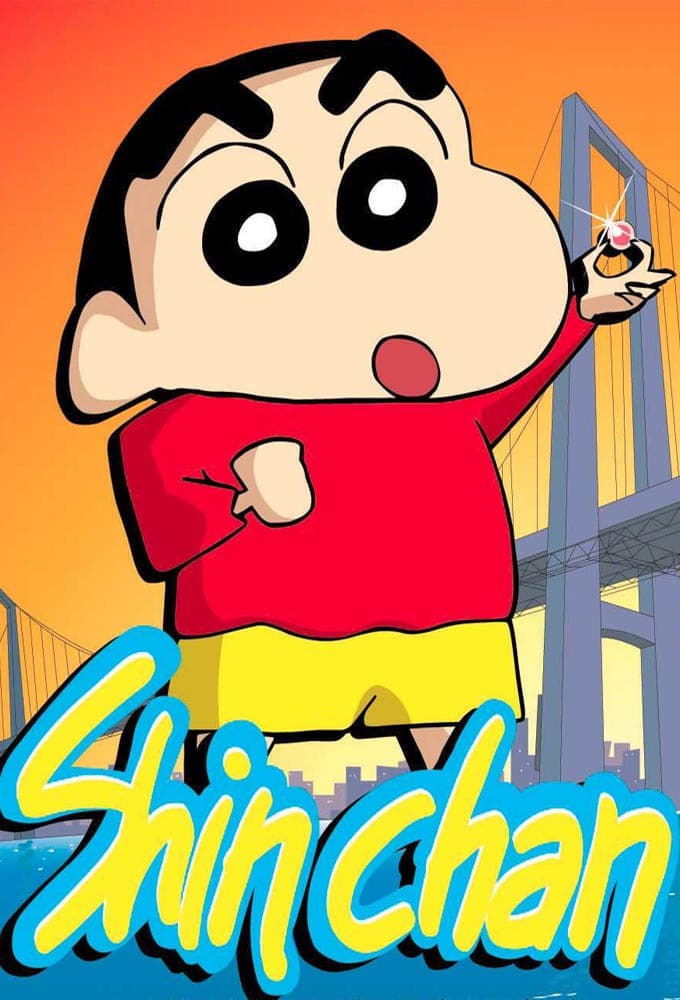
India’s Ministry of Information & Broadcasting ordered ‘Crayon Shin-chan’ off the air in 2012 after a wave of complaints about crude language and risqué gags on a kids’ channel. Broadcasters reintroduced the series later that year with heavy edits and time-slot controls, trimming dialogue and scenes that regulators said were inappropriate for child audiences. The incident pushed networks to adopt stricter content vetting for imported animation and to expand parental advisories in kids’ blocks. It remains a textbook example of a temporary nationwide blackout followed by a sanitized relaunch.
‘Doraemon’ (2005– )
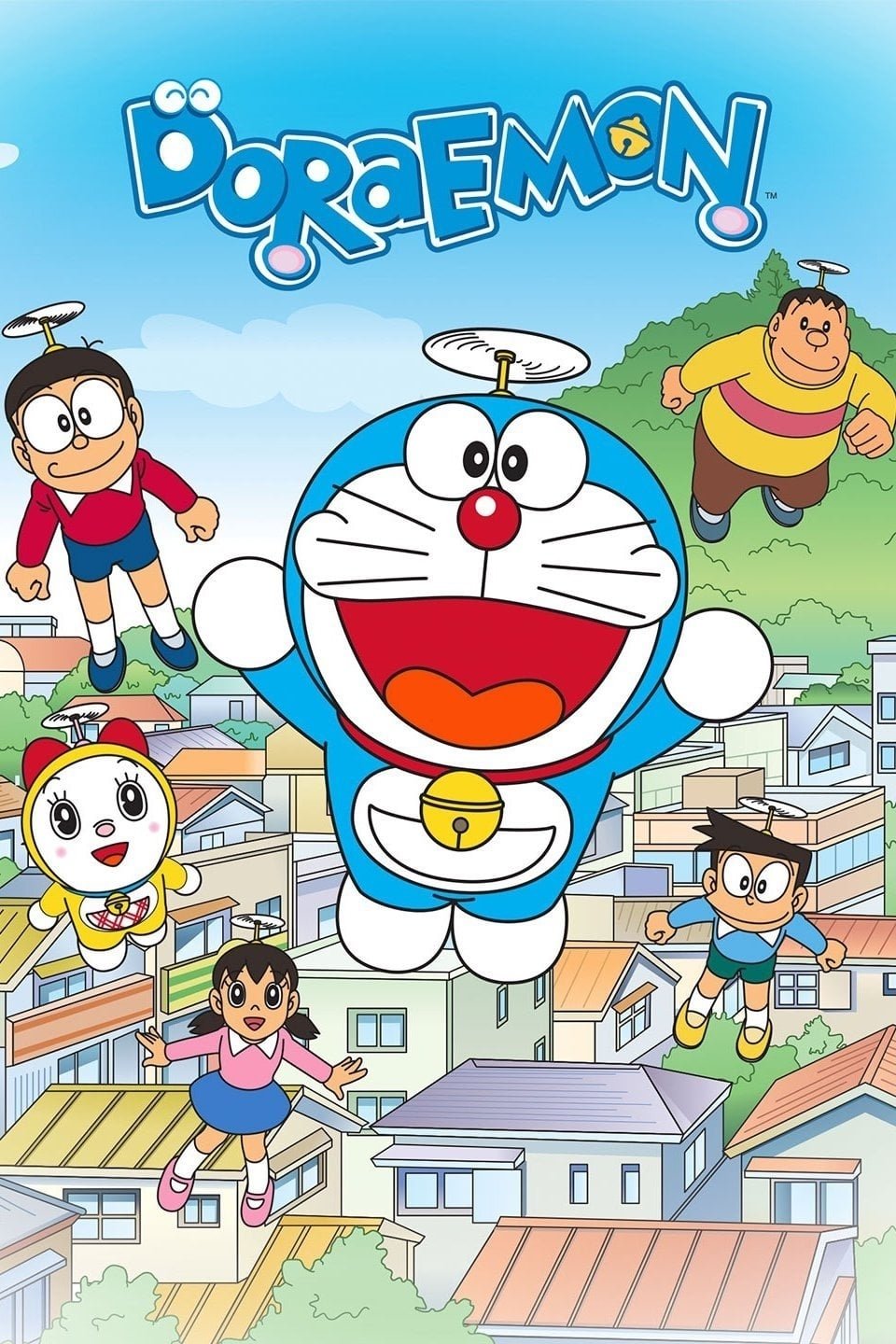
Bangladesh’s media regulator instructed cable operators in 2013 to stop carrying ‘Doraemon’ because most feeds arrived dubbed in Hindi, which officials and parents said was nudging children away from Bengali and encouraging over-reliance on the show’s gadget-based problem-solving. Authorities framed the move as a language-policy and education issue rather than a content-rating problem. The order targeted foreign kids’ channels on which ‘Doraemon’ was popular, and enforcement varied by provider before the clampdown widened. The fuss also spurred local broadcasters to expand Bengali-dubbed children’s programming.
‘No Game No Life’ (2014)
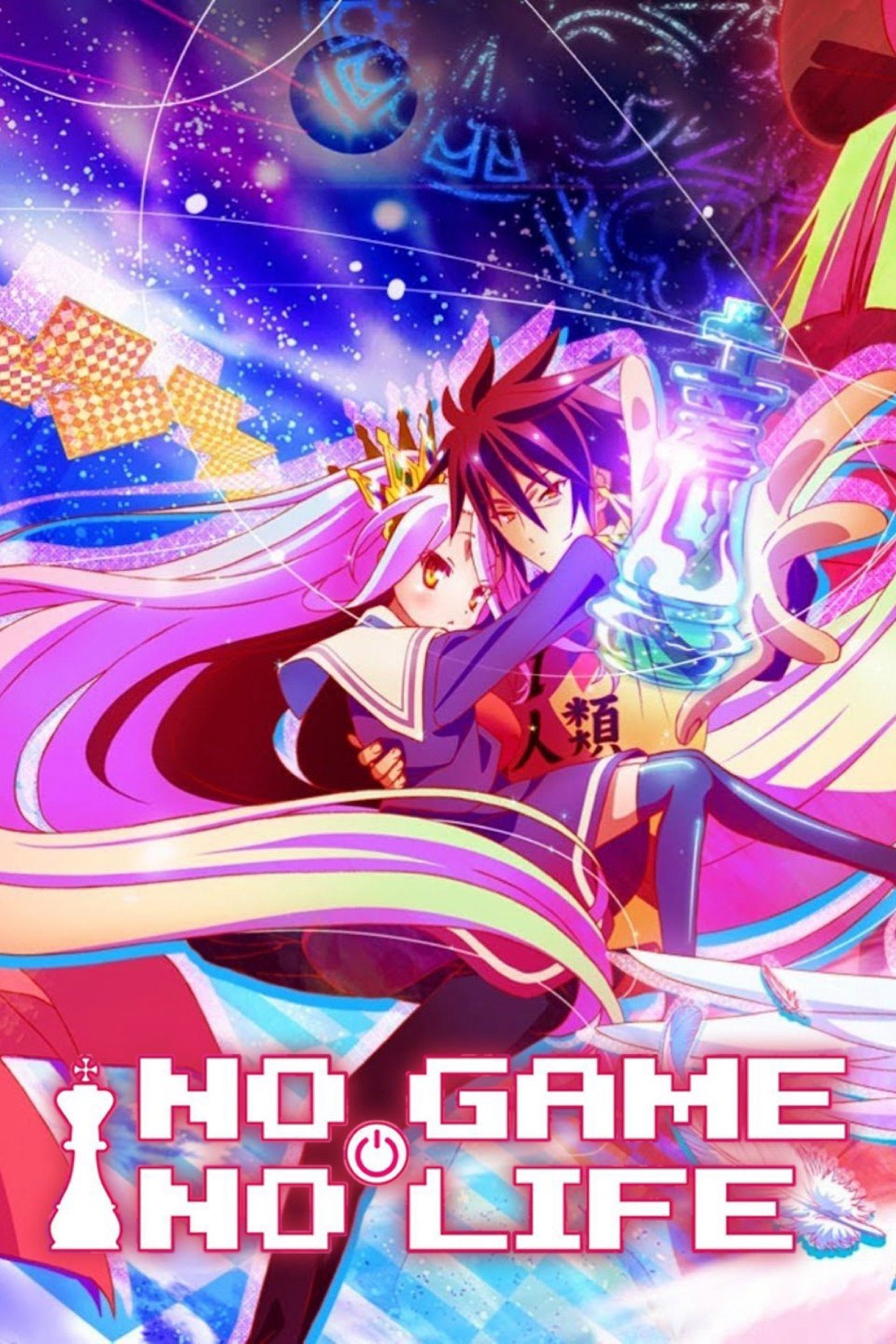
‘No Game No Life’ was among titles Chinese regulators ordered off domestic streaming platforms in 2015 for “harmful” material, with official notices citing sexualized depictions and rule-breaking themes. Separately, several Australian public libraries temporarily removed the light novels after patron complaints, prompting case-by-case reviews under local collection policies. Although Australia did not issue a national broadcast or sales ban on the anime, the library actions drew attention because they treated the print tie-ins as a suitability issue for young patrons. Together, these moves limited access through two very different policy lenses—online media regulation and library governance.
‘Highschool of the Dead’ (2010)

China’s 2015 removal order also named ‘Highschool of the Dead’, focusing on its blend of graphic zombie violence and sexualized imagery as grounds for deletion from licensed sites. The directive required platforms to purge episodes and strengthen pre-publication review. Importers and subtitling groups operating legally in China halted distribution, while informal mirrors were targeted by periodic takedowns. The case underscored how a single administrative notice could simultaneously affect multiple shows across genres.
‘Attack on Titan’ (2013–2023)
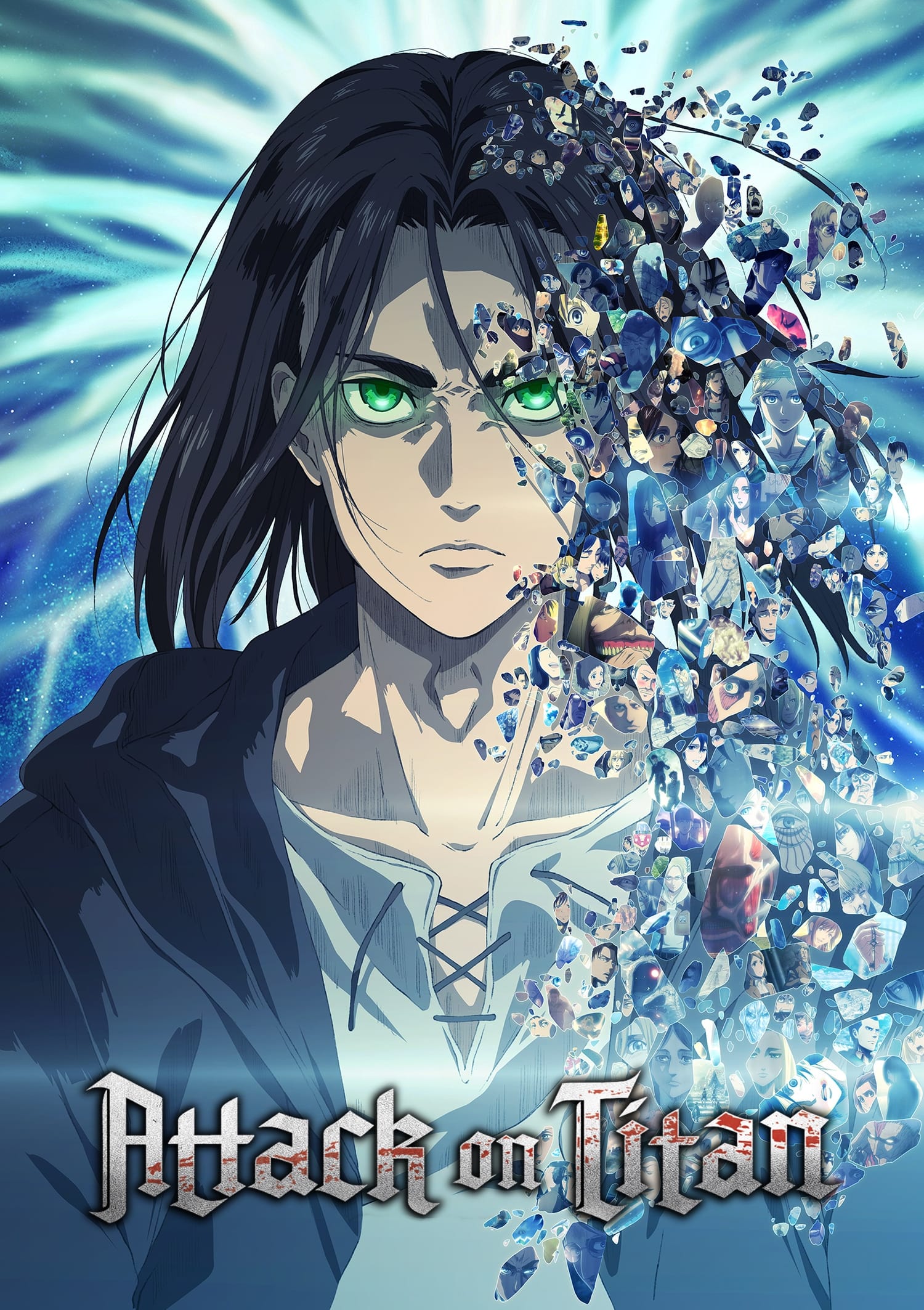
Chinese regulators instructed domestic platforms in 2015 to remove ‘Attack on Titan’ for violent content, grouping it with a larger slate of titles flagged for “blood, terror, and crimes.” The order covered full-season availability and poster art, which platforms delisted to maintain compliance. Licensed merchandise tied to streaming promotions was also pulled or redesigned. Despite the ban on legal streaming in mainland China, the series continued to circulate via imported discs and overseas services not accessible without workarounds.
‘Tokyo Ghoul’ (2014–2015)
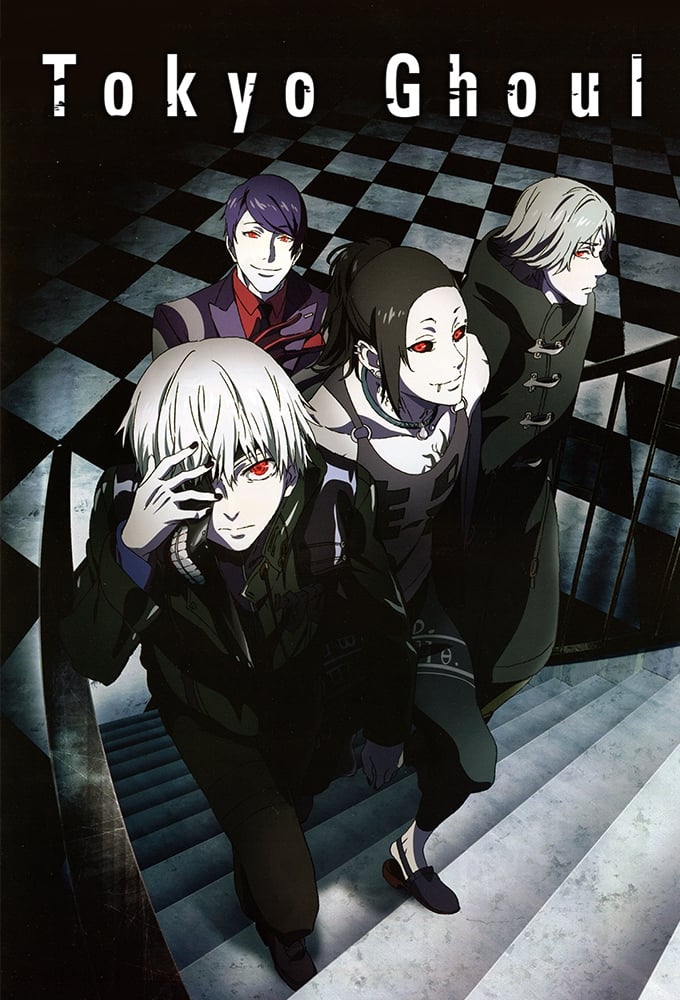
‘Tokyo Ghoul’ appeared on multiple Chinese takedown lists in 2015 due to graphic violence and self-harm themes, resulting in removal from big video portals. Years later, courts in St. Petersburg, Russia, granted prosecutors’ requests to block specific web pages hosting the anime for minors, citing depictions that could “endanger health and development.” Russian actions did not create a blanket nationwide ban on all media formats, but they did force local sites to geo-block episodes. The cross-border pattern shows how one title can be limited by very different legal tools—administrative notices in one country and court injunctions in another.
‘Hetalia’ (2009–2010)
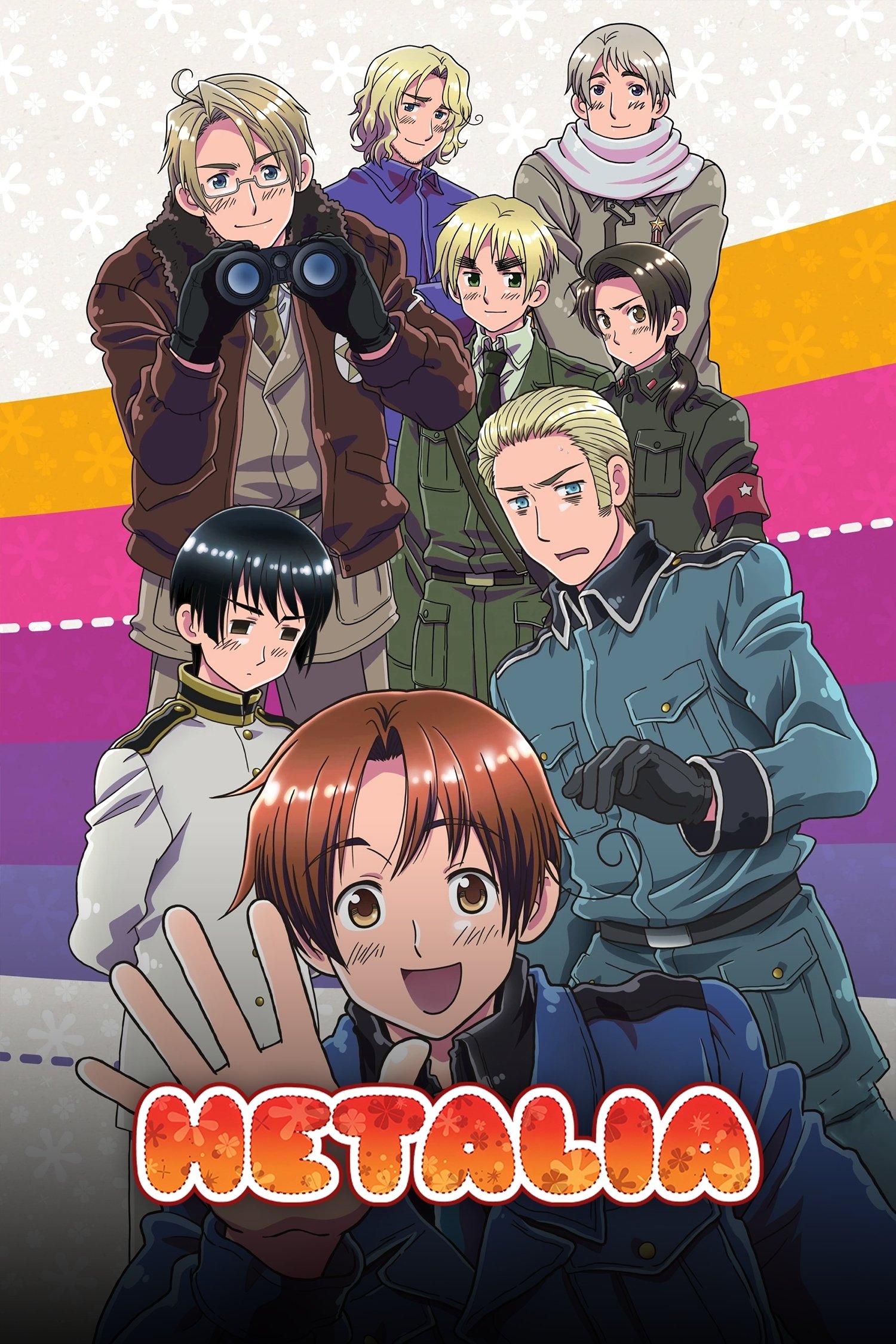
Plans to air ‘Hetalia: Axis Powers’ on South Korean television were dropped after civic groups protested the show’s national stereotypes and portrayal of historical subjects. The broadcaster withdrew before premiere, leaving the series without a domestic TV run at the time. Import discs and online access later filled the gap for fans, but the initial decision functioned as a de facto broadcast ban. What made the case stand out was that the halt stemmed from anticipated offense tied to anthropomorphic country characters rather than conventional content-rating issues.
‘Parasyte -the maxim-‘ (2014–2015)
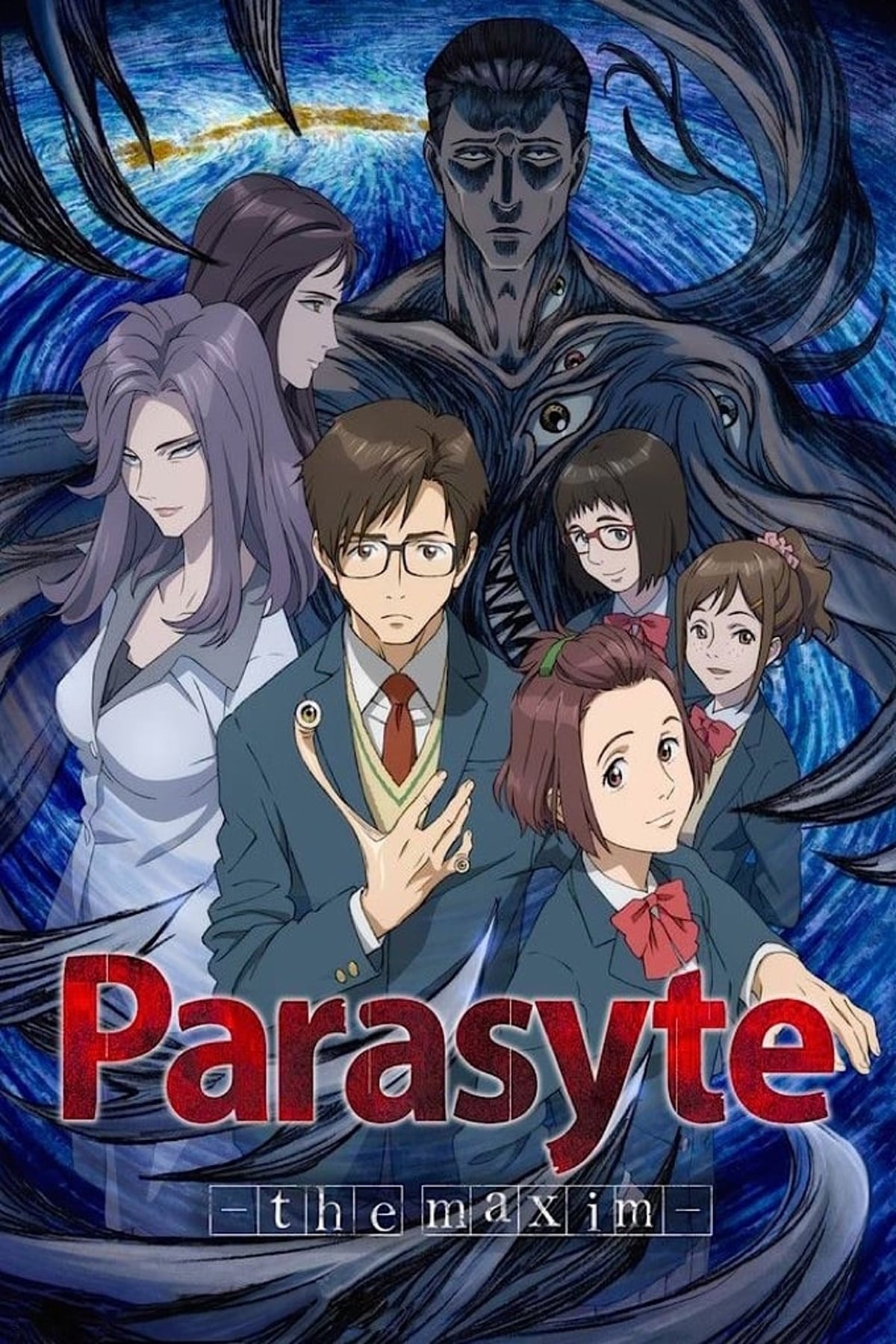
Chinese authorities included ‘Parasyte -the maxim-‘ in their 2015 removal campaign, citing graphic body horror and gore within the broader category of content “not suitable for online dissemination.” Licensed Chinese platforms took down episodes and scrubbed search pages and thumbnails linked to the show. While physical imports remained available through gray channels, mainstream domestic access disappeared. The enforcement highlighted how online-only bans can effectively erase a title from a market dominated by streaming.
‘Psycho-Pass’ (2012–2019)
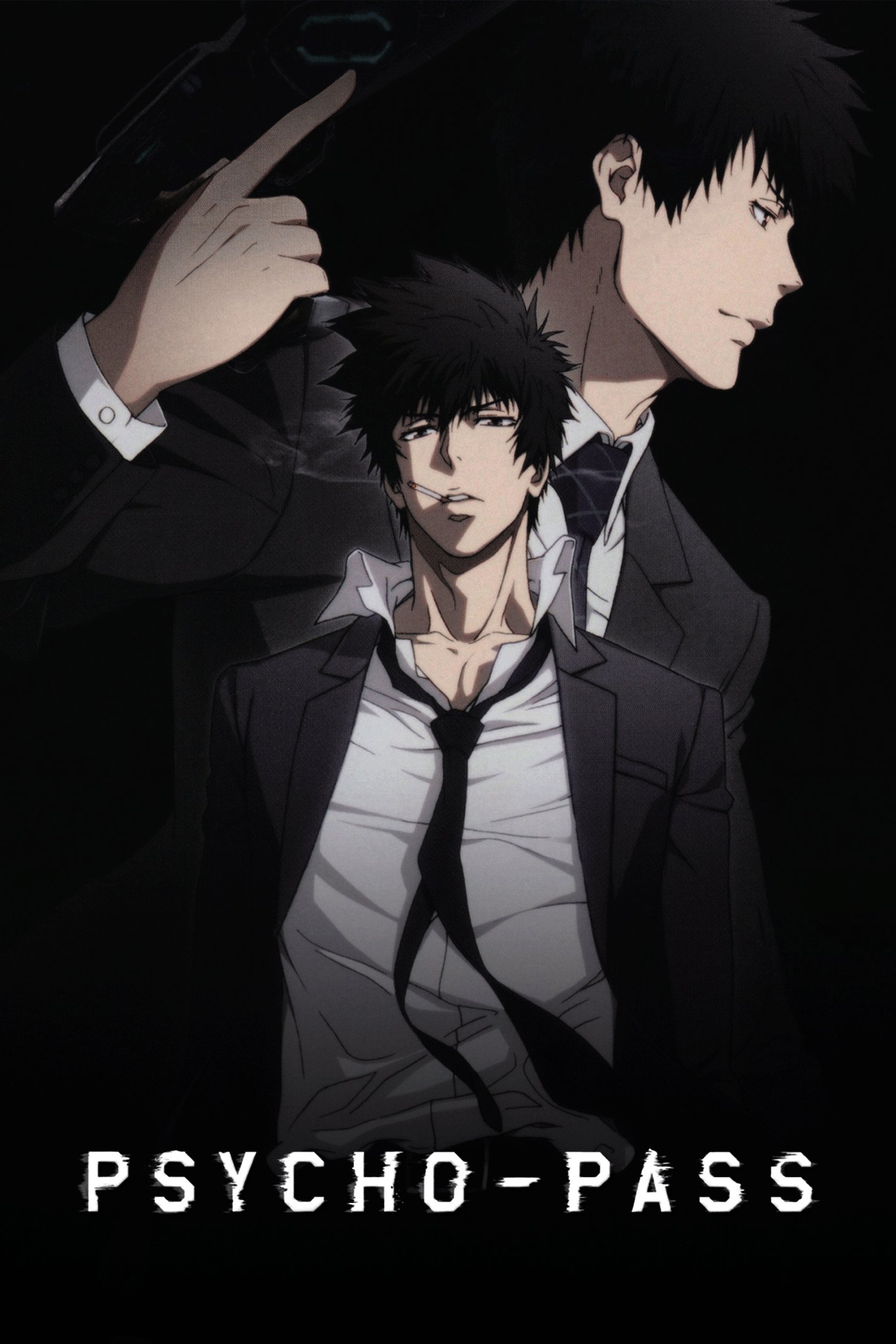
‘Psycho-Pass’ was likewise pulled from Chinese streaming sites in 2015 after regulators criticized its depictions of crime and social control mechanisms as excessively violent for general audiences. Major platforms complied rapidly, removing full seasons and associated recommendation carousels. The takedown extended to spin-off compilations listed under the same franchise tags. In practice, this created a patchwork where discussions and fan art persisted, but legal episode access did not.
‘Dragon Ball Super’ (2015–2018)

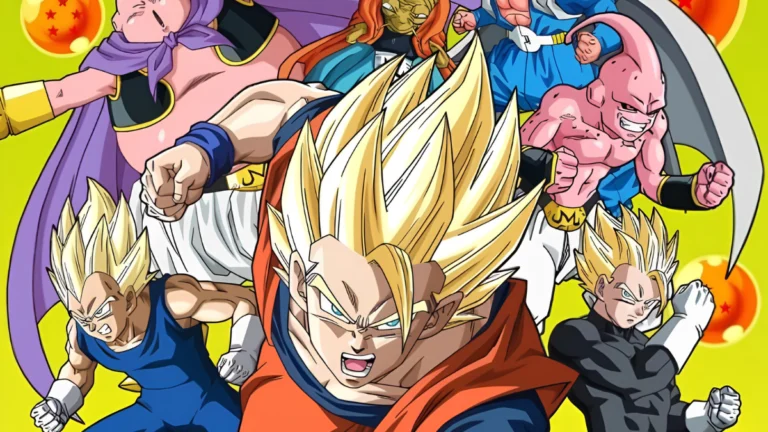
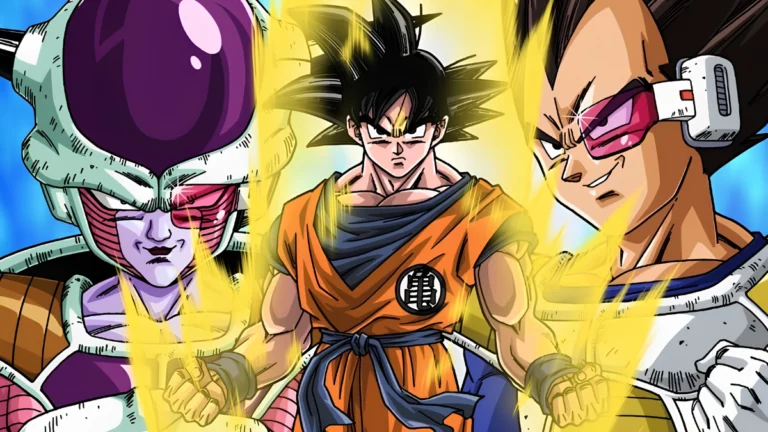
A regional public broadcaster in Spain’s Valencian Community halted ‘Dragon Ball Super’ in 2022 after a watchdog review flagged sexist tropes in early episodes, and the channel opted not to renew the license. Although Spain did not impose a national prohibition, the regional pullback functioned as a territory-wide blackout on free-to-air TV for that audience. The decision prompted rights-holder consultations and press statements clarifying content standards for future acquisitions. It’s a curious example where a legacy franchise ran into a local equality-law interpretation rather than age-rating limits.
If you’ve come across other oddball bans or country-specific edits, drop your examples in the comments so everyone can compare notes!