“Kids” Anime That Are Actually Fuel For Nightmares


Cutesy mascots, pastel color palettes, and after-school time slots can hide some seriously unsettling stuff. Plenty of anime aimed at families—or that look like they are—slip in body horror, existential dread, and folklore that’s far gnarlier than the packaging suggests. Here are twenty shows and films that many viewers associate with “kids’ anime,” yet contain scenes, arcs, or ideas that can lodge in your brain long after bedtime. Each entry notes concrete story elements, creators, studios, and where the creepiness actually comes from, so you know exactly why these leave such a mark.
‘Spirited Away’ (2001)
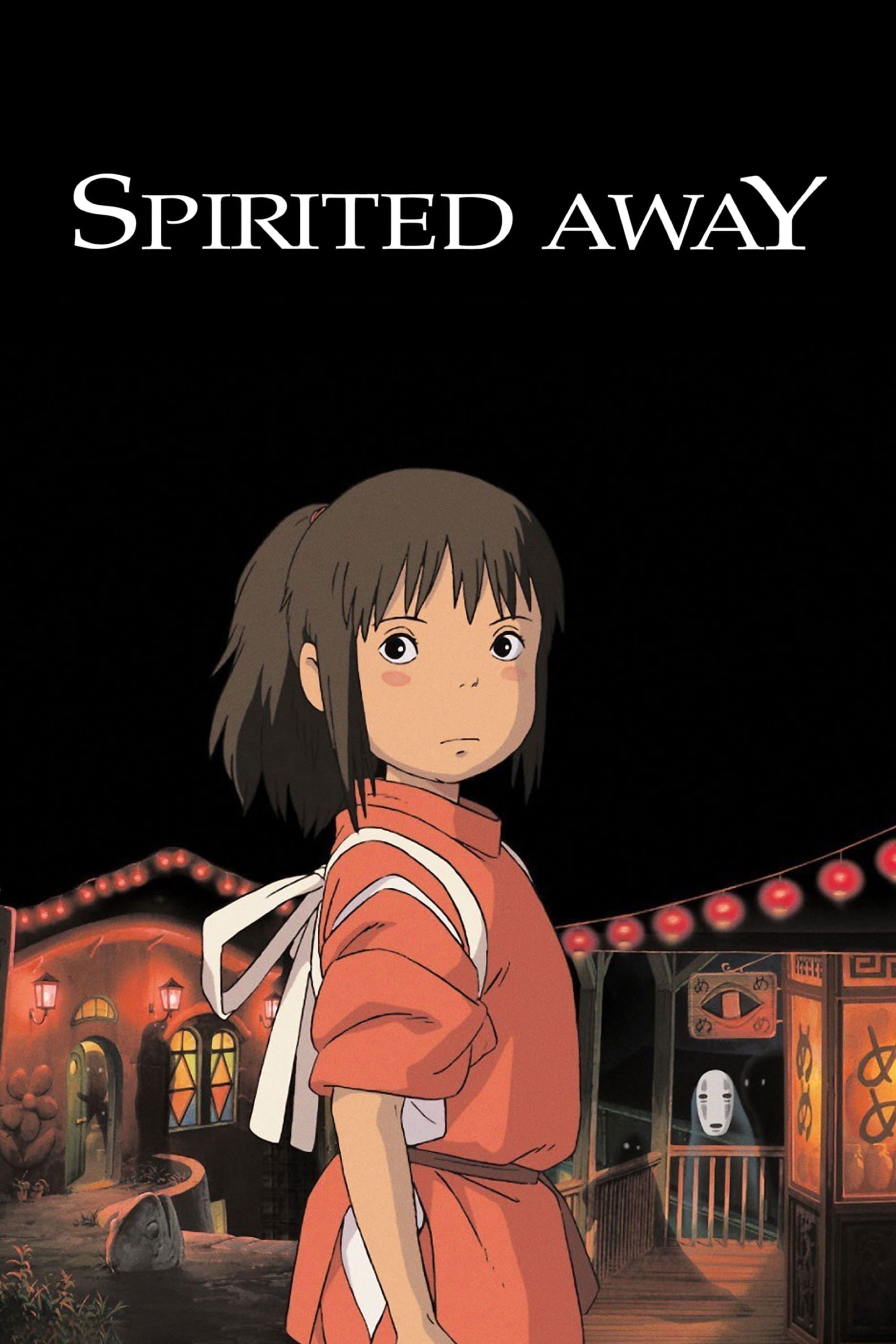
Studio Ghibli’s film from director Hayao Miyazaki follows Chihiro into a spirit bathhouse where her parents transform into pigs and workers serve deities with very human vices. The grotesque stink spirit sequence and No-Face’s gluttonous rampage pair folk motifs with unsettling metamorphoses. Industrial soundscapes and shadowy corridors emphasize labor and consumption over comfort. Despite its family tag, the film’s imagery and themes around greed, identity, and liminality can be deeply disquieting.
‘Pom Poko’ (1994)
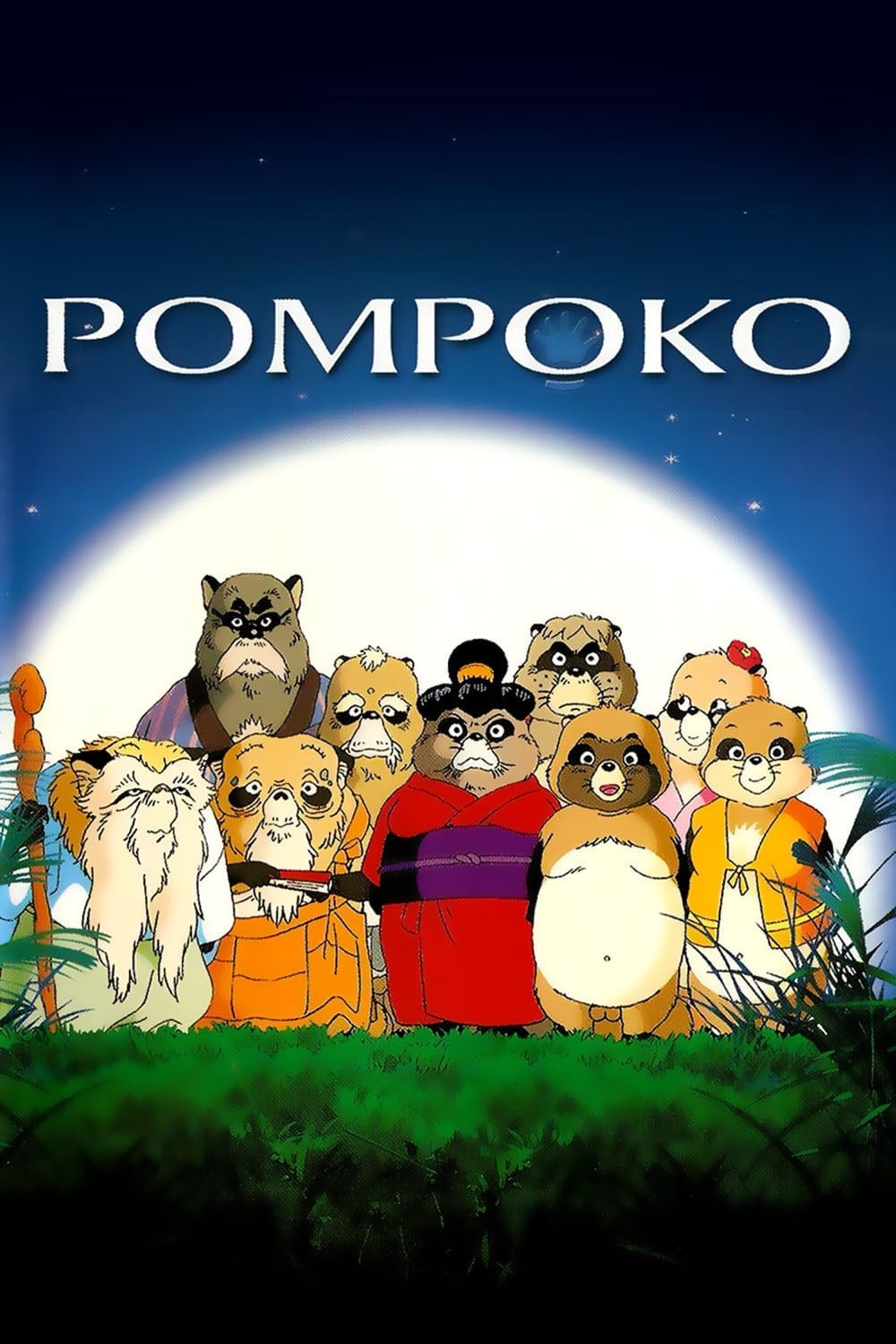
Isao Takahata’s Studio Ghibli satire uses shape-shifting tanuki to depict ecological displacement, but the transformations often veer into deliberate fright. The “Ghost Parade” deploys classic yōkai illusions—stretch-necks, living umbrellas, and faceless specters—to terrorize humans. Body-morphing gags turn grotesque as the tanuki weaponize their physiology to fight bulldozers. The film’s melancholy coda underscores extinction anxieties rather than offering tidy comfort.
‘Grave of the Fireflies’ (1988)
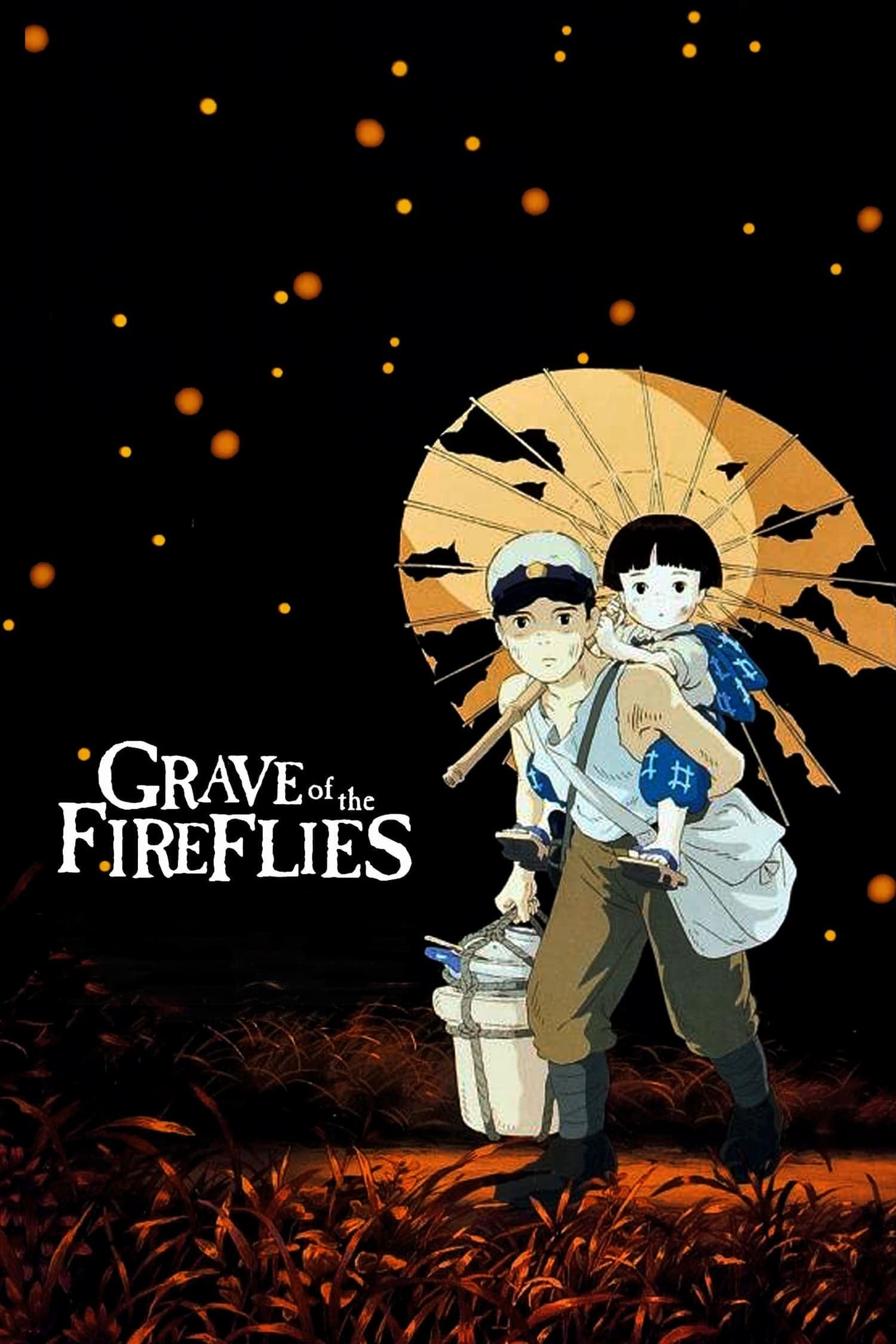
Though often screened for broad audiences, Takahata’s Studio Ghibli drama is an unflinching depiction of wartime starvation. The repeated hospital scenes, air-raid aftermath, and the slow erosion of childhood safety are presented with documentary-like clarity. The candy tin motif and firefly imagery become visual hauntings as hope dims. It’s emotionally devastating realism packaged with a child-protagonist perspective.
‘Little Nemo: Adventures in Slumberland’ (1989)
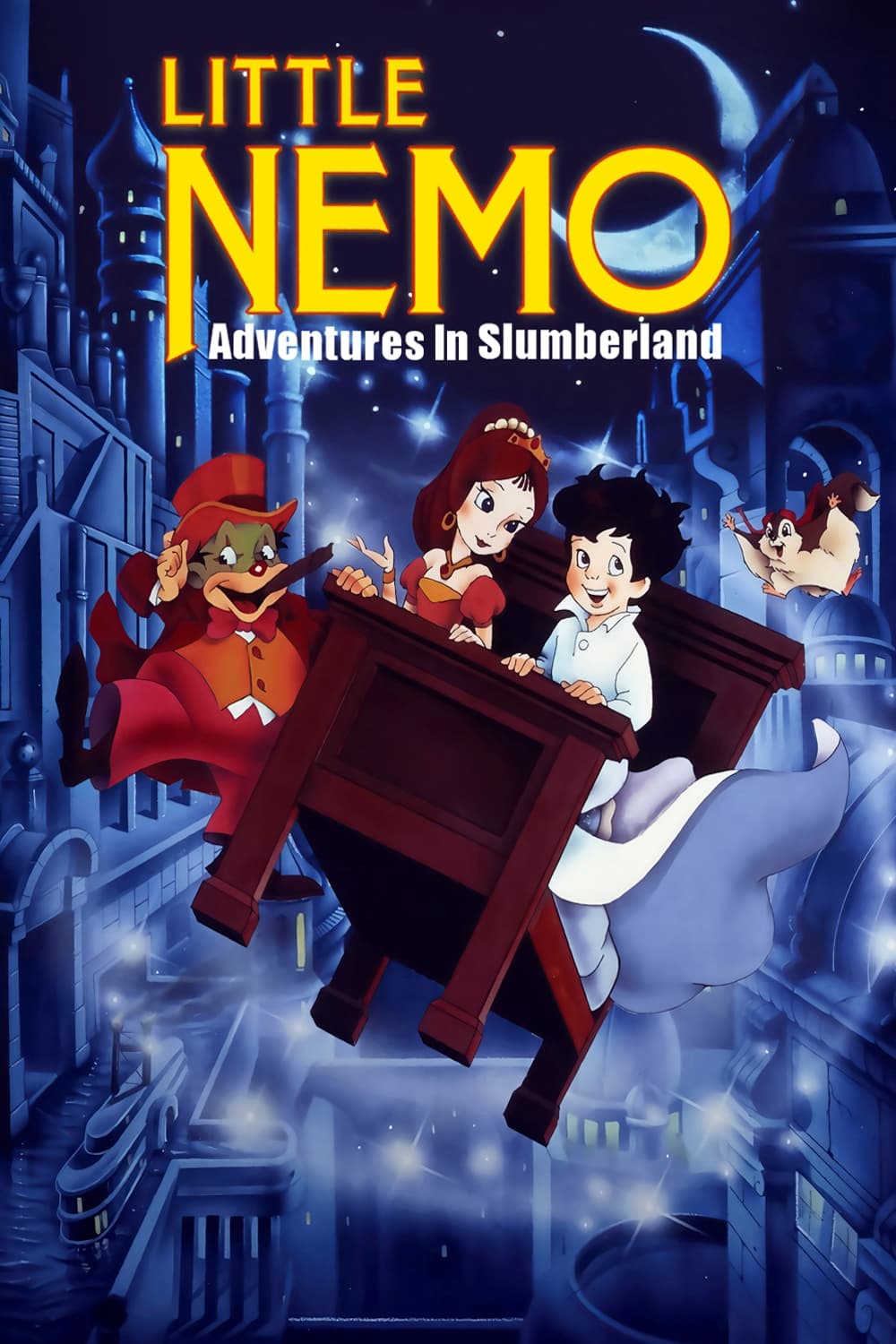
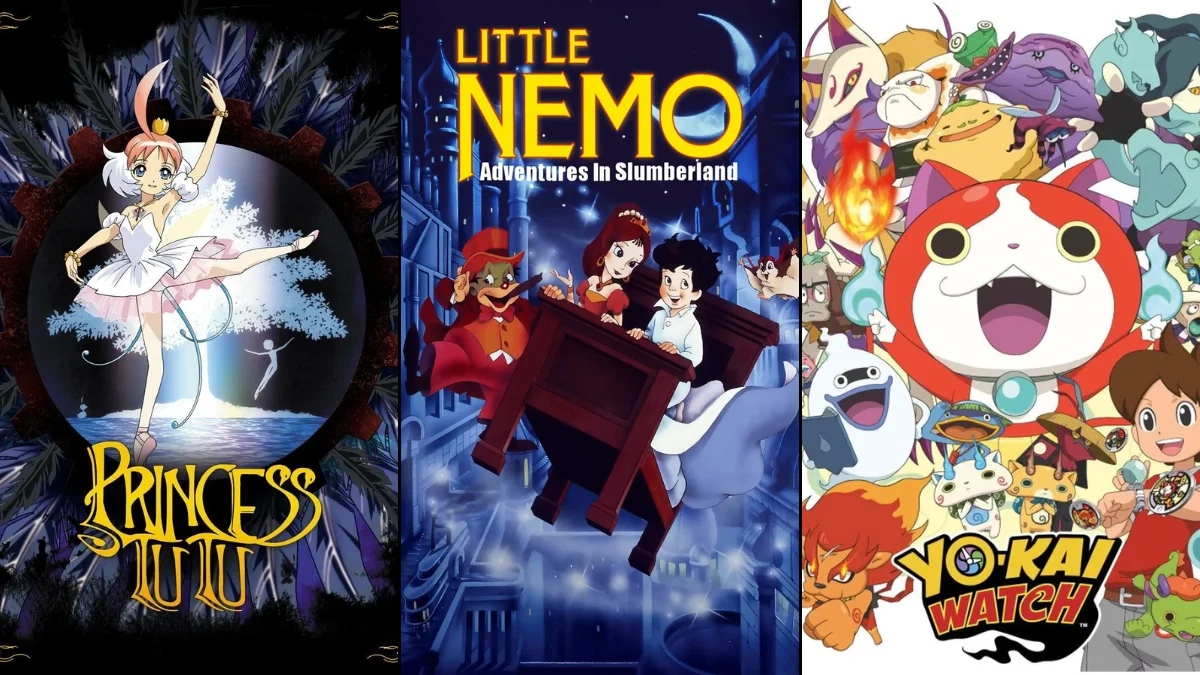
Co-directed by Masami Hata and William T. Hurtz with production by TMS Entertainment, this adaptation turns bedtime escapism into nightmare logic. The Nightmare King’s living shadows, labyrinthine castles, and twisting corridors play like classic dream terrors. The tonal lurch from parade whimsy to abduction and void imagery is abrupt by design. Its character designs stay cute while the set-pieces slide into gothic menace.
‘Unico in the Island of Magic’ (1983)
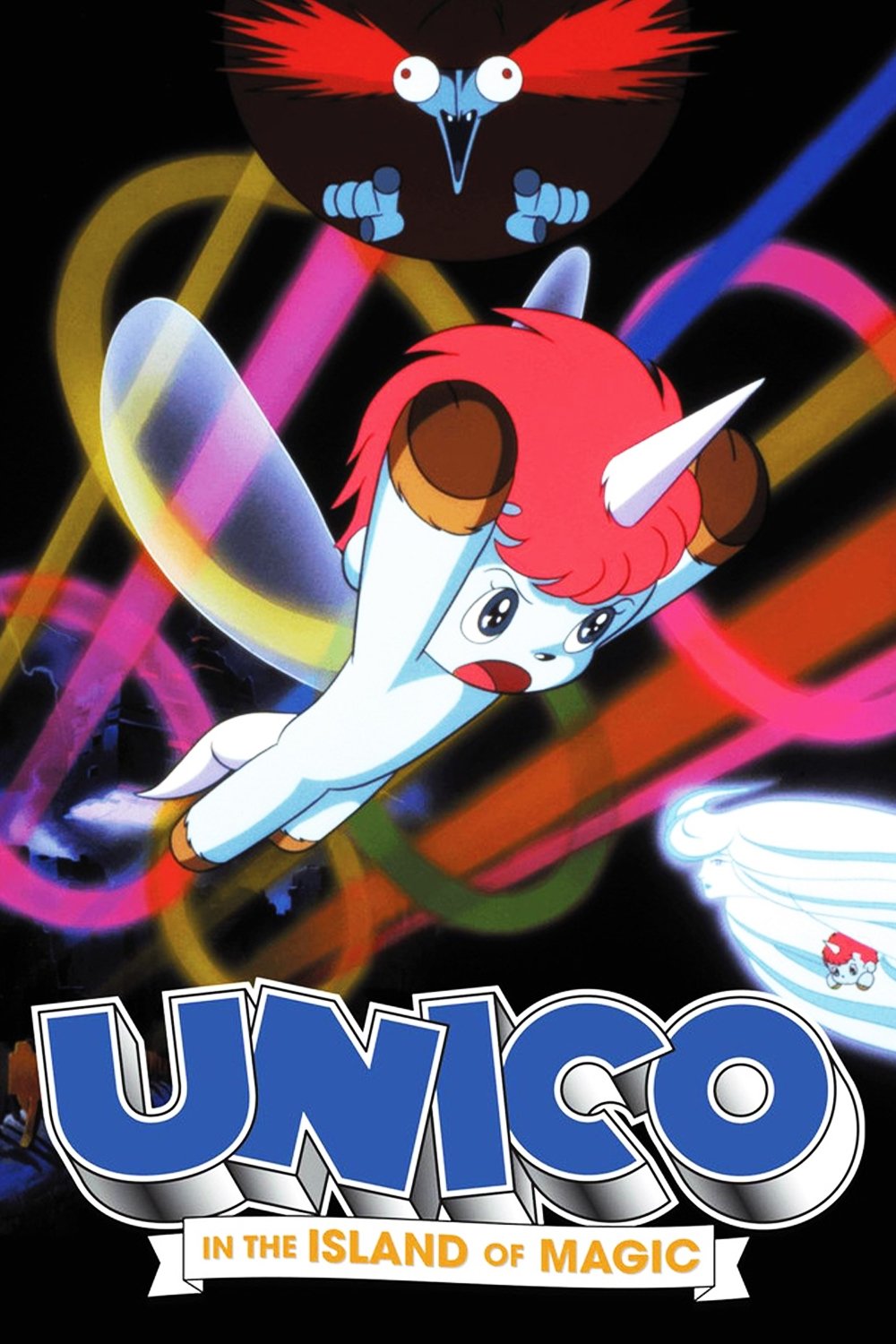
Sanrio’s film sends the baby unicorn Unico against a sorcerer who turns people into mute, stackable puppets. The transformation sequence—complete with hollow eyes and assembly-line dread—lands far from typical children’s fantasy comfort. Director Moribi Murano leans on long pans and stillness to build unease. The villain’s pipe organ lair and desolate landscapes are deliberately oppressive.
‘Moomin’ (1990–1991)
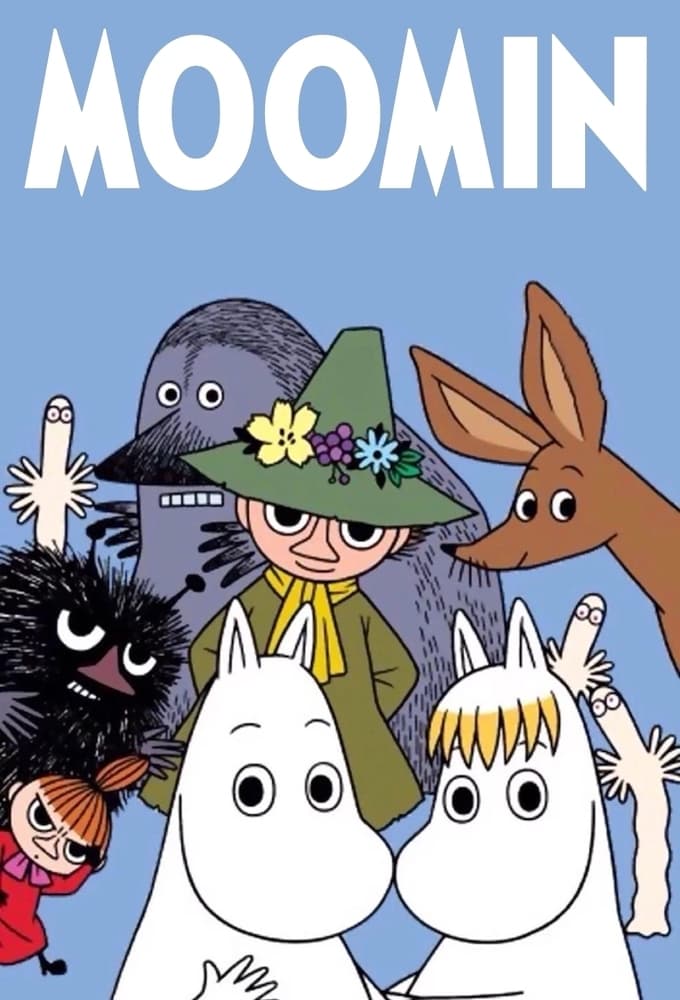
This television series adapts Tove Jansson’s stories with a gentle look but retains the books’ eerier fixtures. Episodes featuring the Groke present a cold, sound-dampening presence that freezes ground and mood alike. Storms, comet scares, and uncanny guests introduce existential chill within domestic coziness. Produced for family viewing, it still elevates loneliness and fear into recurring motifs.
‘GeGeGe no Kitaro’ (2018–2020)
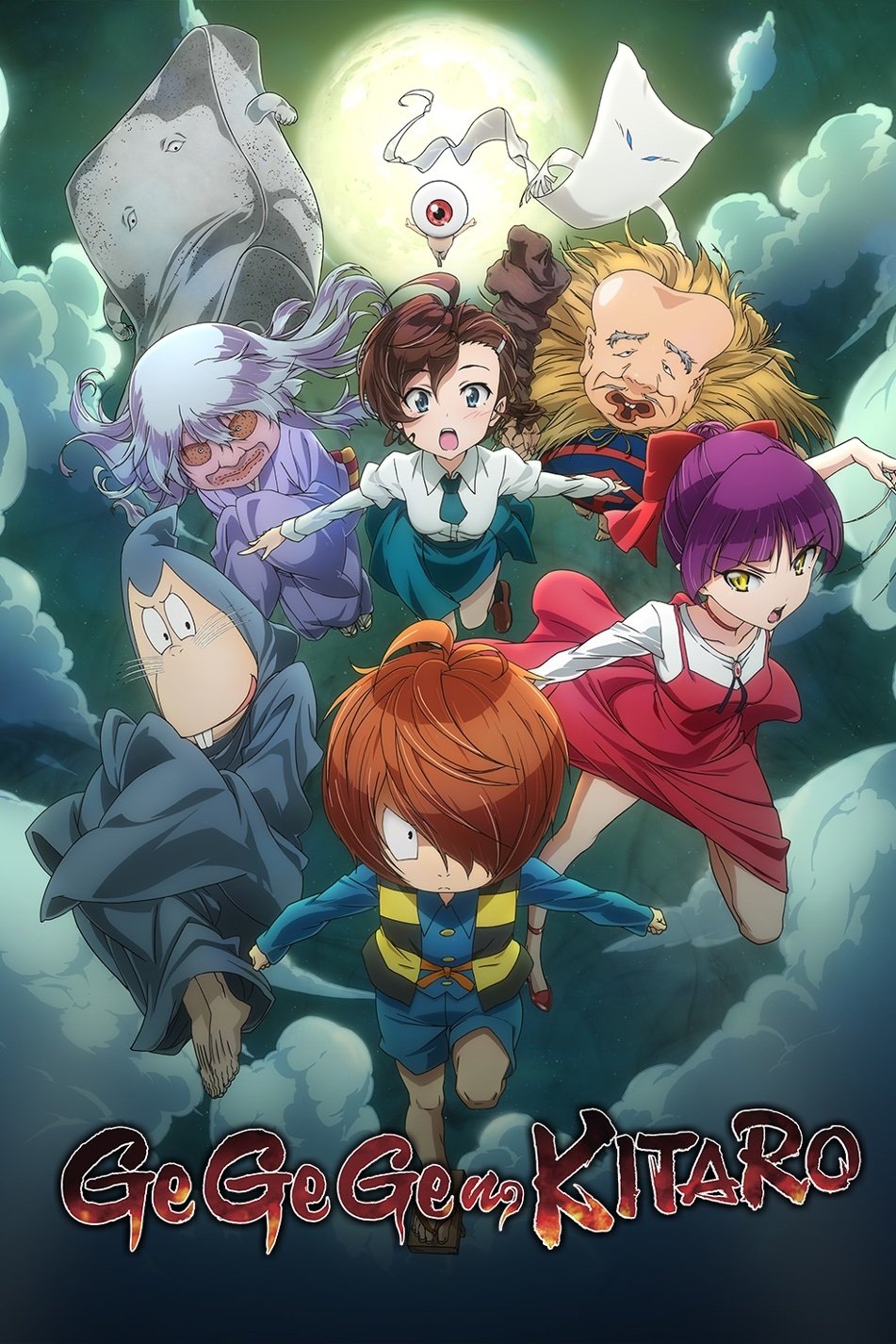
Toei Animation’s modern take on Shigeru Mizuki’s yōkai saga airs in a Sunday-morning slot yet revels in folklore’s darker edges. Human antagonists often meet ironic, creepy fates through spirit intervention. Body-horror designs—like wall-crawling long-tongued beings and living hair—draw from traditional ghost stories. Social satire around technology and resentment adds a contemporary chill.
‘Dororo’ (1969)
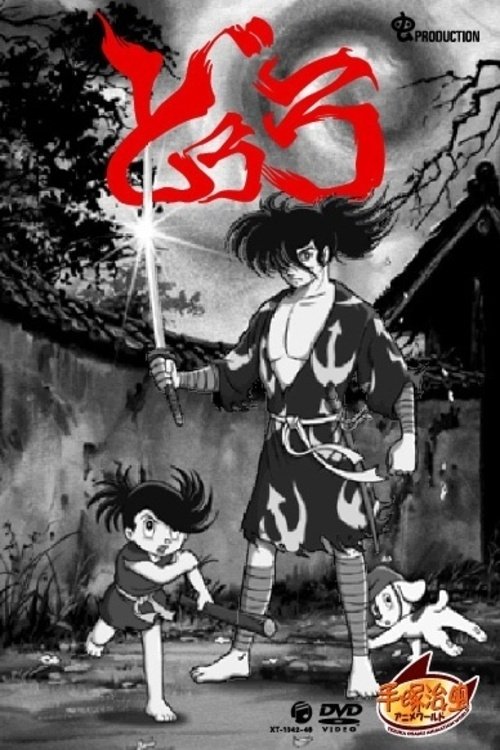
Mushi Production’s black-and-white series adapts Osamu Tezuka’s tale of Hyakkimaru reclaiming body parts from demons. Limbless prosthetics, stitched silhouettes, and demon-infested villages make medieval hardship tactile. The episodic structure hides monster-of-the-week shocks inside a wandering-hero format. Despite a youth audience slot, its imagery of possession and sacrifice is stark.
‘Digimon Tamers’ (2001–2002)
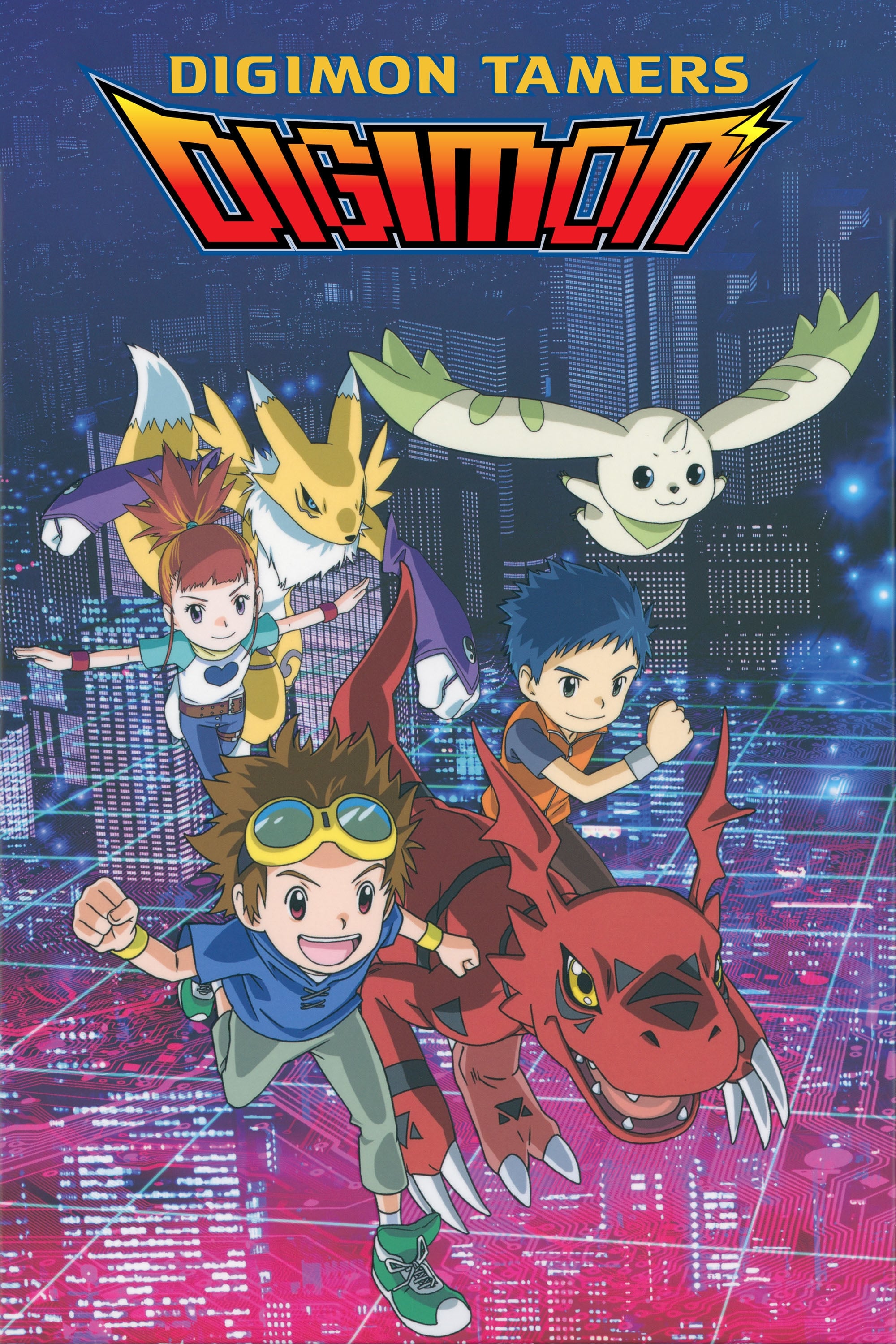
A Toei Animation entry scripted by Chiaki J. Konaka pushes the franchise into psychological territory. The D-Reaper arc reimagines a deletion program as an unknowable entity that absorbs cities and people. Character breakdowns, bio-merge body horror, and news-broadcast dread create a techno-apocalypse tone. It’s still about partners and growth, but the urban terror and existential stakes are unusually intense for a kids’ brand.
‘Sailor Moon’ (1992–1997)
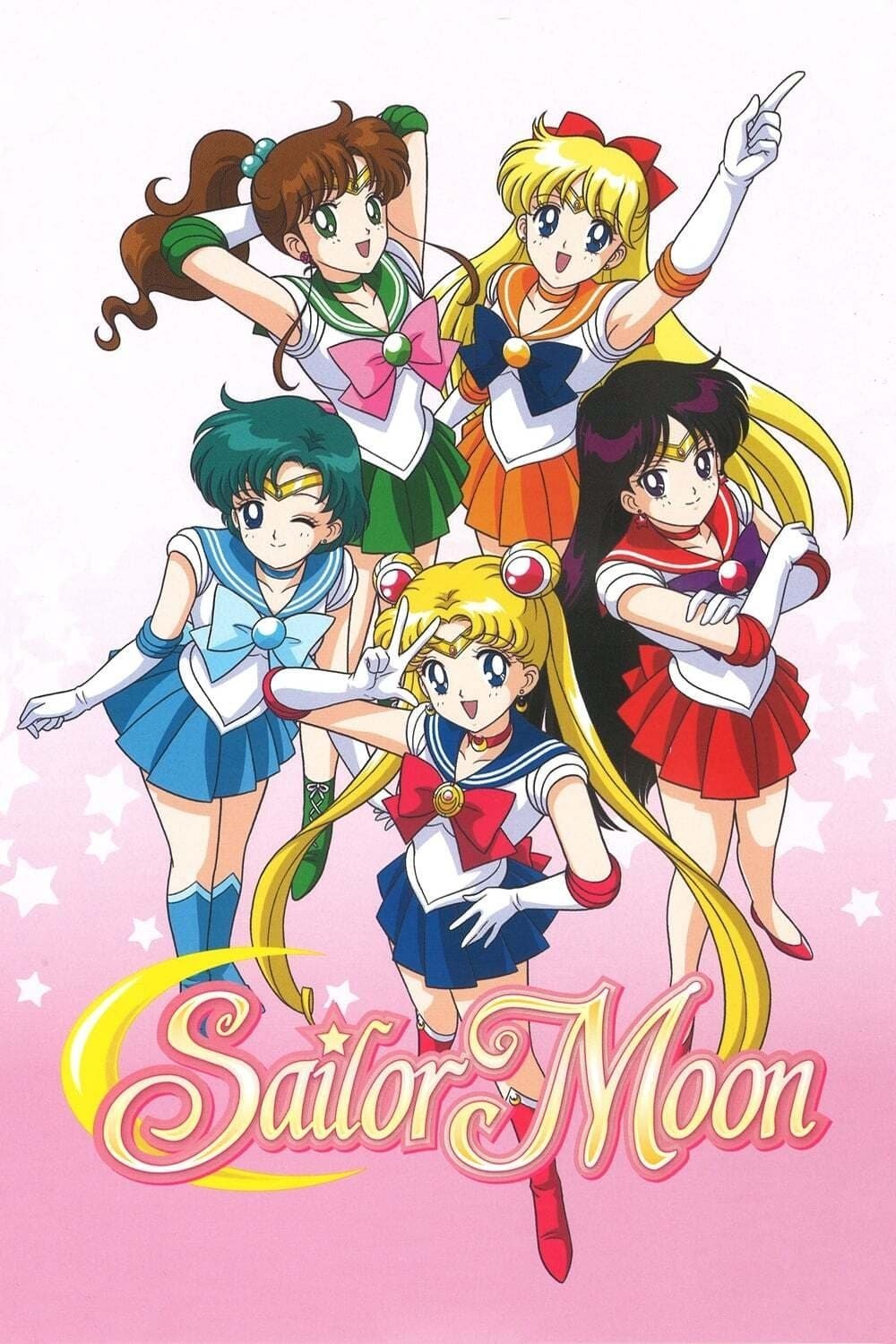
Toei Animation’s shōjo classic regularly frames monsters with body-distortion and parasitic possession. Early arcs feature civilians drained in public spaces, while later seasons escalate to apocalyptic futures and dream-eating creatures. Junichi Satō’s direction in the first season balances comedy with eerie, fog-drenched set-pieces. The series often restores order, but the path there includes genuine fright.
‘Cardcaptor Sakura’ (1998–2000)
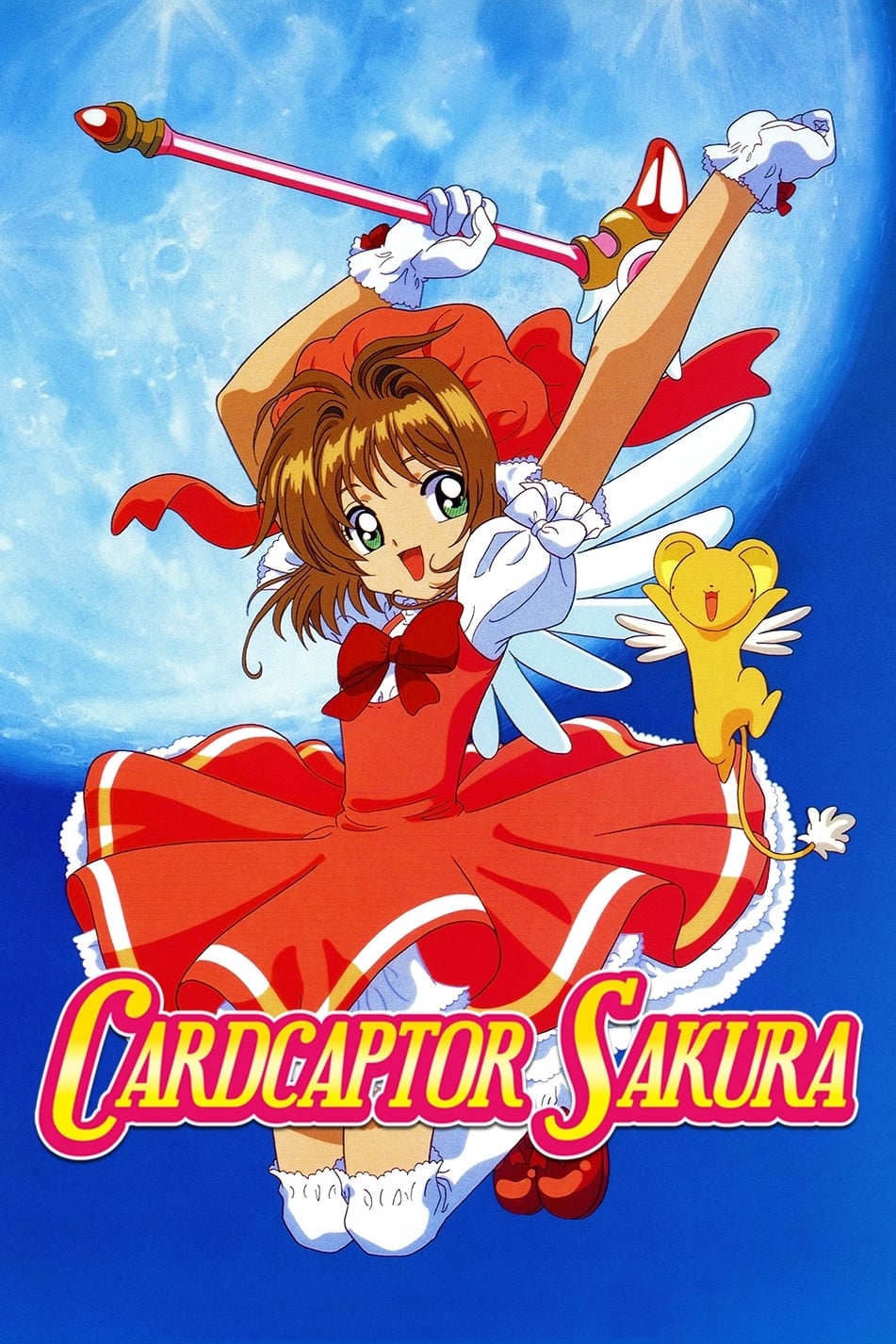
Madhouse’s adaptation of CLAMP’s manga is bright and warm, yet certain Clow Cards turn the city into a horror stage. The Mirror and the Maze produce doppelgängers and inescapable geometries, while The Watery stalks like a silent predator. Morio Asaka’s staging uses long hallways, empty schools, and night lighting to amplify unease. The comforting slice-of-life tone frequently punctures with uncanny interruptions.
‘Glitter Force’ (2012–2013)
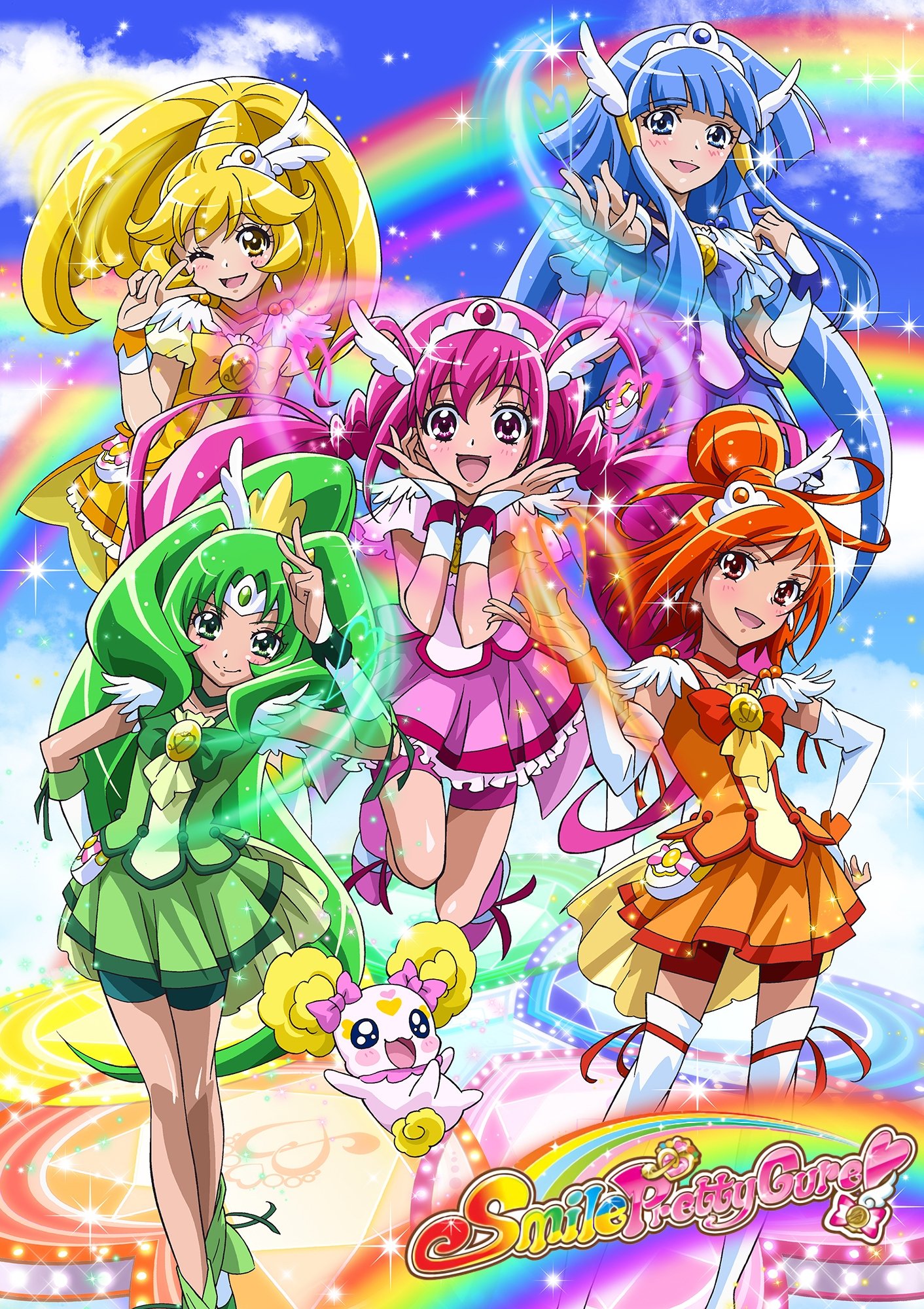
Part of Toei Animation’s long-running Pretty Cure franchise, this season pivots to storybook apocalypse under the villain Pierrot. Jokers and ogres corrupt fairy-tale motifs into fear—smiles evaporate, and the sky darkens under a literal “Bad End.” Final battles deploy voids and distorted fairylands that threaten permanent despair. The series returns to optimism, but the imagery leans harder into dread than its visuals suggest.
‘Magical DoReMi’ (1999–2003)
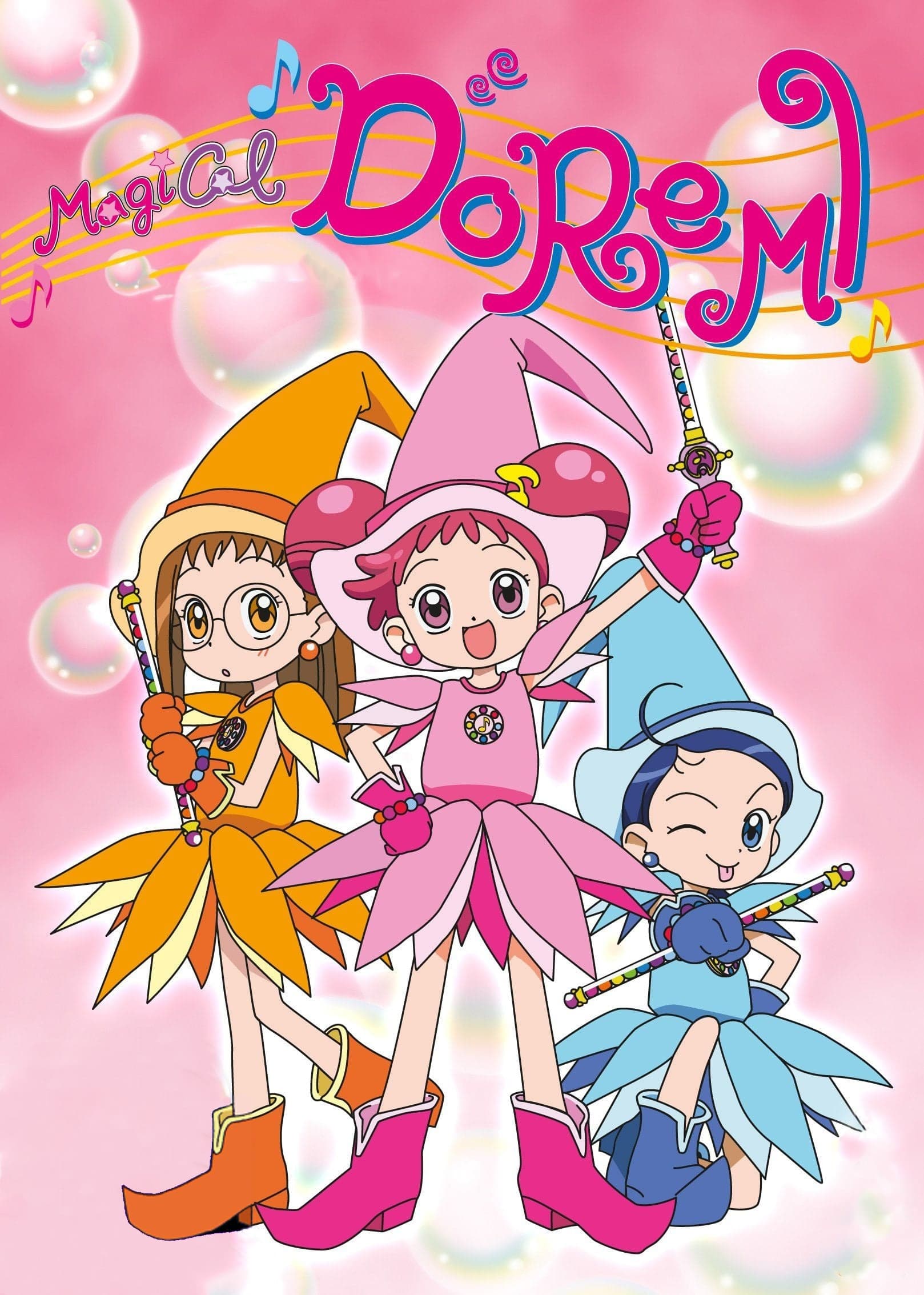
Toei Animation’s trainee-witch saga pairs candy colors with curses, grief arcs, and unsettling magical consequences. The witch-seed tests enforce penalties that isolate or endanger the girls when they fail. Folk-tale rules—like taboo shops and night markets—appear with genuine stakes. Episodes about illness and loss situate magic alongside fears kids actually have.
‘Shin chan’ (1992– )
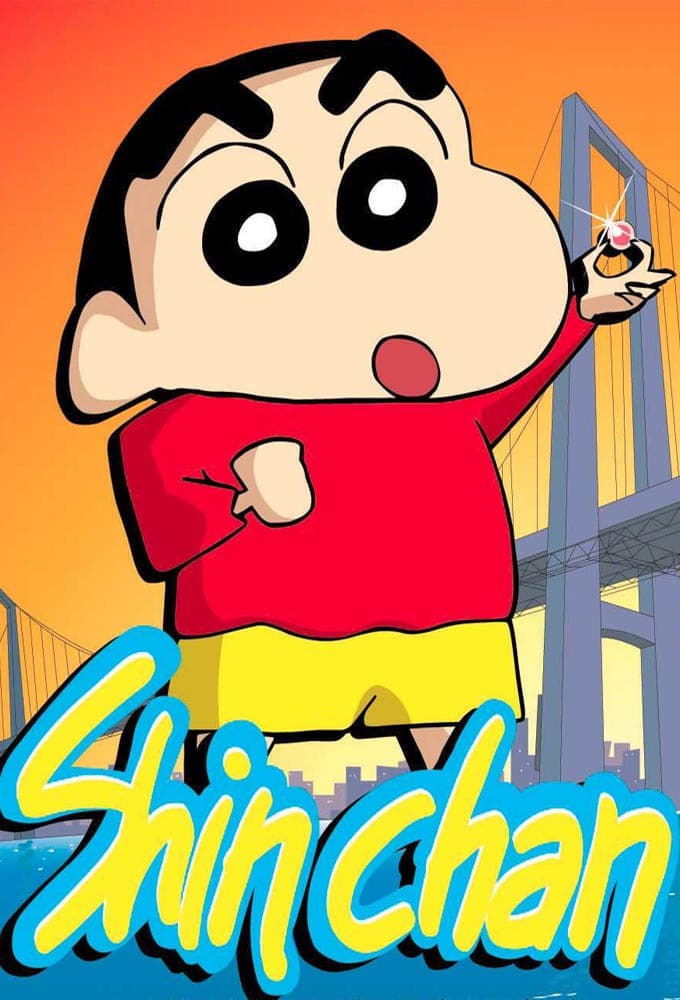
Shin-Ei Animation’s gag show frequently runs horror specials that pastiche urban legends. “Cursed doll” plots, haunted apartment blocks, and long-shadow hallway chases are presented with static shots and silence before punchlines. The films experiment further, with abandoned buildings and masked intruders that read surprisingly intense. Its simple designs accentuate jump-cut eeriness rather than diffusing it.
‘Doraemon’ (2005– )
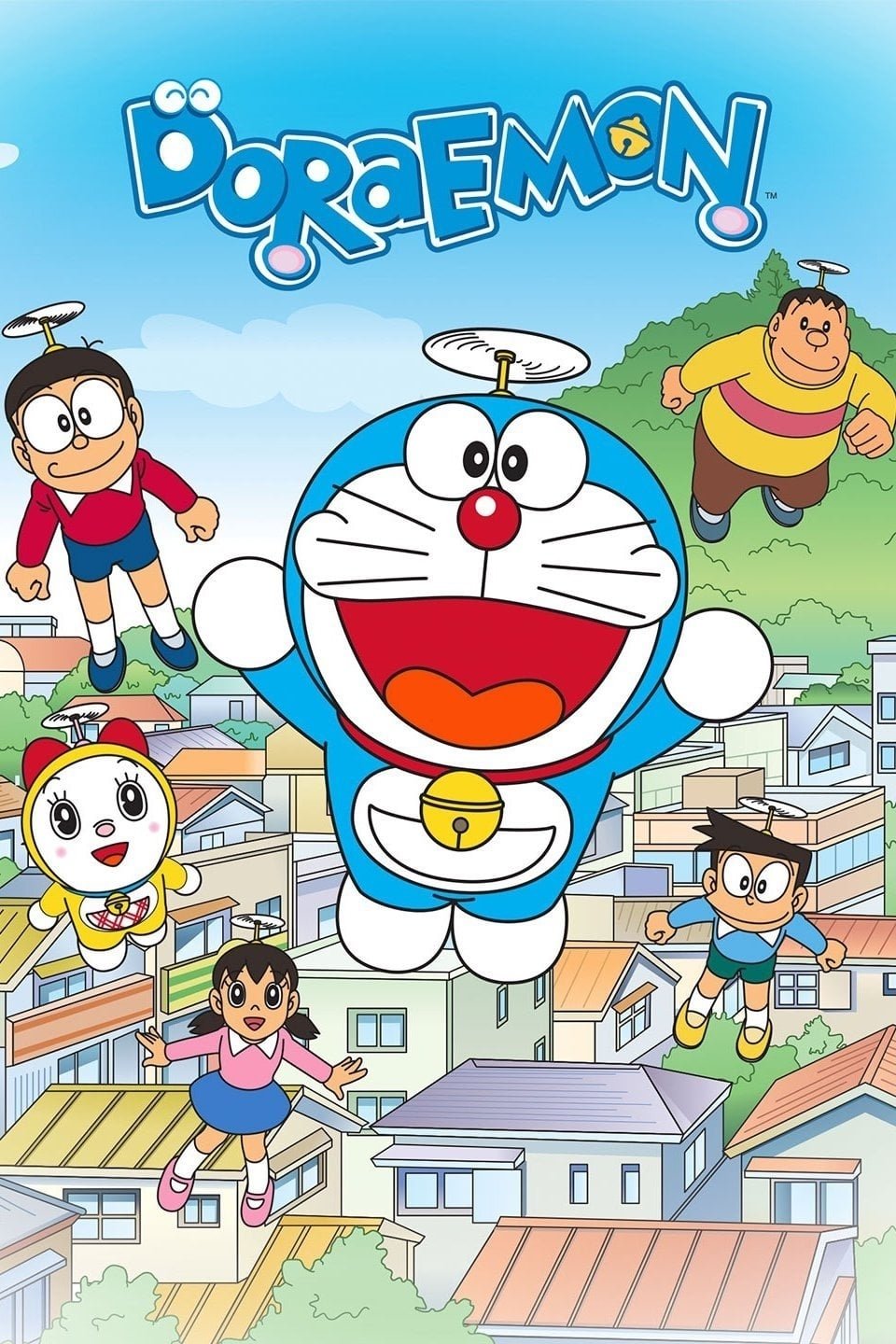
Shin-Ei Animation’s evergreen series often explores the unintended consequences of futuristic gadgets. Wish-fulfillment tools create body swaps, time loops, and parallel spaces that trap characters. Ghost-house episodes and night expeditions emphasize claustrophobic interiors and unreliable doors. The lesson structure remains intact, but the scenarios can feel like polished nightmare setups.
‘Yo-kai Watch’ (2014–2018)
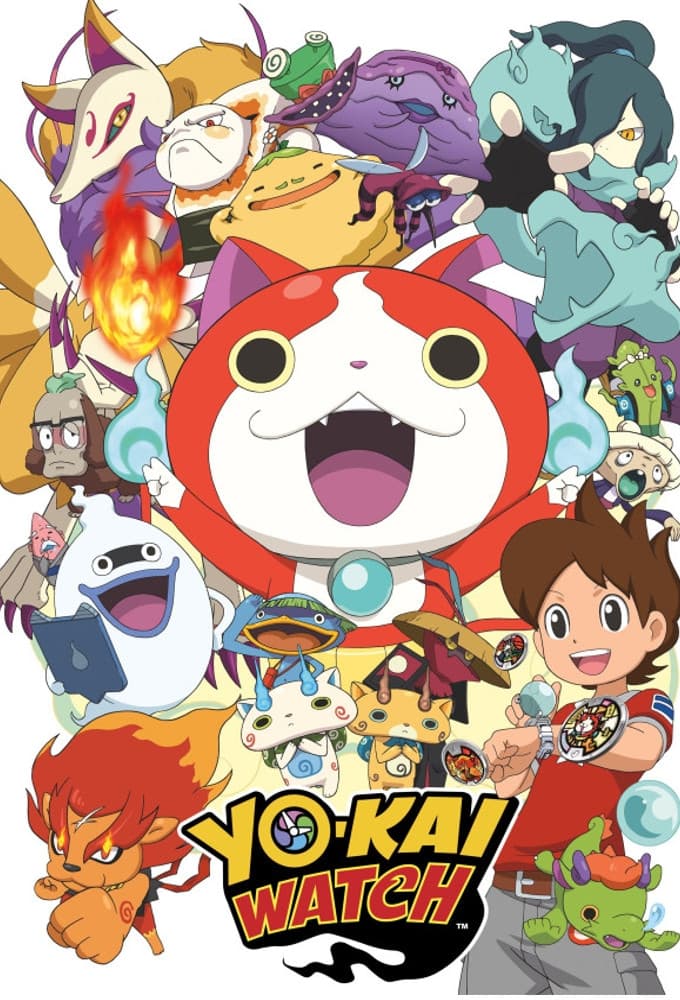
OLM’s franchise catalogs spirits tied to everyday anxieties, and many designs skew deliberately eerie. Episodes weaponize mundane settings—classrooms, parks, and kitchens—by layering in possession and invisibility. The films escalate with giant phantoms and citywide hauntings that dwarf the cutesy mascot tone. Folklore explanations add a chill by linking behavior changes to unseen entities.
‘Kemono Friends’ (2017)

Season 1 by Yaoyorozu (director Tatsuki) frames a cheerful safari in the ruins of a depopulated park. Environmental clues—abandoned facilities, signage fragments, and empty transport lines—hint at an off-screen catastrophe. The “Ceruleans” function as emotionless predators that erase identity on contact. The contrast between friendly dialogue and negative-space worldbuilding generates persistent unease.
‘Princess Tutu’ (2002–2003)
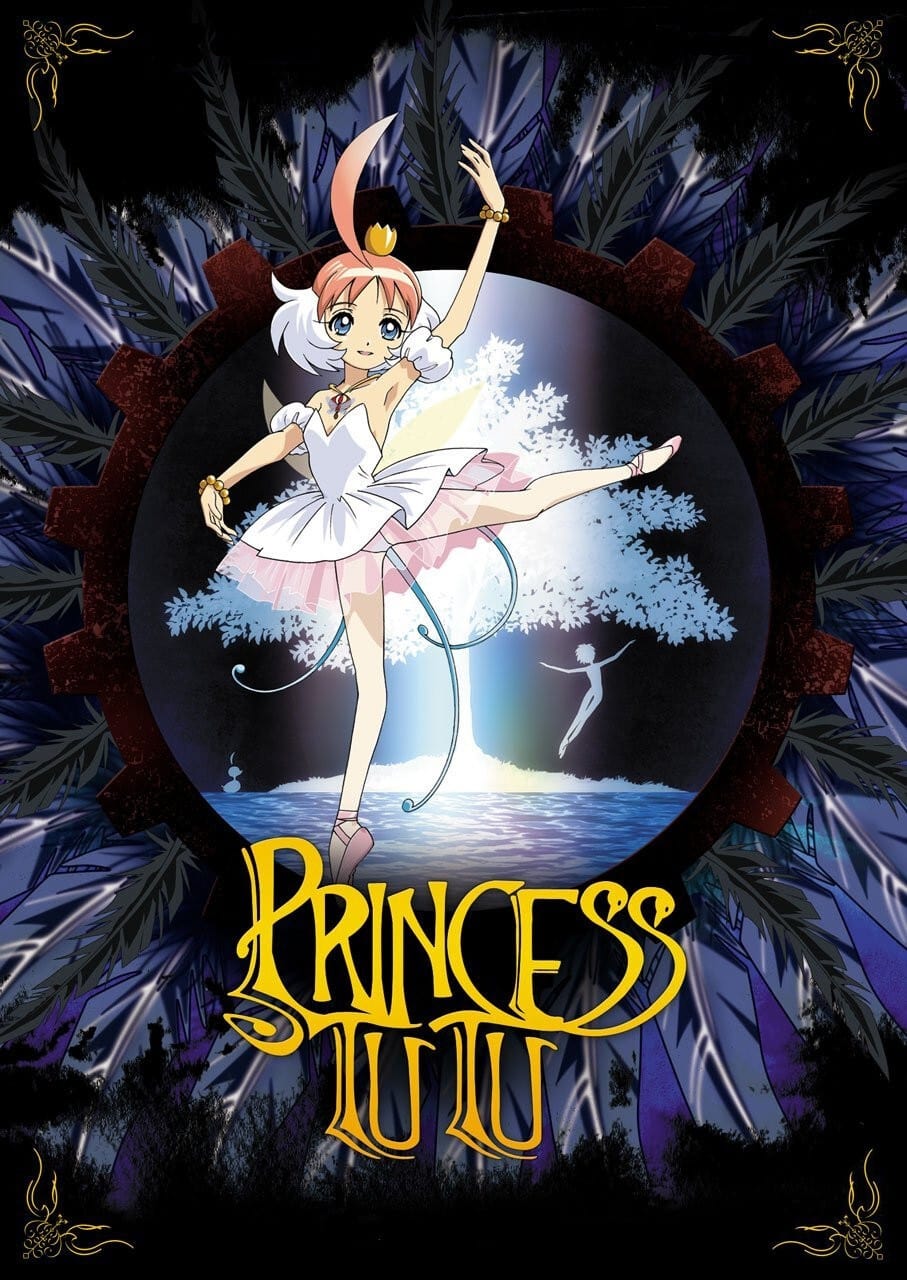
Animated by Hal Film Maker from an original concept by Ikuko Itoh, this ballet-themed series hides metafictional horror under fairy-tale ritual. A duck-turned-girl dances to restore a prince’s heart shards as a malevolent author rewrites outcomes. Shadowed theatres, clockwork towns, and puppet imagery recur with oppressive repetition. The show’s contract magic and fate loops feel beautiful—and quietly terrifying.
‘Made in Abyss’ (2017– )
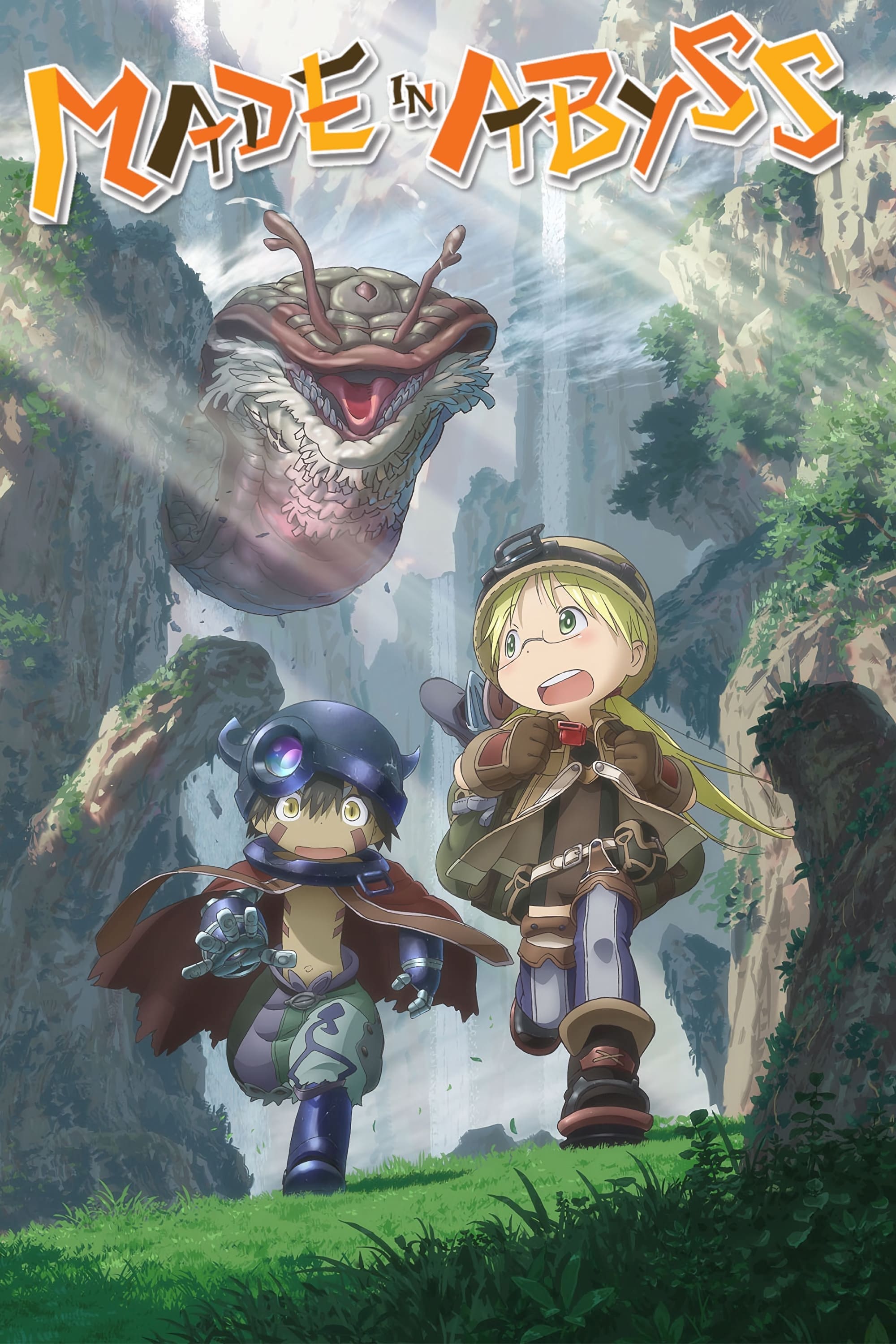
Kinema Citrus adapts Akihito Tsukushi’s manga about children descending a biologically hostile chasm. The “Abyss curse” inflicts neurological and bodily trauma, while relic hunters run ethically void experiments. Director Masayuki Kojima stages creature encounters and medical scenes with clinical detail. The plush character look sits against explicit peril, producing some of modern anime’s starkest dissonance.
‘Pokémon’ (1997– )
OLM’s long-running series is famous for adventure, but ghost-type storylines lean into classic hauntings. Episodes set in the Lavender Town tower and abandoned mansions present possession, levitation, and prank poltergeists. Visuals like flickering lights, silent corridors, and mimicry (e.g., doll-like Gastly antics) harness genre language straight from horror. The franchise stays kid-friendly overall, yet its ghost arcs are textbook chillers.
Share the titles that creeped you out most—and the exact scenes that stuck with you—in the comments!