Soundtracks that Are Way Better than the Game They Are In


Some games launch with rough edges, but their music shows up fully formed—immaculate scores that elevate every menu, cutscene, and mission. Below are 25 game soundtracks that earned lasting reputations on their own terms. For each entry, you’ll find the composers, what makes the music special (from choir-heavy epics to clever dynamic systems), and where to listen today. Developer and publisher details are included so you know who built the world that the soundtrack brings to life.
‘Nier’ (2010)
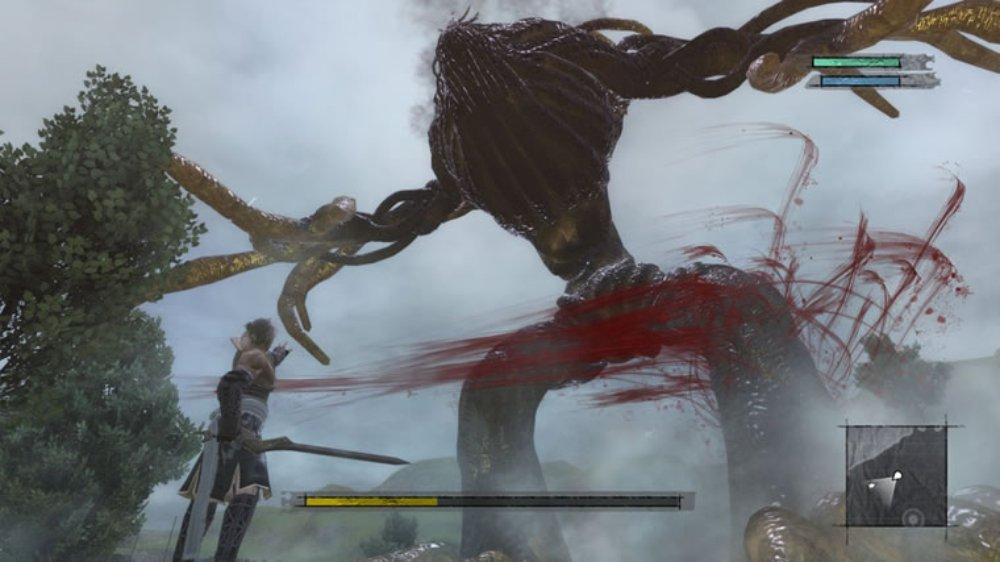
Cavia developed and Square Enix published this action RPG, with Keiichi Okabe, Keigo Hoashi, and Emi Evans crafting a choral, invented-language score that became its signature. The soundtrack blends ethereal vocals with melancholic melodies, using leitmotifs that recur across zones and boss fights. Many tracks were re-recorded for later albums, making it easy to find high-fidelity versions on major music services. Live arrangements have appeared in official concerts and compilation releases overseen by Square Enix Music.
‘Remember Me’ (2013)
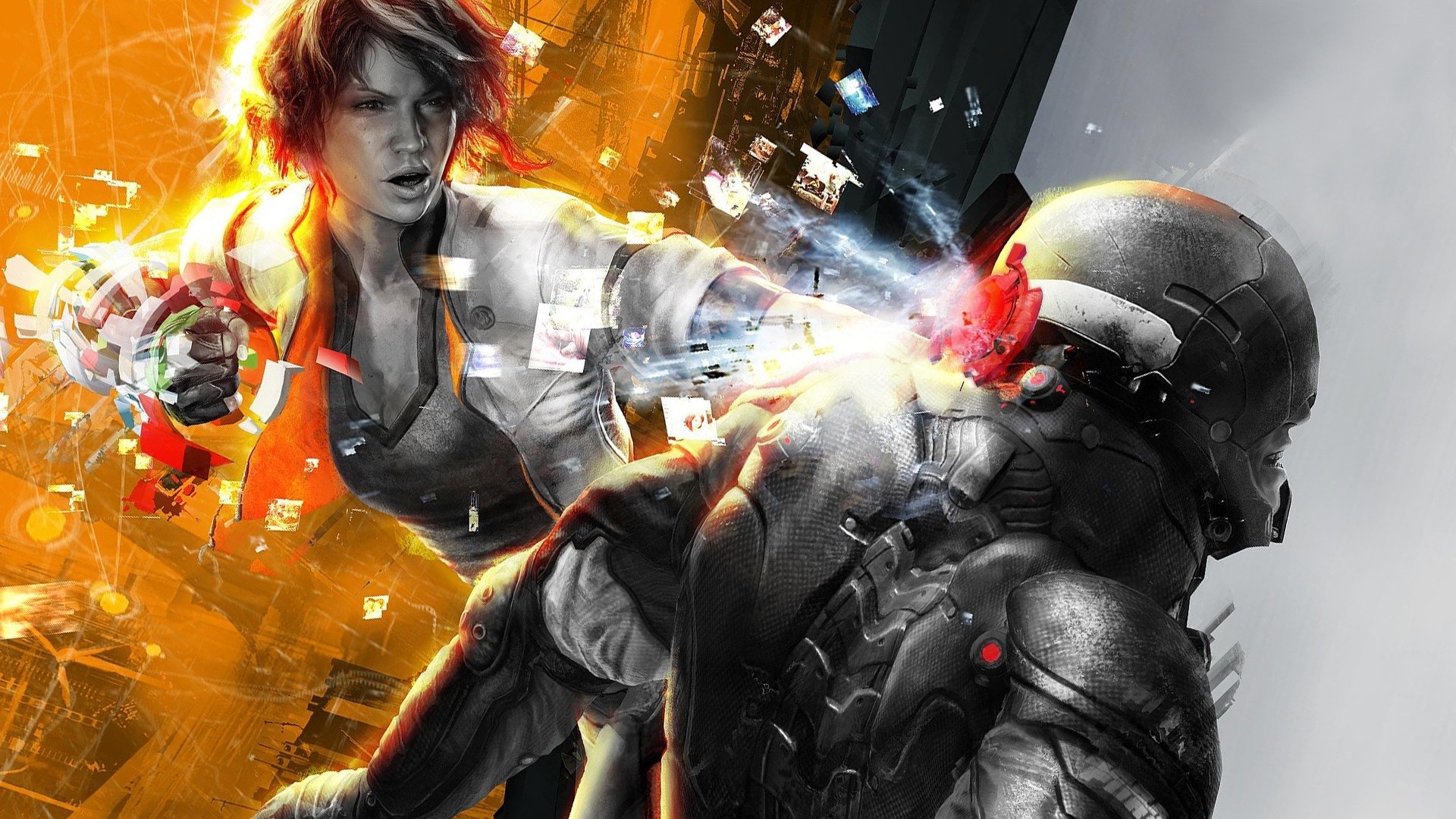
Dontnod Entertainment built this Capcom-published sci-fi adventure around memory remixing, and Olivier Deriviere’s score mirrors that idea by digitally “glitching” orchestral recordings. The London Philharmonia’s performances are time-stretched and reassembled so combat cues evolve as you chain combos. Its main theme and combat suites are available on streaming platforms and in a dedicated album release. Capcom distributed the soundtrack alongside promotional materials highlighting Deriviere’s interactive techniques.
‘Sonic R’ (1997)
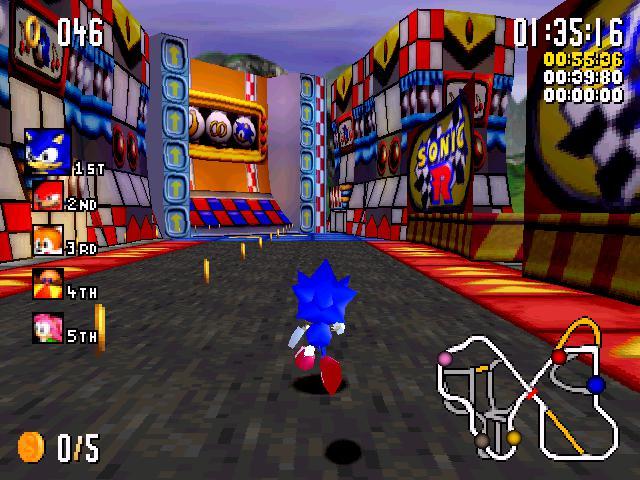
Traveller’s Tales developed this Sega racer, and Richard Jacques delivered a bright, vocal-heavy soundtrack sung by TJ Davis that still circulates in remix scenes. The songs use full verse-chorus structures rather than looped stingers, unusual for racers of the era. Official soundtrack CDs and later digital uploads keep the tracks accessible for new listeners. Sega has reused and referenced these tunes in anniversary concerts and compilations.
‘Sonic the Hedgehog’ (2006)
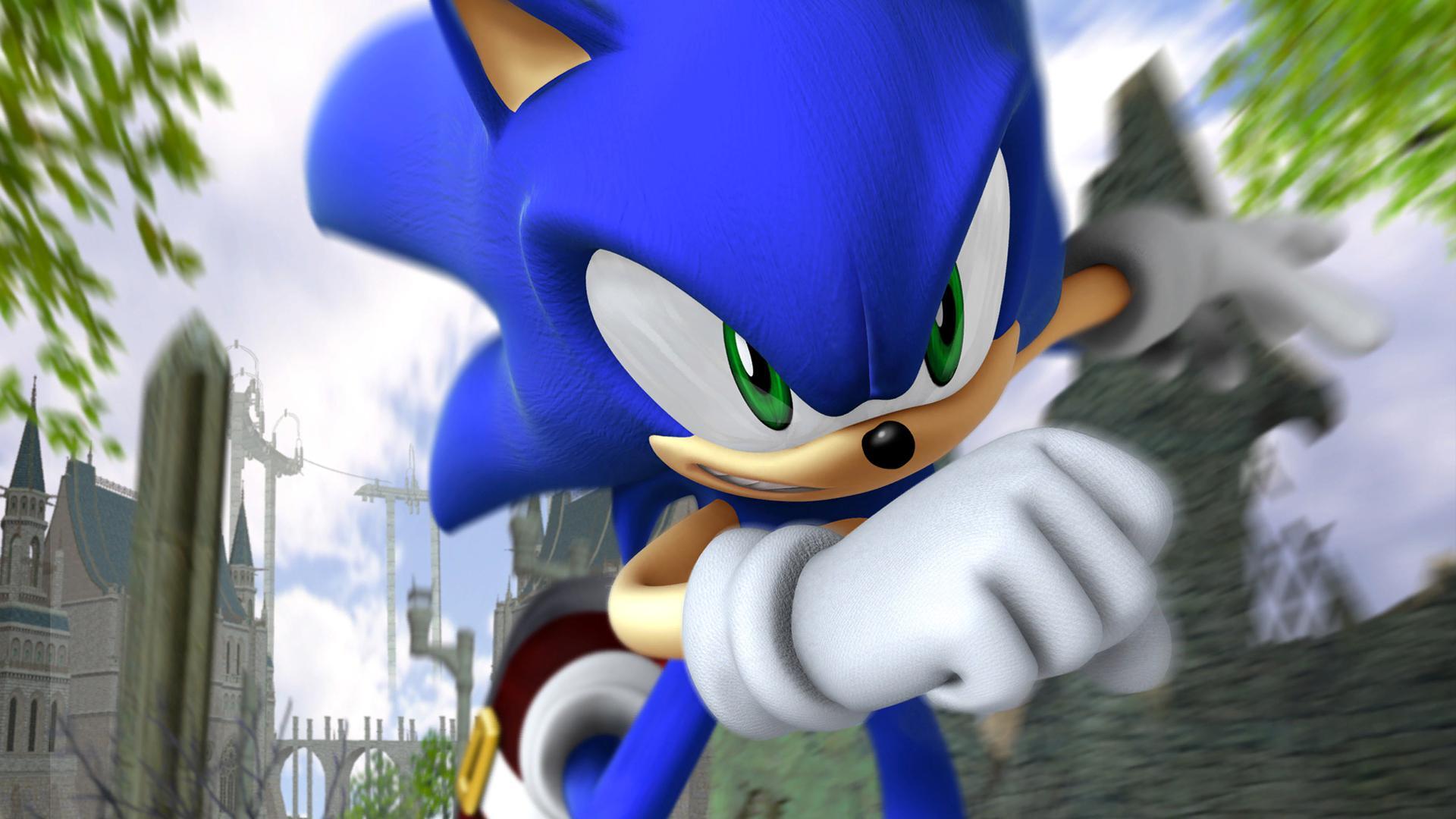
Sonic Team and Sega shipped this reboot with a large, studio-recorded score led by Tomoya Ohtani, featuring orchestral and rock arrangements. Character themes, zone pieces, and cinematic cues were produced across multiple sessions with live players. The soundtrack has multi-disc releases and official digital availability, including instrumental and vocal versions. Sega Music releases document the recording personnel and full track lists.
‘Castlevania: Lords of Shadow 2’ (2014)
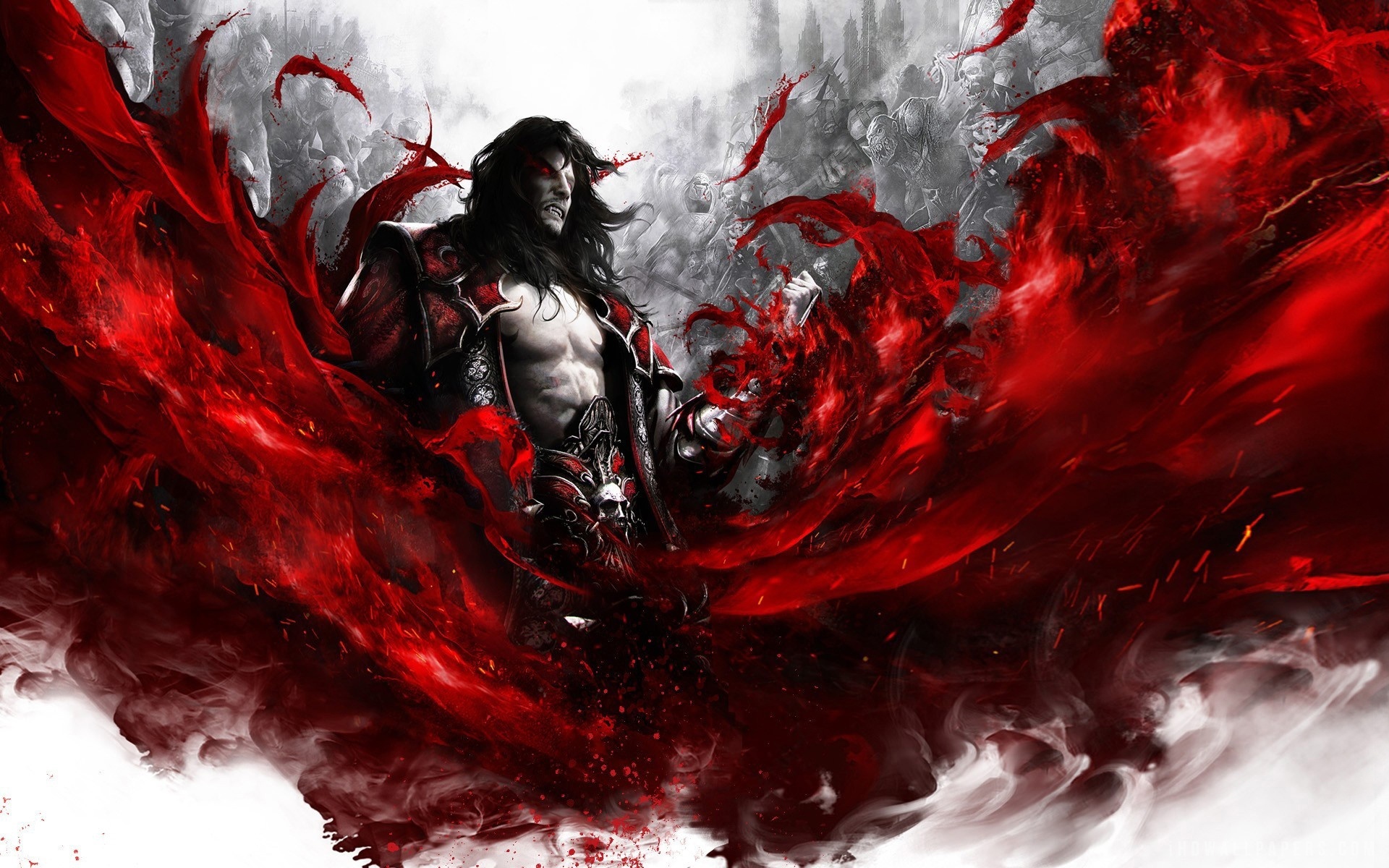
MercurySteam developed this sequel for Konami, with Óscar Araujo returning for a dark, choir-driven orchestral score. The album leans on heavy percussion and bold brass motifs tied to major story beats. High-quality recordings are widely available, including a standalone album published by Konami. Select themes are performed in ‘Castlevania’ concert medleys produced for franchise anniversaries.
‘Ryse: Son of Rome’ (2013)
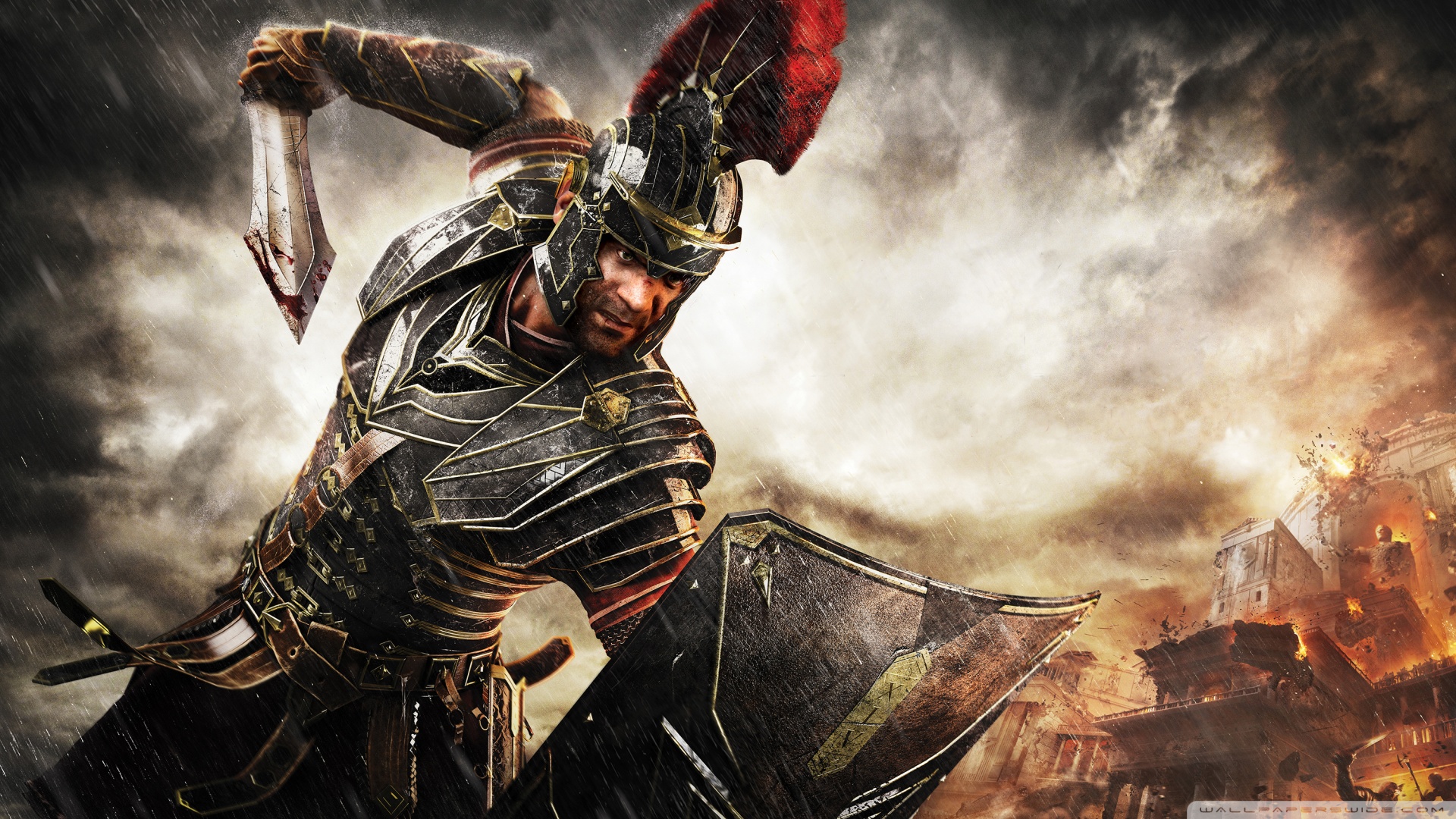
Crytek built this Xbox One launch title, published by Microsoft Studios, and scored by Crytek’s audio team including Tilman Sillescu and Borislav Slavov of Dynamedion. The music uses deep male choir layers, taiko-style drums, and lyrical cello to support set-piece pacing. A commercial soundtrack release includes extended suites beyond in-game edits. Official making-of videos detail how tempo maps were tailored to the game’s cinematic combat.
‘The Order: 1886’ (2015)
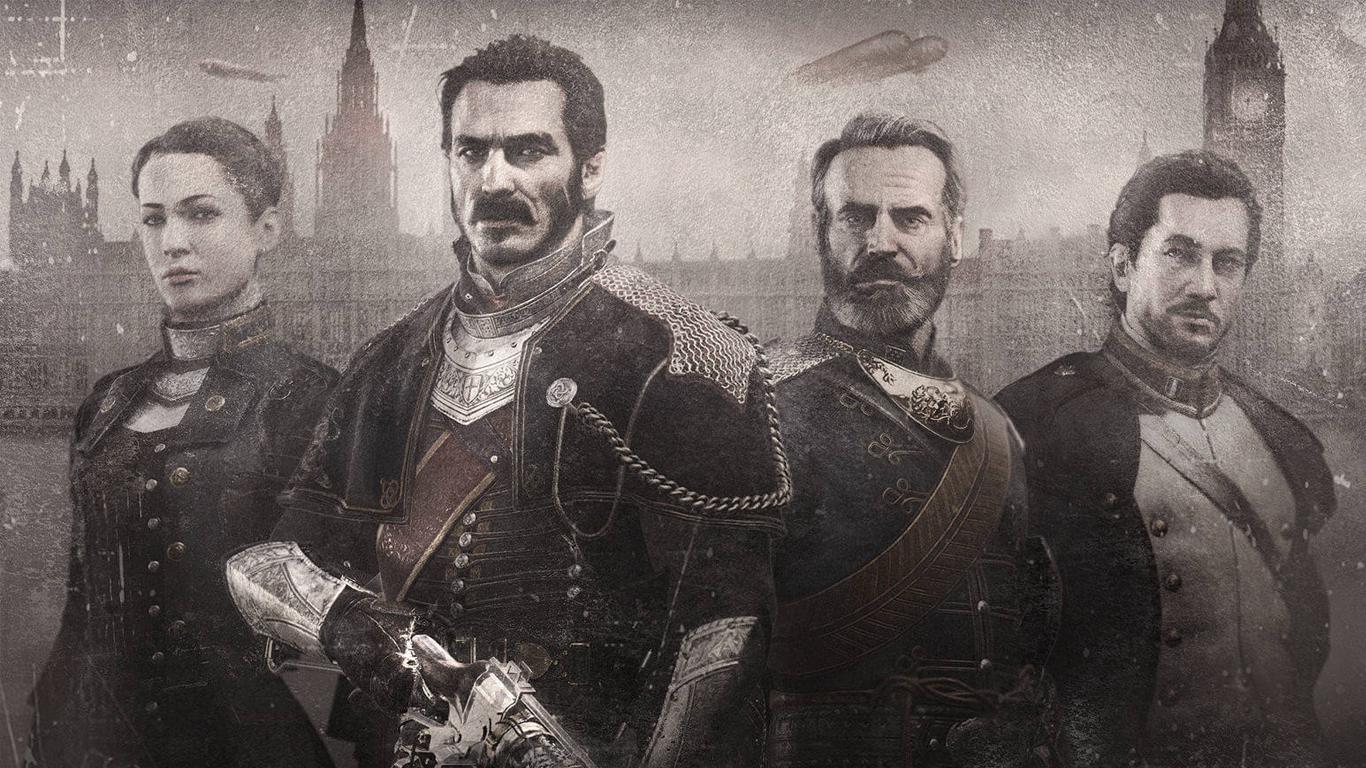
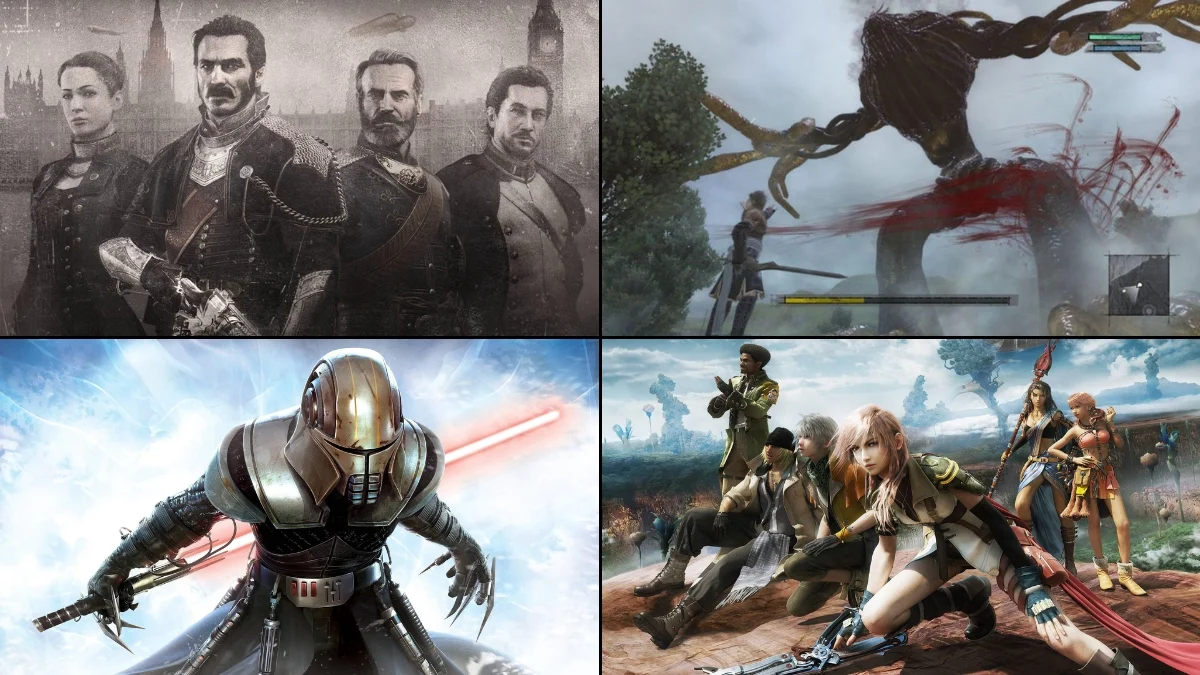
Ready At Dawn developed this Sony Computer Entertainment exclusive, with Jason Graves composing a low-register, choir-centric score recorded at Abbey Road. The soundtrack’s signature is its contrabass choir and violas, producing a brooding texture under the game’s Victorian aesthetic. Sony issued the album digitally with liner notes describing its custom choir library. Several themes appear in PlayStation orchestral events and curated playlists.
‘Crysis 2’ (2011)
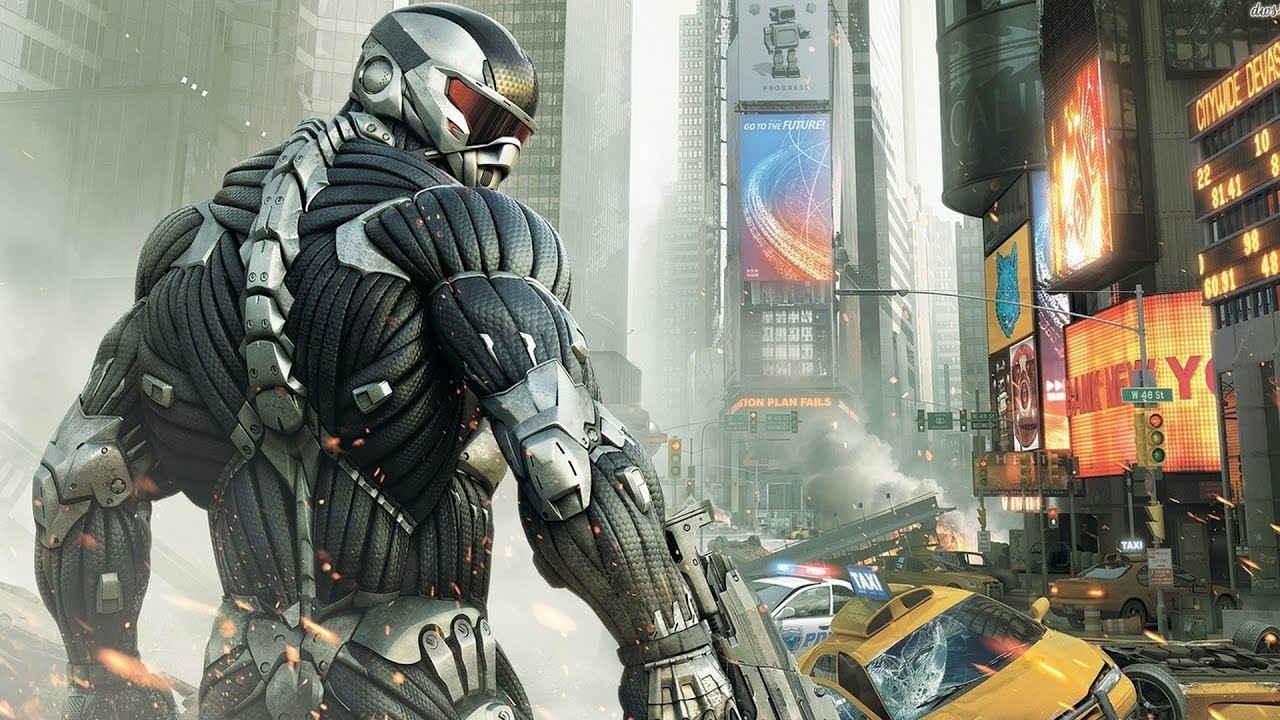
Crytek’s shooter, published by Electronic Arts, features a hybrid score credited to Hans Zimmer, Lorne Balfe, and Tilman Sillescu. The soundtrack mixes electronic pulses with orchestral action writing and a strong main motif used across trailers and in-game missions. EA released multiple editions of the album, including extended suites and remix material. Cue sheets and composer interviews outline the division of thematic duties among the team.
‘Final Fantasy XIII’ (2009)
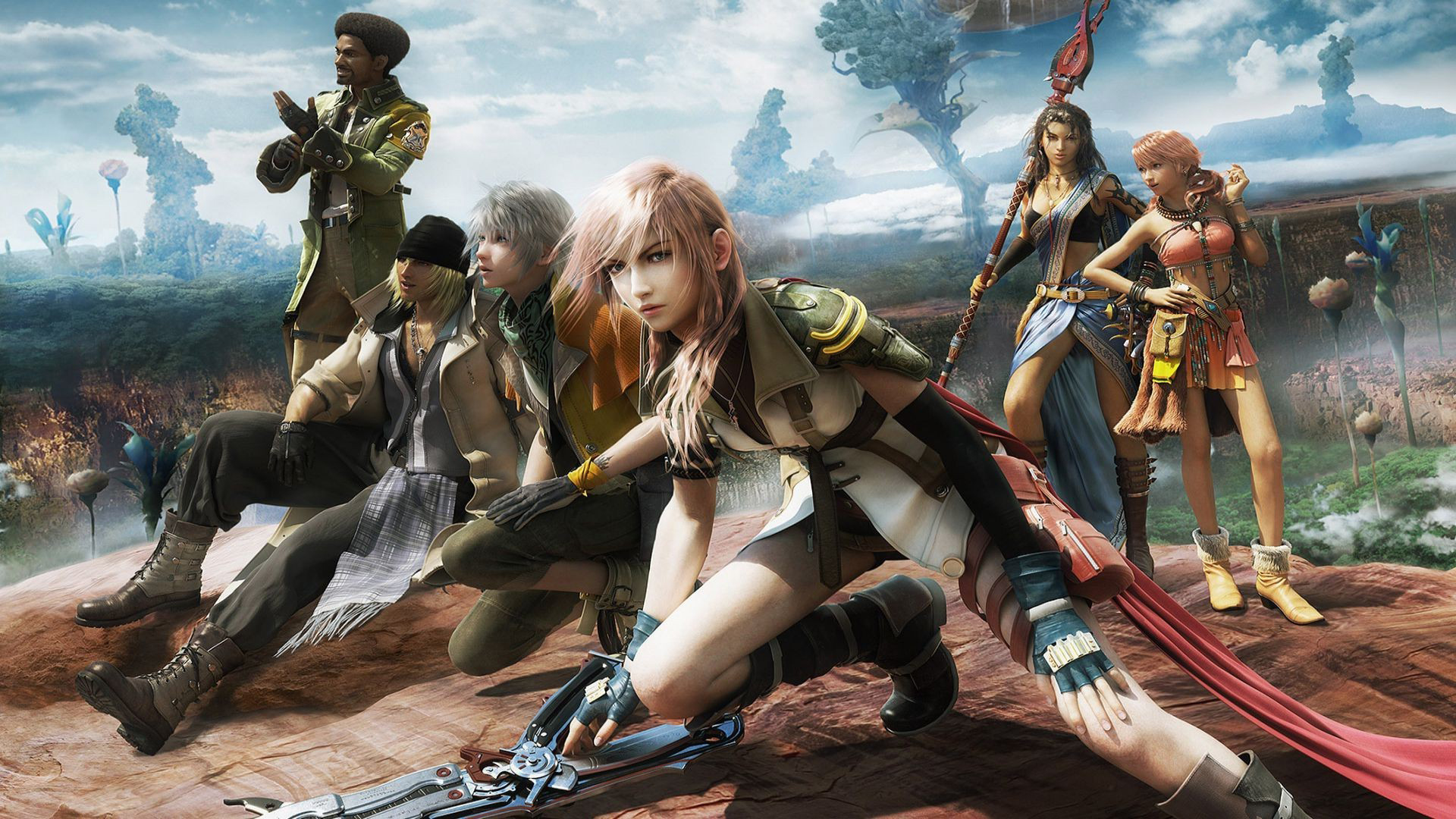
Square Enix developed and published this entry with a sweeping score by Masashi Hamauzu that emphasizes piano and strings over the series’ earlier symphonic palette. Character motifs and location themes recur in arranged albums and concert tours. The soundtrack is available across CD box sets and major streaming services under the Square Enix Music label. Official piano collections and orchestral concerts present sanctioned reinterpretations of the core themes.
‘Brütal Legend’ (2009)
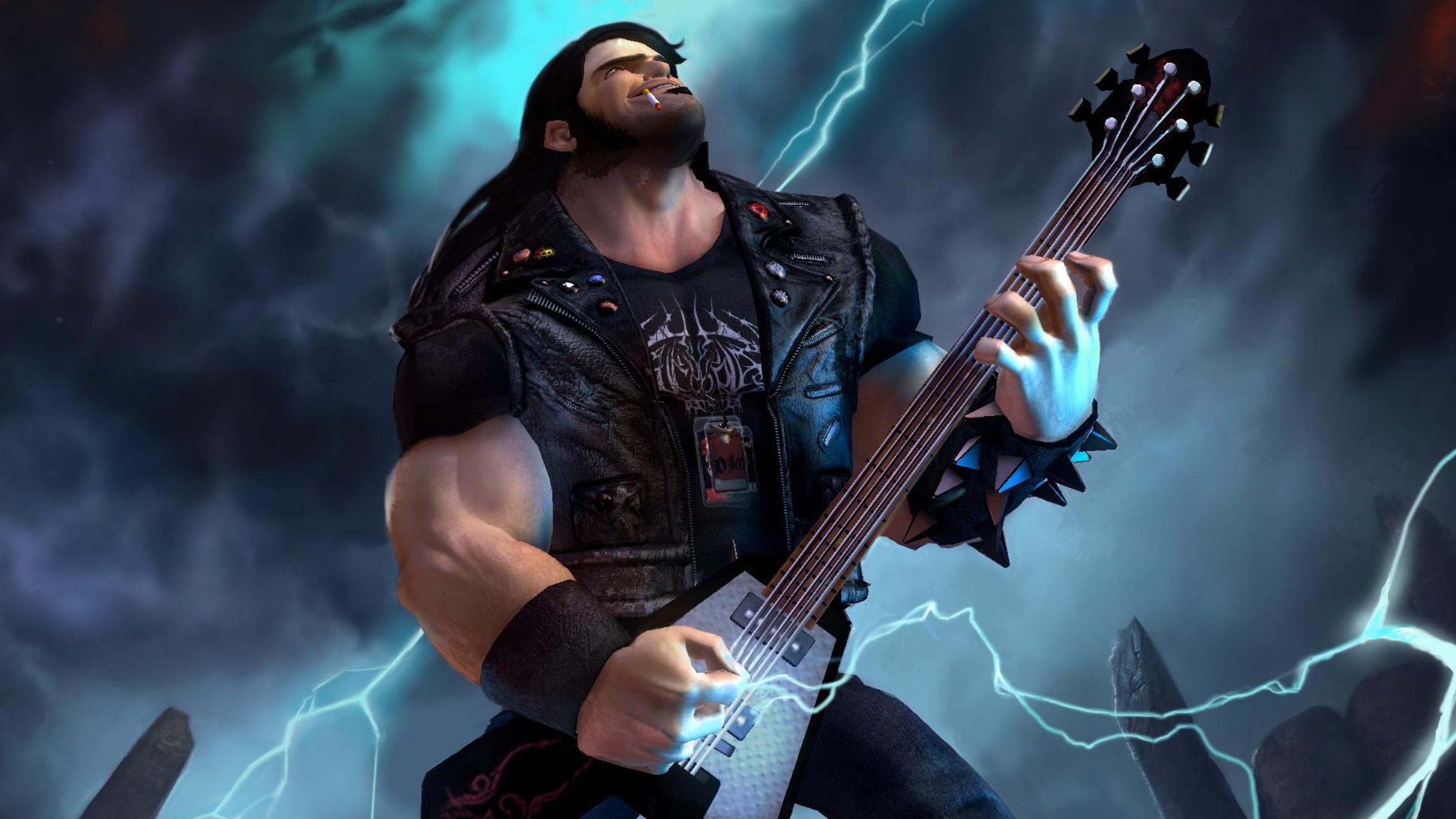
Double Fine’s action-adventure, published by EA, pairs Peter McConnell’s original cues with an enormous licensed metal library. The game includes hundreds of tracks across subgenres, all integrated into radio-style playlists and event triggers. Licensing notes and curated track lists were promoted by the publisher to highlight breadth and artist participation. The original score album and the in-game station selections can be found on major services.
‘Homefront’ (2011)
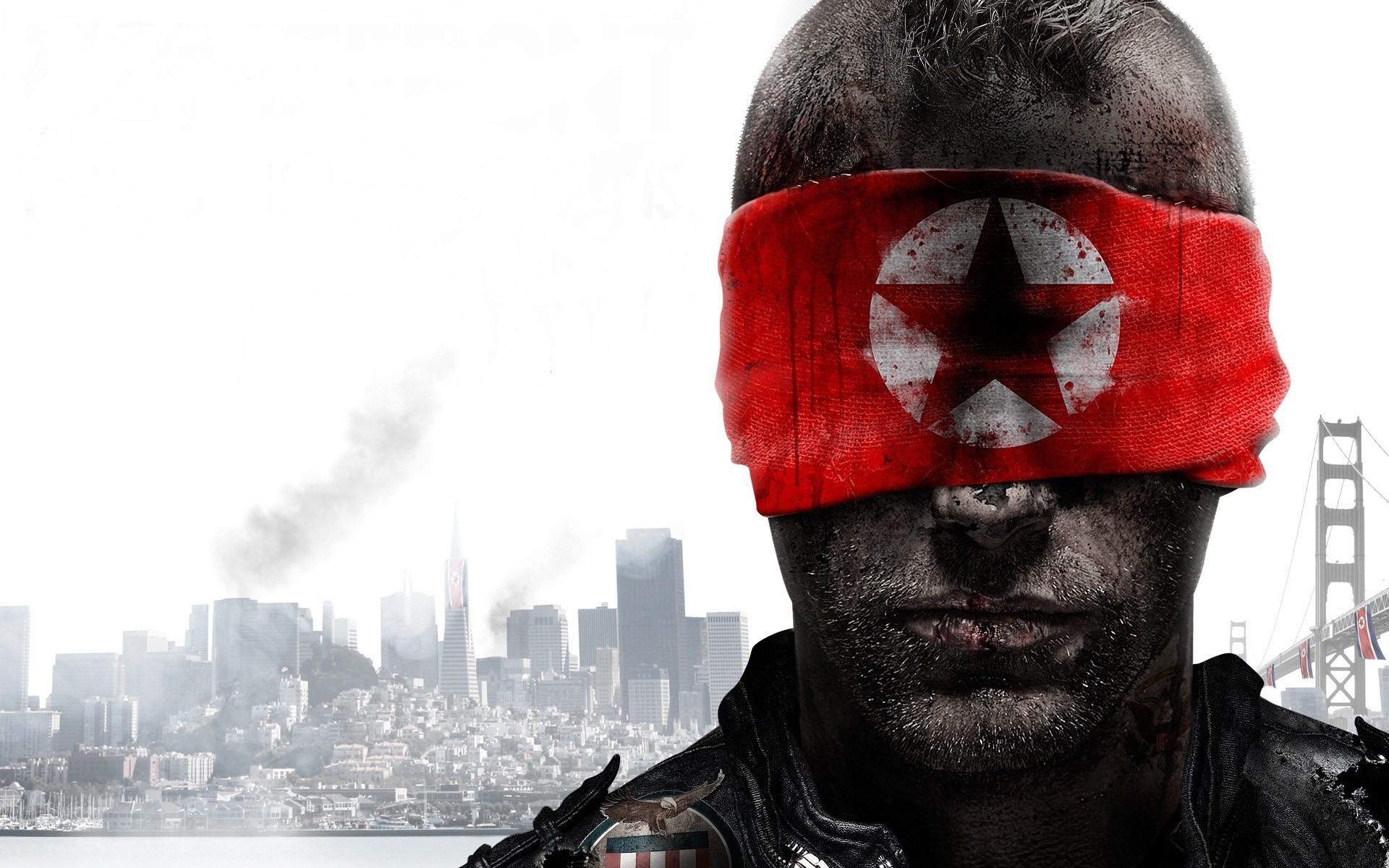
Kaos Studios developed this THQ-published shooter with a somber score by Matthew Harwood. The music leans on mournful strings, solo trumpet, and restrained percussion to match its resistance-war tone. THQ released an album featuring extended versions and main themes used in marketing. The recording credits document live orchestral sessions and post-production handled alongside the New York audio team.
‘Assassin’s Creed Unity’ (2014)
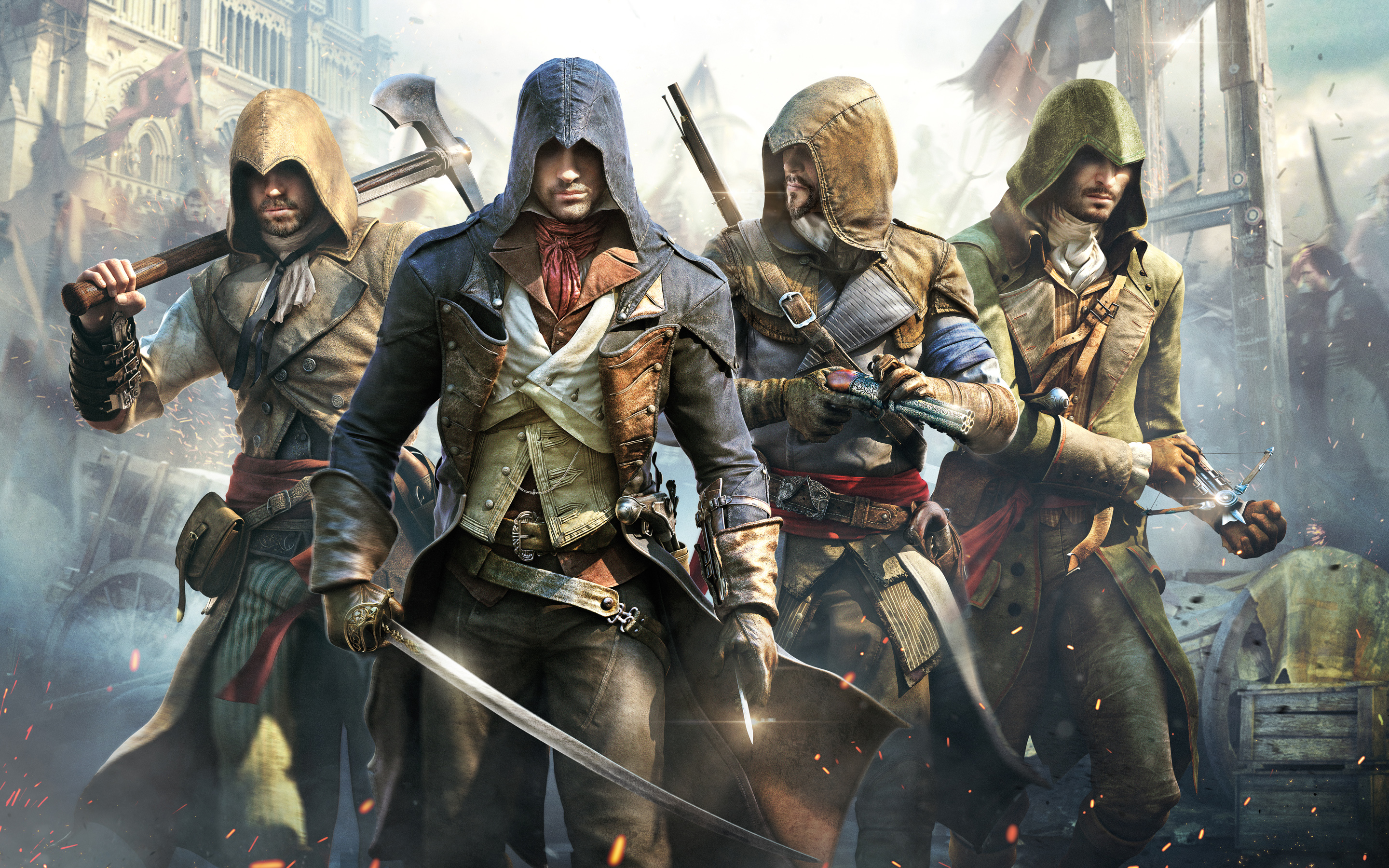
Ubisoft Montreal developed and Ubisoft published, commissioning Chris Tilton, Sarah Schachner, and Ryan Amon for a multi-composer approach. Each composer contributes distinct palettes—period-leaning strings, synthetic textures, and percussive action—to cover stealth, parkour, and set pieces. Ubisoft released the soundtrack digitally with individual composer suites. Official breakdowns explain motif handoffs between stealth and combat states.
‘Xenoblade Chronicles X’ (2015)
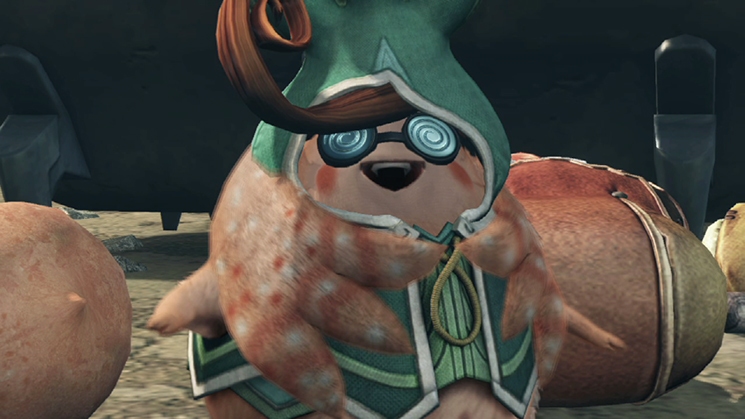
Monolith Soft’s open-world RPG, published by Nintendo, features a high-energy score by Hiroyuki Sawano. The album shifts from choral science-fiction anthems to rap-infused battle music, with long-form tracks uncommon in JRPGs. Multiple soundtrack discs and vocal versions exist under Sawano’s “nZk” banner. Nintendo highlighted recording sessions and lyric collaborations in promotional materials.
‘Halo 5: Guardians’ (2015)

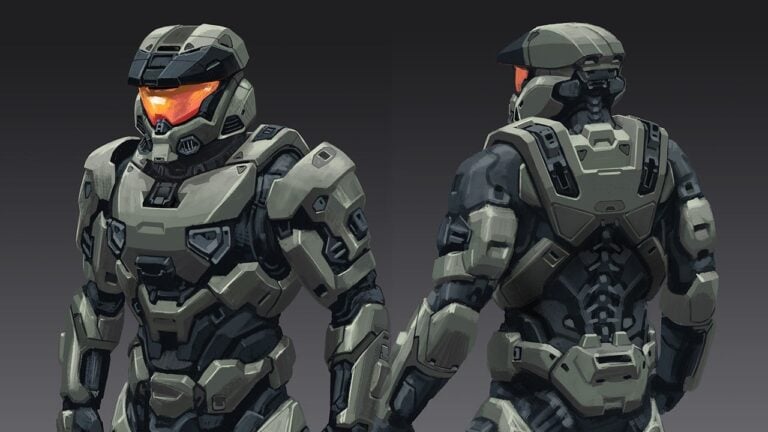
343 Industries developed this Microsoft-published shooter with Kazuma Jinnouchi composing a choral-electronic hybrid score. The “Guardians” motif anchors both cinematics and multiplayer menu music, recorded with large choir and orchestra. Official albums include extended mixes and suite arrangements for live performance. Microsoft’s Halo channels provide videos detailing the choir sessions and synth design.
‘Devil May Cry 2’ (2003)
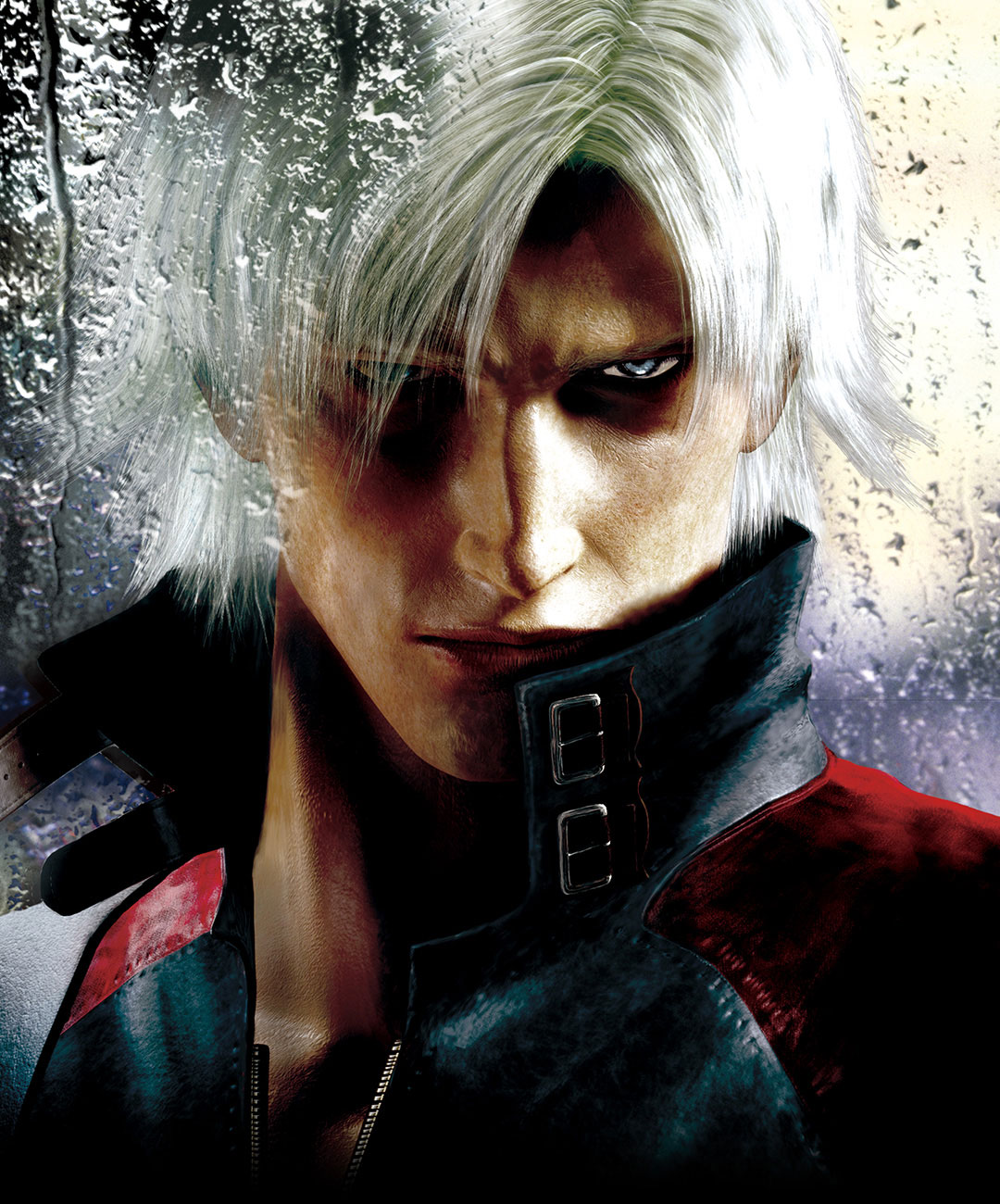
Capcom developed and published this sequel with music by a team including Masato Kouda and Tetsuya Shibata. The soundtrack blends industrial beats with aggressive guitar lines and atmospheric ambient cues. Capcom released OST discs that circulate in series anthologies and digital storefronts. Several tracks were later remastered for franchise collections and streaming.
‘Mass Effect: Andromeda’ (2017)
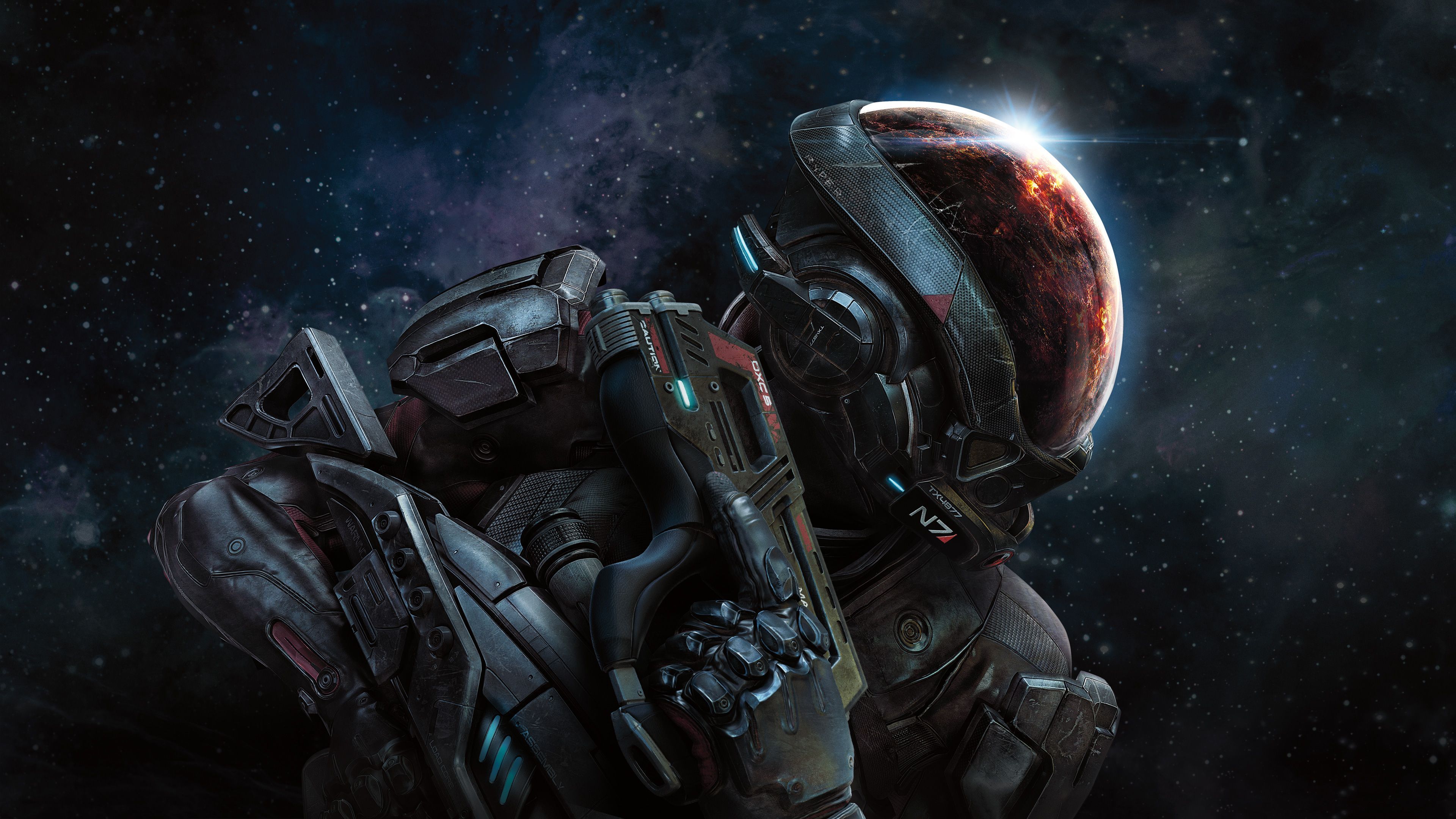
BioWare’s space RPG, published by EA, features a score by John Paesano that returns to spacious synth pads and bold brass for exploration and set pieces. The main theme underlines Andromeda Initiative branding across trailers and load screens. EA released the soundtrack digitally with bonus tracks and alternate mixes. Developer features outline adaptive layer fades for planetary traversal.
‘The Evil Within’ (2014)
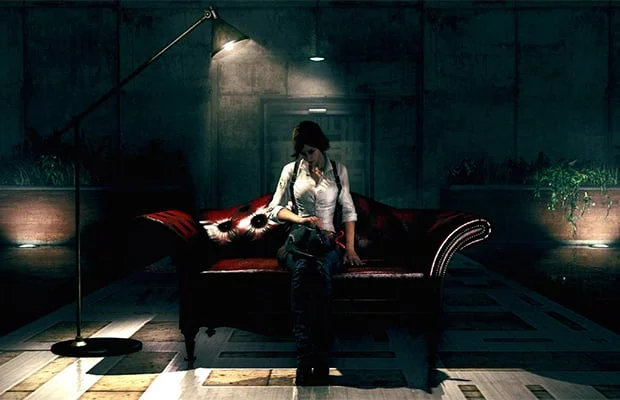
Tango Gameworks developed and Bethesda Softworks published, with Masafumi Takada contributing original music alongside licensed classical cues. Horror stingers, low drones, and music-box motifs carry through combat and safe-room sequences. Bethesda made the score available as part of a larger audio bundle and digital album. Interviews with the audio team describe how stems are routed to shift intensity during stealth.
‘Metal Gear Rising: Revengeance’ (2013)
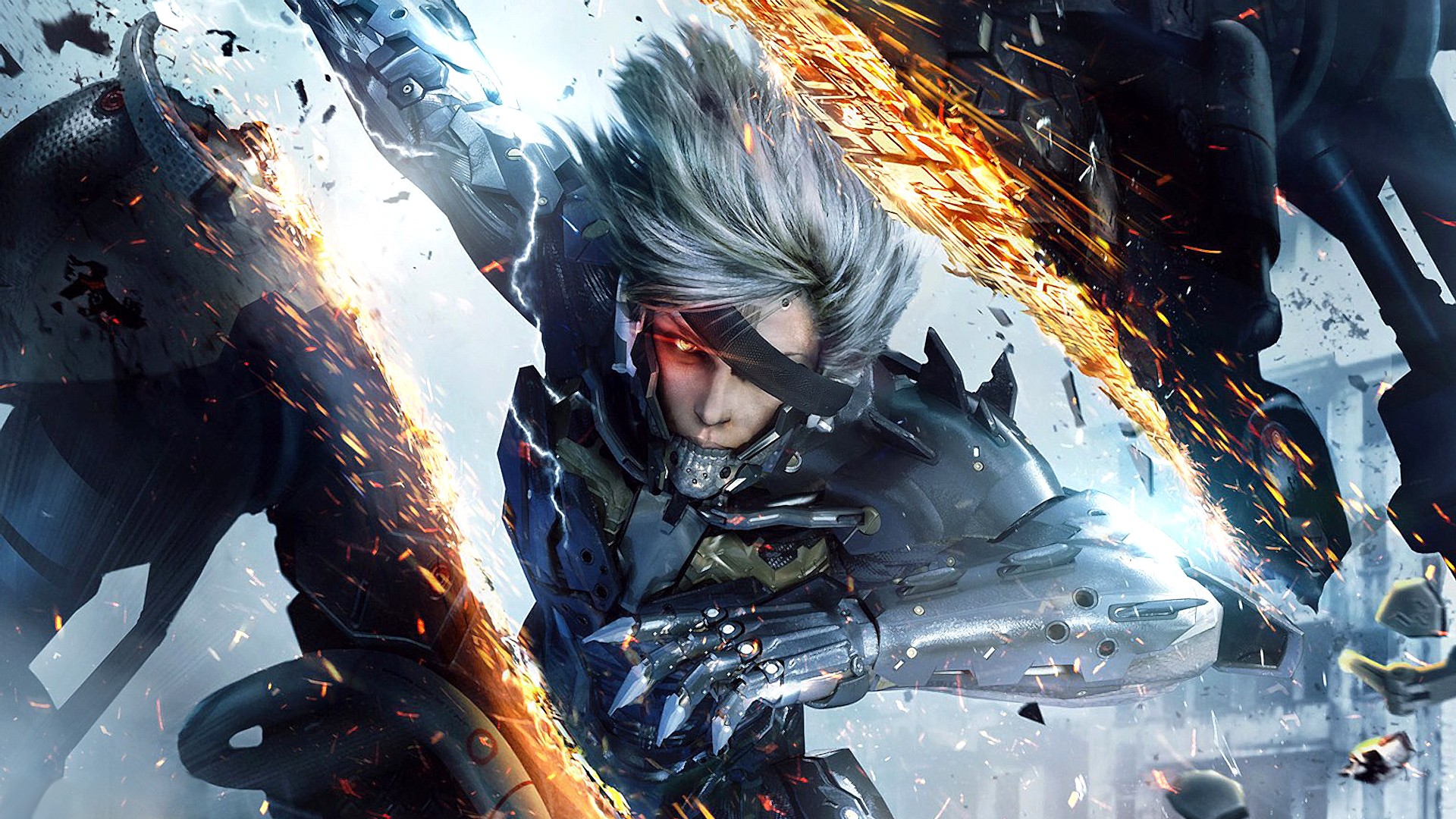
PlatinumGames developed for Konami, with Jamie Christopherson leading a vocal metal soundtrack that crossfades from instrumental to lyric sections mid-boss fights. The dynamic mixing ties lyric drop-ins to player progress, giving fights musical “phases.” Konami released multiple albums including instrumental versions. Official liner notes credit individual vocalists and detail the stem structure used for in-game transitions.
‘Danganronpa Another Episode: Ultra Despair Girls’ (2014)
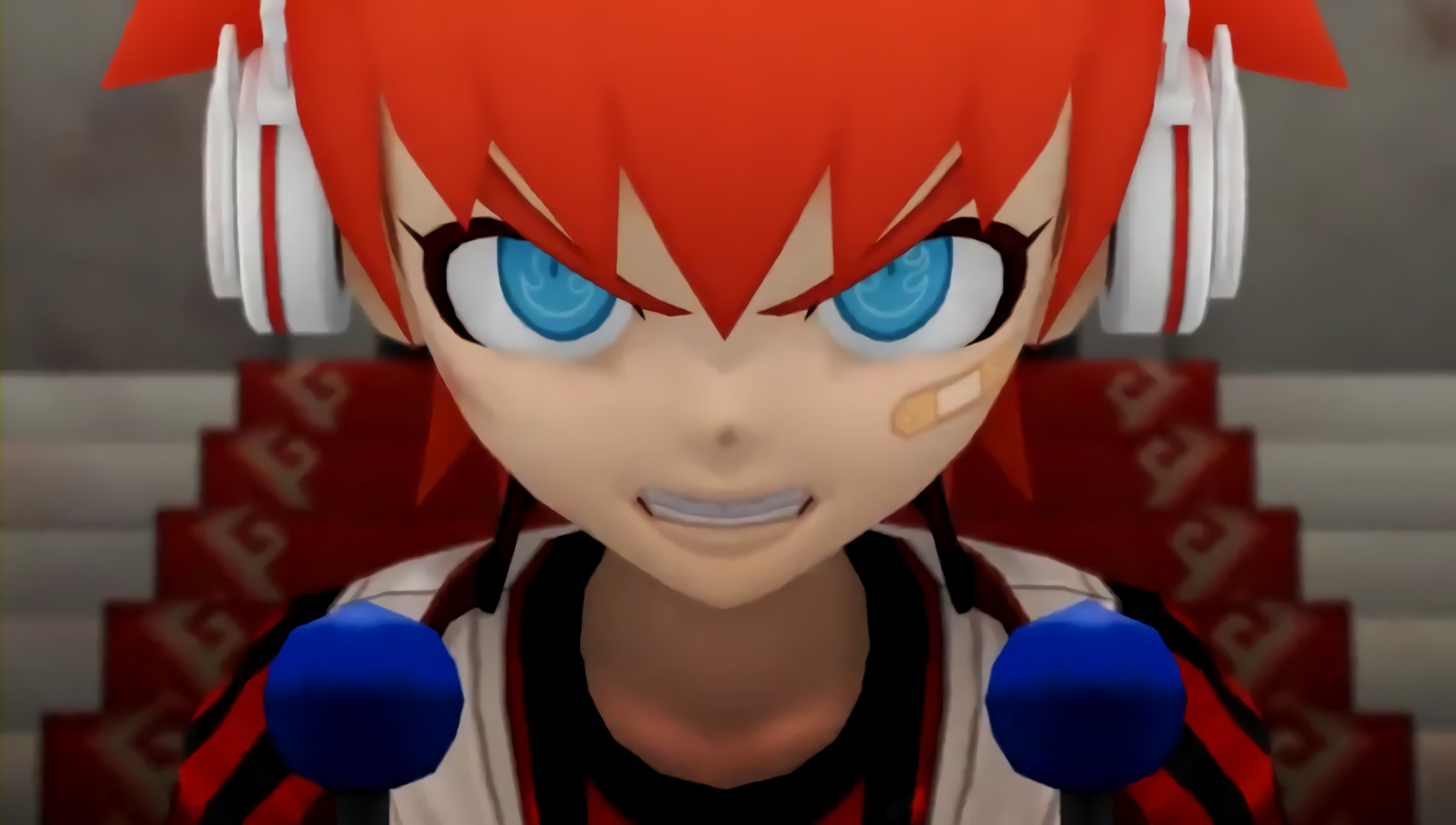
Spike Chunsoft developed and published, with Masafumi Takada composing a synth-forward, percussive score distinct from the mainline entries. Tracks emphasize tension and puzzle cadence rather than courtroom fanfare. The OST is bundled in special editions and appears on Japanese digital platforms. Composer commentary highlights the shift in instrumentation to fit the spin-off’s action-adventure structure.
‘Star Wars: The Force Unleashed’ (2008)
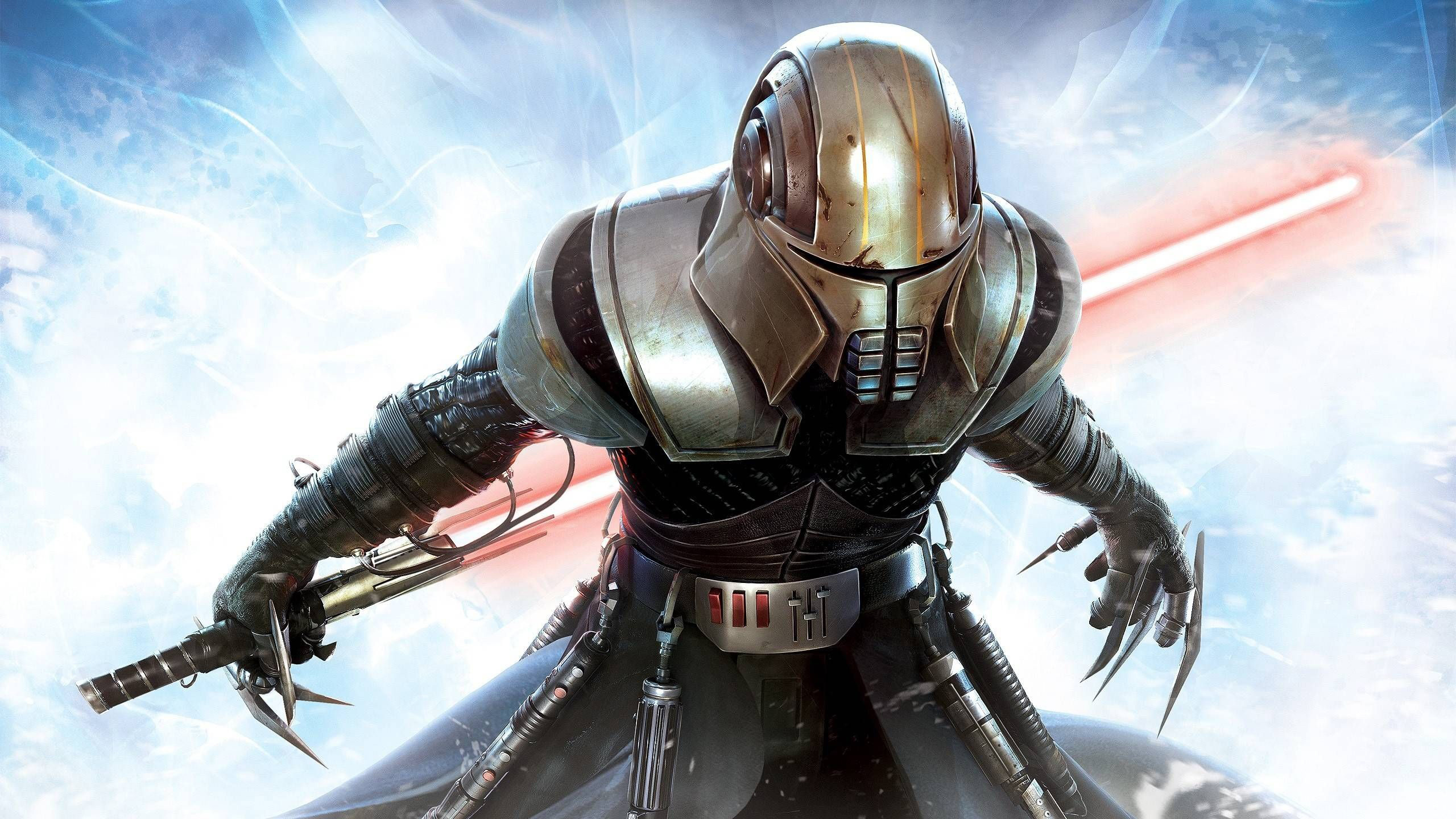
LucasArts developed and published this action title, scoring it with Mark Griskey’s original cues interwoven with John Williams’ established themes. Large ensemble recordings and choir support cinematic boss encounters and set-piece traversal. Official soundtrack releases include both new material and licensed themes, cleared through Lucasfilm music channels. Developer diaries showcase the integration of legacy motifs into gameplay states.
‘Mirror’s Edge’ (2008)
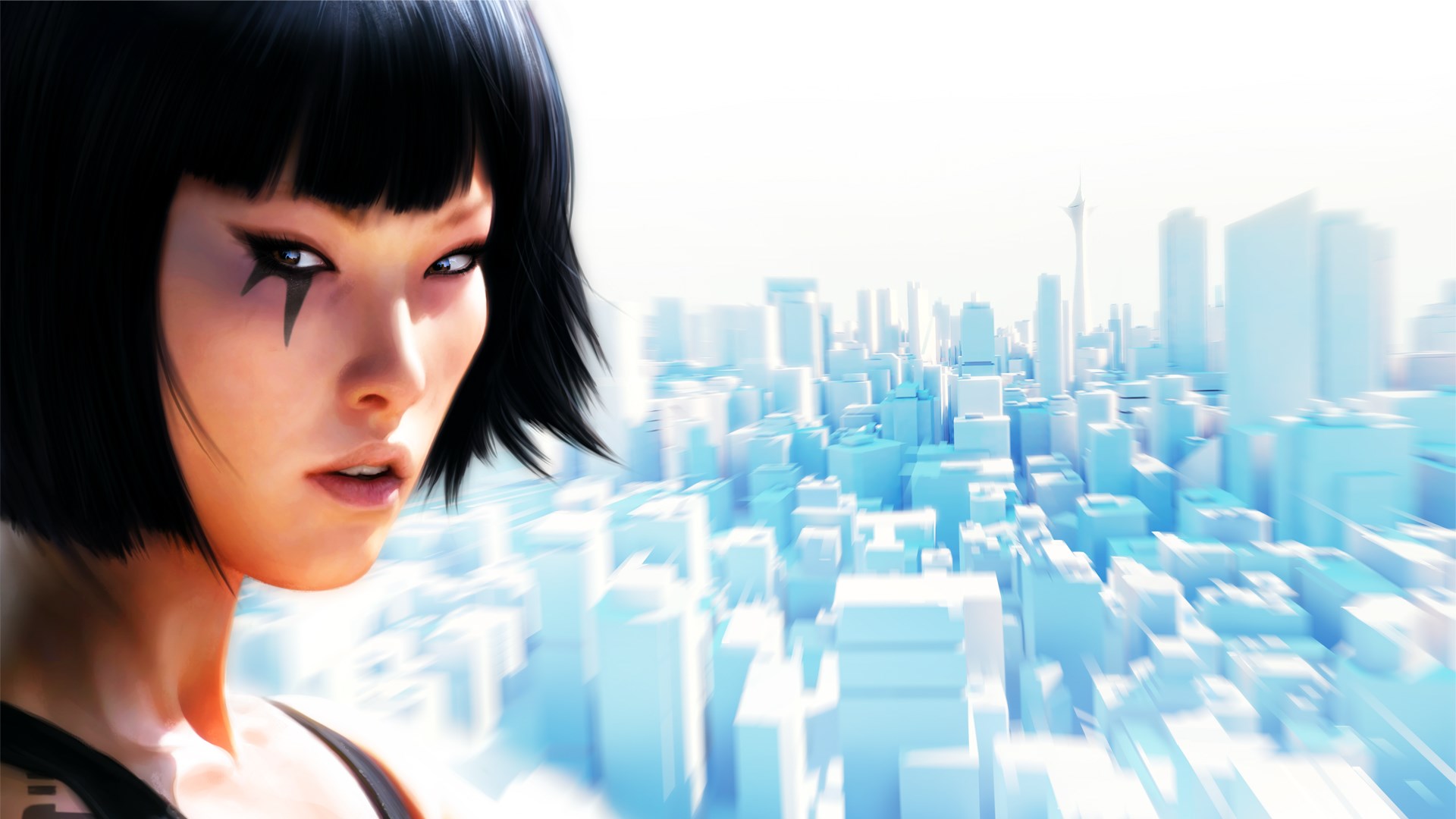
DICE developed and EA published, commissioning Solar Fields (Magnus Birgersson) for a minimalist, airy electronic score. The main theme and menu pieces use repeating arpeggios that build momentum for parkour flow. EA released an album and later a remix collection featuring multiple artists. Technical posts from DICE outline how dynamic layering follows player speed and alert levels.
‘Dragon Age II’ (2011)
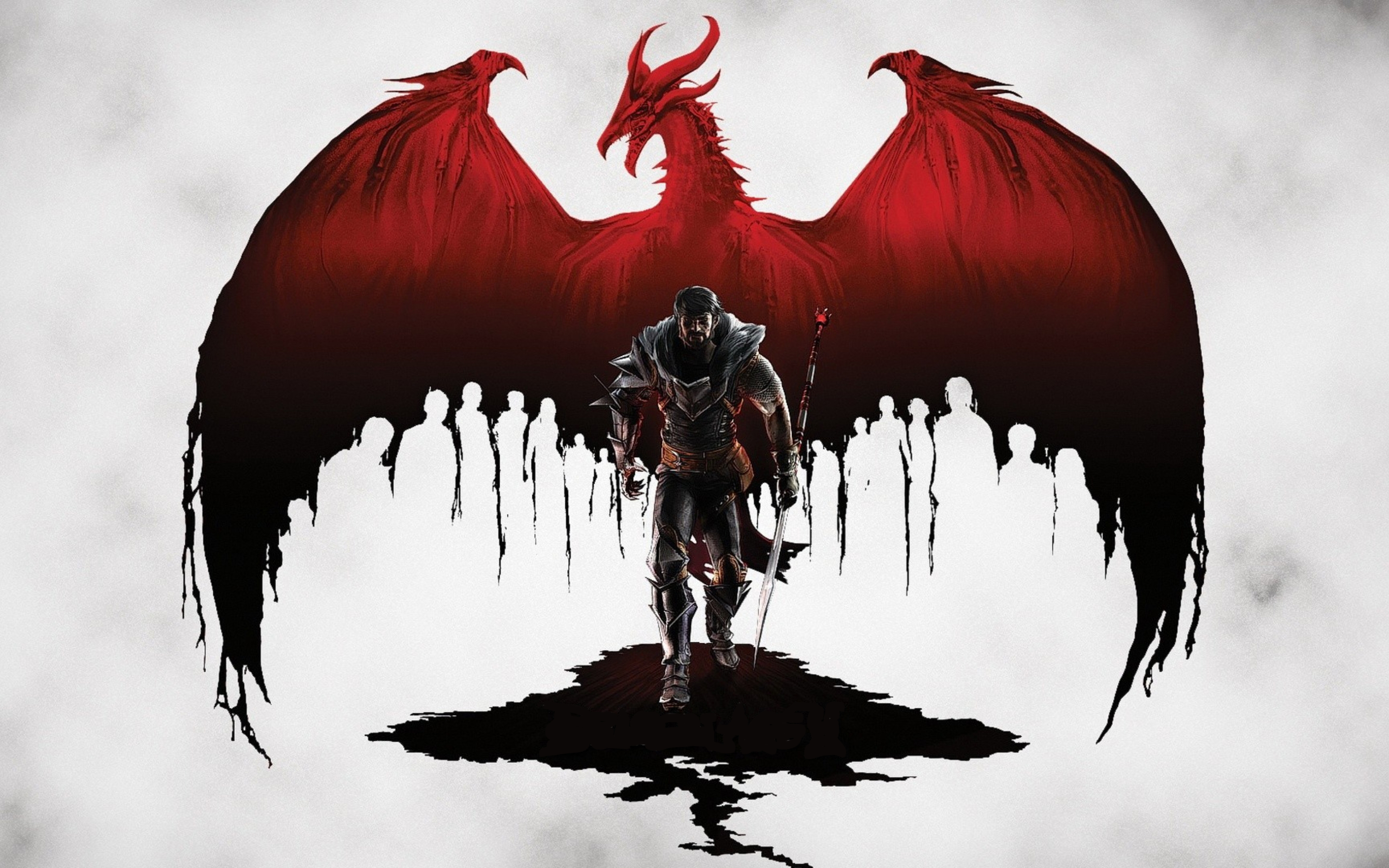
BioWare developed and EA published this sequel with Inon Zur returning for a darker, intimate palette that centers on string quartets and vocal features. The Hawke family motif threads through major narrative milestones and companion missions. Soundtrack albums include both in-game cues and extended concert-length arrangements. Official track notes identify soloists and regional folk influences used in tavern spaces.
‘Prince of Persia’ (2008)
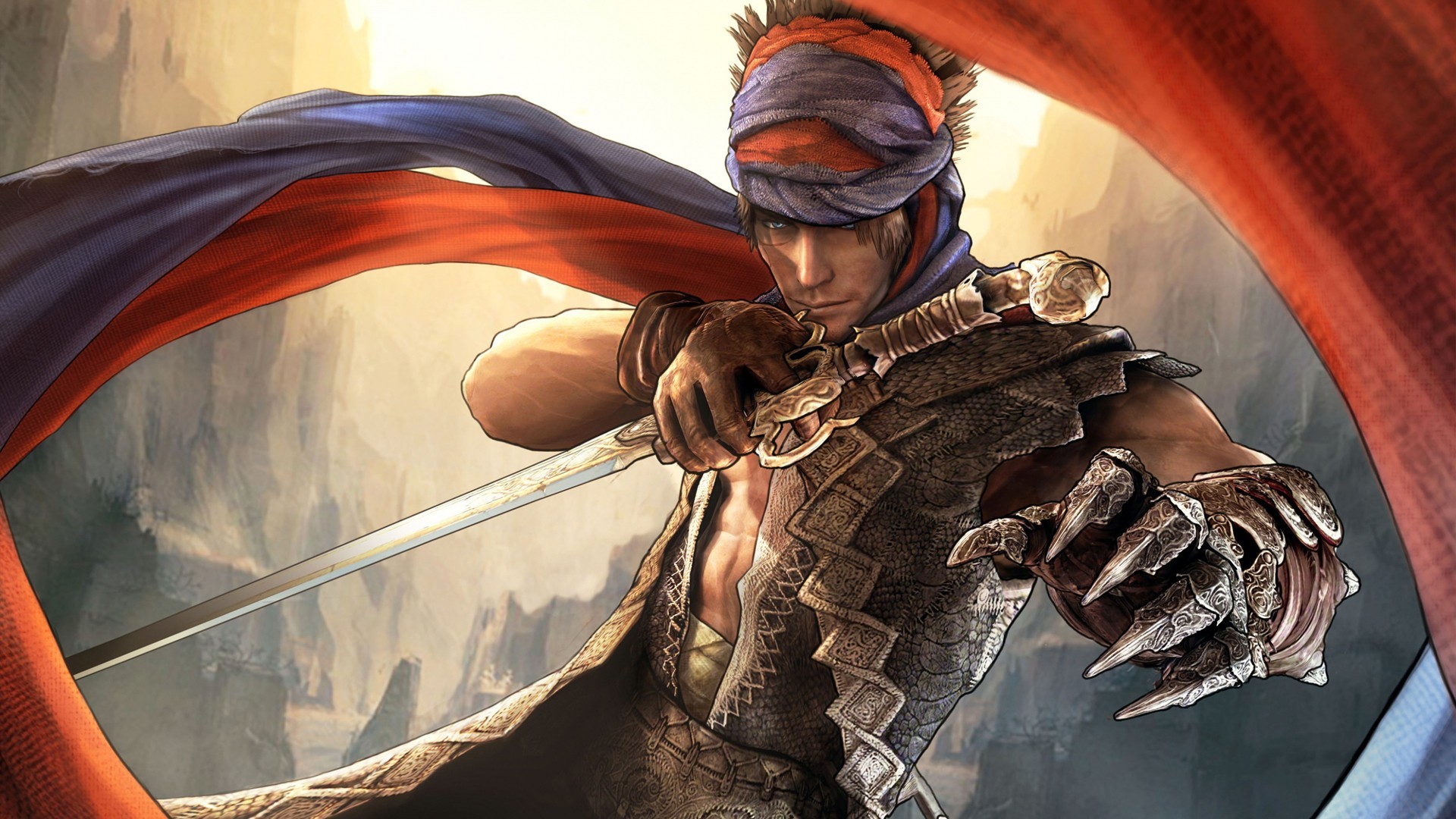
Ubisoft Montreal developed and Ubisoft published, with Inon Zur composing a lyrical score that blends Middle Eastern timbres with Hollywood orchestration. The soundtrack supports a continuous, low-stress traversal loop with evolving harmonic beds. Ubisoft released the OST digitally, and selections appear in best-of franchise compilations. Production features document instrument choices including oud, ney, and frame drums.
‘Halo Wars’ (2009)
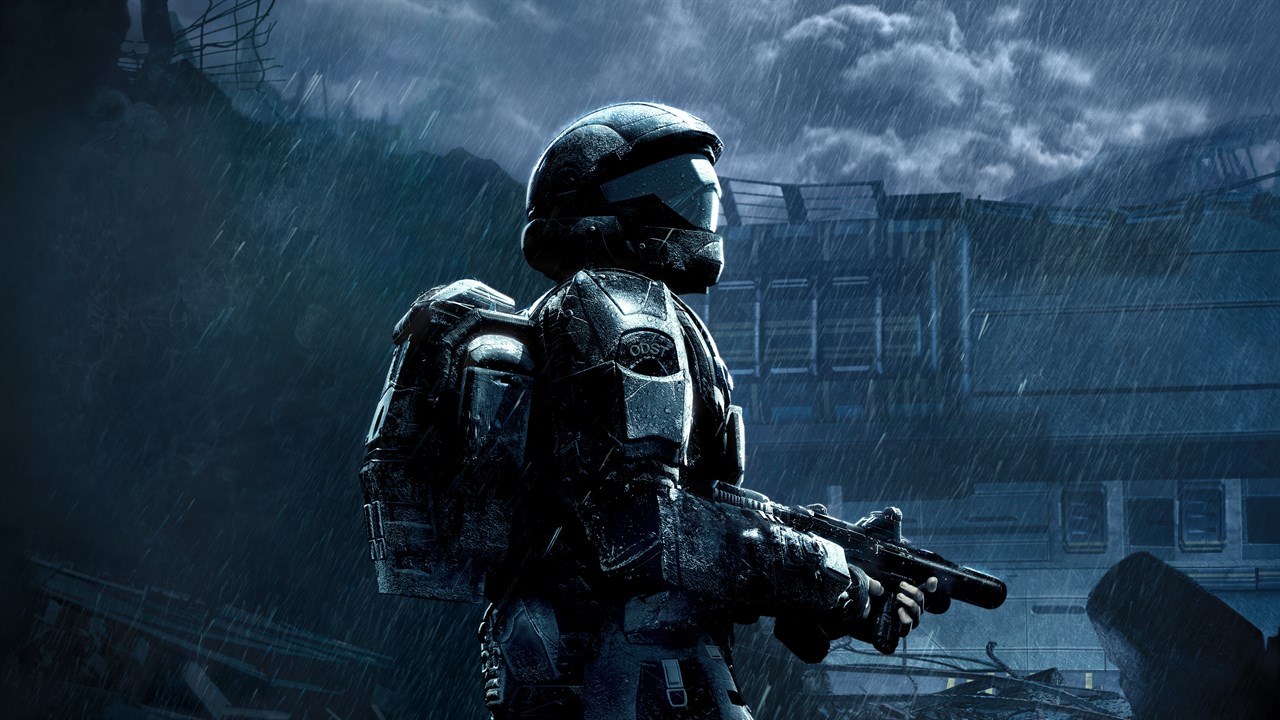
Ensemble Studios developed and Microsoft Game Studios published this RTS, with Stephen Rippy composing a melodic, choir-touched score distinct from the mainline shooters. New themes sit alongside respectful nods to the franchise’s chant motifs. Microsoft released a standalone album featuring extended tracks and orchestral suites. Developer notes explain how cue lengths were designed for longer RTS match pacing.
‘Medal of Honor’ (2010)
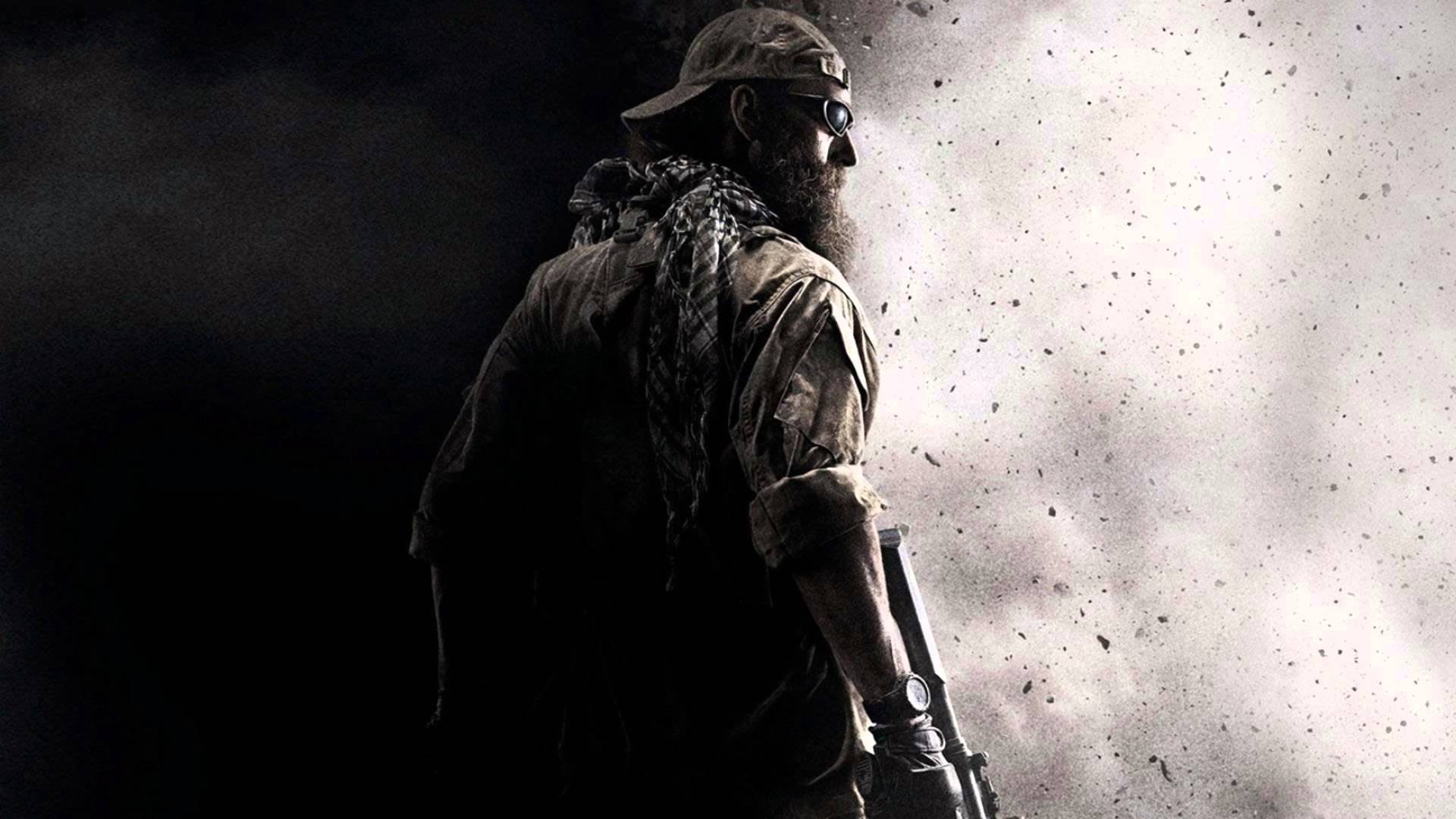
Danger Close Games developed and EA published this reboot scored by Ramin Djawadi, focusing on restrained guitar and percussion patterns. The main theme recurs in trailer edits and mission briefings, with alternate “clean” versions provided for marketing. EA issued the soundtrack across digital platforms with bonus tracks. Recording session credits list live players and mixing done at Remote Control Productions.
Share your favorite game soundtrack moments—especially the tracks you still listen to on repeat—in the comments!