Remasters That Look Worse Than The Original


Sometimes a “definitive” edition changes lighting, textures, post-processing or even art direction in ways that undercut what made the original look so striking. Below are notable remasters and “enhanced” releases where technical or stylistic changes—documented at release—left fans comparing screenshots and patch notes to figure out what went missing. For each entry, you’ll find concrete changes like altered fog, swapped shaders, downgraded effects on certain platforms, or cut features at launch, along with the companies involved. Use it as a practical guide if you’re deciding which version to play.
‘Silent Hill HD Collection’ (2012)
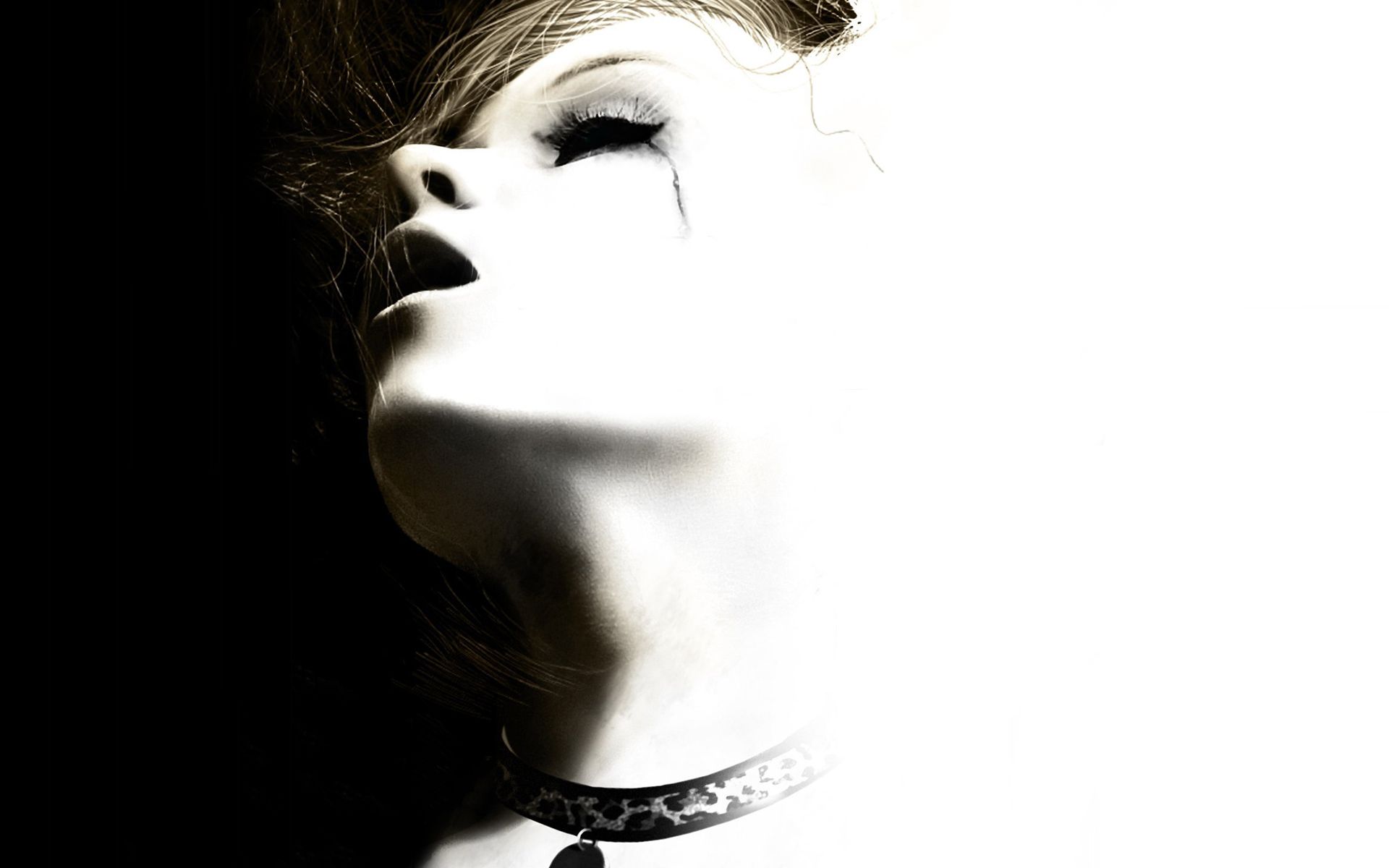
This compilation shipped with missing fog layers, which exposed low-detail geometry the original used fog to conceal, and it also replaced some textures and fonts with higher-contrast assets that clashed with the art style. It introduced new voice tracks while the original mixes were absent or optional only after a later patch. The release contained bugs like animation hitches and visible seams that weren’t present on the PlayStation 2 versions. Konami published the set and hired Hijinx Studios to handle the remastering work.
‘Grand Theft Auto: The Trilogy – The Definitive Edition’ (2021)

At launch, rain and lighting effects behaved inconsistently, with heavy downpours obscuring visibility and reflections appearing where they shouldn’t. Character models were swapped for simplified, stylized meshes, and numerous world textures were upscaled in ways that produced warping or incorrect signage. Several classic visual tricks—like atmospheric haze—were toned down, changing the original mood and draw-distance masking. Rockstar Games published the collection, with Grove Street Games responsible for the remaster.
‘Warcraft III: Reforged’ (2020)

The remaster shipped with altered cutscene presentation and pared-back cinematics compared to early showcases, plus missing ladder and clan features from the original client at launch. Texture and lighting changes produced flatter-looking battlefields in some tilesets, and unit outlines behaved differently than players expected. Classic and Reforged asset modes weren’t fully interchangeable in multiplayer at release, complicating visuals across clients. Blizzard Entertainment developed and published the remaster.
‘Chrono Cross: The Radical Dreamers Edition’ (2022)

This edition paired new character models with filtered backgrounds, creating a sharp-to-blurry mismatch in many scenes. Performance dips to sub-30 fps occurred on several platforms during battles and field transitions, undermining the benefit of higher internal resolutions. Some effects—like depth-of-field and bloom—were adjusted in ways that softened image clarity. Square Enix published the release and handled the remaster in-house.
‘Mafia II: Definitive Edition’ (2020)
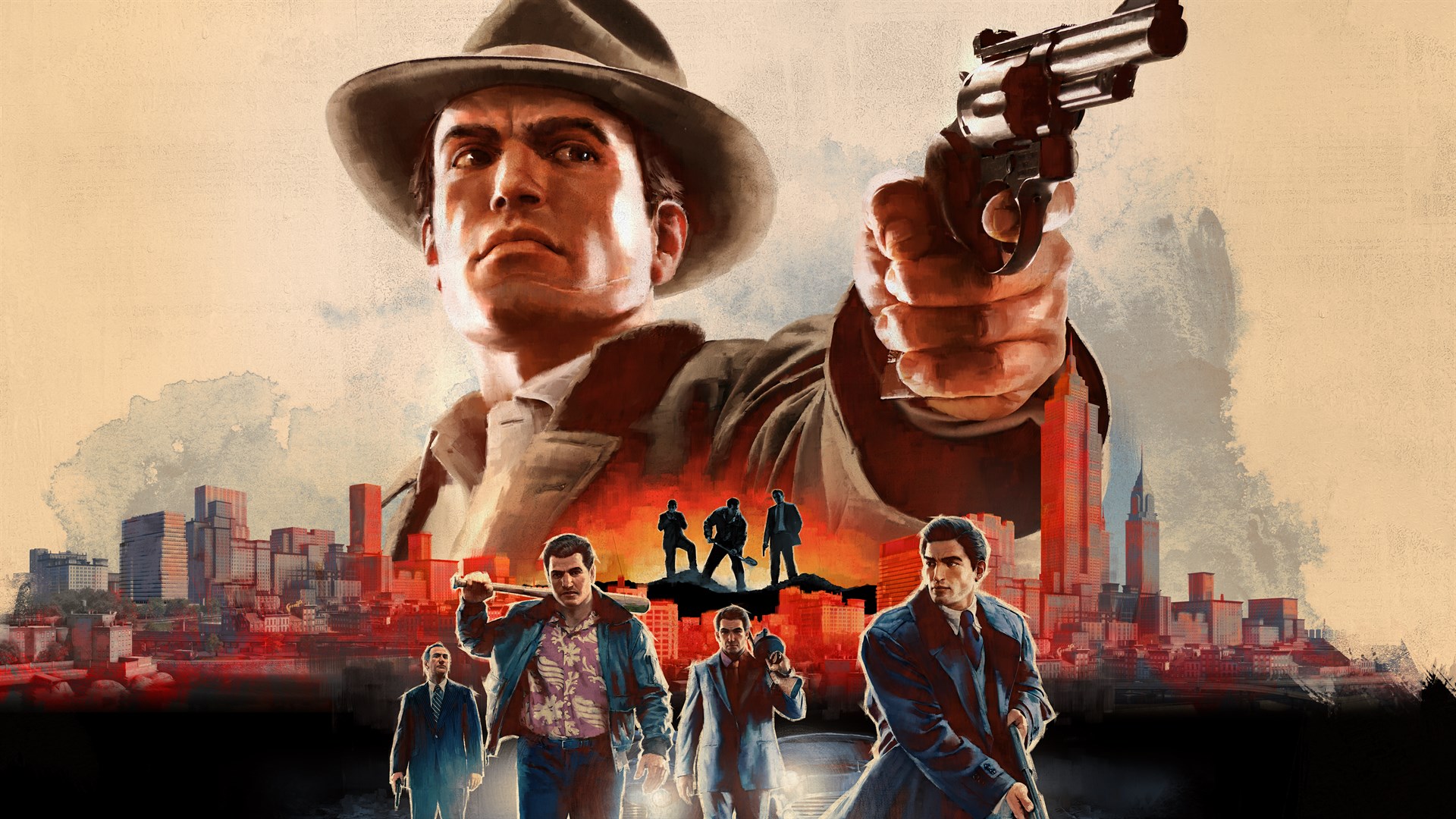
The remaster arrived with aggressive film grain and revised lighting that blew out skin tones and interiors, plus texture streaming hiccups that caused delayed pop-in. Certain materials, like leather and asphalt, lost the specular look they had under the original’s post-processing. On consoles, frame-rate targets were unstable at launch until patches improved consistency. 2K published the release, with D3T’s remaster produced in collaboration with Hangar 13.
‘Batman: Return to Arkham’ (2016)
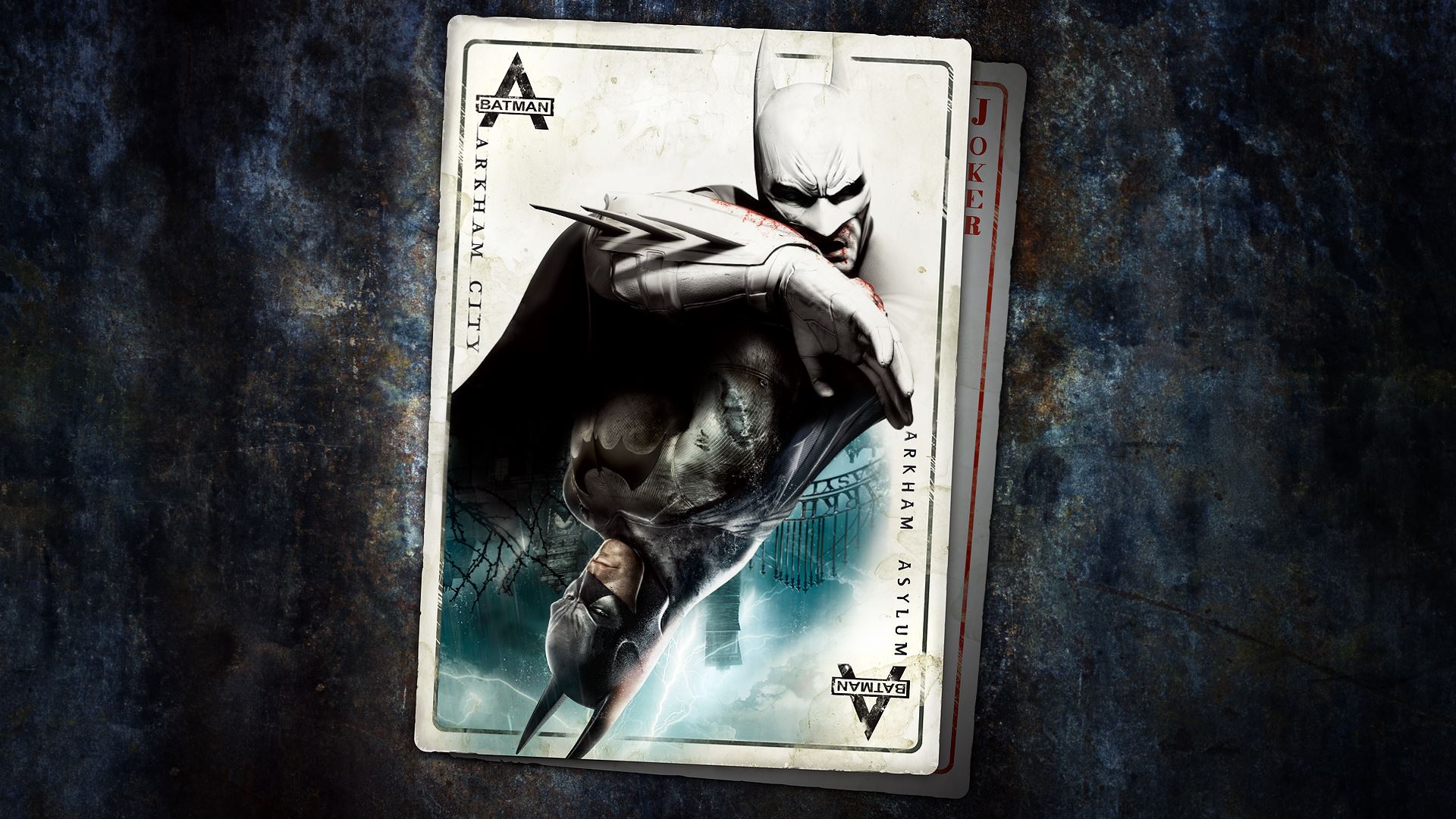
Moving the two games from Unreal Engine 3 to Unreal Engine 4 changed ambient occlusion and shadowing, which brightened corridors and reduced the heavy contrast that framed many scenes. Materials such as Batsuit armor and wet pavement reflected light differently, altering the gritty tone of the original art direction. NPC faces also appeared smoother and waxier due to revised normal maps and shaders. Warner Bros. published the collection, while Virtuos handled the remaster work.
‘BioShock Remastered’ (2016)
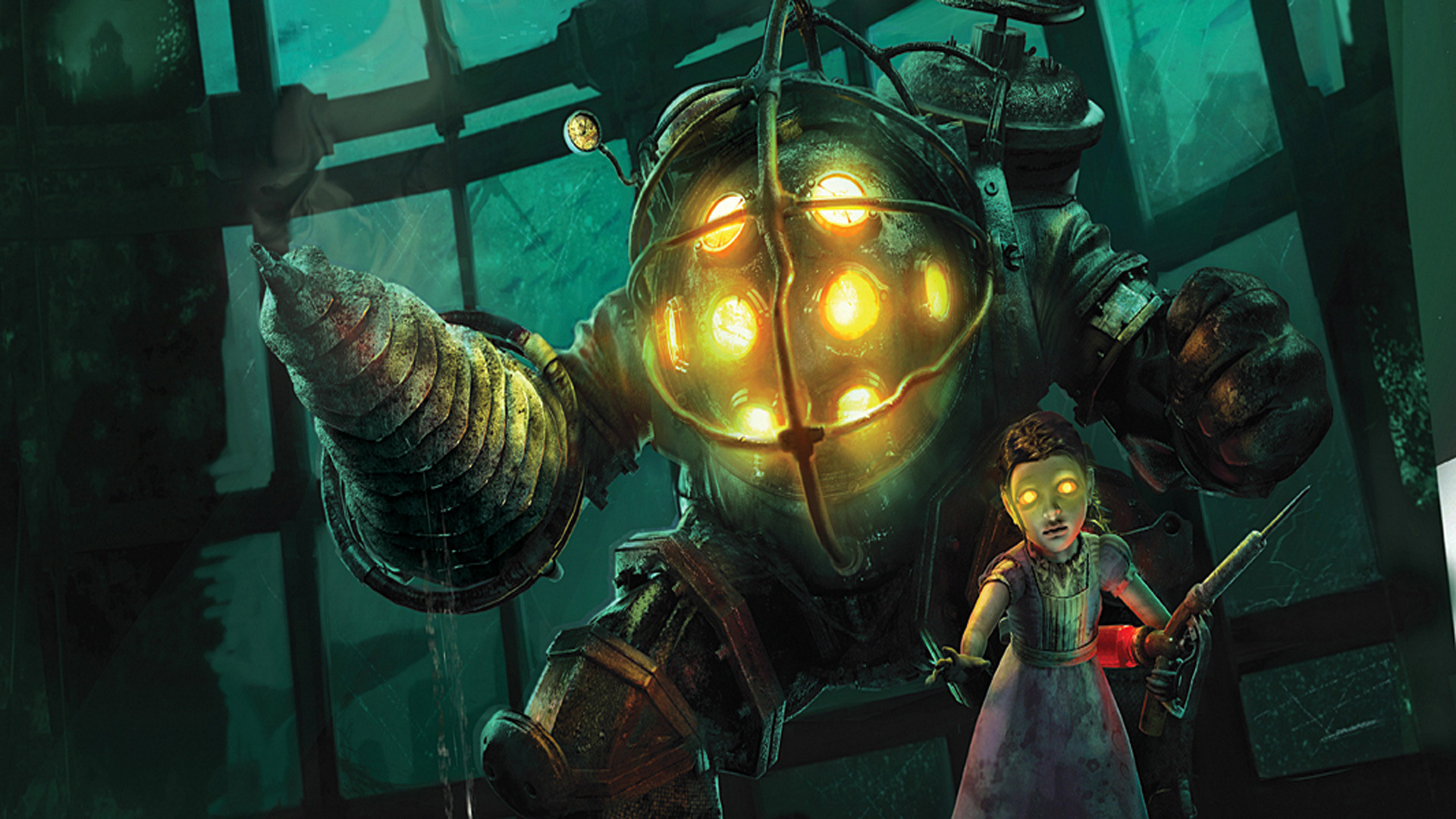
Reworked lighting and post-processing shifted the color balance in Rapture’s interiors, muting some of the green-blue hues the original leaned on. Several PC effects toggles didn’t function correctly at launch, and certain decals and water reflections failed to render as expected. Ambient audio/visual trigger scripting desynced in spots, causing missing particle cues tied to lights and signage. 2K published the remaster, developed by Blind Squirrel Games.
‘BioShock 2 Remastered’ (2016)
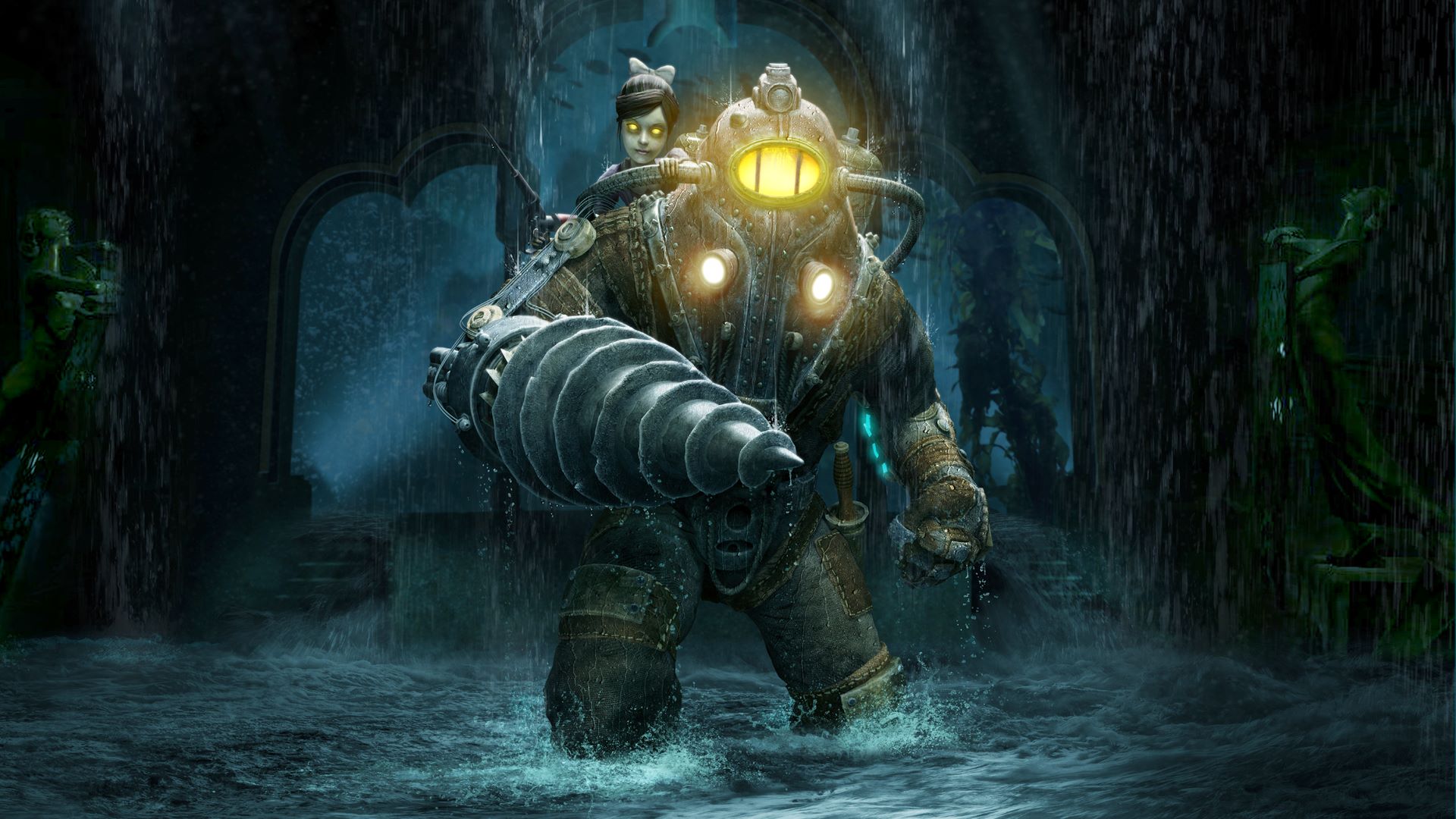
This companion remaster shared many of the same rendering quirks, including broken effect flags and crashes tied to specific areas until post-launch patches. The revised lighting model made underwater sections and The Splicer interiors appear flatter than intended. UI scaling and mouse smoothing defaults also impacted clarity during exploration. 2K published, with Blind Squirrel Games handling development.
‘Assassin’s Creed III Remastered’ (2019)
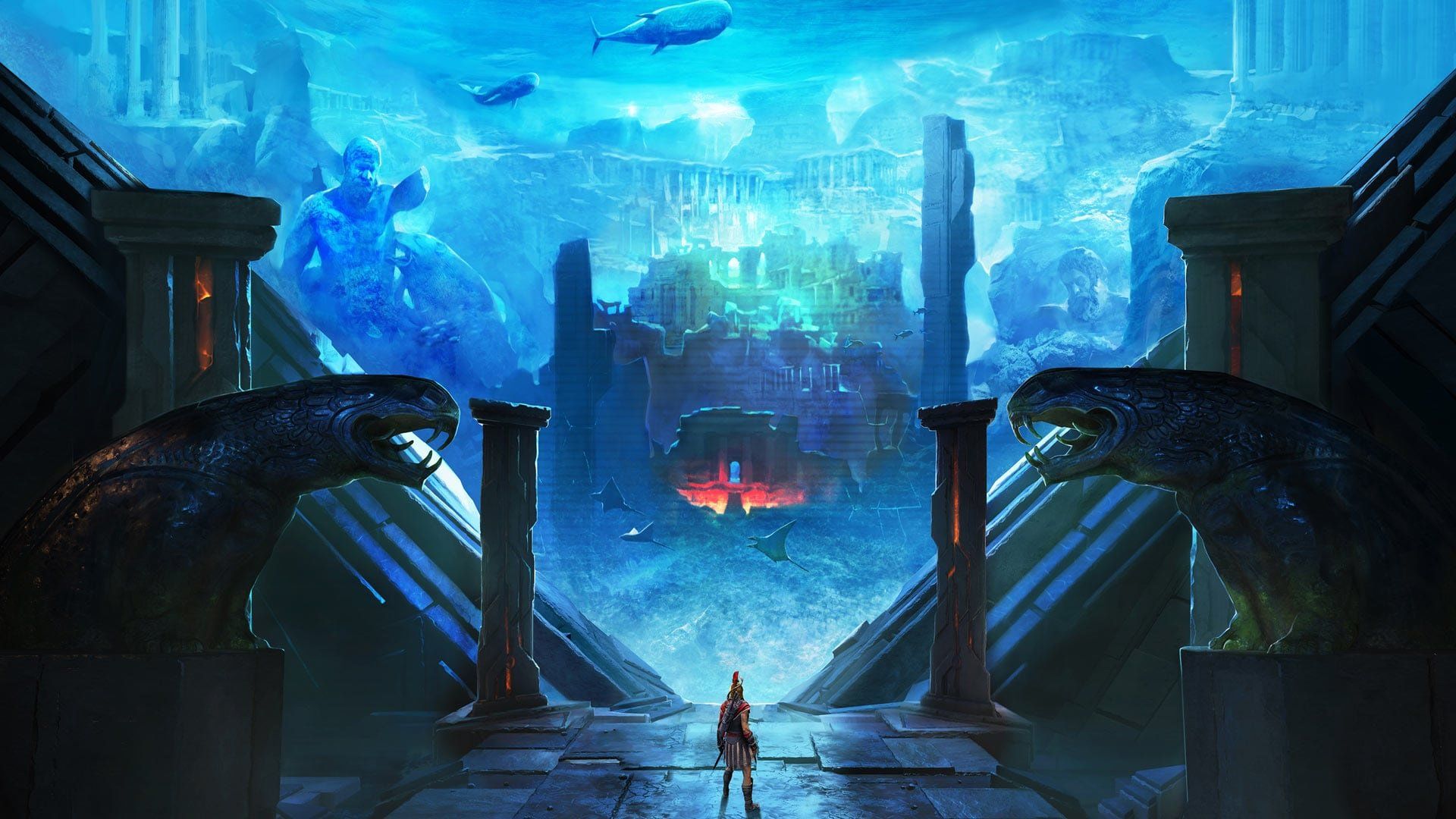
The remaster applied heavier color grading, brighter global illumination, and bolder skin shaders, which changed Colonial-era scenes from subdued to vividly saturated. Some environmental textures and shadow cascades updated unevenly, producing a mix of crisp and muddy assets in the same vista. Motion blur and anti-aliasing settings further softened distant foliage compared to the original on high settings. Ubisoft developed and published the remaster.
‘Final Fantasy VIII Remastered’ (2019)
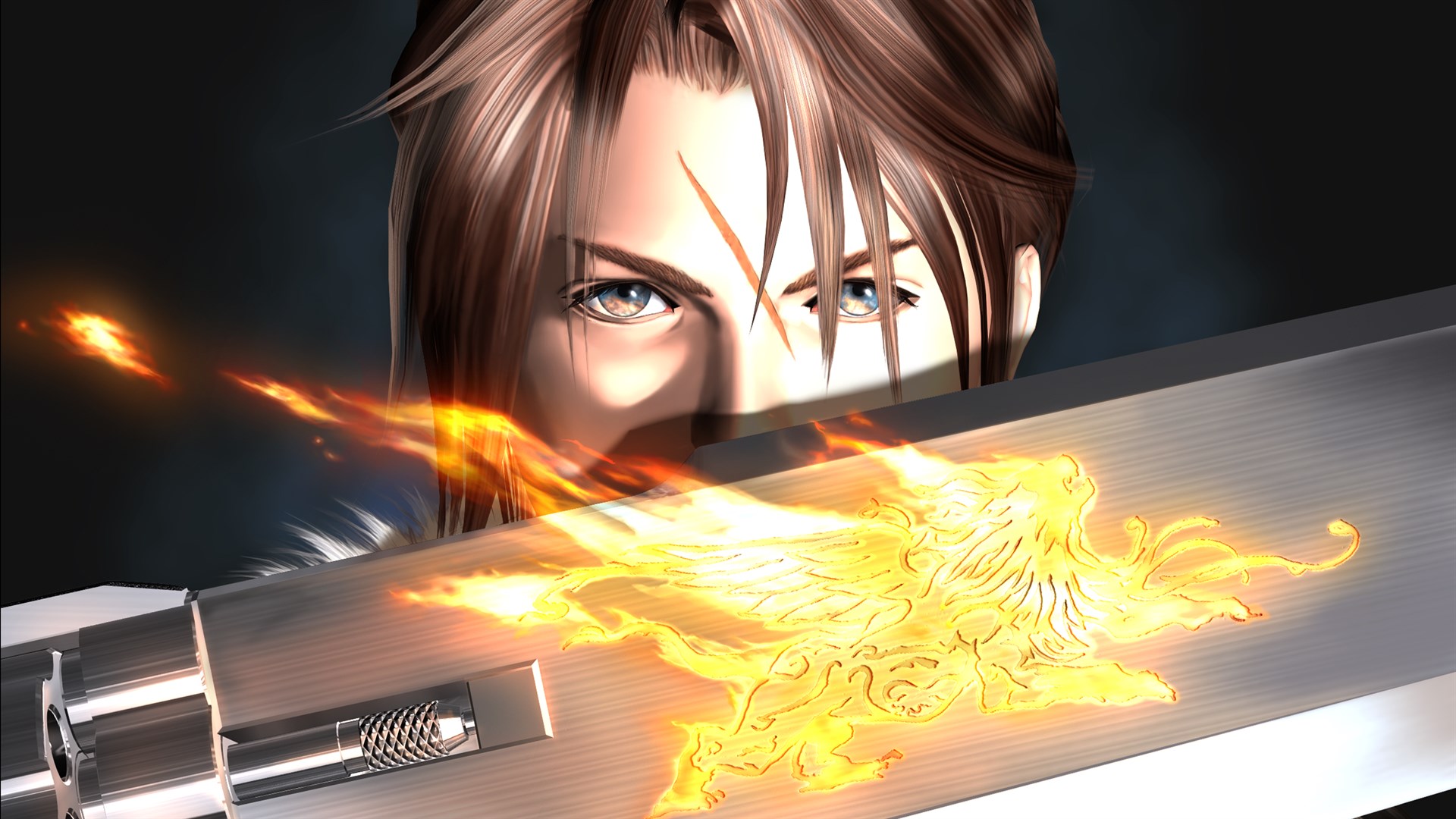
New character models were introduced, but many pre-rendered backgrounds remained low-resolution and were filtered rather than fully re-created, resulting in mismatched detail levels. Certain UI elements were rebuilt at higher resolution while spell icons and battle effect textures retained older assets. Field transitions and battle camera cuts occasionally revealed seam lines or aliasing around freshly upscaled elements. Square Enix published the remaster with internal teams and external partners contributing.
‘Tales of Symphonia Remastered’ (2023)

The release targeted 30 fps on all consoles, even where the original achieved higher, and shipped with softer image quality due to conservative anti-aliasing and texture filtering. Some effects—like heat haze and bloom—were subdued, changing how dungeons and late-game areas read on screen. Reports of loading stutter and UI stretching further impacted perceived fidelity at launch. Bandai Namco Entertainment developed and published the remaster.
‘Blade Runner: Enhanced Edition’ (2022)
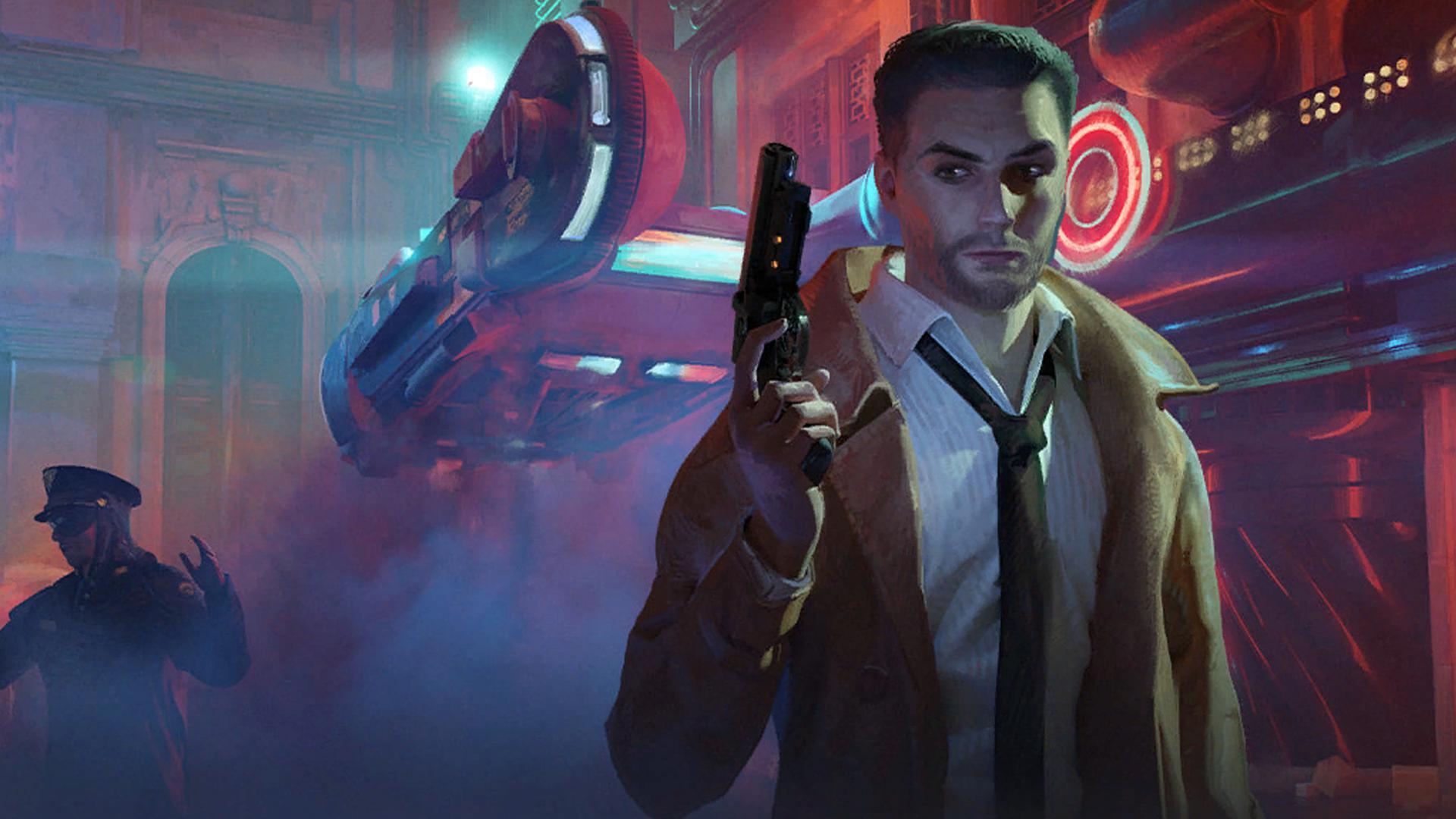
The remaster replaced the original’s crunchy, low-res FMV composites with smoothed AI-processed frames that introduced ghosting and smeared details. UI and subtitle presentation changed, but several cutscene timing cues and scene transitions didn’t match the legacy release at launch. Lighting in some environments appeared flattened because the scaler reduced contrast in shadowed regions. Nightdive Studios developed the project, with Alcon Interactive Group as rights holder.
‘Kingdoms of Amalur: Re-Reckoning’ (2020)
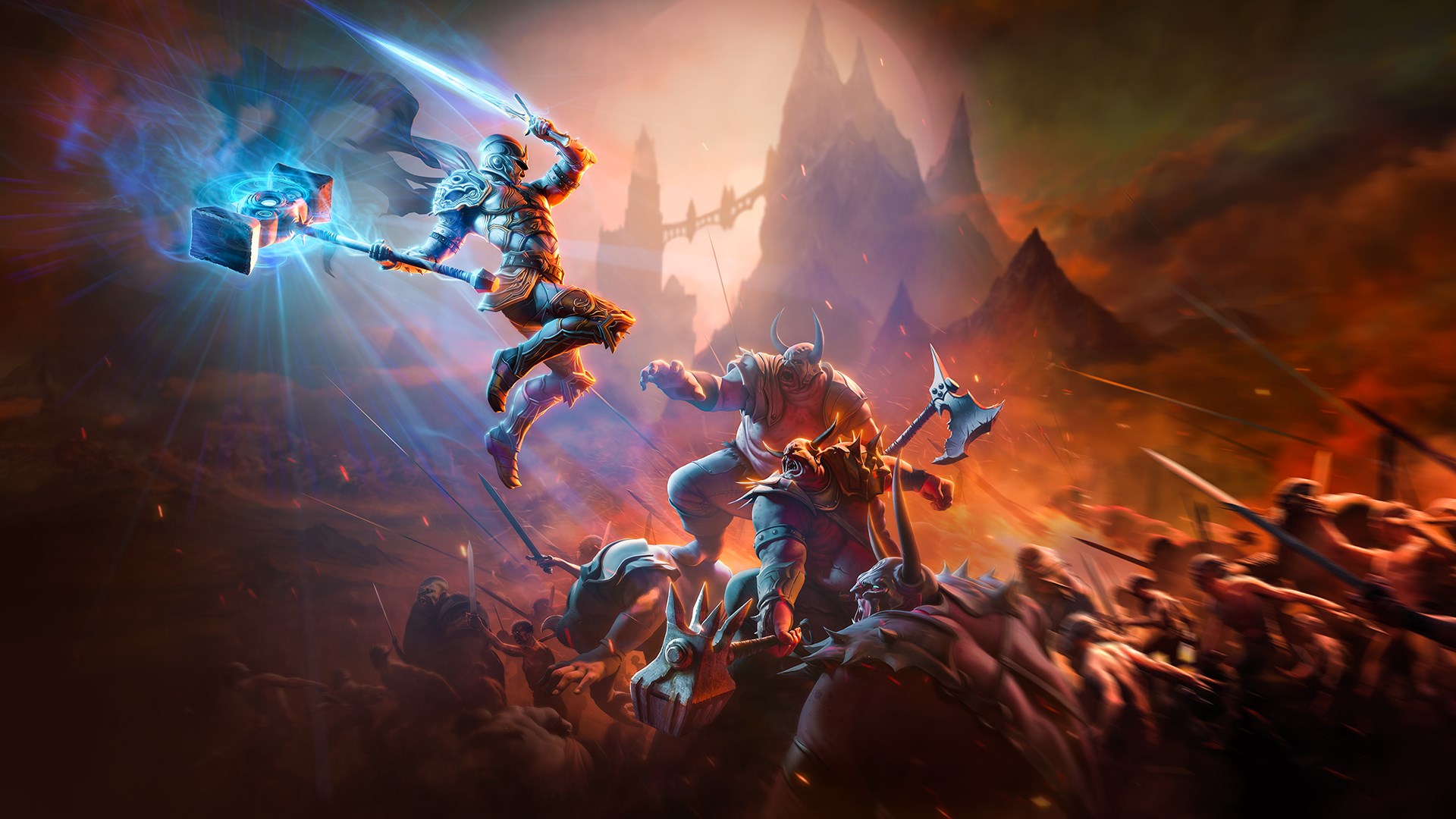
While higher resolutions were supported, the remaster retained much of the original’s texture set and post-processing, and early builds exhibited LOD popping that exposed low-detail meshes at short range. The new ambient occlusion and bloom settings produced hazier interiors unless manually tuned in options. Console performance targets were uneven initially, diminishing clarity during fast combat. THQ Nordic published the remaster, developed primarily by Kaiko.
‘Commandos 2 – HD Remaster’ (2020)
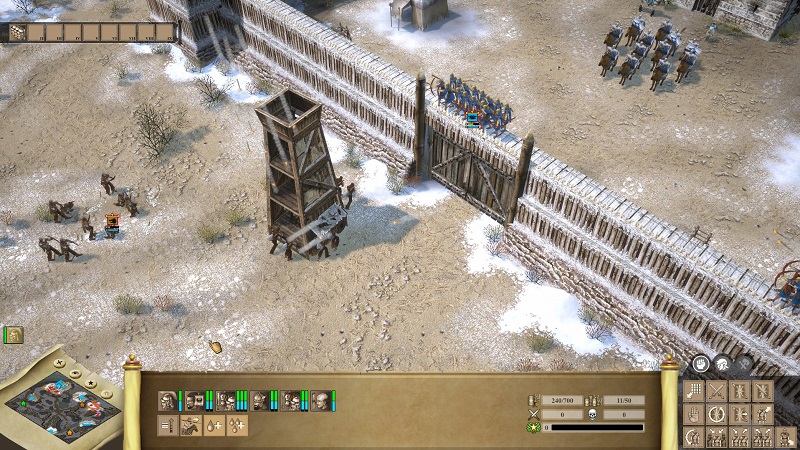
The isometric remaster applied new lighting and texture filtering that washed out ambient detail on stone, snow and foliage tiles. Several environmental props were simplified or removed, and historical iconography edits altered signage textures in multiple maps. UI scaling introduced blurriness at certain resolutions, impacting the readability of tooltips and interaction outlines. Kalypso Media published the remaster, with Yippee! Entertainment handling development.
‘Halo: Combat Evolved Anniversary’ (2011)
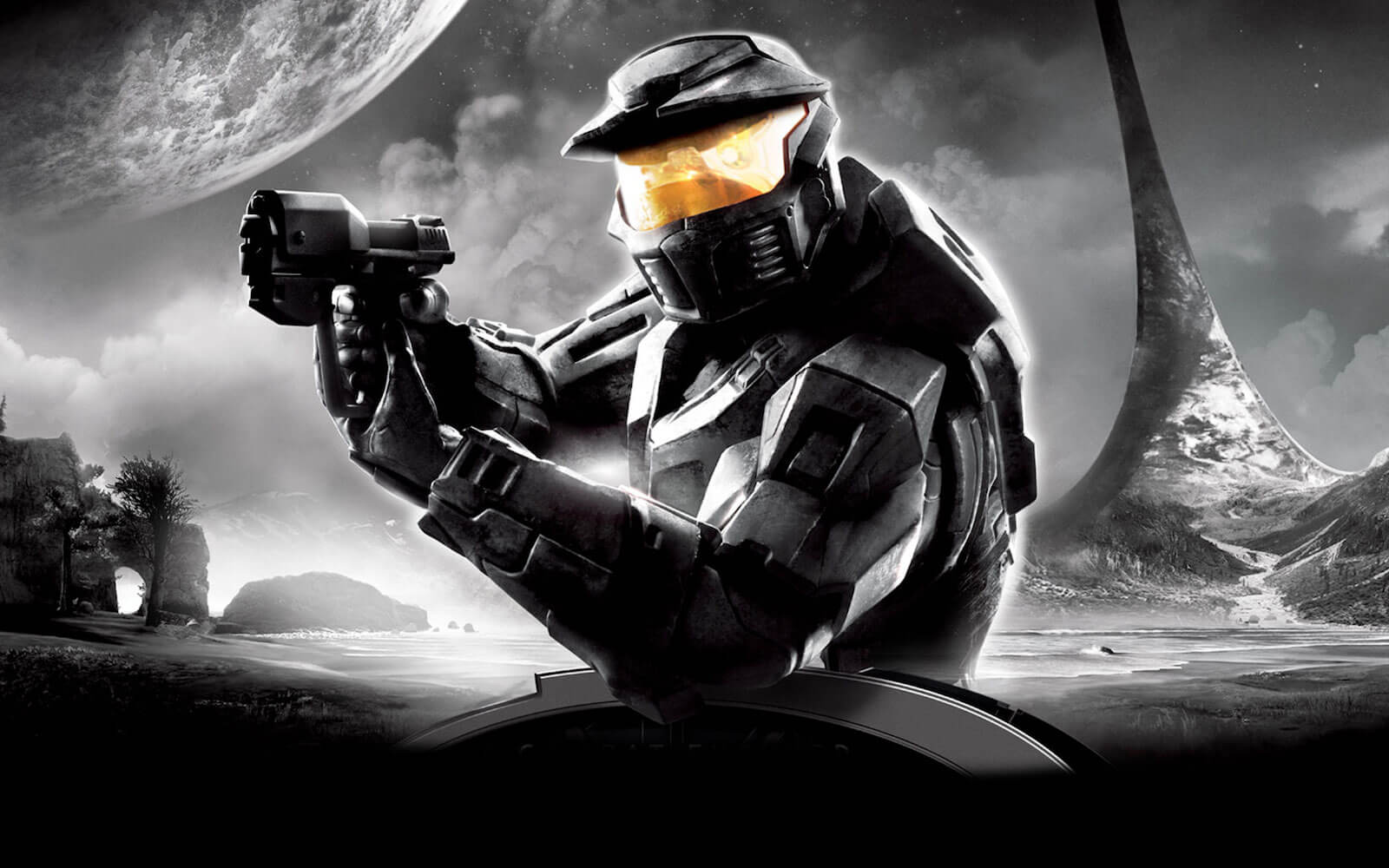
The Anniversary mode’s revamped lighting and materials changed the look of classic missions—glass corridors and Forerunner halls appeared brighter and less ominous than the original’s moody palette. Some particle and decal effects rendered differently, and switching between “Classic” and “Anniversary” highlighted altered skyboxes and fog. Early builds on the bundled collection also showed shader and gamma mismatches that affected contrast. Microsoft Studios published the release, developed by 343 Industries with Saber Interactive.
‘The Sly Collection’ (2010)
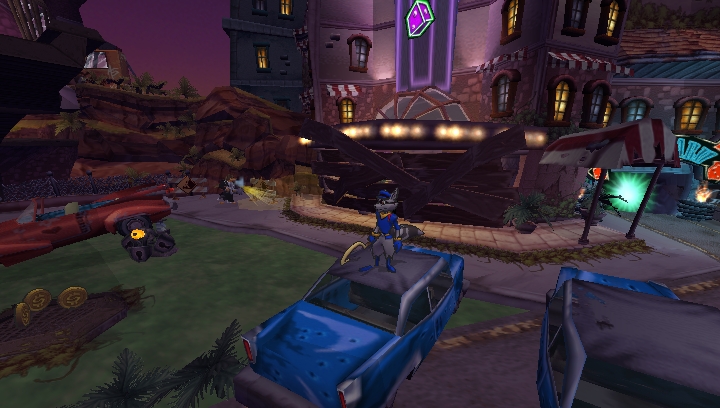
The remaster increased resolution but trimmed certain post-processing passes, so outlines and toon-shade transitions looked harsher in motion. Some cutscene timing and camera interpolation differed from the PlayStation 2 originals, which affected the cadence of visual gags. Texture filtering on distant surfaces could appear shimmery due to conservative anisotropic settings. Sony Computer Entertainment published the collection, developed by Sanzaru Games.
‘Dead Rising’ (2016)
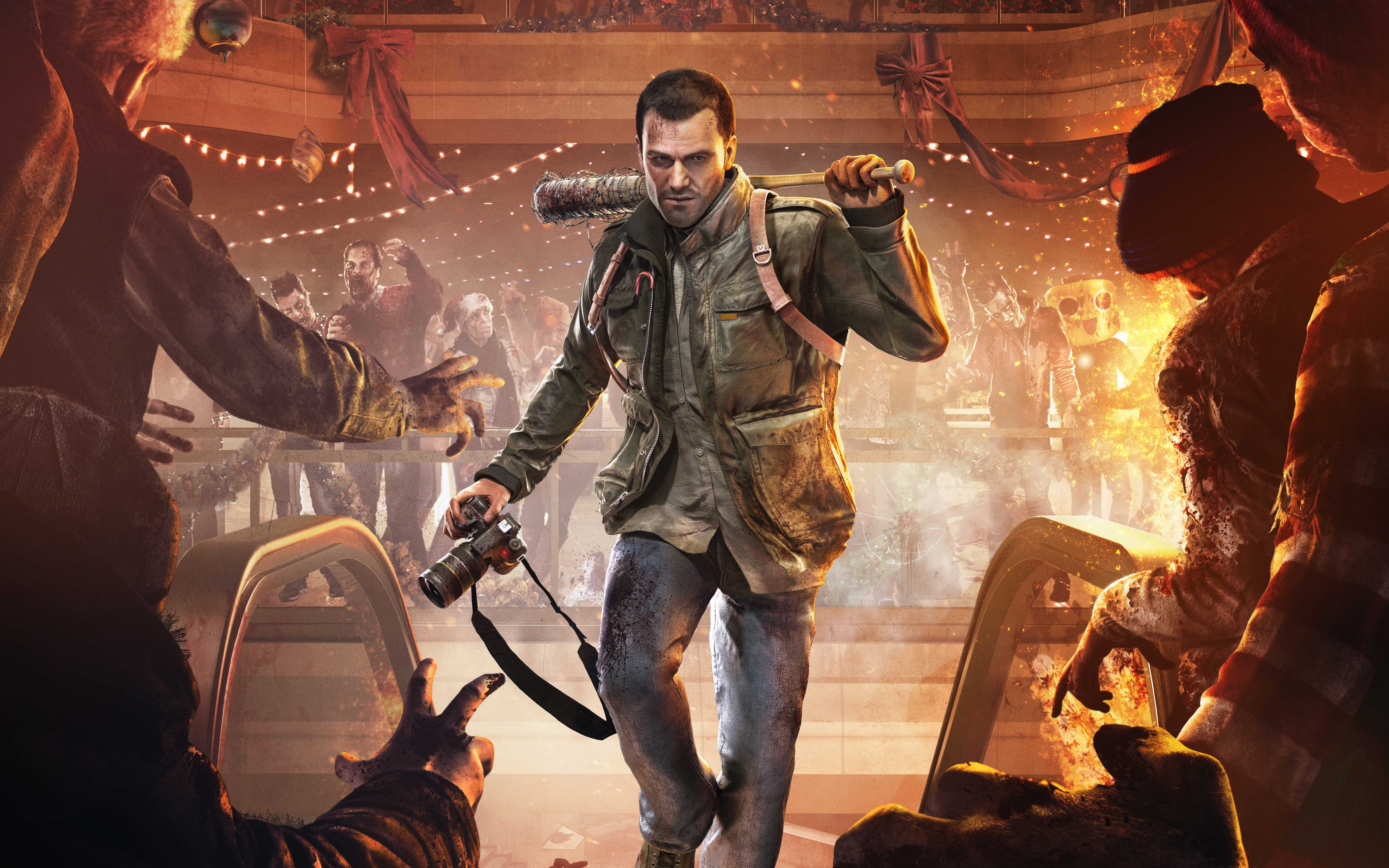
The higher-resolution port dialed back some of the original bloom and contrast, changing the harsh, overlit mall aesthetic that emphasized time-of-day shifts. Shadow maps and ambient occlusion updated unevenly across scenes, leading to flatter character shading in cutscenes. Certain filters—like grain and vignetting—were reduced, softening the game’s distinctive TV-camera look. Capcom developed and published the remaster.
‘Devil May Cry HD Collection’ (2012)

Resolution and HUD elements were upgraded, but several effects—such as motion blur and depth cues—did not match the originals’ presentation. Audio/visual sync in cutscenes and font rendering in menus varied between titles, producing an inconsistent image. Texture filtering and aspect handling also left pillar-boxed or stretched elements depending on platform settings. Capcom published the collection, with external support on the remaster work.
‘Shenmue I & II’ (2018)
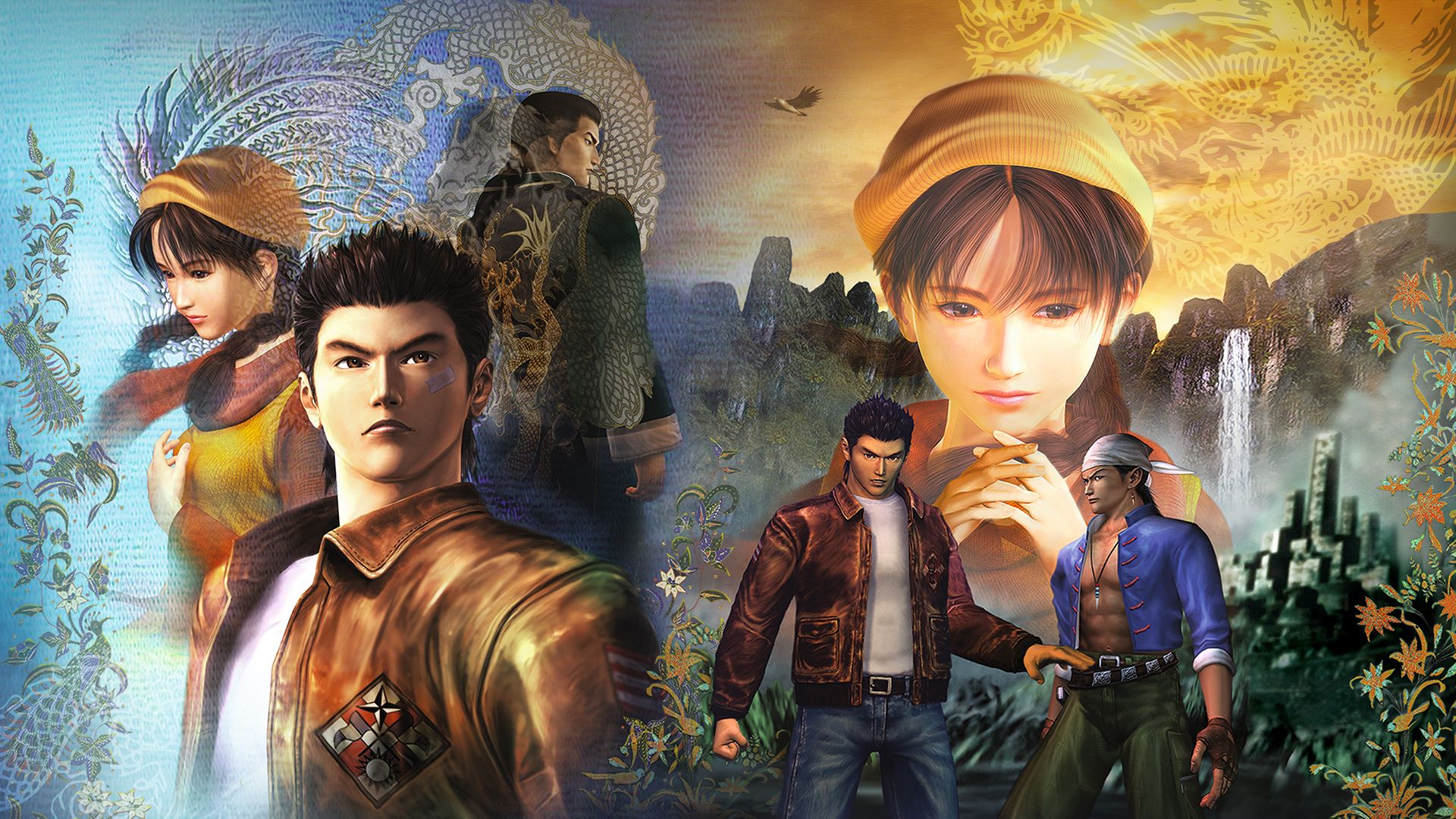
The bundle standardized frame rates and resolutions but kept many older textures, leading to visible filtering artifacts on signage and building façades. Color grading changes produced brighter, cooler nights in some districts, altering the atmosphere of the original scenes. Post-processing for reflections and shadow softness differed from Dreamcast versions, creating occasional visual oddities around NPCs. SEGA published the package, with d3t Ltd. credited on development.
‘Risen’ (2023)
This re-release targeted modern consoles but offered limited visual upgrades, with modest resolution bumps and conservative filtering that left foliage and rock textures looking dated. Shadow draw distance and LOD transitions were prominent in open fields, and performance drops affected image stability. Users reported UI scaling quirks on some platforms that blurred inventory icons and map labels. THQ Nordic published the remaster, with development support credited to porting partners.
Share which remasters you think missed the mark—and which originals you still prefer—in the comments!