Most Disappointing Anime Sequels That Fans Pretend Don’t Exist


Some follow-ups bring back everything people loved; others return with staff shake-ups, pacing detours, or choices that clash with what came before. This list gathers sequels and continuations that drew criticism for tangible production or storytelling reasons—studio switches, compressed arcs, altered canons, or heavy recap structures. For each entry, you’ll find concrete details about what changed, how the adaptation diverged, and which parts of the story were covered. Use it as a quick reference to what happened behind the scenes and on the page, not a debate over tastes.
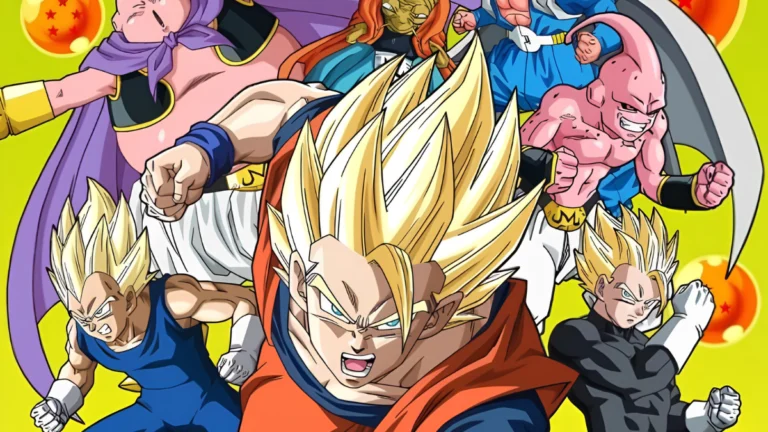
‘Dragon Ball GT’ (1996–1997)
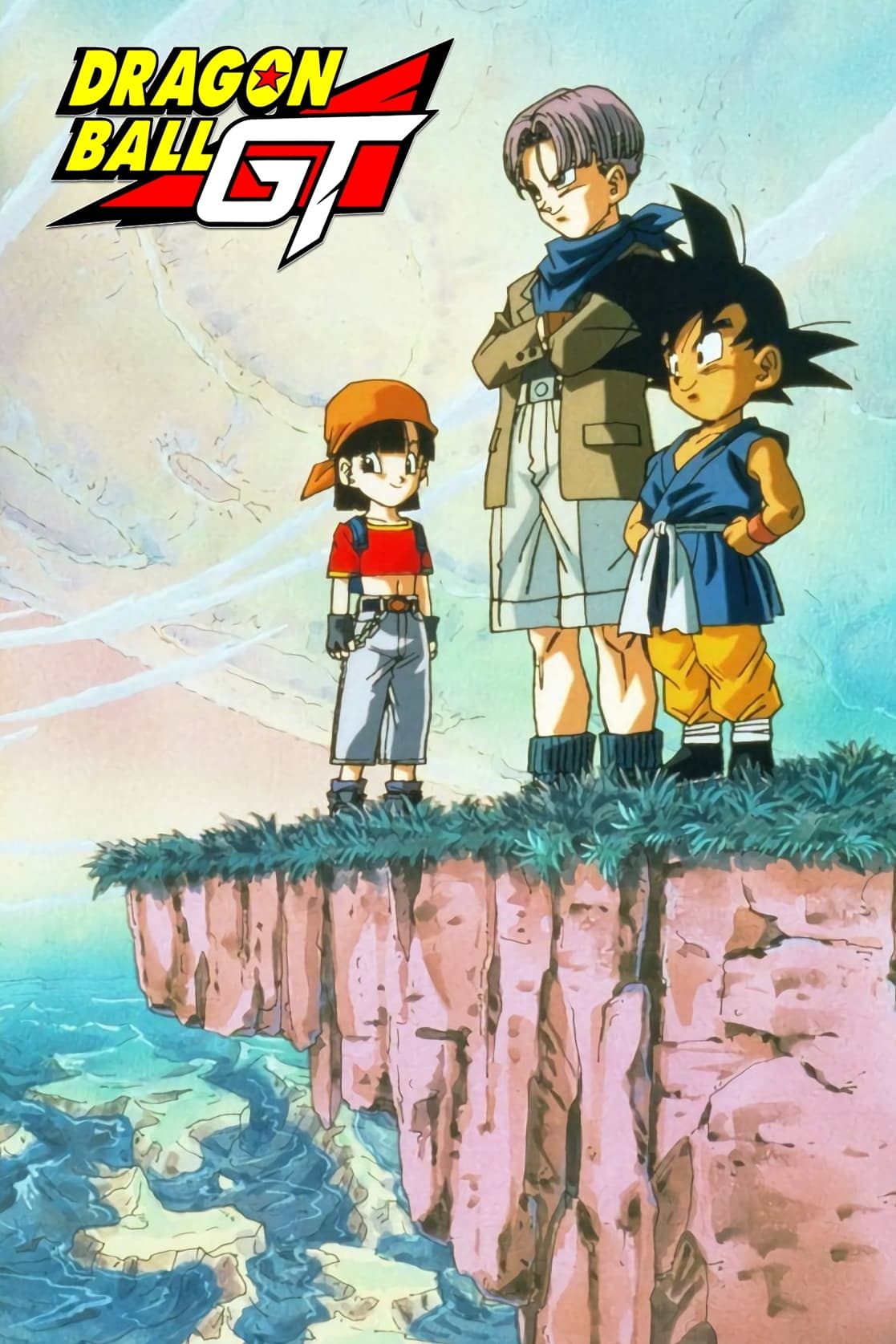
Developed at Toei Animation without direct manga source material, ‘Dragon Ball GT’ pursued an original storyline that repositioned Goku as a child via the Black Star Dragon Balls. The series introduced arcs like Baby, Super 17, and the Shadow Dragons with new transformations such as Super Saiyan 4. Continuity choices and power-scaling were guided by internal series bibles rather than a printed canon. Home releases and guidebooks later clarified production intentions, including staff interviews explaining why it diverged from ‘Dragon Ball Z’.
‘Mobile Suit Gundam SEED Destiny’ (2004–2005)
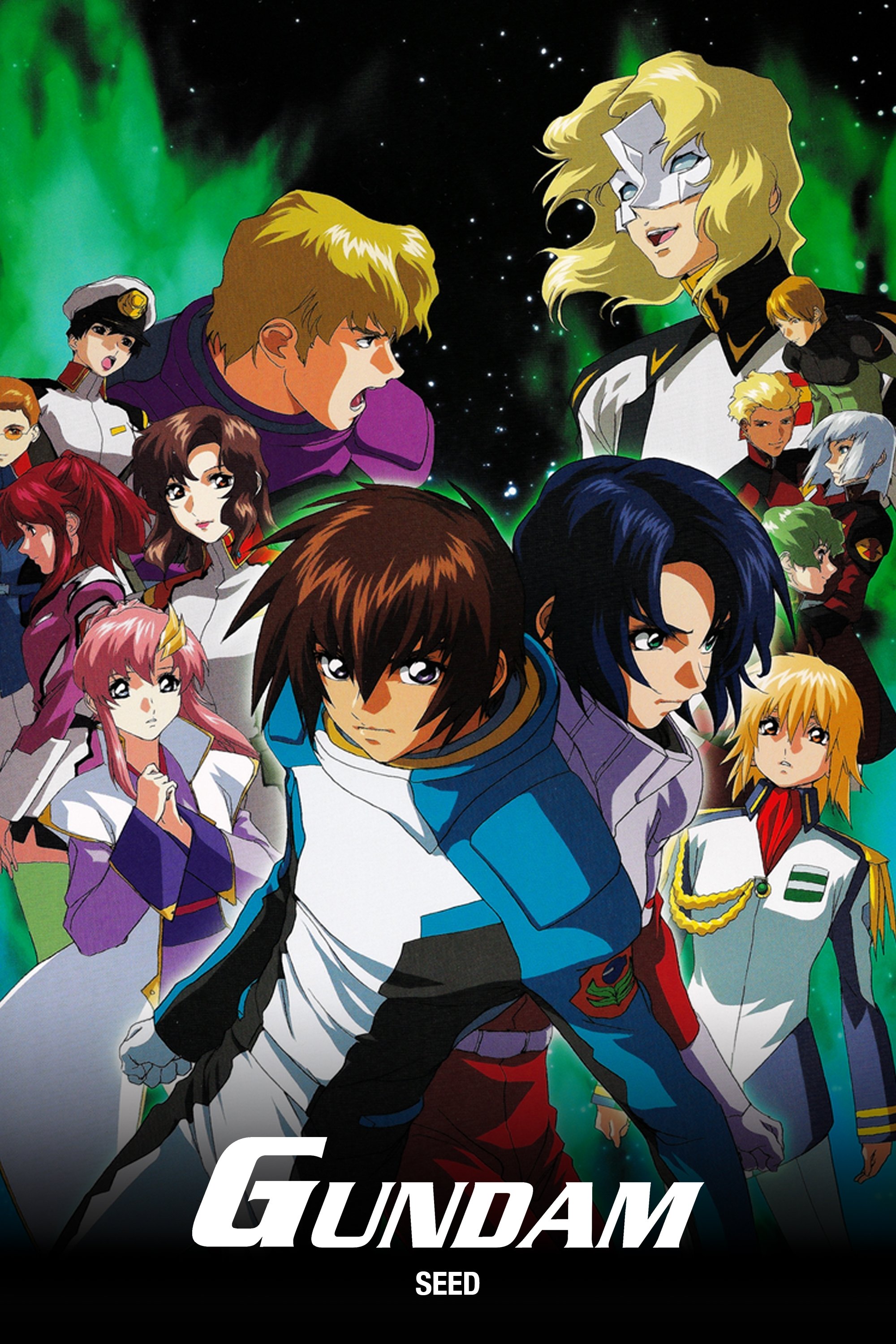
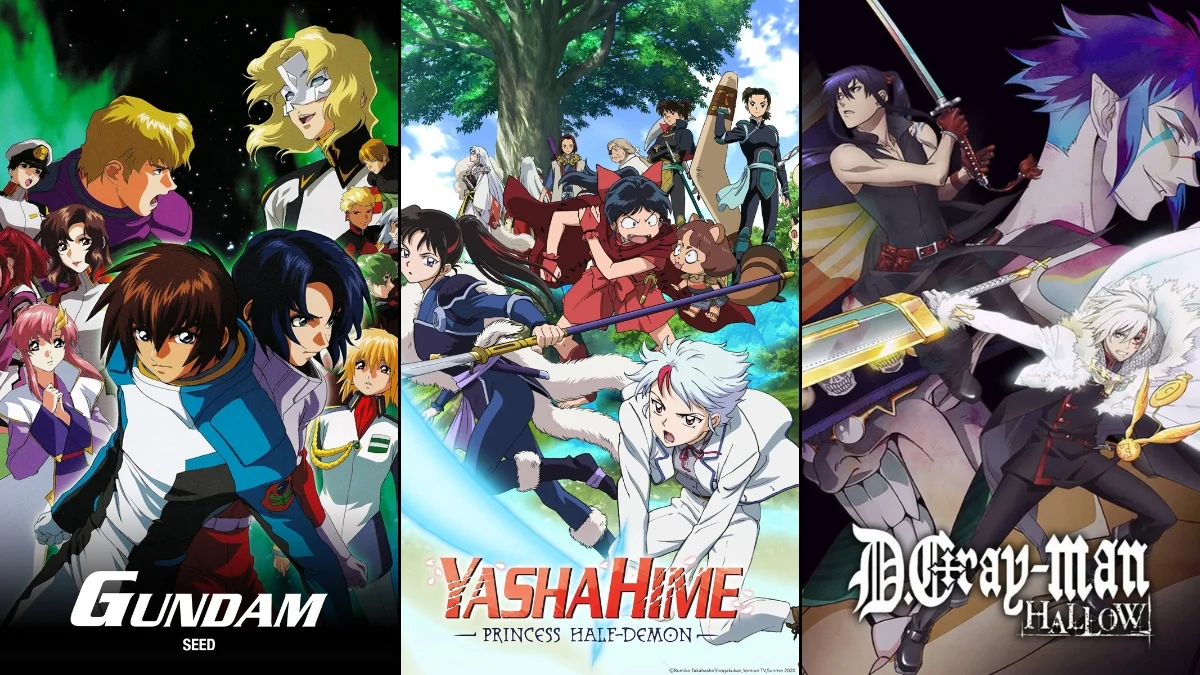
Sunrise continued the Cosmic Era setting with returning staff, shifting the lead role from Shinn Asuka to frequent focus on Kira Yamato and Athrun Zala midway through broadcast. The sequel reused and re-edited a notable amount of battle cuts while expanding ZAFT vs. Orb conflicts through the Destiny and Legend Gundams. Compilation specials and a “Final Plus” TV edit revised late episodes, altering dialogue and outcomes in key scenes. Soundtrack releases documented new leitmotifs associated with the Minerva and Archangel narratives.
‘Black Butler II’ (2010)
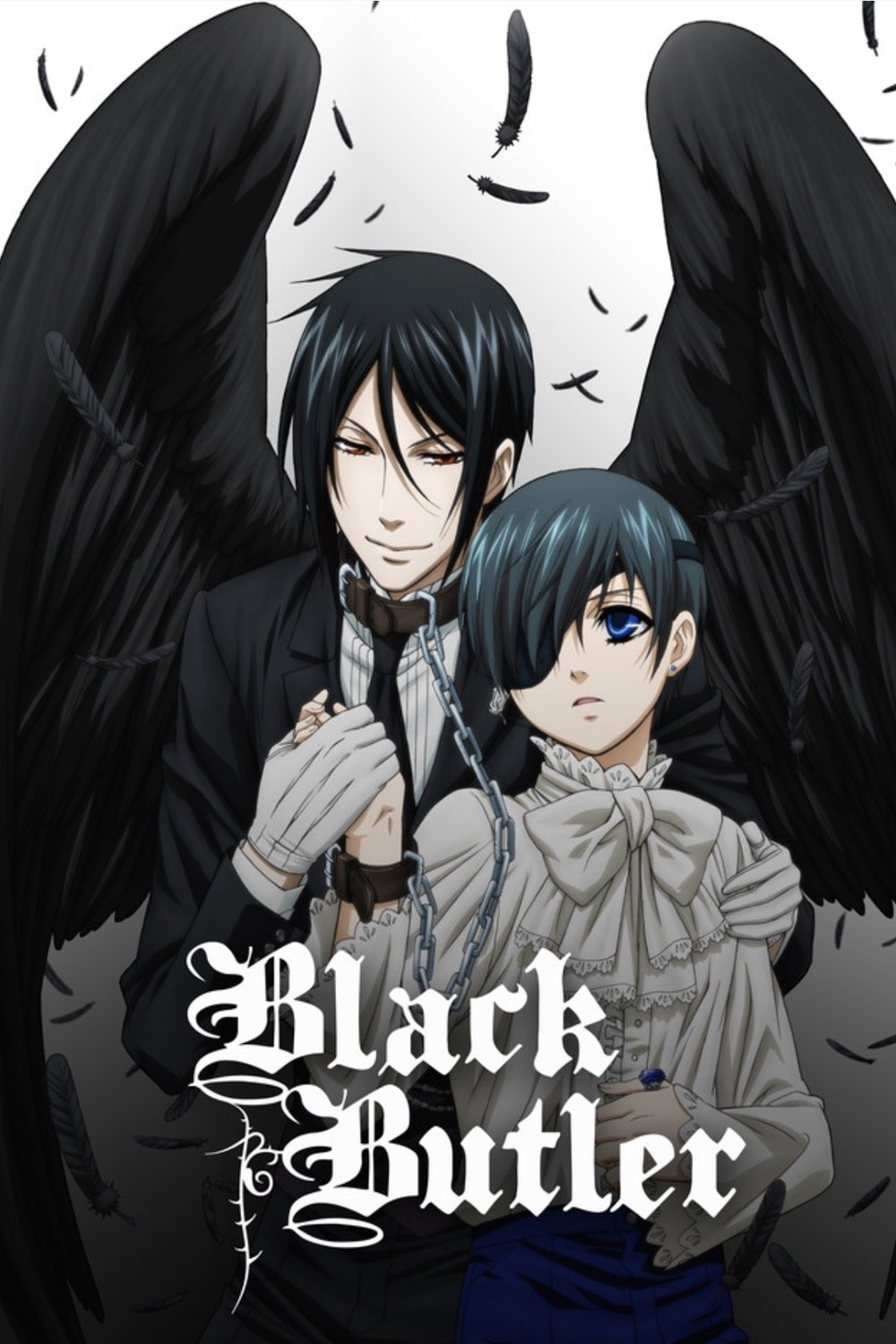
A-1 Pictures produced ‘Black Butler II’ with an anime-original continuation that introduced Alois Trancy and his butler Claude Faustus in parallel to Ciel and Sebastian. This sequel departed from the manga’s post-Noah’s Ark material and set up a contained storyline with new Faustian contracts. Multiple versions of episode 1 aired, including a misdirection cold open framing new protagonists before reintroducing Ciel. DVD/BD extras outlined production notes on creating a dual-butler dynamic distinct from the source.
‘Eureka Seven AO’ (2012)
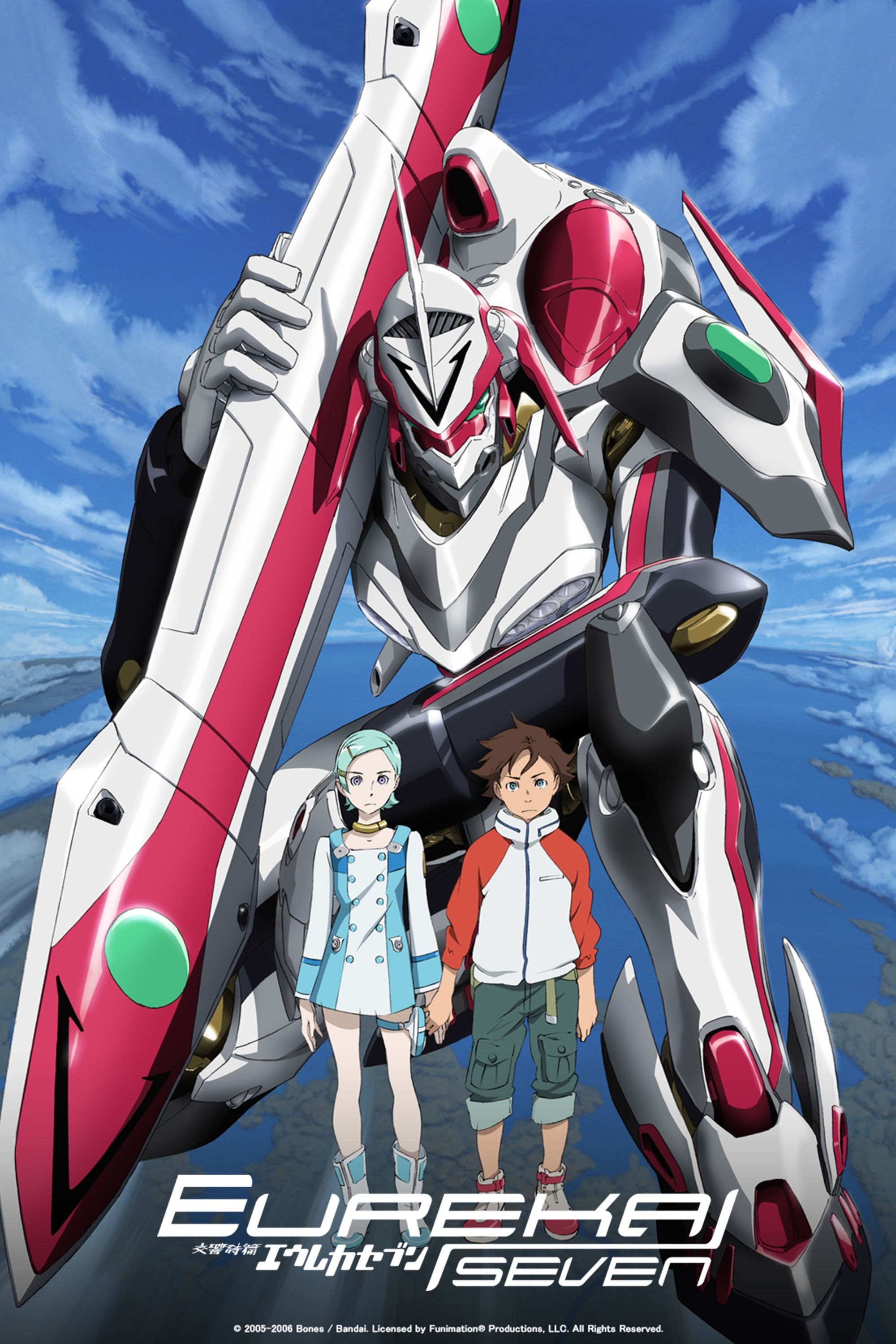
Bones advanced the ‘Eureka Seven’ timeline through Ao Fukai, connecting plotlines with “Secrets” and alternate realities via Scub Coral phenomena. The series’ science-fiction framework centered on Quartz Gun time effects that reframed events from the earlier story. Broadcast and home video orders included an OVA that filled gaps in the Gekkostate’s legacy. Official materials mapped mecha design lineage from the IFOs back to LFO concepts, underscoring deliberate tonal and mechanical shifts.
‘Tokyo Ghoul √A’ (2015)
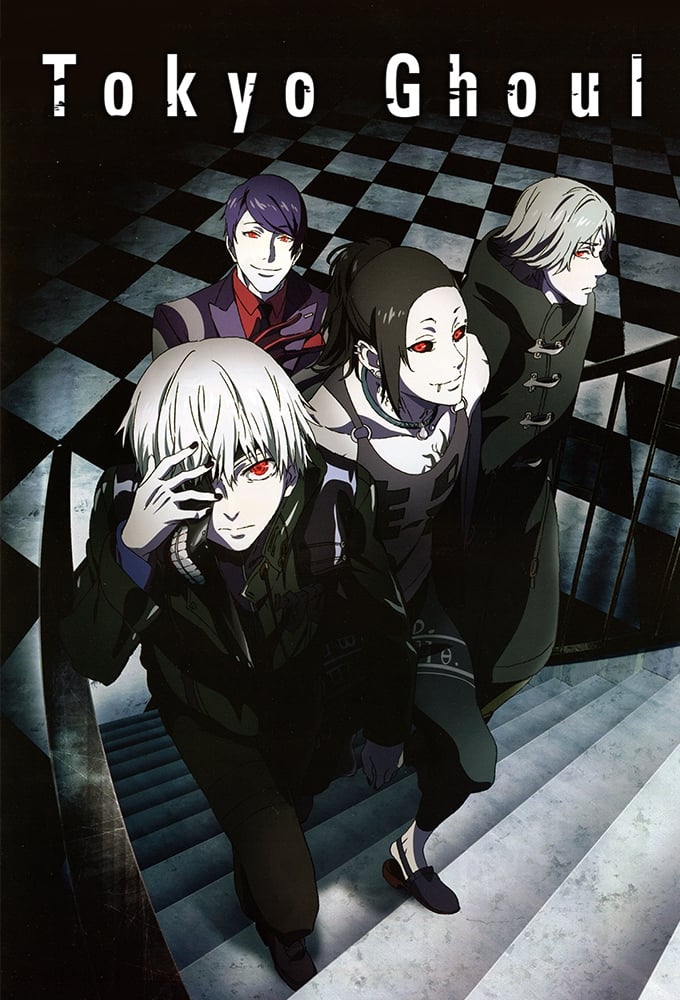
Studio Pierrot diverged from Sui Ishida’s manga by scripting an anime-original path where Kaneki joins Aogiri Tree instead of following the source’s Cochlea and Anteiku trajectories. Key confrontations and character arcs were re-sequenced, and several manga battles were condensed or omitted. Official episode notes outlined the intent to preserve thematic beats while changing incident flow. Subsequent seasons attempted partial realignment, creating continuity gaps between televised arcs and the printed narrative.
‘Durarara!!x2’ (2015–2016)
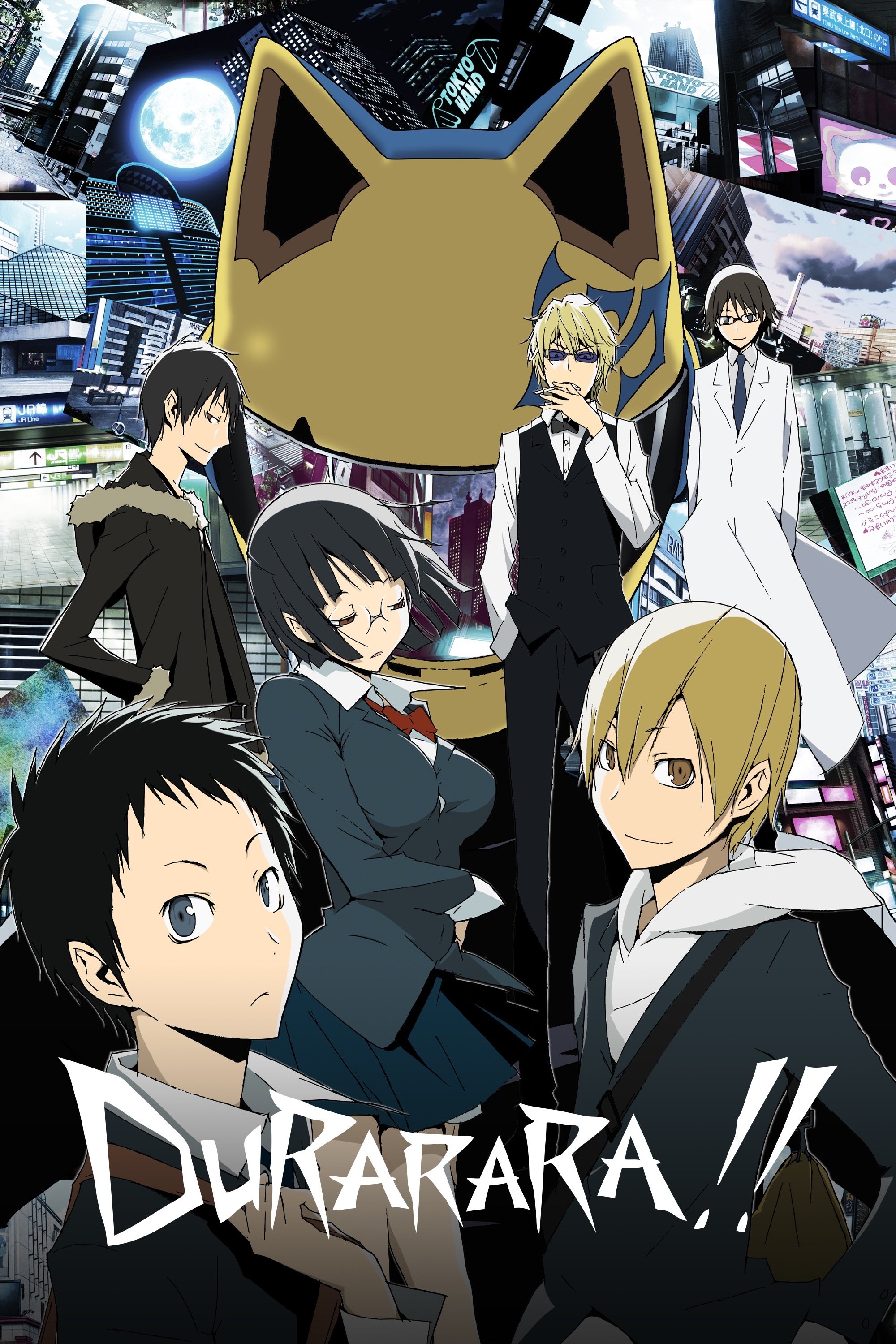
Shuka, a new studio formed by former Brain’s Base staff, continued Ryohgo Narita’s Ikebukuro ensemble across the Shō, Ten, and Ketsu cours. The adaptation covered multiple light-novel volumes with frequent viewpoint cuts among Dollars, Awakusu, and Saika threads. Production materials emphasized schedule segmentation across three broadcast blocks, which affected scene density and cross-episode cliffhangers. Official character charts documented expanded cast webs that complicated follow-through on ongoing subplots.
‘Berserk’ (2016–2017)
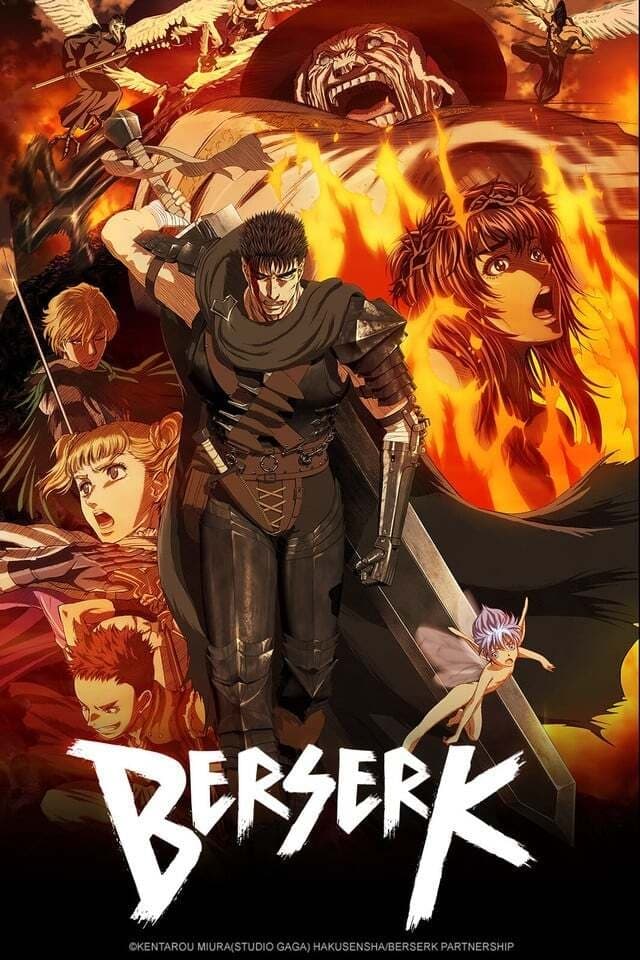
GEMBA and Millepensee produced a 3D-heavy TV continuation adapting the Conviction and Falcon of the Millennium Empire arcs following the film trilogy. The show mixed cel-shaded models with limited 2D cuts, using post-processing like heavy hatching and camera shakes. Episode credits show a rotating CG lead staff and outsourced cuts for action set pieces. Release notes detail censoring approaches for broadcast versions, with less-obscured BD editions altering on-screen visibility in violent scenes.
‘D.Gray-man Hallow’ (2016)
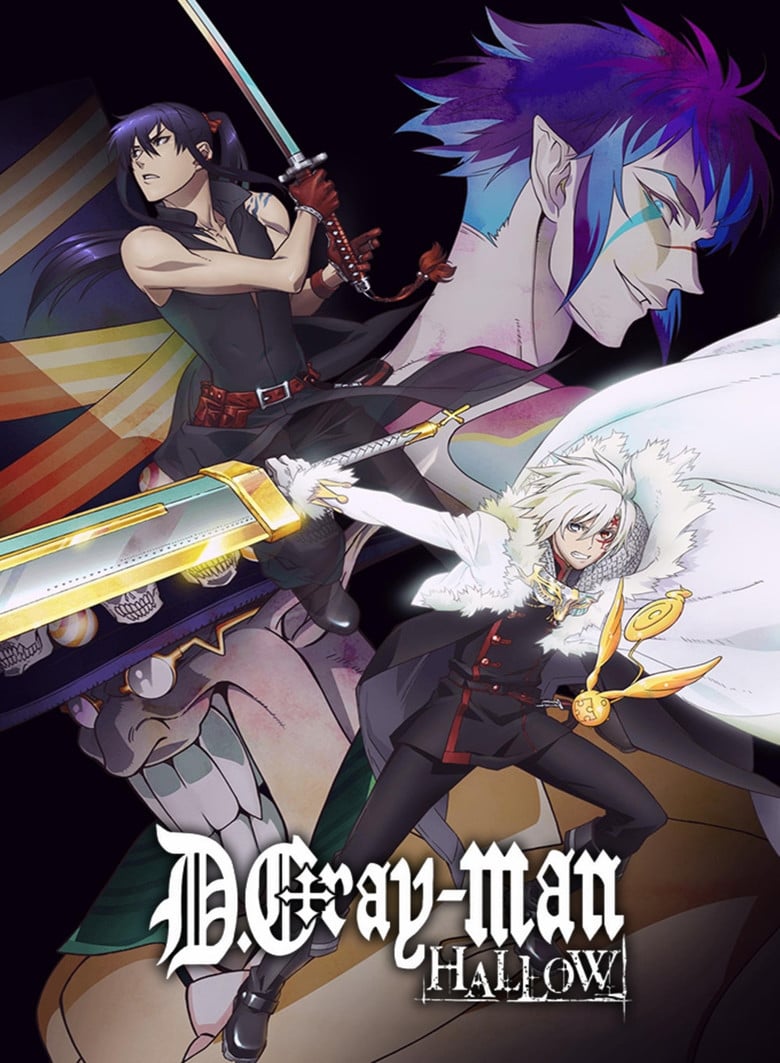
TMS Entertainment returned to the exorcist saga with a shorter 13-episode run, recasting several principal roles and jumping forward in the manga’s storyline. The cour condensed the Alma Karma arc while re-introducing the 14th through rapid exposition. Broadcaster listings and staff interviews acknowledged the accelerated pace and limited slot. Merchandise and key visuals highlighted updated character designs that contrasted with the earlier long-form adaptation.
‘Aldnoah.Zero’ (2015)
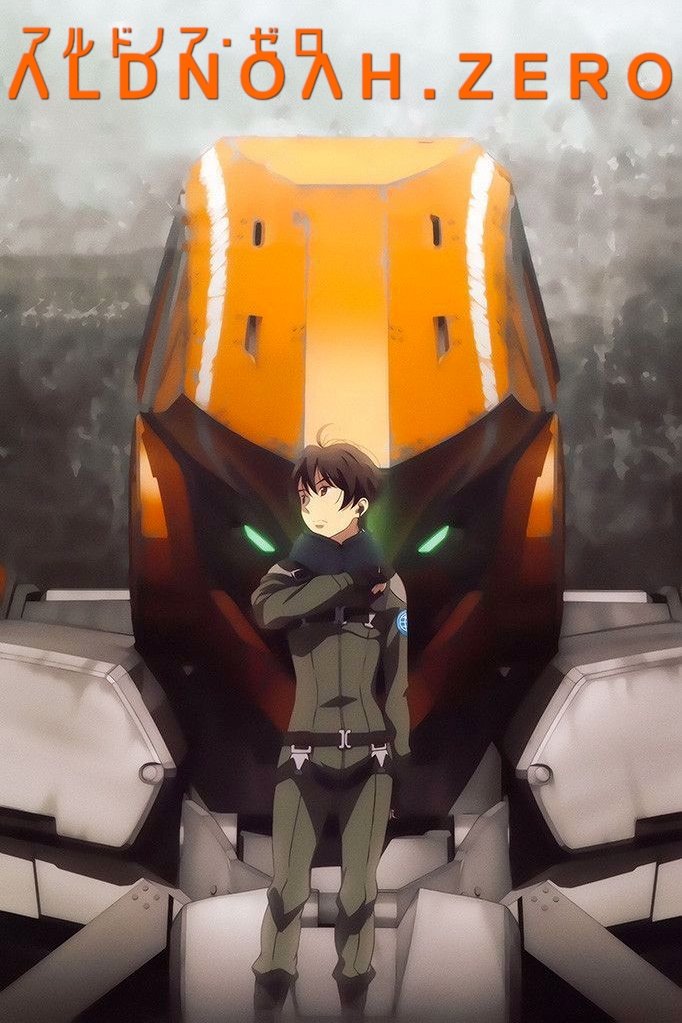
The second cour carried over A-1 Pictures and TROYCA’s co-production, continuing Terran-Vers war dynamics centered on Kataphrakt strategies and orbital assaults. Broadcast structure emphasized cliffhanger episode ends and musical reprises by the same composer to tie action beats. Official mecha notes documented performance disparities between Martian Vers suits and United Earth models, informing battle choreography. The finale’s political status quo reset was codified in post-airing timeline materials and artbooks.
‘The Melancholy of Haruhi Suzumiya’ (2009)
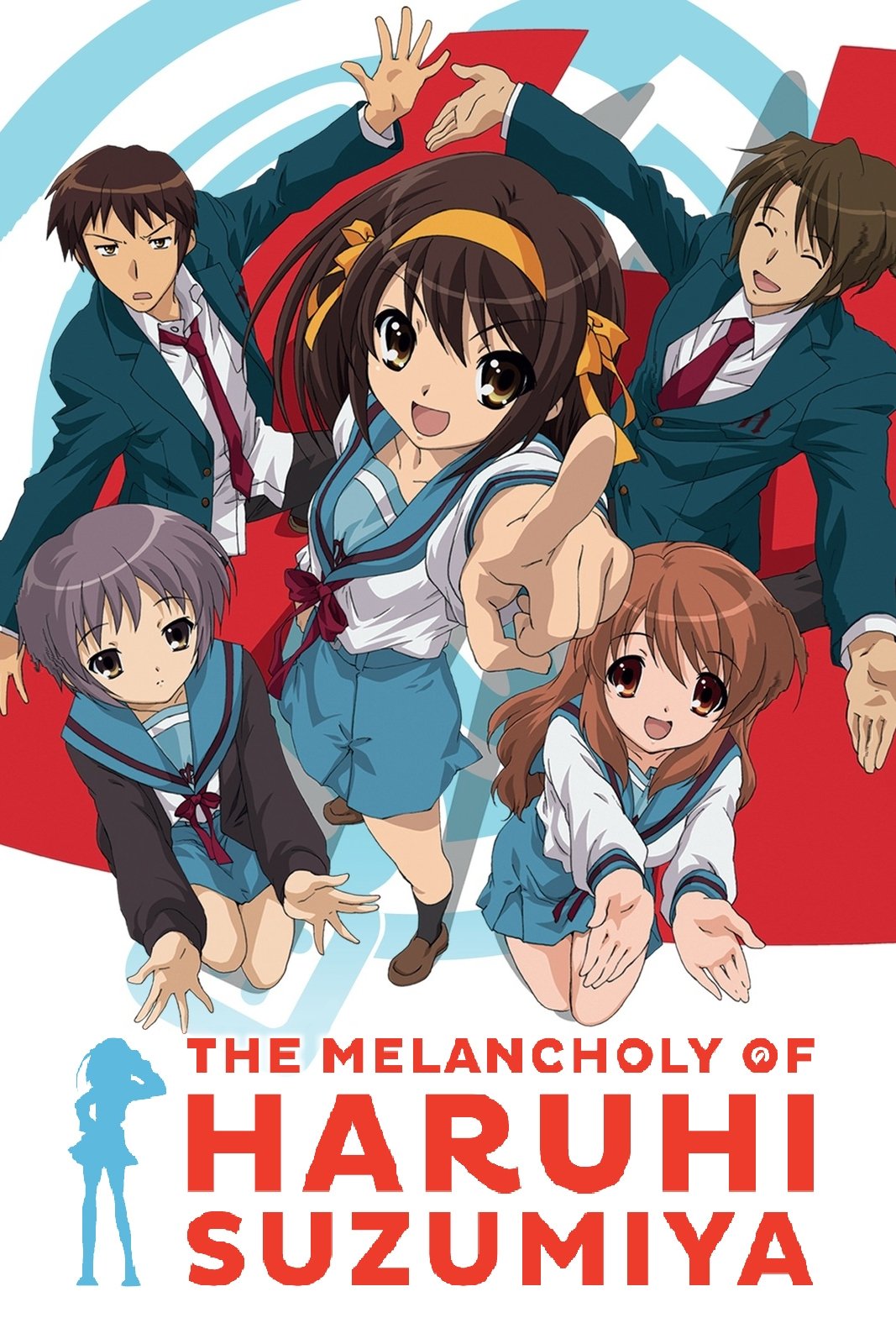
Kyoto Animation’s additional episodes introduced the “Endless Eight,” presenting eight broadcast episodes that deliberately restaged the same summer scenario with new layouts and animation. Airing order interleaved old and new material, resulting in guide sites distinguishing chronological vs. broadcast sequencing. Staff commentaries discussed the experiment in scene-level variation, from costume changes to cuts per shot. Later home video releases preserved both sequences with clean-OP/ED options and continuity notes for viewers.
‘FLCL Progressive’ (2018)
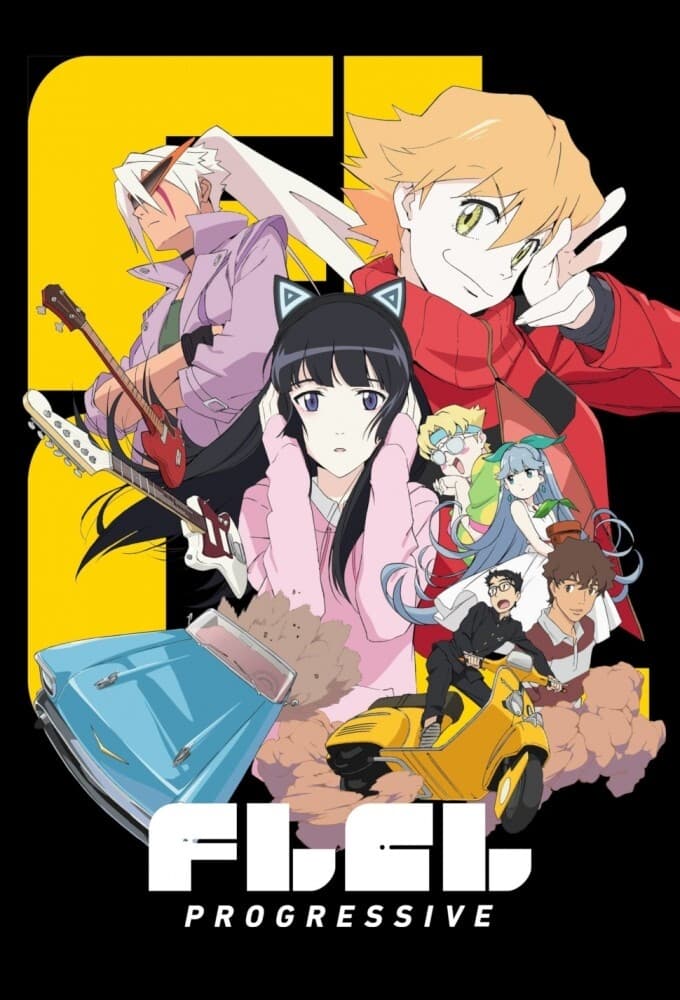
Production I.G and Adult Swim revived ‘FLCL’ with new leads, modern cityscapes, and expanded Medical Mechanica imagery across six episodes. Multiple directors handled episodes, continuing the anthology-like approach to tone and visual grammar. Official art collections traced guitar and mecha iconography updates relative to the original OVA. Broadcast partnerships detailed music integration, including theme placements and track lists tied to scene transitions.
‘Saint Seiya: Soul of Gold’ (2015)
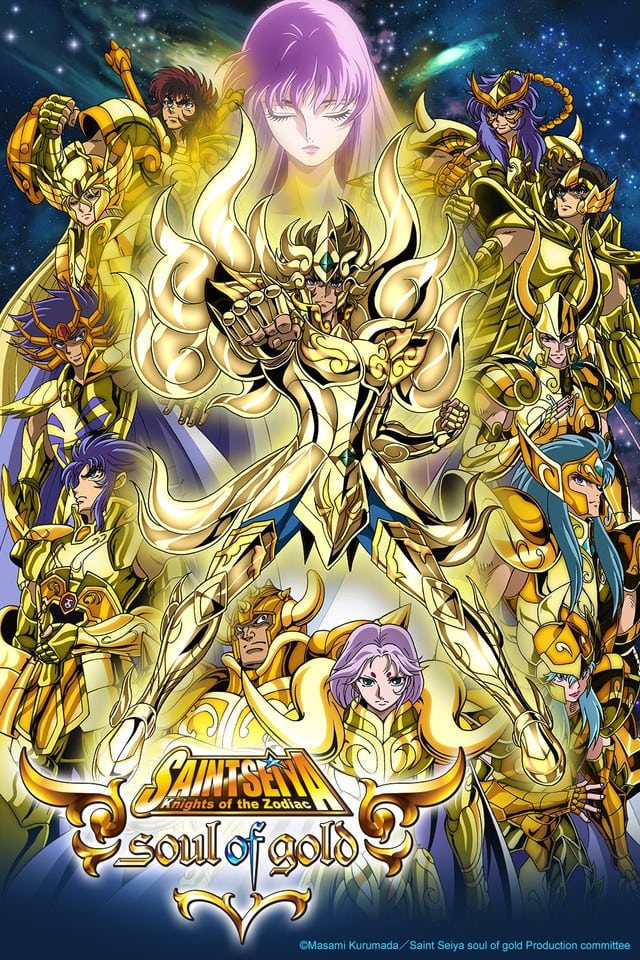
Toei Animation launched a web-first series focusing on the Gold Saints in Asgard, tying events to aftermaths established elsewhere in the franchise. The show introduced God Cloth evolutions and new God Warriors within a limited episode count. Model sheets and toy lines documented armor redesigns and transformation states for collectors. Release schedules reflected staggered streaming episodes before TV compilations, with BD sets adding clean transformations and creditless sequences.
‘One-Punch Man’ Season 2 (2019)
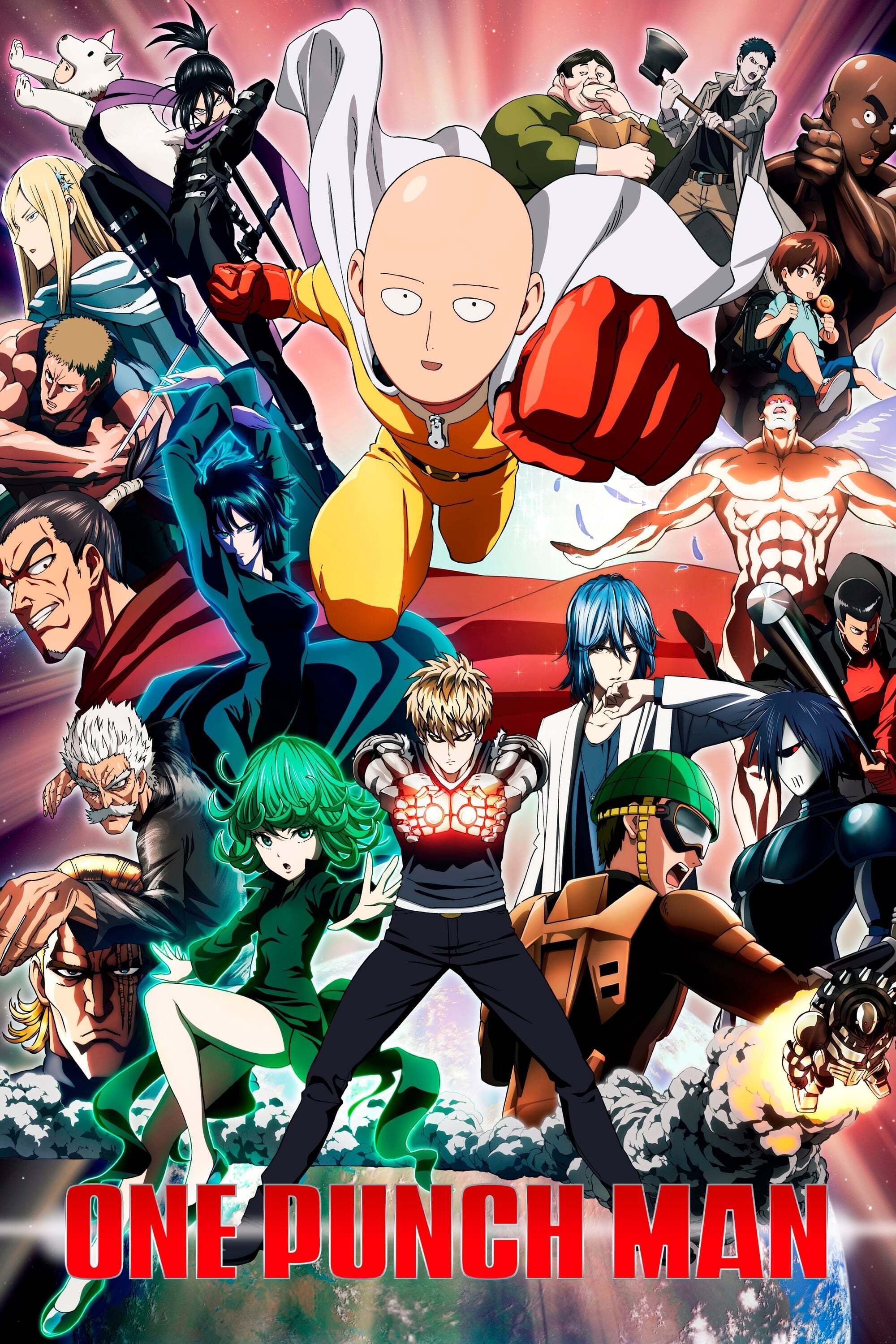
J.C.STAFF took over from Madhouse, with staff restructuring and a new series director credited across the cour. The season adapted the Monster Association setup while emphasizing Garou’s martial-arts perspective and tournament segments. Broadcast materials recorded changes in storyboarding density and fight coverage compared to the first season. Home releases included revised cuts for several action scenes and bonus shorts that expand side-character beats.
‘The Seven Deadly Sins: Dragon’s Judgement’ (2021)
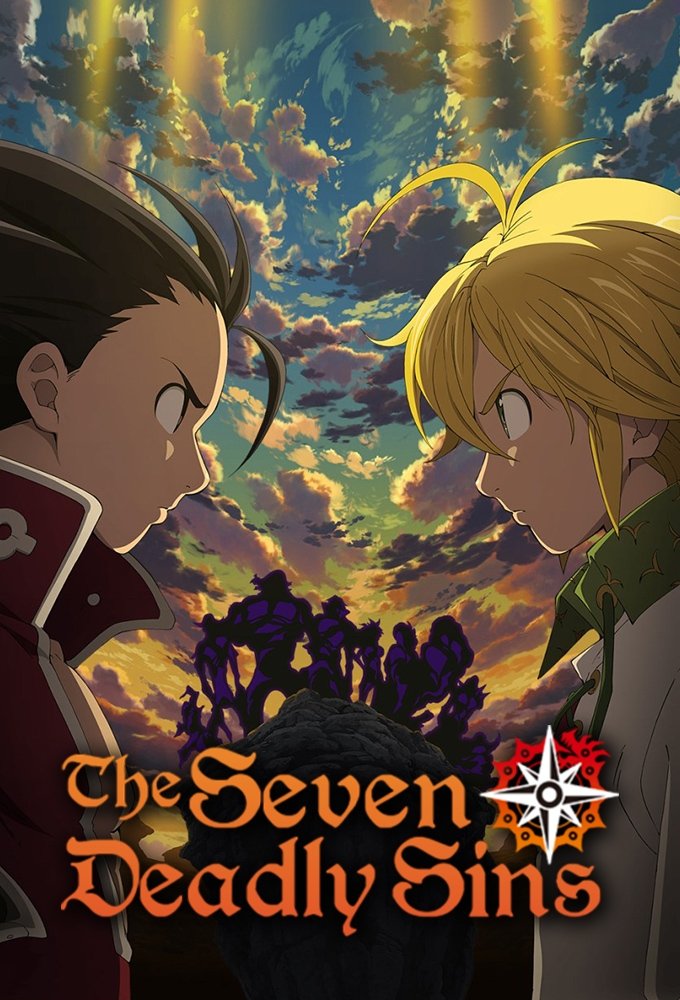
Studio Deen delivered the follow-up cour concluding Britannia’s Holy War, continuing from ‘Wrath of the Gods’. Production tables listed a mix of in-house and outsourced episodes, with staff rotations across key animation and compositing. The adaptation compressed late-manga confrontations, prioritizing plot resolution across limited broadcast slots. BD volumes restored effects layers and touch-ups while preserving TV-version scene order.
‘The Promised Neverland’ Season 2 (2012)
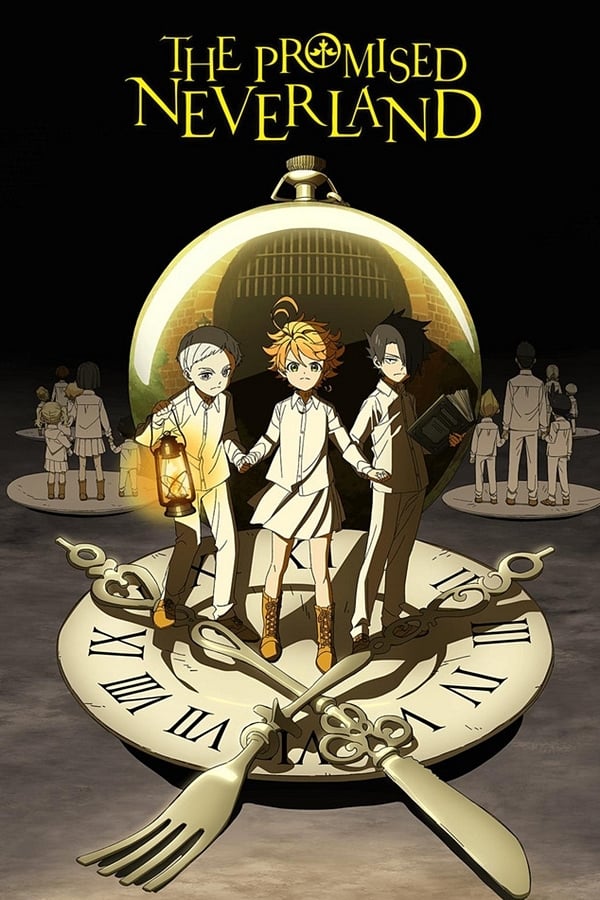
CloverWorks advanced the escape narrative with original-route decisions that skipped or condensed arcs and characters present in the manga. Episode guides noted time-skips and montage storytelling to bridge several plotlines, including world-building reveals that were heavily summarized. Official statements acknowledged changes to maintain a self-contained cour structure. Home video extras provided clean OP/EDs and minor visual fixes but retained the broadcast sequence.
‘Boruto: Naruto Next Generations’ (2017–2023)

Studio Pierrot extended the Leaf Village timeline with a weekly schedule that mixed manga-adapted arcs and anime-original content. The production catalog spans academy life, Chūnin Exams revisions, Kara Organization conflicts, and numerous filler-classified episodes. Staff sheets show rotating episode directors and animation supervisors typical of long-running series. A mid-run rebranding to ‘Boruto: Two Blue Vortex’ in print created staggered adaptation pacing relative to televised material.
‘Yashahime: Princess Half-Demon’ (2020–2022)
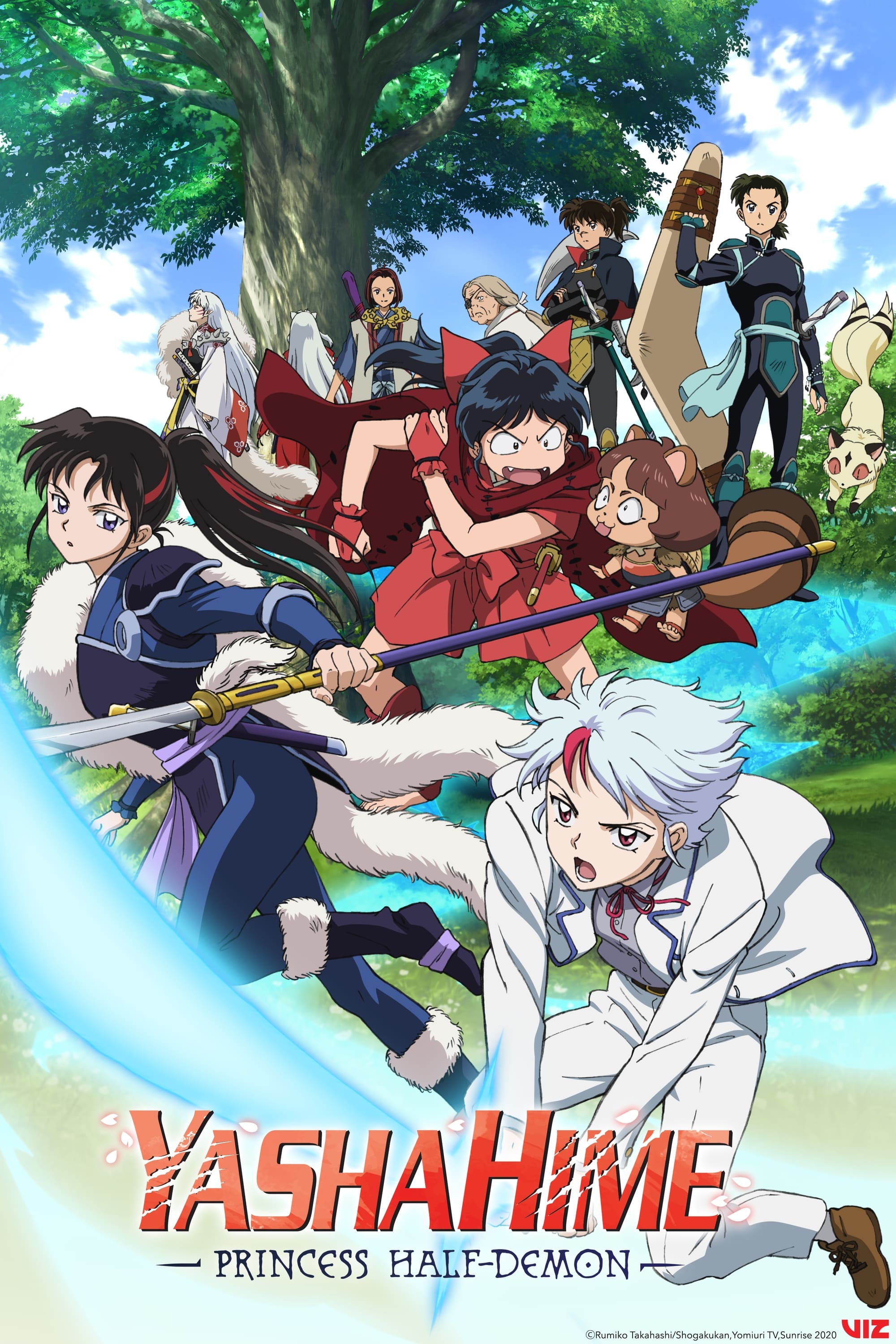
Sunrise followed the next generation of ‘Inuyasha’ characters, centering Towa, Setsuna, and Moroha with periodic cameos from the original cast. The show introduced Dream Butterfly lore and new demonic houses, with weapon progressions documented in official materials. Episode counts were split across two seasons, creating arcs that resolved at cours rather than a single long run. Guidebooks clarified relation charts between legacy characters and the new trio to orient viewers.
‘The Devil Is a Part-Timer!!’ (2022–2023)
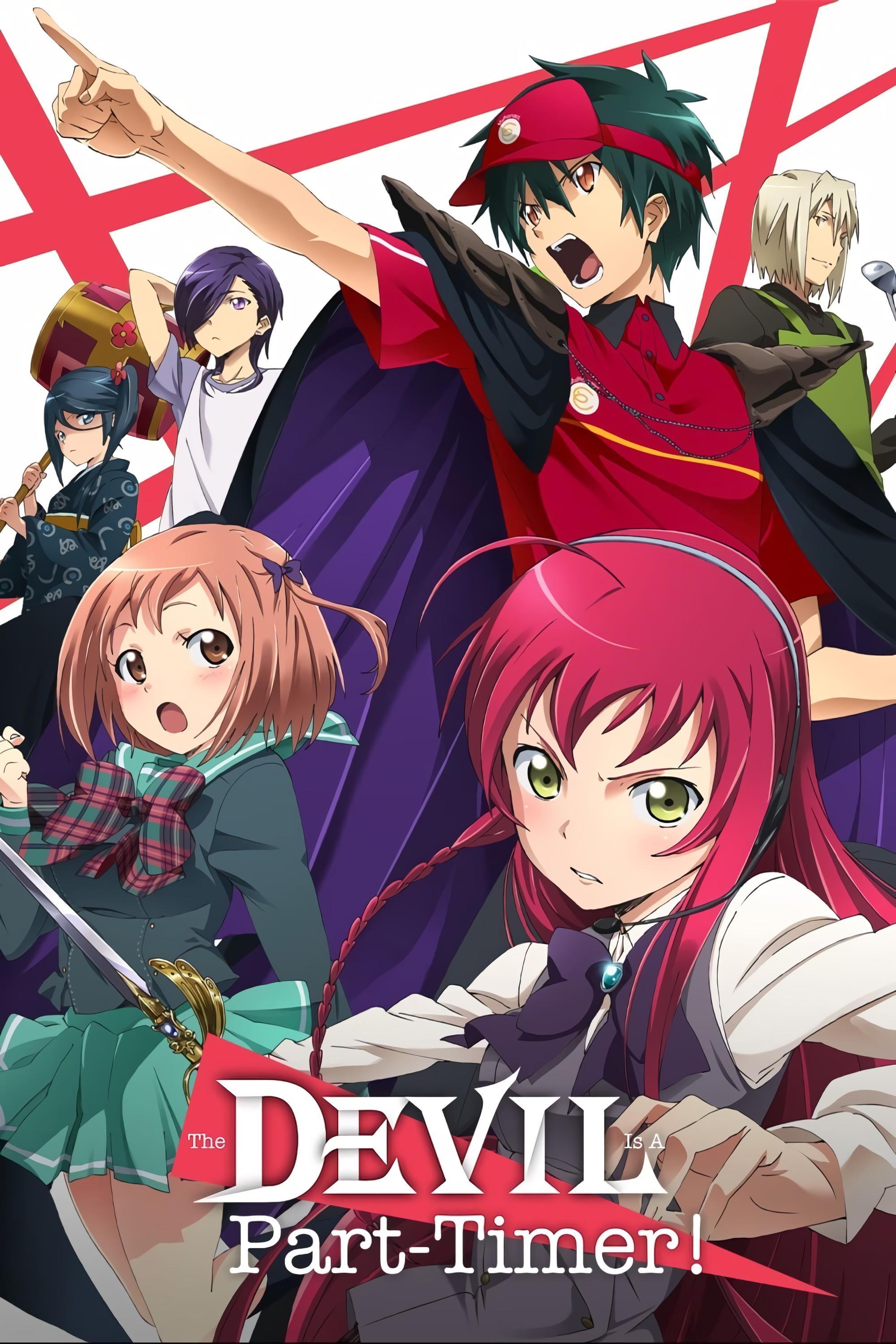
Studio 3Hz continued the workplace-comedy fantasy with new staff alignment compared to the original season’s production. The adaptation covered farmstay arcs, angelic factions, and the child Alas Ramus backstory while leaning on domestic set pieces. Credit lists show frequent chief animation supervisor handoffs and outsourced sequences across multiple episodes. Marketing materials emphasized light-novel continuity while acknowledging gaps since the prior televised run.
‘The Rising of the Shield Hero’ Season 2 (2022)
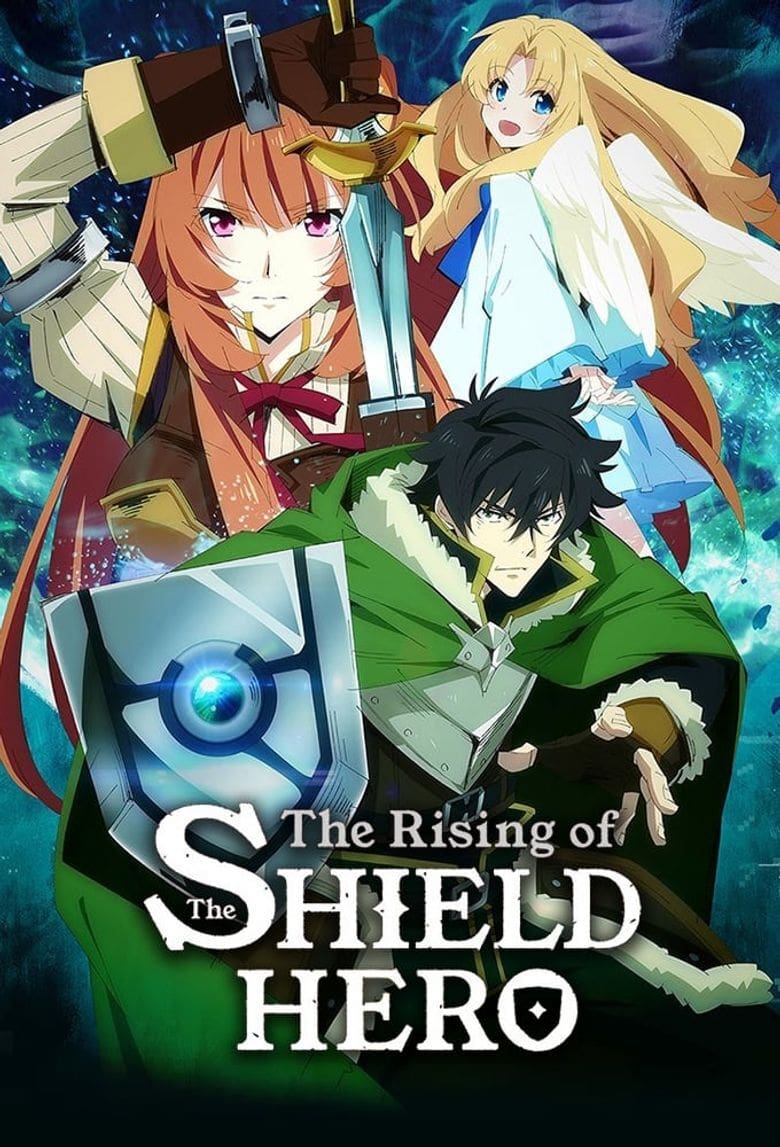
Kinema Citrus (with DR Movie credited) returned to adapt the Spirit Tortoise arc with a cour shorter than the initial season. Scheduling moved the run after a delay, and official synopses outlined a tighter focus on a single large-scale threat. Staff and broadcast notes recorded fluctuating animation teams per episode and revised cuts in home video. Season structure set up immediate handoff into the next arc, as indicated by post-finale promotional materials.
‘Code Geass: Lelouch of the Re;surrection’ (2019)
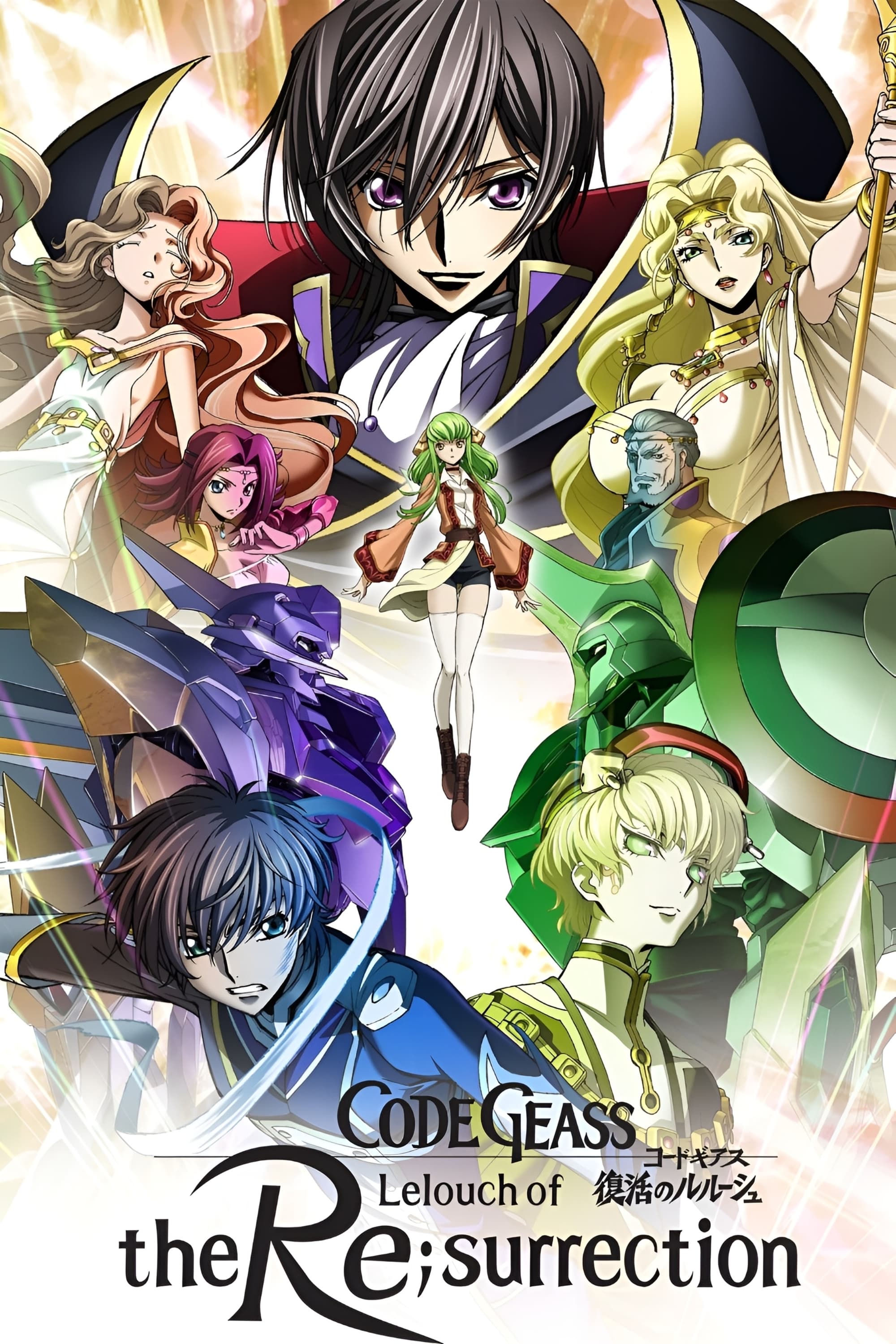
Sunrise’s feature-length continuation followed the trilogy compilation movies’ continuity rather than the original TV ending, establishing a parallel canon. The film introduced Zilkhstan and new Geass users, with production notes explaining character age placements and political geography. Staff interviews detailed why the compilation-timeline route was chosen to enable this story. Official maps and pamphlets from theatrical screenings clarified setting boundaries and faction movements across the film.
Share the sequel that let you down the most—and why—in the comments so everyone can compare notes on what changed and where it went sideways.