Anime That Were Cancelled Right When They Got Good



Some anime build up intriguing worlds, hook viewers with strong arcs, and then stop short due to business decisions, studio troubles, or source-material hurdles. The titles below didn’t just end—they were cut off before adapting major storylines or resolving key conflicts, often leaving only manga or light novels to finish the tale. For each entry, you’ll find concrete details like studios, episode counts, broadcast info, source status, and what material remains unadapted. If you’re looking to continue any of these stories, track the original manga or novels—they often carry the plot far beyond where the shows stopped.
‘Stars Align’ (2019)
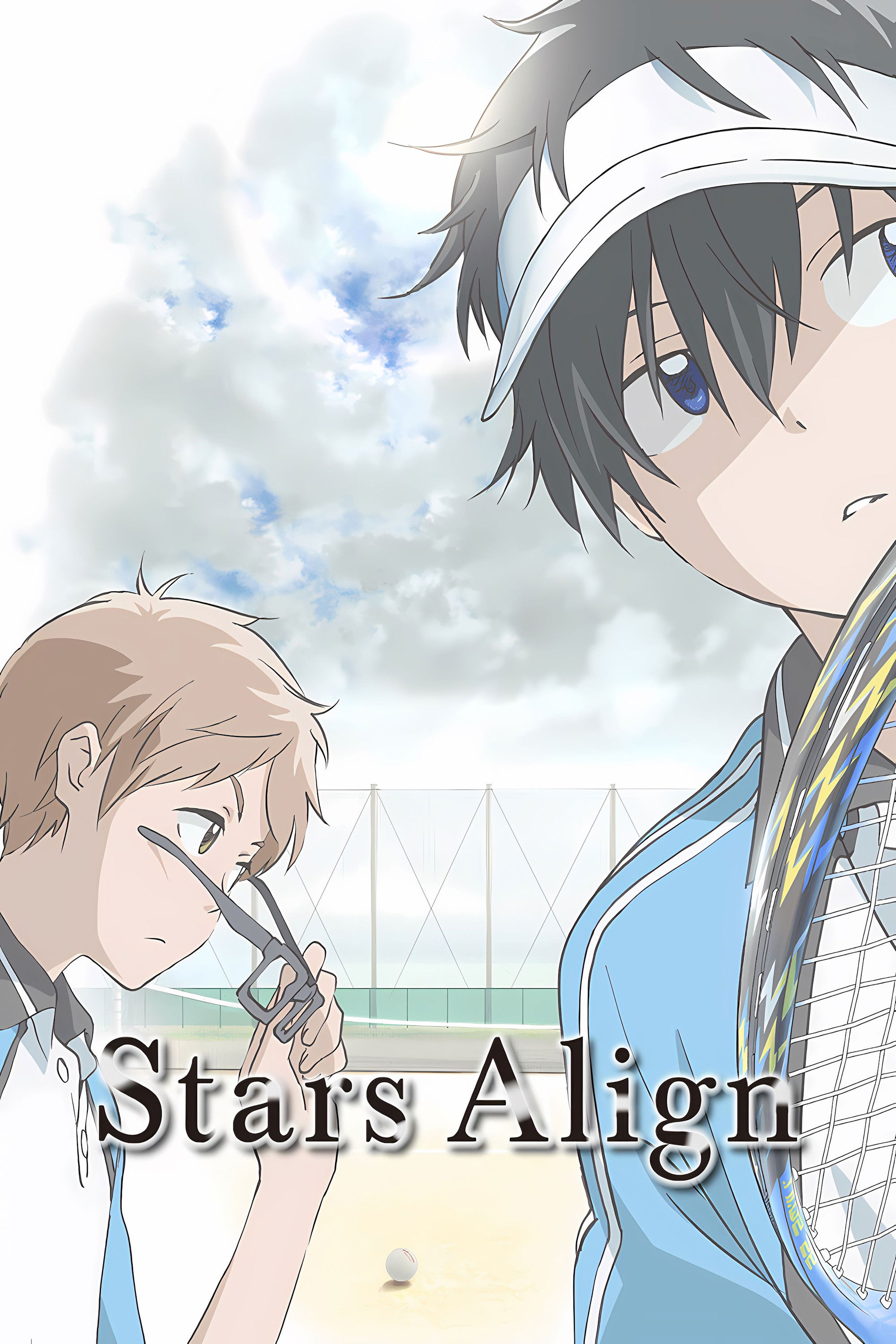
The series ran for 12 episodes on TBS and other networks, produced by studio Eight Bit, with creator Kazuki Akane serving as director and writer. It was publicly stated that a planned 24-episode run was cut to 12, leaving the original outline only half-adapted. The show centers on a struggling middle-school soft tennis team and interweaves family and school dynamics with sports progression. Akane shared scripts and notes after broadcast to document the material that the production could not animate.
‘Gangsta.’ (2015)
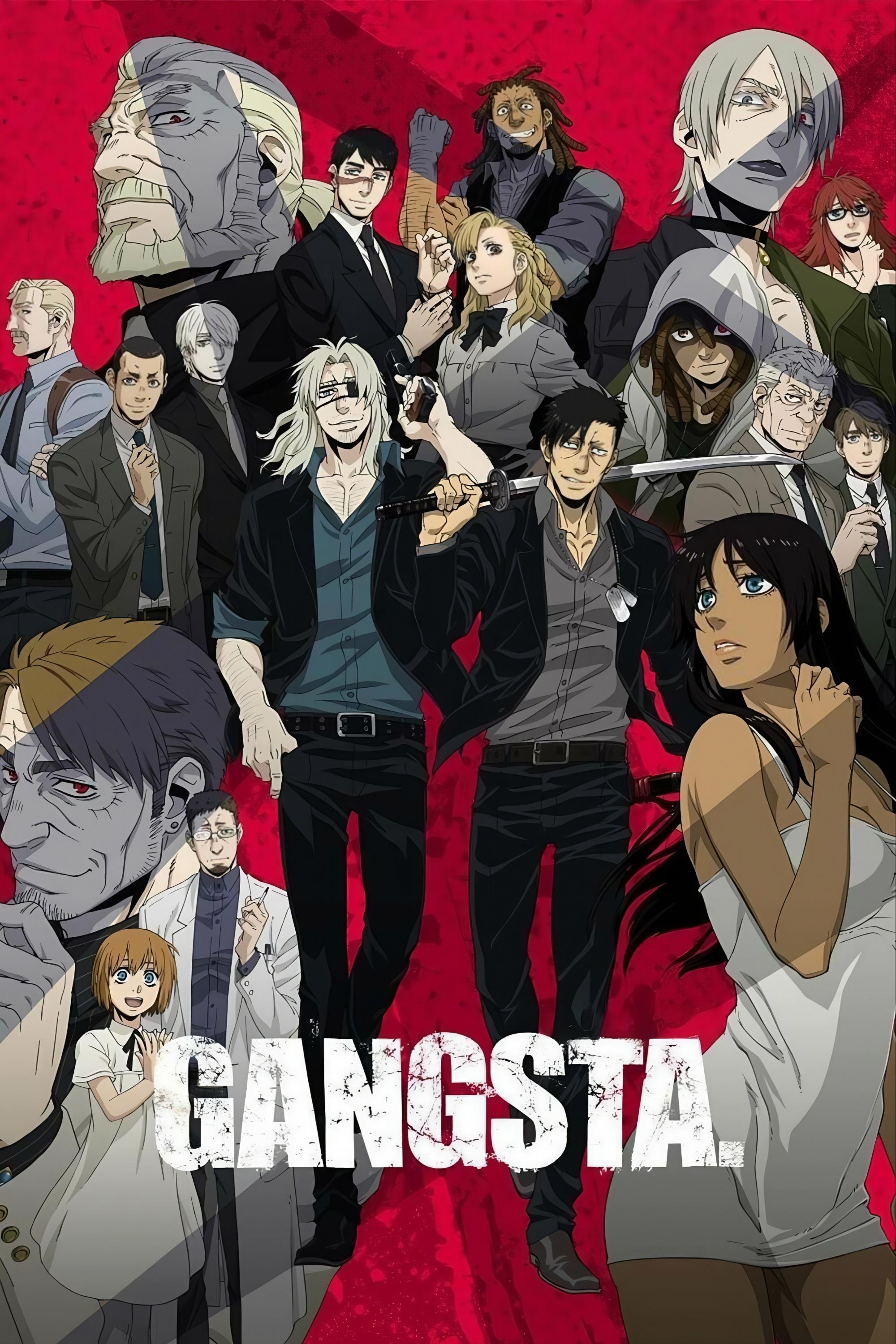
Animated by Manglobe and aired in Japan on ABC and other stations, the 12-episode adaptation covers early arcs of Kohske’s manga. Manglobe filed for bankruptcy soon after broadcast, halting any follow-up production. The show follows “Handymen” Worick and Nicolas as they navigate crime factions and “Tags” in the city of Ergastulum. The manga continues beyond the anime’s stopping point, introducing additional syndicate conflicts and character backstories.
‘Deadman Wonderland’ (2011)

Produced by Manglobe, the 12-episode series aired on TV Kanagawa and other networks and adapts only the early prison arcs from Jinsei Kataoka and Kazuma Kondou’s manga. An OVA episode (“Red Knife Wielder”) was released, but no second season materialized. The manga proceeds to multiple major confrontations, including the broader conspiracy behind the facility and the nature of the “Branches of Sin.” Home-video and disc sales were not strong enough to secure continuation at the time.
‘Claymore’ (2007)
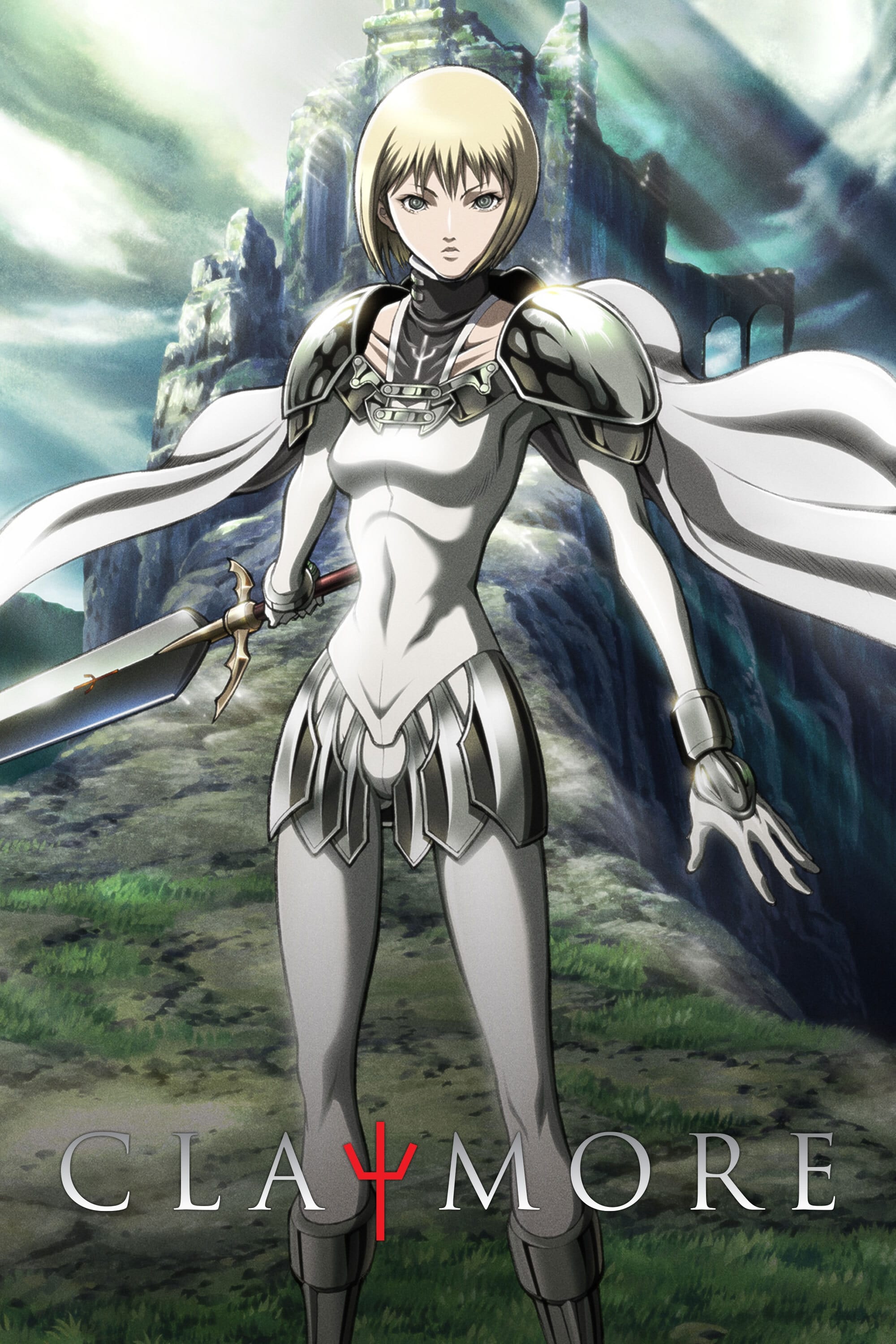
Madhouse produced 26 episodes that aired on Nippon Television, adapting Norihiro Yagi’s manga through the Pieta conflict before diverging with an anime-original ending. The televised conclusion precluded a straightforward continuation once the manga progressed. The source material continues with the Organization’s secrets, the Northern Campaign’s aftermath, and post-Pieta power shifts. The full manga run extends well beyond the anime’s coverage.
‘Rurouni Kenshin’ (1996–1998)

Studio Gallop and Studio Deen handled the TV series, which aired on Fuji TV for 94 episodes. The anime concluded without adapting the manga’s Jinchū/Enishi arc, moving into filler after the Kyoto arc and ending broadcast before the source’s final storyline. Later OVAs addressed parts of the narrative in different formats, but a full TV adaptation of the concluding arc never occurred in the original run. The manga provides the canonical resolution of Kenshin’s conflict with Enishi.
‘Saint Seiya: The Lost Canvas’ (2009–2011)
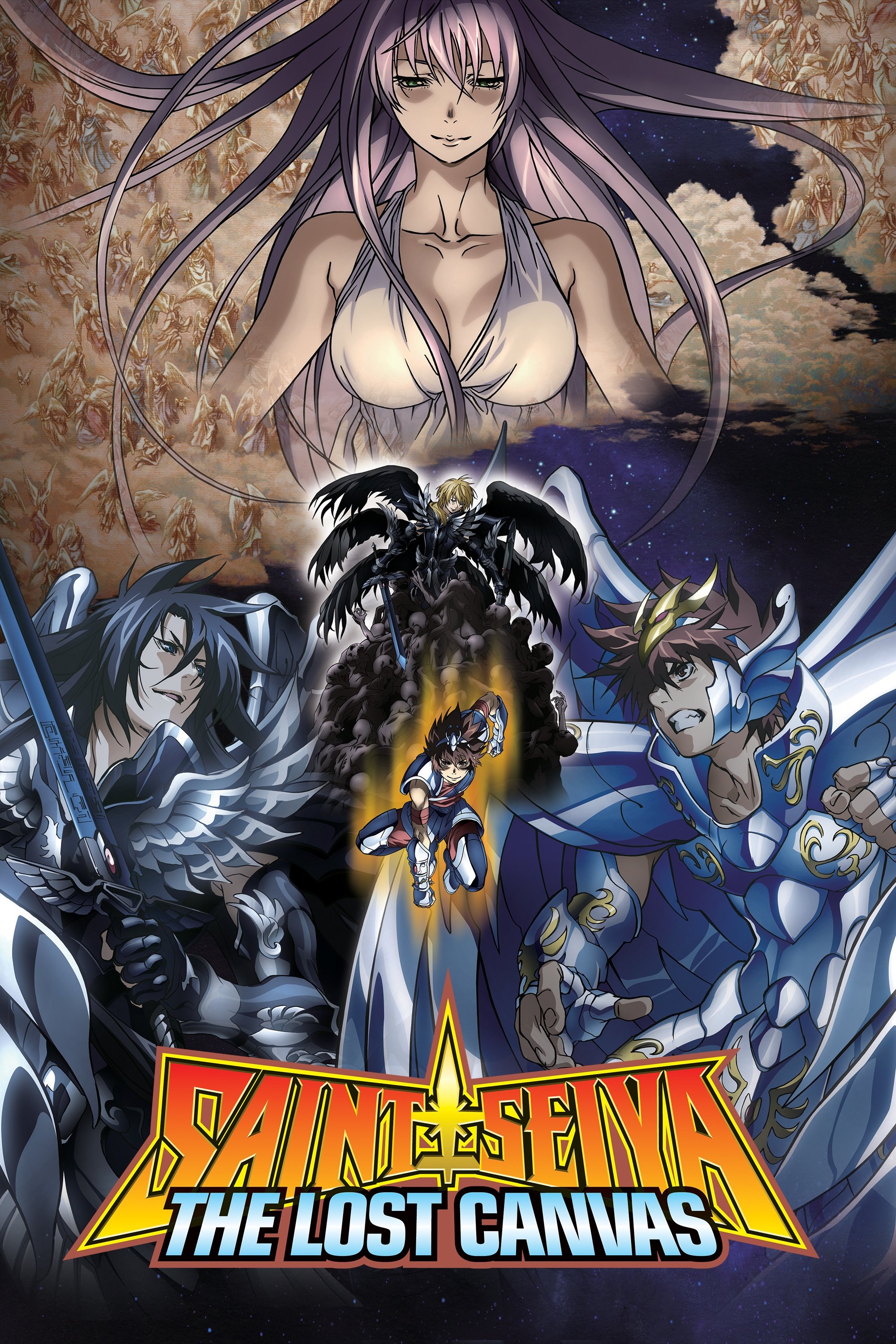
This spin-off was produced as an OVA series by TMS Entertainment, totaling 26 episodes across two seasons. Despite covering the 18th-century Holy War setup and several Specter battles, the OVA project ceased without animating the remainder of the manga. The source material by Shiori Teshirogi continues with additional Gold Saints’ pasts and the war’s later phases. Distribution was via home video and select platforms rather than a long TV broadcast.
‘The Big O’ (1999–2003)
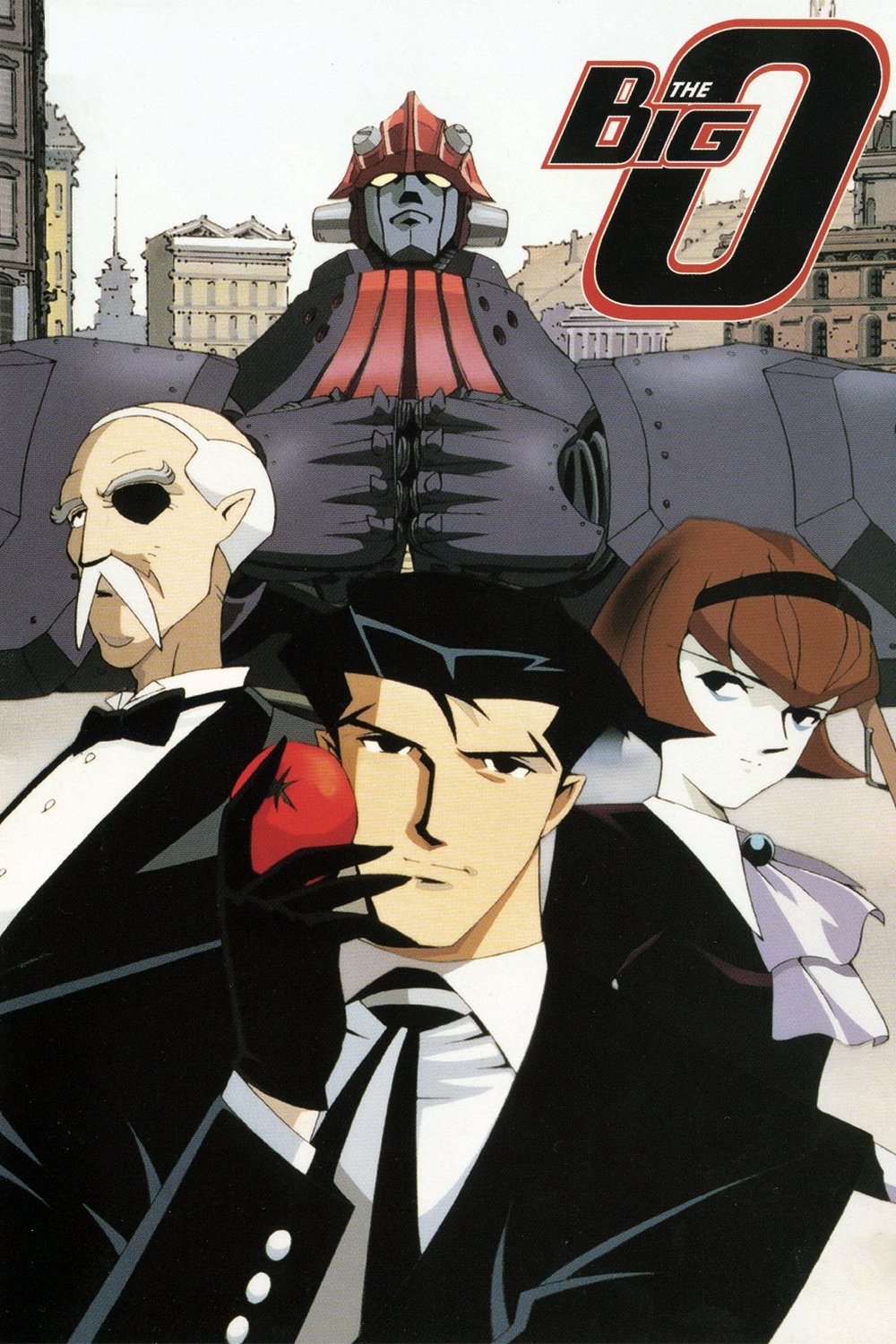
Sunrise created a 13-episode first season that aired in Japan and later found a strong audience on Cartoon Network, leading to a 13-episode second season co-produced with the U.S. broadcaster. Season 2 concluded on television in 2003, and plans for a third season did not advance. The property blends mecha and noir as Paradigm City’s amnesia conceals political and technological histories. Official print continuations and guide materials exist, but no televised continuation followed.
‘Highschool of the Dead’ (2010)

Madhouse adapted Daisuke Satō and Shōji Satō’s manga into a 12-episode TV series with an OVA special, broadcasting on AT-X and networks in 2010. The manga went on hiatus due to the author’s health and later stopped entirely following his passing, which effectively prevented new canonical material for a second season. The animated run covers the initial outbreak and early-group survival beats in the city. Subsequent storylines in the manga, including longer-term group dynamics and territorial conflicts, were never animated.
‘Berserk’ (1997–1998)
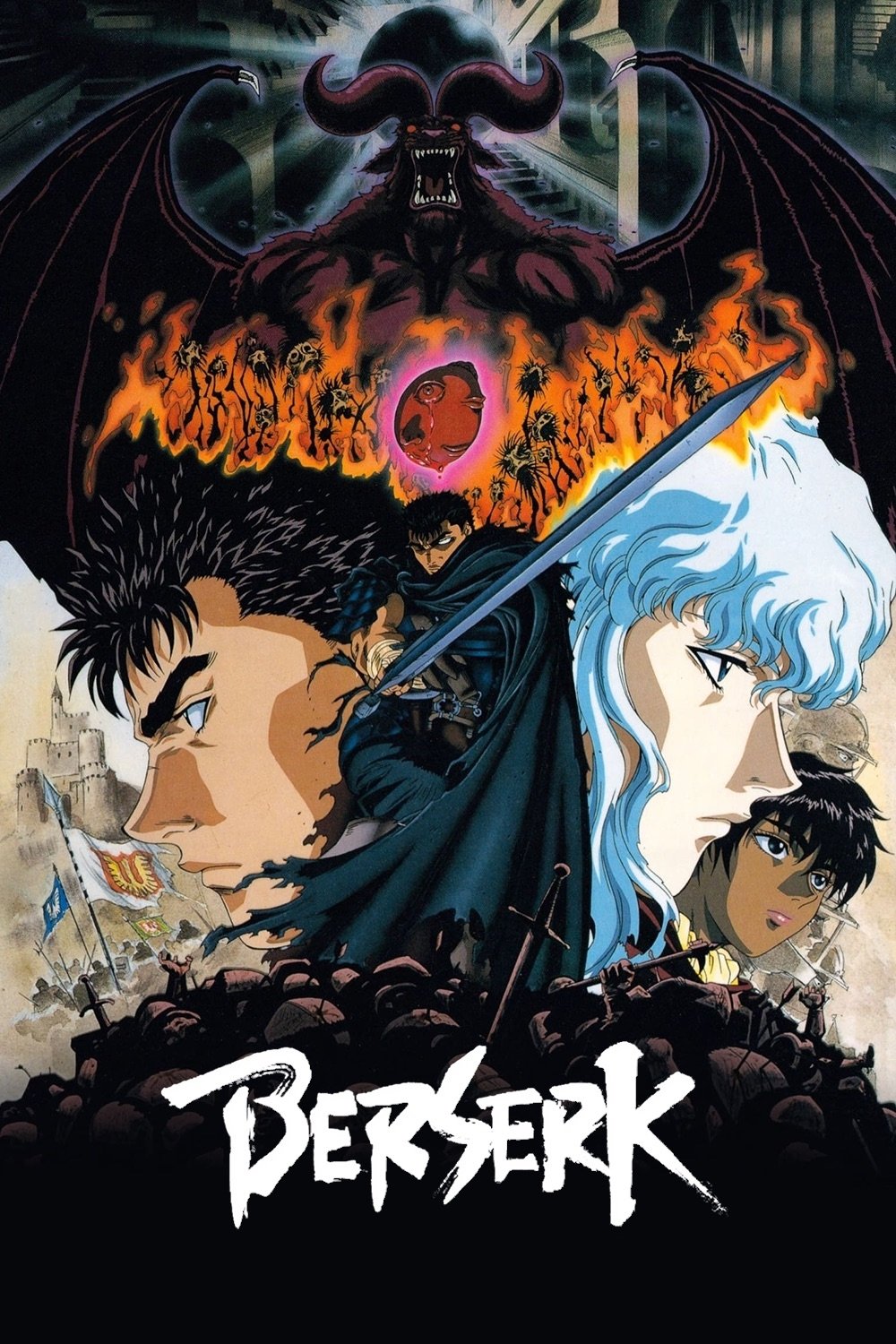
OLM’s 25-episode TV series aired on Nippon TV and adapts the Golden Age arc up through the Eclipse. The broadcast ends precisely where the manga’s modern-era narrative begins, leaving the post-Eclipse journey unanimated at that time. Later film and TV projects revisited parts of Golden Age and post-Eclipse content, but this original series itself did not continue. Viewers seeking the storyline beyond the Eclipse rely on Kentaro Miura’s manga.
‘Berserk’ (2016–2017)
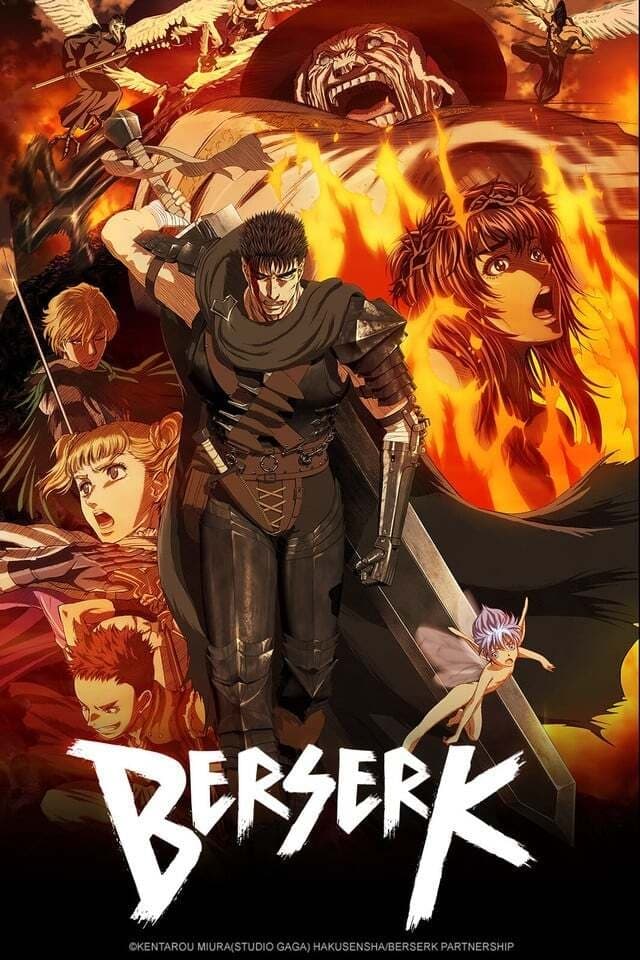
This sequel, produced by GEMBA and Millepensee with involvement from Liden Films, ran for two 12-episode seasons on WOWOW and MBS. It adapts segments following the Golden Age, including early Conviction and Falcon of the Millennium Empire content, then stops. Further seasons covering long arcs like Fantasia did not follow in this production line. The manga remains the definitive continuation for events after these adaptations.
‘Nana’ (2006–2007)
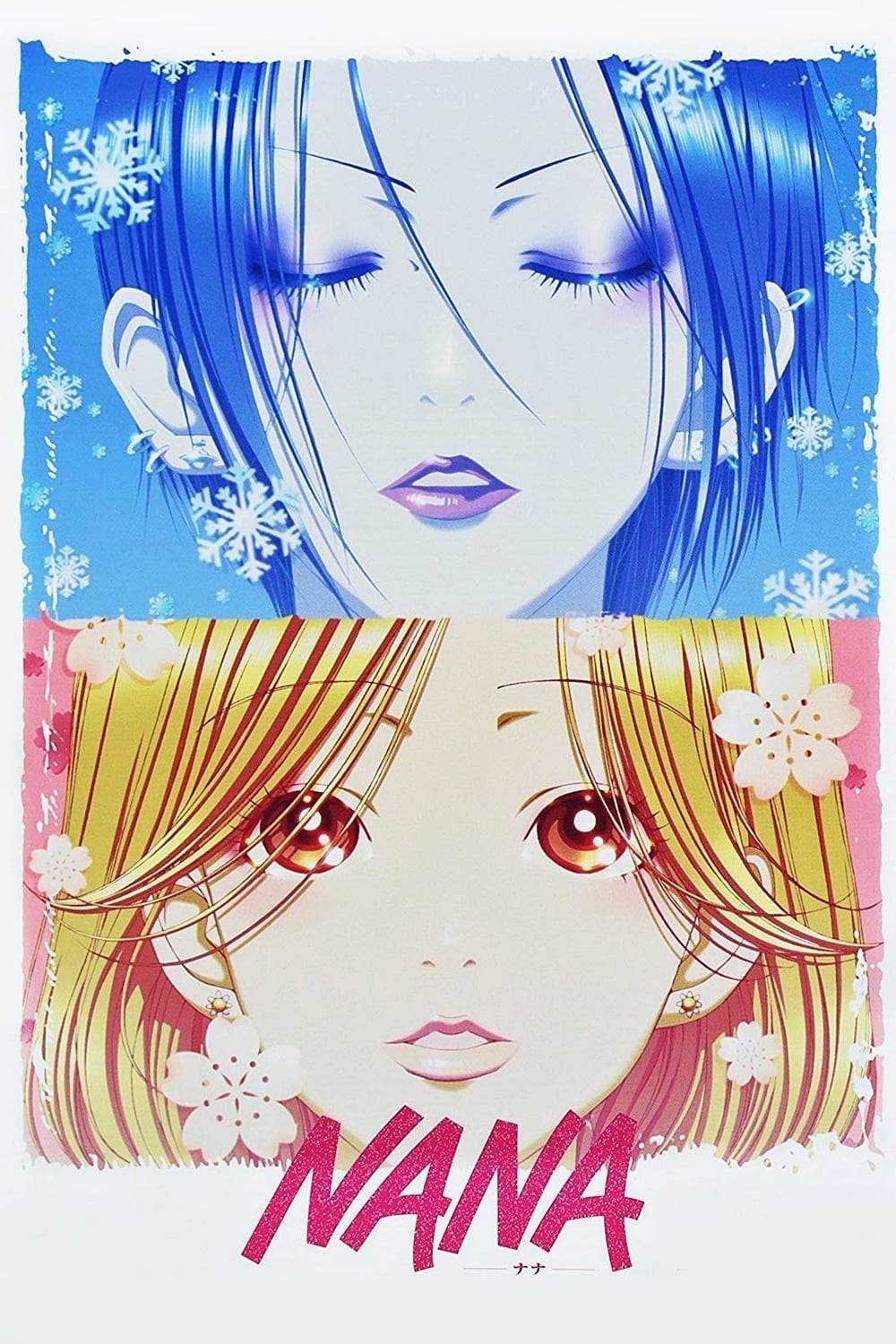
Madhouse produced 47 TV episodes for NTV adapting Ai Yazawa’s manga up to a significant mid-story point. The manga went on extended hiatus due to the author’s health, which stalled any new TV material. The anime covers the formation of relationships around the two title characters and the early professional music arcs. No televised sequel was produced following the hiatus.
‘Btooom!’ (2012)
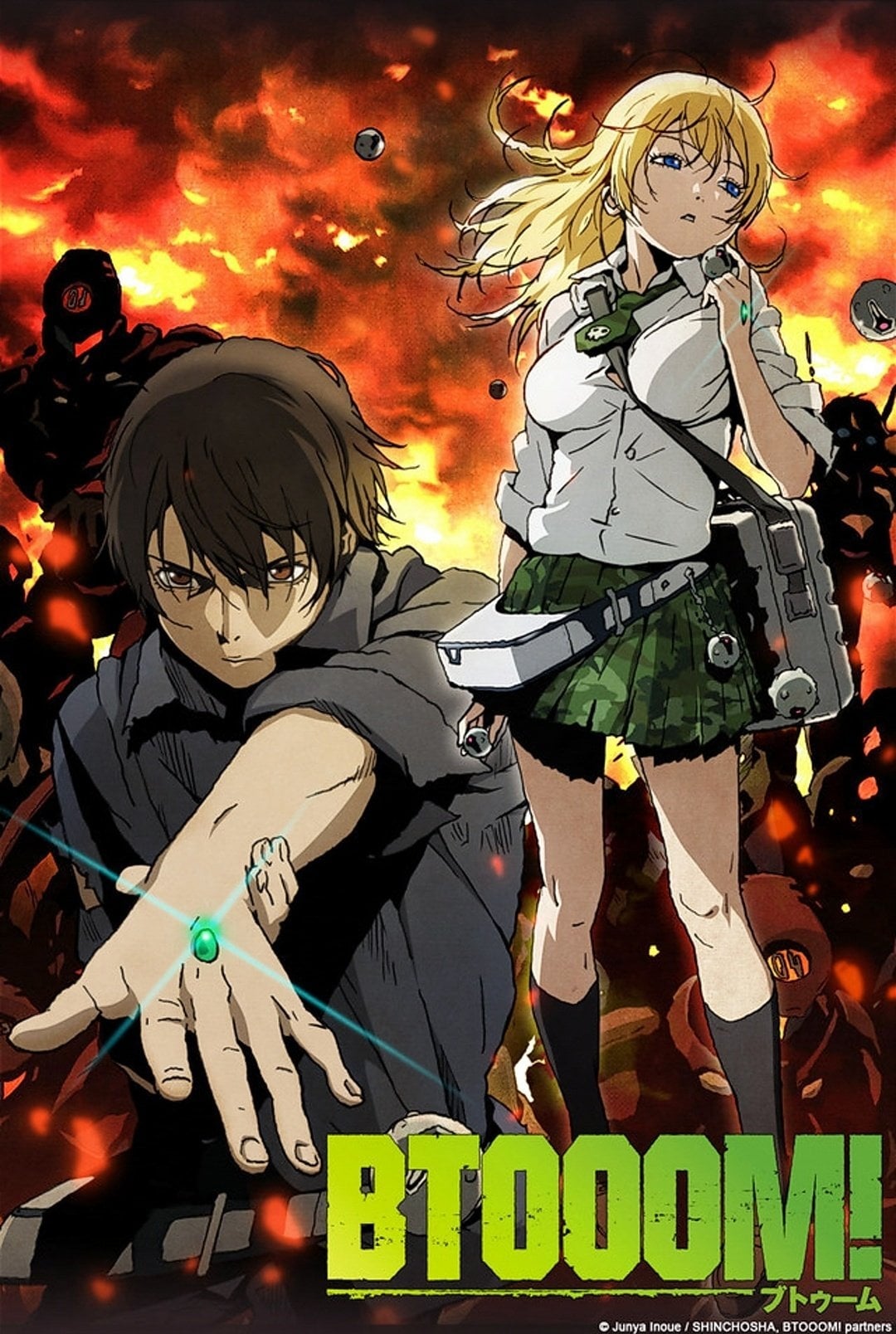
Produced by Madhouse and broadcast on Tokyo MX and other stations, the 12-episode season adapts the early survival-game arcs from Junya Inoue’s manga. The anime ends before major late-game factions and endgame mechanics unfold. The manga later offered alternate endings, providing resolution not present in the TV version. No official second season was produced.
‘Zetman’ (2012)
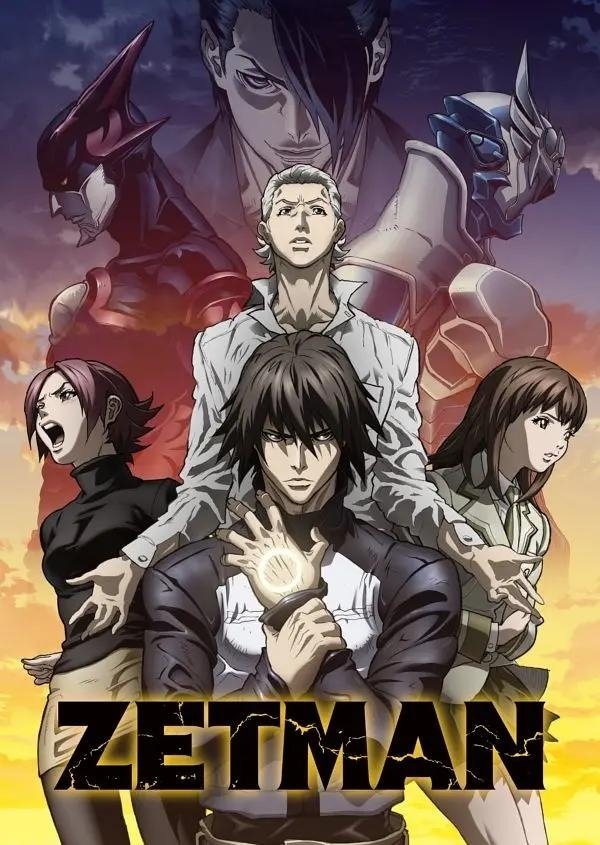
TMS Entertainment adapted Masakazu Katsura’s superhero manga into a 13-episode TV series that aired on Yomiuri TV. The show compresses multiple arcs and ends prior to longer-running conflicts between human and monstrous “Players.” Story threads involving Jin’s evolution and corporate conspiracies continue extensively in the manga. No subsequent season expanded the televised storyline.
‘Drifters’ (2016)
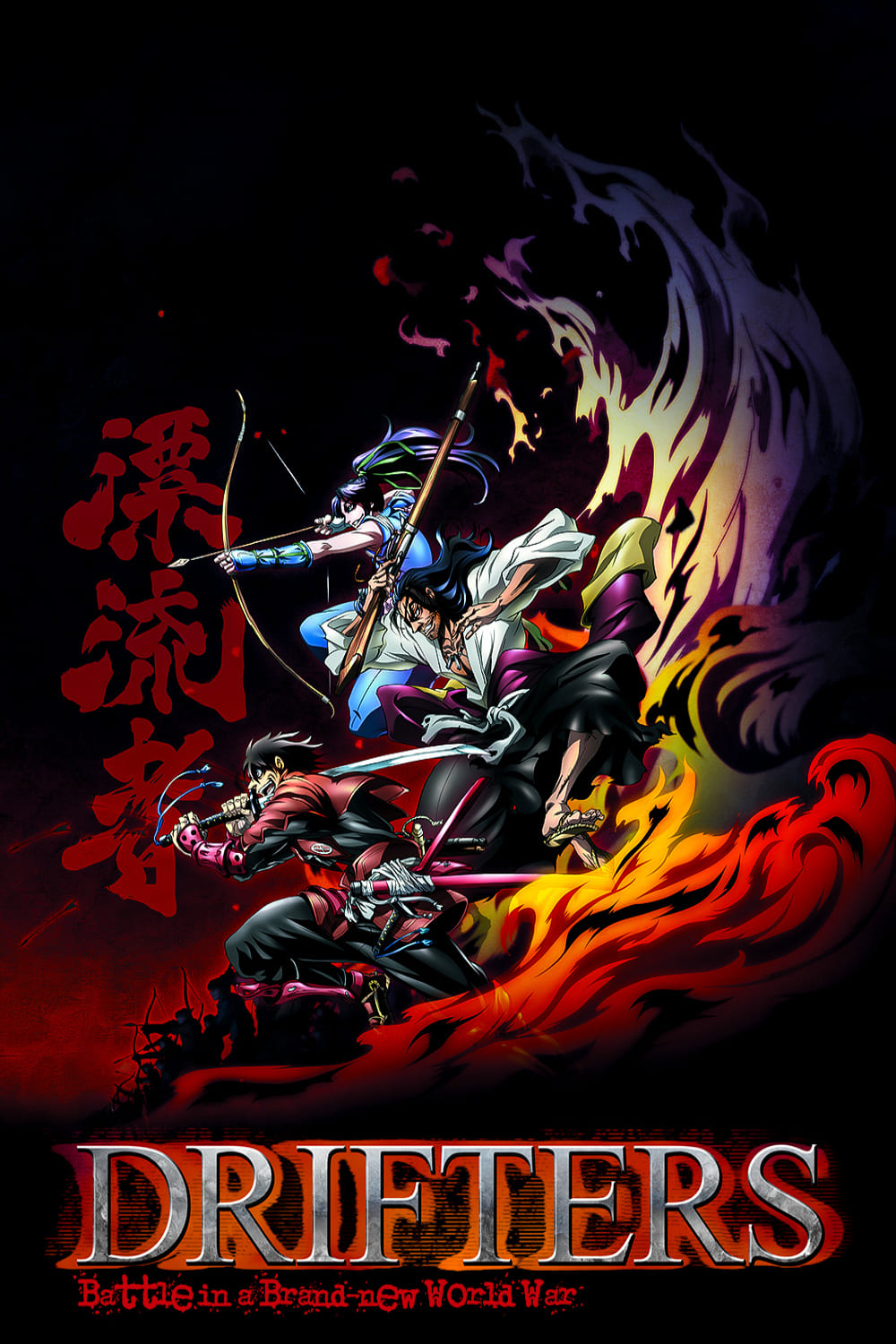
Hoods Drifters Studio produced 12 TV episodes and later released OVA material, adapting Kouta Hirano’s manga setup of historical warriors transported to a fantasy battlefield. A “to be continued” message appeared, but no further TV cour followed. Broadcast ran on Tokyo MX and other stations, and home-video releases bundled the OVAs. The manga continues the war’s larger-scale strategies and introduces additional historical figures not shown in the series.
‘The Twelve Kingdoms’ (2002–2003)
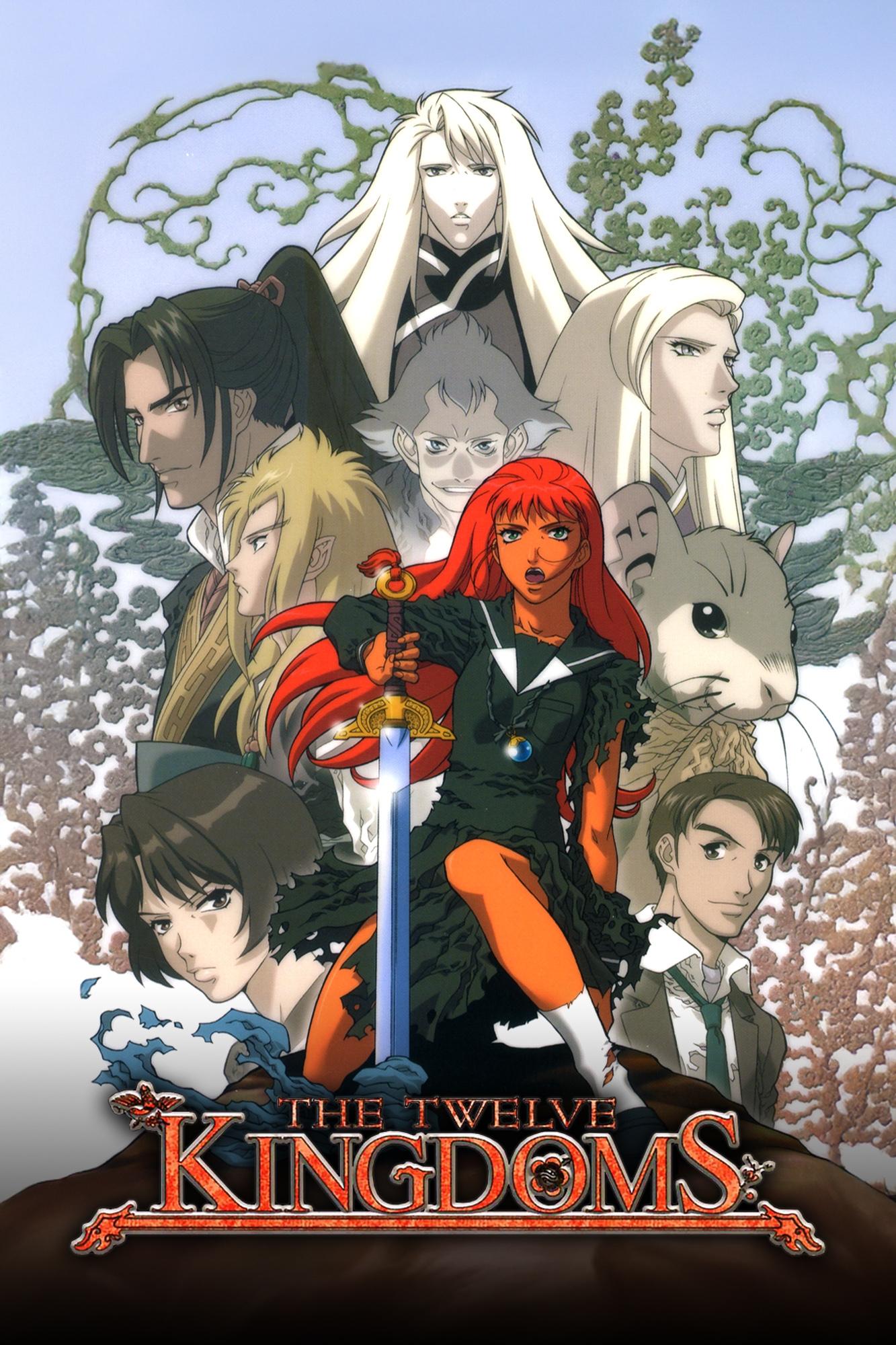
Studio Pierrot adapted Fuyumi Ono’s novel cycle into 45 TV episodes airing on NHK. The anime concludes after covering several book arcs, and further novels released later were never animated. Production did not continue with new seasons to adapt additional country arcs and character returns. The prose series remains the comprehensive source for events beyond the show.
‘Kenichi: The Mightiest Disciple’ (2006–2007)
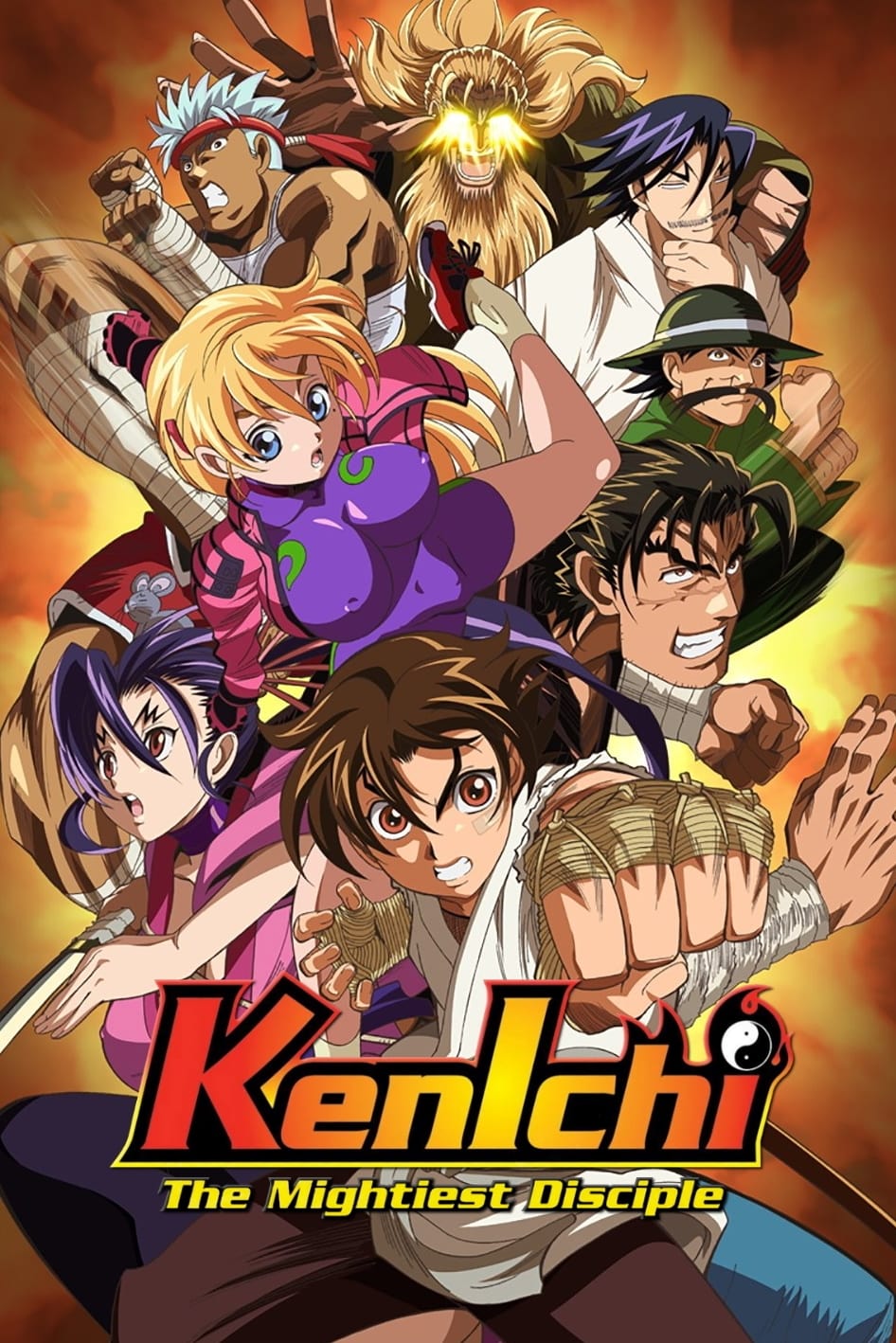
Produced by TMS Entertainment, the TV adaptation aired for 50 episodes on TV Tokyo, followed years later by OVA installments. The main broadcast ends before later manga arcs involving larger organizations and tournament progressions. The OVAs adapt selected arcs but do not complete the full story. The manga concludes the narrative that the TV series only partially covered.
‘Air Gear’ (2006)
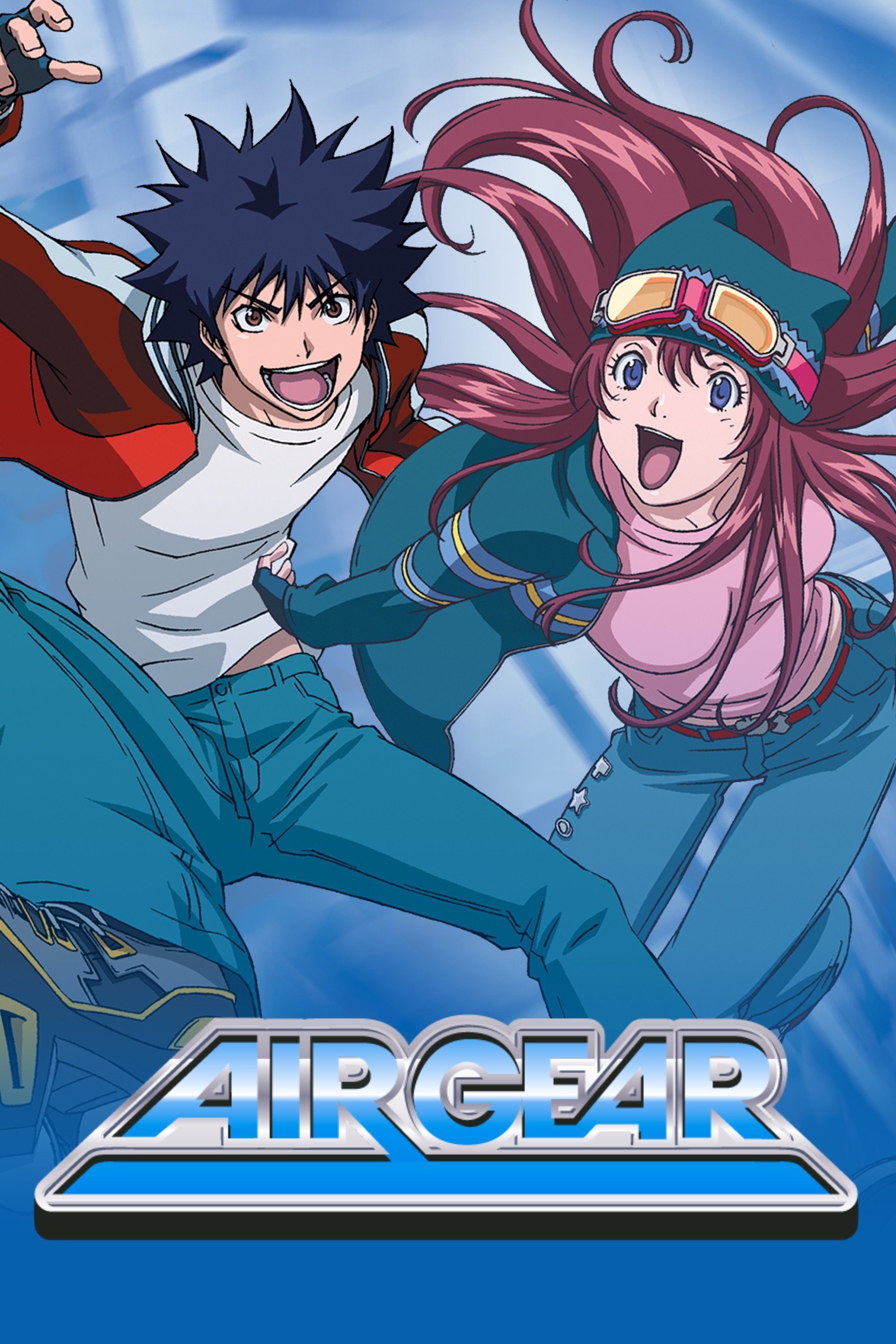
Toei Animation produced 25 TV episodes that aired on TV Tokyo, with later OVAs by Satelight covering specific arcs. The televised run adapts initial “Air Trek” team-building and rival battles but stops before many late-story developments. The manga continues with broader conflicts, new teams, and higher-stakes matches. No full second TV season was made to bridge the remaining material.
‘Bleach’ (2004–2012)
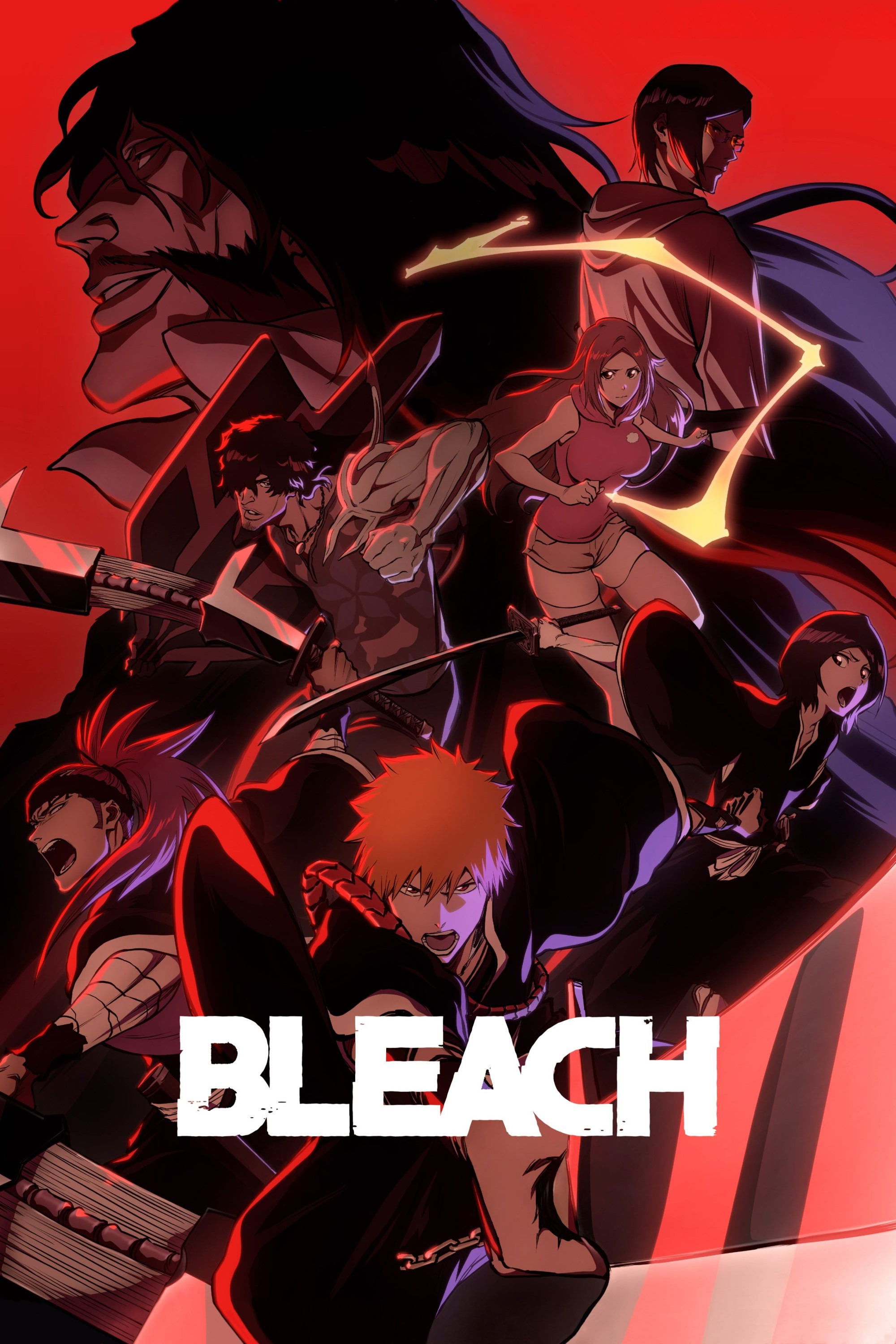
Studio Pierrot’s original TV run aired on TV Tokyo for 366 episodes and concluded in March 2012 without adapting the Thousand-Year Blood War arc at that time. The manga continued through that final arc, which remained unanimated until a separate revival years later. The original broadcast covered Soul Society, Arrancar, and Fullbring storylines before ending. The gap left a major canon arc untouched in the 2004–2012 run.
‘Shaman King’ (2001–2002)
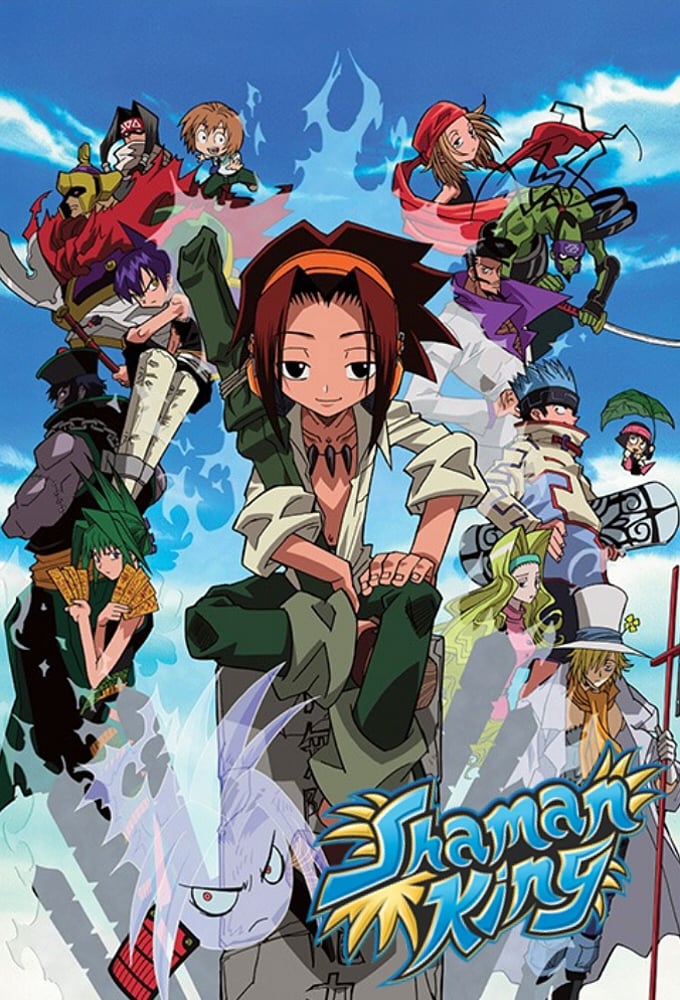
Xebec’s 64-episode TV series aired on TV Tokyo and reached an anime-original conclusion that diverges from Hiroyuki Takei’s manga. The manga continued with the true tournament outcomes and post-tournament developments not represented in the 2001–2002 broadcast. Later, a separate remake project adapted the complete story, but the original show did not. Fans seeking the canonical resolution turned to the manga until the remake arrived.
‘Beelzebub’ (2011–2012)
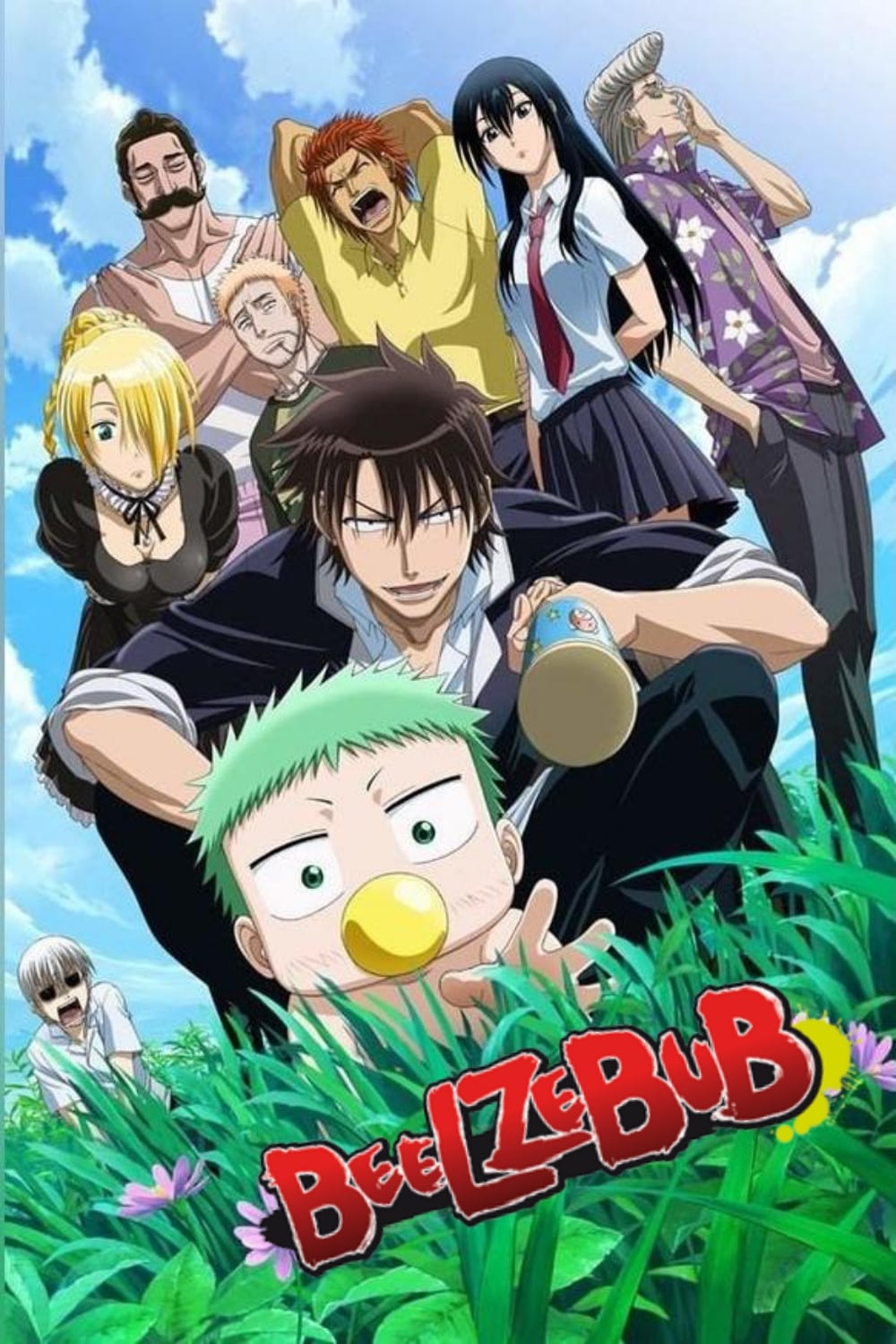
Studio Pierrot’s 60-episode adaptation aired on Nippon TV and follows the delinquent-comedy setup through early and mid arcs. The broadcast ended before later manga storylines, including expanded demon-world conflicts and school rivalries. While specials and cross-media appearances exist, a new TV season was not produced to adapt the remaining chapters. The manga provides the full scope of Oga and Beel’s progression beyond the TV cutoff.
Want to add more unfinished gems to the list—or flag one that finally returned? Drop your picks in the comments and tell us which stories you’re still waiting to see completed.