Anime Openings That Are Significantly Better Than The Show Itself

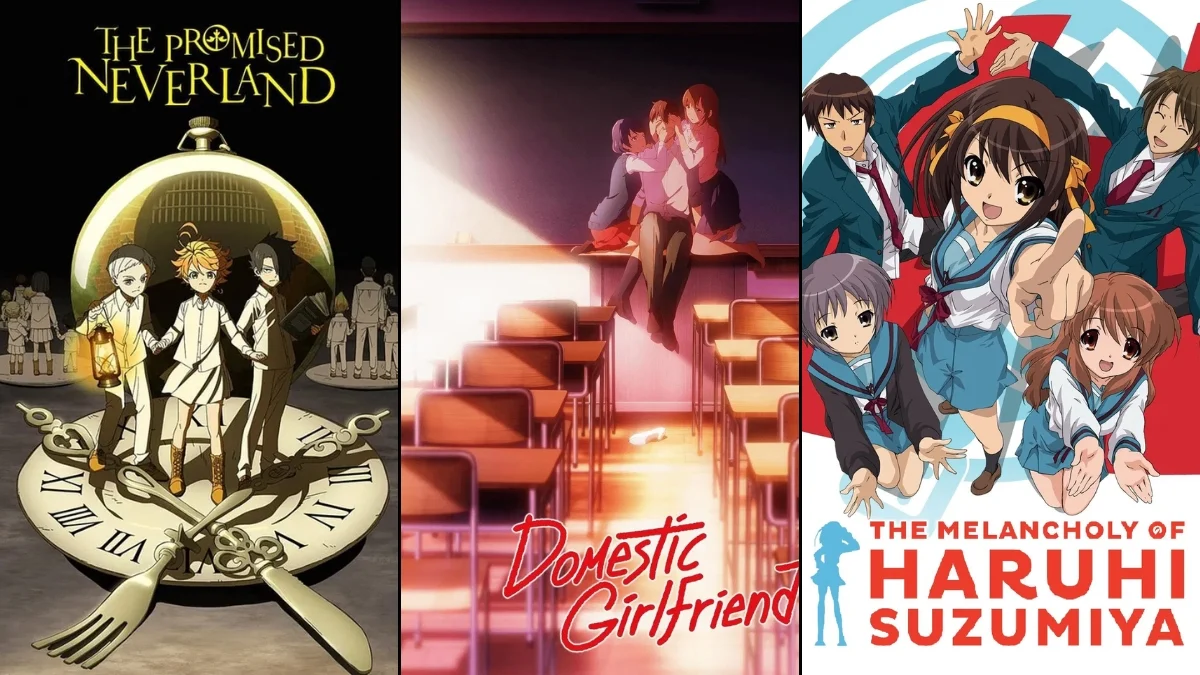

Great openings stick in your head—hooking you with a perfect mix of music, visuals, and tone long before the plot kicks in. The best ones do real work: establishing themes, building a world in under two minutes, and sometimes becoming pop hits on their own. Below are anime openings that stand out for their craft, clever direction, and cultural reach, with concrete details on songs, artists, studios, and how each sequence was put together. Use this as a quick reference for who made what, when it aired, and why these OPs still circulate on playlists and clip reels years later.
‘Neon Genesis Evangelion’ (1995) – “A Cruel Angel’s Thesis” by Yoko Takahashi
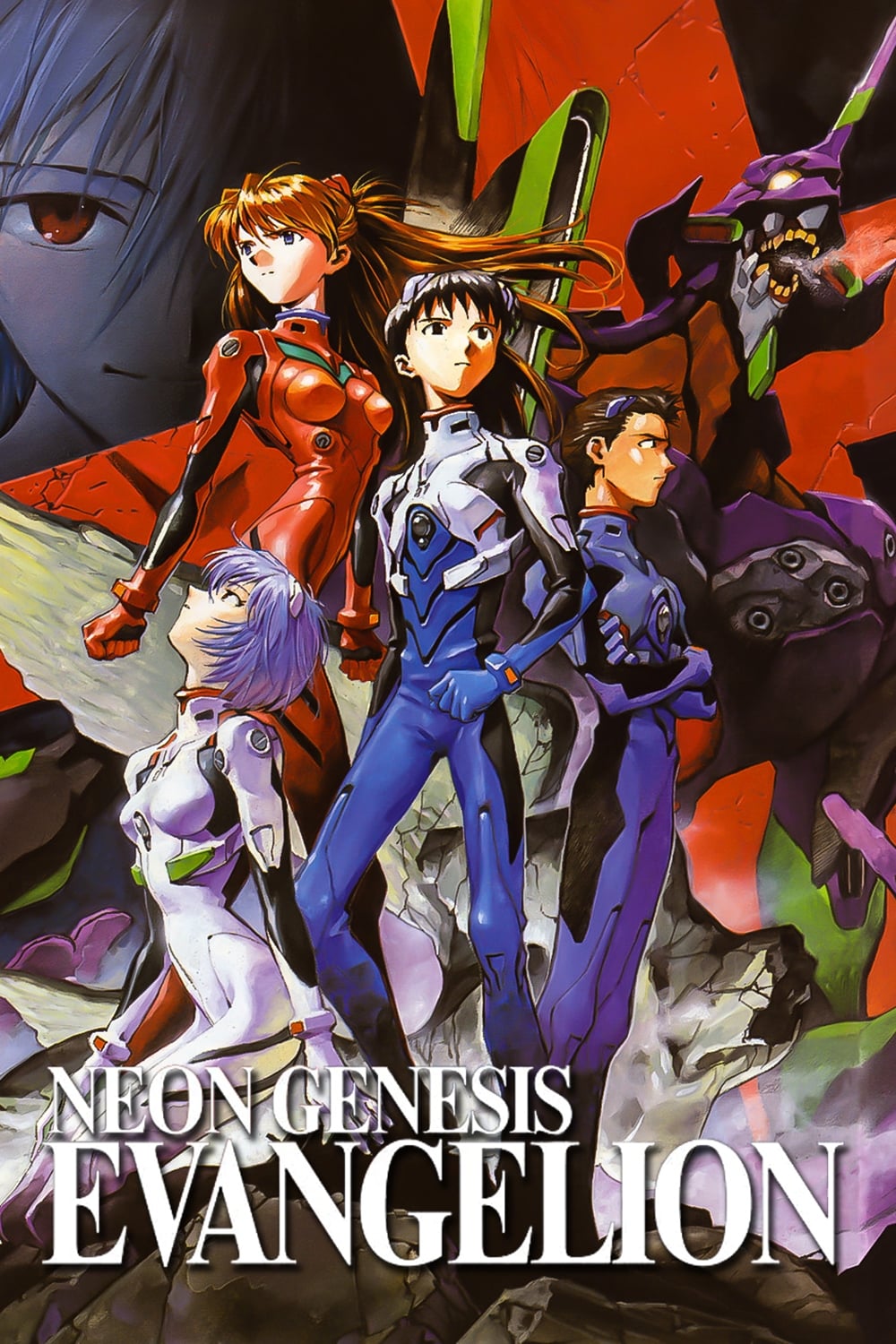
The TV-size version debuted with the October 1995 broadcast on TV Tokyo and quickly became a karaoke staple in Japan. The OP pairs fast-cut montage editing, typographic overlays, and character stills to telegraph the show’s psychological and religious motifs. The single was released by King Records and has been reissued multiple times, with numerous chart appearances and covers. Its visual composition—credits sliding over stark silhouettes and archival imagery—became a reference point for later OP typography.
‘Tokyo Ghoul’ (2014) – “Unravel” by TK from Ling Tosite Sigure
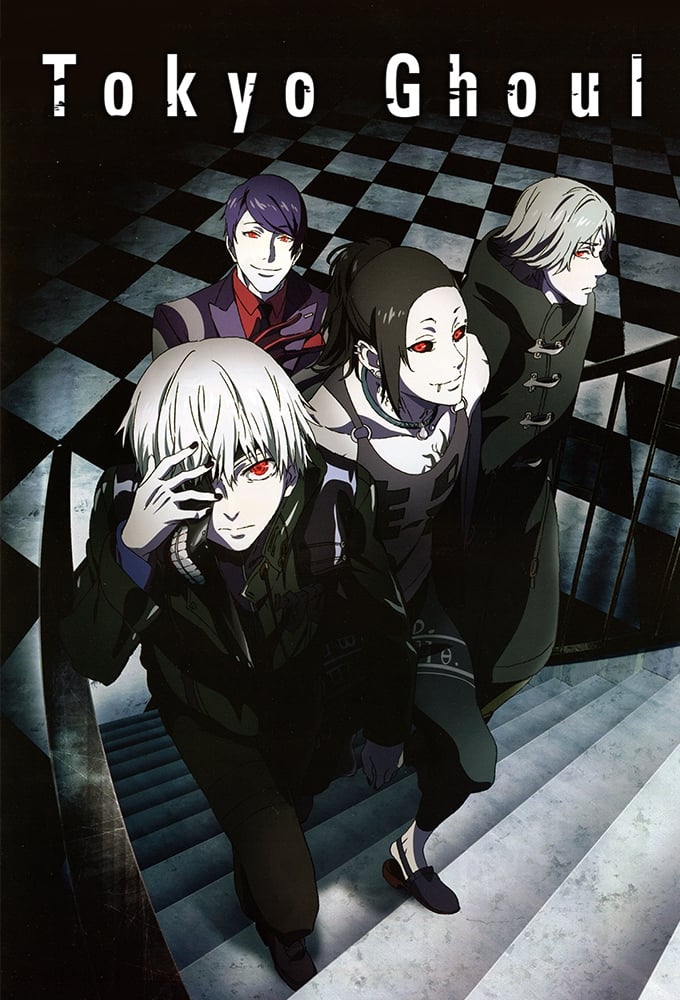
The track’s falsetto vocals and dynamic tempo shifts mirror the series’ identity themes, and the OP’s restrained color palette uses glitchy overlays to foreshadow body horror elements. Produced at Studio Pierrot, the sequence spotlights Kaneki’s mask and the red/black motif that became franchise iconography. The single was released by Sony Music and saw strong digital sales and streaming longevity in Japan and abroad. The opening’s minimalist framing made it a frequent template for fan edits and homages.
‘The Melancholy of Haruhi Suzumiya’ (2006) – “Bouken Desho Desho?” by Aya Hirano
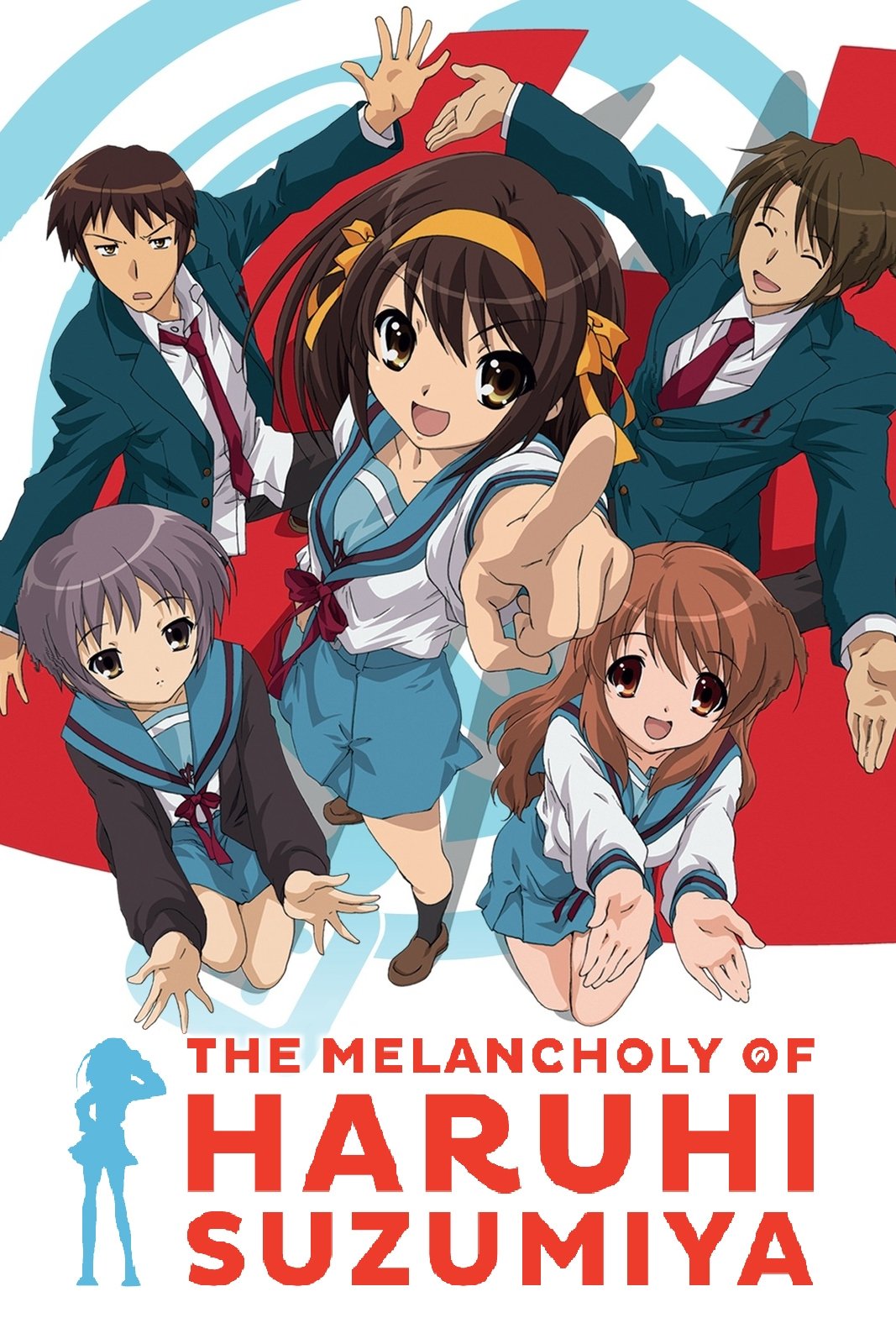
Kyoto Animation’s OP emphasizes character acting and campus life beats to establish the SOS Brigade’s slice-of-life cadence before the show’s nonlinear gimmicks appear. The song’s single, released by Lantis, boosted Aya Hirano’s profile alongside the series’ breakout. While the ending dance became the meme, the OP’s breezy shot-to-shot continuity and color design set the school-comedy mood with surgical efficiency. Broadcast versions used crisp timing cues to align character cuts with the chorus hits.
‘Noragami’ (2014) – “Goya no Machiawase” by Hello Sleepwalkers
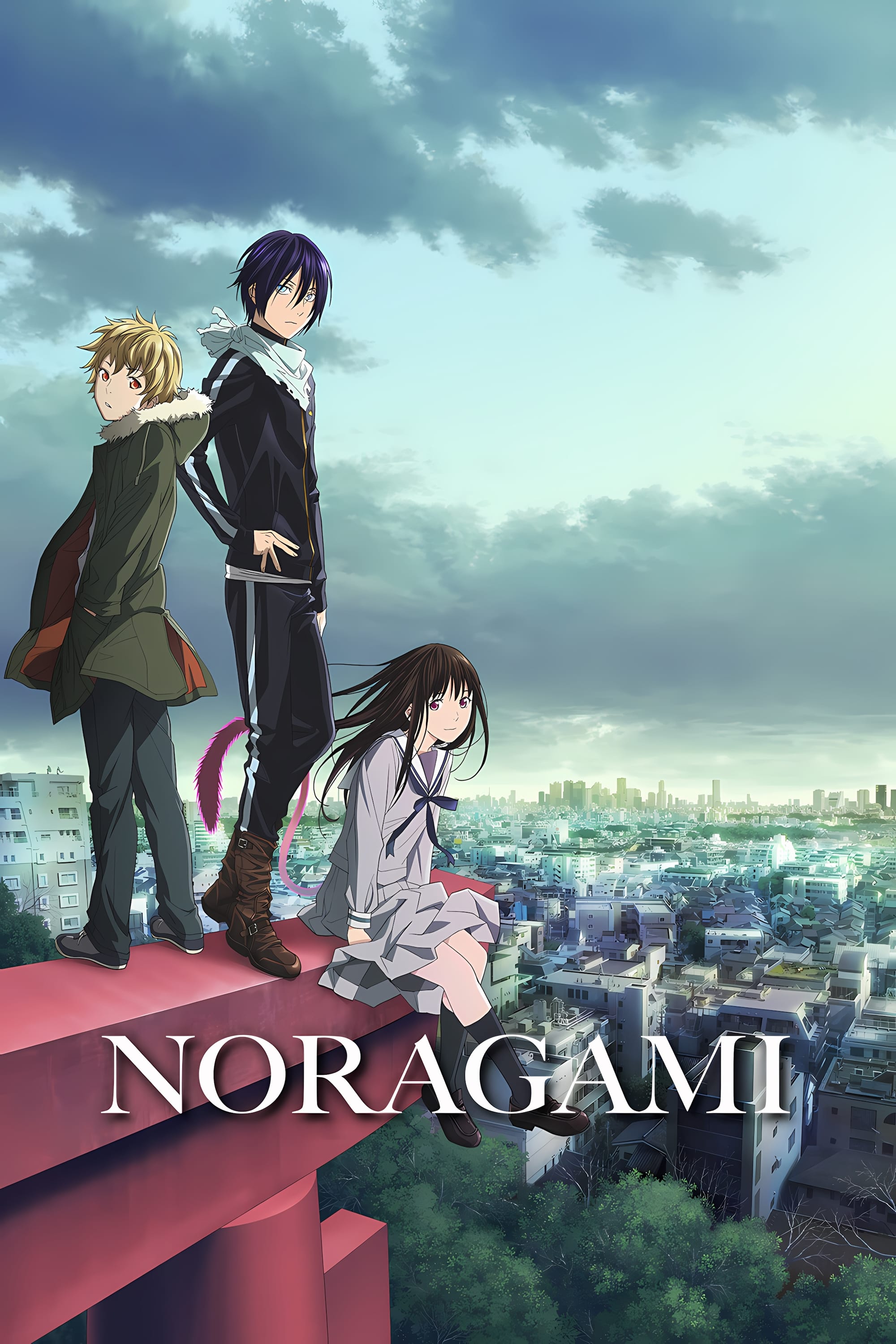
Bones’ OP leans on black-white contrast with neon accents, combining urban silhouettes and kinetic pans to place Yato in a contemporary myth setting. The single, released by A-Sketch, introduced many overseas viewers to the band. Visuals highlight street signage, alleyways, and freeze-frame typography to underline the god-for-hire premise. The rhythmic editing matches drum fills to quick character reveals, making the chorus a reliable sync point for promo clips.
‘Domestic Girlfriend’ (2019) – “Kawaki wo Ameku” by Minami
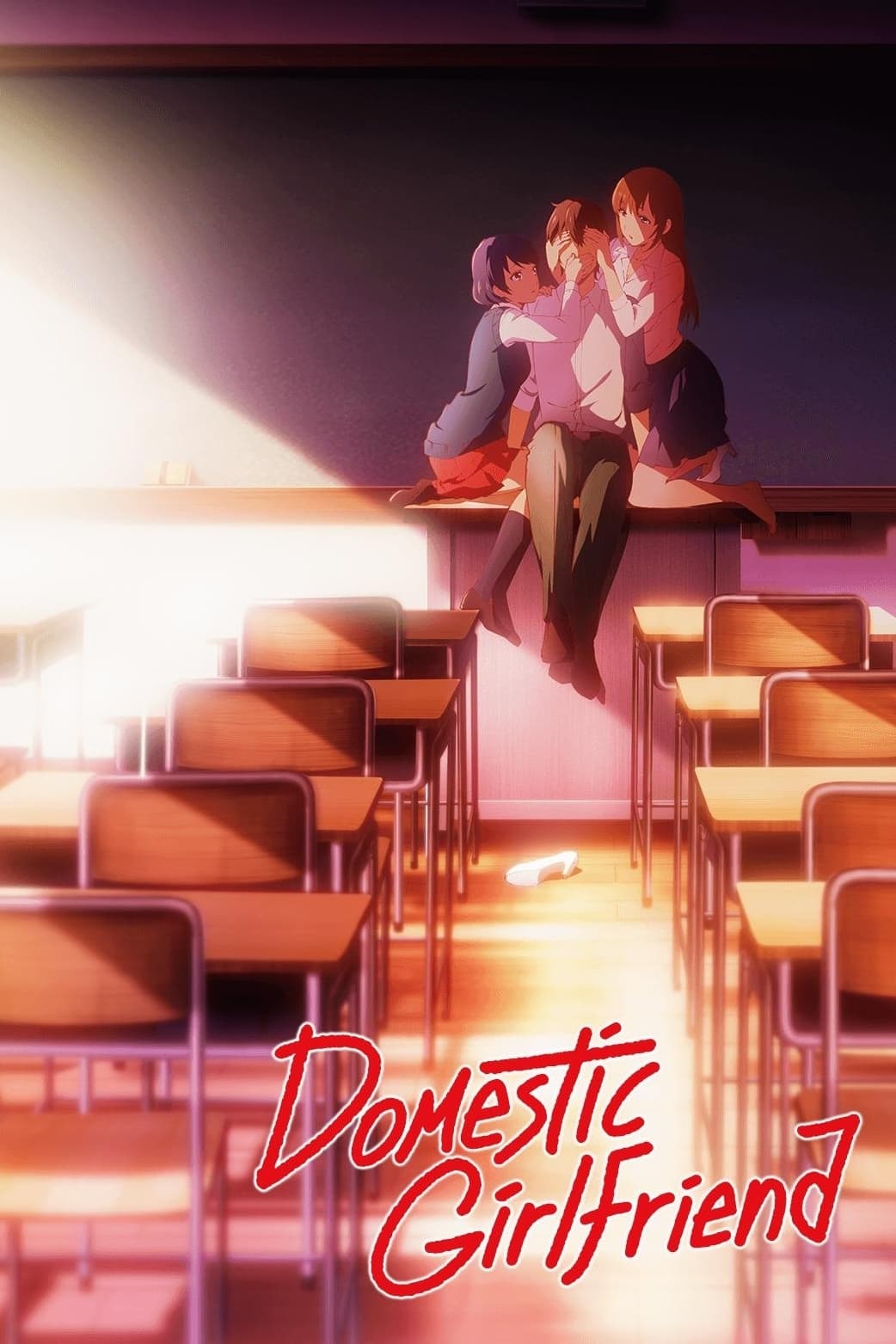
The OP intercuts close-ups, shattered-glass transitions, and stark color blocks to map the show’s love-triangle tension. The single, released under FlyingDog, trended on Japanese streaming charts and brought mainstream attention to Minami’s songwriting. The sequence uses recurring motifs—rain streaks, window frames, and lyric-matched cuts—to reinforce the confessional tone. Its timing emphasizes pre-chorus build-ups with jump cuts that land precisely on the downbeat.
‘Dororo’ (2019) – “Kaen” by Queen Bee (Ziyoou-vachi)
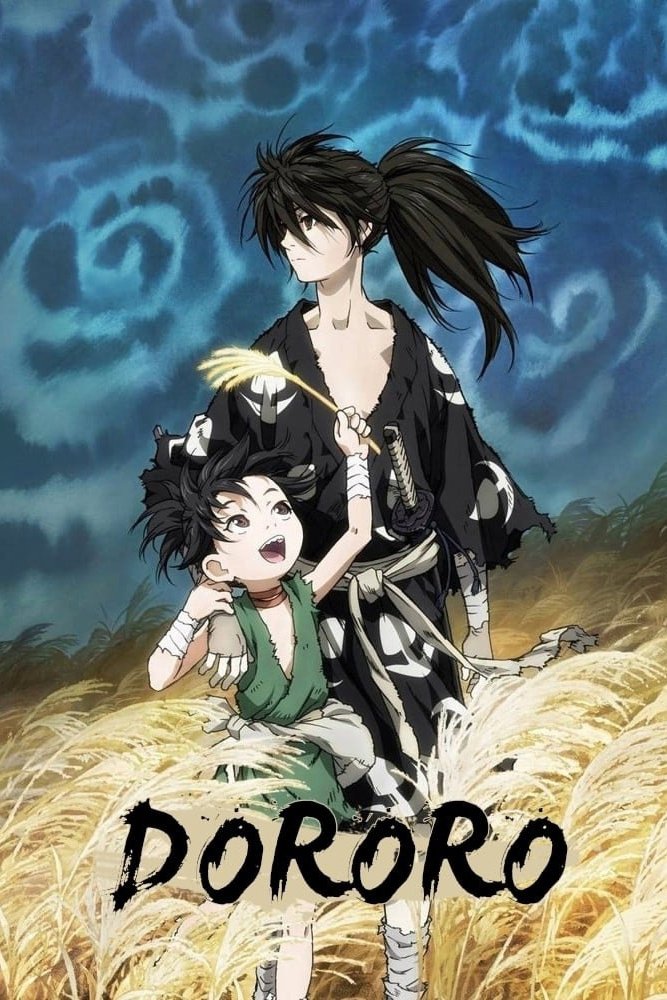
MAPPA’s OP blends ink-wash textures with high-contrast lighting to echo the period setting and body-parts quest hook. Queen Bee’s theatrical vocal delivery carries the chorus while the visuals ramp kinetic swordplay into motion-blur silhouettes. The single, distributed by Sony Music, expanded the band’s audience internationally via the simulcast wave. Repeated imagery—prosthetics, flames, and stylized demons—serves as visual shorthand for weekly previews.
‘Demon Slayer: Kimetsu no Yaiba’ (2019) – “Gurenge” by LiSA
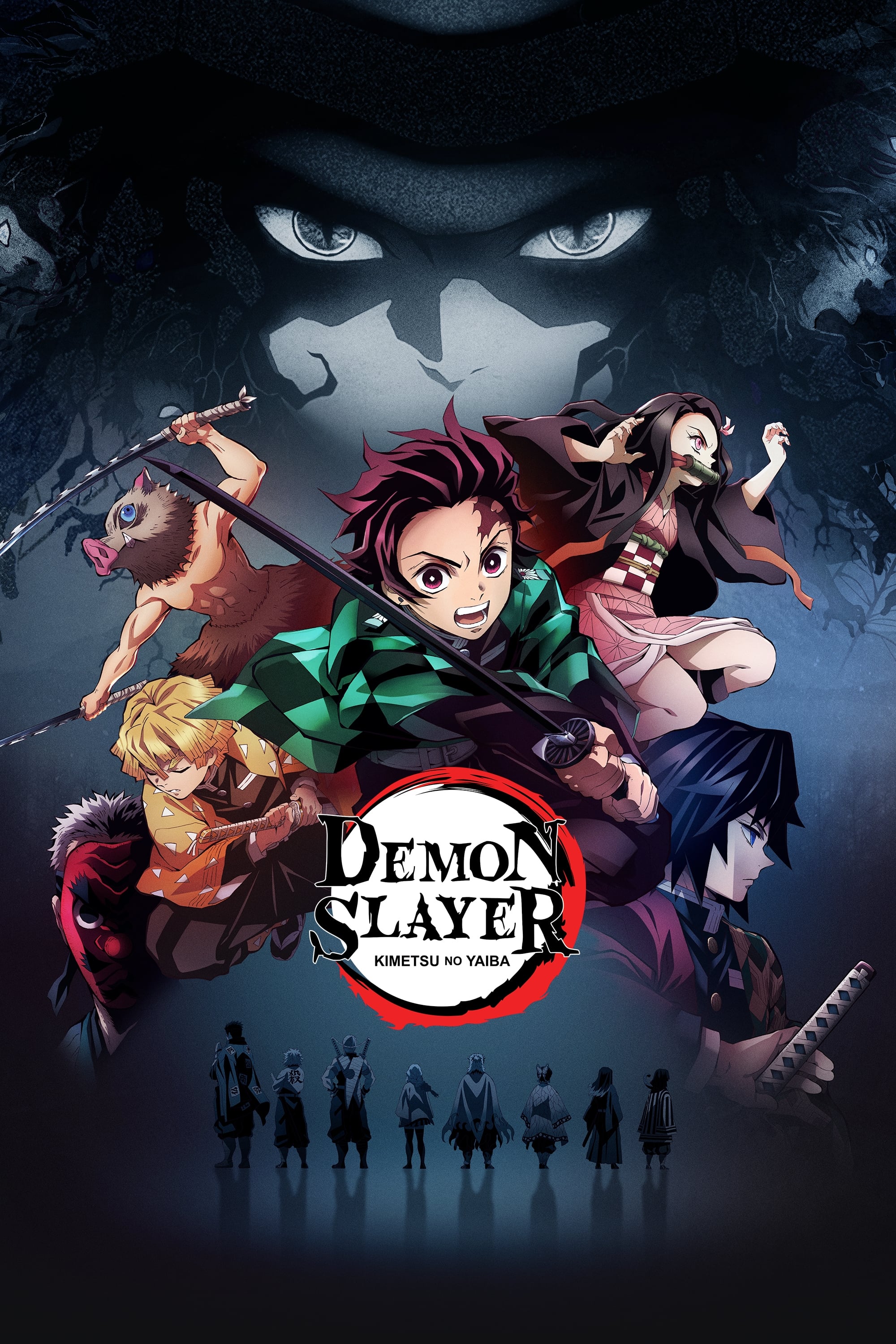
Ufotable’s composite shots—parallax layers, particle effects, and sweeping camera moves—mesh with the song’s anthemic structure. Released by SACRA MUSIC, the single earned multiple certifications and dominated anime playlist rotations. The OP’s color scripting aligns breathing-style motifs with elemental palettes to cue character abilities at a glance. Quick inserts of family imagery and hanafuda earrings provide fast context for first-time viewers.
‘Jujutsu Kaisen’ (2020) – “Kaikai Kitan” by Eve
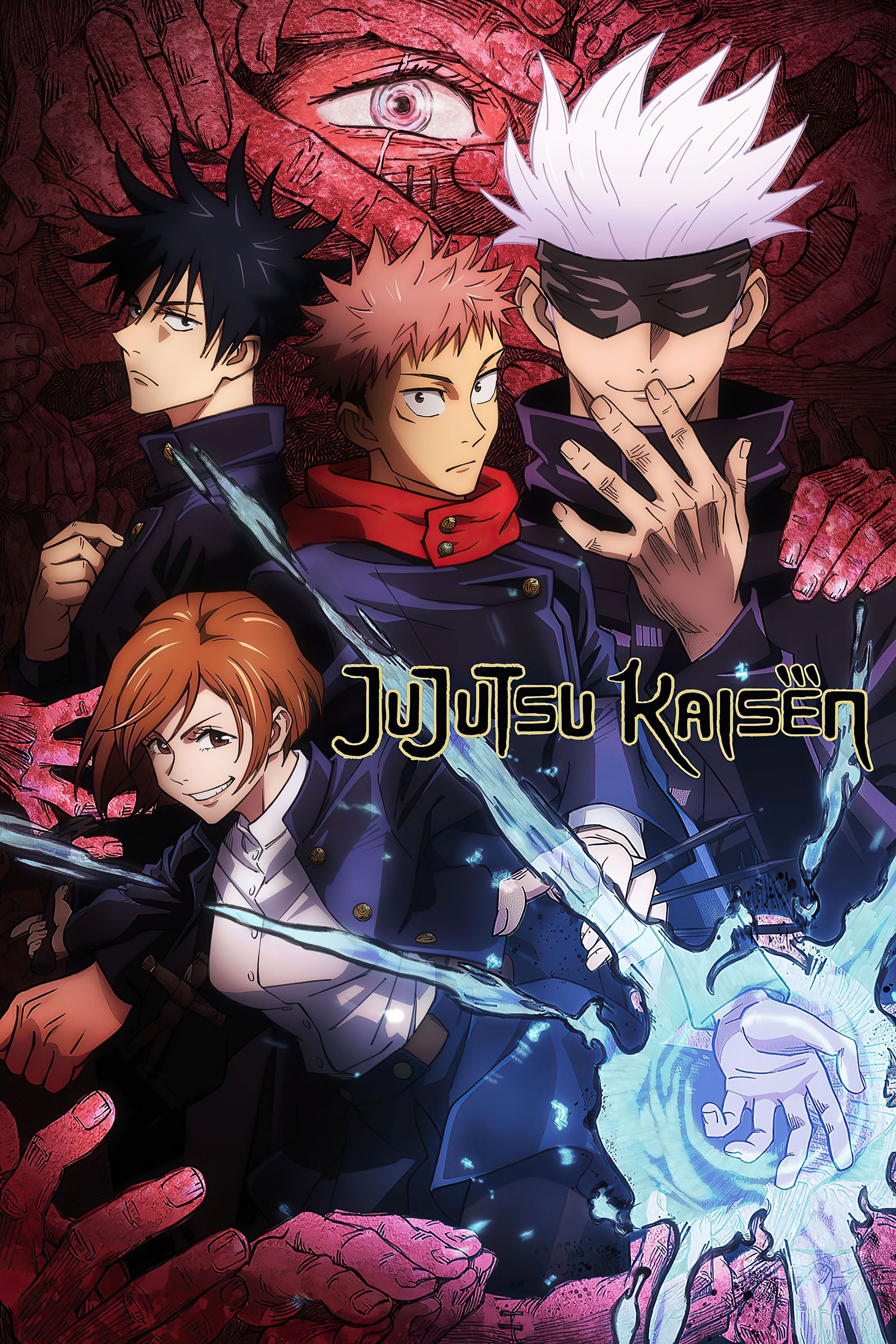
MAPPA’s OP uses urban nightlife, hand-drawn smears, and liminal spaces to situate curses within everyday Tokyo. The single, released by Toy’s Factory, charted strongly and helped propel Eve’s YouTube presence. Visual gags—like characters in casual settings before combat—establish contrast the show draws on later. The sequence times curse silhouettes to percussion hits, creating memorable freeze frames suitable for key art.
‘Vinland Saga’ (2019) – “MUKANJYO” by Survive Said The Prophet
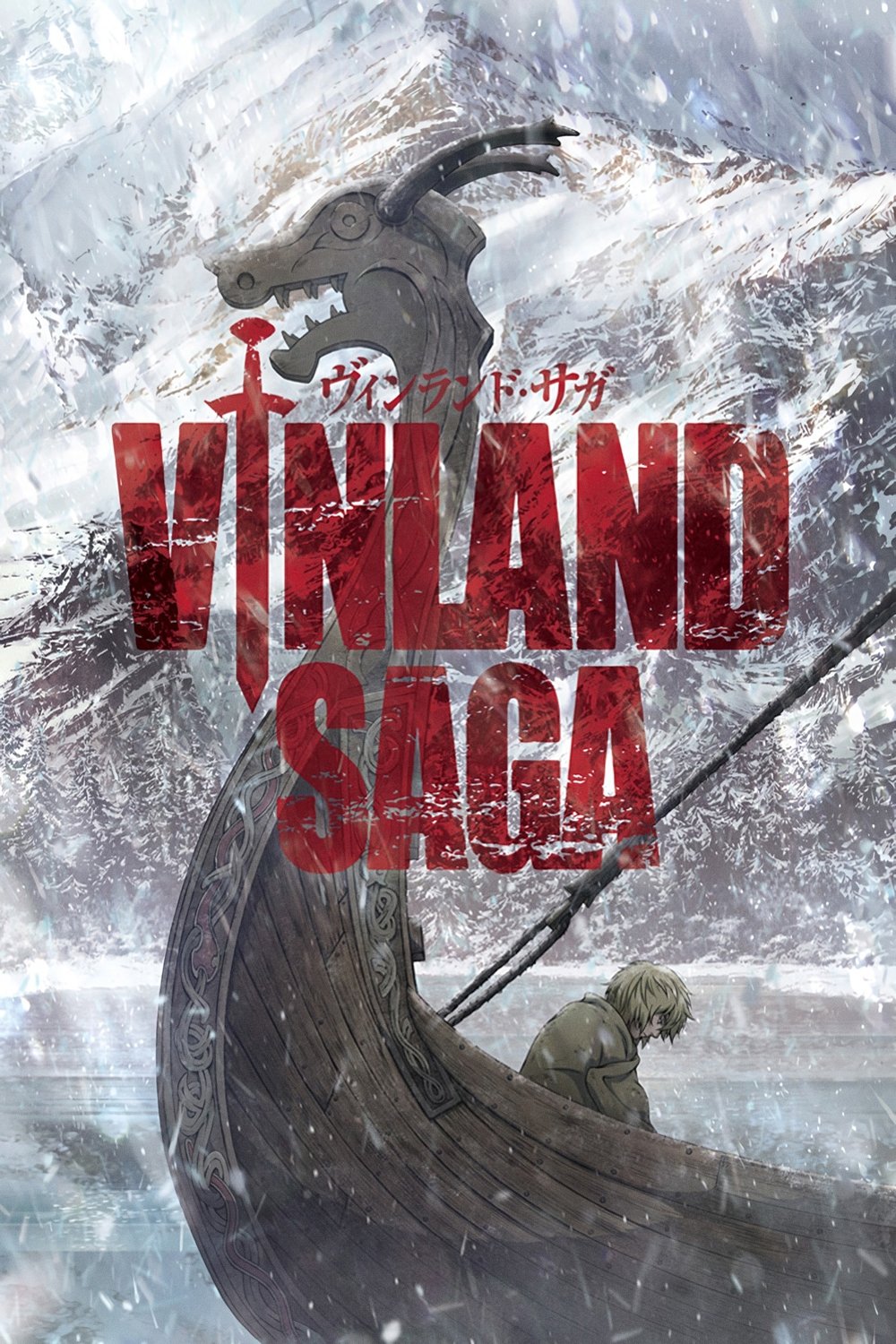
WIT Studio’s OP juxtaposes fjord vistas with fast-cut skirmishes to cover the arc’s geographic scope. The track, released by Sony Music, layers English lyrics with post-hardcore instrumentation that matched the series’ overseas breakout. Visual motifs—ships, winter skies, and father-son imagery—are sequenced to the pre-chorus build, reinforcing the coming-of-age throughline. The editing favors long pans that resolve into hard cuts on snare accents.
‘Erased’ (2016) – “Re:Re:” by Asian Kung-Fu Generation
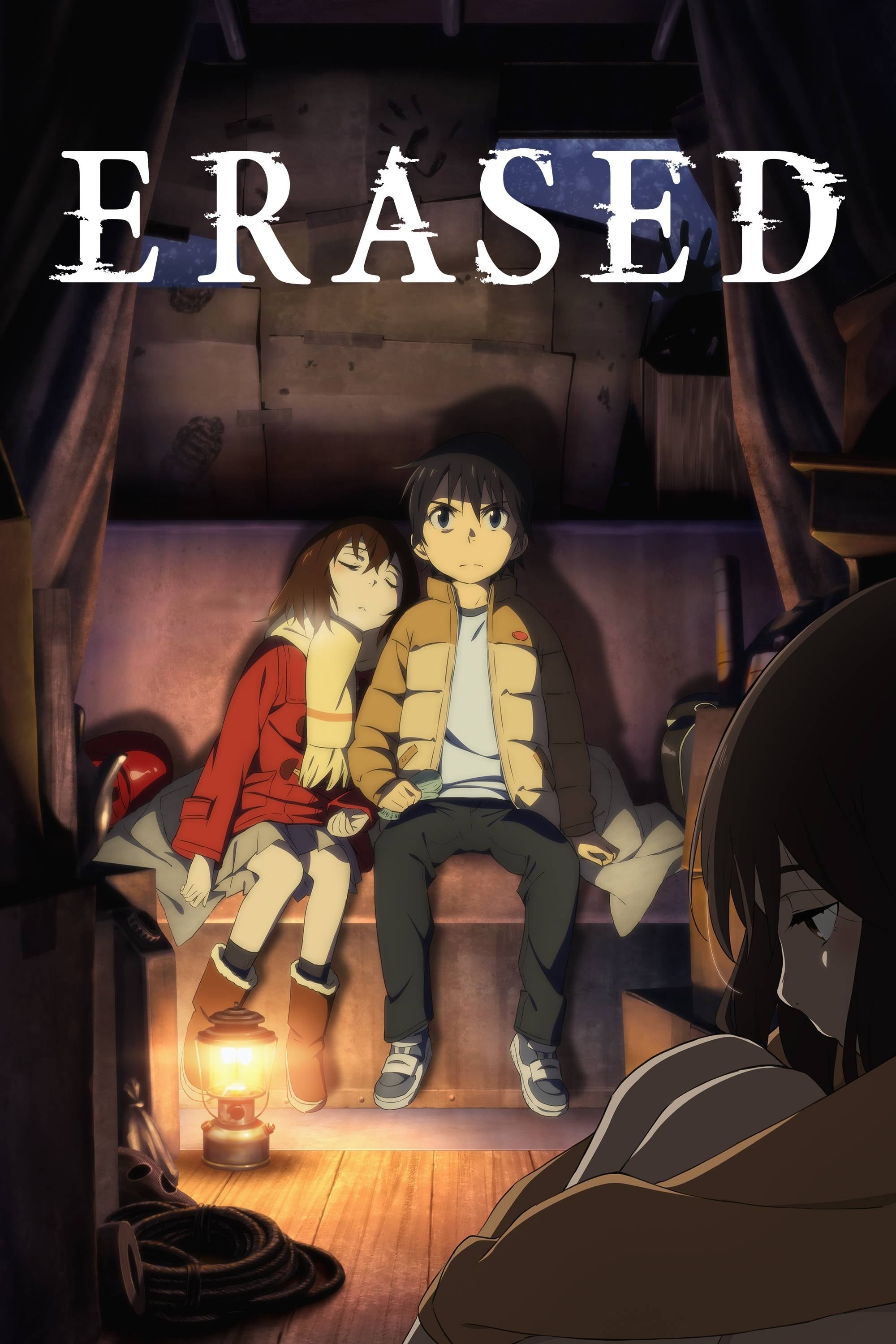
A rerecorded take on the band’s earlier song, the single was tied to the Fuji TV noitaminA broadcast. A-1 Pictures’ OP uses childhood ephemera, film-negative overlays, and snow imagery to set up the time-slip mystery. The chorus syncs to flash cuts between present and past, using match-cuts on hands, bikes, and classroom windows. The typography mirrors case-file aesthetics with date stamps and red markers.
‘Beastars’ (2019) – “Wild Side” by ALI
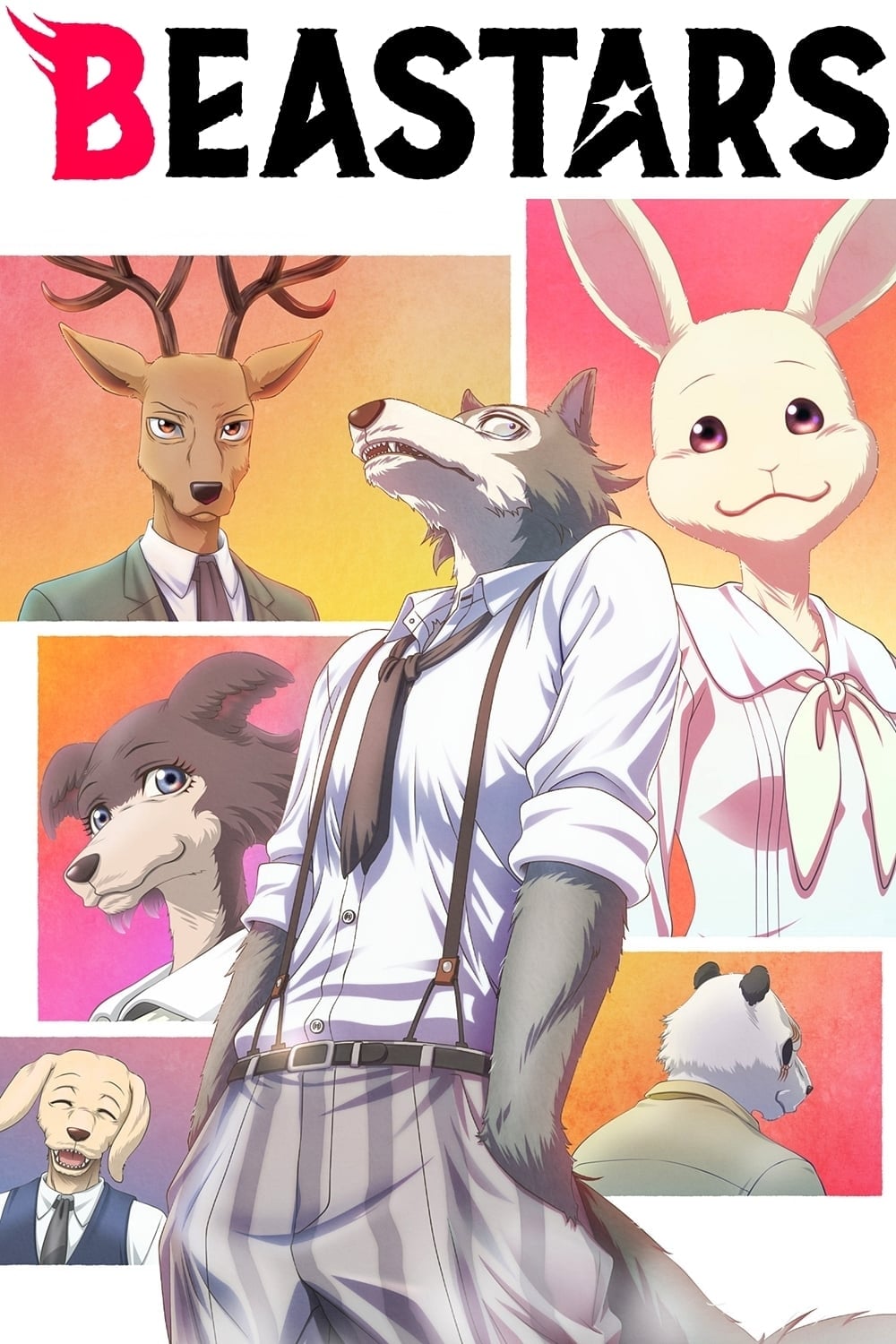
The opening uses stop-motion animation with felt and clay figures, produced with Studio Orange and Dwarf Studios, distinguishing it from the show’s CG pipeline. The single’s jazz-funk groove underlines the predator-prey courtship set-piece staged entirely in miniature. Lighting design—spotlit stages, shadows, and paper backdrops—does the heavy lifting to signal genre and mood without dialogue. The sequence became a showcase example of mixed-media OP craft in the late-2010s era.
‘The Promised Neverland’ (2019) – “Touch Off” by UVERworld
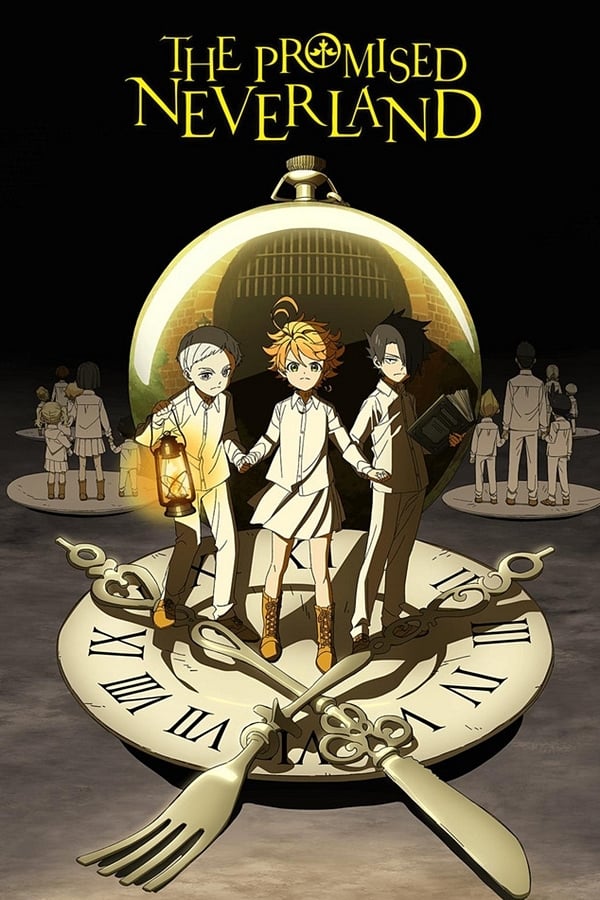
CloverWorks’ OP interweaves maze motifs, broken chalk lines, and aerial layouts of the orphanage grounds. The UVERworld single, released by Sony Music, features a staccato verse that maps neatly to quick surveillance-style cuts. Repeated imagery—numbers on necks, ropes, and window grids—functions as visual foreshadowing without spoilers. The chorus lands on escape-themed composites that became regular bumpers for episode recaps.
‘Chainsaw Man’ (2022) – “Kick Back” by Kenshi Yonezu

MAPPA’s OP embeds dozens of film references while cycling through slick handheld-style camera work and grain overlays. The single, released by Sony Music, topped major Japanese digital charts and racked up high streaming counts globally. The visual plan alternates mundane chores with sudden monster inserts, building a humorous-grotesque rhythm. Credits placement and color pops are timed to bass drops, creating consistent hook moments for teasers.
‘Fire Force’ (2019) – “Inferno” by Mrs. GREEN APPLE
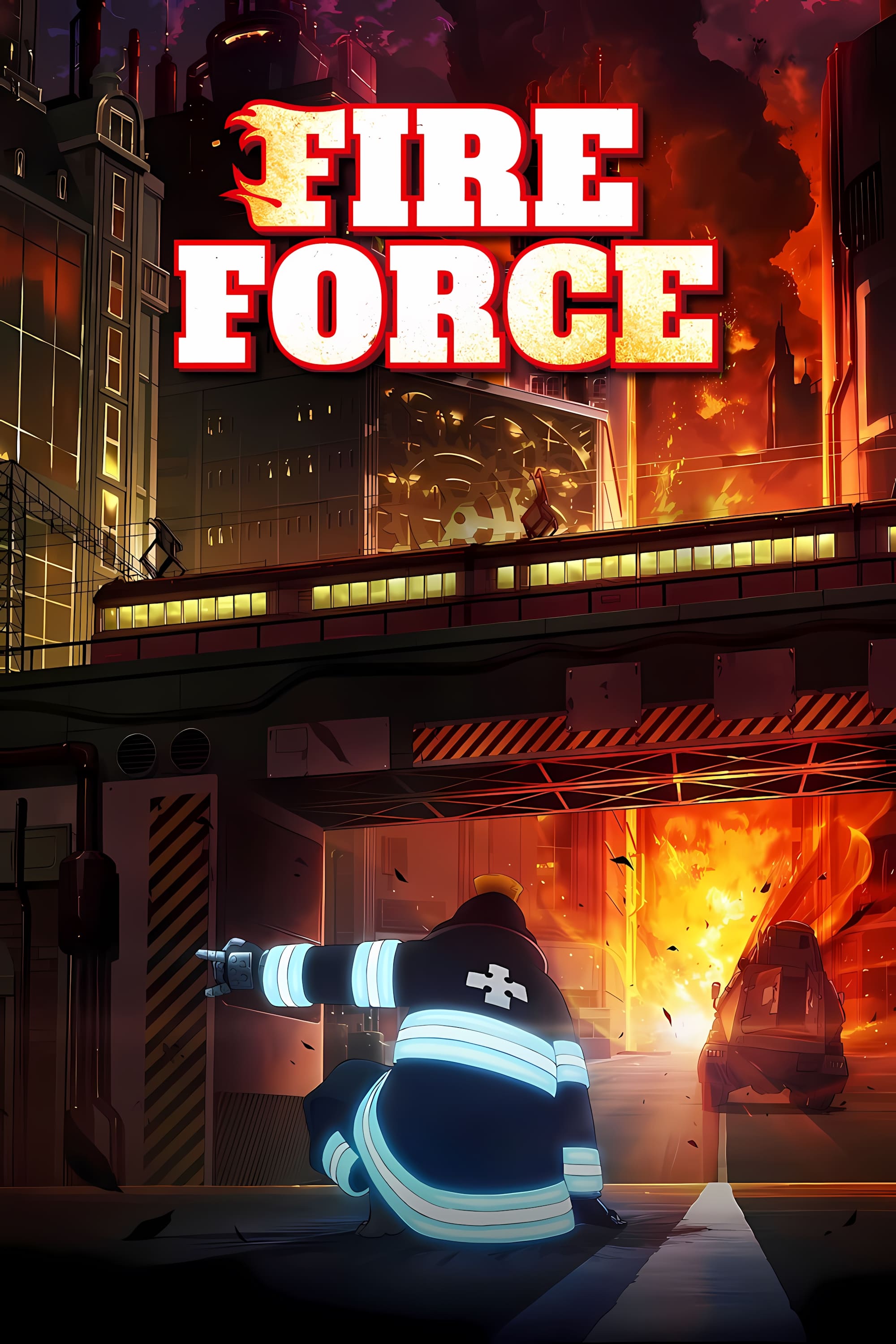
David Production’s OP is packed with flame particle sims and long tracking shots through cityscapes to stage firefighting as spectacle. The single, released by Universal Music, brought the band significant international attention during the simulcast window. Iconography—flashing helmets, soot-streaked gear, and blue stripes—anchors the visual identity for quick recognition. The chorus aligns hose-spray arcs and leaping cuts to cymbal hits for rhythmic clarity.
‘Soul Eater’ (2008) – “Resonance” by T.M.Revolution
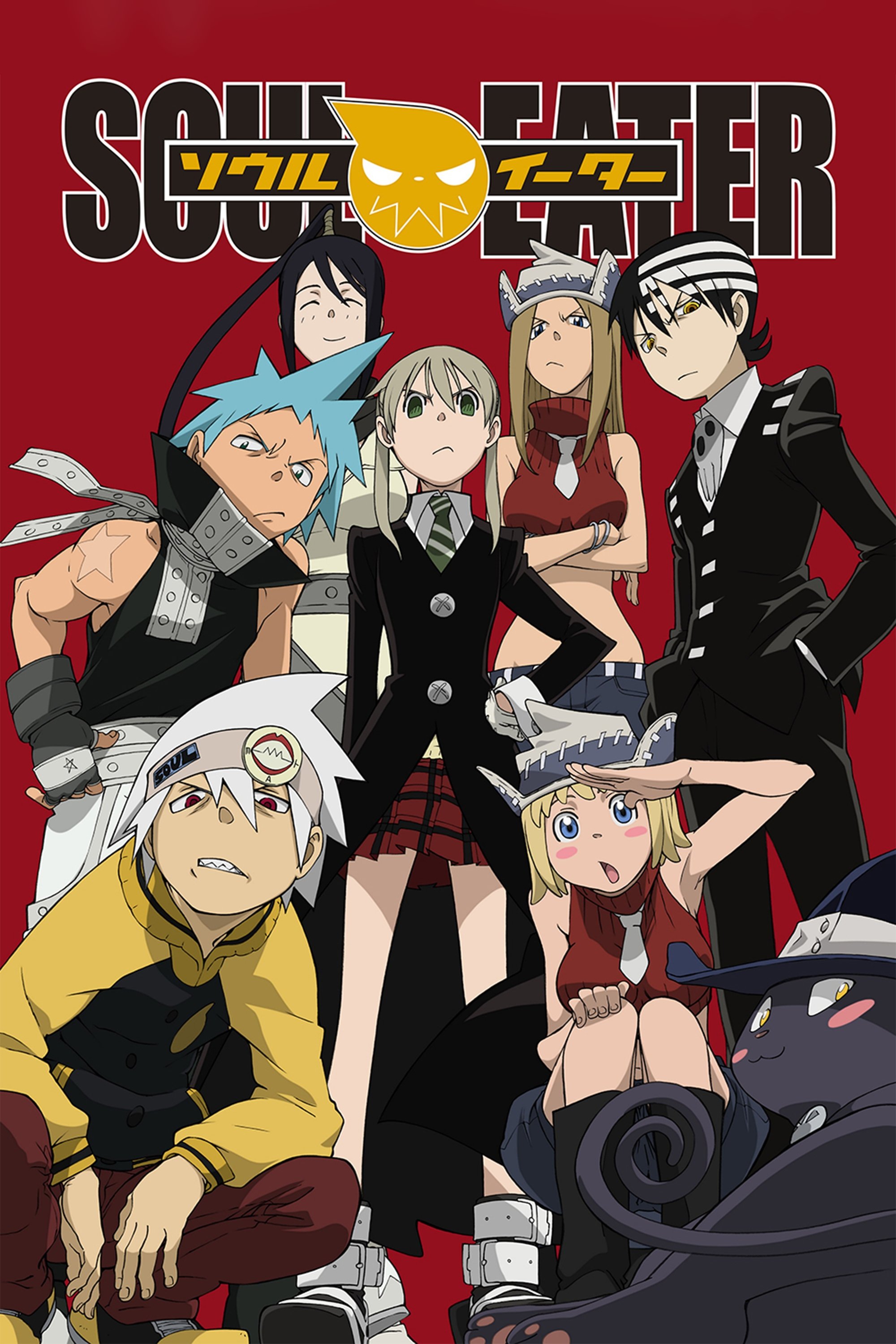
Bones’ OP uses saturated oranges and blacks with high-contrast character outlines to cement the gothic action vibe. The track, released by Epic Records Japan, is structured to let the pre-chorus lead into jump cuts of weapon transformations. Repeating Dutch angles and scythe silhouettes became key marketing stills for the series. The opening’s clean icon set—moons, teeth, and skulls—supports quick brand recall across promos.
‘Paranoia Agent’ (2004) – “Dream Island Obsessional Park” by Susumu Hirasawa
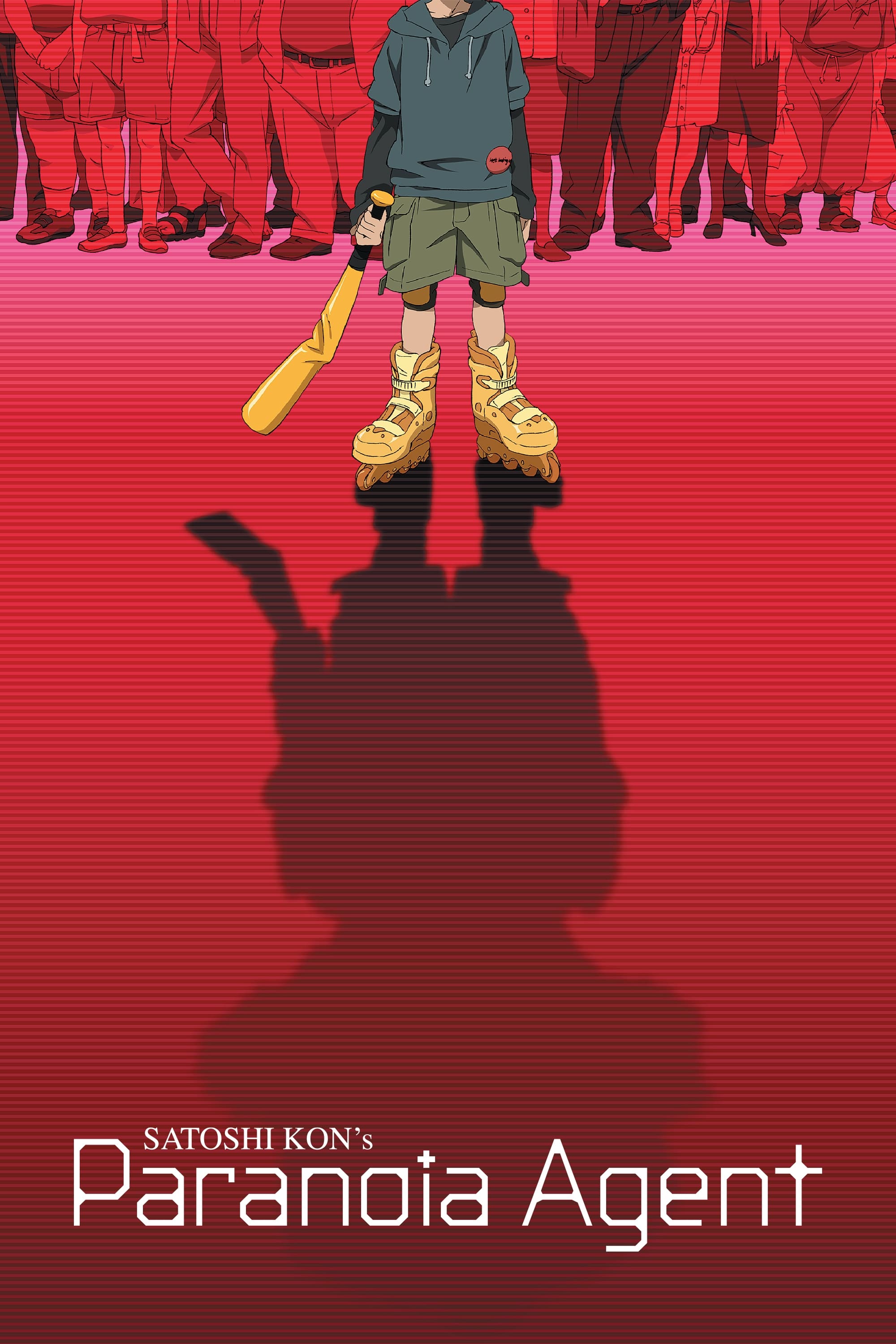
Madhouse’s OP, overseen during Satoshi Kon’s production, juxtaposes forced laughter poses with disaster backdrops to set a surreal tone. The song’s synthetic choir textures and cyclical structure complement looped imagery across episodes. Visual inserts—urban signage, trains, and water surfaces—create a motif bank that the show revisits repeatedly. The credits typography leans on simple sans-serifs to keep focus on the bizarre character tableaux.
‘Death Parade’ (2015) – “Flyers” by BRADIO
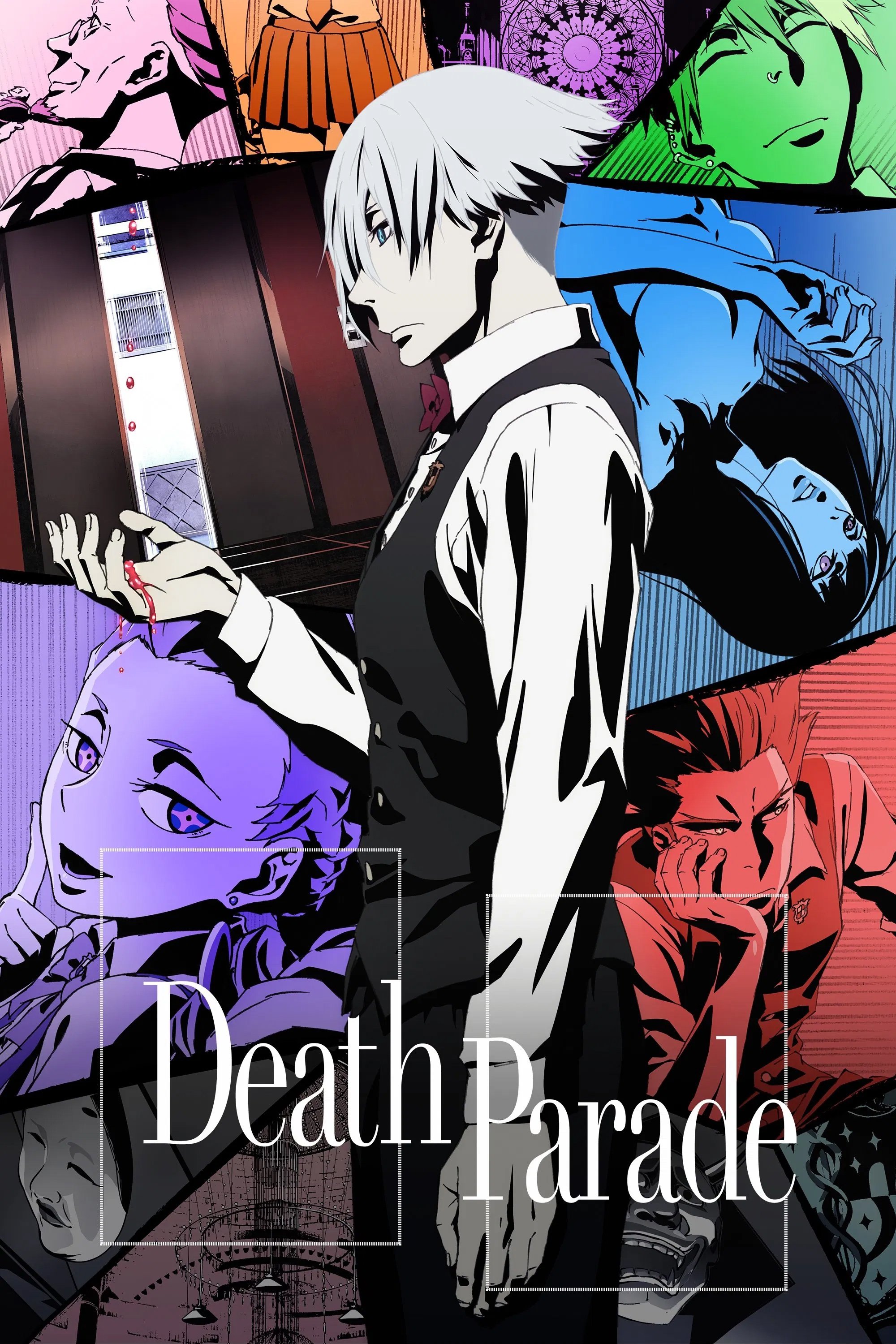
Madhouse frames the entire cast in a lounge-dance routine that telegraphs the bar setting and episodic format. The single, released by Warner Music Japan, expanded BRADIO’s international traction through streaming platforms. The OP’s choreography emphasizes freeze frames on brass stabs, making it ideal for GIF loops. Color design swings from monochrome bar interiors to saturated spotlight primaries in the chorus.
‘Attack on Titan’ (2013) – “Guren no Yumiya” by Linked Horizon
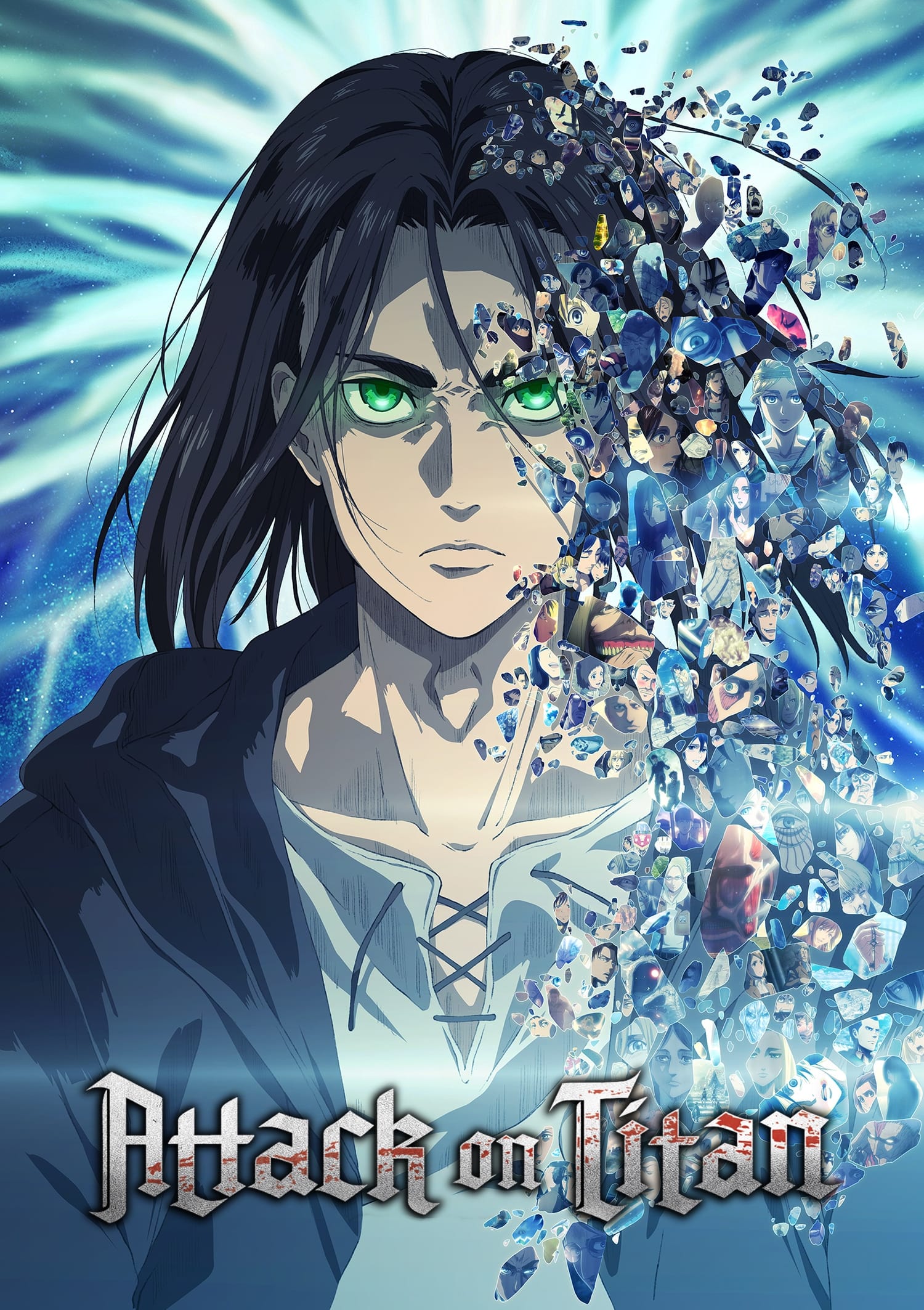
WIT Studio’s OP couples military drill formations with colossal-scale action, front-loaded with Latin-style choral accents. The single, released by Pony Canyon, achieved major sales and became a standard on anime music charts. Visuals lean on rapid zooms past rooftops and wall parapets, timed to string runs. The emblem shots and salute poses provide instantly recognizable frames for marketing and recaps.
‘Steins;Gate’ (2011) – “Hacking to the Gate” by Kanako Itou
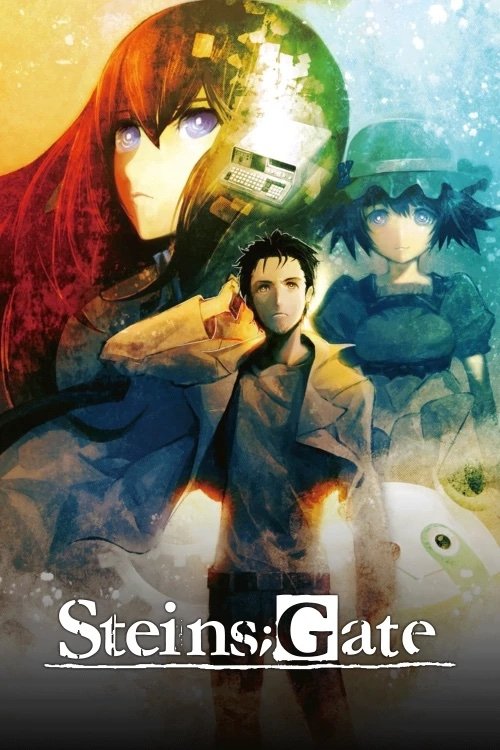
White Fox crafts a visual language of CRT scanlines, clock gears, and city crosswalks to underline time-loop mechanics. The single, released by 5pb., ties into the franchise’s broader soundtrack catalog. The OP’s palette—teals, grays, and neon accents—supports a tech-noir atmosphere that carries across episode previews. Cuts land on kick drum pulses, letting character close-ups punctuate the hook.
‘Berserk’ (1997) – “Tell Me Why” by PENPALS
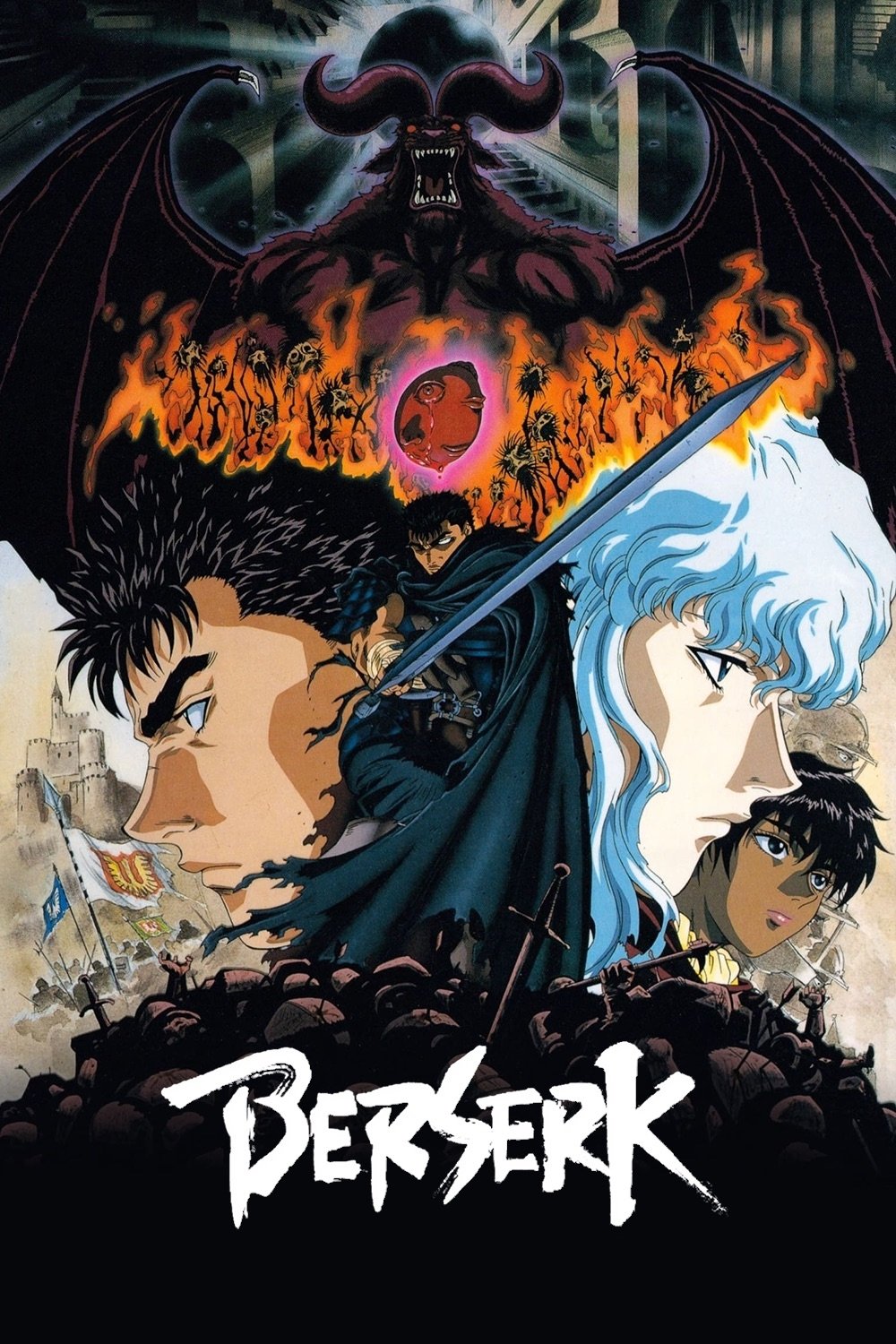
OLM’s OP contrasts a contemporary alt-rock sound with medieval visuals to distinguish the series among late-90s fantasy shows. The single, distributed in the late-90s J-rock circuit, became closely associated with the franchise’s TV era. Visuals rotate through band-like performance shots of characters with quick flashbacks, giving newcomers a roster overview. The editing favors straightforward cross-fades and pans that lock to the chorus rhythm.
‘Fullmetal Alchemist’ (2003) – “Ready Steady Go” by L’Arc~en~Ciel
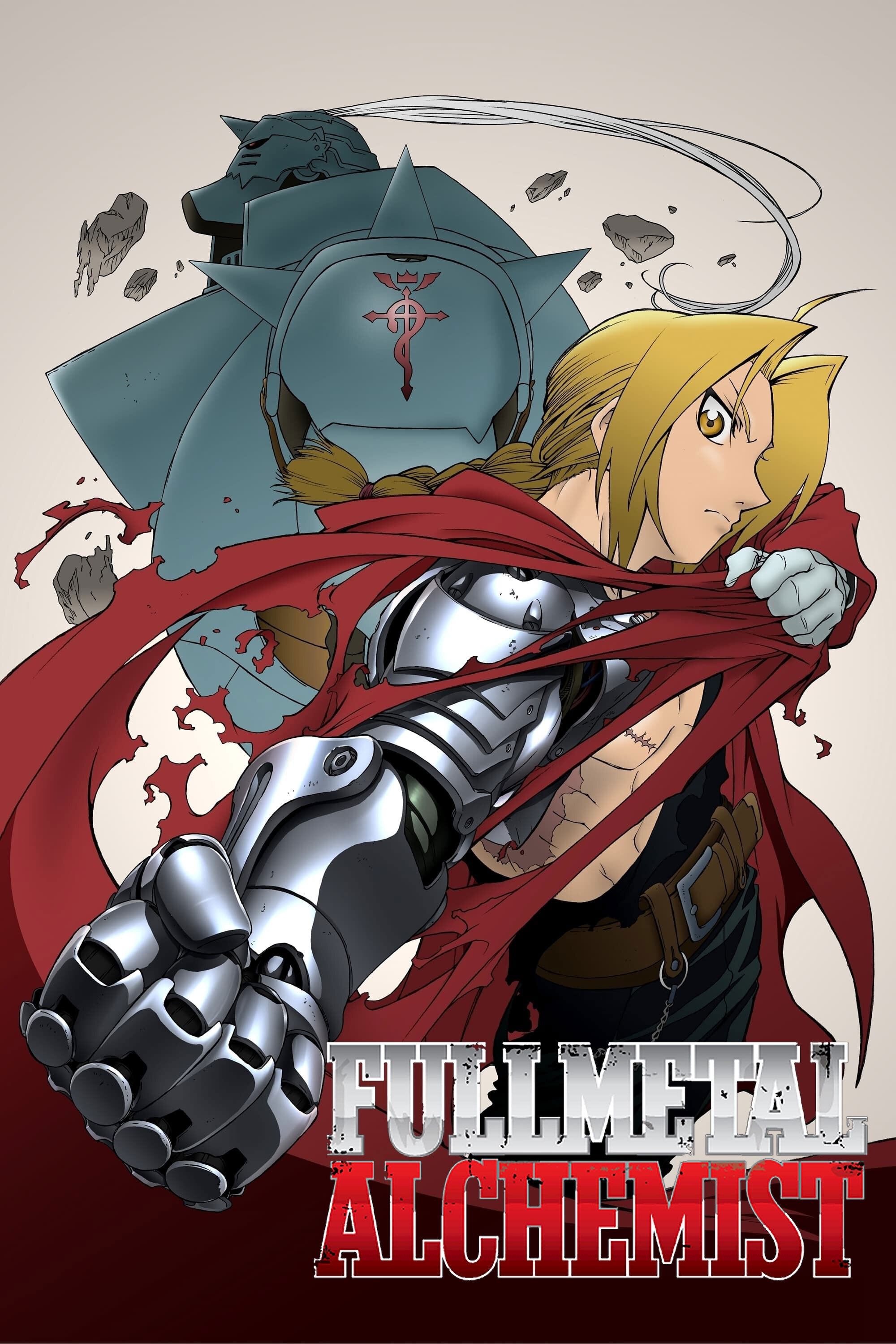
Bones synchronizes transmutation-circle effects and chase cuts to the song’s sprinting tempo. The single, released by Ki/oon Music, reinforced the band’s mainstream presence during the early-2000s anime boom. Visual motifs—gearwork, desert trains, and military insignia—cover a wide arc of settings within seconds. The chorus lands on character pair shots that became staple imagery for tie-in posters and DVDs.
‘Mob Psycho 100’ (2016) – “99” by MOB CHOIR
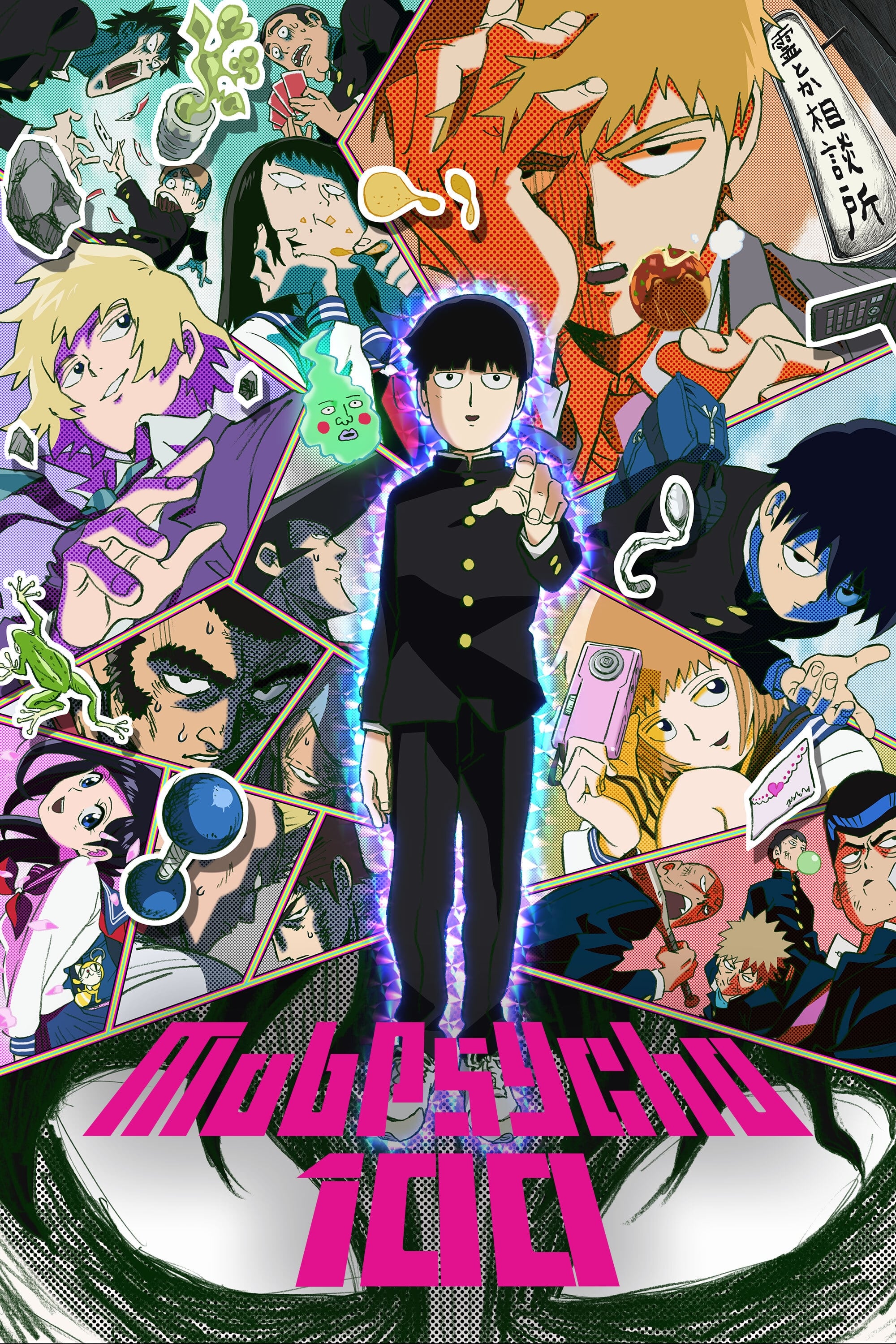
Bones’ OP fuses rotoscoped motion, paint splashes, and a literal count-up gimmick that hits 99 in sync with the chorus. The single’s arrangement layers call-and-response vocals to match the visuals’ escalating effects. The sequence cycles through psychedelic transitions, telekinesis flares, and silhouette composites to map Mob’s power scale. Typography and timing are tuned for repeatability, making it a frequent pick for AMV edits.
Share your favorite anime openings—and which ones outshine their shows—in the comments!